

A New Narrative for Iranian Foreign Policy
◢ What does Zarif's averted resignation mean for Iranian diplomacy? With the erosion of a unipolar world Iran has the chance to shift its foreign policy, whilst continuing to comply with the JCPOA and maintain broad diplomatic engagement.
This article was originally published by IISS.
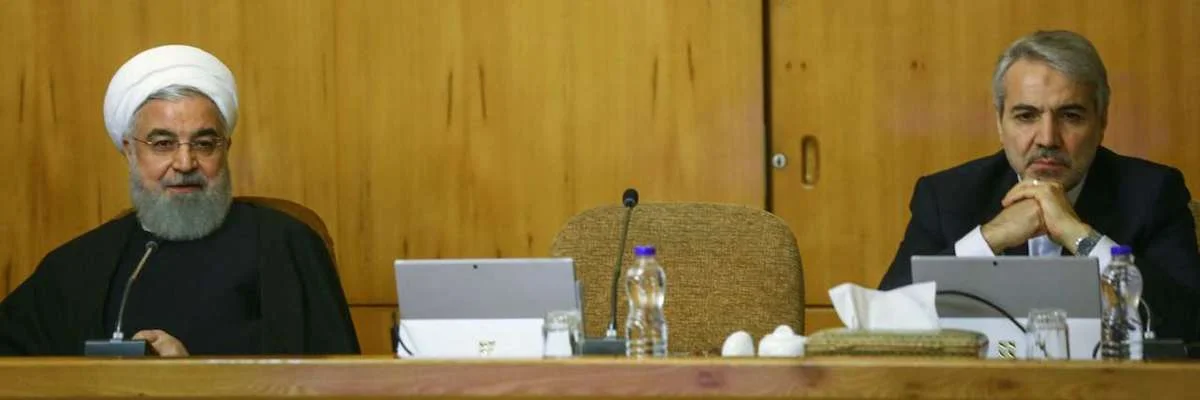
On Monday, Iranian Foreign Minister Mohammed Javad Zarif announced his resignation in a late-night Instagram post, sending shockwaves through political circles in Iran and abroad. Just ten days earlier, Javad Zarif’s fiery performance at the Munich Security Conference had won him praise across the political spectrum in Iran. At a time when public support for the JCPOA among Iranians has slipped to just 51%, Zarif’s strong message struck a chord with the Iranian public, who flooded social media with clips of him defending Iran’s missile program and refuting any notion that the West held the moral high ground. Zarif also made clear that while Europe has made the ‘right political statements’ regarding the JCPOA, it has yet to prove that it is willing ‘to pay the price’ to defend the deal in the face of US ‘bullying’.
Iranian President Hassan Rouhani has rejected Zarif’s resignation, citing Supreme Leader Ayatollah Sayyid Ali Hosseini Khamenei’s trust in and esteem for Zarif. But the foreign minister’s reasons for tendering his resignation are hardly opaque. With parliamentary and presidential elections on the horizon, and the economy falling under increasing pressure, he has had to reassure the public of the Rouhani administration’s nationalist credentials and parry accusations of weak leadership from hardliners, which tried to impeach him in December 2018 over his support for Iran’s Financial Action Task Force reforms. The last straw was reportedly his exclusion from meetings with Syrian President Bashar al-Assad, who was in Tehran on Monday. Zarif felt that the foreign ministry was being unduly sidelined, and told an Iranian newspaper that he sought to defend the ‘integrity’ of the ministry by resigning. Should he stay on, Rouhani and Khamenei’s testimonials may help Zarif prevent the Foreign Ministry’s marginalisation.
Preserving the JCPOA
Regardless of who is foreign minister, Iran’s public diplomacy must find a new balance. Zarif’s resignation illustrates how growing divergence in foreign policy between the Iran’s moderates and hardliners could impede the critical political mission of preserving the JCPOA until 2021, when Iran’s newly elected president will likely have the chance to engage a new American president.
Just as the JCPOA remains the signature foreign policy achievement of the Rouhani administration, it also serves as a symbol of multilateralism for the E3 and especially the European Union. However, as demonstrated by the tortured wording of the recent European Council conclusions on Iran, there is growing fatigue in Europe over efforts to shield the JCPOA from the Trump administration’s attacks and increasing frustration over what are perceived as Iran’s destabilising activities in the Middle East and—in light of attempted political assassinations—in Europe. Many European officials view Iran as intractable and are inclined to take a much harsher stance, albeit short of the Trump administration’s ‘maximum pressure’ campaign.
So far, officials in favour of engagement and incentivisation continue to set the overall tenor of European policy on Iran. But the emerging political dynamics indicate that a tougher line from Iran will probably lead to a tougher line from Europe. Pressure has thus increased on Iran’s moderates to reassure European stakeholders of their firm commitment to constructive engagement while also showing domestic strength by following principles established over the four decades of the Islamic Republic. Achieving these dual aims will require the Iranian government to cast Iran’s continued compliance with the JCPOA as a defining element of Iran’s national vision.
The erosion of a unipolar world order may facilitate this objective. The United States appears to be losing its berth as the primary architect and steward of the global political and economic system. Through a combination of “America First” policies and the abuse of foreign policy tools such as extraterritorial sanctions, the Trump administration has prompted European leaders to question longstanding structural imbalances in the transatlantic relationship, and to call openly for greater political and economic autonomy. Thomas Wright has observed that the Munich Security Conference marked the end of the “transatlantic charade.”
Multipolar Opportunities
Iranian leaders could exploit this development in several ways. Firstly, they could link Iran’s traditional challenge to US primacy with Europe’s developing interest in strategic autonomy. The launch of the INSTEX special purpose vehicle, which seeks to facilitate Europe–Iran trade in the face of US secondary sanctions, is a start. In Munich, citing near-term practical limitations, Zarif characterised INSTEX as insufficient to honour European commitments to save the nuclear deal, echoing a sentiment shared widely in Tehran. He may have missed an opportunity to cast INSTEX as emblematic of an accelerating European push for greater strategic independence.
Secondly, the Rouhani administration might downplay the withdrawal of the United States from the nuclear deal precisely on account of Washington’s diminished leadership. Any Iranian visions of Iran’s centrality to the prospective integration of Eurasia driven by the remaining non-Iranian parties to the JCPOA—Europe, Russia and China – are exaggerated. In fact, there appears to be little momentum behind Iran’s inclusion in emerging political and economic structures, in part due to US sanctions. But Iran can still project general optimism about a stronger political and economic role in the Eurasian geopolitical space on the basis of positive relations with Europe, Russia and China. In this context, the JCPOA could be portrayed not as an agreement imposed by the United States to shackle Iran but rather as an important security and economic pact that could support its normalization in Eurasia.
Finally, Iran can highlight its interest in advancing the establishment of a multipolar world. For two decades Iran’s foreign policy debate has focused on the choice between East and West. Hardliners have argued that Iran should look east, and forge closer ties with Russia and China, which overlook Iran’s human rights failings and remain largely neutral with respect to Iran’s Middle East activities. Moderates have typically argued that Iran must look west and establish closer ties with the United States and Europe, even if this requires a commitment to political reform. This dichotomy may be obsolete, or at least less useful.
Provided Iranian officials can maintain Iran’s broad diplomatic engagement, they could leave the door open to improved dialogue with the United States while placing the onus on American leaders to earn back trust of the remaining parties to the deal. It bodes well that the Democratic National Committee has already adopted a resolution calling upon the US to re-enter the JCPOA.
Photo Credit: IRNA
Facing a Damaging Ban, Iran’s Crypto Community Seeks Policy Breakthrough
◢ A new draft framework put forward by the Central Bank of Iran proposes a ban on the use of global cryptocurrencies for payments within the country, disappointing members of Iran’s burgeoning “crypto” community. The central bank has given the community one month to offer feedback on the proposed rules and now members are hard at work trying to reach a consensus to solve a thorny problem of monetary policy.
For decades, Iranians have had to contend with almost complete isolation from international payment systems due to US sanctions. The situation has only worsened following President Donald Trump’s decision to withdraw from the Iran nuclear deal and embark on a “maximum pressure” campaign that targets average Iranians.
Given these restrictions on traditional banking, it should come as little surprise that Iran is home to a vibrant and passionate cryptocurrency community. Iranians are increasingly turning to bitcoin and other cryptocurrencies to transact with the outside world. Soheil Nikzad, a board member of the Iran Blockchain Community, recently estimated that USD 10 million worth of bitcoin transactions are conducted in Iran on a daily basis.
The decentralized and anonymous nature of cryptocurrency payments means that the Iranian government has so far proven unable to stop adoption of the new technology. But regulators are trying to exert greater control as made clear when the Central Bank of Iran (CBI) published its draft regulatory framework on cryptocurrencies in late January.
The “version 0.0” framework asserts that “using global cryptocurrencies as methods of payment inside the country is forbidden.” Even though the framework recognizes global cryptocurrencies and allows them to be traded in official exchanges in accordance with the country’s foreign currency rules, the proposed ban on their use for payments has disappointed many in the local “crypto” community.
“I don’t view CBI’s framework as remotely adequate because they’ve forbidden many things and in doing so, they’ve created barriers for people trying to develop valuable projects,” blockchain researcher Hamid Babalhavaeji told Bourse & Bazaar, referring to CBI’s ban on the issuance of rial-backed tokens as an example.
Babalhavaeji’s frustration is shared by many in the community. Twitter feeds and Telegram channels are abuzz with debates and sharp criticism of the CBI framework. But there are nuances at play.
“Within the existing legal frameworks, including sensitive rules concerning foreign currencies and money laundering, it was perhaps the best that could be proposed at the moment,” Babalhavaeji acknowledged.
In this vein, many in the community believe it would be unproductive to simply dismiss the proposed framework as just another instance of overbearing regulations. The community understands the pressures faced by the government, which is grappling with what senior Iranian officials have referred to as an “economic war” being waged on Iran by the U.S.
Reimposed US sanctions have contributed to the rial losing more than 60 percent of its value in 2018. Naturally, at a time when public trust in the national currency is at a low, CBI wishes to keep a tight leash on the currency markets.
Authorizing several dozen global cryptocurrencies as methods of payment inside the country, some of which are pegged to global currencies, could further weaken the rial, threatening the livelihoods of millions of Iranians as inflation worsens due to currency volatility.
On one hand, businesses would be tempted to establish payment gateways to accept cryptocurrencies pegged to the US dollar or other stable globally currencies. As wealthier Iranians begin to earn and spend cryptocurrencies, those in the working class, still paid in rials, would see their meager wages lose even more purchasing power.
On the other hand, fully eliminating the prospect of using global cryptocurrencies as a local method of payment could hurt Iran in other ways. It would create a stigma around a promising new technology, stalling innovation and deterring would-be enthusiasts from employing cryptocurrencies to meet Iran’s need for robust and legitimate payment solutions.
The central bank has given the community one month to offer feedback and has vowed to review and reevaluate its framework in six-months. The crypto community is hard at work trying to devise practical solutions.
One proposal would see cryptocurrency payments connected to the rial, meaning that certified gateways would accept cryptocurrency payments, but the actual clearance would be made in rials. Another proposal would see the payments cleared using Iran’s forthcoming official rial-backed cryptocurrency. Community members aim to arrive at a consensus soon, which they will present to the central bank.
“At the end of the day, it’s about coming up with creative ideas to make the best out of a restrictive framework. We don’t want to create any potential legal challenges for the central bank,” Babalhavaeji said.
Despite the payments dilemma, some have welcomed CBI’s draft framework as a step forward. The proposed regulations recognize cryptocurrency mining as a legitimate industry, authorize digital wallets and cryptocurrency exchanges, and allow issuance of tokens that are not backed by rials, foreign currencies, or gold and other precious metals. Furthermore, the new framework is slated to replace the blanket ban on cryptocurrencies that was issued in April 2018 in the early days of the currency crisis.
“In 2017 when cryptocurrency prices were soaring and new investors were pouring into markets, strange rumors circulated that purchasing and holding cryptocurrencies is illegal in Iran and at times the central bank would be referenced as the source,” explained Tina Kheiri, a young crypto and blockchain educator with Iran Blockchain Academy.
“At least people active in this field now have the reassurance that their activities don’t violate any laws, and this alone should encourage more newcomers to enter the industry,” she added.
But Kheiri also believes the proposed framework ought to be more flexible. She would like to see more straightforward initial coin offerings (ICOs) for businesses and greater use of cryptocurrencies for routine transactions—such as when selling tickets for her courses.
Kheiri also thinks she might have a solution for the threat posed by cryptocurrencies to Iran’s currency markets. “Boosting the mining industry could encourage major players to invest in Iran due to its cheap electricity, something that could actually attract foreign currencies and increase the value of the rial,” she explained.
The community is not short of innovative ideas, but it remains to be seen whether it will achieve a policy breakthrough with the central bank.
Photo Credit: Bourse & Bazaar
The United States and Iran are in a Quantum War
◢ It took just under an hour for staff at Israel’s Government Press Office to delete a tweet that suggested that Prime Minister Benjamin Netanyahu had finally decided to wage war on Iran. The conflict Iran faces today is neither a hot war nor a cold war. It is a quantum war—a superimposition of two states of conflict. Put another way, depending on when you observe the facts, Iran is both at war and it is not.
It took just under an hour for staff at Israel’s Government Press Office to delete a tweet that suggested that Prime Minister Benjamin Netanyahu had finally decided to wage war on Iran. The office replaced that tweet with another one that clarified that Israel merely seeks to join with Arab nations to “combat Iran.” The most striking thing about the whole fiasco was not that the prime minister was agitating for war. It was that the English word in the original translations seemed so precise and unambiguous: war.
There was a kind of refreshing clarity to the translation that has been elusive in Iran policy, particularly as articulated by the Trump administration. Donald Trump has placed sanctions on Iran ostensibly as an alternative to military confrontation, but he still refers to the sanctions program as part of an “economic war.” The administration creates exemptions for humanitarian trade but ensures that they are not operable. Officials declare their unwavering support for the Iranian people, but bar them from entering the United States under the “Muslim Ban.” The U.S. government devises covert programs to sabotage Iran’s defensive capabilities but then leaks their existence to the press.
Fittingly, Netanyahu’s mistranslation fiasco came during a summit that Trump administration officials insisted was “not a trash-Iran conference.” Yet the prime minister himself assured reporters that the meeting was focused on Iran.
At first glance these might just seem like the hallmarks of the Trump administration’s chaotic, incoherent, and hypocritical policymaking. But perhaps these contradictions are the basis of a new kind of warfare. The conflict Iran faces today is neither a hot war nor a cold war. It is a quantum war—a superimposition of two states of conflict. Put another way, depending on when you observe the facts, Iran is both at war and it is not.
Iran has been stuck in a kind of liminal space of international relations for four decades. But the international community and Iran’s domestic political constituencies now face an unprecedent number of internal divisions over the question of Iran’s place in the world.
Whereas Iran once counted on the support of Russia and China and the relative ambivalence of the Arab states to head off a multilateral challenge from the United States and Europe, today, the United States joins the Arab states and Israel to form a nascent coalition against Iran. These anti-Iranian actors seem principally united by a shared perception of Iran’s threat expressed in increasingly ideological terms. Lacking political legitimacy, such a coalition can neither marshal the kind of containment required for a cold war nor credibly engage in a hot war. What is left is quantum war.
In some respects, this is the worst circumstance for Iran. Whereas hot and cold wars tend to unite people in the country under attack, a quantum war is politically more insidious. Some Iranians believe the nuclear deal is still viable and channels of dialogue with Europe still open, so they remain committed to diplomacy. Others focus on airstrikes from Israel and terrorist attacks abetted by Arab governments, and therefore see no alternative to conflict. According to the 2019 worldwide threat assessment from the director of national intelligence, as a result of such dynamics, “regime hardliners will be more emboldened to challenge rival centrists by undermining their domestic reform efforts and pushing a more confrontational posture toward the United States and its allies.” The Iranian public is equally divided. Today half of Iranians support the nuclear deal, while half do not.
In response to such domestic pressures, Iran has once again returned to hedging on matters related to its foreign relations. In the same week that President Hassan Rouhani announced his willingness to negotiate with the United States should it “repent,” Supreme Leader Ali Khamenei declared that when it comes to the United States, “no problem can be solved.”
The quantum war also poses dilemmas for Europe, which finds itself struggling to craft a coherent policy. A recent statement from the foreign affairs council of the European Union inelegantly sought to warn Iran on its role in Syria, its ballistic missile activities, and its role in assassination plots on European soil while also boasting of the extraordinary efforts being made to sustain bilateral trade in the face of U.S. secondary sanctions. The contradictions do not merely exist on paper. Divisions are increasing not just among EU member states but also within foreign ministries about the right pathway on Iran. Depending on whom you ask, Iran is either a possible regional partner or an incorrigible regional proliferator. Of course, disagreement, debate, and compromise are part of effective policymaking. But at the same time, the European response to the quantum war increasingly resembles quantum diplomacy.
When Erwin Schrödinger devised his famous “Schrödinger Cat” thought experiment to describe the phenomenon of superimposed states, he used a term apt for discussions of foreign policy: verschränkung, or “entanglement.” In the context of quantum mechanics, entanglement occurs “when two particles are inextricably linked together no matter their separation from one another.” Moreover, “although these entangled particles are not physically connected, they still are able to share information with each other instantaneously.”
Few concepts could better describe the quantum war between the United States and Iran, separated by space, but linked in time, signaling their intentions with the immediacy of tweets.
Photo Credit: IRNA
Iran's Government Falling into a Debt Trap of Its Own Making
◢ President Rouhani’s budget proposal for the upcoming Iranian year will see the government run a deficit amounting to about 10 percent of GDP or 60 percent of the state’s general budget, excluding oil revenues and withdrawals from the National Development Fund. Rather than increase tax collection to ease budget gaps, the Rouhani administration plans to tap Iran’s nascent debt markets to cover its public spending requirements.
President Rouhani’s budget proposal for the upcoming Iranian year will see the government run a deficit amounting to about 10 percent of GDP or 60 percent of the state’s general budget, excluding oil revenues and withdrawals from the National Development Fund.
Rather than increase tax collection to ease budget gaps, the Rouhani administration plans to tap Iran’s nascent debt markets to cover its public spending requirements. Rouhani’s cabinet intends to issue at least IRR 5 trillion government treasury bills and sukuk bonds in the next Iranian calendar year. For debts already nearing their maturity, it will have to repay close to IRR 3.3 trillion in 2019-20. The recourse to debt markets has economic commentators increasingly concerned over state’s ability to cover rising liabilities in the coming years.
The concern extends to the think tank of the Iranian parliament. Their assessment is that over the next four to five years Iran’s government debt may reach 50-70 percent of GDP, leaving little “fiscal space.” According to the Sixth Development Plan (2016-21), the government is required to keep government debt, including the debt of state-owned enterprises, at below 40 percent of GDP. But it looks likely that the government will exceed this level. Should Iran’s government debt exceed 70 percent of GDP, the fiscal position would be high-risk. Meanwhile, by 2021, interest charges on bonds will constitute 4 percent of GDP, while the total budget deficit is meant to remain below 3 percent of GDP according to parliamentary researchers.
Looking worldwide, high government debt is associated with financial crises. According to data from the OECD, two third of countries hit by the 2009 financial crises were those whose government debt-to-GDP ratio exceeded 60 percent.
When looking to the fraction of the total debt ratio, it is important to consider both the numerator and the denominator. The fact that government bonds in Iran offer 20 percent returns means that interest payments can quickly balloon. Unlike Japan or the United States where interest rates on government bonds are zero percent and 2.4 percent respectively, keeping tabs on fiscal space in Iran requires accounting for the cost of the debt to the government, not merely the amount of debt issued. ‘
Moreover, given that Iran has experienced limited economic growth in recent years and is poised to enter a recession, its fiscal space is expected to decrease. According to the study conducted by The Center for the Management of Debt and Financial Assets of Iran, this proportion was approximately 55.6 percent in 2015.
Putting aside the risks posed by the Rouhani governments turn to debt markets, it is worth asking whether there have been any clear macroeconomic benefits. In the assessment of parliament researchers, the Rouhani administration’s turn to debt markets is only sensible if increased government spending helps generate economic growth.
But with government revenues expected to stagnate, it is unlikely that Rouhani will have sufficient means to encourage the infrastructure projects and other investments to keep Iran’s economic growth at the 2.5 percent level experienced in the first six months of this Iranian year—particularly given the reimposition of US secondary sanctions.
Low or negative growth rates combined with the high interest rates of debt securities mean that the government’s insatiable appetite to underwrite its budget through bond markets may backfire, forcing the Central Bank of Iran to print more money to pay debts, exacerbating the cycle of inflation and devaluation to the detriment of the whole economy. To avoid such an outcome, the Rouhani government must match its turn to debt markets with an effort to expand the tax base.
Photo Credit: IRNA
Poll Shows Iranian Attitudes Towards Europe Becoming More Negative
◢ A new survey conducted by research firm IranPoll offers the first insights into Iranian public sentiment following the reimposition of US secondary sanctions on Iran. The new wave of polling helps confirm recent reporting from Iran that support for the JCPOA has fallen, with just 51 percent of respondents approving of the deal down from 55 percent in January 2018. For European policymakers, the new polling should offer a stark warning it must refocus its political and economic efforts to save the nuclear deal.
A new survey conducted by research firm IranPoll offers the first insights into Iranian public sentiment following the reimposition of US secondary sanctions on Iran. The representative survey, conducted between December 4 and December 12 of last year, was derived from telephone interviews over 1,000 Iranians and included questions that IranPoll has been asking over a period of several years as part of its “State of Iran” series.
The new wave of polling helps confirm recent reporting from Iran that suggests support for the JCPOA has fallen, with just 51 percent of respondents approving of the deal compared to 55 percent in January 2018. The proportion of respondents who “strongly disapprove” of the agreement has risen to 16 percent, up 2 percent from April of this year. Negative views of the JCPOA can be explained in part by the fact that Iranians do not feel that they have received any benefits from the agreement. A clear 81 percent of respondents say that living conditions have not improved, the highest proportion recorded since June 2016.
However, views of the economy have improved slightly when compared to April 2018, a finding that may reflect the recent stabilization in currency markets after the rial’s sharp slide in the first half of 2018. While most Iranians continue to believe that economic conditions are “getting worse,” the proportion is down to 60 percent from 64 percent in April 2018.
Notably, following the full reimposition of US secondary sanctions on Iran in November 2018, there has been a shift in views regarding which factors are most to blame for Iran’s economic hardships. Iranians continue to believe that “domestic economic mismanagement” has the “greatest negative impact on the Iranian economy,” but the proportion has fallen from 63 percent in January 2018 to 59 percent in the latest survey. Meanwhile, the proportion of those who see “foreign sanctions and pressures” as having the greatest negative impact on the economy has risen from 32 percent to 36 percent.
President Trump’s withdrawal from the nuclear deal has likely contributed to Iranians holding far more negative views of the United States. A significant 72 percent of respondents viewed the United States “very unfavorably,” the highest proportion since July 2014. This proportion is up 5 percent from January 2018 and 14 percent since June 2016, the final survey prior to Trump’s election.
While the deterioration in views of the United States was to be expected, the increasingly negative view of Europe among Iranians is perhaps both more surprising and more concerning.
When asked how confident they are that “European countries will live up to their obligations toward the nuclear agreement,” just 43 percent of respondents expressed confidence, down from 60 percent in January 2018. There remains a belief that Europeans should be able to do more—particularly in economic terms—to save the nuclear deal, with 81 percent of respondents saying that European countries are moving slower than they can to trade and invest in Iran, up from 78 percent in April 2018.
These results suggest that Europe’s inability to keep the United States in the nuclear deal, and the subsequent failure mitigate the effect of secondary sanctions, has become part of Iranian public consciousness. This is further reflected in changes in the favorability ratings of Germany, France, and the United Kingdom—the European parties to the nuclear deal.
Germany continues to be viewed favorably, with 55 percent of respondents reporting positive views, although this proportion is down 6 percent since January 2018. France has reverted to being viewed mostly unfavorably, with just 46 percent of respondents reporting positive views, down from 55 percent in January 2018. Similarly, while in January 2018 negative views of the United Kingdom had fallen to the lowest levels measured across seven IranPoll surveys, the December 2018 results saw unfavorable views rise 6 percent to 73 percent.
Meanwhile, views of China and Russia are stable—the other remaining parties to the JCPOA registered 55 percent and 63 percent favorability respectively.
Overall, the increasing doubts over the nuclear deal and the credibility of the European parties have pushed a growing number of Iranians to turn their back on the international community, particularly when it comes to Iran’s economic development.
When asked which strategy Iran should adopt if it could only pursue one, 69 percent of respondents answered that the country should “strive to achieve economic self-sufficiency.” This is the highest proportion IranPoll has measured to date and is a remarkable 16 percentage points higher than the level in July 2014 when the nuclear negotiations were first gaining momentum. Today, just 29 percent of Iranians believe that Iran should “strive to increase its trade with other countries.”
For European policymakers, the new polling presents a stark warning that they must refocus their political and economic efforts to save the nuclear deal. Unless European diplomacy can restore trust with the Iranian electorate, it is possible that popular support for the nuclear deal will continue to atrophy even as extraordinary efforts, such as the establishment of the INSTEX special purpose vehicle, are pursued to save the JCPOA. With Iran’s parliamentary elections fast approaching, the embitterment of the Iranian public could become a political liability with long-term implications.
Photo Credit: IRNA
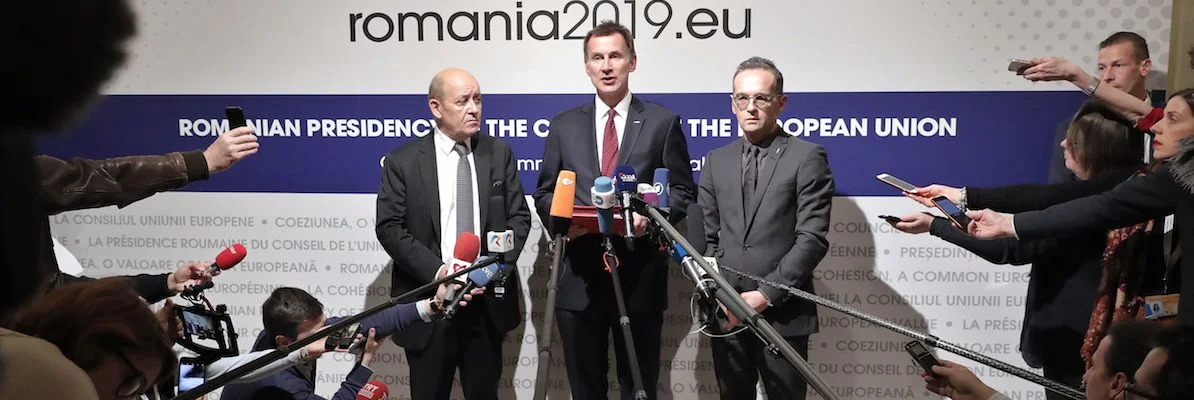
Trading With Iran Via the Special Purpose Vehicle: How It Can Work
◢ Following weeks of speculation, France, the United Kingdom, and Germany (the E3) have formally registered a special purpose vehicle (SPV) to help facilitate trade with Iran – trade that the return of US sanctions has significantly hampered. Companies in Europe and Iran are eager to know if the system can be of practical use. The assessment below lays out INSTEX’s likely structure.
This article has been republished with permission from the European Council on Foreign Relations.
Following weeks of speculation, France, the United Kingdom, and Germany (the E3) have formally registered a special purpose vehicle (SPV) to help facilitate trade with Iran – trade that the return of US sanctions has significantly hampered. This comes after months of technical coordination between member states led by the European External Action Service. While reactions in Tehran have been mixed, this is a significant demonstration of Europe’s commitment to preserving the Iran nuclear deal after President Donald Trump withdrew the United States from it.
The E3’s foreign ministers issued a joint statement with a brief overview of this new mechanism, called the Instrument in Support of Trade Exchanges (INSTEX), but have provided little clarity on the details of how it works. This is understandable given that they must finalise several technical aspects of INSTEX before it becomes operational. INSTEX will initially focus “on the sectors most essential to the Iranian population – such as pharmaceutical, medical devices and agri-food goods”. This means that, for now, INSTEX will avoid a direct clash with the White House, since US sanctions permit these categories of trade due to their humanitarian nature.
But the exact method INSTEX uses will be the first instance in which Europe tries to mitigate the effects of US secondary sanctions on what it sees as legitimate trade. Companies in Europe and Iran are eager to know if the system can be of practical use. The assessment below lays out INSTEX’s likely structure.
Sovereign Shield
An important element of the mechanism is its sovereign backing from the E3. The supervisory board of INSTEX will include senior European diplomats such as UK Permanent Under-Secretary of State for Foreign Affairs Simon McDonald; Miguel Berger, head of the economic department at the German Foreign Office; and Maurice Gourdault-Montagne, secretary-general of the French Ministry of Europe and Foreign Affairs. The E3 governments are also shareholders of INSTEX.
The E3 have gone to great lengths to create a diplomatic shield around INSTEX and to share risk among the biggest economies in Europe. With the E3 having stuck their necks out, several other European countries are also considering joining the SPV as shareholders. While this does not eliminate the risk of US pressure on the mechanism, it does substantially raise the stakes for Washington should it seek to directly sanction or otherwise coerce a sovereign European entity or its senior management board – as it has with the European private sector.
It is important that the Iranian government now establishes another SPV to mirror INSTEX inside Iran. To persuade European companies to use the SPV, the Iranian entity will need to meet high standards of transparency in anti-money laundering and counter-terrorism financing regulations. Thus, the E3 would prefer that the Iranian SPV was either a new company or operated under an Iranian bank that has not been subject to US secondary sanctions. This is likely to reduce the risk that the US administration will apply pressure to INSTEX’s operations.
In theory, Iran should establish its SPV more quickly than the E3 did their mechanism, given that Tehran will not need to balance the interests of several countries. However, it is inevitable that this issue will be caught up in extensive political debate in Iran. To speed up this process, Tehran should carefully consider offers from the European Union and the E3 on technical assistance in launching an Iranian SPV.
The Mechanism Behind INSTEX
INSTEX is best understood as an international trade intermediary that provides services to ease trade between Europe and Iran. Although the new company is not a bank, it will have a role in coordinating payments relating to trade with Iran. This coordination is necessary. Iranian importers have struggled to purchase and receive euros from the Central Bank of Iran on time – as is necessary to make payments to European suppliers. Even when they do acquire euros, Iranian importers struggle to make payments to suppliers, as European banks remain hesitant to accept funds originating in Iran. This holds true even for humanitarian trade that is formally exempt from sanctions: several exporters of food and medicine to Iran have reportedly experienced disruptions in recent months, contributing to troubling shortages and sharp price increases.
INSTEX will seek to facilitate Europe-Iran trade while reducing the need for transactions between the European and Iranian financial systems. It will do this by allowing European exporters to receive payments for sales to Iran from funds that are already within Europe, and vice versa. For example:
A European exporter with an order for medicine from an Iranian importer provides INSTEX with the relevant documentation on the transaction. This will include evidence that the importer has practised reasonable due diligence in relation to the Iranian buyer and the end user. Crucially for European companies, INSTEX will not provide the requisite due diligence service.
Once it has approved the sale, INSTEX will register it on a ledger of trade.
INSTEX will examine its ledger to identify an instance in which a European importer has registered a purchase of pistachios from an Iranian exporter.
INSTEX will then approve a payment from the European importer of pistachios to the European exporter of medicine, meaning that the payment can be made from one European bank to another without using funds that originated in Iran.
To complete the process of trade intermediation, the Iranian counterpart to INSTEX will coordinate a similar payment from the Iranian importer of medicine to the Iranian exporter of pistachios. These funds will remain within Iran.
While it is novel for European governments to establish a state-owned company that performs this function, the basic mechanism at work here will not be new to international companies active in Iran. The innovative aspects of the new mechanism are its scale and the backing it receives from European countries rather than companies.
These transactions will not always match up perfectly, individually or in aggregate. This is particularly so given the European companies have stopped purchasing Iranian oil. Even companies in Greece and Italy that received US waivers to continue importing Iranian oil have reportedly not used them. Overall, European trade in food with Iran is roughly balanced: according to data from Eurostat, in the first eleven months of 2017, the EU’s food exports to Iran totalled €298m and its imports of similar goods from the country totalled €292m. The bloc’s trade in medicine and medical devices is far more imbalanced, with exports totalling €851m and imports just €27m in the period. As such, there will likely be greater demand for the new mechanism in facilitating sales to Iran than purchases from the country.
INSTEX will need to find a way to balance payments within both overall trade flow and at an operational level, so that payments can be settled in timely fashion – ideally, within 60 days. In balancing overall trade, European policymakers should attempt to maximise Iranian food exports to Europe through the mechanism.
Additionally, as has been suggested by European and Iranian officials, it may be possible to invite non-European countries to join the new mechanism. The SPV is more likely to succeed if it links with revenues related to Iran’s oil exports to countries such as China, India, and Japan.
INSTEX will expand gradually, accepting clients in a way that maintains a general balance in the ledger. At times, INSTEX may need to step in to top up the funds available to pay European exporters. To do so, the mechanism will need working capital. It could raise this capital either through contributions from European countries that are, or are becoming, shareholders in it. INSTEX could also charge a commission fee for the use of its services, thereby creating reserves that it can use to balance trade within a given payment period. Currently, banks that facilitate payments to and from Iran typically charge 2-3 percent of the transaction’s value, a high fee. INSTEX could reasonably charge a similar fee, thereby generating cash flow.
Speedy Implementation Required
It is hard to tell how much trade will flow through the mechanism. Ideally, normal correspondent banking channels should continue to facilitate a large portion of Europe-Iran humanitarian trade. INSTEX will step in to facilitate trade that might otherwise not occur given the currency and banking restrictions outlined above. On this basis, the initial version of the mechanism will have been a success if it eventually facilitates trade in the order of tens of millions of euros each year, perhaps intermediating around 5 percent of the total value of European exports to Iran. In this scenario, Europe could then consider expanding the mechanism to a wider range of trade.
Both Iran and the E3 should expect a teething period while the mechanism adjusts to best serve commercial actors. For European treasury managers and compliance officers tasked with finding workable financial channels with Iran, complexity has long been the norm. If the INSTEX channel proves reliable, companies are likely to use its services.
The E3 should undertake the necessary technical arrangements to operationalise INSTEX as quickly as possible. The new managing director of INSTEX will need to tour Europe to meet business executives and policymakers. They will need to engage in extensive outreach with European operators to persuade them to use the SPV – and, more importantly, with European banks that are instrumental to it – by settling accounts between European companies. The European External Action Service should be closely involved in this coordination effort across Europe.
By acting swiftly, Europe will boost its credibility with Iran, where the government is scrambling to manage the economic fallout of the US withdrawal from the nuclear deal and is increasingly under pressure to reduce compliance with the agreement. This will also increase the E3’s leverage with the US administration by demonstrating that they have substantive resilience against US sanctions.
Photo Credit: AFP
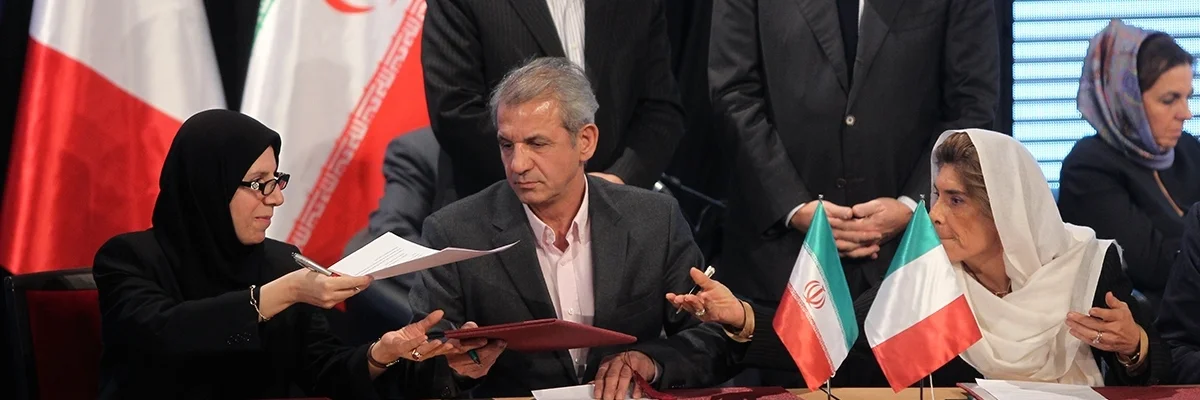
As Sanctions Impede Business, Where Next for Iran-Italy Relations?
◢ Despite strong relations, President Trump’s withdrawal from the JCPOA and his reimposition of economic sanctions has introduced significant challenges for Italian enterprises active in Iran. As with other European companies, Italian firms are unwilling to jeopardize their presence in the US market for the sake of opportunities in Iran. Yet, Italy and Europe have every interest to see that Iran continues to be an important trading partner and a supplier of energy.
Iran-Italy relations, which date back to the time of the Roman and Persian empires, are marked by important affinities. Historical and cultural traditions as well as commercial and economic connections have deeply shaped mutual perceptions. Unlike the other major EU countries, Italy is not seen as a former colonial power still trying to "dominate" relations with Iran, but rather is appreciated as a partner willing to expand tied based on mutual respect.
The legacy of Iran-Italy commercial ties begins in earnest with Enrico Mattei and Italian state oil company ENI. Mattei’s excellent leadership in the 1950s and 1960s strengthened Iran-Italy ties through energy cooperation. Mattei’s approach still influences the way most Italian companies engage their Iranian counterparts—with great respect and consideration. Iranian companies are inclined to deal with Italian companies because they talk a similar business language.
Back in 2003, the positive perception of Italy among European nations led Iran to insist that Italy join the European group pursuing the first nuclear talks. Despite the fact that the Italian government did not participate so as not to strain relations with the US already stressed by disagreements over the Iraq war, Iran’s point of view did not change. Rouhani’s choice of Rome as the first European capital to visit following the implementation of the JCPOA nuclear deal is indicative. More recently, Italy was asked by the E3 nations of France, Germany, and the United Kingdom to become a member of the new E4 group driving negotiations with Iran on Yemen.
Despite these strong relations, President Trump’s withdrawal from the JCPOA and his reimposition of economic sanctions, has introduced significant challenges for Italian enterprises. As with other European companies, Italian firms are unwilling to jeopardize their presence in the US market for the sake of opportunities in Iran.
While some firms have opted to remain—shipbuilder Fincantieri, railways company Ferrovie Dello Stato, and power giant Ansaldo among them—other companies have announced their activities are on pause. Italian oil giant has stated “We have no presence in the country” and Gruppo Ventura affirmed, “We were expecting to expand to Iran, build rails there. We are no longer going to proceed.” The state-owned vehicle intended to finance Italian projects in Iran, Invitalia, announced “the “project is on pause” and that the company is “waiting for the situation between the United States, Europe and Iran to be clarified.” One estimate suggests US sanctions have impacted EUR 30 billion of planned Iran-Italy trade and investment.
The US government’s decision to grant an oil waiver to Italy will probably mean little. There is no indication that Italy intends to use the waiver. In any case, major banks in Italy are still reluctant to facilitate trade.
Yet, Italy and Europe have every interest to see that Iran continues to be an important trading partner and a supplier of energy. Iran can be a source of stability in the region if positive commercial ties, help dissuade expansionist tendencies. In order to maintain trade relations with Tehran despite US sanctions, different proposals emerged, including using Russia and other third countries as a trade intermediary as well as joining the special purpose vehicle (SPV) being developed by France, Germany, and the UK. This is undoubtedly a very delicate set of challenges, as they involve the Italian government and its international alliances.
Italy is a particularly important partner for the development of Iran’s industry and infrastructure. Italy delivers high quality manufacturing technology and infrastructural works. The "made in Italy" concept has burnished the value of Italian exports. Italy exported over EUR 1 billion in machinery and transportation equipment to Iran in 2017.
However, given the current political situation, many commercial relationships with Iran have come to a momentary halt. The entrepreneurs and consultants I have interviewed have confirmed that at least since February 2018 commercial ties with Iran have weakened—banks lack the willingness to support exporters. Furthermore, the deterioration of Iran’s economy, including high inflation, points to insecurity in the investment environment. Tecon, a manufacturer of equipment for the footwear and leather goods industry, is but one example; due to the devaluation of the Rial, their products have become too expensive for Iranian buyers.
Today, the question is how Italy-Iran relations will develop. The Tehran-Rome axis remains mutually beneficial: to Italy for its important exports flow, to Iran for the economic and political advantage of being a partner of a Western country that can act as a mediator. This was clear during Iranian foreign minister Javad Zarif’s contribution during the Mediterranean Dialogues conference sponsored by the Italian Ministry of Foreign Affairs.
Hope for the future lies in the two populations’ intrinsic will to continue their mutual relations despite today’s uncertain and confusing scenario of international relations.
Photo Credit: IRNA
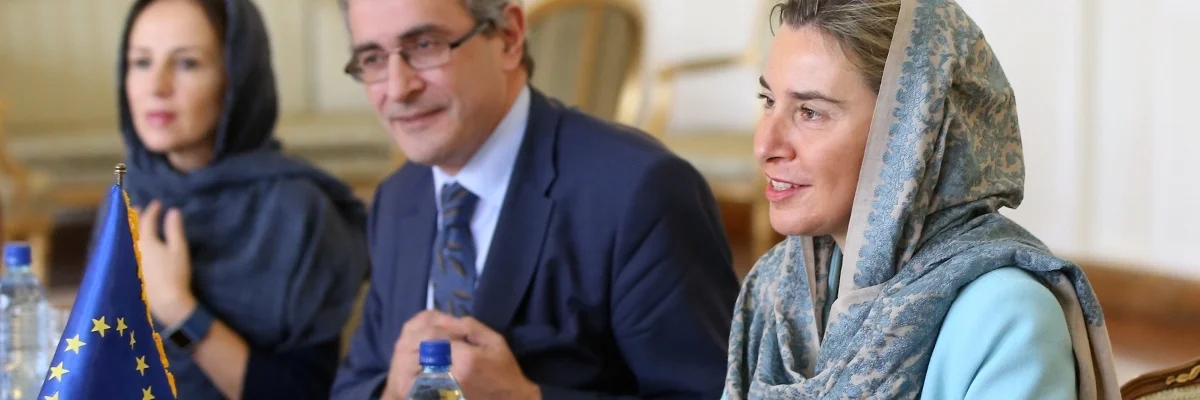
Why The Iran Nuclear Deal Still Matters for Europe
◢ The JCPOA continues to hang together—but only just. There are growing indications of signatory states’ fatigue and frustration in attempting to prevent the collapse of the JCPOA, following the US withdrawal from it last May. In this climate, it is important for the deal’s stakeholders to remember why it remains valuable
Three years ago, Iran and global powers implemented the Joint Comprehensive Plan of Action (JCPOA), curtailing the country’s nuclear weapons program in exchange for sanctions relief. The deal continues to hang together—but only just. There are growing indications of signatory states’ fatigue and frustration in attempting to prevent the collapse of the JCPOA, following the US withdrawal from it last May. In this climate, it is important for the deal’s stakeholders to remember why it remains valuable:
The JCPOA is the product of more than a decade of negotiation. The West worried that Iran’s expanding nuclear programme posed a major nuclear proliferation risk. Most troublingly for Europe, there was a possibility that the United States, Israel, or both would launch military attacks on a country of 80 million people. After the invasions of Afghanistan in 2001 and Iraq in 2003, Europeans wanted to avoid further instability in their neighborhood.
The JCPOA is imperfect for all sides. But it centers on a political compromise that addresses the core concerns of both Iran and P5+1 (the US, France, the United Kingdom, China, Russia, and Germany). According to US estimates, the JCPOA increased the period it would take Iran to create a nuclear bomb – its “break-out time” – from two or three months to roughly one year. In return, Tehran received relief from UN, EU, and US nuclear-related sanctions. Although the US has reimposed the sanctions it originally lifted under the JCPOA, the UN and the EU have refrained from doing so.
Under the JCPOA, Iran shipped out 98 percent of its enriched uranium; capped its level of uranium enrichment at 3.67 percent; removed two-thirds of its installed centrifuges; agreed to convert Fordow enrichment plant into a research facility; redesigned the Arak heavy water reactor; and provided international inspectors with broader access to its nuclear facilities. (For more on this, see ECFR’s JCPOA explainer.)
The International Atomic Energy Agency (IAEA), which oversees the JCPOA, has produced more than ten reports verifying that Iran continues to comply with the deal. The country has done so despite President Donald Trump’s abrogation of US responsibilities under the deal. Trump did so despite the US intelligence community’s confirmation of IAEA conclusions on Iranian compliance.
Besides its nuclear benefits, the JCPOA created a political opening for the West and Iran to gradually ease their mutual hostility on the nuclear issue – and to perhaps work towards eventually normalising their relationship.
This normalisation is an outcome that Iran’s foes in the Middle East fear most. Thus, Israel and Saudi Arabia have stepped up their efforts to precipitate the collapse of the JCPOA. The United States’ withdrawal from the deal and “maximum pressure” campaign—as Trump calls it—is a gift to both this camp and to hardliners in Tehran, all of whom seek to undermine relations between Europe and Iran.
Europe faces growing pressure from the US, Israel, and Saudi Arabia to downgrade its ties with Iran at all levels and jump onto the maximum pressure bandwagon. The summit on the Middle East (which will reportedly focused on Iran) that the US and Poland plan to host in Warsaw next month forms part of this strategy to drive a wedge between Europe and Iran.
Until now, despite the difficulties facing the JCPOA, mounting US pressure, and recent strains on relations with Iran, European governments and the EU have continued to engage with Tehran. Europe’s strong political commitment to the nuclear deal, not least through its promise to create a special purpose vehicle (SPV) designed to facilitate trade with Iran, is one of the key factors in the country’s adherence to the JCPOA.
Given the severity of the latest US secondary sanctions, Iran is likely to only continue complying with the nuclear deal if Europe, China, and Russia provide it with far more tangible reasons for doing so. There are growing signs that Iran’s patience will not last forever, especially given that its oil sales, a critical source of revenue for the country, have reportedly fallen by almost 60 percent since the US reimposed its sanctions.
Ultimately, all signatories to the JCPOA recognise that it will only fully function once the US re-engages with it in some fashion, at least easing its secondary sanctions on foreign firms that do business with Iran. Until then, Europe must maintain its efforts to hold the JCPOA together. This will require the registration and operationalisation of the SPV (while genuine work on the measure is under way, it is reportedly still weeks away from completion). China must also do its part to address the recent decline in trade with Iran rather than waiting to see whether it can benefit from a European SPV.
The collapse of the JCPOA would create a real risk of further military conflict in the Middle East. Indeed, influential figures in the Trump administration, especially National Security Advisor John Bolton, have long advocated a US military operation against Iran. As recent history suggests, such an intervention would come at a high cost for Europe – and it is an outcome that Europe must do all it can to avoid.
Photo Credit: IRNA

The Economic War Iran Faces is Bigger Than it Thinks
◢ On the third anniversary of the implementation of the Joint Comprehensive Plan of Action (JCPOA) and the fortieth anniversary of the Islamic Republic, the era of hope ushered in by the election of Hassan Rouhani and the implementation of the nuclear deal seems a lifetime ago. Iran remains in compliance with the agreement, but begrudgingly. Europe looks impotent in the face of U.S. sanctions. But Iran’s economic war isn't just a fight against sanctions. Iran is the frontline of an intensifying economic war between the US, Europe, China, and Russia.
This article was originally published in LobeLog.
There is a telling line in Thomas Erdbrink’s recent report on Iran’s roiling currency crisis. Erbrink speaks to Kaveh and Reihaneh Taymouri, whose monthly household income fell from about $1,400 to just $90 following the collapse of their small electronics business. Reflecting on her household’s “downfall,” Reihaneh Taymouri told Erdbrink, “I’m not really that sad, because we are not alone… It’s happening to so many people.”
On the third anniversary of the implementation of the Joint Comprehensive Plan of Action (JCPOA) and the fortieth anniversary of the Islamic Republic, the era of hope ushered in by the election of Hassan Rouhani and the implementation of the nuclear deal seems a lifetime ago. Iran remains in compliance with the agreement, but begrudgingly. Europe looks impotent in the face of U.S. sanctions. Russia and China are demonstrating the contingent nature of their commitments to Iran as both seek to extract concessions in return for providing an economic lifeline.
There was a time when Iranians could look forward to the promise of sanctions relief. But the experience of sanctions relief under the JCPOA has been sobering. When the relief finally comes again, Iranians now know not to expect a dramatic rebound. On one hand, the political and economic machinery of U.S. sanctions means they are incredibly difficult to roll back given the myriad ways in which lingering stigma and the whims of a new administration can combine to undercut the relief.
On the other hand, looking beyond sanctions, the political and economic machinery of the Islamic Republic is too developed for policy to produce anything more than marginal improvements in outcomes. The path to prosperity requires the thousands of incremental steps that allow marginal gains to become substantial. The challenge of incrementalism is that taking each step continues to require significant political capital, even as gains diminish in absolute terms. Governments need to be politically dominant to achieve even modest economic and social victories, and policymakers can hardly afford to make mistakes.
This is the dilemma facing all middle-income countries, once labeled “emerging markets,” whose high growth rates were burnished by external finance. Since the global financial crisis, Brazil, Mexico, Russia, Turkey, and South Africa have all failed to achieve more than a few percentage points of economic growth each year, contributing to considerable electoral turmoil and, in turn, illiberal politics. Looking across its peer countries, Iran may be uniquely hampered by “maximum pressure” sanctions, but it is not clear that the absence of sanctions would have seen Iran achieve levels of growth necessary for it to escape the global middle-income doldrums. The deadline for “convergence” has been pushed back.
But this is not to say that the return of sanctions and the attendant recession are unimportant. Marginal changes in a country’s macroeconomic circumstances do correspond to dramatic changes in the fortunes of individuals and households in both good times and bad.
The one-year period between the implementation of the Iran deal and the inauguration of Donald Trump saw the emergence of a “gold rush” mentality in Iran. Although Iranians witnessed improvements in the range of goods and services available to them, the greatest expectations were tied to the idea that in the new period anyone could “strike gold” and achieve a major reversal in their fortunes. Any minor improvements in quality of life were far less important than the possibility of a major uplift.
Today, the same dichotomy between the marginal and major is at play, but now it is the dichotomy between marginal deterioration and major downfall. The IMF has already predicted that Iran could emerge from its new recession as soon as 2020. In the short term, Iran’s government can spend its way out of a contraction, using the same monetary and fiscal tools employed by governments in the aftermath of the financial crisis. But these interventions will matter little for the many households that have already undergone a significant decline. The trajectory of Iran’s economy may reverse in due course, but for the Taymouri family and other middle-class families like them, their personal trajectories have propelled them into a new and embattled reality. The Taymouri family now lives in “a 485-square-foot apartment in one of the city’s worst neighborhoods, next to its sprawling cemetery.” It will be difficult for them to escape the new middle-class doldrums.
The fate of Iran’s middle class is directly tied to that of its private sector. The growth of Iran’s private-sector companies over the last 20 years, catering to the burgeoning consumer tastes of the middle class, has been the subject of continual lip service in the government’s economic plans. But in practice, entrepreneurs have had to fight entrenched interests and a stifling bureaucracy in order to carve out a more modern and efficient corner of the economy.
On the back of the sanctions relief afforded by the nuclear deal, the private sector was poised to take its place at the center of Iran’s economy. A spate of new contracts struck with foreign partners saw privately owned enterprises cross the threshold in the energy, automotive, and telecommunications sectors, long the domains of Iran’s state-owned firms. Across Iran’s political establishment, calls were being made to curtail state control of the economy in order to boost Iran’s appeal to foreign investors.
Today, European governments are struggling to protect their own private-sector companies from the impact of US secondary sanctions. On one hand, given a deep ideological commitment to liberal markets, European governments are loath to pressure their companies and banks to continue working in Iran. Moreover, as evidenced by the lack of implementation of the blocking regulation, European governments cannot even compel their businesses and banks to provide basic services to those few European companies that do wish to maintain commercial activities in Iran. As foreign partners flee Iran and the private sector reels, major contracts are once again going to groups such as the Revolutionary Guard. In this way, the considerable power European private-sector firms wield over their governments will condemn Iranian private-sector companies to remain beholden to the state.
Europe’s struggle to maintain commercial ties with Iran has inspired calls for greater “economic sovereignty.” France, Germany, and the UK are developing a state-owned special purpose vehicle to facilitate trade with Iran. The mechanism represents the kind of trade intermediary more common in the 1960s, before Europe had cast aside statist approaches to economic development. In recent decades, because of market liberalization, Europe has separated economic power from state power. Increasingly, European governments are reckoning with the political limits of their unified economic model, which leverages little more than the slim technological advantage and brand power of European products. Meanwhile, the United States is continuing to wield powerful sanctions, exposing how the financialization of the global economy has dramatically increased U.S. state power despite the appeals to free-market mantras. As Bruno Maçães has compellingly argued, after flirting with liberalization, Russia and China have reaffirmed the ultimate importance of economy as a tool of state power. Russia is advancing its vision for a Eurasian Economic Union. China is spending billions on its Belt and Road projects.
Iran is perhaps the only country in the world where all four of these distinct economic agendas currently clash and compete. So far, it is not clear which model will prevail. Cognizant that Iran has been starved of the investment its unique geography and large population warrant, Iranian officials debate whether their economic planning should face “East” or “West,” as though the orientation of Iran’s own economic planning will suffice to break the deadlock. But in fact, Iran faces domestic economic challenges that are also global economic realities. The “economic war” in which Iran finds itself is larger than the Iranian leadership or Iranian people may realize.
Photo Credit:
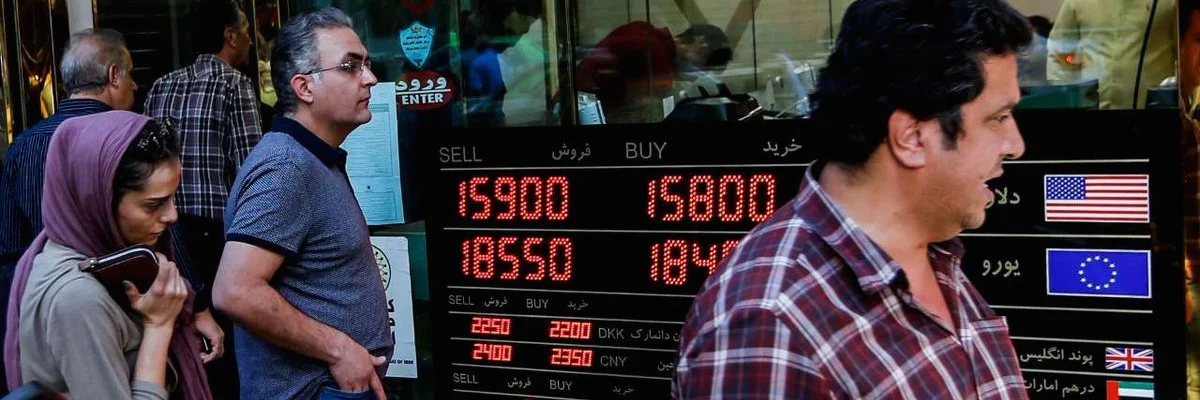
How Europe’s Forthcoming SPV Can Help Iran Fight Inflation
◢ An examination of the nature of Europe-Iran trade and the impact of this trade on Iran’s currency markets, suggests that the SPV could have a significant and stabilizing impact on Iran’s economy by helping to fight runaway inflation, the foremost economic challenge facing Iran’s leadership—even if the mechanism is initially limited to humanitarian trade.
Europe has yet to launch its special purpose vehicle (SPV) to support trade with Iran and while Iranian stakeholders grow increasingly impatient, some have begun to question the likely impact of the new mechanism. The chief complaint is that the initial SPV, if limited to humanitarian trade, will not have a meaningful economic impact for Iran, which had sought to maintain oil exports to Europe in the face of US sanctions.
As recently argued in a joint report from Bourse & Bazaar and the European Leadership Network, the creation of a humanitarian SPV (H-SPV) has important advantages from the standpoint of protecting the new trade mechanism from interference by the United States. A focus on non-sanctionable trade will enable Europe and Iran to develop a more robust mechanism that delivers practical value for businesses. When a truly useful mechanism has been devised, subsequent SPVs can be established to facilitate what the United States considers sanctionable trade.
Nonetheless, in order to be welcomed by a broad spectrum of Iran’s political and business establishment, the initial SPV, especially if limited to non-sanctionable trade, must demonstrate a positive impact on Iran’s economy in the near term. An examination of the nature of Europe-Iran trade and the impact of this trade on Iran’s currency markets, suggests that the SPV could have a significant and stabilizing impact on Iran’s economy by helping to fight runaway inflation, the foremost economic challenge facing Iran’s leadership.
Trade Deficits and Inflation
Since early 2018, Iran has been struggling to contain rising inflation exacerbated by rapid currency devaluation. Rising costs of imports have impacted the costs of goods in the consumer basket. The year-on-year increase in the consumer price index in Aban (October 23 - November 22), the most recent period for which data is available, was 39.9 percent. This increase was driven by year-on-year rises in categories including food and beverages (59.9 percent), tobacco (150.8 percent), clothing and footwear (48.5 percent), and furnishings and household goods (83.1 percent). The increase in the health category, which includes medicine, was a significant 19.6 percent.
These categories represent the daily needs of Iran’s households. They are also, broadly speaking, goods which do not fall under the restrictions of US secondary sanctions. Not only are the goods themselves not sanctioned, but the larger role of the private sector within the food, pharmaceutical, and FMCG sectors in Iran means that the Iranian corporate entities active in these sectors are typically not subject to secondary sanctions. On this basis, a humanitarian SPV which would focus on non-sanctionable trade, would be well-suited to support Europe-Iran trade related to these elements of the consumer basket.
While Iran does manufacture many of these goods domestically, overall consumption still relies on a significant volume of imports of food and medicine, with the European Union (EU) the most important trading partner. Even the domestically produced products rely on imports of raw materials which mainly originate in the EU. In 2017, the most recent full year of trade without sanctions, Iran faced a trade deficit with Europe of just under EUR 1 billion in the food and beverage, medicine, clothing and footwear, and furniture categories, based on imports of EUR 1.3 billion and exports of approximately EUR 300 million. Importantly, this figure does not include Iranian imports from Switzerland, a major source of pharmaceutical products with about as much export volume as Germany. But given that the SPV is an EU undertaking, and given that the Swiss are working on a separate banking channel to support their humanitarian trade with Iran, it can be kept separate for the purposes of this analysis.
Beyond humanitarian goods, Iran has typically run a trade deficit of about EUR 1 billion with Europe, even in those years that Iran has been able to export significant volumes of oil to European buyers. The trade imbalance with the EU has a direct impact on inflationary pressures in three areas. First, the euro is a strong currency and the rapid devaluation of the rial has made imports considerably more expensive over the last year. Second, purchasing European goods generally involves higher transaction costs for Iranian importers related to the restrictions on banking channels between Europe and Iran. Finally, Europe is the only source for a number of imports, particularly medicines, meaning that a fall in exports will have a direct and often unmitigable impact on available supply in Iran, pushing prices higher and creating black markets for some specialized medicine. All three phenomena can be seen in the Iranian market today.
There are other indirect drivers as well. As is common for countries at the same level of development, Iran’s process of industrialization is import-intensive. New technologies are acquired to produce a wider range of foods, medicines, and consumer goods domestically, often in accordance with licenses for European formulations or technology. Iran imported EUR 5.5 billion in industrial machinery and equipment in 2017 in order to support domestic industrial capacity. When this equipment or the relevant services, spare parts and training are unavailable, it has a knock-on effect on manufacturing output, available supply, and the market price for consumers.
On one hand, the fall of Iranian imports of European machinery from their 20-year high of over EUR 8 billion in 2004, suggests that Iran is increasingly sourcing such machinery from other markets, especially China. But, Europe retains a technological advantage over China for the manufacturing of food and medicine and the most popular brands in Iran in these categories are often European brands or formulations. This means that substitutions cannot be easily made for the equipment necessary in the domestic production of these goods. Moreover, Iran also relies on European technology for the storage and distribution of food and medicine across the supply chain.
The SPV Intervention
Given these challenges, the appeal of Europe’s SPV, if properly operationalized, is clear. The SPV can help alleviate inflationary pressures by empowering European and Iranian policymakers to better manage foreign exchange risks, reduce transaction costs, and address the trade deficit, particularly around key items within the consumer basket.
First, in the area of foreign exchange, the SPV could reduce pressure on the Central Bank of Iran to source and allocate euros for importers of so-called “essential goods.” Presently, delays in the allocation of foreign exchange are leading to payment issues on the part of Iranian importers of both food commodities and pharmaceuticals. In one manifestation of these delays, cargo ships are remaining anchored off of Iran’s coast for as many as sixty days, incurring demurrage costs.
If the SPV oversees a ledger of trade between Europe and Iran, a role which some have compared with that of a “clearing house,” it would be able to coordinate a version of book transfers, which would enable Iranian importers to pay European exporters indirectly with the SPV coordinating a euro-denominated payment by a European importer on behalf of the Iranian importer. In turn, the Iranian importer would make a rial-denominated payment on behalf of the European importer to its counterparty in Iran (an exporter). Through such a mechanism, there would be no need for the Central Bank of Iran to source and allocate Euros for the purchase by the Iranian importer, as monies already in Europe would be used to make the payment. In this way, reducing demand for euro allocations among Iranian importers should help the CBI more effectively operate the NIMA system, its central marketplace for foreign exchange, thereby reducing the significant inflationary pressures arising from foreign exchange markets.
In a related fashion, the facilitation of book transfers by the SPV would also help eliminate the additional transaction costs currently incurred when arranging cross-border financial transactions between Europe and Iran. Due to the higher compliance risks associated with accepting Iranian-origin funds, the few European banks that do continue to transact with Iran impose fees on clients of up to three percent of the total transaction amount. Some routine and low-risk trade currently facilitated by the few correspondent banking channels that remain between Europe and Iran could be shifted to the SPV, reducing the compliance costs associated with cross-border transactions that can depress export volumes.
Finally, the SPV will only truly succeed if it is operationalized alongside an effort to shrink Iran’s approximate EUR 1 billion trade deficit with Europe in non-sanctionable goods by increasing Iran’s non-oil exports. To be clear, it is highly unlikely that the full volume of Europe-Iran trade will run through the SPV. Where possible, companies will certainly favor using normal channels, facilitating payments through the small number of European banks that will remain willing to process payments for humanitarian trade. Nonetheless, the fundamental problem faced by Iranian importers is access to the euros necessary to sustain purchases from Europe. In this case, in the absence of oil sales, foreign finance, or foreign direct investment, Iran’s exports to Europe will remain the only reliable source of euros for the Central Bank of Iran which is responsible for making foreign exchange available to Iranian importers.
A New Vision for Europe-Iran Trade
As such, it should be a primary goal of the SPV to increase the volume of European imports from Iran, helping to minimize the trade balance and increase the supply—and thereby reduce the cost—of Euros for Iranian importers. This may seem a difficult task. Iran’s manufacturing output is generally inferior in quality and higher in cost than that available from EU member states and from other countries with active trading relationships with the bloc.
But there are a few product categories where Iranian producers could regain or establish market share in Europe. In 2000, Iran exported EUR 316 million worth of “floor coverings” to Europe, a figure which primarily reflects the sale of traditional Persian wool rugs. By 2017, the sales amounted to just EUR 28 million. The collapse in Persian rug exports may reflect changing tastes among European consumers, as similar decreases can be seen for the same product category as exported by India, Pakistan, and China. An industry-led campaign to boost the popularity of Persian rugs among younger consumers could help reverse the trend.
Iran’s loss of market share in the export of key foodstuffs is harder to explain. European consumption of pistachios has exploded in the past 20 years, but the increase demand has been met by supply from the United States, the only other major producer of pistachios in the world. Iran lost its mantle as top exporter of pistachios to the EU in 2004. Had it captured just half of the growth in European imports since that date, pistachio exports would be around EUR 150 million higher.
Similarly, Iran’s exports of caviar to Europe have fallen from EUR 26 million in 2000 to just EUR 700,000 in 2017. In the same period, exports from the United States have risen from EUR 11 million to EUR 26 million. Exports from China have risen from less than EUR 500,000 to EUR 7 million. It is also notable that Iran’s export of shrimp to Europe has collapsed from EUR 40 million to EUR 2.7 million since 2000, despite the fact that Iran’s seafood industry remains healthy.
Altogether, by dramatically ceding market share, Iran has likely failed to realize around EUR 250 million of export potential in these categories. However, Iran’s growing exports of saffron, which have risen from EUR 24 million in 2000 to EUR 67 million in 2017, help illustrate that Iranian suppliers can achieve significant growth in the European market. This analysis does not account for the many categories of foodstuffs such as nuts and fruits where Iran’s exports to Europe remain very low, but where Iran ranks among the top global producers. Generally, Iran could become a reliable supplier of food ingredients and herbal medicine to Europe, but it will require an effort from both sides to facilitate the growth. Iran also exported just over EUR 30 million in pharmaceutical products to the EU in 2017—another potential area for growth. Organizing relevant delegations in both directions to expand commercial ties in these sectors would be an important step.
The non-oil trade deficit has been the subject of some attention among Iranian authorities. The National Development Fund of Iran, the country’s sovereign wealth fund, has a program to provide capital to Iranian commercial banks in order to fund loans for private sector export-oriented enterprises. Many of these projects are focused on agricultural production, where loans are used to implement new (often European) technology in order to increase the quality or quality of production while also creating jobs.
Nonetheless, the primary instinct for Iranian officials has been to try and reduce import demand. Recently, the government announced a measure to ban the advertisement of foreign products for which there exists a domestically manufactured equivalent. But given that demand for many imports will prove inelastic, a focus on boosting exports would be a far more prudent strategy for dealing with the trade deficit.
When looking to non-sanctionable goods and the current trade deficit of EUR 1 billion within this category, the possibility of boosting Iranian exports by EUR 250 million is significant from the standpoint of reducing pressure on foreign exchange markets. Add to this other intended improvements to the cost efficiency of trade, and it becomes clear how the forthcoming H-SPV could help Iran address some of the external drivers of inflation. Most importantly, this analysis shows that the launch of the SPV is not the end of an implementation process. It is just the first step in a much-needed reimagining of Europe-Iran trade relations and a process in which the EU can showcase its commitment to a working partnership with Iran.
Photo Credit: IRNA
Policy Change at China’s Bank of Kunlun Cuts Iran Sanctions Lifeline
◢ Bank of Kunlun, the state-owned bank at the heart of China’s trade with Iran, has made a dramatic change in its policies, informing clients that it will no longer process payments that contravene US secondary sanctions on Iran. Kunlun’s change in policy cuts a longstanding financial lifeline for Iran’s automotive, shipping, petrochemical, and steel industries.
Bank of Kunlun, the state-owned bank at the heart of China’s trade with Iran, has made a dramatic change in its policies, informing clients that it will no longer process payments that contravene US secondary sanctions on Iran.
On December 10, deputy president of the Iran-China Chamber of Commerce Majid Reza Hariri announced that Bank of Kunlun has restarted handling Iranian money after a two-month pause that created about USD 2 billion in backlog demand. But just ten days later, Pedram Soltani, deputy president of the Iran Chamber of Commerce, Industries, Mines and Agriculture (ICCIMA), announced in a tweet that Kunlun had informed its clients that it would clear Iranian money only in full compliance with US sanctions until the end of April, when China’s Significant Reduction Exemption for the import of Iranian oil runs out.
Soltani tweeted a letter from Iran’s Tose’e Ta’avon Bank, informing its clients that Kunlun will only process payment orders or letters of trade in “humanitarian and non-sanctioned goods and services.” Kunlun’s change in policy cuts a longstanding financial lifeline for Iran’s automotive, shipping, petrochemical, and steel industries. “I believe the current situation with the Bank of Kunlun will create serious challenges for our trade with China in the coming months,” Soltani told Bourse & Bazaar. The change in policy and related concerns were separately confirmed to Bourse & Bazaar by two companies which maintain accounts at Bank of Kunlun.
Soltani believes that the cautious approach may reflect the need for Chinese state energy group CNPC, the majority shareholder in Bank of Kunlun, to protect its interests in the US market. Kunlun’s increasing focus on consumer banking may also be affecting risk appetites. The turn to compliance reflects a major change for a bank that grew rapidly after its selection as the principle financial institution through which China would process oil payments to Iran.
Kunlun continued to process Iranian money even when the Islamic Republic was subject to multilateral sanctions imposed by world powers, leading to its designation by the United States Department of Treasury in 2012. Perhaps reacting to events such as the arrest of Huawei CFO Meng Wanzhou, Soltani says that “[Kunlun’s] owners have shown that they are disinterested in facing another challenge with the US by violating sanctions frameworks.”
When Kunlun first informed its customers in late October that it would temporarily stop handling Iranian money in advance of the reimposition of US sanctions, Iran-China trade was brought to a standstill. At the time, Bourse & Bazaar reported that Chinese authorities were interested in using the Special Purpose Vehicle (SPV) being devised by the European Union to continue sustain trade and investment with Iran without putting financial institutions in the crosshairs of US authorities.
This assessment is supported by recently leaked diplomatic cables published by the New York Times. During a working lunch at the EU-China Summit in July, Donald Tusk, president of the European Council, asked Chinese officials whether they “would consider financial mechanisms to mitigate secondary sanctions” placed on Iran by the United States. Chinese Premier Li Keqiang responded that China would “not act unilaterally” in this regard, according to a European summary of the meeting.
Both sides agreed that “'longarm jurisdiction' by the US would harm the interests of many companies” but China ultimately “looked to the EU for the protection of its interests.” Publicly, the Chinese government has said it opposes any unilateral sanctions and has defended its business relations with Tehran.
With Europe’s SPV set to be launched in the coming weeks, Iranian executives will be eager to see whether China engages the new mechanism. Soltani thinks that China may still be “willing to do Iran a favor” and “connect its banking channels to the SPV.” This would mean that Iran’s oil revenues at Bank of Kunlun could but used to purchase goods from European exporters via the SPV, which will most likely initially focused on the non-sanctionable and humanitarian trade for which Kunlun remains open.
In such a model, Bank of Kunlun would play a similar role to that which Japanese banks such as MUFG, Sumitomo Mitsui, and Mizuho played in supporting non-sanctionable trade during the previous sanctions period. But Iranian industrial firms, which rely on raw materials and parts imported from China, would remain without a clear banking solution.
Despite Iranian reports in late October that Beijing aims to establish “a new banking mechanism” for Iran, it remains unlikely that Chinese commercial banks will risk disconnection from the international banking system by transacting with Iran. As such, it will require the intervention of the Chinese government to identify a new state bank to facilitate lucrative industrial trade in the Iranian market, where Chinese companies have come to dominate as European industrial players rolled back their investments over the last decade.
In the meantime, Soltani believes that Iranian industrial leaders will rely on stopgap solutions, just as they did when banking ties with Europe and Japan were interrupted in a similar fashion in the previous round of sanctions. “Our imports from China will exit the Kunlun channel and our trade model will once more be forced to rely on smaller transactions cleared by a network of exchange shops,” he said, referring to the use of sarafis. “In fact, such a scenario could prove easier with China compared to other countries because many Iranian businesspeople are active in China and have offices there,” Soltani noted.
Photo Credit: Bank of Kunlun
Iran Oil Exports: 8 Waivers and the OPEC Meeting
◢ Iran’s oil exports are likely to remain limited in 2019, with significant negative impact on Iran’s economy. Last month, the Trump administration reimposed sanctions on Iran’s energy sector as part of its ‘maximum pressure’ campaign against. But it nevertheless sought to prevent an unhelpful spike in oil prices ahead of the midterm elections. As a result the United States issued eight waivers to importers of Iranian oil:.
This article was originally published by the European Council on Foreign Relations.
Last month, the Trump administration reimposed sanctions on Iran’s energy sector as part of its ‘maximum pressure’ campaign against Iran. But it nevertheless sought to prevent an unhelpful spike in oil prices ahead of the midterm elections. As a result the United States issued eight waivers to importers of Iranian oil: China, India, Japan, South Korea, Turkey, Taiwan, Italy, and Greece. The waivers allow these countries to import a limited amount of oil from Iran without falling foul of US sanctions.
The ‘waiver effect’ was visible from the outset: oil prices dropped the day the waivers were announced. At the same time the market expected other oil producers—particularly Saudi Arabia and Russia—to cut back their temporary production, which had increased over the previous few months to cover Iran’s drop in production. Saudi Arabia and Russia agreed to this at the 7 December OPEC meeting.
The waiver decision initially appeared to be a major setback for the US ‘zero oil’ policy. Yet these eight waivers had a significant impact on the psychology and expectations of the oil market. They have created a perception that there will be an oversupply in the market in the short term, and at least through to the end of 2019.
Now, weeks on from the granting of the waivers, no guidelines or details have been announced publicly with regard to how much these countries will be able to import. This has created confusion in the market as to how much Iran will produce up to April 2019, when the 180-day waiver issued for most of these countries is set to end. Upon the announcement of the waivers, many market analysts had anticipated that Iran’s oil exports would increase to 1.5 million barrels per day (mbpd).
However, the reality could be more complicated. Iran’s oil exports are actually unlikely to increase beyond 1.1 mbpd. At most, they could increase to 1.3 mbpd if market conditions are tight and there is not enough supply in the market. And if China decides to ramp its imports back up to 500,000-560,000 barrels per day (bpd) Iran’s oil exports could increase even further, up to 1.5 mbpd.
Several factors prevent Iran oil exports from increasing significantly over the 180-day period.
China
Under the 2012-15 Obama-era nuclear sanctions, China imported roughly 440,000-530,000 bpd from Iran. However, in October 2018, in light of incoming US sanctions, its imports dropped to about 300,000 b/d. Chinese companies heavily invested in the US are worried and cautious about compliance with the sanctions. China National Petroleum Company—Iran’s largest oil consumer in China—reportedly halted its imports in October and November in order to prevent any potential risk against its business and investment interests in the US. Even though the company announced that it might resume imports from Iran, the market does not expect imports to exceed more than 300,000-360,000 bpd. Adequate market supplies provided by Saudi Arabia’s and Russia’s production mean the Chinese are disinclined to import more ‘problematic’ Iranian oil.
Besides US sanctions exposure for Chinese companies, the ongoing trade negotiations with the US are likely to influence China’s decisions. The US government is granting—on a case-by-case basis—waivers on export tariffs to Chinese companies for their trade with, and exports to, the US. It is likely that major companies and the Chinese government are exercising caution with their oil imports from Iran to avoid other sources of tension with Washington. CNPC has also recently suspended its investment in Iran’s South Pars giant gas field in order to minimise tensions over the trade negotiations. It is noteworthy that Saudi Aramco recently singed five new crude oil supply contracts with China to supply its new refinery capacity in 2019. This will significantly increase Saudi Arabia’s market share in China, reaching a total of about 1.6 mb/d. Saudi Arabia exported an average of about 1 mbpd of oil to China in first 10 months of 2018. This will increase Saudi Arabia’s market share in China by about 11 percent on 2017.
Simply put, China is using its Iran oil imports as part of its tariff negotiations with the US. This is spilling over into China’s own negotiations with Iran. Knowing Iran’s limitations for export, Bejing is bargaining hard and strong with Tehran over prices and delivery conditions. China was very late to issue oil purchase orders to National Iranian Oil Company for the month of November. Chinese refineries waited late – the third week of October—to submit their purchase orders to Iranian authorities.
Limited Shipping Capacity and Payment Issues
Iran’s oil exports have dropped significantly since August 2018 following the implementation of the first round of US secondary sanctions. These put strict limitations on Iran’s oil insurance and shipping. Most of the oil shipped since then has gone through the National Iranian Tanker Company (NITC), even oil shipments to China. Lack of access to adequate insurance has increased the risk of shipping. Most tanker owners are either unwilling to rent their tankers for shipping Iranian oil cargoes or are demanding very high leasing premiums. Hence, importers are mostly relying on NITC to deliver their oil cargoes. This has also impacted on Iran’s refined petroleum products and petrochemical export.
Historically, and in the months since August, NITC’s oil shipments stood at between only 1-1.1 mbpd; this too will prevent Iran from increasing its exports. This is especially the case for Iran’s allocated shipping export capacity to the European Union countries holding waivers (Italy and Greece), as most of its domestic shipping capacity is busy delivering oil to its customers in Asia. Meanwhile, like China, European countries will remain wary of the risks of importing Iranian oil even with the waivers in place.
Sanctions limit Iran’s access to its oil income in the form of cash and hard currency. Due to the latest US sanctions, importers of Iranian oil have to keep Iran’s oil revenues in an escrow account, and Iran can use this credit to purchase certain goods or services. Even for these clients, payment restrictions could also keep oil purchases lower than Tehran hopes. China, India, and Turkey have diverse trade relations with Iran and in theory could pay for Iranian oil with goods such as food and medicine. However, for countries such as Japan and South Korea, paying back Iran’s oil money is complicated. In the case of South Korea, Iran recently signed a food-for-oil agreement. However, there are limitations in terms of volumes and diversity of Iran’s required food from each particular country. Iran has not signed any similar contracts with Japan yet. Auto and electronics industry owners in Asian countries are highly hesitant to barter their products with Iranian oil money, again because they fear losing one of their largest markets: the US.
OPEC
The uncertainty over Iran’s oil exports created a difficult decision-making environment for OPEC members and their non-OPEC allies during their 7 December meeting to finalise a decision over production cuts. This decision aimed to maintain market balance. OPEC and Russia finally agreed to cut their production by 1.2 m/bd, of which OPEC will cut 800,000 b/d and non-OPEC countries (mostly Russia) will cut about 400,000b/d. This volume is in line with Iran’s oil exports of 1.1-1.3 mbpd until the end of the 180-day period. Russian and Saudi Arabian oil production had increased to historic highs in the past few months.
Saudi Arabia in particular came under pressure to reduce its production and generate higher prices, to in turn maintain domestic budget balances. Given the recent warm political, energy, and investment ties between Russia and Saudi Arabia, Russia supported Saudi Arabia’s target for higher oil prices. If not Saudi Arabia’s oil price target of USD 70 per barrel, Russia is supporting at least price range of around USD 60-65 per barrel. Russia also agreed to join OPEC members in a further production cut.
Another significant outcome of this meeting was that Iran was excluded from any production or export cut as its production and export is already below its usual capacity due to the sanctions. In November, Iranian crude oil exports fell slightly below 3 mbpd. The sanctions have not only had a significant impact on Iran crude oil exports, but they have also had a negative impact on Iran’s petroleum product exports. This means that some Iranian refineries are unable to run at full capacity given their export limitations.
A variety of factors are set to impact on the oil market and Iranian oil exports. If the market is adequately supplied and prices remain relatively low, even importers that have received waivers will have little incentive to import oil from Iran. With the prospects of US export capacity rising in 2019 and Saudi Arabia’s and Russia’s own considerable export capacity, Iranian oil exports of 1.1-1.3 mbpd or even less may ensue. If prices remain low countries with waivers may still choose not to import oil from Iran even up to the level for which they received the waivers. Taiwan, Italy, Greece, Turkey, and Japan might behave in this way if they are not convinced that the economic profit of importing Iranian oil is not greater than the risks related to shipping and insuring Iranian oil cargoes. Iran’s oil exports are likely to remain limited in 2019, and so the country’s annual budget for 2019 is based on an export of 1.5 mbpd. This could have a significant negative impact on Iran’s economy—particularly if oil prices remain relatively low throughout 2019.
Photo Credit: IRNA
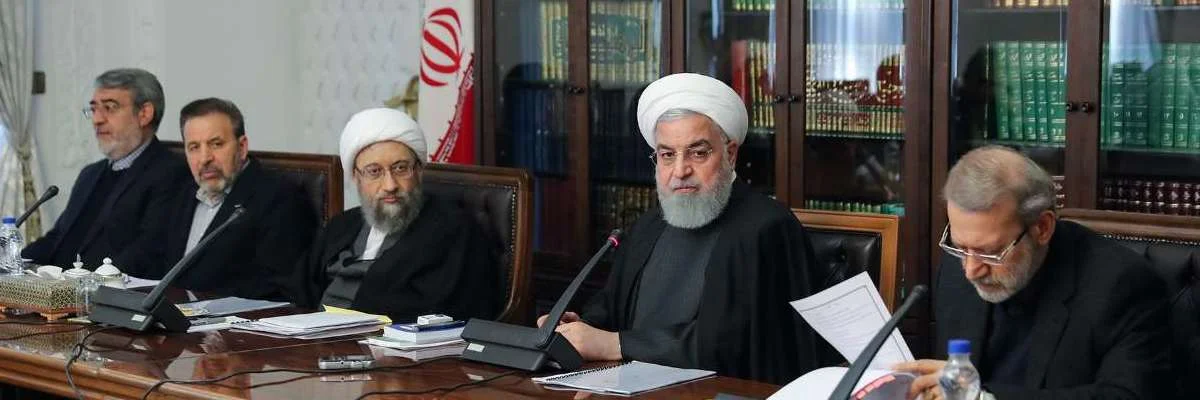
Iran Budget Under Scrutiny As Oil Revenues Fall
◢ Next week, President Hassan Rouhani will submit a budget proposal for the forthcoming Persian year (covering March 2019-2020). Currently, the Rouhani administration has few options as it seeks to avoid a budget deficit. Yet the political tradeoffs required when devising a budget under sanctions may prove more difficult to manage than the economic challenges.
Next week, President Hassan Rouhani will submit a budget proposal for the forthcoming Persian year (covering March 2019-2020). The budget bill’s adherence to fiscal rules and the reasonableness of its estimates will be under intense scrutiny given the volatile political and economic climate in Iran.
Policymakers and business leaders see the budget as having four purposes: to maintain economic stability, to boost economic growth, to expand redistribution for poverty reduction, and to supply public goods. Given limited resources related to the reimpositon of sanctions, the Rouhani administration intends to focus on the latter two goals. For example, the administration is slated to earmark USD 14 billion of its hard-earned oil dollars to ease importation of a group of 25 items classified as basic goods and medications.
In the face of such emergency expenditures, the cabinet must carefully balance its budget to ensure that spending is kept in line with revenue, especially given the impact of sanctions on the contribution of oil revenues.
Assuming that Iran will continue to sell 1 million barrels per day (mbpd) of crude oil at USD 54 per barrel, total oil revenues next year will reach approximately USD 20 billion or about IRR 1,140 trillion, at the effective official exchange rate of IRR 57,000. More optimistically, if Iran can manage to keep exports around 1.5 mbpd, the state will earn USD 30 billion, or IRR 1,710 trillion.
According to Iran’s Sixth Development Plan, which establishes guidelines for government budgets and covers a five-year period from 2016, revenue estimates for oil and gas condensate exports cannot exceed a forecasted IRR 1,150 trillion by more than 15 percent. As such, the budget must technically be balanced based on oil revenues of IRR 1,300 trillion. A draft version of the budget places oil revenues at IRR 1,690 trillion, flouting the rule.
Moreover, the Sixth Development Plan mandates that 14.5 percent of oil revenues be allocated to the National Iranian Oil Company, 34 percent to the National Development Fund of Iran (NDFI) and 3 percent for investment in Iran’s underdeveloped regions. The remaining revenues are earmarked for use by the central government.
In an effort to increase its available resources, the Rouhani administration planned to cancel the allocation of oil revenues to NDFI. But Iran’s Supreme Leader, Ayatollah Ali Khamenei, intervened to ensure NDFI secures at least a 14 percent allocation. When allocations are reduced, the government typically does not actually transfer the diverted revenue to the Central Bank of Iran, maintaining the funds outside of Iran. This means that the government is effectively printing money, adding inflationary pressure.
A further challenge for the Rouhani government will be that even if oil revenues can be sustained, sanctions will force the government to receive most of its foreign exchange earnings in currencies such as the Indian Rupee, Iraqi Dinar, Turkish Lira and Chinese Yuan. These funds, deposited into escrow accounts as governed by the Significant Reduction Exemptions (SREs) issued by the Trump administration to eight of Iran’s oil purchasers, will not prove as valuable or liquid.
While some have speculated that allowing the rial to depreciate could have served to minimize a budget deficit given the large proportion of foreign exchange revenues, the overall reduction in oil revenue and the need for new expenditures, such as allocations for the import of basic goods and pharmaceuticals, negates any benefit.
In the same vein, given high interest rates on Iran's debt market during the sanctions era, the government will face difficulties in repaying its deferred debts through the issuance of bonds. Furthermore, the Plan and Budget Organization of Iran is set to issue new debt in 2019-20 close to the IRR 560 trillion ceiling specified in the Sixth Development Program.
With revenue squeezed for the reasons outlined above, Rouhani will be under pressure to reduce spending, especially through the elimination of subsidies. First, the administration could decide to end the allocation of subsidized dollars for the import of essential goods and medication. This may exacerbate inflation, but it is not clear as to whether the subsidies are actually serving to keep consumer prices low, or whether importers and wholesalers are padding their profits. If inflation continues slow in coming months as the rial regains value, there may be a case for reducing the subsidy.
Second, the some economic commentators have proposed eliminating subsidies for fuel in the favor of shopping cards that enable households to get discounted prices for essential foodstuffs. This would replace a subsidy for essential goods importers with a subsidy for consumers. Not only would such an approach protect foreign exchange reserves, it arguably would more effectively support underprivileged groups in the society.
Currently, the Rouhani administration has few options as it seeks to avoid a budget deficit. Yet the political tradeoffs required when devising a budget under sanctions may prove more difficult to manage than the economic challenges.
Photo Credit: IRNA

Californian Farmers Waged 'War' on Iranian Pistachios and Won
A forthcoming documentary by journalist Yasha Levine and filmmaker Roman Wernham explores the fiercely political and highly lucrative world of pistachio farming in California, and its connections to US policy towards Iran.
The great pistachio war began—unintentionally—fifty years ago. In 1971, the United States changed its tax codes to eliminate loopholes exploited by almond and citrus farmers, “setting off a rush to plant pistachios,” which had been left out of the new rules. One year later, the Shah of Iran mandated that “small packets of protein-rich pistachios be given to schoolchildren as part of a free breakfast program,” reducing Iran’s exports of the nut. Just as American pistachios farms began to “come into serious production,” cultivating trees bred from Iranian cutting brought to California, Iran was thrust into its 1979 revolution.
Eager to win marketshare first in the US and then abroad, Californian pistachio farmers considered the chaotic situation in Iran to be “opportune.” Among them were Stewart and Lynda Resnick, an entrepreneurial couple who had stumbled into pistachio farming as a safe haven from inflation and taxes. But as journalist Yasha Levine and filmmaker Roman Wernham detail in a forthcoming documentary entitled Pistachio Wars, the “shrewd” Resnicks, “quickly realized that there was an opportunity” to be seized in growing the humble pistachio.
The documentary, which just surpassed its initial fundraising goal on Kickstarter, explains how, more than anyone else, the Resnicks have been responsible for both making the pistachio into a ubiquitous snack food in the US while also eating away at Iran’s global marketshare. They have become billionaires in the process.
The Resnicks’ enterprise, The Wonderful Company, is the largest producer of pistachios in the US with annual revenue of around USD 4 billion. The company also produces POM Wonderful, a pomegranate juice, and Fiji Water, a luxury spring water, among other food and beverage products.
Levine first learned of the Resnicks while reporting in what he calls, “Oligarch Valley,” a 450 stretch of irrigated farmland bounded by Silicon Valley in the north and Los Angeles in the south. As the name suggests, Oligarch Valley is home to some of the largest and most lucrative agricultural operations in the US, including 90 percent of the country’s pistachio production. The California pistachio crop was valued at USD 3.6 billion this year.
For Levine, his time driving down Interstate 5 was eye-opening. “When people think of California, people tend to focus on Hollywood or Silicon Valley as the state’s most powerful industries. That’s where they think the action happens. No one thinks about farmers,” Levine says. Yet farmers own the water and the land and “nothing happens in California without those two things. Farmers are in a lot of ways the true power brokers in California.”
Levine’s experience with powerful elites dates back to his time as a journalist chronicling the roaring years in Russia after the fall of the Soviet Union, when rapid privatizations and a bonanza of foreign investment collided to create a new class of oligarchs.
Drawing a comparison between oligarchs in Russia and the US, Levine notes that while there are “differences between the oligarchic power structures,” these details “are almost irrelevant when you consider the root political problem: state policy being crafted by and for the benefit of a tiny elite.”
The idea that pistachio farmers can rise to the political and business elite will not surprise Iranians. Asadollah Asgaroladi, one of Iran’s richest men, built his fortune as Iran’s leading exporter of pistachios and nuts. Former Iranian President Akbar Hashemi Rafsanjani was born to a wealthy family of pistachio farmers in Kerman Province.
Surprising as it may be, American pistachio farmers are no less politically ambitious. Led by the Resnicks, they have sought to bend policy to suit their interests. One of their main efforts, as documented by Levine and Wernham, has been to exert control over water resources, by undermining environmental protections and pushing the Californian government to commoditize water in a marketplace which they can dominate. To achieve this, they have become major political donors. Levine explains that while the Resnicks “cultivate a liberal, progressive image,” notably through their association with celebrity comedian Stephen Colbert, they are “not party purists because business comes first.”
Southern California generally votes democrat, but California’s farmland lies in Republican enclaves, in part because of the Republican candidates are “pro-big business, pro-agriculture and always in favor of projects that direct more water to California farmers,” says Levine. Over the years, the Resnicks have donated to three Republican congressmen: David Valadao, Kevin McCarthy, and Devin Nunes.
All three politicians have been outspoken opponents of the Joint Comprehensive Plan of Action (JCPOA), the nuclear deal which granted Iran sanctions relief. Nunes believed that the JCPOA “open[ed] the door for the IRGC to exploit the global economy to finance the growth of the IRGC’s web of terrorism to every corner of the planet.” Valadao argued that sanctions relief would provide Iran financial resources that would be used to “make the Middle East even less stable and increase the likelihood of war in the region.” McCarthy praised President Trump’s withdrawal from the nuclear deal earlier this year.
The Resnicks have also donated to prominent Washington lobby groups and think tanks which advocate a confrontational stance on Iran, including the American Jewish Committee and the Washington Institute on Near East Policy, where Reza Pahlavi, son of Iran’s deposed Shah, recently gave a speech calling for a policy of regime change.
Over the years, US sanctions on Iran have been good for the Resnicks. As Levine describes, “the US pistachio industry as a whole is very aware that its success has been born out of the sanctions against Iran.” In his travels in Oligarch Valley, Levine met farmers who were “openly angry about diplomatic measures like Obama's Iran nuclear deal.”
Back in 1986, American growers shored their newfound dominance of the domestic market by successfully lobbying for a 300 percent tariff of pistachio imports from Iran. From that point, American growers began to turn their attention to international markets.
The US became the leading exporter of pistachios to the European Union in 2005, before international sanctions on Iran were tightened. In the years since the imposition of sanctions, Iran’s pistachio exports have remained flat, while US exports have since more than doubled.
Trade in pistachios is not subject to US sanctions for non-US persons if they avoid using the US financial system to conduct the trade. But general restrictions in banking and logistics services suppress the ability of Iranian growers to get their products to market. Add to this the aggressive marketing and business development activities spearheaded by The Wonderful Company and it is clear that American growers have an edge over Iranian counterparts, even if the Iranian product is widely considered to have a superior taste.
Can Iran fight back in the pistachio war? Iran continues to be a leading producer and a significant exporter of the beloved nut. A few years of poor harvests in California and some better export promotion by Iranian growers could see Iran claw back some of its lost marketshare, especially in Europe. No doubt, the Resnicks will remain vigilant.
Photo Credit: The Wonderful Company
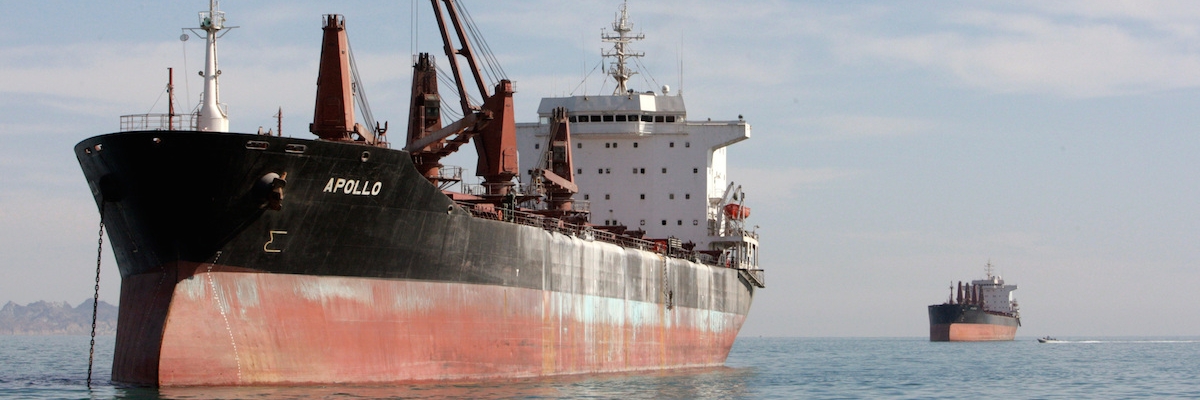
Delays Hit Iran’s Imports of Soybeans, Maize as Ships Remain Anchored Offshore
◢ More than a dozen cargo ships carrying agricultural commodities are spending weeks anchored off the coast of Iran as importers are delayed in making payments. With supplies of soybeans and maize restricted and demurrage costs incurred when cargoes do finally make it to shore, the delays are having a significant impact on Iran’s economy.
The bulk carrier ADA left Santos, Brazil on October 2, laden with 23 tons of maize. The Cypriot ship was charted by Cofco, China’s largest agribusiness firm and a global leader in commodities trading, to deliver its cargo to Iran. On November 8, ADA arrived at the anchorage for Bandar Imam Khomeini, located about 75 kilometers offshore. It has spent the last 32 days anchored in the same position and has not yet unloaded its important cargo.
ADA is just one of more than a dozen cargo ships carrying agricultural commodities that are spending weeks anchored off the coast of Iran as importers are delayed in making payments. With supplies of soybeans and maize restricted and demurrage costs incurred when cargoes do finally make it to shore, the delays are having a significant impact on Iran’s economy. Higher input costs are not only pushing up the price of meat and manufactured foods, but also exacerbating other pressures that risk pushing companies, such as poultry farms, into bankruptcy, threatening tens of thousands of jobs.
Global trading companies like Bunge, Cargill, and Cofco, which maintain significant business in Iran, typically dispatch their cargoes prior to receiving payment. Payment is received while the cargoes are en route and the vessel is then able to proceed to its destination port and unload.
Iranian importers and foreign exporters alike describe the recent delays as unprecedented, citing two main challenges. First, the Central Bank of Iran is struggling to allocate foreign exchange to importers in a timely manner as it continues to workout kinks in its recently implemented NIMA system, a centralized foreign exchange marketplace.
Some Iranian exporters, particularly major petrochemical companies, have proven reluctant to make their foreign exchange revenues available through the NIMA system as legally required, limiting supply. As a result, foreign exchange prices available through NIMA, which have averaged at around IRR 100,000 to the dollar in the past few weeks, are higher than what many importers consider fair, limiting uptake of the NIMA system.
As reported by Maziar Motamedi for Al Monitor, importers have “reached an agreement with the government to offer their hard currency revenues at an agreed a further subsidized rate of about IRR 80,000 to the dollar” forcing the Central Bank of Iran to essentially undercut its own marketplace. Unwilling to buy foreign exchange at the market price available via NIMA “buyers prefer to wait in long queues—sometimes taking up to three months—to receive their currencies at the subsidized rate,” according to Pedram Soltani, vice president of the Iran Chamber of Commerce, a private sector body.
It appears these added pressures are making it more difficult for the Central Bank of Iran to meet the needs of Iranian importers of essential goods such as agricultural commodities and pharmaceutical products, who are entitled to receive the lowest subsidized rate of IRR 42,000 per dollar.
In addition to these internal challenges, the Trump administration’s avowed “financial war” on Iran has made even routine banking more difficult. Despite long-standing exemptions for humanitarian trade, the reimposition of secondary sanctions has served to restrict the financial channels necessary to make payments. Even when foreign exchange is made available to importers, there are now fewer beneficiary banks in Europe and Asia willing to accept transfers from Iranian commercial banks. As a result, traders are often finding it necessary to identify new banking channels through which to conduct trades, adding to delays.
The delays are so significant that it appears some ships are being diverted to new destinations following payment delays. The bulk cargo vessel ANTHEA departed from Santos, Brazil on September 30 having been charted by commodities giant Bunge to deliver a cargo of maize to Bandar Imam Khomeini, the largest of Iran’s ports. But ANTHEA only made it as far as the anchorage point off the coast of Fujairah, United Arab Emirates, spending two days offshore before being diverted to a new destination altogether.
Encouragingly, in most cases, shipments are being completed despite the delays. CHAMPION EBONY successfully reached Iran’s Shahid Rajaee port (formerly Bandar Abbas) on November 18, having been dispatched with a cargo of soybean oil by trading firm Renova Norte. SUMMIT SUCCESS and MACHERAS departed Santos, Brazil laden with Maize in early October. Each ship took about five weeks to arrive at its destination, with SUMMIT SUCCESS offloading at Bandar Iman Khomeini for Cofco and MACHERAS offloading at Chabahar for Bunge.
Moreover, commodities traders continue to dispatch ships. SEALADY departed from a Bunge-owned port in Longview, Washington on November 1 headed to Bandar Imam Khomeini with a cargo of American soybeans.
Traders remain adamant that given the significance of the Iranian market and the resources available to the major commodities traders, financial channels will be established in order to sustain a baseline of trade, notwithstanding the currency issues and the sanctions concerns.
Europe’s planned special purpose vehicle for Iran trade could also prove useful in the area of commodities trade. But further bespoke solutions will add costs that will no doubt be passed on down the supply chain, increasing the cost of foodstuffs above what would have otherwise been expected had Iranian importers been able to make payments using more typical channels.
Photo Credit: Vahid Salemi
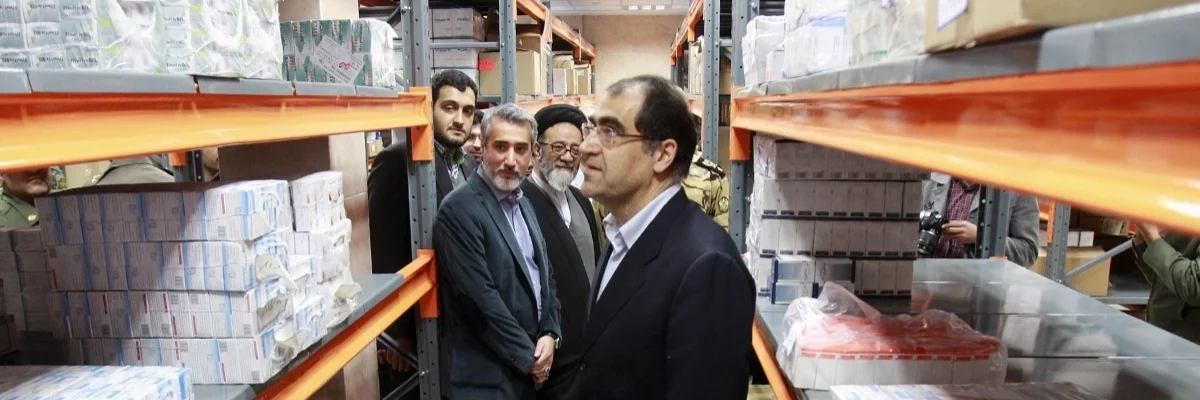
European Pharmaceutical Exports to Iran Fall Sharply
◢ Data from Eurostat and the Swiss Federal Customs Administration show that European exports of pharmaceutical products to Iran have fallen considerably on a year-on-year basis. While some of Iran’s smaller trade partners have seen export values rise, Iran’s top sources of European pharmaceutical products are seeing exports contract.
Editor’s Note: In the course of writing this report, it was discovered that there are major discrepancies in the data on Denmark’s pharmaceutical exports to Iran as presented by Eurostat and Danmark Statistik. The Danish exports cited below are as reported from Eurostat, but the data is pending correction. We are in touch with the relevant agencies to find out why the data is inconsistent. There is no reason to believe Eurostat figures are otherwise inaccurate.
Data from Eurostat and the Swiss Federal Customs Administration show that European exports of pharmaceutical products to Iran have fallen considerably on a year-on-year basis. While some of Iran’s smaller trade partners have seen total export values rise, Iran’s top sources of European pharmaceutical products are seeing exports contract.
Looking to cumulative export totals from January to September—the most recent month for which data is available—exports among the 28 member states of the European Union are down 6 percent when compared to the same point last year, while the total quantity exported has fallen 10 percent. Among the 6 member states which exported in excess of EUR 30 million in pharmaceutical products to Iran in 2017, only Germany and the Netherlands have seen export volumes rise this year.
German exports were about EUR 40 million in September 2018, the largest one-month total in the past two years and perhaps an indication of stockpiling by Iranian importers. However, Austria, Italy, France and Belgium have all seen exports fall substantially indicating that any stockpiling is not widespread.
Switzerland is Iran’s second largest source of European pharmaceutical products after Germany. While Swiss exports were down 43 percent year-on-year in September, the figures have regained some ground. October data, which is available in Switzerland, shows exports now down 21 percent, from a cumulative total of CHF 156 million in October 2017 to CHF 123 million in October of this year.
These concerning figures may explain why the Swiss government has opened a dialogue with the Trump administration on establishing a dedicated channel for humanitarian trade.
Aside from their humanitarian importance, pharmaceutical products are a major component of bilateral trade between Europe and Iran, accounting for 7 percent of total exports from the European Union to Iran, and about 40 percent of Swiss exports to Iran, a reflection of Switzerland’s standing as a world-leader in the pharmaceutical sector. Overall, Iran imported nearly EUR 1 billion in pharmaceutical products from Europe last year.
The new export data substantiates fears that reimpostion of US secondary sanctions on Iran has begun to restrict humanitarian trade, despite the fact that the sale of humanitarian goods, including pharmaceutical products, is technically sanctions exempt. This disruptions are already being felt in Iran, as medical professionals report new shortages of critical medications.
One of the persistent questions surrounding shortages of medicine in Iran is whether they are caused primarily by interruptions in the supply chain outside Iran or by challenges inside Iran. Reports of delays at customs, hoarding by wholesalers, and panic buying by consumers suggest that the shortages are likely exacerbated by domestic circumstances.
However, the clear drop in exports from Europe indicates that fewer pharmaceutical products are arriving at Iran’s ports in the first place. Europe is by far the most important source of medicine and medical devices for the Iranian market.
Reduced sales could be the result of the increased cost of importing medication due to the devaluation of the rial or difficulties faced by Iranian importers in securing allocations of the necessary foreign currency to make the purchases.
But given that consumers are generally price insensitive when it comes to essential goods like medication, and given that the Iranian government has prioritized foreign exchange allocations for importers of essential goods, it is more likely that the fall in European pharmaceutical exports to Iran is related to the widely reported banking difficulties that are effecting Europe’s humanitarian trade with Iran.
While European exports may have rebounded beginning in October, is unlikely that situation will look very different when data is made available for the final quarter of the year.
As Europe works to establish a special purpose vehicle (SPV) to address the limited banking channels available for exporters, thereby enabling a greater volume of trade with Iran, there will be significant pressure for the forthcoming mechanism to focus on humanitarian trade first. This year, every EU member state has exported pharmaceutical products to Iran, demonstrating broad commercial interest that could help incentivize cooperation among member states to establish an SPV for humanitarian trade.
Europe must ensure a quick rebound in pharmaceutical exports, not simply for the sake of those suffering from illness in Iran, but also to demonstrate its ability to protect its trade starting with where it should be least vulnerable—the export of sanctions exempt products.
Photo Credit: IRNA
For Iranian Passengers, Old Planes and Few Parts Make Air Travel 5.5 More Times Deadly
Statistically speaking, air travel in Iran is still safe. But even if the overall risk of an accident remains statistically low, the risk still far exceeds expected levels.
In November, Kim Hjelmgaard of USA Today reported on the misery and danger faced by Iran’s air travelers as US sanctions return. Hjelmgaard’s interviewed with former airline pilot Houshang Shahbazi who heroically “saved the lives of more than 100 passengers and crew in 2012 when he successfully landed a 747 commercial airplane with a disabled wheel carriage.” His report also included data on aviation safety in Iran complied by Bourse & Bazaar. A closer look at that data is presented here.
To measure the risks posed to air travelers in Iran, it is possible to look to deaths per passenger journey. This is considered the “most accurate measure” for the mortality risks posed by flying as it accounts for the difference between long and short haul flights, which operate different types of aircraft.
Passenger journeys are tabulated by the International Civil Aviation Organization, and accessible via the World Bank’s data portal. Air accidents and fatalities in Iran are recorded by the Air Safety Network, an industry database. For the purposes of this analysis, we will compare global fatalities with passengers fatalities from accidents involving Iranian-registered commercial aircraft within Iran.
The period examined is 1997 to 2017, a 20 year period which includes the most recent available data. This is also the period which covers the intensification of international sanctions on Iran, beginning with the Iran Libya Sanctions Act signed into law by the Clinton administration in 1997. The International Civil Aviation Organization (ICAO), a United Nations body, has long gathered evidence which suggests that US sanctions contribute to the poor safety record of Iran’s aviation industry. A 2010 ICAO Universal Safety Audit found that “Iranian carriers are unable at present to fulfill most requisite ICAO aviation safety and maintenance standards and recommended practices (SARPs)… because they were denied access to updated aircraft and aircraft spare parts and post-sale services around the world.”
Looking to the data on risk of death, Iran’s 20 year average is 1.89 deaths per 1 million passenger journeys. The same figure for the rest of the world is 0.34 deaths. By this measure, flying in Iran is on average 5.5 times more deadly than flying in the rest of the world, in aggregate. Notably, this does not include 2018 figures, a year where Iran has had 66 fatalities.
When depicted in a chart, the ratios help illustrate the frequency with which Iran experiences serious air accidents. There have been accidents in 18 of the last 20 years, with an average of 2 accidents per year. Accidents do not always lead to fatalities. Fatalities are recorded in 9 of the last 20 years. But deaths can quickly mount when accidents occur at higher than normal levels. In 2009, Iran tragically experienced 7 aviation accidents, resulting in 189 deaths.
Statistically speaking, air travel in Iran is still safe. This is in large part due to the efforts of Iranian pilots and maintenance crews to keep aircraft operable despite limited resources. But even if the overall risk of an accident remains statistically low, the risk still far exceeds expected levels. Over the last 20 years, Iran has witnessed 41 accidents, accounting for 6 percent of the global total. But the country accounts for just 0.6 percent of passenger journeys made worldwide in the same period. By this measure, the frequency of accidents in Iran is 10 times higher than the global norm.
To help put the risk of death in context, one French study found that the rate of fatalities for motorcyclists in France is 1.26 deaths per million journeys. By this jarring measure, a journey on a commercial flight in Iran is more dangerous than a journey on a motorcycle. Iranian passengers put up with these risks because they must—it is the only way to visit family, conduct business, or travel for pleasure. But the situation remains unacceptable.
As Shabazi poignantly told Hjelmgaard, "Everybody knows the risks Iranians face in the air… and everybody's scared."
Photo Credit: IRNA
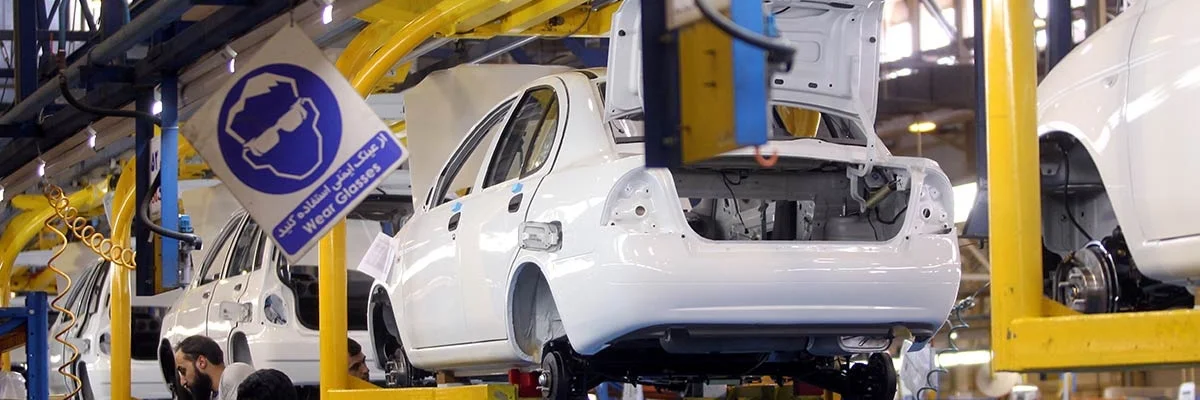
For Iran’s Economy, the Price of a Car Matters More Than the Price of Oil
◢ The combination of reimposed sanctions, a slowing economy, and a devalued currency have put Iran’s automotive sector under severe pressure With nearly 1 million jobs linked to the automotive industry, the price of a new car could be even more important than the price of oil for the Iranian economy. In an interview with Bourse & Bazaar, Saeed Madani, the former CEO of SAIPA, warned that price controls are squeezing state-owned automakers.
The combination of reimposed sanctions, a slowing economy, and a devalued currency have put Iran’s automotive sector under severe pressure With nearly 1 million jobs linked to the automotive industry, the price of a new car could be even more important than the price of oil for the Iranian economy.
In an interview with Bourse & Bazaar, Saeed Madani, the former CEO of SAIPA, Iran’s second largest automaker, warned that price controls are squeezing state-owned automakers as sanctions effect the overall economy.
State-owned firms Iran Khodro and SAIPA, account for 90 percent of the 1.5 million vehicles manufactured in Iran each year, but are in many respects these firms are least prepared for the bumpy road ahead.
Madani, who led the SAIPA for three years during the height of sanctions from 2012 to 2015, warned that dependence on imported raw materials and parts leaves Iranian automakers vulnerable as the economy slides into a recession.
“With the rial weakening, carmakers’ purchasing power has been slashed. The input costs of auto parts industry have also increased significantly,” Madani explained. The rial has lost 70 percent of its value against the US dollar since the current Iranian fiscal began in March, making manufacturing inputs significantly more expensive.
Automakers Face Pricing Squeeze
These costs cannot always be passed onto the consumer. Presently, Iran’s Competition Council retains the power to set prices for many domestic products, including cars that are categorized as affordable, meaning their sticker price is less than IRR 450 million.
Madani believes that even if the state is reluctant to deregulate the auto market at large, authorities must give a green light to the carmakers to increase prices. “The upgraded prices need to be set for each model depending on the share of imported auto parts in its production,” he said.
The price increases are especially crucial for models assembled from imported completely knocked-down (CKD) kits, as these vehicles have a higher foreign parts content than those designed locally. Madani thinks prices for the vehicles assembled from CKD kits should be “at least doubled.”
SAIPA’s most popular model is the entry-level Pride, based on a design from Korean automaker Kia. The Pride is the cheapest car made in Iran. To manufacture each Pride, “it is necessary to import USD 1,500 worth of parts and raw materials,” Madani explained.
But while earlier this year, automakers were receiving foreign exchange at the subsidized rate of IRR 30,000 per dollar, today their currency is purchased through the NIMA system, established by the Central Bank of Iran to coordinate foreign exchange purchases and to track forex transactions involving banks, exchange houses, importers and exporters in real time. Over the last month, the average NIMA rate was IRR 92,304 per dollar.
In Madani’s estimation, looking just to cost of inputs, and ignoring increased overheads facing SAIPA, the price of the Pride needs to be raised by IRR 90 million (USD 600) to bring its sticker price to IRR 320 million (USD 2200).
The official price of the Pride was last raised in June, bringing it to IRR 227 million (USD 1,500). Today, the Pride is regularly selling for IRR 340 million (USD 2,300) in secondary markets, demonstrating the heavy subsidization enforced by the government.
Failing to readjust prices could have dramatic consequences for the auto industry, warned Madani. “If the government does not let carmakers increase prices, they will go bankrupt. Firms will be forced to shut down many production lines and output rates will nosedive,” he said.
Faced with this dilemma, the government will be tempted to throw the automakers a lifeline by providing financial aid and loans. But Madani considers such aid to be a burden for manufacturers, which will struggle to pay back debts in the future.
Uncertain Government Response
In recent weeks, government figures have repeatedly signaled that they are considering giving carmakers the green light to increase car prices. Financial newspaper Donya-e Eqtesad recently reported that industry stakeholders and officials are well aware that the car prices need to be increased, but are afraid of the political cost of such a decision as it will be seen as placing pressure on Iranian consumers.
On October 31, Iran’s newly appointed industry minister, Reza Rahmani, told IRNA, “Automakers are not permitted to change car prices [on their own]. There is a designated legal mechanism for introducing new car prices. No decision has been made yet about changing car prices.”
In the interview, Rahmani also questioned the credibility of the unaudited financial statements reported by the local media, which suggested that Iran Khodro and SAIPA had made losses amounting to IRR 21 trillion (USD 142 million) and IRR 29 trillion (USD 196 million) respectively in just the last six months.
“Iranian automakers are not loss-making. By producing certain models local carmakers may incur losses. However, this is not an issue which cannot be resolved by better management of resources,” the minister countered.
Rahmani revealed that a “specialized task force” had been established in coordination with industry executives “to study the problems which have hindered auto production over the past few months.”
But time is short. “With every day passing carmakers’ loses will further pile up… Automakers should not be forced to foot the bill for subsidizing car prices in Iran,” Madani said.
His assessment is shared by Maziar Beiglou, a board member of the Iran Auto Parts Makers Association. Beiglou recently stated in an interview that the “The situation has been worsening by the day,” pointing to the rising price of inputs such as iron ingots used by companies that produce automotive steel. In Beiglu’s assessment, more than 300 auto parts makers have been forced to stop production.
Total vehicle production in Iran is down 15.1 percent looking to the first half of the current Iranian fiscal year, which began in March. Already, economic headwinds and slowing production have led to mass layoffs.
Sate-owned companies such as Iran Khodro and SAIPA are unlikely to “resort to laying off workers” given the difficult optics for the Iranian government, Madani predicted. But private sector auto parts companies have already been forced to layoff “100,000 to 150,000” workers because of the deteriorating situation.
Photo Credit: IRNA
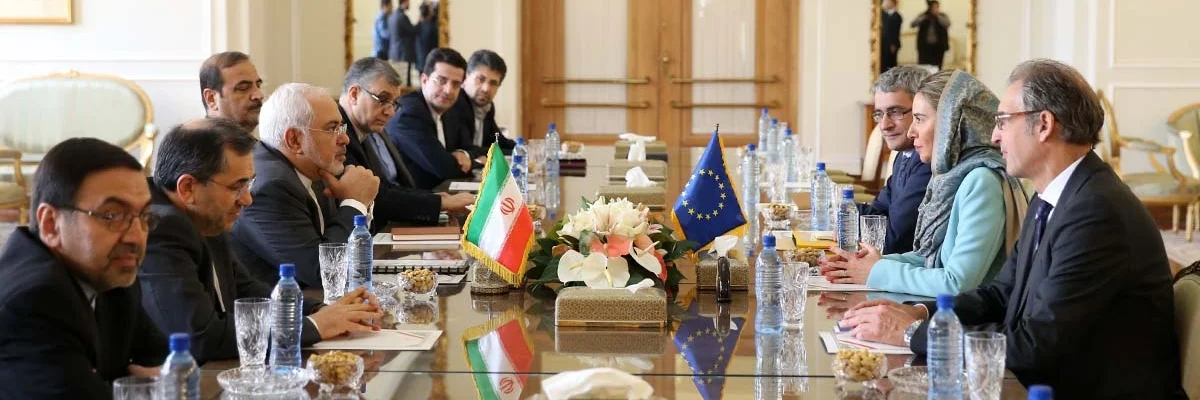
Europe’s SPV Will Be a ‘Rare Victory’ Only if Iran Makes it So
◢ Technical work on Europe’s SPV for Iran trade continues to move forward. Meanwhile, the Iranian government seems content to exercise “strategic patience” as it waits for the new mechanism to come online. But while this patience is commendable, Iran should be taking a much more active role in shaping the SPV to suit its needs.
This article was originally published in Persian in Etemad Newspaper.
In a recent speech, President Rouhani declared that Iran had achieved a “rare victory” insofar as Europe is seeking ways to sustain its trade with Iran in the face of US sanctions. While this may be true in a political sense, practically speaking, the President is declaring victory too soon. Iran should be doing much more to ensure Europe’s efforts result in solutions that can maximize the flow of trade while banking ties remain restricted.
As US sanctions are reimposed, European efforts to sustain trade center on the creation of a new “special purpose vehicle” (SPV) which will serve to reduce the reliance of Europe-Iran commerce on the international financial system. The SPV, which will be owned by a group of European states with strong commercial ties to Iran and will help coordinate the “netting” of Europe-Iran trade, minimizing the need for cross-border financial transactions. There seems to be serious political will. In an interview with the Financial Times, French economy minister Bruno Le Maire expressed his hope that the SPV would evolve into a “real intergovernmental institution that will serve as the financial instrument of Europe’s independence.” The new mechanism “should allow us to trade in any product, with any country, so long as it is in line with international law and Europe’s commitments.”
The necessary technical work is proving complex, but continues to move forward. While the SPV is expected to be legally registered in the next few weeks, it will take more time for the new entity to become fully operational. The Iranian government seems content to exercise “strategic patience” as it waits for the SPV to come online. But while this patience is commendable, Iran should be taking a much more active role in shaping the SPV to suit its needs.
There is a precedent for Iran to take a more active role in implementing new financial mechanisms. When the Joint Plan of Action (JPOA), the precursor to the JCPOA, was agreed on November 24, 2013, Iran received its first round of sanctions relief. This relief included the creation of a channel to facilitate humanitarian-related transactions including trade in food and medicine at a time when strict banking sanctions remained in place.
The OFAC guidelines issued upon implementation of the JPOA outline that the “[foreign financial institutions] whose involvement is sought by Iran in hosting this new mechanism will be contacted directly by the USG and provided specific guidance.” What this means is that Iranian technical assistance was crucial in helping the United States identify the foreign banks that could facilitate humanitarian trade if given the proper assurances.
Today, same kind of Iranian input is necessary to ensure the European SPV is effective, particularly for the sake of sustaining humanitarian trade. There are two areas where Iran must play a more active role in advising its European partners on the structure and operation of the SPV.
First, Iran should ensure Europe to establishes multiple SPVs so that sanction-exempt humanitarian trade can be facilitated through a separate channel from sanctionable trade such as oil exports. Presently, only a single SPV is being considered by European governments. While facilitating all trade through a single entity is consistent with EU law, which does not see trade in food as different from trade in oil, for example, creating a single SPV will make the new mechanism more vulnerable to US sanctions. Given that in the short term, the SPV will be focused on humanitarian trade, it would be sensible to create a dedicated channel for these transactions. US officials have publicly promised they do not seek to inhibit humanitarian trade. Any mechanism focused exclusively on humanitarian trade is unlikely to be targeted by additional sanctions.
Second, the SPV will need to conduct due diligence on each of transactions it facilitates. This will be a costly and time-intensive process. In order to maximize the volume of trade that the SPV can facilitate, Iran should create tools that will make it easier for the managers of the SPV to conduct the necessary due diligence. For example, the SPV could be given access, via a portal administered by the Central Bank of Iran, to registration and ownership information of Iranian companies currently only available to Iranian banks. Iran could also nominate a list of well-established companies authorized to use the SPV, reducing the risk that the SPV will be overwhelmed with unprofessional requests or abused by untransparent actors.
If the SPV can be implemented successfully, it would indeed be a rare victory in which Iran’s trading relationships will become less vulnerable to US economic warfare. But this opportunity is as urgent as it is historic and, over the next few months, Iran must take a more active role in shaping the planned European mechanisms to ensure their optimal operation.
Photo Credit: IRNA
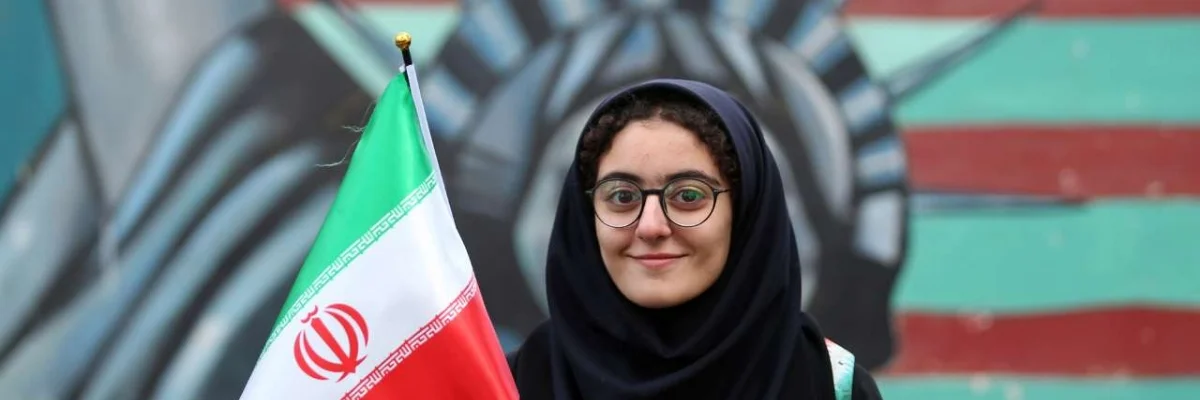
America’s Latest Wave of Iran Sanctions: An Explainer
◢ On 5 November, the Trump administration’s latest and most significant wave of sanctions against Iran came into effect. The US Treasury has issued a list of more than 700 Specially Designated Nationals (SDNs) and Blocked Persons, which includes roughly 300 entities that did not feature in Obama-era sanctions. The new sanctions impact Iran’s oil and transportation industries and banking sector in important ways.
This article was originally published by the European Council on Foreign Relations.
On 5 November, the Trump administration’s latest and most significant wave of sanctions against Iran came into effect. The US Treasury has issued a list of more than 700 Specially Designated Nationals (SDNs) and Blocked Persons, which includes roughly 300 entities that did not feature in Obama-era sanctions. The designations combine with a series of briefings from senior US administration officials, along with fact sheets and guidelines from the US Treasury’s Office of Foreign Assets Control (OFAC). Below is an overview what we know so far about how the US will implement its sanctions.
Waivers allow Iran to maintain some of its oil exports
American sanctions targeting Iran’s oil exports and related banking activity will cause many companies and countries to halt or reduce their purchases of Iranian oil. The US administration has stressed that, in contrast to Obama-era measures, the latest sanctions target Iranian condensate as much as crude oil, thereby affecting another source of energy revenue.
Yet the US administration has issued Significant Reduction Exemptions (SREs) to eight countries: China, India, Italy, Greece, Japan, South Korean, Turkey, and Taiwan. Iraq did not receive an SRE, but obtained a waiver to continue purchasing Iranian electricity.
The United States did not issue a formal response to the joint letter from the E3 (Germany, France, and the United Kingdom) issued in June 2018 to request that EU companies be exempt from secondary sanctions. Other EU member states were surprised that Italy and Greece obtained waivers, suggesting that they separately negotiated country-specific rather than EU-wide exemptions. That China sought a waiver indicates that it may be avoiding confrontation with the US as it seeks to sustain trade with Iran.
The US authorities will review these waivers periodically (it is unclear when), requiring recipient countries to prove that they have substantially reduced their imports of Iranian oil (under Obama-era sanctions, these reductions were around 20 percent). According to Secretary of State Pompeo, two of the countries will eventually “completely end imports as part of their agreements”, but – again – the timing is unclear.
The US has abandoned its stated objective of reducing Iran’s oil exports to “zero”, seemingly due to concerns that this would cause a spike in global oil prices. However, revenues from Iran’s oil sales will be held in escrow accounts and can only be used for trade in humanitarian goods or other non-sanctioned products. As such, the US administration is insisting that its oil waivers are still consistent with its aim of ensuring that Iran’s government has “zero oil revenue” that can be used for “malign activity” in the region.
Banking measures allow for limited humanitarian trade
While most Iranian financial institutions are subject to US secondary sanctions, a few of Iran’s private banks are exempt from these measures. In principle, these banks can facilitate humanitarian trade even with US companies, a situation akin to that prior to the implementation of the sanctions relief that followed the implementation of the Joint Comprehensive Plan of Action (JCPOA).
Until recently, four private companies were responsible for facilitating nearly all of Iran’s humanitarian trade: Parsian Bank, Middle East Bank, Saman Bank, and Pasargad Bank. But, on 16 October, the US Treasury named Parsian Bank as a Specially Designated Global Terrorist. This new measure bans the bank from facilitating humanitarian trade. Responding to the designation, Kourosh Parvizian, Parsian’s CEO, described the new sanctions as a “mistake” that threatened “a bank that handles the transactions behind the majority of imports of foodstuffs, medicine and other humanitarian trade items for the Iranian people.”
The US clearly intended the designation of Parsian Bank to send a message to the Iranian financial system and its international counterparties. Commenting on the thin grounds for designating the bank a terrorist organisation, sanctions attorneys have expressed concern about the US Treasury’s approach to humanitarian trade.
The Parsian designation will loom over the remaining entities engaged in humanitarian trade with Iran, reminding them that the US could block their access to the international financial system at any moment. For now, the White House has not applied new terrorism- or proliferation-related designations to Middle East Bank, Pasargad Bank, or Saman Bank. This is crucial to these companies’ capacity to facilitate humanitarian trade.
OFAC guidelines state: “broadly speaking, transactions for the sale of agricultural commodities, food, medicine, or medical devices to Iran are not sanctionable unless they involve persons on the SDN List that have been designated in connection with Iran’s support for international terrorism or proliferation of weapons of mass destruction.” Companies that use these banks to conduct transactions for humanitarian trade must ensure that no other SDN-listed entities are involved in this trade.
Overall, the manner in which the US has reimposed sanctions allows humanitarian trade to continue. But the US has not taken any steps to actively safeguard vital trade in food and medicine, leaving European companies in the lurch about the risks involved in humanitarian trade linked with Iran and placing the citizens of Iran under intense pressure.
Partly to address this urgent problem, Switzerland is negotiating directly with the US authorities to create a humanitarian banking channel with Iran. Under Obama-era sanctions, several small Swiss merchant banks maintained ties with the likes of Parsian, Middle East Bank, Saman, and Pasargad. That the Swiss government now considers it necessary to intervene could indicate that these Swiss banks are more reluctant to engage with Iranian companies due to the Trump administration’s aggressive stance on all Iran-related commerce. Home to several major pharmaceuticals manufacturers, food companies, and commodities traders, Switzerland is perhaps Iran’s most important partner in humanitarian trade.
Iran’s access to SWIFT has been significantly restricted but not blocked
For several months, there has been widespread speculation about whether the US would pressure Belgium-based financial messaging organisation SWIFT to block payments from all Iranian banks. Treasury Secretary Steven Mnuchin noted the US has required SWIFT to disconnects any Iranian entity that the country designates as a terrorist or proliferation entity. For now, a handful of Iranian banks that are not subject to designations will likely remain connected to SWIFT.
On Monday, SWIFT stated that it would suspend some Iranian banks’ access to its network, noting “this step, while regrettable, has been taken in the interest of the stability and integrity of the wider global financial system”. The move is unsurprising given Mnuchin’s warning that “SWIFT would be subject to US sanctions if it provides financial messaging services to certain designated Iranian financial institutions”. Thus, it is possible that there will be a showdown between the European Union and the US if SWIFT decides not to disconnect all targeted Iranian entities and the US Treasury responds with sanctions against the organisation.
Expanded targeting of civilian aircraft and maritime vessels
American sanctions on aircraft belonging to Iran Air, the country’s national carrier, will complicate its operations. Under Obama-era sanctions, such measures made it difficult for Iran Air to receive ground handling and refuelling services at many European airports. This forced Iran Air planes flying between Europe and Iran to refuel in third countries.
Notably, the US Treasury has targeted Iran Air’s recently acquired ATR regional aircraft, which largely conduct domestic flights. The move may be designed to complicate maintenance of the aircraft, increasing safety risks for Iranian passengers.
The US Treasury has also sanctioned a wide range of Iranian oil tankers, as well as other cargo vessels and container ships. This will restrict Iran’s ability to engage in trade, as ports may refuse to service the vessels.
Civilian nuclear cooperation is permitted in limited cases
The US has placed the Atomic Energy Agency Organization of Iran on its SDN list, subjecting it to secondary sanctions. The organisation is the main entity responsible for implementing Iran’s nuclear-related obligations under the JCPOA.
To fully comply with the agreement, Iran must make several adjustments to its nuclear programme, such as redesigning its heavy water reactor at Arak and converting the Fordow enrichment facility into a research complex. To carry out this technical work, Iran is cooperating with the United Kingdom, China, and Russia.
The US has clarified that “all nuclear cooperation with Iran, except for the limited activities for which waivers are being granted, will be sanctionable”. Nonetheless, the US has granted sanctions waivers to non-proliferation projects at Arak, Bushehr, and Fordow facilities, noting that “each of the waivers we are granting is conditional on the cooperation of the various stakeholders”.
The US is monitoring Europe’s planned SPV
In response to America’s reimposition of sanctions this year, the EU and E3 governments reiterated their intention to create a Special Purpose Vehicle (SPV), a new mechanism to facilitate trade with Iran while reducing Iranian reliance on the international financial system. European officials still hope to legally establish the SPV in the coming weeks, but the mechanism is unlikely to become operational for several months. When asked by reporters about the SPV, US policy adviser Brian Hook noted that the “United States will not hesitate to sanction any sanctionable activity in connection with our Iran sanctions regime”.
European governments could establish an SPV to facilitate humanitarian trade alone, thereby minimising the risk that the US will target the mechanism. But it appears that they are planning a single SPV that would include trade the US regards as sanctionable.
That the White House has issued some waivers to allow for civil nuclear cooperation with Iran signals its desire to maintain the JCPOA’s limitations on Iran without allowing the country any of the tangible economic benefits envisaged under the deal. According to one senior Iranian official, unless the remaining JCPOA parties can provide Iran with a meaningful economic package in the coming months, Tehran is likely to re-evaluate its stance on the agreement. In this respect, it is crucial that Europe demonstrates its ability to successfully launch the SPV and, together with China and Russia, takes both economic and political measures to signal that the JCPOA can weather the American sanctions storm.
Photo Credit: IRNA
