Integrated Futures Initiative
In line with its focus on economic diplomacy, economic development, and economic justice in the Middle East and Central Asia, the Bourse & Bazaar Foundation (B&BF) launched the Integrated Futures Initiative (IFI) in 2023. This initiative is dedicated to supporting future regional diplomacy through deeper economic integration in West Asia.
Latest Article
The Regional Organization for the Protection of the Marine Environment is the only regional body that brings together all eight littoral states surrounding the Persian Gulf.
Initiative Partners
Articles
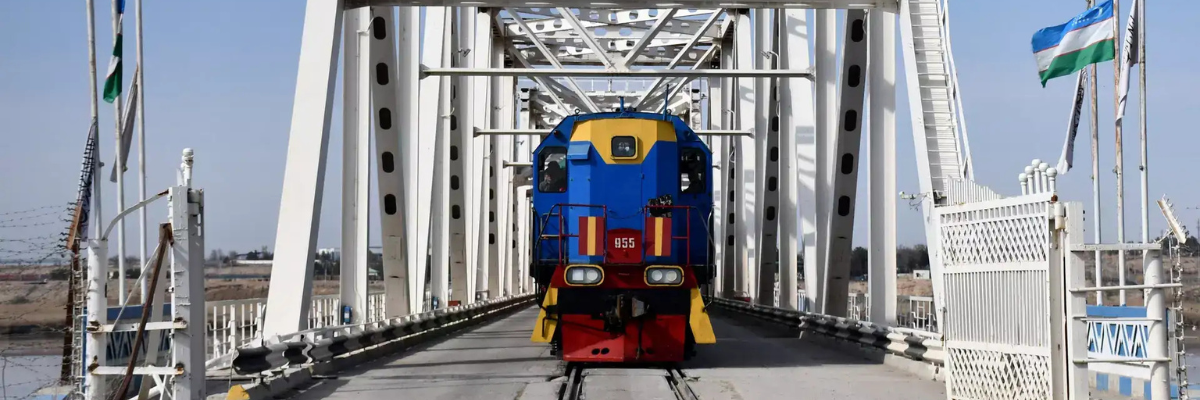
As the Taliban government pursues an assertive policy to enhance Afghanistan’s logistical infrastructure, interest in the country’s role as a southern transit hub is gaining momentum across West Asia.
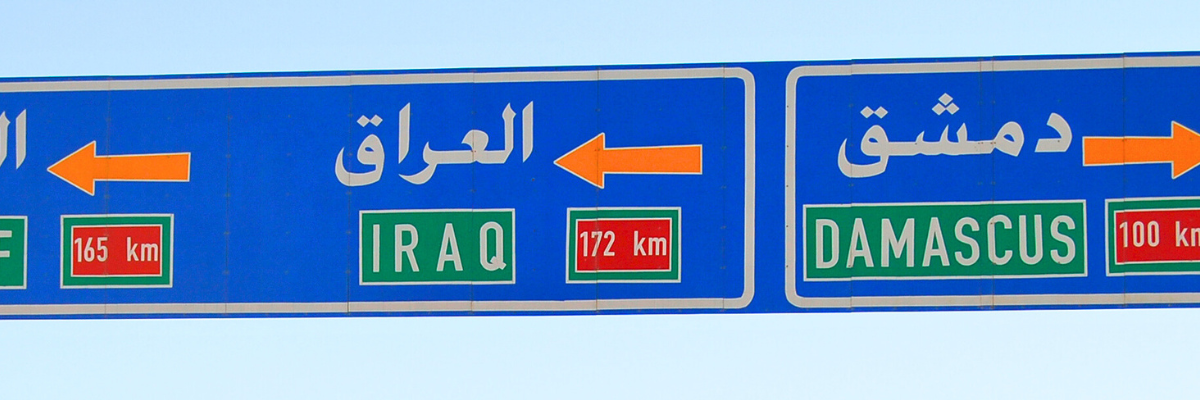
Iraqi leaders must assess if their new Syrian counterparts can be reliable partners and whether deeper political and economic cooperation can be pursued.
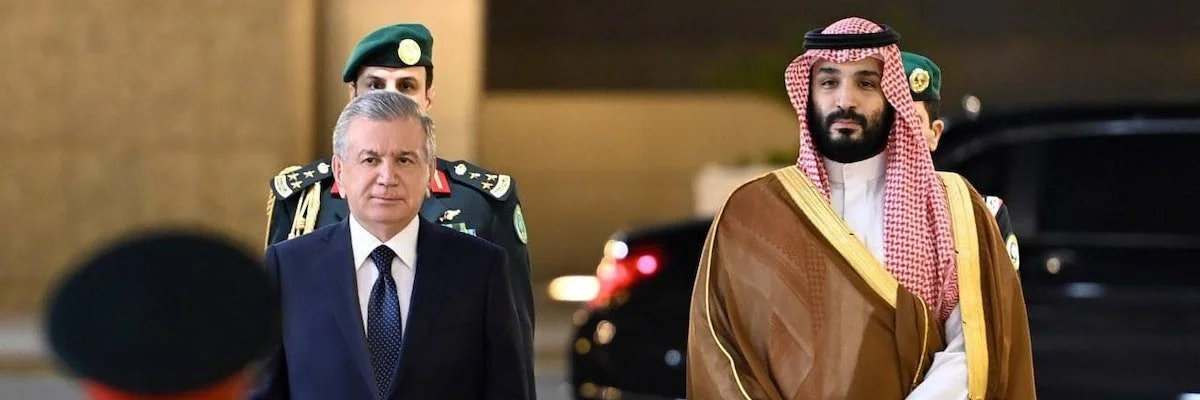
Engaging in development assistance in Central Asia provides the GCC with an opportunity to boost its influence in the region.
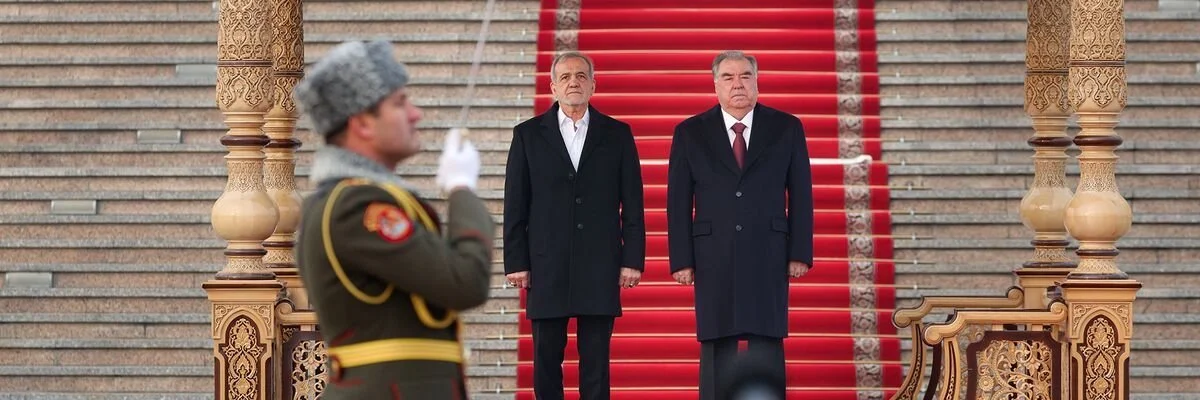
Iran and Tajikistan may share the same spirit, but they do not yet appear to share the same interests.
The transit corridor competition that is currently underway between Iraq, Iran, and Afghanistan will increase the land connectivity options among the GCC and Central Asian countries.
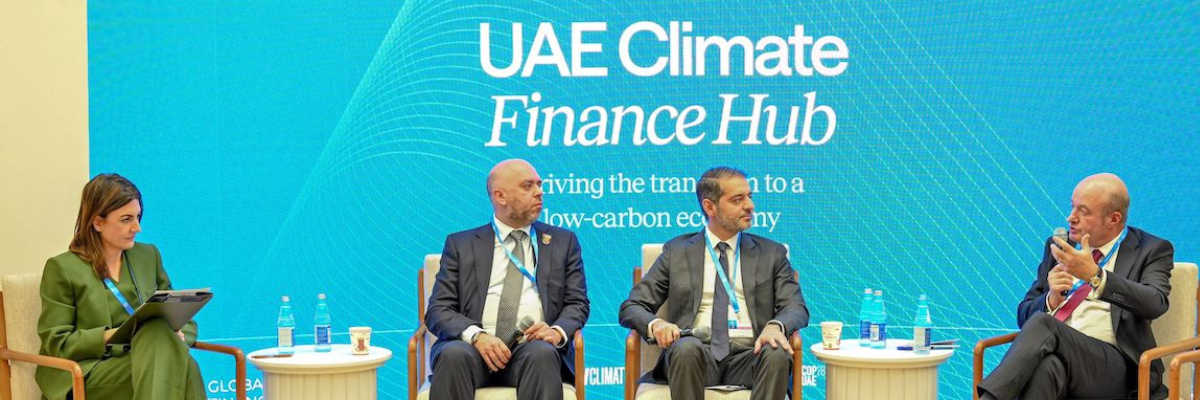
Three key outcomes from COP29 present opportunities for Saudi Arabia, the United Arab Emirates, and Qatar to drive climate finance in the Global South.
A new agreement to finally connect Iraq to the Gulf Cooperation Council Interconnection Authority marks a significant step toward greater energy integration in the region.
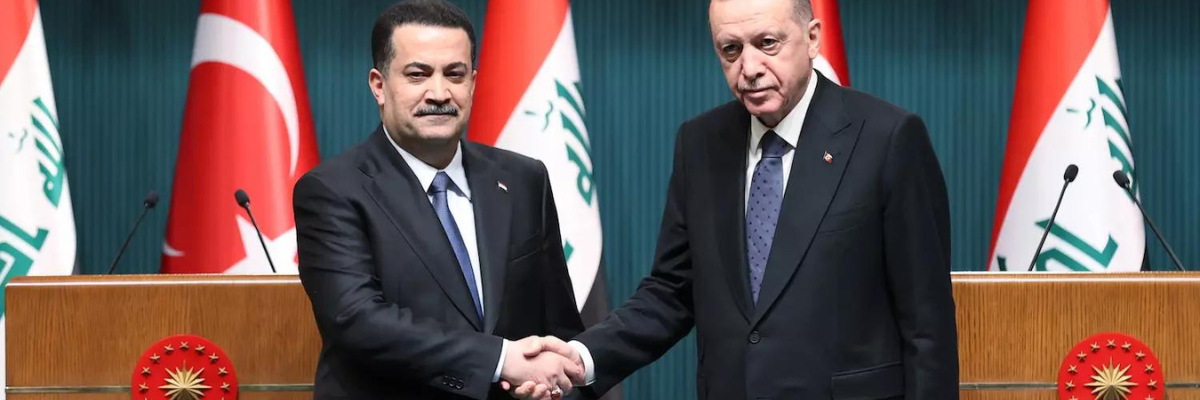
Spearheaded by Iraq and Turkey, the Development Road Project is an ambitious trade route connecting the Persian Gulf to Europe through rail, road, and port infrastructure.
The Russian war against Ukraine has been both a gift and a curse for oil producers in the Persian Gulf. It has stoked oil demand, but also made clear the strategic necessity of the energy transition.
Through investments in solar and wind power, grid connections, and hydrogen, energy transition in the Middle East is well under way.
Embracing shared objectives, drawing on collective strengths, and navigating challenges with a collaborative spirit will the Gulf region towards a future defined by sustainability, resilience, and mutual prosperity.
The complexity of Gulf power markets has significantly increased due to climate change, making it essential to pay more attention to how systems are planned and designed.
Greater Gulf cooperation on hydrocarbons, as a part of balanced strategies incorporating climate protection, could manage some of these threats and promote longer-term cooperation solutions to problems facing the region’s critical economic sector.
The legacies of the Middle East’s major oil and gas pipelines offer important lessons for regional leaders hoping to integrate energy markets and infrastructure.
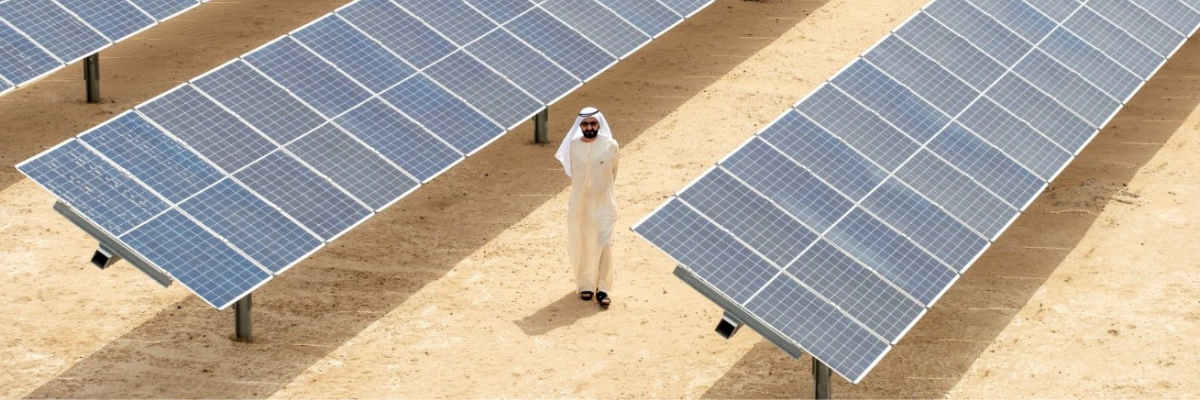
The scale of solar investments is far from shifting the GCC away from its heavy dependence on fossil energy and solar power is far less promising in the Arabian Peninsula than many outside observers might think.