Vision Iran Initiative
This initiative seeks to put forth ideas, frameworks, and policy recommendations that support a developmental vision for Iran’s future. Through research on economic, political, and social issues, the initiative aims to identify pathways for Iranian government bodies, enterprises, and civil society organisations to direct Iranian development towards more positive outcomes.
Latest Article
Trump loves gold. If he remains pragmatic and focused when it comes to Iran, he could strike gold in several ways.
The outlook for the Iranian automotive industry looked dire until Iranian automakers stumbled upon an unexpected solution.
Articles
The outlook for the Iranian automotive industry looked dire until Iranian automakers stumbled upon an unexpected solution.
Declaring 2025 as the Year of Environmental Protection and the Green Economy signals a shift toward making sustainability a central development priority in Uzbekistan.
If the free market exchange rate reflects the mood of Iran’s economy, the commercial exchange rate measures its pulse.
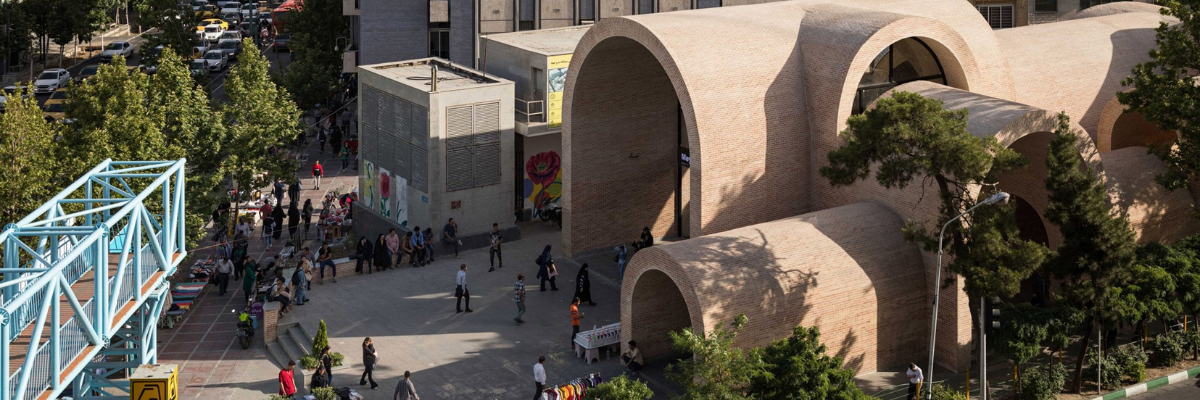
Amidst recent years of social and political turmoil in Iran, a blossoming architectural scene is ever-present and defiant.
Iran’s new foreign minister has an opportunity to reshape the country’s foreign policy, cutting a creative path through the rigid confines of the political landscape.
Even if most women voters did not participate in the election, they still had a significant impact on its outcome
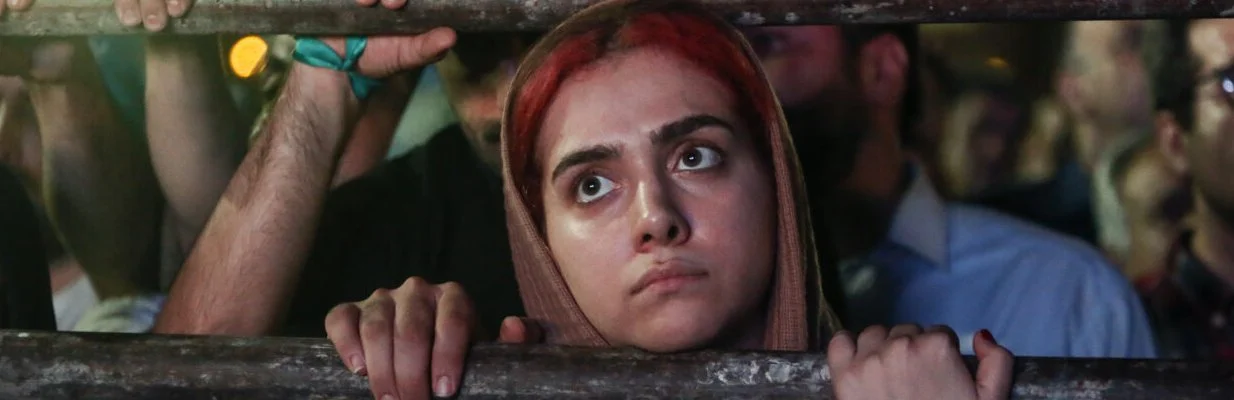
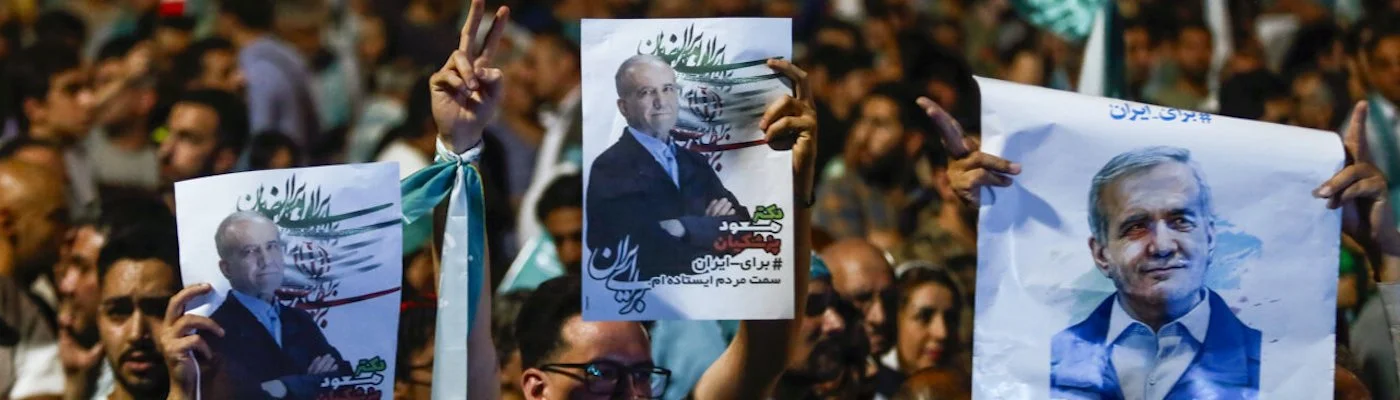
Iran’s two presidential candidates have presented two diverging visions for the future of the Islamic Republic at a time when most Iranians have come to question the fundamental tenets of their political system.
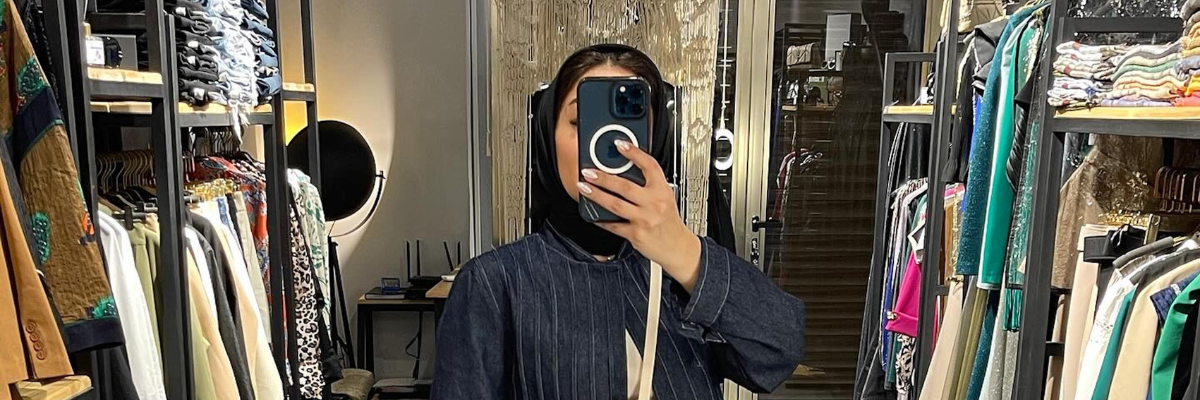
In recent years, Iranian women have accounted for a growing share of major Iranian accounts on Instagram, seizing economic opportunities that are unavailable in Iran’s offline economy. Today, that progress is at risk.
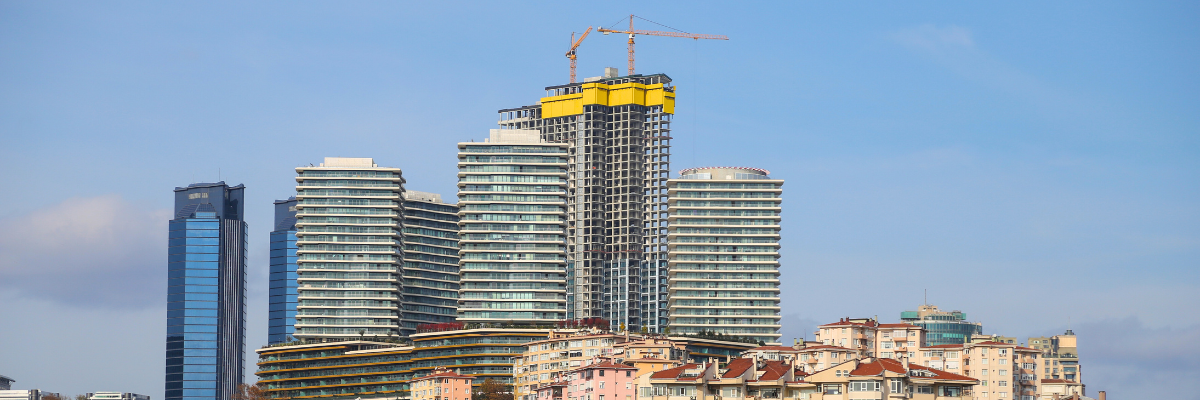
Sanctions have pushed thousands of Russian and Iranian buyers into Istanbul’s housing market. Many Istanbul residents blame the influx of foreign investors for rising property prices.
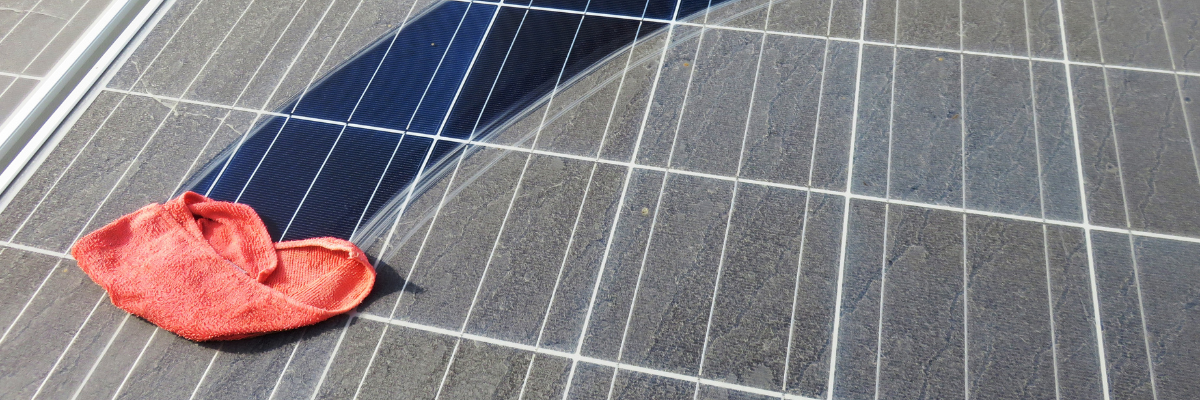
The scale of solar investments is far from shifting the GCC away from its heavy dependence on fossil energy and solar power is far less promising in the Arabian Peninsula than many outside observers might think.
One year has passed since the tragic death of Mahsa (Jina) Amini in police custody and the start of the Woman, Life, Freedom movement, which has induced cultural transformations within society and families in Iran.
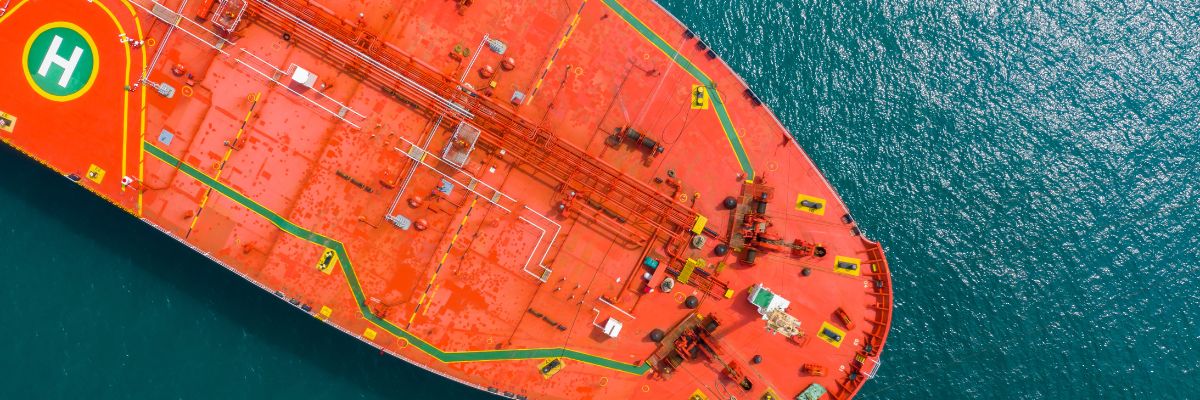
A new report, citing data from Kpler, an analytics company, claims that Iranian oil exports to China will reach 1.5 million barrels per day this month, the highest level in a decade.
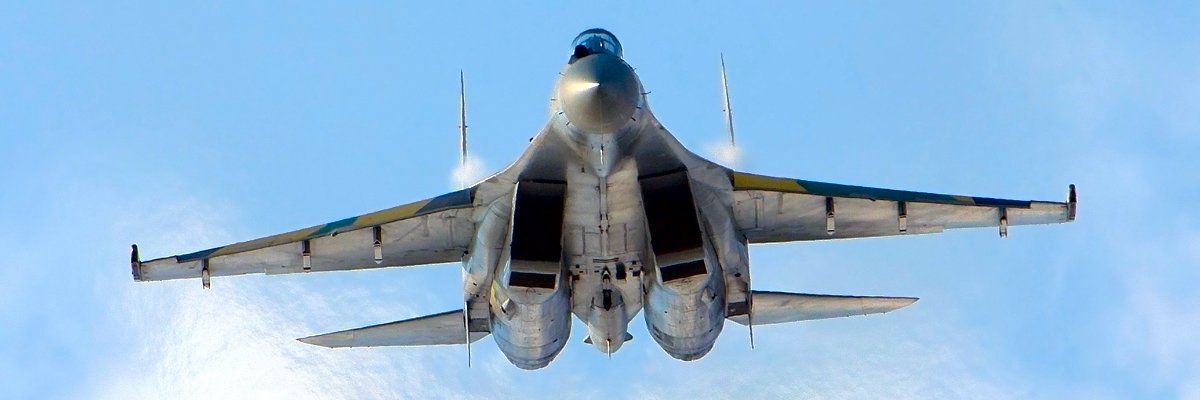
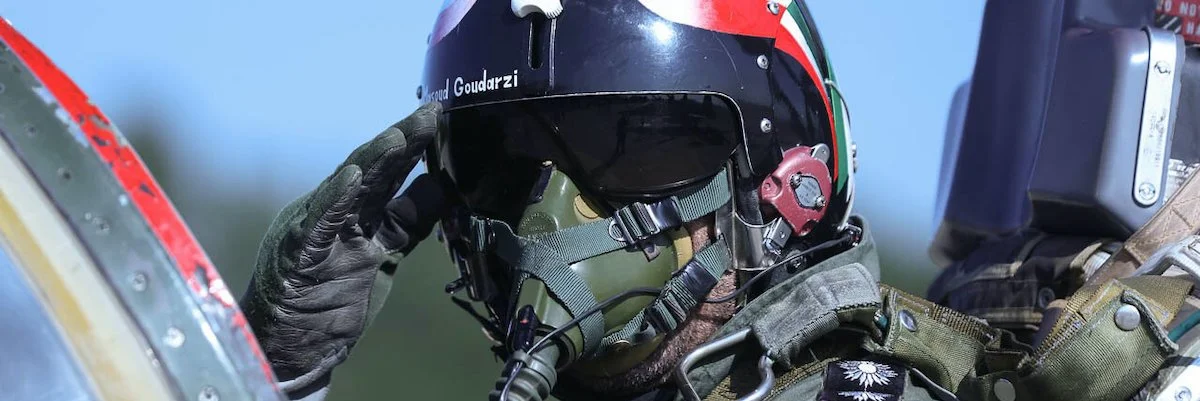
Earlier this month, Brigadier General Hamid Vahedi, Iran’s air force commander, ended weeks of speculation about the imminent delivery Russian Sukhoi Su-35 fighter jets.
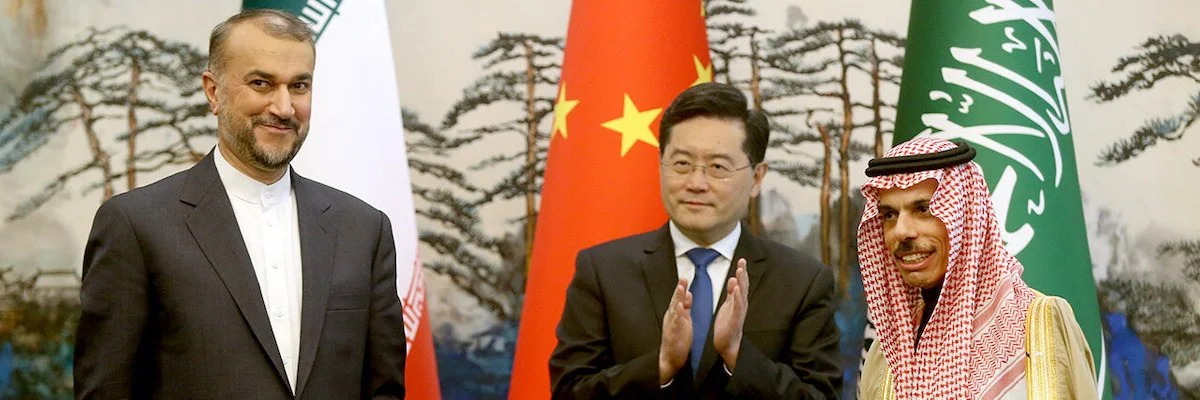
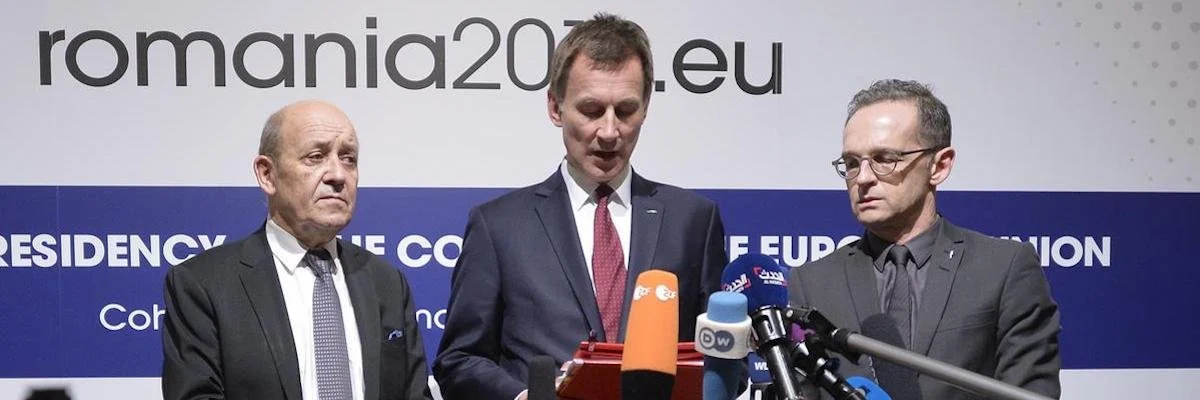
In March, China managed to a broker a détente between Iran and Saudi Arabia, achieving a diplomatic breakthrough that had eluded European governments. But Europe and China have shared interests in the region and there is scope for the two powers to work together to foster further multilateral diplomacy.
SIPRI has corrected its data on Iran’s military spending, applying a more relevant exchange rate for dollar conversions. Instead of ranking as the 14th largest military spender in the world in 2021, Iran was actually ranked 39th.
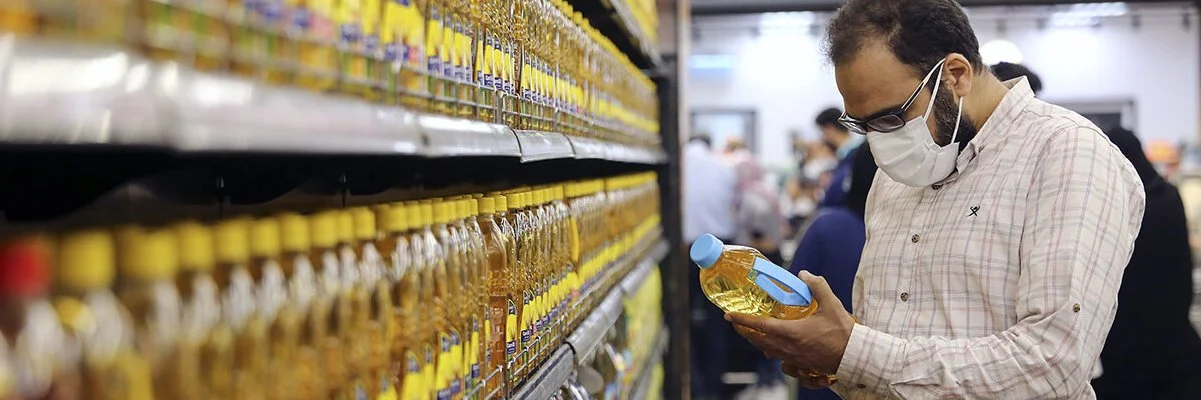
Iranian listed companies have managed to grow profits despite major cost pressures stemming from sanctions. This may be because firms are exercising extraordinary pricing power.
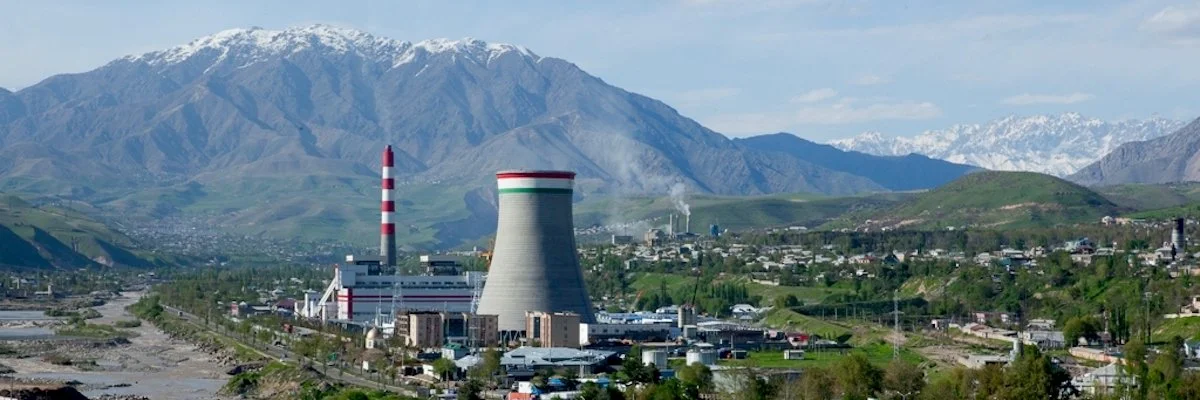
Central Asia faces rising demand for energy, spurred by population growth and climate change, but most of the region’s power generation and transmission infrastructure dates to the Soviet era.
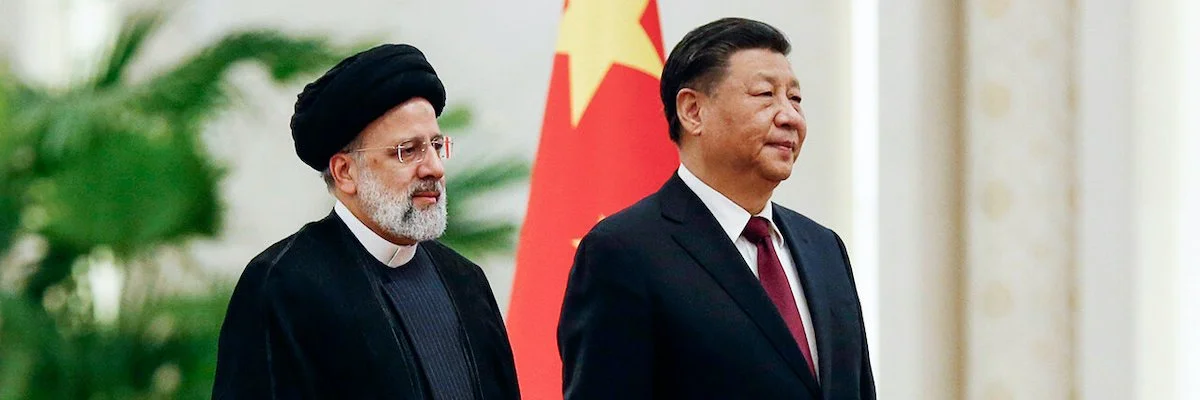
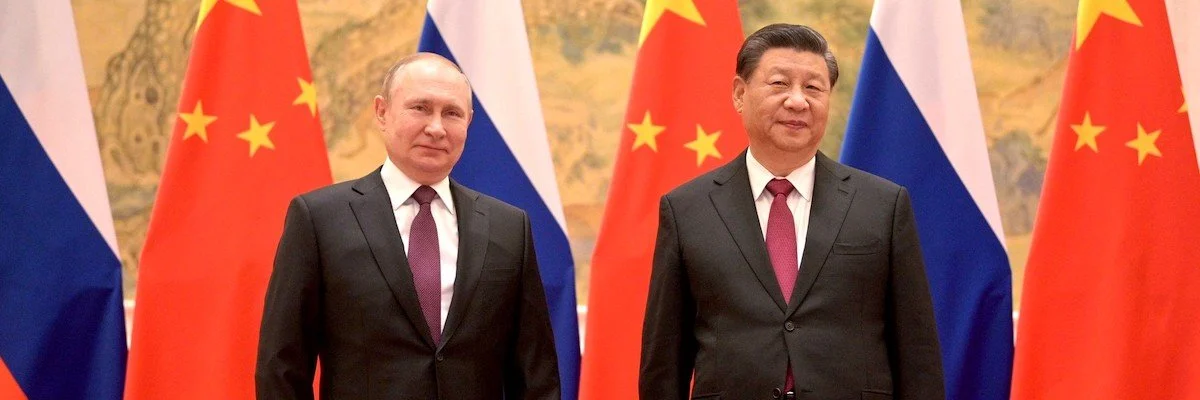
This week, Iranian president Ebrahim Raisi flew to China for a three-day state visit at the invitation of Xi Jinping, marking the first full state visit by an Iranian president in two decades.
At the end of January, the board of Instrument in Support of Trade Exchanges (INSTEX) took the decision to liquidate the company.
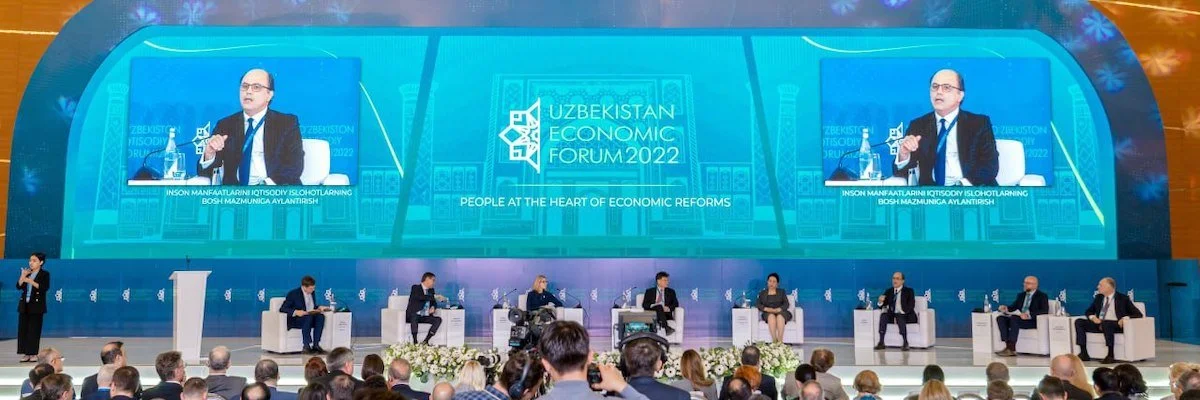
Uzbekistan is seeking a dialogue with the world and economic conference can serve to build trust and generate credibility.
Iranians are using Instagram for political activism like never before. But these changes were not sudden. The “Mahsa Moment” was driven by user trends on social media that have been years in the making.
At the second meeting of the Baghdad Conference on Cooperation and Partnership, regional economic integration was a new focus for the countries involved.
Xi Jinping’s recent trip to Riyadh, his first foreign visit to the Middle East since the pandemic, suggests that China may no longer seek to treat Iran and its Arab neighbours as equals.
A participatory budgeting initiative may prove a vital step forward in Uzbekistan’s political development if it opens the path to wider democratic reforms.
The final demarcation of the Uzbek-Kyrgyz border was expected to be a tremendous political victory for Kyrgyzstan. But instead of celebration, the agreement has spurred domestic unrest and intensified repression.
The Biden administration should adjust its sanctions policies to authorise remittance transfers to Iran, making it possible for Iranians in the diaspora to support their family members in ways that strengthen capacities for political participation.
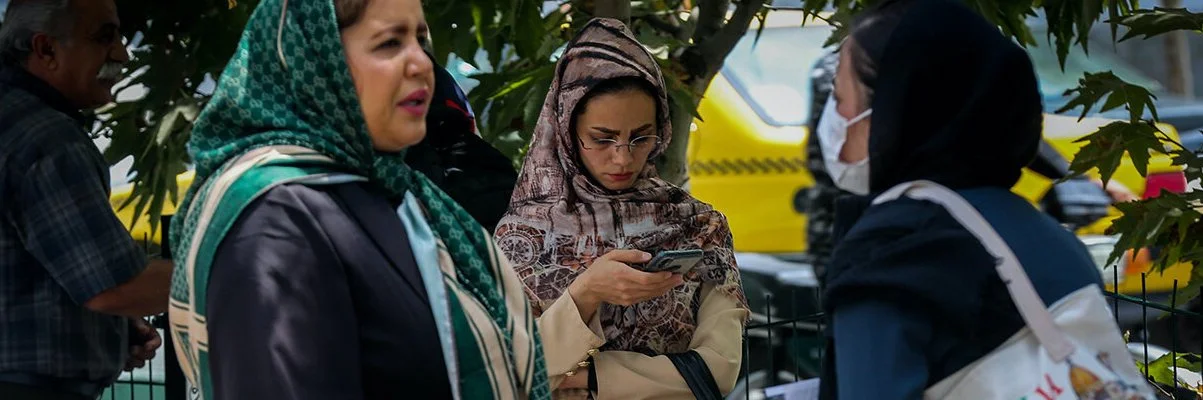
Iranian women, supported by the many men who have now joined them, are challenging the discrimination they have experienced for decades.
If the SCO is to mature as an organisation and make good on its vision of connectivity, it must also serve as a platform for conflict resolution.
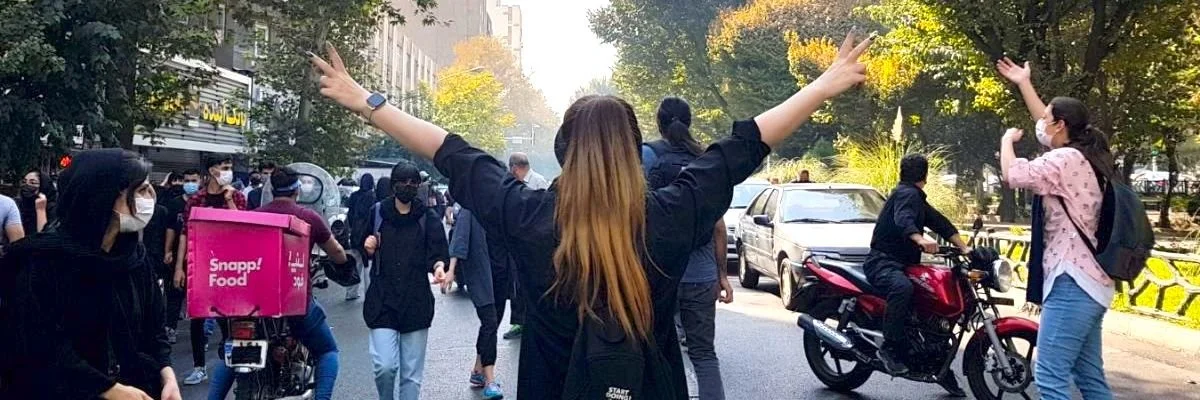
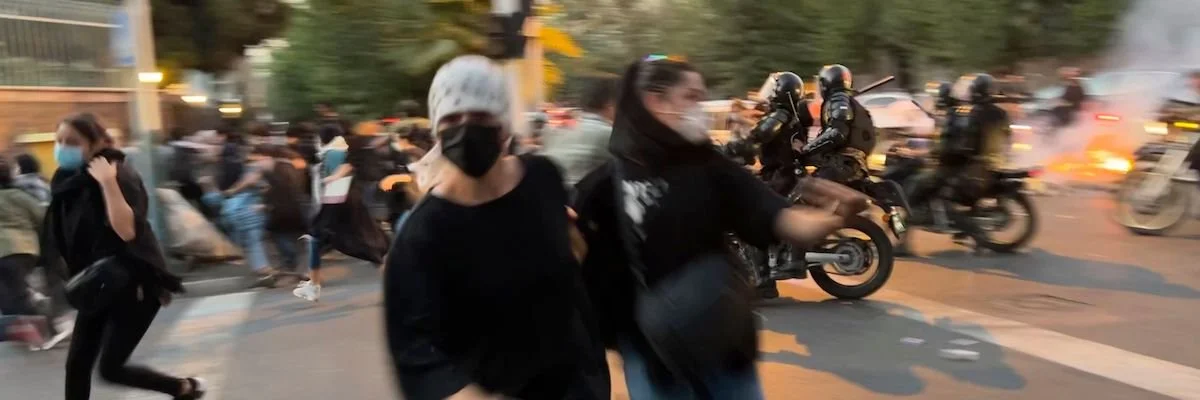
For four days, protestors have been in Iranian streets. Iran has seen multiple waves of unrest in recent years. But this time, the protests seem different.
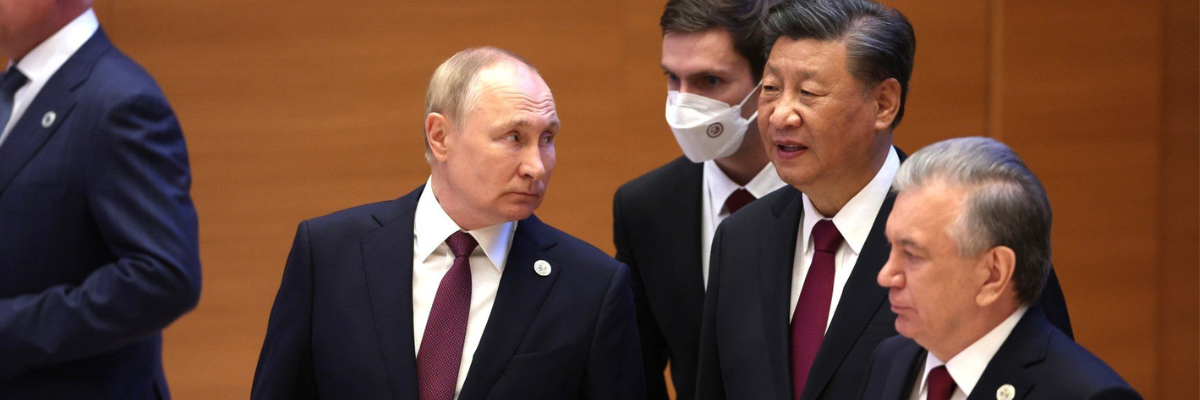
Members of the China-led Shanghai Cooperation Organisation will meet later this week in Samarkand. But the assembled leaders may struggle to find common ground in the face of regional and global crises.