
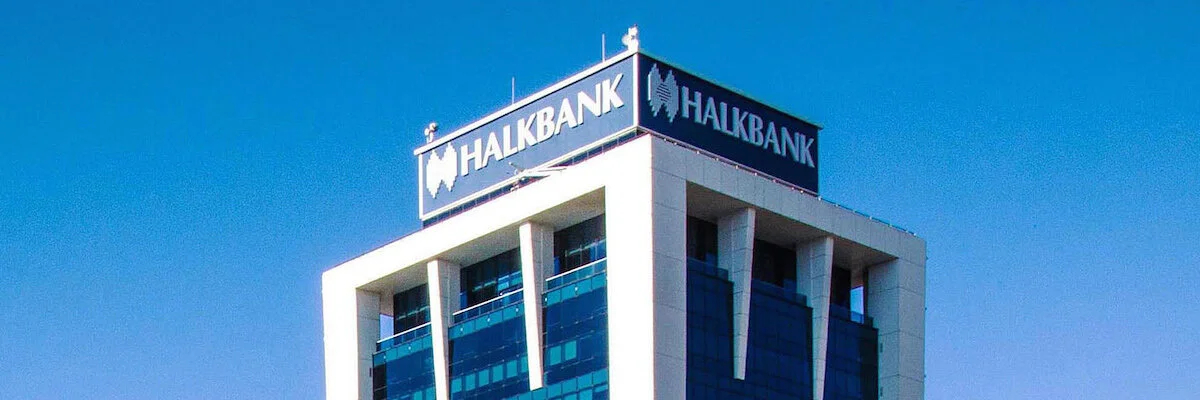
Halkbank Wins Reprieve in U.S. Prosecution Over Iran Sanctions
◢ A federal appeals court granted a temporary halt in the U.S. prosecution of Turkish lender Halkbank over sanctions violation charges while it weighs other requests by the bank. Halkbank had previously sought to pursue a dismissal of the case without entering a plea on the charges.
By Christian Berthelsen
A federal appeals court granted a temporary halt in the U.S. prosecution of Turkish lender Halkbank over sanctions violation charges while it weighs other requests by the bank.
Halkbank had previously sought to pursue a dismissal of the case without entering a plea on the charges. A judge denied the request, and the bank is appealing that ruling. A three-judge panel of the Second Circuit Court of Appeals will weigh the request on an expedited basis.
Prosecutors have deemed the bank a fugitive from justice, asking a judge to hold it in contempt and impose fines until it begins answering the charges.
Halkbank, which is owned by the Turkish government, was charged in October with helping Iran access billions of dollars in oil revenue that had been frozen in its accounts under U.S. sanctions. A senior bank executive was previously convicted in the case, and a money launderer pleaded guilty to charges of orchestrating the scheme.
The case has become a persistent thorn in the side of Turkey’s president, Recep Erdogan, who has pressed President Donald Trump to intervene. The charges were brought at the height of tensions between Washington and Ankara over Turkey’s military offensive in Syria. The geopolitical context is complicated by Trump’s campaign to hobble Iran.
Photo: Halkbank
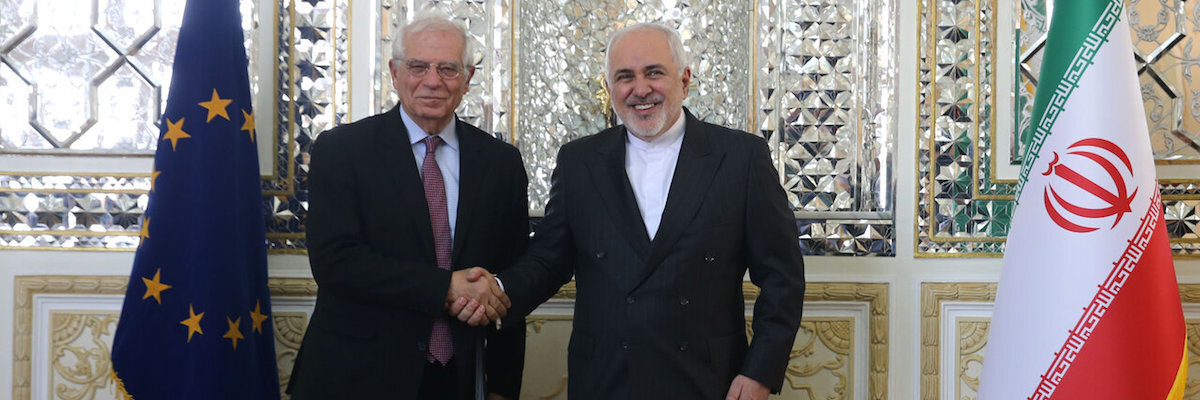
EU Top Diplomat Holds Talks in Iran 'To De-Escalate Tensions'
◢ Top EU diplomat Josep Borrell on Monday held talks in the Iranian capital on a mission aimed at lowering tensions over the Islamic republic's nuclear program. Borrell's mission aims "to de-escalate tensions and seek opportunities for political solutions to the current crisis," said the office of the EU's high representative for foreign affairs and security policy.
Top EU diplomat Josep Borrell on Monday held talks in the Iranian capital on a mission aimed at lowering tensions over the Islamic republic's nuclear program.
Borrell's trip, his first to Iran since taking office, follows a spike in tensions between arch foes Washington and Tehran after the January 3 assassination in Baghdad of a top Iranian general in a US drone strike.
Borrell's visit opened with a meeting with Foreign Minister Mohammad Javad Zarif.
According to a ministry statement, the two men discussed "the situation in the Persian Gulf and the need to reduce regional tensions" and the 2015 deal on Iran's nuclear program.
The deal between Tehran and a group of world powers has been crumbling since US President Donald Trump withdrew from it in 2018, and Washington has since stepped up sanctions and a campaign of "maximum pressure" against Iran.
Tehran has gradually stepped back from its own commitments under the deal, while military tensions with the US brought the two countries to the brink of full-blown confrontation last month.
Borrell's mission aims "to de-escalate tensions and seek opportunities for political solutions to the current crisis," said the office of the EU's high representative for foreign affairs and security policy.
The trip will allow Borrell "to convey the EU's strong commitment to preserve" the nuclear deal, known as the Joint Comprehensive Plan of Action, and to discuss cooperation between the EU and Iran, it said.
Zarif and Borrell also touched on Trump's controversial peace plan for the Israeli-Palestinian conflict and developments in Iraq, Syria and Yemen, the foreign ministry said.
The European diplomat later met President Hassan Rouhani and is set to meet parliament speaker Ali Larijani.
Iranian foreign ministry spokesman Abbas Mousavi told a news conference that Tehran hoped Borrell's visit would help the European Union "understand" its situation and prompt the bloc to "show goodwill by taking serious measures".
Accusations, Denials
Borrell said on January 24 that he had consulted the countries still in the deal—which also include Russia and China—and that all are determined to save the accord.
A joint commission that oversees the deal and comprises representatives of all the countries involved will meet in February, he said, without giving a precise date.
Washington accuses Tehran of seeking a nuclear weapon, which Iran has always denied.
The deal struck in Vienna between Iran and the five permanent members of the UN Security Council—Britain, China, France, the United States and Russia—plus Germany, offered Tehran a partial reprieve from crippling international sanctions.
In exchange, Iran agreed to drastically reduce its nuclear activities and to submit to a tailor-made inspection regime by the International Atomic Energy Agency (IAEA).
The US withdrawal from the deal and its reimposition of biting sanctions deprived Iran of anticipated economic benefits.
The renewed US sanctions have almost entirely isolated Iran from the international financial system, driven away oil buyers and plunged the country into a severe recession.
Since May 2019, Iran has progressively scaled back commitments under the agreement in response to the US sanctions and Europe's inability to circumvent them.
Iran is now producing uranium enriched beyond the 3.67 percent set by the agreement, and no longer adheres to the limit of 300 kilogrammes (660 pounds) imposed on its enriched uranium stocks.
It has also resumed research and development that was restricted under the deal.
Photo: IRNA
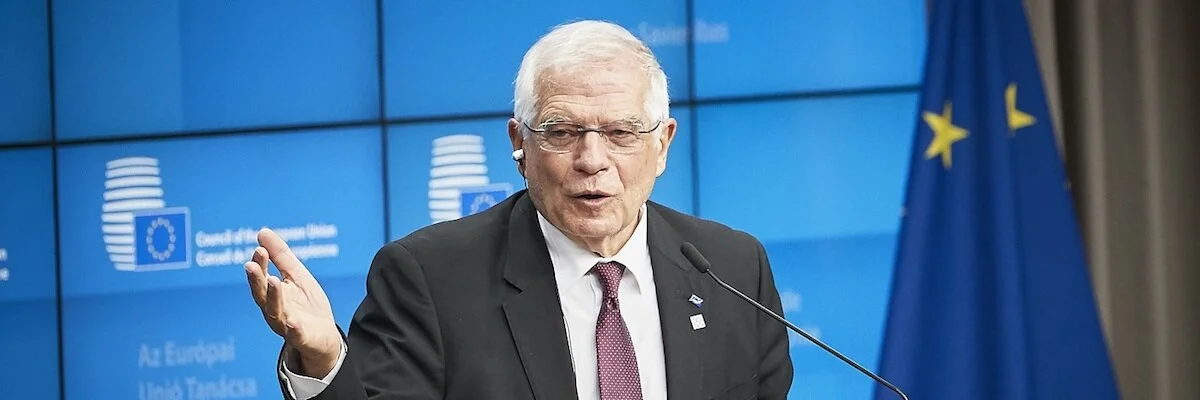
Top EU Diplomat to Visit Tehran Amid Nuclear Tensions
◢ Top EU diplomat Josep Borrell is Monday due to visit Iran, said officials in Tehran and Brussels, on his first trip there since taking office, aiming to reduce rising tensions over the Islamic Republic's nuclear program. Borrel is set to meet President Hassan Rouhani, Foreign Minister Javad Zarif and parliamentary speaker Ali Larijani on the two-day trip, his office said in a statement.
Top EU diplomat Josep Borrell is Monday due to visit Iran, said officials in Tehran and Brussels, on his first trip there since taking office, aiming to reduce rising tensions over the Islamic republic's nuclear program.
Borrel is set to meet President Hassan Rouhani, Foreign Minister Javad Zarif and parliamentary speaker Ali Larijani on the two-day trip, his office said in a statement.
The 2015 nuclear deal between Tehran and a group of world powers has been crumbling since US President Donald Trump withdrew from it in 2018, and Washington has since stepped up sanctions and a campaign of "maximum pressure" against Iran.
Tehran has gradually stepped back from its own commitments under the deal, while military tensions with the United States have brought the arch foes to the brink of full-blown confrontation in recent weeks.
Borrell's mission aims "to de-escalate tensions and seek opportunities for political solutions to the current crisis," said the office of the EU's high representative for foreign affairs and security policy.
The visit will allow Borrell "to convey the EU's strong commitment to preserve" the nuclear deal, known as the Joint Comprehensive Plan of Action, and to discuss cooperation between the EU and Iran, his office said.
Severe Recession
Washington accuses Tehran of seeking a nuclear weapon, which Iran has always denied.
The deal struck in Vienna between Iran and the five permanent members of the UN Security Council—Britain, China, France, the United States and Russia—plus Germany, offered Tehran a partial reprieve from crippling international sanctions.
In exchange, Iran agreed to drastically reduce its nuclear activities and to submit to a tailor-made inspection regime by the International Atomic Energy Agency (IAEA).
The US withdrawal from the deal and its reimposition of biting sanctions deprived Iran of anticipated economic benefits.
The renewed US sanctions have almost entirely isolated Iran from the international financial system, driven away oil buyers and plunged the country into a severe recession.
Since May 2019, Iran has progressively scaled back commitments under the agreement in response to the US sanctions and Europe's inability to circumvent them.
Iran is now producing uranium enriched beyond the 3.67 percent set by the agreement, and no longer adheres to the limit of 300 kilogrammes (660 pounds) imposed on its enriched uranium stocks.
It has also resumed research and development that was restricted under the deal.
‘Last Step'
On January 5, the Islamic republic announced the "last step" in its plan to roll back on its commitments, saying that it was no longer bound by limits on the number of centrifuges it could run to enrich uranium.
Iran accuses the European parties to the deal of not respecting their own commitments and of doing nothing to help circumvent the US sanctions.
Tehran has stressed, however, that the steps it has taken away from the deal can be reversed if Iran's interests are realised.
However, the European parties and experts question this pledge, saying research and development gains aren't reversible.
In an effort to bring Tehran back to full implementation of the deal, Paris, London and Berlin triggered a complaint mechanism in January.
The mechanism could lead to the reestablishment of all sanctions that were lifted by the UNSC, but, for now, the Europeans have been keen to get Iran back on board rather than reimpose sanctions.
Tehran has long said that if the Iran nuclear dossier were to be sent back to the UNSC, it would signal the definitive death of the 2015 deal.
Photo: EEAS
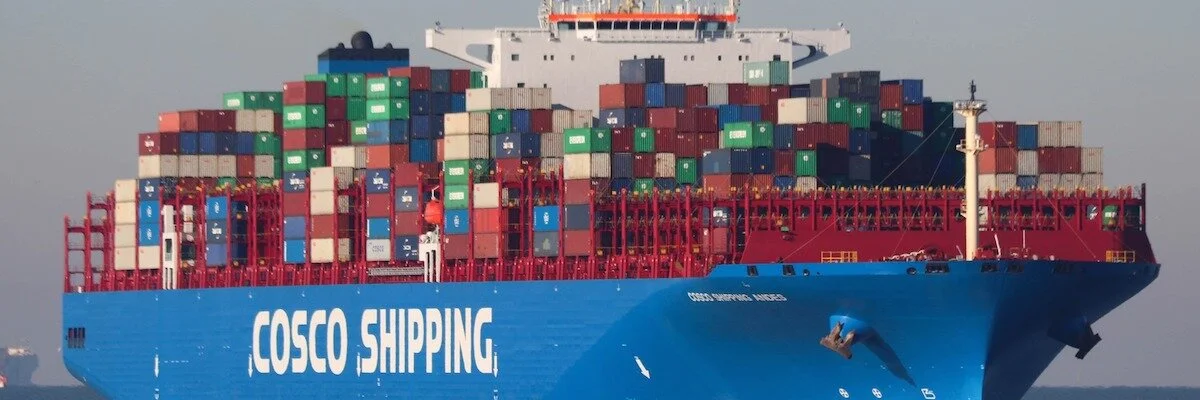
U.S. Lifts Sanctions on Unit of China’s Biggest Shipping Company
◢ The U.S. lifted sanctions against a unit of China’s biggest shipping company that was accused of hauling Iranian crude in violation of American restrictions. The penalties had barred U.S. citizens and companies from dealing with the firms, effectively blocking them from American banks at the heart of the global financial system.
By Stephen Cunningham
The U.S. lifted sanctions against a unit of China’s biggest shipping company that was accused of hauling Iranian crude in violation of American restrictions.
According to a notice posted on the Treasury Department’s website Friday in Washington, sanctions were removed. In September, restrictions were placed on the Dalian units of China COSCO Shipping Corp., sending freight rates soaring as traders canceled charters linked to the parent company. Four other Chinese entities were also sanctioned.
Tanker stocks DHT Holdings Inc, Nordic American Tankers Ltd., Frontline Ltd. and Teekay Corp. fell following Friday’s announcement, all dropping by more than 4%.
“With all of the sanctioned tankers back in the open market, overcapacity will weigh even faster and heavier on rates,” said Peter Sand, chief shipping analyst at Bimco. “In combination with demand being low from China, this will be an added burden for the crude oil tanker market.”
Temporary Waivers
The penalties had barred U.S. citizens and companies from dealing with the firms, effectively blocking them from American banks at the heart of the global financial system. However, companies still doing business with the COSCO unit were twice given temporary waivers to wind down their transactions, with the latest one due to run out on Feb. 4.
“The actual impact via the COSCO sanctions was limited as temporary waivers allowed most of the vessels to continue to operate on global trade routes,” said Randy Giveans, vice president for equity research at Jefferies LLC in Houston. “And other vessels just switched to regional, short-haul trades.”
The announcement comes weeks after U.S. President Donald Trump called a truce in his trade war with China and signed what both sides called a “phase one” agreement. In October, people familiar with the matter said China was planning to ask the U.S. to lift the sanctions during trade negotiations in Washington.
Rates to transport oil had soared when the restrictions were placed on the COSCO units, data from the Baltic Exchange in London show. Daily earnings for 2 million-barrel carrying supertankers hit $300,000 a day briefly in October, before quickly retreating as trades become more challenging due to the high cost of moving cargoes. They still remained high by industry standards, though, and exceeded $100,000 as recently as this month.
Even if rates decline further after the return of the sanctioned ships, it won’t necessarily boost U.S. crude exports to China. Beijing’s 5% tax on American crude imports, in effect since September, is an obstacle.
”U.S. crude exports to China would still require the dismantling of Beijing’s U.S. crude tariffs,” said Frode Morkedal, managing director of equity research at Clarksons Platou Securities AS, an investment banking unit of the world’s biggest ship-broker.
Photo: FleetMon
U.S. to Extend Four Sanctions Waivers On Iran Nuclear Program
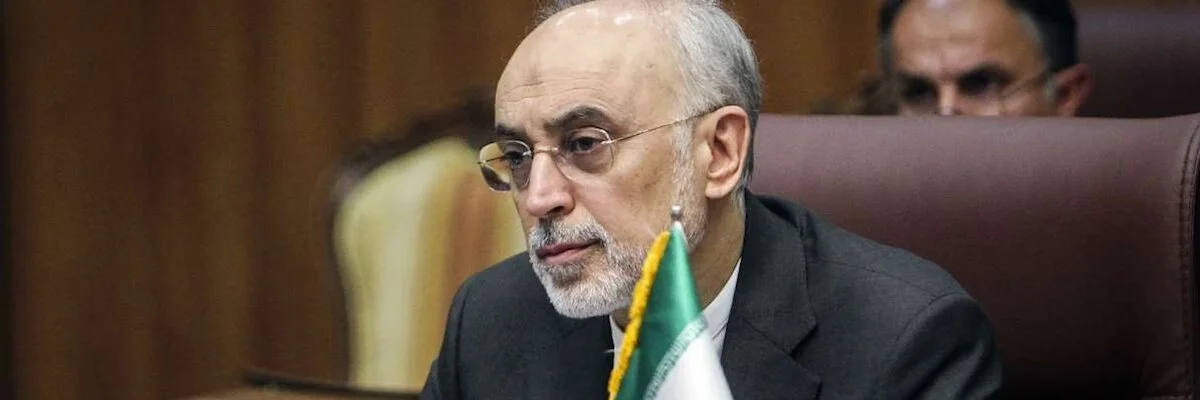
◢ The Trump administration will extend sanctions waivers allowing limited work on Iran’s civil nuclear program for another 60 days, two people familiar with the matter said. At the same time, the administration will announce sanctions on the Atomic Energy Organization of Iran and its chief, Ali Akbar Salehi.
By Nick Wadhams
The Trump administration will extend sanctions waivers allowing limited work on Iran’s civil nuclear program for another 60 days, two people familiar with the matter said.
At the same time, the administration will announce sanctions on the Atomic Energy Organization of Iran and its chief, Ali Akbar Salehi, according to the people, who asked not to be identified discussing a decision that hasn’t been publicly announced.
The decision to extend the waivers follows an internal disagreement between Secretary of State Michael Pompeo, who had advocated ending the waivers, and Treasury Secretary Steven Mnuchin, who wanted them extended.
The sanctions are meant to punish Iran for what the U.S. says is Tehran’s recent nuclear proliferation efforts, one of the people said.
Iran had earlier announced it would no longer be bound by uranium enrichment limits imposed by the Joint Comprehensive Plan of Action, the nuclear deal President Donald Trump quit in 2018.
Trump has since imposed a raft of sanctions on Iran’s economy but had held off ending the four waivers that allowed other participants in the deal, including China, Russia and the U.K., to cooperate on limited nonproliferation work with Iran.
The decision to extend the waivers for now avoids a confrontation with European nations who argue that the nonproliferation work allows them and the U.S. to keep an eye on Iran’s nuclear program.
Photo: IRNA
Iran's Rouhani Sounds Alarm for 'Democracy' After Candidates Barred
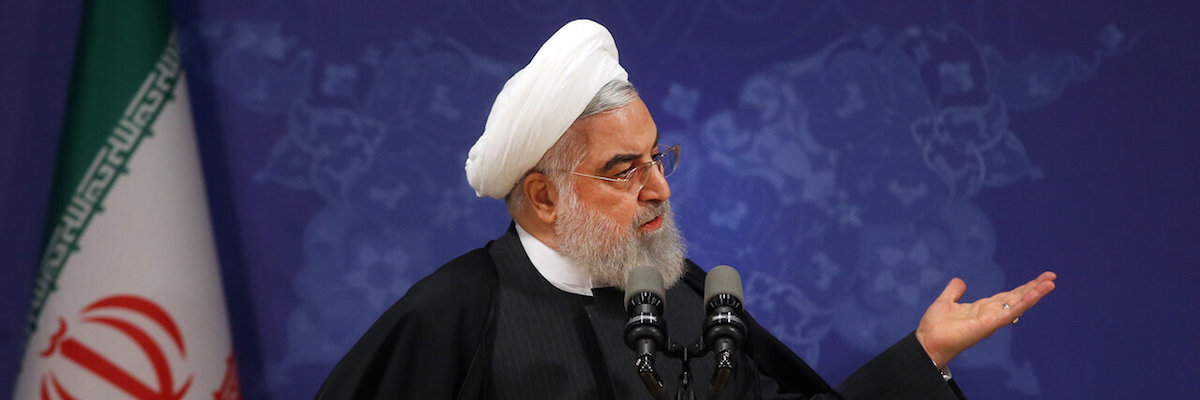
◢ Iran's president warned Monday of threats to the Islamic republic's "democracy and national sovereignty", after a body dominated by his ultra-conservative rivals disqualified thousands of candidates, weeks before elections. Rouhani, whose alliance fears losing its majority in the February 21 polls, said the disqualifications risked appointments being made "elsewhere" than the ballot box.
Iran's president warned Monday of threats to the Islamic republic's "democracy and national sovereignty", after a body dominated by his ultra-conservative rivals disqualified thousands of candidates, weeks before elections.
President Hassan Rouhani's moderate conservatives and their reformist allies are locked in a public quarrel with the Guardian Council over the disqualification of thousands of candidates—including 92 sitting MPs.
The council, which oversees Iran's elections, says it has barred some 9,500 potential candidates from standing, almost two thirds of the 14,500 hopefuls.
Rouhani, whose alliance fears losing its majority in the February 21 polls, said the disqualifications risked appointments being made "elsewhere" than the ballot box.
"The greatest danger for democracy and national sovereignty is the day when elections become a formality," the government's website quoted Rouhani as saying in a meeting with provincial governors.
"May God never bring this day," he added.
"Let us reassure the people and tell them our system is not a single-party system."
In an apparent reference to ultra-conservatives, he said "they should at least let there be competition and participation".
He called on Iranians of all stripes to vote, "even if... there are shortcomings in elections".
"Sometime I may not want to vote for some reason, but some other time I may not have enough trust to go to the ballot box; this is very dangerous," he said.
Candidates who are disqualified are allowed to appeal before the elections.
The polls come after a traumatic month for Iran, in which it approached the brink of war with the United States and mistakenly shot down a passenger jet.
A US drone strike in Iraq killed top Iranian general Qassem Soleimani on January 3, and Iran retaliated five days later by launching a wave of missiles at US troops stationed in Iraq.
Hours later, with Iranian forces on high alert, its air defences mistakenly shot down a Ukraine International Airlines passenger jet, killing all 176 people on board.
The disaster triggered scattered protests in Tehran and other cities, although they appeared smaller than nationwide demonstrations in November, sparked by a fuel price hike, in which Amnesty International said at least 300 people died.
Photo: IRNA
Iran Airliner Overshoots Runway, Stops in Highway
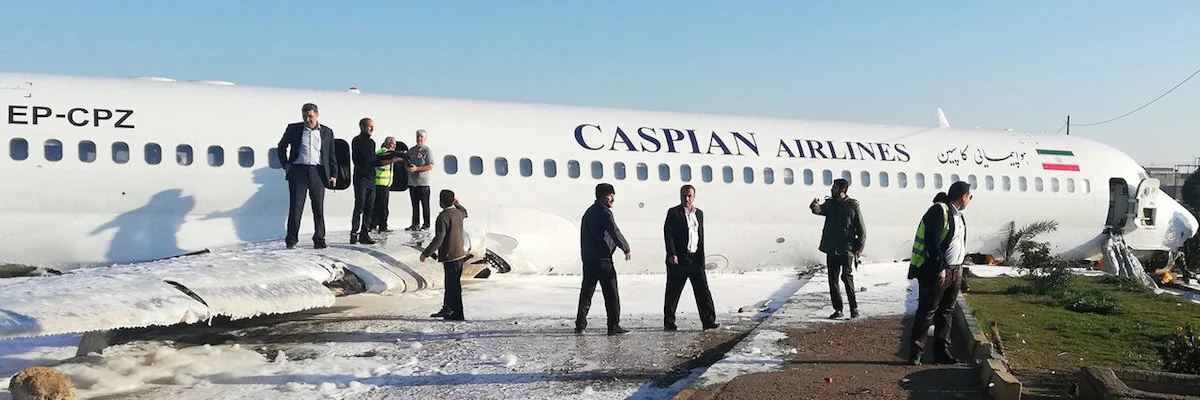
◢ An Iranian passenger plane overshot a runway as it landed Monday in the southwestern city of Bandar-e Mahshahr, barreling into an adjacent highway without causing casualties, state TV reported. "Arriving at Mahshahr airport, the pilot landed the aircraft too late and this caused him to miss the runway," the broadcaster quoted the head of Khuzestan province's aviation authority as saying.
An Iranian passenger plane overshot a runway as it landed Monday in the southwestern city of Bandar-e Mahshahr, barreling into an adjacent highway without causing casualties, state TV reported.
"Arriving at Mahshahr airport, the pilot landed the aircraft too late and this caused him to miss the runway," the broadcaster quoted the head of Khuzestan province's aviation authority as saying.
This "caused the aircraft to overshoot the runway and stop in a boulevard" next to the airport, Mohammadreza Rezaeia said.
The McDonnell Douglas jet, belonging to Iran's Caspian Airlines, was flying from Tehran's Mehrabad Airport with 135 passengers plus the plane's crew.
State TV reported that all were safe.
A state TV reporter travelling on the plane told the broadcaster that the aircraft's "back wheel had broken off, as we saw it was left on the runway" and said the plane had been moving with no wheels before it ground to a halt.
Iran's aviation authority said "the cause of the incident is being investigated".
The Islamic republic had been planning to upgrade its decrepit fleet after long-standing US sanctions were lifted following the 2015 nuclear deal between Tehran and world powers.
But when US President Donald Trump pulled out of the accord in 2018 and reimposed crippling economic sanctions, the treasury department revoked licenses for Boeing and Airbus to sell passenger jets to Iran.
Photo: IRNA
U.S. Embassy in Baghdad Hit in Katyusha Rocket Attack
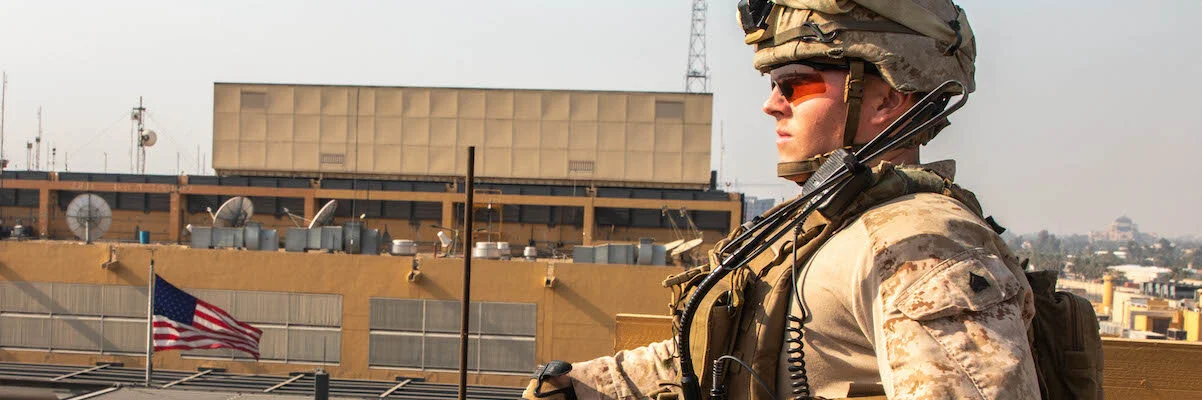
◢ Five Katyusha rockets were fired at the fortified Green Zone in Baghdad Sunday night, targeting the U.S. embassy compound there, Iraq’s security forces reported. No injuries were reported but one of the rockets directly hit the embassy building itself.
Five Katyusha rockets were fired at the fortified Green Zone in Baghdad Sunday night, targeting the U.S. embassy compound there, Iraq’s security forces reported.
No injuries were reported but one of the rockets directly hit the embassy building itself.
Attacks against the Green Zone and the U.S. embassy in Baghdad by Iran-linked militia groups have increased in recent months, especially after the U.S. airstrike earlier this month that killed Iran’s top commander Qassem Soleimani and Abu Mahdi al-Muhandis, the head of Iran-backed militia Kataib Hezbollah.
Outgoing Prime Minister Adil Abd al-Mahdi condemned the attack, vowing to protect the diplomatic missions in the country.
“These acts may drag the country into a battlefield, especially at a time when we started to implement the decision to withdraw foreign troops from Iraq,” he said in a statement.
No group has claimed responsibility for the attack.
Photo: Centcom

Oman Top Diplomat in Iran for Second Time Within Week
◢ Iran's top diplomat Mohammad Javad Zarif hosted his Omani counterpart Yusuf bin Alawi on Sunday for the second time within a week for talks on security in the sensitive Persian Gulf. Alawi was making the visit to Tehran on the tail end of his trip to the World Economic Forum (WEF) in Davos, Switzerland.
Iran's top diplomat Mohammad Javad Zarif hosted his Omani counterpart Yusuf bin Alawi on Sunday for the second time within a week for talks on security in the sensitive Persian Gulf.
Alawi was making the visit to Tehran on the tail end of his trip to the World Economic Forum (WEF) in Davos, Switzerland.
Zarif and Alawi discussed "bilateral cooperation regarding the Strait of Hormuz and emphasized their governments' will... to guarantee maritime and energy security for all," Iran's foreign ministry said in a statement.
It was their second meeting in the Iranian capital since Tuesday and at least their fourth encounter since late July.
Zarif's withdrawal from Davos was due to "unilateral changes in mutually agreed arrangements on part of WEF", Iran's foreign ministry spokesman Abbas Mousavi said in a tweet.
The spokesman lamented that it was a "missed opportunity for dialogue".
Tensions have soared in the region and especially between Tehran and Washington since a US drone strike killed Iranian general Qassem Soleimani in Baghdad on January 3.
Iran retaliated five days later by launching a wave of missiles at US troops stationed in Iraq.
Tehran had been on high alert hours later when its air defenses mistakenly shot down a Ukraine International Airlines passenger jet, killing all 176 people on board.
Oman has often acted as a mediator between Iran and its regional foes and also played a key role in facilitating talks involving the United States that lead to the 2016 nuclear deal.
US President Donald Trump's administration withdrew from the agreement in 2018 and began reimposing sanctions on the Islamic republic, which retaliated by scaling back some of its nuclear commitments.
Photo: IRNA
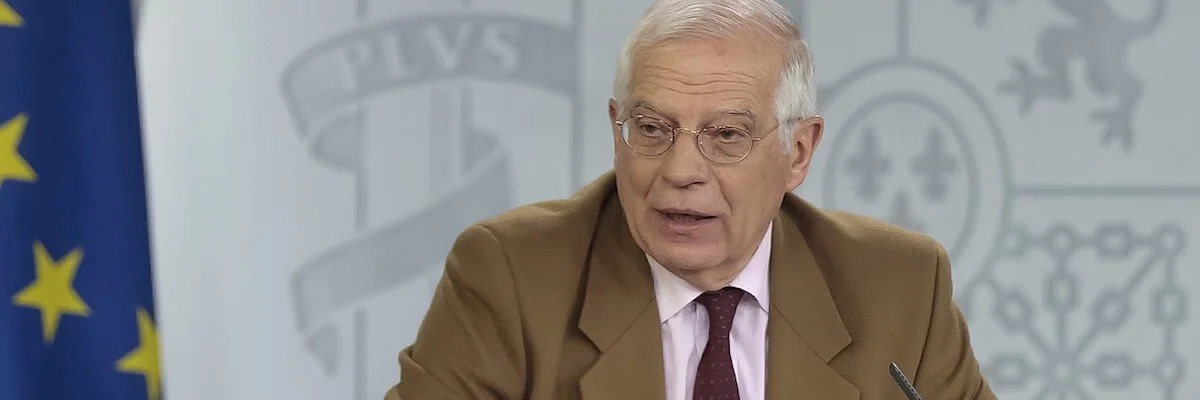
EU Calls Iran Nuclear Talks Next Month in Bid to Save Deal
◢ The Iran nuclear deal has been crumbling since President Donald Trump unilaterally withdrew and reimposed sanctions on Tehran, prompting the Islamic republic to announce a series of steps away from its commitments. "Notwithstanding differences on modalities, there is agreement that more time is needed due to the complexity of the issues involved. The timeline is therefore extended," the EU’s foreign policy chief said in a statement.
By Damon Wake
Brussels made a bid to buy more time to save the Iran nuclear deal Friday, calling a meeting for next month after Britain, France and Germany launched a dispute process.
The European capitals triggered the complaint mechanism last week after Tehran took a series of steps away from its commitments, in protest at the US pulling out of the accord in 2018.
This could have shortened the deal's lifespan but Josep Borrell, the EU's diplomatic chief, who is tasked with convening meetings under the dispute mechanism, has called new talks.
Borrell said he had consulted the countries still in the deal -- which also include Russia and China -- and that all are determined to save the accord.
The Iran nuclear deal has been crumbling since President Donald Trump unilaterally withdrew and reimposed sanctions on Tehran, prompting the Islamic republic to announce a series of steps away from its commitments.
"Notwithstanding differences on modalities, there is agreement that more time is needed due to the complexity of the issues involved. The timeline is therefore extended," Borrell said in a statement.
"All agreed to pursue expert-level discussions addressing the concerns regarding nuclear implementation, as well as the wider impacts of the withdrawal of the United States from the JCPOA and its re-imposition of sanctions."
JCPOA is an acronym for the deal's formal title, the Joint Comprehensive Plan of Action.
Borrell said the so-called joint commission that oversees the deal and comprises representatives of all the countries involved will meet in February, though he did not give a precise date.
It usually meets in Vienna, though it can also meet in New York or Geneva.
Room for Maneuver
Under the terms of the dispute mechanism, senior officials have 15 days from the January 14 triggering of the complaint mechanism to find a solution before deciding whether to escalate the issue to foreign ministers level.
By calling the meeting in February, Borrell has extended that initial timeline -- which was conceived to solve technical complaints rather than the slow political collapse of the accord.
European officials say a certain amount of creative ambiguity was deliberately written into the text to allow room for manoeuvre in a crisis, and it now looks likely the dispute process could be prolonged for quite some time.
When they triggered the mechanism, the Europeans urged Iran to come back into full compliance with its obligations under the 2015 accord, which gave Tehran relief from sanctions in return for curbs on its nuclear programme aimed at preventing it from developing atomic weapons.
But, privately, diplomats recognise it is highly unlikely Iran will do this without substantial concessions in return -- such as an end to US sanctions or Europe taking measures to offset their economic impact.
Instead they will be content if talks manage to convince Iran not to take any more steps away from the deal, giving space for back-channel diplomacy aimed at an agreement that gets both Washington and Tehran back in the game.
"We want to get round a table to work out what is the fix to get us into a stable place where things won't get worse," one diplomat said.
"It might be possible to get informal agreement on restraint."
Bomb 'Not Around the Corner'
After repeated warnings, Germany, Britain and France triggered the dispute process on January 14 after Iran announced it would no longer observe limits on the number of centrifuges—used to enrich uranium—in its fifth step back from the deal.
But crucially Iran has said it will continue to cooperate with the International Atomic Energy Agency (IAEA) which carries out regular detailed inspections on the ground.
A western diplomat said that, for the Europeans, it was "critical that is maintained".
"The IAEA still has full access, which gives us reassurance about the activities the Iranians are doing. Agency access, verification and monitoring give us confidence that we would know if the Iranian activities are changing in nature," the diplomat said.
For now the Europeans are looking to get Iran back on board rather than reimposing sanctions, and they are keenly aware that they could lose control of the dispute process if it moves to the next stage—notifying the UN Security Council.
If this happens, UN sanctions automatically "snap back" after 30 days unless the Security Council votes to stop them—and here the US would be able to wield its veto.
"They've broken the limits, we're watching. A bomb is not around the corner but we don't want to get to that," a diplomat said.
Photo: Wikicommons
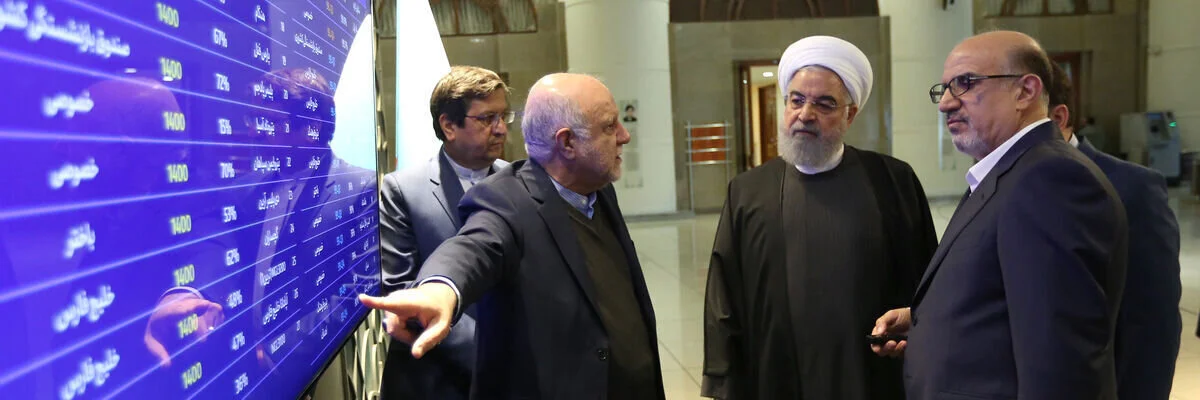
U.S. Extends Clampdown on Iran With Sanctions on Energy Firms
◢ The U.S. sanctioned four companies that it says have traded hundreds of millions of dollars worth of Iranian petroleum and petrochemicals in its latest effort to clamp down on Iran’s revenue sources. All property and interests in the property of the designated companies are blocked and U.S. persons are generally prohibited from engaging in transactions with them.
By Serene Cheong and Elizabeth Low
The U.S. sanctioned four companies that it says have traded hundreds of millions of dollars worth of Iranian petroleum and petrochemicals in its latest effort to clamp down on Iran’s revenue sources.
The Treasury Department penalized Triliance Petrochemical Co. Ltd., Sage Energy HK Limited, Peakview Industry Co. Limited, and Beneathco DMCC for dealings with the state-owned National Iranian Oil Co., it said in a Jan. 23 statement. The transactions helped finance Iran’s Islamic Revolutionary Guard Corps-Qods Force and its terrorist proxies, the department said.
The move is a continuation of the White House’s aggressive strategy to penalize firms dealing with Iran, a country it nearly went to war with earlier this month. Last July, It sanctioned Zhuhai Zhenrong Co., a secretive company with links to the Chinese military and a history of taking Iranian crude and fuel. A couple of months after that it threw global shipping markets into disarray after it penalized a unit of COSCO Shipping Corp.
“Iran’s petrochemical and petroleum sectors are a primary source of funding for the regime’s global terrorist activities and enable its persistent use of violence against its own people,” Treasury Secretary Steven Mnuchin said in the statement.
In 2019, Triliance Petrochemical ordered the transfer of the equivalent of millions of dollars to NIOC as payment for Iranian petrochemicals, crude oil, and petroleum products shipped to the U.A.E. and China after the expiration of any applicable exceptions, the Treasury Department said. In facilitating these shipments, Triliance worked to conceal the origin of these products, it added.
Triliance and Sage are based in Hong Kong, while Peakview is headquartered in Shanghai and Beneathco in Dubai. Calls to Triliance’s head office went unanswered, while a person at Beneathco declined to immediately respond to questions. Contact information for Sage and Peakview wasn’t immediately available.
All property and interests in the property of the designated companies are blocked and U.S. persons are generally prohibited from engaging in transactions with them, while foreign financial institutions that knowingly deal with them may be penalized, the department said.
Photo: IRNA

Iraq President Warns Against Making Baghdad Pick Sides in US-Iran Tensions
◢ Iraq's president warned Wednesday against pushing the country to choose sides in escalating tensions between neighboring Iran and the US, both allies of Baghdad. Addressing world leaders at the World Economic forum in Davos, Switzerland, Barham Saleh said a recent parliamentary vote to oust foreign forces from Iraq should not be understood as a sign of "hostility.”
Iraq's president warned Wednesday against pushing the country to choose sides in escalating tensions between neighboring Iran and the US, both allies of Baghdad.
Addressing world leaders at the World Economic forum in Davos, Switzerland, Barham Saleh said a recent parliamentary vote to oust foreign forces from Iraq should not be understood as a sign of "hostility.”
Parliament held the vote two days after a US drone strike near Baghdad airport killed top Iranian general Qasem Soleimani and prompted retaliatory strikes from Tehran on an Iraqi base hosting American and other foreign troops.
The Iraqi president said the vote was "not a sign of ingratitude or hostility," but a response to a violation of his country's sovereignty.
"The escalating tensions between Iran, the Gulf states, and the United States over the past month have reminded us that our aspirations remain subject to political disputes beyond our control and to unwelcome foreign interference," Saleh said.
"It is not in our interest to choose to ally with one side at the expense of others, as long as both respect our sovereignty and independence."
He added that "no country should seek to dictate to Iraq" the nature of its relationships.
Saleh also hinted that the tensions could derail a rare chance for progress in Iraq after decades of conflict, most recently against the Islamic State group.
"If our neighbours and allies remain at odds, our sovereignty is not respected and our lands are used as a battlefield, then we cannot hope to achieve our own change agenda," he said.
He condemned acts of violence against the months-long protests movement rocking Baghdad and Iraq's Shiite-majority south, which has left hundreds dead since October.
Saleh had earlier met with US President Donald Trump on the sidelines of the world summit, hosting a brief press conference but brushing off questions on parliament's vote.
A source from his office told AFP the leaders had discussed the US drone strike on Baghdad as well as the withdrawal of forces from Iraq.
The source said Trump told Saleh that he "does not want to stay in Iraq" and would draw down forces in an "unprecedented way", but insisted that any withdrawal must be done in a way that is not insulting or disrespectful to Washington.
Saleh insisted that the US must not restrict Iraq's access to its oil revenues, which are held in an account at the Federal Reserve in New York.
He also stressed that it was crucial to Iraq that the US renew a waiver allowing Baghdad to buy Iranian much-needed gas despite Washington's sanctions on Tehran.
The exemption is set to expire in mid-February.
Photo: Wikicommons
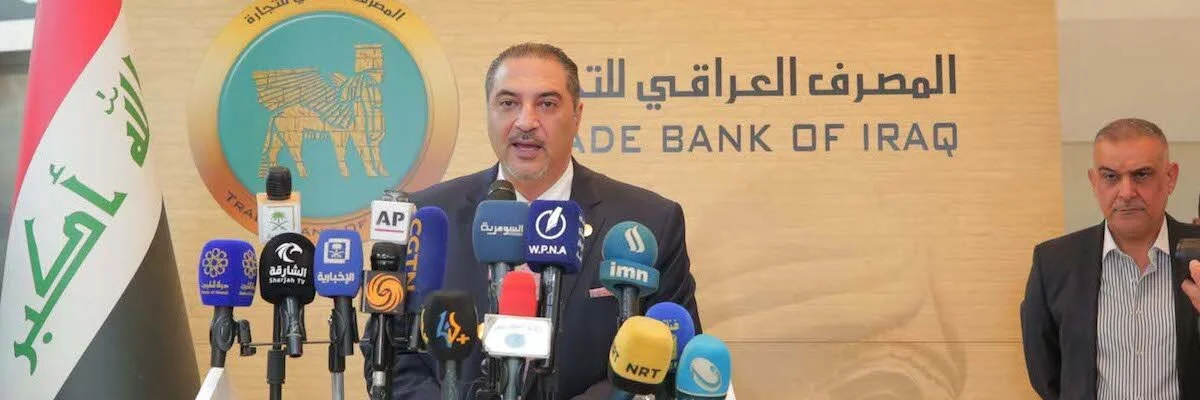
Iraq to 'Stop' Iran Gas Transfers if US Waiver Ends: Bank
◢ The bank through which Iraq pays for Iranian gas imports to power its grids said Tuesday it would stop processing payments if a crucial US sanctions exemption expires next month. "We'll stop. As simple as that," the head of Trade Bank of Iraq (TBI) Faisal al-Haimus told AFP.
The bank through which Iraq pays for Iranian gas imports to power its grids said Tuesday it would stop processing payments if a crucial US sanctions exemption expires next month.
"We'll stop. As simple as that," the head of Trade Bank of Iraq (TBI) Faisal al-Haimus told AFP.
That could be devastating for Iraq's crippled electricity sector, which has relied on Iran for about a third of its supply, and comes at a time of heightened US-Iran tensions.
Washington slapped tough sanctions on Iran's energy sector in 2018 but has granted Iraq a series of temporary waivers over the last 15 months to allow it to buy gas from Tehran.
Baghdad pays for the imports by depositing Iraqi dinars into an account at the state-owned TBI, which Iran is technically allowed to use to purchase non-sanctioned goods.
But if Iraq's waiver is not renewed next month, TBI would stop processing payments, Haimus said.
"If the waiver ended, of course TBI will not pay for any gas or deal with any Iranian entity over gas or electricity. Absolutely," he said.
"As a bank, the most important thing we have is that we are compliant (with international regulations). That's why people trust us," the chairman added.
Sanctions Threat
Any entity that deals with institutions or countries that are blacklisted by the US could be slapped with secondary sanctions, which restrict its access to US dollars.
The waiver protected Iraq from such sanctions, allowing it to continue importing about 1,400 MW of electricity and 28 million cubic metres (988 million cubic feet) of gas from Iran.
In the meantime, Iran and Iraq agreed on a payment scheme in line with US regulations: a TBI account in Iraqi dinars.
As of last year, Iraq had an outstanding bill of around $2 billion for previous gas and electricity purchases, according to Iranian Oil Minister Bijan Zangeneh.
Haimus declined to disclose how much had been paid into the account or how much was still owed, but told AFP that "disputes" meant Iran had not been able to actually access the money.
"A few payments were made according to this mechanism but the problem is that handling this money was not possible," he said.
Iraq fears being swept up in the spiralling tensions between Iran and the US, both of them allies to Baghdad.
Earlier this month, Iraq's parliament voted in favor of ousting foreign troops—including some 5,200 US forces—following a US drone strike near the Baghdad airport that killed top Iranian and Iraqi military officials.
Outraged by the vote, US President Donald Trump threatened to impose sanctions "like they've never seen before" on Iraq if US troops were forced out.
The US then informed Iraq that it was considering blocking Baghdad's access to a US-based account where Iraq keeps oil revenues that contribute 90 percent of the national budget.
Photo: TBI
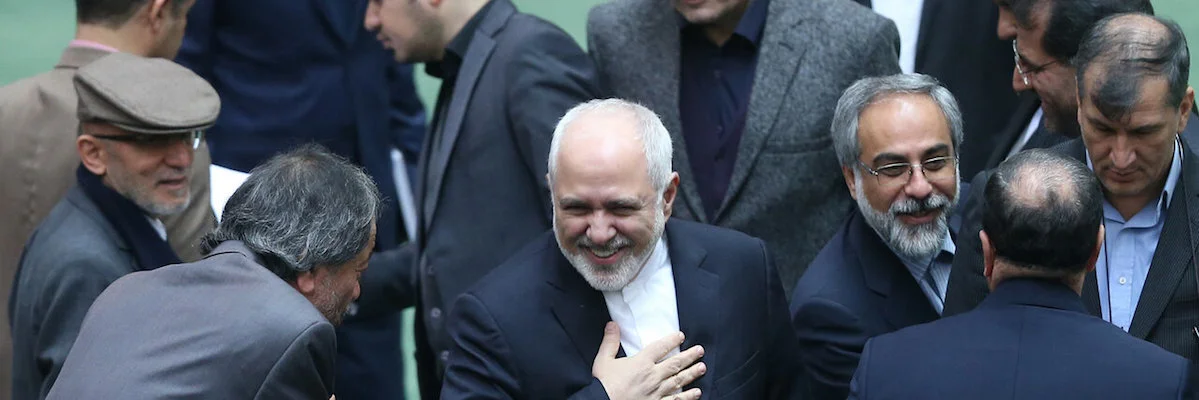
Iran Threatens Non-Proliferation Treaty Exit Over European Move
◢ Iran will withdraw from a major non-proliferation treaty if European nations attempt to refer the Islamic Republic to the UN Security Council over its infringements of the 2015 nuclear deal, the country’s foreign minister said. “If Europeans continue their untenable conduct or send Iran’s nuclear case to the United Nations Security Council, we will withdraw from the N.P.T.,” Mohammad Javad Zarif told lawmakers.
By Arsalan Shahla
Iran will withdraw from a major non-proliferation treaty if European nations attempt to refer the Islamic Republic to the UN Security Council over its infringements of the 2015 nuclear deal, the country’s foreign minister said.
The U.K., France and Germany said last week they would trigger the accord’s dispute resolution mechanism, which could eventually mean the matter being referred to the Security Council. The move inflamed tensions with Tehran, which is locked in an economic confrontation with the U.S. that this month sparked a military exchange.
“If Europeans continue their untenable conduct or send Iran’s nuclear case to the United Nations Security Council, we will withdraw from the N.P.T.,” Mohammad Javad Zarif told lawmakers, referring to the international treaty to stop the spread of nuclear weapons, the official parliamentary news service ICANA reported.
Iran was an early signatory of the 1970 treaty, which was designed to eventually lead to disarmament. Non-nuclear weapons states that are signatories, including Iran, agree not to pursue weapons and to only develop peaceful atomic technology.
Earlier on Monday, Foreign Ministry spokesman Abbas Mousavi said Iran is planning “one last step” in its gradual draw-down from complying with the nuclear deal, raising the possibility that it’s close to announcing a complete withdrawal from the embattled international accord. The final measure will have “more effective consequences,” Mousavi said.
Iran has been gradually reducing its compliance with the 2015 accord, known as the Joint Comprehensive Plan of Action, since U.S. President Donald Trump abandoned it and began reimposing sanctions on the country’s economy.
Earlier this month, Iran announced it’s no longer observing limits on uranium enrichment or research and development activities, but insisted it was still working within the parameters of the deal and would continue cooperating with United Nations nuclear inspectors.
President Hassan Rouhani last week said all the steps could still be reversed as soon as Europe was able to commit to the agreement and take concrete steps allowing Iran to sell oil.
Days before European nations turned up pressure on the Islamic Republic, the U.S. and Iran came to the brink of war after Trump ordered the killing of top Iranian general Qassem Soleimani. As Iranian forces launched retaliatory attacks on U.S. facilities in the Middle East, they accidentally shot down a Ukrainian airliner over Tehran, triggering protests against the regime.
Britain has also infuriated Iran’s government by proposing that the current accord be replaced with a “Trump deal.” Mousavi said that while Iran remains open to talks with the EU on the future of the agreement, the Islamic Republic won’t agree to any proposals from either the bloc or the U.S. for an alternative to the existing deal.
Photo: IRNA
Iran Suggests Foreign Minister Zarif Pushed Out of Davos
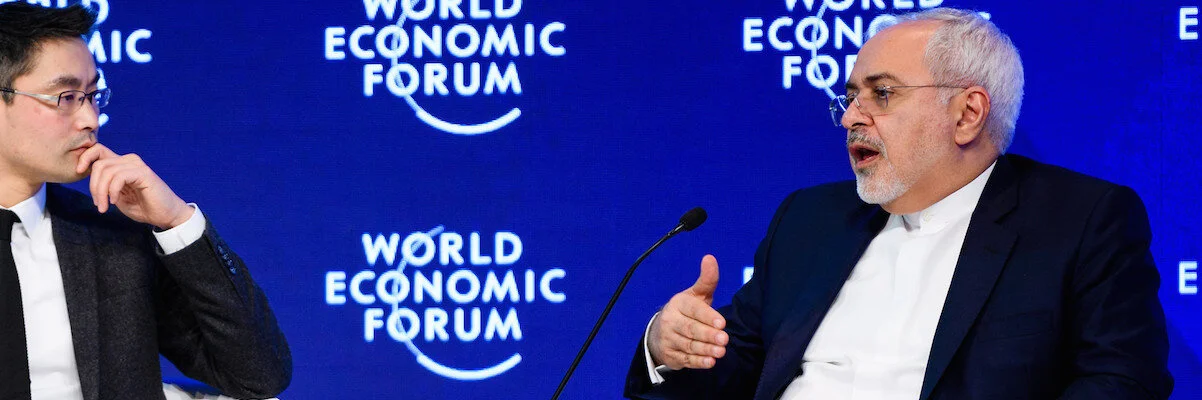
◢ Iran said Monday its Foreign Minister Mohammad Javad Zarif will skip this week's World Economic Forum after organizers changed the event he had been planning to take part in. The annual summit, which kicks off in the Swiss resort of Davos on Tuesday, has been overshadowed by escalating tensions between Iran and its arch foe the United States.
Iran said Monday its Foreign Minister Mohammad Javad Zarif will skip this week's World Economic Forum after organizers changed the event he had been planning to take part in.
The annual summit, which kicks off in the Swiss resort of Davos on Tuesday, has been overshadowed by escalating tensions between Iran and its arch foe the United States.
Zarif had been scheduled to attend the gathering after receiving a personal invitation, his ministry said.
Advertisement
"They changed the original program they had for him, the program that had been agreed upon, and came up with something else," said spokesman Abbas Mousavi.
"Either way, this trip unfortunately will not happen," he told a news conference in Tehran.
The annual gathering of global movers and shakers in the Swiss Alps begins on Tuesday and lasts four days.
But Zarif's absence removes any chance of a showdown with US President Donald Trump.
In a tweet published later on Monday, Mousavi suggested that the change in program by the organizers of the Davos forum was “perhaps geared to have only one outcome,” and called Zarif’s absence a “missed opportunity for dialogue.”
Photo: WEF
Iran Warns of Repercussions for IAEA Over European Moves
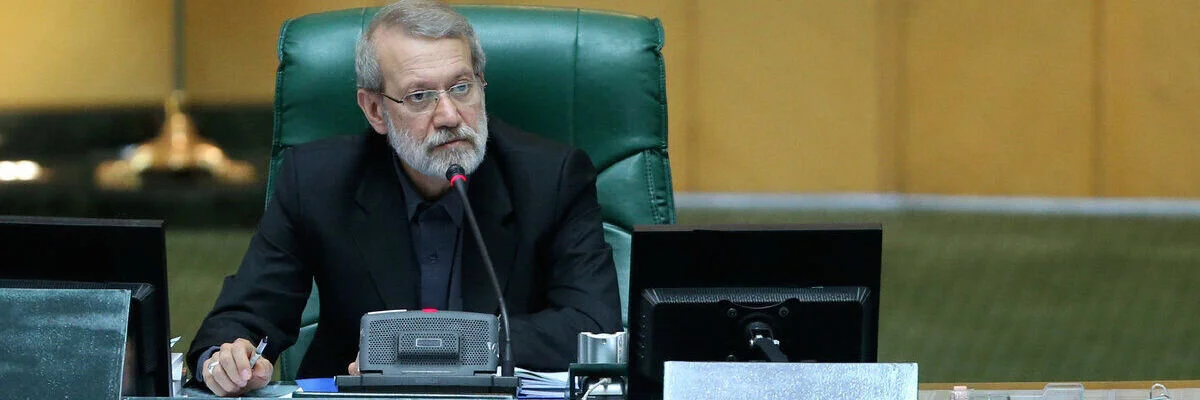
◢ Iran's parliamentary speaker on Sunday warned of unspecified repercussions for the UN's nuclear watchdog if European nations that launched a dispute mechanism against the Islamic republic act unfairly. "What the three European countries did regarding Iran's nuclear issue... is unfortunate," parliamentary speaker Ali Larijani said.
Iran's parliamentary speaker on Sunday warned of unspecified repercussions for the UN's nuclear watchdog if European nations that launched a dispute mechanism against the Islamic republic act "unfairly.”
Britain, France and Germany launched a process last week charging Iran with failing to observe the terms of the 2015 deal curtailing its nuclear programme, while Tehran accuses the bloc of inaction over US sanctions.
The EU three insisted they remained committed to the agreement, which has already been severely undermined by the US exit from it in 2018 and its reimposition of unilateral sanctions on key sectors of Iran's economy.
"What the three European countries did regarding Iran's nuclear issue... is unfortunate," parliamentary speaker Ali Larijani was quoted as saying by state news agency IRNA.
"We clearly announce that if Europe, for any reason, uses Article 37 of the nuclear agreement unfairly, then Iran will make a serious decision regarding cooperation with the agency," he said, referring to the International Atomic Energy Agency (IAEA).
Since May 2019, Iran has progressively scaled back some commitments under the agreement in response to the US sanctions and Europe's inability to circumvent them.
It has stressed, however, that they can be reversed if Tehran's interests are realised.
Iran's latest and final step in January entailed forgoing the limit on the number of machines used to make uranium more potent.
The 2015 nuclear deal—known as the Joint Comprehensive Plan of Action (JCPOA)—was struck in Vienna by Iran, the EU three, the United States, China and Russia.
It has a provision that allows a party to claim significant non-compliance by another party before a joint commission.
Articles 36 and 37 of the deal say if the issue is not resolved by the commission, it then goes to an advisory board and eventually to the UN Security Council, which could reimpose sanctions.
The decision to begin the so-called dispute mechanism process comes as tensions soar between the West and Iran following the killing of top commander Qasem Soleimani in a US air strike, and the admission by Tehran days later that it had accidentally shot down a Ukrainian airliner.
"The issue is not Iran's behaviour," said the parliamentary speaker.
"It is America's threats that have pushed a powerful European country to a humiliating and unjust" position, said Larijani.
Germany confirmed last week that the United States had been threatening to impose a 25-percent tariff on European cars if the bloc continued to back the nuclear deal.
Photo: IRNA
Khamenei Claims a Blow to U.S. Power in Rare Friday Sermon
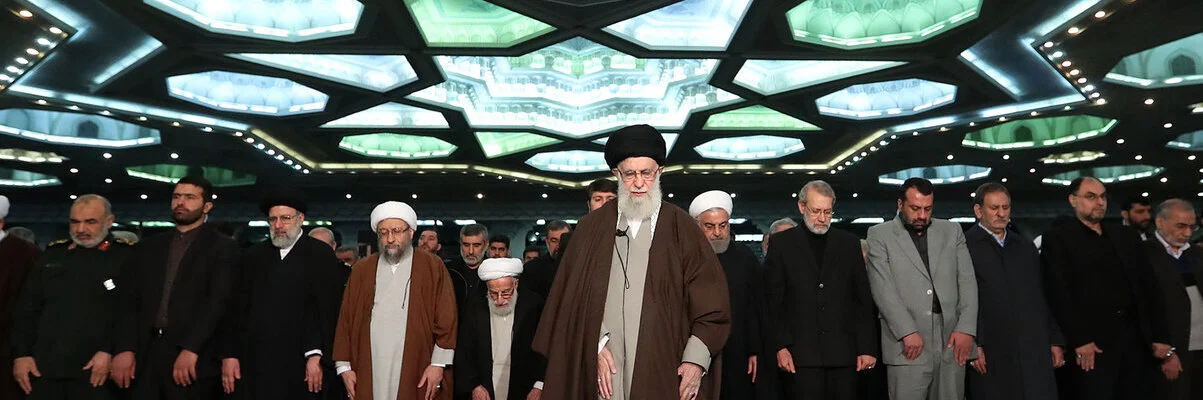
◢ Supreme Leader Ayatollah Ali Khamenei said Iran had delivered a “slap to the U.S.’s image as a superpower” in this month’s military confrontation, seeking to rally Iranians around an embattled establishment as he led Friday prayers in Tehran for the first time in eight years.
By Golnar Motevalli
Supreme Leader Ayatollah Ali Khamenei said Iran had delivered a “slap to the U.S.’s image as a superpower” in this month’s military confrontation, seeking to rally Iranians around an embattled establishment as he led Friday prayers in Tehran for the first time in eight years.
His speech came amid unprecedented international scrutiny over the Islamic Revolutionary Guard’s unintentional shooting down of a Ukrainian passenger plane just hours after Iran had fired missiles into Iraqi bases housing American troops without causing fatalities. That attack had been in retaliation for the killing of a top Iranian commander by the U.S.
“They’re hit by strikes in Syria, in Iraq, in Lebanon and in Afghanistan at the hands of the power of resistance, but this strike was greater than all of those, it was a strike on prestige,” Khamenei said of the Iranian action in Iraq. U.S. officials, including President Donald Trump, who claimed to be on the side of the Iranian people are “clowns,” he said.
Khamenei branded the U.S. “terrorists” for the Jan. 3 killing of General Qassem Soleimani, whom he credited with being the most effective force in defeating Islamic State.
Soleimani was a hero to many Iranians for his leadership of an elite unit of the Guard which orchestrated Iran’s military policy overseas, playing a major role in destroying the extremist group’s rule in Syria and Iraq. His killing brought the nation together in mourning but that sense of unity was shattered by the downing of the Ukraine International Airlines plane, which killed all 176 people on board. Most of the victims were Iranian citizens or dual nationals.
‘Bitter Incident’
Khamenei called the jet disaster an “extremely bitter incident” but said public opinion over the tragedy had been manipulated by U.K. and U.S.-based television channels. The top cleric directly instructed the Revolutionary Guard to carry out a full investigation and guarantee that there could never be a repeat.
Once Iranian officials finally accepted responsibility, after days of denials, protests against the government broke out in Tehran and other cities. Just weeks earlier, security forces had crushed some of the biggest and most sustained anti-regime demonstrations in more than a decade. Human rights groups say hundreds of people were killed in that crackdown.
While Iran’s leaders admitted culpability for the jet disaster they have also blamed the U.S. for creating the sense of crisis that preceded it. In the part of his sermon conducted in Arabic, Khamenei said the “real punishment” for the U.S. would be its forced ouster from the Middle East.
Under pressure from Democrats at home, Trump has offered various justifications for the decision to kill Soleimani, including intelligence that he said pointed to imminent attacks on U.S. embassies, as well as past American military deaths due to Iranian actions supervised by Soleimani in Iraq.
A report on Friday said that nearly a dozen U.S. troops were treated for concussion after Iran’s missile attacks in Iraq. The U.S. and Iran have since both signaled they want to back away from further military conflict, but with the two arch foes locked in a deepening confrontation over Iran’s nuclear program and American sanctions, tensions in the Gulf remain high.
On Tuesday the U.K., Germany and France angered Tehran by announcing they would activate a dispute resolution mechanism contained in the 2015 nuclear deal which Trump exited before reimposing sanctions. The European move nudged the accord closer to the brink of collapse.
Khamenei accused the European countries of working with the U.S. to try and force Iran “to its knees,” and said he had “never trusted them since day one.”
Photo: IRNA
Khamenei to Lead Friday Prayers Amid Iranian Tumult
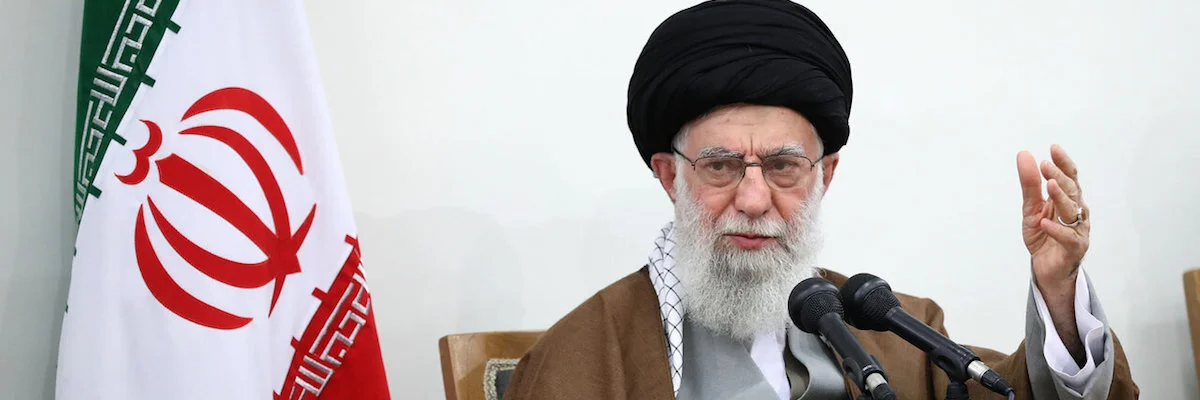
◢ Iran's supreme leader is expected to lead the main weekly Muslim prayers in Tehran on Friday, after a traumatic month in which the country had appeared on the brink of war with the United States and accidentally downed a Ukrainian passenger jet. The last time Ayatollah Ali Khamenei led Friday prayers at Tehran's Mosalla mosque was in February 2012.
Iran's supreme leader is expected to lead the main weekly Muslim prayers in Tehran on Friday, after a traumatic month in which the country had appeared on the brink of war with the United States and accidentally downed a Ukrainian passenger jet.
The last time Ayatollah Ali Khamenei led Friday prayers at Tehran's Mosalla mosque was in February 2012, on the 33rd anniversary of the Islamic revolution and at a time of crisis over the Iran nuclear issue.
His Friday appearance comes at a tumultuous moment for the country which had seemed headed for conflict earlier in January after the United States killed its top general Qasem Soleimani in a drone strike in Baghdad, prompting Iran to retaliate against US military targets in Iraq with a volley of missiles.
The strike, which caused significant material damage, wounded 11 US troops, according to a statement by US Central Command released Thursday, which contradicted the military's previous assessment of no casualties.
Earlier in the day President Hassan Rouhani emphasized in a televised speech that Iran "is working daily to prevent military confrontation or war", and maintained that a dialogue with the world was still "possible".
Tensions between Washington and Tehran seemed to subside in the wake of the accidental downing of a Ukrainian passenger airliner hours after Iran's retaliatory strikes, as Tehran was on high alert for US reprisals.
The tragedy killed 176 people, mostly Iranians and Canadians.
Better Governance
Canada's foreign minister on Thursday vowed to push Iran for answers about the tragedy.
Ottawa said earlier that US President Donald Trump's policies had contributed to the heightened tensions that led to the catastrophe.
In June 2019, Iran and the United States had also appeared to be on the brink of direct military confrontation after Tehran shot down a US drone it said had violated its airspace.
Trump said he called off retaliatory strikes at the last minute.
The animosity between Washington and Tehran has increased since Trump withdrew the United States from the landmark 2015 nuclear deal in 2018 and reimposed biting sanctions.
In Iran, the air disaster sparked public outrage and anti-government demonstrations took place every day from Saturday to Wednesday.
Security forces were deployed across the capital in response to the protests.
According to an AFP journalist, around 50 riot police with batons, motorbikes and what appeared to be a tear gas launcher were posted at a major junction in north Tehran on Thursday evening.
Concentrated in the capital, the protests appeared smaller than a wave of national demonstrations in November, prompted by a fuel price hike. They had been met with a crackdown that left at least 300 people dead, according to Amnesty International.
Rouhani implicitly acknowledged a crisis of confidence in authorities, but called Wednesday for "national unity", better governance and greater pluralism.
On Thursday, Rouhani also defended the policy of openness that he has pursued since his first election in 2013, and which Iran's ultra-conservatives criticise.
"Of course, it's difficult," he acknowledged, but added, "the people elected us to lower tensions and animosity" between the Islamic republic and the world.
That said, Khamenei, who maintains that the West is not trustworthy, bans dialogue with Trump.
'High School Bully'
On Thursday, Rouhani said Iran's "daily enrichment" of uranium was currently "higher" than before the conclusion of the 2015 nuclear deal.
Rouhani, who instigated the negotiations, made the comments while justifying his nuclear policy and Iran's progressive disengagement from the accord. He also stated his willingness to continue dialogue on the agreement.
In response to the US withdrawal from the deal and sanctions, an increasingly frustrated Iran has hit back with a step-by-step suspension of its own commitments under the deal, which drastically limited its nuclear activities.
On Tuesday, Germany, the UK and France -- the three European parties to the deal -- announced they had triggered a dispute mechanism in response to the latest step back from the deal by Tehran.
Germany on Thursday confirmed a Washington Post report that the US had threatened to impose a 25 percent tariff on imports of European cars if EU governments continued to back the nuclear deal.
Iranian Foreign Minister Mohammad Javad Zarif accused the European parties of having "sold out" the deal to avoid trade reprisals from the United States, and said Trump was again behaving like a "high school bully.”
Photo:
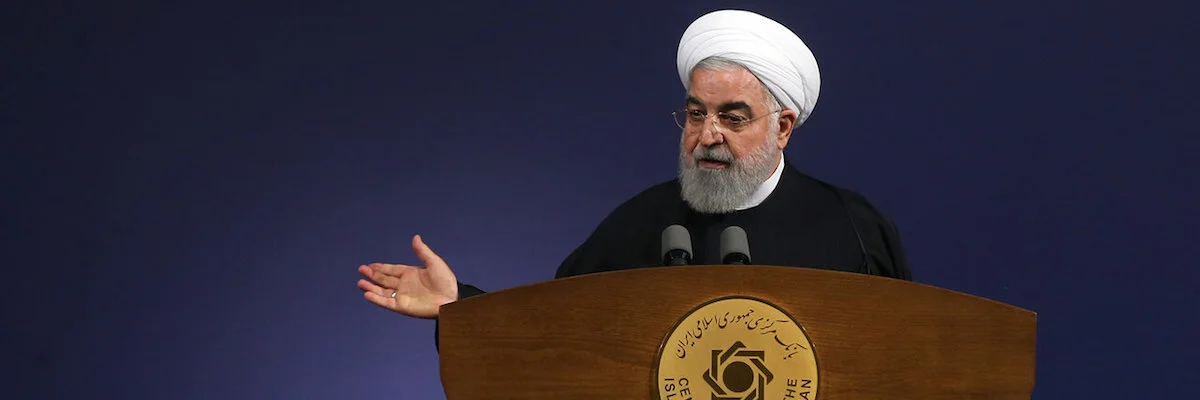
Iran Says 'Daily Enrichment' of Uranium Higher Than 2015
◢ Iranian President Hassan Rouhani said on Thursday that his country's "daily enrichment" of uranium was currently "higher" than before the conclusion of the 2015 nuclear deal. Rouhani did not specify whether Iran was now producing a greater quantity of enriched uranium, or whether it was enriching ore with uranium 235 isotopes at a higher level than before the deal.
Iranian President Hassan Rouhani said on Thursday that his country's "daily enrichment" of uranium was currently "higher" than before the conclusion of the 2015 nuclear deal.
Rouhani, who instigated the negotiations, made the comments while justifying his nuclear policy and Iran's progressive disengagement from the accord. He also stated his willingness to continue dialogue on the agreement.
"Today, we are under no restrictions in the area of nuclear energy," he said during a speech in Tehran.
"Our daily enrichment (of uranium) is higher than it was before... the agreement," he added, in remarks apparently directed at Iranian ultraconservatives who denounce his nuclear policy as a total failure.
Rouhani did not specify whether Iran was now producing a greater quantity of enriched uranium, or whether it was enriching ore with uranium 235 isotopes at a higher level than before the deal.
The 2015 agreement was struck in Vienna between Iran and France, Britain, Germany, the United States, China and Russia.
But it has threatened to collapse since President Donald Trump unilaterally withdrew the United States in 2018, before reimposing a series of intensifying economic sanctions on Iran.
In response, Tehran has progressively reduced a number of its key commitments to an agreement that drastically limited its nuclear activities.
Iran is now producing uranium enriched beyond the 3.67 percent set by the agreement, and no longer adheres to the limit of 300 kilograms (660 pounds) imposed on its enriched uranium stocks.
The Islamic republic announced on January 5 that it was no longer bound by limits on the number of centrifuges it could run to enrich uranium, saying this was its last step back from the commitments it made in Vienna.
Before then, Iran announced it was enriching uranium to a level of five percent, far from the 90 percent needed to produce an atomic bomb. Before the nuclear deal, Iran was enriching uranium to 20 percent.
A source close to the International Atomic Energy Agency told AFP on January 10 that there had been "no notable change in Iran's nuclear activity" since January 5.
Photo: IRNA
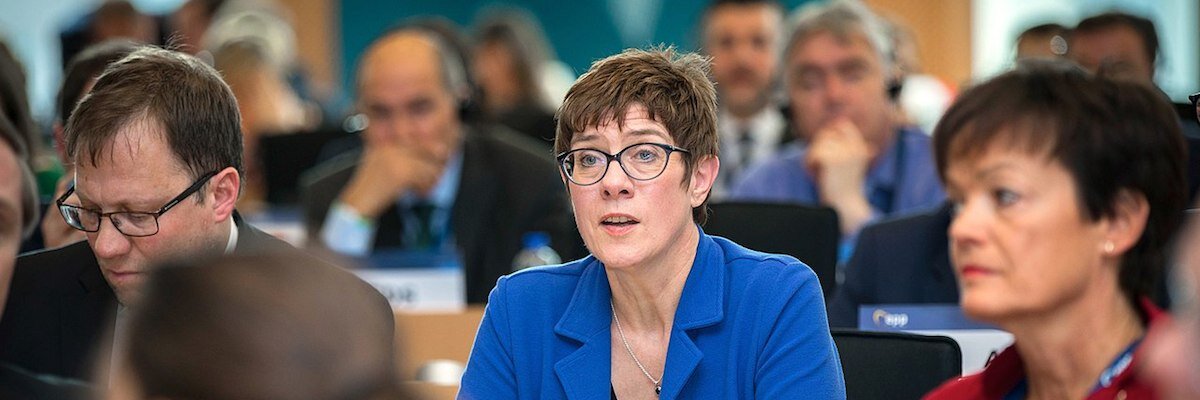
German Minister Confirms US Threatened Tariffs on EU over Iran
◢ Germany''s defense minister on Thursday confirmed a report that the United States was threatening to impose a 25 percent tariff on European car exports if it continued backing the Iran nuclear deal. "This expression or threat, as you will, does exist," Annegret Kramp-Karrenbauer told reporters.
Iran accused European governments Thursday of sacrificing a troubled 2015 nuclear deal to avoid trade reprisals from US President Donald Trump who has spent nearly two years trying to scupper it.
Foreign Minister Mohammad Javad Zarif said Trump was again behaving like a "high school bully" and the decision by Britain, France and Germany to heed his pressure to lodge a complaint over Iranian compliance deprived them of any right to claim the moral high ground.
The three governments "sold out remnants of #JCPOA (the nuclear deal) to avoid new Trump tariffs," Zarif charged.
"It won't work my friends. You only whet his appetite. Remember your high school bully?"
Germany's defence minister on Thursday confirmed a Washington Post report that the United States had threatened to impose a 25 percent tariff on imports of European cars if EU governments continued to back the nuclear deal.
"This expression or threat, as you will, does exist," Annegret Kramp-Karrenbauer told a news conference during a visit to London.
Zarif said Europe's unwillingness to antagonise the United States made a mockery of its stated determination to rescue the nuclear deal.
"If you want to sell your integrity, go ahead," Zarif tweeted. "But DO NOT assume high moral/legal ground."
The European states triggered a dispute mechanism established under the deal, which allows a party to claim significant non-compliance by another party before a joint commission, with appeals possible to an advisory board and ultimately to the UN Security Council.
Since Washington pulled out of the agreement and reimposed crippling unilateral sanctions in 2018, EU governments have sought to find a way to allow European businesses to continue trading with Iran without incurring huge US penalties.
As its economy has gone into reverse, an increasingly frustrated Iran has hit back with the step-by-step suspension of its own commitments under the deal.
The three European governments said they lodged their complaint in response to the latest step by Tehran suspending the limit on the number of centrifuges it uses to enrich uranium.
Speaking in India on Wednesday, Zarif already questioned how the European Union could allow itself to be "bullied" by Washington when it was the world's largest economy.
He warned the three EU governments party to the deal that their complaint could backfire, charging that they themselves were in violation because they had fallen in line with the US sanctions.
"They are not buying oil from us, all of their companies have withdrawn from Iran. So Europe is in violation," he said.
Zarif held talks in New Delhi on Thursday with EU foreign affairs chief Josep Borrell.
An EU statement said the two had "a frank dialogue" in which Borrell "underlined the continued interest of the European Union to preserve the agreement".
The cooling of Iran's relations with Europe comes at a time of red-hot tensions with the United States since a US drone strike in Iraq killed a top Iranian Revolutionary Guards commander earlier this month.
Photo: Wikicommons