
There is No Russia-Iran Partnership
Sharing a grudge with the West is not a sufficient condition for a meaningful geopolitical partnership.
Back in June 2017, I was invited to Moscow by the Institute for Emerging Market Studies at the Skolkovo School of Management to convene a half-day seminar. The aim was to explain the Iranian economy to an audience of Russian executives from both state and private sector companies. At the time, Trump was still certifying Iran’s compliance with the nuclear deal. Russia is a JCPOA party and wanted to carve out a place for itself as international investors, primarily Europeans, struck new deals in the Iranian market. Russian state-owned enterprises like Lukoil, Zarubezhneft, and Rosatom, were eyeing new projects in Iran’s state-dominated energy sector. But the discussions at Skolkovo were mostly focused on the private sector.
I recall two things about that morning in Moscow. First, the Russian firms had little clue about the Iranian market. Unlike European firms that had several decades of experience working in Iran, Russian companies had no track record. The questions asked by the audience were basic, even naïve. Second, the concerns expressed by the participating executives were precisely those of European companies exploring the Iranian market for the first time. The audience was curious about about how European firms were managing to do business in Iran without the support of their banks. Those Russian executives who had begun to take a serious looked at Iran had already been warned off by their bankers.
After the session was over, a gentleman came over to introduce himself. He was responsible for Iran at Sberbank, one of Russia’s most important and forward-thinking banks. He told me that his senior leadership had made clear that despite the lifting of JCPOA-related sanctions, Iran was to remain off limits. Sberbank did not want to invite further scrutiny from the US Treasury Department, especially as Iran had yet to implement its FATF action plan, a set of critical anti-money laundering and counter-terrorist financing reforms. Iran was too toxic even for Russian banks. Today, I looked the Sberbank executive up. It appears he lives in Arizona now.
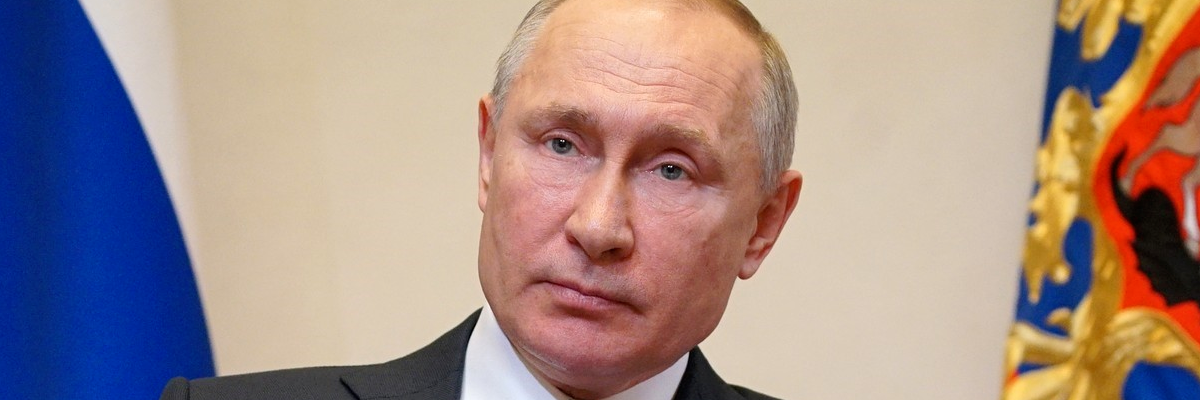
Five years later, as Putin prepares to travel to Iran for his second state visit since the start of the war in Ukraine, American officials are raising the spectre of a Russia-Iran partnership. Biden’s national security advisor, Jake Sullivan, has alleged that Iran is on the verge of selling “several hundred” drones to Russia for use in Ukraine. The US has also claimed that Russian officials have visited Iran to inspect the drones. Sullivan has stated that “Russia deepening an alliance with Iran to kill Ukrainians is something that the whole world should look at and see as a profound threat.”
Given the brutality of Russia’s invasion of Ukraine, any Iranian arms sale to Russia would be a dramatic and unconscionable move. Iran has denied the American claims, and the Iranian foreign minister Amir Abdollahian, called his Dmytro Kuleba, his Ukranian counterpart, to offer reassurances.
As Abdolrasool Divsallar argued in a recent Twitter thread, there is probably a constituency in Iran that would like to export drones to Russia and the American claims should be taken seriously. But there are big questions around whether Iran could pull this off even if the intention were there. Iran has invested significantly in developing its drone capabilities as part of its asymmetric approach to defence, but there is little evidence it has the capacity to produce “hundreds” of drones in short order, at least not drones of great technical sophistication or operational value. Iranian drones are not like the Turkish Bayraktar drones now being used by Ukraine.
The US government’s own 2019 assessment of Iran’s military power, produced by the Defence Intelligence Agency, notes that “despite advances in its UAV manufacturing capabilities, Iran remains reliant on Western manufactured engines and components to support its UAV production. Iran is developing a domestic UAV engine but is struggling with quality issues.” Unless there has been some unheralded breakthrough in Iranian indigenisation of key parts, there is some threat inflation inherent in the American warnings of an imminent Iranian arms sale to Russia.
Now, let’s assume that Iran had both the intention and the means to produce and export drones to Russia. Even then, there is a lot to suggest that the deal will go south. The track record for arms sales and state contracts between Iran and Russia is dismal. Back in 2007, Iran signed an $800 million contract with Russia for the purchase of an S-300 air defence system. Russia suspended the deal in 2010 in compliance with UN sanctions and Iran tried to sue Russia for $4 billion in response. The units were eventually delivered in 2016, but the S-300 saga confirmed for many Iranian policymakers that the Russians were untrustworthy—a reputation that goes back to the days of Persian conflict with the Russian Empire. This reputation has not been burnished by reports that Russia is essentially allowing Israel to hit Iranian targets in Syria as Russian forces scale back their operations.
Of course, the lack of trust goes the other way too. Russia is the primary contractor for Iran’s single nuclear power plant, located in Bushehr. This is perhaps the flagship example of ongoing Russian-Iranian technical cooperation, particularly given the importance that Russia assigns to its construction and operation of nuclear power plants around the world. But cooperation on this prestige project has been rocky. On Sunday, Shargh, an Iranian reformist newspaper, published a front-page interview with Levan Dzhagaryan, the Russian’s ambassador in Tehran. In the interview, Dzhagaryan was asked about the recurring shutdowns at Bushehr that have hobbled electricity generation. The ambassador bristled and complained that the real problem is that Iran owes Russia “hundreds of millions of euros.” Dzhagaryan has a lot of experience—he has unusually been posted to Tehran for over a decade. His inability to complete a simple interview without casting aspersions makes clear how little rapport exists between Russia and Iran.
The lack of any kind of real partnership between Russia and Iran is also made clear when looking to economic relations between the two countries. In recent months, Russian executives have travelled to Iran to scope out opportunities and to draw lessons from Iran’s economic resilience under sanctions. Officials have recently stressed the growth in Russia-Iran trade, citing the opportunities created by the withdrawal of Western firms from both markets. These officials have pointed to a rise in bilateral trade, which increased to $4 billion in 2021. Last year, Russia became one of the top-five exporters to Iran.
But this recent growth is deceptive and does not represent a true deepening of the economic partnership—at least not yet. First, $4 billion is a miserable level of trade for two economies of such significant size. For comparison, Iran’s trade with Iraq is around three times greater than its trade with Russia. Russia’s trade with Turkey, an economy similar in size to Iran, totalled $33 billion last year. Second, Russia-Iran trade is principally trade in foodstuffs—essentially all the growth in Russian exports in 2021 is explained by a sharp rise in grain exports. On the other side, the steady rise in Iranian exports to Russia is explained by growth in the sale of fruits and nuts. Trade in food is important but does not reflect the kind of economic cooperation that will garner Russia and Iran resistance to sanctions. In fact, food trade is growing precisely because it is sanctions exempt—this is one of the few areas in which Russian banks are willing to process Iran-related transactions.
Real sanctions resistance would require deeper industrial cooperation. Looking to customs data for bilateral trade in machinery and vehicles, Russia exported around $115 million of machinery and vehicles to Iran in 2021—just a fraction of total exports. Iran, meanwhile, sold less than $15 million of industrial goods to Russia. Basically, there is no industrial partnership between Russia and Iran. Excluding the rise in food trade, it is clear that Russian trade with Iran has yet to recover following the imposition of financial sanctions on Iran in 2012.
This could change, particularly as Russian machinery and vehicle manufacturers seek new export markets in response to US and EU sanctions. But the first impetus for any such growth in industrial trade came back in 2014, when sanctions were imposed on Russia in response to the invasion of Ukraine. It was also around that time that Russian and Iranian leaders began to discuss a shared vision for a “Eurasian” model of economic development. In 2016, Iran proposed a preferential trade agreement (PTA) with the Russian-led Eurasian Economic Union (EAEU) bloc. The PTA was implemented in 2019. Negotiations are now underway to convert the PTA into a full free trade agreement.
Reducing trade barriers would help open a pathway for a rise in bilateral trade, but the fact that trade relations have floundered tells us a few things. First, sanctions continue to inhibit economic relations between Russia and Iran. The fact that Russia is now increasingly subject to sanctions does not in fact make working in Iran more attractive. The two countries lack sufficient banking channels and logistics networks. Iranian firms do not want to get paid in roubles. Russian firms certainly do not want to get paid in rials. Plus, because of the wide range of designations of Iranian state enterprises, working in Iran exposes Russian firms to secondary sanctions risks at a time when secondary sanctions are not yet a feature of the American and European sanctions on Russia. This jeopardises the ability of Russian companies to work in third countries. Iran’s experience makes clear that once firms or whole sectors are subject to secondary sanctions, foreign suppliers and customers will cut business ties, even in China.
Another problem is that Russia and Iran are similar in their level of industrialisation. There is a similar technical sophistication in the automobiles, home appliances, and consumer electronics produced in both countries to meet the needs of their large domestic consumer markets. The two countries are also both major metals and petrochemicals producers. This means that Russia and Iran are not only competitors in global energy markets, but will also increasingly compete when it comes to the crucial task of developing non-oil exports as part of their respective responses to sanctions pressure.
Over the last few years, Iran has been seeking to grow its export markets in Central Asia, where Russia is the primary trade partner. We can expect Russia to likewise try and take market share from Iran in Turkey. But most importantly, both countries will be engaged in a race to the bottom in China, the buyer of last resort for sanctions-afflicted exporters. Benoit Faucon’s recent reporting from Tehran makes clear that this competition is already heating up. Iranian executives complained to him about Russian competitors dramatically undercutting their prices. In a curious choice of words, one Iranian executive described the competition as “murderous.”
Back in April, Russian journalist Alexey Pivovarov travelled to Tehran to examine how Iranians live under sanctions. His 1.5-hour documentary has been viewed over 7 million times. Pivovarov wanted to know whether experience of Iranian businesses could help Russian firms adapt to sanctions. But he did not need to travel to Tehran to learn the most fundamental lesson. The simple fact that the Russian executives were only now bothering to travel to Iran makes clear just how isolating sanctions really are.
Economic realities mean that Russia and Iran are competitors, not partners, by default. Political coordination could help overcome the competitive dynamics to chart a path for a functional partnership. But Russian and Iranian stakeholders lack the trust, mutual cultural awareness, and incentives to work together. When they meet in Tehran this week, Putin and Raisi will probably sound like they are aligned. But sharing a grudge towards the West is not a sufficient condition for a meaningful geopolitical partnership.
Photo: IRNA

Do Sanctions Pose an 'Irreversible Knowledge' Problem?
Western governments believe that Iran’s continued enrichment activities are allowing Iranian nuclear scientists to gain “irreversible knowledge.” But what if sanctions pose their own irreversible knowledge problem?
As the deadlock over the future of the Joint Comprehensive Plan of Action (JCPOA) continues, there is growing concern that Iran’s nuclear activities are hollowing out the benefits of the nuclear deal, even if it were to be successfully restored. Western governments believe that Iran’s enrichment activities are allowing Iranian nuclear scientists to gain “irreversible knowledge.” Even if Iran comes back into full compliance with its non-proliferation commitments under the JCPOA, it will have edged closer to becoming a threshold nuclear state.
Irreversible knowledge is powerful shorthand. A joint statement issued by France, Germany, and the United Kingdom in March 2021 noted that the recent breaches of the JCPOA were “providing Iran with irreversible knowledge gain that it did not possess prior to signing the JCPOA, as well as permanently and significantly enhancing Iran’s enrichment capacity.” In January of this year, Republican lawmakers sent a letter to U.S. Secretary of State Antony Blinken to urge him to abandon the nuclear talks and increase pressure on Iran, in part because Iran was continuing “to gain irreversible knowledge” as it produced more enriched uranium. In May, Israeli Defense Minister Benny Gantz warned that “Iran continues to accumulate irreversible knowledge and experience in the development, research, production, and operation of advanced centrifuges.”
Clearly, the concept of irreversible knowledge is well defined among those parties seeking renewed non-proliferation commitments from Iran, as well as those parties seeking to scupper any deal. According to Kelsey Davenport, the Biden administration will remain committed to the nuclear talks so long as the “the non-proliferation benefits of restoring the JCPOA outweigh the irreversible knowledge that Iran has gained.” Crucially, the nuclear deal prevents Iran from gaining further nuclear knowledge—commitments to cease significant enrichment activities and to dismantle advanced centrifuges reflect concrete measures that prevent the kind of nuclear research and production activities consistent with a weapons programme. By preventing additional knowledge gains, the JCPOA restricts Iran’s inherent nuclear capabilities.
In return for its compliance with these restrictions and strict monitoring, Iran receives significant sanctions relief—this is the basic quid-pro-quo of the JCPOA. Iran continues to place significant value on sanctions relief, especially as its economy languishes, but even so, the terms of the agreement are not as fair as they might seem.
Countries that apply sanctions (sanctionists) regularly use economic coercion to achieve non-proliferation goals. The Biden administration, like its predecessors, believes that the economic pain of sanctions forces uncooperative countries like Iran to the negotiating table, where non-proliferation agreements can be hammered out. Whether Iran entered into the nuclear negotiations because of economic pressure is up for debate. Notwithstanding, non-proliferation experts have heralded sanctions as a critical part of the arms control toolbox.
But what if the use of sanctions as part of non-proliferation diplomacy introduces another kind of irreversible knowledge problem, one overlooked by Western policymakers? Afterall, non-proliferation agreements impose no restrictions on the ability of sanctionists to further develop their means of economic coercion. Even after a deal like the JCPOA is adopted and implemented, sanctionists can continue to advance their understanding of how to apply and enforce sanctions with devastating effect. This irreversible knowledge is gained in three ways.
First, sanctionists can continue to study the target’s economy even after the implementation of a non-proliferation agreement. Some Iranian critics of the nuclear deal have complained that re-entering the JCPOA will make Iran more vulnerable to sanctions by increasing economic dependence on the West. But the issue is more subtle than that. Whether or not trade increases with Western companies after the lifting of sanctions, Western governments can continue to study the Iranian economy to understand its composition and its vulnerabilities in ways that will aid the design of future sanctions, whether those are broad sectoral measures or specific designations. Indeed, the U.S. continued to apply sanctions on Iran even after the nuclear deal was agreed, designating additional entities on the basis of terrorism or human rights related authorities. Even if these moves did not amount to a direct violation of the JCPOA, they did reflect how the U.S. was continuing to gain knowledge about how to target Iranian individuals and firms even after the deal’s implementation.
Second, sanctionists can continue to apply sanctions on other countries in ways that advance knowledge about how to make sanctions hurt. Were the JCPOA restored in full today, the United States and Europe would still be applying sanctions on a wide range of countries, most notably Russia. The application of sanctions in Russia, for example, provides practical experience that can inform how future sanctions on Iran might be made more harmful. Were Iran to gain irreversible nuclear knowledge in an analogous manner, Iranian nuclear scientists would be enriching uranium outside their borders, while ceasing the problematic research in Iran. In this way, even if sanctionists were to completely abstain from applying sanctions on Iran after the implementation of the JCPOA, they would still retain the ability to use sanctions in other countries in ways that expand capabilities.
Third, sanctionists can continue to strengthen the institutions responsible for designing and imposing sanctions. Whereas Iran could not install more centrifuges were it to re-join the nuclear deal, the U.S. can continue to increase staff within key offices such as the U.S. Treasury Department’s Office of Foreign Assets Control. As a result, the JCPOA actually exacerbates the escalation dominance of the U.S. over Iran. Sanctionists are inherently better prepared for the breakdown—whether wilful or accidental—of any non-proliferation agreement in which sanctions relief has been traded for non-proliferation commitments.
In this way, the irreversible knowledge gained by sanctionists represents a serious challenge to non-proliferation efforts. Conceptually, as U.S. and European officials increasingly conceive of sanctions as “economic weapons” and describe themselves as “nerd warriors” it is appropriate to apply to sanctions the concept of irreversible knowledge that has so far been only been invoked in the context of Iran’s nuclear programme.
The threat posed by the irreversible knowledge of sanctionists has weighed on Iran’s participation the nuclear negotiations. It is not merely the possibility of Trump’s re-election in 2024 that has cast a shadow over the talks, but also the fact that any administration that might wish to reimpose sanctions on Iran in the future will have a much deeper understanding of Iran’s economic responses to maximum pressure. For example, when the Trump administration sought to drive Iran’s oil exports down to “zero,” they did not expect that Iran would end up maintaining exports above 1 million barrels per day, with oil passing through the UAE and Malaysia, before heading to China. The role of intermediation in sustaining oil exports under sanctions is now a known feature of Iran’s economic resilience strategy. This datapoint can be incorporated into future sanctions design. There are countless other examples of where real and actionable knowledge has been gained by the U.S. and Europe that can be used to hammer Iran’s economy. As demonstrated by the circumstances of Trump’s withdrawal, Iran’s compliance with its commitments under the nuclear deal offers no guarantee that it will avoid the return of sanctions.
Western negotiators have tried to account for Iran’s fears about another U.S. withdrawal from the JCPOA by engaging in a dialogue on possible political or technical guarantees that might serve to make the nuclear deal robust. But the discussion over guarantees is focused on reducing the probability of sanctions “snapback.” No solutions have been offered to try and curtail the impact of snapback. Theoretically, the impact of snapback gets worse as the U.S. and Europe gain more knowledge about how to deploy sanctions for maximum effect. Truly mitigating the risks for Iran means addressing both probability and magnitude.
Western diplomats will no doubt continue to use sanctions to advance their non-proliferation agenda and the JCPOA is a good deal that ought to be restored. But Iran’s bitter experience under the nuclear deal makes clear that to create more durable and equitable non-proliferation agreements, Western officials must find ways to account for the fact that there is a fundamental asymmetry in the manner in which non-proliferation agreements deal with the issue of irreversible knowledge. Sanctions work by weaponising normal economic interdependencies. This makes it difficult to imagine that the knowledge gains of sanctionists can be curtailed. At best, these knowledge gains must be compensated for, either by limiting the non-proliferation demands made of countries like Iran, for example by granting them more leeway to undertake certain kinds of research, or by devising other more complex mechanisms, such as some kind financial annuity for non-proliferation agreements that kicks-in irrespective of the fault for the deal’s demise.
For now, the solutions are unclear. But if they are to be found, policymakers and experts committed to global non-proliferation must recognise their one-sided approach to irreversible knowledge within the context of non-proliferation regimes. Under the JCPOA, Iran’s ability to gain nuclear knowledge is constrained, but the U.S. and Europe can continue to hone their sanctions. This asymmetry is emblematic of a significant flaw in all agreements that trade sanctions relief benefits for nuclear restrictions and monitoring commitments.
Photo: state.gov
An Open Letter from 61 Iranian Economists Issues Stark Warning
An open letter co-signed by 61 Iranian economists addresses the government and the Iranian people about the country’s economic challenges.
Editor’s Note: This open letter co-signed by 61 Iranian economists was widely published in Iranian media outlets on June 10, 2022. The letter spurred significant debate and even controversy, with at least one economist claiming they were included as a signatory without foreknowledge of the letter’s content. The letter has been translated here in full in its original form given its insightful diagnosis of the economic challenges facing Iran.
Honorable People of Iran, Dear Compatriots,
Greetings,
When the 13th government took office, electoral rivals were ousted from the country's electoral institutions, bringing apparently uniform governance to the political landscape. In this climate, some analysts predicted, optimistically or naively, an accelerated resolution of the nuclear dispute with the West, as well as the formation of a government backed with maximum support of those holding political power, the military, and the official media in combating corruption, restoring the general business climate, and achieving macroeconomic stability. This was especially the case given that Mr. Raisi's views, programs, and promises as a presidential candidate foretold the formation of an inclusive government that would effectively use the country's vast knowledge and managerial experience. They were reported to have prepared and would implement a 7,000-page reform program with the support of dozens of research institutes and faculties of economics to address critical issues such as inflation, unemployment, and the closure of businesses.
Without tying the nation's livelihood and economy to nuclear negotiations, Mr. Raisi had promised the country would experience 5 percent economic growth, produce one million new jobs and one million new housing units annually, and to rapidly eradicate absolute poverty. He envisaged that the inflation rate would be reduced by 50 percent and then to single digits. Iran's non-oil exports would increase from $35 billion in 2021 to $70 billion in 2022, and the country's total foreign exchange needs would be met using non-oil exports.
In the meantime, many economic and political experts and intellectuals cautioned with foresight and compassion that such promises would not be realisable unless an early agreement was reached in the Vienna talks—after lengthy and exhausting two-year negotiations. Despite under-utilised human and physical capacities, a large number of unfinished projects, and billions of dollars of blocked foreign exchange resources, some of these promises could be fulfilled in the event of a nuclear deal and the FATF's approval, as well as the end of the COVID-19 epidemic; however, their entire fulfilment was also contingent on having good and developmental governance and a well-thought-out plan.
It is unfortunate, however, that since the beginning of April 2022, social unrest and public concern for livelihood and the viability of businesses have reached an explosive stage with the rise in disappointing news reports from the nuclear talks and numerous policy shocks to the country's economy, including the labor and the goods and services markets, followed by the elimination of the preferential exchange rate for essential goods. In the first few months of the year, the inflation and exchange rates have both reached new highs. Official policymakers have referred to the induction of multiple shocks and the escalation of macroeconomic instability as "economic surgery and reform" and "tough decisions for the economy" without considering the far-reaching repercussions of those decisions, the beginning and end, the scope, framework, and depth of this surgery, and its next steps or consequences for the general public. The prerequisites and instruments of economic surgery, such as the structure and function of governance, the attainment of an adequate level of public trust and appreciation, and the establishment of economic stability, were largely disregarded. Despite unofficial restrictions on independent media, numerous experts, economic and social experts, managers, and business owners have issued numerous warnings about the dire consequences of foreign policy inaction and recent ill-considered and erroneous policies over the past few months.
Hereby, the signatories of this letter, a group of economists of the country, convey our scientific analysis, apprehensions, advisories, and some strategies to help amend policies and alleviate the concerns of the dear people of Iran, purely out of a sense of national and social responsibility and moral and professional commitment to the people.
An Overview of the Government's Economic Surgery Policy
After the parliament agreed to eliminate the preferential exchange rate (USD1 = 4,200 tomans), the government's "economic reform" program began on May 9, 2022, with the Presidential TV address. These amendments led to the elimination of the preferential exchange rate for dairy products, animal and poultry feeds, eggs, oil, and certain medicines and medical devices. These items are referred to as essentials in the household basket. Before this decision, pasta, cakes, bulk bread, and confectionery products were taken off the list of items eligible for a preferential exchange rate upon eliminating the subsidy on industrial flour in April.
The government's policy, dubbed "economic surgery,” was rushed into effect without the administrative arrangements necessary to compensate producers and consumers. This may be a transient solution to the pressing budget deficit problem in the face of sanctions and the global food price crisis; it cannot be an economic reform program, however.
The government and parliament have removed the preferential exchange rate of basic goods and introduced it as the beginning of economic surgery. This decision is made while the annual budget contains thousands of billions in tomans for unneeded, nebulous, and removable expenditures, the permanent or temporary omission of which poses no threat to the government's primary missions or the people's general livelihood. Furthermore, this high-risk policy was implemented in the world's most alarming food security circumstances (amid the risk of global hunger and poverty). To date, there is no information on the financial nature of this policy, its resources, expenditures, or the degree of its imbalance. Even for the first time in recent decades, information tables on the sources and expenditures of explicit subsidies (Table 14 of the General Government Budget) and other sections of the Budget Law have not been published, making it impossible to evaluate or comment on them.
Our admonition to government officials is that the country's situation is extremely precarious, and insisting on eliminating subsidies during this miserable time will exhaust the public's patience and turn them against the ruling system and government. This confrontation can be very costly for both sides of the aisle. Reasonably, after the nation's economy and global food markets have returned to normal, macroeconomic stability has been established, and social tensions have been diminished, economic measures such as the unification of exchange rates, reforms in the four markets of the economy, and the organization of consumer subsidies can be implemented, all based on a prudent plan. Likewise, consideration must be given to the support of vulnerable groups in this scenario. At the macroeconomic level, the successful implementation of economic reforms requires certain unavoidable prerequisites, including the following:
Oil and non-oil export revenues, sufficient and reassuring reserves, and the availability of foreign exchange to manage potential fluctuations
Development of vivid and effective policies to stabilise the macroeconomy by regulating inflationary financial and budgetary factors
Low-cost access to global markets, including the market for basic goods and services, and, if necessary, low-cost financing sources and methods
If policymakers insist on continuing this unfortunate and risky practice, the government and the media should take full responsibility, explicitly and courageously, for the policies implemented and all their social and political consequences. Importantly, they should also avoid attributing failures to past pitfalls or the pressures and suggestions of economists outside the government. Nor should they label these suggestions as sabotage against the government and aggressively rebuff the criticisms of experts and those concerned with the national economy. This form and process of policymaking is at odds with, at least, the scientific approaches and indices of Iranian economists.
A Depiction of the Trends of Macroeconomic Indicators and the Outlook for Iran's Development
Development requires a "strong society–strong state" wherein the empowered state lays the foundation (in the form of public and regulatory goods) for the community's empowerment. An empowered society also requires a government that can pave the way for development through development-oriented governance and facilitative policymaking to ensure higher prosperity, employment, comprehensive social justice, security, and tranquility.
According to global comparative reports, indicators of the public business environment, quality of governance, perceptions of corruption, economic competitiveness, property rights, and other factors that lay the groundwork for long-term and inclusive growth and development, are on the decline placing Iran near the bottom of global rankings. Iran, for instance, was ranked 150 out of 180 nations in the most recent survey regarding anti-corruption efforts, and ranked 127 out of approximately 200 countries on the good governance index. In recent years, the social trust index, a measure of social capital that had risen to nearly 70 percent after the Islamic Revolution in 1981 (1360), has plummeted to the very concerning level of approximately 20 percent. The marriage-to-divorce ratio has decreased from 14 percent at the start of the revolution to around 3 percent today.
Due to poor governance, we have been unable to capitalise on the golden opportunities presented by the country's vast human and creative capital, oil revenues, and demographic window so as to achieve rapid economic growth. Oil exports have brought the country over 1.3 trillion dollars since the Revolution began. During this time, the country entered a demographic window in which the population's age structure was more conducive than ever to rapid economic growth. During this period, the country's per capita income has increased by less than 1 percent. Our country is on the verge of a long-term crisis due to the sharp decline in social capital, the inevitable outflows and large-scale layoffs of human capital, the spread of corruption, and the destruction of natural resources and the environment.
Iran's average GDP growth from 1980 to 2018 was approximately 1.6 percent, whereas China, India, Turkey, Malaysia, UAE, and Pakistan averaged between 4 percent and 10 percent during the same period. This meagre growth has occurred despite the fact that, nearly 50 years ago, Iran's economic growth prospects were considered superior to or on par with those of these nations. Due to sluggish economic growth, Iran's share of the global economy has decreased from 1 percent to approximately half a percent over the same period.
In the last decade, Iran's economy experienced the deepest stagflation in 70 years due to oppressive and unprecedented sanctions and the COVID-19 pandemic. The economy was marked by an average growth rate close to zero, an average inflation rate of above 20 percent, a negative and declining rate of gross fixed capital formation—even less than the compensation for depreciation over the past three years—and even more worrisome, an annual financial capital outflow of 10 to 20 billion dollars, depending on optimistic or pessimistic estimates. In the last ten years, the productivity rate of production parameters has been declining in a concerning manner, and the exchange rate has experienced a 30-fold increase (3000 percent). Although the national unemployment rate is still below 10 percent, it exceeds 15 percent in low-income (often border) provinces. In the last four decades, the average inflation rate has been 20 percent, and in the last three years, it has surpassed 35 percent. The misery index is approximately 50 percent, and inflation in 2021 was greater than 40 percent. Iran's imports have decreased from $70 billion in 2011 to approximately $35 billion in 2021 due to the implementation of sanctions and the reduction of oil export revenues.
These deteriorations have resulted in unequal income distribution and the spread of poverty across society. The Iranian Statistics Center has reported that Iran's average Gini coefficient between 2011 and 2018 was 0.408. This metric indicates that Iran is one of the most unequal societies in the Middle East, itself one of the most unequal regions on a global scale, during the relevant period. According to the report, during the same years, 1 percent of Iran's population, comprising the wealthiest strata of society, had an average of 16.3 percent of the country's total income, which is equivalent to 40 percent of the income of the poorest strata. Official reports suggest that the social and prospective outlooks of housing, education, and health inequality are far more unfortunate and worrisome. The Ministry of Cooperatives, Labor, and Social Welfare's report notes that the poverty rate increased from 22 percent in 2017 to 32 percent in 2019 due to the sharp increase in the poverty line basket price between 2018 and 2019. This means that in 2019, 32 percent of the country's population, 26.5 million people, are living below the poverty line, and sadly, estimates indicate that it has extended to nearly 40 percent of Iranian households in 2021. In the last decade, with an economic growth rate close to zero and a population growth of about 13 percent, the average Iranian has become 13 percent poorer. However, inflation and inequality mechanisms such as ineffective redistribution policies and corruption have placed the majority of the burden of poverty on low- and middle-income deciles, low-wage earners, and those employed in the economy's informal sector.
The macroeconomic developments of the past decade, i.e., the period of unprecedented intensification of economic, financial, commercial, and technological sanctions, have had the most significant impact on the living conditions of households and the increase in the poverty rate. Looking into macroeconomic variables has two major implications for Iranians' living conditions: first, a decline in welfare and worsening living conditions across the board for all Iranian households, and second, a more severe decline in welfare in low-income groups (1). Although the legal minimum wage for 2022 increased by 57 percent, the same wage, which fails to account for a large proportion of informal workers, is about $4.7 a day and $1.57 for a family of three. It falls below the international poverty threshold of $2 per day. In addition, many large firms, which are confronted with rapidly rising costs and declining demand, have adjusted their labor force, meaning that workers have been the primary losers of this policy due to their decreased share of national income.
The constant increase in the exchange rate and its inescapable effects on the volume of liquidity, on the one hand, and the reduction of revenue sources and the unorthodox and rapid growth of government expenditures, on the other, have resulted in enormous budget deficits, which are the primary cause of accelerating inflation. The escalating exchange rate-inflation spiral has placed the nation at risk of triple-digit, runaway inflation. Widespread corruption and the collapse of social capital, intensified rent-seeking ties, particularly in foreign trade and financial markets, the sharp decline in investment over the past two decades, and high inflation have cast a shadow over the future of Iran's economy and led to an inevitable, damaging, and irreparable outflow of financial and intellectual capital to other nations.
In recent years, as a result of the rise in the exchange rate and the cancerous growth of the budget deficit, the government has been forced to raise the price of energy carriers on occasion and eliminated the preferential exchange rate for the import of basic commodities this year. Experience has demonstrated, however, that the effects of such policies are extremely short-lived due to pervasive corruption, the collapse of social capital, the increase in the exchange rate, and the budget's ailing structure. Indeed, the budget deficit reoccurs shortly after and at a more considerable scale. Direct subsidies have not helped to offset the decline in public purchasing power and have not prevented the decline in people's livelihoods. Moreover, the government's monetary and fiscal policies have exacerbated the widening divergence.
In summary, the economic situation in Iran is very concerning, based on an abundance of evidence, and there seems to be no prospect of improvement or departure from this current state. Indeed, the downward trend of institutional performance indices (such as quality of governance, general business environment, corruption, economic competitiveness, and innovation), as well as other key parameters such as the outflow of financial and human capitals and the declining rate of economic investments over the past few years, is a substantially more ominous sign for the Iranian economy in future.
Honourble and patient people of Iran,
Dear Iranians,
Regrettably, the indicators and evidence presented above are not simply numbers on a page; they tell a heartbreaking story of hopelessness, the absence of a bright horizon, a lack of a favourable environment for production and business enterprises, a steady decline in people's purchasing power, growing poverty, and shrinking livelihoods. The obvious outcome of long-term exposure to such high inflation and a steadily rising exchange rate is a sense of social powerlessness and gradual decline. Inequality and income and asset gaps resulting from inflation, corruption, or dysfunctional fiscal and monetary policies, have turned trust and coexistence between the winners and losers of this bitter game into hatred and resentment, causing social capital to be shattered and destroyed. On the other hand, in the current state of the country, where economic and social policies are shrouded in secrecy, any criticism of the government is interpreted as part of a malicious plot against the governing system, making it difficult for experts or academic circles to raise such issues openly. Even more difficult is persuading the rulers and policymakers to accept that the Iranian people's suffering is now due to their long-term ineptitude and mismanagement.
It would be too naive to attribute this disorderliness solely to economic and financial factors such as large and growing budget deficits. Our economic and social problems—including the destruction of natural and environmental resources, systematic corruption, the destruction of social capital, the massive migration of human and innovative capital, the outflow of financial capital, the budget deficit and even the sanctions—are in a more general analysis, the product of poor governance and disregard for the scientific foundations of public policy.
If only our policymakers could foresee that now is not the time for a tug-of-war and coercive measures on national and global scales.
If only the esteemed President knew that economic policy is not the venue for an apprenticeship, trial and error, hasty decisions, or unthoughtful manipulations of prices and mediating factors. In fact, having the trust and the psychological and social support of society, having a stable environment based on international cooperation and coexistence, and having a strong bureaucracy equipped with modern knowledge and technology, are some necessary requirements for reforms or, in their own words, "economic surgery."
Dear compatriots,
Based on a review of global experiences and the scientific analysis of national experts and signatories of this letter, the first step to escape this dilemma is to fundamentally alter the nation's foreign strategies and policies, and the second is to alter the manner in which the country is governed. Two long leaps should be taken to solve Iran's complex economic and social issues and compensate for its stagnation in global economic competition:
Fundamental reforms in foreign policy by adopting a policy of peaceful coexistence and dignified cooperation with the countries in the region and especially neighbouring countries, as well as balanced and active interaction with major economic powers; also, paying attention to the minimum demands of the honourable people of Iran to improve the living conditions of Iranian people and to promote Iran's position globally. Without restoring the JCPOA and removing FATF-imposed restrictions on the Iranian banking sector, it is pointless to address macroeconomic stability policy and low-cost access to global markets.
Without an improvement in the quality of governance, economic surgery or reform will result in pervasive corruption, irreparable poverty and inequality, and deteriorating social and political stability. The prerequisites for effective governance and vital reforms are as follows:
Improving the quality of governance, the absolute and unequivocal rule of law at all levels, and government accountability for its decisions and public demands
Minimising political and economic corruption by applying maximum transparency mechanisms to the processes and outcomes of all policies, decisions, allotments, and appointments
Establishing an impartial, wholesome, accessible, affordable, and dependable judicial system for all social groups
Accepting and assisting in the creation of a space for dialogue, criticism, and oversight for scientific associations, universities, civic institutions, specialised and professional inclusive organisations, and independent media, and committing to the rules and goals of such a cause in practice
Possessing a robust and accountable executive and bureaucratic system with convenient and trustworthy databases
Possessing updated and potent information and communication technologies to implement targeted support and subsidy programs, carry out specific payments for specific target groups, and purchase specific goods and services from specific centres at specific times
Establishing and expanding the coverage of the welfare and social security system and efficient health insurance through equitable and efficient taxation (not by doubling the financial pressure on the critical sources of pension funds)
Fostering a competitive environment for the private sector's entrepreneurs and business owners while avoiding government monopolies or security conditions in the marketplace
Conceiving and implementing a production-focused incentive system that encourages the manufacturing sector and restricts destructive and unproductive activities
For policymakers and government officials to address the current turmoil, some clear implementation plans are also proposed:
It is incumbent upon the President and his principal colleagues to report on economic policies and programs, as well as their resources and expenditures, unambiguously and vividly, to seek consultation and advice from knowledgeable and specialised individuals, and to courageously take responsibility for their decisions.
A report on the sources and expenditures of the newly established subsidy, the number of households covered by it, and this year's budget imbalance should be publicised officially and transparently. A program of maximum financial discipline should be formulated, published, and implemented, including a revision of the 2022 budget based on public interests rather than the interests of specific groups. More specifically, the government should eliminate budget lines involving rents and overt and covert support for specific groups and centres, the removal of which has no harm to the essential activities of the government in exercising its sovereignty and public welfare provision.
A preferential exchange rate should be provided for the import of basic commodities, particularly wheat (until global food security concerns are resolved) and medicine (until compensatory mechanisms in the social security system are established), and any decisions or policies that involve price shocks upsetting the balance for vulnerable groups should be avoided.
In certain instances, cash subsidies intended to offset the negative effects of pricing policies are ineffective. It is imperative to build on up-to-date information and new information technologies, as well as close collaboration between the banking system and the goods distribution system, to allocate the payment subsidy in an entirely purposeful way for purchasing basic goods and ensuring food security in pre-specified purchase terminals.
The government monopoly on importing basic goods should be reformed into an effective competition. Accordingly, in addition to state-owned companies, all known and authorised traders should be permitted to purchase and import the basic goods required by the country from international markets in any quantity using export currency so as to maintain a sufficient level of strategic stocks of goods.
Concluding Remarks
To put it bluntly, successful price reforms necessitate broad government accountability, citizen participation in decision-making, the application of elite knowledge, and extensive communication with the rest of the world based on global standards.
Ultimately, while emphasising the motivation of the signatories of this letter to assist in resolving the current turmoil for the benefit of the people, we request that expert criticism be given due consideration.
With the people are God's hands.
Tomorrow, when the vestibule of truth becometh revealed,
Ashamed the way-farer, who, illusory work, made.
The List of Signatories of the Statement of Economists Addressed to the Honourable People of Iran
1. Ebrahimi Taghi, Ferdowsi University of Mashhad
2. Arbab Hamidreza, Allameh Tabataba’i University
3. Asgharpour Hossein, University of Tabriz
4. Afghah Morteza, Chamran University of Ahwaz
5. Akbari Nematollah, University of Isfahan
6. Elahi Naser, Mofid University
7. Emamverdi Ghodratollah, Azad University of Tehran
8. Amin Ismaili Hamid, Jihad Daneshgahi Institution
9. Amini Minoo, Payam Noor University, Tehran Branch
10. Olad Mahmud, Urban Economics
11. Ahangari Abdolmajid, Chamran University of Ahwaz
12. Bagheri Mojtaba, Mofid University
13. Bakhshi Lotfali, Allameh Tabataba’i University
14. Behboodi Davoud, University of Tabriz
15. Beheshti Mohammadbagher, University of Tabriz
16. Pazooki Mehdi , Planning Organization
17. Pishbin Jahanmir, Chamran University of Ahwaz
18. Tahsili Hasan, Ferdowsi University of Mashhad
19. Takieh Mehdi, Allameh Tabataba’i University
20. Chinichian Morteza, Allameh Tabataba’i University
21. Hosseini Seyed Mohammad, Research Institute of Islamic Sciences and Culture
22. Khatayi Mahmud, Allameh Tabataba’i University
23. Khodaparast Mehdi, Ferdowsi University of Mashhad
24. Khalili Tehrani Abdolamir, Shahid Beheshti University
25. Dadgar Yadollah, Shahid Beheshti University
26. Delangizan Sohrab, Razi University
27. Dahmardeh Nazar, University of Sistan and Baluchestan
28. Dehkordi Parvaneh, Payam Noor University, Tehran Branch
29. Rahdari Morad, Payam Noor University, Tehran Branch
30. Satarifar Mahommad, Allameh Tabataba’i University
31. Sahabi Bahram, Tarbiat Modares University
32. Shajari Hushang, University of Esfahan
33. Sharif Mostafa, Allameh Tabataba’i University
34. Sharifzadegan Mohammad Hossein, Shahid Beheshti University
35. Sadeghi Tehrani Ali, Allameh Tabatabai University
36. Sadeghi Saqdel Hossein, Tarbiat Modares University
37. Taheri Abdollah, Allameh Tabataba’i University
38. Asi Reza, Allameh Tabataba’i University
39. Ebadi Jafar, University of Tehran
40. Azizi Ahmad, Former Deputy of Currencies of the Central Bank and University Lecturer
41. Asari Arani Abbas, Tarbiat Modares University
42. Isazadeh Saeed, Bu Ali University
43. Firoozan Tohid, Kharazmi University
44. Ghanbari Hasanali, Shahid Beheshti University
45. Ghanbari Ali, Tarbiat Modares University
46. Karimi Zahra, Mazandaran University
47. Kia Al-Husseini Seyed Ziaoddin, Mofid University
48. Lashkari Mohammad, Payam Noor University, Mashhad Branch
49. Mohammadzadeh Parviz, University of Tabriz
50. Maziki Ali, Allameh Tabataba’i University
51. Mostafavi Mehdi, Ferdowsi University of Mashhad
52. Mostafavi Montazeri Sayyed Hassan, Tarbiat Modares University
53. Monsef Abdolali, Payam Noor University, Tehran Branch
54. Musaei Meysam, University of Tehran
55. Mousavi Mirhossein, Al-Zahra University
56. Mousavi Habib, Azad University of Arak
57. Mirzaei Hujjatullah, Allameh Tabataba’i University
58. Mehdikhani Alireza, Azad University of Arak
59. Hadi Zanouz Behrouz, Allameh Tabataba’i University
60. Varhami Vida, Shahid Beheshti University
61. Yusefi Muhammad Raza, Mofid University
EU Embargo of Russian Oil Spells Trouble for Iran
European Union leaders have agreed on a landmark embargo of Russian oil that will seek to slash imports by 90 percent by the end of the year. That is bad news for Iran.
European Union leaders have agreed on a landmark embargo of Russian oil that will seek to slash imports by 90 percent by the end of the year. The embargo represents a major intensification of European sanctions on Russia following the invasion of Ukraine.
For most oil producers, the embargo will be a boon. While the measures were widely expected and therefore may have been partly priced-in by traders, oil prices jumped on the news. Saudi Arabia, for one, is already planning how it will spend the windfall enabled by high oil prices.
But for Iran, and to a lesser extent Venezuela, the embargo of Russian oil is bad news. For countries whose oil exports are subject to U.S. or EU sanctions, China is the buyer of last resort. For several years, China has been the sole country to continue significant purchases Iranian and Venezuelan crude oil, ignoring the threat of U.S. secondary sanctions. These imports have been an important contributor to Iran’s economic resilience under sanctions. However, this is not because revenues are flowing back to Iran. The revenues accruing in China are being used to sustain Iran’s imports of crucial intermediate goods for the country’s manufacturing base.
Iran has also benefited from increased financial resources in the United Arab Emirates and Malaysia, two countries which are serving to intermediate Chinese imports of Iranian oil. Most Iranian oil arriving in China is declared as an import from the UAE or Malaysia. As it stands, Iran is consistently exporting more than 1 million barrels per day of crude oil to China.
Russia’s rise as a major energy exporter to China corresponds to the period in which Iranian oil was taken off the market due to the impacts of US, EU, and UN sanctions programmes—Iran’s demise as an oil exporter helped open the door for Russian exports.
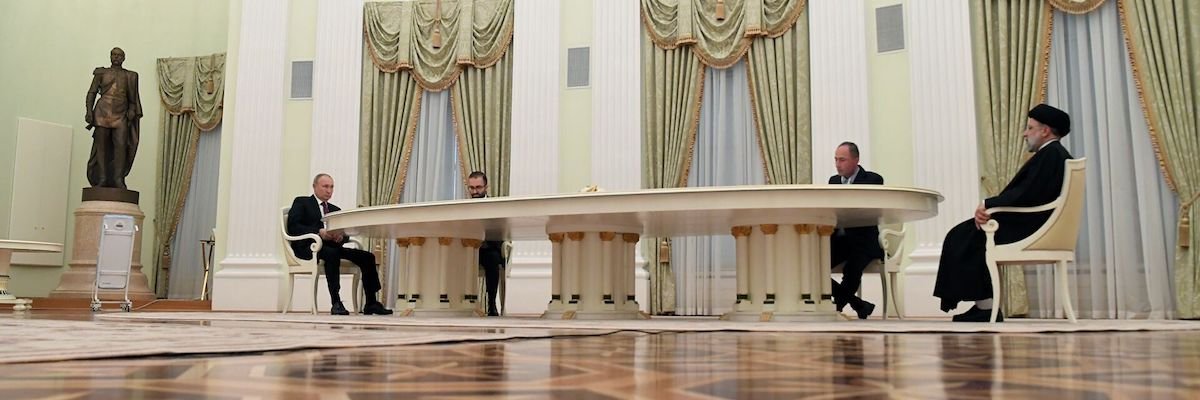
The new EU embargo on Russian oil will intensify competition between Russia and Iran in China’s oil market. Russian suppliers are already offering buyers a 30 percent discount on benchmark prices, a much steeper discount than Iran has offered Chinese buyers in recent years. Russia and Iran will be competing for the business of the limited number of Chinese refiners willing to process “sanctioned” oil.
Already, some Chinese “teapot” refiners are replacing Iranian oil with Russian oil because of the attractive discounts on offer. So far, customs data does not reflect a dramatic swing away from Iranian imports. But it is early days and the embargo will dramatically change incentives. According to the IEA, around “60 percent of Russia’s oil exports go to OECD Europe, and another 20 percent go to China.” While some customers, such as India, might import the Russian barrels that would have otherwise gone to Europe, political and economic realities will require Russia to push more oil into the Chinese market.
Looking to Chinese customs data for April, Russia’s ability to squeeze Iran becomes clear. It is clearly a more important supplier of crude oil to China. While logistical bottlenecks might prevent an immediate jump in Chinese purchases, all of the Russian barrels already flowing to China are newly subject to discounts—China can insist on lower prices now that the EU embargo is in place. This in turn creates pressure for Iran to match Russian discounts or risk losing market share.
While it is possible that the further pressure on global supply might push oil prices even higher, minimising the loss of revenue for Iran even as Chinese imports fall, in the medium term, Russia has the means to bully Iran due to its lower fiscal breakeven price and lower production costs. At the outset of the COVID-19 pandemic, Vladimir Putin boasted that Russia could withstand oil prices of as low as $25 dollars per barrel for as long as a decade. Iran’s oil sector, already weakened by a decade of sanctions, does not have the same ability to endure low prices. In short, Russia can afford to undercut Iran.
Plus, for whatever period that Russian oil is not subject to U.S. secondary sanctions, Chinese tankers and refiners may prefer to handle Russian crude, due to the lower risk of enforcement action.
Iran has a couple of options here. First, it could try and negotiate an arrangement with Russia, agreeing not to engage in a race to the bottom when it comes to pricing their sanctioned barrels for China. Iran might even be able to play a role as an intermediary in Russian energy exports to China, importing refined products across the Caspian and exporting crude oil to China as part of a swap arrangement. But this kind of cooperation is highly unlikely given the track record of Russia-Iran relations and the fact that Russia sees Iran as the junior partner in the relationship.
The second option would be for Iran to try and get itself out of this predicament by taking decisive steps to restore the nuclear deal. Doing so would see the rollback of U.S. secondary sanctions on Iranian oil and enable the resumption of exports to European buyers precisely when those buyers need it most. Earlier this month, EU High Representative Josep Borrell commented on the heightened value of the nuclear deal for Europe in the wake of the Russia crisis. He told the Financial Times that “Europeans will be very much beneficiaries from this deal” as the “the situation has changed now.” He added that “it would be very much interesting for us to have another [crude] supplier.”
Earlier this week, Iranian officials boasted that oil revenues were up 60 percent year-on-year owing to the high oil prices. But the situation has changed now. As the EU moves forward with its historic embargo, Iran’s oil revenues are suddenly in Russian crosshairs.
Photo: Kremlin.ru
Is Iran's 'Bread' Subsidy Reform a Half-Baked Idea?
A new round of protests has begun in Iran. People are taking to the streets following a controversial subsidy cut perceived as an increase in the price of bread.
A new round of protests has begun in Iran. People are taking to the streets following a controversial subsidy cut perceived as an increase in the price of bread. These protests were inevitable in a country in which there are so many economic and political grievances and in which civil society and labour groups, demoralised about their ability to influence policymaking through the ballot box, have turned to mobilisations to get their voices heard and their anger registered.
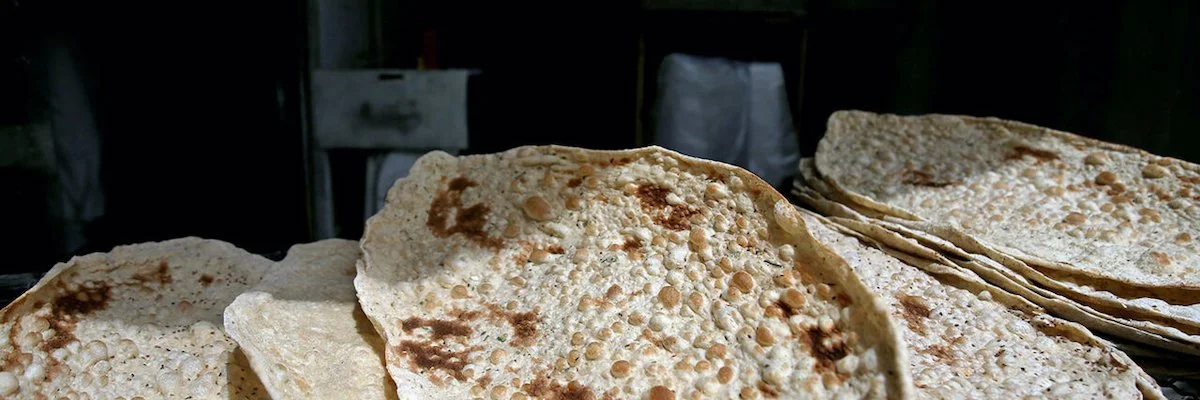
The policy that has triggered the protests has been widely reported as a cut to a “bread subsidy” that has suddenly increased the cost of bread and cereal-based products. This is inaccurate. The subsidy that has been eliminated was an exchange rate subsidy. The government had been providing Iranian importers allocations of hard currency below market prices. This policy indirectly subsidised the purchase of wheat and a few other foodstuffs by the importers. It did not directly subsidise the purchase of bread by ordinary people.
Importers could apply for foreign exchange allocations from the Central Bank of Iran to import wheat. In theory, this would allow them to bring wheat to the Iranian market at a lower price. But in practice, the subsidy had long ago stopped working. Several distortionary effects of the policy were likely generating inflationary pressure across the economy.
First, the exchange rate subsidy was poorly targeted. To put it simply, the Iranian government was intervening to make foreign money cheaper, not bread prices themselves. The subsidy was therefore ill-suited to stabilise prices when Iran’s import needs rose, a periodic occurrence when the domestic harvest falls short of targets. It was also unable to counteract the effects of global increases in the price of wheat. Breads and cereals prices have risen steadily in Iran for years, quadrupling since 2018.
Second, providing foreign exchange at a subsidised rate was exacerbating Iran’s fiscal deficit. Financing this deficit is a major driver of inflation in Iran. The official subsidised exchange rate diverged from the exchange rate on which Iran’s government budget is balanced in 2015. Since then, the spread between the two rates has increased dramatically. The subsidised exchange rate has been fixed at IRR 42,000 since 2019. The exchange rate in the Iranian government budget for the year beginning March 2022 is IRR 230,000. As this spread widened, the Central Bank of Iran faced increasing difficulty in meeting demand among importers for subsidised foreign exchange, creating a foreign exchange liquidity crunch that made it harder to stabilise Iran’s currency outright. In recent years, the Iranian government was spending around $12 billion in hard currency on a subsidised basis.
Third, this additional exchange rate volatility has increased the pass-through effects related to Iran’s dependence on imports more broadly. The Central Bank of Iran has had partial success in stabilising the exchange rate by introducing a centralised foreign exchange market for importers and exporters called NIMA. But Iran’s economic policymakers were tying their own hands in the stabilisation of this exchange rate, which is far more critical for Iran’s economic performance, by diverting precious foreign exchange resources towards essential goods importers. When it comes to inflation generally, the government ought to focus on intermediate goods on which “made in Iran” products depend. The exchange rate subsidy for essential goods was making it harder to stabilise the exchange rate for all other goods.
Fourth, the exchange rate subsidy was always subject to abuse. Particularly in the early years, importers were known to seek and receive allocations of subsidised foreign exchange and either pocket those allocations or turn around and sell on the hard currency to other firms at the market rate. This kind of profiteering was difficult to police. As more scrutiny came upon the allocations, importers with political connections were most likely to continue receiving allocations from the Central Bank of Iran, making enforcement politically fraught.
The evidence that the exchange rate subsidy had failed can be seen in consumer price index data. Bread and cereals inflation has outpaced general inflation since last summer. This is a likely reflection that, in practice, a diminishing volume of wheat imports were being conducted using the subsidised exchange rate—the reform was already being priced-in by the newly elected Raisi government. The sudden price increases were are seeing now are more likely the result of price gouging. Firms across the food supply chain are using the policy reform as an opportunity to raise prices, knowing the blame will be cast on the government.
Whether or not the reform is half-baked, the idea has been cooking in the oven for a long time. The subsidy cut was years in the making and the preferential exchange rate was nearly nixed in 2019, as the Iranian economy underwent a painful adjustment following the reimposition of U.S. secondary sanctions. At the time, the Iran Chamber of Commerce, the voice of the country’s private sector, issued a strong statement calling for the elimination of the subsidy. But the reform was eventually shelved—the Rouhani administration had been cowered by the 2017 and 2018 economic protests, which were instrumentalised by their political rivals.
In the end, the Central Bank of Iran took a different tack. They kept the exchange rate in place but began to eliminate the range of imports eligible for the rate. Initially, importers could apply for subsidised foreign exchange allocations for the purchase of 25 essential goods and commodities. As of September 2021, that list was cut down to just seven goods—wheat, corn, barley, oilseeds, edible oil, soybeans and certain medical goods.
These were preparatory steps for the elimination of the subsidy. In practice, many Iranian grain importers had stopped using the subsidised exchange rate, both in anticipation of its elimination and because it was impractical. One of the fundamental problems facing Iran’s food supply chain is that even when Iranian importers can identify buyers and arrange logistics—difficult things to do when under sanctions—the payments that need to be made for those purchases are often delayed. Importers that were applying to the Central Bank of Iran for allocations of subsidised foreign exchange might wait weeks before the money hit their accounts. Cargo ships would sit idle off Iran’s shores, unable to deliver the grain until the seller received their funds. These delays added costs. The Iranian importers were on the hook for huge fees as the ships they chartered remained out of service. Importers that opted to use the NIMA rate have been able to make payments to their suppliers more quickly and reliably. This is because there is far more liquidity in the NIMA market, in which foreign exchange is supplied by Iranian exporters who are repatriating their export revenues as required by law.
Overall, there is a sound economic argument for eliminating the subsidised exchange rate. But that does not mean that there will not be pain for ordinary people in the short term and the protests are motivated in part by an expectation of further pain. The abject failure to communicate a plan around the subsidy reform will lead to its own distortionary effects, including predatory pricing. Failing to communicate directly and clearly with the Iranian public about this major reform is its own kind of contempt, even if the reform itself is not contemptuous.
In that vein, the elimination of the subsidised exchange rate has been criticised as “neoliberal” and in many respects, it is. As part of the continuity in economic policy, the Raisi administration appears to be continuing the Rouhani administration’s commitment to austerity, seeking relief from inflation through fiscal tightening. The national protests in 2017 and 2018 were triggered by the same anxieties around the government’s perceived failure to protect economic welfare within the Islamic Republic’s social contract.
But on the other hand, this is not a simple economic reform. Iranian officials have likened it to “economic surgery” necessary to repair an economy weakened by sanctions. The reform also does not preclude other redistributive policies. The subsidised exchange rate was a poorly designed and inefficient policy that did more for a small number of elites than it did for Iran’s poor.
The Raisi administration has promised to soften the blow of the reform by providing targeted cash transfers (for two months) to the most vulnerable in Iranian society. Electronic coupons are also being provided. Iran has a good track record with cash transfers, which do something the exchange rate subsidy did not. Such transfers directly boost the consumption of ordinary people in the face of rising prices. If the government can use the fiscal savings from the elimination of an inefficient and poorly targeted policy to shore the economic welfare of Iran’s poor more directly, while also addressing long-running distortions in the foreign exchange markets, this reform may succeed yet. But if the government fails to communicate clearly about its implementation of the reform, the Iranian public will continue to only see failure.
Photo: IRNA
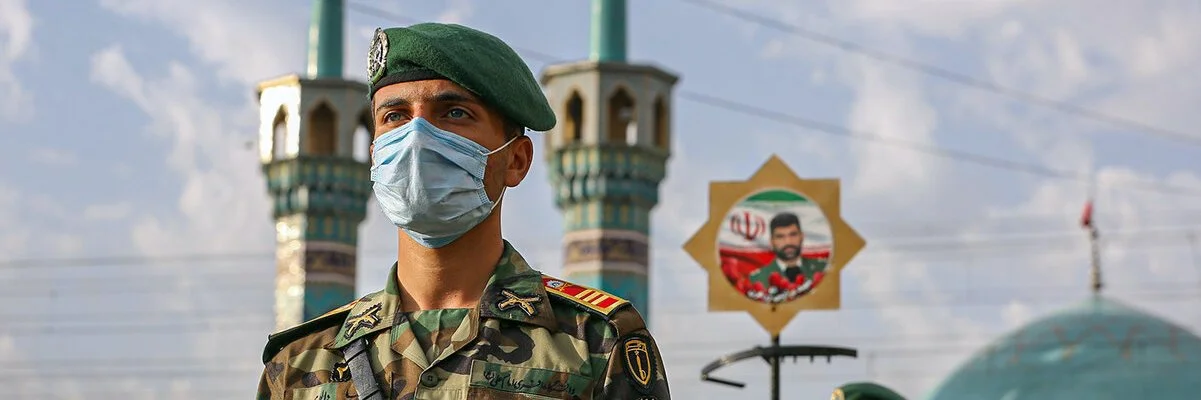
SIPRI Has Overstated Iran's Military Spending For Years
SIPRI produces the world’s most authoritative data on global military expenditure and the arms trade. But for years they have been overstating the size of Iran’s military budget.
SIPRI—the Stockholm International Peace Research Institute—produces the world’s most authoritative data on global military expenditure and the arms trade. The SIPRI Yearbook, a flagship annual publication, offers civilian and military leaders around the world a way to compare military spending between countries and to gauge which countries are investing in greater military power.
This year, the SIPRI Yearbook includes some significant statements about Iran’s military expenditure—which is estimated at $24.6 billion. In a factsheet summarising key trends, SIPRI’s researchers declared “Iran increased its military spending by 11 percent, making it the 14th largest military spender in 2021. This is the first time in 20 years that Iran has ranked among the top 15 military spenders.”
We are accustomed to thinking about Iran as a major military spender because we frequently hear about the country’s military, its missile programme, and its nuclear weapons ambitions. But on closer examination, SIPRI’s figures for Iran do not add up.
Iran is a country that is under the most significant sanctions programme in the world and its economy has stagnated for a decade. But SIPRI’s data suggests that Iran is spending even more than Israel, ranked 15th in the world with $24.4 billion in military expenditure in 2021. The comparison with Israel—a country in which the military is constantly procuring the most advanced military equipment in the world, including from foreign manufacturers—is clarifying. If Iran were indeed spending even more money, what could it possibly be spending all that money on? Iran produces nearly all its military hardware domestically, has basically no heavy armour, no modern air force, no modern naval fleet, and few advanced weapons systems. The country’s defence is primarily assured by a ballistic missile programme, which while impressive, is not a programme that costs nearly $25 billion to operate.
So where did SIPRI go wrong? The answer is simple and reflects a common mistake made by researchers who rightly want to put Iranian financial data into a comparative framework. To produce global rankings and to make data on military spending comparable over time, SIPRI converts local currency expenditures into US dollars. In 2021, SIPRI calculated Iran’s total expenditure in local currency at IRR 1033 trillion. In an email exchange, a SIPRI researcher clarified for me that SIPRI defines military expenditure using the following formula:
Military expenditure = Ministry of Defence and Armed Forces Logistics Total + Armed Forces General Staff Total + Artesh Joint Staff Total + Sepah Joint Staff (IRGC) Total + Armed Forces Social Security Organization Total
This is a reasonable formulation and corresponds to how Iranian sources calculate military spending. So there is no reason to doubt SIPRI’s calculation of military spending in local currency terms.
For most countries, the next step in the analysis involves finding the average dollar exchange rate for the given year and dividing the total expenditure by that figure. But Iran does not have a single exchange rate and SIPRI’s researchers picked the wrong one. Over the years, they have relied upon data for Iran’s official dollar exchange rate published by the World Bank and sourced from the Central Bank of Iran. This was also confirmed in my email exchange with the SIPRI researcher. On face, this seems like the right approach—SIPRI is using an “official” rate from an authoritative source. But in Iran, the official exchange rate does not reflect market prices. It is a subsidised exchange rate that is only used for the importation of certain essential commodities, such as wheat and medicine. Since 2019, the official exchange rate has been capped at IRR 42,000. This is the rate that SIPRI mistakenly used to calculate Iran’s total military expenditure for 2021.
The exchange rate that ought to have been used is the exchange rate defined within the government budget itself. The Iranian government balances its budget by relying in part on foreign exchanges revenues, principally earned through the sale of oil. Prior to the budget for the Iranian calendar year 1395, which was submitted in November 2015, the official exchange rate was indeed the reference rate used in the budget. But after several years of sanctions pressure, the Central Bank of Iran could no longer prop up the value of the currency. So while the official exchange rate was kept low as a means to subsidise the purchase of key imports, a separate exchange rate was defined in the budget. The rates have diverged dramatically since.
Each budget includes a revenue target from the sale of oil and a target volume of oil sales. By comparing these two numbers with the price of oil fixed in the budget, it is possible to arrive at the dollar exchange rate on which the budget depends. This exchange rate, which we can call the budget exchange rate, expresses how many rials the Iranian government estimates it can spend for each dollar it earns. It is therefore a much better exchange rate to use when trying to account for different levels of purchasing power between countries when it comes to government expenditure.
For the draft budget in the Iranian calendar year 1401, which was submitted in November 2021 and forms the basis of SIPRI’s 2021 expenditure estimate, the budget exchange rate was IRR 230,000—a rate five times higher than the IRR 42,000 official rate. In other words, SIPRI’s 2021 yearbook overstates Iran’s military spending by a factor of five. Using the budget exchange rate, Iran’s total military expenditure is just $4.5 billion, a total that places Iran outside of the Top 40 military spenders in the world. The below chart compares the military expenditures reported by SIPRI using the official exchange rate and expenditures calculated according to the budget exchange rate.
In the last few years, annual inflation in Iran has been as high as 40 percent, leading to a sharp increase in nominal expenditures. But by using the official exchange rate, which has been capped since 2019, SIPRI has failed to account for the impact of inflation on relative prices between the dollar and rial. In some respects, this is a surprising mistake for the researchers to make, as analysts of Iran’s military expenditures have warned about the difficulty of pinning down real expenditures given Iran’s topsy-turvy economy. In 2018, Jennifer Chandler, a researcher at IISS noted that in “large increases in local currency, impressive as they might seem, do not necessarily reflect an over-prioritisation of the regime on defence spending.”
Another way to examine whether Iran is spending more on its military is to simply convert from nominal to real spending in the local currency, avoiding the pitfalls represented by the exchange rate. To do so, we can deflate the nominal military spending using Consumer Price Index data published by the Central Bank of Iran. This analysis reveals that Iran’s military spending has been flat for two decades, just barely keeping up with inflation.
The Iranian government does take its defence seriously. But it has developed the means to ensure that defence cheaply by focusing on specific capabilities such as ballistic missiles and drones and by relying on proxies as part of a “forward defence” strategy. Iran’s military does not look like a military backed by $24.6 billion dollars of spending in a single year—where are the next generation fighters, battle tanks, and naval vessels? Yet, regional actors and Western governments continue to assess that the Iranian military poses a significant threat, even while real military expenditures have been flat. To put it another way, Iran has been able to maintain its military spending in the face of sanctions in part because it has long been parsimonious. This raises questions about the wisdom of trying to throttle Iran’s economy to address security threats.
The mistake SIPRI has made is understandable given the scope of the yearbook project and the difficulty of accounting for the peculiarities of each country’s economy. Yet, Iran is likely the country whose military spending is under the greatest international scrutiny, meaning that the impact of the mistake is profound. The exaggerated military expenditures unwittingly reported by SIPRI have reinforced the view of the Iranian military as especially large and threatening. The figures have also been used by a wide range of actors, including Iran’s regional rivals, to justify their own increases in military spending and the acquisition of advanced weapons systems. In this way, the presumed value of military spending has overshadowed the sober assessment of military capabilities. Encouragingly, SIPRI have told me they will “definitely investigate” the exchange rate issue. They will be forced to do so because of a planned change in Iran’s foreign exchange policy that will see the subsidised rate eliminated altogether during this budget year. But while a correction would be welcome, the damage has already been done.
Photo: IRNA
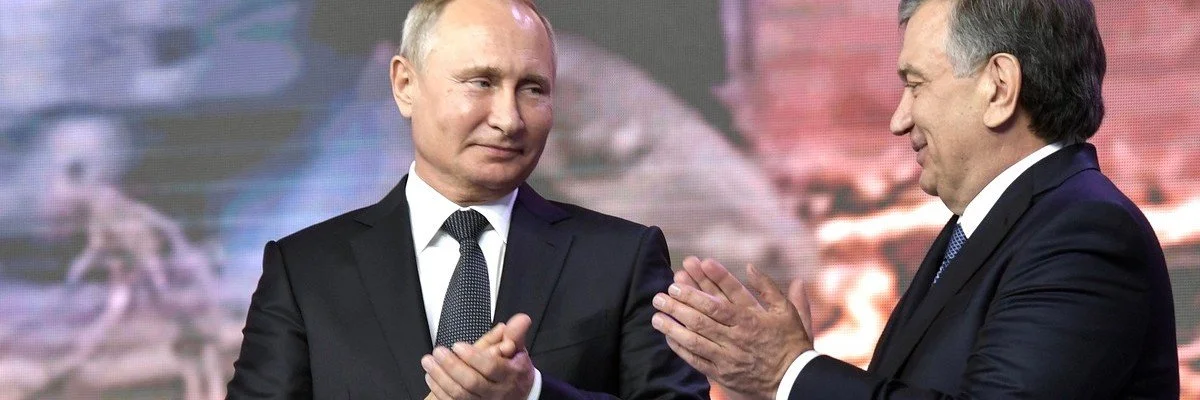
Russia’s Economic Crisis Threatens Uzbekistan from Within
Significant attention has been paid to the impact of the Ukraine crisis and Russia’s economic contraction on Uzbekistan. But Uzbekistan’s exposure to the crisis does not just stem from the contraction of remittances coming from Russia.
This article was originally published by the East Asia Forum.
Russia’s invasion of Ukraine is devastating the lives of Ukrainian civilians and impacting the global economy. Low-income economies that were hit hardest by the COVID-19 pandemic, such as Uzbekistan, are the most vulnerable to supply chain disruptions and potential political unrest caused by the invasion.
Significant attention has been paid to the impact of the Ukraine crisis and Russia’s economic contraction on Uzbekistan. But this analysis is somewhat incomplete—Uzbekistan’s exposure to the crisis does not just stem from the contraction of remittances coming from Russia.
The greatest danger for Central Asian economies emanates from weak political institutions. The economic shock rippling from Russia to Uzbekistan is compounding the economic effects of the COVID-19 pandemic, which had already spurred protectionist economic policy and threatened the reform agenda in Uzbekistan. This new crisis might convince policymakers to impose trade restrictions, price controls and rollback reforms.
Since 2016, bold market reforms have enabled Uzbekistan to unlock higher rates of economic growth. But public sector entities will likely seek further subsidies and preferential schemes from the state, attributing their inefficiency to yet another economic shock. This could further entrench rentierism in an economy that has been taking important strides towards fiscal discipline, privatisation and the targeting of fiscal spending towards private sector businesses and households.
To emerge from the new economic crisis, Uzbekistan must double down on its reform agenda. Policy interventions might be necessary to support businesses given the scale of the economic crisis. But these interventions should be targeted and limited to avoid hobbling reforms. Instead of providing carte blanche support for inefficient businesses—raising the government debt burden—Uzbekistan should condition state aid in ways that support reforms, especially those reforms seeking to reduce state dominance of the economy.
The Uzbek government continues to provide preferential loans, subsidies for economic operators and preferential tax regimes in ways that favour state-owned enterprises and politically-connected firms. Economic resources flow from taxpayers to these firms, while households and small and medium-sized enterprises remain vulnerable to economic headwinds. The country’s privatisation plan, a largely untapped source of government revenue, risks being further delayed as state-owned enterprises cite the crisis as a reason to slow critical reforms. The speed and transparency of privatisation auctions should be increased.
The stalled land reform must also be advanced. Agriculture accounts for 28 per cent of the Uzbek economy and employs the same proportion of the labour force. The government should expand property rights reform cover to all types of land, including agricultural land, which would boost private investment and production of food staples now subject to rising prices. This reform could also soften the blow of lower remittances, as repatriated labour migrants could earn their livelihoods as smallholder farmers or agricultural labourers.
In the case of Uzbekistan, a country in which expansive price controls have historically distorted incentives, the temptation to introduce price ceilings should be avoided. Higher prices will encourage producers to increase supply—increased investment by private producers will boost employment and eventually stabilise prices.
The government should continue to prioritise inclusive development by focusing on poverty reduction. Uzbekistan has made progress in measuring poverty. Uzbek President Shavkat Mirziyoyev has acknowledged that 12–15 per cent of the population is living below the poverty line and created specialised registries to capture unemployed youth, vulnerable women and people with disabilities.
Such approaches have also underpinned the rollout of programs targeted at the community level. Some initiatives, such as the free school meals and conditional cash transfers for the purchase of agricultural equipment or livestock, will likely produce mixed results due to distorted incentives. Other community-based initiatives, such as cash transfers for families dependent on labour migrants, record educational subsidies, incentives to hire women and mass health screenings, are more promising.
But citizens are not merely a target for support during periods of economic crisis—they are also a source of economic resilience. The government should continue to engage communities to better target fiscal interventions during the crisis. Uzbekistan’s timely Open Budget initiative gathered 6.7 million votes and offers a powerful platform for local communities to voice their needs in the pursuit of a more efficient allocation of state resources.
Easing the registration and operation of NGOs will result in the broader empowerment of vulnerable populations and better distribution of state aid. This may improve trust in the state institutions by ensuring that a larger portion of aid reaches the intended audiences.
The government needs to carefully delimit policy interventions so as not to derail the broader reform agenda that requires Uzbekistan to move away from excessive state intervention in the banking sector. For a short period, the Central Bank of Uzbekistan instituted recommended exchange rates for the Russian rouble that were effectively compulsory and below market rates. Over 80 per cent of Uzbekistan’s banking sector being state-owned is especially concerning at a time when policymakers are under pressure to expand financial support to banks.
Given the new economic reality, Uzbekistan should prioritise its talks on WTO membership and actively pursue new trade partnerships. To incentivise both local producers and foreign suppliers to continue to meet the needs of Uzbek consumers, fostering free markets is vital. Uzbek policymakers should resist the temptation to revert to the orthodoxies of the planned economy as they devise their crisis response—the best way out of the crisis is to look forward, not back.
Photo: Kremlin.ru
Qatar and Iran Devise Game Plan for the 2022 World Cup
Qatar’s transport minister made a two-day trip to Iran’s Kish Island, during which officials and businesspersons from both countries explored possible teamwork as Qatar prepares to host the 2022 World Cup.
In just the last two months, Iran and Qatar have signed 20 bilateral agreements—14 were signed during Iranian President Ebrahim Raisi’s trip to Doha in February, and another six were signed when Qatari transport minister, Jassim bin Saif Al Sulaiti, traveled to Kish Island earlier this week. Among the 20 agreements, Iran and Qatar decided to waive visa requirements for the citizens of both countries, expand transportation links by air and sea, find practical ways in which Kish and other Iranian islands and free zones can play a role during the 2022 World Cup, increase trade through commercial ports, and link free zones. Moreover, Raisi proposed the establishment of an Iran Trade Center in Qatar “to introduce Iran’s capacities and potentials to Qatari merchants and economic actors.”
During his two-day visit to the island of Kish, an Iranian resort destination located just 270 kilometres from Doha, Al Sulaiti was hosted by Iran’s Minister of Roads and Urban Development, Rostam Ghasemi. The Iranian government has made Kish the focal point of its offer to assist Qatar during the hosting of the 2022 World Cup. The trip included visits to the port of Kish Island and the Kish International Airport expansion project, as well as some of the sporting facilities located on the island. Aside from the prospects for the World Cup, Iranian and Qatari delegations are hoping for expanded connectivity between the island and Doha to enable more trade and tourism. Al-Sulaiti and his delegation also met onetime presidential hopeful Saeed Mohammad, the former head of Khatam al-Anbiya, a major IRGC-linked construction firm. Mohammad is now the head of the Supreme Council of Free Trade-Industrial and Special Economic Zones.
Iranian officials have ambitious plans for the 2022 World Cup—which may prove difficult to realise. While the tournament will be hosted by Qatar alone, there is potential for other countries in the region to play a role by accommodating teams and tourists, particularly given capacity constraints in Qatar itself. Iran cannot offer the leisure experiences that many football fans will expect during their trip, but Iranian officials hope that those fans seeking to justify the journey to Qatar with more cultural and natural attractions could be drawn to Iran. Officials want to “create the grounds for foreign fans and tourists to travel to [mainland] Iran during their leisure times” stated Ghasemi.
Under the proposed plans, tourists could visit Kish and either decide to stay on the island for the entirety of their trip or obtain a visa to visit other Iranian cities. Leila Azhdari, the official in charge of foreign tourism at Iran’s tourism ministry, has stated that “the foreign ministry had agreed to waive visas for travel from Qatar for two months during the World Cup, which will end on December 18.” According to the plan, tourists will be able to apply for “free single or multiple-entry passes for 20-day stays” during the World Cup.
Even if a visa scheme can be devised, logistical challenges will remain. Currently, there are no flights from Kish to Doha. While there were talks of Kish Air trying to establish a route from Kish to Doha from 2018, this route was never launched. Just last month, Mohammad claimed that there will be 400 weekly flights from Kish to Doha during the World Cup and they are in talks to secure four cruise ships to ferry passengers during that period. There is currently only one established ferry route that goes from Bushehr to Doha, owing to the fact that marine diesel is not subsidised by Iran and so operating these routes is less economical.
A lack of transport infrastructure has not prevented private sector entrepreneurs and Kish’s local government from preparing for the World Cup. In January 2020 a special committee was formed by the management of the Kish Free Zone Organization and a budget of IRR 520 billion (approx. $2 million) was allocated to standardise two existing football fields and to build three new ones. The committee also targeted the completion of new five five-star hotels by November. According to Masihollah Safa, Chairman of the Association for Hotel Owners in Kish, there are 52 hotels in total on the island with 12,000 rooms in four- or five-star hotels and another 8000 rooms in budget accommodations and unofficial housing that could be used during the World Cup.
Kish is also being promoted as a destination for Iranians inside and outside the country seeking accommodation during the World Cup. Iran is playing in the tournament on November 21, 25, and 29, meaning that if fans wish to watch all three matches in the group stage, they must stay in Doha for at least nine nights. The expense of such a trip may be prohibitive for many Iranians and most Iranians do not have international bank cards. Using Kish as a gateway will allow Iranian fans to book travel packages that include transportation, accommodation, and game tickets. These packages include options for return flights on the day of the matches so that the fans do not need to secure accommodation in Doha.
The Kish Free Zone Organization is also organising a soccer festival during the 2022 World Cup and is attempting to secure an agreement with the Iranian national team to host their training camp on the island, according to Mohsen Gharib, Chairman of the Association of Investors in Kish. The island is also being put forward as a possible base camp for other national teams competing in Qatar.
Al Sulaiti’s visit to Kish appears to have been successful. Businessmen who attended the meetings between Iranian and Qatari government officials were generally pleased with the fact that relations between the two countries have been elevated to this level. Some business leaders are concerned that politically connected firms might crowd-out private businesses seeking to engage with Qatari counterparts.
I spoke to Iran’s Ambassador to Qatar, Hamidreza Dehghani, following the Qatari delegation’s visit to Kish. He acknowledged the many remaining hurdles facing both the potential role for Kish during the World Cup and also for the future of trade and economic relations between Doha and Tehran. Finding alternative modes of payment for foreigners and solutions for the issue with visas were top of his mind. More importantly, he believed that work must be done to counter the negative perceptions toward Iran if it is to be an attractive destination for foreigners.
But there is optimism that the strong relations between the Iranian and Qatari governments might finally translate into mutually beneficial economic engagements as diplomatic dialogue is increasingly focused on questions of regional economic integration. More than four decades since it was first touted as a resort destination, Kish might finally have its moment.
Photo: IRNA
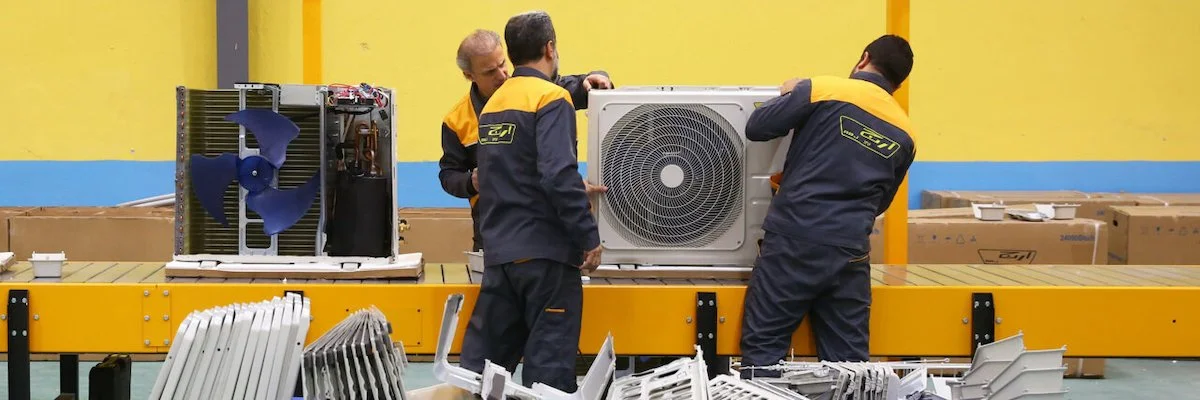
Responding to Sanctions from the Supply-Side
For both policymakers applying sanctions and those seeking to resist sanctions, better policy outcomes require supply-side thinking.
One of the fundamental asymmetries of sanctions policy is that countries that apply sanctions have many opportunities to do so. Countries targeted by sanctions are usually only targeted once. Those using sanctions get to practice their economic statecraft. Those facing sanctions get a single shot to try and secure their economic survival.
The question of how countries use their one shot has been little studied, especially since the emergence of financial sanctions as the primary tool of Western economic statecraft. This is a fundamentally important area of study. The efficacy of sanctions is a function of the resilience of the target. If a target can resist the coercive effects of sanctions in the medium-run, it is less likely that the sanctions will lead to the intended change in behaviour, particularly if the intended behaviour change is significant. Being able to estimate the resilience of the target is therefore a requirement for the judicious use of sanctions.
In a recent essay, I discussed how the Russian economy might respond to sanctions. My analysis drew on the experience of Iran, a country that has proven remarkably resilient in the face of the most expansive sanctions ever imposed. President Trump’s Iran envoy, Brian Hook, once stated “Because of our pressure, Iran’s leaders are facing a decision: Either negotiate with us or manage economic collapse.” We know that Iran managed to stave economic such a collapse. But was Iran’s response to the sanctions-induced economic crisis a good one?
Iranian economic policymaking is about as deft as in most middle-income countries. The grit of firms and households, which fought hard to prevent their own financial ruin, flattered Iranian policymakers. There were some successful policy interventions, such as a move to better regulate foreign exchange through the creation of a new parallel market, and the limited use of cash transfers to soften the blow of the economic downturn on households. But overall, it is difficult to conclude that Iran is a case study for an effective policy response to a sanctions crisis.
This is not to say Iran lacks sharp minds. But in the fog of economic war, a misunderstanding of the nature of the economic crisis and a reliance on textbook economics, combined to prevent a more nimble and effective policy response. The policy failure reflected an inability to respond to the key economic impact of sanctions—higher rates of inflation—with the correct set of policy tools. The Iranian government responded to persistent high inflation through a combination of monetary and fiscal interventions. Absent was any active industrial policy. This may come as a surprise. Helmed by a “revolutionary” government, Iran might have been expected to favour economic centralisation and public investment in its response to economic crises. But as a review of the statements and commentary of leading economic policymakers and economists makes clear, whether the interventions were monetarist or Keynesian, they have generally been focused on shielding aggregate demand from the sanctions pressure by seeking to control inflation or to compensate for its effects.
In a recent op-ed in the Financial Times, Iran’s finance minister, Ehran Khandouzi declared that the Raisi administration is seeking “to change the course of fiscal policy,” by aiming to “promote economic growth, price stability, and inclusive growth.” As part of this plan, Khandouzi called for “increasing government investment,” noting that the “public sector must play a more active role in investing in physical capital.” The timing of the op-ed was curious—talks over the future of the Iran nuclear negotiations have languished. By publishing his commentary in a leading international newspaper, Khandouzi may have been aiming to signal the Raisi administration’s readiness to engage with the global economy. Even so, the message of the op-ed was calculated. While Khandouzi notes that the negotiations in Vienna “could potentially lead to positive economic outcomes for Iran,” he concludes by explaining that the country is “ready for whatever scenario emerges — pessimistic or otherwise.”
In recent years, supply-side responses to inflation have come to the fore, particularly after the COVID-19 pandemic during which Western governments experienced inflationary pressures directly related to supply chain disruptions. As Yakov Feygin has written, the COVID-19 crisis “created bottlenecks in the production of practically every commodity.” For Feygin and other supply-side economists, the pandemic was a clarifying moment that “an active industrial policy” was a necessary part of any response to the “upward pressure on prices” that emerged as households continued to demand consumer goods and durables at a time when factories were forced to cut back production. Such an industrial policy would see policymakers “use the spending power of the government to issue long-term capital to vital but low-margin sectors.”
Could Khandouzi’s call for a “change in fiscal policy” see the emergence of an active industrial policy and a true supply-side response to inflation? Iran’s Supreme Leader, Ali Khamanei, has frequently cited the need to increase domestic production, which has been interpreted as a nod to import substitution. In an address given in March marking the start of the Iranian new year, Khamenei declared that “Production is the key to solving economic problems and the path to pass through economic difficulties.” However, looking beyond the Supreme Leader’s slogans, it is notable that more economic policymakers in Iran are increasingly connecting the specific problem of high prices to the challenge of low production. In a 2020 interview, Ali Salehabadi, now serving as governor of the Central Bank of Iran, expressed a decidedly supply-side outlook. “It goes without saying that the root of inflation in our country is not only monetary, but also related to real variables such as production. That is, increasing production in the long run will reduce inflation. Therefore, the growth of production will make the preparations for improving the living and economic conditions of the people,” he said. For his part, Khandouzi highlighted how “negative net investment in recent years” is “severely undermining future production and household welfare.”
There is no doubt that sanctions induce monetary and fiscal shocks that explain a significant portion of their inflationary impact. Moves to freeze Iran’s central bank reserves led to a shortage of foreign exchange. This weakened the Iranian rial. The Iranian government also printed money to finance budget deficits caused by the impact of sanctions on government revenues, principally oil revenues. But to fully capture the macroeconomic impact of sanctions it is important to look at goods, and not money alone. Financial sanctions hurt because they are the most effective means to determine what goods a target country can buy and sell in global markets. Sure, sectoral sanctions and export controls impact trade, putting pressure on the target country’s balance of payments. But countries have a knack at finding new buyers and suppliers (and intermediaries) who are willing to skirt these measures. What proves harder is finding banks willing to facilitate payments to those buyers or suppliers. It was not until financial sanctions cut Iranian banks, including the country’s central bank, from the global financial system in 2012, that there was a major impact on Iran’s current account. If an economy is highly import dependent, these disruptions have a direct inflationary impact. If the targeted country is relatively industrialised, producing more of the goods it consumes domestically, then the impact is less direct. This is the case in Iran and likely for Russia. In Iran, a decade of diminished imports of raw materials and intermediate goods have suppressed industrial output, in turn creating upward pressure on prices. In other words, consumer prices rose because producer prices rose. Iran experienced a supply-side shock.
As the short-run shock gives way to medium-run stagnation, persistent inflation and other economic impacts, such as unemployment, will lead to reduced demand—this is demand destruction. But in the immediate period after the imposition of sanctions demand remains mostly unchanged, even as inflation mounts. Households are inherently reluctant to cut back on spending in ways that will appreciably reduce quality of life and will therefore dip into savings. As prices rise further, families will increase the proportion of their expenditure on key categories, such as food and other consumer goods, including durables—demand for these goods is relatively inelastic. These are also the goods that Iran’s manufacturing sector tends to produce, given the large domestic market. This is partly why the supply-side challenge emerges. Consider the spending behaviours of a middle-class family in the aftermath of a sanctions shock. As the economic outlook worsens and as inflation expectations rise, that family will cut back on discretionary spending. They may delay the purchase of a luxury car or cancel a planned vacation abroad. But those decisions do not alleviate broader, society-wide price pressure because that consumption was either met through imports or facilitated by the Iranian services sector and not underpinned by domestic industry.
In more formal terms, under a major sanctions programme, aggregate demand in the targeted economy will fall. But in a relatively developed economy with a large domestic manufacturing base, the contraction in aggregate demand will be smaller than the contraction in aggregate supply for two reasons. First, uncertainty over future demand will see producers reduce investment. While sceptical of government interventions, Iranian private sector business leaders have sounded the alarm that a decade of low-investment is hitting production. Second, even when firms do have the means to invest, they may not be able to do so. Sanctions can prevent firms from acquiring the needed machinery and equipment, leading to the degradation of the capital stock and a drop in output. For example, sanctions on the Iranian oil sector made the acquisition of equipment more difficult, leading to concerns over the productive capacity of oil and gas fields.
Implicit in this analysis is the assumption that in the medium-run, sanctions will be lifted. Even so, the effects of reduced investment are significant. In the short-term, as producer prices rise, aggregate supply falls faster than demand, adding to inflationary pressure. But the nature of this contraction is where the real pain of sanctions lies. The shift in aggregate supply is not temporary, and it cannot be fully reversed through the lifting of sanctions because of a change in the elasticity of aggregate supply. In other words, enduring sanctions makes it fundamentally more difficult for an economy to bounce back when sanctions are eventually lifted in the medium-run. The relationship between the elasticity of aggregate supply and extended economic recessions has not been well-studied. This may be because a normal recession, even if lengthy, does not inherently impact the components of long-run aggregate supply—land, labour, capital and, productivity. But sanctions do not cause normal recessions. Sanctions prevent investment in capital goods by prohibiting or complicating the import of machinery and equipment. In this way, the prolonged lack of investment leads to a degradation of the capital stock. Mothballed facilities can be difficult to recommission and those assembly lines that do restart may be using obsolete technology. Iran’s leading automaker still produces the Peugeot 206, which was first introduced in France in 1998. In this way, while the lifting of sanctions may lead to a recovery of demand, particularly as restored foreign exchange revenues serve to strengthen the currency and boost purchasing power, producers may not be able to rapidly increase output in response to the expansion in demand.
The implication is that policymakers ought to think about major sanctions programmes—those that induce several years of high inflation—from the supply-side. In the short-run, the primary economic impact of sanctions is higher inflation, but in the medium-run, even after the lifting of sanctions, the pain of sanctions lingers as supply remains constrained. This is also why the beneficial impact of sanctions relief on the monetary and fiscal situation of the target country may not be sufficient to lead to a normalisation in price levels. On one hand, the upfront capital expenditure necessary to overhaul productive sectors may be prohibitively high after an extended period of underinvestment—in the aggregate, the targeted economy will struggle to ramp-up production at pre-sanctions rates. On the other hand, turning to imports to compensate for the new inelasticity of domestic supply will introduce its own price pressures, particularly given the lingering effects of sanctions on foreign trade, such as higher transaction costs. Under these conditions, sanctions relief is insufficient to deliver growth. As Nicholas Mulder and I have argued, countries ravaged by sanctions require sanctions reconstruction.
This analysis suggests that true sanctions resilience requires supply-side interventions. Finding ways to prevent the contraction in output is more important than trying to shore consumption, especially given the ways in which greater inelasticity in supply will diminish the prospects for the sanctioned country to recover under conditions when sanctions are eventually lifted. Taking this view, the response of Iranian policymakers to the inflation problem is peculiar. The focus on monetary policy reflects a textbook approach. Even in the aftermath of sanctions that obviously degraded supply chains and limited production, Iranian officials primarily viewed inflation as a phenomenon related to the growing money supply, which needed to be addressed through tighter monetary policy and higher interest rates. To put it another way, the response to the crisis focused on the production of money and the price of money, even though the sanctions crisis was largely, if not predominantly, about the production of goods and the price of those goods. This is why the rise of supply-side rhetoric among Iranian economic policymakers is so intriguing.
Beyond the economic significance of any forthcoming change in Iran’s policy response to sanctions, there are political implications that ought to be considered. If belated supply-side interventions make countries like Iran more resilient to sanctions, beyond the levels of resilience currently observed following faltering and orthodox demand-side interventions, sanctions may become less effective over time, especially as those countries yet to be targeted with economic weapons learn from the experiences of those that have.
Counterintuitively, greater economic resilience among sanctions targets may also benefit those states imposing sanctions. If targeted countries can successfully devise an industrial policy that minimises the negative impact on the elasticity of aggregate supply, for example through financial support for productive firms and greater efforts to protect supply chains for machinery and equipment, it will make the economy more responsive to sanctions relief and reduce medium-run price distortions. Policymakers applying sanctions tend to do so under the false impression that sanctions can be imposed and lifted with the flip of a switch. Sanctions can certainly be imposed quickly—the sanctions imposed on Russia were applied with record speed. But their rollback is laborious, and the economic benefits can be slow to materialise, in large part due to the changes in the components of aggregate supply. Good sanctions policy requires maximising short-run pain while minimising medium-run harms. For both policymakers applying sanctions and those seeking to resist sanctions, better policy outcomes require supply-side thinking.
Photo: IRNA
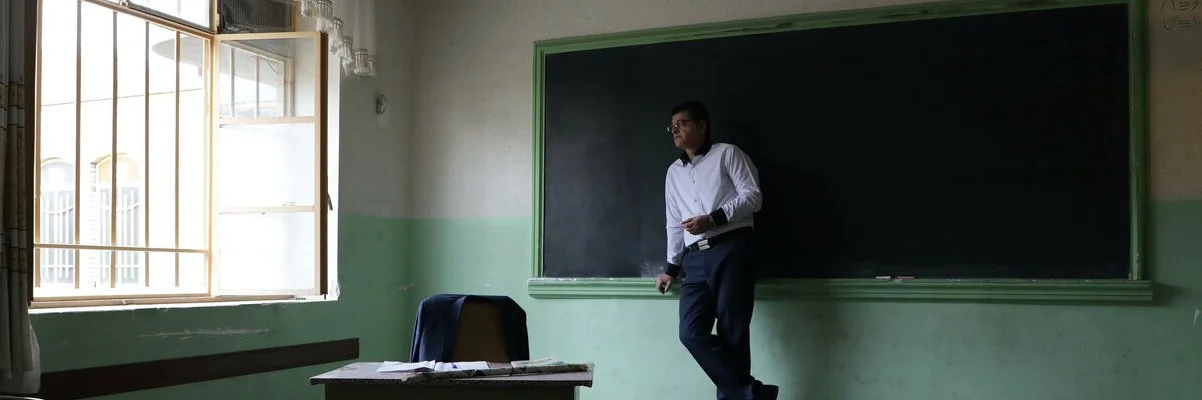
Eyeing Oil Revenues, Iran’s Public Sector Workers Demand Higher Wages
Iran’s public sector workers often mobilise during annual budget negotiations, a drawn-out process involving multiple state actors and institutions.
In its first 200 days in office, the Raisi administration has encountered massive labour mobilisations. In late January, medical personnel across the country’s hospitals and universities joined the picket line. In February, teachers reportedly staged demonstrations in over a hundred urban areas. Last month, pensioners and welfare beneficiaries rallied in more than a dozen major cities.
Motivated mostly by wage grievances, protestors have adopted a range of assertive slogans and demands. In one provincial city, teachers hung up a big banner that read: “Raisi, Qalibaf, this is the final message: the teachers’ movement is ready to revolt.” Pensioners called Raisi a “liar,” blamed his government for neglecting “the nation,” demanded an end to “oppression,” and called for the immediate release of political prisoners.
Commentators have lumped these labor protests together with other recent protest actions. A recent Financial Times report suggested that workers’ rallies and protests over water rights indicate growing popular discontent with the country’s economic record, leaders, and political institutions.
But these broad explanations fail to capture the undercurrents of the labour mobilisations of recent months. Iran’s economy has been doing poorly for years and dissatisfaction with the government is nothing new. It would also be wrong to assume that labour protests are motivated by general public dissatisfaction. In fact, most of the large and coordinated protests have been staged by a rather specific type of worker: state employees. These are relatively educated and privileged workers, employed in protected administrative and professional jobs in Iran’s state bureaucracy and civil service.
Protests by state employees need to be understood in the context of negotiations over the country’s annual budget. The annual budget, which sets wage levels across the public sector, is approved by the Iranian new year in late March. Workers often mobilise during annual budget negotiations, a drawn-out process involving multiple state actors and institutions. Sectoral and labour pressure tends to intensify when negotiations reach their final stages.
While budget-related protests are a routine occurrence, they have been especially widespread this year because workers are emboldened by the prospect of higher oil revenues. The international price of oil has spiked over the past months and state authorities have already revised projected oil revenues upward. Iran is also in advanced negotiations on the country’s nuclear programme, which may result in sanction relief, potentially unlocking billions of dollars in government income.
As employees of the Iranian state, public sector workers hope to benefit from these injections of oil money into Iran’s fiscal system. State employees are mobilising now in an attempt to lock in favourable spending commitments for the upcoming fiscal year. In 2014-2015, when Iran was in similarly advanced talks with the Obama administration over sanctions’ relief, public sector workers also mobilised in large numbers.
A final factor is the legitimacy of the Raisi government itself. Coming to power last year through manipulated elections and record low turn-out, Ebrahim Raisi has been eager to display himself as tolerant and understanding of the country’s impoverished urban middle classes. Raisi has tried to court Iran’s historically reformist-leaning middle classes to gain a degree of popular legitimacy and consolidate his tenuous leadership among various hardliner factions.
Teachers, pensioners, and nurses represent a bloc of reformist-leaning state employees that have coordinated protest actions over the past months. Rather than cracking down on their rallies, security forces have relied on containment and targeted repression—strategies which, so far, have not been successful in preventing further protests.
Teachers have staged by far the largest rallies, winning major concessions in the process. They began protesting right when Raisi came to power in August 2021. Nationwide strikes in November 2021 put pressure on parliament to finalise an expensive piece of employment law that teachers’ unions had long lobbied for. Emboldened by this legislative victory, teachers have continued to protest to make sure that the government allocates enough money to the program.
Teachers, pensioners, and nurses have long complained that government spending prioritises state employees in the armed forces, judiciary, police, and the security apparatus. Over the past months, the government has tried to address their concerns about pay discrimination by reigning in salary increases in these relatively privileged and conservative-leaning parts of the state.
Notably, in January, parliament rejected a bill on payroll spending in the judiciary. Judiciary workers and lawyers immediately responded by taking to the streets, angered by the fact that Raisi, their former boss and patron, had hit their interests so openly. The judiciary protestors argued that they too have a range of legitimate concerns, including having to rely on corruption and bribe-taking to top off their salaries.
In response, the head of the Administrative and Recruitment Organisation justified limiting spending on judiciary salaries by stating that it would “create dissatisfactions in other government bodies.” Mehdi Taghiani, a hardliner MP from Esfahan, made a similar claim. “Severe inflation over the past years has reduced the purchasing power of all workers, not just one specific group in the civil service. If we increase salaries in the judiciary, it will lead to a domino effect by which pay discrimination will eventually lead to the collapse of the government’s financial system,” he stated.
The Raisi government has tried to sell its fiscal policies as prudent and responsible to the outside world. Iran’s finance minister recently proclaimed that the country’s new budget “includes a number of structural reforms.” Such structural reforms, he explains, include “increasing the salaries of government employees at rates less than the inflation rate.”
Yet, the final budget, which was approved several days ago, shows little evidence that the government is committed to austerity and lowering labour costs across the board. The budget increases spending on education by 40 percent, almost double last year’s raise. The government also decided to increase the official minimum wage in the upcoming Persian year by over 50 percent, which will take its real value back to 2017 levels.
In a move away from austerity, the budget contains a variety of cuts and concessions that are part of Raisi’s strategy to mediate between various public sector demands while trying to win over sceptics and opponents. These policies will not only fail to address fundamental labour concerns, but internal rivalries and sectoral interests within the public sector will almost certainly continue to undermine labour solidarity. Teachers and judiciary personnel, for instance, have refused to express support for each other’s struggles. After the judiciary protests in early January, the Twitter feed of Mohammad Habibi, an outspoken leader of the largest teacher’s union, remained unusually quiet. Long-standing competition over the allocation of state resources have led to mutual suspicions will prove difficult to overcome.
Photo: IRNA

Removing the IRGC from the FTO List Risks Nothing
Reports indicate that the “final hurdle” facing the Iran nuclear negotiations is Iran’s demand for the removal of the Foreign Terrorist Organisation designation placed on the Islamic Revolutionary Guard Corps, part of Iran’s armed forces.
As we wait for the resumption of the Iran nuclear negotiations, reports indicate that the “final hurdle” is Iran’s demand for the removal of a key sanctions designation. Iranian negotiators are seeking the removal of the Foreign Terrorist Organisation (FTO) designation placed on the Islamic Revolutionary Guard Corps (IRGC), part of Iran’s armed forces. The FTO designation was imposed by the Trump administration in April 2019.
President Biden will probably lift this designation to clear the way for the mutual restoration of the Joint Comprehensive Plan of Action (JCPOA). The restoration of the JCPOA would see Iran’s nuclear programme once again placed under the strictest monitoring and verification regime ever devised, ending a four-year period of growing concerns over possible Iranian proliferation. But even with the enormous security gains on offer, Republic lawmakers and other critics are suggesting that the removal of the FTO designation is an unacceptable concession to make.
The arguments being made against the removal of the FTO designation are weak. More judicious critics of the move concede that little is at stake. Matthew Levitt of the Washington Institute for Near East Policy has written that the designation “was largely symbolic” and that its removal “would have few if any legal implications.” Still, he considers removing the FTO label to be a “terrible idea”—a determination that reflects how politics can trump pragmatism in American policymaking.
Levitt makes four arguments as to why Biden should not remove the FTO designation. First, he argues that Iran is treating the removal of the FTO designation as a red line because the leadership “wants something it can point to when attempting to persuade investors that it is not really involved in terrorism.” Levitt ignores the fact that the Iranian leadership has not demanded the undoing of October 2017 designation of the IRGC as a Specially Designated Global Terrorist (SDGT). Nor has Iran insisted that its status under US law as a State Sponsor of Terror be rescinded. Iran is obviously not seeking to change the minds of foreign investors, whose decisions to engage in the Iranian market will remain predicated on significant due diligence to avoid transacting with IRGC entities, all of which will remain under sanctions. Iranian negotiators are seeking the removal of the FTO designation to demonstrate to the IRGC’s leadership that a constructive stance towards diplomacy with the United States can bear fruit. It is precisely because the imposition of the FTO designation was politically symbolic that its removal is being sought.
Second, Levitt argues that because Iran has insisted that the “nuclear negotiations must remain focused on its nuclear activities alone,” it would be a mistake to “provide relief from any terrorism-related sanctions.” Doing so would “undermine the efficacy of other non-nuclear sanctions.” But this argument is undercut by the Trump administration’s own messaging. The White House statement on the FTO designation makes clear that the move was not imposed as a discrete action to counter Iranian terrorism, but rather as a means to “significantly expand the scope and scale of our maximum pressure on the Iranian regime.” A central feature of the “maximum pressure” campaign was the “sanctions wall,” a rapid expansion in the scope of the Iran sanctions programme intended to make it more difficult for President Biden to re-enter the Iran nuclear deal.
Given that the FTO designation was symbolic and that its removal will not meaningfully change the legal status of the IRGC, the designation was clearly imposed with another goal in mind. The FTO designation was a non-nuclear sanctions measure imposed to make nuclear diplomacy more difficult. If removing the designation is necessary to secure the tremendous national security benefits of the JCPOA, then doing so is justified. In fact, failing to remove the designation would undermine the efficacy of US sanctions policy because it would prove that presidents can tie the hands of their successors in ways that make diplomacy nearly impossible to conduct.
On a related note, Levitt claims that “to protect the credibility of US sanctions authorities worldwide… the IRGC should not be removed from the FTO list until there is evidence it has ceased terrorist activities.” This is, on face, the most logical argument being made by those opposed to the removal of the FTO designation. The IRGC will almost certainly continue to engage in its “forward defence” activities, including support for proxies that the US considers terrorist groups, in the aftermath of the nuclear deal. At the same time, removing the designation would not increase the threat posed by the IRGC. Speaking to reporters last week, CENTCOM commander General Kenneth McKenzie explained that he did not expect the removal of the FTO designation on the IRGC to impact US forces. “In terms of the way we think about [the IRGC], in the terms of the way we think about the threat, and what they do on a daily basis across the theatre, I don't think much would change,” he stated.
Given that any operational impact will be limited, there are two reasons why the removal of the FTO designation is warranted absent a change in behaviour. First, the removal of the FTO designation cannot be construed as a signal that the IRGC has ceased its support for terrorism. The organisation will remain subject to wide range of sanctions, including the SDGT designation and there will be no change in messaging from the Biden administration on this point. Second, the US government also assesses that the IRGC has major influence over Iran’s national security doctrine. That the nuclear negotiations have reached this late stage clearly demonstrates that there is a consensus among Iranian policymakers, including among the ranks of the IRGC, that restoring compliance with the JCPOA is in the country’s interest. Returning to Levitt’s concern over the credibility of US sanctions, a symbolic move to recognise the IRGC’s inherent support for the successful conclusion of the Iran nuclear negotiations is sensible, especially as the Biden administration aims for future dialogue on a wider set of security concerns.
Finally, Levitt points to a “serious messaging problem” and claims that “America’s partners and allies in the region” would be dismayed if the US were to “take pressure off the [IRGC] by delisting it.” Israeli Prime Minister Naftali Bennet and Foreign Minister Yair Lapid have written a joint letter urging President Biden not to scrap the FTO designation. Reports claim that UAE leaders are “shocked” that the FTO designation may be removed. But these various protests appear to be part of the horse-trading by partners and allies that has long burdened Biden’s efforts to restore the nuclear deal. By seeking to impose political costs at this late stage, regional leaders are aiming to extract their own concessions from the Biden administration as part of their acquiescence to a nuclear deal that looks increasingly likely.
Even so, GCC leaders have yet to directly comment on the possibility that the FTO designation will be removed. The possibility of removal became public knowledge in the summer of last year. The GCC issued a joint statement with the United States in support of the JCPOA last November. It is highly unlikely that the GCC leaders would treat the removal of the FTO designation as a kind of red line given their interest in maintaining a regional security dialogue that includes bilateral engagement with Iran. Senior Saudi and Emirati officials have held meetings with Iranian officials, including those linked to the IRGC, over the past year. Consider also that the UAE just hosted an unrepentant Bashar al-Assad, leaving the Biden administration “troubled.” Clearly, regional leaders are ready to set optics aside when there are hard security benefits to be gained.
Given the noise about the FTO issue over the last few weeks, the Biden administration is already paying a political cost for the anticipated removal of the designation. But the administration should not lose sight of what will be gained. Removing the designation in no way changes the legal or political status of the IRGC, but it does enable the restoration of the Iran nuclear deal. For those who care about US national security, the choice is clear.
Photo: IRNA
Iran, Russia, and the Limits of Financial War
Comparing the economies of Russia and Iran, it is reasonable to assume that Russia will endure its financial war.
In response to Vladimir Putin’s increasingly brutal invasion of Ukraine, the West has declared a financial war on Russia. The US Department of Treasury unveiled new sanctions on the Russian financial sector late last week, measures that “target nearly 80 percent of all banking assets” in the country. Forthcoming sanctions on the Central Bank of Russia (CBR), announced by the European Union jointly with the United States, United Kingdom, and Canada, will effectively freeze Russia’s gross international reserves. Further measures targeting Russia’s energy sector will make the Western sanctions programme among the most expansive ever devised, and certainly the most significant to target such a large economy. There has been impressive coordination between US and European authorities in designing and implementing these sanctions, which have been justified by Putin’s provocations. In their rapid imposition and their broad scope, these sanctions are clearly intended to have significant deleterious effects on the Russian economy. The strategy has shifted from deterrence to attrition and from targeted measures to full financial war.
The only other comparable financial war waged by the United States and Europe has targeted Iran. The Iran sanctions were applied more gradually than those being applied to Russia today. But in 2012, Iran’s central bank assets and energy exports were targeted in move that will be the model for the sanctions on CBR and Russia’s energy industry. These sanctions were initially multilateral in nature, with UN, US, and EU measures imposed in tandem. The multilateral sanctions were in place until 2016, when the implementation of the Joint Comprehensive Plan of Action (JCPOA) saw the lifting of most UN and EU sanctions as well as US secondary sanctions. Iran benefited from sanctions relief for just two years, enough time for a return to economic growth, but not enough time for a remediation of the harm that sanctions had caused most Iranian households. In 2018, President Trump withdrew from the JCPOA and reimposed US secondary sanctions on Iran, once again thrusting Iran into an economic crisis, later compounded by the COVID-19 pandemic.
Broadly speaking, the financial war on Iran has been in effect for a decade. The damage incurred by the Iranian economy has been extensive. Currency volatility and high inflation have sapped Iranian purchasing power, pushing millions of Iranians below the poverty line. Chronic weaknesses of the Iranian economy, such as high unemployment and systemic corruption have been exacerbated. Still, despite the many hardships, the Iranian economy did not collapse. Rather, the economy stagnated, growing an average of just 0.37 percent between 2012 and 2020. When excluding 2016 and 2017—the two years of sanctions relief under the JCPOA—the average falls to -1.96 percent. A decade of stagnation and the diminishing welfare of ordinary Iranians combined to create new political pressures on the Iranian government. Labour mobilisations have become commonplace and there have been multiple waves of nationwide protests focused on economic grievances. These protests have been violently suppressed by authorities. Even so, the Iranian government is today pursuing sanctions relief—in the context of renewed negotiations over the JCPOA—not because of fears an impending economic collapse, but because of a view that economic resilience allows Iran to engage in negotiations from a position of relative strength, seeking the conditions for a return to growth.
Unsurprisingly, Iran has become a touchpoint in the discussion around the growing Russia sanctions programme. But the focus has been the Iranian precedent for key moves, such as the removal of Russian banks from the SWIFT messaging network. So far, there has been little consideration of what the outcomes of the financial war on Iran might tell us about the prospects for the financial war on Russia. The cases are not only comparable because of the kinds of sanctions that are being applied, but because the two economies share important similarities. Of course, Russia and Iran are both major energy producers and revenues from oil and gas exports are centrally important for government budgets. But the two countries also boast large manufacturing sectors principally supplying internal markets. Despite general corruption and rentierism, key institutions exhibit technocratic sophistication.
In response to the 2012 and 2018 sanctions shocks, Iran demonstrated that its flawed economy could undergo structural adjustments to sanctions pressure. Such adjustments begin immediately, meaning economies targeted by sanctions can return to fragile growth in as little as a year. In Iran, this capacity for adjustment reflected the bottom-up resilience of households and companies seeking to survive the financial war. The Iranian state lucked out. Officials boasted of their “resistance economy” policies, despite failing to develop a cohesive response to sanctions pressure. Meanwhile, the composition of the Iranian economy meant that sanctions pressure could be absorbed. There is reason to believe that Russia will also absorb such pressure. Across key indicators, Russia appears in a stronger position than Iran was at the outset of its financial war.
Access to Foreign Exchange
Sanctions targeting a country’s central bank are the most significant measure in any financial war because of the direct impact on the national currency. During the Trump administration’s “maximum pressure” sanctions campaign, Iranian authorities maintained ready access to just 10 percent of the country’s gross international reserves, putting enormous pressure on the Iranian currency and making it very difficult for Iran to manage deficits with key trade partners. In January 2018, a few months before Trump announced his withdrawal from the nuclear deal, the free market dollar exchange rate in Iran was IRR 46,000. Today the exchange rate is IRR 263,000. The dramatic devaluation of the rial is often cited as evidence of the devastating impact of US sanctions. Indeed, devaluation made imported goods, including foodstuffs like wheat, on which Iranian households rely, more expensive. But the Iranian government demonstrated an ability to return order to currency markets, both by finding ways to supply foreign exchange into the market despite sanctions and also through better technical management of the market itself, including through the creation of a parallel market whereby exporters are required to sell foreign exchange earnings to importers. Russia is arguably in a better position than Iran to weather the attack on the value of its currency. It has gone through this storm before—the rouble lost half its value following the imposition of more limited sanctions in 2014, as part of the Western response to the annexation of Crimea. In response to the latest crisis, CBR has already hiked interest rates to 20 percent and imposed a new requirement for companies to repatriate foreign exchange earnings. If we assume that the 10 percent figure represents maximum efficacy for the freezing of central bank reserves, then that would leave CBR with access to approximately $63 billion. However, Russian reserves are equivalent to about 42 percent of GDP. In 2012, Iran’s reserves (then $104 billion) amounted to just 17 percent of GDP. So even if a similarly small percentage of the reserves remain available to CBR following the implementation of the financial sanctions, Russian authorities could fare better than their Iranian counterparts in stabilising the value of the rouble after the latest devaluation shock caused by the financial sanctions.
Energy Revenues and Fiscal Space
Despite initial attempts to create carve-outs for Russia’s energy exports, motivated by a desire to shield Europe from an economic shock and to leave room for escalation, it now appears likely that Russian energy exports will be targeted by Western sanctions. In the case of Iran, such sanctions provided highly effective in reducing exports of crude oil and mostly effective at reducing exports of petrochemical products. Broadly speaking the purpose of energy sanctions is to induce a fiscal crisis. Even in periods in which Iran was permitted to export limited volumes of crude oil under so-called Significant Reduction Exemption waivers, the revenues from these sales could only be used for humanitarian trade, meaning that the fiscal constraints remained significant. In the lead-up to 2012, oil sales accounted for around 80 percent of Iran’s total exports and around 60 percent of government revenues. Russia has a significantly lower dependence on energy sales, which today account for around 60 percent of exports and around 40 percent of government revenues. Tax administration in Russia is also significantly more developed than in Iran. In 2020, the Russian government collected $387 billion in tax revenue, equivalent to around one-fourth of GDP. By comparison, tax revenue in Iran was just $32 billion in 2012, equivalent to one-twentieth of GDP. Like the Iranian government, the Russian government is not heavily indebted. In 2012, Iran’s government debt was equivalent to 10 percent of GDP. Government debt in Russia was equivalent to 16 percent of GDP in 2021. The Russian government is likely to have more fiscal space than Iran in the aftermath of the sanctions shock given a similar debt level and more robust revenue sources. Notably, Iran did not really use what fiscal space it had as part of its response to sanctions, choosing to run austerity budgets aimed at slowing inflation. Russia could take a different approach, directing state investment to compensate for the lost growth in the energy sector.
Dependence on Manufacturing
Russia is the world’s second largest consumer of natural gas. Iran is the fourth. These high rates of consumption reflect that natural gas is used for heating homes, for power generation, and as feedstock in the manufacturing sector. The energy sector in Russia will contract dramatically just as it has in Iran over the last decade, but it will not collapse in large part because of the important role of the manufacturing sector in the adjustment to sanctions and wider economic resilience. In 2012, Iran’s manufacturing sector accounted for 14.4 percent of GDP. In Russia, based on data for 2020, the manufacturing sector accounted for 13.3 percent of GDP. The sectors are of similar importance to their respective economies. But these statistics also underestimate that importance. The relative size of the manufacturing sector in Russia and Iran fluctuates with the oil price—high prices mean that the oil sector contributes more than usual to GDP. Moreover, in both countries the manufacturing sector is a larger employer than the energy sector, given the relatively limited manpower necessary to operate modern energy infrastructure. Manufacturing is the sector that really matters.
The latest World Bank report on Iran, which details the country’s fragile economic recovery, notes that recent growth has been driven by manufacturing. The report points to two aspects of the adjustment to sanctions: “Less market competition—due to import restrictions on nonessential goods—and the price competitiveness of manufacturing and mining production—following the currency depreciation.” The resilience of Iran’s manufacturing sector under sanctions has been further detailed in a study by Hadi Esfahani, who used firm-level data to show that “manufacturing firms adapted to the sanctions environment, and many resumed growth based on domestic demand and resources.” While the sanctions shock does lead to a contraction in the manufacturing sector, it is declining output, not “exits” that are to blame. In other words, manufacturing firms do not tend to go out of business. In fact, manufacturers who produce goods for export markets, especially regional markets, can grow their profit margins as they earn foreign exchange. This adjustment is easiest for firms engaged in light manufacturing, as demand for consumer goods is relatively inelastic and as production of these goods is less capital intensive, shielding manufacturers from higher producer prices. But to take advantage of these conditions, manufacturing firms must maintain output.
Shifts in Trade Composition
The fundamental challenge for the Iranian manufacturing sector since 2012 has been disruptions in the supply of inputs and high producer prices. In this way, the impact of sanctions on imports of industrial goods may be more consequential for the targeted economy than the impact of sanctions on the sale of energy products. Iranian manufacturing firms remain in business and continue to produce for a large domestic market and newly growing regional demand. But to do so, they needed to maintain imports of industrial equipment. Purchasing managers’ index data for Iran makes clear that the primary constraint on the manufacturing sector’s economic performance under sanctions has been the reduction in raw materials and intermediate goods inventories and the high cost of replenishing those inventories. Historically, intermediate inputs and equipment were sourced from Europe. But beginning in the late 2000s, China became a larger supplier. The financial war on Iran accelerated the shift in the country’s trade composition as Chinese suppliers proved more willing to sell to Iran in the face of sanctions. One way to express the relative importance of Chinese and European supply is to look at the ratio of exports from the two suppliers. In 2012, Iran imported 1.2 times more goods from China than it did from the European Union. But machinery imports (HS Chapters 84 and 85) from China and Europe were about equal. By comparison, Russia is significantly more dependent on Europe as its financial war begins. The total value of all imports from the European Union is about twice that from China. The dependence is slightly lower when looking at machinery—the total value of Chinese machinery exports to Russia is 70 percent of European Union exports.
On one hand, this higher dependence may mean that the sanctions shock to the Russian manufacturing sector will be greater than that in Iran. But on the other hand, it demonstrates that Russia has yet to make the “Eastward turn” that many have observed in Iran and other Eurasian economies. To be clear, Chinese firms did not completely ignore Western sanctions on Iran and did engage in de-risking that left Iran behind its regional neighbours with regards to economic ties to China. Bilateral trade has stagnated since 2012 and the inability of Iran to maintain significant oil sales to China for large periods over the last decade also posed financial challenges for maintaining industrial imports. But whereas Iran is one of China’s many economic partners in West Asia, Russia has presented itself as a unique geopolitical partner within a wider Eurasian context. This may make the difference as Russian manufacturers seek alternative suppliers for crucial industrial goods.
Capital and Its Survival Instincts
If Russia does demonstrate a similar kind of economic resilience to Iran, that does not mean that there will not be economic hardship. In Iran, annual inflation exceeded 30 percent following the 2012 and 2018 sanctions shocks. Skyrocketing prices, especially for food products, pushed many working-class families into poverty. For a once upwardly mobile middle class, the diminished standard of living has been embittering. For most in Iran’s upper class, sanctions have been a nuisance. For some among the wealthy, they have been a boon.
One unique feature of the Russia sanctions programme is the focus on oligarchs and the perverse influence that individuals with extreme wealth have on the country’s politics, particularly in their perceived fealty to Putin. Western officials are directly targeting these oligarchs, both by targeting their personal assets and through measures targeted at the conglomerates they own. The Moscow Exchange suspended trading last week after a massive sell-off saw the main index fall 50 percent. European and American regulators are promising to review the lax rules that have allowed Russian oligarchs to purchase extensive real estate in Western cities. In both capital markets and real estate, the wealth of Russia’s ruling classes has been augmented by the commingling of domestic and foreign investor capital. As foreign investors retreat from Russia, and as high-net worth Russians are blocked from foreign real estate markets, oligarchs will take a hit. But capital has its own survival instincts.
Russia’s capital markets are far more developed than those of Iran. Unlike the Moscow Exchange, the Tehran Stock Exchange has never hosted significant foreign investment. Still, capital markets did play a role in Iran’s sanctions response in a way that diminished the political, if not absolute economic, impact of sanctions. In 2019, deep into Trump’s restarted financial war on Iran, the Tehran Stock Exchange was the world’s best performing equity market, with market value doubling in dollar terms. There were three reasons for this remarkable performance. First, many listed companies, particularly manufacturing firms, were posting strong financial results after adjusting to the new sanctions reality. Second, high inflation left Iranians scrambling to invest in a safe asset while sanctions made capital flight difficult and costly. For middle class families, the safe havens were hard currency or gold. For upper class families they were domestic real estate or stocks. Third, as wealthy Iranians increased their exposure to capital markets, a policy shift took place. Suddenly, developing the capital markets became a priority for the government and for the nascent financial services industry, particularly with the aim of increasing the number of retail investors. More money poured into the market, even from middle class households, driving prices higher. The returns outpaced inflation, drawing in more investment, and giving rise to what many considered to be a dangerous bubble. But in the meantime, a new feature of Iranian political economy emerged. The newfound importance of the country’s capital markets, an outcome of the financial war, was exemplified in the decision of the government to liberalise a “justice shares” programme that had granted shares in state-owned enterprises listed on the stock exchange to disadvantaged families. Overnight, Iran had 50 million new retail investors with an interest in the political and economy stability that favours stock price appreciation.
By comparison, Russia has around 13 million retail investors. There is significant potential for domestic wealth to pour into the stock exchange, whether spurred by the inflationary environment or encouraged as a matter of new government policy. The implication is that capital markets are useful tools for preserving capital—the desperation of middle and working classes in Russia may help shore the wealth of oligarchs, already in stocks and real estate. Many of the enterprises that oligarchs control may successfully adjust to the new reality and remain profitable. A new class of “light” oligarchs may emerge as certain light manufacturing enterprises benefit from reduced competition and better export prospects. The financial war could also provide a pretext for state capture, with private capital facilitating rentierism, corruption, or smuggling deemed expedient in the face of sanctions.
Take all of this together and it becomes clear that the most problematic aspects of Russian political economy—the obscene concentration of wealth among a politically-connected ruling class—will remain unchanged in the financial war. Meanwhile, the immiseration of the middle and working classes will further disempower civil society, creating a dynamic where dangerous protests are the only means through which to air grievances and in which deprivation focuses those protests on wages and bread. As Bourse & Bazaar Foundation board member Djavad Salehi-Isfahani has shown, just as poverty has increased since sanctions were imposed on Iran, so too has inequality risen. The rich are not getting poorer, but the poor certainly are.
Confounding Aspects
Iran’s economic resilience in the face of sanctions owes little to the state and a lot to its people, who have simply tried to prevent their own financial ruin. Economies are made up of individuals—some wealthy, most poor—who marshal the resources they have. How those resources are distributed determines the effects of sanctions on the wider economy. When comparing the fundamentals of the Russian and Iranian economies—the depth of the comparison here is limited by my lack of detailed knowledge about the Russian economy—it seems reasonable to assume that Russia will endure its financial war. The composition of its industry, the size of its domestic and regional markets, and the resources available to the state are all comparable to what Iran had at its disposal in 2012 on the eve of the financial war that has now lasted a decade. Given the fundamental comparability of the Russian and Iranian economies, it stands to reason that the Russian structural adjustment to the newly imposed sanctions may not even require astute political leadership. This may be a good thing. The Iranian leadership was more inclined to pursue diplomacy when it believed that it had achieved a stalemate in the economic war.
As Nicholas Mulder has observed, “Perhaps the most confounding aspect of sanctions is that regardless of technical sophistication, their outcome is never a matter of economic factors alone.” Western governments will no doubt be able to cause massive damage to the Russian economy, but the individuals who comprise that economy will attempt to adjust. The Russian public, like the Iranian public, is at best ambivalent about the policies of their leaders in response to which sanctions have been imposed. In Iran, a decade later, there is a widespread sense that the price endured by ordinary people is no longer proportional to the wrongs committed by their government. If the sanctions persist in the aftermath of a cessation of the conflict in Ukraine—which is likely—a similar reality may come to pass for the Russia. In this context, the resilience of ordinary people in the face of financial war will not be an act of political resistance, but of basic survival. They will toil for low wages in factories and fields, struggling to put food on the table and at times they will protest, facing down the violence of the state. Meanwhile, the economy will stagnate. So too will a dismal political reality.
Photo: Getty Images
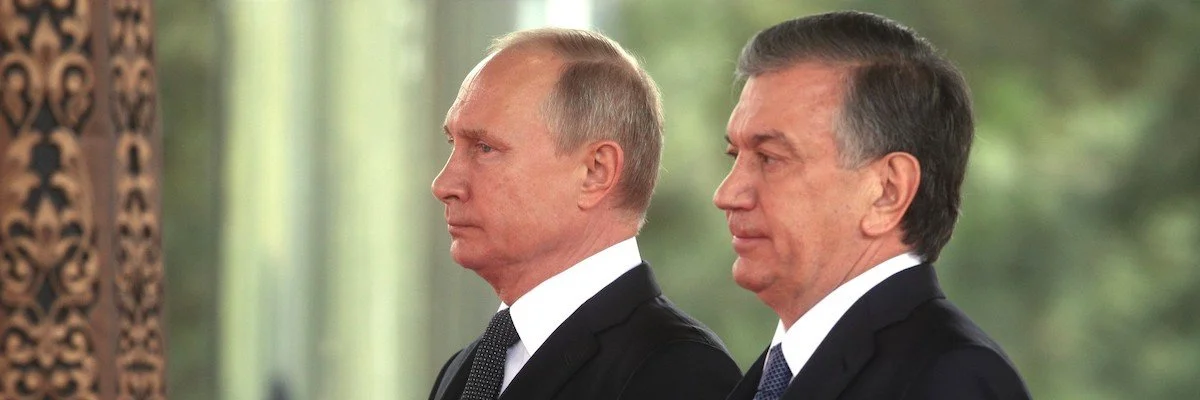
As Putin Invades Ukraine, Uzbekistan Feels Vindication and Fear
The unfolding crisis in Ukraine offers the latest evidence of Putin’s irredentist obsessions and the ways in which those obsessions threaten the political and economic integrity of Russia’s neighbours.
Vladimir Putin has begun his invasion of Ukraine, sending troops across the border to “defend” the Luhansk and Donetsk People’s Republics, which Russia has now recognized as independent states. The unfolding crisis in Ukraine offers the latest evidence of Putin’s irredentist obsessions and the ways in which those obsessions threaten the political and economic integrity of Russia’s neighbours.
Last week, Uzbekistan marked Ukraine’s “Day of Unity,” a Ukrainian national holiday. The façade of the historic Hotel Uzbekistan, overlooking Tashkent’s main square, was lit in the colors of the Ukrainian flag. Beyond shared affinities, Uzbekistan and Ukraine are both confronted by the challenge that is Putin. For Uzbekistan, the events unfolding in Ukraine validate a decades-long effort to hedge relations with Russia. But they also raise the spectre that Putin will no longer tolerate divided loyalties among the former Soviet republics.
As Maximillian Hess has written, Uzbek president Shavkat Mirziyoyev has sought to rebuild relations with Russia since coming to power in 2016. Mirziyoyev‘s predecessor, Islam Karimov, who led Uzbekistan from 1989 until his death in 2016, believed that “Moscow’s vision for Central Asia was to keep it as a colonial backwater.” In both security and economic spheres, Karimov challenged Russia’s regional dominance. Uzbekistan was an on-again, off-again member of the Collective Security Treaty Organization (CSTO), a military alliance of post-Soviet countries. Uzbekistan served as a staging ground for NATO operations in Afghanistan from 2001 to 2005. Karimov also delayed joining the customs union that preceded the founding of the Eurasian Economic Union (EEAU), Putin’s grand vision for an economic bloc.
Mirziyoyev’s ascendence to the presidency required horse-trading. Developing more constructive ties with Putin was an important aspect of his attempts to consolidate his authority after a power struggle with Rustam Inoyatov, the chief of Uzbekistan’s intelligence services. Inoyatov was eventually sacked in January 2018. In October of that year, Putin visited Uzbekistan bringing with him a large delegation of Russian companies. The visit saw the signing of contracts totalling $9 billion, including provisional agreements for the construction of a nuclear plant that would help Uzbekistan free its natural gas production for export.
But Mirziyoyev has also sought to limit Russian political and economic influence in Uzbekistan by pursuing a multilateral foreign policy and economic liberalisation. While Uzbekistan is expected to join the EEAU, Mirziyoyev has slow-rolled accession, meanwhile pursuing formalised ties with the European Union, including preferential trade terms under the EU’s Generalized Scheme of Preferences. Uzbek officials have continued to engage with counterparts in the United States, building on a state visit by Mirziyoyev to Washington in May 2018. Since the outset of his term, Mirziyoyev has also sought to develop better relations with neighbours. At the heart of this strategy is a series of “consultative meetings” among Central Asian leaders that exclude the presence of either Russia or China, the two states that typically wield convening power.
In this way, Uzbekistan has hedged in its relations with Russia. While developing more constructive bilateral relations, it has also ensured that parallel developments in its foreign policy and economic agenda serve to circumscribe Russian influence. Recent events have shown the prudence of such an approach.
In January, as protests accelerated into a full-blown political crisis in Kazakhstan, the Uzbek government reacted cautiously. But Putin’s deployment to Kazakhstan of a “peacekeeping” mission comprised of CSTO forces raised concerns over Russia’s respect for the sovereignty of its neighbours. Likely commenting on the circumspection of Uzbek leaders, Belarussian president Alexander Lukashenko issued a veiled threat to Uzbekistan, suggesting that the country’s failure to join CSTO would leave it vulnerable to “terrorists.”
For many Uzbek political commentators, the threat underscored the risks of posed by the increasingly irredentist Russia. Xushnudbek Xudoyberdiyev, deputy director of state news agency UzA and a prominent blogger, criticized Lukashenko, calling the CSTO a “trojan horse.” In a lengthy interview published two days after the threat, political analysts Farhod Tolipov and Kamoliddin Rabbimov questioned the wisdom of joining the EEAU.
Similar dynamics can be seen in the response to the Russian aggression against Ukraine. While Uzbek officials have yet to issue statements on the crisis, Uzbek editors and bloggers have been quick to label Putin a “savage,” a “criminal,” and a “bandit,” who has “lost his mind” and “spit on international law.” Political commentators have questioned the slow response to the new crisis from the Uzbek Ministry of Foreign Affairs and have also wondered about the risk posed by deepening economic ties with Russia.
Uzbekistan does not share a border with Russia—perhaps a silver lining of being one of just two double landlocked countries in the world. But the Ukraine crisis does have a bearing on Uzbekistan’s place in the political and economic order in West Asia. As Putin takes a more confrontational approach with the West, he may begin to see Mirziyoyev’s hedging of its relations with Russia as an afront, putting Uzbek elites with strong ties to Russia in a difficult position.
Moreover, if Western countries place Russia under significant sanctions as is expected, the consequences for the Uzbek economy could be profound. Russia hosts 3 million migrant workers from Uzbekistan, whose remittances shore Uzbek household consumption. As the rouble comes under pressure and as the economy falters, these workers, already struggling due to Russia’s general economic malaise, will see their employment prospects diminish and the value of their earnings erode. The devaluation of the rouble would also hit Uzbekistan’s economic elite who maintain assets in Russian banks. Moreover, financial sanctions placed on those banks could see a significant portion of Uzbek wealth effectively frozen.
Over the last five years, Uzbekistan has been one of the few former Soviet republics to enjoy political stability and economic prosperity. That alone sets Uzbekistan apart. But the country’s political and economic agenda is also unique given the ways in which it has sought to modulate Russian influence. Putin’s invasion of Ukraine vindicates that agenda, but it will also stoke fear. Among Putin’s complaints about Ukraine is that its leadership “preferred to act in such a way that in relations with Russia they had all the rights and advantages, but did not bear any obligations.” One can imagine a similar charge being made against Uzbekistan.
Photo: Kremlin.ru
How the UAE will Underwrite the Iran Deal's Success
Most of the questions around the JCPOA’s economic prospects revolve around whether European companies will bother to engage in the Iranian market given the challenging experience of the last few years. But there is another trade relationship that arguably matters more.
As negotiations on the restoration of the Iran nuclear deal reach their “final stage,” doubts persist about whether the lifting of US secondary sanctions will really boost Iran’s economy. Iranian leaders are seeking “guarantees” that they will accrue the economic benefits promised under the Joint Comprehensive Plan of Action (JCPOA), citing both the disappointing experience of sanctions relief between 2016-2018 and the pall that has been cast by President Donald Trump’s unilateral withdrawal from the agreement.
Doubts around the JCPOA’s economic prospects revolve around whether European companies will bother to engage the Iranian market given the challenging experience of the last few years. But there is another trade relationship that arguably matters more for the future of the JCPOA.
The United Arab Emirates (UAE) did not play a significant role in Iran’s economic recovery during the period of sanctions relief between 2016-2018. This is notable because in the period leading up to the imposition of financial sanctions on Iran in 2012, the UAE was catching up to the European Union as one of Iran’s top trade partners. In the ten years from 2001 to 2011, UAE trade with Iran rose at twice the pace of European trade, rising from $2.2 billion to $24.2 billion. In the same period, EU trade with Iran rose from $12.8 billion to $36.8 billion.
According to data published by IRICA, Iran’s customs authority, UAE trade with Iran peaked in 2011 at $24 billion. That same year, data from Eurostat shows that EU trade with Iran also reached an all-time high at $36 billion. To put it another way, the volume of Iranian trade passing through the UAE was equivalent to two-thirds of Iran’s direct trade with the whole of Europe. During the first decade of the millennium, Iran underwent significant industrial development enabled by the forces of globalisation. Iran lacked a global port and global banks. But its proximity to the UAE offered a conduit to global markets. Dubai was to Iran what Hong Kong was to China in the 1990s—the world’s gateway to a fast-growing economy.
After the imposition of financial sanctions in 2012, both EU and UAE trade with Iran took a hit as the Iranian economy was thrust into a recession. EU trade with Iran averaged just $10.6 billion per year between 2012 and 2015. UAE trade fell less dramatically, given that a large portion of Iranian exports to the UAE, destined for third countries, is comprised of food and consumer goods that fall outside of the scope of sectoral sanctions. The value of UAE trade with Iran averaged $15.3 billion in this period.
In January 2016, the implementation of the JCPOA saw the lifting of a wide range of UN, US, and EU sanctions on Iran. EU trade with Iran rebounded sharply as Iranian exports to Europe rose, driven by oil sales. Iran used its euro-denominated revenues to purchase European goods, especially industrial goods. EU trade with Iran rose to $23 billion in 2017, still down compared to the 2011 peak, but a marked improvement over the period prior to the implementation of the JCPOA. By contrast, trade with the UAE did not rebound. Total trade between the UAE and Iran averaged $14.4 billion from 2016 to 2018—slightly lower than the trade volumes in the period before sanctions relief.
This is the overlooked aspect of why Iran’s experience of JCPOA sanctions relief was underwhelming. While trade with Europe failed to return to its pre-sanctions peak, the greater constraint on Iran’s economic recovery was that trade facilitated through the UAE did not really rebound at all. Consequently, Iran’s ability to engage with all of its trading partners remained diminished. Iranian and foreign companies seeking to do business in the aftermath of sanctions relief could not avail themselves of the most obvious and efficient financial and logistical channels to do so.
For the last decade, UAE relations with Iran have been strained. The UAE was quick to support the multilateral sanctions on Iran, with Abu Dhabi reigning in Dubai-based banks and companies that had long profited from their links to Iran. Under instruction from the UAE central bank, commercial banks closed the accounts of Iranian companies and Iranian nationals. Multinational companies that had used their UAE-based subsidiaries to conduct business with Iran shifted their operations (Turkish banks emerged as an alternative financial channel for trade with Iran, especially for the European trade that persisted in the sanctions period). The UAE gave tepid support to the Obama administration’s efforts to constrain Iran’s nuclear programme but felt excluded from discussions around the possible impact of the deal, which seemed poised to tip the regional balance of power in Iran’s favour. On January 2, 2016, a crowd attacked the Saudi embassy in Tehran. Two days later, and just ten days before the JCPOA was formally implemented, the UAE downgraded its diplomatic ties with Iran. Over the next year, Mohammed bin Zayed, crown prince of Abu Dhabi, joined with Mohammed bin Salman, crown prince of Saudi Arabia, to push back on Iranian influence in the region. By the end of 2018, following a unilateral withdrawal from the JCPOA, the Trump administration had reimposed secondary sanctions on Iran in full, with the full support of UAE leaders.
In May 2019, the same month that Trump revoked a set of waivers permitting Iran to sell limited volumes of oil to its historic customers, four tankers were damaged in an attack off the coast of Fujairah. The attack, attributed to Iran, was the first incident in a series of escalations that constituted Iran’s response to the Trump administration’s maximum pressure sanctions. Just a few months later, the UAE dispatched a delegation to Iran to discuss maritime security. Leaders in Iran and the UAE eventually came to realise that renewed dialogue could help avoid a spiralling regional security crisis. In December of last year, Tahnoon bin Zayed, brother to Abu Dhabi’s crown prince and the UAE’s national security advisor, visited Tehran. The maturation of this diplomacy has been supported by economic engagement. Over the course of the last two years, the UAE has taken steps to reprise its role as a facilitator of Iran’s trade links, emerging as a key intermediary in Iran’s oil exports to China, despite these exports taking place in violation of US secondary sanctions.
Back in 2019, as the first signs of renewed economic diplomacy emerged, I argued that “Abu Dhabi can’t afford to keep Iran out of Dubai.” The argument still holds true. Dubai and the wider UAE have performed an economic miracle, emerging from the desert as a global center of trade and finance. But as a new analysis from the IMF makes clear, further growth and greater resilience will require regional economic integration. While the IMF report limits its discussion to GCC countries, a restoration of UAE-Iran trade to pre-sanctions levels would be an enormous catalyst for growth. UAE leaders are aware of this fact. In a statement jointly issued with the United States, GCC leaders declared that “deeper economic ties after the lifting of US sanctions under the JCPOA are in the mutual interest of the region.”
When it comes to the prospects for renewed sanctions relief, the increasingly constructive relations between the UAE and Iran must be taken into account. If the UAE plays an active role in facilitating increased trade with Iran following the restoration of the JCPOA, the rise in trade could compensate for any diminished rebound in trade between Europe and Iran. More optimistically, if UAE banks are instructed to resume support for Iran-related transactions, the increase in available foreign exchange liquidity and the multiplication of the available payment channels could have a dramatic impact on the full range of Iran’s bilateral trade relations. Where European and Asian banks may remain hesitant to facilitate trade, UAE banks can step in as intermediaries, taking on the burden of the compliance requirements. They will have enough business to justify the costs of working with Iran.
While the normalisation of UAE-Iran ties remains tentative, UAE leaders aware of the role they can play as underwriters of the restored nuclear deal. The Biden administration, eager to consolidate the restored JCPOA, will likely encourage the UAE to reprise its role as Iran’s primary gateway to the global economy, with the U.S. Department of Treasury and U.S. Department of State engaging directly with UAE regulators and companies to help them navigate the new compliance landscape. The potential is enormous. UAE-Iran trade grew at an annualised rate of 28 percent between 2001 and 2011. Had this growth been sustained for just five more years, total trade would have exceeded $80 billion. What matters most for the long-term viability of the nuclear deal is not whether trade with Europe will return to pre-sanctions levels, but whether revitalised trade with the UAE can accelerate Iran’s reintegration into the global economy.
Photo: WAM
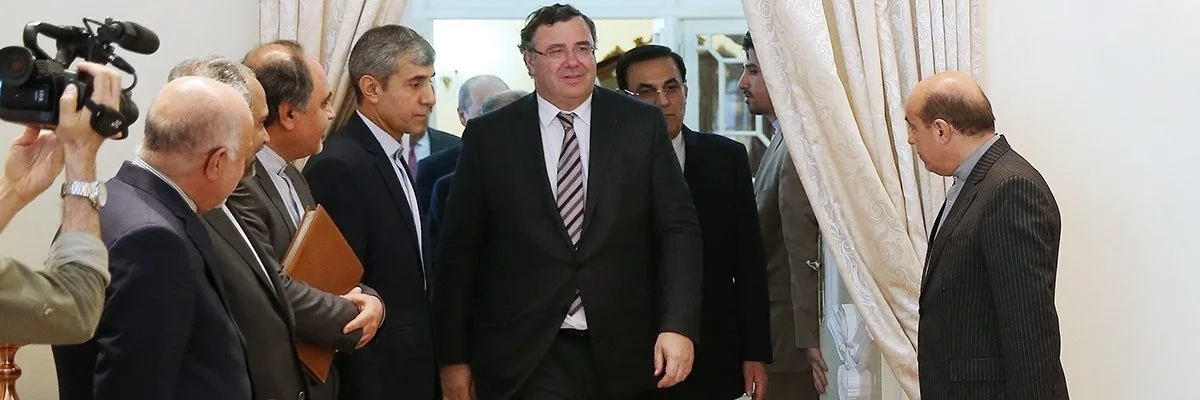
How to Think About Getting Foreign Firms Back into Iran
The sanctions relief afforded to Iran in January 2016 as part of the implementation of the JCPOA did not lead to a cascade—while a significant number of foreign companies did commence or resume operations in Iran, no larger, second cohort followed.
When the Joint Comprehensive Plan of Action (JCPOA) was adopted in July 2015, a wide range of companies began to explore commercial opportunities in Iran, anticipating the lifting of international sanctions that would follow about six months later. But the initial rush of commercial interest never became a cascade—while a significant number of foreign companies did commence or resume operations in Iran, there was no larger, second cohort that followed. Companies that did attempt to enter the Iranian market faced significant legal and financial challenges. The experiences of these companies deterred other entrants. Then, a little over two years after the lifting of sanctions, President Donald Trump made good on a campaign promise and withdrew from the Iran nuclear deal, unilaterally reimposing US secondary sanctions. The companies that had rushed into Iran quickly rushed out.
This history poses a dilemma for Iran’s negotiators as they seek to restore the JCPOA. While “modest progress” has been made during the 8th round of negotiations, one sticking point continues to be Iran’s demands around not only how US secondary sanctions will be lifted, but whether additional non-nuclear sanctions will be imposed by the US. In a recent interview, Iranian foreign minister Amir Abdollahian stated, “We demand guarantees that include not imposing any new sanctions, and not reimposing sanctions after lifting them under any pretext.”
Articulated this way, Abdollahian’s demand is problematic. Can Iran, with its reputation as a missile proliferator, proxy supporter, and human rights violator, really expect that the US won’t impose any new sanctions? The answer is no, but it is likely that Abdollahian knows this. His comments point to a legitimate concern as to whether sanctions relief commitments can be considered credible if sanctions imposed for transgressions beyond the nuclear file make it harder to conduct the trade and investment explicitly envisioned in the nuclear deal. For example, if the US were to maintain a tempo of human rights sanctions designations in the period of JCPOA implementation, it would contribute to a chilling effect that may deter companies and banks from proceeding with the trade and investment envisioned in the JCPOA, even if those sanctions are targeted on specific non-commercial actors. Of course, the US and Europe are not going to take sanctions, now the primary tool of Western statecraft, out of their toolkit. So how should the negotiators in Vienna balance the need to deliver economic benefits to Iran with the realistic expectation that coercive measures will continue to be used for non-nuclear reasons?
Timur Kuran’s seminal work on cascade theory—much of it completed in collaboration with Cass Sunstein—can help answer this question. Cascade theory is a heuristic that can be used to analyse a wide range of situations in which private preferences, perceptions, and thresholds combine to determine whether band wagoning will take place. While cascade theory has most often been used to analyse the decisions of individuals, it can also be applied to the commercial decision-making of firms. Firms can be understood to have their own preferences and thresholds, which are shaped by the perception of risk, whether commercial, legal, or reputational. For example, this body of research includes work on “reputation cascades” that influence political decision-making by corporations, and cascades observed in the decision making of investors in capital markets.
Along these lines, cascade theory offers a way to understand how the application of sanctions can lead to changes in firm behaviour. Major sanctions enforcement actions, such as the fines levied on a series of European banks by the Obama administration between 2012 and 2014 for knowing violations of US primary sanctions, can serve to change perceptions of perceived risk among other firms. These fines contributed to “de-risking” among many banks and multinational corporations which opted to limit their exposure to jurisdictions in which sanctions have been imposed, even in cases in which their commercial activities remained clearly compliant. In such a situation, cascade theory helps us understand how enforcement actions can serve as a signal to firms. In the cases in which the newly perceived risks exceed the firm’s threshold, behaviour is likely to change. One type of cascade occurs when companies decide to withdraw from risky jurisdictions. By 2016, responding to heightened regulatory risk, 75 percent of major banks reported having reduced their correspondent banking connections, a trend which predominantly saw major American and European banks limit ties with banks in the Global South.
The global trend of de-risking is an example of cascading among firms, triggered by the punitive and deterrent power of sanctions and related enforcement actions. But cascade theory may also be insightful examining the inverse situation—what happens when policymakers decide to lift sanctions on a country, and seek to encourage firms to engage in trade and investment? In recent years, there has been increased focus on the “credibility” of sanctions relief—while American and European governments may lift sanctions, the move does not necessarily lead to the envisioned trade and investment, compromising the diplomatic agreements in which sanctions relief is a critical part of the negotiated quid-pro-quo.
The sanctions relief afforded to Iran in January 2016 as part of the implementation of the JCPOA did not lead to a cascade. While an initial cohort of multinational companies did re-enter the Iranian market, many companies, and especially banks, opted not to reengage, perceiving that the risks remained high. The lower-than-expected level of economic engagement that followed from the implementation of the JCPOA arguably made it less costly—both politically and economically—for President Donald Trump to unilaterally withdrawal from the agreement in May 2018, at a time when Iran remained in full compliance with its nuclear commitments.
As the P5+1 and Iran continue to seek the restoration of the nuclear deal, Iranian negotiators have demanded that the world powers intervene to ensure that sanctions relief occurs “in practice” and not simply “on paper.” The difficult history of the JCPOA makes clear that successful implementation of sanctions relief requires cascading, and the design of implementation policies ought to consider how those policies will impact the perceptions and thresholds of firms. Adapting from Kuran’s general model, it can be stated that firms with different preferences and risk appetites will have different market entry thresholds (T). To illustrate this variation, we can create the following threshold sequence, notating the thresholds for ten firms:
A = (0, 20, 20, 30, 40, 50, 60, 70, 80, 100)
In this sequence, Firm 1 (T1=0) is willing to begin conducting business in Iran immediately after the lifting of sanctions. At the other end of the sequence, Firm 10 (T10 = 100) will never enter the Iranian market. But the thresholds of other firms are responsive to a value we can call S, the proportion of firms that have already entered the market. For example, Firm 2 (T1=20) will only enter the market when at least 20 percent of firms have done so—a condition not met by the market entry of Firm 1 (T1=0), the entry of which means that S=10. Under such conditions, there is no cascade—the thresholds of most firms remain too high.
The variation in thresholds across such a sequence reflects the trade-off between external and internal payoffs faced by firms. For example, even if the external payoffs represented by entering a formerly sanctioned market are clear, such as new revenue streams, the internal costs may remain too high for the firm to decide to act on the evident economic opportunity. In this way, the internal payoff can itself be expressed through a threshold sequence comprised of the departments necessary to make a firm-level decision. For example, a firm’s decision to operate in a formerly sanctioned market will typically require buy-in from the business development department, the finance department, the legal department, and often the board of directors. Top executives and individuals in legal and compliance roles in firms conducting business in sanctioned jurisdictions can be held personally liable for compliance failures. These individuals have among the highest thresholds for supporting a business decision to work in a market like Iran and can veto the plans of other departments willing to pursue the opportunity, in effect setting the threshold for the firm. Broadly speaking, engaging in business shortly after the lifting of sanctions requires evaluating a trade-off between the external reward of previously untapped business opportunities with the internal cost of onerous operational and compliance requirements. Additional sanctions designations made after the lifting of JCPOA-related sanctions will inherently impact these trade-offs.
Policymakers seeking to encourage commercial activity following the lifting of sanctions must therefore try to increase the external rewards and minimise the internal costs. This can be done through a series of policy interventions that go beyond the simple lifting of sanctions. If the sanctions relief implemented “on paper” results in a threshold sequence given by A, then we can conceptualise a different threshold sequence for sanctions relief implemented “in practice,” which we can call A*:
A* = (0, 10, 20, 30, 40, 50, 60, 70, 80, 100)
In this sequence, as in sequence A, Firm 1 (T1=0) is ready to engage in business simply because sanctions have been lifted. But let’s assume that some new policy intervention has caused the threshold of Firm 2 (T1=10) to fall from 20 to 10. This means that the decision of Firm 1 to enter the market will trigger Firm 2 to do the same because S=T2. That small change is also sufficient for A* to become a cascading sequence, as the decision of Firm 2 triggers market entry by Firm 3 and so forth until nine-tenths of the firms are active, with Firm 10 (T10=100) the only holdout. But, if some subsequent policy intervention, such as the application of new sanctions, causes the threshold of Firm 4 (T4=30) to rise, the cascade will be interrupted because S will longer be equal to T4.
What the sequence A’ illustrates therefore is that the policy intervention needed to trigger a cascade does not necessarily need to be so significant as to shift the thresholds of all firms in the sequence. Rather, it should be targeted to create a change in behaviour among those firms whose decision to enter the market would trigger the cascade. Policymakers seeking to make sanctions relief commitments more credible can therefore use cascade theory to conceptualise different sets of interventions intended to encourage more companies to engage in trade and investment in formerly sanctioned jurisdictions more quickly.
These interventions ought to focus on calibrating the external and internal payoffs. First, to change external payoffs, policymakers, including in Iran, must seek to make the economic benefits of early market entry more significant. Presently, being among the early movers after the lifting of sanctions means contending with high costs of doing business. These costs include higher transaction fees and risk premiums related to banking services and financing, or surcharges related to the importation of equipment or technology necessary to operate local facilities or infrastructure. These costs could be reduced through incentives, such as grants and loans that would see the state shoulder some of the costs and financial risks in the initial period of sanctions relief, increasing the external payoff. While some European countries did seek to provide state-backed credit lines to support companies aiming to engage in trade with Iran, the operationalisation of these credit lines was clumsy, meaning that no facilities were available to companies even two years after the lifting of US and EU sanctions, and that there was no impact on the perceived external payoff.
Second, policymakers will also need to address the internal costs that can keep companies from pursuing the opportunities afforded by sanctions relief. Practically speaking, these interventions would reduce the perceived legal risks of commercial activities in formerly sanctioned jurisdictions. Here, policymakers should provide greater legal clarity around the activities made permissible following the lifting of sanctions and provide opportunities for firms to confirm, for example through the solicitation of so-called comfort-letters, the specific permissibility of their planned activities beyond the blanket guidance currently provided by regulatory authorities. Moreover, there should be an effort to reduce the threat of personal liability around inadvertent sanctions violations. Finally, the possible impact of additional sanctions designations, such as sanctions imposed after the implementation of the JCPOA on human rights grounds, need to be considered in the context of the trade-off between internal and external payoffs. If Western governments decide that a sanctions designation must be made, the impact of that designation on internal payoffs needs to be considered. Of course, targeted sanctions imposed on human rights grounds are not intended to interfere with the broad implementation of the JCPOA, and so the unintended consequences ought to be mitigated, most likely by ensuring that the external payoff continues to outweigh the internal risks. Such an approach will increase the likelihood that firms perceive a better trade off in conducting business in formerly sanctioned jurisdictions—this will lead to a more favourable threshold sequence, in which there is a higher probability of a cascade.
Designing policy interventions to make sanctions relief more credible and effective will be crucial not only for the restoration of the nuclear deal, but also for the long-term viability of sanctions as a tool of economic statecraft. Cascade theory is a compelling heuristic to understand how such interventions will need to influence firm behaviour to create the conditions necessary for an increase in trade and investment in post-sanctions environments.
Photo: IRNA
The Case for Optimism on Iran in 2022 and Beyond
The choice we face as those working on Iran policy is not about choosing between Plan A or Plan B—it is much bigger than that.
Back in October, I was given a piece of advice. I was having coffee with an admired journalist who has covered Iran for many years. This was before the Raisi administration had decided to restart the nuclear talks—the journalist and I were discussing the growing concern in Western capitals that Iran would never return to the negotiating table. I did not share this concern.
I explained to the journalist that given the way in which the Raisi administration had talked about its goal of lifting sanctions and given the direction of its regional foreign policy, I had little doubt that the talks would resume. Across the table there was some polite nodding, but eventually I was offered some well-intentioned advice, a nugget for a naïf. I was told to be careful about being optimistic, because if I was wrong too many times “people would stop listening” to me. The conversation has bothered me for months.
Of course, the nuclear talks did restart five weeks later—a minor vindication. But in the subsequent weeks, in conversations on the likely trajectory of the talks, officials and journalists told me again and again that I was the only optimistic person they had spoken to. Most of the coverage and commentary on the negotiations struck a decidedly pessimistic tone. More articles were written about “Plan B” than there were about “Plan A”—there was startlingly little analysis on what it would take to make the talks successful, but ample analysis of how to plan a new pressure campaign or military strikes. The assumption was that the talks would fail, leading either to an Iranian nuke or a regional war. Grim stuff.
So far, the talks have not failed, though it seems that the only policymakers actively seeking to inject some optimism in the talks are the Iranian delegation and Russia’s chief negotiator, Mikhail Ulyanov, whose Tweets read like the encouragements of a cheerful uncle. Western officials have pointed to “modest progress” in the talks but have so far failed to declare with any conviction that the restoration of the JCPOA is actually achievable. Most of the Western messaging insists that “time is running out” and implies failure is likely because Iran wants the talks to fail.
I recently came across a quote adapted from Dennis Gabor, who won the Nobel Prize in Physics in 1971. Gabor suggests that “the best way to cope with the future is to invent it.” The future is inherently uncertain and as human beings we are uncomfortable with uncertainty—if we cannot see what lies around the corner, we are hardwired to be wary. As Gabor notes in his 1963 book, Inventing the Future, from which the quote is adapted, the typical approach to dealing with this uncertainty is to try and “predict” the future. We tend to evaluate what could happen and prepare ourselves accordingly. But Gabor’s insight is to remind us that the future is, to a significant degree, what we make it. We have a capacity for invention.
Yet, for those working on policy issues on Iran or the wider Middle East, it is prediction, not invention, that appears to be the primary focus of their intellectual outputs. This is a major reason why the outlook for the region is always so grim. Prediction rewards pessimism. Consider the meteorologist, whose job it is to predict the weather, but who has no means to influence whether the sun shines or the rain pours. If the meteorologist predicts sunshine, and then it rains, those who were drenched in the unanticipated downpour will rue him and his forecast. If it happens one too many times, they will stop listening to his forecast altogether. But if the meteorologist predicts rain, and it ends up being a bright and sunny day, few will complain that they had prepared for gloomy weather by taking along an umbrella.
If I were a meteorologist, I would heed the advice I was given in October. It makes sense—if your sunny forecast is wrong too many times, people will stop listening to you. But I am not a meteorologist, and prediction is not the extent of how I can cope with the uncertainty of the future. Policymakers, policy experts, and even journalists—who shape how we think about complex problems and who chronicle the effectiveness of attempted solutions—have forgotten, at least in the case of Iran, that they have a capacity to invent the future.
Over the last few months, I had been speaking to Western officials and making the case for optimism. Each time I set out the facts that support my generally optimistic outlook, I am told “that is an interesting theory.” Implicit in this response is a surprising discomfort with the theoretical. The officials are characteristically diplomatic, but I can sometimes tell that they are asking themselves “what planet is this guy living on?”
The funny thing is that I am, “in a sense I am unable to explicate further,” on a different planet. Writing about the ways in which scientists may differ in their interpretations of observable phenomenon, Thomas Kuhn, the 20th century’s foremost philosopher of science, writes that “the proponents of competing paradigms practice their trades in different worlds.” Kuhn’s observation makes clear that while most policymakers and analysts might understand the factual basis for my optimistic outlook, the existence of a plausible theory suggesting that the future may be better is not seen as a sensible way to cope with uncertainty. Given the fraught history of Iranian foreign policy, having low expectations makes sense. The story of the Iran nuclear deal is a story of profound disappointment—at least so far. But even if low expectations help those of us working in this space to cope at some personal level, it is difficult to see how pessimism serves us if we are professionally committed to fixing things.
In 2018, when the Trump administration withdrew from the JCPOA, European governments scrambled to find some means to preserve the economic benefits of the deal for Iran. The reimposition of US secondary sanctions was going to have a major impact on Iran’s links with the global financial system, and this was quickly identified as a problem for continued trade and investment. The EU and E3 began discussing whether some kind of “special purpose vehicle” could be established to facilitate payments for trade absent direct banking links. Over the next two years, working first with Axel Hellman, and then Sahil Shah, I wrote some of the first detailed policy briefs exploring how such a special purpose vehicle could work. These briefs helped, in a small way, to shore up the case for the establishment of INSTEX, a novel state-owned trade intermediary.
As with many inventions, the early iteration of INSTEX unfortunately failed. It has not had any real impact on Iran’s ability to trade with the world in the face of US secondary sanctions. There are numerous reasons for this failure, but I find it fascinating that implicit in a lot of the criticism of the INSTEX project is the idea that it was foolhardy for European officials to try to invent something new. As INSTEX faltered in its initial stages, eliciting criticism, pessimism crept back in, and this has prevented European governments from giving the project adequate support. Imagine if Thomas Edison, when working on the incandescent light bulb, was so perturbed by the failure of his first prototype that he questioned whether an electric light can be created at all. When it comes to Iran policy, setbacks have a troubling tendency to lead policymakers to reject optimistic scenarios, even when those scenarios remain theoretically possible. To put it another way, when policies fail, policymakers change their interpretation of the facts, rather than tweaking their policies. As the INSTEX project lost momentum, European officials began to speak more forcefully and negatively about Iran’s missile program and its nuclear escalations—the future looked uncertain, and pessimism seemed the easier way to cope.
But when it comes to Iran policy, what is easy, is not always what is best. This is precisely why there are so few new ideas about what US and European policy on Iran should look like. There is no positive vision for what Iran’s place in the world should be in five, ten, or fifty years. There is little effort made to create new tools or craft new strategies that could help bring about some new vision of the future. Sure, repeating pessimistic predictions is the intellectually and emotionally easier means of coping with an uncertain future. But to pursue optimistic invention is the better means.
As we look forward to 2022, the case for optimism on Iran is clear. This case does not depend on some newfangled set of facts or observations. Iran is thoroughly analysed and reported upon—the facts are well-known. The case for optimism rests instead on how we choose to interpret these facts and whether we marshal them to find new, innovative, and inventive pathways for policy, or whether we choose instead to make dire predictions and gird ourselves accordingly. In this sense, the choice we face as those working on Iran policy is not about choosing between Plan A or Plan B—it is much bigger than that. The choice is about whether we want to live on Planet A or Planet B.
In 2022, I’ll be tinkering away on Planet A. It’s a different world.
Photo: IRNA
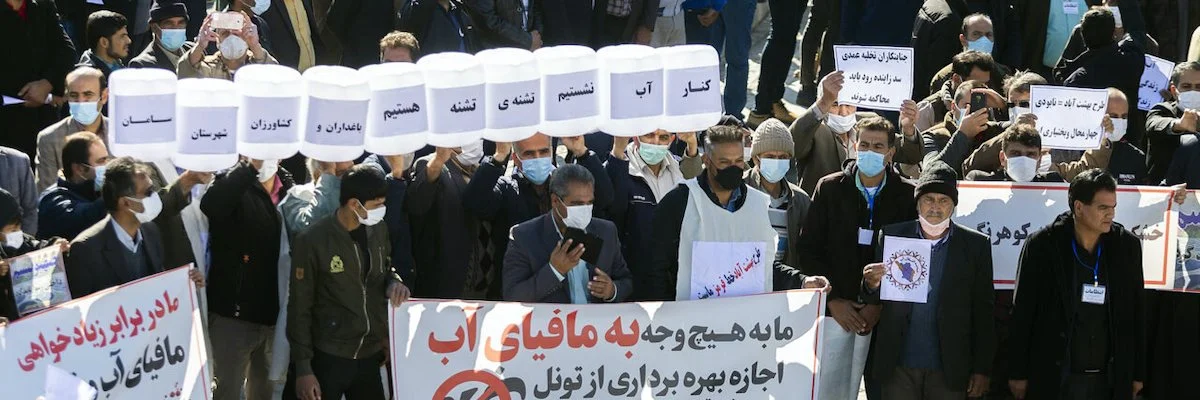
Iran’s Water Protests are Not About Water
Esfahan is accused of being privileged as water protests expose regional inequalities in access to the Iranian government.
On November 8, a group of local farmers arrived in the city of Esfahan to protest in front of the offices of the official state news agency and the regional water authorities. The protestors called on the government to release water into the Zayendeh River, which has laid dusty and bare for months, a reoccurring phenomenon. Over the next days, the farmers continued their demonstration in the dried-out beds of the river, camping out close to one of downtown Esfahan’s iconic bridges.
But what started out as a small-scale protest action by farmers from east Esfahan quickly turned into the Ebrahim Raisi administration’s largest popular challenge since taking office in August. On November 19, a day after negotiations between the Esfahan Farmers’ Union and the regional government broke down again, thousands of city-dwellers suddenly joined the farmers to demand that the Zayandeh River be filled up.
The government’s initial response to the mass demonstration was conciliatory and supportive. State media broadcasted the Friday rally widely. Officials came to speak to the protestors directly, expressing their sympathy and promising to address the problem promptly. The minister of energy even formally apologised to the farmers, saying he felt “ashamed” that the government had failed to provide enough water.
Soon enough, the tone changed. Within days, security forces moved in, cracking down on the remaining protestors. Police brutally dispersed the protestors and destroyed their tents. On social media, images of farmers drenched in blood circulated widely.
In theory, water protests should have broad popular support in Iran. Not only is the country mostly arid and semi-arid, but Iranians have also suffered from worsening draughts and environmental degradation provoked by climate change, government mismanagement, and economic sanctions.
In reality, however, solidarity has been hard to obtain as ordinary Iranians, state organisations, and political elites compete fiercely about how to share the country’s increasingly scarce water resources.
Many of these rivalries are long-standing, and they broke out again following the Esfahan protests. In the capital of the neighbouring Chaharmahal and Bakhtiari province, hundreds of residents and farmers took to the street to protest against the Esfahan protestors’ demand for more water. The Chaharmahal protestors argued that their province, located in the mountainous Zagros region of southwestern Iran, already supplies too much water to the dry central plateau region, of which Esfahan is part. In turn, Esfahan farmers deployed an old tactic: they sabotaged the water pipes headed to the even drier Yazd province, arguing that “their” water is unjustly being diverted elsewhere.
This nasty and zero-sum type of group politics has become deeply entrenched in Iran over the past two decades. In this configuration, Esfahan province has certainly emerged a winner. Its rural residents earn on average about a quarter more than peers in the Zagros region or Khuzestan, which is home to the Karoon, the largest river in Iran. Moreover, Esfahan’s urban and provincial elites have been successful in turning local distributional conflicts over water use into demands for more water from the Zagros. Farmers from eastern Esfahan have long complained about excessive water use by the city of Esfahan. Regional authorities have used these protests to claim more water from upstream provinces.
Yet, rather than being diverted to eastern Esfahan, much of that extra water has gone into urban consumption and toward large-scale steel manufacturers in the region. These inefficient and wasteful factories, mostly built before the 1979 revolution, are heavily subsidized by a central government keen to maintain a degree of self-sufficiency in steel production.
It is perhaps unsurprising that, following the November 19 demonstrations, much of the debate on social media centred on Esfahan’s privileges. One popular Twitter user argued that “Esfahani greed is what has turned the Zayendeh River into an issue. Esfahanis do not only want [to produce] steel but they also expect the water of Khuzestan and Chaharmahal to be transferred to this industry. If we are to believe you, you should protest in front of the Mobarakeh and the Esfahan Steel Companies.”
Rather than blaming specific individuals, entities, or social groups, many other activists accused the “water mafia” for the opaque and mean-spirited machinations of the country’s water politics. Seyyed Yousef Moradi, an environmental activist from Yasuj, commented that: “Even though you think that people from the Zagros Mountains are simple, we are not ignorant. We understand that a ten day sit-in in Esfahan for water provision, with the wide-spread support of media and the government, is a part of the water mafia’s plan to justify projects to transport water from the deprived provinces of the Zagros.”
The term “water mafia” is also popular among the country’s political elites, who are keen to avoid direct confrontation among each other, and fear turning the conflict into an ethnic struggle between the Persian majorities of the central plateau and the Arab, Lor, and Bakhtiari minorities of southwestern Iran.
Indeed, while Esfahan’s relative wealth and power is undeniable, upstream provinces and groups do not lack political representation. In the past, the local elites in the Zagros and Khuzestan have often supported their constituents’ protests about water rights. For instance, in early 2014, the local MP and the local representative of the Supreme Leader came to the support of several thousand people who had gathered in Shahr-e Kord, the capital of Chaharmahal province. The protestors demanded a halt to construction work on tunnels designed to transport water to the central plateau.
Following similar protests in Khuzestan in the summer of 2016, Ayatollah Abbas Ka’bi, the province’s representative in the powerful Assembly of Experts, issued a fatwa prohibiting the transfer of water from Khuzestan to the central plateau for agricultural or industrial purposes. When rumours circulated last July that these water tunnels had been officially opened—thus breaking the religious ruling—protests flared up across the province. Initially, Ayatollah Ka’bi supported the protestors and called the demonstrations legitimate. He turned quiet when, as protests continued and spread over the next days, security forces decided to crack down violently.
The July protests in Khuzestan and the November protests in Esfahan are intimately related. The Esfahan protests, and the Esfahan Farmers’ Union’s failure to reach an agreement with the government over the Zayendeh River’s fate, is at least partially the product of recent struggles in Khuzestan and the Zagros to prevent the transfer of water to Esfahan. Because water in Iran is not a public good, the protests are not really about water. Rather, what protestors are fighting for is access to the government. Protestors want the government to enable their consumption of water.
For their part, state authorities are locked in a delicate balancing act. Strapped of cash in the face of a severe US-led sanctions regime, the government has not been able to cough up the investments necessary to update the country’s outdated irrigation systems and water infrastructures. While security forces are eager to crack down on what they perceive as disturbances and unrest, many other state elites are caught between, and often on the side of, various social groups and their competing demands for water.
In order to make water resource management in Iran more efficient, fair, and equitable, the country needs to move beyond its current form of interest group politics. Unfortunately, there are few indications that the broad-based solidarity such a movement requires is in the making. As a result, it is likely that water protests will continue to flow.
Photo: IRNA
GCC States Bet on Nuclear Deal as They Seek Better Relations with Iran
Iran’s Arab neighbours have acknowledged that they can benefit from JCPOA-related sanctions relief, suggesting that regional diplomacy underway has reinforced trust in the nuclear talks.
Iranian foreign policy has been in high-gear over the last week. As Iranian negotiators made their way back to Iran’s capital from the seventh round of nuclear talks in Vienna, the UAE’s top national security adviser Sheikh Tahnoon bin Zayed Al Nahyan arrived in Tehran. Al Nahyan’s visit is the latest example of the significant shift underway in the foreign policies of Iran’s Arab neighbours, including in their views of the Iran nuclear deal.
In a recent joint statement, the US and GCC declared that the restoration of the Joint Comprehensive Plan of Action (JPCOA) would “pave the way for inclusive diplomatic efforts to address all issues that are necessary to ensure sustainable safety, security, and prosperity in the region.” The GCC was far from unified in its support for the nuclear deal when negotiations were first underway between 2013-2015. Oman was instrumental in facilitating backchannel talks between Iran and the United States. Qatar and Kuwait were vocal supporters of the diplomatic process once it became public. But Saudi Arabia, Bahrain, and the UAE, maintained a cautious position on the nuclear deal and criticised the negotiations for failing to address Iran’s missile program and regional activities. Behind these criticisms was a more fundamental fear that a rapprochement between Iran and the United States would alter Washington’s relationships with its traditional partners as they had not been extensively consulted in the lead-up to the negotiations. The JCPOA appeared poised to tip the regional balance of power in Iran’s favour.
Nevertheless, all six GCC states officially welcomed and endorsed the JCPOA following the Camp David Summit hosted by President Obama in May 2015. The joint statement issued by the US and GCC after the summit highlighted security cooperation and security assurances with a particular focus on “countering Iran’s destabilising activities.” Still, the GCC member states “affirmed their strong support for the efforts of the P5+1 to reach a deal with Iran,” noting that “such a deal would represent a significant contribution to regional security.” In addition, they “reaffirmed their willingness to develop normalised relations with Iran should it cease its destabilising activities.”
President Obama aspired for dialogue between the GCC states and Iran, and stated that the “purpose of security cooperation is not to perpetuate any long-term confrontation with Iran or even to marginalise Iran.” He also suggested that Saudi Arabia should “share” the region with Iran. This encouragement, however, led nowhere.
Saudi Arabia, in particular, attempted to hamper the implementation of the JCPOA. Just days before the official implementation day of the agreement on January 16, 2016, Saudi Arabia executed a prominent Shi’a cleric which resulted in protests in front of the Saudi diplomatic missions in Tehran and Mashhad. In response to the ransacking of the embassy by protestors, Saudi Arabia cut off all diplomatic and commercial ties with Tehran and pushed other countries in the region to follow suit. The tensions continued to rise and any hopes for regional dialogue faded with the end of the Obama presidency. Divisions amongst the GCC states toward Iran and the JCPOA deepened when President Trump took office.
While Oman, Qatar, and Kuwait attempted to facilitate or mediate talks between Tehran and Washington in an attempt to stave a deeper regional crisis, the UAE, Saudi Arabia, and Bahrain supported the Trump administration’s “maximum pressure” campaign against Iran, launched following the US withdrawal from the JCPOA. Over the next few years, rising tensions between Iran and the US increased the risk of conflict in the region.
Key flash points included a series of attacks on tankers in the Persian Gulf, including off the coast of Fujairah in May 2019. Later, in September of that year, there was an attack on Saudi Arabia’s most important oil processing facilities in Abqaiq and Khurais. These attacks were attributed to Iran and its proxies. But there was no clear US response to these attacks and the UAE and Saudi Arabia realised that they can no longer solely rely on an American security guarantee. Trump’s escalatory Iran policy had become a liability.
The election of Joe Biden created a new political reality for the Middle East. During his campaign, Biden made clear that his administration would seek a return to mutual compliance with the JCPOA. He also called Saudi Arabia a “pariah” state, indicating that Saudi influence would be diminished in Washington. Biden also committed to reducing the US footprint in the Middle East.
Responding to these shifts, Saudi Arabia and the UAE have pursued a de-escalatory approach in their foreign policy. They ended the more than three-year long blockade on Qatar at the Al Ula Summit, participated in the Baghdad Conference for Cooperation and Partnership, and increased their back-channel talks with Tehran. These bilateral and multilateral diplomatic developments were unimaginable just a few years ago.
The UAE has been most adamant about repairing diplomatic ties with Iran. Al Nahyan’s visit follows a steady tempo of exchanges over the last two years. In November, Iran’s new deputy foreign minister, Ali Bagheri Kani, travelled to Abu Dhabi to meet his Emirati counterparts—they agreed to open a new chapter in bilateral relations. A few days later, the Iranian and Emirati foreign ministers had a phone conversation where expansion of bilateral ties was stressed.
Saudi Arabia and Iran have held several rounds of talks in Baghdad that included key officials from both countries. Progress has been limited, but if continued, these talks could yield some much-needed results. A small goal would be the resumption of formal diplomatic ties. A bigger goal would be an end to the war in Yemen.
But the diplomacy now underway can have more than just political dividends. During meetings held in Riyadh in mid-November, the political directors of the E3 and the US Special Envoy for Iran welcomed their “regional partners’ efforts to deescalate tensions and promote dialogue in the region” and “underlined that enhanced regional dialogue and a return to mutual compliance with the JCPOA would… allow for more regional partnerships and economic exchange.” The potential for economic exchange was reiterated in a subsequent statement, in which the GCC officials discussed their efforts “to build effective diplomatic channels with Iran,” and affirmed that “deeper economic ties after the lifting of US sanctions under the JCPOA are in the mutual interest of the region.” Last month, Rob Malley, Biden’s Iran envoy, also talked about the notable interest in economic engagement with Iran that had come through in his discussions with GCC officials. Moreover, given that the attacks stemming from Iran’s response to “maximum pressure” focused on economic infrastructure, the linkages between security and economics dividends are clear.
The GCC states’ acknowledgement they can benefit from JCPOA-related sanctions relief suggests that regional diplomacy has reinforced trust in the nuclear talks. The nuclear deal has an important role to play in the emerging framework for regional diplomacy. That bodes well for the deal’s future if it is successfully restored.
Photo: IRNA

Trade, Not Investment, is Iran's Sanctions Relief Must-Have
Sanctions relief will enable Iran to buy the industrial goods that will undergird the country’s economic resilience for the next two decades.
Last week, the seventh round of the negotiations over the fate of the JCPOA saw Iran table an initial proposal on sanctions relief. The proposal led to complaints from Western officials that the Iranian negotiators were being unreasonable. Iranian officials responded by insisting their proposals were “pragmatic.” The initial exchange suggested to some that disagreements over sanctions relief issue are going to prove the intractable because what Iran wants—significant investment—is impossible for the P5+1 to guarantee. Gérard Araud, former French ambassador to the United States and an astute observer of the nuclear talks, tweeted that “Even if the JCPOA was restored, no Western company would dare invest a cent in Iran.”
Araud is rightly concerned. Western companies will be reluctant to invest in Iran due to fears that a Republican president could reimpose sanctions in 2025, putting their investments in jeopardy. In the months following the implementation of the JCPOA in January 2016, a flurry of big-ticket investment deals were announced. These deals became the symbols of the economic benefits of sanctions relief and of Iran’s moves towards normalised economic relations, namely with Europe and China. The deals included planned investments in Iran’s oil fields by Total and CNPC, the joint ventures planned by PSA Group and Volkswagen in Iran’s automotive sector, and Novo Nordisk’s decision to build a manufacturing plant in Iran, among others. But following President Trump’s decision to withdraw from the nuclear deal, essentially all European and Chinese efforts to invest in Iran unravelled (the Novo Nordisk project, with its humanitarian dimension, proved a rare exception).
For the P5+1, a significant technical interventions will be necessary to create conditions conducive to foreign direct investment. But, the economic value of the nuclear deal does not actually hinge on increased foreign direct investment, which was primarily sought by Iran as a commitment mechanism for technology transfer.
But for most Iranian manufacturers, the ambition is not to produce high-technology products. Rather, the ambition is to use high-technology equipment to more efficiently produce the wide range of basic goods that can be sold in the domestic and regional markets. Iran will receive most of the benefits on offer from sanctions relief when Iranian manufacturing firms can purchase new equipment from foreign suppliers that can be used to increase the quality and quantity of output. Such purchases represent a critical example of domestic investment deferred due to sanctions related pressures.
The industrial equipment on which Iranian factories depend is overwhelmingly imported from just two sources: the European Union and China. This trade can be tracked by looking at the relevant chapters of the so-called Harmonized System used by customs agencies categorise goods. Chapter 84 covers equipment such as boilers, pumps, turbines, furnaces, freezers, ovens, pulleys, cranes, forklifts, and other machinery that would be seen on a factory floor. Chapter 85 covers electrical equipment such as motors fuses, switches, lasers, heaters, magnets, batteries with various industrial applications. Looking at European and Chinese exports to Iran across these two categories offers a measure of whether Iranian factories are proving able to maintain or upgrade the equipment on their assembly lines. What’s clear is that sanctions significantly reduced European and Chinese exports of these goods to Iran, with significant consequences for Iranian productivity. Between the first quarter of 2018, prior to Trump’s withdrawal from JCPOA, and the last quarter of the year, by which point US secondary sanctions had been reimposed in full, Iran’s industrial output fell by 20 percent.
Part of the drop in production can be attributed to reduced demand. But many manufacturing firms also struggled to maintain output given difficulties not only in importing raw materials and intermediate goods, but also the parts and equipment necessary to keep assembly lines running at high capacity. Moreover, it wasn’t the wind down of foreign investment that was responsible for the drop in production—few investment projects had broken ground. Rather, it was disruption in the availability of European and Chinese industrial goods that saw Iran’s manufacturing sector regress.
In 2016, the first year of sanctions relief, European industrial exports to Iran averaged EUR 250 million per month. Over the first 8 months of 2021, the monthly average has been just EUR 80 million. That means, on an annualised basis, Iran is importing about EUR 2 billion less industrial goods from Europe than prior to the reimposition of US secondary sanctions.
The trends are similar when looking at Chinese exports to Iran. In 2016, average monthly exports to Iran totalled about USD 453 million. Over the first 10 months of 2021, the monthly average has been just USD 241 million. On an annualised basis, that is a difference of about USD 2.5 billion.
Looking at the European and Chinese data together suggests that sanctions relief could be worth around USD 4.8 billion in additional annual industrial exports to Iran from its two largest suppliers, if trade returns to pre-sanctions levels. A significant portion of the goods imported in these two categories are purchased as part of fixed capital investments by Iranian manufacturing companies, meaning that Iranian firms can be expected to invest billions of dollars in their own production capacity if sanctions are lifted and European and Chinese exports rebound.
Such a rebound is probable. For European and Chinese companies, the decision to enter the Iranian market as a supplier is far less risky than the decision to enter as an investor. Even with concerns that JCPOA implementation may falter again in 2025, the data from 2016-2017 makes clear that trade in industrial goods can rebound quickly, even in an environment where banking challenges and legal ambiguities persist. Many European and Chinese companies will be able to make lucrative sales to Iranian customers within the 2-3 year window in which sanctions relief is basically assured, especially those suppliers who are currently selling to Iran while US secondary sanctions remain in place.
Importantly, the fact that trade in industrial goods can rebound in a short period of time does not mean that the benefits will be short-lived. Equipment like pumps and furnaces have lifespans up to 20 years. Many Iranian factories are hampered with old equipment. Sanctions relief would enable these firms to finally upgrade old equipment, much of which was installed in the early 2000s during which Iranian industry underwent a critical development phase characterised by the installation of European manufacturing equipment. Should more Iranian companies be able to avail themselves of the opportunity to invest in new industrial equipment following the restoration of the JCPOA, Iran industrial output would benefit from higher productivity and greater resilience for a decade or longer, a fact that makes sanctions relief, even if cut short by political events, fundamentally attractive.
Economically speaking, trade, not investment, is the key for robust Iranian growth in the years immediately following restoration of the JCPOA. Attracting foreign direct investment would of course maximise Iran’s developmental outcomes, and has a crucial role to pay should Iran aim to return to its pre-sanctions growth trajectory, but such investment is not essential for Iran’s short-term economic recovery. The primary goal for the P5+1 should be to ensure that trade rebounds as quickly and robustly as possible. Here, the provision of trade finance is important and technical work will need to be done to ensure that global export credit agencies can serve companies that wish to sell equipment to Iran. Still, finding solutions to extend billions in trade finance will prove far easier than facilitating billions in foreign direct investment in the short term.
Politically, facilitating foreign direct investment would usefully demonstrate that the P5+1 is making good on economic commitments set forth in the JCPOA. On one hand, the Raisi administration would surely welcome more intensive efforts on the part of Western governments to ensure foreign investments can materialise, particular in sectors where such investment is really necessary like the energy sector. On the other hand, the fact that trade, and not investment, is the real economic must-have will suit the Raisi administration just fine. President Raisi is unlikely to make Western foreign investment a major target of JCPOA implementation given the emphasis on economic self-reliance that colours his administration’s economic planning and the reluctance to undertake deeper structural reforms on which many foreign investors will insist. But by focusing on trade, Raisi will have a compelling story to tell—sanctions relief will enable Iran to buy the industrial goods that will undergird the country’s economic resilience for the next two decades.
Photo: IRNA
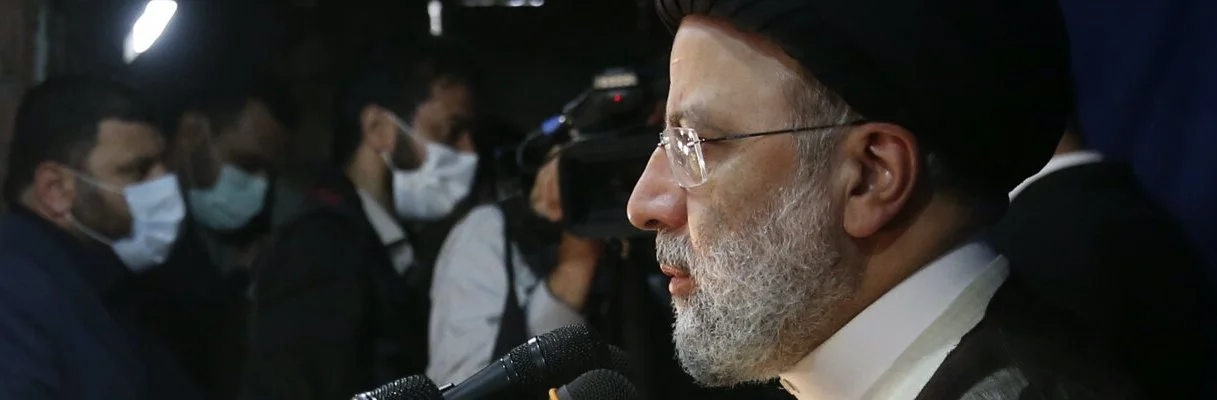
Will Raisi’s Policies Be Shaped by Iranian Public Opinion?
Iran’s new president, Ebrahim Raisi, has spent his first 100 days in office touring the country in order to meet with communities and to hear their grievances.
Iran’s new president, Ebrahim Raisi, has spent his first 100 days in office touring the country in order to meet with communities and to hear their grievances. A steady tempo of protests, including major protests in Esfahan over water shortages, make clear that Raisi faces significant pressure to respond to deep public pessimism about Iran’s economic circumstances. This pessimism and doubts over the ability of the Iranian government to safeguard the welfare of ordinary Iranians overshadowed the Iranian presidential election, which took place in July. Official turnout reported by Iran’s Ministry of Interior was 48 percent, a historic low.
A new nationally representative survey fielded by the Center for International and Security Studies at the University of Maryland (CISSM), sheds light on public mood in Iran and makes clear the role that economic malaise is playing in strained state-society relations. In CISSM’s September 2021 survey, 53 percent of respondents claimed they “voted on the day of the election,” slightly higher than the official turnout (the difference between the two figures is slightly greater than the survey’s margin of error).
Those respondents who reported not voting were then asked to explain why in an open-ended question. The top three reasons cited were “previous presidents not keeping their promises” (14 percent), “being concerned about contracting COVID-19 at the polling stations” (13 percent), and “protesting [the] bad economic condition of the country” (12 percent). Prominent Iranian political scientist Sadegh Zibakalam has described the election as a “turning point” for the Islamic Republic, claiming that “because a majority do not take part in the election… that means a majority do not support the Islamic Republic any longer.” For President Raisi, cultivating public support after the chastening experience of the election will be the only way to recover legitimacy for his administration, and by extension for the political project of the Islamic Republic.
To win this legitimacy, Raisi must contend with a long-running and slow-moving economic crisis. After two decades of uninterrupted economic growth, the Iranian economy was thrust into a steep recession in 2012, resulting from financial and oil sanctions imposed on the country in response to Iran’s nuclear activities. Between 2012 and 2016, Iran’s economy was stagnant, with currency depreciation, high inflation, and chronic unemployment creating difficult conditions for Iranian households. Then, in January 2016, Iran benefited from significant sanctions relief following the implementation of the Joint Comprehensive Plan of Action (JCPOA). The deal saw Iran agree to limits on its civilian nuclear program in exchange for the lifting of UN, US, and EU sanctions levied by the P5+1. For the next two years, Iran experienced robust economic growth. But in May 2018, President Donald Trump reimposed US secondary sanctions on Iran as part of his unilateral withdrawal from the JCPOA. This move pushed Iran back into a significant period of economic contraction, which was later compounded by the COVID-19 pandemic. As of the first quarter of 2021, Iran’s economy was the same size as it was in the first quarter of 2012, meaning that Iran has essentially experienced a decade of economic stagnation.
In broad terms, the Iranian public has two forces to blame for their immiseration over the last decade—the endogenous force of government mismanagement and the exogenous force of international sanctions. Which force Iranians identify as the primary cause of the country’s economic misfortunes will shape other aspects of their political opinions, particularly when it comes to interpreting and giving credence to political messaging from Iranian policymakers and Western policymakers alike.
Whether sanctions are apportioned blame depends on the context. On one hand, Western policymakers insist on the strength of sanctions when justifying the efficacy of the tool. For example, they argue that cutting Iran’s oil exports can push the Iranian government into a fiscal crisis, depriving the Iranian state of resources for “malign activities.” On the other hand, Western policymakers tend to downplay the impact of sanctions when those impacts seem to punish ordinary Iranians. For example, they claim that shortages in humanitarian goods are resulting from corrupt practices within Iran, and not the impact of sanctions on routine trade. Similarly, Iranian policymakers faced with criticism over the dire state of the economy may point to sanctions as the key factor. On the other hand, their critics suggest that the impact of sanctions could be neutralised if the right methods of economic management were in place—suggesting that it is management and not sanctions that is the more important factor.
For years, the Iranian public has been bombarded with these seemingly contradictory statements made by policymakers unwilling to accept the blame for economic underperformance. To whom the Iranian public assigns that blame is ultimately consequential, both within the context of Iranian domestic politics and the relative fortunes of different political factions, but also for Western and especially American policymakers who believe that sanctions provide a means to shape Iranian politics, whether by coercing a change in policy, or should the Iranian government refuse to change tact, by precipitating widespread unrest or even a revolution.
So, who is winning this blame game? The data collected by CISSM, which reflects responses to questions asked in multiple surveys fielded between July 2014 and September 2021, offers some clues. The lack of periodization makes it difficult to create comparisons between the survey data and macroeconomic data for Iran in a robust way. Still, the survey data makes clear that the Iranian public assigns more blame to “domestic economic mismanagement and corruption” than to “foreign sanctions and pressures” for the country’s recent economic troubles. Looking across the surveys, around 60 percent of Iranians cite mismanagement as having a greater negative impact on the Iranian economy than sanctions. However, the proportion of Iranians who assigned more blame to sanctions rose around 6 percentage points between January 2018 and May 2019, the period in which the Trump administration completed its reimposition of secondary sanctions on Iran. The perception that sanctions were having negative impact on the Iranian economy was reinforced by statements from Iranian leaders, who decried the “economic war” being waged on the country by the United States. Yet even as Iran’s GDP shrank by around $44 billion in this period, most Iranians continued to cite mismanagement as the primary cause for the country’s economic hardship.
Curiously, Iranian views of the country’s general economic situation have become more negative over time, with the trend continuing in periods during which Iran experienced sanctions relief. Between June 2016 and January 2018, a period in which Iran’s economy grew around 18 percent, the proportion of Iranians who felt that the “country’s general economic situation” was “good” fell from 39 percent to 30 percent. Just six months after the implementation of the JCPOA, a clear majority of Iranians felt that the economic situation was “bad.” In many respects, this is a surprising finding—while the macroeconomic data was more positive, the sentiments were not. Of course, the Iranian public does not form its opinion of the country’s economic performance through a rigorous analysis of the data. Rather, the downward trend in public sentiment may reflect disappointment that the economic recovery was not more robust or more immediately felt. Rural households bore the brunt of the sanctions impact. Poverty rates among rural households increased 100 percent. In comparison, the urban poverty rate increased just 60 percent. The economic recovery was also unequally distributed. The economic benefits of sanctions relief were felt in the capital city of Tehran but were less perceptible in peripheral cities and rural communities.
While the economic recovery may have eventually been felt in more communities had the period of sanctions relief not been cut short, the absence of a significant improvement in economic fortunes in the months following the implementation of the JCPOA might have impacted confidence for future economic performance. The economic conditions were not getting worse, but the fact that the situation appeared to be stagnant even after the lifting of sanctions may have made Iranians feel that the situation was more dire—sanctions relief was a broken promise. While its surveys are nationally representative, CISSM has not published a cross-tabulation allowing analysis of respondents based on their socioeconomic status or location. Nonetheless, it is fair to assume that economic pessimism is pervasive. The September 2021 survey conducted by CISSM asked whether “three years from now, the living condition of ordinary Iranians” would be “better” or “worse.” A significant 36 percent of Iranians responded that living conditions would be “worse,” with 17 percent responding that conditions would be “much worse.” While 54 percent of Iranians responded optimistically that conditions would be “better,” just 11 percent responded that conditions would be “much better.” These findings ought to be considered in the context of the COVID-19 pandemic, which continues to ravage Iran due to delayed vaccination rollout and poor adherence to public health measures. Three years is a time horizon in which the amelioration of the pandemic situation is a reasonable expectation. Even so, a significant proportion of Iranians feel that their welfare will continue to decrease.
For the Raisi administration, this pessimism is a political problem. In the absence of an electoral mandate for his policy agenda, Raisi’s approval ratings serve as the ultimate measure of his political support. While most Iranians did not go to the ballot box to register their support for Raisi, this does not mean that he lacks goodwill. As he has risen in prominence in Iran’s political scene, Raisi’s approval ratings have improved in step. According to the latest CISSM’s survey, a significant 78 percent of Iranians hold a favourable view of Iran’s new president. These findings are corroborated in an October 2021 poll from Gallup, which put Raisi’s job approval rating at 72 percent. Raisi appears interested in maintaining this support. By prioritising the country’s vaccine rollout and overseeing an increase in the vaccination rate to around 50 percent, Raisi has been able to address a key concern of the public. Confidence in the national government rose because of this policy intervention, increasing to 62 percent.
The vaccine rollout demonstrates that the policies of the Raisi administration can be responsive to public opinion. The question is whether Raisi will be able to tackle the country’s more intractable economic problems, around which significant public pessimism remains. During a recent meeting of the country’s COVID-19 taskforce, Raisi declared, “In the fight against COVID-19, the issue of shaping public opinion is an absolute requirement.” While Raisi was referring to the importance of clear communication in public health campaigns, his admonishment to the gathered officials can be understood another way. For this administration to succeed, policy must respond to public opinion, and public opinion must improve in turn.
Photo: IRNA
