
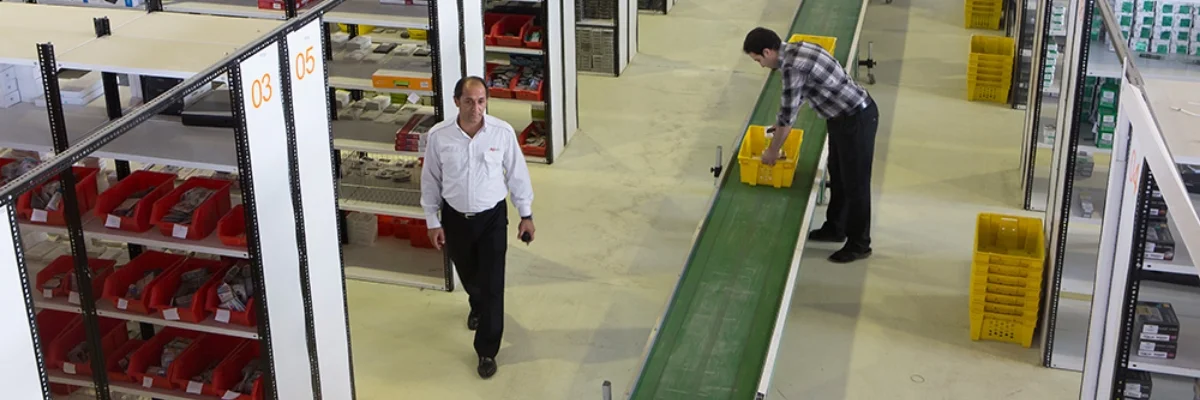
Crisis in HR: Management and the Iranian Labor Market
◢ In a post-sanctions world, Iran’s workforce can benefit from new employment opportunities and a revitalized labor market.
◢ Foreign companies seeking to enter Iran will likely poach some of the best talent to run country operations. With this increased competition, Iran’s corporate sector will need to change their approach to human resources.
Iran may be on the cusp of a landmark nuclear deal. For the country's workforce, new employment opportunities and a revitalized labor market may be just over the horizon. Foreign companies seeking to enter Iran will likely poach some of the best talent to run country operations. With this increased competition, how will Iran's corporate sector hold on to their best and brightest?
US-led sanctions and economic mismanagement have depressed the wider Iranian economic and the labor market in particular. Iran’s population is still young compared with European countries, and it is young people who have been disproportionately affected in their employment prospects and earnings.
Economists in Iran and abroad have identified a condition sometimes called “waithood.” Between 1984 and 2007, the unemployment rate for young men rose from 13.7% to 19.2%—economic growth could not keep up with population growth. Among women unemployment rose from 19.9 percent to 37.9 percent, reflecting how the economic slowdown in Iran has disproportionately affected women, who rely on job creation in the service industry. The World Bank estimates that the current unemployment hovers around 20%, though official sources claim a rate closer to 10%. Overall, those under the age of thirty represent nearly 70% of the long term unemployed in Iran.
Additionally, unemployment figures hide another concern for young Iranians. Even those young people who do find employment often have to contend with job insecurity or part time work. Labor laws were written in decades past and lean towards older workers, thus making layoffs and terminations very costly for firms.
Many companies avoid these costs by offering temporary contracts to younger workers that are not subject to these laws. In effect, many young people employed in Iran can’t plan for their economic futures for much more than a year at a time. Consistently being bounced around companies and sectors, Iranian youth aren’t able to easily kick start a career and as a result they find themselves waiting for new opportunities to emerge.
But this is not to say that Iranian youth have been passive in the face of these pressures. In an attempt to breakout of “waithood”, Iranian youth have sought to increase their levels of educational attainment. A typical response to diminished employment prospects, greater levels of educational attainment not only provides the individual additional time to seek out suitable opportunities, but is also meant to improve employability.
In 2010, the number of Iranian youth sitting the post-graduate national exam was twice the number who had done so just five years earlier. However, this increase is so great that the number of students seeking graduate degrees will soon equal those seeking undergraduate degrees. With an increasing supply of highly educated workers, there is a glut in the labor market, meaning that even a graduate degree might not be enough to break out of waithood. This dynamic helps explain to important phenomenon seen on the part of young Iranians: a growing propensity to seek education and employment abroad, and a rise in entrepreneurial pursuits, exemplified in the much vaunted Iranian online business community.
But emigration and start-ups will never be available to enough young Iranians, who need outlets to not only secure their own futures, but also to contribute to the Iranian economy through their productivity and acumen.
As such, the deficiencies in the Iranian labor market offer an immense opportunity for foreign firms seeking to enter the country. Unlike most emerging economies, Iran has a highly skilled workforce, and foreign firms can expect to find capable managers in Iran itself—improving the likelihood that firms will find the right formula for success in a shorter period of time.
For Iranian companies, increased competition in the labor market, especially from foreign firms, will result in difficult circumstances. Employees with key skills are going to be a highly sought after commodity and the prospect headhunters poaching a company’s top marketing person is a very real possibility.
Naturally, Iranian firms are going to have to take the bull by the horns in order to keep their workers committed. But this will require more favorable contract terms and higher salaries. It is unclear if some Iranian managers will be able to stomach the higher expenditure on salaries.
It is hard to measure the extent of Iranian unpreparedness, but by way of comparison a 2013 report in Entrepreneur magazine found that more than 50% of American employers polled had no formal strategy if there was a sudden walkout or loss of key staff. The figure in Iran is likely as high.
Anecdotally, conversations with Iranian CEOs reveal a worrying bias on the part of Iranian managers. They may recognize that their companies have significant problems when it comes to staff retention. Some senior managers attribute retention problems to the "fickle career attitudes" and "transient lifestyles" of Iran’s youth. Managers tend to reward those employees who seem “responsible.” In other words, promotion in professional life goes hand in hand with particular lifestyle choices like marriage and having children. Ironically, one of the key social consequences of waithood is that Iranians are getting married at older ages and many are opting to have one child or none. Without rewarding jobs, young people lack the financial means to move out of their family homes and achieve financial and social independence.
Yet it isn’t just salaries that account for employee satisfaction. Research conducted in Canada shows that salary increases only offers short-term gains on staff retention. Instead, Iranian managers need to provide a fully optimized working environment, where work is rewarding, the opportunities for advancement are clear, and the company provides important benefits like medical insurance, ample holidays, and retirement contributions.
Some in the local private sector do have good employee practices, offering similar contracts to those in the West, however it appears in some instances even they struggle to hold on to some of their vital employees.
Certainly, Iranian managers are unlikely to pamper employees with new contracts. And foreign firms will not enter the Iranian market offering the same salaries or benefits as offered in western economies. After all, lower labor costs will remain one of the main attractions of the Iranian market, especially in services and high-tech manufacturing where Iran’s skilled labor pool can match or surpass international standards.
Nonetheless, in a post-sanctions environment, a new set of circumstances will come to define Iran’s labor market. Senior executives at Iranian firms ought to make their preparations. Retaining the best talent is critical to Iranian firms taking on the role of vital partners in the domestic marketplace along with being able to compete effectively against foreign firms that will be entering at break neck speed.
In the middle of this reorganization of the labor market, young Iranian workers stand to gain so much, as a revitalized economy offers the promise of realized dreams for both personal and career progress.
Photo Credit: Washington Post
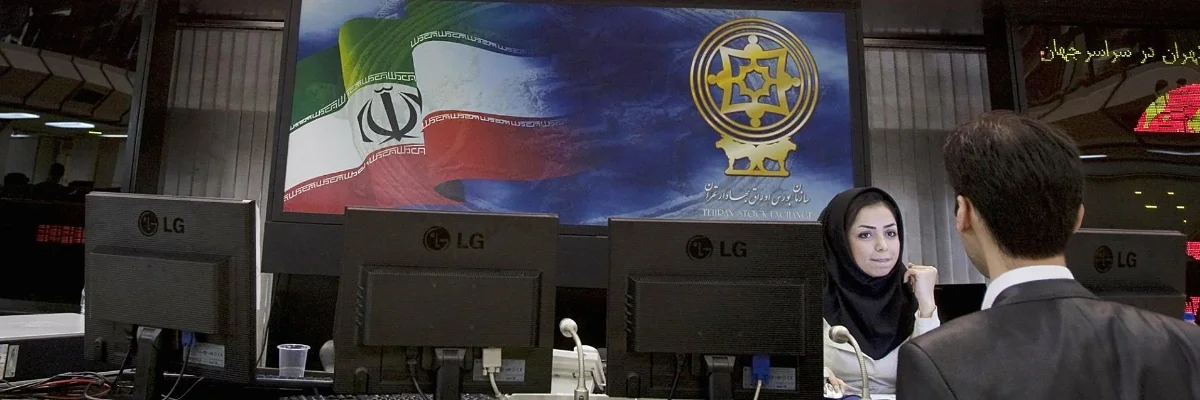
Risky Business: Four Categories of Iran Risk
◢ Managing risk is a key part of an Iran market entry strategy.
◢ There are four major categories of risk to consider: commercial, legal, political, and reputational.
It must be commonplace in meetings where opportunities for business development or investment in Iran are being discussed. Suddenly it becomes apparent that the pitch was half-baked-- it didn’t include an assessment of risks. With a simple question like “What’s the firm’s reputation?” or even “Is it legal?” the pitch falls flat.
A more systematic and proactive approach to risk assessment can avoid these pitfalls. An assessment should begin with four main categories of risk: commercial, legal, reputational, and political. Each of these categories needs to be explored in depth and in relation to the others in order to craft a useful and durable business development strategy. Even if you aren’t an expert in any of these categories (I certainly am not), having a structured approach helps identify gaps in knowledge early so that the right information can be sourced and solutions can be crafted before a problem arises or a tough question comes up in a pitch meeting.
Below is a basic introduction to the four types of business risk in the Iranian context, which will hopefully be explored in greater detail in subsequent articles.
1. Commercial Risk
The greatest challenge in evaluating commercial risk in Iran is the way expectations can quickly outpace reality in anticipation of a historic nuclear deal.
Articles in the The Economist, Wall Street Journal, Time, and other publications have trumpeted the impending “gold rush” or “bonanza” that would ensure if Iran is reintroduced into global markets for goods, services, and capital. The enthusiastic reporting of the many possible macroeconomic drivers of Iranian growth—a young population, an untapped manufacturing base, decent purchasing power, limited government debt etc.— makes it seem like investment in Iran is a “safe bet.”
But the reality is that within the positive forecasting for Iran on a macro scale, investors, business leaders, and entrepreneurs— whether foreign or Iranian—need to heed the dynamics of the micro scale. Investment opportunities ought to be judged on their own terms, and not solely in relation to the bigger picture of potential Iran growth.
What does this mean in practice? Whatever the opportunity in question, a commercial risk analysis needs to be done to ensure that the opportunity remains viable for a wide range of macroeconomic scenarios. It is tempting to treat investments as a “safe bet” because the macro projections are so good. For example, an investor might think that a heavily leveraged buy-out of a consumer goods factory, even one that is inefficient and poorly managed, would be worthwhile because consumer demand is likely to surge in the aftermath of the deal—an inefficient factory can still deliver good margins if the price of goods rises high enough. But what happens when this belief leads the investor to shirk the responsibility to make the factory operate better, whether through better management or equipment upgrades? The factory investment remains exposed to a fundamental commercial risk, and if consumer demand does not materialize, the heavily leveraged bet is lost.
Certainly, emerging markets investors in markets like China, Brazil, India and South Africa have the appetite for such risky bets, and sometimes they are able to execute aggressive strategies to great success. But if overly aggressive approaches become widespread in the post-sanctions investment landscape, the tendency will be to ignore or discount the true commercial risk.
Iran only has one chance to emerge from years of isolation and to position itself for long-term prosperity. The last thing the country needs is the wild speculation and risk-taking that typified foreign investment in Russia in the mid-nineties. The “only way is up” attitude towards economic growth ignores the necessary volatility in any major economic reorientation, and also overshadows the reality that a dud business is a dud business regardless of how good the economy might get. The goal should be mitigate commercial risk at the micro level so that the enterprise can prudently navigate any macroeconomic fluctuations.
2. Legal Risk
Iran remains subject to the most advanced and comprehensive sanctions program ever instituted. So it is perhaps especially frustrating that entrepreneurs and investors get excited about commercial opportunities before they have a close look at the legalities. When the “post-sanctions” future is imagined, the process of sanctions relief is often simplified as though sanctions will go from “on” to “off.” But the real opportunities will lie in navigating the legal landscape in order to find the viable opportunities first.
Sanctions regulations are complex and were legislated in a messy way. How they will be rolled back remains a point of debate. But generally speaking, where US sanctions go, EU and UN sanctions will largely follow. What is clear is that the rollback of sanctions will likely be a phased process, and therefore the legal landscape will be constantly evolving even in what seems to be a “post-sanctions” moment.
In the meantime, companies will be tempted to try and “outsmart” sanctions. But this is foolhardy. Compliance is important, and companies should invest in the best legal expertise available on an ongoing basis to learn how to craft an adaptive, compliant business strategy. Failure to comply could mean drastic and long-lasting commercial, reputational, and political damage. It is a bad habit shared by many firms that in order to keep costs low, the lawyer is only hired when the contracts are being drafted.
Additionally, companies shouldn’t forget about the need to comply with Iran’s domestic laws. There is a tendency for multinational firms to flout domestic laws when entering emerging markets. Usually, the perception of lax enforcement and corruption allows companies to think that domestic laws can be heeded selectively. This is also foolhardy. Not only is Iran’s enforcement capacity greater than the average emerging market (it has very strong state institutions, despite levels of corruption), but failure to pay taxes, ensure safety, or abide by environmental protections will earn the ire of the highly-educated Iranian public, who should be respected even more than the prosecutors.
3. Reputational Risk
I touched on the topic of reputational risk in this November article for LobeLog, and I consider it one of the most fascinating challenges of doing business in Iran. The commercial and legal risk present in Iran is commensurate with levels in numerous markets, but the level of reputational risk is perhaps the highest in the world.
A poll published by BBC World Service in June 2014 identified Iran as the most “unfavorably viewed country” by individuals worldwide. Certainly, much of the international criticism is deserved and companies need to be honest with their customers, employees, and shareholders about their corporate responsibility to support positive social outcomes in all markets, including Iran.
But from the standpoint of business development it is worth considering the specific allergic reaction often exhibited when the ideas of “Iran” and “business” are combined. Special interest groups use public campaigns to name and shame companies that do legal business in Iran. Sometimes even humanitarian trade is targeted. So when we consider the idea of normalization, we are really discussing a new normal in which the combination of the ideas “Iran” and “business” is no longer the cause for concern or condemnation.
In practical terms, managing reputational risk will require savvy branding and an excellent communications and public relations strategy. This involves everything from redesigned websites to better disclosure of company activities, announced through new mechanisms of corporate communications. Transparency will be key in order to assuage negative perceptions and present a new normal of a responsible and resurgent business community.
4. Political Risk
The fourth and final category of risk is perhaps the most difficult to evaluate. Political risk is about “street smarts”— understanding the commercial landscape of a country like Iran in a very deep way, capturing the political, social and cultural dimensions. Those seeking to do business in Iran will have a lot to learn in little time.
At the macro level, political debates around privatization and foreign ownership may impact how commercial and contract law is carried out, but there are actually existing laws written to protect foreign investment and private enterprise—they just have had limited use in a period of low FDI. Firms will need to develop skills in government relations to ensure they stay on top of these debates and the consequences for their business.
Looking to the micro level, Iranian society places great importance on personal or institutional reputation and pride. Any partnership or venture is judged on the reputation of its constituent parties. But rather than seeing reputation as a question of branding, this is a more political understanding of “reputation.”
For example, a certain individual or company might be the most commercially powerful of among the potential partners, but may also have a more questionable reputation within the industry. This partner may be best positioned to mitigate commercial risk in a given venture, but how does the politics of a potential partnership effect reputational or legal risk in the medium to long term? Would a company that is less commercially powerful, but held in higher esteem actually make a better partner?
To be clear, the need to make such political evaluations is not a trait unique to Iran. Even Silicon Valley is a place where the partner you choose or the investor you secure can drastically alter the trajectory for success. In Iran, as in Silicon Valley, political risk means knowing who are the key actors, how they are perceived, and the resources they are able to mobilize. But for a foreign investor or firm, the learning curve in a new market like Iran will be especially steep.
Conclusion
Looking at these four categories holistically, responsible companies will seek to turn risks into strengths. A proactive and careful approach to developing the commercial, legal, reputational, and political facets of a business development strategy can offer firms a competitive edge in the marketplace. Mitigating risks can be expensive and time-consuming, and may require seeking analysts, lawyers, PR consultants or other experts to help fill gaps in knowledge. But companies that can internalize and deeply understand risk/reward calculations for the new phase of Iran’s development will reap immense rewards.
Photo Credit: Morteza Nikoubazi/Reuters