
Making Peace With Iran and North Korea Could Be Good for U.S. Workers
Trump tied American jobs to endless wars in the Middle East. Biden should link them to renewed diplomacy.
By Christopher Lawrence
When now-retired Republican Sen. Bob Corker put a hold on U.S. arms sales to Saudi Arabia in 2017, White House trade advisor Peter Navarro drafted a memo titled “Trump Mideast arms sales deal in extreme jeopardy, job losses imminent.” The memo, along with the Trump administration’s subsequent decision to lift the hold, is often framed as cynical trade-off: Billions of dollars’ worth of U.S.-made military hardware were helping to sustain a humanitarian crisis in Yemen, but those same dollars could help support thousands of American jobs. Faced with the choice between workers at home and human rights abroad, the Trump administration appeared to have put “America first.”
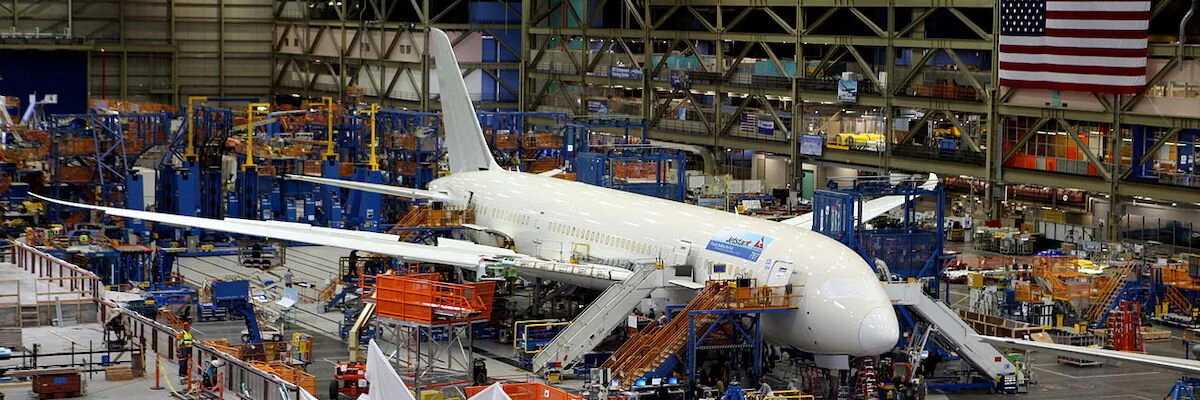
But bombs aren’t the only thing the American worker can build for the Middle East. Just as President Donald Trump was ramping up arms sales in the Gulf, he was also working to kill the Iran nuclear deal. A primary component of that deal was economic—as sanctions lifted, Western companies could help rebuild Iran’s aging civilian infrastructures by resuming trade and investment in Iran. One of the earliest contracts that Iran signed called for American aerospace manufacturer Boeing to build 110 jumbo jets—worth roughly $20 billion—to help revive Iran’s civilian air fleet. The estimated nearly 20,000 U.S. manufacturing jobs the civilian contract could have created was strikingly similar to number associated with the Saudi arms deal, yet it was terminated when Trump backed out of the Iran deal and reimposed sanctions.
These two episodes highlight what could be a turning point for U.S. foreign policy. Trump and his challenger Joe Biden both campaigned on promises to revitalize U.S. manufacturing and reduce U.S. military interventions abroad. Yet for the last four years, both Trump and his critics painted a false trade-off between those endeavors by overlooking the economic dimensions of U.S. diplomacy. Now that Biden is president, his administration can either accept that false trade-off or design new policies that pursue his domestic and diplomatic agendas in tandem. One of his biggest foreign-policy challenges is to reengage Iran and North Korea, two countries whose regimes have sought political and economic relations with the West for decades.
Under U.S. sanctions, Iran’s and North Korea’s infrastructures are in disrepair, their natural resource sectors are underdeveloped, and their populations are largely cut off from Western economies. But absent sanctions, Western firms could pursue untapped opportunities in such sectors as oil and mineral extraction, transportation, and port infrastructure, many of which would involve industrial equipment that U.S. workers could build at home.
Connecting diplomacy with domestic economics could help resolve a fatal defect of past nonproliferation agreements: They’ve generally lacked substantial domestic stakeholders in the United States with a vested interest in implementing America’s diplomatic commitments. In the case of the Iran deal, this meant that even though the Obama administration had sunk considerable political capital in crafting an effective solution to the Iran nuclear crisis, the subsequent Trump administration faced little political cost in abandoning it.
Another promising nonproliferation deal—the 1994 Agreed Framework, which substantially set back North Korea’s nuclear program—suffered a similar fate when a hostile George W. Bush administration entered office and scuttled it. In both cases, American negotiators focused on enforcing strict nuclear constraints to guard against cheating from the other side, but they neglected to ensure implementation of U.S. commitments or protect their diplomatic achievements from future U.S. administrations.
Had those deals been better connected with domestic economic benefits, they might have been more robust in the face of changing political tides. Today, now that the credibility of U.S. nonproliferation diplomacy is in tatters, other governments will expect a Biden administration to future-proof U.S. commitments by cultivating supporters of diplomacy at home.
But could economic development in a country help curb its nuclear program? History suggests that it can, and the Agreed Framework is an illustrative case. In that deal, North Korea agreed to dismantle its plutonium-production reactors in exchange for civilian power reactors from the West. North Korean negotiators explicitly described the civilian reactor project as an “indication of U.S. good faith” and a sign that the U.S. government might end its “hostile policy” toward North Korea. As construction on the civilian reactors commenced, the regime essentially gutted its plutonium infrastructure. This suggests that economic engagement can help a regime feel less committed to nuclear weapons.
Critics of engagement will reject any policy that appears to reward a country for simply abiding by the international nonproliferation norms that the rest of the international community already respects. But this misses the point of economic diplomacy. Experts have long warned that in order to truly resolve nuclear proliferation crises in Iran and North Korea, the United States must fundamentally change its relationships with those countries.
The trick, however, is that after decades of animosity and unpredictable policies, U.S. negotiators can’t simply promise to change those relationships. Instead, the U.S. government must commit some durable act that goes beyond mere words and written agreements.
In the case of the 1994 Agreed Framework, this was the point of building civilian power reactors in North Korea. In the words of one U.S. diplomat, nuclear reactors “are not the sort of things a country gives to an enemy,” and had those reactors been fully constructed, the United States and its regional allies would have been “hardwired” into the technological and economic relationships that would be required to safely operate those reactors in North Korea. Thus, reactor-construction steps helped signal that the United States would eventually normalize diplomatic relations with North Korea if the Agreed Framework were to survive, and this was just what the regime needed to feel secure in rolling back its nuclear weapons program.
A similar opportunity was missed with Iran in the 1990s, when Iranian President Akbar Hashemi Rafsanjani sought to collaborate with U.S. oil company Conoco to develop its oil infrastructure. His political goal was to facilitate a durable form of Iran-U.S. engagement to pave the way for broader reconciliation, and U.S.-based opponents of that reconciliation quickly foiled his plan. But the U.S.-Iran relationship might look different today if that project had gone forward.
Physical investments like these, if properly designed and carried out, could create a shared vested interest in preserving more positive relationships that might transcend partisan politics in Washington and regime politics in Tehran and Pyongyang. And they can send a more credible signal that nuclear rollback will lead to the secure and prosperous future that the U.S. government has promised in previous campaigns of nonproliferation diplomacy.
As Biden attempts to reengage Iran and North Korea, he should seek to establish a form of economic diplomacy that outlasts his administration. And infrastructure investments that promote both nonproliferation objectives and American jobs might finally do the trick.
Ironically, the Trump administration may have left Biden with the perfect tool for connecting diplomacy with U.S. manufacturing: a revived U.S. Export-Import Bank. While Trump reauthorized the Ex-Im Bank as part of his strategy to counter China’s Belt and Road Initiative, it could be the key to linking nonproliferation diplomacy with U.S. manufacturing.
When the Iran deal was signed and Western companies sought to do business in Iran, the main barrier they faced was that major banks did not want to finance their projects for fear that sanctions might be reimposed. The Boeing deal was among the contracts that were delayed for this reason. Facilitating some of these transactions will need to be a major part of resurrecting the Iran deal. Meanwhile, the Ex-Im Bank specializes in underwriting international transactions that benefit U.S. workers, and it has a long history of enabling U.S. businesses in exactly the sectors that need to be developed in Iran.
As for engaging North Korea, South Korean President Moon Jae-in has already proposed a series of ambitious development projects in North Korea under the heading of his “New Economic Map,” but these projects are currently barred under sanctions. If renewed U.S.-North Korea negotiations unfold, the Biden administration should not only put sanctions relief on the table but also offer Ex-Im Bank financing for some of those projects in exchange for nuclear rollback steps in North Korea. For example, if U.S. financing could help develop North Korea’s mining infrastructure to tap its deposits of rare-earth minerals, that could give North Korea a new and influential role on the world stage that doesn’t depend on nuclear weapons. At the same time, the U.S. government could tie ultimate completion of those projects to future rollback steps.
In both the Iran and North Korea cases, economic engagement that connects nonproliferation diplomacy to U.S. jobs offers the most promising path both for rolling back nuclear programs and for incentivizing future administrations to continue building on U.S. diplomatic achievements rather than squandering them and starting from scratch.
Christopher Lawrence is Assistant Professor of Science, Technology and International Affairs in the Walsh School of Foreign Service at Georgetown University. Follow him at @cclawr_law2.
Photo: Wikicommons
Here's How the European Commission Will Allocate EUR 18 Million in Iran
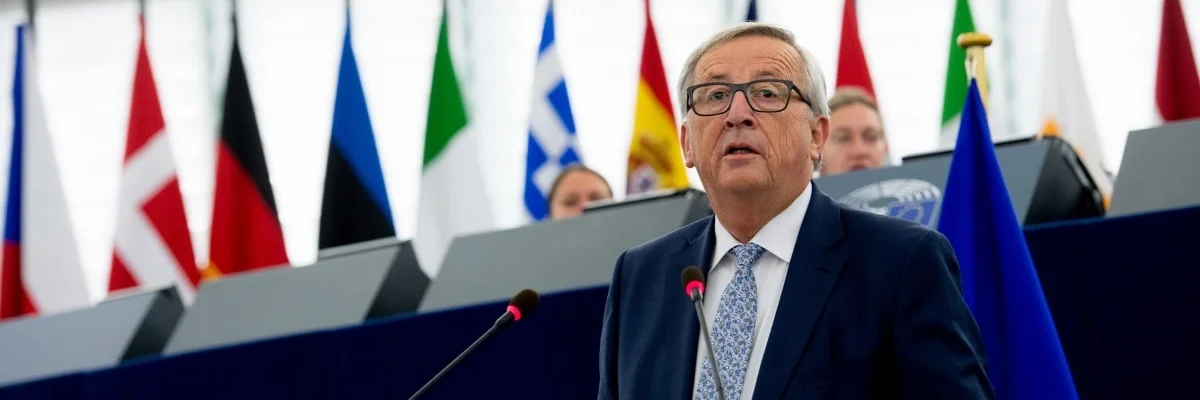
◢ This month, the European Commission approved an initial tranche of EUR 18 million in development funding from an larger package of EUR 50 million that has been allocated to support projects in Iran. This represents a highly significant, “first-of-its-kind,” intervention to support Europe-Iran trade and investment. However, the funding is not primarily intended as an attempt to mitigate the effect of returning U.S. secondary sanctions. As made clear in the “action document” which details how the development funding will be distributed, the European Commission has allocated the funding “in line with the European Consensus on Development” to provide “targeted support in the areas of Prosperity, Planet and People.”
For Iran, EUR 18 million represents just a drop in the bucket in terms of the foreign direct investment that the country needs for its economic development. But in terms of development funding, this amount, an initial tranche of a larger EUR 50 million bilateral allocation introduced by the European Commission and the European External Action Service this month, represents a highly significant, “first-of-its-kind,” intervention to support Europe-Iran trade and investment.
Iran is an unusual recipient for European development aid—by the usual metrics, the country is too rich. But after some internal political wrangling, the European Commission decided to proceed with a “special measure” in order to support the policy priorities of the European Union, namely the preservation of the Joint Comprehensive Plan of Action (JCPOA).
However, the funding is not primarily intended as an attempt to mitigate the effect of returning U.S. secondary sanctions. Rather, as made clear in the “action document” which details how the development funding will be distributed, the European Commission has allocated the funding “in line with the European Consensus on Development” to provide “targeted support in the areas of Prosperity, Planet and People.”
In the area of “Prosperity,” the European Commission will seek “increased and diversified trade in goods and services” by supporting better trade policy, more effective investment promotion activities, and greater support for entrepreneurship and innovation. In the area of “Planet,” the European Commission will seek “the decoupling of economic growth from environmental degradation” by supporting programs that improve waste management and reduce water and air pollution through technologies that improve efficiency and greater awareness among policymakers and the general public. Finally, in the area of “People,” the Commission seeks to support “comprehensive and evidence-based drug use prevention, treatment, rehabilitation and social reintegration” with a special focus on the use of opiates such as heroin and its role in spreading HIV/AIDS. The “Prosperity” and “Planet” areas have been allocated EUR 8 million in funding, while “People” has been allocated EUR 2 million.
The implementation of the funding differs in each area and will use both direct and indirect management, with the Commission ensuring that “that the EU appropriate rules and procedures for providing financing to third parties are respected” in all cases.
Funding in the area of “Prosperity” will be allocated through the International Trade Center (ITC), a United Nations agency. The ITC will assist Iran’s Trade Promotion Organization, a agency of the Ministry of Industry, Mine and Trade to develop a “national export strategy” with a particular focus on boosting the capacity of small and medium-sized enterprises (SMEs) as well as the internal managerial and technological capacity of TPO. ITC and TPO will also collaborate to develop a “Youth Trade Accelerator Program” which will youth-led enterprises. Initial meetings have already been held between ITC officials and Iran’s TPO and the cooperation envisioned and funded by the Commission builds on an MOU signed between ITC and TPO in 2016.
In the area of “Planet,” the European Commission will directly administer the funding on the bases of grants and will reply upon “pillar-assessed” organizations from its member states, a designation that applies to those organizations which have been pre-approved to implement resources from the European Union’s general budget. Efforts in this area will build on the EU-Iran framework for technical cooperation on the environment signed by Iran’s vice president for environment Masoumeh Ebtekar and EU environment commissioner Karmenu Vella in Brussels in September 2016. A consortium of member-state organizations is expected partner with Iranian stakeholders to drive the implementation of pilot projects that “contribute to enhancing Iran’s self-reliance in the areas of addressing water pollution and integrated water resources management, air pollution, waste management and soil degradation.”
Finally, in the area of “People,” funding will be directly managed and dispersed via grants. The Commission will issue a single call in the “first trimester of 2019” for proposals “to finance projects aiming at comprehensive and evidence-based drug use prevention, treatment, rehabilitation and social reintegration, with special emphasis on high-risk groups.” Interestingly, these grants will not be made directly to Iranian institutions. Instead, eligibility criteria mandate that grants flow to “agency, non-governmental organization, public sector operator, local authority, international research organization, university or university related organization” from an EU member state or a small group of international organizations. While the public health benefits of these grants will no doubt be substantial, these restrictions raise the question of how much of the financial impact of the EUR 2 million in grant funding allocated for the area of “People” will be felt in Iran.
Overall, the Commission’s efforts are encouraging for their scope and the clear willingness to deepen bilateral ties between the European Union and Iran at a fraught political moment. But beyond good intentions, implementation will be key. To this end, the Commission outlines a series of “assumptions” which underpin the feasibility of the planned cooperation with Iran.
The envisaged cooperation requires that “Iran ensures the necessary human, financial and material resources to facilitate the implementation of projects as far as cooperation with national authorities is required” and—in a crucial consideration given still-unexplained arrests of Iranian environmentalists—that “technical exchanges and cooperation between public sector and civil society actors… remain non-sensitive and feasible.”
Photo Credit: European Commission
Can Chinese Investment Bring Sunshine Back to Iran's Solar Industry?
◢ Renewable energy has been one of the brightest sectors in the Iranian economy, achieving 70 percent growth in the last Iranian year according to official data. But this encouraging growth is now in doubt. The Trump administration’s unilateral withdrawal from the JCPOA nuclear deal has brought economic uncertainty for local investors and made foreign direct investment increasingly difficult. While there are steps the government can take to reassure local and foreign investors, as with other sectors of Iran’s economy, the withdrawal of European investors from Iran’s solar industry may mean that “Chinese money turns out to be the only option.”
Renewable energy has been one of the brightest sectors in the Iranian economy, achieving 70 percent growth in the last Iranian year according to official data. There are currently 85 large-scale and more than 1,850 small-scale renewable power plants feeding electricity into the national grid. The overall capacity of renewable power plants in Iran reached 637 MW this month. A further 41 large-scale power plants with a total output capacity of 431 MW are currently under construction across the country.
Overall, the sector is projected to generate 1,000 MW of clean electricity annually by 2022. This additional capacity is especially important as policymakers seek to meet rising electricity demand and prevent summer blackouts in coming years. It is also a source of export revenue. Iran has exported USD 4.1 billion worth of electricity to its neighbors over the last five years, with renewable energy a growing contributor.
The environmental benefits are also significant. Growing use of renewable energy has saved 541 million liters of increasingly precious water and replaced the consumption of 600 million liters of fossil fuels in the past ten years.
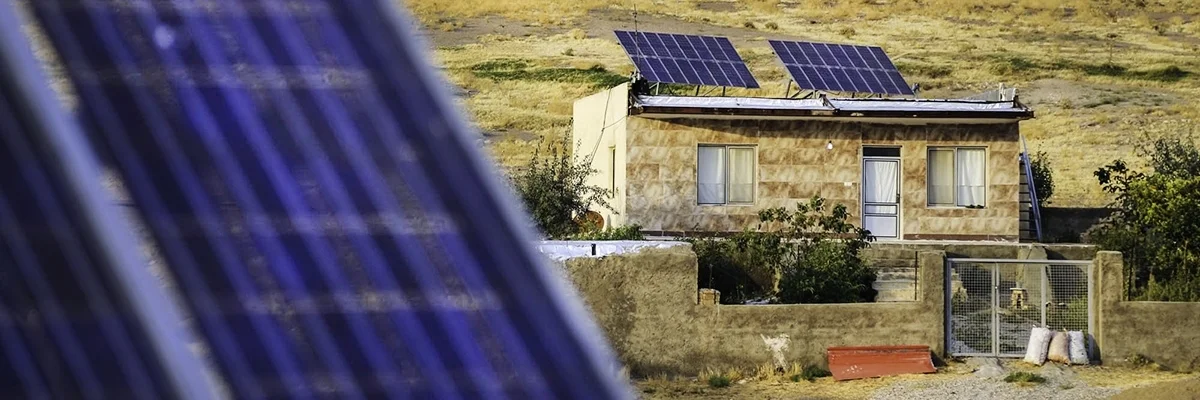
At a smaller scale, an increasing number of farmers, struggling with a chronic shortage of water supplies, are turning to solar power generation on their farms. Farmers in Esfahan who are no longer permitted to cultivate rice are taking advantage of a 20-year government guarantee for the supply of electricity. It is estimated that over 1,000 small-scale solar power plants are now installed in farms across rural Iran.
Attractive Legal Structure
But this encouraging growth is now in doubt. The Trump administration’s unilateral withdrawal from the JCPOA nuclear deal has brought economic uncertainty for local investors and made foreign direct investment increasingly difficult.
Mohammad Sadegh Zadeh, deputy minister of energy and head of the Renewable Energy and Energy Efficiency Organization (SATBA), recently announced that the sector has attracted IRR 100 trillion (USD 940 million) from local private-sector investors over the last two years. Foreign investment has been even more important, contributing USD 1.7 billion, nearly 70 percent of total investment since President Rouhani took the office in 2013.
Foreign investors completed several projects in this period. These include a 20 MW solar farm in Mahan backed by Swiss investors, five German-backed solar power plants in Hamedan with a total capacity of 38.5 MW, the first phase of a 50 MW solar plant backed by Italian investors, two Greek-backed 10 MW solar farms in Yazd and Isfahan; a 10 MW solar farm in Tehran backed by French investors, as well as further projects developed by Turkish, Austrian and Swedish companies.
However, Trump’s unilateral exit from the 2015 nuclear agreement with Iran, and his decision to re-impose sanctions against the country, pose a new threat toward foreign investments. The effects are already being felt in the sector.
British developer Quercus, which was set to develop Middle East’s largest solar power plant in Iran, decided to halt its work in the country, while other developers are reportedly re-thinking their plans for their future activities in the country, especially as even routine banking transactions become more difficult.
The depreciation of the rial and the tight foreign exchange market also pose a challenge for developers and make the incentives in Iran’s electricity market less attractive, according to Shahriar Sabet, a London-based renewable energy investor.
“Iran has created an attractive legal structure for investors which includes the power purchase agreement and FIPPA [Foreign Investment Promotion and Protection Act]... Also the feed-in-tariff (FiT) is an important factor as it remains one of the highest paid in the world,” Sabet says.
“Although with depreciation in rial, the FiT has dropped significantly but under FIPPA investors can still repatriate their capital and revenue under official exchange rate”, Sabet explains. “ The government is working hard to continue allocating the official exchange rate to the sector for the repatriation of revenues which in this climate is another positive sign,”
Sabet also emphsises that “institutionally, Iran has tried very hard to prioritize the renewable energy sector, with coordination between the Ministry of Energy, Ministry of Economy, SATBA, and local grid companies, to create a very supportive platform with clear procedures for foreign investment.”
“The current conditions, internally and internationally, have adverse effects on the market. However if Iran maintains its current structures, our view is that it is a market to invest in. I do believe those who are on the ground should not abandon their projects and confront the headwinds and new investors should also explore ways to enter this highly attractive and relatively stable sector in Iran,” Sabet insists.
The Need for Government Guarantees
But the government still has options to save the sector. Ehsan Imani, an expert in feasibility studies of renewable power plants, believes that the government needs to focus on three major issues to keep foreigners interested in the market.
“Payment guarantees could be the very first and the most effective tool to revive the market’s attraction. The feed-in-tarrif also should remain high although it is still higher than some other countries even after drops in recent months the. Investors cannot easily ignore Iran if the government reconsider its pricing policy and issue payment guarantees,” he explains.
Sabet agrees on the need for guarantees: “Issuing such guarantees for smaller projects will create more confidence and boost the flow of investment albeit at smaller scale.”
Regular settlement is also of high importance from Imani's point of view: “Late payments naturally could change the minds of those investors who are plans to enter the market.”
Until the recent currency crisis, SATBA had reportedly managed to meet its payment requirements on time. The Central Bank of Iran has offered to make payments in yuan instead of euros, a move not favored by European investors.
The Sun Rises in the East
As with other sectors of Iran’s economy, the withdrawal of European investors from Iran’s solar industry may mean that “Chinese money turns out to be the best available option while other investors have to miss the opportunity,” as Sabet puts it.
Chinese investors face fewer barriers to investment according to Imani, “They face no serious restrictions to sell facilities to Iran, and payments are easy to make–[even if it is paid in yuan].”
This is especially true because Chinese companies lead the world in the manufacturing of solar panels. Because the panels merely need to be installed in Iran, up to 80 percent of the total investment cost for a solar project in Iran can be paid directly to Chinese panel suppliers or plant designers in local currency.
Recent developments in the market suggest a growing role for Chinese investors. In July, Yazd province officials signed an agreement with a partnership of Chinese and Italian firms for the development of a transformative 500-1,000 MW of solar projects. The agreement includes installing 20,000 small 5 KW power plants in residential units across the province.
The provincial government in Qom province signed an MOU with a major Chinese company to develop of a 30 MW power plant in the central province. Chinese firms have also reportedly reached agreements for development of large solar power plants and the local manufacturing of solar panels in Fars, Zanjan, North Khorasan and East Azarbaijan provinces.
For Iran’s solar sector, the sun may be setting in the West. But it may rise again in the East.
Photo Credit: IRNA

Sweden's Serkland To Invest in Iran Plastics Packaging Leader Moheb
◢ A Swedish investment company is “on course” to make a landmark investment in Moheb, the leading manufacturer of plastic and laminate tubes in Iran and the Middle East.
◢ Serkland will take an approximately 40 percent stake in Moheb with its investment, and will receive two of five board seats.
A Swedish investment company is “on course” to make a landmark investment in Moheb, the leading manufacturer of plastic and laminate tubes in Iran and the Middle East. The deal represents one of the first private equity investments made by foreign investor in a growth-stage Iranian company, outside the digital sector.
Serkland Invest, founded in 2016 and headquartered in Stockholm, is focused on investment opportunities in the Iranian consumer sector. The company is primarily backed by Scandinavian family investment offices, high net worth individuals and institutions. Serkland’s first investment in Iran was completed last summer, which saw the Swedish firm invest EUR 17.5 million in one of Iran’s leading pharmaceutical companies.
This new deal, though representing a smaller investment, sees Serkland take a significant minority stake in Moheb. Founded in 1998, Moheb Packaging & Plastic Industrial Company a family-owned business headquartered in Tehran. The company has grown rapidly to meet the packaging needs of Iran’s FMCG manufacturers and produces plastic and laminate tubes for both foodstuffs and cosmetics. Moheb enjoys 75 percent market share in Iran.
Amir Hossein Alambeigi, co-founder and CEO of Moheb, noted that the Serkland investment would enable Moheb to solidify its “market leading position” and to “capitalize on substantial opportunities ahead, both locally and in the wider region.”
The investment will see Serkland take an approximately 40 percent stake in Moheb, and will receive two of five board seats. Mohsen Tavakol, a partner at Serkland, stated that the goal is to leverage the board positions to “instill corporate governance, strategic management, operational and financial best practices” in Moheb to help improve competitiveness and develop the company into an “international corporation.”
The deal is just one in Serkland’s reported “EUR 100 million pipeline of around two dozen Iranian consumer goods companies.” The company is aiming to make six acquisitions by the end of 2018. One pending deal would see Serkland invest alongside a multinational partner in a chocolate confectionary company.
While Serkland is not a private equity fund, its investments, like that in Moheb, provide an early template for private equity in Iran, where new capital is used to enable sales growth through expanded exports.
The executives involved expressed pride that the investment is taking place at a time of political uncertainty. Omid Gholamifar, CEO of Serkland, highlighted his company’s progress “at a time when many are hesitating.”
Bakhtiyar Alambeigi, co-founder and Chairman of Moheb, echoed this sentiment, stating, “Moheb is proud [to be] one of the first private companies in Iran to have been able to attract foreign investment… after the signing of the JCPOA.” Alambeigi hopes that the deal will “will help other companies in Iran to attract foreign investments” by creating a “success story” for the business community at large.
Photo Credit: Wikicommons
Iran's E-Commerce and App Store Giants Continue March to Unicorn Valuations
◢ Two new investments by a Dutch-registered company have pushed Digikala and Café Bazaar to historic new valuations. Iran's e-commerce leader and largest app store are no longer the visionary startups of a few years ago, but rather ambitious and established enterprises.
◢ The investments were completed discretely, but point back to Sarava, which has reportedly raised new capital in Europe. The venture capital firm is poised to further expand its dominance in Iran's tech sector.
Update: Said Rahmani, CEO of Sarava, has given an extensive interview (in Persian) to Shanbe- Startupmag providing further detail on these investments.
In November, a government report detailing the first 100 days of President Rouhani’s second term, announced that Digikala, Iran’s leading e-commerce platform, had received a major new investment.
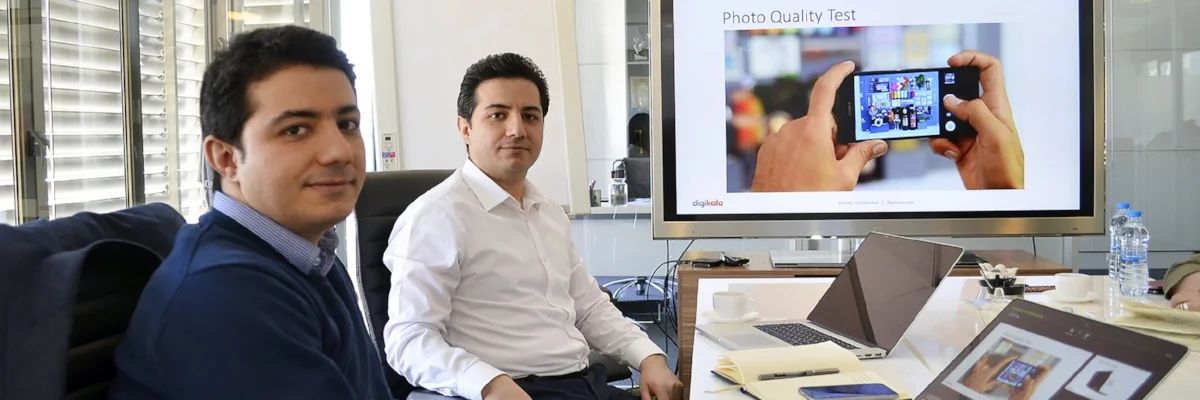
A section of the report tabulating recent foreign direct investment in Iran notes that an entity called International Internet Investment Coöperatief UA (IIIC) has made an investment of USD 100 million to acquire 21% of Noavaran Fan Avaze, the parent company of Digikala, which was founded by twin brothers Hamid and Saeed Mohammadi. Digikala did not respond to request for comment.
The size of the investment is notable as it values Digikala at USD 500 million, making it by far Iran’s largest digital enterprise, and bringing the company to a new milestone on the path to becoming Iran’s first so-called “unicorn,” a tech company with a USD 1 billion valuation. The valuation is also near the USD 580 million price Amazon paid for Souq, the Arab world’s leading e-commerce platform, earlier this year.
Famously, Digikala was valued at a widely reported figure of USD 150 million in 2014, an early indication of the immense potential for e-commerce in Iran’s large consumer market. The new valuation is consistent with the company’s growth. The company moved EUR 347 million (including VAT) worth of merchandise in the Iranian year 1395, representing a 81% growth in local currency terms over the previous year. Growth in gross merchandise value this year is expected to top 20%. But the timing of the investment is surprising, coming in a period of uncertainty when the pace of foreign investment has generally slowed.
The registered address for IIIC leads back to Private Equity Services, a Dutch company which provides domiciliary and corporate services to a wide range of investment companies. The use of a “Netherlands cooperative” structure is common for holding companies. The UA moniker denotes a cooperative with excluded liability, with at least two members.
IIIC was back in the headlines this week as Café Bazaar announced that the Dutch entity will make a EUR 38 million investment for a 10% stake in the company, which is Iran's leading app store.
The use of the cooperative structure makes it difficult to know the identity of Digikala and Café Bazaar's new shareholders. The new beneficiary shareholders are unlikely to be Dutch, despite Iranian news reports emphasizing the fact. Locating an investment company in the Netherlands is advantageous from a tax perspective because of a “participation exemption” on capital gains.
Corporate records indicate that IIIC has two subsidiary companies. The first is Regent Group Services, a Dutch company founded in 2016, as “a global E-Commerce and health sciences ecosystem platform.” The second is, Pulse & Pixel Group B.V., a Dutch company established in 2016 which shares its name with PPG, one of Iran’s leading digital media companies. According to public records, Farbod Sadeghian, a co-founder of PPG, is the corporate director of the Dutch entity. PPG signed an affiliation agreement with global communications giant WPP in 2016.
Tellingly, PPG, Café Bazaar, and Digikala share a common shareholder in Sarava, which owns 75% of PPG, 20% of Bazaar, and 61% of Digikala (as reported prior to the IIIC investments). A source familiar with the details of the Digikala and Café Bazaar deals confirmed to Bourse & Bazaar that IIIC is an international investment vehicle set up by Sarava itself and that the new investments follow a successful campaign which saw the company raise over USD 100 million in capital from foreign investors.
Despite the discrete nature of the transaction and the further expansion of Sarava's dominance in the ecosystem, for Iran’s digital entrepreneurs, news of the investment should be welcome. Iran’s tech sector is still at an early stage in its development and is therefore vulnerable to any near-term reduction in the pool of available venture capital. That foreign investors remain committed to the market despite persistent uncertainty should give confidence to those working to create Iran's next Digikala or Café Bazaar.
Photo Credit: Digikala
Australia's MRC to Spend $2.4 Million on Further Iran Mining Exploration in 2018
◢ Mineral Commodities Limited, a listed Australian junior mining company, has entered the Iranian market. MRC has signed agreements that give it rights to majority stakes in two mining projects producing gold and copper in the northwest of Iran.
◢ The company has reviewed thirty projects so far, and has earmarked a USD 2.4 million dollars for further exploration in 2018.
Mineral Commodities Limited (MRC), a listed Australian junior mining company, has entered the Iranian market, announcing a series of acquisitions and exploration joint-ventures with an eye to the country’s rich copper, gold, cobalt, and lithium deposits.
In July 2017, MRC established a wholly-owned Iranian subsidiary, Madan Rahjo Kanyab Company. Bahman Rashidi has been appointed country manager and oversees a team based in Tehran.
MRC, which has experience developing projects in Australia and South Africa, is based in Western Australia and is led by brothers Mark and Jospeh Caruso. The company has moved aggressively into the Iranian market with rollout beginning just this year. In a statement, Mark Caruso, the company’s Executive Chairman highlighted Iran’s position as a “a world class geological and mining jurisdiction” which makes the market attractive “despite global rhetoric and uncertainty surrounding the lifting of sanctions in Iran.” For MRC, it was important to establish “a first-mover advantage” which has been met with “the willingness of the Iranian Government to support and reinvigorate investment in the mining sector.”
So far, the company has reviewed thirty potential “greenfield” and “brownfield” projects, and has so far executed two deals. The first deal is for Tuzlar, a gold and copper mine near Zanjan, in which MRC will exercise the option to acquire a 73.5% interest via its local subsidiary. Initially, MRC will make a USD 680,000 investment to acquire a 22.8% stake in the mine’s owner, Tuzlar Gold Mining and Industry Company, with an option to acquire the remaining 50.7% at a price of USD 2.5 million upon further study. Tulzar was one of the deposits first discovered by Anglo American when the global mining giant was exploring the Iranian market nine years ago, prior to the imposition of international sanctions.
MRC’s second deal is for Asbkhan, a copper and gold project located near Tabriz, in which MRC has the right to build a 75% stake in a special purpose vehicle established to develop and operate the mine. The company plans to spend USD 500,000 on further exploration and development work to earn its majority stake in the project pursuant to its recently concluded agreement.
MRC will fund further explorations of the local market from its operational cashflow and has earmarked USD 2.4 million for exploration budget for next year. The company has signed MOUs with the Geological Survey of Iran and Iran Minerals Production & Supply Company (IMPASCO) in order to furnish the data and site-access necessary to conduct further studies.
Iran’s geological resources have been long coveted in the global mining sector, and metallic and mineral deposits rival the country’s oil and gas reserves for overall economic value. Iran boasts 7% of the world’s total proven reserves of metallic and non-metallic deposits, according to BMI Research, a market research firm. World-leading reserves of zinc, copper, and iron ore remain largely unexploited.
Any mining company seeking to develop and operate mines in Iran will need to work with IMIDRO, the state-owned conglomerate that oversees the largely underdeveloped sector. Deputy Minister Mehdi Karbasian, who is Chairman of IMIDRO, has stated that Iran is seeking to attract USD $50 billion in investment in the mining and minerals sector by 2022. A key strategy to achieve this goal is to support privatization in the industry, which many foreign investors consider a precondition.
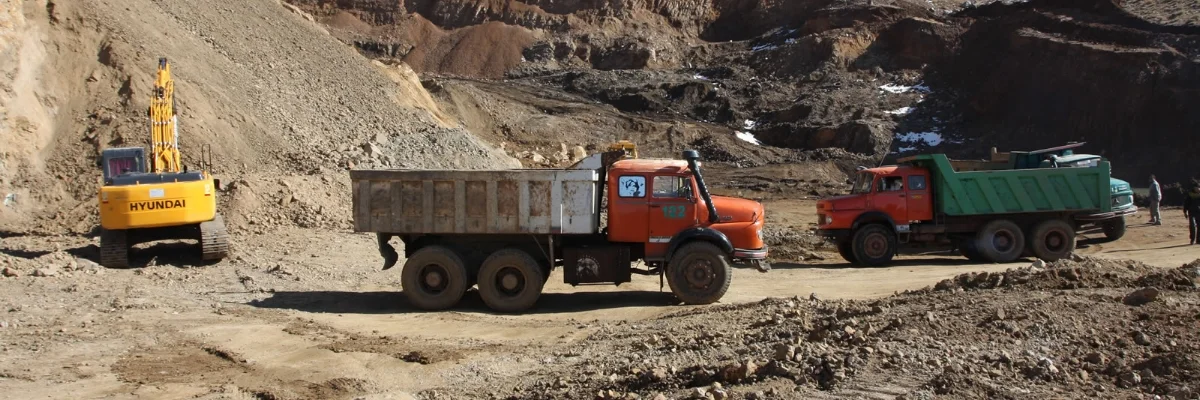
The government's ambitious investment target is somewhat mismatched with the fragmented nature of the sector. Most mining in Iran is still conducted at an “artisanal” scale, with local miners extracting from small concessions using limited machinery.
This circumstance, and the absence of the mining giants, offers junior mining companies an opportunity to enter the market and consolidate projects of surprising value. But consolidation at this scale is unlikely to lead to the scale of investment sought in the government's new five-year economic development plan. IMIDRO has been courting the major mining and commodities firms, including Rio Tinto and Glencore, but political risks have largely dissuaded investment thus far. In the meantime, as MRC's market entry demonstrates, it will be the smaller mining firms making the big moves in Iran.
Photo Credit: Wikicommons
Majority of Business Leaders Blame Trump for Slow Iran Investments
◢ A new survey by Bourse & Bazaar and IranPoll finds that business leaders believe Trump's rhetoric has slowed the pace of trade and investment by multinational companies in Iran.
◢ However, the results come at a time when the underlying commercial momentum seems strong. This suggests that Trump's words are having an impact not on those most directly working with Iran, but on the stakeholders on whom they rely.
This article was originally published in LobeLog.
As President Donald Trump threatens to de-certify Iran’s compliance with the JCPOA, the political environment around post-sanctions trade and investment has grown more contentious. Yet, at the same time, after extensive negotiations with leading multinational companies, Iran has witnessed landmark agreements signed across industries, with billions of dollars of investment committed and financing agreements inked. For those business leaders continuing to push ahead in Iran, and for the Iranian public to whom they are accountable, the question is what to make of such contradictions.
To examine this and other questions, Bourse & Bazaar partnered with IranPoll to conduct a unique survey focused on economic attitudes and business confidence in Iran. The survey was conducted in August 2017 and covered a representative sample of 700 Iranians.
Several of the questions centered on post-sanctions investment and the political importance of the JCPOA. But perhaps most notably, 70% of Iranians surveyed believe that multinational companies are “moving slower than they could” to trade and invest in Iran following the lifting of international sanctions. Of this group, a significant 76% of Iranians identified “pressure or fear of the United States” as the key reason, compared to just 16% would blamed Iran’s “weak business environment.”
It is certainly sensible for Iranians to blame Trump’s antipathy towards the nuclear deal as a primary reason for the slow pace of Iran’s post-sanctions economic recovery. But this view might unfairly discount the inherent difficulties of investing in Iran, a fact that the Obama administration highlighted when concerns over the slow pace of economic engagement first emerged in early 2016.
It seemed a reasonable assumption that the “experts” who are the business leaders or policymakers actually trying to make trade and investment happen might have a different, more nuanced view than the Iranian public. The barriers to trade and investment in Iran are very real. The country ranks 120 in the World Bank’s “Ease of Doing Business” rankings, having actually fallen three places in the last year.
Results of the “Expert” Survey
To investigate this assumption, IranPoll and Bourse & Bazaar administered an online survey that collected responses from just over 250 “experts,” sampled based on their active involvement in Iran trade and investment matters. Of these respondents, 79% held either a master's degree or PhD, and 70% were professionals from European or Iranian private-sector enterprises. The remainder worked in state-owned enterprises, government agencies, or policy institutes. Importantly, 70% of respondents considered themselves to be either somewhat or well-informed about investing in Iran.
In an amazing example of statistical congruence, 70% of the expert respondents surveyed believe that multinational companies are “moving slower than they could” on trade and invest in Iran. Of this group, 76% blame “pressure or fear of the United States” for the slow movement, with just 17% blaming Iran’s challenging business environment. These proportions directly mirror the results seen in the survey of the Iranian public. How can it be that these experts, who know all too well that Iran is a difficult place to do business, are seemingly discounting those difficulties in the face of Trump’s rhetoric?
The answer may lie in the slow and steady progress that has been made in Iran trade and investment in the last year. Major contracts signed in 2017 include the first major post-sanctions investment in Iran’s oil sector, the first automotive investment majority owned by a foreign multinational, and the first equity stake taken by a global financial institution in an Iranian financial services firm, in addition to several major financing agreements and even more unheralded deals. This overall momentum, hidden to all but those watching Iran most closely, suggests that business leaders, as well as the regulators and policymakers with whom they work, have gained a sharper understanding of how to conduct business in the country. Although Iran’s economy remains rife with obstacles, business leaders are proving more adept navigators. For example, in the same survey, 74% of respondents said that they believe they know the right people to conduct business in Iran. As business leaders gain confidence in their own abilities and greater means to manage challenges within their control, the turmoil in Washington remains the key complication to trade and investment plans.
But if the business leaders are able to recognize American rhetoric as superficial, why exactly is it slowing the pace of trade and investment? This is likely because the rhetoric is impacting decision-making not for those closest to projects in Iran but for those stakeholders on whom they rely.
Commercial Agenda Advances
Reading the headlines on Iran, driven by Trump’s soundbites, it would be easy to believe that Iran is an untenable place to do business in the current political environment. Yet, the “country managers” who run business divisions in Iran for multinational companies have made considerable progress over the last year in pushing forward a commercial agenda. This contradiction may explain why 69% of respondents in the expert survey felt that international media outlets are not an accurate source of information about Iran’s “trade and investment environment.”
The slowdown occurs when the question of Iran crosses the desks of decisionmakers further from the point of contact. By dint of their progress, country managers increasingly need to draw on support from other parts of their multinational organizations and suppliers and partners in order to execute strategy. Most crucially, as a project reaches contract stage, it becomes imperative to find a financing solution. This requires the country manager to both bring his senior executives on board with the project plan and then seek engagement from a financial institution. When critical decisions reach this wider circle of stakeholders, headlines become far more salient. These stakeholders cannot draw on firsthand experience to bolster their confidence in an Iran-related commercial decision and rely instead on the incomplete picture painted in the international media. Understandably, they find it difficult to act decisively in the face of uncertainty, particular when personal or company reputations come into play.
In this way, Trump’s rhetoric is slowing the momentum of trade and investment prior to any snapback of sanctions. No doubt, Trump’s impending decision on decertification of Iran’s compliance with the JCPOA does make snapback a potential outcome. Tellingly, 68% of Iranian respondents and 63% of non-Iranian respondents in the expert survey considered snapback a likely or very likely outcome of decertification.
However, in this intervening period, during which there has been no instrumental change in US policy, the reported slowdown in trade and investment helps demonstrate a deficiency in how deal supporters are counteracting Trump’s message. The critical point is that Trump only has his message. Given the track record of his administration, he is unlikely to have a cohesive Iran policy at any stage, even if he decides to decertify.
Deal supporters in Washington ought to define the economic scope of sensible Iran policy more clearly and thereby support business confidence more actively. The imperative here follows directly from what it means to offer “sanctions relief.” As a policy tool, sanctions impose political ideology on economic structures. The act of sanctions “designations” makes a normative judgement about the objective composition of an economy, defining the acceptable level of commercial relations with certain economic actors. Consequently, crafting an effective post-sanctions policy requires its own congruence between ideology and structure.
In the case of Iran, the objective reality that trade and investment are incentivizing structural liberalization in Iran’s economy needs to be expressed and valued in ideological terms. Encouragingly, European stakeholders have become more assertive in presenting such a vision. Helga Schmid, secretary general of the European External Action Service, stated in a recent speech at the 4th Europe-Iran Forum, “We recognize that it is important that the benefits of the Iranian deal are felt directly by the Iranian people and Iranian businesses. This is necessary for the success of the deal, but it is also in the interest of the EU, its Member States and economic operators.”
Deal supporters in Washington should likewise be more confident in declaring that, where sanctions relief allows, companies ought to be free in engaging in trade and investment in Iran. Commerce not only helps preserve the nuclear deal but it can also help incentivize financial, industrial, and legal reforms, in a manner akin to how enterprise has helped successfully open economies in Eastern Europe, Latin America, and Southeast Asia. Of course, this amelioration will only take place in the medium to long term. But in the near term, a tactical insistence on stronger messaging around economic engagement is necessary to support those stakeholders whose work is so crucial to the quid-pro-quo of the deal and whose activities are fundamental to winning the hearts and minds of an Iranian public already so hopeful that engagement will deliver a brighter future.
Photo Credit: Wikicommons
New Survey Examines Iranian Attitudes Towards Foreign Investment, Multinational Companies
New survey conducted by IranPoll in partnership with Bourse & Bazaar looks at Iranian attitudes towards economic reform and foreign investment with new detail. Iranians demonstrate high degree of openness to foreign investment and the economic reforms necessary to facilitate that investment. But they want multinational companies to do more to localize their offerings effectively.
A first-of-its-kind survey on attitudes towards trade and investment in Iran conducted by public opinion firm IranPoll in partnership with Bourse & Bazaar, a business media company, points to strong public support in Iran for greater trade with other countries and related economic reforms. A resounding 85% of respondents feel that “growing trade and business ties between Iran and other countries” was leading to good or very good outcomes for the country.
The results of the landmark survey will be presented by IranPoll CEO Dr. Amir Farmanesh to an audience of over 400 European and Iranian business leaders and policymakers at the 4th Europe-Iran Forum, which takes place on October 3-4 in Zurich, Switzerland.
The survey, which was conducted in August 2017 among a representative urban sample of 700 Iranians has been published at a crucial time when debate over the Joint Comprehensive Plan of Action (JCPOA), also known as the Iran Deal, reaches a fever-pitch. While President Trump has expressed his disapproval with the deal, it remains popular among a majority of Iranians, with 62% of respondents approving. But doubts and frustrations have emerged since the agreement was concluded in 2015. Acutely aware of President Trump’s rhetoric, 77% of Iranians have little or no confidence that the United States “will live up to its obligations under the agreement.” By contrast, public confidence in the European commitment to the JCPOA remains strong, with 57% of respondents believing the Europeans will stick with the agreement.
“Contrary to the reputation and image of the US, Europe’s image in Iran has improved significantly since the signing of the JCPOA and Iranians welcome greater trade and economic engagement with European companies” commented Dr. Farmanesh, the CEO and President of IranPoll. “Yet, only a minority of Iranians believe European producers have a good understanding of the needs and the taste of the Iranian people, which means European companies need to take extra steps not only to familiarize themselves with Iran's business environment but also to demonstrate their appreciation for the tastes, lifestyles, and culture of the Iranian society.”
Against the backdrop of political uncertainty, economic dividends of the agreement remain unclear. While 43% of Iranians report that the “availability of goods made by multinational companies” has increased in Iran since the nuclear deal, majorities say foreign investment and job creation by multinational companies have not increased since the signing of the JCPOA. . However, Iranians do see improvements in the way businesses are operating, with both Iranian and multinational firms making greater efforts towards supporting employee training and technological innovation in Iran when compared to five years ago.
“These findings send an emphatic message to policymakers and business leaders worldwide. Iran may prove to have one of the most receptive populations for a robust agenda of economic engagement,” said Esfandyar Batmanghelidj, founder of Bourse & Bazaar. “The nuclear deal has clearly opened a window of opportunity and encouraged Iranians to think globally and ambitiously. The question remains whether the trade and investment that Iranian have been anticipating will be forthcoming.”
Robust Support for Global Economic Engagement
While public sentiment towards globalization has soured in many countries around the world, Iranians believe that Iran should increase its role in the globalized economy. A majority of Iranians (62%) believe that globalization is having a positive effect worldwide, with just a third (33%)believing the effect is “negative.” Specifically in the case of Iran, a dominant 85% of respondents felt that “growing trade and business ties between Iran and other countries” is leading to good or very good outcomes for the country. Iranians also see positive effects on job creation and wages with 51% of respondents believing that “trade with other countries” creates jobs, and 40% of respondents believing there is an attendant increase in wages (36% see no impact).
As the country reaches out to foreign partners, members of the Iranian public have a strong opinions as to which countries have the most to offer. European countries and Japan are the most desired trading partners among Iranians. The greatest confidence was expressed for German and Japanese investments, with 66% and 67% respondents stating that there is “a lot” of benefit for Iran when these countries invest. French, Swiss, and Italian investments were also seen as highly beneficial. Importantly, European firms have made significant inroads in the Iranian market in the last few months, with notably deals signed by European multinationals such as Total, Renault, Alstom, and Siemens.
"Now I will read you the names of some countries. As I read the name of each, please tell me the degree to which you think it would be in Iran’s interest for more companies from that country to invest and trade with Iran:"

During the period of economic sanctions, China became Iran’s largest trading partner, surpassing the European Union. However, while 65% of Iranians believe that Chinese investment in Iran is in Iran’s interest, only 19% strongly believe that to be the case. That Iranians exhibit significantly less confidence in the benefits of Chinese investment may help explain why the Europeans have been able to conclude the lion’s share of new commercial agreements following the lifting of international sanctions.
Despite the negative view of Iran in the United States, half of Iranians believe that American investment would benefit Iran (19% strongly).
The level of confidence in a foreign nation’s role as investor generally correlates with the perception of the quality of that country’s products. German and Japanese products were seen as having the highest quality, with 69% and 62% of respondents reporting products from those countries as being of “very good” quality. Chinese products were seen as having the lowest quality, with 61% of respondents reporting the quality as “somewhat bad” or “very bad.”
As Iran begins to modify its laws and policies to help facilitate foreign investment, the domestic debate on economic policy in Iran has become more important. While 56% of respondents believe that Iran should keep tariffs on imports in place, there is clear public support for economic reforms that will help spur foreign investment by major multinationals. An overwhelming majority (86%) of respondents would approve of policies that make it easier for multinational banks to operate in Iran and 87% support policies that encourage foreign investment. The same proportion of respondents would approve of policies to make it easier for “heads of multinational companies” to travel to Iran.
Confidence in the Business Community
Beyond the clear public support for the macroeconomic benefits of globalization, Iranians also have strong opinions about the role of the business community in the process of economic development.
At a time when the Trump administration is threatening to de-certify Iran’s compliance with the JCPOA and re-impose broad sanctions on the country, the pace of multinational investment in Iran has frustrated Iranians, with 70% of those surveyed suggesting that multinational companies are “moving slower than they could” to invest in Iran. When asked what is causing multinational companies to move slowly, 77% of respondents identified “fear of the United States” as the primary reason.
"Are multinational companies moving as rapidly as they can to trade and invest with Iran now that some sanctions have been lifted, or are they moving slower than they could?"

Moreover, Iranians are ambivalent as to whether Iranian and multinational companies will contribute to job creation in the next year, with just 7% of respondents believing that Iranian companies will create “a lot of jobs.” In comparison, 7% believe that multinationals will create “a lot of jobs.”
While it remains ambiguous whether jobs will be created in the near-term, Iranians do have a clear sense of who they consider to be the primary drivers of economic progress in Iran. Despite the historical dominance of Iran’s state-owned enterprises, when asked to evaluate whether state, private, or multinational companies will be the main contributors to economic improvement, just 31% chose state companies. Iran’s private sector companies enjoy the greatest degree of the public’s confidence, with 41% of respondents believe these firms “can best help to improve economic conditions” in Iran and 21% of respondents see multinational companies having the most positive effect. The confidence in private enterprise demonstrates further public support for Iran’s accelerating efforts of privatization in the post-sanctions period. That support for private firms and multinationals combined outweighs that for the economic leadership of state firms lends support to government efforts to support foreign investment and privatization in tandem.
"Which one of the following kinds of companies do you think can best help to improve economic conditions in Iran?"

Yet, Iranians still do not feel their economy is accountable to the public. A majority of those surveyed, 57%, believe that Iran’s economy is “run by a few big interests” while just 38% believe it is “run for all the people.” One measure of success in the coming years of economic reform will be whether this proportion shifts.
Iranians Leveraging Their Influence
Not merely passive observers of Iran’s economic transformation, Iranians intend to drive economic reforms from the ground-up. Most notably, those seeking jobs have clear expectations that companies to which they are applying for employment respect corporate social responsibility. While 86% of respondents gave job security the highest score for importance when seeking employment at an Iranian company, salary was deemed less important than the reputation of the company, how the company treats its customers, and the company’s commitment to the public health and safety. Similar sentiments were expressed about environmental protections as well, with 58% of Iranians declaring that the environment should be protected, “even if the economy suffers to some extent.”
Importantly, the vast majority of Iranians believe they have “freedom of choice and control” over their direction in life, with 93.4% agreeing with the notion that “people shape their own fate.” Tellingly, 49% agreed with this statement in the strongest terms. These findings suggest that Iranians have a strong individual impulse and a confidence that if afforded the right opportunities they will be motivated to pursue them. The question remains whether policymakers and business leaders both in Iran and abroad will take heed.
Extention of Key Incentive Scheme Boosts Iran's Renewable Energy Market
◢ The recent extension of Iran's Feed-in-Tariffs scheme has renewable energy investors pushing to close deals in the next 12 months to take advantage of the strong government incentive packages.
◢ But FiTs won't last forever, and Iranian energy authorities are working to improve the general mechanisms that support foreign investment in Iran's renewable sector, including the use of Iran's first competitive bidding tenders for renewable energy projects.
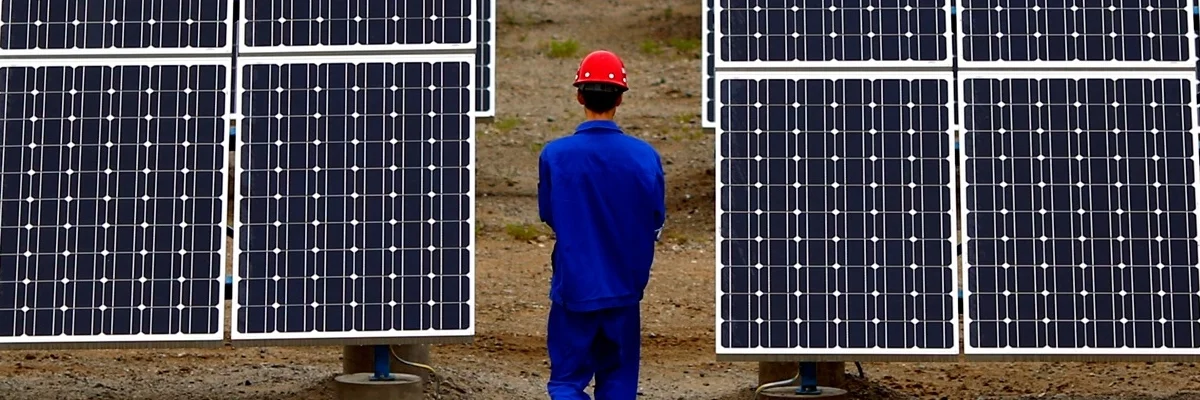
Since the lifting of sanctions, Iran’s renewable market has emerged as an exciting destination for international green energy developers and investors. Growth can largely be attributed to a generous Feed-in-Tariffs (FiTs) scheme and the government’s continued effort to promote policies that, in combination, aim to strike the right balance between promoting Iran’s renewable market, removing barriers to project deployment, and building the technical capacities of the domestic industry. By looking at some of the recent but important developments in Iran’s renewable energy (RE) market, including the nature of government policies, it becomes clear that the Rouhani administration has set a path for growth enabled by international investment.
Iran’s generous program of green subsidies has been the key determinant of the attractiveness of its renewable market, and with the government’s recent decision to maintain its current FiTs for another 12 months, the market is set to shift into a higher-gear. The extension of the FiTs scheme, which was delivered through a decree signed by the Minister of Energy in mid-March 2017, demonstrated the continued commitment of the government in sustaining the momentum of its favorable renewable energy investment landscape among many of its regional and international competitors. The consistency in the nature of Iran’s renewable policies in the last three years is by extension, a major confidence-building measure for developers and investors, whose interest in a given market is not cultivated by generous FiTs alone, but also by stable and predictable policy environment.
Interestingly, the recent extension Iran’s FiTs scheme comes at a time when in most of other markets across the globe, governments are either reducing, halting or terminating their FiTs schemes all together. This has been a major cause of concern for green developers and investors with huge vested interest in those markets. With a reduction in government incentives and flattened demand in the European market, green developers and investors are now eagerly looking into opportunities in other attractive markets. Iran comes at the top of the list.
Opportunities and Limits of Feed-in-Tariffs
The extension of Iran’s FiTs scheme presents a window of opportunity that will not be around forever, and so the countdown has already begun for developers to take advantage of the existing rates by signing their Power Purchase Agreements (PPAs) with Iran’s Renewable Energy Organization (SUNA) prior to March 2018. In light of this, it is projected that this year SUNA will expand its pipeline of renewable projects to be developed by international developers in partnership with local partners.
Currently, Iran’s FiTs scheme stipulates a 20-year PPA framework that supports a series of 13 renewable plants. The structure of the scheme is deliberately designed to increase the solar and wind capacities of the country, while also encourage procurement of smaller-scale projects by offering higher margin of profit for systems under 10MW and 30MW capacities. The reason behind this policy is twofold. On the one hand, it allows an experimental approach, where the impact of the initial projects that are pending construction and connection in this fledgling market can be assessed, and on other hand, it enables for the competence and commitment of developers to be evaluated in smaller projects prior to issuing further licenses for larger-scale developments. For the most capable developers, Iran’s FiTs system and structure simply means a strategy of portfolio aggregation—that is, building smaller projects that can be aggregated at a later stage. Therefore, many of renewable projects that will mushroom across different regions of the country in the next 24 months will consist of solar photovoltaic plants with 10MW to 30MW of capacity.

Nevertheless, the success and growth of Iran’s RE market cannot not rest on its generous FiTs scheme alone. For example, rival renewable markets, such as UAE, Jordan and Egypt, are currently developing and deploying projects on a much larger-scale than Iran without even considering the need to offer a generous FiTs scheme. For example, the launch of Dubai’s recent large-scale 200MW solar project in March, which was implemented at a record-low bid of 5.6 cents per kilowatt-hour, was product of a competitive RE tendering scheme, which is an alternative means of engaging developers.
The rapid pace of progress in the region’s RE markets, has made Iranian authorities ever more conscious that in parallel to providing FiTs, they need to institute and maintain multiple complementary mechanisms, such as competitive bidding tenders. Taking this in mind, the recent announcement of Yazd Regional Electricity Company for its plans to hold Iran’s first RE tender on the development of a 150MW utility-scale solar project is precisely aligned with this new emerging strategy of Iran—that is, to maintain its current FiTs scheme for broadly incentivizing development projects on smaller-scale, while phase in competitive bidding tenders as a new complementary measure to support larger-scale projects.
Project Deployment Mechanisms
In parallel to government’s effort to incentivize this market in the last two years, SUNA has also been hard at work in addressing deficiencies in regulations, removing barriers-to-entry, and setting a viable and functioning mechanism for project procurement and development. Designing an effective implementation framework, is in many respects the most challenging part of the puzzle for new emerging renewable markets, such as Iran. It requires a significant deal of coordination between various bureaucracies and organizations, followed by a synchronization of relevant policies and regulatory frameworks that enable project procurement and development. The good news is that the Iranian RE market has made great strides in this regard. The successful launch of the 14MW Hamedan solar park in February 2017, followed with the upcoming launch of Esfahan 10MW solar park, would not have been possible without a functioning project development mechanisms.
The achievements of SUNA in responding to many of technical and non-technical impediments of project implementation framework and regulation deficiencies means that the organization can now expand its activities into other important areas, such as more active investment promotion activities.. This includes establishing and developing new synergies and facilitating dialogue with international RE bodies for learning best practises in areas of policy, technology and financial resources, while also engaging with both local and international financial investors to provide the necessary project finance facilities. The recent delegations from the International Renewable Energy Agency (IRENA) and the Norwegian Export Credit Guarantee Agency to Iran to hold meetings with SUNA reflect the increased communication and engagement of this organization with international stakeholders and bodies.
Building Technical Capacity
Support for renewable energy will not only bring numerous environmental benefits, but will also have significant economic yields for the country. The RE sector can important source of job growth should investment support local capabilities and infrastructure. Iran’s renewable market, despite in its infancy, has already inspired countless entrepreneurs to set up localized businesses in the value chain of renewable power generation and development solutions.
This has not gone unnoticed by the government, which has particularly designed its FiTs scheme in order to foster technical capacity within the industry. The program supports local businesses and entrepreneurs active in this field by allocating a premium of up to 30% on base FiTs rates to those projects that utilize locally-produced content. This premium is attractive enough to encourage international developers to maximize integration of domestically produced technologies, or to explore new local manufacturing of key components.
The next generation of Iranian electrical engineers and technicians has already demonstrated resilience, technical expertise and an entrepreneurial-mindset by not only creating and supporting the value chain of electricity generation of the country, but also exporting their services, equipment, and technologies to the regional markets. To demonstrate, Iran’s power industry, exported over USD 3 billion in electric engineering services and goods to the regional market last year. Aside from supportive policies, the long-term potential to use Iran as a launchpad for regional expansion, sets the country's renewable energy market apart from its regional rivals. Investors are beginning to take note.
Photo Credit: Financial Tribune
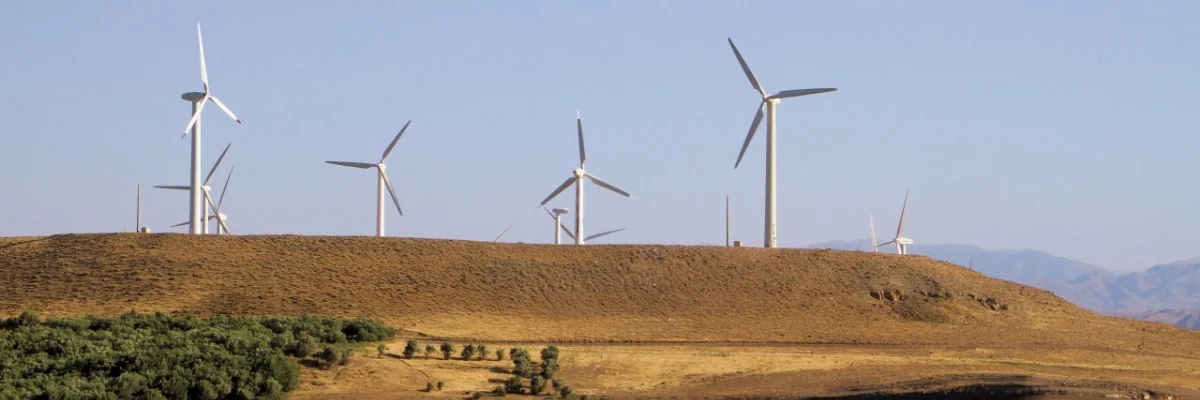
Renewable Iran: Creating the Energy Network of the Future
◢ The global energy industry continues to find greater value in efficiency and clean technology, with a rapidly growing reliance on renewable energy. But Iran lags behind.
◢ Now that Iran prepares to once again open doors to the international business community, the time is right for renewables to have a greater role in the country’s energy mix.
The global energy industry continues to find greater value in efficiency and clean technology, with a rapidly growing reliance on renewable energy. For Iran and the Middle East however, oil and gas have hardly been challenged as the dominant industry forces. But now that Iran prepares to once again open doors to the international business community, we must ask if renewables can, or even should, play a greater role in the future of Iran’s energy sector.
So, what’s the problem?
Iran is the country with the world’s largest conventional gas reserves and is the world’s third largest producer of natural gas - behind the US and Russia. Given these abundant reserves and production, you have to question why has a country of Iran’s population been a consistent net importer of natural gas during the last decade. The answer is Iran has very high per capita consumption of gas and other fossil fuels, with much of it going into power generation. In 2014, Iran burned 50 billion cubic meters of gas for power generation: that is more than in the UK, Germany, Italy, and France combined. In fact, in 2013, Iran consumed more gas than China, and was the 8th biggest energy consumer in the world, despite being the 32nd largest economy (World Bank) and the 17th most populated country.
Moreover, according to the International Energy Agency (IEA), Iran is among the top ten global emitters of CO2. Iran is the top emitter in the Middle East and accounts for almost a third of the region’s total carbon emissions. Fossil fuels account for almost 98% of Iran’s total primary energy consumption.
Of the 70 gigawatts (GW) of power generation capacity installed in the country, only around 11 GW are low carbon sources with most of that hydro (10 GW) while 1 GW is nuclear, and 0.1 GW is either solar or wind. The rest is largely old, inefficient, and polluting fossil fuel power plants burning either fuel oil or natural gas. According to Iran’s Ministry of Energy, over the past decade electricity demand has grown by almost 6% annually, and is expected to grow by at least 2% - 4% through the end of the decade. There are now more than 30 million grid connected clients in Iran, compared to less than 20 million only ten years ago.
So, Iran faces the problem, how can it meet this rapidly growing electricity demand while reducing its consumption of gas and fuel oil to eliminate imports (and facilitate exports), reducing carbon emissions to more average global per capita levels, effectively addressing the challenging air quality issues, and still attracting foreign investment and new technology?
The Role of Renewables
The answer is likely to be found in a combination of a modernisation of its power generation capacity, greater energy efficiency, and much greater reliance on renewable forms of generation.
In terms of renewables, Iran is naturally blessed with very good solar and wind conditions. Iran receives around 300 days of sunshine each year, compared to less than 64 days in Germany, the world’s leader in solar power with almost 25% of the global solar power capacity. The Global Wind Energy Council stated that some of Iran’s mountainous areas in the west and northeast have unique wind corridors that have plenty of potential for renewable generation.
The Iranian government is starting to get that renewables should now be an important part of the country’s energy strategy. In early 2014, Iran’s Ministry of Energy unveiled its plans for adding some 5 GW of renewable power capacity, mostly wind, to the country’s power fleet by 2018. Since the beginning of 2014, construction for around 400 MW of renewable capacity has started, and contracts for more than 500 MW have been awarded. The Iranian government increased its budget for renewable energy by more than 400% last year to around $60 million; although still small, the growth is going in the right direction.
Iran has also adopted a number of new policies towards renewable expansion, using similar policies to many Western European countries and opening up the sector to foreign investors. The Ministry of Energy has set up the Renewable Energy Organization (SUNA) that will administer these policies that include a feed-in-tariff scheme, under which the Ministry of Energy will buy the power generated from renewable sources at set tariffs for a 20 year period. At the set energy tariffs, investors are expect to be able to recover a full return on their investment in around four years of operations. In addition, the Iranian government is committed to providing up to 50% of the cost of installing residential solar panels, and to installing solar panels in public buildings.
Another spur to renewables growth comes from the calls to introduce a carbon emissions trading scheme. In February 2014, Iran announced that it is planning to introduce an emission trading scheme (ETS) that would cover its power sector. Although little information is available about the structure of the scheme, it is certain that such ETS's are designed to discourage the use of inefficient fossil fuel burning power plants. The emissions cap will eventually increase the power generation costs for inefficient power plants and will further support the growth of clean energy and renewables.
With all the challenges Iran is facing, renewable energy offers a unique sustainable solution for Iran to fundamentally overcome these issues, while providing significant investment opportunities for international investors, and also boosting the overall sustainability of economic growth.
Photo Credit: Wikimedia