

US Warns Against Dealing With Top Iran Shipper
The United States warned Monday that it would punish any country that deals with Iran's top shipping company, accusing it of contributing to Tehran's contested weapons programs.
The United States warned Monday that it would punish any country that deals with Iran's top shipping company, accusing it of contributing to Tehran's contested weapons programs.
The Treasury Department said sanctions came into effect Monday against the Islamic Republic of Iran Shipping Lines, known by its acronym IRISL, as well as its Shanghai-based subsidiary E-Sail.
Under the sanctions, the United States threatens unilateral action against any government, business or person that does business with IRISL.
"We urge government authorities worldwide to investigate all IRISL and E-Sail activity in your ports and territorial seas and take appropriate action to put a halt to it," Secretary of State Mike Pompeo said in a statement.
"The world must be vigilant and take action to prevent Iran from acquiring proliferation-sensitive items that further threaten regional stability and security," he said.
IRISL, which has interests around the globe, is the world's 15th largest shipping line in terms of cargo carried, according to the latest figures available from database Alphaliner.
US officials say that IRISL has shipped sensitive cargo for Iran's military and assisted its ballistic missile program, which Tehran insists is legal as UN Security Council resolutions ban only nuclear-related activity.
IRISL was already under US sanctions related to Iran's nuclear program, but the latest move toughens the ramifications by targeting it more broadly over weapons of mass destruction.
The United States announced the sanctions in December but delayed their implementation, saying it wanted to give countries time to find other ways to conduct humanitarian trade not subject to US sanctions.
President Donald Trump imposed unilateral sanctions on Iran in 2018 when he walked out of a nuclear deal under which Tehran drastically scaled back its atomic activities in exchange for promises of economic relief.
China remains the primary trading partner of Iran, with US allies leaving the country due to the threat of US sanctions.
Photo: Wikicommons
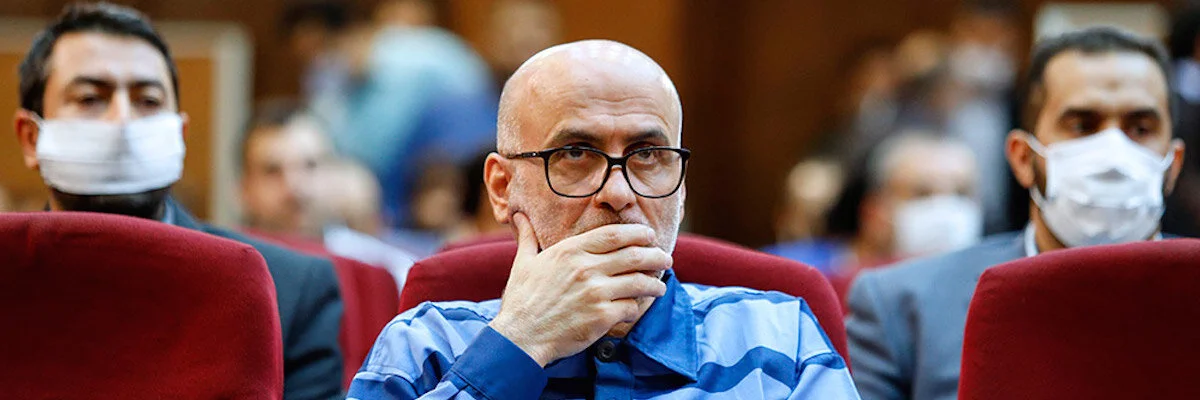
Iran Opens Trial of Former Judiciary Deputy Head
Iran opened the high-profile trial of a former senior judiciary official alongside 21 accused accomplices on Sunday in Tehran, charging them with corruption, money laundering and influence trading.
Iran opened the high-profile trial of a former senior judiciary official alongside 21 accused accomplices on Sunday in Tehran, charging them with corruption, money laundering and influence trading.
In a rare move state television broadcast the hearing live, focusing on the accused Akbar Tabari, the former deputy head of administrative affairs at the judiciary.
Tabari "obstructed the execution of justice" against influential senior Iranian officials "by forming a criminal group" within his office which "became a centre... for certain accused (individuals) to settle their cases", his indictment said, according to official judiciary news agency Mizan Online.
Tabari and 21 other defendants were tried by the 5th chamber of Tehran's criminal court, presided over by judge Hassan Babaie.
The former official worked as the financial director during the mandate of Ayatollah Mahmoud Hashemi Shahroudi, who headed Iran's judiciary from 1999 to 2009.
Tabari was later promoted to the head of executive affairs and then executive deputy under Ayatollah Sadeq Amoli Larijani from 2009 to 2019, according to state news agency IRNA .
In March 2019, Iran's supreme leader Ayatollah Ali Khamenei replaced Larijani with Ebrahim Raisi, a religious conservative, and called on him to work "against corruption".
According to IRNA , Raisi "dismissed Tabari eight days after taking office", without specifying a reason. Judiciary spokesman Gholamhossein Esmaili confirmed Tabari's arrest on July 2019, saying that it "proves the seriousness of the judiciary... to fight against corruption, especially if it is within" it.
Former judge Bijan Qasemzadeh is among the co-accused at the trial.
He is best known for ordering the blocking of Telegram, the most popular messaging service in the Islamic republic at the time.
Esmaili announced in June 2019 that three judges were involved in Tabari's case, one of whom is still in office.
Raisi vowed to make the fight against corruption in the justice system his "first priority" shortly after coming to power, followed by unprecedented trials targeting judges and senior Iranian officials.
Two former members of parliament were recently sentenced to 61 months in prison for manipulating the country's auto market.
Photo: Mizan
Iran Says Virus Uptick Primarily Due to Increased Testing
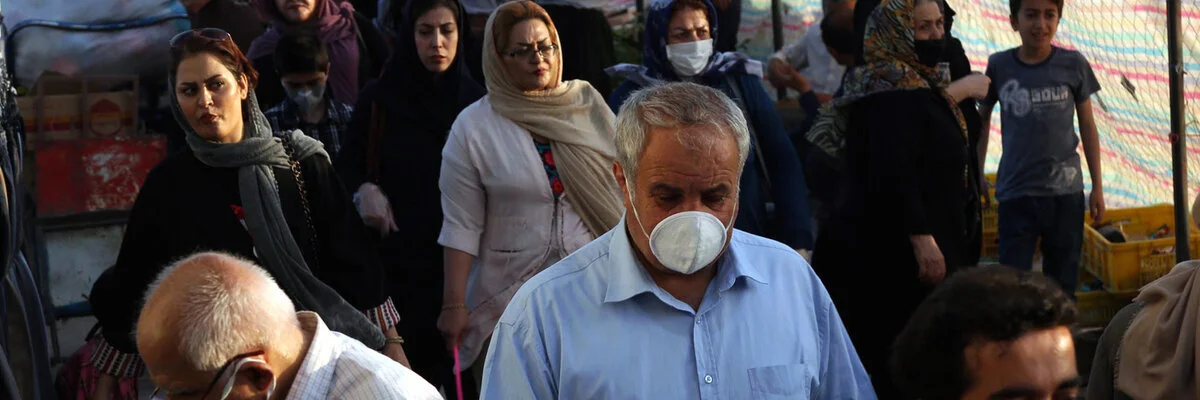
Iran's health ministry said Sunday a surge in new reported coronavirus infections was primarily due to increased testing rather than a worsening outbreak, although the easing of lockdown measures was also having an effect.
Iran's health ministry said Sunday a surge in new reported coronavirus infections was primarily due to increased testing rather than a worsening outbreak, although the easing of lockdown measures was also having an effect.
After hitting a near two-month low in early May and a lifting of tough movement restrictions, cases of the COVID-19 illness have been rising in Islamic republic which is battling the Middle East's deadliest outbreak of the disease.
"The main reason for rising numbers is that we started identifying (infected people) with no or light symptoms," said Mohammad-Mehdi Gouya, the health ministry's head epidemiologist.
He added that the gradual easing of lockdown measures had also contributed to higher infections "which has more or less happened all over the world," ISNA news agency reported.
Authorities have progressively lifted restrictions imposed to tackle the virus, and activity has almost returned to normal in most of the country's 31 provinces.
Ministry spokesman Kianoush Jahanpour said the situation had steadily improved with fewer hospitalisations, critical cases and deaths.
"It is only normal for infections to slightly grow after reopenings," he said in televised remarks Sunday.
He confirmed 2,364 new infections in the past 24 hours, bringing the total number to 171,789.
Yet 2,596 of total patients hospitalized were in "critical" condition on Sunday, with the number seemingly on a rising trajectory since Thursday, when Iran reported record high daily infections.
Jahanpour noted that 72 more people had died in the same period, raising the overall toll to 8,281.
There has been scepticism at home and abroad about Iran's official figures, with concerns the real toll could be much higher.
Rising infection figures since a low in early May and lax observance of social distancing have worried authorities, which have reiterated calls for strict adherence to health protocols.
Photo: IRNA
UN Nuclear Watchdog Has 'Serious Concern' at Iran Denying Inspections
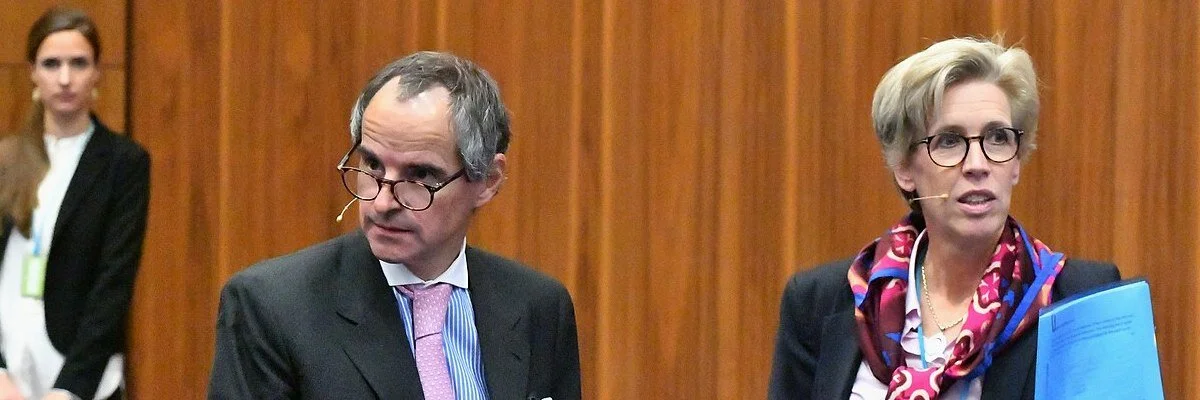
Iran has now accumulated enriched uranium at nearly eight times the limit of a 2015 deal and has for months blocked inspections at sites where historic nuclear activity may have occurred, the UN watchdog said Friday.
By Jastinder Khera
Iran has now accumulated enriched uranium at nearly eight times the limit of a 2015 deal and has for months blocked inspections at sites where historic nuclear activity may have occurred, the UN watchdog said Friday.
The International Atomic Energy Agency (IAEA) noted "with serious concern that, for over four months, Iran has denied access to the Agency... to two locations," according to a report seen by AFP.
The IAEA has questions as to the possible "use or storage of nuclear material" at the two sites and that one of them "may have been used for the processing and conversion of uranium ore including fluorination in 2003".
The aforementioned site "underwent significant changes in 2004, including the demolition of most buildings", the IAEA report noted.
A third site where the IAEA has queries about the possible presence of undeclared natural uranium "underwent extensive sanitization and leveling in 2003 and 2004," according to the report.
The findings are expected to be discussed at a meeting of the agency's board of governors, which has been delayed until the week starting June 15.
The United States has been particularly vocal in its criticism of Iran for
refusing access to the sites.
A diplomatic source said that they "expect that the board will be united to request Iran to provide access" for the agency.
Escalating Tensions
In a separate report, the IAEA warned that Iran's enriched uranium stockpile is now almost eight times the limit set in a 2015 deal.
The limit was 300 kilograms (661 pounds) of enriched uranium in a particular compound form, which is the equivalent of 202.8 kg of uranium.
In comparison to the latter number, the report said Iran's stockpile stood at 1,571.6 kg on May 20.
The highest level of enrichment in the stockpile is currently 4.5 percent, over the deal's limit of 3.67 percent but far below the more than 90 percent level experts say would be necessary for a nuclear weapon.
A diplomatic source said that Iran's rate of enrichment had not significantly changed since the agency's previous report on the issue in early March.
The IAEA says that it still has access to all the nuclear sites needed in order to monitor Iran's current nuclear activity despite difficulties caused by the coronavirus pandemic.
The agency has been chartering aircraft to get its inspectors to Iran due to the collapse in availability of commercial flights to the country, which has been hard hit COVID-19.
Inspectors are also being tested for the virus before departing for Iran and before they return.
Iran has been progressively breaking the restrictions laid down in the 2015 deal in retaliation for US President Donald Trump's withdrawal from the accord in 2018 and the US's subsequent re-imposition of sanctions.
Iran reached the deal to curb its nuclear activities in return for sanctions relief with the United States—under president Barack Obama—Britain, France, Germany, Russia and China.
Last week the US said it was ending waivers in its sanctions for nations that remain in the Iran nuclear accord, bringing the deal further to the verge of collapse.
Tensions between Tehran and Washington escalated after Trump abandoned the deal and the long-standing enemies have appeared to come to the brink of a direct conflict twice in the past year.
The most recent was in January when Iran fired a barrage of missiles at US troops stationed in Iraq in retaliation for a US drone strike that killed Qasem Soleimani, a top Iranian general.
Iran's Foreign Minister Mohammad Javad Zarif on Friday brushed aside Trump's hopes of diplomatic progress after the two countries carried out a prisoner swap.
"We achieved humanitarian swap *despite* your subordinates' efforts," Zarif tweeted, emphasizing that it was the US that had walked away from the 2015 deal.
Photo: Wikicommons
US Navy Veteran Leaves Iran Day After Scientist Returns to Tehran
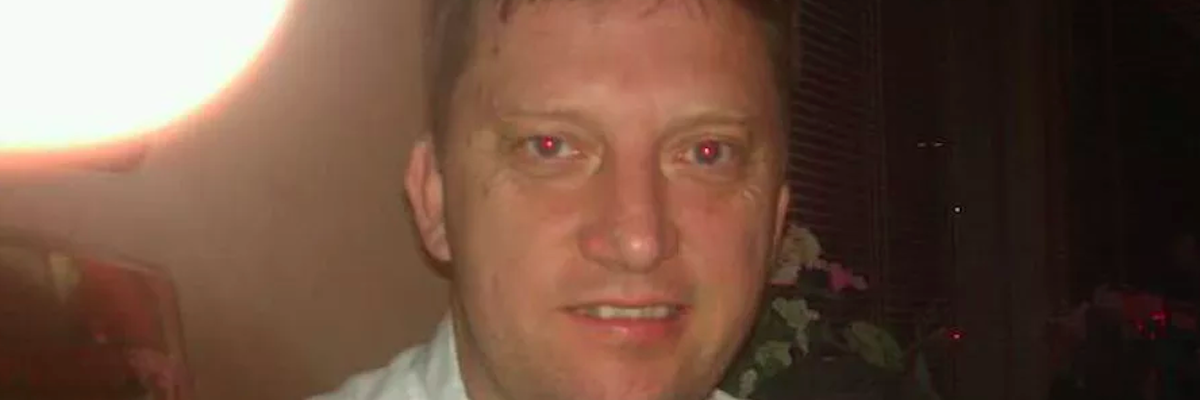
US Navy veteran Michael White has been freed and left Iran nearly two years after his arrest, his mother said Thursday, following the US release of an Iranian scientist.
US Navy veteran Michael White has been freed and left Iran nearly two years after his arrest, his mother said Thursday, following the US release of an Iranian scientist.
"I am blessed to announce that the nightmare is over, and my son is safely on his way home," Joanne White said in a statement.
The release comes one day after an Iranian scientist, Cyrus Asgari, returned home. He was arrested during an academic visit in 2016 and accused of stealing trade secrets but was cleared last year by a US court.
US officials had insisted that Asgari was not part of a swap, an assertion sure to come into question with White's release.
White, who had served 13 years in the US Navy, was arrested in July 2018 in the northeastern city of Mashhad after visiting a woman whom he had reportedly met online.
He was sentenced the following year to at least 10 years in prison on charges that he insulted Iran's Supreme Leader Ayatollah Ali Khamenei and posted anti-regime remarks on social media under a pseudonym.
In March, as Iran was being hit hard by the coronavirus pandemic, White had been transferred into the custody of Switzerland, which handles US interests in Tehran in the absence of diplomatic relations.
He was flown to the capital Tehran but US officials said that White had been told not to leave Iran.
In her statement, Joanne White gave few details on the release but thanked both the US and Swiss governments.
She also thanked Bill Richardson, a former US ambassador and governor who has often taken up high-profile cases of Americans detained overseas.
Richardson in a statement said he had met with senior Iranian officials including Foreign Minister Mohammad Javad Zarif to win White's release.
President Donald Trump's administration, which has been pushing a "maximum pressure" campaign on Iran that includes sweeping sanctions, in the past has resented efforts by Richardson, a former Democratic presidential candidate.
Photo: Twitter
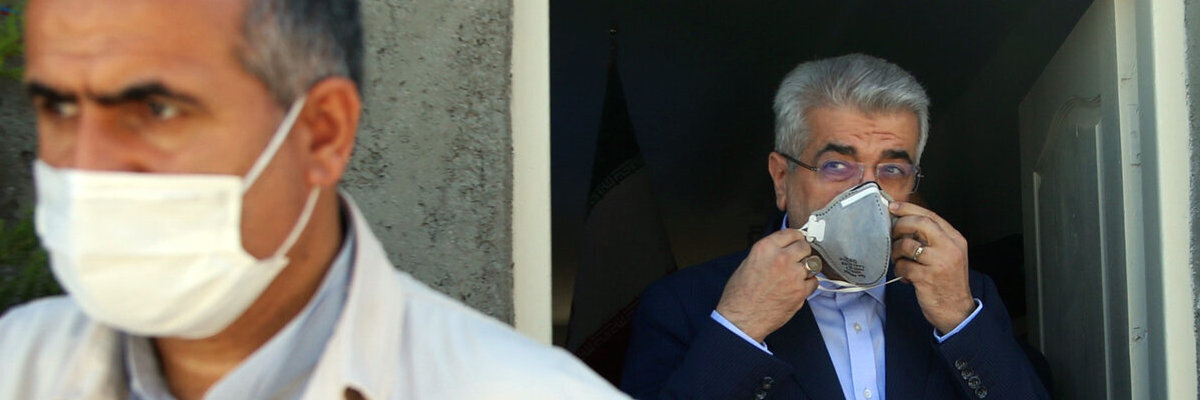
Iran Reports Most New Virus Cases Since Outbreak Began
Iran announced 3,574 new coronavirus infections Thursday, the most in one day since the pandemic started, as authorities increase health warnings following a resurgence in recorded cases.
Iran announced 3,574 new coronavirus infections Thursday, the most in one day since the pandemic started, as authorities increase health warnings following a resurgence in recorded cases.
After hitting a near two-month low in early May, novel coronavirus infections have been on a rising trajectory in the Islamic republic, which is battling the Middle East's deadliest outbreak of the disease.
Thursday was the fourth straight day that the daily caseload had topped 3,000.
The previous high was 3,186, recorded on March 30, at the height of the initial outbreak.
The health ministry has been taking no chances and has stepped up a public health campaign in recent days.
"Not respecting social distancing and public and personal hygiene rules, along with undertaking unnecessary travel, can have irreparable consequences," warned an announcement running on repeat on the state television information channel.
Health ministry spokesman Kianoush Jahanpour said Thursday that 59 people had died of COVID-19 over the past 24 hours, taking Iran's overall official toll to 8,071.
Despite the uptick in new infections, the official number of daily deaths has remained below 100 in recent weeks.
A total of 164,270 people have tested positive for the virus since the first cases were announced in February.
There has been some scepticism at home and abroad about Iran's official figures, with concerns the real toll could be much higher.
‘Completely Careless'
Officials have appeared to suggest that the surge in new cases could be the result of wider testing rather than a second wave of infection.
Jahanpour said Thursday that Iran had now conducted more than a million tests.
The state TV channel has also been broadcasting an animated info-graphic, accompanied by dramatic music, saying that Iran was faring much better than other countries in the pandemic.
Although it has registered the most deaths from the virus in the Middle East, official figures put its toll far behind several other countries in Europe and beyond.
The Islamic republic's archfoe, the United States, which has reimposed crippling sanctions on Iran's economy, has reported the highest total number of cases and deaths worldwide from the disease.
President Hassan Rouhani has praised the Iranian government's performance in dealing with coronavirus as a source of "great pride", saying late last month that Iran was "among the countries that have succeeded".
But Health Minister Saeed Namaki, who is a doctor by profession, and other officials are using more tempered language.
On Tuesday, the minister lamented that people were ignoring social distancing rules.
"The fact that people have become completely careless regarding this disease" was of great concern, the ISNA news agency quoted him as saying.
'Not Taking Threat Seriously'
"Certain people and certain officials do not take (the threat of) coronavirus seriously", state TV cites Namaki as saying in its rolling health messages.
Since April, authorities have progressively lifted restrictions imposed to curb the outbreak.
Iraj Harirchi, a deputy health minister who tested positive for the virus in late February, has "strongly" recommended the use of masks and urged Iranians to limit unnecessary travel.
According to state television, he expressed concern that the population seemed less convinced than before about the need to stay home and respect social distancing.
Meanwhile, life in Tehran, a city of some 10 million people, has almost returned to normal, with traffic jams and crowded streets, buses and metros, though wearing a mask is compulsory on public transport.
But nine of the country's 31 provinces are still under a "health alert", Jahanpour said Wednesday, while the southwestern province of Khuzestan remains classified as a "red zone"—the highest level of risk in the country.
People "either have total confidence in us or think the coronavirus has gone. The latter is not true at all," Namaki said.
Photo: IRNA
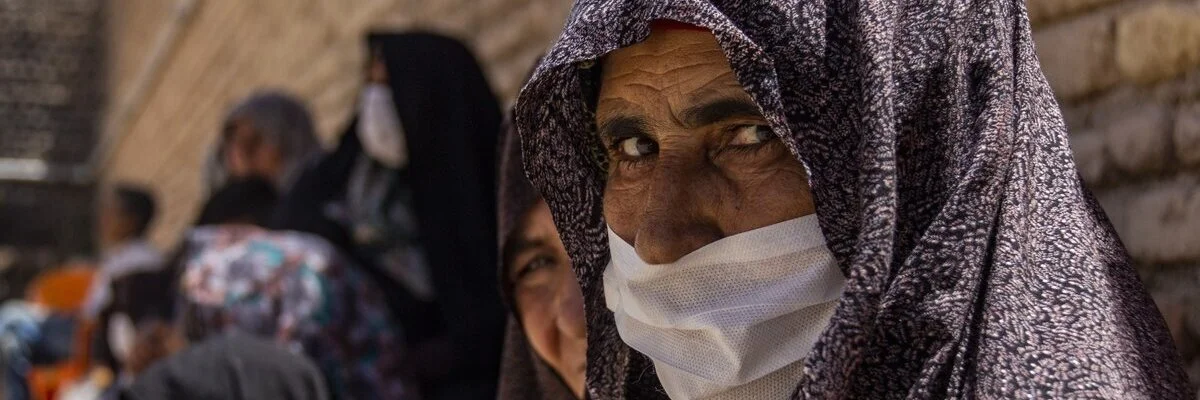
Virus on Rise Again in Iran With Over 3,000 Cases for Third Day
The spread of novel coronavirus has accelerated again this month in Iran which on Wednesday officially confirmed over 3,000 new cases for a third consecutive day.
The spread of novel coronavirus has accelerated again this month in Iran which on Wednesday officially confirmed over 3,000 new cases for a third consecutive day.
The country has recorded an additional 3,134 cases, health ministry spokesman Kianoush Jahanpour told state television, bringing the total number of infections to 160,696.
New cases were at their highest on March 30, hitting 3,186.
Another 70 people have died, Jahanpour added, taking the death toll to 8,012 since the outbreak was first declared in the country in February.
Infections have been on a rising trajectory in the Islamic republic since hitting a near two-month low on May 2, though the official number of daily deaths has remained below 100 in recent weeks.
Health Minister Saeed Namaki on Tuesday lamented that people were ignoring social distancing rules.
"The fact that people have become completely careless regarding this disease" was of great concern, he said.
"They either have total confidence in us or think the coronavirus has gone. The latter is not true at all," the ISNA news agency quoted him as saying.
Nine of the country's 31 provinces are still under a "health alert", Jahanpour said Wednesday, while the southwestern province of Khuzestan remains classified as a "red zone.”
Photo: IRNA
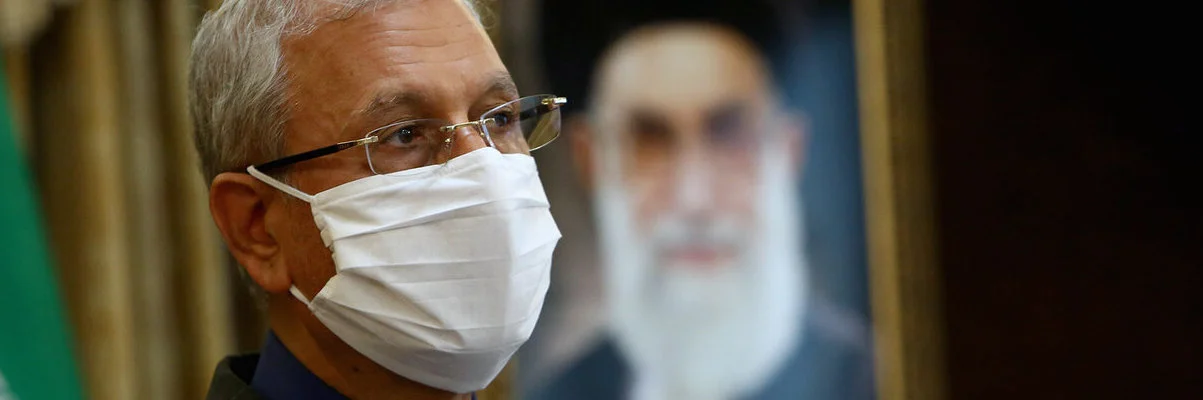
Iran Bemoans Ill-Discipline as Virus Cases Crest Again
Iranian health officials lamented that people were ignoring social distancing rules as it reported more than 3,000 new coronavirus infections in a second cresting wave.
Iran on Tuesday lamented that people were ignoring social distancing rules as it reported more than 3,000 new coronavirus infections in a second cresting wave.
"The fact that people have become completely careless regarding this disease" was of great concern, said Health Minister Saeed Namaki.
"They either have total confidence in us or think the coronavirus has gone. The latter is not true at all," the ISNA news agency quoted him as saying.
His remarks came as health ministry spokesman Kianoush Jahanpour said 3,117 new cases were confirmed in Iran in the past 24 hours.
This had brought the overall caseload to 157,562, he added.
Infections have been on a rising trajectory in Iran since hitting a near two-month low on May 2.
They were at their highest on March 30 after hitting 3,186.
Jahanpour said the virus had claimed another 64 lives in the past day, raising the overall death toll to 7,942.
The latest caseload was close to the highest daily count for the Middle East's deadliest outbreak of COVID-19.
The government has largely lifted the restrictions it imposed to stem the outbreak that first emerged in mid-February.
Photo: IRNA
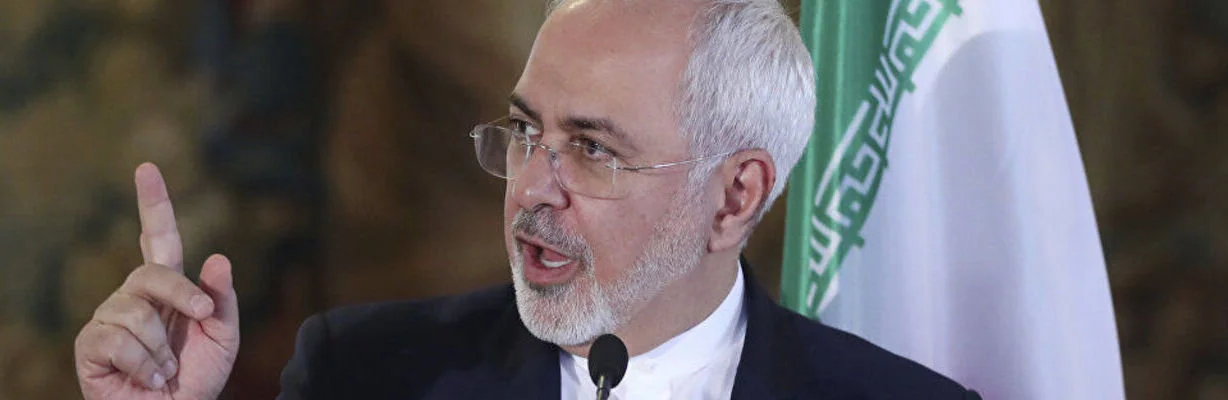
Plane Carrying Iran Scientist Jailed in US Has Taken Off: Zarif
Iran's foreign minister said Tuesday that a plane had taken off from the United States carrying scientist Sirous Asgari after his apparent release from a US prison.
Iran's foreign minister said Tuesday that a plane had taken off from the United States carrying scientist Sirous Asgari after his apparent release from a US prison.
"Good news, a plane carrying Dr. Sirous Asgari has taken off from America. Congratulations to his wife and family," Mohammad Javad Zarif wrote in a post on his Instagram account.
Asgari was accused by a US court in 2016 of stealing trade secrets while on an academic visit to Ohio, but the 59-year-old scientist from Tehran's Sharif University of Technology was acquitted in November.
The academic told British newspaper The Guardian in March that the Immigration and Customs Enforcement agency was keeping him in a detention centre in Louisiana without basic sanitation and refusing to let him return to Iran despite his exoneration.
The US agency database still listed Asgari as being detained in the state of Mississippi.
The State Department did not immediately respond to AFP's request to comment on his apparent release.
On Monday, Iran's foreign ministry spokesman Abbas Mousavi had said Asgari's case was closed and that he was likely to return to the Islamic republic within two or three days.
Both Iran and the United States hold a number of each other's nationals and they have recently called for them to be released amid the COVID-19 pandemic.
Iran is battling what is the Middle East's deadliest outbreak of the virus, while the US has reported the highest total number of deaths worldwide from the disease.
Iran is holding at least five Americans and the US has 19 Iranians in detention, according to a list compiled by AFP based on official statements and media reports.
Tensions between Tehran and Washington escalated in 2018, after President Donald Trump unilaterally withdrew the US from a landmark nuclear agreement and reimposed crippling sanctions on Iran.
The two have at times swapped prisoners despite having no formal diplomatic relations.
In December, Iran freed Xiyue Wang, a US academic, in exchange for scientist Massoud Soleimani and said it was open to further swaps.
Americans and dual nationals currently known to be held by Iran include US Navy veteran Michael R. White, Siamak Namazi along with his father Baquer, Morad Tahbaz, Gholam Reza Shahini, and Karan Vafadari.
Asgari is one of the 19 held by the US, most of them dual nationals and charged with evading sanctions by either exporting goods to Iran or using the US financial system.
Photo: IRNA
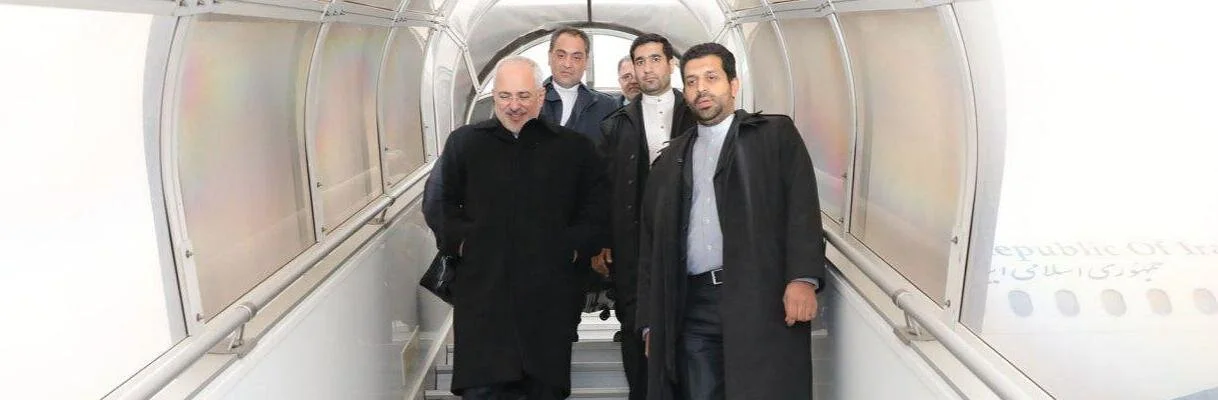
Iran Says Scientist Jailed in US to Return in Days
Tehran said Monday that scientist Sirous Asgari, one of more than a dozen Iranians behind bars in the United States, is set to return to Iran within days.
By Amir Havasi
Tehran said Monday that scientist Sirous Asgari, one of more than a dozen Iranians behind bars in the United States, is set to return to Iran within days.
Asgari was accused by a US court in 2016 of stealing trade secrets while on an academic visit to Ohio.
But the 59-year-old scientist from Tehran's Sharif University of Technology was acquitted in November.
The academic told British newspaper The Guardian in March that the Immigration and Customs Enforcement agency was keeping him in a detention centre in Louisiana without basic sanitation and refusing to let him return to Iran despite his exoneration.
"Dr. Sirous Asgari's case has been closed in America and he will probably return to the country in the next two or three days," said Iran's foreign ministry spokesman Abbas Mousavi.
"That is, if no issues or obstacles come up," he said, quoted by semi-official news agency ISNA.
Iran's foreign ministry said last month that Asgari had contracted the novel coronavirus while in US custody.
If he returns to Iran, the scientist would become one of the few detainees held by either side not to have been released in a prisoner exchange.
Both Iran and the United States hold a number of each other's nationals and they have recently called for them to be released amid the COVID-19 pandemic.
Iran is battling what is the Middle East's deadliest outbreak of the virus, while the US has reported the highest total number of deaths worldwide from the disease.
Prisoner Swaps
Iran is holding at least five Americans and the US has 19 Iranians in detention, according to a list compiled by AFP based on official statements and media reports.
Tensions between the two arch enemies escalated in 2018, after President Donald Trump unilaterally withdrew the US from a landmark nuclear agreement and reimposed crippling sanctions on Iran's economy.
Government spokesman Ali Rabiei said last month that Tehran had offered "some time ago" to exchange all Iranian and US prisoners but was waiting for a response from the US.
Ken Cuccinelli, the acting deputy secretary of US homeland security, responded mockingly by saying Iran should "send a charter plane over" and return its nationals.
Mousavi hit back on Twitter by saying the world "is watching your action, not your word.”
The Islamic republic in December freed Xiyue Wang, a US academic, in exchange for scientist Massoud Soleimani and said it was open to further swaps.
It has also said it has released more than 100,000 inmates, including 1,000 foreigners, to ease the pressure on Iran's prison system during the COVID-19 pandemic.
Americans and dual nationals currently known to be held by Iran include US Navy veteran Michael R. White, Siamak Namazi along with his father Baquer, Morad Tahbaz, Gholam Reza Shahini, and Karan Vafadari.
Asgari is one of the 19 held by the US, most of them dual nationals and charged with evading sanctions by either exporting goods to Iran or using the US financial system.
Long-time foes Iran and the United States have appeared to come to the brink of a direct conflict twice in the past year.
The most recent case was in January when Iran fired a barrage of missiles at US troops stationed in Iraq in retaliation for a US drone strike that killed Qasem Soleimani, a top Iranian general.
Trump refrained from taking any military action in response, however.
Iran on Monday also vowed to keep sending shipments of fuel to Venezuela in defiance of US threats.
The US has imposed unilateral sanctions aimed at ending oil exports by both Iran and Venezuela, both major crude producers.
"If Venezuela demands new shipments, we will export more to this country and any other who requires our shipments," Mousavi said.
It comes days after Iranian tankers carrying much-needed petrol arrived in Venezuela.
Photo: IRNA
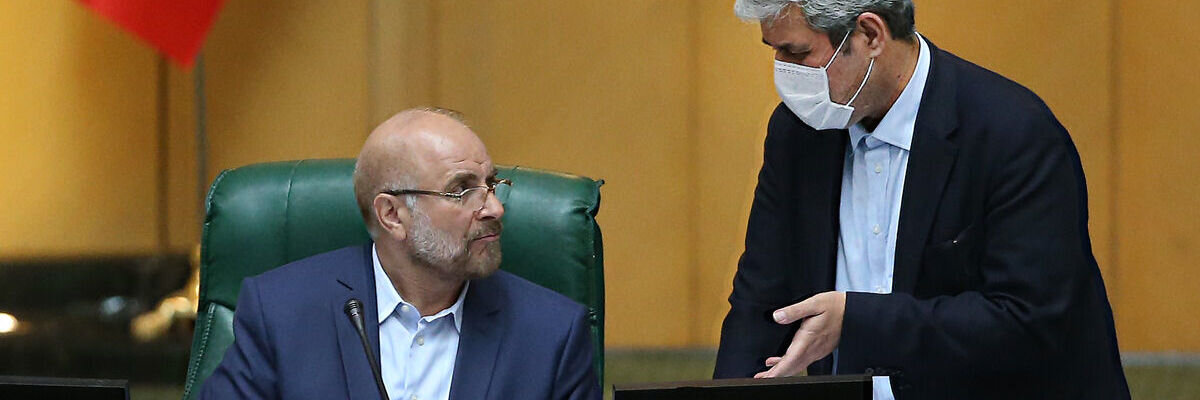
Iran's New Parliament Speaker Says Talks With US 'Futile'
Iran's parliament speaker Mohammad-Bagher Ghalibaf said any negotiations with the United States would be "futile" as he delivered his first major speech to the conservative-dominated chamber on Sunday.
Iran's parliament speaker Mohammad-Bagher Ghalibaf said any negotiations with the United States would be "futile" as he delivered his first major speech to the conservative-dominated chamber on Sunday.
Ghalibaf, a former commander of the Revolutionary Guards' air force, was elected speaker on Thursday after February elections that swung the balance in the legislature towards ultra-conservatives.
The newly formed parliament "considers negotiations with and appeasement of America, as the axis of global arrogance, to be futile and harmful," said Ghalibaf.
He also vowed revenge for the US drone attack in January that killed Qasem Soleimani, the commander of the Guards' foreign operations arm.
"Our strategy in confronting the terrorist America is to finish the revenge for martyr Soleimani's blood," he told lawmakers in a televised address.
This, he said, would entail "the total expulsion of America's terrorist army from the region".
Decades-old tensions between Tehran and Washington have soared in the past year, with the sworn arch enemies twice appearing to come to the brink of a direct confrontation.
The tensions have been rising since 2018, when President Donald Trump withdrew the US from a landmark nuclear accord and began reimposing crippling sanctions on Iran's economy.
That was followed by the US drone strike near Baghdad airport in January that killed Soleimani, a hugely popular figure in the Islamic republic.
Days later, Iran fired a barrage of missiles at US troops stationed in Iraq in retaliation, but Trump opted against taking any military action in response.
Ghalibaf called for ties to be improved with neighbours and with "great powers who were friends with us in hard times and share significant strategic relations", without naming them.
The 58-year-old Ghalibaf is a three-time presidential candidate who lost out to current incumbent Hassan Rouhani at the last election in 2017.
The newly elected speaker had also served as Tehran mayor and the Islamic republic's police chief before taking up his latest post.
Photo: IRNA
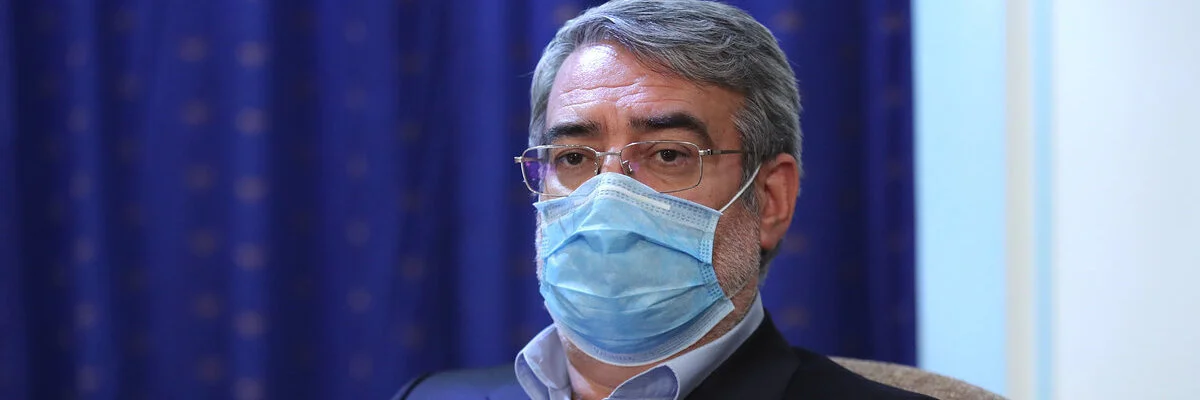
Iran Suggests Up to 225 Killed in November Protests
Iran's interior minister has suggested that up to 225 people were killed in November protests sparked by a petrol price hike, ISNA news agency reported on Sunday.
Iran's interior minister has suggested that up to 225 people were killed in November protests sparked by a petrol price hike, ISNA news agency reported on Sunday.
Officials in Iran have yet to issue an overall death toll for the unrest, while London-based human rights group Amnesty International has put the number at more than 300.
The protests erupted on November 15 in several cities and rapidly spread to at least 100 cities and towns, with petrol pumps torched, police stations attacked and shops looted, before being put down by security forces amid a near-total internet blackout.
Officials had repeatedly denied death tolls given by foreign media and human rights groups as "lies", and passed responsibility of reporting on it between different state bodies.
"Sad things happened. About 40 or 45 people, meaning around 20 percent of those killed, were shot with non-standard issue weapons and martyred," said Interior Minister Abdolreza Rahmani Fazli.
"No armed confrontation with the people happened... but when they attack a police station, they have to be confronted," ISNA quoted him as saying.
His breakdown indicated that, according to the government, between 200 and 225 people were killed in the violence.
According to Amnesty, at least 304 people were killed during the unrest.
A group of independent UN rights experts said in December that based on unconfirmed reports more than 400 people could have been killed in the crackdown.
The experts said at the time that at least 12 of those killed were children.
They pointed to reports and footage apparently showing that security forces "not only fired live ammunition at unarmed protesters, but also aimed at their heads and vital organs".
The United States has claimed that more than 1,000 were killed in the violence.
Iran has blamed the violence that broke out during the protests on "thugs" backed by its foes the United States, Israel and Saudi Arabia.
It has singled out exiled royalists and the People's Mujahedeen of Iran (MEK), an exiled former rebel group which it considers a "terrorist cult".
The minister said the petrol price hike had been "just an excuse" for creating chaos as foes had wanted a "civil war" in Iran.
He also defended the internet blackout, saying that the MEK, monarchists, and the Islamic State group were "giving military training through the internet.”
Photo: IRNA
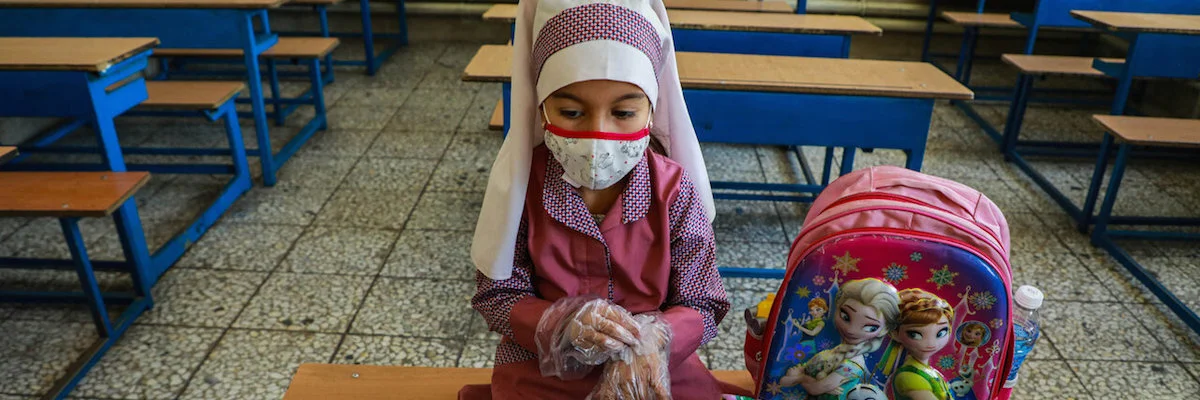
Iran Reports Most New Cases in Nearly Two Months
Iran on Friday announced its highest number of new coronavirus infections in nearly two months and warned the Middle East's deadliest outbreak was worsening in some regions.
Iran on Friday announced its highest number of new coronavirus infections in nearly two months and warned the Middle East's deadliest outbreak was worsening in some regions.
The government has largely lifted the closures it imposed after Iran's first cases were confirmed in February but has been watching out for any resurgence in the number of infections.
Health ministry spokesman Kianoush Jahanpour said 2,819 new cases were confirmed across the country in the past 24 hours, bringing the overall total to 146,668.
That figure is the highest Iran has announced for a single day since April 2.
New infections have been on a rising trajectory ever since hitting a near two-month low on May 2.
Jahanpour said that the virus had claimed another 50 lives over the same period, raising the overall toll to 7,677.
So far the government has reimposed a lockdown on just one province, Khuzestan on the border with Iraq in the southwest.
The province remains "red"—the highest level on Iran's color-coded risk scale.
"The provinces of Khorasan Razavi, east and west Azerbaijan, Lorestan, Kurdistan, Kermanshah, Hormozgan and Mazandaran are also in a critical situation," Jahanpour said.
Photo: IRNA
EU: US Ending Nuclear Waivers Means Harder to Check Iran
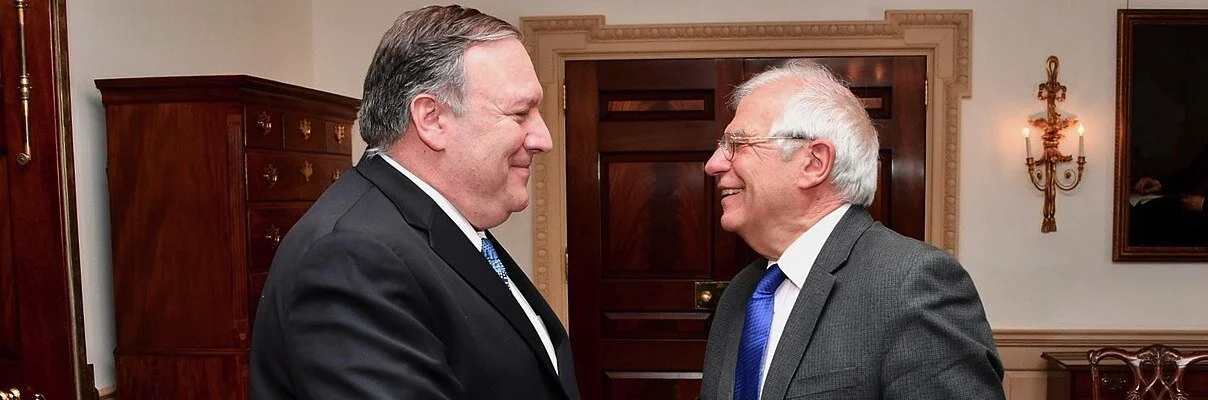
The European Union's foreign policy chief on Thursday condemned Washington's move to end sanction waivers for countries remaining in the Iran nuclear accord, warning it would make it harder to keep Tehran in check.
The European Union's foreign policy chief on Thursday condemned Washington's move to end sanction waivers for countries remaining in the Iran nuclear accord, warning it would make it harder to keep Tehran in check.
Donald Trump's administration announced Wednesday that it was ending the waivers because of a series of "escalatory actions" by Iran aimed at pressuring the United States, which pulled out of the accord in 2018.
But the EU's Josep Borrell highlighted the "enduring importance" of the deal, known as the Joint Comprehensive Plan of Action (JCPOA), because it was vital to ensuring that Iran's nuclear activities remain above board.
"The agreement remains the best and only way to ensure the peaceful nature of the Iranian nuclear program" Borrell told a United Nations Security Council meeting on Europe-UN relations.
"This is why I regret yesterday's decision by the US not to prolong the waivers for the JCPOA-related nuclear projects.
"This will make it more difficult for the international community to ensure the exclusively peaceful nature of Iran's nuclear program."
Iran has taken small steps away from its nuclear commitments in a bid to get Washington to remove sanctions as called for by the 2015 accord.
Trump quit the agreement negotiated under his predecessor Barack Obama, under which Iran had drastically curbed its nuclear activities.
But the Trump administration until now had issued waivers to allow companies, primarily from Russia, to keep carrying out the work of the agreement without risking legal ramifications in the world's largest economy.
Iran's UN ambassador said that with the end of waivers, US Secretary of State Mike Pompeo was pulling the "final plug" on the nuclear deal two years after Trump withdrew the US from it.
“Claiming US is STILL 'Participant' is not just preposterous; it's FALSE," the envoy Majid Takht Ravanchi tweeted.
The envoy was referring to Washington's claim that it remains a participant in the deal, despite renouncing it, and can push to extend an arms embargo on Iran due to begin expiring in October.
Photo: Wikicommons

Conservative ex-Tehran Mayor Ghalibaf Elected Iran Speaker
Iran's newly formed parliament on Thursday elected former Tehran mayor Mohammad-Bagher Ghalibaf as its speaker, consolidating the power of conservatives ahead of next year's presidential election.
Iran's newly formed parliament on Thursday elected former Tehran mayor Mohammad-Bagher Ghalibaf as its speaker, consolidating the power of conservatives ahead of next year's presidential election.
The vote further shifts the political balance toward conservatives who oppose the relative moderate President Hassan Rouhani at a time Iran is engaged in a bitter standoff with arch foe the United States which has reimposed painful economic sanctions.
State television said the 58-year-old received 230 votes out of the 267 cast to secure what is one of the most influential positions in the Islamic republic.
Ghalibaf is a three-time presidential candidate, former police chief and member of the Revolutionary Guards who served as Tehran mayor from 2005 to 2017.
He received the most votes from the capital in February's parliamentary election, which saw the lowest turnout in decades.
The record abstention was partly over the disqualification of many moderate and reformist candidates by the Guardian Council, a watchdog dominated by ultra-conservatives.
An alliance of "principalists"—or conservatives—and ultra-conservatives swept the election in the absence of any challenge from the reformist side.
The parliament, which shapes debate in Iran, had been closed for six weeks until April 7 as part of measures aiming to curb the spread of the novel coronavirus.
Iran has been hit hard by the Middle East's deadliest outbreak. According to the health ministry, the virus has so far killed 7,564 out of 141,591 confirmed infections.
Thursday's vote saw Ghalibaf succeed Ali Larijani, who had held the post since 2008.
The speaker not only directs the parliament's affairs but also has a seat at the High Council of Economic Coordination alongside the president and judiciary chief.
Established in 2018 by the supreme leader's decree, the Council is the highest authority on economic affairs and is meant to combat the impact of United States' sanctions imposed on Iran.
US President Donald Trump withdrew from a landmark nuclear agreement and reimposed sanctions on Iran in 2018, mainly targeting the crucial oil and banking sectors.
Photo: IRNA
US Ends Sanction Waivers for Nations in Iran Nuclear Deal
The United States said Wednesday it was ending waivers in its sanctions for nations that remain in the Iran nuclear accord, bringing the deal further to the verge of collapse.
The United States said Wednesday it was ending waivers in its sanctions for nations that remain in the Iran nuclear accord, bringing the deal further to the verge of collapse.
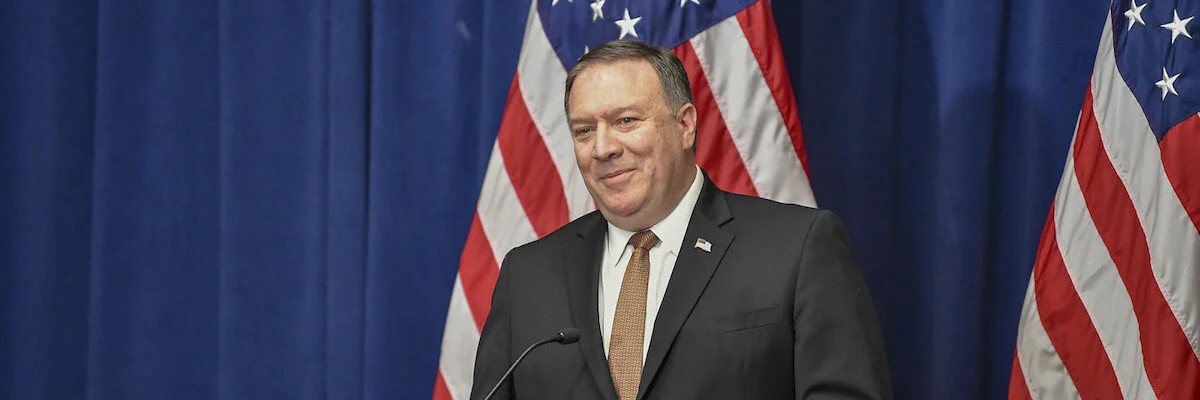
Secretary of State Mike Pompeo said he was responding to Iran's "brinkmanship" of nuclear steps, which have been aimed at pressuring the United States to remove sanctions as called for by the 2015 accord.
"These escalatory actions are unacceptable and I cannot justify renewing the waiver," Pompeo said in a statement.
President Donald Trump bolted from the agreement negotiated under his predecessor Barack Obama, under which Iran had drastically curbed its nuclear activities.
But the Trump administration until now had issued waivers to allow companies, primarily from Russia, that are still present in Iran to carry out the agreement.
The United States will notably remove the waivers that allowed the modification of the heavy water reactor in Arak, which prevented it from using plutonium for military use, as well as the export of spent and scrap research reactor fuel.
Pompeo said that the United States was issuing a final 60-day waiver to allow companies involved in the projects to wrap up their operations.
The United States, however, did not move to stop international support for Bushehr, oil-rich Iran's only nuclear power plant, where Russia has been supplying fuel.
Pompeo said the United States was providing a 90-day waiver extension on Bushehr to "ensure safety of operations" but reserved the right to modify it at will.
In justifying the moves, Pompeo also pointed to recent comments by Iran's supreme leader, Ayatollah Ali Khamenei, who said it was an "Islamic duty" to fight for the "liberation of Palestine" and denounced supporters of Israel.
Pompeo accused Khamenei of invoking the Holocaust, saying: "The regime's vile rhetoric only strengthens the international community's resolve to counter its threats."
Britain, France and Germany—along with Russia and China—still support the nuclear accord, saying that it was working by reducing Iran's nuclear activities.
The Trump administration, which has close ties both to Israel and Iran's regional rival Saudi Arabia, called the deal a "disaster" and said the larger issue was reducing Tehran's activities in the region.
Iran's economy has faced intense pressure over the sanctions, while Trump has also used military force, killing a top Iranian general in a January drone strike.
Photo: State Department
Rouhani Urges Iran MPs to Cooperate as Parliament Opens
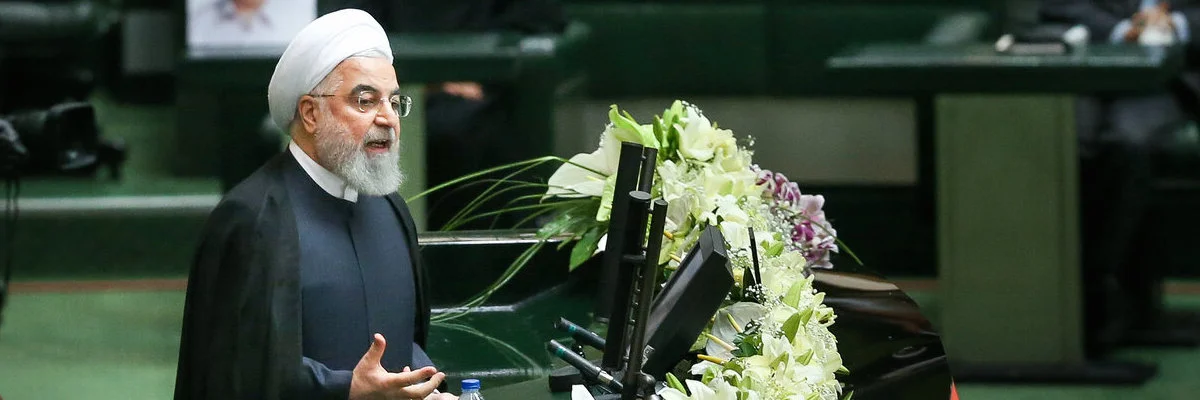
President Hassan Rouhani urged Iranian lawmakers to "cooperate" with his government in a speech on Wednesday during the inaugural session of the new parliament following a February election swept by conservatives.
President Hassan Rouhani urged Iranian lawmakers to "cooperate" with his government in a speech on Wednesday during the inaugural session of the new parliament following a February election swept by conservatives.
The parliament, a legislative chamber that shapes debate in Iran, had been closed for six weeks until April 7 as part of measures aimed at curbing the spread of the novel coronavirus.
Iran has been hit by the Middle East's deadliest outbreak of the virus. Its toll stands at more than 7,500 dead and nearly 140,000 infected.
"I hope that in the year that remains for this government we will be able to cooperate and work together," Rouhani said in the address before the newly formed parliament, or Majles.
Iran held a legislative election on February 21 and is scheduled to hold a presidential poll in around 12 months.
The 11th legislature since the Islamic revolution of 1979 opened as the country's economy gradually returns to normal from the virus outbreak.
In a sign that the fight against the virus is still far from over, however, a seat was left vacant between each deputy.
But many of the elected representatives wore no masks.
Rouhani, who is in the final year of his second and final term, called on MPs, collectively and individually, to place the "national interest above special interests", "party interests" or "constituency interests".
The moderate president defended the performance of his government, which has faced criticism from its conservative and ultra-conservative opponents who now form a majority in the parliament.
'Olive Branch'
For many observers, the record abstention in February's elections reflected the people's disenchantment with broken promises.
Less than 43 percent of voters cast ballots in the election, according to official results.
Voters stayed away after the Guardian Council, a watchdog dominated by ultra-conservatives, disqualified many moderate and reformist candidates from the February 21 election.
The signing of an international agreement on Iran's nuclear programme in 2015 had raised hopes for a bright economic future and an opening up of the country to the world after years of isolation.
But these hopes were dashed before being totally buried in 2018 when US President Donald Trump withdrew from the accord and began reimposing sanctions on Iran.
In his speech, Rouhani again denounced what he called the "psychological war" and "economic and medical terrorism" that he said the United States was waging against his country.
But he said the Iranian nation had stood up against "the enemy" and that its resistance had won.
The president praised his government's performance in dealing with the coronavirus outbreak as a source of "great pride", adding that Iran was "among the countries that have succeeded".
Fereshteh Sadeghi, a political journalist in Tehran, expressed doubt that the new parliament would cooperate with Rouhani's government.
"Rouhani again offers olive branch to new parliament, saying he doesn't seek confrontation but friendship," she tweeted in English.
"He knows these rivals can't be controlled as Ali Larijani did it for him in the past 7 years. God helps him!" she said, referring to the outgoing parliament speaker.
Photo: IRNA
Iran Eases Restaurant Curbs as Virus Claims 57 More Lives
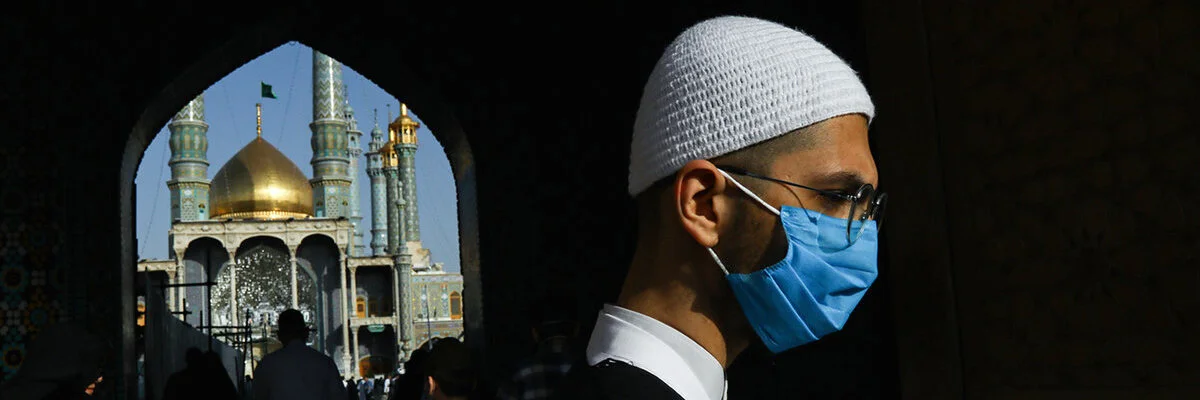
Iran further eased restrictions aimed at curbing the spread of the novel coronavirus Tuesday by allowing restaurants to accept customers, as it announced another 57 deaths from the virus.
Iran further eased restrictions aimed at curbing the spread of the novel coronavirus Tuesday by allowing restaurants to accept customers, as it announced another 57 deaths from the virus.
Since the first cases of COVID-19 appeared on its soil in mid-February, the Islamic republic has sought to halt the spread of the virus without imposing lockdowns.
A deputy health minister signaled the easing of restrictions on eateries.
"Restaurants which before this decree were only allowed to distribute food will be allowed to accept customers from today," Mohsen Farhadi told state television.
Farhadi called on restaurants to respect health protocols to ensure distancing of two meters, a measure he said would reduce client numbers by 50 percent.
Health ministry spokesman Kianoush Jahanpour reported 57 additional COVID-19 deaths in the past 24 hours, bringing the total number of fatalities in the country to 7,508.
Jahanpour said 1,787 new cases of infection over the same period brought the Islamic republic's caseload to 139,511.
"We are seeing a stable process in the majority of provinces," Jahanpour said, adding that the southwestern province of Khuzestan was still classified "red", although the number of infected cases was declining.
Red is the highest level on the country's color-coded scale of risk in relation to its coronavirus outbreak—the deadliest in the Middle East.
Experts both at home and abroad have voiced skepticism about Iran's official figures, saying the real toll could be much higher.
Photo: IRNA
First Iranian Oil Tanker Docks in Venezuela
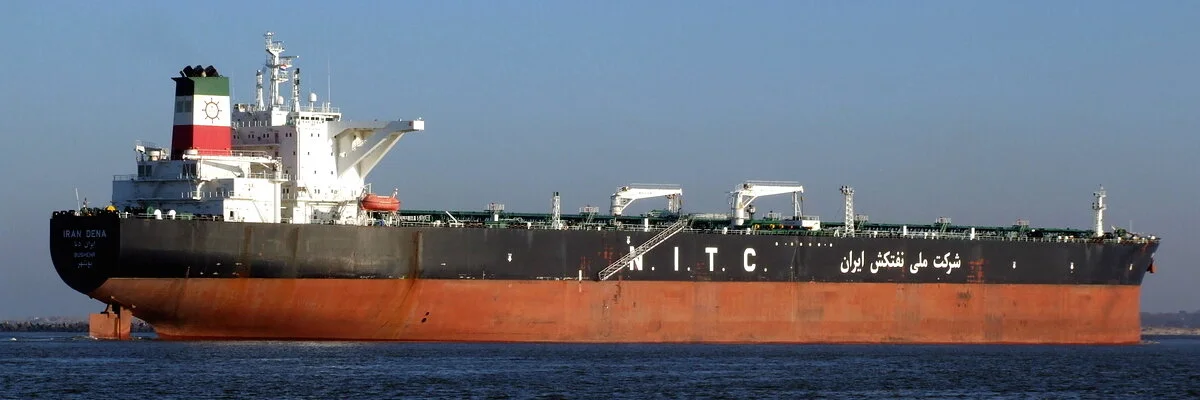
The first of five Iranian tankers carrying much-needed gasoline and oil derivatives docked in Venezuela on Monday, Caracas announced amid concern in Washington.
By Margioni Bermudez
The first of five Iranian tankers carrying much-needed gasoline and oil derivatives docked in Venezuela on Monday, Caracas announced amid concern in Washington.
In a statement delivered on state television, Oil Minister Tareck El Aissami said the convoy was an expression of the Venezuelan people's "self-determination" and praised Tehran's friendship at a time of need.
"What great fortune to have Iran in these times," said the minister, surrounded by members of the military leadership.
Earlier, El Aissami triumphantly shared images on Twitter of the first ship, "Fortune" arriving at El Palito refinery on Venezuela's northwest coast.
"We keep going and WINNING!" El Aissami wrote.
The United States has closely monitored the shipments, concerned that Iran and Venezuela—both under US sanctions—were taking their longstanding ties to another strategic level.
The Iranian tankers have run the gauntlet of US warships arrayed off the Venezuelan coast after Washington announced last month it was stepping up its naval presence, arguing there was an increase in organized crime.
Tensions between Washington and Caracas remain high following Venezuela's disruption last month of an abortive military assault by a group of mercenaries coordinated by a private US security company.
The US has stepped up sanctions against socialist President Nicolas Maduro and his inner circle, recently offering a $15 million reward for Maduro accusing him of masterminding a drug-smuggling ring.
Washington and more than 50 other states accuse Maduro of stealing 2018 elections and instead recognize his opposition rival Juan Guaido as interim president.
Vital Shipment
The vital shipment arrives at a time of chronic fuel shortages in the crisis-wracked South American country, exacerbated by the coronavirus lockdown.
In Caracas, where drivers lined up for hours to fill their tanks, Tehran's helping hand was viewed with a mixture of hope and suspicion.
Osvaldo Rodriguez, 22, doubts the fuel "is for us," but instead destined for those with their hands on the levers of power in Venezuela.
"If gasoline is sold at the same price as abroad, nobody will be able to afford it," he said, alluding to Venezuela's minimum wage of $4.60 a month.
Gasoline is currently selling for up to three dollars a liter on the black market in Caracas, unheard of in a country where motorists are used to filling up for practically nothing.
“We have no shortage of oil! Supposedly we are sitting on five billion barrels of it underground. But there's no gasoline," said Teodoro Lamonte, 50, as he slowly rolled his car along a line outside a service station.
Venezuela boasts the largest proven oil reserves in the world, but production has plummeted under the current regime and its oil exports have been hampered by US sanctions.
The Fortune arrived in Venezuela's territorial waters on Saturday night, escorted by the Venezuelan navy.
The navy on Twitter said its ships were escorting a second tanker, the Forest, which it said entered the country's waters early Monday.
The other Iranian tankers—Petunia, Faxon, Clavel and Forest—will arrive in the next few days, state television said.
The fleet is carrying around 1.5 million barrels of gasoline, according to press reports. Tehran had warned of "consequences" if the US stopped the ships from reaching their destination.
Iran and Venezuela have had close relations since the late socialist leader Hugo Chavez took power in Caracas in 1999.
Venezuela has been in recession for six years, its economy in shambles and its citizens struggling with shortages of basic necessities such as food and medicines.
US sanctions have targeted Venezuelan oil exports, starving Caracas of vital income.
Venezuela is almost entirely dependent on its oil revenues but its production has fallen to roughly a quarter of its 2008 level.
Maduro's government blames that on US sanctions, including against state oil company PDVSA, but many analysts say the regime has failed to invest in or maintain infrastructure.
Falling oil prices since 2014 have exacerbated Venezuela's economic crisis.
Last month, the oil ministry revealed that the price of Venezuelan crude had fallen to its lowest level in more than two decades, at less than $10 a barrel. Last year it averaged $56.70.
Photo: SHANA
Iranian Fuel Shipment Reaches Venezuelan Waters
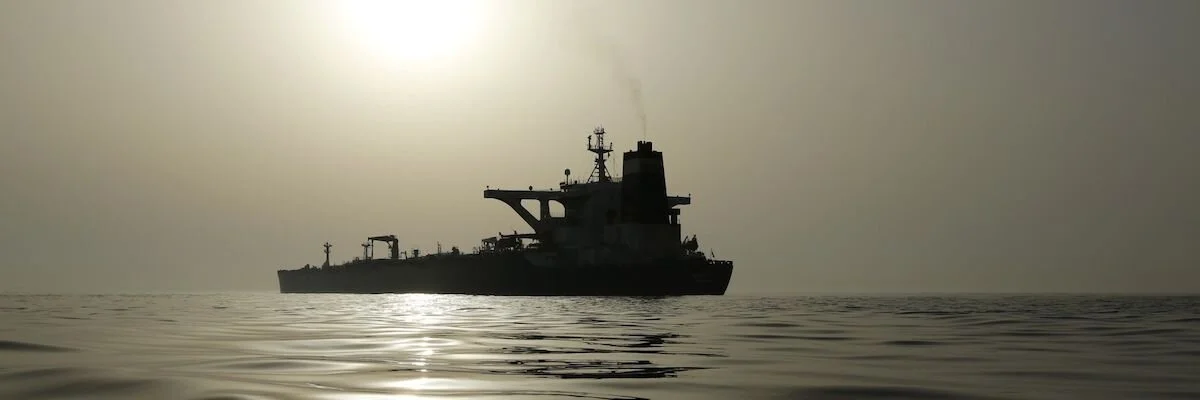
The first of five tankers carrying much-needed Iranian fuel and oil products entered Venezuelan waters on Saturday, a Venezuelan government official said.
The first of five tankers carrying much-needed Iranian fuel and oil products entered Venezuelan waters on Saturday, a Venezuelan government official said.
"The ships of the sister Islamic Republic of Iran are in our exclusive economic zone," Venezuelan oil minister Tareck El Aissami wrote on Twitter after the arrival of the first tanker, named Fortune.
The fleet is carrying about 1.5 million barrels of gasoline according to media reports, and arrives amid tensions between Tehran and Washington, which has imposed sanctions on Venezuelan oil exports and Iran.
Venezuela had said its navy and air force would escort the tankers after Tehran warned of "consequences" if the US stopped the ships from reaching their destination.
According to shipping tracker MarineTraffic, as of at 9:00 pm local time (0100 GMT Sunday) Fortune was near the coast of Sucre state in northern Venezuela after passing off Trinidad and Tobago.
It plans to sail to the El Palito refinery in Puerto Cabello in northern Carabobo state, according to the state-run television station.
The rest of the Iranian ships—the Forest, Petunia, Faxon and Clavel—will arrive in the next few days, according to state television.
Relations between Caracas and Tehran have become close since former Venezuelan president Hugo Chavez took power in 1999.
Iran has repeatedly expressed its support for Nicolas Maduro, his successor, who is also supported by Russia, China, Turkey and Cuba.
The United States calls Maduro a "dictator", however, and has leveled a battery of economic sanctions against his administration, including an oil embargo that came into force in April 2019.
The fuel from Iran comes at a time when the shortage of gasoline, chronic for years in some parts of the country, has worsened in the midst of the COVID-19 pandemic.
Venezuela has the largest oil reserves in the world, but its production is in freefall, a collapse that experts attribute to failed policies, lack of investment and corruption.
Photo: Depositphoto