
Iran Vows to Protect People From Virus Economic Impact
Iran vowed Monday to protect its people from the economic impact of the novel coronavirus as the official death toll in the Middle East's worst-hit country passed 4,500.
By Ahmad Parhizi
Iran vowed Monday to protect its people from the economic impact of the novel coronavirus as the official death toll in the Middle East's worst-hit country passed 4,500.
The government of President Hassan Rouhani has struggled to contain the outbreak since it announced the country's first COVID-19 cases nearly two months ago.
It shut schools and universities, postponed major events and imposed a range of other restrictions, but it has stopped short of ordering lockdowns.
The government stressed the importance of striking a balance between the measures aimed at curbing the spread of the virus and getting the economy back on track.
The objective was to protect "the health and lives of the population from the coronavirus and its economic and social consequences", said government spokesman Ali Rabiei.
"Intelligent (social) distancing has the same objective... we must ensure the health of society while preserving the social and economic life" of the country, said Rabiei.
"The priority will always be given to health policies," he told a televised news conference.
Rouhani announced last week that "low-risk" businesses would be allowed to reopen in order to protect Iran's sanctions-hit economy.
The move took effect on Saturday outside Tehran and it is set to be implemented in the capital a week later.
Uptick in Traffic
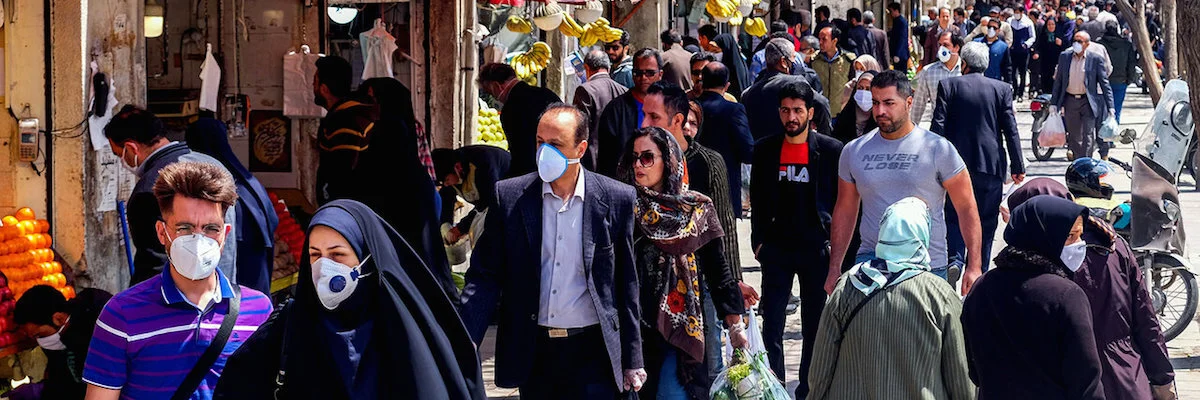
And while the restrictions remain in place in Tehran, there has been a noticable uptick in the flow of traffic in the city this working week.
On Monday, motorists drove past newly erected billboards paying tribute to doctors and nurses who have been on the front line of Iran's COVID-19 battle.
The president on Monday cautioned against neglecting the containment measures, however.
"The implementation of health protocols should continue in a strong and forceful manner," Rouhani said.
The health ministry on Monday announced another 111 coronavirus deaths and 1,617 new infections, bringing the official totals to 4,585 and 73,303, respectively.
But ministry spokesman Kianoush Jahanpour said the number of coronavirus infections was stabilising and that 45,983 patients had recovered.
"The trend of relatively stable and decreasing new cases of contamination, which has been observed in recent days, has also continued over the past 24 hours," said Jahanpour.
"People must always continue to avoid unnecessary travel," he said, in order to stop the spread of the virus that causes the COVID-19 disease.
Iran announced its first COVID-19 cases on February 19—the deaths of two people in the Shiite holy city of Qom.
But there has been speculation abroad that the real toll from the disease in the Islamic republic could be higher.
Photo: IRNA
Luxembourg Blocks Transfer of $1.6 Billion Iranian Assets to US
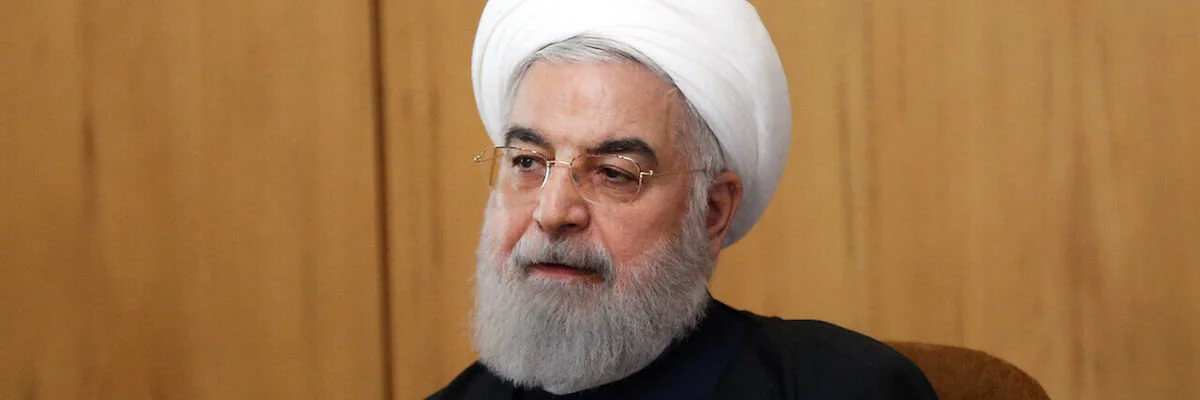
Iran's President Hassan Rouhani said Sunday the country had won a legal "victory" over $1.6 billion of its assets that had long been frozen on a US request in Luxembourg.
A Luxembourg court has blocked a long-running US request to transfer USD 1.6 billion of dollars in Iranian assets to victims of the September 11 attacks, an official statement said on Monday.
The decision confirmed a claim by Iran''s President Hassan Rouhani who on Sunday said the country had won a legal victory over the assets that had long been frozen on a US request in Luxembourg.
The official statement in Luxembourg said that an appeals court on April 1 found the US seizure demand "inadmissible" since the type of account in question is "unseizable" according to national law.
The money is held in the Clearstream clearing house, a financial company owned by Deutsche Boerse based in Luxembourg.
However, the statement added that the ruling was not final and could be appealed at Luxembourg''s highest court.
In a separate decision, the statement said a Luxembourg district judge on April 3 blocked the transfer of funds and said Clearstream would be subject to a daily fine of 1 million euros (USD 1.09 million) if it moved the money.
An attempt on April 7 by Clearstream to have the transfer ban lifted was refused by the president of the Luxembourg court on procedural grounds.
Tehran and Washington have long been arch enemies and tensions have risen sharply since President Donald Trump in 2018 withdrew from a nuclear accord and reimposed stinging sanctions.
In this separate dispute, a New York court in 2012 ordered Iran to pay USD 7 billion in damages over the September 11 attacks, arguing that it had aided Al-Qaeda by allowing its militants to travel through its territory.
Iran has rejected the accusation and refused to pay the money leading US authorities to demand asset seizures wherever they can.
Rouhani said in a televised cabinet meeting Sunday that "our central bank, our foreign ministry [have] recently won a very good victory in a legal battle".
"USD 1.6 billion of our money was in Luxembourg and the Americans had put their hands on it," he said.
After trying for months, "we succeeded some days ago and freed this money from the Americans'' grasp," he declared.
Photo: IRNA
Iran Says Virus Deaths Pass 4,000 But Cases Dropping
Iran's health ministry on Thursday said deaths from the novel coronavirus now total 4,110. But ministry spokesman Kianoush Jahanpour said the latest figures showed there was a downward trend in the number of new infections.
By Ahmad Parhizi
Iran's health ministry on Thursday said 117 new deaths from the novel coronavirus took the total to 4,110 in one of the countries worst hit by the pandemic.
But ministry spokesman Kianoush Jahanpour said the latest figures showed there was a downward trend in the number of new coronavirus infections.
“Today we are clearly seeing a decline in the number of new cases," Jahanpour said in a televised news conference.
"We have identified 1,634 new cases, bringing the total number of confirmed cases to 66,220."
The spokesman praised the people of Iran for following guidelines aimed at stopping the spread of the COVID-19 disease.
"We owe the reduction in the number of cases of the disease to... our beloved people, as well as to the intervention of our colleagues in the health system," said Jahanpour.
"In the past 24 hours we have lost 117 people. We have had a total of 4,110 deaths due to the COVID-19 disease."
Iran, which announced its first coronavirus cases on February 19, is by far the worst hit by the pandemic in the Middle East, according to official tolls.
But there has been speculation abroad that the real number of deaths and infections in the country could be higher.
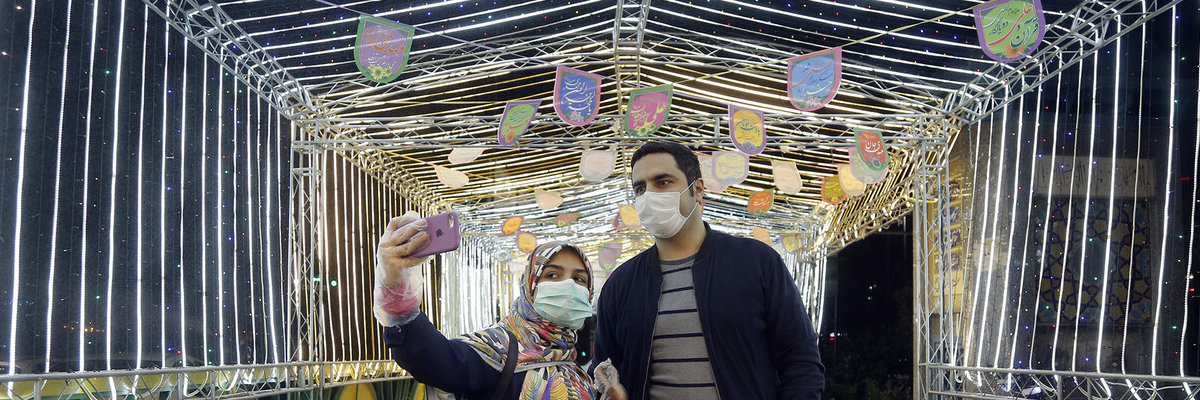
In response to the health crisis, Iran shut schools and universities as well as cinemas, stadiums and holy Shiite Muslim shrines.
Authorities have repeatedly appealed to the public to refrain from gatherings, especially over the Persian New Year holidays that ended last week.
Iran's President Hassan Rouhani on Sunday flagged a gradual reopening of "low-risk" businesses within the next week.
But authorities have yet to specify which businesses qualify for the first phase of measures aimed at protecting Iran's sanctions-hit economy.
The parliament, or Majles, convened on Tuesday for the first time since the outbreak forced its closure on February 25.
At least 31 of the legislature's 290 members have tested positive for the novel coronavirus.
Supreme leader Ayatollah Ali Khamenei on Thursday called on Iranians to pray at home during the upcoming Muslim fasting month of Ramadan.
"In the absence of public gatherings during Ramadan, such as prayers, speeches... which we are deprived of this year, we should not neglect worship, invocation and humility in our loneliness," he said in a televised speech.
“We need to create humility and supplication in our families and in our rooms."
Ramadan is set to start in the last week of April this year.
Photo: IRNA
Virus-hit Iran Urges IMF to Approve its Loan Request
Iran's President Hassan Rouhani appealed to the International Monetary Fund Wednesday to approve a $5 billion emergency loan request to combat its novel coronavirus outbreak.
By Amir Havasi
Iranian President Hassan Rouhani urged the InternationalMonetary Fund on Wednesday to give the sanctions-hit country a $5 billion emergency loan to combat its novel coronavirus outbreak.
The Islamic republic is battling one of the world's deadliest coronavirus outbreaks which it says has killed more than 3,800 people and infected more than 62,500.
There has been speculation abroad that the real number of deaths and infections could be higher.
Iran has said it needs the funds to continue fighting the virus.
But its arch enemy the United States, which effectively holds a veto at the IMF, is reportedly set to block the loan, arguing Iran will use the funds for military purposes.
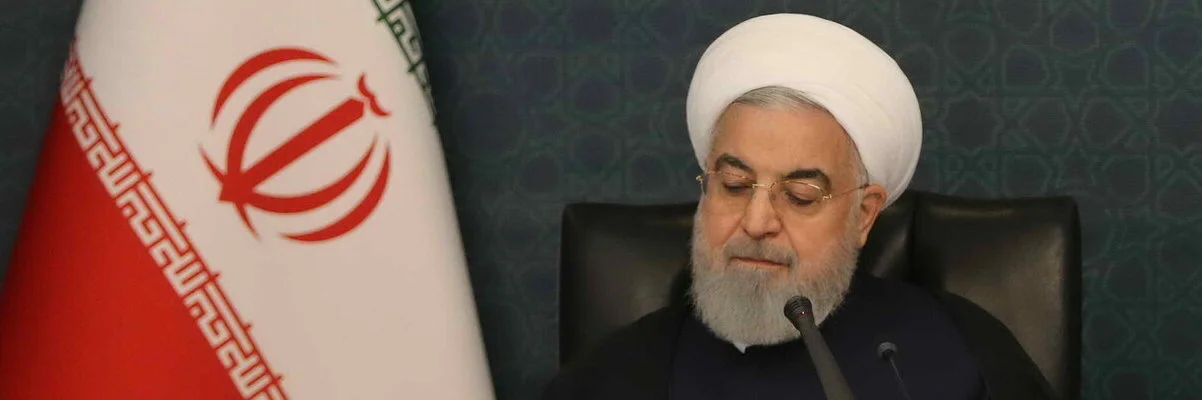
"I urge all international organisations to fulfil their duties," Rouhani said during a cabinet meeting.
"We are a member of the IMF... if there's going to be any discrimination between Iran and others in giving loans, neither we nor world opinion will tolerate it."
Iran announced on March 12 that it had requested the loan.
The country has not received assistance from the IMF since a "standby credit" issued between 1960 and 1962, according to IMF figures.
According to the IMF's website, a Rapid Financial Instrument "is available to all member countries facing an urgent balance of payments need".
"If they do not act on their duties in this difficult situation, the world will judge them in a different way," Rouhani said.
'Maximum Pressure'
US Secretary of State Mike Pompeo said in a recent interview that Iran would use any economic relief to pursue nuclear weapons and back Shiite militias in Iraq that the administration blames for a wave of attacks on bases used by US troops.
"You see the way... the regime is treating their people in this time of enormous crisis. You see the way that they continue to spend money," Pompeo told conservative radio host Hugh Hewitt.
US President Donald Trump's administration has waged a campaign of "maximum pressure" on Iran since it withdrew from a landmark nuclear deal in 2018.
It has since imposed wave after wave of crippling sanctions that target key sectors of Iran's economy such as oil sales and banking.
Iran has repeatedly called on the Trump administration to reverse its sanctions policy, which has been opposed even by US allies, particularly since the COVID-19 pandemic hit.
Medicines and medical equipment are technically exempt from the US sanctions but purchases are frequently blocked by the unwillingness of banks to process purchases for fear of incurring large penalties in the United States.
"It will go down in history that the White House, which was engaged in economic terrorism so far, is now a terrorist in health issues, too," Rouhani said.
European nations have delivered medical goods to Iran in the first transaction under the Instex financing mechanism set up to get round US sanctions.
But it is more than a year since Britain, France and Germany announced the creation of Instex and Iran has questioned European governments' commitment to seeing it through in defiance of the Trump administration.
Photo; IRNA
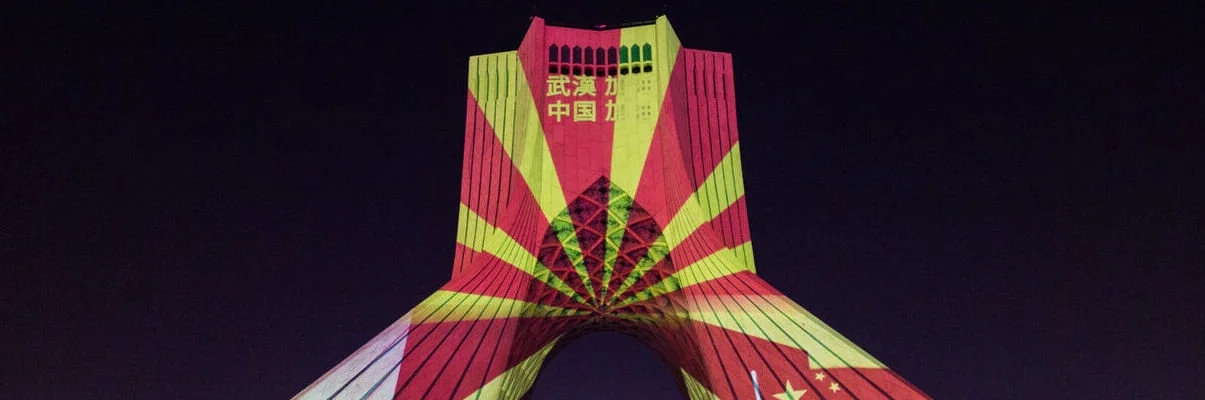
Iran Health Officials Cast Doubt on China Virus Tolls
Iranian health officials cast doubt Tuesday on China's reporting of its novel coronavirus toll, saying the figures appear to be too low.
Iranian health officials cast doubt Tuesday on China's reporting of its novel coronavirus toll, saying the figures appear to be too low.
"After the virus spread, it became evident it wasn't as China reported," said Minoo Mohraz, a health ministry official who is also a member of Iran's coronavirus-fighting taskforce.
"They're currently retracting many of their articles and their figures and studies have not been very correct," she said, quoted by state news agency IRNA.
"With what we know of their scientific studies... their figures are not trustworthy."
Another taskforce official said China's figures were "far from the truth", based on COVID-19's spread and high fatalities worldwide.
Hamid Souri, an epidemiologist, said "distorted data leads to distorted decision-making".
Iran's health ministry spokesman Kianoush Jahanpour came under fire on Sunday after saying China's reporting of its COVID-19 figures was a "bitter joke.”
He was slammed on Twitter by the Chinese ambassador to Tehran, Chang Hua, who called on him to "respect realities and the great efforts of the people of China", where the pandemic originated.
Jahanpour later retreated and tweeted that "China's support of Iran in these trying times is unforgettable".
Iran-China relations are usually warm as Beijing is one of Tehran's top trade partners, especially in oil sales.
Iran says the virus has killed more than 3,800 and infected over 62,500 in the Islamic republic.
But there has been speculation abroad that the real number of deaths and infections could be higher.
Photo: IRNA
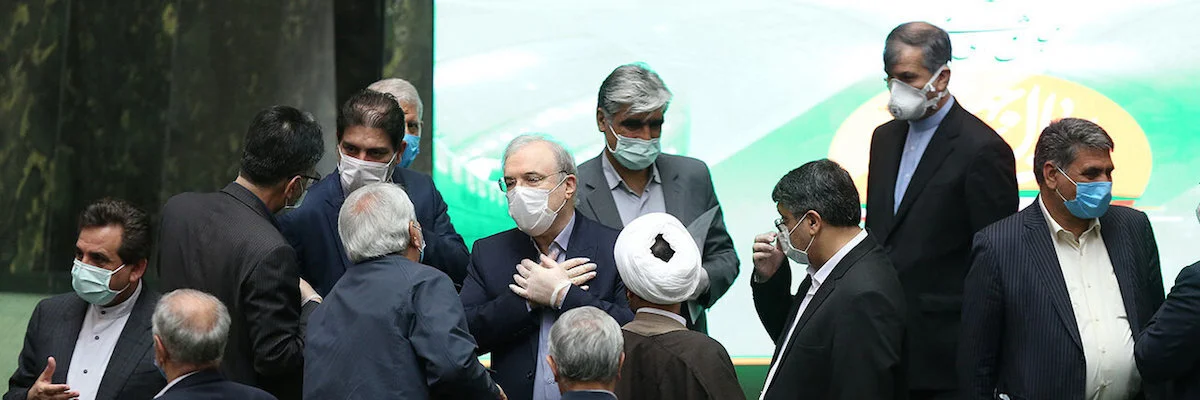
Iran Reopens Parliament as Virus Infections Drop for Seventh Day
Iran's parliament convened Tuesday for the first time since the coronavirus outbreak forced its doors to close, as the country reported a drop in new infections for the seventh straight day.
Iran's parliament convened Tuesday for the first time since the coronavirus outbreak forced its doors to close, as the country reported a drop in new infections for the seventh straight day.
More than two-thirds of the legislature's 290 members gathered in the absence of speaker and veteran politician Ali Larijani, who tested positive for COVID-19 last week.
At least 31 members of the parliament, or Majles, which had been shut since February 25, have contracted the disease.
State television footage of the opening session showed some MPs huddling together despite guidelines on social distancing to stop the spread of the virus.
Parliament debated and eventually blocked an urgent bill to totally lock down the country for a month, with those against arguing it would damage the economy.
"This plan is against jobs and growing productivity. Who's going to pay for implementing it?" MP Shadmehr Kazemzadeh said, according to the semi-official news agency ISNA.
But Abdolkarim Hosseinzadeh, who drafted the bill, said Iran had been "confused" about how to contain the virus.
"We must urgently make a decision, as history will judge us," he said.
Health ministry spokesman Kianoush Jahanpour reported 133 new coronavirus deaths, saying the overall fatalities had reached 3,872.
Another 2,089 infections were recorded nationwide, bringing the total to 62,589.
Iran announced its first COVID-19 cases on February 19, when it said two people had died from the illness.
Jahanpour said that while 3,987 patients were in critical condition, recoveries had increased and a total of 27,039 people had left hospital.
Iran is by far the worst hit by the pandemic in the Middle East, according to official tolls.
There has been speculation abroad that the real number of deaths and infections could be higher, however.
Virus 'Cluster Bomb'
In a bid to halt COVID-19, Iran has ordered the closure of non-essential businesses and imposed inter-city travel bans, while refraining from a lockdown.
But its taskforce to battle the virus said "low-risk" businesses would be allowed to reopen from Saturday, while observing health protocols.
The body said two-thirds of public servants must go to work and the rest could do so from home.
It also said newspaper and magazine publishers could resume their print editions from Saturday, after being barred for a week.
Authorities are yet to define what low-risk businesses are and have been criticised for sending mixed signals by relaxing social distancing measures.
"We're seeing a duality in senior officials' remarks," ISNA quoted the head of Tehran's city council as saying.
"On one hand, there's the health ministry asking for more stringent measures, and on the other economic officials decide things that make people feel the coronavirus is not so dangerous after all," said Mohsen Hasehmi.
A taskforce member said anyone going back to work could become a virus "cluster bomb" as many of those infected were asymptomatic.
"I don't know what's the reasoning for such a decision," state news agency IRNA quoted Hamid Souri as saying Monday.
Officials said the reopening of businesses was meant to save the economy.
"We cannot shut down industries and production" at a time of "economic war" amid crippling US sanctions, Health Minister Saeid Namaki told parliament.
At least 31 members of Iran's parliament, seen here in session in January, have contracted the coronavirus
Iran is by far the Middle East country worst hit by the coronavirus pandemic and there has been speculation abroad that the real numbers of deaths and infections could be significantly higher than the official figures suggest.
Photo: IRNA
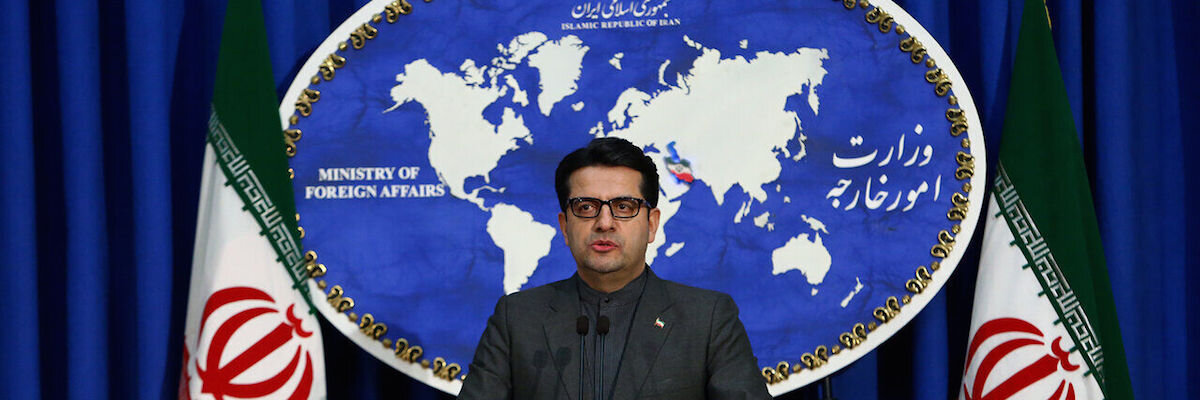
Iran Says INSTEX 'Good Omen' But Insufficient
Iran on Monday welcomed the launch of a European trade mechanism to bypass US sanctions as a "good omen" but said it was insufficient in light of the Europeans' commitments.
Iran on Monday welcomed the launch of a European trade mechanism to ease trade in the face of US sanctions as a "good omen" but said it was insufficient in light of the Europeans' commitments.
Britain, France and Germany said last week they had carried out the first transaction through the INSTEX mechanism to deliver medical supplies to Iran, which has been hit hard by the coronavirus pandemic.
In the first official reaction to the development, Iran's foreign ministry spokesman Abbas Mousavi said the transaction had involved "a few hundred thousand euros.”
“We see the launch of INSTEX as a good omen," Mousavi said in a televised news conference.
But "what the Islamic Republic of Iran expects (from now on) is for the Europeans to fulfil the rest of their commitments in various fields (such as) banking, energy, insurance," he added.
Iran has struggled to stop the spread of the novel coronavirus which officials say has claimed over 3,600 lives and infected more than 58,000 in the country since February 19.
Calls have mounted for the United States to ease its sanctions on Iran so that the Islamic republic can adequately respond to the COVID-19 crisis.
Washington reimposed crippling sanctions on Tehran in May 2018 after withdrawing from an international deal that put curbs on its arch enemy's nuclear program.
In response, the three European countries party to the nuclear deal—Britain, France and Germany—announced the creation of INSTEX in January 2019.
But the implementation of the mechanism has been slow, with Iran and the Europeans blaming each other for the delay.
INSTEX functions as a clearing house and allows European companies to trade with Iran without exposing themselves to the consequences of US sanctions.
It is designed to be open to other companies, particularly from China or Russia, which are also party to the 2015 nuclear agreement.
Photo: IRNA
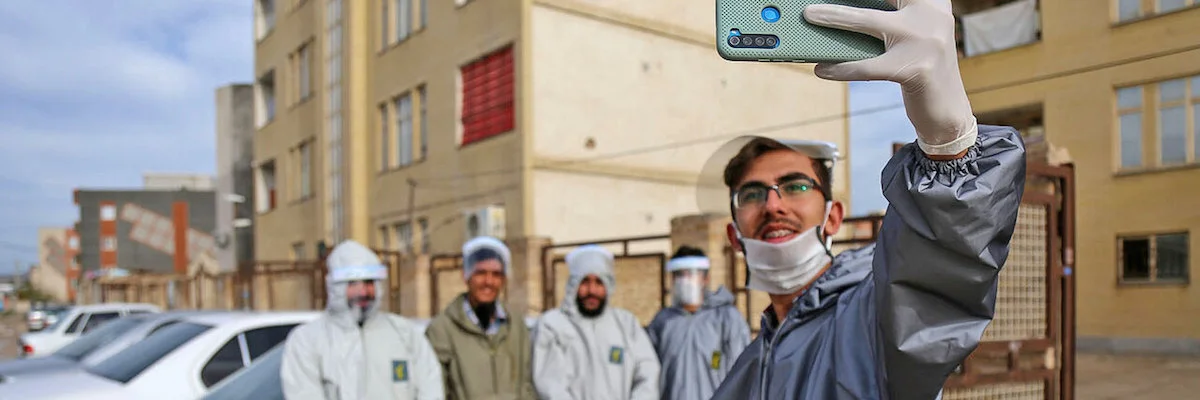
Iran Says Virus Infections Show 'Gradual' Decline
The trajectory of coronavirus infections in Iran appears to have started a "gradual" downward trend, the government said Monday, but it warned the disease is far from being under control.
The trajectory of coronavirus infections in Iran appears to have started a "gradual" downward trend, the government said Monday, but it warned the disease is far from being under control.
The COVID-19 outbreak claimed 136 deaths in the past 24 hours, bringing Iran's overall death toll to 3,739, health ministry spokesman Kianoush Jahanpour told a televised news conference.
Iran registered 2,274 new cases of infection over the same period, he said, putting the total number at 60,500 across the country.
The figure shows a drop in officially reported new cases of the novel coronavirus for the sixth consecutive day after a peak of 3,111 reached on March 31.
Iran is by far the country most affected by the pandemic in the Middle East, according to official tolls released by each state.
"Due to the intensification of the social distancing policy, we have seen a gradual and slow decline in the number of new cases in recent days," Jahanpour said.
President Hassan Rouhani reiterated a call for people to stay at home as he warned Iran could be "put back in a difficult situation" unless people follow guidelines.
"I hope that the strongest possible adherence to these instructions... will allow us to enter a phase of disease control and containment," Jahanpour said.
In an attempt to limit the spread of the disease, the authorities have not confined the population but have resorted to other restrictions such as closing most businesses deemed non-essential.
Rouhani announced on Sunday that the authorities had given the go-ahead for the resumption of certain economic activities "step by step" from April 11.
Photo: IRNA
Iran to Restart 'Low-Risk' Economic Activities Soon
Iran said Sunday it will allow "low-risk" economic activities to resume from April 11 as its daily coronavirus infection rates slowed for a fifth straight day.
Iran said Sunday it will allow "low-risk" economic activities to resume from April 11 as its daily coronavirus infection rates slowed for a fifth straight day.
"Restarting these activities does not mean we have abandoned the principle of staying at home," President Hassan Rouhani said at a meeting of Iran's anti-coronavirus task force.
The president, whose country has been battered by US economic sanctions, did not specify what qualified as "low risk" activities, but said bans would remain on schools and large gatherings.
A "gradual" return of "low-risk" economic activity will be permitted from next Saturday in the provinces and from April 18 in Tehran, Rouhani said.
The novel coronavirus pandemic claimed another 151 lives over the past 24 hours in Iran, raising the Islamic republic's declared death toll to 3,603, health ministry spokesman Kianoush Jahanpour said Sunday at his daily press briefing.
He also reported 2,483 new cases of COVID-19 infection, the fifth straight day of declining numbers, compared to a record number of 3,111 infections on March 31.
Iran, the Middle East country worst affected by the pandemic, which originated in China, has reported 58,226 infections, a figure which some foreign experts suspect is an underestimate.
After resisting a lockdown or quarantine measures, Iran imposed an intercity travel ban late last month.
Saturday should have marked a return to regular activity in Iran after a two-week holiday for the Persian New Year.
Jahanpour at his briefing criticised "those who think that the situation is normal now that the holidays are over, because it is not normal".
While some people in Tehran told AFP they were reassured by the government's response, others remained fearful.
"There have been a lot of people out on the streets the last two days. It's terrifying," a housewife, Zohreh, told AFP.
But Zahra Zanjani, another housewife, said she believed the situation was under control.
"People are very respectful" of instructions from authorities, "and are taking great care," she said.
A retiree named Amir worried about the economic impact of the pandemic.
"People still have expenses to pay," he said.
"They can't stay at home. The government needs to support them financially."
In Isfahan, Iran's third largest city and tourism capital, 35-year-old teacher Samira said large numbers of people were ignoring advice to stay home.
"I passed by two parks and saw 25 to 30 people in each," she said.
"Public gardens are supposed to remain closed."
Photo: IRNA
Biden Urges Iran Sanctions Relief Over Virus
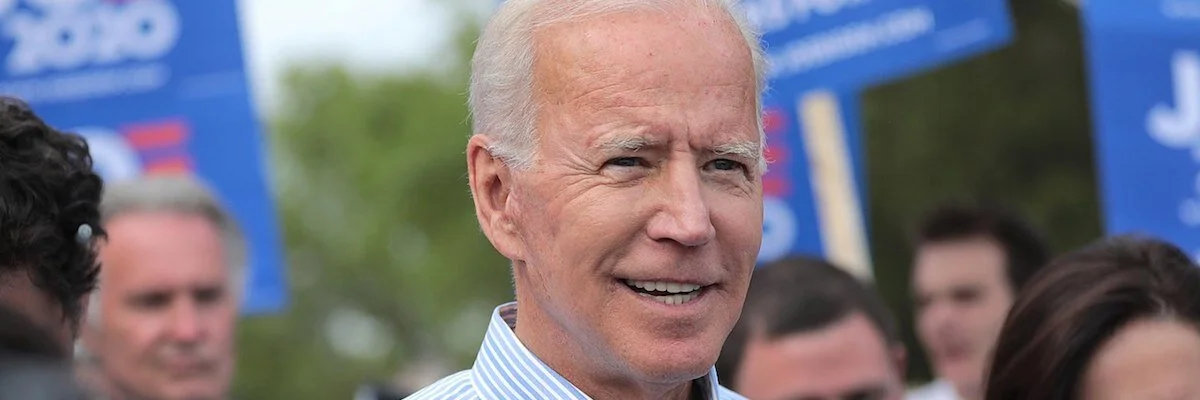
Democratic presidential frontrunner Joe Biden called Thursday for the United States to ease sanctions on Iran to reduce suffering as the country reels from the coronavirus pandemic.
Democratic presidential frontrunner Joe Biden called Thursday for the United States to ease sanctions on Iran to reduce suffering as the country reels from the coronavirus pandemic.
Biden said the United States should set up a dedicated channel for banks and other companies to operate in Iran and issue licenses for the sale of pharmaceuticals and medical devices.
The former vice president also called for guarantees to aid groups that they will not be penalized for operating in Iran -- and said Tehran should reciprocate by freeing detained Americans.
Biden said that President Donald Trump's "maximum pressure" campaign on Iran, which includes sweeping sanctions, had "badly backfired" by encouraging aggression from the clerical regime.
"It makes no sense, in a global health crisis, to compound that failure with cruelty by inhibiting access to needed humanitarian assistance," Biden said in a statement.
"Artificially limiting the flow of international humanitarian assistance to pursue a political point will not only allow the Iranian government to deflect responsibility for its own botched response, it will increase the threat this virus poses to the American people, now and in the future," he said.
His appeal came a day after his rival for the nomination, Bernie Sanders, led left-leaning lawmakers in calling for a lifting of US sanctions on Iran, where more than 3,100 people have died from COVID-19.
Biden had faced criticism from Sanders supporters by hesitating in a television interview on Sunday from saying if he favored easing sanctions on Iran.
The Trump administration has proposed US aid to Iran but offered few details and has kept expanding sanctions.
The administration insists it has never targeted humanitarian goods, but few banks or exporters outside of China are willing to risk US sanctions by doing business in Iran.
Trump withdrew from an accord sealed by former president Barack Obama's administration, in which Biden was vice president, that promised sanctions relief to Iran in return for denuclearization.
Photo: Wikicommons
Iran Warns of Months of Crisis as Virus Deaths Reach 3,160
Iran on Thursday reported 124 new deaths from the coronavirus, raising its total to 3,160, as President Rouhani warned that the country may still battle the pandemic for another year.
Iran on Thursday reported 124 new deaths from the coronavirus, raising its total to 3,160, as President Rouhani warned that the country may still battle the pandemic for another year.
Health ministry spokesman Kianoush Jahanpour announced the latest toll in a news conference and confirmed 3,111 new infections over the past 24 hours, bringing Iran's total to 50,468.
He said 16,711 of those hospitalised had so far recovered.
Iran has been scrambling to contain the COVID-19 outbreak since it reported its first cases on February 19.
After weeks of refraining from imposing a lockdown or quarantine measures, Tehran decided last week to ban all intercity travel until at least April 8.
There is no official lockdown within Iran's cities, although the government has repeatedly urged Iranians to stay at home to contain the spread of the virus.
Rouhani warned at a cabinet meeting Thursday that there was no quick fix.
"Coronavirus is not something for which we can point to a certain date and say it will be completely eradicated by then," he said.
Rouhani said the virus "may be with us in upcoming months, or until the end" of the current Iranian year, in March 2021.
The country, one of the world's worst hit by the pandemic which originated in China, must remain vigilant and more limitations may be implemented, he said.
Iran has closed schools and universities until early April and also four key Shiite pilgrimage sites, including the Fatima Masumeh shrine in Qom.
It has discouraged travel, cancelled the main weekly Friday prayers and temporarily closed parliament.
Photo: IRNA
Iran Virus Death Toll Passes 3,000
Iran's death toll from the coronavirus has passed 3,000, the health ministry said on Wednesday, as President Hassan Rouhani accused Washington of missing a "historic opportunity" to lift sanctions.
Iran's death toll from the coronavirus has passed 3,000, the health ministry said on Wednesday, as President Hassan Rouhani accused Washington of missing a "historic opportunity" to lift sanctions.
Tensions between the arch-foes have soared since President Donald Trump abandoned a landmark nuclear agreement in 2018 and reimposed sweeping sanctions.
Tehran has repeatedly called on Washington to reverse its policy, which has been opposed by US allies, particularly since the COVID-19 pandemic hit.
Health ministry spokesman Kianoush Jahanpour said the coronavirus death toll in Iran now stood at 3,036 following 138 new fatalities in the past 24 hours.
He added that 2,987 new cases had been confirmed, bringing the total to 47,593, with 15,473 of those hospitalised having recovered and been discharged.
"This was the best, historic opportunity for the Americans to reverse their wrong path and for once, tell their nation they are not against the Iranian people," Rouhani said in televised comments at a cabinet meeting.
They "did not learn their lesson even during this difficult global situation," he said.
"This was a humanitarian issue. No one would have blamed them for retreating."
Medicines and medical equipment are technically exempt from the US sanctions but purchases are frequently blocked by the unwillingness of banks to process purchases for fear of incurring large penalties in the United States.
Countries including Azerbaijan, Britain, China, France, Germany, Japan, Qatar, Russia, Turkey and the United Arab Emirates have all sent shipments of medical aid to Iran.
Photo: IRNA
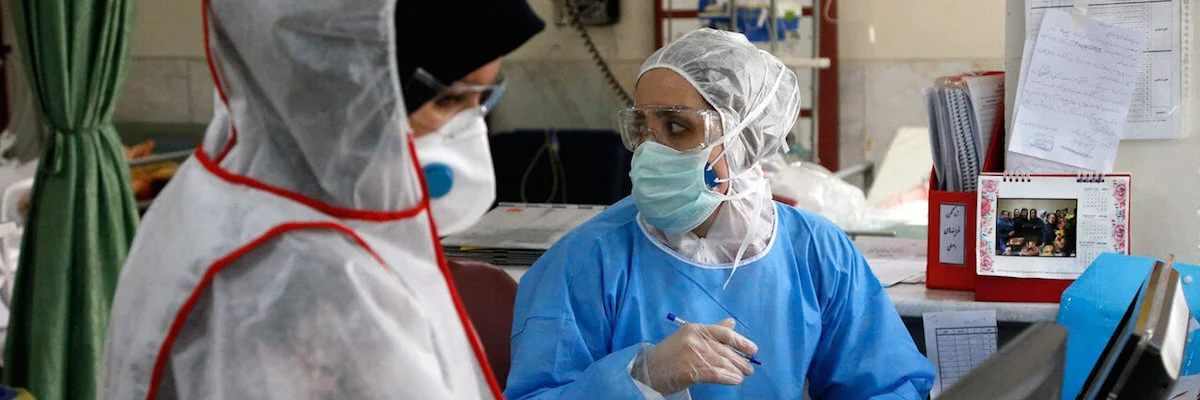
Iran Reports 141 New Virus Deaths, Raising Total to 2,898
Iranian health ministry spokesman Kianoush Jahanpour said 3,111 new infections have been confirmed in Iran over the past 24 hours, bringing the total to 44,606.
Iran said Tuesday 141 more people have died from the novel coronavirus, raising the official toll in one of the world's worst-affected countries to 2,898.
Health ministry spokesman Kianoush Jahanpour said 3,111 new infections have been confirmed over the past 24 hours, bringing the total to 44,606.
He said 3,703 of those hospitalized are in a critical condition and 14,656 have recovered.
Iran has been scrambling to contain the COVID-19 outbreak since it reported its first cases on February 19.
After weeks of refraining from imposing a lockdown or quarantine measures, Tehran decided last Wednesday to ban all intercity travel until at least April 8.
There is no official lockdown within Iran's cities, although the government has repeatedly urged Iranians to stay at home to contain the spread of the virus.
President Hassan Rouhani renewed those warnings on Tuesday as the climax of the two-week Persian New Year holiday nears.
Hr said authorities would close parks across the country on Wednesday, in a move that effectively blocks the family picnics that traditionally mark the 13th day of holiday.
Rouhani called on people to "leave this tradition for some other time" and said violators would be fined.
The authorities have also stopped the print editions of all Iranian media until at least April 8, calling on them to publish online instead, state news agency IRNA reported.
"Publishing newspapers and other print media requires the activities of groups ranging from reporters to the printing and distribution industry and this could potentially increase the disease's spread," said a statement from Iran's anti-coronavirus committee.
The outbreak has not spared Iranian lawmakers or other officials.
A parliament spokesman told the Tasnim news agency Tuesday that at least 23 of the legislature's 290 members have tested positive for the novel coronavirus.
Photo: IRNA
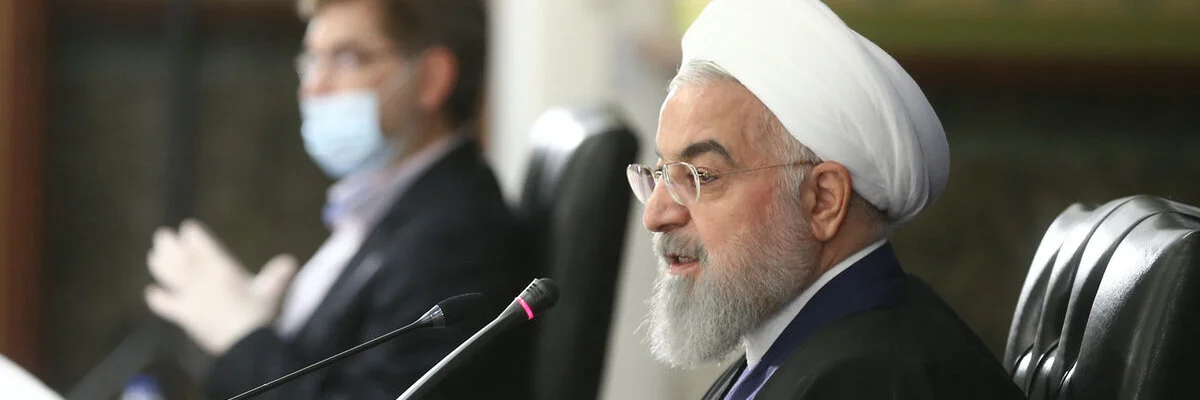
Iran COVID-19 Infections Cross 40,000
Iran's official coronavirus death toll reached 2,757 on Monday and the number of infections crossed 40,000, as President Hassan Rouhani's political opponents slammed his response to the outbreak.
The number of declared coronavirus infections in Iran topped 40,000 Monday, as the government warned the outbreak could run for several more months and cost over 10,000 lives.
With the tally climbing, President Hassan Rouhani stood accused of failing to take prompt action by some of his political opponents.
The row came as a report by Iran's anti-coronavirus committee said the country may struggle with the outbreak until at least early summer.
Parviz Karami, who published the study on Instagram, said 11,000 people would die in case of "medium government intervention", including measures already taken by Iran.
Potential fatalities could drop to 7,700 with "maximum" intervention, such as banning movement inside cities and imposing quarantines, he said.
Health ministry spokesman Kianoush Jahanpour said Monday another 117 people had died from the virus over the past 24 hours and 3,186 new cases had been confirmed, raising the total to more than 41,000.
The death toll had reached 2,757.
According to Jahanpour, 13,911 of those hospitalised have recovered, while 3,511 are in critical condition.
The Islamic republic is one of the countries worst hit by the pandemic.
Iran has been scrambling to contain COVID-19's spread since it reported its first cases on February 19.
After weeks of refraining from imposing a lockdown or quarantine measures, Tehran decided last Wednesday to ban all intercity travel until at least April 8.
There is no official lockdown in Iran's cities although the government has repeatedly urged Iranians to stay at home to contain the spread of the virus.
Rouhani's political opponents argued Monday that it was all too little, too late.
'Political War'
"Coronavirus could have been more quickly contained" if measures such as "social distancing and limitations had been considered sooner", judiciary chief Ebrahim Raisi said, quoted by ISNA news agency.
Raisi, an ultra-conservative who ran against Rouhani in the 2017 presidential election, said that "time is of the essence".
The Iranian people had started "cooperating" only after authorities appeared to take the threat seriously, the official said.
Mohammad Bagher Ghalibaf, a veteran conservative who also stood against Rouhani, charged the administration has mismanaged the crisis.
He accused the authorities of "ignoring reality" and "unjustified optimism".
Rouhani had "worsened the crisis, then asked for help and put the blame on others", Ghalibaf tweeted.
The criticism came as Rouhani called on opponents to assist the government's efforts.
"This is not a time for gathering followers. This is not a time for political war," the president said.
Government spokesman Ali Rabiei on Monday defended the measures adopted by the administration at a time that the country was under crippling US sanctions.
Washington withdrew from a landmark nuclear deal with Tehran and reimposed sanctions on Iran in 2018, targeting the crucial oil and banking sectors, among others.
The administration had taken the necessary steps "once notified" of the COVID-19 outbreak, Rabiei told a news conference.
Its approach had been to try to ensure "that both physical distance be kept and people's everyday lives not be disturbed", he said.
"These two make sense together in an economy under sanctions."
According to Rabiei, the administration has endorsed a $6-billion rescue package to fend off the damage from the outbreak.
It included low-interest loans to businesses to prevent a spike in unemployment and cash handouts to impoverished Iranians.
Some of Iran's top hospitals are experimenting with stem cells to "balance immune system response" in infected patients and find a treatment, according to ISNA.
Iran also said Monday it has started mass production of "highly accurate" coronavirus testing kits that could produce results within 3 hours.
Photo: IRNA
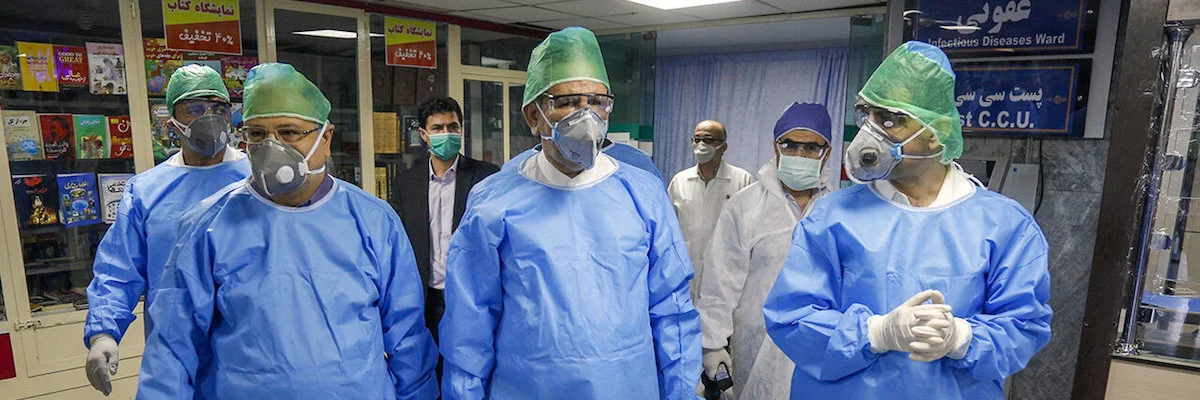
Iran Warns of Lengthy 'New Way of Life' as Virus Deaths Rise
President Hassan Rouhani warned Sunday that "the new way of life" in Iran was likely to be prolonged, as its declared death toll from the novel coronavirus rose to 2,640.
President Hassan Rouhani warned Sunday that "the new way of life" in Iran was likely to be prolonged, as its declared death toll from the novel coronavirus rose to 2,640.
The Islamic republic is one of the countries worst-hit by the virus, which first originated in China.
Iran announced its first infection cases on February 19, but a senior health official has acknowledged that the virus was likely to have already reached Iran in January.
At his daily news briefing, health ministry spokesman Kianoush Jahanpour said 123 more people in Iran had died from the virus in the past 24 hours.
He reported 2,901 new cases of COVID-19 infection, bringing the overall number of officially confirmed cases to 38,309.
According to the official, 12,391 of those hospitalised have recovered and 3,467 are in "critical" condition.
"We must prepare to live with this virus until a treatment or vaccine is discovered, which has not yet happened to date," President Hassan Rouhani said in a cabinet meeting.
"The new way of life we have adopted" is to everyone's benefit, he said, adding that "these changes will likely have to stay in place for some time".
After weeks of refraining from imposing lockdown or quarantine measures, Tehran decided Wednesday to ban all intercity travel until at least April 8.
Without an official lockdown in place, the government has repeatedly urged Iranians to stay home "as much as possible".
Schools and universities in some provinces were closed in late February and the measure was later extended to the whole country.
After Rouhani's warning, the reopening of schools following this year's Persian New Year holidays of March 19 to April 3 appears unlikely.
On a positive note, Rouhani said he had been told by top health experts and doctors that "in some provinces we have passed the peak (of the epidemic) and are on a downward trajectory".
Several Iranian government officials and notable figures have been infected by the new coronavirus, some of whom have died.
The most recent case of infection was Mohammad-Reza Khatami, brother of former president Mohammad Khatami and an ex-deputy speaker of parliament.
He is currently hospitalised, according to state news agency IRNA.
Iraj Harirchi, a deputy health minister who tested positive for the virus in late February, has returned to public life and appeared on state television to emphasize safety precautions.
Photo: IRNA

Democrats Push Back on Sanctions, Citing Coronavirus Fears
Top Democrats in Congress are urging the Trump administration to ease sanctions on Iran, Venezuela, and other countries badly hit by the coronavirus pandemic, citing the need to provide medical supplies and humanitarian support.
By Jack Detsch
Top Democrats in Congress are urging the Trump administration to ease sanctions on Iran, Venezuela, and other countries badly hit by the coronavirus pandemic, citing the need to provide medical supplies and humanitarian support.
In a stream of several letters aimed at Secretary of State Mike Pompeo and other top U.S. officials, Democratic members of Congress including presidential candidate Sen. Bernie Sanders and Rep. Alexandria Ocasio-Cortez are pushing for the administration to grant clearly outlined waivers from American sanctions.
Democratic Sen. Chris Murphy also spearheaded a call by several Democrats to the Trump administration to ease U.S. sanctions against countries, including Iran and Venezuela, hit hard by coronavirus, saying the measures are hampering the free flow of medicines and other humanitarian supplies to the neediest as the pandemic worsens.
“Helping these nations save lives during this crisis is the right thing to do from a moral perspective, but it is also the right thing to do from a national security perspective,” Murphy wrote in the letter sent Thursday to Pompeo and Treasury Secretary Steven Mnuchin. “By allowing our sanctions to contribute to the exceptional pain and suffering brought about by the coronavirus outbreaks in both nations, we play into the anti-Americanism that is at the heart of both regimes’ hold on power.” The letter was co-signed by several Senate Democrats, including Chris Van Hollen, Tim Kaine, and Patrick Leahy.
An early draft of the letter sent by Sanders and Ocasio-Cortez that was seen by Foreign Policy also calls for a temporary suspension of sanctions, including on the banking and oil sectors that have been heavily targeted since President Donald Trump pulled the United States out of the Iran nuclear deal in May 2018. The letter is expected to be sent to Pompeo and Mnuchin early next week.
The Trump administration has said that it would only lift sanctions—which are aimed at pressuring Iran into a fresh nuclear deal without sunset provisions—once Iran stops its activity of supporting terrorist groups and proxies in the Middle East and halts its ballistic missile program. In February, the United States asked Iran to identify medical or other needs for coronavirus relief through Swiss interlocutors. State Department spokesperson Morgan Ortagus told the U.S.-funded Radio Farda on Thursday that the offer came without preconditions.
Murphy is asking the administration to hold off on the enforcement of sanctions for 90 days that could halt “a rapid humanitarian response” to the spread of the coronavirus in Iran. He also wants the Treasury Department to ease penalties against information technology companies that could provide information on treating or preventing the disease.
Over 30,000 cases of the novel coronavirus have spread across Iran, including to elite military and clerical leaders. Earlier this month, Iranian state radio said that Mohammad Mirmohammadi, a member of the advisory body to Supreme Leader Ali Khamenei, had died of COVID-19. Amid the crisis, Iran has asked the International Monetary Fund for $5 billion in critical funds and for supplies of masks, respirators, and other medical equipment.
The debate over whether to modify U.S. sanctions on Iran spilled out onto the editorial pages of major American papers this week, with the New York Times editorial board calling for the Trump administration to allow an IMF loan to move forward and for technical assistance. The Wall Street Journal’s editorial board ran a rejoinder on Wednesday.
Some experts say even with sanctions relief or waivers for humanitarian and medical supplies, it’s unclear if countries like Iran have enough foreign currency reserves to buy up medical supplies—or if foreign companies and international banks would be willing to broker the transactions in the first place. “Even if they say they’re not targeting Iran’s humanitarian imports, they’re still chilling the markets overall,” Brian O’Toole, a former CIA and Treasury Department official, told Foreign Policy.
Administration officials also believe Iran’s military and its proxies could immediately take advantage of any broader sanctions relief, even if sanctions were only eased temporarily. “If Iran could suddenly repatriate a bunch of money, or Iran’s [Islamic Revolutionary Guard Corps] funds were unfrozen, it could start to move those into places where it’s hidden, people couldn’t find them as easily, and then you’re stuck back in a place … where you’ve aided U.S. adversaries,” O’Toole said.
The call for the suspension of sanctions coincides with a Democratic effort led by Rep. Eliot Engel, the chairman of the House Foreign Affairs Committee, and Rep. Adam Smith, head of the armed services panel, to keep the U.S. Agency for International Development from halting aid to areas controlled by the Iran-backed Houthi rebels in Yemen, a suspension that’s set to go into effect on Friday.
“USAID is totally stonewalling efforts to push this suspension back, or to create meaningful carve outs for lifesaving programs,” a former U.S. official familiar with the matter told Foreign Policy.
USAID’s assistant administrator for its Bureau for Latin America and the Caribbean, John Barsa, who is set to take over the agency’s top spot in an acting role next month, strongly supports the suspension of U.S. assistance to Houthi-controlled areas, the former official said, though the Trump administration has been warned that the freeze could lack sufficient carve-outs for bystanders living under the Iran-backed group.
But it’s not clear the legislative effort to urge a course change will have an impact on the Trump administration’s efforts to exact what it calls “maximum pressure” on Iran to force it to rein in proxy groups and efforts at ballistic missile and nuclear programs.
Photo: Wikicommons
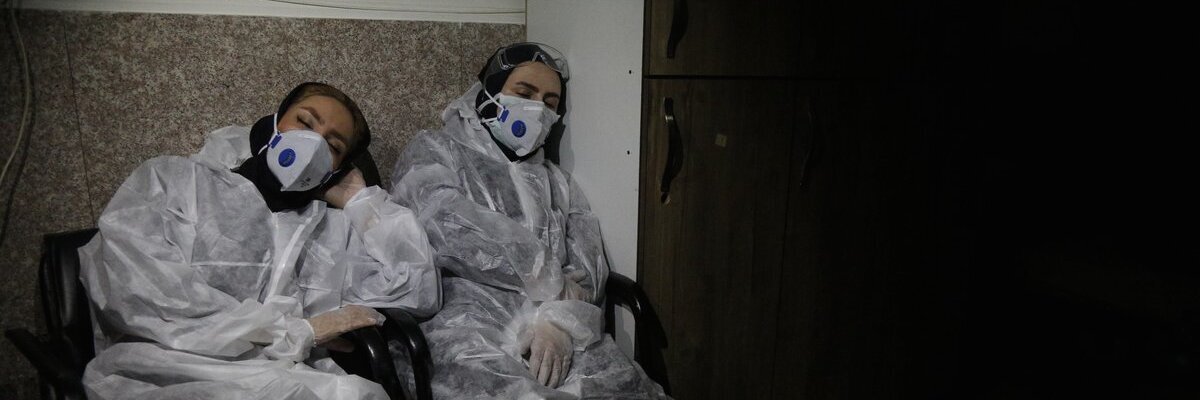
Iran Reports 157 New Virus Deaths, Imposes Intercity Ban
◢ Iran on Thursday announced 157 new deaths from coronavirus, raising the official number of fatalities to 2,234, as it slapped a ban on intercity travel to try to curb the spread. "Fortunately, until today 10,457 of those infected have recovered and been discharged from hospitals," announced health ministry spokesman Kianoush Jahanpour.
Iran on Thursday announced 157 new deaths from coronavirus, raising the official number of fatalities to 2,234, as it slapped a ban on intercity travel to try to curb the spread.
Health ministry spokesman Kianoush Jahanpour also said that 2,389 new cases have been confirmed in the past 24 hours, bringing the total number of declared infections in one of the world's wost-hit countries to 29,406.
"Fortunately, until today 10,457 of those infected have recovered and been discharged from hospitals," he told a news conference.
Jahanpour said that the spread of the new coronavirus and its rate of infection was "growing steadily" in Iran.
The Islamic republic imposed strict new containment measures Thursday, after weeks of public appeals largely failed to prevent hundreds of thousands of Iranians taking to the roads to visit family for the Persian New Year holidays.
"Those who were planning to travel, cancel it right from this moment," said Hossein Zolfaghari, a senior official at Iran's anti-coronavirus committee.
"Those who are out travelling should return home quickly," he added in a televised announcement while announcing details of the new measures.
Zolfaghari said non-residents will not be allowed into cities based on their car plates and drivers' IDs, and violators will be fined and their cars impounded.
"All official and non-official gatherings... are also banned," the official said, without elaborating further.
President Hassan Rouhani said in a cabinet meeting he hoped the "more strict measures" would help to curb the virus.
He added the government was going to ask Iran's supreme leader for permission to draw $1 billion from its national development fund to address "the coronavirus' complexities and issues, especially the medical sector's needs".
The country will also provide businesses which have not laid off workers during the outbreak with low-interest loans, Rouhani said.
Photo: IRNA

US Grants Iraq Shortest Sanctions Waiver Yet for Iran Gas
◢ The United States on Thursday granted Iraq a 30-day waiver to keep importing Iranian gas despite American sanctions, two Iraqi officials told AFP, the shortest extension yet Baghdad relies on gas and electricity imports from its neighbor Tehran to supply about a third of its power grid, crippled by years of conflict and poor maintenance.
The United States on Thursday granted Iraq a 30-day waiver to keep importing Iranian gas despite American sanctions, two Iraqi officials told AFP, the shortest extension yet.
The US slapped tough sanctions on the Iranian energy sector in late 2018 and has granted Iraq a series of waivers, usually for 45, 90 or 120 days.
Baghdad relies on gas and electricity imports from its neighbor Tehran to supply about a third of its power grid, crippled by years of conflict and poor maintenance.
"This is the final extension," one source at the Iraqi president's office told AFP.
The source said Washington had been frustrated that Iran was meddling in the government formation process in Iraq.
Adnan Zurfi, who has had close ties with US officials since the American-led invasion of Iraq in 2003, was nominated on March 17 and has a month to pull together his cabinet.
"The US did not want to put Zurfi in a difficult position by not renewing the waiver," a second senior Iraqi official told AFP, confirming the 30-day extension.
The official said Baghdad had prepared a checklist at the beginning of the last 45-day waiver period of ways the country could decrease its reliance on Iranian oil.
"But we haven't been able to accomplish any of them because of the circumstances," the source said.
Iraq has been hit by a wave of crises in recent weeks, including the government formation stalemate, collapsing oil prices and the novel coronavirus pandemic.
OPEC's second-biggest producer relies on crude exports to fund more than 90 percent of its state budget, but the crash to a price of under $30 per barrel puts it in jeopardy.
The COVID-19 virus has also spread across the country, with nearly 350 confirmed cases and 29 deaths announced by the health ministry.
Photo: Wikicommons
Iran to Ban Intercity Travel as Coronavirus Death Toll Tops 2,000
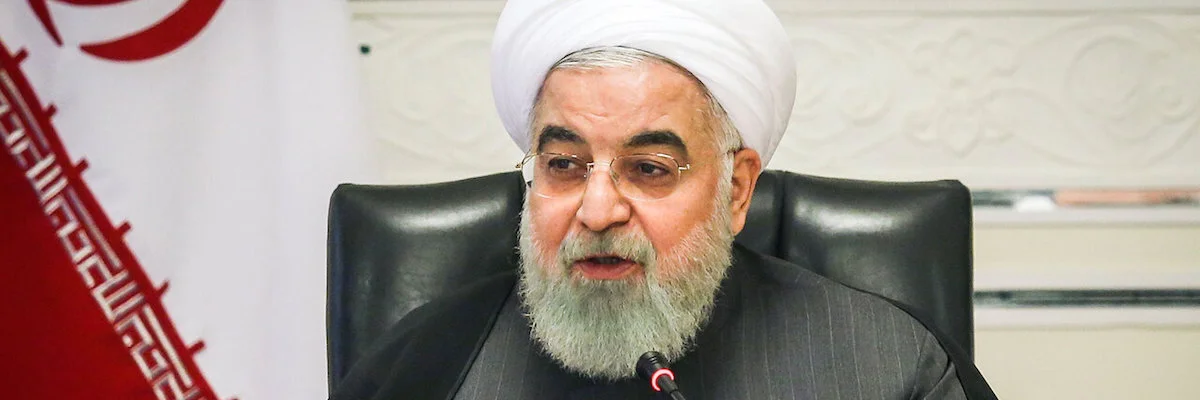
◢ Iran's president warned that his government was poised to introduce tough new measures against the coronavirus Wednesday as the death toll from one of the world's deadliest outbreaks neared 2,000. So far, Iran has resisted imposing any lockdown, choosing instead to rely on verbal appeals for people to stay home.
Iran will ban intercity travel within days as it finally gets tough with the coronavirus that has killed more than 2,000 people in one of the world's deadliest outbreaks, officials said Wednesday.
The strict new measures come after weeks of cajoling largely failed to prevent hundreds of thousands of Iranians taking to the roads to visit family for the two-week Persian New Year holiday.
"New journeys will be banned, leaving towns and cities will be banned," government spokesman Ali Rabii announced, hours after President Hassan Rouhani revealed the government was poised to introduce "difficult" new measures against the outbreak.
“People should return to their home towns as quickly as possible," Rabii said.
He said the government would issue a statutory instrument setting out fines for violations.
"Of course, the security forces are going to stop it," he said, referring to travel on Iran's major highways.
Interior Minister Abdolreza Rahmani Fazli told official news agency IRNA Wednesday that the ban would enter force "tomorrow or the day after".
Addressing a cabinet meeting earlier, Rouhani had warned that the new measures could be adopted as soon as Wednesday evening.
‘We Have No Choice'
Iran on Wednesday announced 143 new deaths from the coronavirus, raising the official death toll to 2,077.
Health ministry spokesman Kianoush Jahanpour added that "our colleagues have registered 2,206 new cases of COVID-19 infection" in the past 24 hours, bringing total infections to 27,017.
Iran had long resisted imposing any lockdown, choosing instead to rely on verbal appeals for people to stay home.
But those have been widely ignored. The traditional holiday exodus from Iran's cities went ahead largely undiminished raising fears of the virus spreading deeper into the countryside.
"There has been a long debate within the National Committee for Fighting the Coronavirus about how to strengthen the measures we have taken," Rouhani said in his televised comments to the cabinet.
"We need to step up those measures," he said, adding that the health ministry had "presented the committee with a plan" that could be "approved and published" during the day.
"It may create problems for people's travel plans and require that people return home early," the president said.
"It could stop the next wave of journeys. People have to realize that these are difficult decisions that are being taken to protect people's lives.
"But we have no choice, because the lives of Iranians are important to us."
Rouhani said the new measures would be adopted for 15 days and would be "implemented thoroughly until Saturday, April 4," the day when children normally return to school after the holiday.
Photo: IRNA
Iran Coronavirus Death Toll Rises to 1,934
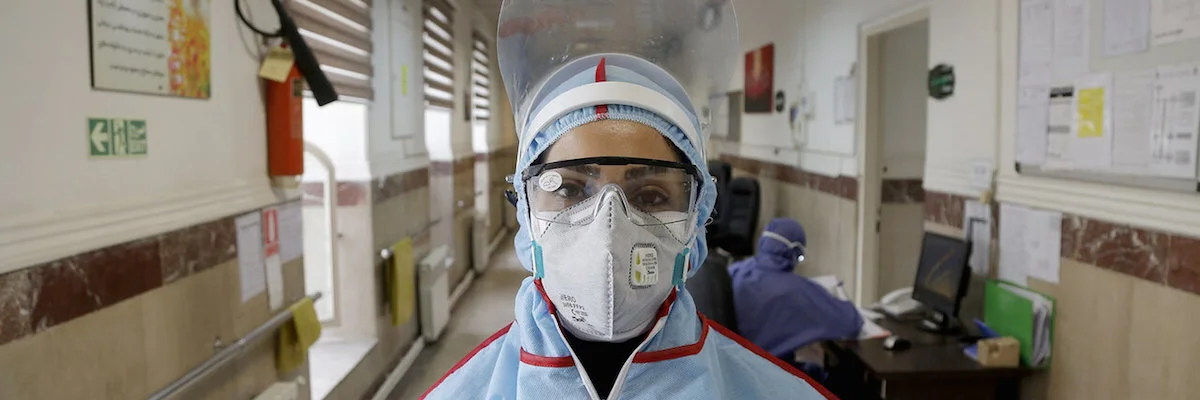
◢ Iran on Tuesday announced 122 new deaths from the novel coronavirus, raising the official toll to 1,934 in one of the world's worst hit countries. Despite the authorities' appeals for people to stay home and the closure of shopping and leisure centers, many people have taken to the roads as usual this year.
Iran on Tuesday announced 122 new deaths from the novel coronavirus, raising the official toll to 1,934 in one of the world's worst hit countries.
Health ministry spokesman Kianoush Jahanpour said a record 1,762 new cases have been confirmed in Iran over the past 24 hours and 24,811 people are now known to have been infected.
Iran has the fourth highest official death toll from the coronavirus after Italy, China and Spain but, unlike those countries, it has yet to impose any lockdown on its citizens.
On the contrary, the country is in the midst of the two-week Persian New Year holiday when the country's roads fill with people visiting family.
Despite the authorities' appeals for people to stay home and the closure of shopping and leisure centers, many people have taken to the roads as usual this year.
Jahanpour announced that when government offices reopen on Tuesday, many civil servants will be working from home.
"Only around a third of government staff are authorised to work in the office and only for administrative tasks vital to the public," he said, adding that all offices would practise "social distancing".
On Sunday, supreme leader Ayatollah Ali Khamenei urged Iranians to follow state instructions "so that Almighty God will put an end to this calamity for the Iranian people, for all Muslim nations and for all mankind.”
Photo: IRNA