
Iran Wants 'Snapback' Erased From Nuclear Deal
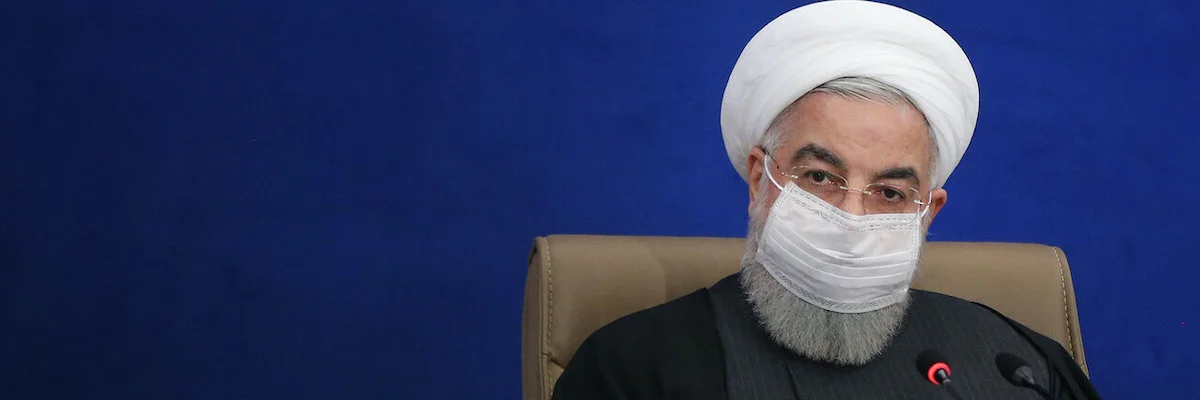
Iran wants to remove a clause from a 2015 nuclear deal that allows for UN sanctions against it to be reinstated, a senior official has said, hinting Tehran would be open to negotiations on the issue.
Iran wants to remove a clause from a 2015 nuclear deal that allows for UN sanctions against it to be reinstated, a senior official has said, hinting Tehran would be open to negotiations on the issue.
The agreement between the Islamic republic and six major powers had provided for the lifting of sanctions in exchange for stringent checks on Tehran's nuclear programme and guarantees that it could not seek to acquire a nuclear weapon.
The text also contains a "snapback" mechanism that could be triggered in case of "significant non-performance" of its commitments by Iran.
This would allow the United Nations Security Council to reimpose all the sanctions it had imposed between 2006 and 2015 over Tehran's nuclear activities.
The administration of United States President Donald Trump last year attempted to trigger the mechanism, but the move was rejected, as the US had unilaterally withdrawn from the nuclear deal in 2018.
"From the outset, (Iran's supreme leader Ali Khamenei) was against this snapback mechanism, which was designed against his wishes," said key Khamenei diplomatic advisor Ali Akbar Velayati in an interview published on Khamenei's website.
"In the coming negotiations, this mechanism will certainly need to be abandoned, because it's absurd."
The nuclear deal has come close to collapse since the withdrawal of the United States, which under Trump has adopted a hardline policy of "maximum pressure" against Iran, reimposing crushing US sanctions that have devastated the Iranian economy.
In response, Tehran has rolled back most of its key commitments under the accord, arguing that it is permitted to do so under the deal in light of US moves.
US President-elect Joe Biden, who takes office on January 20, says he wants to rejoin the pact.
But Khamenei insisted last week that "we are in no rush" to see the US rejoin the accord, demanding that the US first remove all the sanctions it had imposed or reinstated since 2018.
Tehran has ruled out a full overhaul of the deal, but says the US rejoining it must be the result of further negotiations.
Photo: IRNA
Trump Vows 'Snapback' to Force Return of UN Iran Sanctions
US President Donald Trump vowed Saturday to use a controversial technique to unilaterally reinstate UN sanctions on Tehran, a move with huge repercussions for the Iran nuclear deal.
By Sebastian Smith with David Vujanovic
US President Donald Trump vowed Saturday to use a controversial technique to unilaterally reinstate UN sanctions on Tehran, a move with huge repercussions for the Iran nuclear deal.
His declaration came a day after the UN Security Council overwhelmingly rejected a US resolution to extend an Iranian arms embargo.
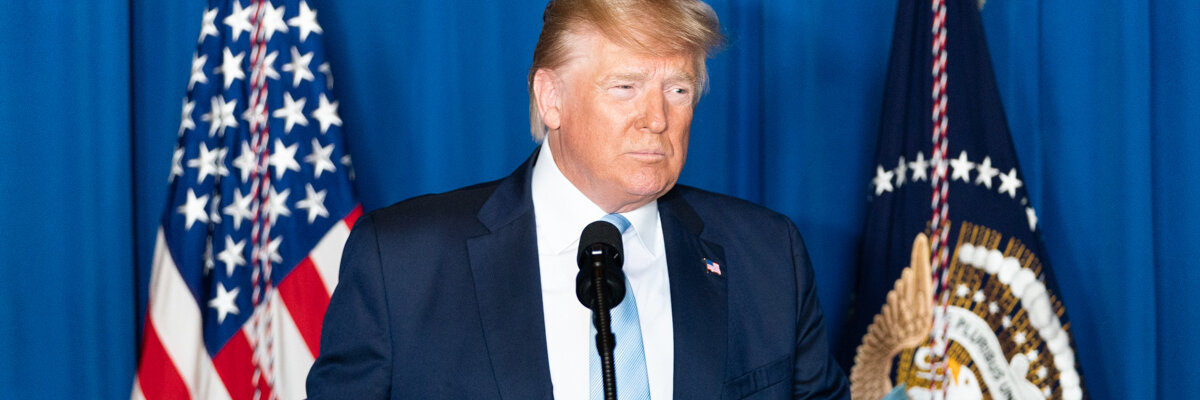
"We'll be doing a snapback," Trump said during a news conference at his New Jersey golf club. "You'll be watching it next week."
The president was referring to the contested argument that the US remains a "participant" in the 2015 Iran nuclear deal—despite Trump's withdrawal from it—and therefore can force a return to sanctions if it sees Iran as being in violation of its terms.
Iranian President Hassan Rouhani said the US had failed to kill off what he called the "half alive" deal with major powers that gave Iran relief from sanctions in exchange for curbs on its nuclear program.
"The United States failed in this conspiracy with humiliation," said Rouhani.
"This day will go down in the history of our Iran and in the history of fighting global arrogance."
Only two of the Council's 15 members voted in favor of the US resolution seeking to extend the embargo, highlighting the division between Washington and its European allies since Trump withdrew from the nuclear accord in 2018.
The Europeans on the Council all abstained, and Iran mocked the Trump administration for winning the support of just one other country, the Dominican Republic.
"In the 75 years of United Nations history, America has never been so isolated," foreign ministry spokesman Abbas Mousavi tweeted.
People on the streets of Tehran had mixed reactions.
"This is an American political game. One day they give a resolution to the Security Council, the next they say they have taken" Iranian fuel, said a worker at the city's Grand Bazaar who gave his name only as Ahmadi.
A drugstore employee named Abdoli told AFP she was happy Iran won, but added that it "should interact with the United States and establish relations.
Crisis
European allies have been skeptical on whether Washington can force sanctions, with experts saying a "snapback" threatens to plunge the Council into one of its worst-ever diplomatic crises.
Trump also said Saturday he would "probably not" take part in a summit proposed by Russian President Vladimir Putin on addressing the situation.
"I think we'll wait until after the election," he said, with the US set to hold its presidential poll in November.
Putin had appealed to China, France, Britain, the US, Germany and Iran to convene an emergency video summit to avoid an escalation of tensions in the Gulf.
US Secretary of State Mike Pompeo, on a visit to Poland on Saturday, made it clear the United States would press on.
"It is unfortunate that the French and the United Kingdom... didn't support what the Gulf states have demanded, what the Israelis have demanded... I regret that deeply," Pompeo told reporters.
"The United States is determined to make sure that the Iranians and this regime, this theocratic regime does not have the capacity to inflict even more harm on the world."
Israeli Prime Minister Benjamin Netanyahu denounced a "scandalous" UN vote.
"Iranian terrorism and aggression threaten the peace of the region and the entire world. Instead of opposing weapons sales, the Security Council is encouraging them," he said.
Threatened
The embargo on conventional arms is due to expire on October 18 under the terms of a resolution that blessed the Iran nuclear deal, officially known as the Joint Comprehensive Plan of Action.
Since Trump pulled out of the JCPOA and slapped unilateral sanctions on Iran, Tehran has taken small but escalatory steps away from compliance with the accord as it presses for sanctions relief.
European allies of the United States—who, along with Russia and China, signed the deal with Iran—have voiced support for extending the 13-year-long conventional arms embargo, saying an expiry threatens stability in the Middle East.
However, their priority is to preserve the JCPOA.
The US text at the Security Council on Friday, seen by AFP, effectively called for an indefinite extension of the embargo on Iran, which diplomats said would threaten the nuclear deal.
Iran says it has the right to self-defense and that a continuation of the ban would mean an end to the agreement.
Apart from 11 abstentions, Russia and China opposed the resolution.
"The result shows again that unilateralism enjoys no support, and bullying will fail," China's UN mission tweeted.
Photo: Wikicommons
Iran’s Uranium Enrichment Has U.S. Weighing Sanctions ‘Snapback’
◢ Iran’s decision to ramp up uranium enrichment is prompting debate over whether the U.S. should—or even can—invoke a threat that negotiators built into the 2015 nuclear agreement but hoped would never be used: a “snapback” of international sanctions.
By David Wainer and Daniel Flatley
Iran’s decision to ramp up uranium enrichment is prompting debate over whether the U.S. should—or even can—invoke a threat that negotiators built into the 2015 nuclear agreement but hoped would never be used: a “snapback” of international sanctions.
Although President Donald Trump withdrew from the accord last year, the administration is being pressured by some American hard-liners to invoke a mechanism that ultimately would trigger a return to United Nations Security Council sanctions beyond those the U.S. is already imposing unilaterally.
Such a move, if successful, would shred what’s left of European-led efforts to keep the multinational accord alive, and analysts and diplomats say it would be galling coming from the nation that was first to quit the deal.
“Do I think there’s an argument to be made for snapping back? Sure,” said Richard Nephew, who was the lead sanctions expert for the Obama administration team that negotiated the 2015 accord. “Do I think the rest of the council agrees? No. It’s not clear people would stay in their chairs during discussions if we invoked this.”
Nephew, now a senior research scholar at Columbia University, said the snapback was designed to give the U.S. unilateral privileges to restore sanctions through the Security Council. At the time, the provision was a major part of Secretary of State John Kerry’s pitch for Congress to acquiesce to the deal. It’s also something that an “America First” president like Trump would like.
Under the snapback clause, any of the signatories to the Iran accord can cite Iran for violating the accord in a complaint to a dispute resolution committee. The matter eventually could be brought before the Security Council, which could vote on a resolution to keep the previous sanctions from going back into force. But the U.S. could get its way by exercising its veto on the council.
It’s no easy fix: The process could take two months or longer. And in today’s circumstances, other participants in the deal would be likely to argue that the U.S. is no longer allowed to invoke the mechanism.
To get around a dispute over whether the U.S. has standing to initiate the snapback mechanism, American officials are leaning on France and the U.K. to consider exercising it. The Europeans are signaling they’re not at that point yet, but they are using the American threats to put pressure on Iran to restrain itself, according to Western diplomats at the UN.
A senior European diplomat whose country still supports the accord said any decision to implement the snapback wouldn’t be automatic but predicted that support for it will grow unless Iran’s government changes its behavior.
A trio of hard-line U.S. senators say the White House doesn’t need to wait for the Europeans to start the process.
“Your administration has refrained from invoking the snapback mechanism in United Nations Security Council resolution (UNSCR) 2231, which if invoked would restore international restrictions against Iranian uranium enrichment, plutonium-related heavy water work, and ballistic missile development,” Republican Senators Ted Cruz, Marco Rubio and Tom Cotton said in a letter to Trump.
The UN resolution defines “the United States as a participant for the purpose of invoking the mechanism,” they said. “We urge you to do so."
Using Pressure
Even without the snapback provision, the U.S. has instituted punishing sanctions targeting Iran’s oil exports and its broader economy. European nations have been trying to salvage the deal by offering barter provisions that would sidestep the U.S. banking system—with little success so far—even as they warn Iran against continuing to violate the deal’s limits on uranium enrichment.
In a briefing last month, Majid Takht-Ravanchi, Iran’s ambassador to the UN, told reporters that his country wants to remain in the accord but that Europe needs to deliver stronger economic incentives, and quickly.
Against that backdrop, tensions between the U.S. and Iran have surged. The Trump administration has blamed Iran in recent weeks for sabotaging oil tankers near the the Strait of Hormuz and for downing an American drone over international waters. Tehran denies it was behind the tanker attacks and says the drone was shot down over its territory.
Resisting the U.S.
A meeting in Vienna on Wednesday foreshadowed just how explosive any efforts for a snapback would be. The U.S. sought a special meeting of nuclear inspectors to increase pressure against Iran. Instead, the Americans drew pushback from Russia, China and Europe, all of whom blame the Trump administration for the crisis.
France, Germany and the U.K. issued a joint statement on the eve of the meeting saying that while they were concerned by Iran’s violations, it’s the job of the remaining participants in the deal, known as the Joint Comprehensive Plan of Action, to address disputes.
“The EU deeply regrets the U.S. withdrawal and calls on all countries to refrain from taking any actions that impede the implementation of the JCPOA commitments,” it said.
Trump, who has a long history of pushing allies and adversaries toward the edge of conflict, will have to decide if it’s time to test the snapback provision.
"It is certainly a topic of significant ongoing conversation within the administration," Cruz of Texas said in an interview. "We should invoke those sanctions.”
Photo: IRNA
Iran Sanctions Shadow Falls on Smaller German Banks
◢ Germany's biggest lenders have shied away from business with Iran after past penalties for breaching US sanctions, but smaller banks have leapt on opportunities afforded by the nuclear deal rejected by Donald Trump. Officials at Germany’s central bank believe that much has so far changed for business with Iran.
Germany's biggest lenders have shied away from business with Iran after past penalties for breaching US sanctions, but smaller banks have leapt on opportunities afforded by the nuclear deal rejected by Donald Trump.
There are just months to go until a November deadline issued by Washington after the US president abandoned a hard-fought agreement that loosened business restrictions on the Islamic Republic in exchange for Tehran giving up its pursuit of nuclear weapons.
But some firms plan to press on in their dealings with Iran despite the looming threat of penalties.
"We will continue to serve our clients," for now, said Patrizia Melfi, a director at the "international competence centre" (KCI) founded by six cooperative savings banks in the small town of Tuttlingen in southwest Germany.
The centre, which supports companies operating in sensitive markets like Iran or Sudan, has seen demand "rising sharply in the last few years, from firms listed on the Dax (Germany's index of blue-chip firms), from all over Germany and from Switzerland," she added.
German exports to Iran have grown since the nuclear deal was signed in 2015, adding 15.5 percent last year to reach almost EUR 2.6 billion (USD 3.0 billion) after 22-percent growth in 2016.
Such figures remain vanishingly small compared with Germany's 111.5 billion euros in exports to the US—its top customer.
Nevertheless, the KCI will "wait and see what the sanctions look like" before turning away from Iran, Melfi said.
Walking on Eggshells
Already, firms dealing with Tehran must take great care not to fall foul of US restrictions.
Transactions are carried out in euros, and the KCI does not deal with businesses that have American citizens or green card resident holders on their boards.
What's more, products sold to Iran cannot contain more than 10 percent of parts manufactured in the US.
One of the most important inputs for the business is "courage among our managers" given the high risks involved, Melfi said.
Germany's two biggest banks, Deutsche Bank and Commerzbank, avoid Iran completely after being slapped with harsh fines in 2015 over their dealings there, with Deutsche alone paying USD 258 million in penalties.
DZ Bank, which operates as a central bank for more than 1,000 local co-op lenders, is withdrawing completely from payment services there, a spokesman told AFP.
That left KCI to seek out the German branch of Iranian state-owned bank Melli in Hamburg.
Even that linkage could break if Iran's biggest business bank appears on a US list of barred businesses as it has before.
Meanwhile, among Germany's roughly 390 Sparkasse savings banks, business with the regime is mostly limited to producing documents linked to export contracts.
"We will be looking even more closely at those" in the future, a person familiar with the trade told AFP.
Elsewhere in the German economy, the European-Iranian Trade Bank (EIH) founded in 1971 is another conduit to Tehran.
Also based in Hamburg, it for now remains "fully available to you with our products and services", the bank assures clients on its website, although "business policy decisions by European banks may result in short term or medium term restrictions on payments".
'Effectively Protected'
Neither does the Bundesbank (German central bank) believe that much has so far changed for business with Iran.
"Only the European Union's sanctions regime will be decisive", if and when it is changed, the institution told AFP.
Any payment involving an Iranian party would have to be approved by the Bundesbank if things return to their pre-January 2016 state.
German banking lobby group Kreditwirtschaft has called on Berlin and other EU nations to clarify their stance—and to make sure banks and their clients are "effectively protected against possible American sanctions."
KCI's Melfi said time is running out for EU governments to act.
"Many firms just want to stop anything with Iran, since they can't calculate the risk of staying," she noted.
On Friday for the first time since the Iran nuclear deal came into force in 2015, China, Russia, France, Britain and Germany gathered in Vienna—at Iran's request—without the United States, to discuss how to save the agreement.
Photo Credit: DZ Bank
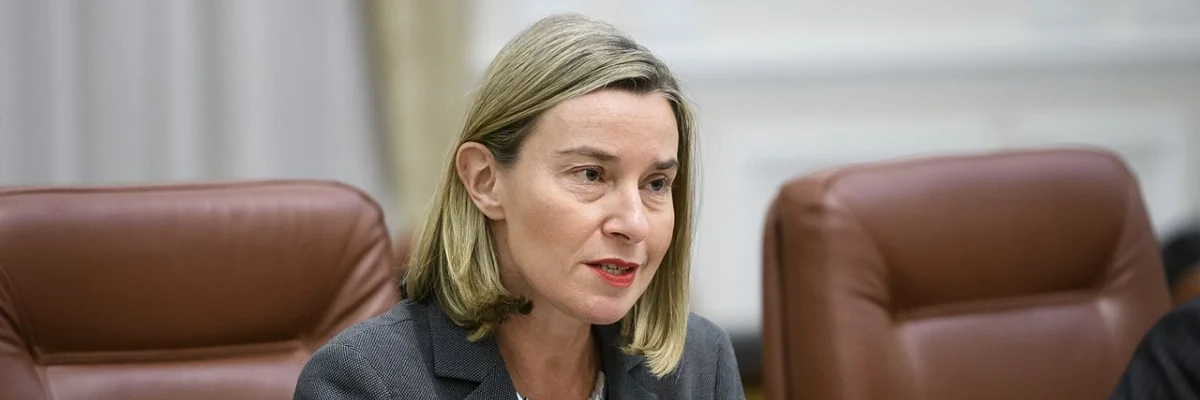
'No Alternative' to Iran Deal, EU's Mogherini Tells U.S.
◢ The EU's foreign policy chief said Monday there was "no alternative" to the Iran nuclear deal, after US Secretary of State Mike Pompeo vowed unprecedented sanctions against Tehran following Washington's withdrawal from the pact.
The EU's foreign policy chief warned Monday there was "no alternative" to the Iran nuclear deal, after US Secretary of State Mike Pompeo vowed unprecedented sanctions against Tehran following Washington's withdrawal from the pact.
Pompeo—a longtime Iran hawk and fierce opponent of the 2015 agreement earlier Monday outlined an aggressive series of "painful" measures designed to hurt Tehran, in his first key address since moving to the State Department from the CIA in April.
"Secretary Pompeo's speech has not demonstrated how walking away from the JCPOA (nuclear deal) has made or will make the region safer from the threat of nuclear proliferation or how it puts us in a better position to influence Iran's conduct in areas outside the scope of JCPOA," the European Union's foreign policy chief Federica Mogherini said in a statement.
She stressed "there is no alternative" to the Joint Comprehensive Plan of Action, as the deal is officially known.
US President Donald Trump sparked an international outcry earlier this month when he announced his country would pull out of the landmark accord struck in July 2015 between Tehran and major world powers.
His move came despite the fact that the UN's nuclear watchdog, in charge of monitoring Iran's compliance with the deal, has confirmed that Tehran has so far abided by the terms.
Trump wants Brussels and others to support his hardline strategy and push for a fresh agreement.
"Iran will never again have carte blanche to dominate the Middle East," Pompeo said Monday, outlining 12 tough conditions from Washington for any "new deal" with Tehran.
But Mogherini called on the US to keep its commitments as part of the agreement signed under Trump's predecessor Barack Obama.
"The JCPOA is the result of more than a decade of complex and delicate negotiations, based on dual track approach and therefore the best possible outcome, striking the right balance," Mogherini said.
"This deal belongs to the international community, having been endorsed by the United Nations Security Council. The international community expects all sides to keep the commitments they made more than two years ago," she added.
She reiterated that the International Atomic Energy Agency (IAEA) had confirmed already 10 times that Iran has implemented "all its nuclear related commitments" under the agreement.
The re-establishment of the US punitive measures will likely force European companies to choose between investing in Iran or trading with the United States.
The EU has been trying to persuade Iran to stay in the 2015 agreement, even without Washington's participation.
Photo Credit: Wikicommons
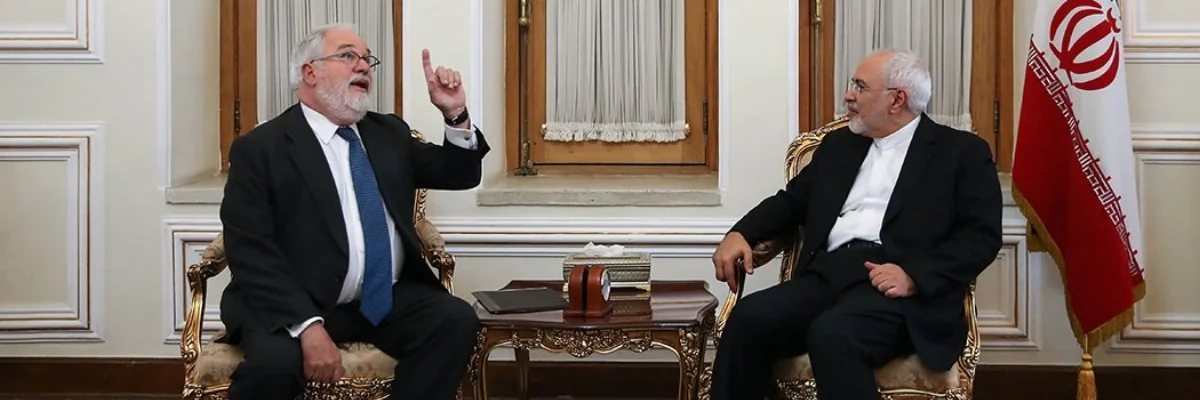
Iran's Zarif Says EU Efforts to Save Nuke Deal 'Not Sufficient'
◢ Iran's Foreign Minister Mohammad Javad Zarif said Sunday that European efforts to save the nuclear deal after the exit of the United States were not sufficient. "The cascade of decisions by EU companies to end their activities in Iran makes things much more complicated," Zarif told reporters.
Iran's Foreign Minister Mohammad Javad Zarif said Sunday that European efforts to save the nuclear deal after the exit of the United States were not sufficient.
"The cascade of decisions by EU companies to end their activities in Iran makes things much more complicated," Zarif told reporters.
He spoke after meeting with EU energy commissioner Miguel Arias Canete, who has been on a two-day visit to Tehran—the first by a Western official since Washington announced its withdrawal from the 2015 nuclear deal earlier this month.
"With the exit of the United States from the nuclear deal, the expectations of the Iranian public towards the European Union have increased... and the EU's political support for the nuclear agreement is not sufficient," Zarif added in comments carried by state broadcaster IRIB.
Several foreign firms have already halted their Iranian operations while they wait to see how talks within the EU will play out.
French oil major Total said last week it would abandon its $4.8-billion investment project in Iran unless it was granted a waiver from Washington.
Another French energy giant, Engie, said Saturday it would cease engineering work in Iran before November, when US sanctions are due to be reimposed.
"The European Union must take concrete supplementary steps to increase its investments in Iran. The commitments of the EU to apply the nuclear deal are not compatible with the announcement of probable withdrawal by major European companies," Zarif said.
Canete said he recognised that time was short and that clear measures were needed from Europe to protect investments and oil purchases.
Iran has threatened to resume industrial uranium enrichment "without limit"
if its interests are not protected.
Photo Credit: Fars
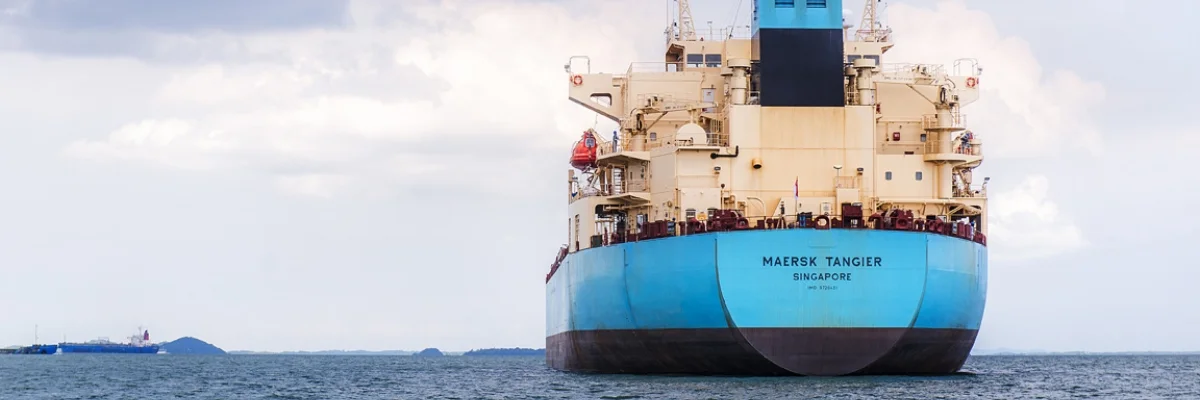
Denmark's Maersk Tankers Ends Iran Shipping After US Reimpose Sanctions
◢ Danish shipping group Maersk Tankers on Thursday said it would cease its activities in Iran due to the US's decision to leave a landmark nuclear deal and reimpose sanctions against Tehran. Maersk Tankers would honor customer agreements entered into before May 8, but then wind them down by November 4, "as required by the re-imposed US sanctions.”
Danish shipping group Maersk Tankers on Thursday said it would cease its activities in Iran due to the US's decision to leave a landmark nuclear deal and reimpose sanctions against Tehran.
Maersk Tankers would honor customer agreements entered into before May 8, but then wind them down by November 4, "as required by the re-imposed US sanctions," the company told AFP.
A former subsidiary of the Danish maritime group AP Moller-Maersk, Maersk Tankers was in October 2017 sold for $1.17 billion to APMH Invest, a subsidiary of the investment A.P. Moller Holding.
The nuclear deal, reached in July 2015 between Iran and Germany, China, the US, France, Britain and Russia, called for Tehran to freeze its nuclear program in exchange for getting some international sanctions against the Islamic Republic lifted.
Washington announced in early May that it would withdraw from the agreement and reimpose sanctions against Tehran.
Iran's oil exports amounted to one million barrels a day, mostly to Asia and some European countries, before sanctions were lifted. They have since climbed to 2.5 million barrels.
Photo Credit: Maersk
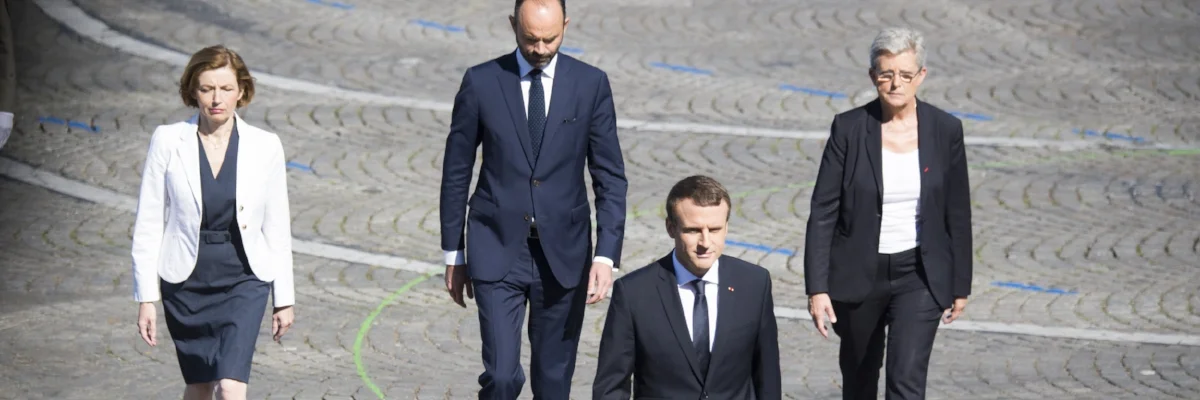
Europeans Will 'Do Everything' to Protect Companies in Iran: French Presidency
◢ European officials will "do everything" possible to protect the interests of companies working in Iran, which may now be exposed to new US sanctions against the country, an official in the French presidency said Wednesday.
European officials will "do everything" possible to protect the interests of companies working in Iran, which may now be exposed to new US sanctions against the country, an official in the French presidency said Wednesday.
Following President Donald Trump's decision to pull out of the 2015 nuclear deal with Iran and reimpose sanctions, European governments are going "to do everything to protect the interests" of their companies, said the official, speaking on condition of anonymity.
French diplomats said Trump's decision, announced in a short address to the nation on Tuesday, was expected despite efforts by President Emmanuel Macron to sway the US leader.
"Of course this decision is a worry, there are tensions," a second official said.
"It will be difficult to maintain this agreement in these conditions but we will do everything to find a way to protect this multilateral framework."
At a press briefing, the diplomats countered criticism that Macron had been ineffective in lobbying Trump to respect the accord during a state visit to Washington at the end of April.
Despite both men boasting of their close relationship in public, Trump did not inform Macron of his choice beforehand, even during a phone call between the two men just hours before his announcement.
"It was our responsibility to do it (lobbying Trump to stay in the agreement)," the first French official said. "And we did it with full knowledge of the facts."
He added that Macron would continue to play a crucial role in trying to salvage the agreement—which the EU, Russia and China say they want to keep—and reduce tensions in the Middle East.
"He's the only leader who has the ability to talk to other leaders involved, even those that don't talk to each other," the official said.
"That's something, above all in this time of tensions, that is precious."
Photo Credit:
Trump Announces US Withdrawal From 'Defective' Iran Deal
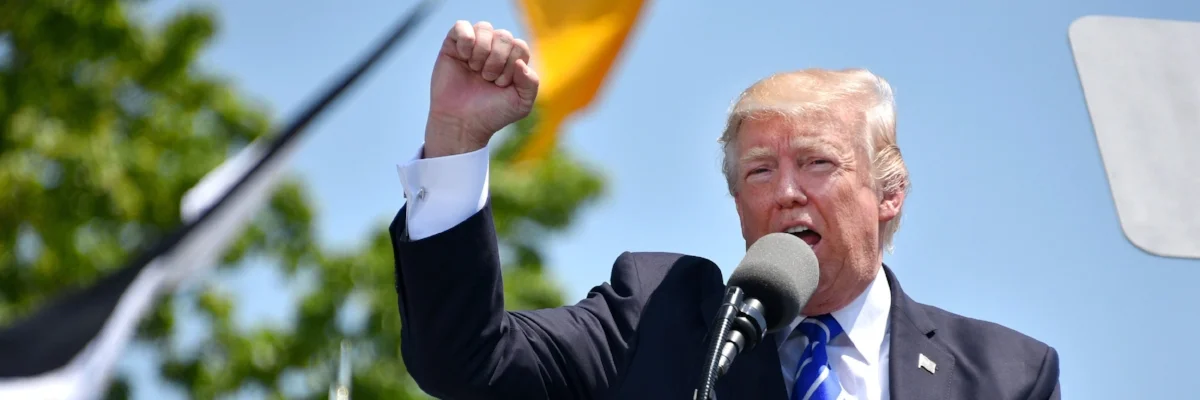
◢ President Donald Trump on Tuesday announced the US withdrawal from the "defective" multinational nuclear deal with Iran, as Washington moved to reinstate punishing sanctions against the Islamic republic.
President Donald Trump on Tuesday announced the US withdrawal from the "defective" multinational nuclear deal with Iran, as Washington moved to reinstate punishing sanctions against the Islamic republic.
"The Iran deal is defective at its core," Trump said in a televised address from the White House. "I am announcing today that the United States will withdraw from the Iran nuclear deal."
After consulting US "friends" from across the Middle East, Trump said, "it is clear to me that we cannot prevent an Iranian nuclear bomb under the decaying and rotten structure of the current agreement."
"America will not be held hostage to nuclear blackmail," Trump vowed.
"We will not allow American cities to be threatened with destruction and we will not allow a regime that chants 'Death to America' to gain access to the most deadly weapons on Earth."
Following his address, the US leader signed a presidential memorandum to start reinstating US nuclear sanctions on the Iranian regime.
"We will be instituting the highest level of economic sanction," Trump said. "Any nation that helps Iran in its quest for nuclear weapons could also be strongly sanctioned by the United States."
National Security Advisor John Bolton told reporters after Trump's speech that the US sanctions would apply to new contracts "immediately," and that foreign firms would have months to wind down existing operations in Iran.
Describing Iran as the world's leading state sponsor of terror, and decrying its influence in the Middle East, Trump said the United States intended to work with its allies to "find a real, comprehensive, and lasting solution to the Iranian nuclear threat."
Such a solution, he said, would include efforts to eliminate the threat from Iran's ballistic missile program, stop its "terrorist activities" worldwide, and block its "menacing" activity across the region.
In the meantime, Trump warned, "if the regime continues its nuclear aspirations, it will have bigger problems than it has ever had."
Trump had long pledged to tear up the "very badly negotiated" agreement—which his predecessor Barack Obama agreed with Britain, China, France, Germany and Russia—daring Tehran's regime to restart its enrichment program and alleged quest for a nuclear weapon.
The US leader had until May 12 to decide whether to continue to waive sanctions on Iran's central bank and its oil sector dealings, a key pillar of the 2015 agreement.
For months, critics have warned that ending the waivers would unravel the carefully constructed deal, plunge Iran's already struggling economy into crisis and expose the biggest transatlantic rift since the Iraq War.
Photo Credit: Defense.gov
Iran Economy a Mess Even Before Trump Verdict
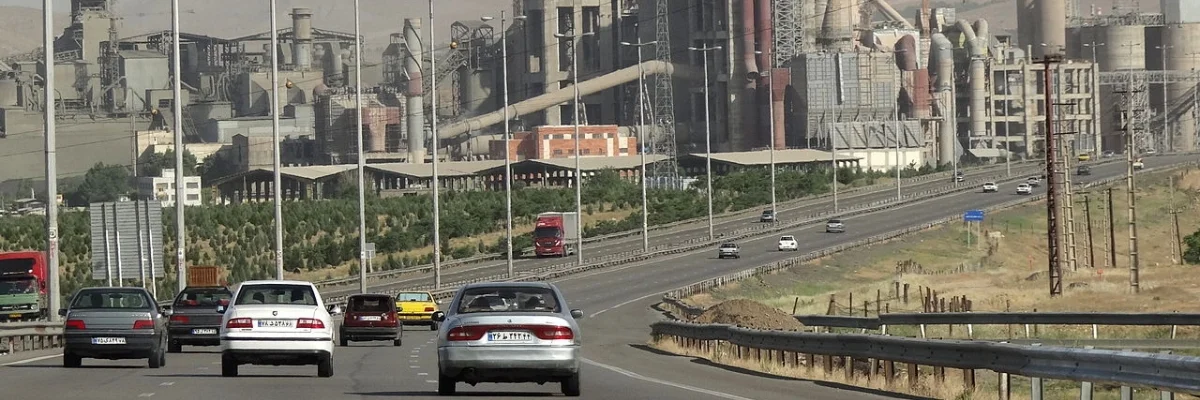
◢ Renewed nuclear sanctions would certainly cause severe problems for Iran's economy, but much of the damage has already been done by the uncertainty created by the US and myriad home-grown problems. It was awkward timing for the annual International Oil Show in Tehran this week, which opened just two days before US President Donald Trump was due to make his decision on the Iran deal.
Renewed nuclear sanctions would certainly cause severe problems for Iran's economy, but much of the damage has already been done by the uncertainty created by the US and myriad home-grown problems.
It was awkward timing for the annual International Oil Show in Tehran this week, which opened just two days before US President Donald Trump was due to make his decision on whether to rip up the 2015 nuclear deal and reimpose sanctions on Iran.
"The atmosphere was grim," said a European consultant who attended the conference on Monday.
"There were fewer foreigners, the stands were smaller, it was depressing."
Organizers admitted that foreign guests were down by a third compared to last year, according to the Hamshahri newspaper.
The only major oil deal that Iran has landed since the nuclear deal was a USD 5 billion exploration agreement with France's Total and China's CNPC last year, but its future hangs in the balance as executives wait to see what Trump will do.
Foreign banks remain terrified of touching any transaction even cursorily linked to Iran, even after they have been encouraged by their respective governments to facilitate trade and investment.
"We went to the French ministry of economy and they gave us a list of all the banks that would agree to work with Iran. But when we called them, every single one said no," said French entrepreneur Amaury de la Serre when he opened a branch of the high-end Sushi Shop restaurant in Tehran last summer.
Investment Halted
Iran has piled up promises of investment with foreign firms, but many have held back on actually moving money into the country while they wait to see if US sanctions will return.
The World Bank says only $3.4 billion actually showed up in 2016—a far cry from the $50 billion Rouhani said he was targeting in the deal's first year.
The nuclear deal has been "a genuine disappointment", said Ardavan Amir-Aslani, an international lawyer with an office in Tehran who has written several books on the region.
"They're able to sell oil, OK, that's just enough to pay civil servants and maintain infrastructure, but it hasn't attracted even a fraction of the investment needed," he said.
"Our business has reduced to a trickle. All foreign investment has come to a halt. The meagre amounts promised have been put on hold."
Meanwhile, Iranians are scrambling for the lifeboats. One wealthy family said they had moved their entire fortune out of the country this week ahead of the Trump decision.
They had already lost millions thanks to the crashing Iranian rial which has lost a third or more of its value against the dollar this year.
The numbers are hard to verify but analysts and officials have said between USD 10 billion and USD 30 billion has left the country in recent months.
Home-Grown Problems
Iranian officials say all this amounts to a flagrant violation of article 29 of the nuclear deal, which committed the US to ensure "the normalization of trade and economic relations with Iran".
The US counters that it never promised to lift non-nuclear sanctions related to issues such as human rights and Iran's missile program, which were already complicating trade before Trump came to power.
And many of Iran's problems have nothing to do with Trump. Iran's private sector is starved of investment, its banking system is crippled by bad loans, and record levels of unemployment mean a third of under-30s are out of work.
President Hassan Rouhani has tried to foster transparency and investment, but protests in December and January revealed the depth of anger at his limited progress.
"Much of the blame for Iran's lacklustre performance belongs to Rouhani's economic team, which has proved no match for the economy's mounting problems," Djavad Salehi-Isfahani, an economics professor at Virginia Tech in the US who specializes in the Iranian economy, wrote in an article for Project Syndicate.
He said Rouhani's efforts to move Iran towards a market-friendly, world-facing economy were now at risk of coming "to a grinding halt", to be replaced by his conservative opponents' preference for a tightly-controlled, inwardly-focused "resistance economy".
"The conservatives are not willing to negotiate on the missile issue or acknowledge their presence in other Middle Eastern countries so even if Trump stays in, there will just be four more months of negotiations with the Europeans that will lead nowhere," said Amir-Aslani.
"Inflation is ramping up, job creation is declining. At the end of the day it's an economic debacle."
Photo Credit: Wikicommons