
Iran Children Citizenship Bill Sent Back to Parliament
◢ Iran's Guardian Council said Saturday it sent a bill that would allow Iranian mothers married to foreigners to confer citizenship on their children back to parliament, citing "security" concerns. In a statement on its website, the council said it did not have an issue with the spirit of the bill, but rather the absence of any clauses allowing authorities to address "security" issues potentially arising from the activities of foreign fathers.
Iran's Guardian Council said Saturday it sent a bill that would allow Iranian mothers married to foreigners to confer citizenship on their children back to parliament, citing "security" concerns.
In a statement on its website, the council said it did not have an issue with the spirit of the bill, but rather the absence of any clauses allowing authorities to address "security" issues potentially arising from the activities of foreign fathers.
The council—made up of clerics and jurists—was also concerned that the bill planned to automatically grant residence permits to foreign fathers, when in the council's view the government must retain discretion to refuse, MP Tayebeh Siavoshi told the semi-official ISNA news agency.
The bill, overwhelmingly passed in May by parliament, has been seen as a huge step forward for thousands of children born in Iran to Afghan fathers who cannot enjoy full social rights.
Iran is one of seven countries worldwide that "do not allow mothers to confer their citizenship on their children with no or very limited exceptions," according to a 2019 report by the United Nations' refugee agency (UNHCR).
Lebanon, Kuwait, Qatar, eSwatini (formerly Swaziland) and Brunei are among the others.
The next step is for parliament to review the bill and amend it, ahead of further discussion by the Guardian Council.
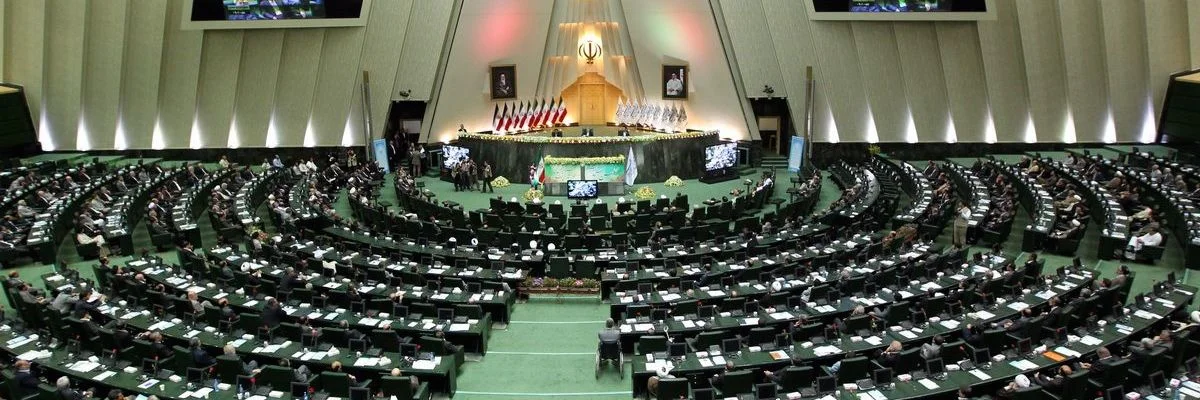
Parliament's powers are limited compared to other institutions.
Lawmaking is vetted by the Guardian Council, which has the authority to interpret the constitution and check laws' compliance with sharia.
According to Iranian officials, the Islamic republic is home to some three million Afghan immigrants, many of whom are married to Iranian women and have children.
"Thousands of children were left out in the cold... with this law things would have cleared up for them," said sociologist Mohammad Reza Jalaeipour in an interview with official news agency IRNA.
"Some of them can't have driving licenses, some of them can't have social security," he added.
Photo: IRNA
Iran Versus US Battle to Hit UN's Top Court in August
◢ The UN's top court said Thursday it will hold hearings next month in a bitter battle between Iran and the United States, after President Donald Trump reimposed sanctions on the Islamic republic. "The International Court of Justice (ICJ), the principal judicial organ of the United Nations, will hold public hearings from Monday 27 to Thursday 30 August in the case" concerning Iran versus the United States, the tribunal said.
The UN's top court said Thursday it will hold hearings next month in a bitter battle between Iran and the United States, after President Donald Trump reimposed sanctions on the Islamic republic.
"The International Court of Justice (ICJ), the principal judicial organ of the United Nations, will hold public hearings from Monday 27 to Thursday 30 August in the case" concerning Iran versus the United States, the tribunal said.
"The hearings will be devoted to the request for the indication of provisional measures submitted by Iran," it added in a statement.
Tehran filed its case with the ICJ last week calling for the judges to order the immediate lifting of the sanctions which they said would cause "irreparable prejudice."
Iran maintained restoring the penalities, lifted under the landmark 2015 deal aimed at reining in Tehran's nuclear ambitions, violated a decades-old treaty.
Nuclear-related sanctions are set to be reimposed by Washington in two phases in August and November, and seek to bar European and other foreign companies from doing business with Iran and blocking its oil sales abroad.
Iran argued in its filing to the court that the move would break a 1955 Treaty of Amity and Economic Relations concluded between the two countries before the Islamic revolution under the regime of the shah. But the two foes have not had official diplomatic relations since 1980.
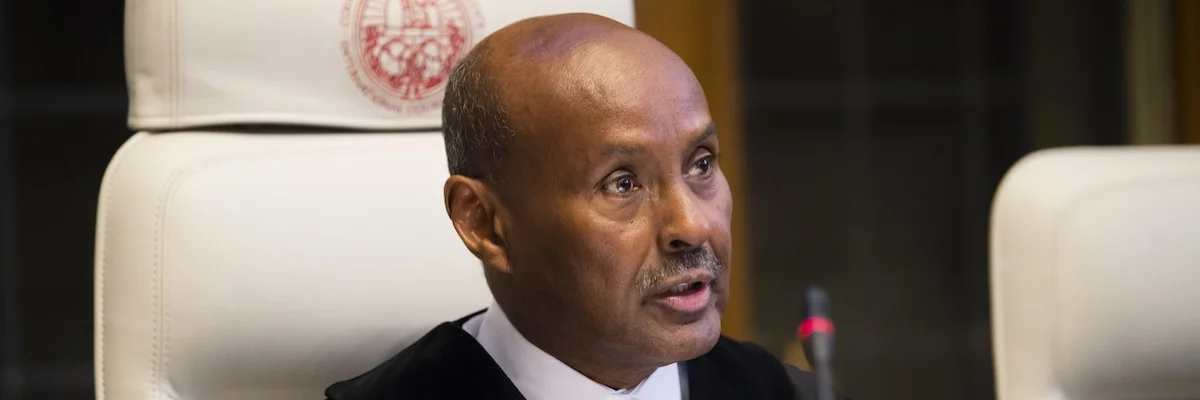
The court, set up in 1946 in The Hague to rule in disputes between nations, revealed Wednesday that its president, judge Abdulqawi Ahmed Yusuf, had taken the unusual step to write a letter about the case directly to US Secretary of State Mike Pompeo.
It did not reveal the contents, but said under its rules the court could appeal to any party "to act in such a way as will enable any order the court may make ... to have its appropriate effects."
Over the objections of allies, Trump in May withdrew the United States from the nuclear deal signed between Tehran and world powers in 2015.
He ordered the reimposition of the US sanctions that had been suspended in return for controls on Tehran's nuclear program, effectively barring many multinational firms from doing business in Iran.
Four days of hearings into an earlier complaint lodged by Iran in October 2016 against the US for freezing around USD 2 billion of its assets abroad are due to start on October 8 when the United States will argue the court has no authority to hear the case.
Photo Credit: ICJ
UN's Top Court to Hear Iran Row with US Over Frozen Assets
◢ The UN's top court will in October hear a complex case brought by Iran against the United States seeking to recover billions in frozen assets, which US courts say should go to American victims of terror attacks. The International Court of Justice (ICJ) said in a statement Friday it will "hold public hearings in the case concerning Certain Iranian Assets (Islamic Republic of Iran v. United States of America)" at its seat in The Hague.
The UN's top court will in October hear a complex case brought by Iran against the United States seeking to recover billions in frozen assets, which US courts say should go to American victims of terror attacks.
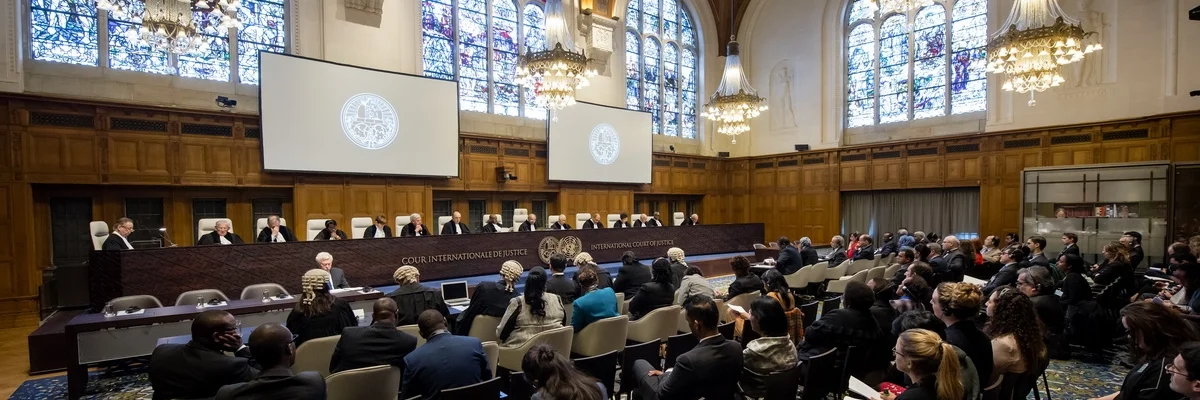
The International Court of Justice (ICJ) said in a statement Friday it will "hold public hearings in the case concerning Certain Iranian Assets (Islamic Republic of Iran v. United States of America), from Monday 8 to Friday 12 October 2018" at its seat in The Hague.
The hearings "will be devoted to preliminary objections raised by the United States," the statement added, after which judges will decide whether or not they can rule in the dispute.
The case was lodged by Tehran in June 2016 accusing the US of breaking a decades-old bilateral treaty, dating from the time of the Shah, by seizing Iranian financial assets and those of Iranian companies.
US courts have "awarded total damages of over USD 56 billion ... against Iran in respect of its alleged involvement in various terrorist acts mainly outside the US," Iran said.
The case was filed just weeks after the US Supreme Court ruled in April 2016 that USD 2 billion in frozen Iranian assets should be paid to about 1,000 survivors and relatives of those killed in attacks blamed on the Islamic
republic.
These included the 1983 bombing of a US Marine barracks in Beirut and the 1996 Khobar Towers bombing in Saudi Arabia.
But Tehran reacted angrily to the ruling which came almost a year after the landmark nuclear deal with world powers which led to the unblocking of other frozen funds.
To the dismay of the other world powers, US President Donald Trump has since walked away from the nuclear deal, and the United States in 2017 raised objections to the court's hearing of the case.
The four days of public audiences are expected to focus on whether the ICJ judges can take up the case under the strict rules governing their procedures.
Set up in 1946, the ICJ rules in disputes between states on the basis of existing treaties and international law.
Iran argues that the US is breaking the terms of the 1955 Treaty of Amity signed with the then regime of the Shah long before he was ousted in the 1979 Islamic Revolution. The treaty governs economic ties and consular rights.
But the US severed bilateral diplomatic ties with Iran in 1979 after 52 Americans were taken hostage in the US embassy in Tehran. They have not yet been fully restored.
Iran meanwhile is also demanding that the United States "make full reparations to Iran for the violation of its international legal obligations in an amount to be determined by the court at a subsequent stage of the proceedings."
Photo Credit: UN
US Supreme Court Rejects Seizure of Iran Artefacts from Chicago Museum
◢The US Supreme Court on Wednesday rejected a claim by US citizens wounded in a suicide bombing in Israel in 1997, who were demanding the seizure of Iranian antiquities held in a Chicago museum as compensation.
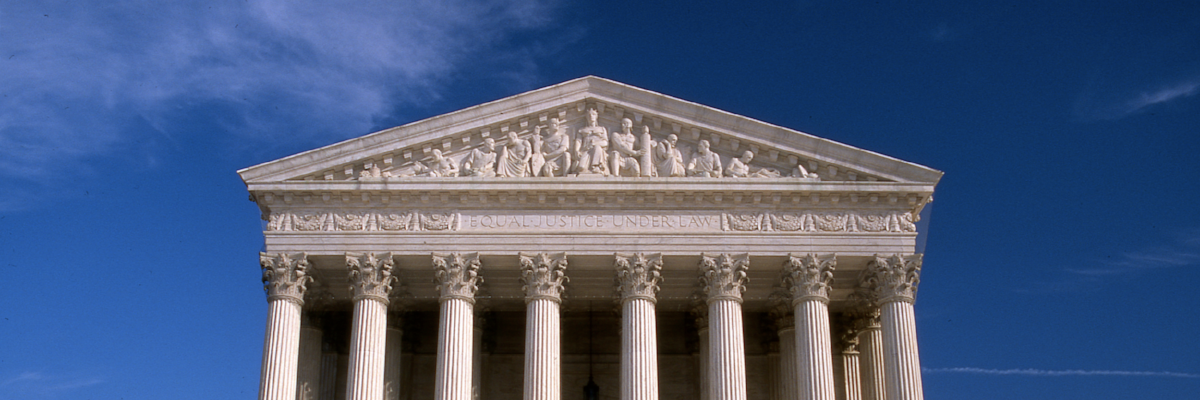
The US Supreme Court on Wednesday rejected a claim by US citizens wounded in a suicide bombing in Israel in 1997, who were demanding the seizure of Iranian antiquities held in a Chicago museum as compensation.
The ruling, by eight judges to none, put an end to a long-running legal battle by nine Americans who wanted Iran to pay compensation for its backing of the Palestinian group Hamas, which claimed responsibility for the bomb attack that wounded them.
The decision confirmed an earlier appeals court ruling that the thousands of 2,500-year-old clay tablets on long-term loan to the University of Chicago's Oriental Institute could not be seized, because Iran was not using them for commercial purposes.
The plaintiffs had successfully sued Iran for $71.5 million in a US federal court, but the Islamic Republic has few assets frozen in the United States, so the Americans had turned to the tablets from the ancient Persian capital of Persepolis as a potential source of compensation.
The university and museum had feared losing their prized collection of artefacts if the judgement had gone against them.
The sensitive case reflected the difficulty victims have in obtaining compensation from sovereign states deemed as supporters of terrorism by Washington.
Photo Credit: Wikicommons