
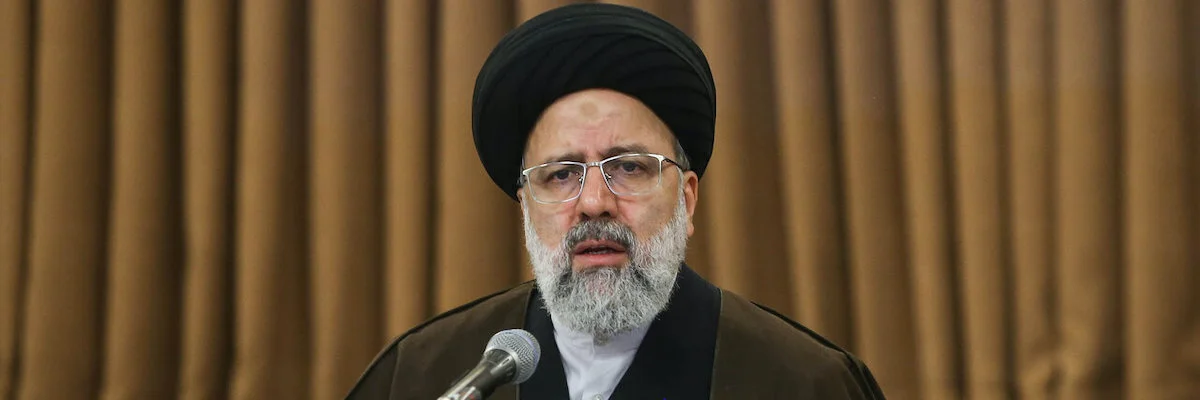
Iran's Judicial Authority Moves to Ban 'Torture' and Forced Confessions
Iran's judicial authority on Thursday issued an order banning torture, the use of "forced confessions", solitary confinement, illegal police custody and other violations of defendants' rights.
Iran's judicial authority on Thursday issued an order banning torture, the use of "forced confessions,” solitary confinement, illegal police custody and other violations of defendants' rights.
The "document on judicial security" was signed by Iran's judiciary chief Ayatollah Ebrahim Raisi and released by Mizan Online, the authority's news agency.
It also stresses the "transparency" of the judicial process, including the right to freely choose a lawyer and "the principle of the presumption of innocence.”
It also guarantees "consular access" for foreign nationals.
Iran is regularly accused by the United Nations, several Western countries, rights organisations and Iranian lawyers of flouting the principles that Raisi says he wants to see respected.
The publication of the charter comes a week after controversy sparked by videos posted on social media showing police officers beating detainees in pickup trucks in the middle of a street.
In the videos, apparently filmed in Tehran, the detainees are also made to apologise for the "mistakes" they say they have committed.
Raisi on Monday said the police action was a "case of violation of civil rights", according to Mizan Online.
He also ordered measures be taken against those responsible, saying it was "strictly forbidden to attack the accused, even if they are thugs."
Raisi, 59, who is close to Iran's supreme leader Ayatollah Ali Khamenei, was picked to lead the judiciary in March 2019 with the mission of radically transforming an institution mired in corruption.
At the beginning of September, the execution of a young wrestler caused outrage after reports he been convicted on the basis of confessions extracted under torture.
Raisi ran in the 2017 presidential elections with the support of a broad conservative coalition, but was beaten by Hassan Rouhani who won a second term.
Iranian media see Raisi as a possible candidate for the next presidential election, scheduled for June 2021.
Since Raisi took office, the press have covered several high-profile cases of "economic corruption", or prevarication within the judicial authority.
State television announced overnight Wednesday the successful extradition of Ali Reza Heydarabadipour, former head of Sarmayeh bank who was convicted of being the kingpin of an embezzlement scandal harming tens of thousands of teachers.
Heydarabadipour—extradited from Spain in coordination with Interpol—arrived Wednesday evening in Iran, state television said.
He had been sentenced in absentia to 12 years in prison.
Photo: IRNA
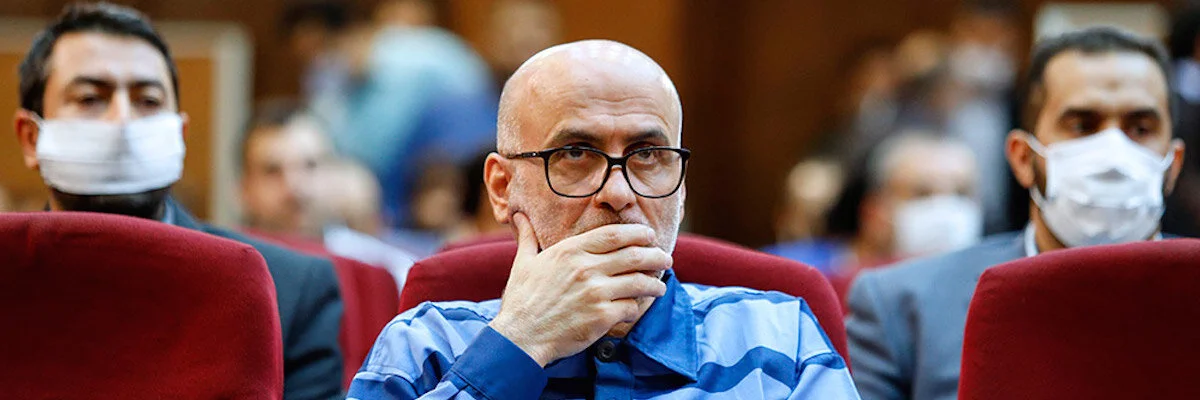
Iran Opens Trial of Former Judiciary Deputy Head
Iran opened the high-profile trial of a former senior judiciary official alongside 21 accused accomplices on Sunday in Tehran, charging them with corruption, money laundering and influence trading.
Iran opened the high-profile trial of a former senior judiciary official alongside 21 accused accomplices on Sunday in Tehran, charging them with corruption, money laundering and influence trading.
In a rare move state television broadcast the hearing live, focusing on the accused Akbar Tabari, the former deputy head of administrative affairs at the judiciary.
Tabari "obstructed the execution of justice" against influential senior Iranian officials "by forming a criminal group" within his office which "became a centre... for certain accused (individuals) to settle their cases", his indictment said, according to official judiciary news agency Mizan Online.
Tabari and 21 other defendants were tried by the 5th chamber of Tehran's criminal court, presided over by judge Hassan Babaie.
The former official worked as the financial director during the mandate of Ayatollah Mahmoud Hashemi Shahroudi, who headed Iran's judiciary from 1999 to 2009.
Tabari was later promoted to the head of executive affairs and then executive deputy under Ayatollah Sadeq Amoli Larijani from 2009 to 2019, according to state news agency IRNA .
In March 2019, Iran's supreme leader Ayatollah Ali Khamenei replaced Larijani with Ebrahim Raisi, a religious conservative, and called on him to work "against corruption".
According to IRNA , Raisi "dismissed Tabari eight days after taking office", without specifying a reason. Judiciary spokesman Gholamhossein Esmaili confirmed Tabari's arrest on July 2019, saying that it "proves the seriousness of the judiciary... to fight against corruption, especially if it is within" it.
Former judge Bijan Qasemzadeh is among the co-accused at the trial.
He is best known for ordering the blocking of Telegram, the most popular messaging service in the Islamic republic at the time.
Esmaili announced in June 2019 that three judges were involved in Tabari's case, one of whom is still in office.
Raisi vowed to make the fight against corruption in the justice system his "first priority" shortly after coming to power, followed by unprecedented trials targeting judges and senior Iranian officials.
Two former members of parliament were recently sentenced to 61 months in prison for manipulating the country's auto market.
Photo: Mizan
Iran Makes Arrests Over Jet Disaster and Vows Full Investigation
◢ Iran said it’s arrested a number of people linked to the Jan. 8 downing of a Ukrainian passenger jet, and the country’s president called on the judiciary to form a special court and fully investigate the disaster. “I promise that the government, with all its ability and using everything at its disposal, will investigate this matter,” Rouhani told officials in remarks broadcast live on state TV.
By Golnar Motevalli and Abeer Abu Omar
Iran said it’s arrested a number of people linked to the Jan. 8 downing of a Ukrainian passenger jet, and the country’s president called on the judiciary to form a special court and fully investigate the disaster.
Hassan Rouhani said Tuesday that while U.S. policies toward the Islamic Republic were the root cause of the mistake, that didn’t excuse Iranian officials from confronting their own responsibility in the disaster. All 176 people on board were killed when Iranian defense units fired at the plane, bringing it down shortly after take-off from Tehran.
“I promise that the government, with all its ability and using everything at its disposal, will investigate this matter,” Rouhani told officials in remarks broadcast live on state TV. “This is not an ordinary case. The entire world will be watching.”
Iran is under intense international pressure to provide full accountability over the circumstances that caused the crash of the Ukrainian International Airlines plane. The country’s Islamic Revolutionary Guards Corps, which led a strike on U.S. bases in Iraq hours earlier, said it had mistaken the aircraft for a cruise missile.
Iranian officials at first fiercely denied that Iran was to blame, provoking outrage and protests in Iran once they accepted culpability. Security forces clashed with thousands of protesters over the weekend and unverified video footage has shown them using tear gas and live-round ammunition to disperse and intimidate crowds in Tehran, who were chanting against the country’s leadership and the IRGC.
Those arrested will continue to be questioned, a spokesman for Iran’s judiciary, Gholam-Hossein Esmaili, told reporters, according to the semi-official Mehr news agency. Esmaili, who did not specify how many people had been detained, added that Iranian and Ukrainian investigators had traveled to France with the flight’s black box and their work should provide more clarity on the tragedy.
Photo: IRNA
Iran Frees Lebanese Man Convicted of Spying for US
◢ Iran on Tuesday freed a Lebanese man detained in 2015 on charges of spying for the United States, a gesture that comes amid soaring tensions between Tehran and Washington. A US resident in his 50s, Nizar Zakka was arrested in September 2015 during a visit to Iran, where he was convicted the following July.
Iran on Tuesday freed a Lebanese man detained in 2015 on charges of spying for the United States, a gesture that comes amid soaring tensions between Tehran and Washington.
A US resident in his 50s, Nizar Zakka was arrested in September 2015 during a visit to Iran, where he was convicted the following July.
He is the head of The Arab ICT Organization, a non-profit that advocates the growth and development of information and communications technology in the Middle East.
Before his arrest, he had been taking part in a conference in Tehran at the invitation of Shahindokht Molaverdi, then vice-president for women and family affairs, according to his family.
He was stopped on his way to the airport, his family and lawyer have said.
At the time, Iranian state television said he was accused of "deep ties to the military and intelligence services of the United States.”
It broadcast photographs of a man in military uniform it said was of Zakka at a US base.
On Tuesday, Zakka arrived in Lebanon, after his release by Iranian authorities.
He was escorted back to his native country by Lebanon's General Security chief Abbas Ibrahim, who was in Tehran one day earlier, according to the security service.
In a speech at Lebanon's presidential palace, Zakka declined to elaborate on the circumstances behind his arrest but dismissed the case against him.
"There was no espionage," he said after meeting President Michel Aoun, accusing Tehran of "kidnapping him" on false charges and staging a "show trial.”
Presidential Request
For his part, the general security chief denied speculation Iran's Lebanese ally Hezbollah played a primary role in brokering Zakka's release.
"The issue was resolved at the request of the president," Ibrahim told reporters.
"Hezbollah definitely played a role but the basis (for the release) was a request from the president."
His comments came in response to a report by Iran's Fars news agency on Monday that Zakka's release followed "the request and mediation" of Hezbollah chief Hassan Nasrallah.
"Zaka has been freed and extradited, thanks to Nasrallah's mediation and the respect Tehran pays to him," it said, citing an "informed source.”
Tehran has direct control over Hezbollah, its main proxy in the region.
Earlier on Tuesday, a spokesman for Iran's judiciary Gholamhossein Esmaili said Aoun had requested Zakka's release "in writing" and Hezbollah had said it would be "expedient.”
"This is an absolutely judicial procedure and no political issue has been involved," Esmaili was quoted as saying by Iran's Tasnim news agency.
Meanwhile, Zakka's lawyer appealed for help for other detainees being held in Iranian prisons following his client's release.
"Nizar expresses his sincerest thanks to those who never forgot him," Jason Poblete said in an emailed statement.
"Nizar also wants to remind those who can help that there remain many Americans... and other foreigners in Iranian prisons. Nizar grew close to some of these men; they need help and want to come home."
Rising Tensions
Iran and the United States broke diplomatic ties in 1980 in the aftermath of the Islamic revolution. Relations have deteriorated sharply since US President Donald Trump took office in January 2017.
At the end of 2017, an Iranian court upheld Zakka's 10-year jail sentence as well as those of an American and two Iranian-Americans accused of "collaboration" with the United States.
Zakka's brother Ziad has previously accused Lebanese officials of neglecting his case.
The decision to release him comes amid a stand-off that has been simmering since the United States last year withdrew from the 2015 nuclear treaty which Iran reached with major world powers.
Tensions have intensified since April when the US added Iran's Revolutionary Guards to its blacklist of "terrorist" organizations and strengthened sanctions against the Islamic republic.
The standoff has worsened recent weeks, after the US military announced it was dispatching reinforcements to the Middle East in response to alleged "Iranian threats" as well as the sabotage of four ships at the entrance to the Gulf on May 12.
Washington and Riyadh have accused Tehran of being behind those attacks, a charge it has dismissed as "laughable.”
Photo: IRNA
Iran Leader Pardons 691 on Eid, But Lebanese Excluded
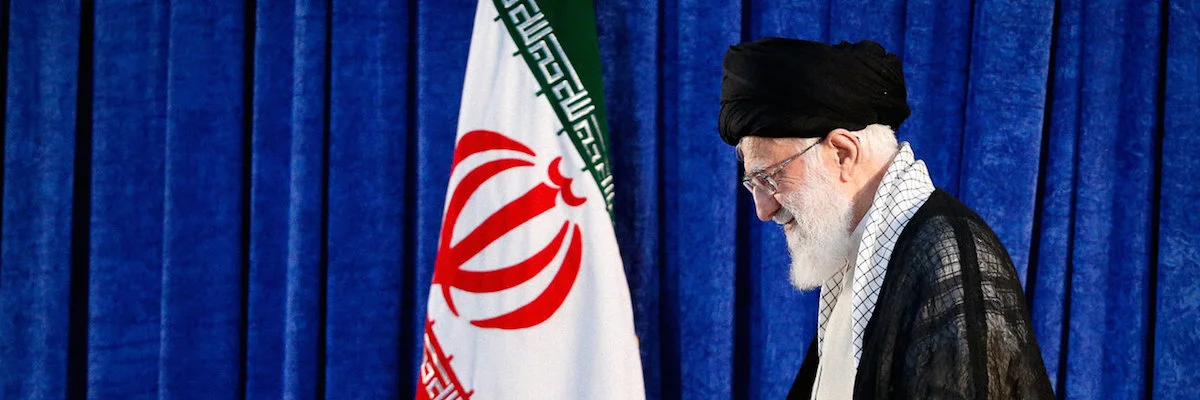
◢ Iran's supreme leader pardoned hundreds of prisoners on the occasion of the end of Ramadan, but a Lebanese national who Beirut expected to be released was not among them, authorities said Sunday. In total, the sentences of 691 prisoners were either commuted or deferred as decided by Ayatollah Ali Khamenei, as a gesture for the Eid al-Fitr holidays, said the judiciary's Mizan Online news website.
Iran's supreme leader pardoned hundreds of prisoners on the occasion of the end of Ramadan, but a Lebanese national who Beirut expected to be released was not among them, authorities said Sunday.
In total, the sentences of 691 prisoners were either commuted or deferred as decided by Ayatollah Ali Khamenei, as a gesture for the Eid al-Fitr holidays, said the judiciary's Mizan Online news website.
Last week, Lebanon said one of its nationals condemned in 2016 to 10 years' jail in Iran after being found guilty of spying for the United States would be on the pardon list.
The Lebanese foreign ministry, quoted by the country's official NNA news agency, said Nizar Zakka would be pardoned at the request of Beirut as a gesture for Eid.
But Zakka's name was not on the list, said Iran's judiciary spokesman Gholamhossein Esmaili.
"The individual was sentenced and the president of Lebanon had—in letters to judicial officials—requested a conditional pardon," he said, quoted by Mizan.
"This request has been in the judicial process and, in case any decision is taken by the judicial apparatus, information will be provided."
A resident of the United States in his 50s, Zakka was arrested in September 2015 during a visit to Iran, where he was convicted the following July.
At the time of his arrest, state television in Iran charged Zakka had "deep ties to military and intelligence services of the United States", Iran's arch-foe.
It broadcast photographs of a man in military uniform it said was of Zakka at an American base.
At the end of 2017, Iranian courts confirmed his 10-year sentence on appeal, as well as that of an American and two Iranian-Americans accused of "collaboration" with the United States.
Iran and the United States broke diplomatic ties in 1980, and their relations have deteriorated significantly since US President Donald Trump took office in January 2017.
Photo: IRNA

Hundreds of Tehran Restaurants Shut for Breaking 'Islamic Principles'
◢ Iranian police have shut down 547 restaurants and cafes in Tehran for not observing "Islamic principles", the capital's police chief said Saturday. The infractions included "unconventional advertising in cyberspace, playing illegal music and debauchery", Fars reported.
Iranian police have shut down 547 restaurants and cafes in Tehran for not observing "Islamic principles,” the capital's police chief said Saturday.
"The owners of restaurants and cafes in which Islamic principles were not observed were confronted, and during this operation 547 businesses were closed and 11 offenders arrested," Hossein Rahimi said, quoted on the police's website.
Fars news agency said the operation was carried out over the past 10 days.
The infractions included "unconventional advertising in cyberspace, playing illegal music and debauchery", Fars reported.
"Observing Islamic principles is... one of the police's main missions and responsibilities," the police chief said.
Also on Saturday, the head of Tehran's guidance court, which deals with "cultural crimes and social and moral corruption", called on Tehran citizens to report cases of "immoral behaviour" by texting a designated phone number.
"People would like to report those breaking the norms but they don't know how... We decided to accelerate dealing with instances of public immoral acts," Mohammad Mehdi Hajmohammadi told the judiciary's Mizan Online.
Citizens can report instances of those removing their "hijab in cars", "hosting mixed dance parties" or posting "immoral content on Instagram", he said.
Under the Islamic dress code of Iran, where alcohol is banned, women can only show their face, hands and feet in public, and they are supposed to wear modest colors.
Photo: IRNA

Tehran Aims to Sue US Individuals Over Sanctions
◢ Tehran is preparing a lawsuit in Iran against US individuals involved with economic sanctions imposed by Washington, President Hassan Rouhani said Monday. Rouhani said the presidency's legal affairs office as well as the justice and foreign ministers have been tasked with "drawing up a lawsuit against all those within America involved with designing and executing these sanctions.”
Tehran is preparing a lawsuit in Iran against US individuals involved with economic sanctions imposed by Washington, President Hassan Rouhani said Monday.
Rouhani said the presidency's legal affairs office as well as the justice and foreign ministers have been tasked with "drawing up a lawsuit against all those within America involved with designing and executing these sanctions.”
The case would be lodged in a "competent court inside Iran," he said, quoted by state television.
Speaking after the last cabinet meeting of Iran's calendar year which ends on March 20, Rouhani condemned the sanctions as a "crime against humanity" that was hitting ordinary Iranians.
"The world should know that what America has done was not against the Iranian state, it was not against Iran's nuclear program, it was against the wellbeing of the Iranian people," he said.
Rouhani said the sanctions targeted "the normal life of the people... the food supply... the medical supply of the people.”
Last May, US President Donald Trump withdrew from the 2015 nuclear deal between Iran and world powers.
The renewal of American sanctions, which had been eased in exchange for curbs on Tehran's nuclear program, sent shockwaves through Iran's economy.
The IMF reported that the Iranian economy slumped into recession in 2018 and has forecast a 3.6 percent decline in GDP for 2019.
The sanctions have indirectly impacted medical and food supplies, and a steep decline in the value of the rial has pushed up prices of basic goods.
In October, the International Court of Justice (ICJ) ordered the United States to lift sanctions affecting imports of "humanitarian" goods to Iran.
The court said sanctions "may have a serious detrimental impact on the health and lives of individuals on the territory of Iran.”
Photo Credit: IRNA
Ultra-Conservative Cleric Appointed Head of Iran's Judiciary
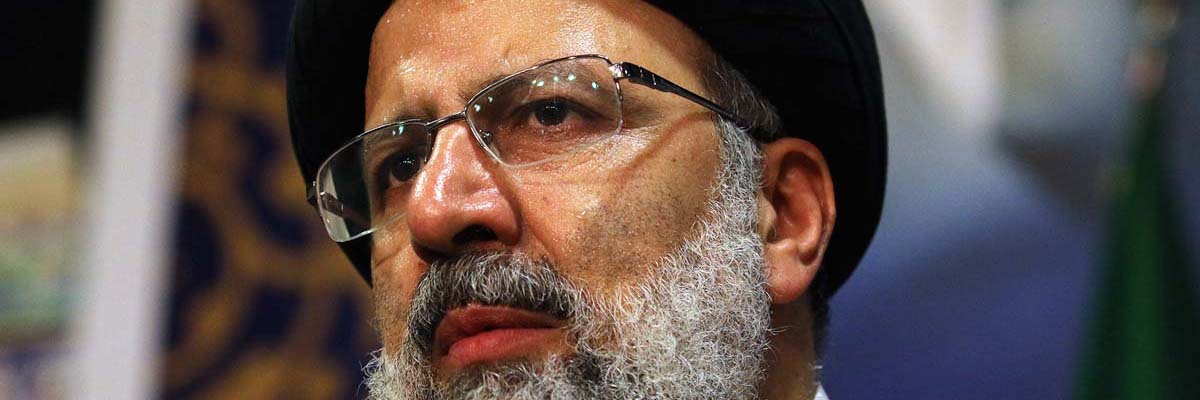
◢ Iran's Supreme Leader Ayatollah Ali Khamenei on Thursday appointed ultra-conservative cleric Ebrahim Raisi, a one-time presidential hopeful, as head of the judiciary, the leader's website said. Former judge Raisi, who currently heads the holy shrine of Imam Reza, was the leading rival to President Hassan Rouhani at Iran's 2017 election and has close ties to the supreme leader.
Iran's Supreme Leader Ayatollah Ali Khamenei on Thursday appointed ultra-conservative cleric Ebrahim Raisi, a one-time presidential hopeful, as head of the judiciary, the leader's website said.
Former judge Raisi, who currently heads the holy shrine of Imam Reza, was the leading rival to President Hassan Rouhani at Iran's 2017 election and has close ties to the supreme leader.
Khamenei said in a statement that he appointed Raisi to bring about a "transformation (in the judiciary) in line with (its) needs, advancements and challenges" on the 40th year of the 1979 Islamic Revolution.
“For carrying out this crucial act, I have chosen you who have a long track record in different levels of the judiciary and are in touch with its nuances," he said in the statement.
He called on Raisi to be "with the people, the revolution and against corruption" in his new role.
Raisi is a mainstay of the conservative establishment, having served as attorney general, supervisor of state broadcaster IRIB and prosecutor in the Special Court for Clerics.
He bears the title of Hojjat al-Islam, which is a rank under Ayatollah in the Shiite cleric hierarchy.
Raisi became deputy prosecutor at the Revolutionary Court of Tehran during the 1980-88 Iran-Iraq war.
Human rights organisations, opposition members and dissidents have accused the tribunal of overseeing the execution of political prisoners without due legal process during his tenure.
He was chosen by Khamenei in 2016 to head Iran's Imam Reza Shrine and lead its huge business conglomerate, Astan Qods Razavi, with interests in everything from IT and banking to construction and agriculture.
During his 2017 campaign, Raisi took a tough line on Rouhani's "weak efforts" in negotiating the 2015 nuclear deal with world powers that brought the Islamic republic sanctions relief in exchange for limiting its nuclear program.
US President Donald Trump last year withdrew Washington from the pact and reimposed sanctions on Tehran.
Photo Credit: IRNA
Iran President Defends Telecom Minister Against Judiciary
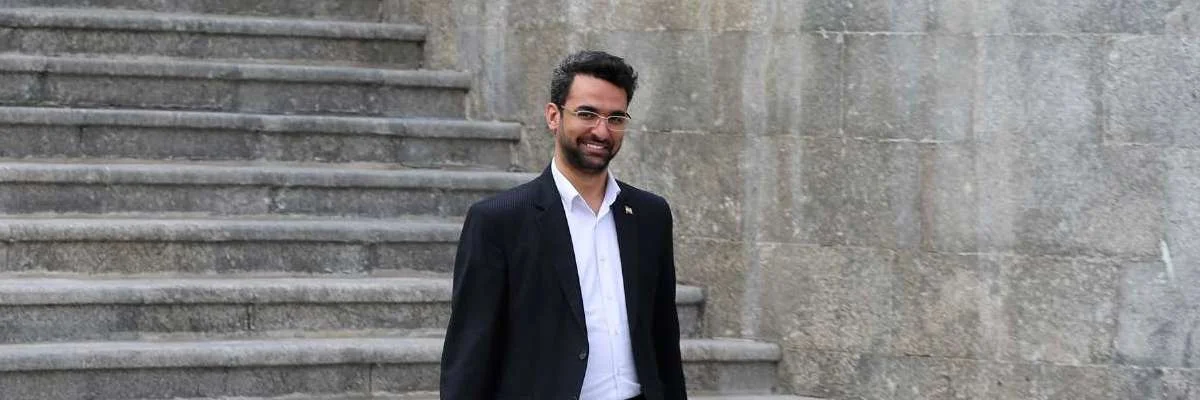
◢ Iran President Hassan Rouhani on Monday brushed off attacks against his telecom minister over charges of failing to create a "safe environment" in social media and leaving Iranian data vulnerable to espionage, state television reported. According to the judiciary, 2,000 people in the southwestern city of Ahvaz and the general prosecutor's office have lodged a complaint against the minister, Mohammad Javad Azari-Jahromi.
Iran President Hassan Rouhani on Monday brushed off attacks against his telecom minister over charges of failing to create a "safe environment" in social media and leaving Iranian data vulnerable to espionage, state television reported.
According to the judiciary, 2,000 people in the southwestern city of Ahvaz and the general prosecutor's office have lodged a complaint against the minister, Mohammad Javad Azari-Jahromi.
"Someone in the judiciary says they'll lodge a complaint against a young minister. Well, he is not at all intimidated and is doing his job," said Rouhani, without naming the minister.
“Ok, then, lodge a complaint! The young minister is working for the benefit of the people and pays no heed to pointless orders," he added defiantly.
A "lack of safe space" in social media has "drawn (young people) to Takfiri (jihadist) groups and eventually led to (last year's) terrorist incident at the armed forces parade," a cyberspace official at the prosecutor's office, Javad Javidnia, told semi-official news agency ISNA.
Back in September 2018 in the southwestern city of Ahvaz, in Khuzestan province bordering Iraq, gunmen killed at least 24 people as they opened fire on the military parade.
Javidnia said a complaint had also been lodged against the managers of Telegram and Instagram.
Iran has in the past blocked access to social media platforms such as Facebook, Twitter and YouTube, and the judiciary blocked the Telegram messaging app in May.
The judiciary has also accused Azari-Jahromi, at 37 the youngest member of Rouhani's cabinet, of leaving Iran's "big data" vulnerable to access by its enemies, which enables them to commit "internet espionage".
"Foreigners can analyze this data and use it to disrupt the country's security and stability," Javidnia told ISNA.
The judiciary has frequently clashed with the telecom minister.
In January, Azari-Jahromi opposed a mulled ban on the photo- and video-sharing application Instagram, saying it would only create new problems for the Islamic republic.
Despite restrictions, top Iranians officials like Rouhani and the minister himself use services such as Twitter, which are widely accessible via proxy servers.
Photo Credit: IRNA
Shahroudi, Powerful Iran Cleric, Dies
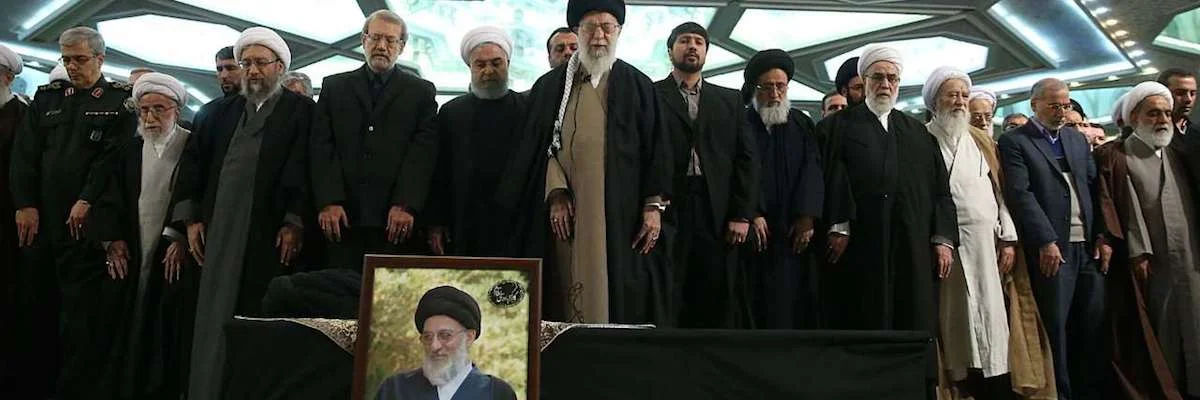
◢ Mahmoud Hashemi Shahroudi, a grand ayatollah who headed Iran's judiciary during fierce crackdowns on dissidents, journalists and activists, died on Monday at the age of 70 according to the state news agency IRNA. Shahroudi was a student of Iran's revolutionary founder Ruhollah Khomeini who went on to hold some of the most powerful positions in the Islamic republic.
Mahmoud Hashemi Shahroudi, a grand ayatollah who headed Iran's judiciary during fierce crackdowns on dissidents, journalists and activists, died on Monday at the age of 70 according to the state news agency IRNA.
Shahroudi was a student of Iran's revolutionary founder Ruhollah Khomeini who went on to hold some of the most powerful positions in the Islamic republic.
At the time of his death he was head of the Expediency Council and a member of the 12-man Guardian Council—two key institutions in shaping legislation and vetting election candidates.
He was also deputy head of the Assembly of Experts which has the power to choose the successor to supreme leader Ayatollah Ali Khamenei—a position to which Shahroudi himself was occasionally linked.
Shahroudi had not been seen in public for several months, and there were reports last year that he underwent surgery for an unspecified cancer in Germany.
A German lawmaker filed a complaint against Shahroudi during his stay, calling for him to be charged for crimes against humanity, but a judge found no grounds to hold him.
Shahroudi headed the judiciary between 1999 and 2009—a period that saw hundreds of executions and a concerted crackdown on activists, dissidents and the reformist media.
His tenure concluded with the mass protests over allegations of rigging in the 2009 presidential election, which led to thousands being arrested and allegations of severe prisoner abuse.
Some measures nonetheless marked him as a relative moderate within the judiciary, particularly his moratorium on stoning as a method of execution which other clerics saw as sanctioned under sharia law.
But the prosecution in 2001 of reformist lawmakers—despite their parliamentary immunity—was heavily critiized by the government of the time.
Shahroudi was born in Najaf in Iraq on August 18, 1948, and met Khomeini when the latter was exiled to Iraq in the 1960s.
He fled to Kuwait and then Iran after Iraqi dictator Saddam Hussein cracked down on Shiite clerics in the wake of the 1979 Iranian revolution, the conservative Tasnim news agency said in its obituary.
Photo Credit: IRNA

Iran Releases British-Iranian Academic: London
◢ A British-Iranian scientist detained in Tehran in April for his alleged role in an "infiltration network" has returned to London, the Foreign Office said Tuesday. "We can confirm that a British-Iranian dual national who was detained in Tehran has returned to the UK," the Foreign Office said in a statement, when asked about Abbas Edalat.
A British-Iranian scientist detained in Tehran in April for his alleged role in an "infiltration network" has returned to London, the Foreign Office said Tuesday.
"We can confirm that a British-Iranian dual national who was detained in Tehran has returned to the UK," the Foreign Office said in a statement, when asked about Abbas Edalat.
Edalat, a professor of computer science and mathematics at Imperial College London, was arrested by Iran's Revolutionary Guards, which raided his home and confiscated his computer, according to the New York-based Center for Human Rights in Iran.
The Campaign Against Sanctions and Military Intervention in Iran (CASMII) charity that Edalat founded said he returned to Britain last week.
Edalat's arrest and jailing was "a case of misinformation and misunderstanding by the Iranian security apparatus," CASMII said on its website.
The Foreign Office did not disclose details of the academic's release.
British-Iranian charity worker Nazanin Zaghari-Ratcliffe was arrested in Tehran in April 2016 and is serving a five-year jail sentence for sedition—a charge she has denied.
"We continue to take action on all our consular cases in Iran in line with what we believe will produce the best outcomes in their cases," the Foreign Office said.
Photo Credit: Vimeo
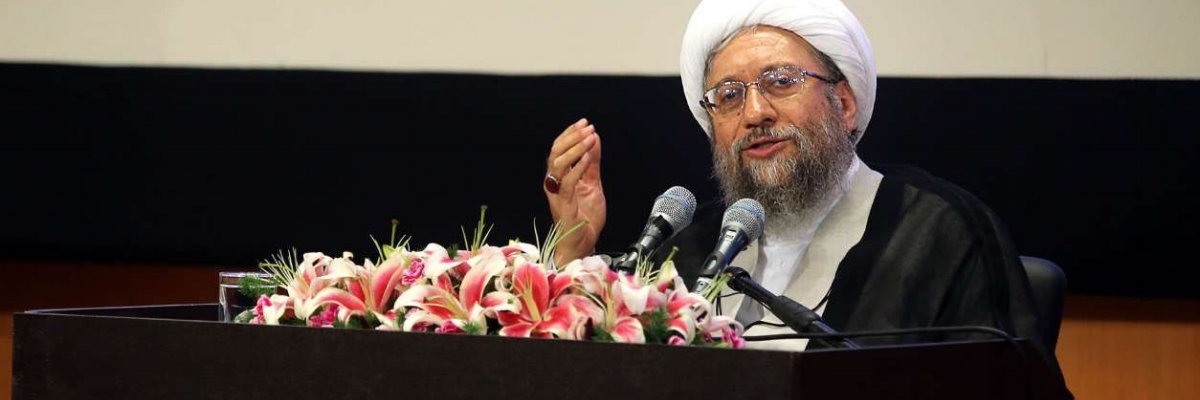
Iran Judicial Chief Warns Over Worker Unrest
◢ The head of Iran's judicial authority on Monday warned restive workers against creating "disorder", while calling on the government to address their problems. Ayatollah Sadegh Larijani spoke amid efforts to resolve a weeks-long strike at a major sugar factory in western Iran and popular discontent over rising prices.
The head of Iran's judicial authority on Monday warned restive workers against creating "disorder", while calling on the government to address their problems.
Ayatollah Sadegh Larijani spoke amid efforts to resolve a weeks-long strike at a major sugar factory in western Iran and popular discontent over rising prices.
"Workers should not allow their demands to become an excuse and an instrument for the enemy and creation of disorder in the country," Larijani said, quoted by the judiciary's news agency Mizan Online.
Acknowledging that many workers are struggling to make ends meet, he said the government must address workers' problems "immediately", according to Mizan.
"The demands of dear workers must be met in a rational atmosphere... with the involvement of the government and the judiciary branch," he said.
But "demands will never be met by turmoil, crisis and actions contrary to public order", he said.
A strike by workers at the Haft Tapeh sugar factory in Shush, a city in Khuzestan province, on Monday entered its 22nd day, according to the reformist ILNA news agency.
Workers are protesting against salary arrears and alleged criminal activity by managers.
The business has around 4,000 workers and was privatized in 2016.
The workers said on Monday that they have been paid their salaries for the period August 23 to 22 September, ILNA said.
ILNA said three out of four workers that it had reported arrested on November 18 have subsequently been freed.
Iran has been hit by strikes over working conditions in several key sectors this year, including education, mines, transport and the steel industry, mainly outside Tehran.
Inflation stands at 36.9 percent, according to the latest monthly data published by the central bank.
Photo Credit: IRNA
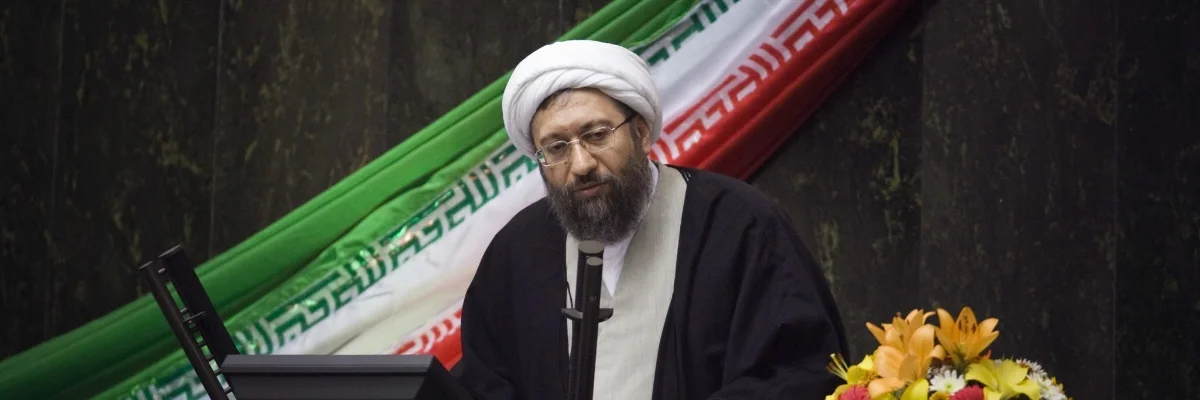
Iran Judiciary Criticizes Money Laundering Claims
◢ Iran's judiciary chief said Monday that government officials must not make accusations of vast money-laundering operations by powerful institutions, which could be exploited by the enemy. The criticism followed statements by Foreign Minister Mohammad Javad Zarif to the Khabar Online news agency last week in which he said: "Money laundering is a reality in our country, and a lot of people are benefitting from it."
Iran's judiciary chief said Monday that government officials must not make accusations of vast money-laundering operations by powerful institutions, which could be exploited by the enemy.
The criticism followed statements by Foreign Minister Mohammad Javad Zarif to the Khabar Online news agency last week in which he said: "Money laundering is a reality in our country, and a lot of people are benefitting from it."
Zarif said "thousands of billions" of rials were being laundered by unnamed organizations in Iran, and that these groups were behind efforts to block new laws against money laundering and terrorist financing.
"If there is huge money laundering in the country, why did you not report this to the judiciary?" said Sadegh Larijani, judiciary chief, in a speech on Monday, according to the semi-official ISNA news agency.
"The enemy's best tool is economic pressure... In such a situation officials are expected not to make two-sided statements that could be misused by the enemy," he added, without naming Zarif.
The government introduced four new laws this year aimed at meeting demands set by the Financial Action Task Force (FATF), which monitors global efforts to counter money laundering and terrorist financing.
Conservatives groups have attacked the bills, saying they would undermine Iran's ability to support allied militant groups in the region, such as Lebanon's Hezbollah.
But Zarif said wealthy groups were also involved because they opposed greater financial transparency.
"There are special interests behind some of these concerns and propaganda,"
he said.
"I don't aim to pin this to any certain organization, but those places that do launder thousands of billions are certainly financially capable of spending a few hundred billion on propaganda and psychological operations in the country," he added.
Larijani hit back on Monday, saying: "The authorities should not say things that drop like a dagger into the heart of the system."
Iran is alone with North Korea on the FATF blacklist, but the Paris-based organization has suspended counter-measures since June 2017 while it works on reforms.
One bill on the mechanics of monitoring and preventing terrorist financing was signed into law in August.
The remaining three have been approved by parliament but have been held up by higher authorities that oversee legislation.
Photo Credit: IRNA
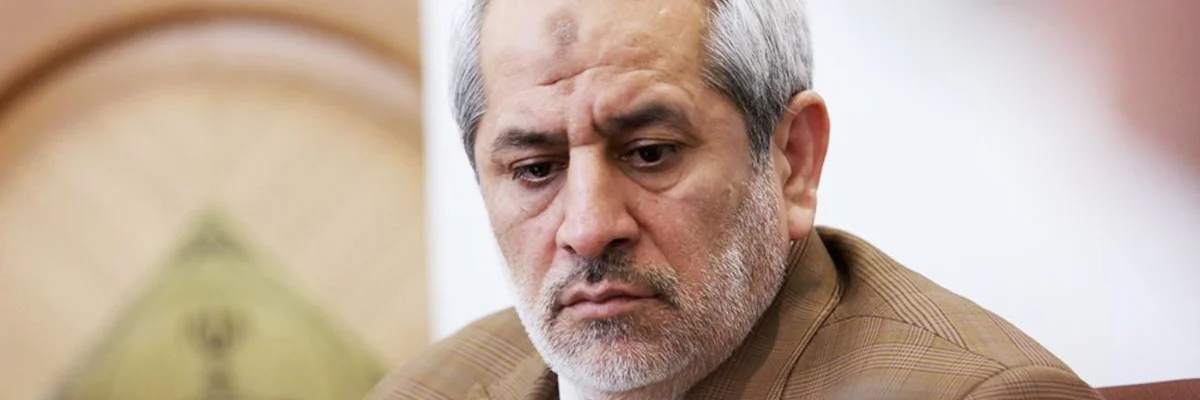
Four Iran Environmentalists Could Face Death Penalty
◢ Four detained Iranian environmental activists could face the death penalty after the charges leveled against them were changed, the Tehran prosecutor said on Wednesday. "After completion of the investigation, the charges against four of the defendants have been changed to corruption on earth," said Abbas Jafari Dolatabadi, cited by Mizan Online, a news outlet run by the judiciary.
Four detained Iranian environmental activists could face the death penalty after the charges leveled against them were changed, the Tehran prosecutor said on Wednesday.
"After completion of the investigation, the charges against four of the defendants have been changed to corruption on earth," said Abbas Jafari Dolatabadi, cited by Mizan Online, a news outlet run by the judiciary.
"Corruption on earth" is one of the most serious charges in Iran and can be punishable by death.
The defendants were initially arrested on suspicion of espionage, but Mizan Online did not specify the charges that had preceded Wednesday's alteration.
Indictments for eight environmental activists have been issued in total and "are ready to be sent to court," the agency quoted the prosecutor as saying.
“The defendants had been notified of the charges," he added.
The prosecutor did not specify the charges against the other four activists, nor did he say when the trial would be held.
The authorities have not released the names of the defendants, who were arrested in January.
Iran has arrested at least a dozen environmental activists this year on charges of spying for foreign intelligence agencies.
One of them, Kavous Seyed Emami, a 63-year-old professor and renowned environmentalist, allegedly committed suicide in prison in February, a fortnight after his arrest.
Military authorities told the judiciary that the defendants had tried to "get close to military centers and get military information about these centers, under the cover of environmental activities," the prosecutor said.
In early September, the head of Iran's Environment Department, Isa Kalantari, called for the fate of the environmental activists to be explained.
"We are not asking for their release or for their execution, we just want their fate to be clarified. This is part of their citizenship rights," Kalantari said.
Photo Credit: IRNA
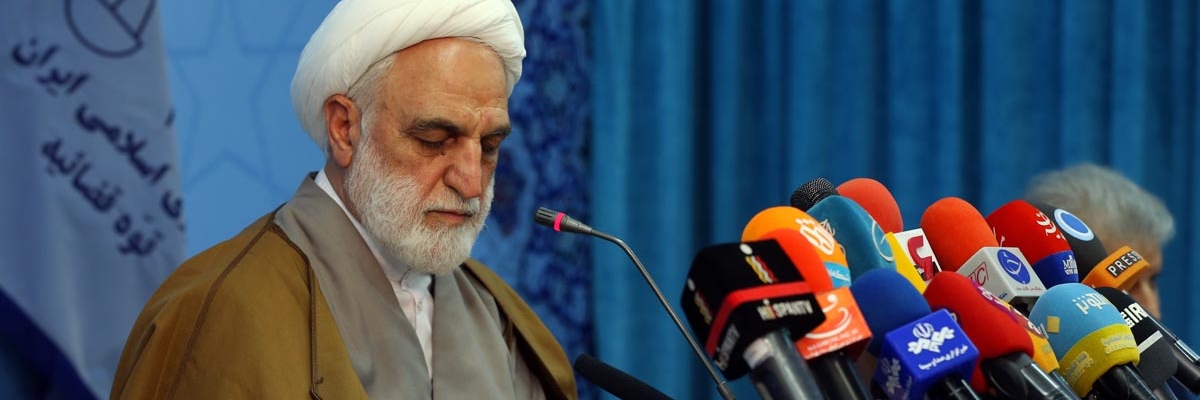
Iran Condemns 'Sultan of Coins' to Death for Economic Crimes
◢ A court in Iran sentenced to death a financial trader known as the "Sultan of Coins" on Sunday, along with another man, the judiciary's Mizan Online news agency reported. "Corruption on earth" is the gravest charge in the Islamic republic which warrants a death sentence.
A court in Iran sentenced to death a financial trader known as the "Sultan of Coins" on Sunday, along with another man, the judiciary's Mizan Online news agency reported.
"Two of those convicted of spreading corruption on earth in preliminary hearings had their case reviewed in the Supreme Court and were sentenced to death today," said judiciary spokesman Gholamhossein Mohseni-Ejei.
"Corruption on earth" is the gravest charge in the Islamic republic which warrants a death sentence.
One of the two men set for death row was identified as Vahid Mazloumin—the trader popularly referred to as the "Sultan of Coins" in Iranian media.
Mizan named the other as Mohammad-Esmaeel Ghasemi, without elaborating.
The pair first went on trial on September 8 over charges of "disrupting the economy" through the creation of a network trading in illegal currency and gold coins, Mizan reported.
A third person, Hamid Bagheri-Dermani, was also accused of corruption and sentenced to death in the preliminary hearings. His case is still up for appeal before the Supreme Court.
Ejei said the swift conclusion of the cases served as a "warning to opportunists" aiming to disrupt the economy during the time of the "enemy's pressure" on Iran.
Iran's crackdown on such corruption has intensified since its economy tanked over internal difficulties coupled with the US withdrawal from the 2015 nuclear deal in May and reimposition of sanctions.
Photo Credit: IRNA
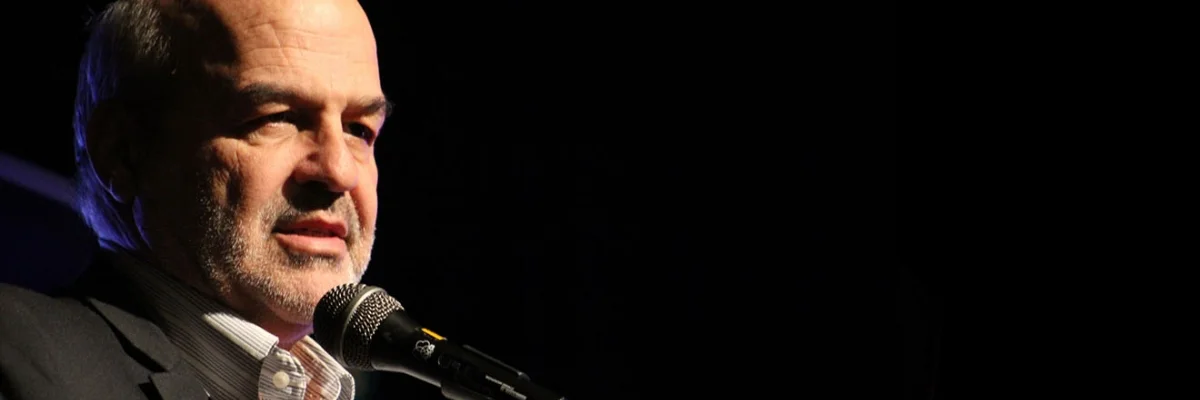
Iran Environment Head Seeks Answers on Detained Activists
◢ Iran's vice-president in charge of environmental affairs has called for an explanation on the fate of more than a dozen activists arrested this year, state news agency IRNA reported Sunday. “We are not asking for their release or for their execution, we just want their fate to be clarified. This is part of their citizenship rights," Isa Kalantari, who heads Iran's environment department, told IRNA.
Iran's vice-president in charge of environmental affairs has called for an explanation on the fate of more than a dozen activists arrested this year, state news agency IRNA reported Sunday.
"We are not asking for their release or for their execution, we just want their fate to be clarified. This is part of their citizenship rights," Isa Kalantari, who heads Iran's environment department, told IRNA.
"This was supposed to have happened by the end of this summer but their trial hasn't even started yet," he added.
Iran has arrested at least a dozen environmental activists since January on charges of spying for foreign intelligence agencies, but few details have been released.
One of them, Kavous Seyed Emami, a 63-year-old professor and renowned environmentalist, allegedly committed suicide in prison in February, a fortnight after his arrest.
The judiciary has prepared indictments against five of the detainees, according to state media, but a court date has yet to be set.
"We have cited the intelligence minister that these activists are not spies, and that the ministry is the sole official authority on whether someone is a spy," Kalantari said.
In May, Mahmoud Sadeghi, a reformist member of parliament, also tweeted that the intelligence ministry had not found any proof that the environmentalists were spies.
Iran's judiciary, however, considers itself as the only authority on settling the question of spying and has warned other bodies not to interfere.
Photo Credit: UNDP
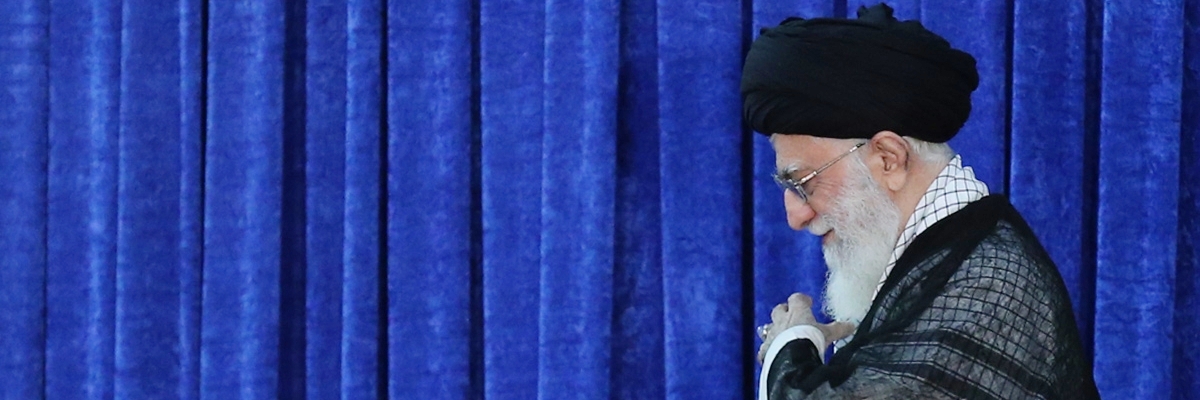
Iran Arrests 67 in Corruption Crackdown Approved by Khamenei
◢ Iran's judiciary said Sunday that 67 people have been arrested in recent weeks as part of a corruption crackdown approved by supreme leader Ayatollah Ali Khamenei. More than 100 government employees have also been barred from leaving the country, spokesman Gholamhossein Mohseni Ejeie said, according to the judiciary-linked Mizan news agency. "Our enemy America has decided to put pressure on people and it intends to put our economy under pressure, but to no avail," Ejeie said.
Iran's judiciary said Sunday that 67 people have been arrested in recent weeks as part of a corruption crackdown approved by supreme leader Ayatollah Ali Khamenei.
More than 100 government employees have also been barred from leaving the country, spokesman Gholamhossein Mohseni Ejeie said, according to the judiciary-linked Mizan news agency.
"Our enemy America has decided to put pressure on people and it intends to put our economy under pressure, but to no avail," Ejeie said.
"There are individuals who try to use this opportunity and hoard basic goods and increase pressure on people by hoarding and smuggling," he added.
On Saturday, Khamenei approved a request from the head of the judiciary, Sadegh Larijani, to set up special revolutionary courts to try people for economic crimes.
"The goal is that the punishment of convicts of economic corruption be carried out urgently and justly," Khamenei wrote in a response published on his website.
Increased pressure from the United States, including its withdrawal from the 2015 nuclear deal and reimposed sanctions, have exacerbated long-standing public anger over mismanagement and corruption in the economy.
A disastrous attempt to fix the falling value of the rial in April added to the anger after the government revealed that politically-connected importers were hoarding the cheap dollars or selling them on the black market.
Earlier this month, the head of the central bank was sacked and his deputy in charge of foreign exchange arrested.
Corruption is deeply entrenched in Iran, where an opaque business environment provides huge opportunities for embezzlement and market manipulation.
With protests and strikes taking on a political edge in many places, pressure has mounted from all sides to take more concerted action against corruption.
Photo Credit: IRNA
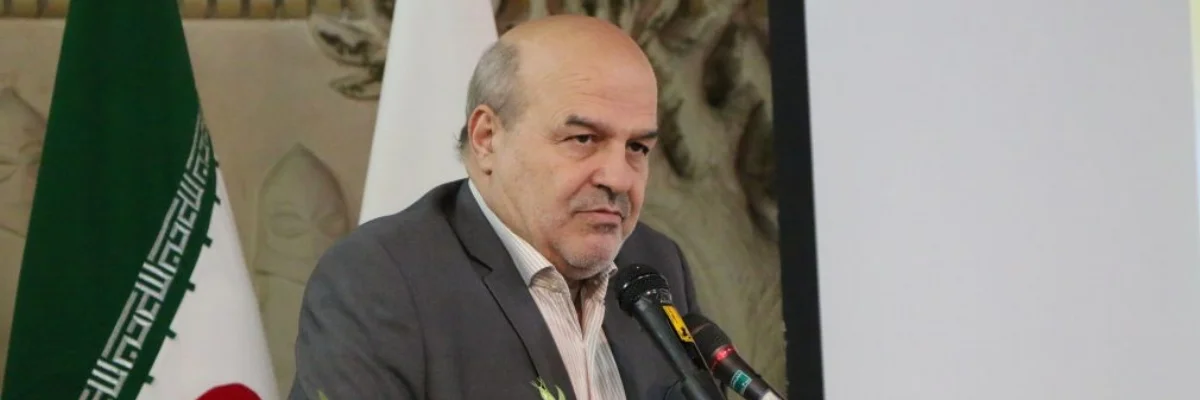
Iran Government Says No Evidence Against Detained Environmentalists
◢ Iran's environment chief said Tuesday that a government committee had concluded there was no evidence against wildlife activists rounded up on spying charges in recent months. Isa Kalantari, head of the government's department of environment, told state news agency IRNA that the conclusion had been reached by a special four-man committee.
Iran's environment chief said Tuesday that a government committee had concluded there was no evidence against wildlife activists rounded up on spying charges in recent months.
Isa Kalantari, head of the government's department of environment, told state news agency IRNA that the conclusion had been reached by a special four-man committee, including the ministers of justice, interior and intelligence, and the president's legal deputy.
"This four-member group has come to the conclusion that these detained individuals are in custody without having done anything and naturally they must be freed soon," Kalantari said.
Iran has multiple, overlapping intelligence agencies—the most prominent are linked to the government, judiciary and Revolutionary Guards—that often act independently of each other, so the committee's assessment may have no effect.
The government's intelligence ministry has previously stated there was no evidence against the arrested environmentalists.
"There is no document indicating the truth of the accusations leveled against these detained individuals," Kalantari said.
Little detail has been given about the detentions, which began with the arrest of eight members of the Persian Wildlife Heritage Organisation in January.
But the cases drew international attention after the renowned head of the organization, 63-year-old Kavous Seyed Emami, allegedly committed suicide in prison a fortnight after his arrest.
Kalantari's deputy at the department of environment, Kaveh Madani, was also forced to flee the country last month after pressure from hardliners about his private life.
There have been reports of several more environmentalists arrested in the south of the country, although only three have been officially confirmed—members of the Association for the Protection of Nature in Lavardin.
Iran faces severe environmental challenges, particularly linked to a prolonged drought and extreme air pollution.
Photo Credit:
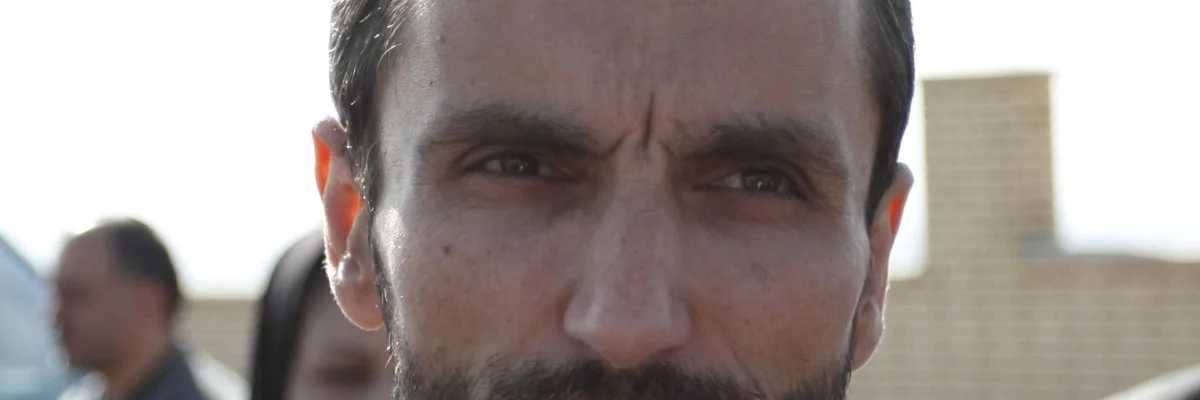
Iran's Ahmadinejad Says Ally on Hunger Strike Since 'Unjust' Arrest
◢ Former Iranian president Mahmoud Ahmadinejad said Wednesday that his ally Hamid Baghaie was on hunger strike and in deteriorating health after being imprisoned on what he said were politically motivated charges. Ahmadinejad, who served as president from 2005 to 2013, made the claims in a letter to supreme leader Ayatollah Ali Khamenei, published on the Dolatebahar website run by his supporters.
Former Iranian president Mahmoud Ahmadinejad said Wednesday that his ally Hamid Baghaie was on hunger strike and in deteriorating health after being imprisoned on what he said were politically motivated charges.
Ahmadinejad, who served as president from 2005 to 2013, made the claims in a letter to supreme leader Ayatollah Ali Khamenei, published on the Dolatebahar website run by his supporters.
It is the latest volley in a bitter feud with his former colleagues in the Iranian establishment—particularly the conservative-dominated judiciary—which has led him to demand wide-ranging reforms, including fully free elections.
"The judicial apparatus, without any documents or proof or legal citation... under the cover of financial accusations and in a closed trial—has condemned (Baghaie) to the severest possible punishment," Ahmadinejad wrote in his latest letter.
Baghaie, who served as his vice president, was jailed this month for 15 years for embezzling 3,766,000 euros and $590,000.
Prosecutors said the cash was given to him by General Ghasem Soleimani, feted head of the external operations arm of the Revolutionary Guards, the Qods Force, and earmarked for "affairs to do with African countries".
"Mr Baghaie has never accepted these accusations and he's been on hunger strike for 14 days in protest at this injustice by the judicial apparatus," Ahmadinejad said in the letter.
"It is heard that his physical situation is deteriorating. He's been kept in solitary confinement since the first day of his arrest," Ahmadinejad added, calling on Khamenei to step in to avoid a "big catastrophe and irreparable damage."
In an earlier report on the Dolatebahar website, Baghaie was quoted as saying: "Suppose this impossible, fabricated story is true—should I be blamed, or should it be General Ghasem Soleimani as the authorised official in the Qods Force who has delivered the said foreign currency?"
'No Proof'
Ahmadinejad and Baghaei claim no proof of the alleged transactions was presented at the trial in December. Another of their associates—Ahmadinejad's former chief of staff Rahim Mashaie —was arrested this month after burning a copy of Baghaei's verdict outside the British embassy.
A populist with close ties to the hardline religious elite and Revolutionary Guards during his time in office, Ahmadinejad's unruly style saw him fall out with the establishment and clash with Khamenei.
He has become a growing thorn in their side in recent years. Both he and Baghaie were barred from standing in last year's presidential election by the Guardian Council, which vets candidates.
In another letter to Khamenei last month, Ahmadinejad called for "the immediate holding of free presidential and parliamentary elections—of course without their being engineered by the Guardian Council and without interference by military or security bodies so that people have a free choice."
Ahmadinejad remains a hate figure for many reformists, who associate him with the bloody crackdown on mass protests in 2009 and 2010 that followed his contested re-election.
However, he remains popular particularly among poorer segments of society who recall the large-scale welfare schemes he implemented during his presidency.
Photo Credit: Wikicommons