
Iran Sticking to Nuclear Deal Conditions: IAEA
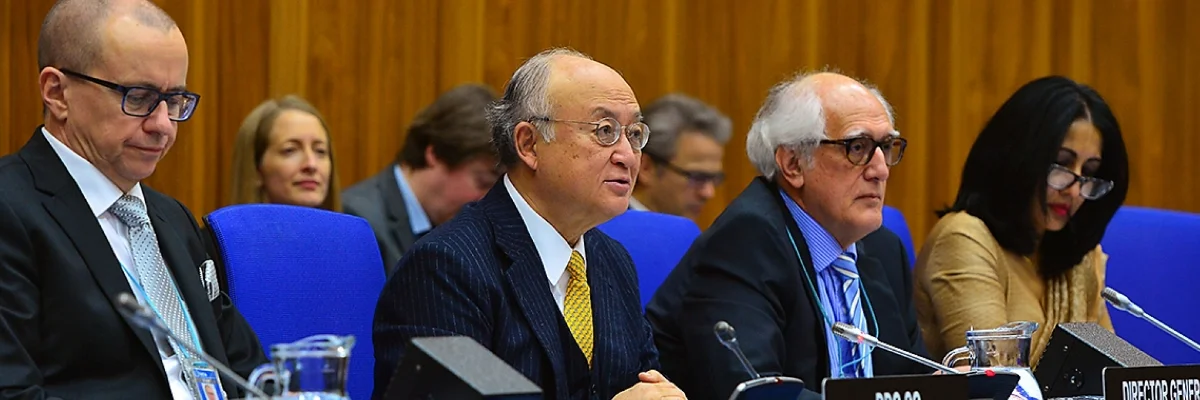
◢ Iran has been abiding by the terms of its nuclear deal with global powers, the latest report from the UN atomic watchdog indicated Monday, days after fresh US sanctions hit the country. The International Atomic Energy Agency's latest report showed that as of early November, Iran had been complying with the restrictions to its nuclear program laid down in the 2015 Joint Comprehensive Plan of Action (JCPOA).
Iran has been abiding by the terms of its nuclear deal with global powers, the latest report from the UN atomic watchdog indicated Monday, days after fresh US sanctions hit the country.
The International Atomic Energy Agency's latest report showed that as of early November, Iran had been complying with the restrictions to its nuclear program laid down in the 2015 Joint Comprehensive Plan of Action (JCPOA).
Sweeping new American sanctions against Iran, which came into effect on 5 November, have raised fears about whether the deal can survive.
Some parts of the fieldwork in the report took place before the sanctions came into effect, but a senior diplomat with knowledge of the situation said there was "nothing that indicates that... cooperation from Iran or its attitude has changed since 5 November".
The report said that as of November 4, Iran's stockpiles of low-enriched uranium stood at 149.4kg, 10kg up from the time of its last report in August.
However, this is still well within the limits set by the JCPOA.
The agency repeated language which has appeared in two previous reports emphasizing the importance of "timely and proactive cooperation in providing such access" on Iran's part.
However, the senior diplomat suggested that this was meant less as an admonition to Iran than as encouragement to maintain the current level of cooperation.
'Face Value'
The report makes no mention of recent claims made by Israeli Prime Minster Benjamin Netanyahu that Iran was harboring a secret atomic warehouse.
The latest American sanctions aim to cut off Iran's banks from international finance and significantly cut its oil exports.
Those have already fallen by up to one million barrels a day since May, when US President Donald Trump withdrew from the JCPOA, branding it a "disaster.”
Iran's economy was already reeling from the effect of US sanctions imposed earlier in the year. On Friday US National Security Advisor John Bolton warned that more sanctions were possible.
Iran has said the future of the JCPOA would be called into question if it no longer received the economic benefits of the deal.
The deal envisaged sanctions on Iran being lifted in return for it accepting IAEA inspections and limits on its nuclear activities.
The remaining five signatories to the JCPOA—Britain, China, France, Germany and Russia—have backed an EU effort to set up a special payment system in an attempt to continue trade and business ties with Iran.
However, some European companies have already pulled out of Iran. Earlier this month senior EU officials admitted that the mechanism was proving difficult to set up.
Photo Credit: IAEA
US Issues Waivers to Allow Iran Deal to Continue
◢ The United States said Monday it was issuing waivers to allow the continuation of a nuclear deal with Iran, after declaring the agreement a disaster and slapping sweeping sanctions. Hours after sanctions went into effect that ban most trade with Iran, the State Department said it was exempting projects set up through the 2015 nuclear deal negotiated under former president Barack Obama.
The United States said Monday it was issuing waivers to allow the continuation of a nuclear deal with Iran, after declaring the agreement a disaster and slapping sweeping sanctions.
Hours after sanctions went into effect that ban most trade with Iran, the State Department said it was exempting projects set up through the 2015 nuclear deal negotiated under former president Barack Obama.
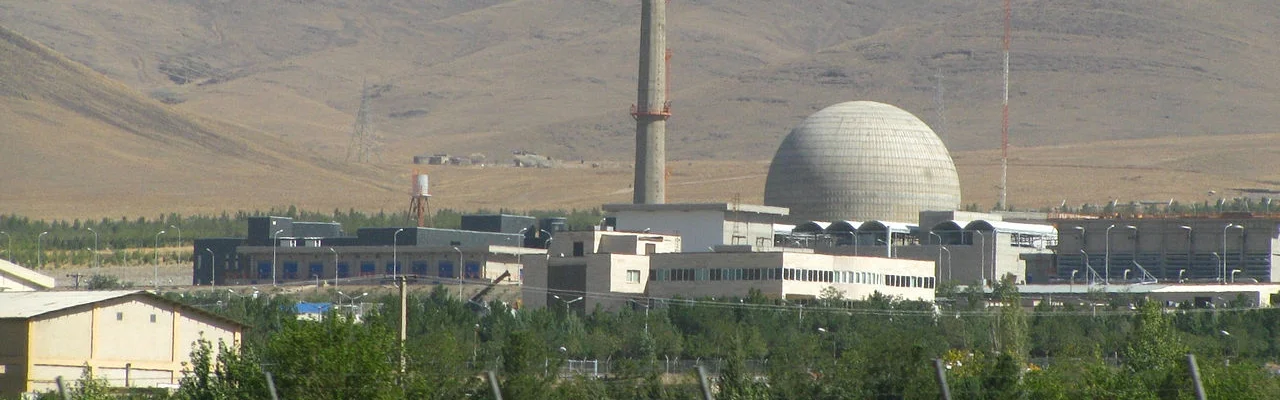
The international activities at Bushehr, Iran's only nuclear power station, as well as the Fordow enrichment plant and the Arak heavy water reactor will be allowed "to continue under the strictest scrutiny to ensure transparency and maintain constraints on Iran," the State Department said in a statement.
"This oversight enhances our ability to constrain Iran's program and keep pressure on the regime while we pursue a new, stronger deal," it said.
The State Department said the waivers were "temporary," without specifying a timeframe, and "conditional on the cooperation of the various stakeholders."
The 2015 agreement promised that world powers would assist Iran in developing civilian nuclear energy—the clerical regime's stated goal for its atomic program.
Russia has supplied fuel for the Bushehr reactor. The Arak site, which could eventually be used to produce plutonium, is being redesigned under the deal to ensure it does not, with spent fuel to be shipped out.
Russia is also working with Iran on isotope production at Fordow to ensure that the site works toward medical purposes rather than uranium enrichment.
The other parties to the deal—Britain, China, France, Germany and Russia along with the European Union—say that the accord remains in force and is working, noting that UN inspectors report that Iran has complied.
President Donald Trump has called the agreement a "disaster" and, as of Monday, the United States will sanction countries and companies that do business with Iran or buy its oil.
Secretary of State Mike Pompeo said Monday the United States wants Iran to undertake a "180-degree" change that includes cutting off support for regional proxies such as Hezbollah and ending missile tests.
Photo Credit: Wikicommons