
Victory for Iran’s Women as Breakthrough Citizenship Law Passed
◢ Iran will for the first time grant citizenship to children born to an Iranian mother and foreign father after a long-awaited bill was signed into law by the powerful Guardian Council in a significant victory for women’s rights. The law was passed by parliament with an overwhelming majority in May, and ratified on Wednesday.
By Yasna Haghdoost
Iran will for the first time grant citizenship to children born to an Iranian mother and foreign father after a long-awaited bill was signed into law by the powerful Guardian Council in a significant victory for women’s rights.
The law was passed by parliament with an overwhelming majority in May, and ratified on Wednesday by the panel of senior clerics and judges, the state-run Islamic Republic News Agency reported, citing council spokesman Abbas Ali Kadkhodaee.
The measure is significant in the Middle East, where many countries don’t allow mothers to pass their nationality onto their children if the father is a foreign national. In Iran, the new law will give tens of thousands of children access to social and health-care services previously denied them on the basis that they were foreigners.
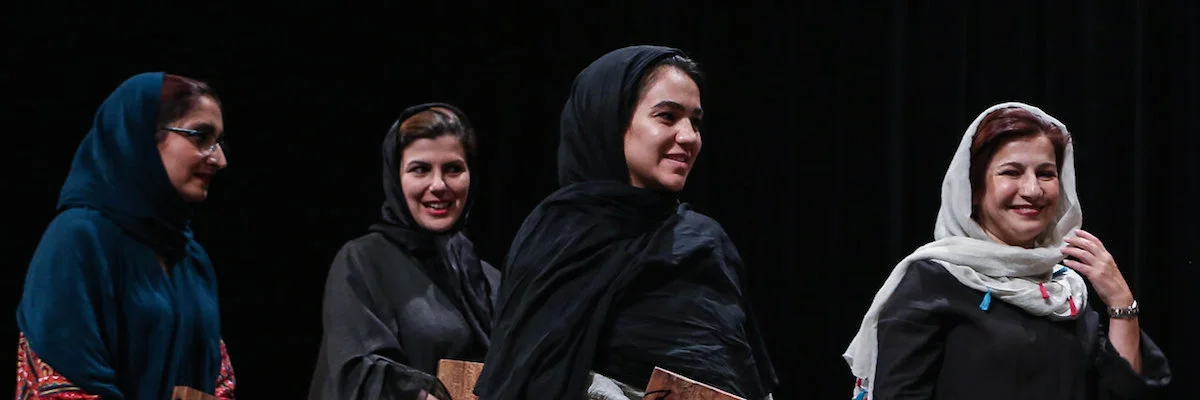
Photo: IRNA
Iran Children Citizenship Bill Sent Back to Parliament
◢ Iran's Guardian Council said Saturday it sent a bill that would allow Iranian mothers married to foreigners to confer citizenship on their children back to parliament, citing "security" concerns. In a statement on its website, the council said it did not have an issue with the spirit of the bill, but rather the absence of any clauses allowing authorities to address "security" issues potentially arising from the activities of foreign fathers.
Iran's Guardian Council said Saturday it sent a bill that would allow Iranian mothers married to foreigners to confer citizenship on their children back to parliament, citing "security" concerns.
In a statement on its website, the council said it did not have an issue with the spirit of the bill, but rather the absence of any clauses allowing authorities to address "security" issues potentially arising from the activities of foreign fathers.
The council—made up of clerics and jurists—was also concerned that the bill planned to automatically grant residence permits to foreign fathers, when in the council's view the government must retain discretion to refuse, MP Tayebeh Siavoshi told the semi-official ISNA news agency.
The bill, overwhelmingly passed in May by parliament, has been seen as a huge step forward for thousands of children born in Iran to Afghan fathers who cannot enjoy full social rights.
Iran is one of seven countries worldwide that "do not allow mothers to confer their citizenship on their children with no or very limited exceptions," according to a 2019 report by the United Nations' refugee agency (UNHCR).
Lebanon, Kuwait, Qatar, eSwatini (formerly Swaziland) and Brunei are among the others.
The next step is for parliament to review the bill and amend it, ahead of further discussion by the Guardian Council.
Parliament's powers are limited compared to other institutions.
Lawmaking is vetted by the Guardian Council, which has the authority to interpret the constitution and check laws' compliance with sharia.
According to Iranian officials, the Islamic republic is home to some three million Afghan immigrants, many of whom are married to Iranian women and have children.
"Thousands of children were left out in the cold... with this law things would have cleared up for them," said sociologist Mohammad Reza Jalaeipour in an interview with official news agency IRNA.
"Some of them can't have driving licenses, some of them can't have social security," he added.
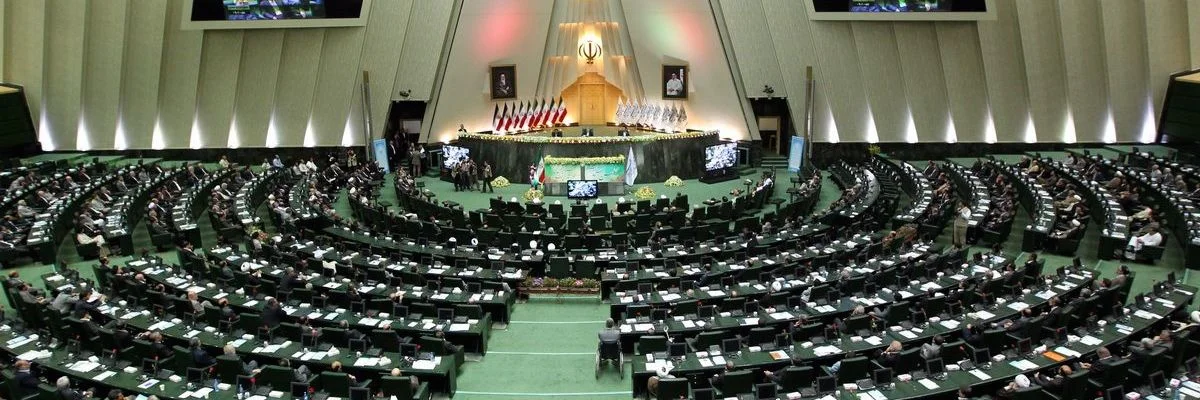
Photo: IRNA

Iran Parliament Upholds Women's Rights in Citizenship Debate
◢ Iran’s parliament struck a blow for women’s rights by overwhelmingly voting to confer citizenship on children born to an Iranian mother and foreign father. Such a law would represent a significant development for women’s rights in Iran, with possible implications for the wider region, where many countries don’t give women the right to pass on citizenship to their children if the father is a foreign national.
Iran’s parliament struck a blow for women’s rights by overwhelmingly voting to confer citizenship on children born to an Iranian mother and foreign father.
Currently, children of “mixed marriages” are only eligible for citizenship if their Iranian parent is a man. If the decision is approved by the Guardian Council, a powerful body of senior clerics and judges, then the offspring of mixed marriages would be eligible for citizenship, regardless of whether their mother or father is the Iranian national.
The parliamentary vote was reported Sunday by state-run Islamic Republic News Agency.
Such a law would represent a significant development for women’s rights in Iran, with possible implications for the wider region, where many countries don’t give women the right to pass on citizenship to their children if the father is a foreign national.
It would also give tens of thousands of children access to social and health care services.
Iran’s vice president for women’s and family affairs said the current legislation, dating back to 1934, was written at a time “when women were considered chattel.”
“Today, when women have gained dignity, respect and a high level of education and status in the country, on the basis of what logic are we depriving a woman the right to transfer the citizenship that’s in her blood on to her child?” Masoumeh Ebtekar said, according to IRNA.
Photo: IRNA