
US Sanctions Chinese, UAE Firms Skirting Iran Oil Embargo
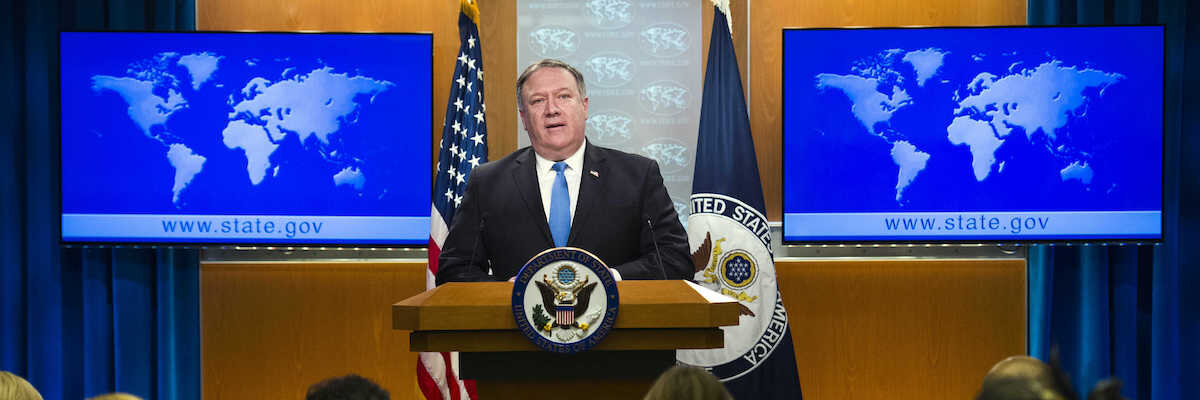
The United States on Thursday imposed sanctions against 11 Iranian, Chinese and United Arab Emirates companies accused of helping to bypass the American embargo on Iran's oil exports.
The United States on Thursday imposed sanctions against 11 Iranian, Chinese and United Arab Emirates companies accused of helping to bypass the American embargo on Iran's oil exports.
"Iran must stop exploiting its natural resources to fund terror and destruction across the region," US Secretary of State Mike Pompeo warned in a tweet.
It was the latest in a series of sanctions that Washington has slapped on foreign companies doing business with Tehran.
US President Donald Trump in 2018 pulled out of the international agreement signed with the country to prevent it from acquiring nuclear weapons, which he said was ineffective, and immediately re-established and tightened US sanctions against the Islamic Republic.
The US State Department imposed punitive measures on Iran-based Abadan Refining Company, three China-based companies (Zhihang Ship Management CO Ltd., New Far International Logistics LLC, Sino Energy Shipping Ltd) and another based in the UAE (Chemtrans Petrochemicals Trading LLC). Three executives from Abadan, New Far and Sino Energy were also targeted.
Meanwhile, the US Treasury Department has added to its blacklist six firms also based in those countries for doing business with Triliance Petrochemical, a company sanctioned in January for its involvement in the sale of Iranian petrochemical products.
Treasury said those funds are "a key revenue source for the Iranian regime, helping to finance its destabilizing support to corrupt regimes and terrorist groups throughout the Middle East and, more recently, Venezuela."
The newly blacklisted companies are the Iranian firms Zagros Petrochemical Company, UAE-based Petrotech FZE and Trio Energy DMCC, and Chinese companies Jingho Technology Co. Limited, Dynapex Energy Limited and Dinrin Limited, based in Hong Kong.
Photo: State Department
Iran Says Holding UAE Boat After Fishermen Deaths
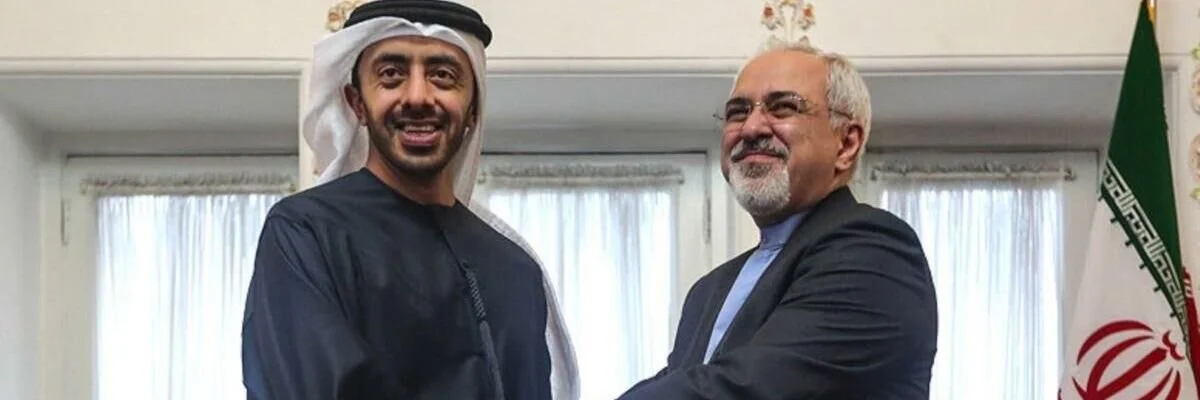
Tehran said Thursday it seized an Emirati boat following a Persian Gulf incident in which two Iranian fishermen died, stoking tensions after the UAE said it would establish ties with Israel.
Tehran said Thursday it seized an Emirati boat following a Persian Gulf incident in which two Iranian fishermen died, stoking tensions after the UAE said it would establish ties with Israel.
The Iranian foreign ministry said it also summoned the UAE charge d'affaires to protest the maritime incident, which took place on Monday.
UAE coastguard vessels had "opened fire on several Iranian fishing boats... leading to the deaths of two fishermen", a statement by the ministry said.
An "Emirati boat was seized by coast guards of the Islamic Republic of Iran because it was sailing illegally in our waters, and its crew have been arrested," it added.
The official Emirati news agency WAM said eight fishing boats had violated its own territorial waters on Monday, without giving their nationality.
"The coastguard boats attempted to stop the fishing boats but they did not comply with the orders, therefore, rules of engagement were applied", WAM added.
Iran's foreign ministry said the UAE had on Wednesday expressed "its deep regret" and said it would provide compensation.
Iran and the UAE have longstanding economic links and the Emirates are home to a significant Iranian expatriate community.
But tensions have spiked between the two nations following last week's surprise announcement that the UAE has agreed to normalize ties with Israel under a US-brokered deal.
Iran condemned the agreement, with President Hassan Rouhani calling it a "big mistake" and warning "against opening the path of Israel to the region", without elaborating on what that would mean.
Rouhani's remarks were seen as "threats" by the UAE which on Sunday summoned the Iranian charge d'affaires in Abu Dhabi to protest "unacceptable and inflammatory" rhetoric.
The UAE, which downgraded its relations with Iran in 2016 amid fierce rivalry between Tehran and Emirati ally Saudi Arabia, said the remarks "had serious implications for security and stability in the Gulf region.”
Photo: IRNA
US Blacklists UAE Firms for Supporting Iran Airline
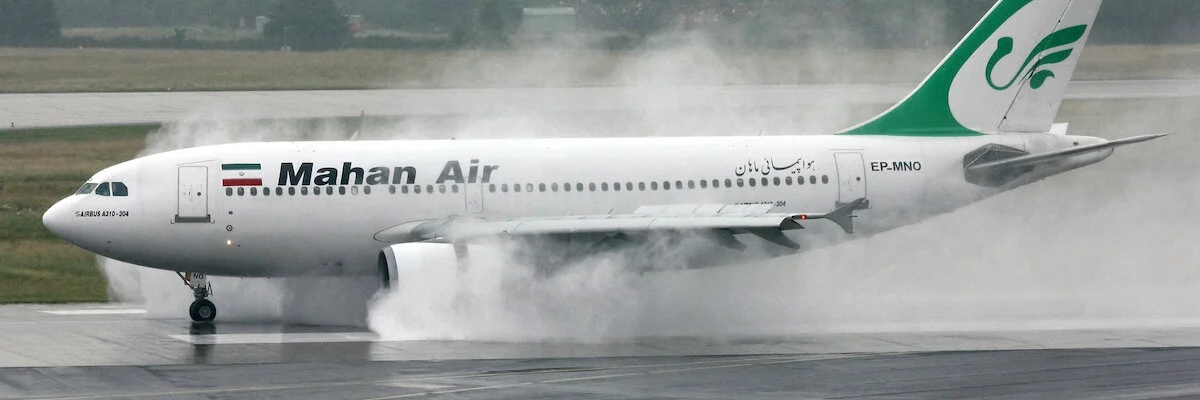
The US Treasury placed two United Arab Emirates-based companies on its sanctions blacklist Wednesday for their support of Iran's already-sanctioned Mahan Air.
By Giuseppe Cacace
The US Treasury placed two United Arab Emirates-based companies on its sanctions blacklist Wednesday for their support of Iran's already-sanctioned Mahan Air.
UAE-based Parthia Cargo and Delta Parts Supply FZC "have provided key parts and logistics services for Mahan Air," the Treasury said.
The two companies were involved in obtaining spare parts and materials for US-made jets that Mahan operates—sanctions block Iran from freely acquiring those parts.
Mahan, one of Iran's leading carriers, has been blacklisted under US counterterrorism regulations for its close relationship with the Islamic Revolutionary Guard Corps-Quds Force, which Washington says carries out terror activities in the Middle East.
Mahan Air especially has been used by the Revolutionary Guards to support the regimes of Syrian leader Bashar al-Assad and Venezuelan President Nicolas Maduro, according to the Treasury.
"The Iranian regime uses Mahan Air as a tool to spread its destabilizing agenda around the world, including to the corrupt regimes in Syria and Venezuela, as well as terrorist groups throughout the Middle East," said Treasury Secretary Steven Mnuchin in a statement.
"The United States will continue to take action against those supporting this airline."
The Treasury also placed sanctions on UAE-based Iranian national Amin Mahdavi, who the Treasury said either owns or controls Parthia Cargo.
The sanctions aim at blocking those targeted from accessing global financial and commercial networks by forbidding anyone from trading with them.
In a parallel move, the US Justice Department filed criminal charges in federal court in Washington against Mahdavi and Parthia for "participating in a criminal conspiracy to violate US export laws and sanctions against Iran."
Photo: Wikicommons
Iran, UAE Top Diplomats Discuss Virus in Rare Talks
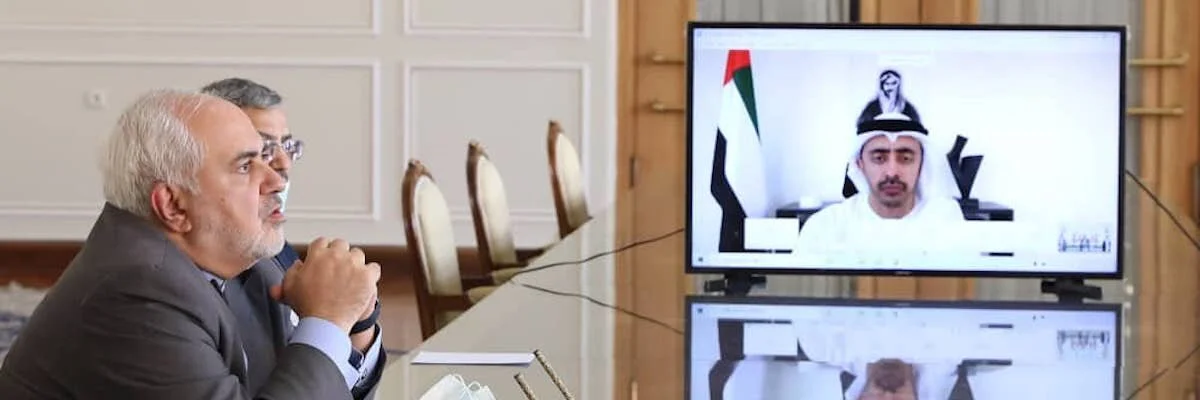
Iran's Foreign Minister Mohammad Javad Zarif said he discussed the region's coronavirus outbreaks and other issues with his Emirati counterpart in rare talks held via a videoconference call on Sunday.
Iran's Foreign Minister Mohammad Javad Zarif said he discussed the region's coronavirus outbreaks and other issues with his Emirati counterpart in rare talks held via a videoconference call on Sunday.
"Just had a very substantive, frank and friendly video conversation with UAE FM" Sheikh Abdullah bin Zayed Al Nahyan, Zarif wrote on Twitter.
"We agreed to continue dialogue on theme of hope -- especially as region faces tough challenges, and tougher choices ahead," he added.
According to UAE state news agency WAM, the top diplomats exchanged greetings for the Eid al-Adha Muslim holiday and discussed efforts to control the COVID-19 pandemic in the region.
Bin Zayed emphasised "enhancing international cooperation, solidarity and synergy between all countries" to tackle the virus, WAM said.
The UAE downgraded its relations with Iran in January 2016 amid fierce rivalry between close Emirati ally Saudi Arabia and the Islamic republic.
It came following the storming of Saudi Arabia's embassy in Tehran in response to Riyadh's execution of a prominent Shiite cleric.
Tensions between Tehran and Riyadh and its allies also increased last year following a series of mysterious attacks on tankers in sensitive Gulf waters, with Washington blaming them on Iran. Tehran denied the charges.
Saudi Arabia and Iran, the region's two leading powers, back opposing sides in several conflicts, including in Syria and Yemen.
Photo: IRNA
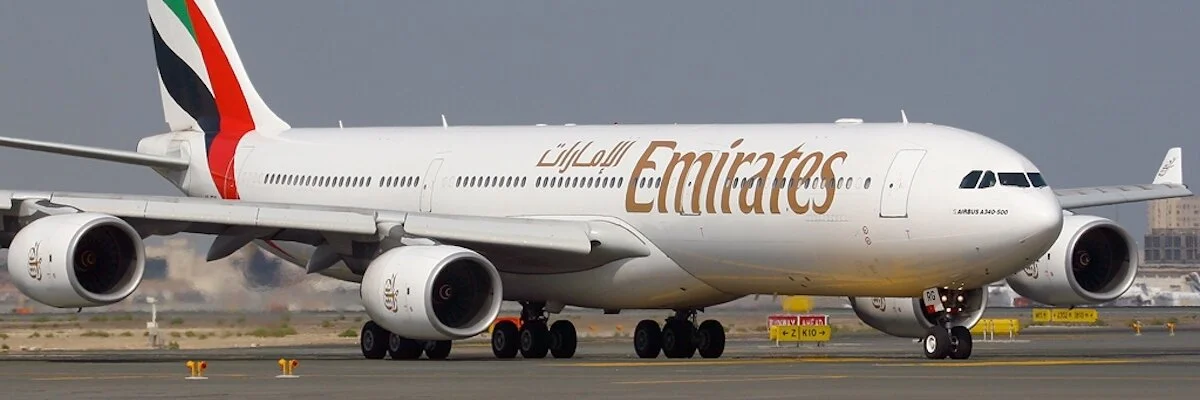
Emirates Resumes Iran Flights After Five-Month Break
Dubai-based Emirates airlines resumed flights to the Iranian capital on Friday after a five-month break due to shutdowns to curb the spread of coronavirus.
Dubai-based Emirates airlines resumed flights to the Iranian capital on Friday after a five-month break due to shutdowns to curb the spread of coronavirus.
Iran, the worst-hit country in the Middle East, has been scrambling to contain the pandemic since it reported its first two COVID-19 deaths in February.
Neighboring countries imposed travel curbs and strict quarantine measures after the first cases of their own days later, mostly in travelers with links to Iran.
The 16 passengers on the Emirates flight from Dubai passed through a disinfection tunnel and had their body temperature checked upon arrival at Tehran's airport.
In the departures lounge, masked outgoing passengers lined up at the Emirates check-in counter while an airport worker disinfected dozens of luggage trolleys.
The United Arab Emirates was among a list of countries that suspended all air links with Iran in February, along with nearby Armenia, Iraq, Kuwait and Turkey.
The UAE, of which Dubai is a member, is a key international transit route for Iranians and had daily flights to Iran.
"My colleagues and I screened the passengers for symptoms with interviews and we also have thermal sensors," said Nadia Piri, one of the airport's resident doctors.
Passengers had to fill in forms on arrival, Piri said, and would have to self-isolate for 14 days.
Airport deputy head Mohammadreza Karimian said a number of airlines have asked to resume flights to Iran.
"Different airlines have made requests, considering that we observe all health protocols throughly," he said, without naming them.
Photo: Wikicommons
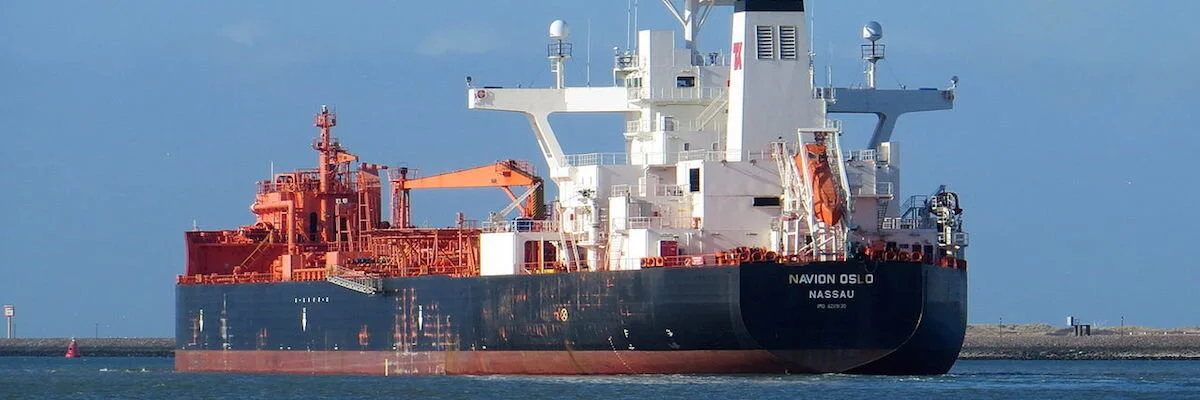
US Targets UAE-Based Firms for Shipping Iranian Oil
◢ The United States on Thursday slapped sanctions on five companies based in the United Arab Emirates for allegedly shipping oil from Iran in defiance of President Donald Trump's unilateral sanctions. The sanctions mark a rare US action against firms in the UAE, a close ally of Washington in its campaign against Tehran.
The United States on Thursday slapped sanctions on five companies based in the United Arab Emirates for allegedly shipping oil from Iran in defiance of President Donald Trump's unilateral sanctions.
The Treasury Department said that the five companies bought hundreds of thousands of metric tons' worth of oil last year from Iran's state oil company, declaring it to be from Iraq or otherwise disguising its origin.
The sanctions mark a rare US action against firms in the UAE, a close ally of Washington in its campaign against Tehran but also a major trading hub with a significant Iranian expatriate community.
"The Iranian regime uses revenues from petroleum and petrochemical sales to fund its terrorist proxies, like the IRGC-QF, instead of the health and well-being of the Iranian people," Treasury Secretary Steven Mnuchin said in a statement.
He was referring to the Revolutionary Guards' elite Qods force, whose commander, Qassem Soleimani, was killed in a US drone strike in January at Baghdad's airport.
The sanctions will block any US assets of the five companies and prohibit any transactions with them.
The five companies are Petro Grand FZE, Alphabet International DMCC, Swissol Trade DMCC, Alam Althrwa General Trading LLC and Alwaneo LLC Co.
Trump in 2018 bolted from an internationally backed deal under which Iran scaled back its nuclear program and demanded that all countries stop buying the cleric-ruled nation's oil, its key export.
With the notable exception of China, most countries have reluctantly stopped buying oil from Iran for fear of punishment from the United States.
Trump, who is closely allied with Iran's regional rivals Saudi Arabia and Israel, has vowed to curb Tehran's regional influence.
Photo: Wikicommons
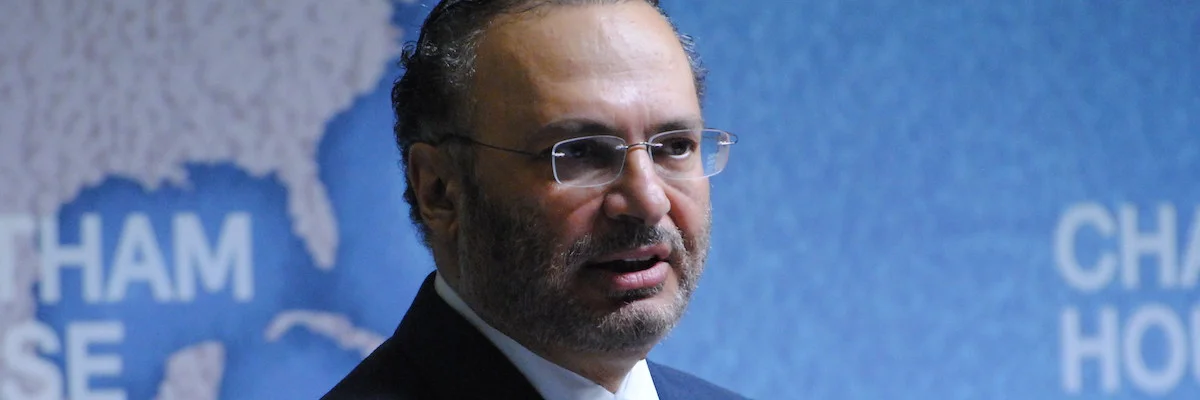
UAE Says Diplomatic Efforts Needed for Agreement with Iran
◢ UAE state minister of foreign affairs Anwar Gargash on Sunday said Arab Gulf states should take part in negotiations with Iran amid increased tensions between Washington and Tehran. "We strongly believe that there is room for collective diplomacy to succeed," he said, adding that talks with Iran should involve the international community as well as Arab Gulf states.
A top UAE official on Sunday said Arab Gulf states should take part in "collective diplomacy" to reach an agreement with Iran amid increased tensions between Washington and Tehran.
UAE state minister of foreign affairs Anwar Gargash's statements come following a string of attacks that Washington and its allies blamed on Tehran. Iran denies the allegations.
Animosity between the Islamic republic and the United States has soared since President Donald Trump unilaterally abandoned a landmark 2015 nuclear accord with Iran and reimposed crippling US sanctions.
"When it comes to dealing with Iran, we should not fall for the false choice between war on the one hand or a flawed (nuclear deal) on the other," Gargash said.
"This moment requires a renewed, robust and realistic diplomatic effort to reach a more sustainable agreement," Gargash told a political conference in Abu Dhabi. Garagash said escalation serves no one.
"We strongly believe that there is room for collective diplomacy to succeed," he said, adding that talks with Iran should involve the international community as well as Arab Gulf states. "Gulf states would need to be at the negotiating table," he said. A "meaningful political process" was needed, he said.
"For such a process to work, it is essential that the international community is on the same page, especially the US and the EU, as well as the Arab Gulf states."
A US-led naval coalition officially launched operations in Bahrain Thursday to protect shipping in the troubled waters of the Persian Gulf after a string of attacks that Washington and its allies blamed on Iran.
The latest attack was on September 14 against two key Saudi oil installation that temporarily knocked out half of the kingdom's production.
Iran denied any involvement in the attacks which were claimed by the Tehran-backed Houthi rebels in Yemen. The UAE is part of a Saudi-led coalition battling the Houthis in Yemen.
Photo: Chatham House
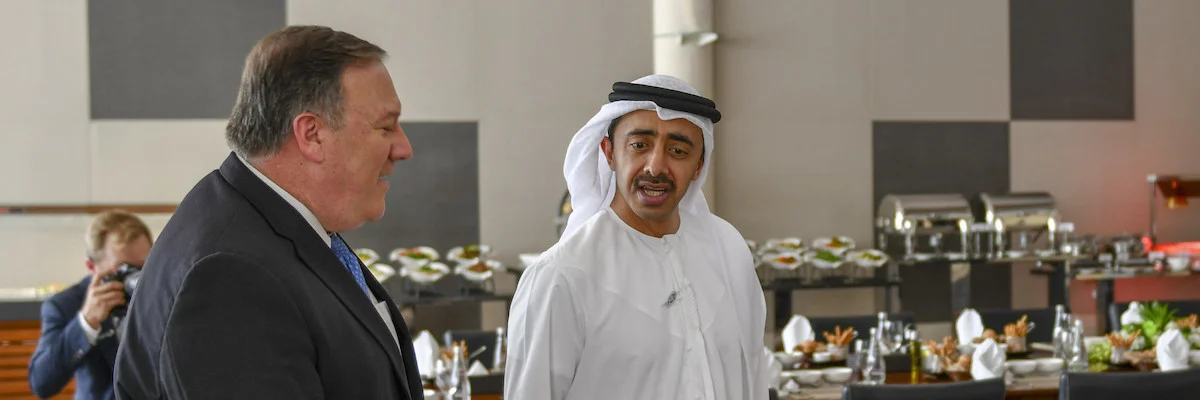
Pompeo Favors 'Peaceful Resolution' to Crisis After Saudi Attack
◢ US Secretary of State Mike Pompeo Thursday said he preferred a “peaceful resolution” to a crisis sparked by attacks on Saudi oil infrastructure, as Iran warned against “all-out war.” Pompeo has blamed Iran for the weekend assault on two facilities which wiped out half of Saudi oil production, dismissing its denials and condemning the “act of war.”
US Secretary of State Mike Pompeo Thursday said he preferred a “peaceful resolution” to a crisis sparked by attacks on Saudi oil infrastructure, as Iran warned against “all-out war.”
Pompeo has blamed Iran for the weekend assault on two facilities which wiped out half of Saudi oil production, dismissing its denials and condemning the “act of war.”
The rhetoric has raised the risk of an unpredictable escalation in the tinderbox region where Saudi Arabia and Iran are locked in a decades-old struggle for dominance.
Visiting the United Arab Emirates, Pompeo however said his country would prefer a “peaceful” solution to the crisis.
“We’d like a peaceful resolution,” he said.
“I hope the Islamic Republic of Iran sees it the same way,” he told reporters after talks with the leaders of the United Arab Emirates.
Iran’s Foreign Minister Mohammad Javad Zarif earlier warned any US or Saudi military strike on Iran could cause “all-out war.”
“We don’t want war, we don’t want to engage in a military confrontation,” he told CNN in an interview aire Thursday.
“But we won’t blink to defend our territory.”
Pompeo arrived in Abu Dhabi from the Saudi city of Jeddah, where late Wednesday he met Crown Prince Mohammed bin Salman, the kingdom’s de-facto ruler who has said the assault poses a “real test” of global will.
The two sides agreed “the Iranian regime must be held accountable for its continued aggressive, reckless, and threatening behaviour,” State Department spokeswoman Morgan Ortagus said.
The “unacceptable and unprecedented attack… not only threatened Saudi Arabian national security, but also endangered the lives of all the American citizens living and working in Saudi Arabia,” she added.
‘Glass Towers’
Saudi officials Wednesday unveiled what they said were fragments of 25 drones and cruise missiles fired Saturday at the facilities in the country’s east, engulfing them in flames.
“The attack was launched from the north and unquestionably sponsored by Iran,” defence ministry spokesman Turki al-Maliki said, but did not say whether Saudi officials believed Iran would ultimately be found to be the culprit.
Tehran-linked Huthi rebels in Saudi Arabia’s southern neighbor Yemen have claimed responsibility, but both Washington and Riyadh have ruled that out, saying it was beyond their capabilities.
French Foreign Minister Jean-Yves Le Drian also said the Huthi claim “lacks credibility”.
The Huthis have hit dozens of targets in Saudi Arabia, and their rapidly advancing arsenal has exposed the vulnerability of the kingdom despite its vast military spending.
Huthi military spokesman Brigadier Yahya Saree said Saturday’s assault on the two facilities was launched from three locations inside Yemen, using advanced drones with long-range capabilities.
He also threatened the United Arab Emirates, a key member of the Saudi-led coalition fighting the Huthis, saying it was ready to attack dozens of targets including the skyscraper-filled cities of Dubai and Abu Dhabi.
“If you want peace and security for your facilities, and towers made of glass that cannot withstand one drone, then leave Yemen alone,” he said.
‘List of Iran Targets’ ‘
US military planners weighing retaliation have reportedly forwarded a list of Iranian targets including the Abadan oil refinery, one of the world’s largest, or Khark Island, the country’s biggest oil export facility, the New York Times said.
Other potential targets include missile launch sites and other assets of the elite Islamic Revolutionary Guard Corps, and bases in the southwest where unusual activity suggests they had a role in the strikes.
“Any strikes against Iran would almost certainly be carried out by volleys of cruise missiles from Navy vessels. Strike aircraft would be aloft to carry out attacks if Iranian retaliated against the first wave,” the newspaper said.
Cinzia Bianco, a Middle East analyst at the European Council on Foreign Relations, said the incident could “trigger an out-of-control chain of escalatory events.”
“Inside Saudi Arabia, there is uncertainty over the most appropriate course of action,” she told AFP.
“However the dominant thinking there points to the US targeting critical infrastructure in Iran as to minimise or exclude any human cost.”
Late Wednesday, CBS News cited an unnamed US official as saying Iran’s supreme leader Ayatollah Ali Khamenei approved the attack, on condition it be carried out in a way to deny Iranian involvement.
US officials quoted said the most damning evidence against Iran was unreleased satellite photos showing Iran’s Revolutionary Guard Corps making preparations for the attack at its Ahvaz airbase.
But the commander of Iran’s Revolutionary Guards, Major General Hossein Salami, said Thursday his country was “so powerful that they are forced to falsely accuse us to be behind any incident”.
An international inquiry is under way, with the the United Nations saying Thursday experts had arrived in the kingdom and begun their mission “at the invitation of the Saudi authorities”.
Trump, who has already re-imposed sanctions that have crippled Iran’s economy, promised on Wednesday to “substantially increase” the measures, winning quick praise from Riyadh.
Zarif, himself under US sanctions since July 31, described the measures as “illegal” and “inhuman” and designed to hurt ordinary citizens.
Photo: State Department
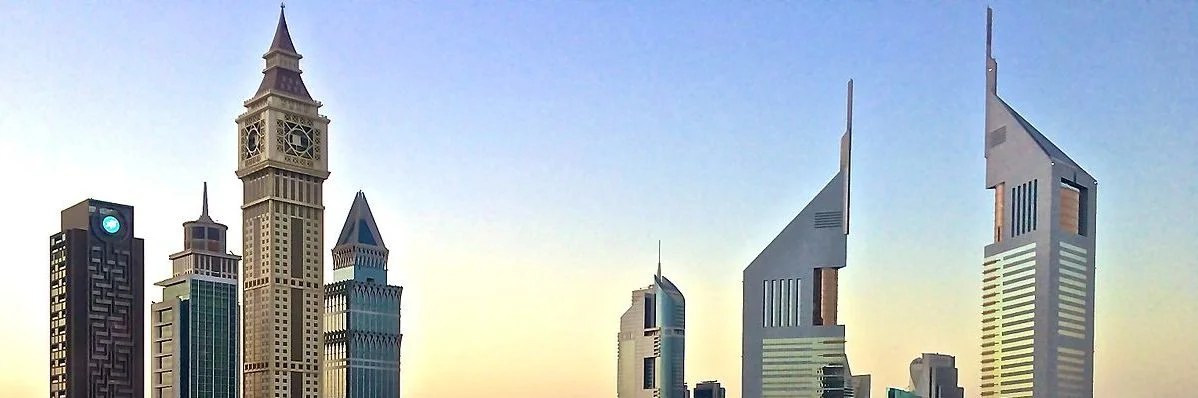
US to Press UAE CEOs to Tighten Financial Screws on Iran
◢ A senior U.S. Treasury official is in the United Arab Emirates to meet with the chiefs of the country’s banks and shipping companies as the Trump administration seeks to further tighten sanctions against the Iranian regime. Sigal Mandelker, the Treasury’s undersecretary for terrorism and financial intelligence, will be meeting the chief executive officers of seven U.A.E. banks on Sunday and Monday.
By Zainab Fattah
A senior U.S. Treasury official is in the United Arab Emirates to meet with the chiefs of the country’s banks and shipping companies as the Trump administration seeks to further tighten sanctions against the Iranian regime.
Sigal Mandelker, the Treasury’s undersecretary for terrorism and financial intelligence, will be meeting the chief executive officers of seven U.A.E. banks on Sunday and Monday. She will also hold talks with officials before heading to Switzerland and Israel.
“We’re discussing ways to work together to counter terrorism and Iran’s destabilizing influence in the region and around the world,” Mandelker told reporters in the capital, Abu Dhabi, on Sunday.
The trip marks the latest effort by the U.S. to turn up the pressure on Iran, which has so far refused to negotiate unless American sanctions are lifted. President Donald Trump pulled the U.S. out of the multiparty 2015 nuclear deal and began to reimpose penalties last year. Earlier in 2019, the U.S. suspended waivers that allowed countries to buy Iranian oil.
The Treasury has issued over 30 rounds of curbs targeting more than 1,000 Iran-related entities, Mandelker said.
Last week, a major shipping network was also sanctioned after selling millions of barrels of of Iranian crude, she said. It allegedly supports the Qods Force, the international brigade of Iran’s Revolutionary Guard Corps, which has been shipping oil to help the regime of Syrian President Bashar Al Assad and Lebanon’s Hezbollah, she added.
The U.S. is also targeting those who engage in other trade and financial activities related to Iran’s petrochemical and metal production, Mandelker said. On June 7, Iran’s largest petrochemicals group was sanctioned, and two of its designated sales agents were based in the U.A.E., she said.
“As we’ve seen historically, that kind of trade has happened right here in the U.A.E.,” she said. “And we want to make sure that that sector understands that there are similar consequences to continuing to engage in that kind of trade.”
Photo: Wikicommons
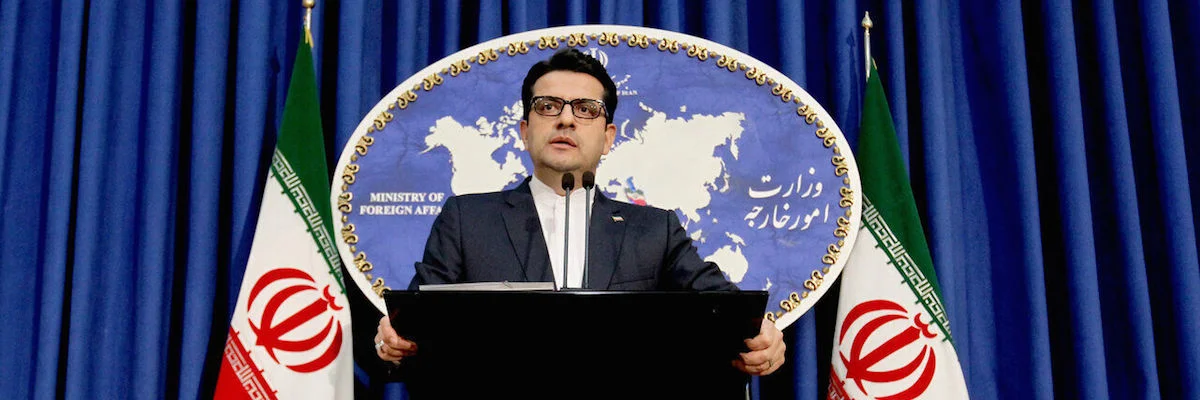
Iran Says Missing Tanker Had Problems and Was Towed for Repairs
◢ A small oil tanker that had gone missing in the Persian Gulf had technical difficulties and was towed into Iranian waters for repairs, an Iranian foreign ministry official said, according to the ISNA news agency. Further details on the ship, the Panamanian-flagged RIAH, will be announced later, Foreign Ministry spokesman Abbas Mousavi said, according to the semi-offficial ISNA.
By Zainab Fattah, Verity Ratcliffe and Zoya Khan
A small oil tanker that had gone missing in the Persian Gulf had technical difficulties and was towed into Iranian waters for repairs, an Iranian foreign ministry official said, according to the ISNA news agency.
Further details on the ship, the Panamanian-flagged RIAH, will be announced later, Foreign Ministry spokesman Abbas Mousavi said, according to the semi-offficial ISNA. Iran responded after a request for assistance from the tanker, the report said.
The Iranian comments did little to clarify exactly what happened to the RIAH. The vessel was passing through the Strait of Hormuz, the shipping chokepoint at the mouth of the Gulf, before it went silent more than two days ago in unexplained circumstances, according to the Associated Press. The news agency said the U.S. “has suspicions” that Iran took control of the tanker, citing an unidentified defense official.
The disappearance was first reported by CNN, which said U.S. intelligence increasingly believed the tanker had been forced into Iranian waters by Iran’s Islamic Revolutionary Guard Corps but that some Gulf sources suggested the ship simply broke down and was towed by Iran.
Earlier, a United Arab Emirates official said the ship isn’t owned or operated by the U.A.E. and hadn’t sent out a distress call.
While details are unclear, if the RIAH was seized, it would seem an unusual target for Iran. The vessel is 30 years old and tiny. Its capacity is 2,000 dead weight tons, according to the MarineTraffic website. That’s only a fraction of the almost 160,000-ton capacity of the British Heritage, the U.K. oil tanker harassed by Iranian ships last week while exiting the Persian Gulf.
While Iran has been blamed for attacks on merchant shipping in recent months, it has denied responsibility. The main threats it has made in the past few weeks have been against the U.K. after British Royal Marines helped authorities in Gibraltar seize the supertanker as it carried Iranian crude in the Mediterranean Sea seemingly bound for Syria.
In May and June, six tankers were attacked just outside the Gulf. A British Navy frigate intervened this month to stop Iranian boats from blocking the BP Plc-operated British Heritage as it was exiting the waters.
The U.S. Navy’s 5th Fleet, which is based in Bahrain, declined to comment when contacted by Bloomberg.
Photo: IRNA
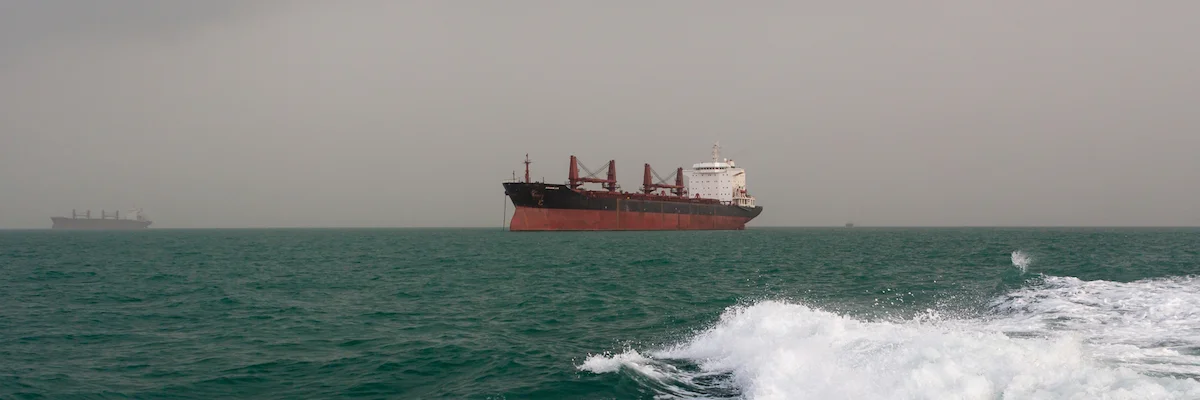
Iran Calls Ship Attacks off UAE 'Alarming', Urges Probe
◢ Iran on Monday called attacks on ships in the Gulf "alarming", after the UAE and Saudi Arabia said several vessels including oil tankers were damaged in acts of sabotage off the Emirati coast. "The incidents in the Sea of Oman are alarming and regrettable," Iranian foreign ministry spokesman Abbas Mousavi said in an English-language statement on the ministry's website.
Iran on Monday called attacks on ships in the Gulf "alarming", after the UAE and Saudi Arabia said several vessels including oil tankers were damaged in acts of sabotage off the Emirati coast.
"The incidents in the Sea of Oman are alarming and regrettable," Iranian foreign ministry spokesman Abbas Mousavi said in an English-language statement on the ministry's website, calling for a probe into the attacks and warning of "adventurism" by foreign players to disrupt maritime security.
On Sunday, the United Arab Emirates said that four commercial vessels of various nationalities had been targeted by acts of sabotage off the UAE port of Fujairah.
Saudi Arabia early Monday said two of its oil tankers were damaged.
Fujairah port is the only terminal in the UAE located on the Arabian Sea coast, bypassing the Strait of Hormuz, a global shipping route through which most Gulf oil exports pass, and which Iran has repeatedly threatened to close in case of a military confrontation with the United States.
The incident comes amid rising tensions between Iran and the United States which has strengthened its military presence in the region, including deploying a number of strategic B-52 bombers in response to alleged threats from Tehran.
It also comes as US Secretary of State Mike Pompeo scrapped a stop Monday in Moscow to visit Brussels instead for talks with European officials on Iran.
Mousavi "called for clarifications" concerning the "exact dimensions" of Sunday's attacks on ships in the Gulf, the foreign ministry's statement said.
He said such incidents would have a "negative impact... on shipping safety and maritime security" in the Gulf.
He also "warned against plots by ill-wishers to disrupt regional security" and "called for the vigilance of regional states in the face of any adventurism by foreign elements", the statement added.
Photo: Depositphoto
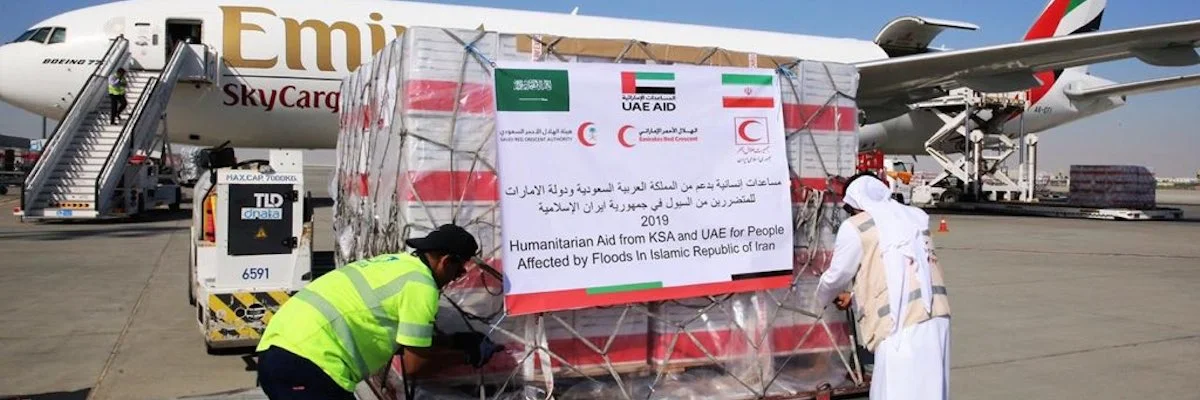
Saudi, UAE Send Relief Aid to Flood-Stricken Iran
◢ Saudi Arabia and the UAE have sent 95 tons of humanitarian aid to their rival Iran as it reels from deadly floods, officials said Thursday, after Tehran complained US sanctions were obstructing relief. The aid, which includes food and shelter material, was authorized by Saudi Arabia's king and crown prince, it added.
Saudi Arabia and the UAE have sent 95 tons of humanitarian aid to their rival Iran as it reels from deadly floods, officials said Thursday, after Tehran complained US sanctions were obstructing relief.
"The Saudi Red Crescent, as part of a joint Saudi-UAE initiative to alleviate the suffering of Iranian citizens, has dispatched a relief plane to Tehran with 95 tons of humanitarian aid to support those affected by floods," the official Saudi Press Agency said.
The aid, which includes food and shelter material, was authorized by Saudi Arabia's king and crown prince, it added.
The Emirates Red Crescent was also involved in the relief operation, the UAE's official WAM news agency said.
At least 76 people have died in Iran after torrential rainfall, which has also caused billions of dollars worth of damage since March 19.
Iran's Red Crescent has repeatedly complained that US banking sanctions re-imposed last year make it impossible to receive donations from outside the country.
US President Donald Trump last year withdrew Washington from a multilateral agreement on Iran'snuclear program, later re-imposing sanctions focusing on oil exports and financial transactions.
Sunni powerhouse Saudi Arabia and Shiite-dominated Iran have a longstanding rivalry based as much on geostrategic interests as religious differences.
Facing off across the Gulf, the two major oil producers have taken opposing sides for decades in conflicts across the Middle East.
Riyadh broke off diplomatic relations with Tehran in 2016 in protest at the torching of its diplomatic missions by Iranian protesters angry over its execution of a leading Shiite cleric.
Photo: Saudi Red Crescent
Lies, Coaching at StanChart Kept Iran Cash Moving, U.S. Says
◢ A pair of Standard Chartered Plc bankers in Dubai went a long way to protect the lucrative business of a prized Iranian client. Now the cost of their actions is clear: The London-based bank just agreed to fines and penalties of more than USD 1 billion for failing to stop and disclose its work with the Iranian and several others.
A pair of Standard Chartered Plc bankers in Dubai went a long way to protect the lucrative business of a prized Iranian client.
Now the cost of their actions is clear: The London-based bank just agreed to fines and penalties of more than USD 1 billion for failing to stop and disclose its work with the Iranian and several others.
U.S. court filings on Tuesday revealed how little some Standard Chartered employees heeded U.S. sanctions, and how they dissembled in order to hold onto profitable clients. When it came to the Iranian, Mahmoud Reza Elyassi, it was clear from the start that his company was linked closely to Iran. He submitted his Iranian passport as he opened an account in 2006. He routinely faxed payment instructions to the bank from a number originating in Iran.
The two Standard Chartered employees—a relationship banker and a foreign-exchange sales manager -- assured other bank executives that Elyassi’s business wasn’t prohibited by U.S. sanctions against Iran. After the bank moved to close Elyassi’s account because of too many rejected payments, the banker allegedly helped him open a new account in another company’s name.
Overall, the Standard Chartered employees helped Elyassi, 49, move USD 240 million through the U.S. financial system from 2007 to 2011, prosecutors say. Standard Chartered failed to disclose the activity to U.S. authorities even as it negotiated a settlement over other Iran-related violations in 2012, resulting in a sealed criminal charge against the banker, who pleaded guilty to conspiring to defraud the U.S. but wasn’t identified.
The bank’s resolution comes as President Donald Trump reasserts a hard line against Iran, most recently by designating an arm of Iran’s military as a terror organization.
Blacklisted Customers
The case involving Elyassi and the two bankers document the most egregious conduct cited by U.S. authorities amid a broad array of new evidence that the bank facilitated illicit business for blacklisted operators over the better part of a decade. The total value of the transactions exceeded USD 400 million, the vast majority for Iranian interests.
The court documents made public Tuesday make clear that while the Dubai branch was the locus of the misconduct, it was not limited to the employees who helped Elyassi. Another relationship banker helped an Iran-linked petrochemical company conduct extensive business through Standard Chartered. Others, including business and legal personnel, hesitated for more than a year to block online transactions originating from sanctioned countries despite warnings—and having the technological capability to do so.
The bank said Tuesday that it accepted “full responsibility” for the misconduct and faulted two former junior employees “who were aware of certain customers’ Iranian connections and conspired with them to break the law.”
The filings say that bank executives changed identifying information on customer accounts to hide Iranian ties for a petrochemical company and allowed thousands of fax and online transactions originating from IP addresses in Iran. It also facilitated hundreds of transactions in U.S. dollars involving Sudan, Syria, Cuba and Burma.
Charging Individuals
Through dozens of sanctions cases, some of them involving billions of dollars in prohibited transactions, the U.S. has rarely, if ever, charged an individual banker with facilitating the violations. In major cases, including those against HSBC Holdings Plc and BNP Paribas SA, the Justice Department faced intense criticism for extracting multibillion-dollar punishments from banks while failing to hold any individuals culpable.
The latest charges—albeit against an anonymous, low-level banker in a foreign country—represent an incremental step toward calling bank executives to account for financial misdeeds.
“Very few charges have been brought against individuals in the financial services sector and, more specifically, in anti-money laundering and sanctions related cases” since the Justice Department in 2015 started encouraging prosecutors to pursue individuals in corporate cases, said Jesse Morton, a fraud investigator at the Stout consulting firm in Atlanta.
It’s not clear whether the prosecution of individuals in the Standard Chartered case “is the result of the actions of these two being so blatant and egregious, the huge dollar amount and number of transactions at issue, the primary country at issue being Iran or the start of a new trend in these types of cases,” Morton said.
The banker, referred to only as Person A in court papers, and the foreign-exchange sales manager left Standard Chartered in 2014, in the middle of the Justice Department investigation.
Avoiding Detection
Prosecutors said the pair counseled Elyassi on ways to structure transactions in ways that wouldn’t raise suspicions about Iranian connections. They also provided false and misleading information to disguise his Iranian connections and lied to other bank executives, including compliance officials, when questioned about rejected payments, the U.S. says.
In the settlement with Standard Chartered, prosecutors said the two employees were motivated by their intent to generate revenue for the bank and keep their jobs.
Based on representations made by the two bank employees, Standard Chartered’s U.S. operation told the Treasury Department in 2010 that Elyassi’s company was based in Dubai and that it traded in power tools and circuits for the printing, diamond and car industries in China, Europe and the Middle East. In fact, according to Elyassi’s indictment, the trading companies were a front for an Iran-based currency-exchange business meant to provide covert access to the U.S. financial system for Iranian people and companies.
But even as Elyassi’s transactions washed through the global financial system, they began to set off alarms at European and U.S. banks that detected Iranian links. Several banks rejected the transactions, and even Standard Chartered’s own internal alerts flagged dozens of the payments for scrutiny.
Banker Coaching
When bank executives finally ordered the account shut down in 2011, Elyassi persuaded the banker in a telephone conversation to delay the closure for a few weeks while they opened a new account in a new company name so Elyassi could continue doing business, prosecutors said. The banker coached Elyassi on structuring payments to hide Iranian ties—telling him to stop sending payments directly from the account to Iranian entities and instead to transfer them through a personal account first, the U.S. says.
The new account was opened a day after the old one was closed, and remained open for nine more months—processing more than 200 transactions during that time, even after it immediately began generating a new series of red flags, according to the filings.
Elyassi was charged with conspiracy and money laundering. His whereabouts are unclear from court documents, but as an Iranian national operating in Iran and the United Arab Emirates, he probably won’t stand trial in the U.S. unless he’s apprehended in a third country with stronger U.S. ties. The U.A.E. has no extradition treaty with the U.S., and the U.S. and Iran have no diplomatic relations.
It’s unclear whether the second bank employee, identified in court filings as Person B, has been charged. The case of the banker who pleaded guilty remains under seal, suggesting he or she is continuing to cooperate with U.S. authorities.
Photo Credit: Bloomberg
Iran Supreme Leader Says Saudi, UAE 'Funded' Ahvaz Attackers
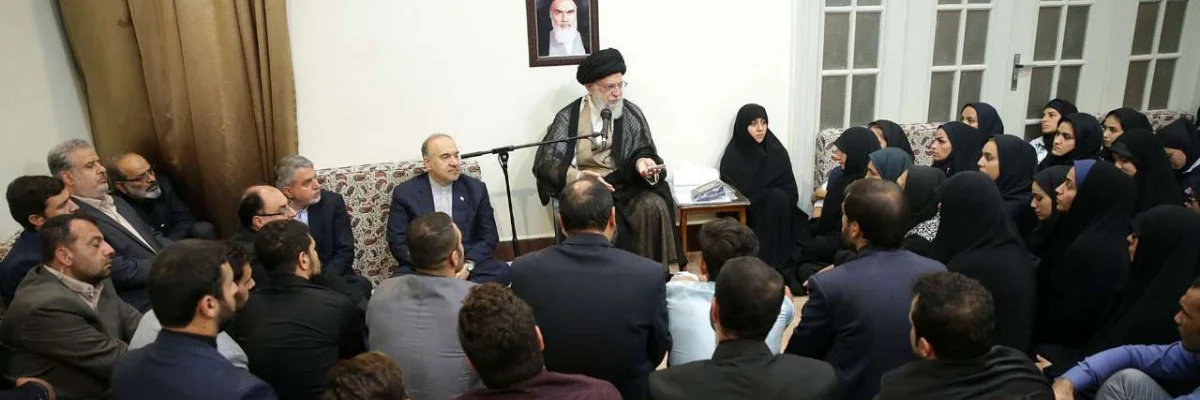
◢ Iran's supreme leader on Monday said the attackers who killed 24 people at a weekend military parade in the southwestern city of Ahvaz were funded by Saudi Arabia and the United Arab Emirates. "Based on reports, this cowardly act was the work of those very individuals who are rescued by the Americans whenever they are in trouble and who are funded by the Saudis and the (United) Arab Emirates," Ayatollah Ali Khamenei said, in remarks posted on his official website.
Iran's supreme leader on Monday said the attackers who killed 24 people at a weekend military parade in the southwestern city of Ahvaz were funded by Saudi Arabia and the United Arab Emirates.
"Based on reports, this cowardly act was the work of those very individuals who are rescued by the Americans whenever they are in trouble and who are funded by the Saudis and the (United) Arab Emirates," Ayatollah Ali Khamenei said, in remarks posted on his official website.
He did not give any further details on the identity of those behind what he called a "terrorist attack.”
In the immediate aftermath of the attack on Saturday, Iranian authorities said they suspected Arab separatist groups were behind the attack, none of whom is known to have a presence in Syria.
Khamenei, who was speaking to a group of Iranian athletes, said the attack "once again shows the Iranian nation faces many enemies on its proud path of progress and development".
"We will most certainly rigorously punish the perpetrators of this attack," he added.
Photo Credit: IRNA