

Halkbank Wins Reprieve in U.S. Prosecution Over Iran Sanctions
◢ A federal appeals court granted a temporary halt in the U.S. prosecution of Turkish lender Halkbank over sanctions violation charges while it weighs other requests by the bank. Halkbank had previously sought to pursue a dismissal of the case without entering a plea on the charges.
By Christian Berthelsen
A federal appeals court granted a temporary halt in the U.S. prosecution of Turkish lender Halkbank over sanctions violation charges while it weighs other requests by the bank.
Halkbank had previously sought to pursue a dismissal of the case without entering a plea on the charges. A judge denied the request, and the bank is appealing that ruling. A three-judge panel of the Second Circuit Court of Appeals will weigh the request on an expedited basis.
Prosecutors have deemed the bank a fugitive from justice, asking a judge to hold it in contempt and impose fines until it begins answering the charges.
Halkbank, which is owned by the Turkish government, was charged in October with helping Iran access billions of dollars in oil revenue that had been frozen in its accounts under U.S. sanctions. A senior bank executive was previously convicted in the case, and a money launderer pleaded guilty to charges of orchestrating the scheme.
The case has become a persistent thorn in the side of Turkey’s president, Recep Erdogan, who has pressed President Donald Trump to intervene. The charges were brought at the height of tensions between Washington and Ankara over Turkey’s military offensive in Syria. The geopolitical context is complicated by Trump’s campaign to hobble Iran.
Photo: Halkbank

Halkbank Charged in U.S. Indictment With Fraud, Laundering
◢ U.S. prosecutors filed criminal charges against Turkey’s Halkbank, accusing it of fraud, money laundering and violating U.S. sanctions against Iran, in a case that Turkish President Recep Erdogan had pressed both President Donald Trump and President Barack Obama to dismiss.
By David Glovin
U.S. prosecutors filed criminal charges against Turkey’s Halkbank, accusing it of fraud, money laundering and violating U.S. sanctions against Iran, in a case that Turkish President Recep Erdogan had pressed both President Donald Trump and President Barack Obama to dismiss.
Prosecutors accused the bank of participating in a sweeping scheme to violate prohibitions on Iran’s access to the U.S. financial system, involving high-ranking government officials in Iran and Turkey.
The indictment was filed Tuesday in Manhattan federal court.
Senior Halkbank management’s participated “in this brazen scheme to circumvent our nation’s Iran sanctions regime,” U.S. Attorney Geoffrey Berman said in a statement. “Halkbank’s systemic participation in the illicit movement of billions of dollars’ worth of Iranian oil revenue was designed and executed by senior bank officials.”
Two people were previously convicted in the case, which led to the airing in a Manhattan courtroom of many of Halkbank’s activities.
At the center of the U.S. case was Reza Zarrab, a flamboyant Turkish gold trader who said he’d helped Iran tap funds from overseas oil sales that was frozen in foreign accounts. He became the star witness in the case against a Halkbank executive, Mehmet Hakan Atilla, who was convicted in early 2018.
The proceedings gripped Turkey. Some testimony sent its markets into gyrations, in part because prosecutors aired evidence that tied the scheme to Turkish officials and their families. An ex-finance minister was charged in absentia.
Zarrab, who’s married to a Turkish pop star, had a tabloid lifestyle of yachts, fast cars and an office in a Trump Tower in Istanbul. After he was detained during a 2016 trip to the U.S., he added Rudy Giuliani, Trump’s confidante, to his legal team.
Giuliani attempted to broker a diplomatic deal with Turkey to extract Zarrab from U.S. custody, attempting to swap him for an American pastor, Andrew Brunson, who was in Turkish custody.
Giuliani’s role apparently went deeper. At Giuliani’s urging, in the second half of 2017, Trump asked then-Secretary of State Rex Tillerson to press the Justice Department to drop its case against Zarrab, Bloomberg News reported last week.
Giuliani, in an interview last week, said he talked to the State Department in his role as Zarrab’s lawyer and said he behaved ethically and legally. He would have been a hero had he arranged the swap with Brunson, he said.
Photo: Halkbank
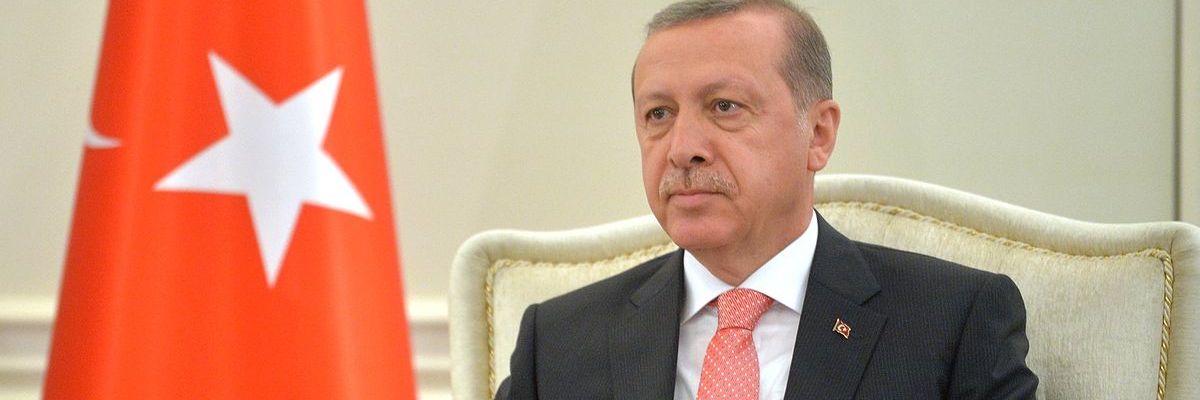
Erdogan Vows to Continue Oil, Natural Gas Trade With Iran
◢ Turkish President Recep Tayyip Erdogan vowed Ankara would continue to purchase oil and natural gas from Iran despite US sanctions in comments published on Friday. "It is impossible for us to cancel relations with Iran with regards to oil and natural gas. We will continue to buy our natural gas from there," Erdogan told Turkish reporters.
Turkish President Recep Tayyip Erdogan vowed Ankara would continue to purchase oil and natural gas from Iran despite US sanctions in comments published on Friday.
The United States reimposed sanctions on Iran after pulling out of the landmark 2015 nuclear deal, and says it aims to reduce Tehran's energy sales to zero.
"It is impossible for us to cancel relations with Iran with regards to oil and natural gas. We will continue to buy our natural gas from there," Erdogan told Turkish reporters before leaving New York where he was attending the UN General Assembly.
Despite this vow, Erdogan admitted Turkey faced difficulty in purchasing oil since the private sector "pulled back because of US threats", NTV broadcaster reported.
"But on this issue especially and many other issues, we will continue our relations with Iran," he promised, adding that Ankara still sought to increase trade volume with Tehran.
He previously criticized sanctions against Iran, insisting that they achieved nothing.
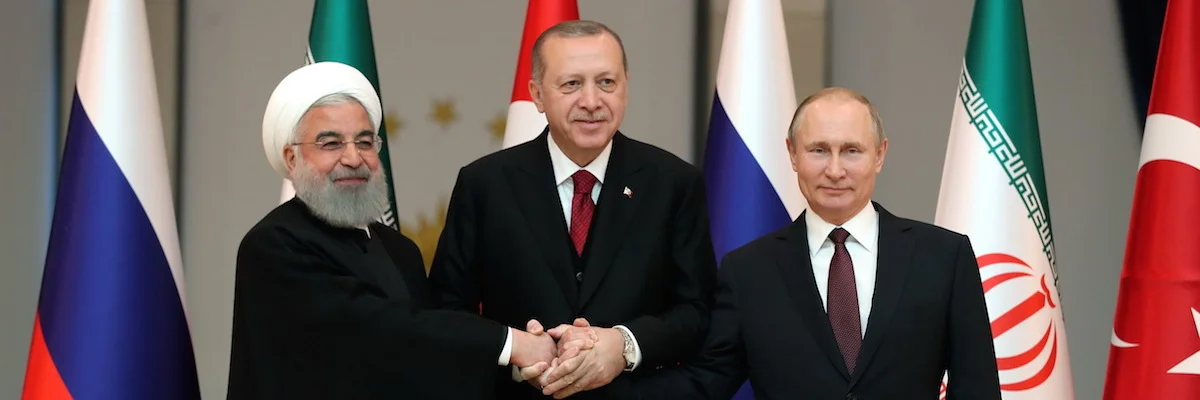
Turkey and Iran have been working closely together with Russia to resolve the eight-year conflict in Syria despite being on opposing sides of the war.
Photo: Wikicommons

Iran Sold Oil Wanted by U.S. But Doesn't Know Where It Is Going
◢ Iran said it sold an oil cargo on board a contested tanker sailing the Mediterranean Sea but didn’t know where the vessel was going amid U.S. efforts to block delivery of the crude. The Adrian Darya 1, the tanker that the U.S. sought to seize in Gibraltar last week, was sailing more than halfway into the Mediterranean Sea on Monday without declaring any destination.
By Arsalan Shahla and Mahmoud Habboush
Iran said it sold an oil cargo on board a contested tanker sailing the Mediterranean Sea but didn’t know where the vessel was going amid U.S. efforts to block delivery of the crude.
The Adrian Darya 1, the tanker that the U.S. sought to seize in Gibraltar last week, was sailing more than halfway into the Mediterranean Sea on Monday without declaring any destination. Iran didn’t identify the buyer of the roughly 2 million-barrel cargo.
The buyer will determine where the oil is delivered, Iranian government spokesman Ali Rabiei said announcing the sale. He didn’t say when Iran sold the crude in comments carried by state-run IRNA news agency.
Iran’s tanker fleet is under intense scrutiny as the U.S. seeks to cut off the Islamic republic’s ability to sell crude, normally the country’s main export earner. Iran’s oil sales have tumbled under U.S. sanctions threatening to punish most interactions with the Iranian government over its nuclear program.
French President Emmanuel Macron renewed efforts over the weekend to save the 2015 nuclear agreement with the Islamic Republic. Both Iran and other signatories to the deal oppose the U.S. President Donald Trump’s tougher measures and Macron proposed allowing the Middle Eastern producer to sell more crude in exchange for returning to full compliance with the agreement. Macron discussed the idea in meetings with Trump and Iranian Foreign Minister Javad Zarif in Biarritz, the site of the Group of Seven summit.
Those discussions would likely do little to solve the immediate problem of the Adrian Darya 1. The Trump Administration is seeking to block the tanker’s voyage by threatening sanctions to stop the ship from being able to call in any port or offload any oil.
The tanker on Sunday changed the signal sent from the vessel’s satellite transponder to “For Order,” a designation meaning the ship isn’t disclosing any destination, according to Bloomberg tanker-tracking data. The Adrian Darya 1, which last week changed names from Grace 1, was sailing south of the Greek mainland, according to tanker-tracking data.
The ship had on Saturday signaled Turkey’s port of Mersin, switching from the previous target of Kalamata in Greece. Greek officials said the ship would be unwelcome after the U.S. threatened sanctions against anyone aiding the tanker, while a stop in Turkey would also pose complications in an already fraught relationship.
The vessel may seek to transfer the crude to smaller ships for delivery to Turkey or Syria and could “go dark,” turning off its satellite transponder to mask the location of any unloading. The vessel’s current trajectory could lead to any of the ports in the eastern Mediterranean or, potentially, to the Suez Canal.
The Aryan Darya 1 wouldn’t be able to transit Suez without offloading some of the oil on board since a fully laden tanker of that size would sit too deep in the water to make the passage. The Suez Canal leads to the Red Sea and from there the vessel could sail on to the Persian Gulf and Iran.
A U.S. attempt to seize the tanker before leaving Gibraltar was denied by a court in Gibraltar. A court in the territory refused the petition from the American government since, while European Union rules prohibit dealing with sanctioned entities in Syria, they are less comprehensive than U.S. sanctions law with regards to Iranian oil sales.
Photo: Bloomberg
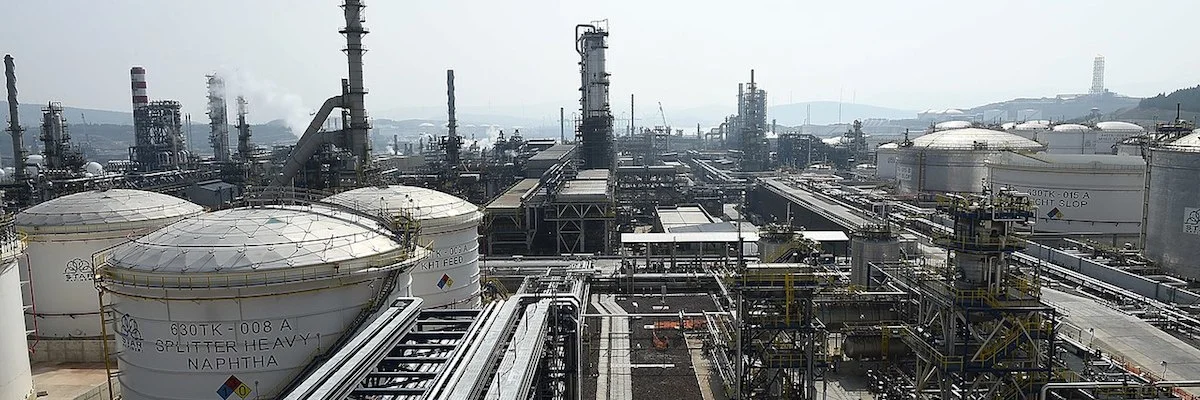
Unable to Buy Iran Oil, New Turkish Refinery Turns to Russia
◢ Azerbaijan’s state oil company is turning to Russia to supply a new $6.3 billion refinery it built in Turkey because shipments from one of its preferred suppliers—Iran—are off the table due to U.S. sanctions. “If there were no restrictions, we would buy Iranian crude,” he said, adding that the refinery can purchase oil from anywhere “as long as our model supports it,” although in practice Azerbaijan’s own light crude isn’t really suitable.
By Ercan Ersoy and Baris Balci
Azerbaijan’s state oil company is turning to Russia to supply a new $6.3 billion refinery it built in Turkey because shipments from one of its preferred suppliers—Iran—are off the table due to U.S. sanctions.
The Star Refinery in Aliaga on the Aegean coast agreed to buy an initial 1 million tons of Urals crude—about one tenth of the plant’s annual processing—from Russia’s Rosneft PJSC, Mesut Ilter, the facility’s chief executive officer, said in an interview.
“If there were no restrictions, we would buy Iranian crude,” he said, adding that the refinery can purchase oil from anywhere “as long as our model supports it,” although in practice Azerbaijan’s own light crude isn’t really suitable.
The Trump administration this year ended waivers that allowed a handful of countries including Turkey to continue importing Iranian oil. Turkey has long opposed U.S. sanctions on Iran, with President Recep Tayyip Erdogan saying the measures violate international law and diplomacy. Tracking shipments from Iran toward Turkey has become trickier since the sanctions ramped up, making it hard to know how much, if any, Iranian oil Turkey is buying.
The State Oil Co. of Azerbaijan, or Socar, started operating the 200,000 barrel-a-day Star Refinery in October, helping to meet Turkey’s growing appetite for processed fuels while curbing imports. The project marked a growing energy interdependence between the two countries, with Turkey already a major destination for Azeri natural gas.
Turkey’s Tupras Turkiye Petrol Rafinerileri AS, owned by Koc Holding AS, was the country’s sole refiner until the Star plant came on stream. The new facility now accounts for a quarter of the nation’s refining capacity.
Product Range
The refinery, which is expanding storage capacity by more than 50% to 2.5 million cubic meters, will process almost 8 million tons of crude this year and 10 million tons thereafter, Ilter said. Refining margins range from $5 to $8 a barrel, he said.
At full capacity, the plant will produce 5 million tons of diesel a year, 2.5 million tons of petrochemical raw materials such as naphtha, and 1.5 million tons of jet fuel.
Turkey will cut its diesel imports to 40% of annual demand from 60% thanks to the new refinery, Ilter said. Along with Tupras, the Star facility will be able to meet all the nation’s domestic jet-fuel demand, even once Istanbul’s new airport reaches full capacity, he said.
However, future growth in demand for oil products will be centered on petrochemicals rather than transportation, according to the CEO.
“We have built this refinery considering Turkey’s long-term dynamics and petrochemical needs.”
Photo: Wikicommons

Turkish Banker Released from US Prison
◢ A Turkish banker convicted for plotting to help Iran evade American sanctions on Iranian oil proceeds has been released from US prison, according to his lawyer and prison officials. Mehmet Hakan Atilla, 47, deputy director general of Turkish lender Halkbank, was arrested in March 2017.
A Turkish banker convicted for plotting to help Iran evade American sanctions on Iranian oil proceeds has been released from US prison, according to his lawyer and prison officials.
Mehmet Hakan Atilla, 47, deputy director general of Turkish lender Halkbank, was arrested in March 2017 and convicted the following year on five counts of bank fraud and conspiracy following a five-week trial in New York.
He was handed over to immigration police on Friday pending his deportation to Turkey, his lawyer Victor Rocco told AFP. Prison authorities confirmed his release.
Atilla claimed that he had only played a minor role in the scheme and acted as executor of instructions by the bank's director general -- an argument accepted by the court.
Prosecutors had wanted a 20-year sentence for the banker.
His conviction hinged on the testimony of Turkish-Iranian gold trader Reza Zarrab, who was arrested by US authorities in 2016 after jetting to Florida with his pop-star wife and child on a family holiday to Disney World.
Zarrab, 34, initially pleaded not guilty then flipped, becoming a US government witness after admitting being involved in the multi-billion-dollar gold-for-oil scheme to subvert US economic sanctions against Iran.
His testimony identified Atilla as a key organizer in the scheme, but also implicated former Turkish ministers and even President Recep Tayyip Erdogan.
Testifying in court last November, Zarrab said he was told that Erdogan, as prime minister in 2012, and treasury minister Ali Babacan gave "instructions" to two public banks to take part in the scheme.
Erdogan has repeatedly rejected the allegations, saying Turkey did not violate the US embargo on Iran and that political rivals were behind the case.
Zarrab's sentence is not known, as many of the documents in his case have remained confidential.
Photo: Halkbank
Ankara Stopped Buying Iran Oil Out of 'Respect' for US Sanctions
◢ Ankara stopped importing oil from Iran at the beginning of May out of "respect" for American sanctions despite disagreeing with them, a Turkish official said Wednesday. "As a strategic ally" of the United States, "we respect" the sanctions, said the official, who asked to remain anonymous, during Turkish Deputy Minister of Foreign Affairs Yavuz Selim Kiran's visit to Washington.
Ankara stopped importing oil from Iran at the beginning of May out of "respect" for American sanctions despite disagreeing with them, a Turkish official said Wednesday.
"As a strategic ally" of the United States, "we respect" the sanctions, said the official, who asked to remain anonymous, during Turkish Deputy Minister of Foreign Affairs Yavuz Selim Kiran's visit to Washington.
Since pulling out of the landmark Iran nuclear deal a year ago, President Donald Trump's administration has hit Iran with severe sanctions prohibiting the export of Iranian oil, as well as targeting countries that continue to purchase it.
Turkey was among eight countries, also including China, India and Japan, that were initially exempt from the sanctions and allowed to continue importing Iranian crude, but the exemption ended May 2 and has not been renewed.
Ankara initially appeared unwilling to comply, but according to the anonymous official, Turkey did stop importing Iranian oil after May 2.
While meeting with Trump, the Turkish delegation in Washington discussed the various points of tension between the two NATO allies, including Ankara's recent controversial purchase of the S-400 missile defense system from Moscow.
Washington says the deal with Moscow is a threat to Western defense and in April suspended Ankara from the F-35 fighter jet program in a bid to halt the purchase.
"It's a done deal," the Turkish deputy minister told journalists in Washington, reaffirming the country's stance on maintaining the contract with Moscow.
The Turkish government proposed a joint technical working group with the Trump administration to help dispel any fears on the part of the US, which worries that the S-400s will be used to collect technological data on NATO military aircraft, which Russia will be able to access.
"We're still waiting for their answer" on the technical group, added the Turkish official.
US-Turkish relations have grown tense over multiple issues, including US support for Syrian Kurdish forces labelled terrorists by Ankara, and Washington's refusal to extradite Pennsylvania-based Muslim preacher Fethullah Gulen, who is accused of being behind a failed coup in Turkey in 2016.
Photo: IRNA
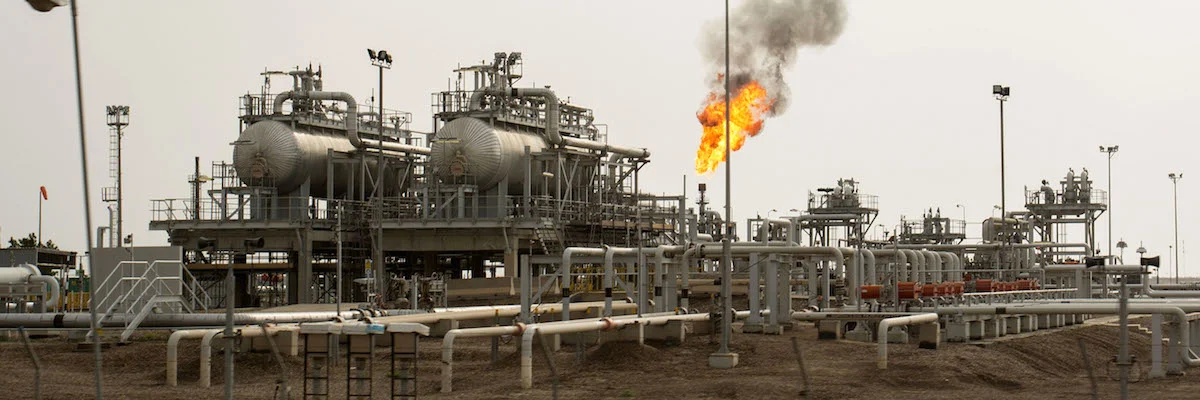
Cornered by Iran Sanctions, Turkey Is Said to Eye Iraqi Oil
◢ Turkey is seeking ways to buy more oil from Iraq, already a major supplier of crude to the Middle East’s biggest economy, as the U.S. looks to squeeze exports from Iran, according to two people familiar with the matter. Turkey could consider oil imports from Iraq’s southern port of Basra and may also try to secure more shipments via an existing twin pipeline that runs to the Turkish Mediterranean terminal of Ceyhan.
Turkey is seeking ways to buy more oil from Iraq, already a major supplier of crude to the Middle East’s biggest economy, as the U.S. looks to squeeze exports from Iran, according to two people familiar with the matter.
Turkey could consider oil imports from Iraq’s southern port of Basra and may also try to secure more shipments via an existing twin pipeline that runs to the Turkish Mediterranean terminal of Ceyhan, despite its state of disrepair, the people said, speaking on condition of anonymity because they aren’t authorized to speak to the media.
The Trump administration is ending waivers that allowed a handful of countries including Turkey to continue importing oil from sanctioned Iran a year after the U.S. withdrew from the 2015 nuclear deal. Turkey has long opposed the U.S. curbs on Iran, with President Recep Tayyip Erdogan saying last year that “such sanctions are aimed at tipping the balance in the world” and violate international law and diplomacy.
Turkish Foreign Minister Mevlut Cavusoglu met Iraqi officials in Baghdad and Basra on Sunday as well as officials representing the Kurdistan Regional Government in Erbil on Monday, according to the state-run Anadolu Agency. Cavusoglu said last week that although the Iranian oil isn’t cheap, the difference is substantial with the price of crude from Saudi Arabia and the United Arab Emirates.
A spokesman for Turkish refiner Tupras Turkiye Petrol Rafinerileri AS wasn’t immediately available to comment. Last week, the company declined to say how it would offset any potential cut in Iranian supplies.
‘Trade Corridor’
After a meeting Sunday with Basra’s governor, Asaad Abdulameer Al Eidani, Cavusoglu said on Twitter that Turkey “will establish a trade corridor” to Iraq’s biggest oil hub.
Secretary of State Mike Pompeo has said he’s confident the market will remain stable as Saudi Arabia and the U.A.E. will ensure an “appropriate supply” of oil along with the U.S. But Turkey is resisting the idea of buying oil from America’s two anti-Iran allies, whose relations with Ankara are fraught after the murder of Saudi critic Jamal Khashoggi in the kingdom’s consulate in Istanbul last October.
Turkey said last week that it’s also working on a mechanism with Tehran to avert U.S. sanctions designed to halt trade with Iran. Although Turkey has long defended the trade with its eastern neighbor as a strategic necessity, taking on the U.S. can be risky as the government in Ankara struggles to secure the release of a senior banking executive convicted in New York of helping Iran evade American financial curbs.
The blowback from American sanctions against Iran could also hit Turkey’s economy, which entered its first recession in a decade last year as oil prices surged. The prospect of higher prices or the risk of a confrontation with the U.S. don’t bode well for Turkey’s currency, already battered by weeks of upheaval.
Photo: Bloomberg
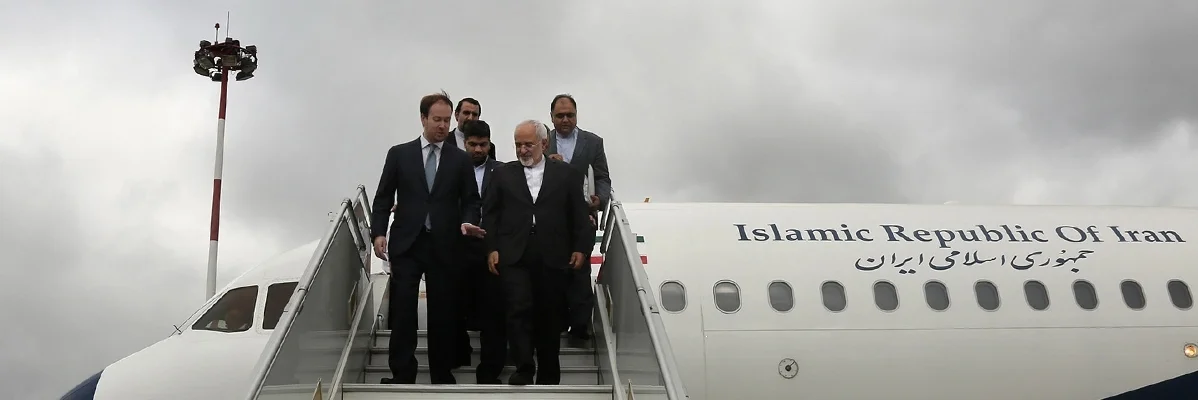
Ending Sanctions Waiver Will Anger US Allies: Iran FM
◢ The US decision to end sanctions waivers for purchases of Iranian oil later this week will backfire by angering Washington's allies, Tehran's Foreign Minister Mohammad Javad Zarif said Sunday. Zarif said US policy is designed to make life hard for the Iranian people so they will "take action" against the Tehran government.
The US decision to end sanctions waivers for purchases of Iranian oil later this week will backfire by angering Washington's allies, Tehran's Foreign Minister Mohammad Javad Zarif said Sunday.
Zarif said US policy is designed to make life hard for the Iranian people so they will "take action" against the Tehran government.
"They are wrong in their analysis. They are wrong in their hope," Zarif told Fox News, insisting instead that the people of Iran will get fired up to resist such pressure.
In May last year, President Donald Trump withdrew Washington from the 2015 Iran nuclear deal with world powers, which had given the Islamic republic sanctions relief in exchange for curbs on its nuclear program.
Washington reimposed oil sanctions on Iran in November, but initially gave eight countries, including several US allies, six-month reprieves.
Five of the countries—Greece, Italy, Japan, South Korea and Taiwan—have already heavily reduced their purchases from Iran.
The others benefiting from waivers so far were China, India, and Turkey.
But the US announced last week that the waivers would end on May 2.
"This is coercion, pure and simple," Zarif said. “People are not happy. China is not happy, Turkey is not happy, Russia is not happy. France is not happy. US allies are not happy that this is happening and they say that they will find ways of resisting it.
“How they will do it, it's up to them, and it's up to them looking at their own future, if they want to have their lives ruled by the United States."
Zarif said Washington's allies in the Middle East such as Saudi Arabia are pushing the US to bring about regime change in Iran.
"They want—they have all shown an interest in and dragging the United States into a conflict," said Zarif.
In an interview aired minutes later, US National Security Advisor John Bolton said it was "completely ridiculous" to say that US allies in the region are pressing Trump into a conflict with Iran.
Bolton also downplayed any splits with US allies in Europe, saying that the "glimmer of disagreement that he said is mostly in his own eye".
"There have been statements by Chinese companies that have been importing iranian oil, that they are going to stop. I met ... with the Turkish foreign minister some weeks back I was already talking about the steps they were going to take to avoid buying Iranian oil. We will see how it plays out. We made our position clear," he added.
Photo: IRNA
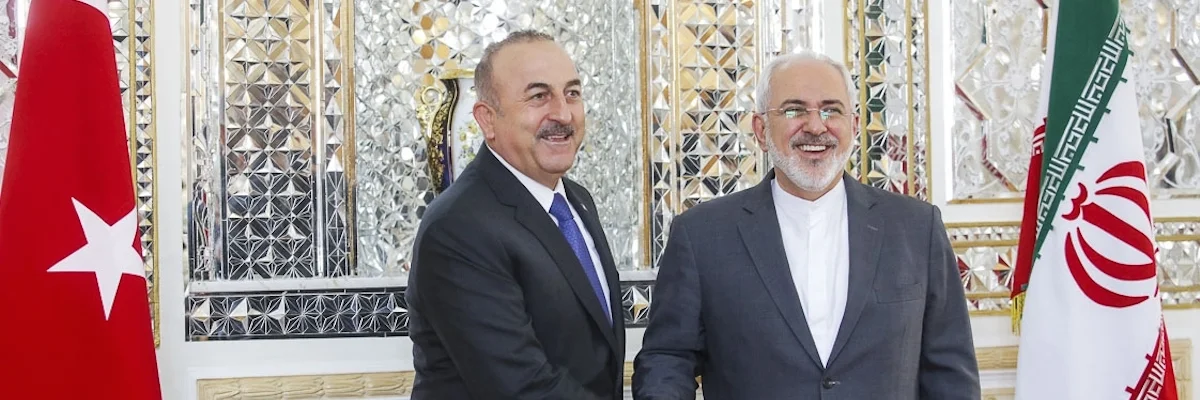
Turkey Reluctant to Replace Iran Oil With Saudi, U.A.E Supplies
◢ Turkey is loath to buy more oil from Saudi Arabia and the United Arab Emirates as the U.S. looks to squeeze exports from Iran, currently the third-largest supplier of crude to the Middle East’s biggest economy. “Iranian oil isn’t cheap but there is a big difference” with the price of Saudi and U.A.E crude, Turkish Foreign Minister Mevlut Cavusoglu said at a reception in Ankara.
Turkey is loath to buy more oil from Saudi Arabia and the United Arab Emirates as the U.S. looks to squeeze exports from Iran, currently the third-largest supplier of crude to the Middle East’s biggest economy.
“Iranian oil isn’t cheap but there is a big difference” with the price of Saudi and U.A.E crude, Turkish Foreign Minister Mevlut Cavusoglu said at a reception in Ankara, according to state-run TRT television. “The U.S. is taking a decision and wants all countries to comply with it. Why should we pay the price?”
The Trump administration is ending waivers that allowed a handful of countries including Turkey to continue importing oil from sanctioned Iran a year after the U.S. withdrew from the 2015 nuclear deal. Secretary of State Mike Pompeo has said he’s confident the market will remain stable as Saudi Arabia and the U.A.E. will ensure an “appropriate supply” of oil along with the U.S.
Turkey is resisting the idea of buying oil from America’s two anti-Iranian allies, whose relations with Ankara are fraught with tension after the murder of Saudi critic Jamal Khashoggi in the kingdom’s consulate in Istanbul last October. Turkey has also long opposed the U.S. curbs on Iran, with President Recep Tayyip Erdogan saying last year that “such sanctions are aimed at tipping the balance in the world” and violate international law and diplomacy.
The blowback from American sanctions against Iran could also hit Turkey’s economy, which entered its first recession in a decade last year as oil prices surged. The prospect of higher prices or the risk of a confrontation with the U.S. don’t bode well for Turkey’s currency, already battered by weeks of upheaval.
“Turkey could very soon find itself in a difficult position at the time when inflation remains stubbornly high close to 20 percent,” said Piotr Matys, a London-based analyst at Rabobank. “Iranian oil could be the source of another diplomatic spat between Ankara and Washington, when the relationship is already tense due to Turkey’s insistence on buying a Russian missile-defense system.”
China, India and Turkey aren’t necessarily committed to bringing imports of Iranian crude down to zero and the U.S. will have to negotiate "over the terms of their withdrawal from Iran or be prepared to deal with their noncompliance,” according to a report by Richard Nephew published by Columbia University’s Center on Global Energy Policy.
In January, Iran accounted for just over 12 percent of Turkey’s oil imports, according to the latest available official data. Iraq was the top supplier with almost 24 percent, followed by Russia with 15 percent. Saudi Arabia ranked 8th with 4.3 percent. Turkey only imported diesel fuel from the U.A.E. in January.
Meanwhile, Iraqi oil pipelines running to Turkey have been badly damaged, limiting the volume of exports, Cavusoglu said. While that’s limiting Turkey’s options, it remains wary of turning to supplies from the Gulf.
“Our refineries aren’t compatible with oil purchased from there,” Cavusoglu said referring to Saudi Arabia and the U.A.E. “Their technology must be upgraded. And for that, they should be shut down for awhile. On the other hand, it is costly.”
Photo: IRNA

Turkish Businessman Sanctioned by US for Dealing with Iran
◢ The United States slapped sanctions on aTurkish businessman on Thursday for violating US sanctions on Iran. Evren Kayakiran, 39, was the managing director from 2013-2015 of a Turkish company that distributes motion control products, the Treasury Department said in a statement.
The United States slapped sanctions on aTurkish businessman on Thursday for violating US sanctions on Iran.
Evren Kayakiran, 39, was the managing director from 2013-2015 of a Turkish company that distributes motion control products, the Treasury Department said in a statement.
It said the Turkish firm, Elsim, had been acquired by a US company, Kollmorgen Corp., in 2013, making it subject to US sanctions on Iran.
Elsim violated US sanctions by sending employees to Iran to service machines under the guise that they were on vacation there, the Treasury Department said.
Kollmorgen, which reported the violations, reached a USD 13,381 settlement with the Treasury Department's Office of Foreign Assets Control.
"Treasury is sanctioning Kayakiran not just for his willful violation of US sanctions on Iran, but also for directing staff to commit and cover up these illegal acts," said Sigal Mandelker, undersecretary for terrorism and financial intelligence.
US companies and individuals are barred from dealing with Kayakiran and US financial institutions are not allowed to accept payments involving him.
Photo Credit: AP
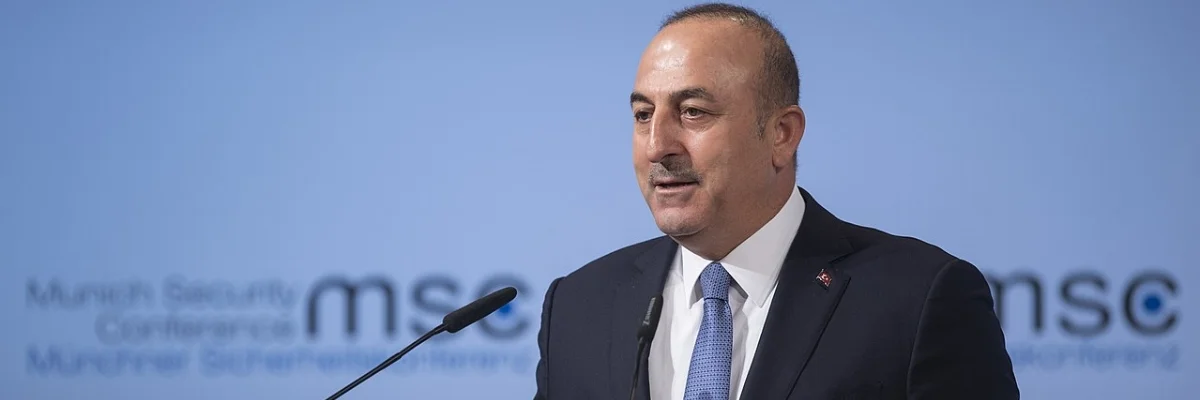
Turkey Warns US its Iran Sanctions Are 'Dangerous'
◢ Turkey has warned Washington against its new sanctions on Iran, saying isolating the Islamic Republic is "dangerous.” Turkish Foreign Minister Mevlut Cavusoglu said Tuesday. Washington this week imposed a second set of sanctions on Iran that aim to isolate the country's banking sector and slash its oil exports. Eight countries including Turkey have received a US waiver to continue importing Iranian oil.
Turkey has warned Washington against its new sanctions on Iran, saying isolating the Islamic Republic is "dangerous.” Turkish Foreign Minister Mevlut Cavusoglu said Tuesday.
Washington this week imposed a second set of sanctions on Iran that aim to isolate the country's banking sector and slash its oil exports.
Eight countries including Turkey have received a US waiver to continue importing Iranian oil.
"While we were asking (for) an exemption from the United States, we have also been very frank with them that cornering Iran is not wise. Isolating Iran is dangerous and punishing the Iranian people is not fair," he said at a press conference during a trip to Japan.
“Turkey is against sanctions, we don't believe any results can be achieved through the sanctions," he added.
"I think instead of sanctions, meaningful dialogue and engagement is much more useful."
Washington has imposed two sets of sanctions this year after pulling out of a nuclear pact agreed between world powers and Iran that President Donald Trump slammed as "defective".
The latest round went into effect on Monday.
Washington has granted eight countries, including Turkey and Japan, waivers to allow them to continue importing Iranian oil without facing diplomatic consequences.
The new sanctions have sparked furious reactions from Iran, whose President Hassan Rouhani said the country would "proudly bypass your illegal, unjust sanctions.”
On Monday, Washington vowed to be "relentless" in countering Iran, with Secretary of State Mike Pompeo saying the US wanted Iran to make a "180-degree turn" and abandon its "current revolutionary course.”
UN inspectors say Iran is abiding by an agreement reached with Trump's predecessor Barack Obama to draw down its nuclear program. That deal was backed by European powers, Russia and China and sealed by a UN Security Council resolution.
Those other parties to the nuclear deal have vehemently opposed the US move and vowed to keep alive the accord, technically known as the Joint Comprehensive Plan of Action.
Photo Credit: Wikicommons

Turkey Exempt From US Sanctions on Iran Oil: Minister
◢ Turkey will be among eight countries allowed by the United States to continue importing Iranian oil, Turkish Energy Minister Fatih Donmez said on Friday. "We know Turkey is among the countries that will be given an exemption but we do not have the details," the minister said, quoted by state-run news agency Anadolu,
Turkey will be among eight countries allowed by the United States to continue importing Iranian oil, Turkish Energy Minister Fatih Donmez said on Friday.
"We know Turkey is among the countries that will be given an exemption but we do not have the details," the minister said, quoted by state-run news agency Anadolu, as he hailed US statements to allow imports at low levels after the reimposition of sanctions from Monday.
Donmez hailed US statements to allow imports at low levels after the reimposition of sanctions from Monday.
"I appreciate the positive statement (from Pompeo)," he said after questions from reporters in parliament.
"I believe the point that we have reached will be a positive contribution to the region's peace, comfort and stability," he said, adding that Turkish and American officials held negotiations before Washington's decision.
A US delegation had come to Turkey in July for talks to address Ankara's concerns about the potential negative economic impact of the reimposition of US sanctions against Iran.
Turkey has a strong trade relationship with its neighbor and imports Iranian crude. US President Donald Trump in May decided to abandon the 2015 deal on Iran's nuclear program, signed with other world powers, and bring back nuclear-related sanctions against Tehran.
Pompeo announced that affected countries had pledged to or have already cut back on purchases of petroleum from Iran.
The move "is aimed at depriving the regime of the revenues it uses to spread death and destruction around the world," Pompeo said Friday.
"Our ultimate aim is to compel Iran to permanently abandon its well documented outlaw activities and behave as a normal country."
The US Treasury will also call for the SWIFT global financial network to stop providing services to Iran's banking industry as the United States seeks to hit Tehran over its nuclear programme and alleged support for terrorism.
Relations between Turkey and the US have improved since a diplomatic spat over the two-year detention of an American pastor who was released on October 12.
Earlier on Friday, the NATO allies lifted sanctions against each other's ministers which were implemented in August following a Turkish court's initial refusal to release Pastor Andrew Brunson in July.
Photo Credit: Turkish Ministry Industry
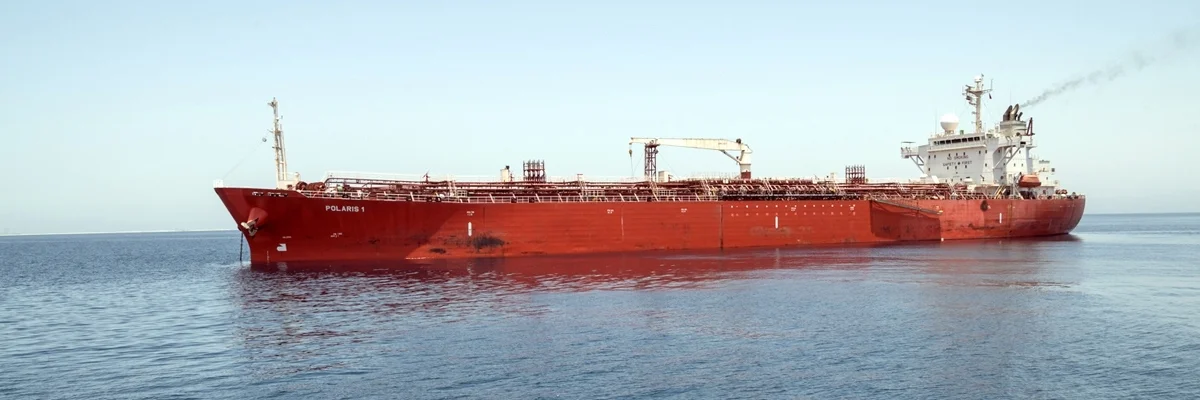
US Eyes Limited Waivers for Iran Crude Buyers
◢ The US administration likely will enable some countries to continue importing oil from Iran in the short term, despite Washington's maximum pressure campaign against Tehran, White House national security adviser John Bolton said today. The State Department is expected to provide such exemptions before the full brunt of US sanctions pressure begins on 5 November, even though the scope of waivers is yet undetermined.
The US administration likely will enable some countries to continue importing oil from Iran in the short term, despite Washington's maximum pressure campaign against Tehran, White House national security adviser John Bolton said today.
"We understand, obviously, that a number of countries, some immediately surrounding Iran, and others that have been purchasing oil, may not be able to go all the way to zero," Bolton said at a forum hosted by the Washington-based Alexander Hamilton Society. "We want to achieve maximum pressure, but we do not want to harm friends and allies either. We are working our way through that."
The sanctions statutes that President Donald Trump re-activated in May require the administration to assess by 4 November, and every 180 days after that date, whether buyers of Iranian crude are "significantly reducing" their purchases. The administration can then sanction financial institutions in countries that it deems have not cut their purchases adequately and grant exemptions to countries that do.
The State Department is expected to provide such exemptions before the full brunt of US sanctions pressure begins on 5 November, even though the scope of waivers is yet undetermined.
China, India and Turkey were among the largest buyers of Iranian crude before the US withdrew from the Iran nuclear deal. US sanctions explicitly exclude exports of natural gas from Iran to its neighbors, but lack of guidance from Washington has created uncertainty for natural gas importers in Turkey and Iraq.
Iranian oil exports have fallen faster and by a greater amount than initially expected, as refiners in Asia-Pacific and Europe curbed their purchases, despite opposition from some of their governments.
"You already see reduction in purchases in countries like China, that you would not have expected, countries that are still in the nuclear deal," Bolton said. "European businesses are fleeing the Iranian market. Most of the big ones are already out."
Argus estimates that Iranian crude loadings fell to 1.58mn b/d in September, down by 12pc since August. But these figures do not include vessels belonging to Iran's state-owned NITC, which have stopped transmitting GPS transponder signals. Iran's exports averaged 2.5mn b/d in January-May.
Trump's decision to reimpose sanctions on Iran has contributed to higher oil prices globally, an analysis by the US Energy Information Administration (EIA) shows. But Bolton today downplayed the effect on oil markets.
"One of the things this administration has done that (former president Barack Obama's) administration did not do was to encourage producers to alter their production to make up for the lost output in Iran," Bolton said. "It has been an interesting exercise, but we have been able in some cases to find alternative purchases for the buyers of Iranian oil," he said, without providing details.
Russia and Saudi Arabia increased production since June. Opec and its non-Opec allies will produce as much as necessary to meet global demand and offset any supply disruptions, Saudi oil minister Khalid al-Falih says.
Growing US output and a lower oil import bill have enabled the administration to implement stricter restrictions than were imposed between June 2012 and January 2016 under Obama. These factors also influenced the layout of sanctions in the run-up to 5 November.
"It is important to remember the context in which the Obama administration negotiated (sanctions exemptions) in 2012," given oil prices above USD 100/bl amid a presidential re-election campaign, said Richard Goldberg, a former congressional aide who helped craft Iran sanctions legislation.
"Their strategy was to announce exemptions early to show that the US was willing to provide exemptions and demonstrate that other countries are reducing purchases from Iran," said Goldberg, a senior fellow at the Washington-based advocacy group Foundation for Defense of Democracies, which backs the administration's Iran policy.
By contrast, Trump's administration—partly as a negotiating tool—has kept the scope of waivers unclear, even as the sanctions deadline approaches. It also has yet to clarify the scope of possible financial sanctions and to explicitly exclude condensate from US sanctions.
"Ultimately the Iranians are evaluating what is going to happen on 5 November, how sanctions will be enforced" and what concessions on financial sanctions the EU has managed to extract from Washington, Goldberg said.
Forcing Iranian exports to zero remains the primary objective, Bolton said. "The president said unmistakably our goal is maximum pressure. There has to be a fundamental change in the behavior of the Iranian regime."
Photo Credit: IRNA
Turkey Detains Over 200 for 'Illicit Money Transfers' to US
◢ Turkish police detained Tuesday over 200 people in a major nationwide crackdown on illicit money transfers to individuals of Iranian-origin living in the United States. An Istanbul court issued arrest warrants for a total of 417 suspects and have so far rounded up 216 in a nationwide operation carried out in 40 cities, the official Anadolu news agency reported.
Turkish police detained Tuesday over 200 people in a major nationwide crackdown on illicit money transfers to individuals of Iranian-origin living in the United States.
An Istanbul court issued arrest warrants for a total of 417 suspects and have so far rounded up 216 in a nationwide operation carried out in 40 cities, the official Anadolu news agency reported.
The suspects are facing charges including criminal conspiracy and violating measures to prevent terrorism financing, Anadolu said.
There were no further details on who the suspects are.
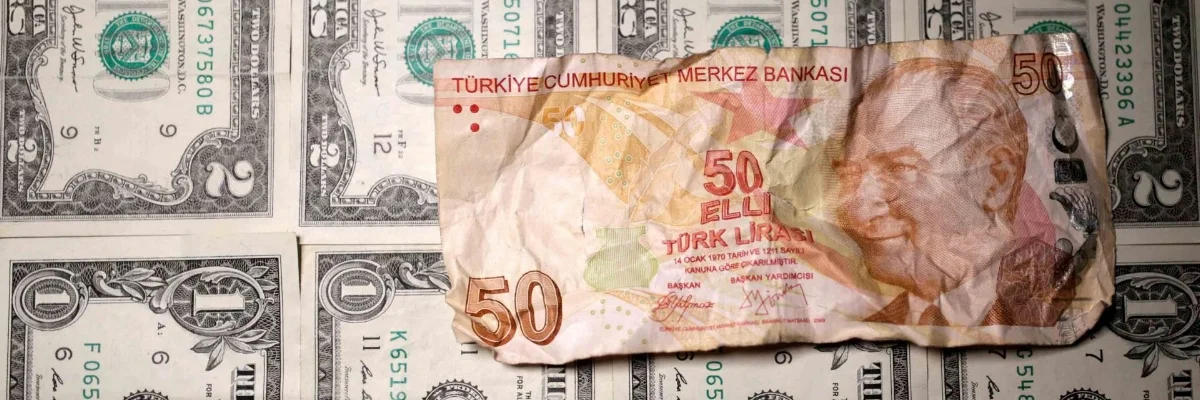
An investigation found that from the beginning of 2017 some 2.4 billion lira (USD 400 million) had been transferred from Turkey to a total of 28,088 accounts abroad from several banks, it added.
Those conducting the money transfers earned "commissions", Anadolu said, citing the investigation, while the large majority of the recipients of the funds were people of Iranian origin living in the United States.
There were no further details on who these individuals were and if the transfers had an overall aim.
The arrests come as the United States is in the process of reimposing sanctions on Iran after Washington pulled out of a 2015 international deal limiting the nation's nuclear programme, including on Iran's ability to use the international financial system and export oil.
They also come several months after Turkey-US relations hit a rough patch over the detention of a US pastor, with US President Donald Trump making comments that sent the Turkish lira tumbling.
Sanctions busting has also been a source of tension between Washington and Ankara.
US authorities earlier this year convicted Mehmet Hakan Atilla, deputy director general of Turkish lender Halkbank on charges of helping Iran evade US sanctions on billions of dollars of oil proceeds.
In the case, Iranian-Turkish trader Reza Zarrab, who was once close to the Ankara authorities, turned whistleblower and gave evidence accusing the Turkish leadership of being complicit in the scheme.
Turkey depends on foreign suppliers including Iran for its energy needs. The country imports oil and natural gas from Russia as well as from neighboring Iran.
Photo Credit: Depositphoto
Iraq PM Cancels Visit to Sanctions-Hit Iran
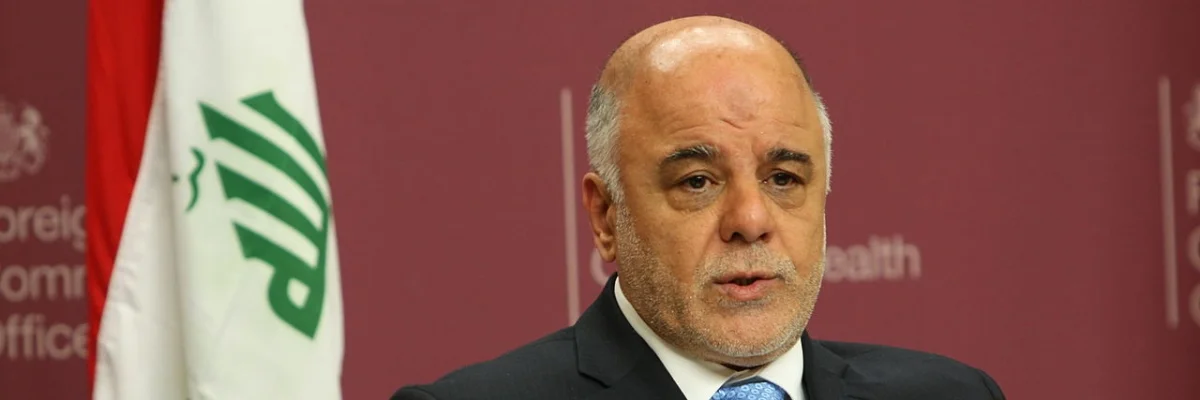
◢ Iraqi Prime Minister Haider al-Abadi has cancelled a visit to Iran, his press office said Sunday, as the premier came under strong Iranian criticism over his stand on renewed US sanctions against Tehran. Abadi will still go ahead with a planned visit to Turkey on Tuesday but has scrapped the Iran leg of the trip "because of his busy schedule,” his office said.
Iraqi Prime Minister Haider al-Abadi has cancelled a visit to Iran, his press office said Sunday, as the premier came under strong Iranian criticism over his stand on renewed US sanctions against Tehran.
Abadi will still go ahead with a planned visit to Turkey on Tuesday but has scrapped the Iran leg of the trip "because of his busy schedule," his office said.
An Iraqi official had said Saturday that Abadi would visit both neighboring Turkey and Iran to discuss economic issues.
According to Iraqi political sources, speaking on condition of anonymity, Iran initially agreed to the visit but changed its mind because it was unhappy about Abadi's remarks.
The premier said last Tuesday that Iraq—which relies on neighboring Iran as a source of cheap imports—would reluctantly comply with US sanctions against Tehran that took effect the same day.
"We don't support the sanctions because they are a strategic error, but we will comply with them," said Abadi, whose country is an ally of both Tehran and Washington. "In general, sanctions are unjust."
On Sunday, Iranian supreme leader Ayatollah Ali Khamenei's representative in Baghdad lashed out at Abadi as the Tehran visit was called off.
"These irresponsible remarks have already been condemned by many people. It's a disloyal attitude towards the honest position of Iran and the blood of the martyrs this country has spilt to defend the land of Iraq" against jihadists, said Moujtaba al-Hussein.
"We are saddened by this position which shows he has been defeated psychologically in the face of the Americans," he said.
The US sanctions were reimposed after President Donald Trump withdrew from a landmark 2015 nuclear deal between Iran and world powers.
In Tehran, the foreign ministry was more guarded about a possible visit by Abadi.
A ministry spokesman said he had "so far not received any official news or information whatsoever about this trip", the semi-official ISNA news agency reported.
Photo Credit: WIkicommons
Turkey Says US Iran Deal Pullout 'Opportunity' for Ankara
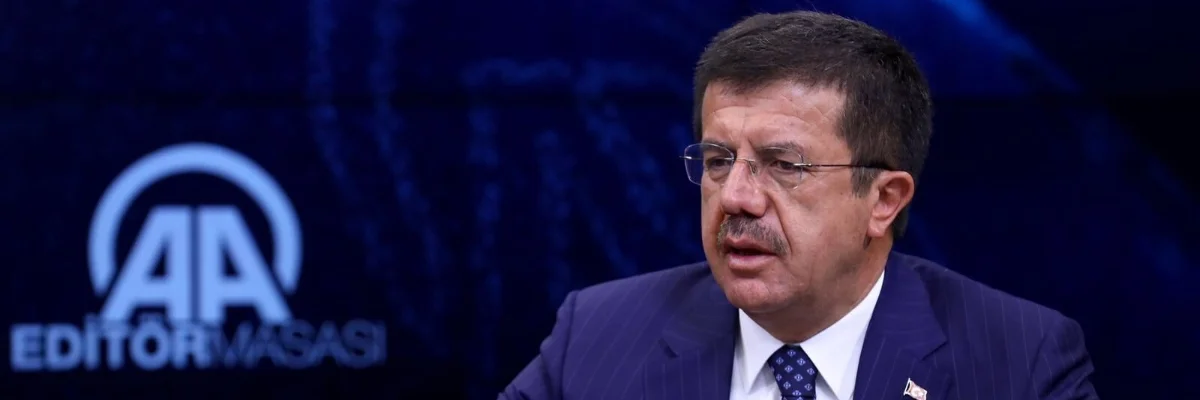
◢ The Turkish economy minister on Friday said the United States withdrawal from the Iran nuclear deal was an "opportunity" for Turkey, insisting there would be no-let up in trade with Tehran. "I see it like this, this is an opportunity for Turkey," Nihat Zeybekci told state news agency Anadolu, adding: "I will continue to trade with Iran."
The Turkish economy minister on Friday said the United States withdrawal from the Iran nuclear deal was an "opportunity" for Turkey, insisting there would be no-let up in trade with Tehran.
Despite strong protests and last-minute lobbying by his European partners, US President Donald Trump announced that Washington would withdraw from the historic nuclear accord.
Trump then vowed that there would be fresh sanctions issued against Iran.
"I see it like this, this is an opportunity for Turkey," Nihat Zeybekci told state news agency Anadolu, adding: "I will continue to trade with Iran."
But he said that if there are United Nations decisions related to Iran's nuclear activities and other issues, "of course" trade would continue "complying with them."
Turkish President Recep Tayyip Erdogan spoke on the phone with his Russian counterpart Vladimir Putin during which both men agreed the US move was a mistake.
Zeybekci criticized the unilateral decision by Washington but added: "I don't see anything big to worry about at this stage," noting that other countries including EU members were not of the same opinion as the US.
Relations between Turkey and the US have been strained over several issues including the conviction in January of a Turkish banker who helped Iran evade US sanctions.
Mehmet Haka Atilla was convicted after well-connected Turkish-Iranian businessman Reza Zarrab, arrested in the US in 2016, became a government witness and admitted involvement in a multi-billion-dollar gold-for-oil scheme to subvert US economic sanctions against Iran.
During Zarrab's testimony late last year, the businessman, who was once close to the ruling party elite, implicated Erdogan and other officials in the scheme.
In a deal negotiated between Iran and the five permanent members of the UN
Security Council—the UK, China, France, Russia and the US—plus Germany, Iran agreed in 2015 to freeze its nuclear program in exchange for the lifting of international sanctions.
Turkey and Iran together with Russia have been working closely on the Syrian peace process despite being on opposing sides of the seven-year conflict.
Erdogan on Thursday held a telephone call with Iranian President Hassan Rouhani during which the Turkish leader reiterated Turkey's commitment to JCPOA (the formal abbreviation for the accord).
The men also touched upon developing bilateral economic relations, a Turkish presidential source said.
Photo Credit: Twitter