
Iran to Set Up its Part of Nuclear Deal Mechanism 'This Month'
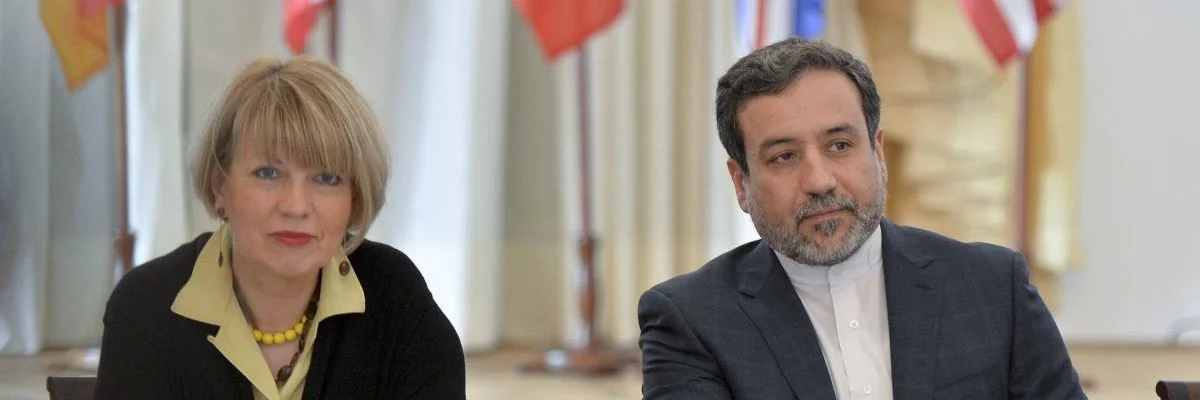
◢ Iran hopes to have its part of a new payments vehicle—devised to bypass US sanctions—ready within a fortnight, its Deputy Foreign Minister Abbas Araghchi said on Wednesday. "We hope it will be before the end of the Iranian calendar year," Araghchi told reporters in Vienna, referring to March 20 when the Iranian year ends.
Iran hopes to have its part of a new payments vehicle —devised to bypass US sanctions—ready within a fortnight, Deputy Foreign Minister Abbas Araghchi said on Wednesday.
"We hope it will be before the end of the Iranian calendar year," Araghchi told reporters in Vienna, referring to March 20.
He said that Iran now had a "clearer picture" of how the new vehicle, known as INSTEX, would work and that its managing director would visit Tehran for discussions "very soon.”
But he added that only when the mechanism was fully operational would Iran be able to assess whether it "can work properly and can produce results, (and) can do payments between Iran and European countries".
Araghchi was in the Austrian capital for a "joint commission" with representatives from China, Russia, Britain, Germany and France—all signatories of the international deal on Iran's nuclear programme.
INSTEX is seen as key to European Union efforts to preserve the deal struck in 2015 between world powers and Iran over its nuclear program, the Joint Comprehensive Plan of Action (JCPOA).
The US was also a signatory but last May President Donald Trump withdrew from the deal and in November imposed sweeping new sanctions on Iran.
Remaining Members 'United'
Araghchi said there was "very strong support" for the deal from all participants at the meeting.
He emphasized that Iran expected INSTEX to work "for all goods and commodities, not only humanitarian goods", but that it could start with humanitarian goods "in order to set the patterns for doing business with Iran.”
"Once the patterns are set, then other goods, including sanctioned goods—and oil of course—would be added to this mechanism," he added.
"It is late but still a move in the right direction," Araghchi said.
INSTEX was launched at the end of January by Britain, France and Germany, who sit on a supervisory board chaired by a UK national. It is registered in Paris.
Russia's ambassador to Vienna's UN organizations, Mikhail Ulyanov, who was also at the meeting, told AFP the remaining signatories to the deal were "united in the need to save the JCPOA.”
"There are some problems, particularly in the economic field but we are aimed at overcoming them as soon as possible," Ulyanov said.
He said the speed with which INSTEX became fully operational was up to Germany, France, Britain and Iran.
But Ulyanov added: "I believe it may take a rather long time, at least a few months; most likely even more."
In February the UN's International Atomic Energy Agency watchdog said Iran was adhering to the terms of the JCPOA, under which Tehran drastically scaled back its nuclear program in return for sanctions relief.
Washington has urged European signatories to the JCPOA to follow Trump's example and withdraw, but this has been rejected by the Europeans.
Photo Credit: IRNA
Iran Rejects EU Trade, Anti-Money Laundering Link
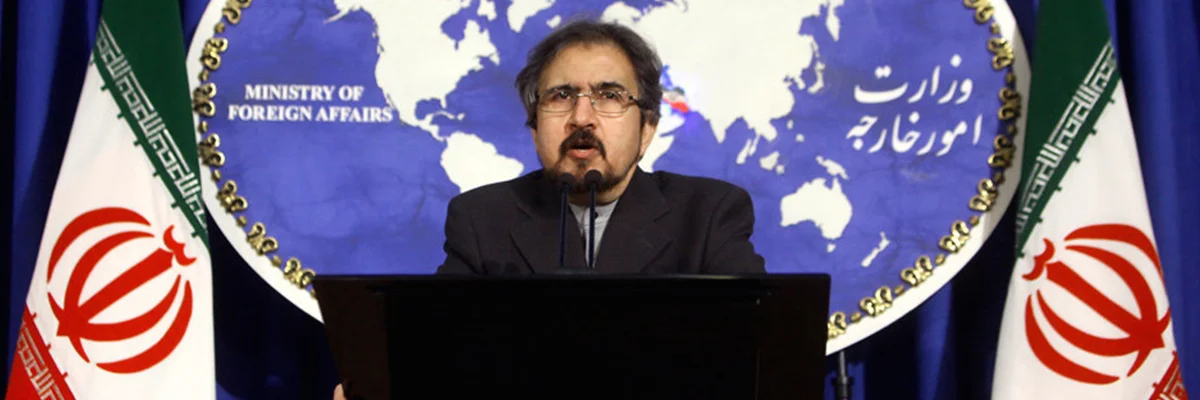
◢ Iran on Tuesday ruled out linkage between a new EU mechanism to trade with Tehran bypassing US sanctions and an anti-money laundering bill. “Linking implementation of this mechanism... with the requirements of institutions such as the FATF is unacceptable," the foreign ministry said, referring to the international Financial Action Task Force.
Iran on Tuesday ruled out linkage between a new EU mechanism to trade with Tehran bypassing US sanctions and an anti-money laundering bill.
“Linking implementation of this mechanism... with the requirements of institutions such as the FATF is unacceptable," the foreign ministry said, referring to the international Financial Action Task Force.
Iran is on an FATF blacklist drawn up to counter money laundering and the financing of terrorist groups, but the Paris-based organization has suspended counter-measures since 2017 while Tehran works on reforms.
EU leaders on Monday welcomed the bloc's new mechanism to trade with Iran but warned Tehran over its ballistic missile program and regional policies while calling for it to implement reforms to comply with FATF demands.
Britain, France and Germany created the system last week to allow firms to trade with Iran without falling foul of US sanctions.
The foreign ministry, in its statement, welcomed the EU's "positive stances" but also criticized the bloc's warnings on its missile program and its regional policies.
"Iran's defense activities... are merely defensive, deterrent and a domestic matter that has never been on the agenda of our negotiations with other countries," it said.
"Raising such issues under current regional circumstances and clear threats against the national security of the Islamic Republic of Iran is not constructive," the ministry said.
It urged European countries "to take a realistic look at regional incidents and issues and not to be influenced" by the United States.
Brussels, for its part, hopes the special payment mechanism for trade with Iran—registered under the name INSTEX—will help save the 2015 nuclear deal between Tehran and major powers.
Washington has reimposed sanctions after President Donald Trump last year quit the accord which lifted the measures in exchange for curbs on Iran's nuclear program.
Iran has welcomed INSTEX as a "first step", while US officials have said it would not affect its efforts to exert economic pressure on Tehran.
Photo Credit: IRNA
EU Backs Iran Trading System But Warns on Syria, Missiles
◢ The EU warned Tehran over its ballistic missile program and interference in the Syria conflict Monday, while welcoming a new mechanism to trade with Iran while bypassing US sanctions. In a long-awaited statement on Iran that has been the subject of more than a week of wrangling in Brussels, the EU restated its commitment to saving the 2015 nuclear deal with Iran and took aim at Washington for abandoning the pact and reimposing sanctions.
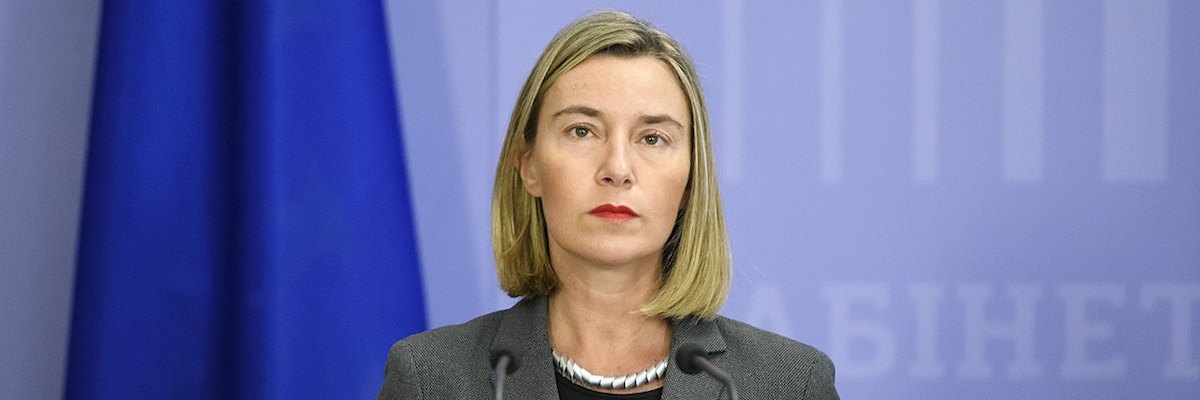
The EU warned Tehran over its ballistic missile program and interference in the Syria conflict Monday, while welcoming a new mechanism to trade with Iran while bypassing US sanctions.
In a long-awaited statement on Iran that has been the subject of more than a week of wrangling in Brussels, the EU restated its commitment to saving the 2015 nuclear deal with Iran and took aim at Washington for abandoning the pact and reimposing sanctions.
The bloc hailed the creation last week by France, Britain and Germany of a system to allow firms to trade with Iran without falling foul of US sanctions as vital to supporting legitimate business and said the "resolve to complete this work is unwavering".
But with numerous European powers growing increasingly concerned about Tehran's missile programme, meddling in several Middle East conflicts and recent attempted attacks on opposition figures living in the EU, the bloc urged Iran to mend its ways.
The statement criticized Iran's "provision of military, financial and political support to non-state actors in countries such as Syria and Lebanon.”
"The (EU) Council has serious concerns regarding Iran's military involvement and continuous presence of Iranian forces in Syria," the statement said.
Iran is a key supporter of Syrian President Bashar al-Assad and the statement urged Tehran to use its leverage to get Damascus behind UN-led efforts to end the civil war, which has claimed more than 360,000 lives since it began in 2011.
While defending the nuclear deal—which limited Tehran's atomic ambitions in return for sanctions relief—Europe has sought to keep up pressure with sanctions, most recently listing Iranian intelligence services over plots to assassinate regime opponents on Dutch, Danish and French soil.
Continuing Iranian missile tests have also alarmed the EU—not to mention countries in the Middle East—and Monday's statement called on Tehran to stop such activities.
"Iran continues to undertake efforts to increase the range and precision of its missiles, together with increasing the number of tests and operational launches. These activities deepen mistrust and contribute to regional instability," the statement said.
Brussels hopes the new Iran trading mechanism—registered last week in Paris under the name INSTEX—will keep Tehran in the nuclear deal by preserving some of the economic benefits it received.
Iran gave INSTEX a cautious welcome but US officials have dismissed the idea that the new entity would have any impact on efforts to exert economic pressure on Tehran.
Before INSTEX can go live, Iran has to set up a similar entity of its own so the two sides can clear trading on a barter basis without transferring money. It is not clear how long this will take.
Photo Credit: Wikicommons
Iran Welcomes New EU Trade Entity as First Step': Official
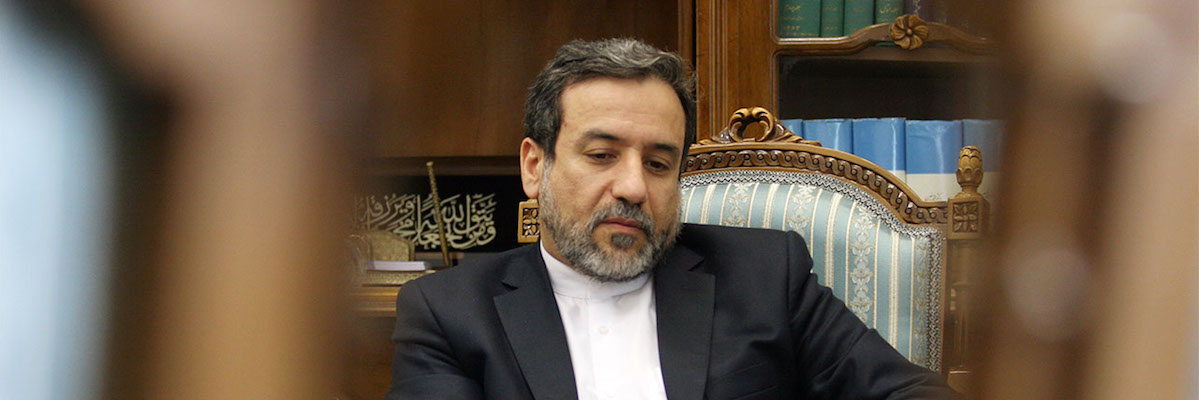
◢ Tehran on Thursday cautiously welcomed as a "first step" the expected launch of an EU trade entity aimed at saving Iran's nuclear deal by bypassing US sanctions. The special payment mechanism "is the first step within the set of commitments the Europeans have made to Iran which I hope will be fully implemented and not be incomplete," said deputy foreign minister Abbas Araghchi, according to state news agency IRNA.
Tehran on Thursday cautiously welcomed as a "first step" the expected launch of an EU trade entity aimed at saving Iran's nuclear deal by bypassing US sanctions.
The special payment mechanism "is the first step within the set of commitments the Europeans have made to Iran which I hope will be fully implemented and not be incomplete", said deputy foreign minister Abbas Araghchi, according to state news agency IRNA.
The formal announcement of the new payment vehicle is expected to be made on Thursday afternoon by the German, French and British foreign ministers in Bucharest.
The entity, registered in France with German governance and finance from all three countries, will allow Iran to trade with EU companies despite Washington reimposing US sanctions after President Donald Trump pulled out of the 2015 accord.
The three countries are the European parties to the landmark deal that curbed Tehran's nuclear ambitions in return for sanctions relief.
The new European scheme called INSTEX —short for Instrument in Support of Trade Exchanges—was originally intended to allow Iran to sell oil to the EU on a barter basis.
But, with Europe currently buying very little Iranian crude, it is now aimed at small- and medium-sized companies.
Iran is hoping that INSTEX will allow the Europeans to meet Tehran's trade demands and keep the nuclear deal afloat.
"This entity has been in principle designed for sanctioned goods," Araghchi said.
He denied claims by some in Iran that sanctioned goods would not be traded by INSTEX.
"Some have said that this entity has been designed for non-sanctioned goods such as food, etc. It is possible that the beginning of activities might be with these goods until a mechanism for payments takes form," he said.
"But in principle this entity would (only) be useful for sanctioned goods and the objective of the entity is for sanctioned goods," Araghchi added.
Photo Credit: IRNA
Europe Launches Iran Trade Mechanism
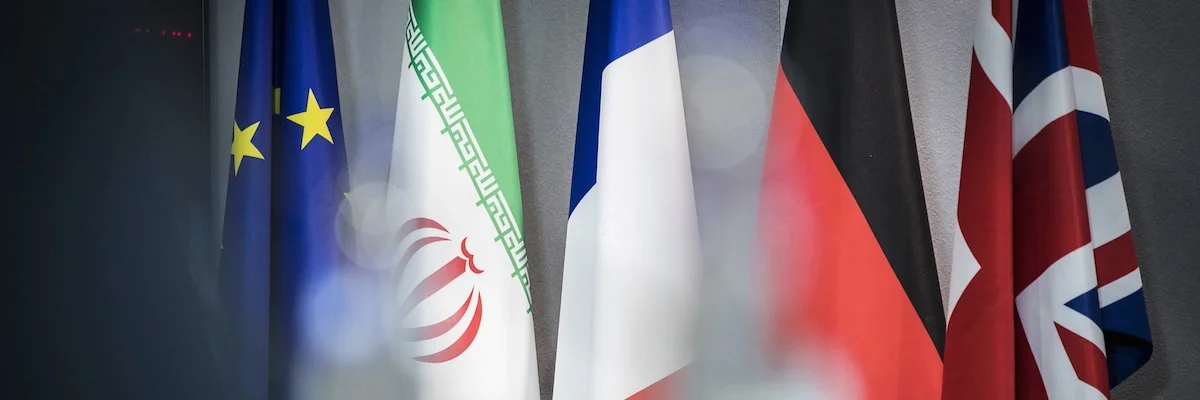
◢ Britain, France and Germany will launch a special payment mechanism Thursday that the EU hopes will help save the Iran nuclear deal by bypassing US sanctions, European sources told AFP. The entity, to be registered in France with German governance and finance from all three countries, will allow Iran to trade with EU companies despite Washington reimposing sanctions after President Donald Trump pulled out of the 2015 accord.
Britain, France and Germany will launch a special payment mechanism Thursday that the EU hopes will help save the Iran nuclear deal by bypassing US sanctions, European sources told AFP.
The entity, registered in France with German governance and finance from all three countries, will allow Iran to trade with EU companies despite Washington reimposing US sanctions after President Donald Trump pulled out of the 2015 accord.
The three countries—the European signatories to the landmark deal that curbed Tehran's nuclear ambitions in return for sanctions relief—are expected to launch the device, which has been in preparation for months.
While the new institution, called INSTEX—short for Instrument in Support of Trade Exchanges—is a project of the three governments, it will receive the formal endorsement of all 28 EU members.
The company was registered in Paris on Tuesday with 3,000 euros capital and a supervisory board with members from France and Germany, and chaired by a Briton.
The formal announcement is expected to be made on Thursday afternoon by the German, French and British foreign ministers in Bucharest.
EU diplomatic chief Federica Mogherini, who has led the bloc's efforts to save the Iran nuclear deal, said she welcomed the creation of INSTEX.
"This step... the establishment of the special purpose vehicle, is I believe the mechanism that will allow legitimate trade with Iran to continue as foreseen in the nuclear agreement. So full support from our side," she told reporters.
Transatlantic Discord
Washington has warned the EU against trying to sidestep its sanctions on Tehran, while the Europeans —along with the deal's other signatories Russia and China—say Iran has not broken its side of the nuclear accord and should be allowed to trade.
The UN atomic agency has certified Iran's compliance with its obligations 13 times and even the head of the CIA said this week that Tehran was abiding by the accord—drawing a furious response from Trump.
The EU has growing concerns about Tehran's ballistic missile program, as well as its human rights record, its interference in Middle East conflicts and recent attempted attacks against opposition groups in Europe.
Washington has warned it will vigorously pursue any company breaching its sanctions against the Islamic republic and a number of major international corporations have already pulled out.
Mogherini insisted transatlantic ties were not threatened by the discord over Iran, saying Brussels was in regular contact with the US to discuss concerns about Tehran's activities.
Belgian Foreign Minister Didier Reynders said that despite differences over the nuclear deal, Europe shared many of Washington's concerns about Iran.
“It's essential we show our American colleagues that we are going in the same direction as them on a series of issues such as ballistic missiles and Iran's regional activities," Reynders said as he arrived for the EU foreign ministers meeting.
On the INSTEX project, he said that "at the end of the day it will be companies that decide whether or not they want to work in Iran, bearing in mind the risk of American sanctions."
The new European scheme was originally intended to allow Iran to sell oil to the EU on a barter basis but, with Europe now buying very little Iranian crude, it is now aimed at small- and medium-sized companies.
"We'll have to wait and see who uses it," a European source said.
Photo Credit: IRNA
EU's Iran Payments Vehicle Ready - But Stuck
◢ A payment mechanism the EU hopes will save the Iran nuclear deal by bypassing US sanctions is ready, diplomats said Monday, but is held up by disagreements among European countries. The "Special Purpose Vehicle" is being put together by Germany, France and Britain, the European signatories to the 2015 accord that curbed Tehran's nuclear ambitions in return for sanctions reilef.
A payment mechanism the EU hopes will save the Iran nuclear deal by bypassing US sanctions is ready, diplomats said Monday, but is held up by disagreements among European countries.
The "Special Purpose Vehicle" is being put together by Germany, France and Britain, the European signatories to the 2015 accord that curbed Tehran's nuclear ambitions in return for sanctions reilef.
The entity, to be based in France with German governance and finance from all three countries, will allow Iran to receive payments despite Washington reimposing sanctions after ditching the deal.
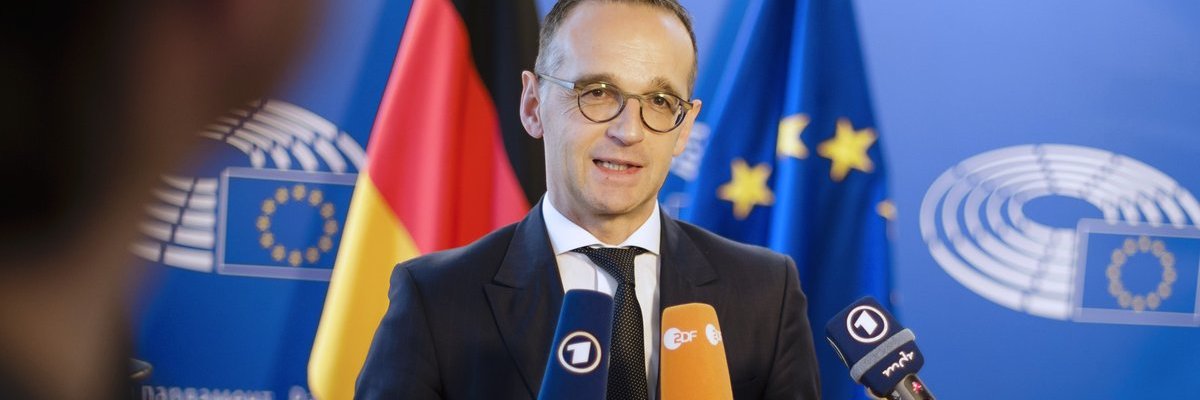
"It will be registered, it is not yet registered. I would say that we are immediately before the point of the implementation of our plan," German Foreign Minister Heiko Maas said at a meeting in Brussels organized by the Belgian government.
While the vehicle is the work of the three governments involved, the EU wants to launch it along with a formal statement on Iran endorsed by all 28 member states and addressing the whole spectrum of European concerns about the Islamic republic.
The EU has commended Iran for sticking to its commitments under the nuclear deal, but has growing concerns about Tehran's ballistic missile program, as well as its human rights record, its interference in Middle East conflicts and recent attempted attacks against opposition groups in Europe.
Diplomatic sources said that Italy and Spain have so far blocked the adoption of the statement, meaning it may have to wait until the next formal meeting of EU ministers on February 12.
It is not clear whether Germany, France and Britain will wait for consensus on the statement or go ahead and launch the vehicle without it.
Photo Credit: Phototek
Iran, India Move Closer on Trade as EU Stalls
◢ Iran will boost trade with India as the European Union struggles to find a way to circumvent a fresh US embargo on Tehran, Iranian Foreign Minister Javad Zarif said Tuesday. Brussels is working on a payment mechanism to keep financial transactions flowing with Iran, after the US ditched the 2015 nuclear deal with Tehran earlier this year and reintroduced a raft of sanctions on the country.
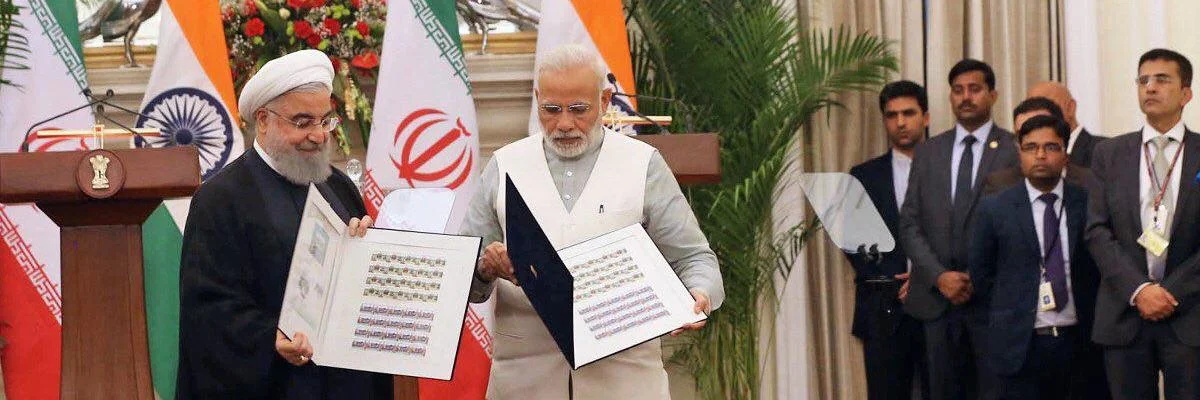
Iran will boost trade with India as the European Union struggles to find a way to circumvent a fresh US embargo on Tehran, Iranian Foreign Minister Javad Zarif said Tuesday.
Brussels is working on a payment mechanism to keep financial transactions flowing with Iran, after the US ditched the 2015 nuclear deal with Tehran earlier this year and reintroduced a raft of sanctions on the country.
But Zarif told reporters in New Delhi that the EU's delay in implementing the system meant Iran would look elsewhere.
"Europeans have made efforts but couldn't... progress up to our expectations. We will expand our cooperation via various channels such as India," Zarif said after meeting India's transport minister, as quoted by Iran's semi-official news agency ISNA.
The EU hopes its "special purpose vehicle" (SPV) announced in September will keep the nuclear deal alive and persuade Tehran to stay on board by giving companies a way of trading with Iran without violating Washington's sanctions.
But Brussels is struggling to find a host for the SPV and many EU companies are fearful of repercussions from US President Donald Trump's administration.
India, which imports around 80 percent of its oil needs, recently signed a deal with Iran to buy crude in rupees rather than US dollars, helping it get around the sanctions.
Zarif added that Iran was "very happy" that the Indian government was allowing the Iranian Bank Pasargad to open a branch in India's financial capital of Mumbai.
India also recently took over the running of part of Iran's Chabahar Port, in the Gulf of Oman, as the countries build closer ties.
“We hope, despite US sanctions, Iran and India will have more cooperation in line with the interests of the people and the two countries," said Zarif.
Photo Credit: IRNA
Cuba Eyes EU's Planned Iran Sanctions-Busting System
◢ Cuba hopes a special payment system the EU is creating to get round US sanctions on Iran will help it sidestep its own Washington-imposed trade embargo, a senior official told AFP on Monday. Brussels is working on a "special purpose vehicle" (SPV)—a system for clearing payments to Iran—-as it seeks to keep trade flowing despite Washington reimposing sanctions after ditching the 2015 nuclear deal with Tehran.
Cuba hopes a special payment system the EU is creating to get round US sanctions on Iran will help it sidestep its own Washington-imposed trade embargo, a senior official told AFP on Monday.
Brussels is working on a "special purpose vehicle" (SPV)—a system for clearing payments to Iran—-as it seeks to keep trade flowing despite Washington reimposing sanctions after ditching the 2015 nuclear deal with Tehran.
The EU is desperate to keep the nuclear deal alive and hopes the SPV will persuade Tehran to stay on board by giving companies a way of trading with Iran without fear of US sanctions.
The SPV was announced in September but has made little headway, with several countries saying they will not host it, fearful of repercussions from the administration of US President Donald Trump.
Nevertheless, senior Cuban foreign ministry official Rodolfo Reyes told AFP after talks with EU officials that Havana was interested in the project.
"There was a mention of this instrument and we of course also raised the interest that we would have in any solution of this kind that would allow European companies to become increasingly involved in foreign investment and bilateral trade with Cuba," Reyes told AFP.
Despite a thawing of ties under Trump's predecessor Barack Obama, the US still has a sweeping economic embargo in force against Cuba that dates back to the 1960s.
The SPV would in theory allow Iran to keep selling oil and European companies to continue doing business in the country despite the US sanctions.
But it has proved difficult to get the project moving and some analysts doubt it would prove to be effective in any event.
Many major international companies have announced they are pulling out of Iran, and earlier this month the US announced a fresh set of sanctions aimed at cutting off Iran's banks from international finance and significantly cutting its oil exports
Photo Credit: Wikicommons
Austria Says Won't Host Iran Sanctions-Busting Payments System
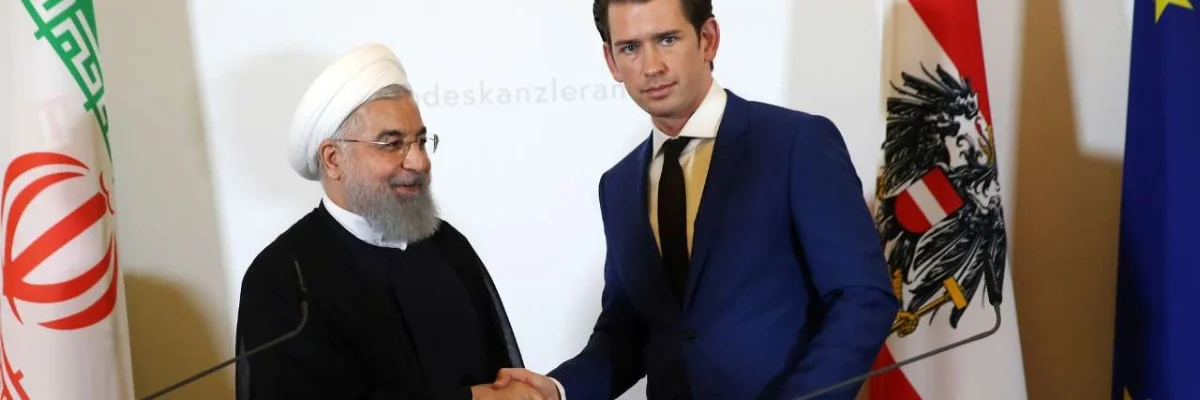
◢ Austria has rejected hosting a special payment system designed to help EU countries trade with Iran despite US sanctions, the Austrian foreign ministry said Tuesday. "We were asked if Austria would be prepared in principle to host this special purpose vehicle," foreign ministry spokesman Peter Guschelbauer said.
Austria has rejected hosting a special payment system designed to help EU countries trade with Iran despite US sanctions, the Austrian foreign ministry said Tuesday.
"We were asked if Austria would be prepared in principle to host this special purpose vehicle," foreign ministry spokesman Peter Guschelbauer said.
But after studying the idea "very closely", the Austrian government "came to the conclusion that at the moment we are not in a position to host this vehicle," Guschelbauer told the Austrian APA agency.
The Bloomberg agency reported that Austria had been approached to be the venue for the vehicle after Belgium and Luxembourg had already turned down the idea of hosting it.
"There are lots of unanswered technical questions" about the "effectiveness of this setup," Guschelbauer added.
Austria supported the principle of the vehicle, he said, "but of course it has to be set up in a way that fulfils its purpose".
Last week the US announced a fresh raft of sanctions, the latest tranche of such measures since May when US President Donald Trump dramatically withdrew from the 2015 nuclear deal between Iran and world powers, known as the Joint Comprehensive Plan of Action (JCPOA).
The US sanctions aim to cut off Iran's banks from international finance and significantly cut its oil exports.
Since May, the remaining five signatories to the JCPOA—Britain, China, France, Germany and Russia—have been exploring ways to keep the deal alive.
As part of those efforts the EU has floated the idea of the special purpose vehicle, which would in theory allow Iran to keep selling oil and European companies to continue doing business in the country despite the US sanctions.
However, details of the scheme have remained vague.
The Austrian capital Vienna is the headquarters of several international organizations, including several arms of the UN and OPEC, and hosted the negotiations which resulted in the JCPOA.
On Monday the UN atomic watchdog the International Atomic Energy Agency (IAEA) said in its latest report that Iran was still abiding by the terms of the deal.
Photo Credit: IRNA
EU Bid to Sidestep US Iran Sanctions Hits Quicksand
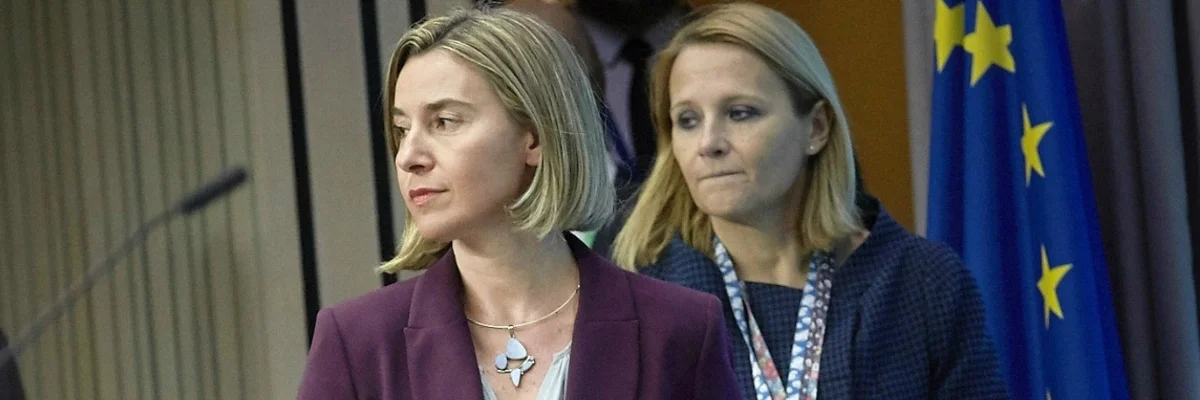
◢ The EU effort to save the Iran nuclear accord by building a mechanism to buy Tehran's oil despite the return of US sanctions has run into difficulty. Brussels supports the deal struck in 2015 to curb Iran's nuclear ambitions, which was dealt a blow in May when the US President Donald Trump pulled out. But Washington has announced the reimposition of broad sanctions from November 4, including on Iran's oil sector, scaring off European traders.
The EU effort to save the Iran nuclear accord by building a mechanism to buy Tehran's oil despite the return of US sanctions has run into difficulty.
Brussels supports the deal struck in 2015 to curb Iran's nuclear ambitions, which was dealt a blow in May when the US President Donald Trump pulled out.
But Washington has announced the reimposition of broad sanctions from November 4, including on Iran's oil sector, scaring off European traders.
Last month at the United Nations, the EU announced plans for a "special purpose vehicle"—a payment system to continue trade and business ties with Iran.
The renewed US sanctions come into force on Sunday, and work on the mechanism is still going on.
"We are in the process of putting measures in place. Work is ongoing," EU foreign affairs spokeswoman Maja Kocijancic told reporters on Wednesday.
The payment mechanism has the backing of the remaining five signatories to the Iran deal—Britain, China, France, Germany and Russia.
But senior officials in Brussels admit that it is proving difficult to set up.
"The undertaking is very complicated... the vehicle will not be operational on November 5," one told AFP.
The EU will publish a statement on Tuesday reaffirming support for the nuclear deal, as long as Tehran continues to respect its side of the bargain.
And an EU diplomat said the plan to create the new entity would be confirmed at the same time.
"The intention is to create a company registered in an EU country which will allow transactions," the official said.
"We need to supply it with capital and clarify its governance -- this is not easy and it will not just start working overnight."
The three EU deal signatories—France, Britain and Germany—are involved in the project, along with other countries which buy Iranian oil.
But not all EU countries are on board, Iranian agents have been accused of plotting attacks on opposition figures in Europe and US elections are looming.
One European diplomat said the bloc wants to avoid a "direct confrontation" with Trump's administration over Iran before the November 6 congressional poll.
But in any case, the plans—championed by EU high representative for foreign affairs Federica Mogherini—are progressing very slowly.
"For the moment, we're nowhere. There's no will to proceed on the behalf of the member states," one of those negotiating the design of the mechanism said.
Another official insisted: "The plan's not dead." But he admitted the whole enterprise is "politically risky" for capitals wary of antagonizing Washington.
Oil Prices Up?
US Secretary of State Mike Pompeo has explicitly warned against EU states or companies trying to get around the sanctions, which are a US policy priority.
The idea is that the SPV acts as a clearing house. Traders would pay into it to buy Iranian exports and Iran's purchases in Europe would be paid by the fund.
This would allow Europeans to trade Iranian oil without sending cash directly to the Islamic republic.
And EU leaders have not ruled out allowing entities from other states keen to avoid US sanctions—notably India, China and Turkey—to use the SPV.
This would blow a hole in US efforts to use oil sanctions to pressure Iran into more concessions than agreed to in the nuclear deal—or face collapse.
But it would also accelerate the widening of the rift between the US and its allies on foreign policy, and Trump may seek to punish firms using the vehicle.
Europe nevertheless hopes it can avoid an immediate crisis, and persuade Iran to stick by its side of the nuclear deal despite Washington's refusal to do so.
“Iranian oil sales won't drop to zero on November 5, the day after the US reimposes sanctions," a European expert told AFP.
"The Americans known that prices are already high and that Iran's exit from the market will only force them higher, which isn't in their interests."
European clients—mainly in Spain, Italy, Greece and France—buy 20 percent of Iran's oil exports.
According to the European Commission, last year EU members bought nine billion dollars of Iranian exports and Iran spent 10 billion in the union.
Photo Credit: Wikicommons
Pompeo 'Disturbed' by EU Payment Plan for Iran Business
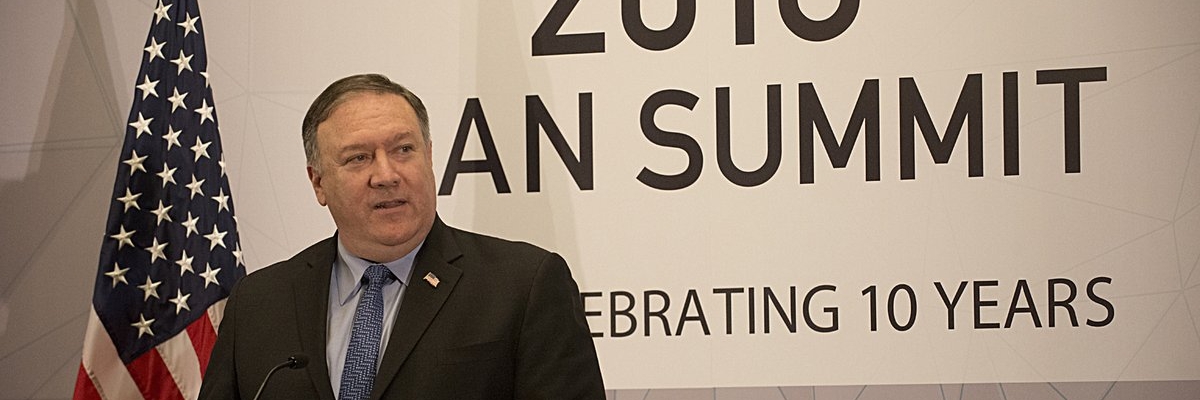
◢ US Secretary of State Mike Pompeo denounced Tuesday a European Union plan to set up a way to preserve business with Iran and avoid renewed American sanctions. Addressing the United Against a Nuclear Iran pressure group being held near the annual UN General Assembly, Pompeo said he was "disturbed and indeed deeply disappointed" by Monday's announcement from remaining members of an international nuclear deal.
US Secretary of State Mike Pompeo denounced Tuesday a European Union plan to set up a way to preserve business with Iran and avoid renewed American sanctions.
Addressing the United Against a Nuclear Iran pressure group being held near the annual UN General Assembly, Pompeo said he was "disturbed and indeed deeply disappointed" by Monday's announcement from remaining members of an international nuclear deal.
"This is one of the most counterproductive measures imaginable for regional peace and security," Pompeo said, accusing the European Union of "solidifying Iran's ranking as the number-one state sponsor of terrorism."
"I imagine the corrupt ayatollahs and IGRC were laughing this morning," Pompeo added at the event in New York, referring to the elite Revolutionary Guards, in a speech that was interrupted several times by anti-war protesters.
President Donald Trump pulled out of an agreement negotiated under his predecessor Barack Obama for Iran to curtail its nuclear program sharply in exchange for sanctions relief.
EU foreign policy chief Federica Mogherini, speaking late Monday alongside Iranian Foreign Minister Mohammad Javad Zarif, said that the agreement was in the global interest and pointed to UN inspectors' findings that Iran is in compliance.
She said that European Union members were working on a legal entity that would allow businesses to buy oil and conduct other business with Iran in hopes of avoiding US sanctions.
Photo Credit: UANI
EU Announces Legal Entity to Maintain Business With Iran
◢ The European Union said Monday its members would set up a payment system to allow oil companies and businesses to continue trading with Iran in a bid to evade sanctions after the US withdrew from a nuclear agreement. Iran and the European Union announced their defiance towards US President Donald Trump's administration after high-level talks at the United Nations among the remaining members of the accord.
The European Union said Monday its members would set up a payment system to allow oil companies and businesses to continue trading with Iran in a bid to evade sanctions after the US withdrew from a nuclear agreement.
Iran and the European Union announced their defiance towards US President Donald Trump's administration after high-level talks at the United Nations among the remaining members of the accord.
The countries said in a statement that they were determined "to protect the freedom of their economic operators to pursue legitimate business with Iran."
With the United States and the dollar dominating so much of global trade, the statement said the new mechanism would "facilitate payments related to Iran's exports (including oil) and imports, which will assist and reassure economic operators pursuing legitimate business with Iran."
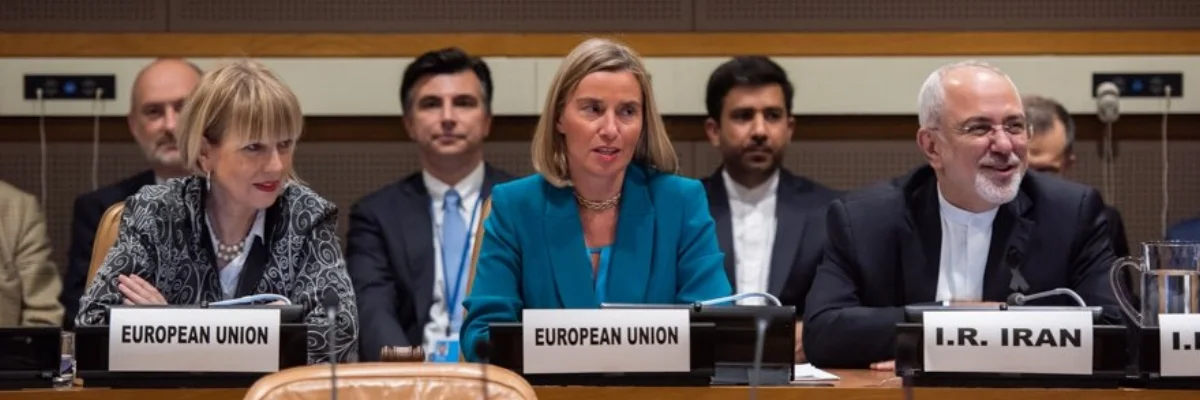
EU foreign policy chief Federica Mogherini, speaking at the United Nations
alongside Iranian Foreign Minister Mohammad Javad Zarif, said the countries
were still working out the technical details.
"In practical terms, this will mean that EU member states will set up a legal entity to facilitate legitimate financial transactions with Iran and this will allow European companies to continue to trade with Iran in accordance with European Union law and could be open to other partners in the world," she told reporters.
She said that the remaining members of the so-called Joint Comprehensive Plan of Action—Britain, China, France, Germany and Russia—would also maintain their commitments to support Iran on civilian nuclear energy.
"The participants recalled that these initiatives are aimed at preserving the JCPOA, which is in the international interest," she said.
Pressure on Iranian Economy
In line with findings of UN inspectors, Mogherini reiterated that Iran has been in compliance with the nuclear agreement—under which Tehran drastically scaled back its nuclear program in exchange for relief from sanctions.
The agreement was sealed in 2015 in a signature achievement for then US
president Barack Obama.
Trump pulled out of the agreement in May, describing it as a "disaster" and quickly moving to reimpose sanctions on Iran.
Despite the protests of the European Union, a number of business including French energy giant Total and carmakers Peugeot and Renault as well as Germany's Siemens and Daimler have already suspended operations in Iran for fear of triggering US sanctions.
With Iran's economy already feeling the pinch, US national security adviser John Bolton earlier Monday vowed to impose "maximum pressure" on Tehran, while insisting that Washington was not pushing for regime change.
US Arab allies Saudi Arabia and the United Arab Emirates as well as Israel have long sought for Washington to work to curtail non-Arab and predominantly Shiite Muslim Iran's influence in the Middle East, including in war-torn Syria.
The EU move comes a day before Trump and Iranian President Hassan Rouhani separately address the UN General Assembly, with the US leader expected to take a hard line on Iran.
Photo Credit: EEAS