
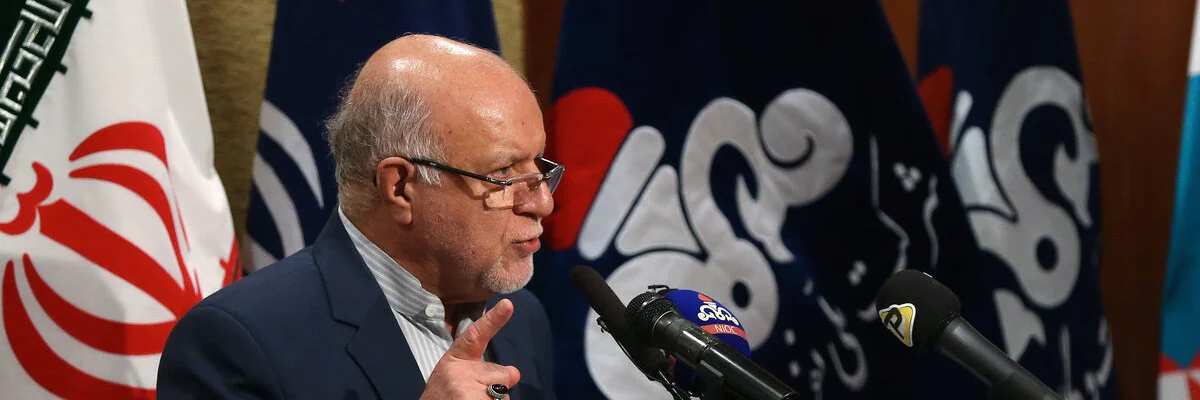
Iran Retains 'Strong Voice' in OPEC ahead of Key Meeting
◢ Iran, hit by year-long US oil sanctions and recent protests over domestic fuel price hikes, retains a "strong voice" in the OPEC producing cartel which meets this week, analysts say. OPEC descends on its plush Vienna headquarters Thursday and Friday and is expected to maintain output cuts alongside its partners—or perhaps even go deeper.
By Benoit Pellegrin
Iran, hit by year-long US oil sanctions and recent protests over domestic fuel price hikes, retains a "strong voice" in the OPEC producing cartel which meets this week, analysts say.
The Islamic republic suffers from tumbling output yet remains a significant player in the Organization of the Petroleum Exporting Countries (OPEC), whose 14 nations from Africa, the Middle East and Latin America together pump 40 percent of the world's oil.
Washington had re-imposed sanctions last year on Tehran's exports after withdrawing from a 2015 nuclear deal.
"They still have a strong voice," SEB analyst Bjarne Schieldrop told AFP ahead of this week's gathering of both OPEC and its partners that include Russia.
OPEC descends on its plush Vienna headquarters Thursday and Friday and is expected to maintain output cuts alongside its partners—or perhaps even go deeper.
The cuts of 1.2 million barrels per day from October 2018 levels were originally fixed in December last year and were already extended at OPEC's last meeting in July.
Crucially however, Iran was exempt from the deal, which is aimed at shoring up world oil prices and protecting precious revenues.
Yet the republic's output has been shredded by US sanctions that prevent it exporting oil abroad.
According to OPEC data, Iran produced 2.192 million barrels of crude oil per day (mbpd) in the third quarter of 2019.
That contrasted sharply with the 3.813 mbpd of production which the Middle Eastern nation averaged in 2017.
PVM analyst Tamas Varga told AFP that Iran was suffering as a result of "maximum pressure from the United States.”
"Oil export exports are falling," he added.
At the same time, some OPEC nations like Iraq and Kuwait have been able to keep their own output levels unchanged despite the cartel's pact, Schieldrop said.
"The situation is unfair seen from Iran's side," he told AFP.
Meanwhile, Iran's regional rival Iraq has not curbed its output, instead exceeding its own quota despite criticism from OPEC's de-facto leader Saudi Arabia.
In the absence of US sanctions on Iran, oil prices would currently be trading far lower, according to Schieldrop.
"If that was not happening, we would have very low prices today," he noted. Iran—a founding OPEC member which sits on the world's fourth-biggest oil reserves and second-largest gas reserves -- still retains its authority within the cartel.
It has been vocal critic of Russia's increasingly powerful role within the so-called OPEC+ grouping.
But analysts note that Iran now faces social unrest linked to the impact of US sanctions.
Protests broke out across the country from November 15 and were ignited by a price hike on fuel—a heavily subsidized commodity in Iran—as part of an effort to ease pressure on the sanctions-hit economy.
"Iran is suffering economically and socially," Varga said.
Videos emerged this week showing harrowing scenes of bleeding protesters, burning roadblocks and snipers on rooftops after Iran lifted a near-total internet blackout.
The footage has opened a window onto what analysts say was one of Tehran's bloodiest crackdowns.
Many videos from some of the estimated 100 areas where demonstrations erupted appear to show security forces firing at close range at unarmed demonstrators or beating them with batons.
Meanwhile, The US State Department announced that Secretary of State Mike Pompeo would meet Wednesday in Portugal with Israeli Prime Minister Benjamin Netanyahu, who was expected to call for increased US pressure on the "tottering" Iranian government.
Photo: IRNA
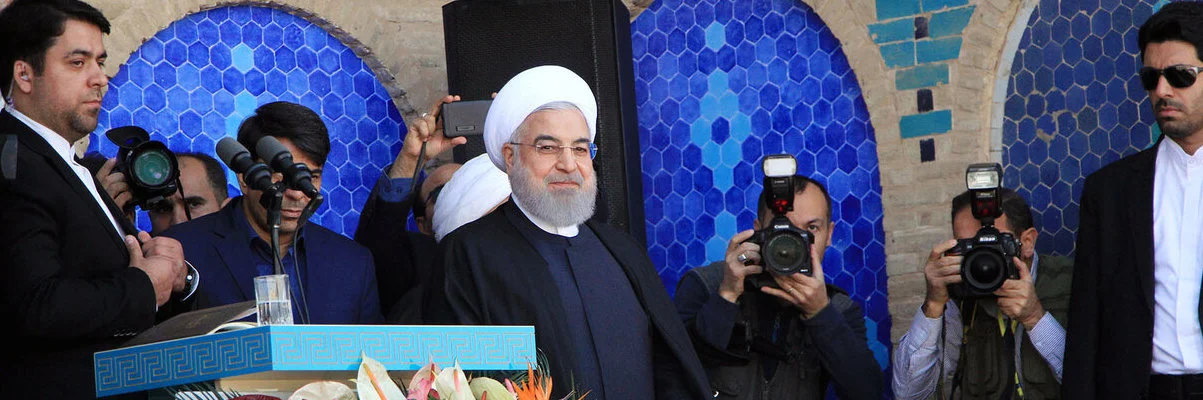
Iran Says Oil Field Found With 53bn Barrels of Crude
◢ Iran has discovered a new oil field containing 53 billion barrels of crude, President Hassan Rouhani said Sunday, a find that would increase Iran's proven reserves by over a third. The 80-meter deep field stretches nearly 200 kilometres from Khuzestan's border with Iraq to the city of Omidiyeh.
By Amir Havasi
Iran has discovered a massive new oil field, President Hassan Rouhani said Sunday, a find that would boost its proven reserves by about a third in a rare piece of "good news" for an economy battered by US sanctions.
In a speech aired on state TV, Rouhani said the country's economy had stabilised despite punishing US measures against its senior leaders, banking and finance sectors.
The vast field in the southwestern province of Khuzestan holds an estimated 53 billion barrels of crude, he said.
The 80-meter deep reservoir stretches nearly 200 kilometres from Khuzestan's border with Iraq to the city of Omidiyeh.
"This is a small gift by the government to the people of Iran," he said in a speech from the central city of Yazd.
"We announce to America today that we are a rich nation, and despite your enmity and cruel sanctions, Iranian oil industry workers and engineers discovered this great oil field."
The find would add around 34 percent to the OPEC member's current proven reserves, estimated by energy giant BP at 155.6 billion barrels.
Iran, a founding member of the Organization of the Petroleum Exporting Countries, sits on what were already the world's fourth-biggest oil reserves.
The new reserves, if proven, would lift it to third place, just before regional arch-rival Saudi Arabia.
'Unconventional' Sales
But it remains to be seen how much the country can benefit from the new field.
Iran has struggled to sell its oil since US President Donald Trump withdrew from a landmark 2015 nuclear deal last year and reimposed unilateral sanctions.
In May, Washington ended temporary sanctions waivers it had granted to the eight main buyers of Iranian oil, ratcheting up the pressure on holdouts China, India and Turkey to find other suppliers.
Tehran does not report exact figures, but says some crude is still exported via "unconventional" means.
It has hit back at the US with a series of countermeasures, stepping up its nuclear activities and threatening to go further unless the deal's promised economic benefits materialise.
It insists its moves are transparent and easily reversible, calling on the deal's other parties to honor their commitments.
The remaining parties to the 2015 accord—Britain, China, France, Germany and Russia—have been working on measures to help it avoid US sanctions, but with few results so far.
Since the US withdrawal, tensions have cranked up in the Gulf with a series of mysterious attacks on tankers and Saudi oil installations, with Tehran and Washington narrowly avoiding an armed confrontation after the downing of a US drone over Iranian territory.
Economic 'Disruptors'
Iran has experienced a sharp economic downturn this year, fuelled in part by US sanctions, with a plummeting currency sending inflation skyrocketing and hiking the prices of imports.
But Rouhani insisted the economy had now stabilised.
"Our people weathered hard days in the past year ... (but) I believe America is now hopeless," he said.
The IMF has said Iran's economy will contract by a massive 9.5 percent this year, its worst performance since 1984 when the Islamic republic was at war with neighbouring Iraq, but notes the growth is expected to stabilise at zero next year.
Authorities have cracked down hard on "economic disruptors"—Iranians accused of exploiting shortages and fluctuations in gold and currency prices, with dozens tried and some executed.
"I call on the judiciary... to explain billion-dollar corruption cases to the people," Rouhani said during his speech in Yazd.
"Where has the money gone?"
He pointed to a "$2.7 billion case" whose suspect has been "arrested, sentenced to die and is now in prison"—but in which the money is yet to be recovered.
He appeared to be referring to business magnate Babak Morteza Zanjani, on death row after being convicted in 2016 of embezzling $2.7 billion while helping the government circumvent international sanctions.
Photo: IRNA
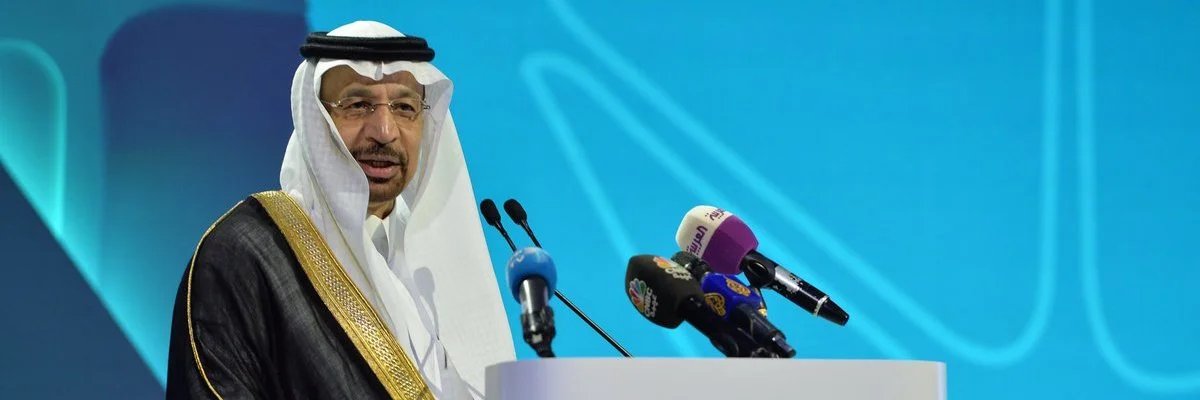
Saudis Take Iran's Oil-Market Share, Keeping OPEC Supply Steady
◢ Saudi Arabia ramped up oil production last month by the most this year, largely filling the gap created by tougher U.S. sanctions on its political rival, Iran. Iranian output plunged in May to the lowest since 1990 as the Trump administration threatened sanctions, according to a Bloomberg survey of officials, analysts and ship-tracking data.
By Grant Smith
Saudi Arabia ramped up oil production last month by the most this year, largely filling the gap created by tougher U.S. sanctions on its political rival, Iran.
Iranian output plunged in May to the lowest since 1990 as the Trump administration threatened penalties for anyone trading with the Islamic Republic, according to a Bloomberg survey of officials, analysts and ship-tracking data.
Nonetheless, the production boost by Riyadh, along with increases in fellow OPEC members Libya and Iraq, meant that overall output from the group remained unchanged in May from the previous month. OPEC pumps about 40% of the world’s oil supplies.
Iran’s production plunged by 230,000 barrels a day to 2.32 million a day, according to the Bloomberg survey. Saudi Arabia increased by 170,000 barrels a day to 9.96 million a day. Total supply from OPEC’s 14 members was unchanged at 30.26 million barrels a day.
President Donald Trump is tightening the squeeze on Iran’s oil exports amid a dispute that revolves around the country’s nuclear program, and has turned to America’s allies in Riyadh to keep global crude markets comfortably supplied. The survey indicates that Saudi Arabia, a long-standing antagonist of Iran, has been willing to oblige.
That sets the stage for a contentious meeting when the Organization of Petroleum Exporting Countries and its partners gather in the coming weeks to consider production levels for the second half of the year. Iran has warned that the 59-year-old cartel is at risk of collapse because of aggressive moves by some members.
Despite the boost, the Saudis are still significantly below the limit of 10.3 million barrels a day agreed at the start of the year with a global coalition of producers, which spans fellow OPEC members as well as nations outside the group including Russia and Kazakhstan.
Saudi Arabian Energy Minister Khalid Al-Falih has recommended that the alliance should keep the supply curbs in place for the rest of the year, as headwinds to global economic growth may reduce oil demand.
Oil prices slumped more than 11% in London last month as the trade dispute between the U.S. and China threatened to crimp growth in the world’s two biggest economies. Brent, the international benchmark, was trading around $62 a barrel on Monday.
While the Saudi production increase was still well inside the limits agreed with fellow producers, the same can’t be said of a boost by Iraq.
Baghdad raised output by 50,000 barrels a day last month to 4.63 million a day, meaning that it has now abandoned any of the restraint pledged under the OPEC agreement. As the Saudis have urged fellow OPEC members to abide by their individual targets, that could provide another source of friction when the producers get together.
Photo: Aramco
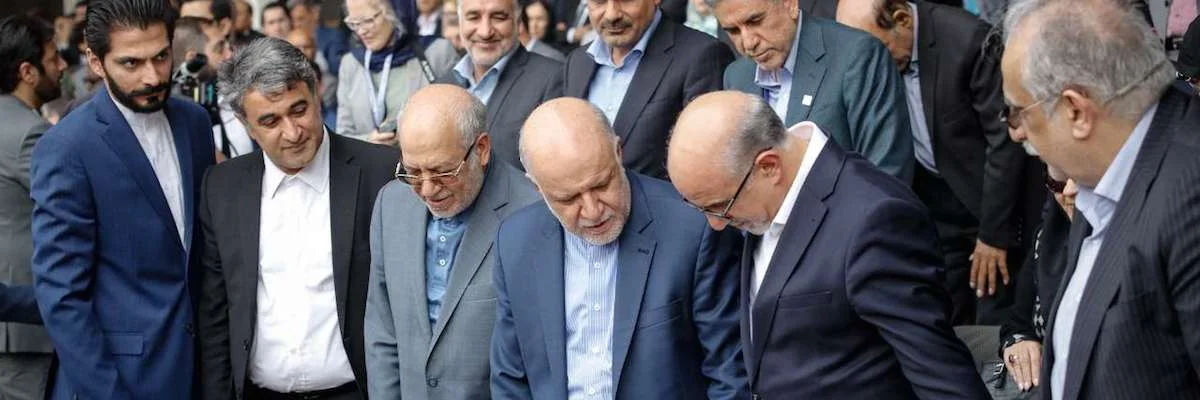
OPEC Says Determined to Avoid an 'Energy Crisis'
◢ OPEC is determined to avoid a global "energy crisis" as some of its members are facing international sanctions and others struggling with unrest, the cartel's secretary-general said in Tehran on Thursday. "As an organization, we will remain focused on our goal of avoiding an energy crisis that may affect the global economy," Mohammed Barkindo said on the sidelines of an oil and gas exhibition.
OPEC is determined to avoid a global "energy crisis" as some of its members are facing international sanctions and others struggling with unrest, the cartel's secretary-general said in Tehran on Thursday.
"As an organization, we will remain focused on our goal of avoiding an energy crisis that may affect the global economy," Mohammed Barkindo said on the sidelines of an oil and gas exhibition.
The Organisation of the Petroleum Exporting Countries will pursue this policy "despite current troubles in several of its member countries," he said.
His comments came as the end of US sanction waivers for purchases of oil from key OPEC member Iran was due to kick in on Thursday.
Venezuela, another cartel member, is also facing sweeping US sanctions and in the throes of political troubles while fighting rages between rival forces for control Tripoli, capital of oil-rich Libya.
Barkindo did not name any country but said some OPEC producers were "currently under unilateral sanctions"—a reference to Iran and Venezuela.
Another country "is also going through transitional challenges with all its potential consequences," Barkindo said, also apparently about Venezuela where opposition leader Juan Guaido is trying to rally demonstrators against President Nicolas Maduro.
Another cartel member he said, alluding to Libya, "is fighting day in and day out to avoid an all-out war".
OPEC is "committed to stay united" and "not slip back into the chaos" it has faced in recent years, Barkindo said.
Iran, as a founding member of the organization, has regularly slammed some of the cartel's members for going along with Washington's policies against Iran and lacking solidarity.
On Wednesday, Iran's oil minister Bijan Namdar Zanganeh accused OPEC members he did not name of sowing "division" and threatening the cartel's "disintegration.”
These countries—he said referring to Iraq and oil kingpin Saudi Arabia—were "exaggerating" their production capacity to reassure markets after the US lifted sanction waivers for buyers of Iranian crude.
The end of the exemptions announced on April 22 have sparked fears of supply shortages and pushed prices up.
Photo: IRNA
Trump Playing Hardball Gives Iran Oil Buyers Costly Headache
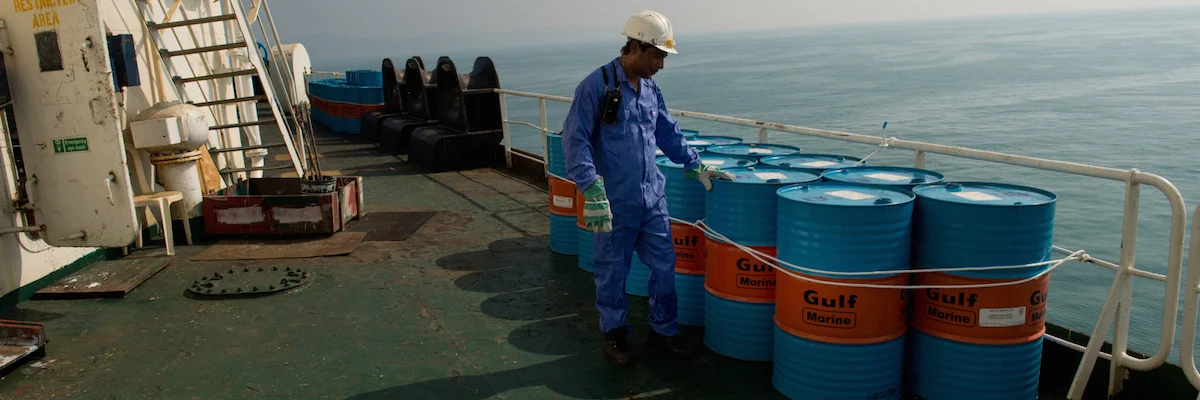
◢ Asia is more dependent on oil imports than any other region and has been repeatedly buffeted by America’s campaign to isolate Iran, once OPEC’s second-largest producer. While they’ll be able to find other supplies, they face the prospect of having to pay more, potentially accelerating inflation and putting pressure on their economies.
The biggest buyers of Iranian oil are being struck by deja vu, and it’s not conjuring up pleasant memories.
Six months ago they were scrambling to secure alternative supplies as the U.S. prepared to impose sanctions on Iranian oil exports, though last minute waivers eventually gave them a reprieve. Now, the Donald Trump administration says it won’t renew those same waivers, forcing the buyers to find a replacement for the Persian Gulf barrels.
Asia is more dependent on oil imports than any other region and has been repeatedly buffeted by America’s campaign to isolate Iran, once OPEC’s second-largest producer. While they’ll be able to find other supplies, they face the prospect of having to pay more, potentially accelerating inflation and putting pressure on their economies.
Importers had been expecting the waivers to be extended, perhaps with a cut in permitted volumes instead of an outright ban, according to refinery officials in Asia. They’d put purchases for May on hold as they awaited the U.S. decision.
One buyer, South Korea’s Hanwha Total Petrochemical Co., said it’s possible to find alternatives, but they’ll cost more and potentially affect the firm’s profits because they largely depend on the price of raw materials. The company has been importing and testing other supply from areas such as Africa and Australia, a spokesman said.
The White House said on Monday that its decision is intended to bring Iran’s oil exports to zero and squeeze the Persian Gulf state’s principal source of revenue. The U.S. wants to force Iran back to negotiations over its nuclear program. Any buyer importing crude after the waivers expire on May 2 faces the risk of being cut off from the American financial system.
Elusive Alternatives
While Trump said in a tweet that Saudi Arabia and other producers in the Organization of Petroleum Exporting Countries will make up for any shortfall, that prospect will not necessarily bring relief to buyers. South Korea, for example, is highly dependent on a type of ultra-light oil known as condensate from Iran that’s used by the Asian nation’s petrochemical producers.
These companies will be hit especially hard by the U.S. decision to eliminate waivers, according to four condensate traders interviewed by Bloomberg. That’s because Saudi Arabia and the United Arab Emirates—among the biggest OPEC producers—export only limited supplies of the ultra-light oil, which is used in units known as splitters to produce petrochemicals and plastic components, they said.
Unipec, the trading arm of China’s state-owned refining giant Sinopec, hasn’t been approached by Saudi Arabia or the U.A.E. with more oil offers, said a person familiar with its procurement plan who asked not to be identified as the information is private. While the firm expected America to renew waivers at least with limited volumes, it had a contingency plan for an end to shipments, said the person, adding that it will seek to import more from the Middle East, West Africa and the U.S.
Caught by Surprise
An official at another major South Korean refiner also said it was caught off-guard by the U.S. decision, and still remained hopeful that the U.S. would ultimately extend waivers allowing at least some Iranian imports. Based on Bloomberg’s ship-tracking data, Asian buyers such as China, India, Japan and South Korea accounted for more than 80 percent of the Islamic Republic’s total crude and condensate exports in March.
Saudi Arabia, for its part, will coordinate with other crude producers to ensure that adequate supplies are available and the market “does not go out of balance,” Energy Minister Khalid Al-Falih said after the Trump administration announced the end of the waivers.
One person familiar with the U.S. decision announced Monday said that some of the countries that had previously received waivers would be given a little more time to wind down purchases. The person described that not as a waiver but more as a brief grace period.
Crude Gains
Global benchmark Brent crude rose to a six-month high, moving toward $75 a barrel in London after the U.S. decision. Front-month futures were at $74.33 a barrel at 11:43 a.m. in London. West Texas Intermediate, the American marker, also jumped and is trading near $66 a barrel in New York.
Some refiners in India—which had been negotiating hard with the U.S. for the waivers to be renewed—sought to play down the impact on Monday. Indian Oil Corp., the nation’s top importer of Iranian crude, has enough supplies of alternative feedstock, said a company official who asked not to be identified because of internal policy.
The company intends to use built-in options in its oil contracts with Kuwait, Abu Dhabi, Saudi Arabia and Mexico to procure more crude from those sources, thus making up for any shortfall from the Persian Gulf state, the official said. Fellow domestic refiner Hindustan Petroleum Corp. is confident there won’t be supply constraints, according to Chairman M.K. Surana.
HPCL has reduced its purchases from the Islamic Republic and has limited exposure to U.S. sanctions, he said in a phone interview, though he added that a halt in supplies from Iran would likely push oil prices higher in coming months.
Photo: Bloomberg
Iran Says OPEC+ Pact Will Be `Easy' to Extend Beyond June
◢ The OPEC+ group could easily extend its agreement on oil-production cuts, according to Iranian Oil Minister Bijan Namdar Zanganeh. Iran is exempt from oil-output cuts following U.S. President Donald Trump’s decision to re-impose sanctions on the country last year.
The OPEC+ group could easily extend its agreement on oil-production cuts, according to Iranian Oil Minister Bijan Namdar Zanganeh.
“My understanding is, there is no difficulty extending the cooperation. It should be easy” to prolong the deal beyond the first half of the year, Zanganeh told reporters in Moscow following a meeting with his Russian counterpart Alexander Novak. The current OPEC+ pact “is going ahead well,” Zanganeh added.
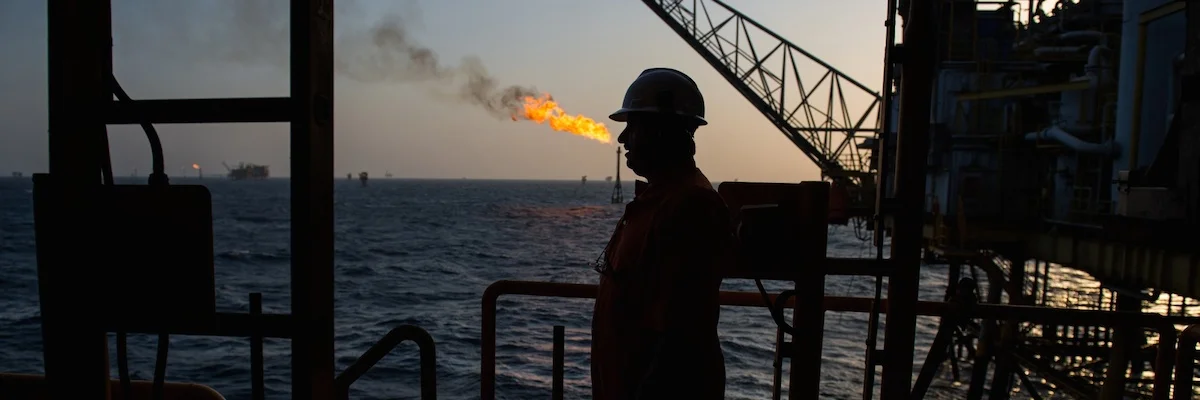
Iran is exempt from oil-output cuts following U.S. President Donald Trump’s decision to re-impose sanctions on the country last year. When the Organization of Petroleum Exporting Countries and its allies met in Vienna in December to work out the details of the new production-cuts pact, Iran’s opposition was one of the stumbling blocks to reaching a deal. Russia helped to overcome this and get a deal agreed.
The OPEC+ agreement to reduce oil output by 1.2 million barrels a day expires at the end of June. So far, there’s little clarity on how willing the key members of the group are to extend it. Russia, OPEC’s main ally outside the group, has advocated a wait-and-see approach, proposing to postpone a decision until May or June. Saudi Arabia, which was initially in favor of making a new commitment quickly, later agreed more time is needed.
Oil just had its best quarter in a decade which prompted Trump to criticize OPEC, saying the cartel should increase production because prices are getting “too high.”
Despite pressure from Trump to raise production, Saudi Arabia and the other members of OPEC+ seem resolved to continue restraining output to avert a glut. OPEC’s crude production slid in March for a fourth month, according to a Bloomberg survey, as Saudi Arabia pressed on with output curbs aimed at balancing global markets, and as an economic crisis in Venezuela escalated.
Photo Credit: Bloomberg
Oil Market Can Weather Zero Iranian Exports: U.S. Officials
◢ US officials said the global oil market can withstand the removal of all Iranian crude exports this year, a conclusion that could be pivotal in the coming weeks as President Donald Trump weighs whether to end sanctions waivers granted to several nations. The message from American officials comes as OPEC and its allies prepare for a ministerial meeting in Baku, Azerbaijan.
US officials said the global oil market can withstand the removal of all Iranian crude exports this year, a conclusion that could be pivotal in the coming weeks as President Donald Trump weighs whether to end sanctions waivers granted to several nations.
Based on current oil supply and the potential of the US and Saudis to ramp up production, “going to zero” could happen this year without compromising affordable crude supplies, according to four officials who spoke on condition of anonymity to discuss internal deliberations. The officials emphasized that the discussions are still underway and no final decision has been made.
The message from American officials comes as OPEC and its allies prepare for a ministerial meeting in Baku, Azerbaijan, this weekend to discuss whether the cartel and its allies should continue cutting global output.
President Donald Trump re-imposed sanctions on Iran in November, with the goal of choking off the Islamic Republic’s oil revenue. The administration granted eight countries full or partial waivers allowing them to continue buying the nation’s crude: China, India, Italy, Greece, Japan, South Korea, Taiwan and Turkey. The waivers, which last for 180 days, were meant to be temporary measures to ease their transition from Iranian oil and avoid unsettling the energy market.
As the waivers near their expiration date, the officials said that sufficient spare capacity exists to make up for the loss of all Iranian oil barrels. They cited OPEC’s ability to ramp up production as well as booming U.S. output, among other possibilities.
According to the International Energy Agency, OPEC has 2.8 million barrels a day of spare capacity, more than enough to offset Iranian supply losses. Iran exported 1.17 million barrels a day in February, up from a multiyear low of 629,000 barrels a day in December, according to Bloomberg tanker tracking. Meanwhile, the U.S. Energy Information Administration estimates that global crude supply this year will exceed demand by 180,000 barrel a day, according to its Short-Term Energy Outlook.
But future supply losses from Venezuela muddy the picture. The politically beleaguered country saw oil production decline by 100,000 barrels a day in February to 1.14 million, the IEA said. Deeper declines are likely in March, the group said.
“We’re committed to bringing Iranian crude oil exports to zero as quickly as market conditions will permit,” U.S. Secretary of State Mike Pompeo said Tuesday at the CERAWeek by IHS Markit conference in Houston.
Photo Credit: State Department
Iran Says Saudi Claims To Replace Its Oil 'Unbelievable'
◢ Iran's oil minister said on Monday that the market will never believe "exaggerated" claims by Saudi Arabia that it can replace Iranian oil shipments lost due to renewed US sanctions. "Such exaggerations might please Mr Trump, but the market will never believe them," Bijan Namdar Zanganeh said, according to the oil ministry's SHANA news site.
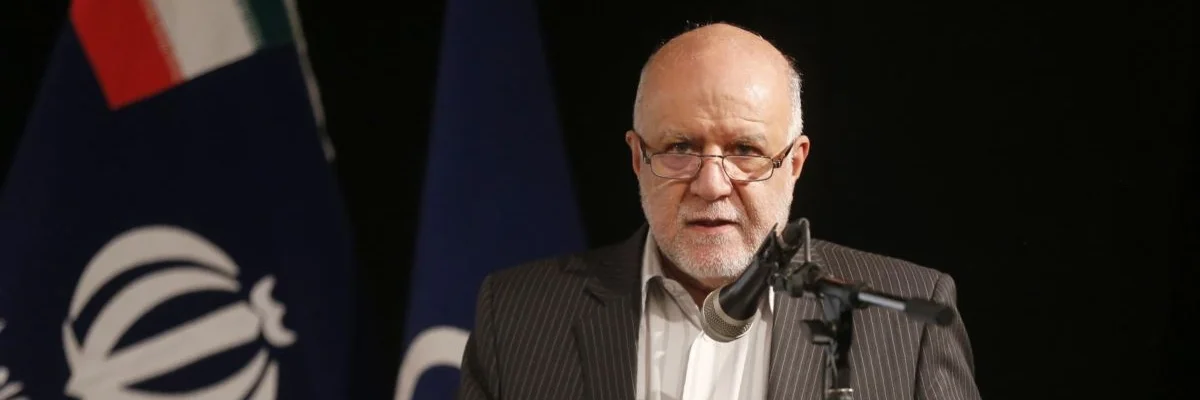
Iran's oil minister said on Monday that the market will never believe "exaggerated" claims by Saudi Arabia that it can replace Iranian oil shipments lost due to renewed US sanctions.
"Such exaggerations might please Mr Trump, but the market will never believe them," Bijan Namdar Zanganeh said, according to the oil ministry's SHANA news site.
"These statements were made due to Mr Trump's pressure on Saudi authorities. In reality, neither Saudi Arabia nor any other producer has such a capability," he added.
Saudi Crown Prince Mohammed bin Salman told Bloomberg on Friday that Saudi Arabia "did(its) job and more" by making up for the recent drop in Iranian oil sales.
He said Iran's sales had fallen by 700,000 barrels per day since the United States announced in May that it was pulling out of the 2015 nuclear deal with Iran and reimposing sanctions on its oil industry.
Precise figures are unavailable, not least because Iran has begun switching off tracking devices on some oil-exporting ships since the threat of sanctions returned, according to analysts.
Iran was exporting between 2.5 and 2.7 million bpd in April before the US announced the return of sanctions.
"We export as much as two barrels for any barrel that disappeared from Iran recently," Prince Mohammed told Bloomberg.
But Zanganeh retorted that the Saudis had only opened up "their previous reserves" to the market and that their output capacity had not increased.
The Saudi statement could have a "short-term psychological effect", he added, but it would not mean much to global energy markets which had shown their concern over shortages by hiking prices.
The sanctions on Iran's oil sector are not due to hit until November 5, but several key buyers in Europe and Asia have already cut purchases in recent months under pressure from Washington.
Photo Credit: IRNA
US Rules Out Iran Sanctions-Related SPR Release
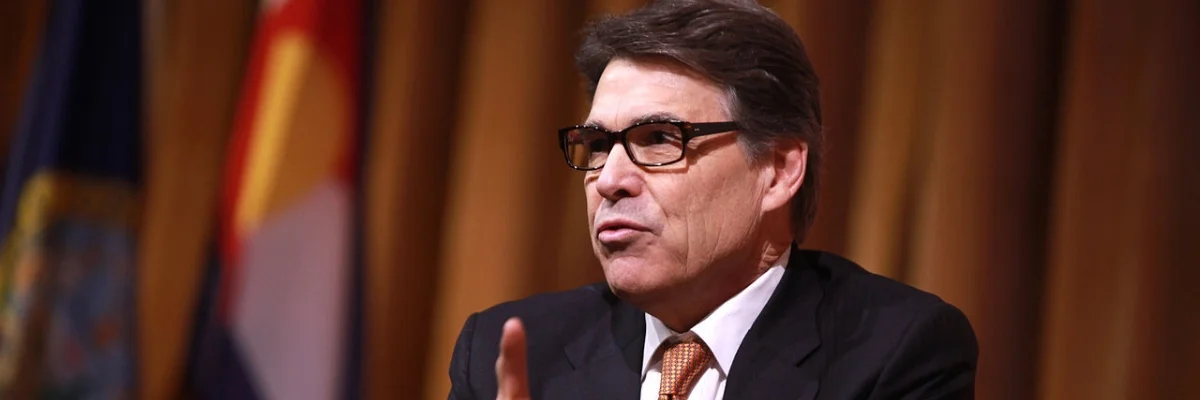
◢ The US Department of Energy is not planning to tap into emergency petroleum stocks despite concerns over the impact of oil sanctions on Iran, energy secretary Rick Perry said last week. "If you look at the Strategic Petroleum Reserve (SPR) and if you were to introduce it into the market, it has a fairly minor and short-term impact," Perry said at a briefing last Wednesday. The US administration will begin enforcing sanctions on Iran's oil exports on 5 November but they appear to have forced many buyers to already wrap up business with Iran.
This article has been republished with permission from Argus Media.
The US Department of Energy is not planning to tap into emergency petroleum stocks despite concerns over the impact of oil sanctions on Iran, energy secretary Rick Perry said last week.
"If you look at the Strategic Petroleum Reserve (SPR) and if you were to introduce it into the market, it has a fairly minor and short-term impact," Perry said at a briefing last Wednesday. The US administration will begin enforcing sanctions on Iran's oil exports on 5 November but they appear to have forced many buyers to already wrap up business with Iran. Iranian crude loadings were just over 1.8mn b/d in the first two weeks of September, down by 400,000 b/d from the first half of this year, according to Argus estimates.
"I am comfortable that the world's supply can absorb the Iran sanctions that are coming," Perry said. "My thought would be that the market has already adjusted to those."
Perry earlier this month held talks with Saudi oil minister Khalid al-Falih and Russian energy minister Alexander Novak to assure the markets that combined supply from the three major global producers would be sufficient to offset the decline in Iranian exports.
The Opec and non-Opec's joint ministerial monitoring committee, meeting in Algiers on 23 September, expressed satisfaction with current market conditions, and said the group's focus shifted to 2019 production levels.
But Perry insisted that "we have got some opportunities to fill the void as the sanctions go into place in November." He listed the increase in US crude production, which is projected to rise to 11.5mn b/d in 2019 from 10.66mn b/d in 2018, and the possibility of resuming output in shared shut-down Neutral Zone between Kuwait and Saudi Arabia that he said could add 250,000-300,000 b/d. Additionally, another 250,000 b/d can be added to global supply if Iraq's central government removes restrictions on exports from the Iraqi Kurdistan, Perry said.
That view is guiding the US administration's determination to enforce sanctions on Iran and to achieve a substantial reduction in oil exports from that country. "We will ensure prior to the re-imposition of our sanctions that we have a well-supplied oil market," US State Department special Iran envoy Brian Hook said last week.
The decline in exports from Iran is among the factors driving up oil prices—a sore point for President Donald Trump who has criticized Opec and its leading producers and demanded yesterday that "they start lowering oil prices." US retail gasoline prices averaged USD 2.844/USG in the week ended 24 September, a 10pc increase on the year.
Al-Falih has downplayed Trump's remarks, saying that Opec does not target higher prices and instead focuses on the adequacy of supply.
Perry today said the relationship between the US and Saudi Arabia is "as good as it has been" in recent memory and that Saudi officials understood Trump's recent remarks.
"I think they understand that we live in interesting times. I do not think they are particularly knee jerk when something is said by me or the president—they understand this is probably one of the best relationships with the US that they have ever had," Perry justified continued outreach to Opec members. "You need to understand that we are not having these conversations in a vacuum," noting that Chevron and other US companies also operate in Opec countries. "Everything that we can do to send a message to a global market, we are going to do everything we can within reason to keep a stable supply and stable pricing of the cost of energy—that is a good message."
Perry said he did not have a view on where the oil prices ought to be. "Is there some potential for some price spikes? Sure, there are a lot of things that can happen, but I will not speculate on that because they have not happened."
Photo Credit: Wikicommons
Iran Urges OPEC to Rebuff 'Threats' From Trump
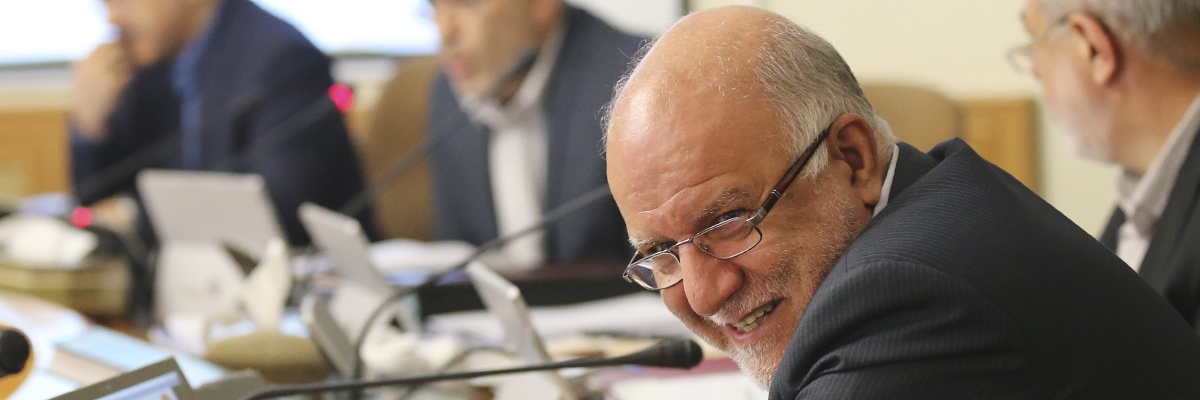
◢ Iran on Sunday called on its OPEC partners not to bow to "threats" from US President Donald Trump, as the oil cartel prepared to meet to discuss output levels. "I hope the outcome of this meeting will not be affected by President Trump's threats," Oil Minister Bijan Namdar Zanganeh told SHANA, his ministry's news agency.
Iran on Sunday called on its OPEC partners not to bow to "threats" from US President Donald Trump, as the oil cartel prepared to meet to discuss output levels.
"I hope the outcome of this meeting will not be affected by President Trump's threats," Oil Minister Bijan Namdar Zanganeh told SHANA, his ministry's news agency.
Ahead of Sunday's meeting in Algiers of the Organisation of Petroleum Exporting Countries, Trump tweeted that "the OPEC monopoly must get prices down now!" by raising output.
Middle East states "would not be safe for very long" without the United States, the president also wrote Thursday.
Zanganeh fired back, saying the claim that "America safeguards the security and survival of producing countries" was the "biggest insult to American allies in the region".
"OPEC is an organization independent of America and will hopefully stay so," he said.
However, the Algiers meeting of OPEC and non-OPEC ministers is expected to offer an increase in output to "offset Iran's production cut", said Zanganeh.
Output from Iran has hit its lowest level since July 2016, according to the International Energy Agency, as top buyers India and China distance themselves from Tehran.
Trump has called for OPEC members, primarily US ally Saudi Arabia, to raise production, and warned importers to stop buying oil from Iran or face American sanctions.
The US in May withdrew from the 2015 nuclear deal with Tehran and reimposed sanctions on the Iranian economy, with a US embargo due to hit Iran's oil industry on November 4.
Photo Credit: IRNA
Iran Says OPEC Has 'Not Much Credit' Left
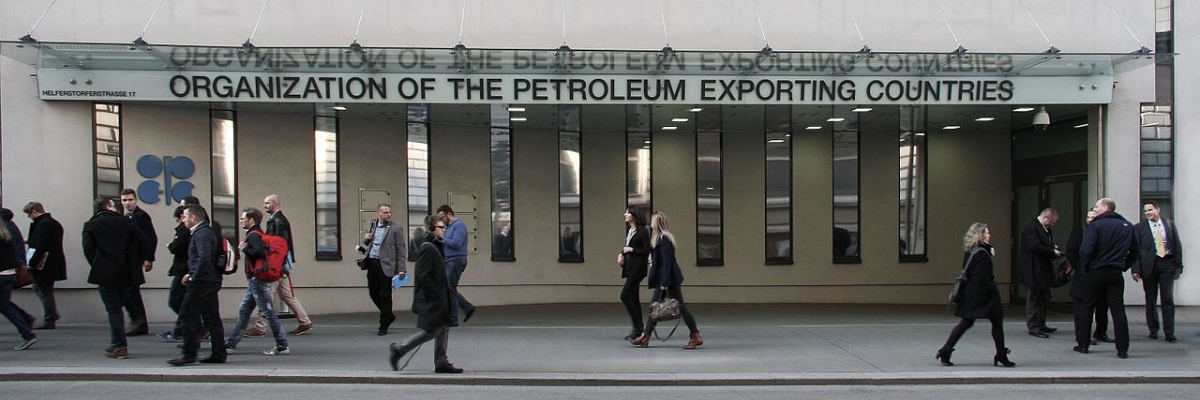
◢ Oil cartel OPEC has "not much credit" left as some members are turning it into "a tool for the US", a senior Iranian official said in comments published Saturday. "Saudi Arabia and the UAE are turning OPEC into a tool for the US and consequently the organization has not much credit left," Iran's OPEC governor Hossein Kazempour Ardebili told the Shana newswire, affiliated to Iran's Oil Ministry.
Oil cartel OPEC has "not much credit" left as some members are turning it into "a tool for the US", a senior Iranian official said in comments published Saturday.
"Saudi Arabia and the UAE are turning OPEC into a tool for the US and consequently the organization has not much credit left," Iran's OPEC governor Hossein Kazempour Ardebili told the Shana newswire, affiliated to Iran's Oil Ministry.
"It is a fact that OPEC is losing its organizational character and becoming a forum," he added.
In a move heavily opposed by Iran, OPEC and other oil producers including Russia agreed in June to boost crude output by around a million barrels a day, reversing course after supply cuts that had cleared a global glut and boosted prices.
Iran, a founding member of the cartel, had been against the move which came as the country faces renewed US sanctions after Washington's decision to leave the 2015 nuclear deal between Tehran and world powers.
The US decision had stoked supply concerns on world markets.
Ardebili also accused Saudi Arabia and Russia of taking the market "hostage" through increased production and said that OPEC's responsibility is to restore market balance, not to boycott its founding members.
US President Donald Trump has repeatedly urged the cartel to raise its production and said that other countries must stop buying oil from Iran or face US sanctions.
Meanwhile, output from Iran has hit its lowest level since July 2016 as top buyers India and China distance themselves from Tehran due to looming US sanctions on November 5, according to the International Energy Agency.
Photo Credit: Wikicommons
OPEC Rift Deepens as Iran Walks Out of Key Meeting
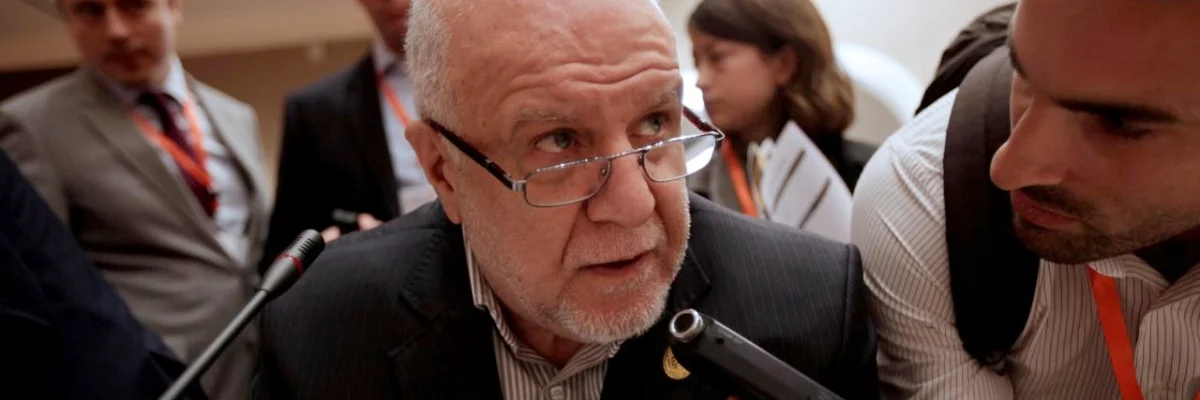
◢ Iran's oil minister walked out of a key meeting with OPEC peers on Thursday, as a rift deepened with regional rival Saudi over its push to ramp up the cartel's oil output. "I do not think we can reach an agreement," Bijan Namdar Zanganeh told reporters at his Vienna hotel after storming out of talks with a group of ministers on the eve of a crucial OPEC meet.
Iran's oil minister walked out of a key meeting with OPEC peers on Thursday, as a rift deepened with regional rival Saudi over its push to ramp up the cartel's oil output.
"I do not think we can reach an agreement," Bijan Namdar Zanganeh told reporters at his Vienna hotel after storming out of talks with a group of ministers on the eve of a crucial OPEC meet.
The talks were meant to lay the groundwork for Friday's gathering of the 14-nation Organization of Petroleum Exporting Countries (OPEC), when the cartel will discuss easing a supply-cut deal with 10 partner countries that has cleared a global oil supply glut and pushed crude prices to multi-year highs.
The output curbs have been in place since January 2017 but Saudi Arabia, backed by non-member Russia, is now pushing to raise production again in order to meet growing demand in the second half of 2018.
But the proposal has run into resistance from Iran, Iraq and Venezuela, who would struggle to immediately raise output and fear losing market share and revenues if other countries open the spigots.
Iran is particularly vocal about its objections as it braces for the impact of fresh US sanctions on its oil exports after President Donald Trump quit the international nuclear agreement.
But Riyadh, which cheered Washington's exit from the nuclear pact, is under pressure from Trump to boost output in order to lower oil prices ahead of November's midterm elections.
Saudi Energy Minister Khalid al-Falih had earlier signaled a compromise could be in the works.
He acknowledged that a big production hike might be "politically unacceptable" to some OPEC countries and said it was important to be "sensitive" to those concerns.
The 24 nations in the pact, known as OPEC+, initially agreed to trim production by 1.8 million barrels a day but they have actually been keeping more than two million bpd off the market.
Observers believe a face-saving deal could be brokered if members simply stopped over-complying with the current pact, and agreed to stick to the original reduction quotas -- which would bring several hundred thousand more barrels to the market each day.
But that is easier said than done since much of the shortfall has come from Venezuela, where an economic crisis has savaged the nation's petroleum production.
Output has also plummeted in Libya, where fighting between rival factions has damaged key oil infrastructure.
Photo Credit:
OPEC Braces for Tough Vienna Talks on Hiking Oil Output
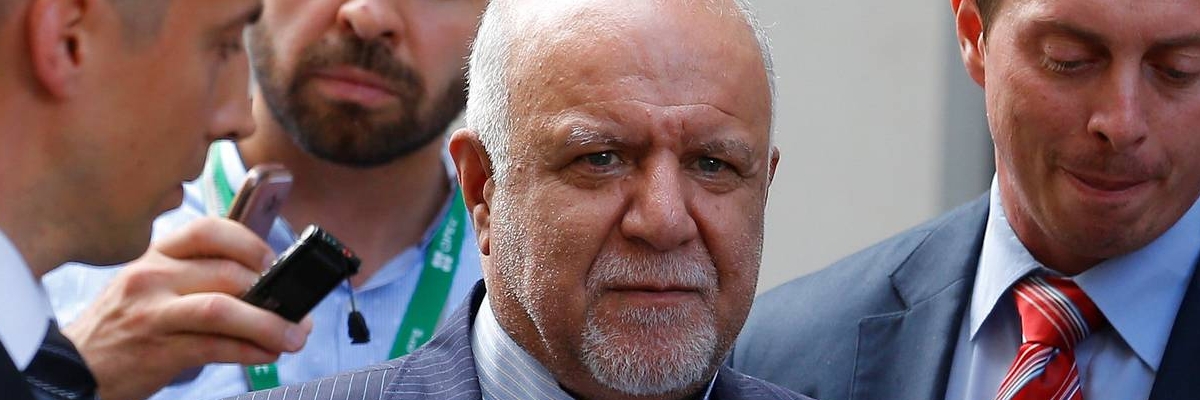
◢ Iran's oil minister on Tuesday said his country would resist unwinding a landmark OPEC agreement to cap oil production, and blamed US President Donald Trump for pushing up crude prices. "I don't believe in this meeting we can reach agreement," Bijan Namdar Zanganeh told reporters in Vienna ahead of the crucial talks.
OPEC ministers arrived in Vienna Tuesday for crunch talks on whether to reverse a landmark pact curbing oil output, with Iran pushing back against Saudi and Russian calls to ramp up production again.
The upcoming June 22-23 meetings of OPEC and non-OPEC energy ministers are set to be the most contentious in a while, with several countries bristling at the thought of reversing a deal that has been in place for 18 months and helped lift oil prices to multi-year highs.
Resistance is being led by Iran, deeply wary of any move by regional rival Saudi Arabia that could push down oil prices at a time when Tehran faces renewed sanctions following US President Donald Trump's decision to quit its international nuclear deal, which is likely to impact the country's oil exports.
However Riyadh, which cheered Washington's exit from the nuclear deal, is under pressure from its US ally to boost output as Trump hopes to keep pump prices low ahead of November's mid-term elections.
"You're dealing with a very political situation," analyst Amrita Sen of Energy Aspects told AFP.
Upon arriving at his Vienna hotel, Iran's oil minister said his country wouldn't back down, and lashed out at Trump for trying to politicize OPEC.
"I don't believe in this meeting we can reach agreement," Bijan Namdar Zanganeh told reporters.
He said Trump was partly to blame for the higher oil prices, saying the US leader had "created difficulty for the oil market" by imposing sanctions on Venezuela and Iran.
"And now he expects OPEC to change something for better prices," Zanganeh said. "This is not fair... OPEC is not part of the Department of Energy of the United States."
Geopolitical Tensions
The 14-nation OPEC cartel and its 10 non-member partner nations, including Russia, together account for more than 50 percent of the world's oil supply, giving them huge sway over the global market.
The so-called OPEC+ group agreed a milestone deal to trim production from January 2017 by 1.8 million barrels a day to clear a global oil glut and shore up low prices.
The strategy paid off, with prices jumping from below $30 a barrel in early 2016 to more than $70 in the second quarter of 2018. The pact was meant to run until the end of this year.
But a collapse in oil production in crisis-hit Venezuela and the prospect of fresh Iranian sanctions have raised fears of a supply crunch that could send prices spiking.
As recently as April however, Saudi Energy Minister Khaled al-Faleh had voiced support for the oil cut deal, saying the market had the capacity to absorb higher prices. But Trump made it clear he disagrees.
"Oil prices are too high, OPEC is at it again. Not good!" he tweeted last week. Observers believe Trump is dialling up the pressure on Riyadh because he wants to offset the expected drop in Iranian production.
In Russia meanwhile, private oil companies are finding it increasingly difficult to justify the cutbacks to shareholders eager to cash in on the higher prices.
For technical reasons, any decision to ramp up output also has to be timed not to coincide with Russia's harsh winter, meaning the next OPEC meeting in November would come too late.
Russia's Energy Minister Alexander Novak pleaded in favor of unwinding the supply-cut pact on Tuesday, citing growing global demand in the months ahead.
"In the third quarter the demand for oil is the highest, so one can expect a shortage in the market if measures are not taken," Novak told Russian news agencies before leaving for Vienna.
To Raise or Not to Raise
Iran is not alone in its battle against output hikes, with Iraq and Venezuela also objecting.
"They stand to lose if production is increased," said SEB bank analyst Bjarne Schieldrop.
According to the International Energy Agency, only a handful of countries in the OPEC+ alliance are realistically able to boost production in the short term.
That includes top supplier Saudi Arabia, its Gulf allies Kuwait and the United Arab Emirates, and Russia.
For most of the others it would make more sense to stick to the restrictions and sell their limited supply at a higher price.
Since OPEC operates on the principle of unanimity, analysts expect some sort of compromise agreement to be thrashed out by Saturday.
"War is war, business is business," said Sen, noting that OPEC ministers have proved before that they are able to set aside geopolitical differences.
Photo Credit: IRNA