
Trump Admin Places Sanctions on Iran Oil Minister
President Donald Trump's administration on Monday slapped fresh sanctions on Iran's oil sector including over sales to Syria and Venezuela, reducing Joe Biden's room for maneuver if he wins next week's election.
By Shaun Tandon
President Donald Trump's administration on Monday slapped fresh sanctions on Iran's oil sector including over sales to Syria and Venezuela, reducing Joe Biden's room for maneuver if he wins next week's election.
The Trump administration has since 2018 enforced sweeping sanctions aimed at ending all of Iran's key oil exports, seeking to choke off all cash sources for the regional nemesis of US allies Saudi Arabia and Israel.
Under the new measures, the administration designated the National Iranian Oil Company, Iran's petroleum ministry and the National Iranian Tanker Company under a counterterrorism authority, raising the bar for any future administration to reverse course.
The Treasury Department issued the sanctions by linking the three entities to the Revolutionary Guards' elite Qods Force, which was earlier designated as a terrorist organization by the United States and whose commander, Qasem Soleimani, was killed in a US attack at Baghdad airport in January.
Secretary of State Mike Pompeo said that the sanctions should send a warning to "the few remaining buyers of Iranian crude oil."
"These designations are an important step in the maximum pressure campaign to limit the Iranian regime's ability to threaten its neighbors and destabilize the Middle East," Pompeo said in a statement.
'Sanction Addict'?
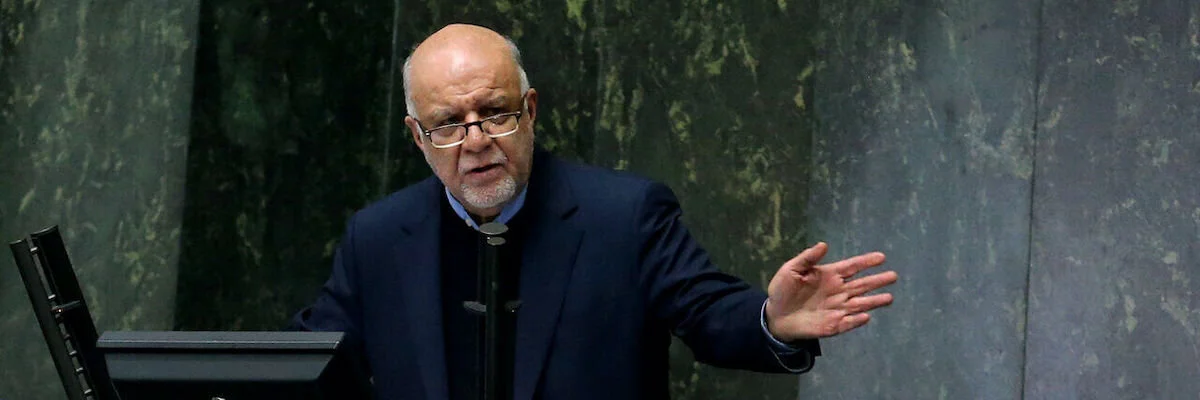
Iranian Oil Minister Bijan Zanganeh denounced the sanctions as a "passive reaction to the failure of Washington's policy of reducing (Iran's) crude oil exports to zero."
"I have no assets outside of Iran to be subject to the sanctions. I would sacrifice my life, belongings and reputation for Iran," Zanganeh, who was also targeted personally, wrote on Twitter.
Foreign Minister Mohammad Javad Zarif called the United States a "#SanctionAddict," tweeting, "Kick the habit."
If Trump loses the November 3 election, the sanctions could be among his last volleys against Iran's leaders.
Biden, who leads in polls ahead of next Tuesday's election, favors diplomacy with Iran and backed an accord negotiated by previous president Barack Obama under which Tehran sharply curtailed nuclear work in exchange for promises of sanctions relief.
Behnam Ben Taleblu, a senior fellow at the Foundation for the Defense of Democracies, a group close to the Trump administration which presses for a hard line against Tehran, said that any administration would face a "significant" burden in clearing Iran over the oil sales in question.
“It's likely that the impact of these penalties, even this late in the game, could outlive the politics of 2020," he said.
The Treasury Department said that a network backed by the Qods Force shipped more than one dozen tankers of oil in spring 2019—mostly to Syria, where Iran is a top backer of President Bashar al-Assad as he emerges from a brutal civil war.
Separate from the terrorism designations, the Treasury Department imposed sanctions on a British-based Iranian businessman, Mahmoud Madanipour, and related companies for transactions with Venezuela.
The Treasury Department accused him of arranging the shipment of tens of thousands of metric tons of gasoline to Venezuela, where Trump has been trying unsuccessfully to depose the leftist leader, Nicolas Maduro, who has recently stepped up economic ties with Iran.
Earlier this month, the administration took another major step to cripple the Iranian economy by imposing sanctions on the nation's banks—making most transactions with the outside world difficult.
The measures alarmed European allies of the United States which warn of dire consequences even to humanitarian trade, although the Trump administration insists it is not targeting food or medicine.
Photo: IRNA
US Blacklists UAE Firms for Supporting Iran Airline
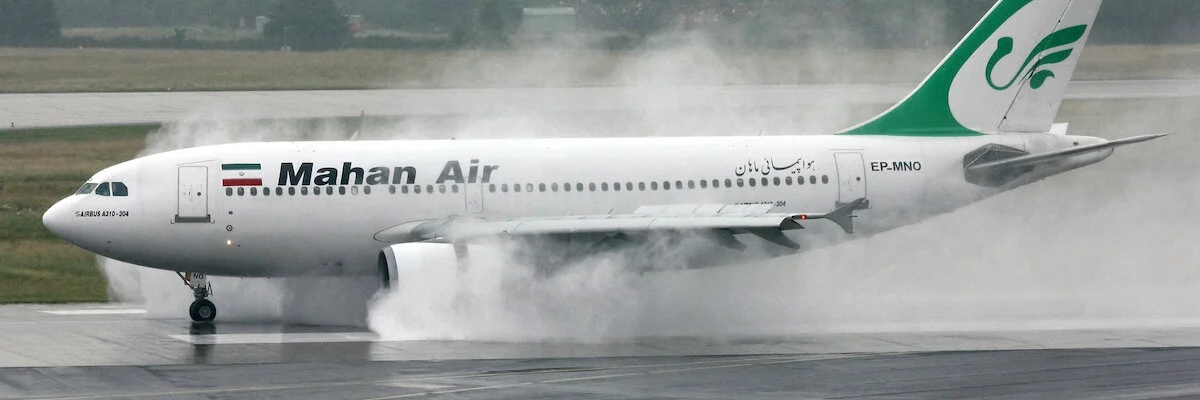
The US Treasury placed two United Arab Emirates-based companies on its sanctions blacklist Wednesday for their support of Iran's already-sanctioned Mahan Air.
By Giuseppe Cacace
The US Treasury placed two United Arab Emirates-based companies on its sanctions blacklist Wednesday for their support of Iran's already-sanctioned Mahan Air.
UAE-based Parthia Cargo and Delta Parts Supply FZC "have provided key parts and logistics services for Mahan Air," the Treasury said.
The two companies were involved in obtaining spare parts and materials for US-made jets that Mahan operates—sanctions block Iran from freely acquiring those parts.
Mahan, one of Iran's leading carriers, has been blacklisted under US counterterrorism regulations for its close relationship with the Islamic Revolutionary Guard Corps-Quds Force, which Washington says carries out terror activities in the Middle East.
Mahan Air especially has been used by the Revolutionary Guards to support the regimes of Syrian leader Bashar al-Assad and Venezuelan President Nicolas Maduro, according to the Treasury.
"The Iranian regime uses Mahan Air as a tool to spread its destabilizing agenda around the world, including to the corrupt regimes in Syria and Venezuela, as well as terrorist groups throughout the Middle East," said Treasury Secretary Steven Mnuchin in a statement.
"The United States will continue to take action against those supporting this airline."
The Treasury also placed sanctions on UAE-based Iranian national Amin Mahdavi, who the Treasury said either owns or controls Parthia Cargo.
The sanctions aim at blocking those targeted from accessing global financial and commercial networks by forbidding anyone from trading with them.
In a parallel move, the US Justice Department filed criminal charges in federal court in Washington against Mahdavi and Parthia for "participating in a criminal conspiracy to violate US export laws and sanctions against Iran."
Photo: Wikicommons
US Seizes Iranian Petrol Destined for Venezuela
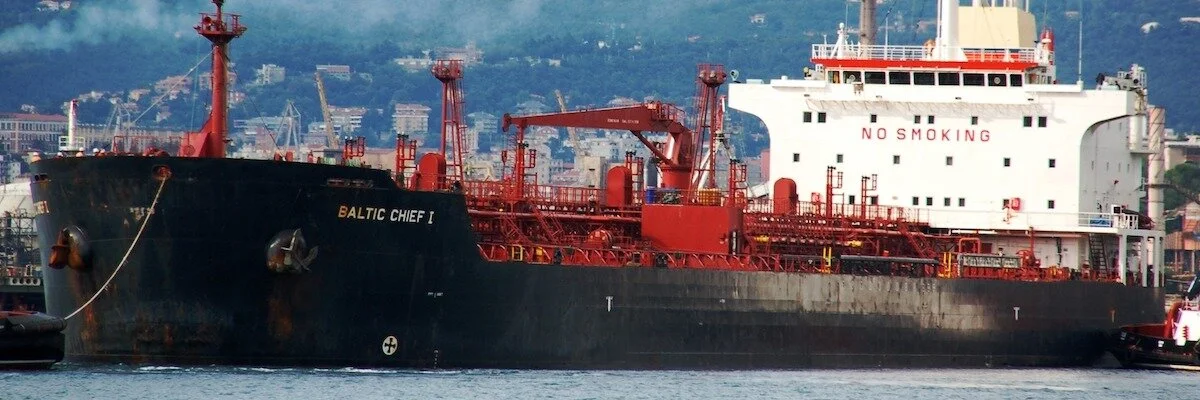
The United States has seized the cargo on four tankers allegedly loaded with Iranian gasoline destined for Venezuela, the Wall Street Journal reported.
The United States has seized the cargo on four tankers allegedly loaded with Iranian gasoline destined for Venezuela, the Wall Street Journal reported.
The US Justice Department issued a warrant last month to seize the cargo of the tankers Bella, Bering, Pandi and Luna, tying the shipments to Iran's Revolutionary Guards, which Washington has labelled a terror group.
The four ships were seized at sea and were now en route to Houston, Texas, the Journal reported Thursday, citing US officials.
The US court complaint says that Iranian businessman Mahmoud Madanipour, who allegedly had links to the Revolutionary Guards, arranged shipments for Venezuela using offshore front companies and ship-to-ship transfers to avoid sanctions on Iran.
Iran's ambassador to Venezuela said reports that Iranian tankers had been seized were "yet another lie and psychological warfare" by the United States.
"The ships are not Iranian, and neither the owner nor its flag has anything to do with Iran," Hojat Soltani said on Twitter in Spanish.
Venezuela is almost entirely dependent on its oil revenues but its production has fallen to roughly a quarter of its 2008 level and its economy has been devastated by six years of recession.
Washington's sanctions against President Nicolas Maduro's regime have forced Venezuela, which used to refine enough oil for its own needs, to turn to allies such as US nemesis Iran to alleviate a desperate gasoline shortage.
Iran sent several tankers of gasoline to Venezuela earlier this year to help ease shortages.
Photo: Fleetmon
US Hits Top Iranian Officials for Human Rights Abuses
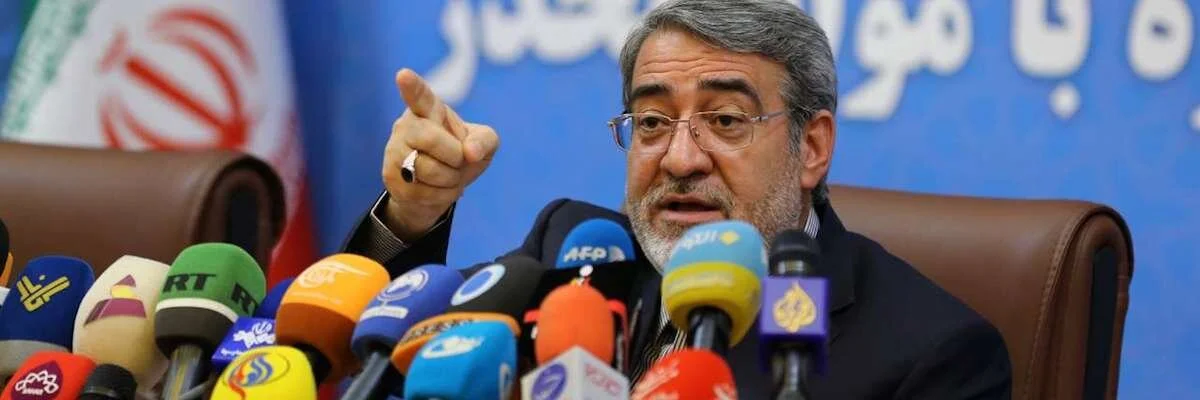
The US government imposed sanctions on Wednesday on an Iranian government minister and senior law enforcement and military officials over human rights abuses.
The US government imposed sanctions on Wednesday on an Iranian government minister and senior law enforcement and military officials over human rights abuses.
"The Iranian regime violently suppresses dissent of the Iranian people, including peaceful protests, through physical and psychological abuse," Treasury Secretary Steven Mnuchin said in a statement.
"The United States will continue to hold accountable Iranian officials and institutions that oppress and abuse their own people."
The sanctions target Interior Minister and chair of Iran's National Domestic Security Council (NDSC), Abdolreza Rahmani Fazli, seven law enforcement officials and an IRGC commander.
The Treasury alleged that Rahmani Fazli has issued orders authorizing Iran's Law Enforcement Force to use "lethal force in response to the November 2019 protests, resulting in violence against peaceful protestors and bystanders. His orders led to the killing of many protestors, including at least 23 minors."
Washington also targeted IRGC Brigadier General Hassan Shahvarpour Najafabadi, Law Enforcement Force Commander Hossein Ashtari Fard, and Deputy Commander Ayoub Soleimani.
The sanctions block all US assets and property of the officials and prevent US financial institutions from dealing with them.
The steps also have implications for foreign banks and businesses which can run afoul of US authorities if they engage in transactions with sanctioned officials or firms.
The State Department also sanctioned Rahmani Fazli for "his involvement in gross violations of human rights," barring him and his family from entering the United States.
The US government said the LEF was "responsible for or complicit in serious human rights abuses that have occurred since the disputed June 2009 presidential election and ensuing protests."
The LEF also operates detention centers associated with physical and psychological abuses, and was implicated in the torture and drowning of Afghan nationals attempting to cross into Iran, according to the US government.
Photo: IRNA

Swiss Humanitarian Channel to Iran Takes Effect
◢ A new Swiss payment mechanism allowing food, medicine and other humanitarian aid to be sent to Iran without stumbling over US sanctions has officially taken effect, Bern said Thursday. Iran has been facing severe medical shortages since the US pulled out of a landmark nuclear deal and reimposed crippling sanctions on the country in 2018.
A new Swiss payment mechanism allowing food, medicine and other humanitarian aid to be sent to Iran without stumbling over US sanctions has officially taken effect, Bern said Thursday.
The system was created to allow Swiss companies in the food, pharmaceutical and medical sectors to make aid shipments to Iran without drawing the wrath of Washington for breaching a vast range of sanctions against the Islamic country.
"The Swiss Humanitarian Trade Arrangement (SHTA), a payment mechanism to enable humanitarian goods to be delivered to Iran, came into effect on 27 February," the Swiss economic affairs ministry (SECO) said in a statement.
Iran has been facing severe medical shortages since the US pulled out of a landmark nuclear deal and reimposed crippling sanctions on the country in 2018.
Washington had exempted humanitarian goods, especially medicines and medical equipment from its punitive measures.
But international purchases of such supplies are forestalled by banks being wary of conducting any business with Iran, for fear of falling foul of sanctions themselves.
This has sent medicine prices in Iran soaring and has had severe consequences, especially for people suffering from rare or special diseases that require imported medication.
An Iranian representative, Farhad Memelohi, for instance told the UN Human Rights Council in Geneva Thursday that "at least 15 Iranian children with epidermolysis bullosa (EB) had died due to the lack of medication and equipment, resulting from US sanctions."
He said the Swedish pharmaceutical company supplying protective bandages for patients who suffer from the genetic condition that results in easy and dangerous blistering of the skin, "halted their supplies due to the restrictions."
The new coronavirus epidemic, which has hit Iran particularly hard, has put further pressure on the health system and there is a shortage of face masks.
SECO said Swiss authorities had been working "intensively" since late 2018 to implement a humanitarian payment mechanism, hailing that the SHTA agreement had finally taken effect.
"In this way, Switzerland is helping to supply the Iranian population with agricultural commodities, food, medicines and medical equipment ... in keeping with Switzerland's humanitarian tradition," it said.
Under the agreement, the US Treasury Department will provide involved Swiss banks and companies "with the necessary assurances that financial transactions can be processed in accordance with US legislation."
In return, the exporters and banks will provide SECO with "detailed information about their business activities and business partners in Iran and the transactions they carry out," the statement said.
Swiss authorities will then make that information available to their US counterparts, and they will work together to ensure "increased due diligence" regarding the transactions, it added.
A pilot transaction was conducted last month after the Swiss government approved the agreement in principle, allowing for an initial payment for the shipment of cancer drugs and medicines required for organ transplants to Iran.
Photo: Fars
U.S. Lifts Sanctions on Unit of China’s Biggest Shipping Company
◢ The U.S. lifted sanctions against a unit of China’s biggest shipping company that was accused of hauling Iranian crude in violation of American restrictions. The penalties had barred U.S. citizens and companies from dealing with the firms, effectively blocking them from American banks at the heart of the global financial system.
By Stephen Cunningham
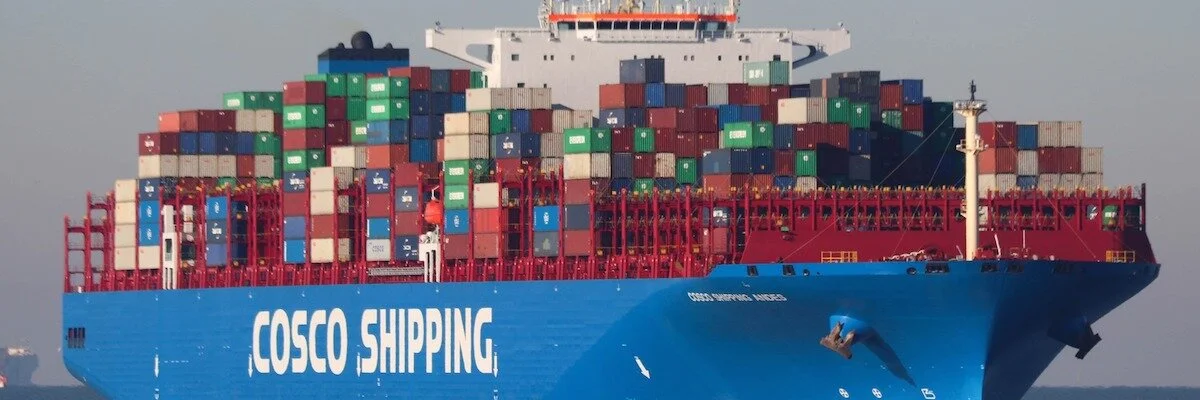
The U.S. lifted sanctions against a unit of China’s biggest shipping company that was accused of hauling Iranian crude in violation of American restrictions.
According to a notice posted on the Treasury Department’s website Friday in Washington, sanctions were removed. In September, restrictions were placed on the Dalian units of China COSCO Shipping Corp., sending freight rates soaring as traders canceled charters linked to the parent company. Four other Chinese entities were also sanctioned.
Tanker stocks DHT Holdings Inc, Nordic American Tankers Ltd., Frontline Ltd. and Teekay Corp. fell following Friday’s announcement, all dropping by more than 4%.
“With all of the sanctioned tankers back in the open market, overcapacity will weigh even faster and heavier on rates,” said Peter Sand, chief shipping analyst at Bimco. “In combination with demand being low from China, this will be an added burden for the crude oil tanker market.”
Temporary Waivers
The penalties had barred U.S. citizens and companies from dealing with the firms, effectively blocking them from American banks at the heart of the global financial system. However, companies still doing business with the COSCO unit were twice given temporary waivers to wind down their transactions, with the latest one due to run out on Feb. 4.
“The actual impact via the COSCO sanctions was limited as temporary waivers allowed most of the vessels to continue to operate on global trade routes,” said Randy Giveans, vice president for equity research at Jefferies LLC in Houston. “And other vessels just switched to regional, short-haul trades.”
The announcement comes weeks after U.S. President Donald Trump called a truce in his trade war with China and signed what both sides called a “phase one” agreement. In October, people familiar with the matter said China was planning to ask the U.S. to lift the sanctions during trade negotiations in Washington.
Rates to transport oil had soared when the restrictions were placed on the COSCO units, data from the Baltic Exchange in London show. Daily earnings for 2 million-barrel carrying supertankers hit $300,000 a day briefly in October, before quickly retreating as trades become more challenging due to the high cost of moving cargoes. They still remained high by industry standards, though, and exceeded $100,000 as recently as this month.
Even if rates decline further after the return of the sanctioned ships, it won’t necessarily boost U.S. crude exports to China. Beijing’s 5% tax on American crude imports, in effect since September, is an obstacle.
”U.S. crude exports to China would still require the dismantling of Beijing’s U.S. crude tariffs,” said Frode Morkedal, managing director of equity research at Clarksons Platou Securities AS, an investment banking unit of the world’s biggest ship-broker.
Photo: FleetMon
Indonesian Man and Three Companies Breached Iran Sanctions, U.S. Says
◢ An Indonesian man and three businesses from that nation have been charged with plotting to send goods and technology to Iran in violation of American economic sanctions. Sunarko Kuntjoro, who remains at large in Indonesia, and the three companies face an eight-count indictment in Washington.
By Andrew Harris and Harry Suhartono
An Indonesian man and three businesses from that nation have been charged with plotting to send goods and technology to Iran in violation of American economic sanctions.
Sunarko Kuntjoro, who remains at large in Indonesia, and the three companies face an eight-count indictment in Washington, federal prosecutors said in a statement Tuesday. The three companies are PT MS Aero Support, PT Kandiyasa Energi Utama and PT Antasena Kreasi.
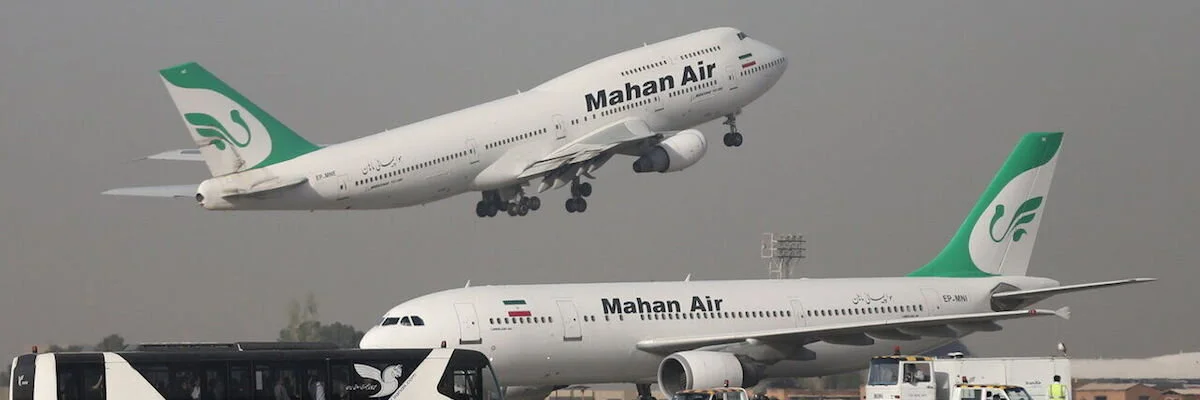
“The U.S.-origin goods were destined for an Iranian aviation business end user, Mahan Air, and the defendants conspired to make a financial profit for themselves and other conspirators, and to evade export regulations, prohibitions and licensing requirements,” the Justice Department said in a statement.
The airline was not charged. Kuntjoro, a former director at Indonesian flag carrier PT Garuda Indonesia, said he couldn’t comment and that he hadn’t been formally notified. Calls to Aero Support and Kandiyasa Energi went unanswered. Contact information for Antasena Kreasi wasn’t immediately available.
Kuntjoro, 68, who is identified as the majority owner of MS Aero Support, is accused of plotting with Mahan Air, one of its executives, and an American person and company to ship goods owned by Mahan Air to the U.S. for repair and re-export them to Iran. The American person and company weren’t named or charged.
The conspiracy ran from 2011 to 2018, prosecutors said.
Kuntjoro is also charged with money laundering and other crimes. Information on his attorney wasn’t immediately available.
Photo: IRNA

US Sanctions Threaten Iranians' Right to Health: HRW
◢ Washington's sanctions against Tehran have drastically reduced available channels for humanitarian imports and are threatening the health rights of Iranians, Human Rights Watch said Tuesday. Iranian patients have struggled with a foreign medicine shortage and price hikes for over a year both due to reimposed US trade sanctions as well as a battered economy with a free-falling currency.
Washington's sanctions against Tehran have drastically constrained its ability to pay for humanitarian imports and are threatening the health rights of Iranians, Human Rights Watch said Tuesday.
US President Donald Trump unilaterally withdrew from the 2015 Iran nuclear deal last year and reimposed punishing sanctions as part of a stated campaign of "maximum pressure" against the Islamic republic.
Officially, the punitive measures make exceptions for food, medicine and other humanitarian goods, but most companies are unwilling to do any trade with Iran for fear of repercussions in the world's largest economy.
Trump "administration officials claim they stand with the Iranian people, but the overbroad and burdensome US sanctions regime is harming Iranian's right to health, including access to live-saving medicines", said Sarah Leah Whitson, Middle East director at HRW.
"The comprehensive web of US sanctions has led banks and companies to pull back from humanitarian trade with Iran, leaving Iranians who have rare or complicated diseases unable to get the medicine and treatment they require," she added.
The sanctions include previously suspended nuclear-related embargoes including on Iran's oil exports and financial transactions, with new ones added.
The US Treasury said they were imposed to make Iran's leaders "cease support for terrorism, stop proliferating ballistic missiles, end destructive regional activities, and abandon their nuclear ambitions".
In a 47-page report, HRW documents how the US-built exemptions for humanitarian imports into its sanctions regime have failed to offset the strong reluctance of US and European companies and banks to finance humanitarian goods.
Iranian patients have struggled with a foreign medicine shortage and price hikes for over a year both due to reimposed US trade sanctions as well as a battered economy with a free-falling currency.
Medicine importers get subsidised currency rates from the government, yet foreign drugs and medical equipment cannot always be found in state-owned pharmacies.
Iran produces 96 percent of the drugs it uses but imports more than half the raw materials to make them, according to the Syndicate of Iranian Pharmaceutical Industries.
It also has to import special medicine which patients with rare diseases require.
HRW called on the US to "get serious about addressing the harm resulting from its cruel sanctions regime".
Washington must create "a viable financial channel with reasonable requirements for companies, banks and groups to provide humanitarian goods for people in Iran," it said.
Photo: IRNA
U.S.-Sanctioned Cosco Unit Gets Two-Month Wind-Down Period
◢ Companies still doing business with a U.S.-sanctioned unit of China’s biggest shipping company have less than 60 days to wind down their transactions. The temporary reprieve comes after last month’s surprise announcement of sanctions against the Dalian units of China COSCO Shipping Corp.
By Stephen Cunningham
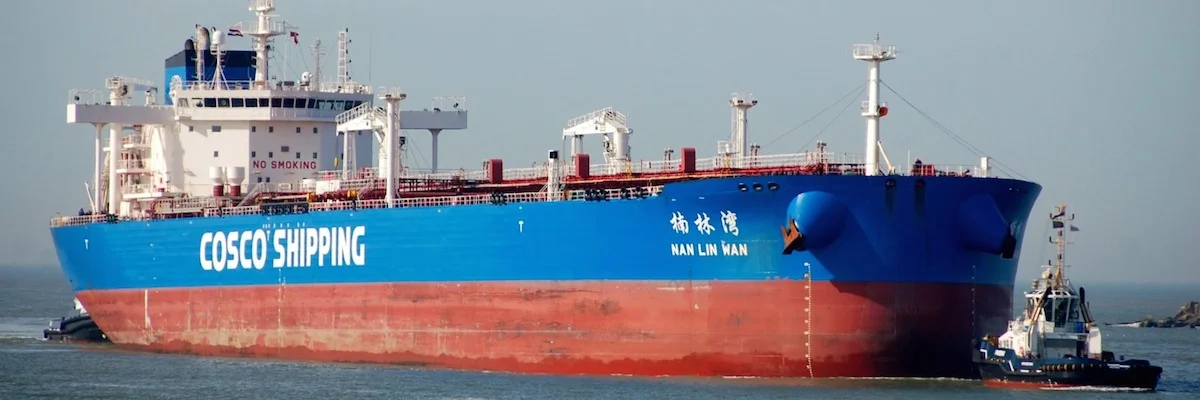
Companies still doing business with a U.S.-sanctioned unit of China’s biggest shipping company have less than 60 days to wind down their transactions.
The temporary reprieve comes after last month’s surprise announcement of sanctions against the Dalian units of China COSCO Shipping Corp. caused freight rates to skyrocket as traders canceled charters linked to the parent company.
The U.S. on Thursday issued a license permitting activities deemed necessary to the “maintenance or wind down of transactions” with one of the units, Shipping Tanker (Dalian) Co., until Dec. 20, according to a statement.
Tanker stocks DHT Holdings Inc, Nordic American Tankers Ltd., Frontline Ltd. and Teekay Corp. fell following the announcement.
The Treasury Department sanctioned the Dalian units in September for allegedly hauling Iranian crude. Four other Chinese entities were also sanctioned at the same time. The penalties bar U.S. citizens and companies from dealing with the firms, effectively blocking them from American banks at the heart of the global financial system.
Tanker rates soared after the sanctions as shippers scrambled to find replacement ships, depressing refining margins and affecting normal crude flows around the world.
The sanctions also created uncertainty among among shippers on whether cargoes that had already been loaded onto the vessels of sanctioned firms could be delivered or not.
Photo: Fleetmon
Trump’s Top Sanctions Official Departing for Private Sector
◢ The U.S. Treasury Department’s top sanctions official, Sigal Mandelker, plans to leave the Trump administration after helping to increase the pace of economic penalties against American adversaries. Mandelker, who joined the Treasury Department in June 2017, has helped lead new sanctions on countries including North Korea, Russia, Venezuela, and Iran.
By Saleha Mohsin
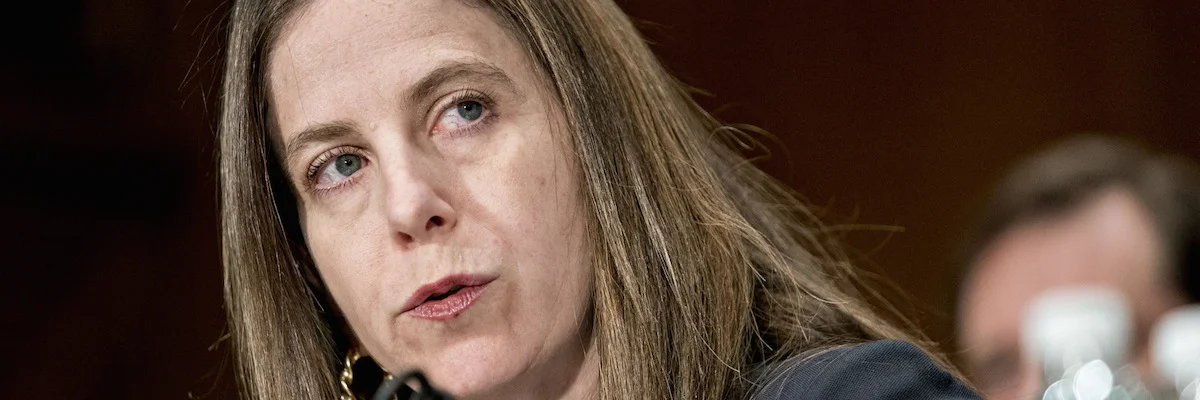
The U.S. Treasury Department’s top sanctions official, Sigal Mandelker, plans to leave the Trump administration after helping to increase the pace of economic penalties against American adversaries.
Mandelker, who joined the Treasury Department in June 2017, has helped lead new sanctions on countries including North Korea, Russia, Venezuela, and Iran. She plans to take a job in the private sector.
She moved to Washington from New York to work in the Trump administration.
The Wall Street Journal first reported her plans for departure, citing Treasury Secretary Steven Mnuchin and Mandelker.
“She is a fierce advocate for effectively leveraging our powerful economic tools to make an impact for a safer world,” Mnuchin said in a statement. “Sigal’s steadfast devotion to mission will be missed, as she is truly a unique talent.”
Mandelker plans to depart in coming weeks and will leave Mnuchin with one of three undersecretary jobs filled.
Deputy Treasury Secretary Justin Muzinich will take Mandelker’s portfolio after she departs in the next few weeks, a Treasury spokesman said. Muzinich also oversees the domestic finance unit, leaving two of the agency’s three offices under his purview while the undersecretary seats remain open.
Mnuchin has struggled to fill top jobs at the department since the start of the Trump administration. The Treasury chief hasn’t replaced Eli Miller, who left as chief of staff in April, or Craig Phillips, who served as a counselor leading the domestic finance unit until May.
Photo: Bloomberg
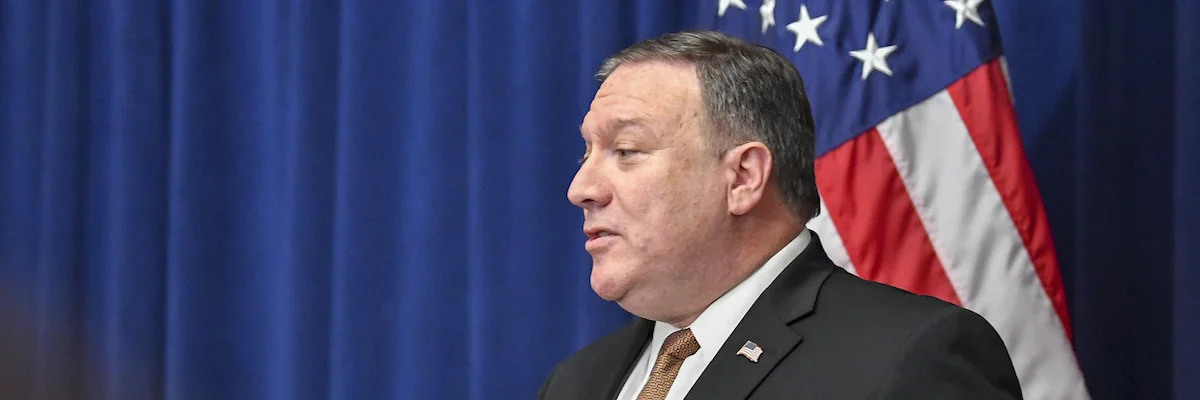
Pompeo Says U.S. Working on Diplomacy After Iran ‘War’ Act
◢ Secretary of State Michael Pompeo said the U.S. is “working diligently” toward a diplomatic resolution with Iran after accusing the Islamic Republic of attacks on Saudi Arabian oil fields, but that President Donald Trump is prepared to take other action if necessary.
By Mark Niquette
Secretary of State Michael Pompeo said the U.S. is “working diligently” toward a diplomatic resolution with Iran after accusing the Islamic Republic of attacks on Saudi Arabian oil fields, but that President Donald Trump is prepared to take other action if necessary.
“Make no mistake about it, if we’re unsuccessful in that and Iran continues to strike out in this way, I am confident that President Trump will make the decisions necessary to achieve our objectives,” Pompeo said on ABC’s “This Week” on Sunday, one of multiple TV appearances ahead of the United Nations General Assembly in New York this week.
State Secretary Mike Pompeo said Trump and the U.S. is working toward a diplomatic resolution with Iran, but also that the "Iranians are blood-thirsty and looking for war" in his TV rounds on Sunday
Top Pentagon officials on Friday said the U.S. will send a “moderate” number of troops to the Middle East and additional missile defense capabilities to Saudi Arabia in response to last weekend’s attack on oil facilities, which disrupted about 5% of global oil production.
Iranian Foreign Minister Mohammad Javad Zarif refused to rule out military conflict in the Middle East, saying in an interview Sunday on CBS’s “Face the Nation” that “I’m not confident that we can avoid a war.”
Asked whether he’s confident of avoiding a war, Pompeo said, “we’re working towards that.” In a interview airing on CBS, Pompeo said the U.S. will respond in a way that reflects what he called “an attack by Iran on the world” and a “state-on-state act of war.” He said the U.S. is looking for a diplomatic resolution, while “apparently the Iranians are blood-thirsty and looking for war.”
Pompeo said the U.S. maximum-pressure campaign, which includes sanctions on Iran’s central bank and sovereign-wealth fund, is working and that the Iranian economy will shrink by about 10% to 15% this year.
Treasury Secretary Steven Mnuchin, in an interview on NBC’s “Meet the Press,” said there’s still room for more sanctions.
“Although we’re pretty much maxed out on Iran, we will begin to sanction third-party entities where we see violations,” he said.
Republican Senator Lindsey Graham, chairman of the Judiciary Committee, said on Fox News’s “Sunday Morning Futures” that economic sanctions aren’t enough because Iranians “would eat grass if that’s what it took” and that military action is also needed. He suggested targeting Iran’s oil refineries and that Iran knows it would never win a war with the U.S.
“I don’t want a war with Iran, but I want them to stop, and the only way they’re going to stop is to pay a price,” Graham said. “And the price I want them to pay is to lose some of their military capability.”
Photo: State Department
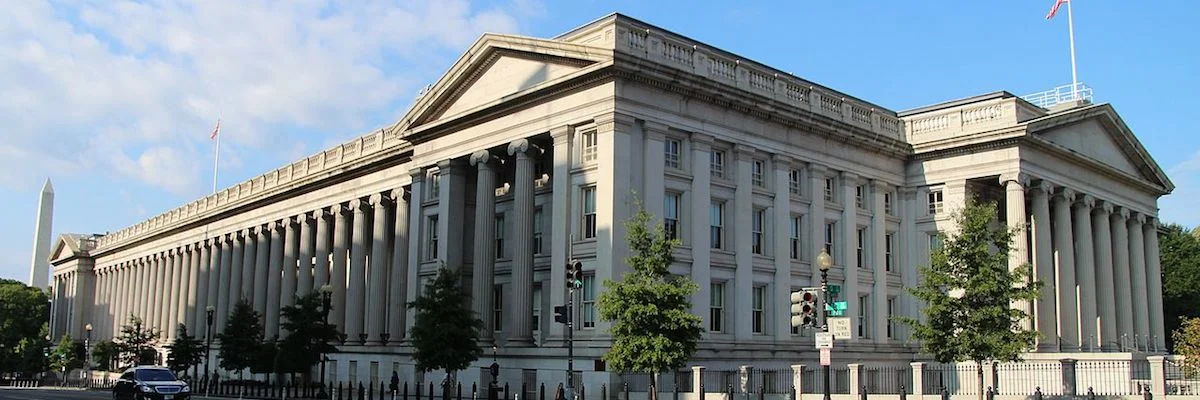
US Hits Iran 'Nuclear Enrichment Network' with Sanctions
◢ The US Treasury named a group of companies in Iran, Belgium and China to its sanctions blacklist Thursday for acting as a supply network for Tehran's nuclear enrichment program. The companies served as a procurement network for Iran's Centrifuge Technology Company (TESA), which produces enrichment centrifuges for the Atomic Energy Organization of Iran (AEOI), the Treasury said.
The US Treasury named a group of companies in Iran, Belgium and China to its sanctions blacklist Thursday for acting as a supply network for Tehran's nuclear enrichment program.
The companies served as a procurement network for Iran's Centrifuge Technology Company (TESA), which produces enrichment centrifuges for the Atomic Energy Organization of Iran (AEOI), the Treasury said.
The network was led by Iranian firm Bakhtar Raad Sepahan and its overseas affiliates. It also included a Chinese firm, Henan Jiayuan Aluminum Industry Company, which was also sanctioned.
Other sanctioned entities are front companies based in China and Belgium, the Treasury said.
"Treasury is taking action to shut down an Iranian nuclear procurement network that leverages Chinese- and Belgium-based front companies to acquire critical nuclear materials and benefit the regime's malign ambitions," said Treasury Secretary Steven Mnuchin in a statement.
“Iran cannot claim benign intent on the world stage while it purchases and stockpiles products for centrifuges."
The sanctions were announced ten days after AEOI said its resumed enrichment operations had surpassed limits placed by the 2015 nuclear deal, a deliberate move to press other parties into keeping their side of the bargain.
US President Donald Trump withdrew from the deal between Iran and six world powers in May 2018 and has since reimposed sanctions on many sectors including the crucial oil and financial industries.
Iran demanded the other parties—France, Germany, Britain, China and Russia—take steps to guarantee the economic benefits Iran was promised for the drastic limitations imposed on its nuclear program.
Trump warned last week that sanctions against Iran would be "increased substantially" after Tehran surpassed the enrichment cap in the 2015 deal.
Photo: Wikicommons
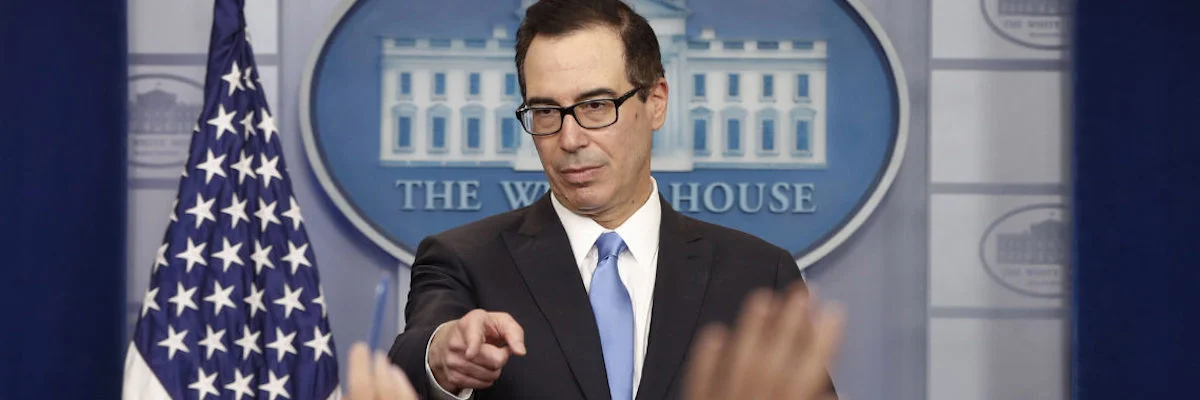
Mnuchin Warns Europe Not to Breach U.S. Sanctions on Iran
◢ Treasury Secretary Steven Mnuchin made clear that participating in the U.S. financial system means abiding by its sanctions amid a European effort to sidestep American economic pressure on Iran to continue trade. “We’ve been very clear that we expect U.S. sanctions to be adhered to,” Mnuchin said in response to questions from reporters on Thursday.
By Saleha Mohsin
Treasury Secretary Steven Mnuchin made clear that participating in the U.S. financial system means abiding by its sanctions amid a European effort to sidestep American economic pressure on Iran to continue trade.
Germany, France and the U.K. created a trade vehicle known as INSTEX in January to allow companies to do some trade with Iran without the use of U.S. dollars or American banks—thus allowing them to get around wide-ranging American sanctions that were imposed after the Trump administration abandoned the 2015 Iran nuclear deal last year.
“We’ve been very clear that we expect U.S. sanctions to be adhered to,” Mnuchin said in response to questions from reporters on Thursday in France where he met with Group of Seven counterparts. “Whether it’s Iran or anyone else, if people want to participate in the dollar system people will be obligated to follow the U.S. sanctions.”
He said that INSTEX should be “careful on diligence.”
Treasury’s top sanctions official, Sigal Mandelker, sent a letter in May warning European allies not to violate sanctions through Instex. Mnuchin confirmed that a letter was sent.
European countries broadly opposed Trump’s decision to withdraw from the nuclear accord but have struggled to deliver the economic benefits Iran expected from the deal, known as the Joint Comprehensive Plan of Action, since the U.S. quit. In the meantime, U.S. sanctions have delivered a blow to Iran’s economy, fueling inflation, reducing oil revenue and pressuring President Hassan Rouhani’s government. INSTEX was supposed to help address that, but so far it has largely failed to get up and running.
Frustrated at the U.S. withdrawal and stalled European efforts, Iran has already breached some of the limits on its nuclear program imposed under the deal, and has warned European governments that it will give up on the accord entirely unless they can find some way to work around the U.S. sanctions.
Photo: White House
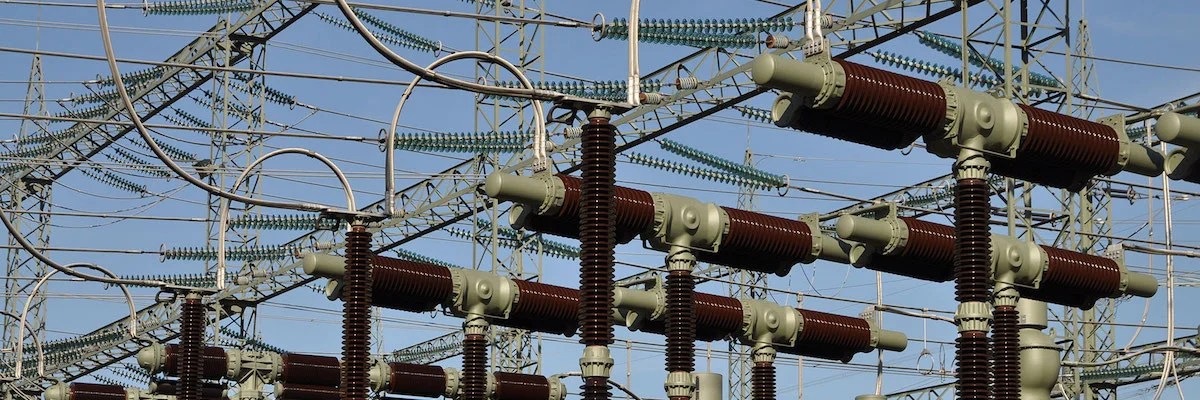
Iraq Sets Up 'Loophole' in US Sanctions to Buy Iranian Power
◢ Iraq is establishing a financial "loophole" to continue buying vital gas and electricity from Iran despite US sanctions, AFP has learned, mirroring a European mechanism that came into effect Friday. The "special purpose vehicle" (SPV) would allow Iraq to pay for imported Iranian energy in Iraqi dinars, which Iran could use to exclusively buy humanitarian goods, three senior Iraqi officials said.
By Maya Gebeily
Iraq is establishing a financial "loophole" to continue buying vital gas and electricity from Iran despite US sanctions, AFP has learned, mirroring a European mechanism that came into effect Friday.
The "special purpose vehicle" (SPV) would allow Iraq to pay for imported Iranian energy in Iraqi dinars, which Iran could use to exclusively buy humanitarian goods, three senior Iraqi officials said.
The workaround would allow Baghdad to keep the lights on and avoid shortage-driven protests without triggering US sanctions, as it treads an increasingly precarious tightrope between its two main allies Tehran and Washington.
One senior government official told AFP it was the product of months of talks between Iraqi, Iranian and US officials.
"The Iraqi government will continue to pay Iran for gas by depositing money into a special bank account inside Iraq, in Iraqi dinars," the official said.
"Iran will not be able to withdraw the money, but will be able to use it to purchase goods from outside Iraq."
Iraq has an outstanding bill of around $2 billion for previous gas and electricity purchases, according to Iranian Oil Minister Bijan Zangeneh.
A US official told AFP that Washington was aware of the mechanism's creation.
The US embassy in Baghdad declined to comment, while Iran's embassy did not respond to an AFP request.
Two additional high-level Iraqi officials confirmed Baghdad was establishing such an account with US knowledge, but could not say whether payments into the account had begun.
"How else is Iraq supposed to pay what it owes Iran? We have no other choice," the second official said.
‘Iran's ATM'
To offset its notorious power shortages, Iraq imports around 1,400 MW of electricity and 28 million cubic meters (988 million cubic feet) of gas for power stations from neighboring Iran, which together make up about a third of Iraq's power supply.
That reliance has angered the US, which slapped tough sanctions on Iran last year but has granted Iraq several temporary waivers to keep purchasing Iranian power until October.
The US insists Iraq wean itself off Iranian energy, but Baghdad has said that could take up to four years, during which it would need to keep purchasing at least Iranian gas.
To do so, the central banks of Iran and Iraq agreed in February to create a payment method that steers clear of US sanctions, Iran's state news agency IRNA said, without providing additional details.
That would mean not dealing in US dollars and purchasing only "humanitarian goods" allowed by the US -- like food and medicine.
"We would become Iran's ATM," another Iraqi official told AFP.
According to two of the senior Iraqi officials, Baghdad's SPV would likely be set up at the Trade Bank of Iraq.
The TBI has handled most of the Iraqi government's international transactions since its establishment in the aftermath of the US-led invasion in 2003.
A senior TBI source told AFP the bank had been involved in the negotiations but the account had not yet been created.
"The US Treasury has confidence in the TBI's processes. We are in discussions to reach an agreement, which would be fully within US exemptions," the source said.
'Like a Ledger'
It would effectively be a "loophole" around sanctions, said Ahmed Tabaqchali, senior fellow at the Sulaymaniyah-based Institute of Regional and International Studies.
"It's like a ledger. You record the money paid, and Iran has that much credit in Iraq," Tabaqchali told AFP.
The system would work much like INSTEX, a mechanism recently activated by Britain, Germany and France to trade legitimately with Iran without falling foul of US sanctions.
Still, the system is fraught with political, financial and practical complexities
Iraq's economy relies almost exclusively on oil revenues, paid in dollars, which leaves Baghdad extremely vulnerable to any punitive measures the US could take in response to a violation.
It also remains unclear what exactly Iran could purchase from Iraq as trade is heavily tilted in the other direction.
"Credit would develop in Iran's favour but how would it actually cash it?" said Tabaqchali.
Importing goods from outside Iraq would require a third party willing to take the political and financial risk of such a transaction, he told AFP.
And, ultimately, much of Iraq's transactions with Iran are cash purchases of commercial goods—something US authorities implementing sanctions are unable to monitor.
"Cash is untraceable," said Tabaqchali.
Photo: Wikicommons
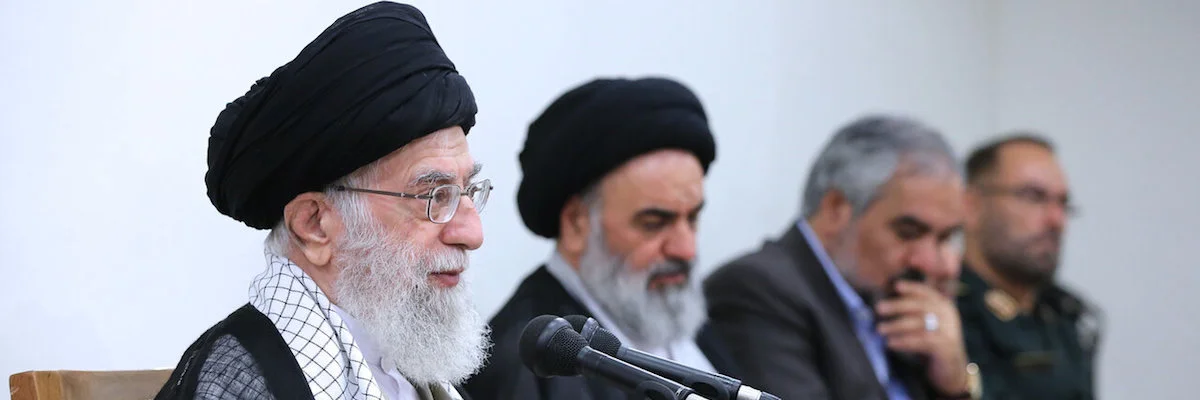
Trump Sanctions Iran's Supreme Leader in Provocative Move
◢ President Donald Trump imposed sanctions on Iran’s supreme leader, Ayatollah Ali Khamenei, and eight senior military commanders, a provocative step designed to increase pressure on the Islamic Republic. Trump told reporters at the White House on Monday that the penalties would deny Khamenei and his office access to financial resources.
By Saleha Mohsin and Shannon Pettypiece
President Donald Trump imposed sanctions on Iran’s supreme leader, Ayatollah Ali Khamenei, and eight senior military commanders, a provocative step designed to increase pressure on the Islamic Republic.
Trump told reporters at the White House on Monday that the penalties would deny Khamenei and his office access to financial resources.
“The supreme leader of Iran is the one who ultimately is responsible for the hostile conduct of the regime,” Trump said.
Trump last week abruptly canceled planned air strikes against Iran for shooting down a U.S. Navy drone on Thursday. The administration also blames Iran for recent attacks on two oil tankers near the Persian Gulf, though Iran denies it.
The penalties won’t have a significant impact on a country that’s already in recession and facing heavy sanctions from the U.S. Still, the new restrictions serve as symbolic reprimand for the attacks, according to former Treasury officials.
‘Annoy the Iranians’
“It will have an effect because it will annoy the Iranians and make negotiations hard to pull off if the supreme leader is sanctioned,” said Brian O’Toole, a senior fellow at the Atlantic Council who previously worked in the U.S. Treasury Department’s sanctions unit.
The U.S. already has sanctioned more than 80% of Iran’s economy, according to Secretary of State Michael Pompeo. He’s en route to Saudi Arabia and the United Arab Emirates to rally a front against Iran.
Khamenei, who was initially elected president of the nascent republic in 1981, has “possessions” worth an estimated at $200 billion, according to a Facebook post by the U.S. embassy in Baghdad in April. He is backed by the Islamic Revolutionary Guard Corps and has survived an assassination attempt and frontline combat.
The U.S. Treasury Department said Monday those sanctioned also include eight officials of the Guard Corps who supervised “malicious regional activities,” including its ballistic missile program and “harassment and sabotage” of commercial ships in international waters.
Treasury Secretary Steven Mnuchin said at a news conference in Washington that some of the sanctions had been “in the works” and others were a result of “recent activities.” He said sanctions against the Islamic Republic have been effective in cutting off funds to the military and “locking up” the Iranian economy, and that the new penalties would be effective as well.
Mnuchin said the U.S. will impose financial restrictions on Iran Foreign Minister Javad Zarif “later this week.”
Trump told reporters Monday that, “A lot of restraint has been shown by us, a lot of restraint—and that doesn’t mean we are going to show it in the future, but I thought that we want to give this a chance,” he said.
Any financial institution that knowingly assists with a financial transaction for those who were sanctioned could be cut off from the U.S. financial system, according to the Treasury.
Trump’s Warning
Trump had warned of additional sanctions on Saturday. At the same time, he said an interview that aired Sunday on NBC’s “Meet the Press” that he thinks Iranian leaders want to negotiate and he’s willing to talk with no preconditions except that the outcome must be Iran acquiring no nuclear weapons. Trump said the proposed discussions have “nothing to do with oil.”
Even before the new penalties were announced, the U.S. had applied sanctions to nearly 1,000 Iranian entities, including banks, individuals, ships and aircraft. In May, the Trump administration prohibited the purchase of Iranian iron, steel, aluminum and copper.
Iran’s Foreign Ministry had said new penalties won’t force the country to negotiate or capitulate.
“Are there any other sanctions left for the U.S. to impose on Iran?” ministry spokesman Abbas Mousavi said Monday prior to Trump’s announcement, according to the official Islamic Republic News Agency. The Trump administration “knows full well that if pressure and sanctions were the answer, they would have yielded results much earlier.”
Tensions have spiked in the Gulf since May, when the Trump administration revoked waivers on the import of Iranian oil, squeezing its economy a year after the U.S. walked away from the landmark 2015 deal meant to prevent the Islamic Republic from developing a nuclear weapon. Since then, a spate of attacks on oil tankers near the Strait of Hormuz shipping choke point have raised the specter of war and pushed up oil prices. The U.S. has blamed the attacks on Tehran, which has denied any wrongdoing.
On Monday, Trump questioned in comments on Twitter why the U.S. was protecting the shipping route on behalf of other countries.
Photo: IRNA

US Blacklists Iraq Firm as Revolutionary Guard Guns Front
◢ The US Treasury placed Iraq-based South Wealth Resources on its sanctions blacklist Wednesday, saying the company is an important weapons trafficking and financial front for Iran's Islamic Revolutionary Guard Corps. The Treasury said the company, Manabea Tharwat al-Janoob General Trading Company, was used by the IRGC to smuggle "hundreds of millions of dollars' worth" of weapons to IRGC allies in Iraq.
The US Treasury placed Iraq-based South Wealth Resources on its sanctions blacklist Wednesday, saying the company is an important weapons trafficking and financial front for Iran's Islamic Revolutionary Guard Corps.
The Treasury said the company, Manabea Tharwat al-Janoob General Trading Company, was used by the IRGC to smuggle "hundreds of millions of dollars' worth" of weapons to IRGC allies in Iraq.
South Wealth Resources has also helped move millions of dollars to Iraq "for illicit financial activity benefitting" the IRGC and Iraq militias it supports.
The company and two Iraqis who worked with it were placed on the US sanctions blacklist, which seeks to lock them out of the international financial system by forbidding Americans and companies with US units,
particularly banks, from doing business with them.
The company and the two Iraqis, Makki Kazim Abd Al Hamid Al Asadi and Muhammed Husayn Salih al-Hasani, were also placed on the US State Department's list of "Specially Designated Global Terrorists."
"Treasury is taking action to shut down Iranian weapons smuggling networks that have been used to arm regional proxies of the IRGC Qods Force in Iraq, while personally enriching regime insiders," Treasury Secretary Steven Mnuchin said in a statement.
"The Iraqi financial sector and the broader international financial system must harden their defenses against the continued deceptive tactics emanating from Tehran in order to avoid complicity in the IRGC's ongoing sanctions evasion schemes and other malign activities," he said.
Photo: Wikicommons
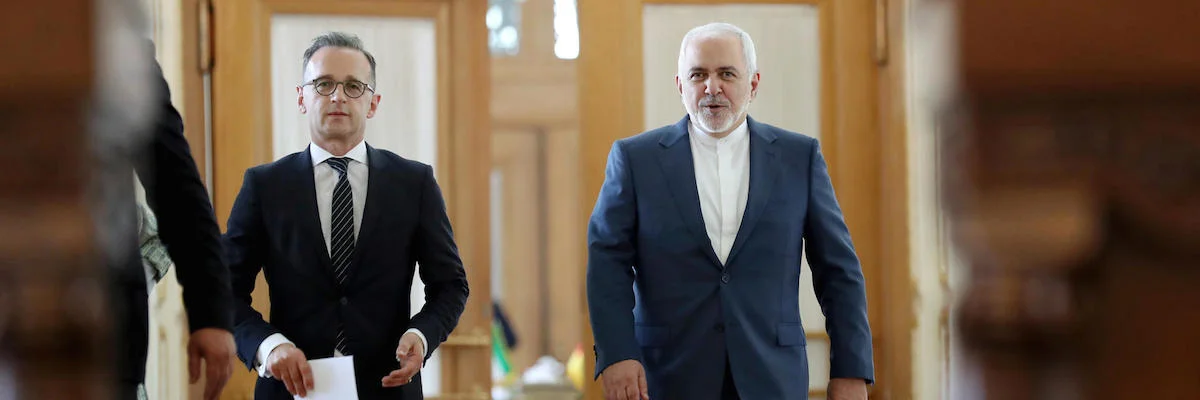
U.S. Weighs More Iran Sanctions Over Potential Trade With Europe
◢ The Trump administration is weighing sanctions against the Iranian financial body set up as a go-between for humanitarian trade with Europe, a move likely to sever the economic and humanitarian lifeline that France, Germany and the U.K. have sought to create for Tehran.
By Nick Wadhams
The Trump administration is weighing sanctions against the Iranian financial body set up as a go-between for humanitarian trade with Europe, a move likely to sever the economic and humanitarian lifeline that France, Germany and the U.K. have sought to create for Tehran.
The U.S. measures would target the Special Trade and Finance Institute, which Iran established as a counterpart to the European mechanism known as Instex, according to a senior administration official who asked not to be identified discussing internal deliberations.
The official said the STFI is essentially an extension of Iran’s central bank, which already is covered by U.S. sanctions and, according to the administration, hasn’t implemented minimum global safeguards against money laundering and terrorism financing.
European countries established Instex in January to help shield limited trade with Iran from U.S. sanctions imposed after President Donald Trump withdrew from the multinational Iran nuclear deal a year ago. The new sanctions, if they take effect, would probably derail faltering European efforts to sustain some trade with Iran by avoiding the use of U.S. dollars or the American financial system.
Such a move—still in the early planning stages—would exacerbate divisions with European nations that have chafed against the Trump administration’s “maximum pressure” campaign against Iran. It would be the latest effort meant to force the Islamic Republic back to the negotiating table to discuss a deal stronger than the Joint Comprehensive Plan of Action, the 2015 agreement that limited Iran’s nuclear program in exchange for sanctions relief.
“If they are looking at sanctioning STFI, you’re essentially trying to kill INSTEX through the back door,” said Ellie Geranmayeh, a senior policy fellow at the European Council on Foreign Relations, referring to the Iranian body. “If the U.S. were to take action that kills INSTEX on arrival, my sense is there will be even more political backing in Europe to oppose the U.S.”
The sanctions deliberations come as German Foreign Minister Heiko Maas visits Tehran. Iranian Foreign Minister Javad Zarif said Monday the two were having “frank talks” about how Iran could still get the economic benefits it expected by agreeing to the nuclear accord.
Yet in a tacit acknowledgment of the effectiveness of U.S. sanctions, European nations have significantly scaled back their ambition for the mechanism, saying trade through it would be limited only to transactions covering humanitarian goods.
U.S. sanctions against Iran already include carve-outs for humanitarian transactions. But European nations argue that INSTEX is needed to provide European companies and banks stronger assurances that they won’t be hit by U.S. sanctions even if they limit themselves to humanitarian purposes.
While the INSTEX mechanism is relatively obscure and would probably be used in limited cases, its opponents say that letting it survive could create a powerful economic tool later that could deal a blow to the effectiveness of U.S. sanctions more broadly.
One possibility, they say, is that Trump could lose re-election in 2020 and a Democratic president could look the other way as European nations used INSTEX for a wider range of trade with Iran, even as sanctions remained in place.
Another possibility is that other nations, including American adversaries, could use INSTEX as a model in the future and avoid the U.S. financial system entirely.
“The development of INSTEX is really worrying for U.S. sanction policy in the long run,” said Emma Ashford, a research fellow at the Cato Institute in Washington. “INSTEX sets up a framework other countries can use in the future.”
Officials at the State Department and the National Security Council declined to comment on the possibility of new sanctions.
Nuclear Deal
Punishing the STFI could doom INSTEX because it raises the possibility of sanctions risk to anyone who’s a part of the European mechanism. The initiative drives home a letter sent by the U.S. Treasury Department in early May to Per Fischer, the president of INSTEX, arguing that the financial body could face sanctions.
European officials say that establishing INSTEX is imperative to keep Iran abiding by the nuclear deal, which they credit with restraining the Islamic Republic’s nuclear capabilities. They’re especially eager to get it up and running before early July, when Iran has threatened to abandon the accord unless it sees greater benefits from abiding by its terms.
Visa Restrictions
The U.S. has sent conflicting signals about its attitude toward INSTEX, with some officials taking a hard line and others saying it could be acceptable. During a stop in Berlin on May 31, Secretary of State Michael Pompeo said the vehicle was “unproblematic” as long as it’s used to facilitate trade in humanitarian goods and other transactions the U.S. has exempted from sanctions.
Yet Republican hawks in the administration and Congress disagree, saying that channels for humanitarian trade with Iran already exist. Senator Ted Cruz of Texas is considering a draft bill that threatens sanctions against the European and Iranian finance vehicles.
Skeptics point out that Iran’s Islamic Revolutionary Guard Corps, covered by existing sanctions, has used humanitarian front companies in the past.
The risk of crushing INSTEX now is that the U.S. could face an even greater backlash if it closes off an avenue for legitimate humanitarian trade, according to Suzanne Maloney, deputy director of the foreign policy program at the Brookings Institution.
“It does call into question what the long-term strategy here is,” Maloney said. “If there’s no room for humanitarian aid for Iran, literally no viable mechanisms for facilitating those transactions, then clearly this is purely a punitive strategy and one that is intended to wreak maximum havoc on the Iranian population.”
Photo: IRNA
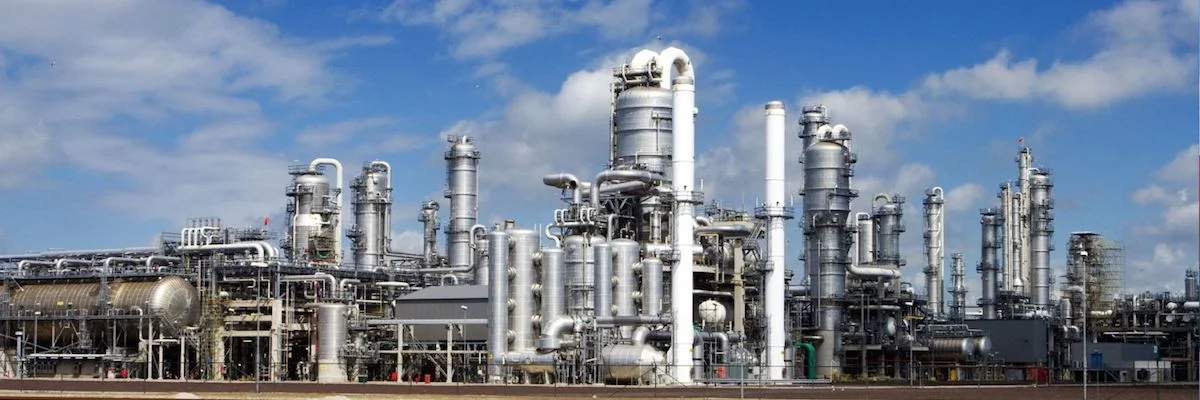
US Hits Iran Petrochemical Group PGPIC with Sanctions
◢ The United States has hit Iran's petrochemical group PGPIC with economic sanctions due to its ties with the country's Revolutionary Guards (IRGC), the Treasury Department announced on Friday. The move aims to choke off financing to the country's largest and most profitable petrochemical group and extends to its 39 subsidiaries and "foreign-based sales agents," Treasury said in a statement.
The United States has hit Iran's petrochemical group PGPIC with economic sanctions due to its ties with the country's Revolutionary Guards (IRGC), the Treasury Department announced on Friday.
The move aims to choke off financing to the country's largest and most profitable petrochemical group and extends to its 39 subsidiaries and "foreign-based sales agents," Treasury said in a statement.
Those include UK-based NPC International and Philippines-based and NPC Alliance Corporation that are controlled by PGPIC.
"This action is a warning that we will continue to target holding groups and companies in the petrochemical sector and elsewhere that provide financial lifelines to the IRGC," Treasury Secretary Steven Mnuchin said in the statement.
Treasury warned that international companies continuing to partner with PGPIC or subsidiaries and sales agents "will themselves be exposed to US sanctions."
Following President Donald Trump's decision to abandon the 2015 nuclear deal negotiated by his predecessor, US efforts over the past year to choke off Iran's economy have angered allies as foreign companies get caught up in the dispute.
Several countries have halted oil imports from Iran, while Europe has tried to design a mechanism to continue trading with the country without violating US sanctions.
Treasury said it is penalizing PGPIC due to its links to the economic arm of the IRGC, known as Khatam al-Anbiya. The holding company has awarded contracts to Khatam al-Anbiya "generating hundreds of millions of dollars for an IRGC economic conglomerate that stretches across Iran?s major industries."
Washington in April branded the IRGC a terrorist organization, the first time it has taken the step against part of a foreign government. The move meant anyone who deals with the Revolutionary Guards could face prison in the United States.
'Deny Funding'
The new sanctions prohibit the firm and its subsidiaries from accessing the US market or financial system, including through other foreign companies, and blocks all funds or property that is in the United States or held by a US firm.
The penalties could extend to "any foreign financial institution that knowingly facilitates a significant financial transaction or provides significant financial services for entities designated," the statement said.
"By targeting this network we intend to deny funding to key elements of Iran's petrochemical sector that provide support to the IRGC," Mnuchin said.
The PGPIC group holds 40 percent of Iran's total petrochemical production capacity and is responsible for 50 percent of the country's petrochemical exports, Treasury said.
Tensions between Washington and Tehran have escalated further in recent weeks after Trump last month deployed additional troops to the region and resumed arm sales to Saudi Arabia to protect against what the United States said was the threat of an imminent attack.
Trump on Thursday said he would be willing to reopen talks as long as Iran agreed to give up nuclear weapons. But Tehran ruled out talks until the United States is ready to "return to normal."
Photo: PGPIC
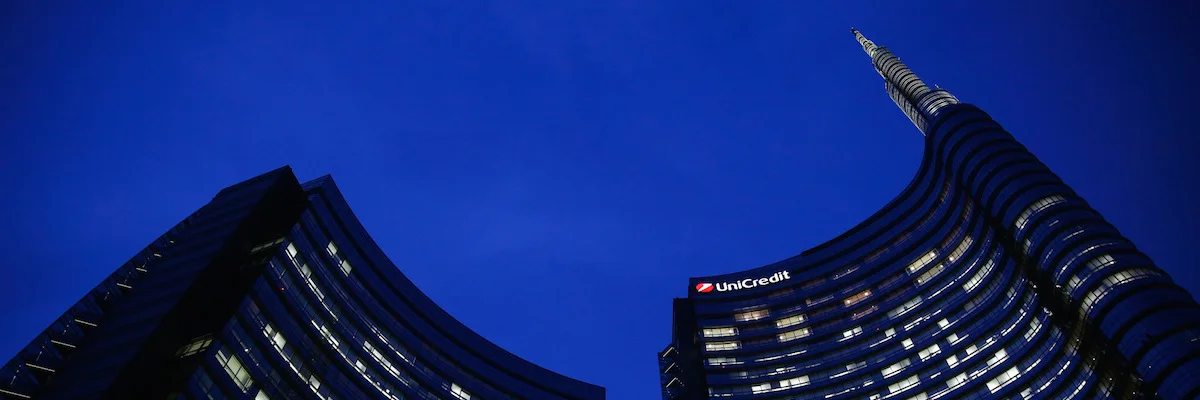
UniCredit’s German Unit Pleads Guilty in U.S. Sanctions Case
◢ A German unit of the Italian bank UniCredit SpA pleaded guilty to U.S. charges that it allowed Iranian customers to conduct transactions in violation of sanctions. As part of its settlement with several U.S. regulators, the bank will pay $1.3 billion and its Austrian unit will enter into a deferred-prosecution agreement.
A German unit of the Italian bank UniCredit SpA pleaded guilty to U.S. charges that it allowed Iranian customers to conduct transactions in violation of sanctions.
As part of its settlement with several U.S. regulators, the bank will pay $1.3 billion and its Austrian unit will enter into a deferred-prosecution agreement. The bank’s German unit, HypoVereinsbank, will also enter a guilty plea in Manhattan to a state-level charge of violating books-and-records requirements.
The penalty is several hundred million dollars more than people familiar with the matter had expected. It’s also among the largest ever related to U.S. sanctions laws. On April 9, Standard Chartered Plc agreed to pay more than $1 billion to resolve a long-running investigation into its handling of transactions related to Iran.
Over a decade beginning in 2002, the German bank moved at least $393 million through the U.S. financial system on behalf of sanctioned entities, the U.S. Justice Department said. The Austrian unit of UniCredit also conspired to circumvent U.S. restrictions on Iranians, prosecutors said.
The bank handled billions of dollars in illegal and non-transparent transactions to clients in sanctioned countries including Cuba, Iran, Libya, Myanmar and Sudan, according to New York’s Department of Financial Services, which fined UniCredit $405 million as part of the settlement. The U.S. attorney’s office in Washington, the Treasury Department, the New York branch of the Federal Reserve Bank and the New York district attorney’s office also took part in the settlement.
The lender set aside 741 million euros ($838 million) in provisions and charges, including funds to settle the allegations, in the third quarter. The bank had also set aside some money for the matter earlier but declined to provide a total.
The settlement amount is covered fully by those set-asides, UniCredit said Monday in a written statement. The bank’s first-quarter earnings will be boosted by about 300 million euros after the penalty funds are released, the bank said. Its common equity tier 1 ratio, a key measure of financial strength, will improve by 8.5 basis points, it said.
UniCredit says it has implemented a “remediation and enhancement plan to strengthen its policies, procedures, supports and controls to ensure full compliance with applicable economic sanctions and internal control requirements,” it said. The bank said it would also further develop methods to prevent and detect illegal activity.
According the New York regulator, UniCredit implemented automated transaction filtering software, known as the “embargo tool,” in 2004 as part of its efforts to flag transactions that might run afoul of the U.S. Treasury’s Office of Foreign Assets Control.
The bank’s core compliance team came up with an instructional guide designed to help the bank’s employees work around the embargo tool -- by submitting payment orders in an “OFAC-neutral” manner that wouldn’t trigger any red flags, according to the New York regulator.
“UniCredit prioritized profit over compliance and security by deliberately engaging in billions of dollars of transactions with clients from sanctioned nations, including Iran, Libya and Cuba, and then working to cover their tracks to avoid detection,” said Linda Lacewell, the acting superintendent of the New York regulator.
UniCredit Chief Executive Officer Jean Pierre Mustier inherited the case when he took the helm in July 2016. HypoVereinsbank, the German unit, was subpoenaed in March 2011 by the New York district attorney’s office over transactions with certain Iranian entities.
UniCredit, Italy’s biggest bank, is one of several European financial institutions settling similar cases. Fifteen European banks have together paid more than $19.5 billion for violating U.S. sanctions against various countries. BNP Paribas SA’s $8.97 billion penalty in 2014 was the largest individual fine.
The settlement is the second for an Italian bank. Intesa Sanpaolo SpA, the country’s second-biggest lender, agreed to pay $235 million in Dec. 2016 to resolve a New York regulator’s allegations that it flouted money-laundering controls for a decade.
Photo Credit: Bloomberg
Schlumberger Workers Sought by U.S. on Iran, Sudan Sanctions
◢ The US government has interviewed one Schlumberger Ltd. worker and wants access to four other current and former employees as part of a probe into potential sanctions violations in Iran and Sudan, according to federal court documents. The unnamed worker for the world’s biggest oil-services provider was interviewed on March 8 about a matter related to a company Schlumberger acquired in 2014.
The US government has interviewed one Schlumberger Ltd. worker and wants access to four other current and former employees as part of a probe into potential sanctions violations in Iran and Sudan, according to federal court documents.
The unnamed worker for the world’s biggest oil-services provider was interviewed on March 8 about a matter related to a company Schlumberger acquired in 2014. That undisclosed company was under investigation by the Justice Department, and Schlumberger later disclosed a potential “matter” related to the International Emergency Economic Powers Act, according to filings.
Schlumberger “understands that the government remains interested in interviewing two current company employees and two former company employees,” according to an April 1 federal court filing by the company in Washington D.C. “The company is committed to continuing to work with counsel for the employees, where applicable, to schedule these interviews according to the government’s preferences.”
In 2015, Schlumberger pleaded guilty to sanctions violations in Iran and Sudan and was put on three-year probation. That probation was extended for another year so the government could investigate whether the company violated terms of its plea agreement. The Financial Times first reported that the government interviewed a Schlumberger worker.
Schlumberger has said in court filings it voluntarily reported four separate matters related to the Powers Act over the past two years, including the issue related to the company it acquired in 2014. Joao Felix, a spokesman for Schlumberger, declined to comment beyond the company’s most recent court filings.
“The company provided detail to the government regarding the substantial remediation it has undertaken in response to lessons learned from its investigation of the matters,” Schlumberger said in this week’s filing. It expects the term of the probation to expire at the end of this month “without issue.”
Photo Credit: Wikicommons