
Trump Admin Places Sanctions on Iran Oil Minister
President Donald Trump's administration on Monday slapped fresh sanctions on Iran's oil sector including over sales to Syria and Venezuela, reducing Joe Biden's room for maneuver if he wins next week's election.
By Shaun Tandon
President Donald Trump's administration on Monday slapped fresh sanctions on Iran's oil sector including over sales to Syria and Venezuela, reducing Joe Biden's room for maneuver if he wins next week's election.
The Trump administration has since 2018 enforced sweeping sanctions aimed at ending all of Iran's key oil exports, seeking to choke off all cash sources for the regional nemesis of US allies Saudi Arabia and Israel.
Under the new measures, the administration designated the National Iranian Oil Company, Iran's petroleum ministry and the National Iranian Tanker Company under a counterterrorism authority, raising the bar for any future administration to reverse course.
The Treasury Department issued the sanctions by linking the three entities to the Revolutionary Guards' elite Qods Force, which was earlier designated as a terrorist organization by the United States and whose commander, Qasem Soleimani, was killed in a US attack at Baghdad airport in January.
Secretary of State Mike Pompeo said that the sanctions should send a warning to "the few remaining buyers of Iranian crude oil."
"These designations are an important step in the maximum pressure campaign to limit the Iranian regime's ability to threaten its neighbors and destabilize the Middle East," Pompeo said in a statement.
'Sanction Addict'?
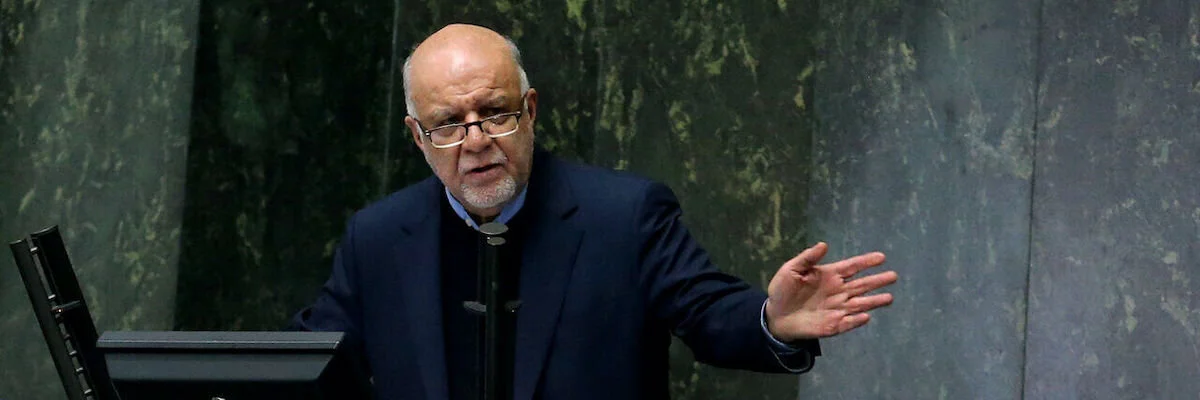
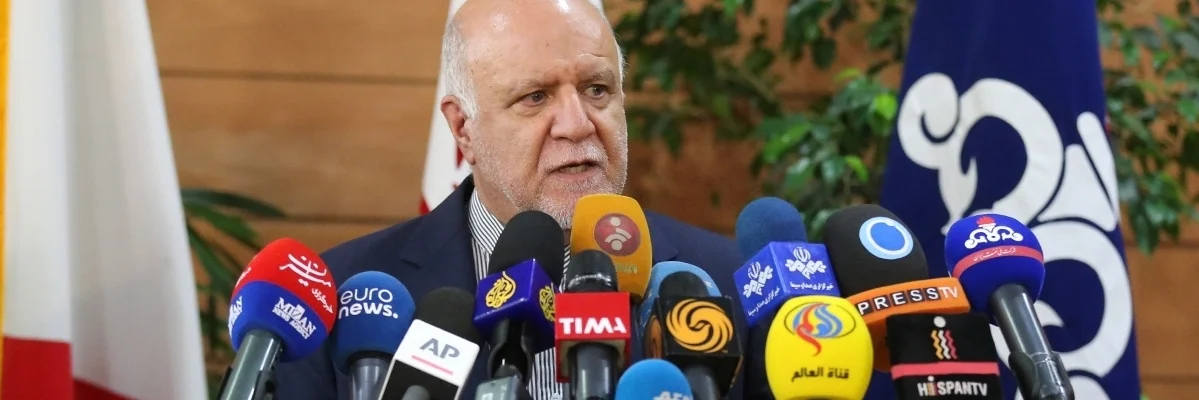
Iranian Oil Minister Bijan Zanganeh denounced the sanctions as a "passive reaction to the failure of Washington's policy of reducing (Iran's) crude oil exports to zero."
"I have no assets outside of Iran to be subject to the sanctions. I would sacrifice my life, belongings and reputation for Iran," Zanganeh, who was also targeted personally, wrote on Twitter.
Foreign Minister Mohammad Javad Zarif called the United States a "#SanctionAddict," tweeting, "Kick the habit."
If Trump loses the November 3 election, the sanctions could be among his last volleys against Iran's leaders.
Biden, who leads in polls ahead of next Tuesday's election, favors diplomacy with Iran and backed an accord negotiated by previous president Barack Obama under which Tehran sharply curtailed nuclear work in exchange for promises of sanctions relief.
Behnam Ben Taleblu, a senior fellow at the Foundation for the Defense of Democracies, a group close to the Trump administration which presses for a hard line against Tehran, said that any administration would face a "significant" burden in clearing Iran over the oil sales in question.
“It's likely that the impact of these penalties, even this late in the game, could outlive the politics of 2020," he said.
The Treasury Department said that a network backed by the Qods Force shipped more than one dozen tankers of oil in spring 2019—mostly to Syria, where Iran is a top backer of President Bashar al-Assad as he emerges from a brutal civil war.
Separate from the terrorism designations, the Treasury Department imposed sanctions on a British-based Iranian businessman, Mahmoud Madanipour, and related companies for transactions with Venezuela.
The Treasury Department accused him of arranging the shipment of tens of thousands of metric tons of gasoline to Venezuela, where Trump has been trying unsuccessfully to depose the leftist leader, Nicolas Maduro, who has recently stepped up economic ties with Iran.
Earlier this month, the administration took another major step to cripple the Iranian economy by imposing sanctions on the nation's banks—making most transactions with the outside world difficult.
The measures alarmed European allies of the United States which warn of dire consequences even to humanitarian trade, although the Trump administration insists it is not targeting food or medicine.
Photo: IRNA
U.S. Extends Clampdown on Iran With Sanctions on Energy Firms
◢ The U.S. sanctioned four companies that it says have traded hundreds of millions of dollars worth of Iranian petroleum and petrochemicals in its latest effort to clamp down on Iran’s revenue sources. All property and interests in the property of the designated companies are blocked and U.S. persons are generally prohibited from engaging in transactions with them.
By Serene Cheong and Elizabeth Low
The U.S. sanctioned four companies that it says have traded hundreds of millions of dollars worth of Iranian petroleum and petrochemicals in its latest effort to clamp down on Iran’s revenue sources.
The Treasury Department penalized Triliance Petrochemical Co. Ltd., Sage Energy HK Limited, Peakview Industry Co. Limited, and Beneathco DMCC for dealings with the state-owned National Iranian Oil Co., it said in a Jan. 23 statement. The transactions helped finance Iran’s Islamic Revolutionary Guard Corps-Qods Force and its terrorist proxies, the department said.
The move is a continuation of the White House’s aggressive strategy to penalize firms dealing with Iran, a country it nearly went to war with earlier this month. Last July, It sanctioned Zhuhai Zhenrong Co., a secretive company with links to the Chinese military and a history of taking Iranian crude and fuel. A couple of months after that it threw global shipping markets into disarray after it penalized a unit of COSCO Shipping Corp.
“Iran’s petrochemical and petroleum sectors are a primary source of funding for the regime’s global terrorist activities and enable its persistent use of violence against its own people,” Treasury Secretary Steven Mnuchin said in the statement.
In 2019, Triliance Petrochemical ordered the transfer of the equivalent of millions of dollars to NIOC as payment for Iranian petrochemicals, crude oil, and petroleum products shipped to the U.A.E. and China after the expiration of any applicable exceptions, the Treasury Department said. In facilitating these shipments, Triliance worked to conceal the origin of these products, it added.
Triliance and Sage are based in Hong Kong, while Peakview is headquartered in Shanghai and Beneathco in Dubai. Calls to Triliance’s head office went unanswered, while a person at Beneathco declined to immediately respond to questions. Contact information for Sage and Peakview wasn’t immediately available.
All property and interests in the property of the designated companies are blocked and U.S. persons are generally prohibited from engaging in transactions with them, while foreign financial institutions that knowingly deal with them may be penalized, the department said.
Photo: IRNA
Iran Discovers Gas Field Near Persian Gulf
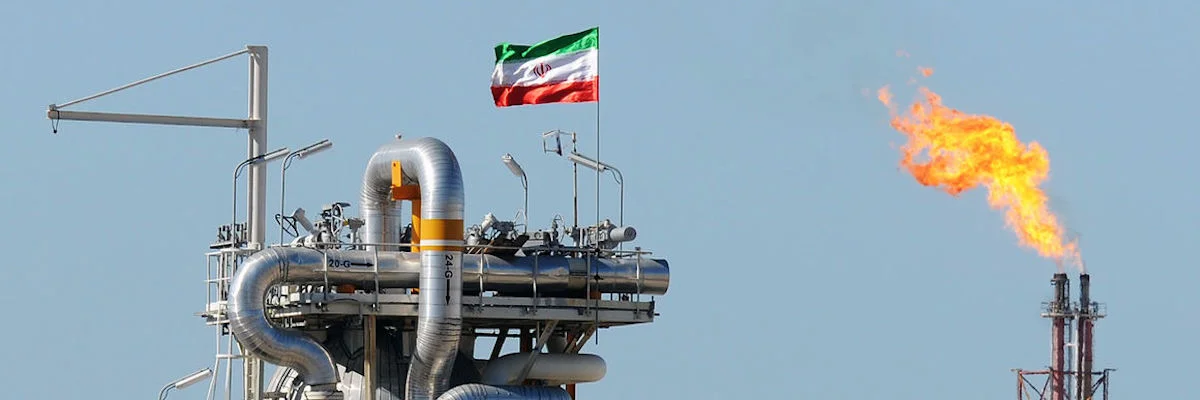
◢ Iran has discovered a gas field near the Gulf with enough reserves to supply the capital for 16 years, state media reported on Sunday. The Eram field contained 19 trillion cubic feet, the National Iranian Oil Company said, cited by official news agency IRNA.
Iran has discovered a gas field near the Gulf with enough reserves to supply the capital for 16 years, state media reported on Sunday. The Eram field contained 19 trillion cubic feet (538 billion cubic meters) of natural gas, the National Iranian Oil Company said, cited by official news agency IRNA.
The oil ministry's Shana website said the field was located in Fars province, about 200 kilometres (125 miles) south of Shiraz.
"Given the volume of 19 trillion cubic feet reserves of in-situ gas and 385 million barrels of gas condensate in Eram field, the revenue from this field will be $40 billion," IRNA quoted an NIOC official as saying.
The amount of gas in the newly discovered field was enough to supply Tehran—a city with an estimated population of around eight million—for 16 years, the official said.
Iran is a member of OPEC which says the country has proven natural gas reserves of 1,197 trillion cubic feet (33.9 trillion cubic meters), the second highest in the world.
Photo: IRNA
Iran Inks Deal to Develop Gas Field in Tense Persian Gulf
◢ Two Iranian companies signed a $440 million agreement Saturday to develop a gas field in the sensitive Persian Gulf, with the oil ministry saying it showed arch-foe the United States could not stop the country with sanctions.
Two Iranian companies signed a $440 million agreement Saturday to develop a gas field in the sensitive Persian Gulf, with the oil ministry saying it showed arch-foe the United States could not stop the country with sanctions.
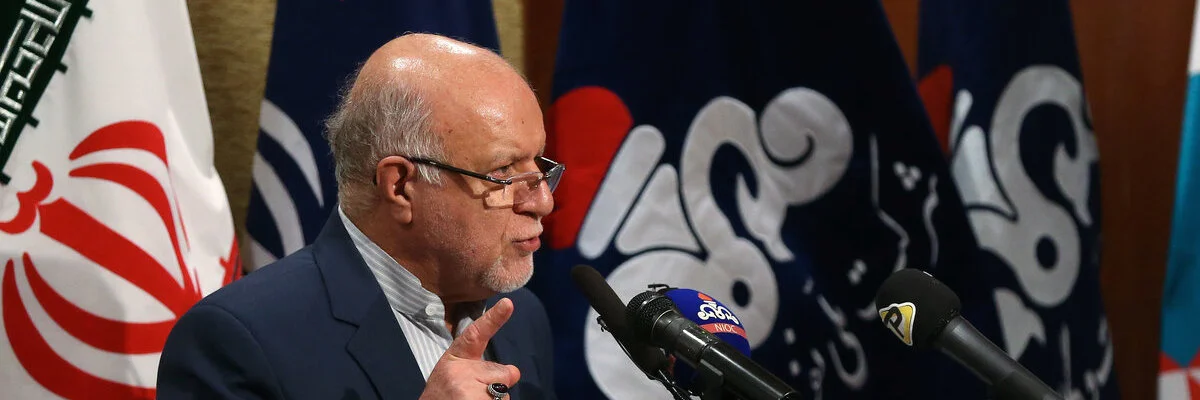
Oil Minister Bijan Namdar Zanganeh said the deal reached between two government-owned firms, Pars Oil and Gas Company and PetroPars, to develop the Balal field would be the first of many.
Tensions have soared in the Gulf since last year when the US began reimposing sanctions on Iran after unilaterally withdrawing from a 2015 deal that put curbs on its nuclear program.
"Signing this contract is ... the beginning of a process," Zanganeh said, quoted by the oil ministry's Shana website.
"This is a sign that we are still functioning with sanctions at their peak... We are alive, we are active and working for Iran's oil industry," the Iranian minister said.
The sanctions, he added, "have not been able to stop the progress of Iranian oil industry and its development."
"We don't want to boast, but the United States cannot stop Iranian oil exports." The Balal gas field is located 90 kilometres south of Lavan island in the Persian Gulf.
The deal aims to reach a production rate of 500 million cubic feet of gas per day over a 34-month period.
Photo: iRNA
Iran Accuses US of Using Oil Sanctions to Gain Market Clout
◢ Iran's oil minister has accused the United States of using sanctions to "shock" the global oil supply and gain market clout for its booming shale oil production. "I think one of the reasons for sanctions against Iran and Venezuela is opening up the market for American oil sales," Oil Minister Bijan Namdar Zanganeh said in an interview with state TV.
Iran's oil minister has accused the United States of using sanctions to "shock" the global oil supply and gain market clout for its booming shale oil production.
Washington abandoned a landmark 2015 nuclear deal between Tehran and world powers last year and reimposed sanctions on the Islamic republic's crucial oil sales as well as other parts of the economy.
"I think one of the reasons for sanctions against Iran and Venezuela is opening up the market for American oil sales," Oil Minister Bijan Namdar Zanganeh said in an interview with state TV late Sunday, a transcript of which was provided by his ministry's SHANA news agency.
“This much oil production needs a market and could not be compensated for with regular OPEC cuts, therefore America needed to shock the market to find a place for itself. Some sanctions are (imposed) so that Americans can keep producing and developing shale oil," he added.
New technology that allows for extracting oil and gas from shale rock formations has led to a boom in oil production in the US in recent years.
Zanganeh said that according to US figures, shale oil's breakeven cost can be as low as $40 per barrel.
Benchmark Brent crude was trading at around $64 dollars a barrel in London on Monday.
The US is currently the world's biggest oil producer followed by Russia and Saudi Arabia, and is set to become a net exporter from 2021, according to the International Energy Agency.
The White House said in April that tightening sanctions on Iran will have "no material impact" on oil prices given the large supply of US oil on the global market.
OPEC, pressured by US output, abundant global crude supplies and weak oil demand growth, agreed last week to extend by nine months daily oil output cuts first announced in December aimed at supporting prices and soaking up excess supplies.
Iran, whose production has been severely hit by US sanctions, is exempt from the cuts agreement along with crisis-stricken Venezuela and Libya.
Battling what he called "the most severe organized sanctions in history," Zanganeh last week vowed to keep selling oil via "unconventional means.“
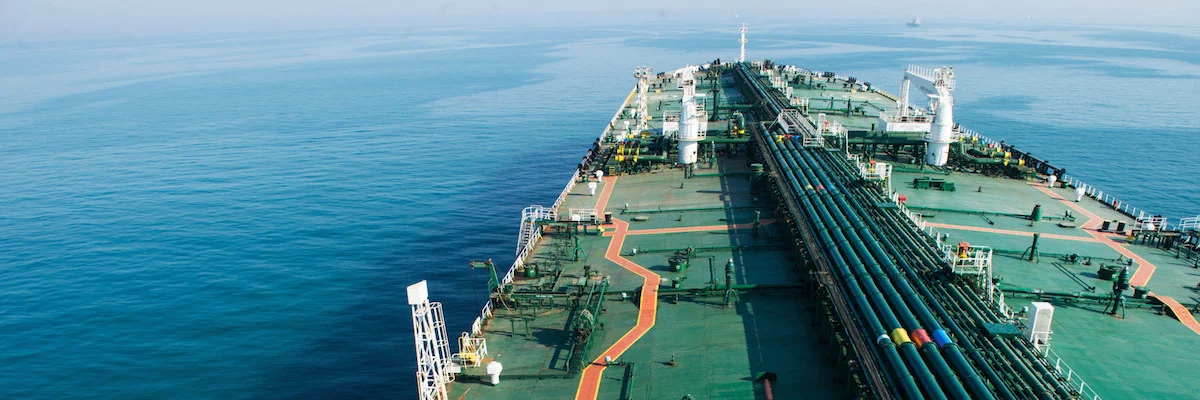
Iran's state TV recently aired a program showing an Iranian-flagged tanker under US sanctions that delivered one million barrels of crude oil to China, one of the remaining partners to the nuclear deal and which has rejected Washington's efforts to cut Tehran's oil exports to zero.
Photo: IRNA
Iran Is Peddling a Million Barrels of Oil Again. No One Wants It
◢ An Iranian exchange has offered investors as much as 6 million barrels of oil so far this year. Only a single deal closed, for the minimum 35,000 barrels. With foreign investors steering clear of the world’s fourth-largest holder of crude, it’s trying via the Iran Energy Exchange to offload some oil to domestic buyers.
An Iranian exchange has offered investors as much as 6 million barrels of oil so far this year. Only a single deal closed, for the minimum 35,000 barrels.
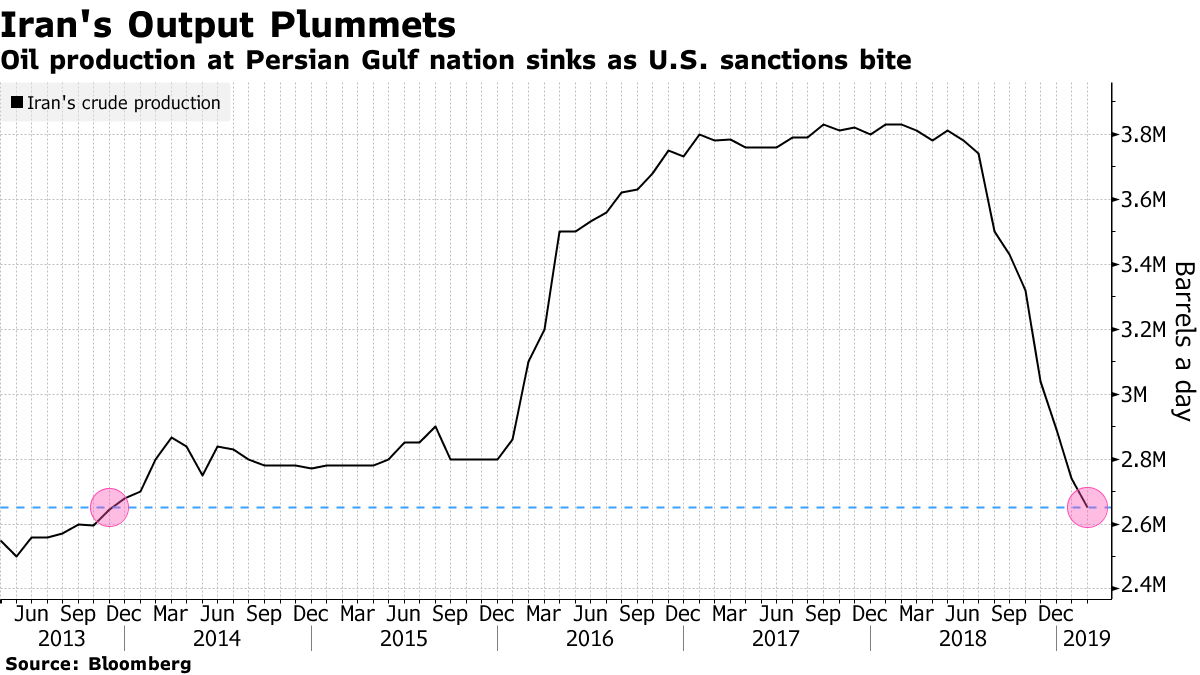
Iran’s oil production and exports have slumped after the U.S. reinstated sanctions last year, and new curbs are set to further restrict its exports. Exemptions for importing countries including Japan, China, Turkey, India and South Korea have partially cushioned the blow.
With foreign investors steering clear of the world’s fourth-largest holder of crude, it’s trying via the Iran Energy Exchange to offload some oil to domestic buyers. Sales have been dismal, and even Iranian oil officials concede that the physical contracts are undesirable as long as oil sanctions remain intact.
“We knew from the beginning that it was almost impossible to sell oil” on the exchange, Morteza Behrouzifar, deputy head of the Iranian Association for Energy Economics, said in an interview. “Iran’s crude is sanctioned and under no circumstances can anyone buy Iranian crude except those who were granted waivers.”
Iran has tried to sell oil on its exchange in the past. The first offerings in 2011 weren’t successful, and another effort to sell just under three thousand barrels in 2014 wasn’t received well by potential buyers, state-run Islamic Republic News Agency reported last week.
The exchange is offering another million barrels of light crude for a 6 percent down payment and 90 days of credit this week. But it’s up to the buyer to line up the tanker and insurance needed to transport the fuel to the ultimate user.
“Those who have waivers go directly to the National Iranian Oil Co. They don’t need to participate in the bourse,” Behrouzifar said. “It’s pretty immature to think of the energy exchange as a way to get around sanctions.”
Photo Credit: IRNA
U.S. Oil Waivers That Rocked Market in 2018 Coming Back to Focus
◢ Uncertainty over U.S. waivers for buyers of Iranian oil is starting to grip the market again, under very different circumstances than when American sanctions were set to go into effect last year. The Trump administration, for its part, says the aim is still to completely halt Iran’s oil shipments as it seeks to increase economic pressure on Tehran.
Uncertainty over U.S. waivers for buyers of Iranian oil is starting to grip the market again, under very different circumstances than when American sanctions were set to go into effect last year.
Before existing exemptions were granted in early November, Saudi Arabia was pumping at record levels, benchmark Brent futures rose to a four-year high, traders were predicting USD 100 oil, and Donald Trump was seeking lower fuel prices ahead of U.S. mid-term elections. The waivers blindsided the market, which had assumed America would bring Iranian exports to zero, and sparked a 40 percent collapse in crude.
Now, as the six-month waivers allowing buyers to ship limited quantities approach their expiry, the Saudis are pursuing aggressive output cuts, U.S. sanctions on Venezuela have further squeezed supplies and OPEC producers burned by last quarter’s oil slump are defying Trump’s call for lower prices. Iran’s customers, meanwhile, are making plans -- with some betting the exemptions will be extended and others expecting an end.
The Trump administration, for its part, says the aim is still to completely halt Iran’s oil shipments as it seeks to increase economic pressure on Tehran. In February, Japanese broadcaster NHK cited the State Department’s Brian Hook as saying the U.S. doesn’t plan to extend the waivers. More recently, Secretary of State Mike Pompeo said America wants to bring the Islamic Republic’s exports to zero “as quickly as market conditions will permit.”
Iran’s customers, meanwhile, are making plans—with some assuming the waivers will be renewed while others foreseeing some cuts to permitted purchases. Here’s a round-up of plans by major buyers, based on information from traders who participate in the market, refinery officials, data compiled by Bloomberg and analysts.
South Korea
Waiver: Up to 200,000 barrels a day of condensate
Nation purchased 179,000 b/d from Iran in February, tanker tracking data show
Refineries built to turn ultra-light oil known as condensate into petrochemicals have stepped up purchases of alternative supply due to mounting uncertainty around future cargoes from Iran. Hanwha Total Petrochemical Co. and SK Innovation Co. have bought several spot cargoes of Qatari shipments for loading in April after a months-long hiatus, just as the U.S.-issued waiver is set to expire.
The companies had slashed their spot purchases in February and March as they rushed to import the maximum permitted volume of Iran’s South Pars condensate. While they are now turning to Qatari cargoes, they are being aided by a glut in the market for such supply.
Additionally, the relatively low cost of other feedstock such as heavy full-range naphtha offers another viable replacement for some. Overall demand is also muted due to planned maintenance shutdown at Hyundai Chemical Co.
China
Waiver: 360,000 b/d over six months
Nation purchased 569,000 b/d from Iran in February, based on tanker tracking data
The nation’s largest refiners, state-run Sinopec and PetroChina Co., are preparing for a scenario where U.S.-issued waivers are renewed with some cuts to permitted purchase volumes, according to company officials with knowledge of procurement plans, who asked not to be identified because the information is private.
Chinese buyers may choose to secure at least some alternatives in the spot market ahead of time, according to a Bloomberg survey of traders who participate in the market. That’s because allocations for Iranian cargoes tend to take place three to four weeks before shipments are due to load, leaving refiners with the risk of insufficient supplies if there are hurdles related to the waivers.
With Atlantic Basin benchmarks Brent crude and West Texas Intermediate prices weakening relative to the Middle East’s Dubai marker, China is seen sustaining high levels of African oil imports while also considering shipments of Russian Urals and American crude as trade tensions between the U.S. and China ease.
Japan
Waiver: Unknown volume
Nation purchased 167,000 b/d from Iran in February, based on tanker tracking data
After receiving its first cargo under the waivers only in February, the close U.S. ally is now already scaling back purchases even though the waivers expire only in early May. A cargo that loaded this month from Iran for Cosmo Oil Co. will be the company’s last. Fuji Oil Co. halted lifting shipments at the end of February.
Other refiners that have purchased volumes include JXTG Holdings Inc. and Showa Shell Sekiyu KK. Japan’s purchases from Iran typically drop during March due to uncertainty around the prospect of an annual renewal of government-issued freight insurance for the Islamic Republic’s cargoes for the following fiscal year starting in April.
The nation’s refiners are highly reliant on Middle East producers for crude supply, and the Saudi-led output curbs by the Organization of Petroleum Exporting Countries and its allies could increase the risk of disruptions if the U.S. waiver on Iran isn’t renewed. Japanese firms have already purchased more spot cargoes of Abu Dhabi’s Murban and Das for April loading, according to traders who participate in the market.
India
Waiver: Up to 300,000 b/d
Four Indian refiners took nine million barrels of Iranian crude in March
Buyers of Iranian crude such as Indian Oil Corp. and Bharat Petroleum Corp. plan to continue importing oil from the Persian Gulf producer in April, even as the availability of May supplies remains uncertain as refiners await the Trump administration’s decision on waivers.
While an IOC official said the company is mulling alternative plans should supplies be halted, the top Indian importer of Iranian crude remains confident that it can lean on flexible terms in its supply contracts with Saudi Arabia and Iraq to make up for any loss in shipments.
BPCL, meanwhile, has booked 1 million barrels of Iranian oil for April and had yet to decide on its purchases for May, Director of Refineries R. Ramachandran said.
“Beyond May 4, we don’t know what will happen. We are waiting,” he said, adding that the company has the option of purchasing other grades from the Middle East. “We feel the extension of waivers may not happen easily, so we have alternative plans,” he added.
Photo Credit: Bloomberg
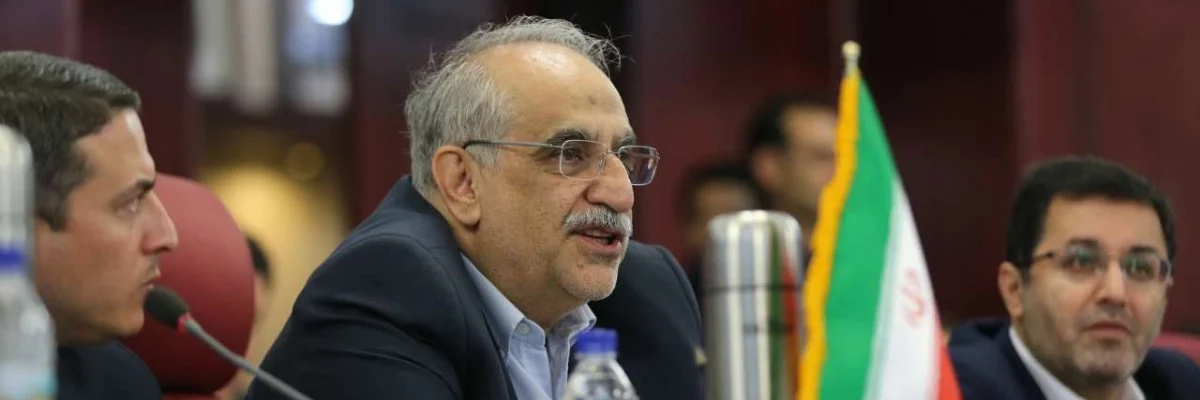
Impeached Economy Minister to Head Iran Oil Firm
◢ Iran's former economy minister, impeached less than three months ago, will head the national oil company as it works to evade renewed US sanctions, local media reported Monday. Masoud Karbasian, 67, was impeached by parliament on August 26 after only a year in the job, over his handling of the country's economic downturn.
Iran's former economy minister, impeached less than three months ago, will head the national oil company as it works to evade renewed US sanctions, local media reported Monday.
Masoud Karbasian, 67, was impeached by parliament on August 26 after only a year in the job, over his handling of the country's economic downturn.
In a short statement run by the state-run Iran newspaper Monday, he vowed to "use four decades of experience... to overcome the sanctions crisis."
Karbasian takes over the National Iranian Oil Company (NIOC) at a crucial moment following the US oil embargo that was reimposed on November 5.
Although he kept a very low profile during his tenure as economy minister, he was praised in the reformist Sazandegi newspaper on Monday for his "anti-corruption" stance—particularly during an earlier stint as head of customs.
But there was some confusion over his appointment, since he is in breach of a new law barring anyone over 60—the age of retirement—from public office.
Parliament passed the law in September, and it was used to remove outgoing NIOC head Ali Kardor, who is three years younger than Karbasian, according to several newspapers.
The Iran daily said Karbasian's age was overlooked due to "sanctions and the gravity of sustaining oil sales.”
The US reimposed sanctions on Iran after deciding in May to abandon a landmark multi-lateral deal signed in 2015 over the Islamic Republic's nuclear program.
Temporary exemptions have been granted to several key customers of Iran's oil, including China and India.
But Iranian authorities are seeking alternative and clandestine methods to keep oil flowing as Washington remains determined to eventually force its exports down to zero.
The unaffiliated Haft-e Sobh newspaper described the new NIOC chief as "special agent: Masoud Karbasian".
It said his appointment was approved by the Council for Special Economic Measures, set up during the previous sanctions period between 2010 and 2015, headed by President Hassan Rouhani, and whose decisions are taken in consultation with supreme leader Ayatollah Ali Khamenei.
Photo Credit: IRNA
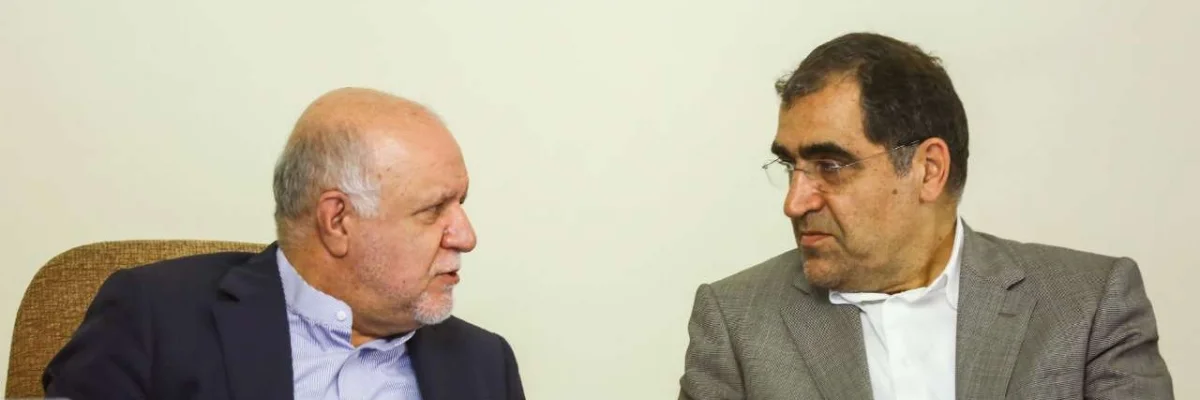
Iran Sells Oil on Exchange in Bid to Counter Sanctions
◢ Iran sold oil to private buyers through its energy exchange for the first time on Sunday, as part of its efforts to counter the imminent return of US sanctions. Only 280,000 barrels were sold out of one million offered, and went for USD 74.85 per barrel, more than USD 4 below the initial asking price.
Iran sold oil to private buyers through its energy exchange for the first time on Sunday, as part of its efforts to counter the imminent return of US sanctions.
Only 280,000 barrels were sold out of one million offered, and went for USD 74.85 per barrel, more than USD 4 below the initial asking price.
The identity of the buyer remained a secret, with the conservative Fars news agency saying only that a conglomerate of private firms had made the purchase through three brokerages.
The US is set to reimpose sanctions on Iran's oil industry on November 5, following President Donald Trump's decision to walk out of the 2015 nuclear deal in May.
The plan to sell oil to private companies on the energy exchange was floated back in July by first vice-president Eshaq Jahangiri with the aim of "defeating America's efforts ... to stop Iran's oil exports."
The government hopes selling to private buyers, rather than direct to foreign clients, will make it harder for the US to monitor and stop its sales.
"With the imminent return of a new wave of sanctions, the government is determined to utilise the maneuvering ability of the private sector to sell Iran's oil and find new markets," Hamidreza Salehi, director of Iran's energy exports federation, told semi-official news agency ILNA.
Some estimates show Iran's crude exports have already dropped by a third since May when it was selling around 2.5 million barrels per day.
The government currently intends to offer oil on the energy exchange once a week, according to Fars.
Its initial base price on Sunday was USD 79.16, but it received limited bids as much as USD 16 lower as trading began, the exchange's website showed.
The final buyer only emerged after the base price was dropped to USD 74.85 in the closing hours.
The head of Iran's securities and exchange organization, Shapour Mohammadi, promised on Friday that the identity of the buyer would not be revealed.
Photo Credit:IRNA
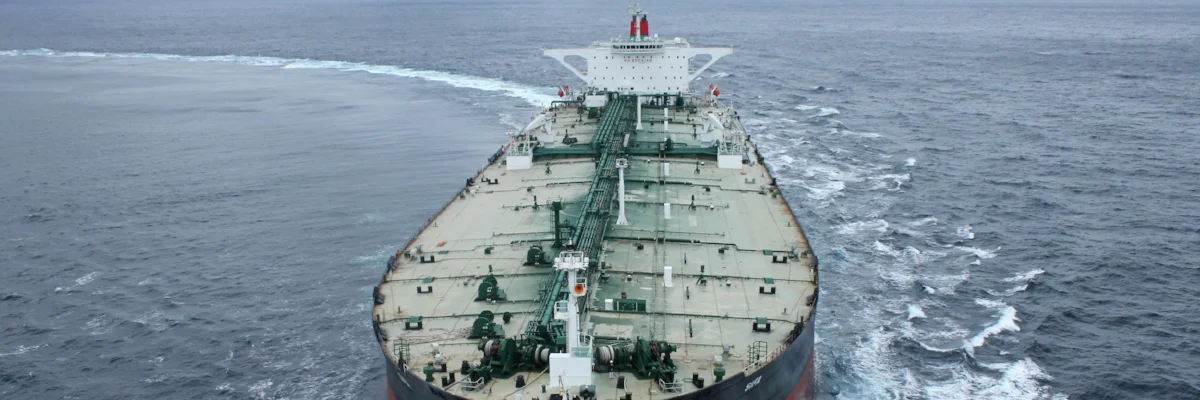
Iran Offers Discount Oil to Asia
◢ Iran is selling oil and gas at a discount to Asian customers as it prepares for the return of US sanctions, state news agency IRNA reported on Monday. The "informed source" in Iran's oil ministry did not give details of the discount, but sought to downplay the move as common industry practice. "Discount is part of the nature of the global markets being offered by all oil exporters," the source told IRNA.
Iran is selling oil and gas at a discount to Asian customers as it prepares for the return of US sanctions, state news agency IRNA reported on Monday.
The "informed source" in Iran's oil ministry did not give details of the discount, but sought to downplay the move as common industry practice.
"Discount is part of the nature of the global markets being offered by all oil exporters," the source told IRNA.
Bloomberg reported on Friday that the state-run National Iranian Oil Company was reducing official prices for September sales to Asia to their lowest level in 14 years, compared with Saudi crude.
The United States will seek to block Iran's international oil sales from November 5, when the second phase of sanctions are reimposed as part of Washington's withdrawal from the 2015 nuclear deal.
Several key buyers, including China and India, who account for roughly half of Iran's sales, have said they are not willing to make significant cuts to their energy purchases from Iran.
But analysts predict Iran could still see its oil sales drop by around 700,000 barrels per day from their current level of around 2.3 million.
Much will depend on the European Union, which has vowed to resist US sanctions on Iran, but whose companies and financial institutions are more vulnerable to US financial pressure than their Asian counterparts.
French energy giant Total has already said it is pulling out of its multi-billion-dollar investment project in the South Pars oil field in southern Iran as a result of the renewed sanctions.
Photo Credit: IRNA
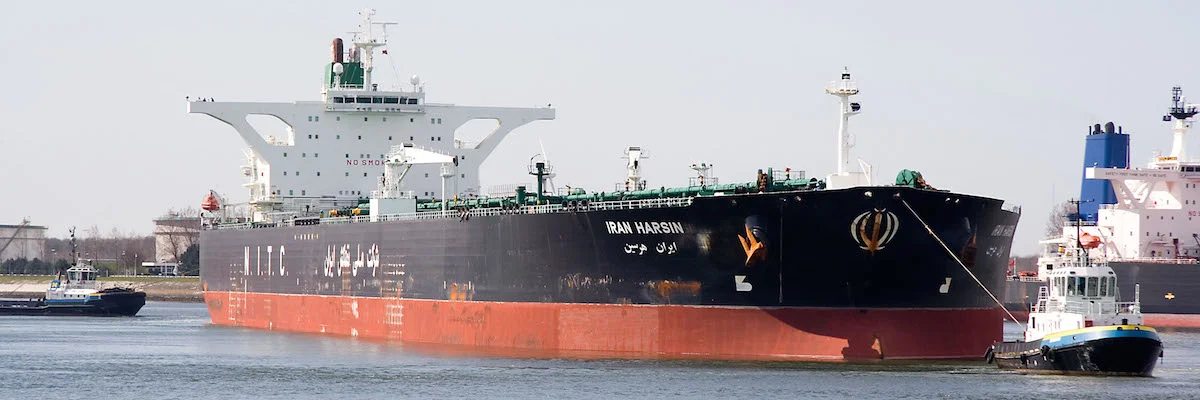
US Demands World Halt Iranian Oil Imports By Nov 4
◢ The United States warned Tuesday that countries around the world must stop buying Iranian oil before November 4 or face a renewed round of American economic sanctions. A senior State Department official warned foreign capitals "we're not granting waivers" and described tightening the noose on Tehran as "one of our top national security priorities."
The United States warned Tuesday that countries around the world must stop buying Iranian oil before November 4 or face a renewed round of American economic sanctions
A senior State Department official warned foreign capitals "we're not granting waivers" and described tightening the noose on Tehran as "one of our top national security priorities."
Last month US President Donald Trump withdrew the United States from the Iran nuclear deal, re-imposing US sanctions that had been suspended in return for controls on Tehran's nuclear program.
Now, Washington is stepping up pressure on other countries to follow suit, including European allies who begged him to stay in the accord and major Iranian customers like India, Japan and China.
European powers in particular have been attempting to negotiate exemptions for their firms, but the official confirmed that Trump intends to stick to his 180-day deadline, expiring November 4.
"I would be hesitant to say zero waivers ever," he said, but added that the official position is: "No, we're not granting waivers."
The senior US official, briefing reporters on condition of anonymity, admitted that this would be unpopular.
"I don't think the Japanese answer was particularly different than other oil importing countries," the official said, adding that he plans to visit China and India soon to discuss the matter.
"This is a challenge for them, this is not something that any country that imports oil from Iran ... wants to do voluntarily because, you know, we're asking them to make a policy change.
"China, India? Yes, certainly their companies will be subject to the same sanctions that everybody else is," he said. "We will certainly be requesting that their oil imports go to zero."
Photo Credit: Wikicommons