
Iraq Needs Three Years on Iran Power: Parliament Speaker
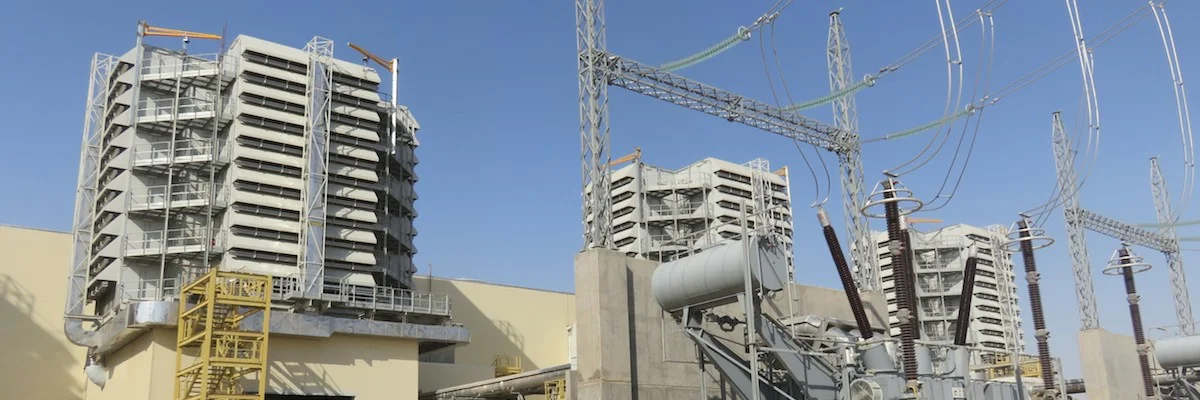
◢ Iraq's parliament speaker voiced hope Friday that the United States will keep waiving sanctions on energy purchases from Iran, saying his country will need to import electricity from its neighbor for three years. President Donald Trump's administration has sought to cut off all exports from Iran but has twice granted three-month exemptions to Iraq, mindful of chronic blackouts that have reignited unrest in the war-torn country.
Iraq's parliament speaker voiced hope Friday that the United States will keep waiving sanctions on energy purchases from Iran, saying his country will need to import electricity from its neighbor for three years.
President Donald Trump's administration has sought to cut off all exports from Iran but has twice granted three-month exemptions to Iraq, mindful of chronic blackouts that have reignited unrest in the war-torn country.
"Hopefully this waiver will be extended until Iraq can stand on its feet economically," Speaker Mohammed al-Halbusi said at the US Institute of Peace on a visit to Washington, where he met leaders including Vice President Mike Pence.
Halbusi, a member of the Sunni minority whose bloc is nonetheless considered sympathetic to Shiite power Iran, said Iraq imported 30 percent of its power despite its plentiful oil reserves and needed about three years to develop its own capacity.
“After these three years, maybe we can see Iraq as economically independent and we won't need to import power or electricity from a foreign country. Maybe we can address this issue after three years," he said.
Speaking afterwards to reporters, Halbusi warned the United States of the negative effect of "any hasty, uncalculated step to adopt policies and procedures against countries in this region."
Trump last year exited an international agreement on curbing Iran's nuclear program and reimposed punishing sanctions with hopes of curbing the clerical regime's influence around the Middle East.
Secretary of State Mike Pompeo, meeting Thursday with Halbusi, said he supported an Iraq "open to the region and the world" and pledged US help for the country's development, according to a State Department statement that did not mention Iran.
Photo Credit: MAPNA
Germany Rejects US Call to Leave Iran Nuclear Deal
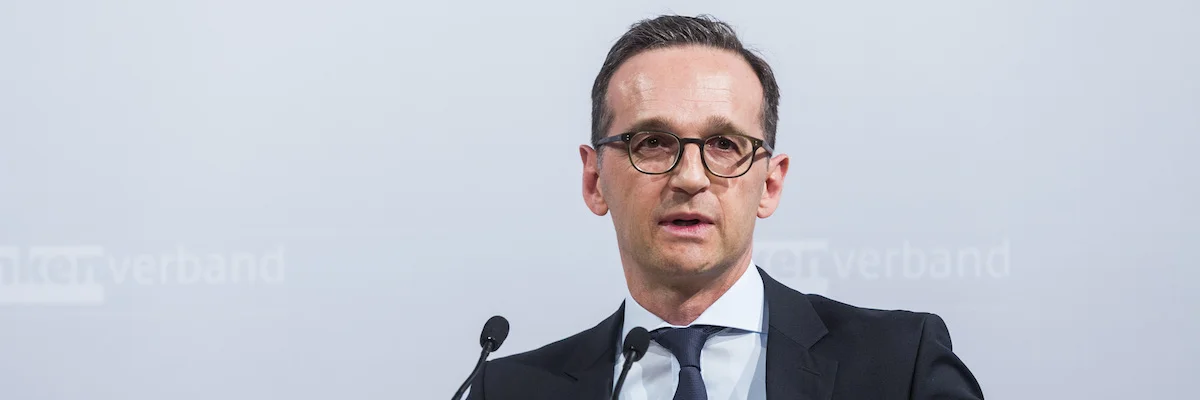
◢ Germany on Friday rejected an appeal by US Vice President Mike Pence for Europeans to withdraw from the Iranian nuclear deal and isolate Tehran. Foreign Minister Heiko Maas defended the 2015 agreement under which Iran drastically scaled back its nuclear program in return for sanctions relief.
Germany on Friday rejected an appeal by US Vice President Mike Pence for Europeans to withdraw from the Iranian nuclear deal and isolate Tehran.
Foreign Minister Heiko Maas defended the 2015 agreement under which Iran drastically scaled back its nuclear program in return for sanctions relief.
"Together with the Brits, French and the entire EU we have found ways to keep Iran in the nuclear agreement until today," Maas told the Munich Security Conference.
A day earlier, Pence accused Tehran of planning a "new Holocaust" with its opposition to Israel and regional ambitions in Syria, Lebanon, Iraq and Yemen.
Maas said that "our goal remains an Iran without nuclear weapons, precisely because we see clearly how Iran is destabilizing the region".
Without this agreement, "the region will not be safer and would actually be one step closer to an open confrontation," he added.
Pence at a conference on the Middle East in Warsaw on Thursday denounced the retention by the Europeans of the nuclear agreement.
He also criticized the initiative of France, Germany and Britain to allow European companies to continue operating in Iran despite US sanctions.
Photo Credit: Jochen Zick
Pence Demands EU Allies Leave Iran Nuclear Deal
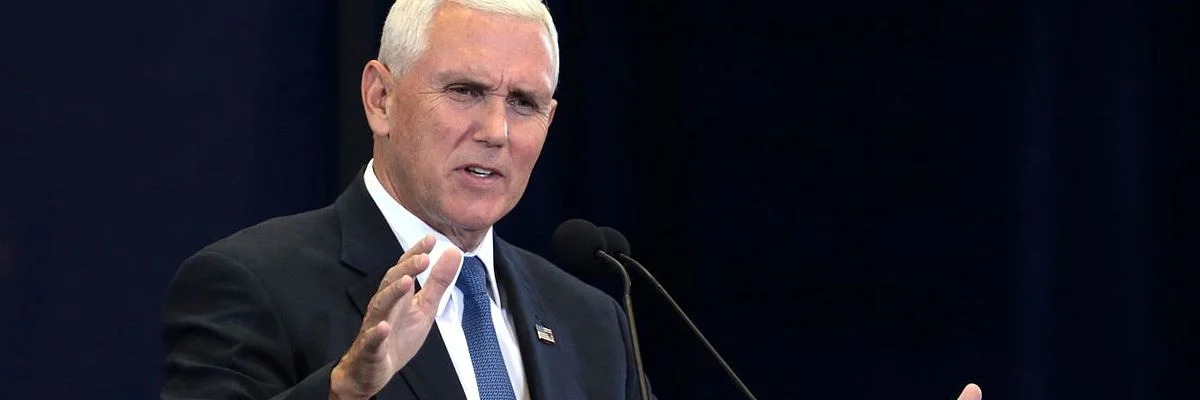
◢ US Vice President Mike Pence on Thursday demanded that European Union allies leave the Iran nuclear deal and warned of further US sanctions on Tehran. Speaking at a conference in Poland attended by Israel and senior Arab leaders, Pence denounced Iran as the "greatest threat to peace and security in the Middle East" and accused the clerical regime of plotting a "new Holocaust" with its regional ambitions.
US Vice President Mike Pence on Thursday demanded that European Union allies leave the Iran nuclear deal and warned of further US sanctions on Tehran.
Speaking at a conference in Poland attended by Israel and senior Arab leaders, Pence denounced Iran as the "greatest threat to peace and security in the Middle East" and accused the clerical regime of plotting a "new Holocaust" with its regional ambitions.
Pence denounced a new initiative by France, Germany and Britain to let European businesses keep operating in Iran despite renewed US sanctions.
"It's an ill-advised step that will only strengthen Iran, weaken the EU and creates still more distance between Europe and the United States," Pence said.
"The time has come for our European partners to withdraw from the Iran nuclear deal and join with us as we bring the economic and diplomatic pressure necessary to give the Iranian people, the region and the world the peace, security and freedom they deserve," he said.
As Iran's clerical state marks 40 years since the overthrow of the pro-US shah, Pence vowed maximum pressure while not explicitly urging regime change.
"As Iran's economy continues to plummet, as the people of Iran take to the streets, freedom-loving nations must stand together and hold the Iranian regime accountable for the evil and violence it has inflicted on its people, on the region and the wider world," he said.
US sanctions "will get tougher still" unless Iran "changes its dangerous and destabilising behavior," Pence said.
The European Union, including summit host Poland, has shown no sign of rejecting the 2015 accord negotiated under former US president Barack Obama in which Iran constrained its nuclear program in return for promises of sanctions relief.
EU officials say they acknowledge concerns about Iran but believe the deal, with which Tehran has complied, is working and that the clerical state is not the only problematic actor in the region.
Photo Credit: Wikicommons