
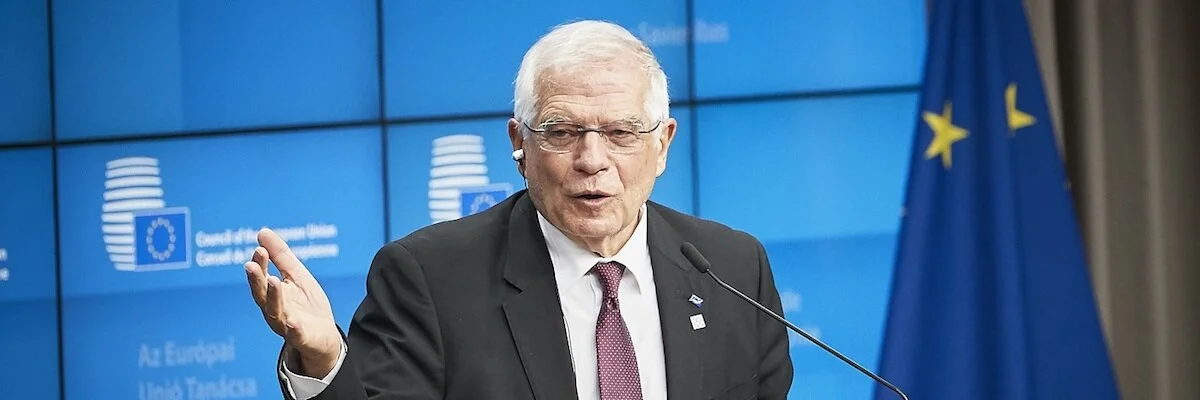
Top EU Diplomat to Visit Tehran Amid Nuclear Tensions
◢ Top EU diplomat Josep Borrell is Monday due to visit Iran, said officials in Tehran and Brussels, on his first trip there since taking office, aiming to reduce rising tensions over the Islamic Republic's nuclear program. Borrel is set to meet President Hassan Rouhani, Foreign Minister Javad Zarif and parliamentary speaker Ali Larijani on the two-day trip, his office said in a statement.
Top EU diplomat Josep Borrell is Monday due to visit Iran, said officials in Tehran and Brussels, on his first trip there since taking office, aiming to reduce rising tensions over the Islamic republic's nuclear program.
Borrel is set to meet President Hassan Rouhani, Foreign Minister Javad Zarif and parliamentary speaker Ali Larijani on the two-day trip, his office said in a statement.
The 2015 nuclear deal between Tehran and a group of world powers has been crumbling since US President Donald Trump withdrew from it in 2018, and Washington has since stepped up sanctions and a campaign of "maximum pressure" against Iran.
Tehran has gradually stepped back from its own commitments under the deal, while military tensions with the United States have brought the arch foes to the brink of full-blown confrontation in recent weeks.
Borrell's mission aims "to de-escalate tensions and seek opportunities for political solutions to the current crisis," said the office of the EU's high representative for foreign affairs and security policy.
The visit will allow Borrell "to convey the EU's strong commitment to preserve" the nuclear deal, known as the Joint Comprehensive Plan of Action, and to discuss cooperation between the EU and Iran, his office said.
Severe Recession
Washington accuses Tehran of seeking a nuclear weapon, which Iran has always denied.
The deal struck in Vienna between Iran and the five permanent members of the UN Security Council—Britain, China, France, the United States and Russia—plus Germany, offered Tehran a partial reprieve from crippling international sanctions.
In exchange, Iran agreed to drastically reduce its nuclear activities and to submit to a tailor-made inspection regime by the International Atomic Energy Agency (IAEA).
The US withdrawal from the deal and its reimposition of biting sanctions deprived Iran of anticipated economic benefits.
The renewed US sanctions have almost entirely isolated Iran from the international financial system, driven away oil buyers and plunged the country into a severe recession.
Since May 2019, Iran has progressively scaled back commitments under the agreement in response to the US sanctions and Europe's inability to circumvent them.
Iran is now producing uranium enriched beyond the 3.67 percent set by the agreement, and no longer adheres to the limit of 300 kilogrammes (660 pounds) imposed on its enriched uranium stocks.
It has also resumed research and development that was restricted under the deal.
‘Last Step'
On January 5, the Islamic republic announced the "last step" in its plan to roll back on its commitments, saying that it was no longer bound by limits on the number of centrifuges it could run to enrich uranium.
Iran accuses the European parties to the deal of not respecting their own commitments and of doing nothing to help circumvent the US sanctions.
Tehran has stressed, however, that the steps it has taken away from the deal can be reversed if Iran's interests are realised.
However, the European parties and experts question this pledge, saying research and development gains aren't reversible.
In an effort to bring Tehran back to full implementation of the deal, Paris, London and Berlin triggered a complaint mechanism in January.
The mechanism could lead to the reestablishment of all sanctions that were lifted by the UNSC, but, for now, the Europeans have been keen to get Iran back on board rather than reimpose sanctions.
Tehran has long said that if the Iran nuclear dossier were to be sent back to the UNSC, it would signal the definitive death of the 2015 deal.
Photo: EEAS
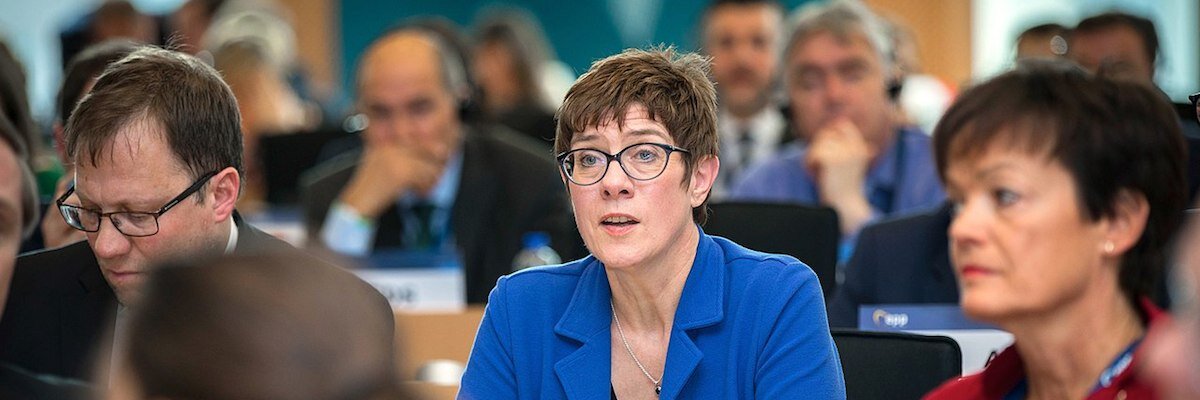
German Minister Confirms US Threatened Tariffs on EU over Iran
◢ Germany''s defense minister on Thursday confirmed a report that the United States was threatening to impose a 25 percent tariff on European car exports if it continued backing the Iran nuclear deal. "This expression or threat, as you will, does exist," Annegret Kramp-Karrenbauer told reporters.
Iran accused European governments Thursday of sacrificing a troubled 2015 nuclear deal to avoid trade reprisals from US President Donald Trump who has spent nearly two years trying to scupper it.
Foreign Minister Mohammad Javad Zarif said Trump was again behaving like a "high school bully" and the decision by Britain, France and Germany to heed his pressure to lodge a complaint over Iranian compliance deprived them of any right to claim the moral high ground.
The three governments "sold out remnants of #JCPOA (the nuclear deal) to avoid new Trump tariffs," Zarif charged.
"It won't work my friends. You only whet his appetite. Remember your high school bully?"
Germany's defence minister on Thursday confirmed a Washington Post report that the United States had threatened to impose a 25 percent tariff on imports of European cars if EU governments continued to back the nuclear deal.
"This expression or threat, as you will, does exist," Annegret Kramp-Karrenbauer told a news conference during a visit to London.
Zarif said Europe's unwillingness to antagonise the United States made a mockery of its stated determination to rescue the nuclear deal.
"If you want to sell your integrity, go ahead," Zarif tweeted. "But DO NOT assume high moral/legal ground."
The European states triggered a dispute mechanism established under the deal, which allows a party to claim significant non-compliance by another party before a joint commission, with appeals possible to an advisory board and ultimately to the UN Security Council.
Since Washington pulled out of the agreement and reimposed crippling unilateral sanctions in 2018, EU governments have sought to find a way to allow European businesses to continue trading with Iran without incurring huge US penalties.
As its economy has gone into reverse, an increasingly frustrated Iran has hit back with the step-by-step suspension of its own commitments under the deal.
The three European governments said they lodged their complaint in response to the latest step by Tehran suspending the limit on the number of centrifuges it uses to enrich uranium.
Speaking in India on Wednesday, Zarif already questioned how the European Union could allow itself to be "bullied" by Washington when it was the world's largest economy.
He warned the three EU governments party to the deal that their complaint could backfire, charging that they themselves were in violation because they had fallen in line with the US sanctions.
"They are not buying oil from us, all of their companies have withdrawn from Iran. So Europe is in violation," he said.
Zarif held talks in New Delhi on Thursday with EU foreign affairs chief Josep Borrell.
An EU statement said the two had "a frank dialogue" in which Borrell "underlined the continued interest of the European Union to preserve the agreement".
The cooling of Iran's relations with Europe comes at a time of red-hot tensions with the United States since a US drone strike in Iraq killed a top Iranian Revolutionary Guards commander earlier this month.
Photo: Wikicommons

EU Invites Iranian Foreign Minister to Brussels
◢ Iran's foreign minister has been invited to Brussels, the European Union said Sunday, January 5, urging a "de-escalation of tensions" in the Persian Gulf after a US air strike that killed top general Qassem Soleimani. The EU's foreign policy chief Josep Borrell made the offer to Mohammad Javad Zarif during a telephone call this weekend.
Iran's foreign minister has been invited to Brussels, the European Union said Sunday, January 5, urging a "de-escalation of tensions" in the Persian Gulf after a US air strike that killed top general Qassem Soleimani.
The EU's foreign policy chief Josep Borrell made the offer to Mohammad Javad Zarif during a telephone call this weekend, a press release said.
"Borrell invited the Iranian Foreign Minister to Brussels to continue their engagement on these matters," it said.
A regional political solution was the "only way forward," Borrell said, underlining "the importance of preserving" the 2015 Iran nuclear deal.
He confirmed "his resolve to continue to fully play his role as coordinator and keep the unity of the remaining participants in support of the agreement and its full implementation by all parties".
US-Iran tensions have escalated since 2018 when President Donald Trump unilaterally withdrew the United States from the landmark accord that gave Tehran relief from sanctions in return for curbs on its nuclear program.
Iran has hit back by reducing its nuclear commitments with a series of steps every 60 days, the most recent deadline passing Saturday.
Trump warned Saturday night that the US would hit Iran harder than ever before if it retaliates over the assassination of Qassem Soleimani, the commander of the Revolutionary Guards' Quds Force foreign operations.
He was killed in a US drone strike Friday near Baghdad international airport ordered by Trump, who accused the general of planning an imminent attack on American diplomats and troops in Iraq
Photo: IRNA
Iran Slams European Powers as Nuclear Deal Unravels
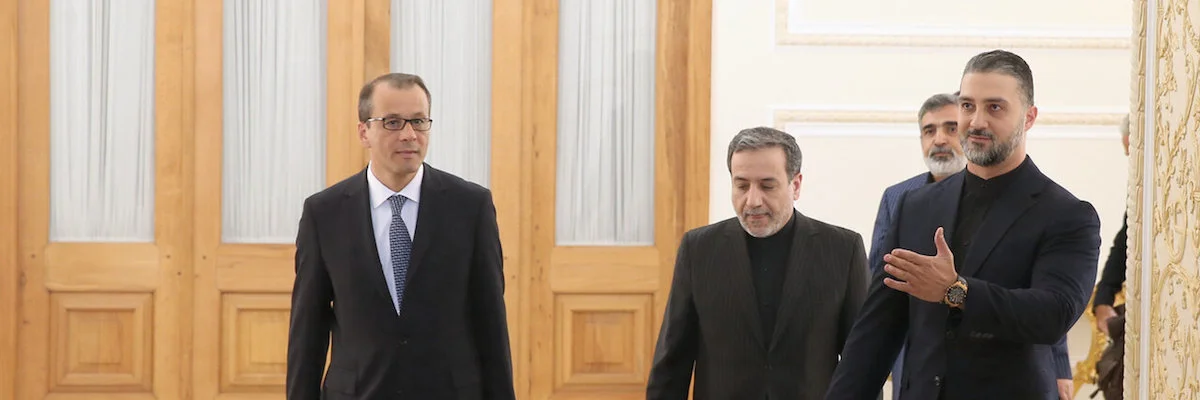
◢ Iran's atomic agency chief hit out Sunday at European powers, saying their broken promises gave the Islamic republic little choice but to scale back its commitments under a nuclear deal. "The European Union was supposed to be the replacement of the US but, unfortunately, they failed to act on their promises," Salehi told reporters.
By David Vujanovic
Iran's atomic agency chief hit out Sunday at European powers, saying their broken promises gave the Islamic republic little choice but to scale back its commitments under a nuclear deal.
Ali Akbar Salehi was speaking to reporters alongside Cornel Feruta, the acting head of the International Atomic Energy Agency who was on a one-day visit to Tehran.
The IAEA official's visit came less than 24 hours after Iran said it was firing up advanced centrifuges that enrich uranium at a faster rate—the latest blow to the landmark 2015 nuclear deal.
It was the third step in a strategy Iran implemented in May, reducing its nuclear commitments in a bid to force the deal's remaining parties to deliver on promises of relief from crippling US sanctions.
Britain, France and Germany have been trying to save the nuclear deal, which began unravelling last year when US President Donald Trump withdrew from it and began reimposing the punitive measures against Iran.
"The European Union was supposed to be the replacement of the US but, unfortunately, they failed to act on their promises," Salehi told reporters.
"We heard the EU spokesperson say they would be committed to the JCPOA as long as Iran is," he said, referring to the deal by its formal name, the Joint Comprehensive Plan of Action.
"I am wondering. Are they committed to non-adherence? Are they committed to breaking promises? Unfortunately, the Europeans have done this so far."
'One-Way Street'
The head of Iran's Atomic Energy Organisation said the JCPOA was now just a "one-way street.”
"The street was supposed to be two-way. If it's going to be one-way, the Islamic Republic of Iran will definitely make the right decisions at the right time like it has done with these three steps," said Salehi.
During his visit, Feruta was informed about Iran's "announced activities related to its centrifuge research and development", according to a statement from the Vienna-based IAEA.
The UN nuclear watchdog said "ongoing interactions... require full and timely cooperation by Iran," which diplomats said may hint at worries about information sharing.
In a report on August 30, the IAEA said it was continuing to verify compliance through cameras and on-site inspections.
France, which has been leading the European efforts to rescue the nuclear deal, on Sunday urged Iran to halt its steps away from the accord.
"The channels for dialogue are still open, including today... (but) Iran must give up such actions," said Foreign Minister Jean-Yves Le Drian.
The crumbling accord was meant to give Iran relief from sanctions in return for curbs on its nuclear program.
IAEA Scrutiny
Iran has taken a series of retaliatory steps to reduce compliance with the deal since the US withdrawal in May 2018.
On July 1, it said it had increased its stockpile of enriched uranium to beyond the 300-kilogram limit set by the agreement.
A week later, the Islamic republic announced it had exceeded the deal's uranium enrichment level of 3.67 percent.
On Saturday, Iran's Atomic Energy Organisation said it had taken another step by starting up 20 IR-4 and 20 IR-6 advanced centrifuges.
Under the Joint Comprehensive Plan of Action, Iran was allowed to enrich uranium using only first generation—or IR-1—centrifuges.
Despite the latest move, the agency said Iran would allow the IAEA to continue monitoring its nuclear facilities in accordance with the 2015 agreement.
Feruta also held talks on Sunday with Iran's top diplomat Mohammad Javad Zarif.
The watchdog said he would report the findings from his visit to Iran to the agency's board of governors when it convenes for a quarterly meeting in Vienna on Monday.
Photo: IRNA
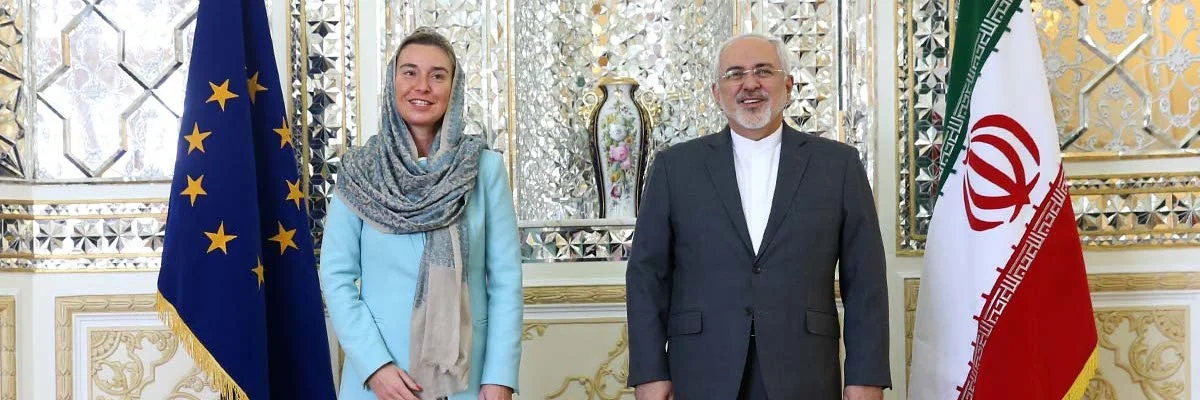
EU to Work With Top Iran Diplomat Despite US Sanctions
◢ The European Union said Thursday it regrets the US decision to impose sanctions against Iran’s foreign minister Mohammad Javad Zarif and vowed to continue working with him. “We regret this decision,” said Carlos Martin Ruiz De Gordejuela, a spokesman for EU diplomatic chief Federica Mogherini.
The European Union said Thursday it regrets the US decision to impose sanctions against Iran’s foreign minister Mohammad Javad Zarif and vowed to continue working with him.
The decision Wednesday was the latest blow by US President Donald Trump to the 2015 international deal to curb Iran’s nuclear program, which Brussels has been trying to salvage.
“We regret this decision,” said Carlos Martin Ruiz De Gordejuela, a spokesman for EU diplomatic chief Federica Mogherini.
“From our side, we will continue to work with Mr Zarif as Iran’s most senior diplomat and in view of the importance of maintaining diplomatic channels,” Martin said.
The US government announced Wednesday it was freezing any of Zarif’s assets that are in the United States or are controlled by US entities, adding it also will curtail his international travel.
Trump last year pulled out of a 2015 deal struck by his predecessor Barack Obama, EU powers, China and Russia aimed at curbing Iran’s nuclear program.
The EU has been trying to salvage the deal ever since.
Zarif has been at the heart of complex talks with foreign capitals over Iran’s nuclear power industry, which Tehran says is peaceful, but Washington and regional allies including Israel insist is cover for a secret weapons program.
But a senior Trump administration official said that Zarif’s diplomatic image—bolstered by his fluent English, self-effacing humor and background as a US-educated academic—was false.
Photo: IRNA
EU Holds Iran Nuclear Crisis talks as Tehran Issues Fresh Threats
◢ European foreign ministers held crisis talks Monday on saving the beleaguered Iran nuclear deal as Britain warned the "small window" for success was closing and Tehran issued fresh threats of restarting its atomic program. British Foreign Secretary Jeremy Hunt—who held phone talks with his US and Iranian counterparts at the weekend—insisted "the deal isn't dead yet.”
By Damon Wake
European foreign ministers held crisis talks Monday on saving the beleaguered Iran nuclear deal as Britain warned the "small window" for success was closing and Tehran issued fresh threats of restarting its atomic program.
Tensions in the Gulf have soared since last year, when the United States pulled out of the 2015 deal and reimposed sanctions on Iran, hammering its economy and prompting Tehran to break limits on uranium enrichment and stockpiling.
The European Union is desperately trying to prevent the deal unravelling completely, seeing it as the best way to stop Tehran acquiring atomic weapons, and the issue was top of the agenda as ministers from the bloc met in Brussels.
But Iran piled fresh pressure on Europe, demanding concrete measures to give it relief from US sanctions and threatening to return its nuclear programme to where it was before the curbs imposed by the 2015 deal.
British Foreign Secretary Jeremy Hunt—who held phone talks with his US and Iranian counterparts at the weekend—insisted "the deal isn't dead yet.”
"Iran is still a good year away from developing a nuclear weapon. We think there is still some closing but small window to keep the deal alive," Hunt told reporters.
Britain, France and Germany—the three European parties to the deal—on Sunday issued a joint statement calling for dialogue to resolve the crisis.
Iran has repeatedly warned it could leave the deal unless the remaining parties bypass US sanctions to deliver the promised economic benefits and on Monday threatened to take its nuclear programme back to its pre-deal status.
"If the Europeans and the Americans don't want to carry out their duties... we will decrease our commitments and... reverse the conditions to four years ago," Iranian atomic energy agency spokesman Behrouz Kamalvandi said, quoted by IRNA state news agency.
The US has vowed to pursue its "maximum pressure" campaign against Iran, but Spanish Foreign Minister Josep Borrell—lined up to be the next EU diplomatic chief—warned its strategy is only "strengthening the most radical" elements in the Islamic republic.
Current EU diplomatic chief Federica Mogherini said the steps taken by Iran so far—including enriching uranium above the 3.67 percent ceiling set by the deal—were reversible.
For now, none of the remaining parties have triggered the formal dispute mechanism, meaning that they did not regard Iran's breaches up to now as "significant non-compliance" under the terms of the deal, Mogherini said.
No 'Less for Less'
Europe hopes to use a special trading mechanism called INSTEX to enable businesses to deal with Iran without using the US dollar or financial system, thereby helping the Iranian economy while avoiding Washington's sanctions.
But the mechanism is complicated, no transactions have been finalised yet and it can for now only be used for humanitarian goods -- food and pharmaceuticals, for example -- though Mogherini said the shareholding countries were discussing extending it to Iran's crucial oil sector.
The sweeping nature of the US measures has scared many major European businesses out of Iran despite Brussels' insistence that American sanctions do not apply in Europe.
"Iran has taken bad decisions in response to the bad decision of the United States to pull out of the deal and reimpose sanctions, whose extraterritoriality strikes at the economic advantages the country got from the deal," French Foreign Minister Jacques-Yves Le Drian said as he arrived in Brussels.
The Iranian foreign ministry warned in a statement that its compliance with the deal was "rooted in the principle of reciprocity" and demanded Europe come up with "practical, effective and responsible decisions".
EU ministers insisted Iran must return to respecting its obligations under the deal in full, rejecting a suggestion by Iranian President Hassan Rouhani that both sides could reduce their commitments.
"This is a very, very serious situation. We must make it clear once again, in clear language, that there is only a chance if Iran commits itself unreservedly to what is contained in the treaty," Germany's junior foreign minister Michael Roth told reporters.
But the Iranian foreign ministry statement branded the European expectations "unrealistic", demanding a quid pro quo for undoing its recent breaches of the deal -- including exceeding a 300-kilo (660-pound) limit on enriched uranium stockpiles.
The joint commission overseeing the accord, made up of representatives from the countries still in the deal—the Europeans plus China, Russia and Iran—will meet "very soon" to discuss Tehran's breaches, Hunt said.
Photo: Wikicommons
Europe Doubles Down on Iran Support as Trump Targets Oil Exports
◢ Europe pledged to keep afloat its efforts to aid Iran after the U.S. tightened the screw by targeting all exports of Iranian oil for sanctions. The French government and the European Union both said they will abide by the terms of the Iran nuclear accord with world powers even after the latest U.S. move.
Europe pledged to keep afloat its efforts to aid Iran after the U.S. tightened the screw by targeting all exports of Iranian oil for sanctions.
The French government and the European Union both said they will abide by the terms of the Iran nuclear accord with world powers even after the latest U.S. move. France and its European partners intend to continue efforts to ensure that Iran derives economic benefits as long as Tehran complies with its nuclear obligations, the Foreign Ministry in Paris said.
U.S. Secretary of State Michael Pompeo said Monday that the U.S. wouldn’t renew waivers granted to eight countries including South Korea, Japan and Turkey that allowed them to buy Iranian oil without facing sanctions. The non-renewal of waivers that were due to expire on May 2 roiled energy markets and risks upsetting major importers including China and India.
Europe’s insistence on standing by the Iran nuclear deal, known as the JCPOA, risks further inflaming tensions with the Trump administration as it seeks to force Tehran to renegotiate the terms of the accord to include Iran’s non-nuclear ballistic missiles and influence in the wider Middle East.
“We regret yesterday’s announcement by the U.S. not to renew oil waivers,” European Commission spokeswoman Maja Kocijancic told reporters in Brussels. “This further risks undermining the implementation of the JCPOA, which is a key element of the global nuclear non-proliferation architecture that was endorsed unanimously by the UN security council.”
Trade Spillover
European leaders such as French President Emmanuel Macron and German Chancellor Angela Merkel may have concerns at potential fallout for EU-U.S. trade talks aimed at averting more tit-for-tat tariffs, since President Donald Trump has previously shown willingness to conflate disparate policy matters in a bid to achieve his goals.
Germany, France and the U.K. have already created a special purpose vehicle for trade with Iran designed to get around U.S. sanctions. Work on the INSTEX mechanism to facilitate financial transactions for European companies trading with Iran is “progressing positively with a view to a near completion,” the French ministry said.
Iran should continue work on its mirror mechanism, the ministry said. Exchanges between the two sides are underway to ensure that both structures “operate in a manner consistent with international financial standards,” it said.
France said it is “determined” to persevere with the nuclear deal, while Kocijancic at the commission said the EU will abide by the accord “as long as Iran continues with the full and effective implementation of its nuclear-related commitments.”
Photo: Bloomberg
EU Provides €1.2 Million in Emergency Support Following Iran Floods
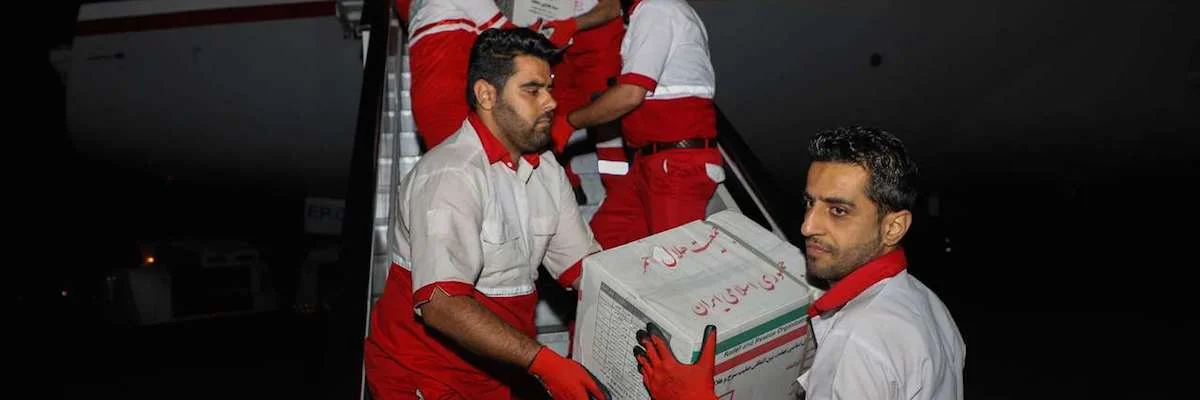
◢ Responding to the devastating floods that have recently affected northern and south western parts of Iran, the European Commission has announced an initial amount of EUR 1.2 million of emergency funding to assist the most vulnerable communities.
Responding to the devastating floods that have recently affected northern and south western parts of Iran, the European Commission has announced an initial amount of EUR 1.2 million of emergency funding to assist the most vulnerable communities.
In a statement released on Thursday, Commissioner for Humanitarian Aid and Crisis Management, Christos Stylianides declared, “We stand in full solidarity with the Iranian people at this difficult time. Our thoughts are with the thousands of families affected by the deadly floods as well as with the brave responders on the ground. The EU will help deliver essential support in the impacted areas.”
The commissioner added, “The new funding will support humanitarian partners, including the International Federation of Red Cross and Red Crescent Societies (IFRC) in delivering much needed relief assistance which will allow the most in need to cover their urgent needs. For over 20 years the EU has funded humanitarian operations in Iran, providing assistance to the most vulnerable refugees, including protection, shelter, water and sanitation, food security, and access to basic education and healthcare services.”
Photo Credit: IRNA
EU Backs Iran Trading System But Warns on Syria, Missiles
◢ The EU warned Tehran over its ballistic missile program and interference in the Syria conflict Monday, while welcoming a new mechanism to trade with Iran while bypassing US sanctions. In a long-awaited statement on Iran that has been the subject of more than a week of wrangling in Brussels, the EU restated its commitment to saving the 2015 nuclear deal with Iran and took aim at Washington for abandoning the pact and reimposing sanctions.
The EU warned Tehran over its ballistic missile program and interference in the Syria conflict Monday, while welcoming a new mechanism to trade with Iran while bypassing US sanctions.
In a long-awaited statement on Iran that has been the subject of more than a week of wrangling in Brussels, the EU restated its commitment to saving the 2015 nuclear deal with Iran and took aim at Washington for abandoning the pact and reimposing sanctions.
The bloc hailed the creation last week by France, Britain and Germany of a system to allow firms to trade with Iran without falling foul of US sanctions as vital to supporting legitimate business and said the "resolve to complete this work is unwavering".
But with numerous European powers growing increasingly concerned about Tehran's missile programme, meddling in several Middle East conflicts and recent attempted attacks on opposition figures living in the EU, the bloc urged Iran to mend its ways.
The statement criticized Iran's "provision of military, financial and political support to non-state actors in countries such as Syria and Lebanon.”
"The (EU) Council has serious concerns regarding Iran's military involvement and continuous presence of Iranian forces in Syria," the statement said.
Iran is a key supporter of Syrian President Bashar al-Assad and the statement urged Tehran to use its leverage to get Damascus behind UN-led efforts to end the civil war, which has claimed more than 360,000 lives since it began in 2011.
While defending the nuclear deal—which limited Tehran's atomic ambitions in return for sanctions relief—Europe has sought to keep up pressure with sanctions, most recently listing Iranian intelligence services over plots to assassinate regime opponents on Dutch, Danish and French soil.
Continuing Iranian missile tests have also alarmed the EU—not to mention countries in the Middle East—and Monday's statement called on Tehran to stop such activities.
"Iran continues to undertake efforts to increase the range and precision of its missiles, together with increasing the number of tests and operational launches. These activities deepen mistrust and contribute to regional instability," the statement said.
Brussels hopes the new Iran trading mechanism—registered last week in Paris under the name INSTEX—will keep Tehran in the nuclear deal by preserving some of the economic benefits it received.
Iran gave INSTEX a cautious welcome but US officials have dismissed the idea that the new entity would have any impact on efforts to exert economic pressure on Tehran.
Before INSTEX can go live, Iran has to set up a similar entity of its own so the two sides can clear trading on a barter basis without transferring money. It is not clear how long this will take.
Photo Credit: Wikicommons
EU's Iran Payments Vehicle Ready - But Stuck
◢ A payment mechanism the EU hopes will save the Iran nuclear deal by bypassing US sanctions is ready, diplomats said Monday, but is held up by disagreements among European countries. The "Special Purpose Vehicle" is being put together by Germany, France and Britain, the European signatories to the 2015 accord that curbed Tehran's nuclear ambitions in return for sanctions reilef.
A payment mechanism the EU hopes will save the Iran nuclear deal by bypassing US sanctions is ready, diplomats said Monday, but is held up by disagreements among European countries.
The "Special Purpose Vehicle" is being put together by Germany, France and Britain, the European signatories to the 2015 accord that curbed Tehran's nuclear ambitions in return for sanctions reilef.
The entity, to be based in France with German governance and finance from all three countries, will allow Iran to receive payments despite Washington reimposing sanctions after ditching the deal.
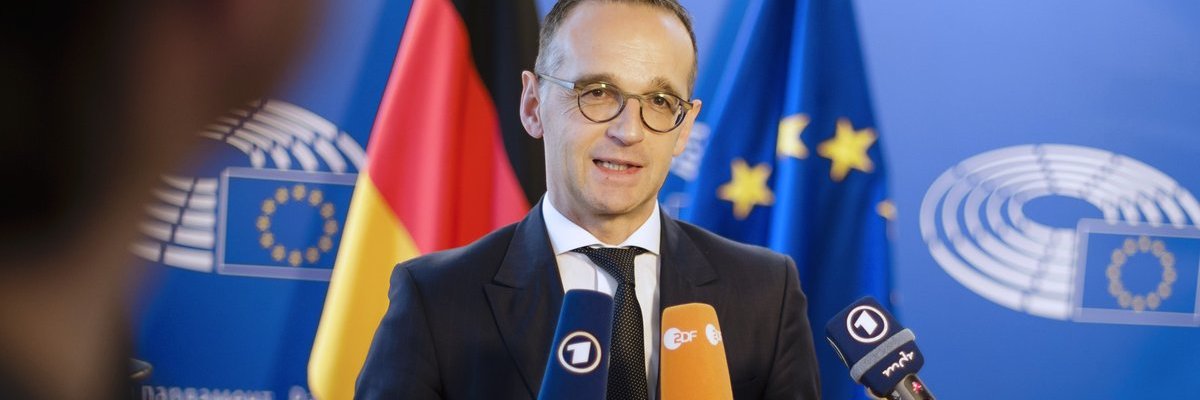
"It will be registered, it is not yet registered. I would say that we are immediately before the point of the implementation of our plan," German Foreign Minister Heiko Maas said at a meeting in Brussels organized by the Belgian government.
While the vehicle is the work of the three governments involved, the EU wants to launch it along with a formal statement on Iran endorsed by all 28 member states and addressing the whole spectrum of European concerns about the Islamic republic.
The EU has commended Iran for sticking to its commitments under the nuclear deal, but has growing concerns about Tehran's ballistic missile program, as well as its human rights record, its interference in Middle East conflicts and recent attempted attacks against opposition groups in Europe.
Diplomatic sources said that Italy and Spain have so far blocked the adoption of the statement, meaning it may have to wait until the next formal meeting of EU ministers on February 12.
It is not clear whether Germany, France and Britain will wait for consensus on the statement or go ahead and launch the vehicle without it.
Photo Credit: Phototek
US Calls for EU Sanctions on Iranian Ballistic Program
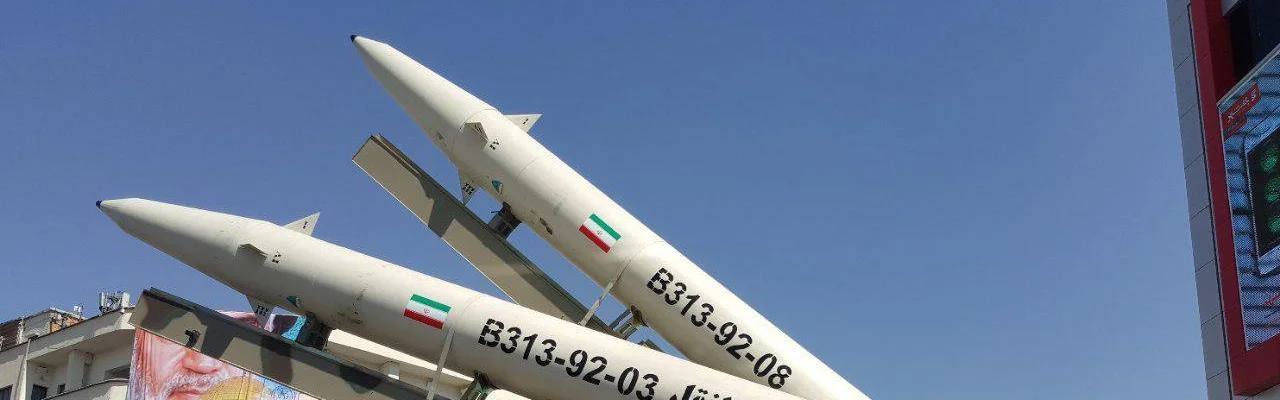
◢ The United States urged the European Union on Monday to apply sanctions targeting Iran's ballistic missile program, calling it a "grave and escalating threat." Over the weekend, US Secretary of State Mike Pompeo charged that Iran tested a medium-range missile capable of carrying multiple warheads and striking parts of Europe and the entire Middle East.
The United States urged the European Union on Monday to apply sanctions targeting Iran's ballistic missile program, calling it a "grave and escalating threat."
Over the weekend, US Secretary of State Mike Pompeo charged that Iran tested a medium-range missile capable of carrying multiple warheads and striking parts of Europe and the entire Middle East.
He said the test violated UN Security Council Resolution 2231, which endorsed the Iran nuclear deal signed by world powers with the Islamic republic.
"The Iranian government claims that its missile testing is purely defensive in nature. It's not defensive," Washington's Iran special envoy Brian Hook told reporters aboard Pompeo's plane as he traveled to Brussels for a NATO meeting.
"We would like to see the European Union move sanctions that target Iran's missile program."
Hook said President Donald Trump's campaign of "maximum pressure" on Tehran since withdrawing from the Iran nuclear deal "can be effective if more nations can join us in those (sanctions)."
"It is a grave and escalating threat, and nations around the world, not just Europe, need to do everything they can to be targeting Iran's missile program," he added.
Hook said "progress" was being made on getting NATO allies to consider a proposal to target individuals and entities that play key roles in Iran's missile program.
The United States decided in May to withdraw from the 2015 nuclear deal and reimpose sanctions on Iran.
EU countries have denounced the move and are working to preserve the nuclear deal, even though they have also criticized Iranian positions on other matters.
Photo Credit: IRNA
EU to Consider Sanctions on Iran for Failed Attack Plots
◢ EU foreign ministers on Monday agreed to examine possible sanctions against Iran over two foiled attacks in Europe blamed on Iranian intelligence, as demands grow for tough action against Tehran. France has hit two suspected Iranian agents with asset freezes over a plot to bomb a rally near Paris, while Denmark has called for a coordinated EU response to a foiled murder bid on its soil.
EU foreign ministers on Monday agreed to examine possible sanctions against Iran over two foiled attacks in Europe blamed on Iranian intelligence, as demands grow for tough action against Tehran.
France has hit two suspected Iranian agents with asset freezes over a plot to bomb a rally near Paris, while Denmark has called for a coordinated EU response to a foiled murder bid on its soil.
The move came as 150 MEPs slammed the bloc's "silence" over the plots as well as human rights abuse in Iran and called for steps to hold Tehran to account.
Up to now the EU has trod cautiously on Iran as it seeks to save the beleaguered nuclear deal with Tehran, after the US withdrew from it earlier this year and reimposed sanctions.
Copenhagen has been consulting EU partners about economic sanctions against Tehran after Danish intelligence accused Iran of planning to murder three Iranian dissidents in Denmark.
EU foreign ministers meeting in Brussels discussed the incident and decided to press ahead with work on sanctions.
"What happened (in Denmark) was completely unacceptable and this was clearly stated by all of us," EU foreign policy chief Federica Mogherini told reporters.
"The council will take forward some work to explore appropriate targeted responses in light of what has happened in Danish territory."
The measures could include adopting at EU level the sanctions France imposed last month on two suspected Iranian agents and others from Iran's ministry of intelligence and security.
France's security services concluded that the head of operations at the Iranian intelligence ministry had ordered a plot to bomb a rally of the People's Mujahedeen of Iran (MEK) opposition group in a suburb of Paris in June.
Iran has been blamed in the past for attacks in countries as far afield as Argentina, India and Thailand, and French officials say Tehran is also suspected of carrying out "several" assassinations of opposition figures in Europe since 2015.
Photo Credit: Wikicommons
EU Bid to Sidestep US Iran Sanctions Hits Quicksand
◢ The EU effort to save the Iran nuclear accord by building a mechanism to buy Tehran's oil despite the return of US sanctions has run into difficulty. Brussels supports the deal struck in 2015 to curb Iran's nuclear ambitions, which was dealt a blow in May when the US President Donald Trump pulled out. But Washington has announced the reimposition of broad sanctions from November 4, including on Iran's oil sector, scaring off European traders.
The EU effort to save the Iran nuclear accord by building a mechanism to buy Tehran's oil despite the return of US sanctions has run into difficulty.
Brussels supports the deal struck in 2015 to curb Iran's nuclear ambitions, which was dealt a blow in May when the US President Donald Trump pulled out.
But Washington has announced the reimposition of broad sanctions from November 4, including on Iran's oil sector, scaring off European traders.
Last month at the United Nations, the EU announced plans for a "special purpose vehicle"—a payment system to continue trade and business ties with Iran.
The renewed US sanctions come into force on Sunday, and work on the mechanism is still going on.
"We are in the process of putting measures in place. Work is ongoing," EU foreign affairs spokeswoman Maja Kocijancic told reporters on Wednesday.
The payment mechanism has the backing of the remaining five signatories to the Iran deal—Britain, China, France, Germany and Russia.
But senior officials in Brussels admit that it is proving difficult to set up.
"The undertaking is very complicated... the vehicle will not be operational on November 5," one told AFP.
The EU will publish a statement on Tuesday reaffirming support for the nuclear deal, as long as Tehran continues to respect its side of the bargain.
And an EU diplomat said the plan to create the new entity would be confirmed at the same time.
"The intention is to create a company registered in an EU country which will allow transactions," the official said.
"We need to supply it with capital and clarify its governance -- this is not easy and it will not just start working overnight."
The three EU deal signatories—France, Britain and Germany—are involved in the project, along with other countries which buy Iranian oil.
But not all EU countries are on board, Iranian agents have been accused of plotting attacks on opposition figures in Europe and US elections are looming.
One European diplomat said the bloc wants to avoid a "direct confrontation" with Trump's administration over Iran before the November 6 congressional poll.
But in any case, the plans—championed by EU high representative for foreign affairs Federica Mogherini—are progressing very slowly.
"For the moment, we're nowhere. There's no will to proceed on the behalf of the member states," one of those negotiating the design of the mechanism said.
Another official insisted: "The plan's not dead." But he admitted the whole enterprise is "politically risky" for capitals wary of antagonizing Washington.
Oil Prices Up?
US Secretary of State Mike Pompeo has explicitly warned against EU states or companies trying to get around the sanctions, which are a US policy priority.
The idea is that the SPV acts as a clearing house. Traders would pay into it to buy Iranian exports and Iran's purchases in Europe would be paid by the fund.
This would allow Europeans to trade Iranian oil without sending cash directly to the Islamic republic.
And EU leaders have not ruled out allowing entities from other states keen to avoid US sanctions—notably India, China and Turkey—to use the SPV.
This would blow a hole in US efforts to use oil sanctions to pressure Iran into more concessions than agreed to in the nuclear deal—or face collapse.
But it would also accelerate the widening of the rift between the US and its allies on foreign policy, and Trump may seek to punish firms using the vehicle.
Europe nevertheless hopes it can avoid an immediate crisis, and persuade Iran to stick by its side of the nuclear deal despite Washington's refusal to do so.
“Iranian oil sales won't drop to zero on November 5, the day after the US reimposes sanctions," a European expert told AFP.
"The Americans known that prices are already high and that Iran's exit from the market will only force them higher, which isn't in their interests."
European clients—mainly in Spain, Italy, Greece and France—buy 20 percent of Iran's oil exports.
According to the European Commission, last year EU members bought nine billion dollars of Iranian exports and Iran spent 10 billion in the union.
Photo Credit: Wikicommons
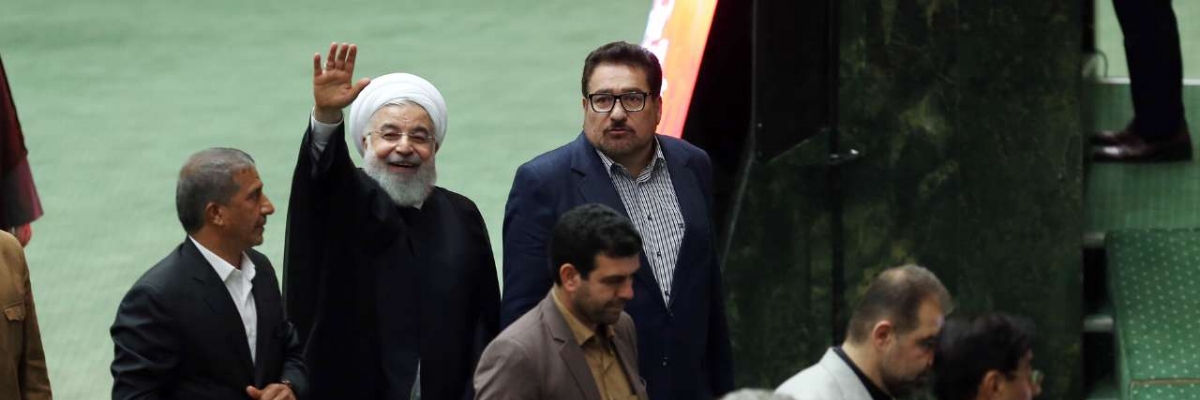
Europe Support Against US 'Rare Victory' for Iran: Rouhani
◢ President Hassan Rouhani said Saturday that the divisions between the US and Europe over renewed sanctions on Iran were a "rare historical victory" for the Islamic republic. EU countries have fiercely opposed the decision by US President Donald Trump to abandon their landmark 2015 nuclear deal with Iran and reimpose sanctions—the last of which will return on November 5.
President Hassan Rouhani said Saturday that the divisions between the US and Europe over renewed sanctions on Iran were a "rare historical victory" for the Islamic republic.
"If this time last year, we had stated that America would stand against the great nation of Iran... and Europe would stand with Iran and against America, the overwhelming majority of us... would have said that this was pure optimism," Rouhani told lawmakers in a televised address.
"The political victory of the great nation of Iran over the past months is a rare victory in history."
EU countries have fiercely opposed the decision by US President Donald Trump to abandon their landmark 2015 nuclear deal with Iran and reimpose sanctions—the last of which will return on November 5.
Rouhani was addressing parliament for a special session to approve four new ministers covering the portfolios of economy, transport, labour and industry.
He acknowledged Iranians were feeling the economic strain, saying: "All of us understand people are suffering and under pressure. People's lives, in particular those on a fixed income, are very difficult."
But he insisted there were sufficient reserves of basic commodities and foreign currency to weather the storm, even after a record-breaking plunge in the rial over the summer and imminent sanctions on its crucial oil industry.
"We cannot tell our people that because of America's pressure, we cannot do anything. This answer is not acceptable. We cannot tell people that because there are problems with selling our oil, we are unable to manage the country," he said.
He criticized foreign media reports that costs were soaring, despite Iran's own central bank showing food and drink prices had risen 46.5 percent in the year to September.
"Foreign media lie to people of Iran and say that Iran is the most expensive country people live in," Rouhani said.
Lawmakers later approved the four names put forward by Rouhani: Farhad Dejpasand as economy minister, Mohammad Eslami for transport, Reza Rahmani for industry and Mohammad Shariatmadari for labour.
The previous economy and labour ministers were impeached by parliament in August, while the other two resigned last week.
Photo Credit: IRNA
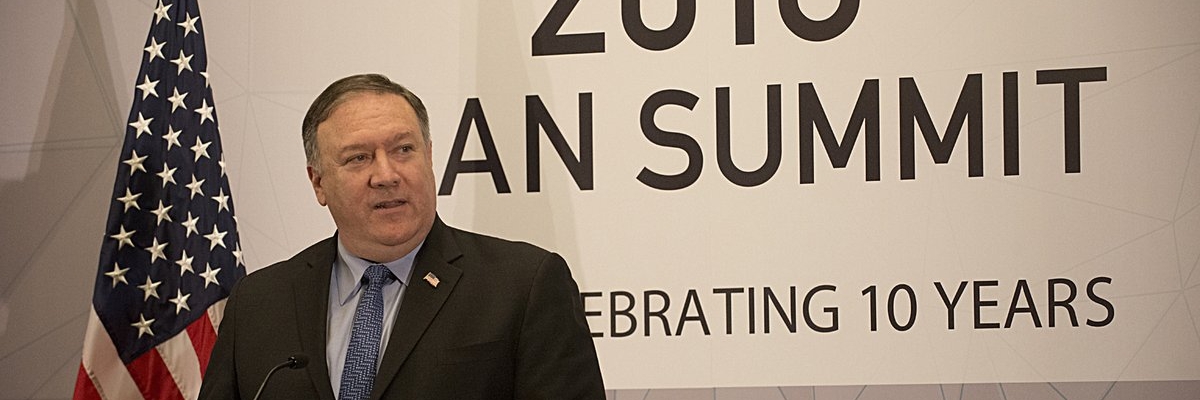
Pompeo 'Disturbed' by EU Payment Plan for Iran Business
◢ US Secretary of State Mike Pompeo denounced Tuesday a European Union plan to set up a way to preserve business with Iran and avoid renewed American sanctions. Addressing the United Against a Nuclear Iran pressure group being held near the annual UN General Assembly, Pompeo said he was "disturbed and indeed deeply disappointed" by Monday's announcement from remaining members of an international nuclear deal.
US Secretary of State Mike Pompeo denounced Tuesday a European Union plan to set up a way to preserve business with Iran and avoid renewed American sanctions.
Addressing the United Against a Nuclear Iran pressure group being held near the annual UN General Assembly, Pompeo said he was "disturbed and indeed deeply disappointed" by Monday's announcement from remaining members of an international nuclear deal.
"This is one of the most counterproductive measures imaginable for regional peace and security," Pompeo said, accusing the European Union of "solidifying Iran's ranking as the number-one state sponsor of terrorism."
"I imagine the corrupt ayatollahs and IGRC were laughing this morning," Pompeo added at the event in New York, referring to the elite Revolutionary Guards, in a speech that was interrupted several times by anti-war protesters.
President Donald Trump pulled out of an agreement negotiated under his predecessor Barack Obama for Iran to curtail its nuclear program sharply in exchange for sanctions relief.
EU foreign policy chief Federica Mogherini, speaking late Monday alongside Iranian Foreign Minister Mohammad Javad Zarif, said that the agreement was in the global interest and pointed to UN inspectors' findings that Iran is in compliance.
She said that European Union members were working on a legal entity that would allow businesses to buy oil and conduct other business with Iran in hopes of avoiding US sanctions.
Photo Credit: UANI
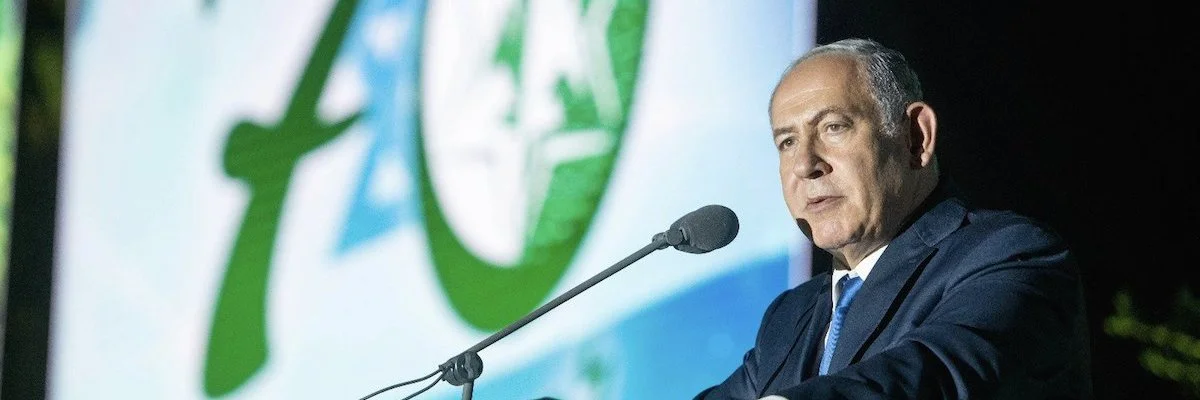
Netanyahu Accuses Europe of 'Appeasing' Iran
◢ Israeli Prime Minister Benjamin Netanyahu on Wednesday accused European leaders of "appeasing" Iran instead of confronting its militant activity. Netanyahu's remarks, made in a cabinet meeting, feed into his ongoing efforts to sway world leaders to join the United States in upping pressure on Israel's arch foe through sanctions.
Israeli Prime Minister Benjamin Netanyahu on Wednesday accused European leaders of "appeasing" Iran instead of confronting its militant activity.
Netanyahu's remarks, made in a cabinet meeting, feed into his ongoing efforts to sway world leaders to join the United States in upping pressure on Israel's arch foe through sanctions.
"The time has come for the world to unite in the fight against terrorist organizations. It is doing so to a certain extent against the Islamic State group, but it is not doing so against Iran," Netanyahu said.
He accused European leaders of "appeasing" and "reconciling" with Iran.
In May, US President Donald Trump withdrew from a nuclear deal between Iran and world powers, before re-imposing a first major round of unilateral sanctions on Tehran in August.
Netanyahu had consistently called for the landmark 2015 accord to be altered or scrapped, saying it was too limited in scope and time-frame, and did nothing to stop Iran financing militant activities in the region.
European powers are seeking to save the nuclear deal and have vowed to keep providing Iran with the economic benefits it received from the accord.
Germany, France and Britain—and other signatories Russia and China—argue that the agreement has worked as intended in keeping Iran from obtaining nuclear weapons for now.
"The appeasement of Iran abets the relentless assault on the values and security of the free societies, and the time has come for Western governments to join the strong and clear effort by the Trump administration against the terror regime in Tehran," Netanyahu said on Wednesday.
Washington has sought to build up multilateral pressure on Iran and has set a November 5 deadline for halting its oil exports.
Photo Credit: Wikicommons
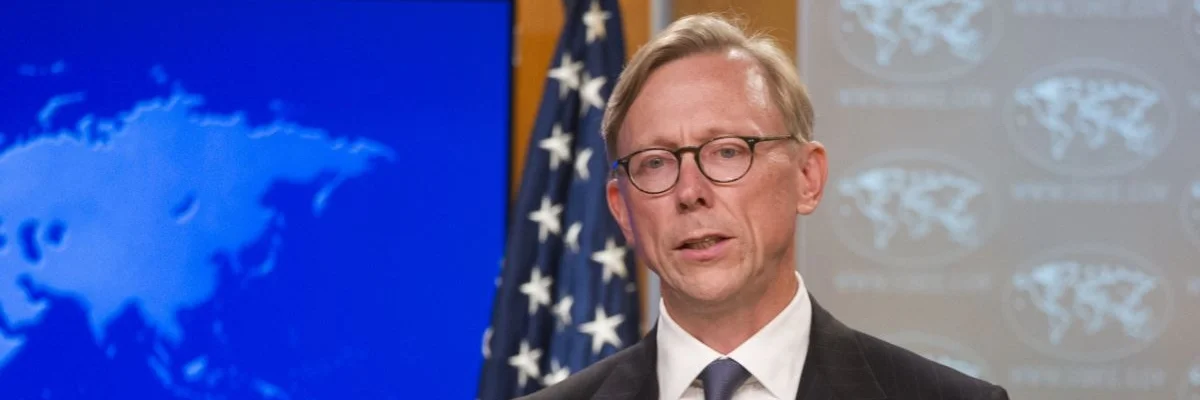
Washington Criticizes European Aid Package for Iran
◢ A European Union aid plan for Iran sends "the wrong message at the wrong time" to the government in Tehran, the US State Department said Friday. The USD 20.7 million EU assistance package "perpetuates the regime's ability to neglect the needs of its people and stifles meaningful policy changes," read a statement Friday signed by US special representative for Iran Brian Hook.
A European Union aid plan for Iran sends "the wrong message at the wrong time" to the government in Tehran, the US State Department said Friday.
The USD 20.7 million EU assistance package "perpetuates the regime's ability to neglect the needs of its people and stifles meaningful policy changes," read a statement Friday signed by US special representative for Iran Brian Hook.
"More money in the hands of the Ayatollah means more money to conduct assassinations in those very European countries."
According to Hook, the Iranian people "face very real economic pressures caused by their government's corruption, mismanagement, and deep investment in terrorism and foreign conflicts."
He said that the United States and the European Union "should be working together... to find lasting solutions that truly support Iran's people and end the regime's threats to regional and global stability."
The package of assistance offered to Iran, announced on Thursday, is "for projects in support of sustainable economic and social development" in the Islamic Republic, and includes funds to help develop the private sector, according to a statement from the European Commission.
The funds "are the first of a wider package of 50 million euros for Iran, aiming to support the country to address key economic and social challenges," the statement read.
"They are part of the renewed cooperation and engagement between the European Union and Iran following the conclusion of the Joint Comprehensive Plan of Action (JCPOA)."
After withdrawing from the 2015 nuclear deal between Tehran and the major powers, Washington in early August reinstated sanctions against Tehran and issued a warning to countries that continued trading with Iran.
Photo Credit: VOA
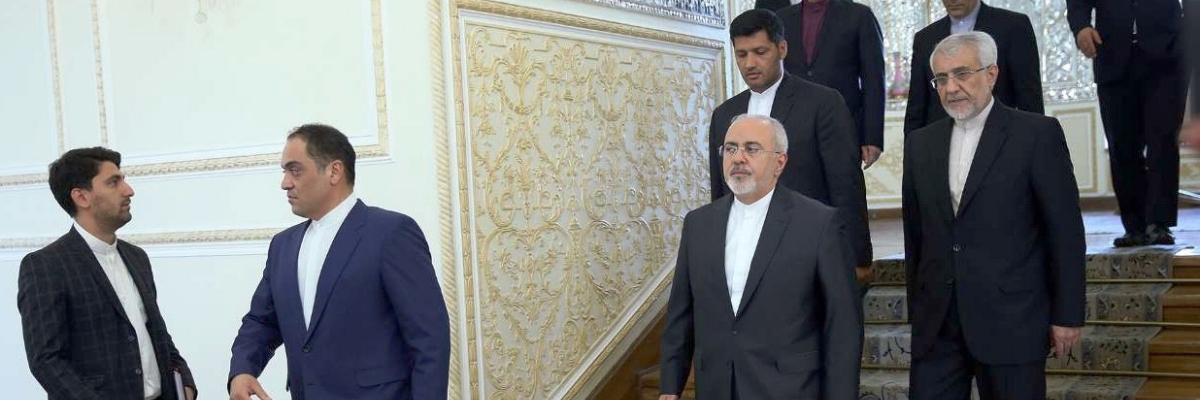
Europe Must 'Pay Price' to Save Nuclear Deal: Iran FM
◢ Iran's Foreign Minister Mohammad Javad Zarif said Sunday that Europe had not yet shown it was willing to "pay the price" of defying Washington in order to save the nuclear deal. Zarif said European governments had put forward proposals to maintain oil and banking ties with Iran after the second phase of US sanctions return in November. But he told Iran's Young Journalist Club website that these measures were more "a statement of their position than practical measures".
Iran's Foreign Minister Mohammad Javad Zarif said Sunday that Europe had not yet shown it was willing to "pay the price" of defying Washington in order to save the nuclear deal.
Zarif said European governments had put forward proposals to maintain oil and banking ties with Iran after the second phase of US sanctions return in November.
But he told Iran's Young Journalist Club website that these measures were more "a statement of their position than practical measures".
"Although they have moved forward, we believe that Europe is not yet ready to pay the price (of truly defying the US)," Zarif said.
US President Donald Trump pulled out of the 2015 nuclear deal in May, and began reimposing sanctions earlier this month that block other countries from trading with Iran.
A second phase of sanctions targeting Iran's crucial oil industry and banking relations will return on November 5.
Europe has vowed to keep providing Iran with the economic benefits it received from the nuclear deal, but many of its bigger companies have already pulled out of the country for fear of US penalties.
"Iran can respond to Europe's political will when it is accompanied by practical measures," said Zarif.
"Europeans say the JCPOA (nuclear deal) is a security achievement for them. Naturally each country must invest and pay the price for its security. We must see them paying this price in the coming months."
Photo Credit: IRNA
EU 'Deeply' Regrets Return of US Sanctions on Iran
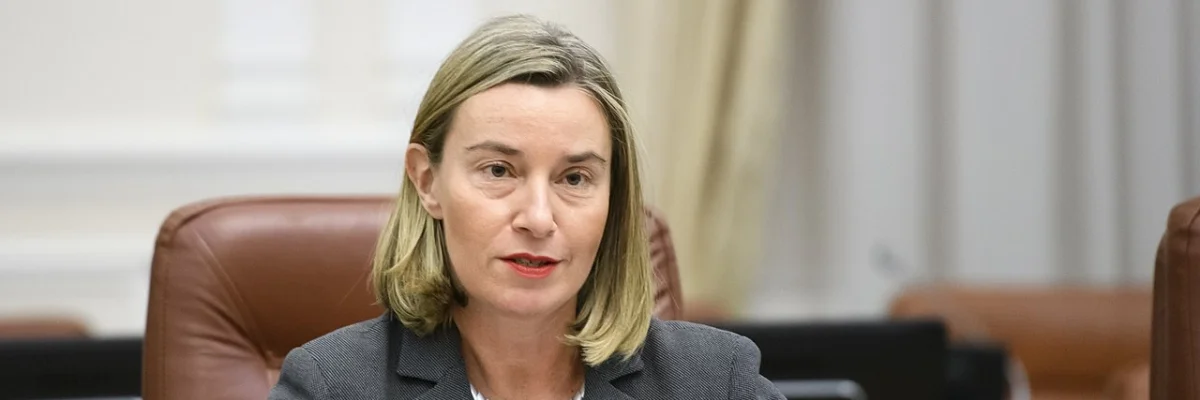
◢ The EU said Monday it deeply regretted the US reimposition of sanctions on Iran after President Donald Trump pulled out of the 2015 nuclear pact, and vowed immediate steps to protect European companies. The statement by EU diplomatic chief Federica Mogherini and the foreign ministers of Britain, France and Germany said it would also work to keep "effective financial channels" open with Iran.
The EU said Monday it deeply regretted the US reimposition of sanctions on Iran after President Donald Trump pulled out of the 2015 nuclear pact, and vowed immediate steps to protect European companies.
The statement by EU diplomatic chief Federica Mogherini and the foreign ministers of Britain, France and Germany said it would also work to keep "effective financial channels" open with Iran.
"We deeply regret the re-imposition of sanctions by the US, due to the latter's withdrawal from the Joint Comprehensive Plan of Action (JCPOA)," the statement issued in Brussels said.
The EU said it would now swiftly bring in legal cover for firms in the 28-nation bloc to work with Iran, after the Trump administration rejected European calls for an exemption.
"We are determined to protect European economic operators engaged in legitimate business with Iran," the statement added.
"This is why the European Union's updated Blocking Statute enters into force on 7 August to protect EU companies doing legitimate business with Iran from the impact of US extra-territorial sanctions."
The "blocking statute" forbids EU firms from complying with US sanctions, allowing them to recover damages from such penalties and nullifying any foreign court rulings against them.
French carmaker Renault, which does not sell cars in the US, has said it will remain in Iran despite the sanctions. But French oil group Total and carmaker PSA have already indicated they are likely to pull out of Iran.
Despite the US move to restore the sanctions, which Secretary of State Mike Pompeo reaffirmed in Alaska late Sunday, the Europeans said they would continue to work with Iran to preserve the deal.
"The remaining parties to the JCPOA have committed to work on, inter alia, the preservation and maintenance of effective financial channels with Iran, and the continuation of Iran's export of oil and gas," it said.
Photo Credit: Wikicommons

EU Protects Firms as it Fights US Bid to Isolate Iran
◢ EU countries on Monday gave European firms legal cover to operate in Iran despite the US pullout from the nuclear deal, after a report that the Trump administration has rejected calls by Brussels for an exemption from sanctions. The bloc's foreign policy chief Federica Mogherini said the 28 countries were doing all they could to save the deal but conceded President Donald Trump's administration could still wreck it.
EU countries on Monday gave European firms legal cover to operate in Iran despite the US pullout from the nuclear deal, after a report that the Trump administration has rejected calls by Brussels for an exemption from sanctions.
The bloc's foreign policy chief Federica Mogherini said the 28 countries were doing all they could to save the deal but conceded President Donald Trump's administration could still wreck it.
US President Donald Trump withdrew from the Iran nuclear deal in May, and Washington now plans to reimpose sanctions on Tehran next month.
"Today, the (European) Council has endorsed the update of the blocking statute annex on the nuclear deal with Iran," Mogherini told reporters in Brussels at a meeting with EU foreign ministers.
She said the European Parliament gave its consent to the statute two weeks ago.
The "blocking statute" forbids EU firms from complying with US sanctions, allowing them to recover damages from such penalties and nullifying any foreign court rulings against them.
The EU vowed to fight to preserve the Iran nuclear deal after the US withdrawal, one of many points of US-European contention.
The blocking statute is due to enter force on August 6, when the first set of US sanctions are due. The second set is due November 4, just before US legislative elections.
The move came as the Financial Times reported that the Trump administration has rejected an EU call for an exemption from US sanctions on companies operating in Iran.
Mogherini conceded it will be tough battle to preserve the Iran nuclear agreement, which Trump's predecessor Barack Obama sealed with Iran along with Britain, France and Germany as well as Russia and China.
"It is a difficult exercise, because the weight of the US in the global economy and the financial system is obviously relevant," the former Italian foreign minister said.
French carmaker Renault, which does not sell cars in the US, has said it will remain in Iran despite the sanctions.
But French oil group Total and carmaker PSA have already indicated they are likely to pull out of Iran.
Mogherini said the EU and other parties were "determined to preserve this deal" she called vital to European, Middle Eastern and global security.
"We will continue to do all we can to try and prevent this deal from being dismantled because we believe the consequences of this would be catastrophic for all."
But she added she was not sure the "efforts are going to be enough."
Photo Credit: Wikicommons