
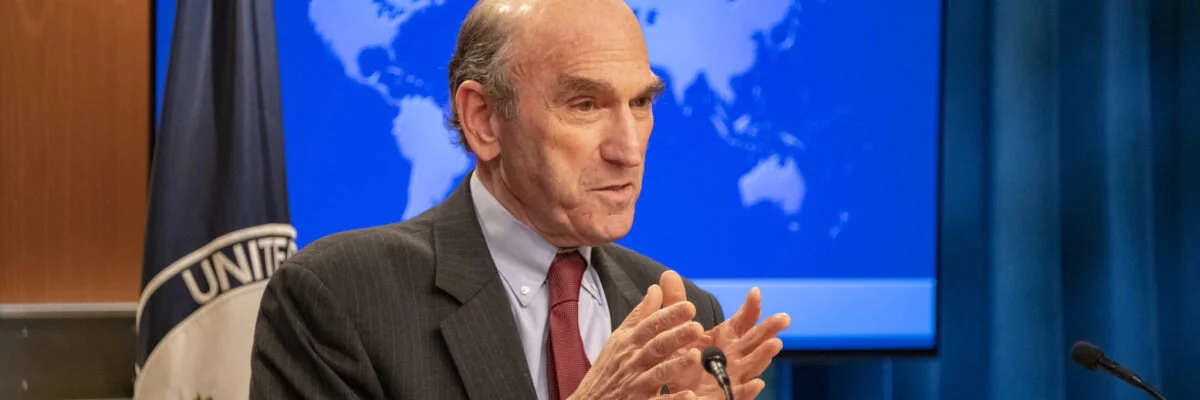
Iran Policy in Holding Pattern Before Elections
The sudden departure of Brian Hook leaves the Trump administration scrambling to snatch some victory after two years of “maximum pressure” on Iran.
By Robbie Gramer and Jack Detsch
Brian Hook’s abrupt departure as the Trump administration’s top Iran envoy leaves an uncertain future for the White House’s biggest Middle East policy, two years after President Donald Trump abandoned the Iran nuclear pact and proclaimed he could secure a “new and lasting deal.”
Hook’s replacement, Elliott Abrams, will simultaneously continue as the administration’s envoy for Venezuela, making him responsible for two defining Trump foreign-policy initiatives—neither of which has yielded the kind of high-profile victory the White House once hoped for.
The big question now is who wins this November’s U.S. presidential election. Iran has been rocked by mysterious explosions for weeks and may privately suspect U.S. involvement, but it is wary about rocking the boat before seeing if Trump wins reelection. But there’s also little chance for any last-minute outreach to Iran to secure a new and improved deal before the vote.
“The administration is sunk in a deep rut of its own devising, with no pathway to negotiations,” said Barbara Leaf, a former U.S. ambassador to the United Arab Emirates during the Obama and Trump administrations. “And needless to say, Tehran will not pick up the phone if Washington rings before November 3rd.”
Abrams, the longtime foreign-policy hawk taking over from Hook, would also bring potential baggage to the new role. He is perhaps best known for pleading guilty for lying to Congress over the Iran-Contra scandal during the Ronald Reagan administration. Some former officials think Abrams might use the remaining months before the election to tighten the screws on Iran, whether through an increase in the mysterious attacks inside the coronavirus-racked country or by further deepening U.S. relations with Israel.
“I think Abrams is much smarter than Hook. He may be more effective,” one former U.S. official said. “They don’t have time to get things done, but they do have time to make trouble.”
Iran’s challenge will be to lie low until it knows whom it will be dealing with next year.
“I think the Iranians are concerned about Trump because of how unpredictable he’s been, and I think they see the U.S. as implicated in the explosions,” said Ariane Tabatabai, a Middle East fellow at the German Marshall Fund of the United States who specializes in Iran. “But they’re careful not to talk too much about it because of the fact that then they’d have to do something and they don’t want to rock the boat.”
If Trump does win, some administration officials expect that Iran might finally come to the table to discuss a new nuclear accord, due to the unsustainable pressure from loads of U.S. economic sanctions that have pushed Iran’s economy to the brink.
“When it comes to Iran, the election is a big part of their calculation,” one U.S. official said. “If Trump ends up winning the election, I think you’re going to end up seeing some movement on these things.”
“We still believe the only way the current Iranian government has ever come to the table is pressure,” the official added.
Hook shepherded the so-called “maximum pressure” campaign on Iran for two years, overseeing a substantial expansion of U.S. sanctions that put the administration squarely at odds with European allies who have tried to keep afloat the Iran nuclear deal, formally called the Joint Comprehensive Plan of Action (JCPOA).
Hook, considered a moderate Republican, became an influential behind-the-scenes fixture first under former Secretary of State Rex Tillerson and later as point man on Iran. He long argued, including in a Q&A with Foreign Policy, that the onus was on Tehran to come to the table for new talks after the Trump administration pulled out of the deal in 2018.
Instead of agreeing to talk, Iran shook off the deal’s constraints on uranium enrichment and nuclear development, potentially shortening its breakout time to acquire nuclear capability. Former administration officials pointed to Iran’s stepped-up activity, a series of attacks on oil tankers in the Persian Gulf, and the downing of an American drone as evidence that Hook was increasingly the spokesperson for a failed strategy.
“I don’t think the [White House] will admit the strategy was a failure,” a former senior Trump administration official told Foreign Policy. “But Iran is breaking the JCPOA limits on enrichment and storage, so it will be super difficult to say it is working.”
News of Hook’s departure comes as the Trump administration faces likely defeat on his major diplomatic initiative at the U.N. Security Council next week: a U.N. resolution to extend a conventional arms embargo on Tehran. China and Russia, veto-wielding members of the Security Council, are unlikely to back the resolution, several diplomatic sources said. Hook will stay in his role to see through the U.N. fight, a State Department official told Foreign Policy.
Some former officials see Trump’s Iran policy as a way to try to fence in Joe Biden should he win. The former vice president has expressed a willingness for the United States to return to compliance with the 2015 Iran nuclear deal. By extending the arms embargo and triggering snapback sanctions, the United States could potentially shatter the legal framework underpinning the deal, experts suggested.
“At this stage, the Trump administration’s Iran policy is all about preparing for Trump’s loss and trying to pin down a future President Biden in his options with Iran,” said Jarrett Blanc, the former State Department coordinator for Iran nuclear implementation during the Obama administration and now a senior fellow at the Carnegie Endowment for International Peace. “I think they’re likely to fail at that effort.”
Photo: Wikicommons

US Pointman on Iran Hard Line Quits
The envoy leading President Donald Trump's hardline push on Iran quit on Thursday, months before an election that could reorient US policy.
Bu Shaun Tandon
The envoy leading President Donald Trump's hardline push on Iran quit on Thursday, months before an election that could reorient US policy.
Brian Hook, a stalwart Republican considered one of the most powerful figures at the State Department, decided to return to the private sector, Secretary of State Mike Pompeo said.
Hook "has achieved historic results countering the Iranian regime," Pompeo said in a statement.
Hook will be replaced by Elliott Abrams, an intellectual architect of the 2003 invasion of Iraq who has been leading Trump's unsuccessful campaign to oust Venezuela's leftist president, Nicolas Maduro.
Abrams, known in the 1980s for his staunch defense of right-wing strongmen in Latin America, will handle both Iran and Venezuela, Pompeo said.
Hook has been at the forefront of Trump's campaign against Iran's clerical state which has included pulling out of a nuclear accord and imposing punishing unilateral sanctions.
Hook's decision to head to the private sector comes three months before US elections in which Trump is trailing Democrat Joe Biden in the polls.
Biden was a strong backer of the nuclear deal negotiated under former president Barack Obama and has promised to salvage a diplomatic solution.
Hook exits just as the Trump administration readies a key effort on Iran—seeking to extend an arms embargo on Tehran through the UN Security Council.
If the effort fails, Pompeo and Hook have threatened to employ a disputed legal procedure aimed at forcing UN sanctions against Iran.
'Crisis of Legitimacy'
A dour, bespectacled lawyer whose formal manner seems more out of Britain than his Midwestern home state of Iowa, Hook was put in charge of strategic planning at the State Department following Trump's election.
After becoming secretary of state in 2018, Pompeo made 12 sweeping demands of Iran that included giving up its activities across the Middle East and soon put Hook in charge of the effort.
Tensions soared to a new high in January this year when Trump ordered a drone strike that killed a top Iranian general, Qasem Soleimani, at Baghdad's airport.
Critics say that the effort led by Hook badly backfired with Iran only expanding its regional operations and taking steps out of the nuclear deal with which it had been in compliance.
"Few human beings have done more to advance the Iranian nuclear program than Brian Hook," said Ben Rhodes, one of Obama's closest foreign policy aides.
"It was rolled back when he took his job, now it's moving forward," he wrote on Twitter.
Taken to task on his record at an event Wednesday, Hook said that Iran was facing its worst economic crisis since the 1979 Islamic revolution and that mass protests in Iraq and Lebanon showed opposition to Tehran.
"They're facing a crisis of legitimacy and credibility with their own people. The regime today clings to power on the basis of brute force," Hook told the Aspen Security Forum.
"And these are not things that we were talking about three and a half years ago when we came into office."
Hook played the lead role in the release of two US citizens imprisoned in Iran, Princeton scholar Xiyue Wang and military veteran Michael White.
He was also faulted by the State Department's internal watchdog over the ousting of a department employee of Iranian descent.
The inspector general did not find that Hook shared bias but said he did not distance himself from a smear campaign.
Hook rejected the findings of the report and Trump later sacked the inspector general, Steve Linick, who had also been conducting an unrelated probe into Pompeo.
Photo: IRNA
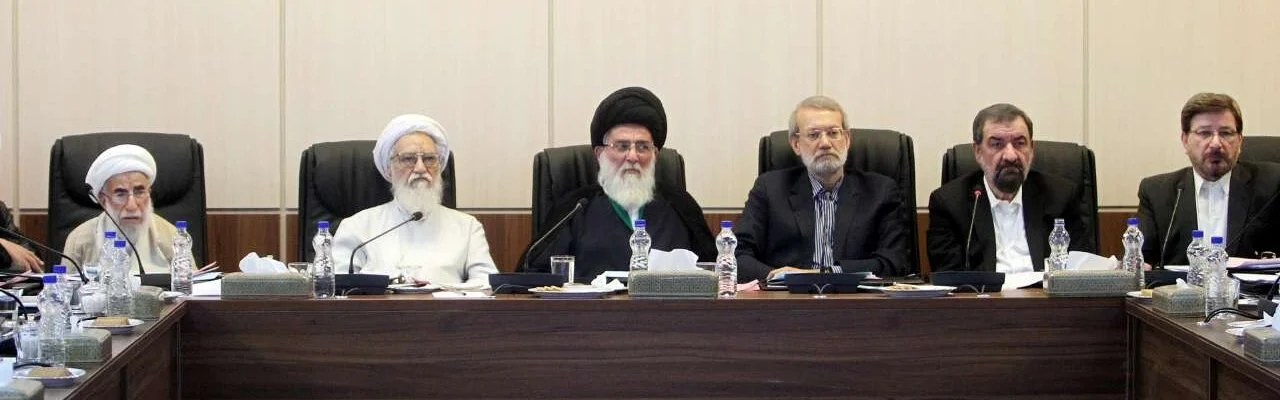
U.S. Sanctions Iranian Election Officials Who Bar Candidates
◢ The U.S. said it has sanctioned members of an Iranian government agency that it says rigs elections in the country by disqualifying candidates who don’t echo the political ideology of Ayatollah Ali Khamenei. Five members of Iran’s Guardian Council and its Elections Supervision Committee, who are appointed by Khamenei, were added to the U.S. sanctions list on Thursday.
By Alex Wayne and Golnar Motevalli
The U.S. said it has sanctioned members of an Iranian government agency that it says rigs elections in the country by disqualifying candidates who don’t echo the political ideology of Ayatollah Ali Khamenei.
Five members of Iran’s Guardian Council and its Elections Supervision Committee, who are appointed by Khamenei, were added to the U.S. sanctions list on Thursday, the Treasury Department said in a statement.
“The Trump administration will not tolerate the manipulation of elections to favor the regime’s malign agenda, and this action exposes those senior regime officials responsible for preventing the Iranian people from freely choosing their leaders,” Treasury Secretary Steven Mnuchin said in the statement. “The United States will continue to support the democratic aspirations of Iranians.”
The commander of Iran’s powerful Islamic Revolutionary Guard Corps, General Hossein Salami, urged Iranians to turn out for parliamentary elections on Friday in defiance of the U.S. and said “every vote by the people is a slap in the face of an enemy who is hoping for a low turnout,” the semi-official Tasnim news reported.
The government is concerned about low turnout for the election after the Guardian Council and its elections committee issued mass disqualifications of reformist and moderate candidates. Treasury said in its statement that “several thousand” candidates were ruled ineligible for the election, “including several incumbent legislators.”
Brian Hook, the State Department’s special representative for Iran, told reporters Thursday that the balloting is “political theater” because “the real election took place in secret long before any ballots were cast.”
Photo: IRNA
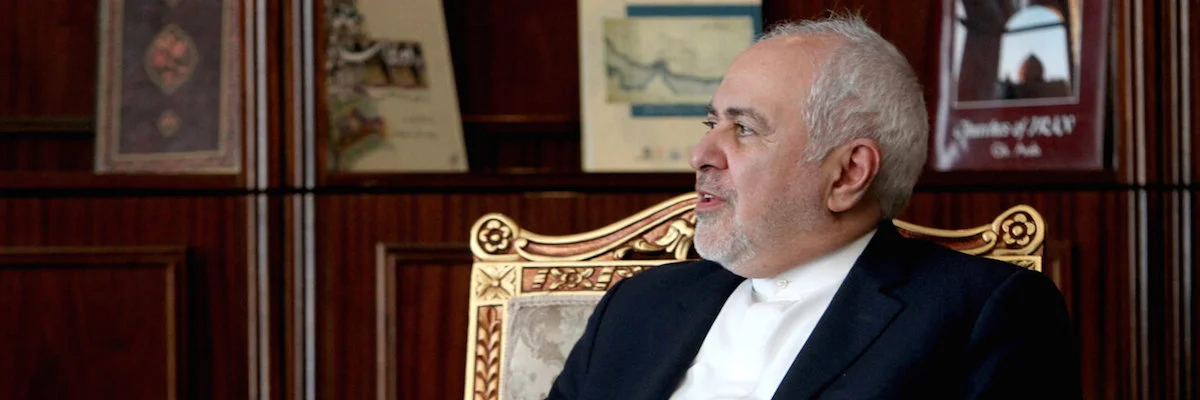
US Adds to Iran Sanctions as French Seek to Restart Oil Sales
◢ The U.S. placed new sanctions on Iran, and a top American official signaled more measures are coming while deflecting questions about French diplomatic efforts meant to help Tehran restart oil sales. Brian Hook, the U.S. special envoy for Iran, said Wednesday that the U.S. will “continue to drive up the costs” for Tehran’s efforts to develop ballistic missiles and take other actions.
By Nick Wadhams and Saleha Mohsin
The U.S. placed new sanctions on Iran, and a top American official signaled more measures are coming while deflecting questions about French diplomatic efforts meant to help Tehran restart oil sales.
Brian Hook, the U.S. special envoy for Iran, said Wednesday that the U.S. will “continue to drive up the costs” for Tehran’s efforts to develop ballistic missiles and take other actions soon after the Treasury Department imposed new restrictions on a shipping network controlled by Iran’s Islamic Revolutionary Guard Corps.
“There will be more sanctions coming,” Hook told reporters at the State Department. “We can’t make it any more clear than that,” he said, adding “we are not looking to grant any exceptions or waivers.”
But Hook wouldn’t directly address diplomatic efforts, led by French Finance Minister Bruno Le Maire, which would offer Iran a $15 billion economic lifeline allowing pre-purchases of some Iranian oil. The Trump administration would need to grant waivers to existing sanctions on Iran’s energy sector for the credit line to go into effect.
Asked repeatedly about that proposal at his briefing Wednesday, Hook declined to clarify what the U.S. stance was other than to say that there’s no “concrete proposal” for the administration to consider. The French plan, still in development, “doesn’t exist,” Hook said, without explicitly ruling it out.
Muddled Message
It was the latest sign of an increasingly muddled U.S. message on Iran. At the G-7 meeting in Biarritz, France, last month, President Donald Trump said he’d support French President Emmanuel Macron’s proposal to extend a “letter of credit” to Iran, secured by oil, to help the country meet short-term financial obligations. “It would be from numerous countries,” Trump said, and “it would be paid back immediately.”
The president’s top aides have since labored to clarify those comments, as well as repeated statements from Trump that he’s open to having direct talks with Iran’s leaders. Hook said Trump’s interest in meeting Iranian leaders isn’t new and depends on the country meeting specific American demands as part of its “maximum pressure” campaign.
Trump, speaking at the White House on Wednesday, said his goal is to ensure Iran doesn’t obtain nuclear weapons, adding that the U.S. doesn’t need to work through Macron to secure a deal.
New Sanctions
“We can deal directly if we want,” Trump said.
The latest U.S. comments followed the announcement of new sanctions on the IRGC shipping network. The Treasury Department said the organization has helped move hundreds of millions of dollars of oil to the Lebanese militant group Hezbollah, Syrian President Bashar al-Assad’s regime and other illicit actors. It designated about 16 entities and 10 individuals to its sanctions list and issued an advisory warning of the sanctions risks related to oil shipments to Syria, including those from Iran, according to a release on its website.
A day earlier, Treasury announced sanctions against the Iran Space Agency and two affiliated research groups, accusing them of advancing Tehran’s missile programs. The U.S. also announced a $15 million reward to anyone providing information that could disrupt Iran’s economy.
‘Well-Off in Old Age’
That followed an unusually direct move by Hook to persuade tanker captains to steer ships laden with Iranian oil away from their destinations. In one Aug. 26 email, Hook offered the Indian captain of one tanker millions of dollars to steer his vessel to a country where it could be impounded by the U.S. The contents of Hook’s email were first reported by the Financial Times and confirmed by two senior administration officials who asked not to be identified discussing private communications.
“With this money you can have any life you wish and be well-off in old age,” Hook wrote in another email to the captain. “If you choose not to take this easy path, life will be much harder for you.”
Amid all the shuttle diplomacy by the French, Iranian officials have been threatening to ramp up their nuclear activities this week in a further violation of the nuclear deal. French officials have said such a move would send the wrong signal.
On state television on Wednesday, President Hassan Rouhani said Iran would set aside all commitments spelled out in the 2015 nuclear agreement linked to its nuclear research and development activity. That work will include accelerating efforts to advance centrifuge technology and do “whatever needed” to enrich uranium.
Wednesday’s sanctions against the shipping network also come shortly after a tanker carrying Iranian crude disappeared from satellite-tracking not far from Syria’s coast. The disappearance prompted speculation that the ship was about to transfer its cargo to another vessel out of the view of global ship-monitoring systems.
The last signal from the supertanker Adrian Darya 1, thought to have 2 million barrels of oil on board, was received on Monday afternoon, according to ship-tracking data compiled by Bloomberg.
Previously called Grace 1, the vessel was seized near Gibraltar by the U.K. military and local police in early July on suspicion of supplying crude to Syria. The British overseas territory released the carrier last month, saying it received assurances the vessel wouldn’t sail to any entity sanctioned by the European Union.
Photo: IRNA

US Offered Millions in Cash to Captain of Iranian Tanker
◢ A senior US official personally offered several million dollars to the Indian captain of an Iranian oil tanker suspected of heading to Syria, the State Department confirmed Wednesday. The Financial Times reported that Brian Hook, the State Department point-man on Iran, sent emails to captain Akhilesh Kumar in which he offered "good news" of millions in US cash.
By Shaun Tandon
A senior US official personally offered several million dollars to the Indian captain of an Iranian oil tanker suspected of heading to Syria, the State Department confirmed Wednesday.
The Financial Times reported that Brian Hook, the State Department point-man on Iran, sent emails to captain Akhilesh Kumar in which he offered "good news" of millions in US cash to live comfortably if he steered the Adrian Darya 1 to a country where it could be seized.
"We have seen the Financial Times article and can confirm that the details are accurate," a State Department spokeswoman said.
"We have conducted extensive outreach to several ship captains as well as shipping companies warning them of the consequences of providing support to a foreign terrorist organization," she said, referring to Iran's elite Revolutionary Guards.
The Adrian Darya 1 was held for six weeks by the British overseas territory of Gibraltar on suspicion that it was set to deliver oil from Iran to its main Arab ally Syria -- a violation of European Union sanctions on President Bashar al-Assad's iron-fisted regime.
Gibraltar released the ship, formerly called the Grace 1, on August 18 over US protests after receiving written assurances that the vessel would not head to countries sanctioned by the European Union.
Iranian Foreign Minister Mohammad Javad Zarif mocked Hook's initiative as he pointed to the Financial Times story.
"Having failed at piracy, the US resorts to outright blackmail -- deliver us Iran's oil and receive several million dollars or be sanctioned yourself," Zarif tweeted.
State Department chief spokeswoman Morgan Ortagus hit back using Zarif's exact words, accusing Iran of "outright blackmail" with its call for $15 billion from European powers to be paid back from Iran's future oil sales.
Iran says that, if it receives the credit line, it will come back into full compliance with a 2015 nuclear accord from which US President Donald Trump withdrew.
No Reply from Captain
US authorities said that Kumar, 43, took over as captain in Gibraltar. After he apparently did not respond to the US offer, the Treasury Department on Friday imposed sanctions both on the ship and on Kumar himself, freezing any assets he may have in the United States and criminalizing any US financial transactions with him.
"Any US or foreign persons that engage in certain transactions with designated persons or entities may themselves be exposed to sanctions," the first State Department spokeswoman said.
The Adrian Daya 1 has been elusive since sailing off from Gibraltar, with monitors reporting that it has been moving in the eastern Mediterranean near Lebanon.
The United States also announced Wednesday that it was imposing sanctions on a shipping network alleged to be tied to the Revolutionary Guards -- and offering up to $15 million for information that could disrupt the unit's finances.
The shipping network sold more than $500 million this spring, mostly in Syria, according to the Treasury Department.
After pulling from the nuclear accord, the United States has unilaterally threatened sanctions aimed at ending all oil sales by Iran in a bid to diminish the clerical regime's regional influence.
Photo: IRNA
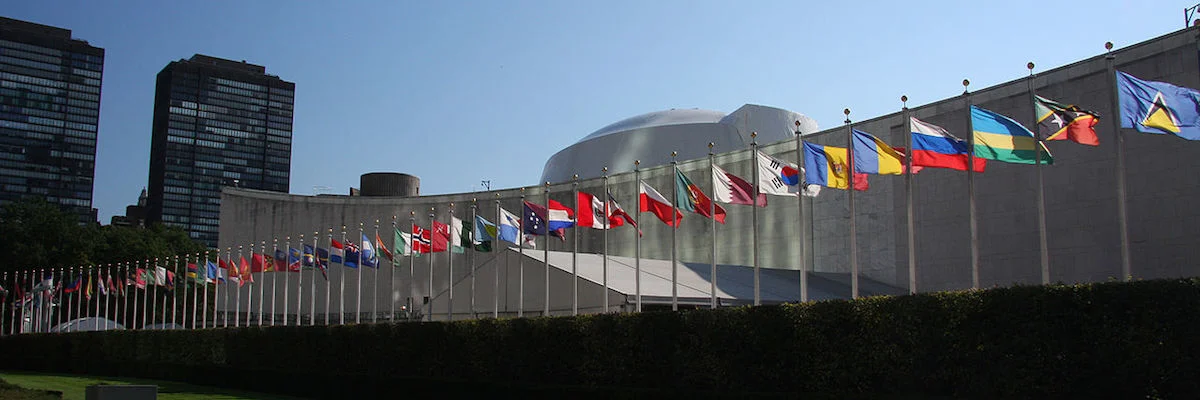
US Urges UN to Extend Iran Arms Embargo, Travel Ban
◢ The US urged the United Nations Tuesday to extend an arms embargo on Tehran that is due to expire next year as part of the embattled Iran nuclear deal. Secretary of State Mike Pompeo told the UN Security Council that the clock was ticking on a resolution restricting weapons sales to Iran that is due to end in October 2020.
The US urged the United Nations Tuesday to extend an arms embargo on Tehran that is due to expire next year as part of the embattled Iran nuclear deal.
Secretary of State Mike Pompeo told the UN Security Council that the clock was ticking on a resolution restricting weapons sales to Iran that is due to end in October 2020.
Pompeo warned that the expiration of provisions in Security Council Resolution 2231 would also see a travel ban on a key Iranian commander lifted.
"Time is drawing short to continue this activity of restricting Iran's capacity to foment its terror regime," he said.
"The international community will have plenty of time to see how long it has until Iran is unshackled to create new turmoil, and figure out what it must do to prevent that from happening," Pompeo added.
The resolution was passed as part of the Joint Comprehensive Plan of Action, otherwise known as the Iran nuclear deal which the US, Russia, China, France, Germany and Britain agreed with Tehran in 2015.
The landmark deal was designed to curb Iran's nuclear programme in exchange for sanctions relief.
President Donald Trump unilaterally withdrew the US from the deal last year and reinstated economic sanctions, sending tensions between Washington and Tehran soaring.
When the resolution expires next year, travel restrictions on Qasem Soleimani, the commander of Iran's Quds Force, which operates abroad, and 23 other Iranians will be lifted.
"We believe that the UNSC has an important role to play to ensure that the arms embargo and the travel ban are continued," Brian Hook, the US Special Representative for Iran told reporters in New York ahead of Pompeo's remarks.
Trump's administration is currently pursuing a "maximum pressure" campaign designed to force the Islamic republic to limit its nuclear programme and military activities.
Iran has responded by suspending some of its commitments under the nuclear deal.
The situation has threatened to spiral out of control with ships attacked, drones downed and oil tankers seized.
Meanwhile, the US has been struggling to piece together an international coalition to protect cargo ships travelling through the Gulf.
Allies are concerned about being dragged into conflict with Iran while European countries are trying to keep the nuclear deal alive.
Photo: Wikicommons
State Department Says No Change in Plan to End Iran Oil Waivers
◢ The U.S. State Department sought to quash speculation that the Trump administration is easing its clampdown on Iranian oil exports after a sanctions waiver program ended May 2, saying there has been no softening in the American stance that any country buying Iran’s oil would be subject to penalties.
By Nick Wadhams
The U.S. State Department sought to quash speculation that the Trump administration is easing its clampdown on Iranian oil exports after a sanctions waiver program ended May 2, saying there has been no softening in the American stance that any country buying Iran’s oil would be subject to penalties.
A U.S. decision not to renew the six-month waivers allowing limited exports is final and no more trade will be permitted, Brian Hook, the U.S. special representative for Iran, said in a statement to Bloomberg News on Thursday. The U.S. had previously granted waivers, known as significant reduction exceptions, to eight governments in November—China, India, South Korea, Japan, Turkey, Taiwan, Greece and Italy.
“Our firm policy is to completely zero out purchases of Iranian oil—period,” Hook said. “Any new purchases of oil initiated after the expiration of the SREs on May 2 will be subject to U.S. sanctions, even if a country had not met its previously negotiated purchase caps during the SRE period from November to May 2.”
The statement was intended to clarify comments Hook made during a news briefing earlier Thursday. Those remarks were construed as saying the U.S. would allow countries to keep buying Iranian oil after May 2 as long as they remained under the limits the U.S. set out when it originally granted the waivers.
For weeks, oil traders have asked how tough the U.S. stance really is and whether there would be any loopholes for buyers of Iranian crude following the decision to end the waivers. Thursday’s statement sought to clarify that the only possible exception to the position would be for oil that was already en route to its destination before the waivers expired.
“If oil was purchased, loaded and en route to its destination prior to the expiration of the significant reduction exceptions on May 2, these cargoes would not exceed the agreed-to caps on imports of Iranian crude oil negotiated under the now-expired SREs,” Hook said.
Photo:
U.S. to Extend Most Key Waivers Linked to Iran's Nuclear Program
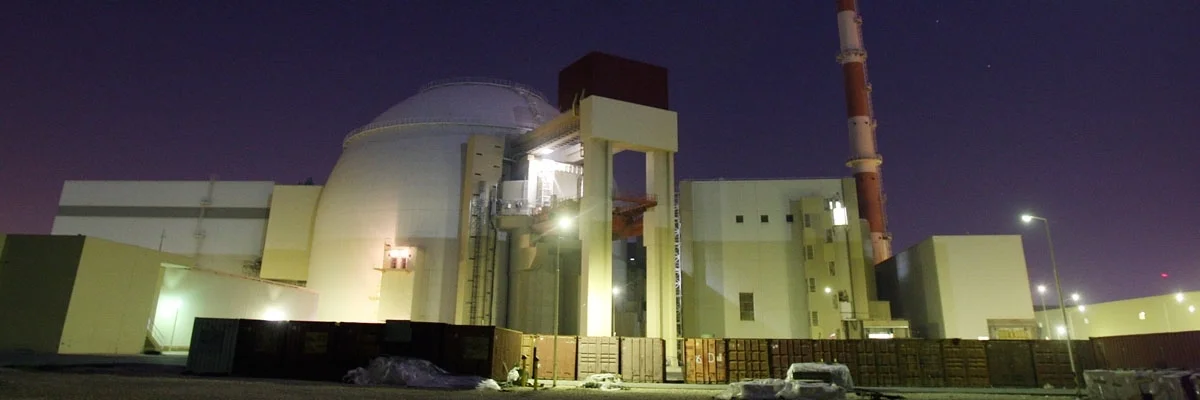
◢ The Trump administration will renew several key waivers that allow Iran to keep operating a limited civilian nuclear program. The U.S. is extending waivers that the administration had previously granted allowing nations that remain in the deal to engage in nonproliferation activities and nuclear research at three sites—Fordow, Bushehr and Arak.
The Trump administration will renew several key waivers that allow Iran to keep operating a limited civilian nuclear program, a move that heads off a clash with European allies and Tehran over the fate of a 2015 deal that Trump abandoned last year.
The U.S. is extending waivers that the administration had previously granted allowing nations that remain in the deal to engage in nonproliferation activities and nuclear research at three sites—Fordow, Bushehr and Arak—without facing sanctions, Assistant Secretary of State Christopher Ford said Friday. Instead of granting the waivers for 180 days, the administration will shorten their term to 90 days.
Two other waivers, allowing Iran to ship surplus heavy water to Oman and to ship out any enriched uranium that exceeds the 300 kilogram limit in exchange for natural, or “yellowcake” uranium, will be revoked. Those were allowed under the Joint Comprehensive Plan of Action, the 2015 accord that President Donald Trump withdrew from a year ago.
“We are tightening restrictions on Iran’s nuclear program as part of our pressure campaign,” Brian Hook, the State Department’s special representative for Iran, said in an interview. “Iran cannot have any path to a nuclear weapon."
Photo: IRNA
Oil Market Can Weather Zero Iranian Exports: U.S. Officials
◢ US officials said the global oil market can withstand the removal of all Iranian crude exports this year, a conclusion that could be pivotal in the coming weeks as President Donald Trump weighs whether to end sanctions waivers granted to several nations. The message from American officials comes as OPEC and its allies prepare for a ministerial meeting in Baku, Azerbaijan.
US officials said the global oil market can withstand the removal of all Iranian crude exports this year, a conclusion that could be pivotal in the coming weeks as President Donald Trump weighs whether to end sanctions waivers granted to several nations.
Based on current oil supply and the potential of the US and Saudis to ramp up production, “going to zero” could happen this year without compromising affordable crude supplies, according to four officials who spoke on condition of anonymity to discuss internal deliberations. The officials emphasized that the discussions are still underway and no final decision has been made.
The message from American officials comes as OPEC and its allies prepare for a ministerial meeting in Baku, Azerbaijan, this weekend to discuss whether the cartel and its allies should continue cutting global output.
President Donald Trump re-imposed sanctions on Iran in November, with the goal of choking off the Islamic Republic’s oil revenue. The administration granted eight countries full or partial waivers allowing them to continue buying the nation’s crude: China, India, Italy, Greece, Japan, South Korea, Taiwan and Turkey. The waivers, which last for 180 days, were meant to be temporary measures to ease their transition from Iranian oil and avoid unsettling the energy market.
As the waivers near their expiration date, the officials said that sufficient spare capacity exists to make up for the loss of all Iranian oil barrels. They cited OPEC’s ability to ramp up production as well as booming U.S. output, among other possibilities.
According to the International Energy Agency, OPEC has 2.8 million barrels a day of spare capacity, more than enough to offset Iranian supply losses. Iran exported 1.17 million barrels a day in February, up from a multiyear low of 629,000 barrels a day in December, according to Bloomberg tanker tracking. Meanwhile, the U.S. Energy Information Administration estimates that global crude supply this year will exceed demand by 180,000 barrel a day, according to its Short-Term Energy Outlook.
But future supply losses from Venezuela muddy the picture. The politically beleaguered country saw oil production decline by 100,000 barrels a day in February to 1.14 million, the IEA said. Deeper declines are likely in March, the group said.
“We’re committed to bringing Iranian crude oil exports to zero as quickly as market conditions will permit,” U.S. Secretary of State Mike Pompeo said Tuesday at the CERAWeek by IHS Markit conference in Houston.
Photo Credit: State Department
France, Britain Seek UN Security Council Meeting on Iran Missile Test
◢ France and Britain on Monday requested a closed-door meeting of the UN Security Council after charging that Iran test-fired a medium-range missile at the weekend, diplomats said. The meeting is expected to be held Tuesday. The United States said the missile launch on Saturday was a violation of a UN resolution that endorsed the 2015 Iran nuclear deal, from which Washington has withdrawn.
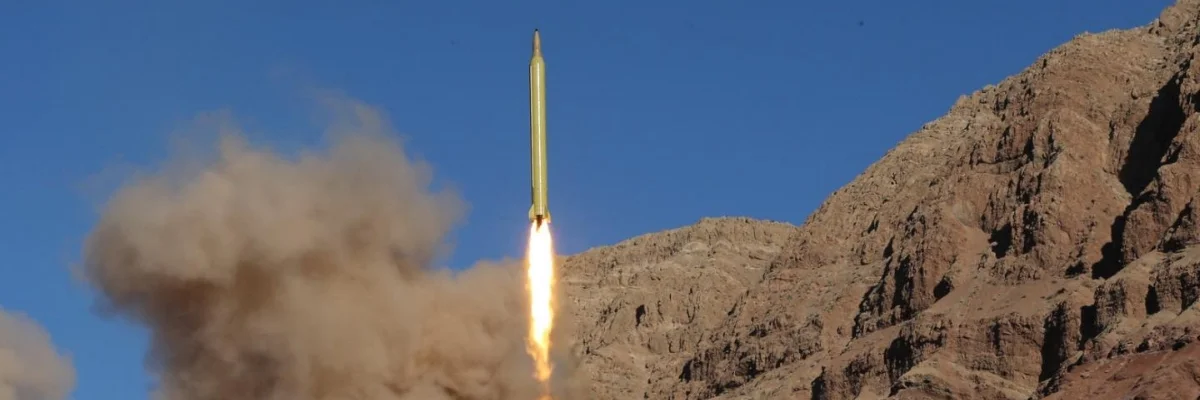
France and Britain on Monday requested a closed-door meeting of the UN Security Council after charging that Iran test-fired a medium-range missile at the weekend, diplomats said.
The meeting is expected to be held Tuesday.
The United States said the missile launch on Saturday was a violation of a UN resolution that endorsed the 2015 Iran nuclear deal, from which Washington has withdrawn.
That resolution calls on Iran to refrain from testing missiles capable of carrying a nuclear weapon.
France said it was concerned by the test-firing with the foreign ministry describing it as "provocative and destabilizing" and "does not conform" with UN resolution 2231 on the Iran deal.
British Foreign Secretary Jeremy Hunt called the missile test "provocative, threatening and inconsistent" with the resolution and said Britain was determined "that it should cease."
Iran has long maintained that its missile program is defensive in nature and not aimed at ensuring the delivery of a nuclear weapon, a stance supported by Russia at the Security Council.
Washington's Iran envoy Brian Hook urged the European Union to slap sanctions that target Tehran's missile program as US Secretary of State Mike Pompeo traveled to Brussels for talks with European partners.
The United States decided in May to withdraw from the 2015 nuclear deal and reimpose sanctions on Iran, to the dismay of its Europeans allies.
The nuclear deal provides for a lifting of sanctions against Iran in return for curbs on its nuclear activities.
The remaining five signatories to the nuclear deal—Britain, China, France, Germany and Russia—have backed an EU effort to set up a special payment system in a bid to maintain trade and business ties with Iran.
Photo Commons: Tasnim
US Warns to Stay Away from Iranian Shipping
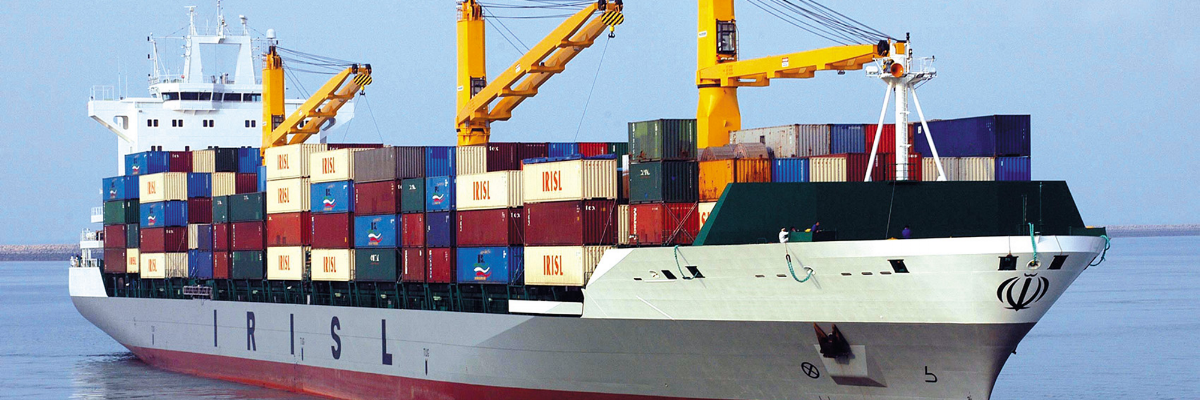
◢ The United States on Wednesday warned all ports and insurance companies to steer clear of Iranian ships, which it called a "floating liability" after the imposition of sweeping US sanctions. Since Monday, the United States has aimed to end all of Iran's sales of oil, its crucial export, in a bid to curtail the influence of the Shiite cleric-led state.
The United States on Wednesday warned all ports and insurance companies to steer clear of Iranian ships, which it called a "floating liability" after the imposition of sweeping US sanctions.
Since Monday, the United States has aimed to end all of Iran's sales of oil, its crucial export, in a bid to curtail the influence of the Shiite cleric-led state.
Brian Hook, the State Department's special representative on Iran policy, said that the US sanctions extended to insurers and underwriters.
“Knowingly providing these services to sanctioned Iranian shipping companies will result in the imposition of US sanctions," Hook told reporters.
"From the Suez Canal to the Strait of Malacca and all choke points in between, Iranian tankers are now a floating liability," he said.
He said that Iranian vessels would likely turn to domestic insurers but doubted that they could cover losses stretching into the millions or billions of dollars in a major calamity.
"Should there be an accident involving an Iranian tanker, there is simply no way these Iranian insurance companies can cover the loss," Hook said.
He said that the United States, whose military patrols the Gulf and is allied with Iran's rival Saudi Arabia, did not want incidents.
"We sincerely hope there will be no accidents, but accidents are a very real possibility, given Iran's record," Hook said.
President Donald Trump in May pulled out of an international agreement negotiated under his predecessor Barack Obama, in which Iran curtailed its nuclear program in return for sanctions relief.
The Trump administration said that the deal did not address other concerns, including Tehran's support for regional proxies such as Hezbollah, and has boasted of the economic contraction forecast in Iran due to the renewed sanctions.
The United States has nonetheless granted eight waivers to places including China, India and Japan, which will not immediately be punished for continuing to buy Iranian oil.
Photo Credit: IRISL
Transcript: Special Representative for Iran Brian Hook Briefs Reporters on Iran Sanctions
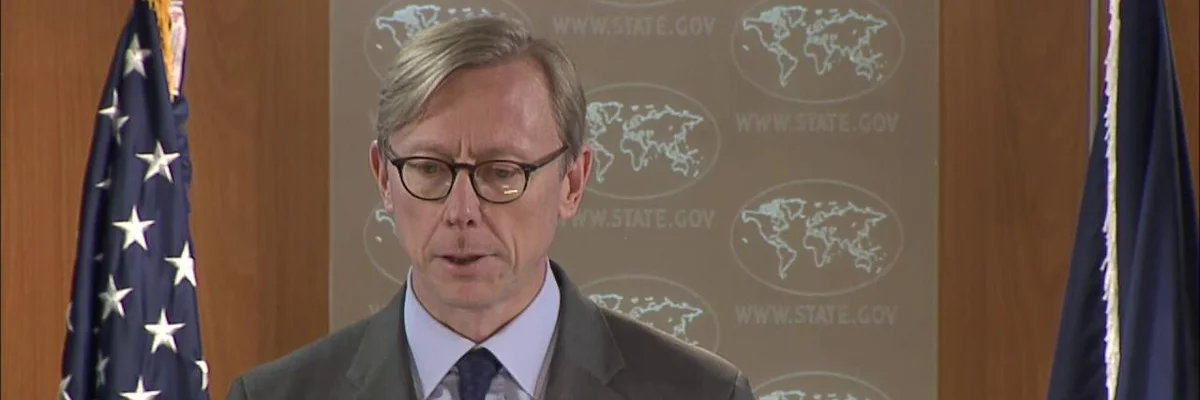
◢ Special Representative for Iran Brian Hook briefed reporters regarding Iran sanctions to be reimposed on Monday November 5. This transcript was published by the Office of the Spokesperson at the U.S. Department of State. The briefing took place on Friday November 2.
This transcript was published by the Office of the Spokesperson at the U.S. Department of State. The briefing took place on November 2, 2018.
MR HOOK: I’m happy to take questions. And you’ve heard the Secretary talk. I just (inaudible).
QUESTION: What are the eight countries?
MR HOOK: Huh?
QUESTION: What are the eight countries?
QUESTION: What are the eight countries?
MR HOOK: Monday. Monday.
QUESTION: Can you at least say what are the two that said that they will cut to zero since it seems the negotiations with them are over?
MR HOOK: It’ll – it’s all going to be announced on Monday.
QUESTION: But why do all of this today if there’s so little detail available today?
MR HOOK: There was a lot of detail today. There was a full briefing by both secretaries. So --
QUESTION: There was not a lot of detail.
MR HOOK: The sanctions go back into effect on Monday. This was a preview today.
QUESTION: Can I ask, though, similar to the question Arshad asked on the – using the word jurisdiction instead of country, can we assume that a certain island that begins with “T” is the reason that you’re using jurisdiction instead of country? Or is that --
MR HOOK: I think --
QUESTION: Taiwan. I’ll --
QUESTION: Could jurisdiction mean more than one government, or does it mean one government?
MR HOOK: Is this what Secretary Mnuchin said?
QUESTION: He said – no, Pompeo.
QUESTION: Both, both. Pompeo – both of them said --
QUESTION: They used the word jurisdictions.
QUESTION: -- jurisdiction not country, which is why – I mean, it’s a technical point, but I’m just – and I get – I can understand that you don’t want to give the names.
MR HOOK: I don’t know all of them. I don’t know.
QUESTION: But are all of the eight countries?
QUESTION: Single governments?
QUESTION: Countries?
MR HOOK: Yes.
QUESTION: Yes countries or yes governments?
MR HOOK: They are – they are --
QUESTION: If Taiwan is among them, that would be a reason to --
MR HOOK: I get it. They’re nations. They’re nations.
QUESTION: Okay. So Taiwan is not.
MR HOOK: I’m not going to say what it’s not. I’m saying that eight nations.
QUESTION: Can I get a clarification on the SREs?
MR HOOK: Yeah.
QUESTION: Yesterday you said the waiver is granted for a six-month period and then re-evaluated.
MR HOOK: That’s by statute.
QUESTION: Right. And then the Secretary said it will take them weeks longer to wind down. Is that all-encompassing for the eight that are being granted or just --
MR HOOK: No, he was – there he was talking about two of the countries that will receive an SRE are going to be given a little extra time, weeks of time, to get to zero.
QUESTION: But they – if they can still – the waiver is for six months still by statute?
MR HOOK: But operationally it’s only relevant for the first few weeks of the – but by law, when we give an SRE, it’s for 180 days.
QUESTION: Right.
MR HOOK: And that’s under the National Defense Authorization Act of 2012, NDAA. And so it’s a 180-day SRE. It doesn’t matter whether they go to – I mean, it’s – each country is different. In two of the countries, they will be getting to zero before the expiration of the SRE.
QUESTION: Can you talk about kind of the broader efforts on trying to get Iran to behave like a normal regime? I mean, does that include kind of the Twitter messaging or social media messaging, or is it something more than that, more concrete about supporting opposition groups or protestors?
QUESTION: Is it more than just Twitter messages? Is there something – is the U.S. doing something to kind of promote protestors?
MR HOOK: The Iranian regime has historically not come to the negotiating table absent significant economic and diplomatic pressure. The reimposition of our sanctions are designed to do two things: deny the regime the revenue it needs to fund violent wars abroad, and also to change the cost-benefit analysis in our favor so that Iran decides to come back to the negotiating table.
The Ayatollah Khamenei has said that require hostility with the United States, which is the kind of thing that you expect to hear from a revolutionary regime. We have been very clear. Secretary Pompeo has been very clear that we have an ear open to what is possible. We very much want to begin work on a new and better deal to replace the insufficient Iran nuclear deal that the President left in May, and our campaign of maximum economic pressure is a critical tactic to achieve that goal.
QUESTION: But he’s also talking about restoring democracy.
MR HOOK: The President, the Secretary of State, the Vice President, at all levels of the administration, have stood with the Iranian people and their aspirations for a better way of life. The Iranian people want a more representative government, a government that does not rob them blind, that supports their human rights, their economic rights, their freedom of expression, freedom of assembly. These are all rights that the United States wants for the Iranian people. We think they deserve a much better way of life, and Secretary Pompeo has repeatedly made remarks addressed to the Iranian people in support of their demands for reforms from this regime.
QUESTION: How – I want to ask the question that Gardiner asked yesterday about the Khashoggi murder and the war in Yemen and how any of that is playing into this. I mean, how can you, on the one hand, focus so much on Iran’s human rights record while not doing enough to pressure the Saudis on some of the same very issues?
MR HOOK: We do not share interests or values with the Iranian regime. We have asked Saudi Arabia to increase the production of oil while we take off Iranian oil from the market, and Saudi Arabia has been very helpful to ensure an adequately supplied oil market during this period where we have seen dramatic reductions in the import of Iranian crude as part of our maximum economic pressure campaign. The Saudi Government has successfully insulated oil from broader political issues, and that has been helpful in the broader context of our pressure campaign.
QUESTION: Well, just to be devil’s advocate here, I understand the shared interests that you have with the Saudis on Iran. But what shared interests, what shared values does the U.S. have with the Saudis – respect for human rights?
MR HOOK: I can only speak to how the Saudis have helped our Iran strategy. The President gave a speech in Riyadh on his first trip overseas as president, where he called upon our Sunni Arab partners to increase their capabilities to reverse Iranian hegemony so that our Arab partners can shoulder more of the burden in the Middle East. And we have enjoyed a great deal of cooperation from Gulf countries and beyond to isolate Iran and to apply as much economic pressure as possible so that they don’t have the money they need to destabilize the Middle East.
QUESTION: How is this escrow account that he talked about going to work, and how do you make sure that the Iranians are going to get basic needs fulfilled – medicine, food?
MR HOOK: The escrow accounts that are being created for those nations that need to continue importing Iranian oil deny Iran hard currency, and it denies Iran any revenue from oil sales. Any time Iran sells oil, that money goes into an escrow account in the importing nation’s bank, and Iran has to spend down that credit. We strongly encourage those nations to ensure that Iran spends that money on humanitarian purchases to benefit the Iranian people. The longest-suffering victims of the Iranian regime are the Iranian people. This regime uses fake companies disguised as humanitarian organizations to divert purchases that should go to food, medicine, and medical devices, and they use that to enrich the regime and support revolutionary activities overseas.
QUESTION: So you’re counting on countries like China to make sure that they don’t use money for those things?
MR HOOK: The United States will be monitoring these escrow accounts very closely. Unlike in prior administrations, we will ensure that the money is not spent on illicit activities, that there isn’t any leakage in these escrow accounts, and we will work closely with countries to encourage the purchase and – the sale and purchase of humanitarian goods to benefit the Iranian people. Our sanctions regime has very clear exceptions for the sale of food, medicine, and medical devices.
QUESTION: So how does the travel ban fit into the U.S. support for Iranian people?
MR HOOK: Because the Iranian regime is the largest sponsor of terrorism in the world, we have a restrictive visa policy. And that policy is driven by the terrorism of the regime. It is not driven by a desire to restrict the average Iranian people. The problem we have is --
QUESTION: But it does.
MR HOOK: But that is the problem of the regime. If the regime would stop funding terrorism and open up its economy so that we can see where the money goes, it would create a much better environment for us to be granting visas.
QUESTION: So for the countries that you say need to keep importing oil, do you foresee issuing these exemptions over and over again? Are you going to put an upper limit on how many times they’ll be renewed?
MR HOOK: Our goal remains getting countries to zero imports of Iranian oil. In 2019, our projections are that oil supply will exceed demand, and that creates a much better atmosphere for us to bring remaining nations to zero as quickly as possible.
QUESTION: So you’re not putting an upper limit on how – for how – how many times these exemptions will be renewed at this point?
MR HOOK: We are not looking to grant additional SREs at the end of the 180-day period. We are being very careful to advance our maximum economic pressure campaign without increasing the price of oil. Next year we anticipate a stronger oil supply coming online, and that will allow us to accelerate the path to zero.
QUESTION: And are you – how many Iranian banks will be cut off from SWIFT? I mean, the administration is saying more than prior, but can you give a number?
MR HOOK: That will be announced by Secretary Mnuchin on Monday.
QUESTION: He did say, though, on this subject – he was very precise in his language. He said “certain designated Iranian financial institutions.” That does not categorically mean all. So is it possible that either, one, don’t redesignate all of the banks that had previously been designated; and two, is it possible that some designated bank, because he used the word “certain designated,” would not be required to disconnect?
MR HOOK: I’m not going to interpret what “certain” means beyond saying that he will announce all the banks on Monday.
QUESTION: The 20 – 20 countries import 80 percent of Iran’s oil, as I understood – stand. Are those eight countries, any of them, among those 20 – the eight countries receiving the SREs?
MR HOOK: That there’s a small group of – that there’s a – there is a relatively small number of countries that make up the lion’s share of the import of Iranian crude.
QUESTION: And are any of them getting exemptions?
MR HOOK: I’m not going to get ahead of the Secretary’s announcement on Monday.
QUESTION: Can you offer a little clarity on the response about non-U.S. civil nuclear cooperation? Will waivers be granted in that --
MR HOOK: The Secretary addressed that this morning, and it’ll be announced on Monday.
QUESTION: On the humanitarian transaction, Europeans have expressed concern in the past weeks that even though there were exemptions to humanitarian goods and services, the financials mechanism were not safe enough, that you have to clarify what are the means by which the countries and entities can do those kind of transactions. Do you think that what you announced today clarifies this and that it’s safe to do humanitarian transactions with Iran?
MR HOOK: The Iranian regime has a history of creating front companies to divert the distribution of humanitarian goods. Financial institutions around the world know of Iran’s history of deceiving banks on the sale of humanitarian goods. The burden is on Iran to open up its dark economy so that banks around the world have more confidence that when they facilitate humanitarian transactions that the humanitarian goods will reach the Iranian people.
The United States is the largest donor of humanitarian assistance in the world. Every sanctions regime we have makes exceptions for food, medicine, and medical devices. That is, we have done our part; the Iranian regime needs to do its part by making those transactions possible in an open and transparent financial system.
QUESTION: Sounds like there’s not very many safe ways of trade – like, for pharmaceutical companies and medical companies.
MR HOOK: The Iranian regime makes it very difficult to facilitate the sale of humanitarian goods and services.
QUESTION: The Europeans says that the fear is that even if you sell humanitarian goods to Iran, you will be target by U.S. sanctions, so they addressing this to you and not to Iran.
MR HOOK: Say that again?
QUESTION: The European countries say that companies fear that if they sell those goods to Iran, they will be targeted by U.S. sanctions. So they ask you to say what are the safe channels to do that.
MR HOOK: The burden is not on the United States to identify the safe channels. The burden is on the Iranian regime to create a financial system that complies with international banking standards to facilitate the sale and provision of humanitarian goods and assistance.
QUESTION: Right, but I think that the point is that they are looking for some kind of, like, assurance --
QUESTION: Guidance from OFAC.
QUESTION: Guidance.
MR HOOK: We have been – OFAC has given very clear guidance over many years --
QUESTION: That’s not what the Europeans say.
MR HOOK: We have done our part to permit the sale of humanitarian goods to Iran. That is our part. That is our role. Iran has a role to make these transactions possible. Banks do not have confidence in Iran’s banking system – often don’t have confidence in Iran’s banking system to facilitate those transactions. That’s Iran’s problem; it is not our problem.
QUESTION: But banks do not have confidence, the companies do not have confidence in Iran banks because they are subject to American sanctions from now on.
MR HOOK: That’s not true.
QUESTION: That’s what the Europeans say. I’m just --
MR HOOK: I’m giving you the answer.
QUESTION: We were expecting the list. (Laughter.)
MR HOOK: But he told you it was coming Monday.
QUESTION: Why is it that – and when you say Monday, this isn’t going to be at literally 12:01 Monday morning, is it? Or I mean --
MR HOOK: No. The Secretary will announce it on Monday, and then it will be published in the Federal Register.
QUESTION: Okay, but he’ll announce it – what, do you have any – like, I just want it for personal planning purposes.
MODERATOR: About 8:30 in the morning.
QUESTION: 8:30 Monday morning and not beforehand. So in other words, I – at 12:01 Monday morning, they go into effect --
MR HOOK: Yes.
QUESTION: -- but there won’t be a – like, is something going to go up on the Treasury website at 12:01? I mean, I’m just trying to figure out --
MR HOOK: I don’t know about that. For our part, on the SREs and anything else will be announced on Monday. I don’t – Treasury may have a different way where at 12:01 they have to --
QUESTION: So you guys aren’t planning on saying who the eight are at 12:01.
MR HOOK: No. No. No.
QUESTION: But presumably these eight are aware that – right, they’ve been told that they’re okay to – because they’re all coming out of the woodwork now, the Turks, the Italians, the South Koreans, the Indians, the – they are.
MR HOOK: I think you’ve answered your own question.
QUESTION: Well, I just want to make sure no one’s lying.
MR HOOK: Oh. We’ll announce it on Monday.
QUESTION: And so will we see sanctions on the countries that aren’t getting these things on Monday?
MR HOOK: We expect – well, we have already seen enormous pre-compliance with the reimposition of our sanctions because corporations around the world are rightly choosing to sell goods and services in the United States over the Iranian market if given the choice.
QUESTION: But I mean, weren’t we going to see sanctions on big countries that aren’t – that don’t get these waivers? Are you going to – sanctions announced on Monday?
MR HOOK: We expect nations around the world to comply with sanctions because it’s in their interest, and it promotes our broader national security objectives to address a significant and expanding threat to peace and security.
Okay.
QUESTION: Thank you.
MR HOOK: All right, thank you.
Photo Credit: State Department
US Still Ready to Talk to Iran: Official
◢ US leaders remain ready to negotiate with their Iranian counterparts but Tehran is still refusing President Donald Trump's overture to do so, a senior US official said Wednesday. Trump and Secretary of State Mike Pompeo "have all made clear that we are ready to negotiate and to have those discussions," Brian Hook, the US special representative for Iran, told the Hudson Institute, a Washington think tank.
US leaders remain ready to negotiate with their Iranian counterparts but Tehran is still refusing President Donald Trump's overture to do so, a senior US official said Wednesday.
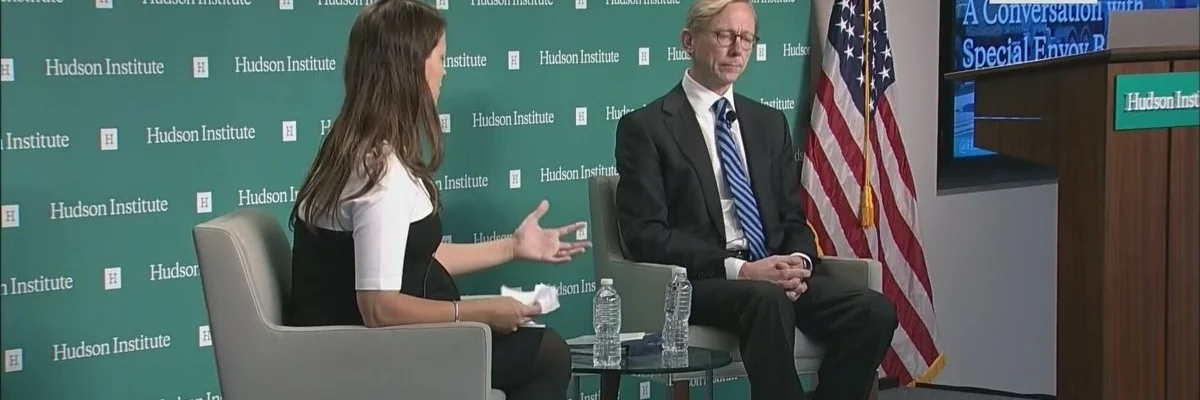
Trump and Secretary of State Mike Pompeo "have all made clear that we are ready to negotiate and to have those discussions," Brian Hook, the US special representative for Iran, told the Hudson Institute, a Washington think tank.
"There hasn't been any aversion to meeting with the Iranians," he added.
Hook stressed the goal was a "comprehensive deal" with Iran, based on a tough set of conditions Pompeo laid out in May.
The United States seeks a treaty ratified by Congress to replace the
nuclear pact Trump withdrew from in May.
Washington insists such a deal should address Iran's ballistic weapons capabilities, its nuclear capacity and its "destabilizing" and "malign" regional influence.
According to Hook, Iran's supreme leader Ayatollah Ali Khamenei, President Hassan Rouhani and Foreign Minister Mohammad Javad Zarif "have all indicated that they're not interested in talking. That's their position, we respect that."
Trump and Rouhani will both be in New York next week for the United Nations General Assembly.
The US president is to lead a Security Council meeting that will discuss Iran, among other topics.
While Rouhani will hold talks with his French counterpart Emmanuel Macron, no US-Iranian meeting has been announced.
The US re-imposed sweeping sanctions against Iran last month, and a new round of even harsher sanctions is set to go into effect November 5 targeting Iran's vital oil sector.
Photo Credit: CSPAN
Washington Criticizes European Aid Package for Iran
◢ A European Union aid plan for Iran sends "the wrong message at the wrong time" to the government in Tehran, the US State Department said Friday. The USD 20.7 million EU assistance package "perpetuates the regime's ability to neglect the needs of its people and stifles meaningful policy changes," read a statement Friday signed by US special representative for Iran Brian Hook.
A European Union aid plan for Iran sends "the wrong message at the wrong time" to the government in Tehran, the US State Department said Friday.
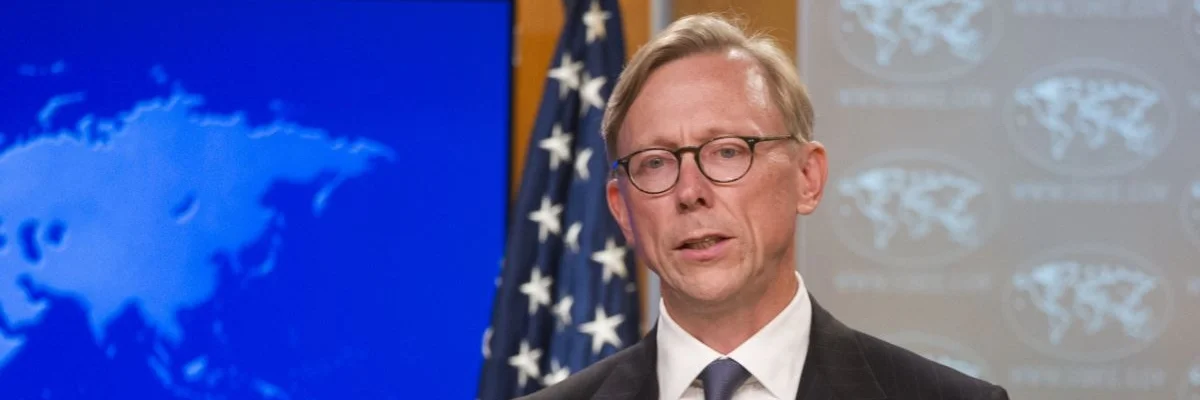
The USD 20.7 million EU assistance package "perpetuates the regime's ability to neglect the needs of its people and stifles meaningful policy changes," read a statement Friday signed by US special representative for Iran Brian Hook.
"More money in the hands of the Ayatollah means more money to conduct assassinations in those very European countries."
According to Hook, the Iranian people "face very real economic pressures caused by their government's corruption, mismanagement, and deep investment in terrorism and foreign conflicts."
He said that the United States and the European Union "should be working together... to find lasting solutions that truly support Iran's people and end the regime's threats to regional and global stability."
The package of assistance offered to Iran, announced on Thursday, is "for projects in support of sustainable economic and social development" in the Islamic Republic, and includes funds to help develop the private sector, according to a statement from the European Commission.
The funds "are the first of a wider package of 50 million euros for Iran, aiming to support the country to address key economic and social challenges," the statement read.
"They are part of the renewed cooperation and engagement between the European Union and Iran following the conclusion of the Joint Comprehensive Plan of Action (JCPOA)."
After withdrawing from the 2015 nuclear deal between Tehran and the major powers, Washington in early August reinstated sanctions against Tehran and issued a warning to countries that continued trading with Iran.
Photo Credit: VOA
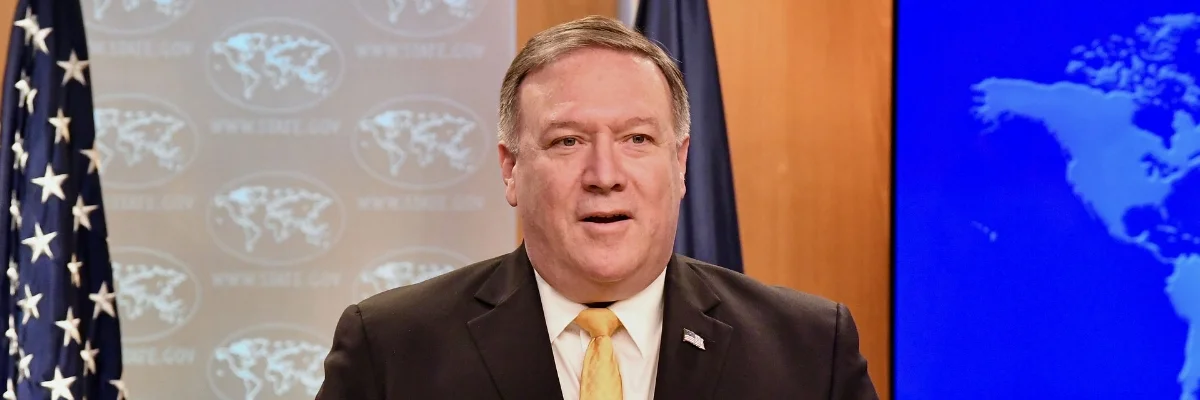
US Creates 'Iran Action Group' to Up Pressure on Tehran
◢ US Secretary of State Mike Pompeo announced a new high-level team to focus US and international efforts to increase diplomatic and economic pressure on Iran. The Iran Action Group will drive Washington's "maximum pressure" strategy to change Tehran's behavior, including potentially sanctioning other countries which trade with the country. The group will be headed by Brian Hook as the State Department's Special Representative for Iran.
US Secretary of State Mike Pompeo announced a new high-level team to focus US and international efforts to increase diplomatic and economic pressure on Iran.
The Iran Action Group will drive Washington's "maximum pressure" strategy to change Tehran's behavior, including potentially sanctioning other countries which trade with the country.
The group will be headed by Brian Hook as the State Department's Special
Representative for Iran.
Hook, currently director of policy planning at the State Department, was in charge of the failed effort to get support from US allies for Washington's decision in May to pull out of the Iran nuclear deal.
"For nearly 40 years the regime in Tehran has been responsible for a torrent of violence and destabilizing behavior against the United States, our allies, our partners and indeed the Iranian people themselves," said Pompeo.
"Our hope is that one day soon we can reach a new agreement with Iran. But we must see major changes in the regime's behavior both inside and outside its borders."
The US has laid out a long list of activities it demands Tehran changes, including halting support for the Syrian government and the Lebanese Hezbollah movement, shutting down its nuclear development program, and freeing detained Americans.
"This team is committed to a strong global effort to change the Iranian regime's behavior," Hook said.
"We want to be closely synchronized with our allies and partners around the world."
Hook, who met with officials from Britain, France and Germany on Iran policy in London on Wednesday, held out the possibility of the US engaging directly with Iranian leaders if they demonstrate a "commitment" to changing their behavior.
But he was not specific on what would be the minimum required to make that impression.
He also said that Washington is stepping up its effort to get other countries to fall in line with economic pressure on Tehran, including the crackdown on Iran's oil trade, financial sector and shipping industry announced for early November.
"Our goal is to reduce every country's import of Iranian oil to zero by November 4."
"We are prepared to impose secondary sanctions on other governments that continue this sort of trade with Iran."
Last week Trump warned the world about doing business with Iran, as European allies continued to grumble about the US policy and China, India and Turkey appeared poised to continue importing Iranian oil, providing the Iranian government crucial foreign exchange.
But the US sanctions appear to have had effect, tightening the country's supply of dollars and sending its currency in a tailspin—with the result a jump in inflation that has hurt Iranian consumers.
In Monday Iran's supreme leader Ayatollah Ali Khamenei's said there would be neither war nor negotiations with the United States, and put the blame for mounting domestic economic turmoil on the shoulder of President Hassan Rouhani.
US officials have repeatedly said they only pressuring for a change in Iranian behavior and not change in the regime itself.
Asked whether the announcement of the Iran Action Group was purposely timed with 65th anniversary of the CIA-engineered overthrow of ex-prime minister Mohammad Mossadegh—which took place in mid-August 1953—Hook labelled it "pure coincidence."
Photo Credit: State Department

US Sticks to Goal of Cutting Iran Oil Exports to Zero
◢ The United States remains determined to force Iran to change its behavior by cutting its oil exports to zero, the State Department said Monday, despite resistance from importing countries. Brian Hook, the senior official leading negotiations with US allies on a new Iran strategy, said Washington is confident the world has enough spare oil capacity to replace Iranian crude.
The United States remains determined to force Iran to change its behavior by cutting its oil exports to zero, the State Department said Monday, despite resistance from importing countries.
Brian Hook, the senior official leading negotiations with US allies on a new Iran strategy, said Washington is confident the world has enough spare oil capacity to replace Iranian crude.
And he confirmed that US secondary sanctions on firms dealing with Iran would "snap back" on August 6 for trade in cars and metals and on November 4 for oil and banking transactions.
This has been US policy since President Donald Trump pulled out of the Iran nuclear accord on May 8, but many foreign capitals have been demanding waivers to allow some trade to continue.
The US ultimatum has also contributed to upward pressure on world oil prices, although Trump believes he has persuaded Saudi Arabia to offset this by ramping up its own production.
"Our goal is to increase pressure on the Iranian regime by reducing to zero its revenue from crude oil sales," Hook, the State Department's director of policy and planning, told reporters.
"Now, we are working to minimize disruptions to the global market, but we are confident that there is sufficient global spare oil production capacity.
"Banking sanctions will also snap back on November 4, and we will be aggressively enforcing these provisions to lock up Iran's assets overseas and deny the Iranian regime access to its hard currency."
Although the European signatories to the Iran deal—Britain, France and Germany—lobbied hard for Trump to stay in the accord, their companies are likely to acquiesce to the renewed sanctions.
Western diplomats say few major firms would see enough profit in dealing with Iran to justify the risk of losing access to US trade and finance.
But other powers—including major Iran clients like India, China and Turkey—may not be so quick to bow to US demands.
Hook said teams of US diplomats are deploying to explain and defend the policy, but warned: "We are not looking to grant licenses or waivers, because doing so would substantially reduce pressure on Iran.
"We are prepared to work with countries that are reducing their imports on a case-by-case basis," he added. "But as with our other sanctions, we are not looking to grant waivers or licenses."
Photo Credit: Wikicommons