
Iran Says INSTEX 'Good Omen' But Insufficient
Iran on Monday welcomed the launch of a European trade mechanism to bypass US sanctions as a "good omen" but said it was insufficient in light of the Europeans' commitments.
Iran on Monday welcomed the launch of a European trade mechanism to ease trade in the face of US sanctions as a "good omen" but said it was insufficient in light of the Europeans' commitments.
Britain, France and Germany said last week they had carried out the first transaction through the INSTEX mechanism to deliver medical supplies to Iran, which has been hit hard by the coronavirus pandemic.
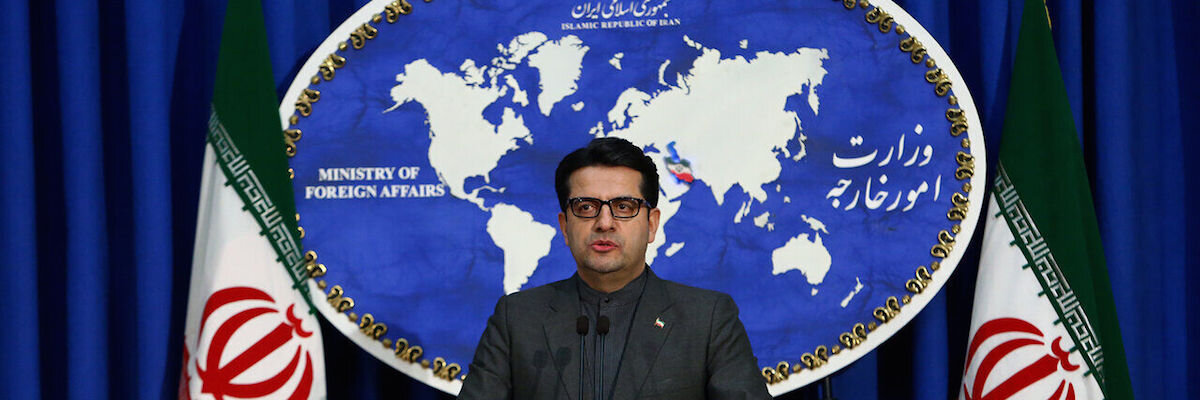
In the first official reaction to the development, Iran's foreign ministry spokesman Abbas Mousavi said the transaction had involved "a few hundred thousand euros.”
“We see the launch of INSTEX as a good omen," Mousavi said in a televised news conference.
But "what the Islamic Republic of Iran expects (from now on) is for the Europeans to fulfil the rest of their commitments in various fields (such as) banking, energy, insurance," he added.
Iran has struggled to stop the spread of the novel coronavirus which officials say has claimed over 3,600 lives and infected more than 58,000 in the country since February 19.
Calls have mounted for the United States to ease its sanctions on Iran so that the Islamic republic can adequately respond to the COVID-19 crisis.
Washington reimposed crippling sanctions on Tehran in May 2018 after withdrawing from an international deal that put curbs on its arch enemy's nuclear program.
In response, the three European countries party to the nuclear deal—Britain, France and Germany—announced the creation of INSTEX in January 2019.
But the implementation of the mechanism has been slow, with Iran and the Europeans blaming each other for the delay.
INSTEX functions as a clearing house and allows European companies to trade with Iran without exposing themselves to the consequences of US sanctions.
It is designed to be open to other companies, particularly from China or Russia, which are also party to the 2015 nuclear agreement.
Photo: IRNA
Iran's Rouhani 'Finalizing' First Visit to Japan
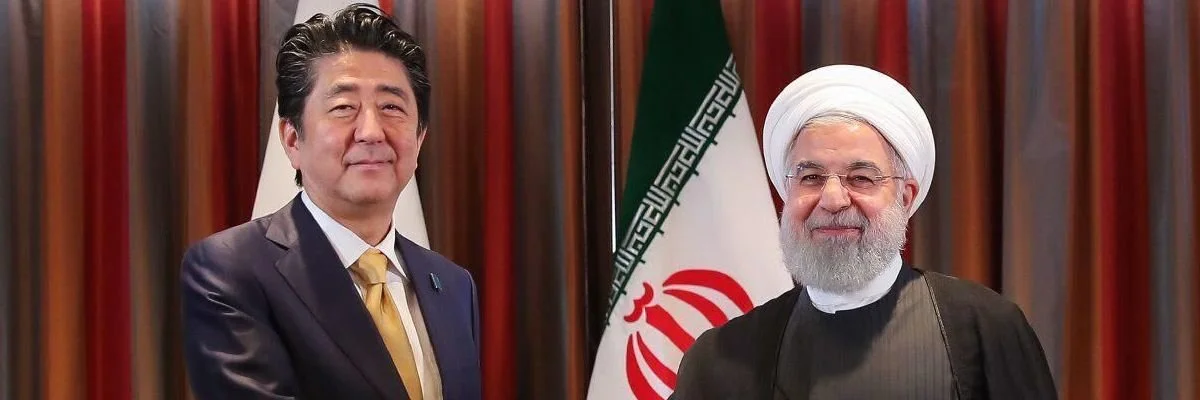
◢ Iran's President Hassan Rouhani is finalizing with Japan a visit to Tokyo, officials in Tehran said Monday, in what will be the first such trip in two decades. The trip would likely take place around December 20, after Rouhani visits Malaysia for a Muslim leaders summit in Kuala Lumpur, Japanese and Iranian media reported.
Iran's President Hassan Rouhani is finalizing with Japan a visit to Tokyo, officials in Tehran said Monday, in what will be the first such trip in two decades.
The trip would likely take place around December 20, after Rouhani visits Malaysia for a Muslim leaders summit in Kuala Lumpur, Japanese and Iranian media reported.
"This trip (to Japan) is being finalized," Iranian foreign ministry spokesman Abbas Mousavi told a press conference in Tehran.
Iranian government spokesman Ali Rabiei said discussions would focus on "expanding economic relations" between the two countries.
"Mr Rouhani's trip to Japan has nothing to do with issues such as negotiations with America," Rabiei said.
"However, our Japanese friends usually convey messages or initiatives, which we welcome... and seriously examine," he added, stressing the bilateral focus of the visit.
Rouhani would be the first Iranian president to visit Japan since 2000.
He is expected to meet Prime Minister Shinzo Abe, who travelled to Tehran in June to try to ease tension between the United States and Iran in the Gulf.
"After Mr Abe's trip to Iran it was natural for the president of the Islamic Republic of Iran to have a trip to Japan," Mousavi said.
Talks between the two leaders would focus on "issues and developments in our region, the East Asia region," and the landmark 2015 Iran nuclear deal, Mousavi added.
On December 9, Abe said he was weighing inviting Rouhani for a state visit.
Noting Japan's alliance with the United States and Tokyo's "favorable relations" with Tehran, Abe said he would make efforts "as much as possible to help ease tensions" in the Middle East.
Japan was formerly a major buyer of Iranian crude but stopped purchases to comply with US sanctions imposed after the United States unilaterally quit the nuclear deal in May 2018.
Photo: IRNA
Iran Hopes New UN Nuclear Chief Will Act 'Neutrally'
◢ Iran said Thursday it hopes the UN nuclear watchdog will act “neutrally” under its new head and vowed to maintain cooperation with its inspectors monitoring a landmark 2015 nuclear deal. Argentina’s Rafael Grossi took the helm of the International Atomic Energy Agency on Tuesday following the death of his predecessor, Yukiya Amano of Japan, in July.
Iran said Thursday it hopes the UN nuclear watchdog will act “neutrally” under its new head and vowed to maintain cooperation with its inspectors monitoring a landmark 2015 nuclear deal.
Argentina’s Rafael Grossi took the helm of the International Atomic Energy Agency on Tuesday following the death of his predecessor, Yukiya Amano of Japan, in July.
The UN agency is tasked with monitoring Tehran’s nuclear activities to assess its compliance with the 2015 agreement with major powers, which has been severely undermined by Washington’s abandonment of it in May last year.
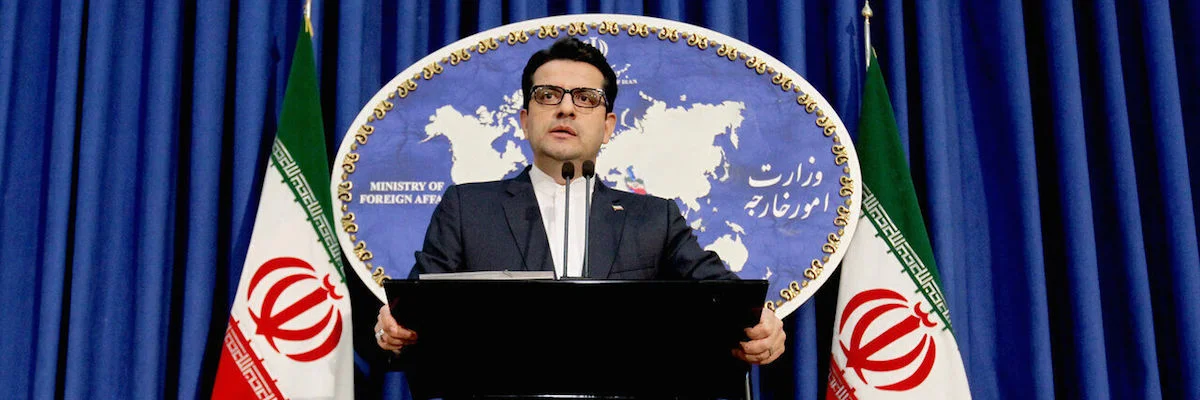
Iran hopes that during Grossi’s tenure, the IAEA “can neutrally and professionally undertake its international responsibilities and sensitive missions,” foreign ministry spokesman Abbas Mousavi said in a statement.
“Iran is ready to maintain and expand interaction and cooperation with the agency with goodwill and mutual respect,” he added.
Tensions with the United States have escalated sharply since it began reimposing crippling unilateral sanctions lifted under the nuclear deal.
The European parties to the deal—Britain, France and Germany—have repeatedly said they are committed to saving the accord, but their efforts have so far borne little fruit.
Tehran has hit back by suspending its compliance with parts of the deal until sanctions relief is restored.
“The path for diplomacy is open… the Europeans and especially the French are still trying to act on their commitments,” Mousavi told state television.
Yet the attempts have so far “failed to reach any tangible results” and “if the situation goes on as it is, (Iran) will most probably take the fourth step,” he added.
Iran has said it will unveil a fourth package of measures on Monday.
Photo: IRNA
Iran Says 'No Plans' for Rouhani-Trump Meet on UN Sidelines
◢ Iran has not made any plans for President Hassan Rouhani to meet his US counterpart Donald Trump on the sidelines of the upcoming UN General Assembly, a spokesman said Monday. "We have neither planned for this meeting, nor do I think such a thing would happen in New York," the foreign ministry's Abbas Mousavi said in remarks aired on state television.
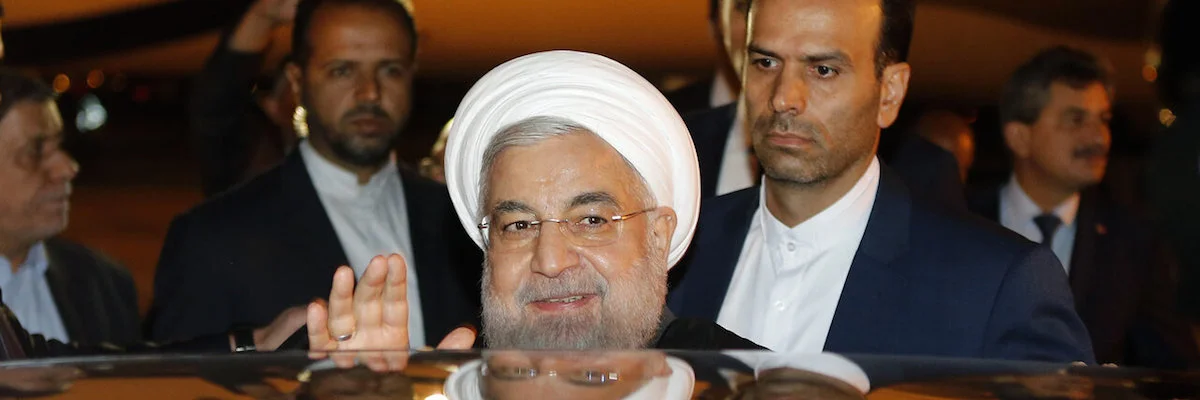
Iran has not made any plans for President Hassan Rouhani to meet his US counterpart Donald Trump on the sidelines of the upcoming UN General Assembly, a spokesman said Monday.
"We have neither planned for this meeting, nor do I think such a thing would happen in New York," the foreign ministry's Abbas Mousavi said in remarks aired on state television.
The White House said on Sunday that Trump may still meet Rouhani at the UN meeting in New York next week, despite accusations from Washington that Tehran was behind weekend drone attacks on Saudi Arabian oil facilities.
"As we have stated before, if the Americans return to the JCPOA and cease their economic terrorism, they can return to the joint commission and talk," Mousavi added.
He was referring to a commission within the framework of the Joint Comprehensive Plan of Action, a 2015 agreement that gave Iran the promise of relief from sanctions in return for curbs on its nuclear programme.
Tensions between the two countries have soared since Trump unilaterally withdrew the US from the JCPOA in May last year and began reimposing crippling sanctions on the Islamic republic.
European powers have been trying to salvage the nuclear accord and de-escalate the situation.
French President Emmanuel Macron has been leading the efforts, and proposed a meeting between Rouhani and Trump to defuse the crisis.
Photo: IRNA
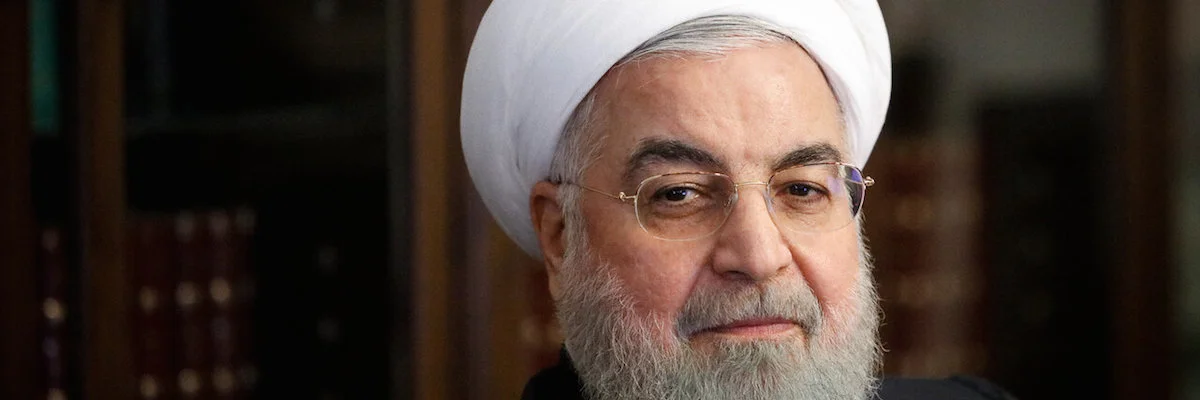
Iran Refutes US Accusations Over Saudi Attacks
◢ Iran on Sunday dismissed US accusations it was behind drone attacks on Saudi oil installations, suggesting Washington was seeking a pretext to retaliate against the Islamic Republic. "Such fruitless and blind accusations and remarks are incomprehensible and meaningless," foreign ministry spokesman Abbas Mousavi was quoted as saying in a statement.
Iran on Sunday dismissed US accusations it was behind drone attacks on Saudi oil installations, suggesting Washington was seeking a pretext to retaliate against the Islamic Republic.
"Such fruitless and blind accusations and remarks are incomprehensible and meaningless," foreign ministry spokesman Abbas Mousavi was quoted as saying in a statement.
US Secretary of State Mike Pompeo condemned Iran after Saturday's attacks, which knocked out half of Saudi Arabia's oil production.
Yemen's Iran-aligned Huthi rebels claimed responsibility for the drone strikes, but Pompeo said "there is no evidence the attacks came from Yemen".
"The United States will work with our partners and allies to ensure that energy markets remain well supplied and Iran is held accountable for its aggression," the top US diplomat tweeted.
Mousavi said the US allegations over the pre-dawn strikes on Abqaiq and Khurais in Saudi Arabia's Eastern Province were meant to justify actions against Iran.
"Such remarks... are more like plotting by intelligence and secret organisations to damage the reputation of a country and create a framework for future actions," he said.
Tehran and Washington have been at loggerheads since May last year when President Donald Trump pulled out of a 2015 multilateral deal that promised Iran relief from sanctions in return for curbs on its nuclear programme.
Iran's President Hassan Rouhani accused Washington of diverting blame for the war in Yemen, where US ally Saudi Arabia leads a military coalition that has regularly carried out air strikes.
"Today, witness that innocents die every day in Yemen ... Americans, instead of blaming themselves—and confessing that their presence in the region is creating problems—blame the region's countries or Yemen's people," Rouhani said.
"If we want there to be real security in the region, the solution is that America's aggression cease," Iran's president added, before leaving for Ankara to attend a trilateral meeting on Syria with Turkey and Russia.
"We believe the region's issues can be solved through talks in Yemen, Yemeni-Yemeni negotiations -- they must decide for themselves. The bombardment of Yemeni people must stop," Rouhani said.
'Maximum Lying'
Since its withdrawal from the nuclear accord, the United States has slapped crippling sanctions on Iran as part of a campaign of "maximum pressure".
The Islamic Republic has responded by reducing its nuclear commitments.
"The Americans have taken the policy of 'maximum pressure' which has apparently turned into 'maximum lying' due to their failures," said Mousavi.
The arch-foes were on the cusp of confrontation in June when Iran downed a US drone and Trump ordered retaliatory strikes before cancelling them at the last minute.
In remarks published Sunday, the commander of the Islamic Revolutionary Guard Corps' aerospace arm said Iran's missiles could hit US bases and ships within a range of 2,000 kilometres (about 1,240 miles).
"Neither us nor the Americans want a war," Brigadier General Amirali Hajizadeh said, quoted by Tasnim news agency, which is considered close to the Guards.
"Of course, some forces facing each other in the field could do something, by which a war could start," the commander said.
"We have always prepared ourselves for a full-fledged war... everyone should know that all American bases and their vessels in a 2,000-kilometer range can be targeted by our missiles," he added.
Photo: IRNA
Iran Says It Could Release UK-Flagged Tanker Within Days
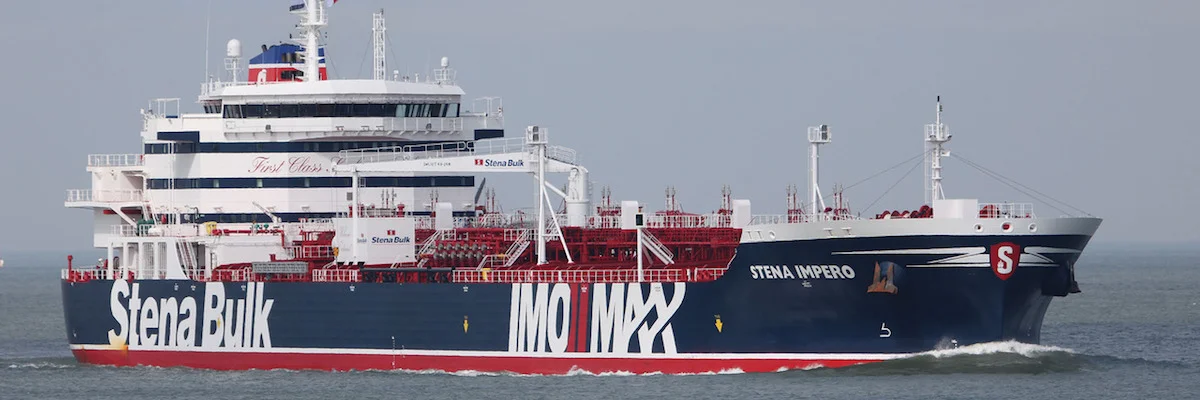
◢ Iran on Sunday hinted that it could release "within days" a UK-flagged oil tanker it had seized in July in sensitive Gulf waters amid rising hostilities with Britain's ally the United States. Foreign ministry spokesman Abbas Mousavi told state television the "necessary steps" to set the Swedish-owned ship free were "underway.”
Iran on Sunday hinted that it could release "within days" a UK-flagged oil tanker it had seized in July in sensitive Gulf waters amid rising hostilities with Britain's ally the United States.
Foreign ministry spokesman Abbas Mousavi told state television the "necessary steps" to set the Swedish-owned ship free were "underway.”
"The final steps of the legal procedure are underway and, God willing, the boat will be released in the coming days," he said, without giving further details.
The seizure of the Stena Impero was seen as a tit-for-tat move after British authorities detained an Iranian tanker off Gibraltar in July on suspicion it was shipping oil to Syria in breach of EU sanctions.
Gibraltar released the ship—formerly called the Grace 1 but since renamed the Adrian Darya 1—on August 18 after receiving written assurances from Iran that it would not head to countries under EU sanctions.
Tehran denied it had made any promises about the destination of the ship laden with 2.1 million barrels of oil, which had been elusive since leaving Gibraltar .
On Sunday, Mousavi said the Adrian Darya "has reached its destination and the oil has been sold", without providing further details.
Mousavi did not specify if the Adrian Darya had unloaded its cargo
"It is in the Mediterranean," he said, facing the coast of a country he did not name.
Iran last month said it had "sold the oil" aboard the tanker and that the owner will decide the destination, but it did not identify the buyer.
Maritime tracking service TankerTrackers said that as of Sunday night the Adrian Darya was off the coast of Syria's Tartus but had not unloaded the oil.
Iran's Islamic Revolutionary Guard Corps seized the Stena Impero on July 19 in the Strait of Hormuz with 23 crew members on board, claiming it broke "international maritime rules".
On Wednesday, the Swedish foreign ministry said that some of the crew had been released, after the vessel's owners said they expected seven to be set free on that day.
Tensions between arch-enemies Iran and the US have soared ever since Washington stepped up its campaign of "maximum pressure" against Tehran and reimposed sanctions after leaving the landmark 2015 nuclear deal last year.
Photo: Fleetmon
Iran Says US Rejected Offer as 'Not Seeking Dialogue'
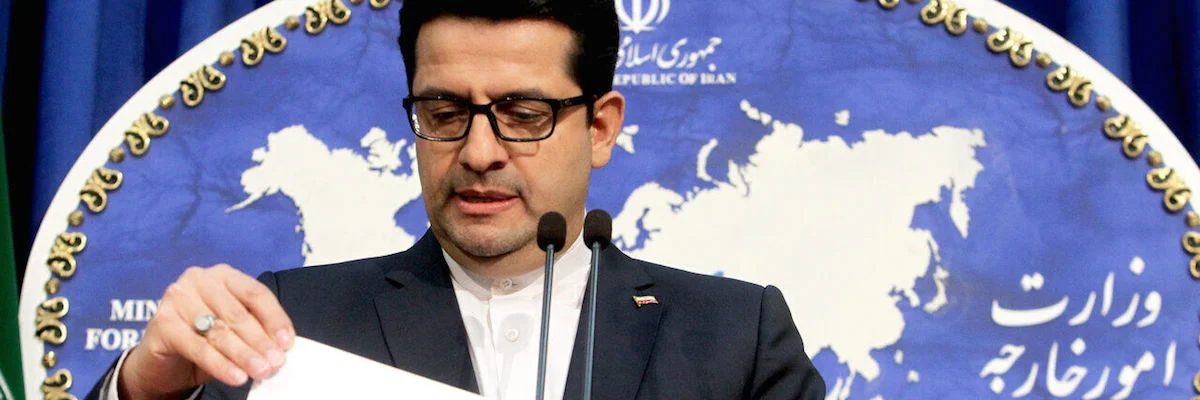
◢ Iran said on Monday the US had rejected an offer from Tehran for more robust nuclear inspections in exchange for lifting sanctions because Washington is "not seeking dialogue.” According to foreign ministry spokesman Abbas Mousavi, the proposal was made by Foreign Minister Mohammad Javad Zarif during a visit this month in New York to dismiss the idea of "Iran being against talks... (while) America is for dialogue.”
Iran said on Monday the US had rejected an offer from Tehran for more robust nuclear inspections in exchange for lifting sanctions because Washington is "not seeking dialogue.”
Under the 2015 nuclear deal agreed to by Tehran, Iran must ratify a document, known as the additional protocol, prescribing more intrusive inspections of its nuclear program eight years after the deal was adopted.
"If the US is really seeking an agreement... Iran can make the additional protocol into law (in 2019) and (the US) at the same time bring a plan to the Congress and lift all illegal sanctions," said foreign ministry spokesman Abbas Mousavi.
"But as we predicted it was rejected by them, because we knew that they are not for talks or an agreement that would yield a proper result," he told a news conference.
According to Mousavi, the proposal was made by Foreign Minister Mohammad Javad Zarif during a visit this month in New York to dismiss the idea of "Iran being against talks... (while) America is for dialogue".
Tehran and Washington have been at loggerheads ever since President Donald Trump unilaterally withdrew the US form the nuclear deal last year and reimposed biting sanctions on Iran.
Iran announced in May it would no longer respect some deal limits set on its nuclear program in retaliation for US sanctions and threatened to go even further if the deal's remaining parties—Britain, China, France, Germany and Russia—do not help it circumvent them, especially to sell its oil.
Envoys from the four countries and Iran met in Vienna on Sunday to discuss ways to stop the deal collapsing amid escalating tensions.
Mousavi said that during the meeting Iran strongly protested the Europeans' "attitude, inactivity and the arrest of some Iranians in Europe at America's behest" as well as the seizure of a tanker carrying Iranian crude oil off Gibraltar in early July.
Despite the disagreements the talks were "frank and decisive" and "cleared the air" for continuing the process, he added.
Photo: IRNA
Iran Breaches Limit on Enriched Uranium Under Nuclear Accord
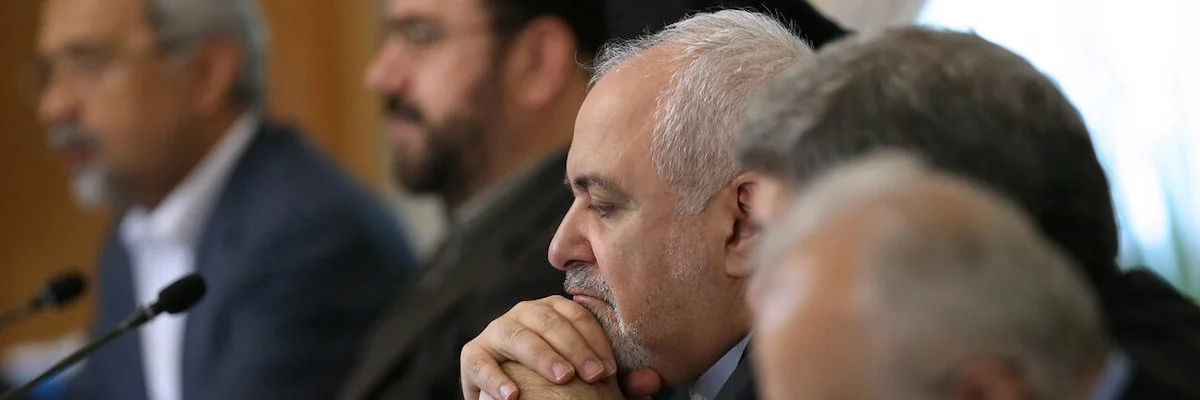
◢ Iran said it had exceeded the cap on its stockpile of enriched uranium set under the 2015 nuclear deal, risking a confrontation with European nations which had urged it to stick to the accord. “As I was informed, Iran has crossed the 300-kilogram cap according to plans,” the Iranian Students’ News Agency cited Foreign Minister Mohammad Javad Zarif as saying.
By Nour Al Ali and Ladane Nasseri
Iran said it had exceeded limits set on its enriched-uranium stockpile, a move that risks the collapse of the 2015 nuclear accord and raises concerns that a standoff with the U.S. could lead to military action.
“As I was informed, Iran has crossed the 300-kilogram cap according to plan,” the Iranian Students’ News Agency cited Foreign Minister Mohammad Javad Zarif as saying. “We have clearly expressed what we are doing and will act upon it,” he said, saying the step was in line with Iran’s rights under the agreement after it was abrogated by the U.S.
The breach is likely to heighten tensions in the Persian Gulf that have spiked since the Trump administration exited the nuclear accord a year ago and reimposed crippling sanctions on Iran, prompting a warning that Tehran will ditch elements of the deal unless it’s given an economic lifeline by July 7. Attacks in the Strait of Hormuz, a vital waterway for oil shipments from the Middle East, and the Iranian downing of an American drone have raised concerns of another war in the region.
Foreign Ministry Spokesman Abbas Mousavi said earlier on Monday that if European nations working to salvage the nuclear deal “take more concrete steps, Iran’s action in cutting back on its commitments can be rolled back,” according ISNA.
The move was “carefully calibrated” by authorities and “isn’t in itself dangerous because it can be reversed,” said Sanam Vakil, senior research fellow at Chatham House Middle East and North Africa Program. “It’s the action and reaction and what comes next—it’s a step in what can be a slippery slope.”
International Atomic Energy Agency spokesman Fredrik Dahl confirmed that Iran’s stockpile of low-grade enriched uranium exceeded 300 kilograms (661 pounds).
Iran was expected to breach the cap on Thursday, though it had appeared to back off from its warning following efforts led by European nations to preserve the accord. Seven more European countries agreed on Friday to support the U.K., Germany and France in rolling out a trade mechanism, known as Instex, that aims to protect trade with Iran from U.S. sanctions. Diplomats said the first transactions using the vehicle had been processed.
European powers opposed President Donald Trump’s decision last year to quit the multinational accord intended to curb Iran’s nuclear development in exchange for easing sanctions. But they have been so far unsuccessful developing effective ways to maintain economic relations that avoid the U.S. banking system and the sanctions that Trump reimposed.
At the same time, they had called for Iran to continue adhering to the accord, knowing that any violation would put European leaders in a difficult position with regard to U.S. officials.
Tehran “has been escalatory in pushing Europe to challenge the Trump administration” and European nations are “struggling to find a band aid” to keep the agreement alive, Vakil said.
The spokesman for Prime Minister Theresa May said the cap announcement was “extremely concerning” but the U.K. was working to keep the deal in place. Still, Britain’s commitment to the accord “relies on Iran complying with the full terms of the deal,” James Slack told reporters.
The nuclear deal was designed to prevent Iran from breaking out and constructing a weapon within a year, as the U.S. and its allies feared. The Arms Control Association, a Washington nonprofit, estimates Iran would need about 1,050 kilograms (2,315 pounds) of uranium enriched to 3.67% to build one bomb. The material would then need to undergo further enrichment.
Trump says he wants to negotiate a better deal that would also restrict Iran’s missile program and support for armed proxies around the region. But Iran says it can’t negotiate by force and while its economy and—more recently—its leaders are targeted by the U.S.
Russia said on Monday that Iran’s move to breach the limit on enriched uranium wasn’t a surprise, blaming the U.S.’s policy of maximum pressure.
Deputy Foreign Minister Sergei Ryabkov said Iran is confronting “unprecedented and unthinkable” U.S. efforts to throttle its economy, state news service RIA Novosti reported. At the same time, the leading Russian diplomat urged Iran to show restraint, voicing alarm at signals from Tehran it might pull out of the Treaty on the Non-Proliferation of Nuclear Weapons.
Photo: IRNA
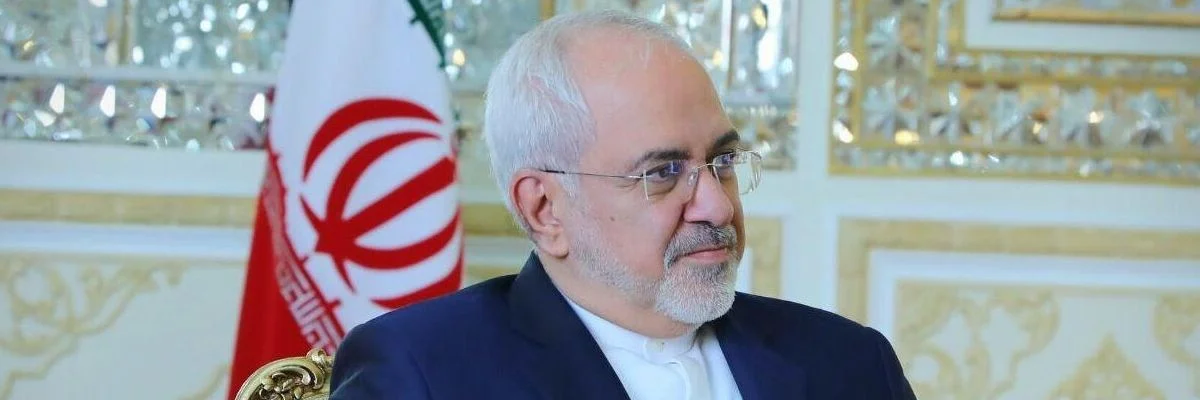
Iran Rejects French Idea of Re-Opening Nuclear Talks
◢ Iran on Friday rejected an idea mooted by France of re-opening nuclear talks, warning that seeking to broaden an existing landmark treaty could lead to its collapse.President Emmanuel Macron said Thursday that his goal of “regional peace” would require new negotiations.
Iran on Friday rejected an idea mooted by France of re-opening nuclear talks, warning that seeking to broaden an existing landmark treaty could lead to its collapse.
President Emmanuel Macron said Thursday that his goal of “regional peace” would require new negotiations, adding that Paris aimed to rein in Iran’s nuclear and ballistics activities and its regional influence.
He made the comments at a press conference with US President Donald Trump, who last year withdrew from the multi-lateral agreement known as the JCPOA.
But Tehran’s Foreign Ministry Spokesman Abbas Mousavi warned Friday that “bringing up issues that are beyond the JCPOA does not help in saving the JCPOA, but will instead cause increased distrust among the remaining parties” to the deal.
European leaders, bitterly angered by Trump’s pullout from the deal in May last year, have struggled to find ways to salvage it in the face of Washington’s re-instatement of tough sanctions.
In a statement on the foreign ministry’s website, Mousavi said European parties to the deal had been “incapable of acting upon their commitments”.
Under such circumstances, he said, making new demands would “only help America in nearing its objective—the collapse of the JCPOA.”
The Joint Comprehensive Plan of Action was an agreement between world powers including France and the United States, offering Iran sanctions relief in return for curbs on its nuclear programme.
Iran had until recently remained in full compliance with the deal, but with the remaining parties struggling to bypass US sanctions, Tehran has reaped few of the promised benefits.
In May, it dropped its adherence to certain limits on enrichment activities under the accord and gave an ultimatum to the remaining parties that it would ditch other commitments unless they delivered on promised sanctions relief.
Trump’s administration has also sought tighter controls on Iran’s ballistic missile capabilities.
In comments published by the Washington Times on Friday, Secretary of State Mike Pompeo demanded that Iran bring its missile programme “back inside a set of constraints” laid out in UN Security Council Resolution 2231.
Iran’s Foreign Minister Mohammad Javad Zarif hit back, tweeting that the US had “violated” the same resolution by withdrawing from the nuclear deal and was “in no position to push a conceited interpretation of its missile provision”.
He pointed out that the resolution called on Iran “not to undertake any activity related to ballistic missiles DESIGNED to be capable of delivering NUCLEAR weapons.”
“Our missiles are not ‘designed’ for nukes, which we’re not developing,” he said.
Photo: IRNA
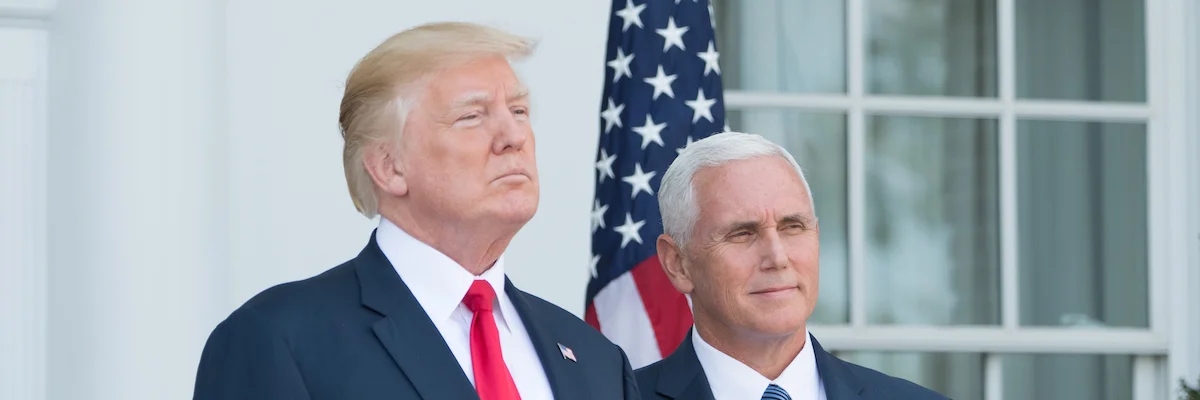
Trump Says Iran Will `Suffer Greatly' If U.S. Is Provoked
◢ President Donald Trump warned Iran against a military provocation and said the country “will suffer greatly” if hostilities break out with the U.S. “We’ll see what happens with Iran. If they do anything it’ll be a very bad mistake, if they do anything,” Trump told reporters on Monday during a meeting with Hungarian Prime Minister Viktor Orban at the White House.
By Margaret Talev in Washington D.C.
President Donald Trump warned Iran against a military provocation and said the country “will suffer greatly” if hostilities break out with the U.S.
“We’ll see what happens with Iran. If they do anything it’ll be a very bad mistake, if they do anything,” Trump told reporters on Monday during a meeting with Hungarian Prime Minister Viktor Orban at the White House.
“I’m hearing little stories about Iran,” Trump added. “If they do anything they will suffer greatly.”
Saudi Arabia claimed that two of its oil tankers were attacked on Sunday while sailing toward the Persian Gulf. The U.A.E. foreign ministry on Sunday reported that four commercial ships were attacked by an unknown adversary.
The precise nature of the incident remained unclear. Saudi Arabia’s state run Saudi Press Agency described it as “a sabotage attack.”
Iran’s Foreign Ministry Spokesman Abbas Mousavi described the maritime incident as “concerning and regrettable” and called for efforts to shed light on what exactly happened, the semi-official Tasnim News reported. He warned against “foreign seditious plots to upset the region’s security and stability.”
Tensions are rising between the U.S. and Iran after the Trump administration earlier this month ended exceptions to U.S. sanctions on Iranian oil sales. The Islamic Republic has threatened to block oil shipments through the Strait of Hormuz and has said it may increase uranium enrichment beyond limits allowed under the 2015 nuclear deal that Trump abandoned.
U.S. National Security Adviser John Bolton said last week that an aircraft carrier and bombers would be deployed to the region to counter unspecific Iranian threats.
Asked what Iran should be worried the U.S. might do, the president said: “You can figure it out yourself. They know what I mean.”
Photo: White House
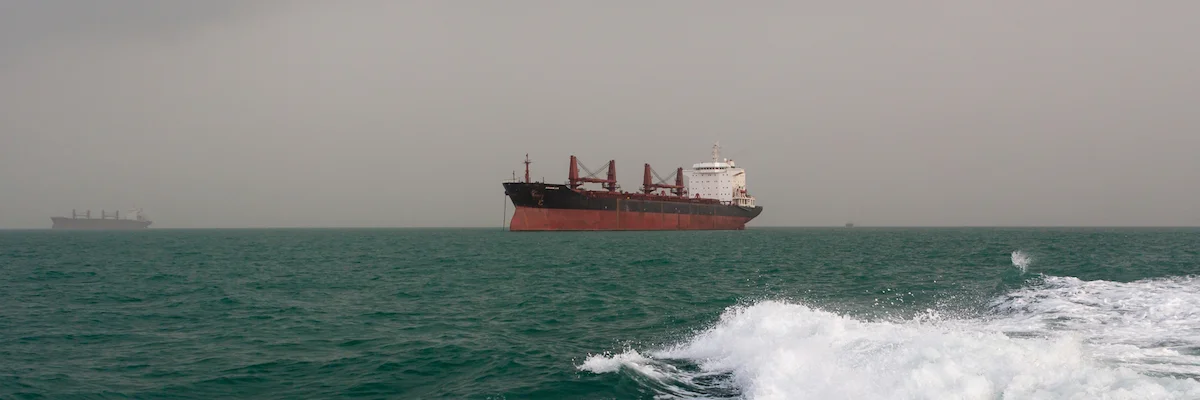
Iran Calls Ship Attacks off UAE 'Alarming', Urges Probe
◢ Iran on Monday called attacks on ships in the Gulf "alarming", after the UAE and Saudi Arabia said several vessels including oil tankers were damaged in acts of sabotage off the Emirati coast. "The incidents in the Sea of Oman are alarming and regrettable," Iranian foreign ministry spokesman Abbas Mousavi said in an English-language statement on the ministry's website.
Iran on Monday called attacks on ships in the Gulf "alarming", after the UAE and Saudi Arabia said several vessels including oil tankers were damaged in acts of sabotage off the Emirati coast.
"The incidents in the Sea of Oman are alarming and regrettable," Iranian foreign ministry spokesman Abbas Mousavi said in an English-language statement on the ministry's website, calling for a probe into the attacks and warning of "adventurism" by foreign players to disrupt maritime security.
On Sunday, the United Arab Emirates said that four commercial vessels of various nationalities had been targeted by acts of sabotage off the UAE port of Fujairah.
Saudi Arabia early Monday said two of its oil tankers were damaged.
Fujairah port is the only terminal in the UAE located on the Arabian Sea coast, bypassing the Strait of Hormuz, a global shipping route through which most Gulf oil exports pass, and which Iran has repeatedly threatened to close in case of a military confrontation with the United States.
The incident comes amid rising tensions between Iran and the United States which has strengthened its military presence in the region, including deploying a number of strategic B-52 bombers in response to alleged threats from Tehran.
It also comes as US Secretary of State Mike Pompeo scrapped a stop Monday in Moscow to visit Brussels instead for talks with European officials on Iran.
Mousavi "called for clarifications" concerning the "exact dimensions" of Sunday's attacks on ships in the Gulf, the foreign ministry's statement said.
He said such incidents would have a "negative impact... on shipping safety and maritime security" in the Gulf.
He also "warned against plots by ill-wishers to disrupt regional security" and "called for the vigilance of regional states in the face of any adventurism by foreign elements", the statement added.
Photo: Depositphoto