
Pathways for Regional Environmental Cooperation in the Gulf
This edited volume is a result of a collaboration between the Bourse & Bazaar Foundation and the Middle East Institute at the National University of Singapore. It seeks to identify areas for regional environmental cooperation between the GCC, Iraq, and Iran.
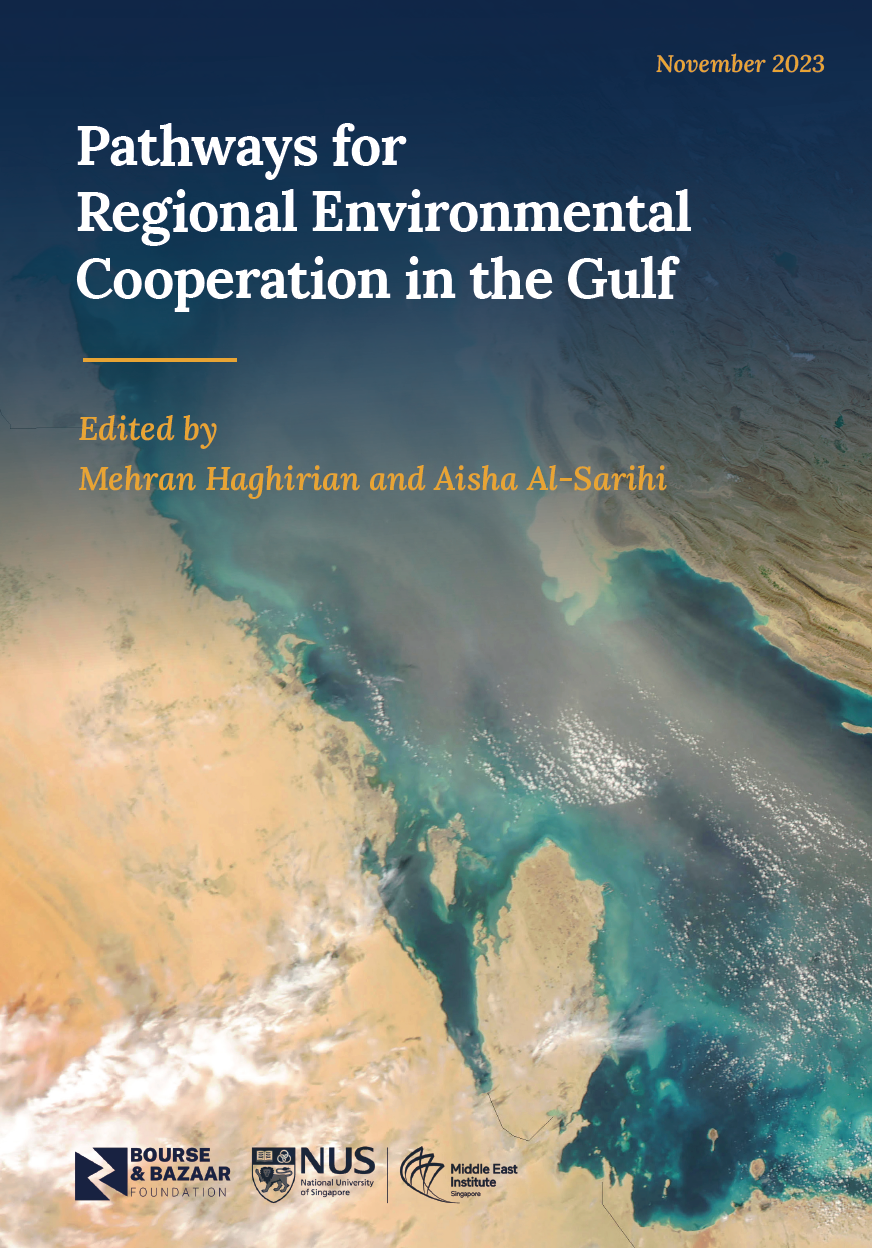
Download the Publication
November 2023 - 129 Pages
Please enter your name and email address below to download the full publication. After entering your details, a download link will appear in the space below.
Executive Summary
The countries surrounding the Gulf – Bahrain, Iran, Iraq, Kuwait, Oman, Qatar, Saudi Arabia, and the United Arab Emirates (UAE) – are facing acute risks from climate change. With its arid and semiarid climatic conditions, the Gulf region is already grappling with grave environmental issues including water scarcity, severe sand and dust storms, exposure to cyclones, heatwaves, and pollution. The regional countries are paying heavy human and financial costs for the mounting consequences of these challenges – shutting down factories, announcing emergency public holidays, cutting water and electricity supplies, and even losing tourists.
This edited volume is a collaboration between the Bourse & Bazaar Foundation and the Middle East Institute at the National University of Singapore. The publication seeks to identify areas for regional environmental cooperation and explore practical approaches to address shared challenges. The chapters examine potential cooperation on protection of marine environments, responses to extreme weather events, mitigation of sand and dust storms, cooperation on food security, and advancement of the energy transition, among other topics. The experts who contributed come from diverse backgrounds, but all agree that the Gulf region is facing devastating climate impacts, which will only intensify in the absence of inclusive mitigation strategies.
This edited volume brings a practical perspective to the growing conversation on shared environmental challenges in the Gulf. The nine chapters go move beyond talking points on the need to fight climate change to present practical recommendations for regional governments and external stakeholders, as well as academic institutions, companies, and individuals involved in climate action. The edited volume is comprised of the following chapters:
Chapter 1: Collective Environmental Action to Preserve the Gulf’s Marine Ecosystem
Mohammad Al-Saidi
Chapter 2: Towards Common and Sustainable Resource Management in the Gulf
Tobias Zumbrägel
Chapter 3: Joint Efforts to Combat Extreme Weather Events in the Gulf
Said Al-Sarmi and Suad Al-Manji
Chapter 4: Tackling Sand and Dust Storms to Build on Regional Détente in the Gulf
Glada Lahn and Adnan Tabatabai
Chapter 5: Cooperation Opportunities for the Gulf in the Energy Transition
Robin Mills
Chapter 6: Boosting Food Security in the Gulf through Regional Cooperation
Malak Altaeb
Chapter 7: Bolstering Iraq’s Climate Response through Regional Environmental Cooperation
Maha Yassin
Chapter 8: Addressing Shared Environmental Challenges in the Gulf with European Support
Mehran Haghirian
Chapter 9: Examining Gulf-Southeast Asia Interregional Environmental Cooperation
Aisha Al-Sarihi and Muhammad Shidiq
Taken together, these nine chapters make clear that missed opportunities for cooperation due to political differences across the Gulf have not only delayed environmental mitigation but have also limited economic integration as well. While trust and political will remain prerequisites for enhanced regional environmental cooperation, this volume highlights the importance of joint climate science and research programs, knowledge sharing, capacity building, finance leveraging, and policy coordination as key areas to improve regional environmental cooperation in the Gulf region. Opportunities abound for the Gulf states to cooperate in tackling shared environmental challenges.
About the Editors
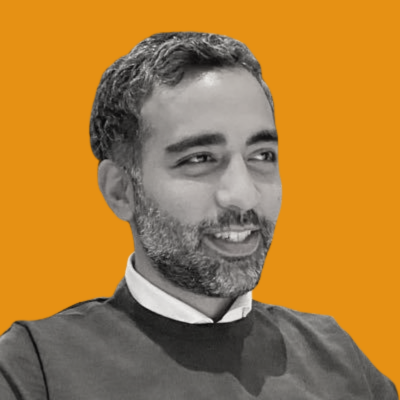
Mehran Haghirian is the Director of Regional Initiatives at the Bourse & Bazaar Foundation. He leads the Integrated Futures Initiative, a project seeking to identify areas for economic diplomacy and regional integration in the Middle East. He is a PhD candidate at Qatar University and holds a master’s degree in international affairs from the American University’s School of International Service in Washington, DC.
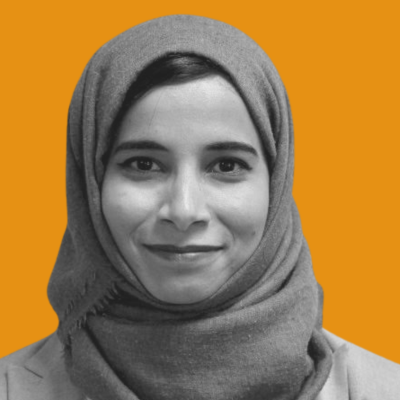
Dr. Aisha Al-Sarihi is a Research Fellow on policy and politics of climate and environment at the National University of Singapore’s Middle East Institute, as well as an Associate Fellow at Chatham House, the Middle East Council on Global Affairs and the Arab Gulf States Institute in Washington, DC.
New Horizons for Regional Economic Diplomacy in the Persian Gulf
This special report explores whether regional economic integration can serve as a pillar for more constructive diplomatic relations between the countries of the Persian Gulf region.
Download Report
March 2022 - 18 Pages
Please enter your name and email address below to download the full report. After entering your details, a download link will appear in the space below.
Executive Summary
To date, research and convenings on Iran-Arab relations have been predominantly focused on political issues and security tensions, including sectarianism and proxy wars. The ways that shared economic incentives could chart a path towards more constructive regional ties have been largely overlooked. This report analyses the new geopolitical developments and foreign policy shifts in the region to identify the drivers behind the new horizons for regional diplomacy and the potentials for regional economic integration. The objective of this report is to assess whether regional economic integration can support regional diplomacy and is conducive to better outcomes in the political and security dialogues now underway. This report draws on the perspectives of 24 policymakers, analysts and scholars to assess the feasibility of using regional economic integration to support more constructive bilateral and multilateral relations between Bahrain, Iran, Iraq, Kuwait, Oman, Qatar, Saudi Arabia and the United Arab Emirates. These perspectives were gathered through individual research interviews and a half-day online workshop conducted in November 2021, held under the Chatham House Rule.
About the Author
Mehran Haghirian is the Director of Regional Initiatives at the Bourse & Bazaar Foundation. In this role, Mehran draws on his extensive background researching regional political and security frameworks. He is a PhD candidate at Qatar University, where he focuses on the geopolitics of the Persian Gulf region, and holds a master’s degree in international affairs from American University’s School of International Service in Washington DC. Haghirian is also a visiting fellow with the Middle East and North Africa programme at the European Council on Foreign Relations. Prior to joining B&BF, Mehran worked at the Ibn Khaldon Center for Humanities and Social Sciences as a researcher and assistant director and at the Atlantic Council’s Future of Iran Initiative as a project assistant.