
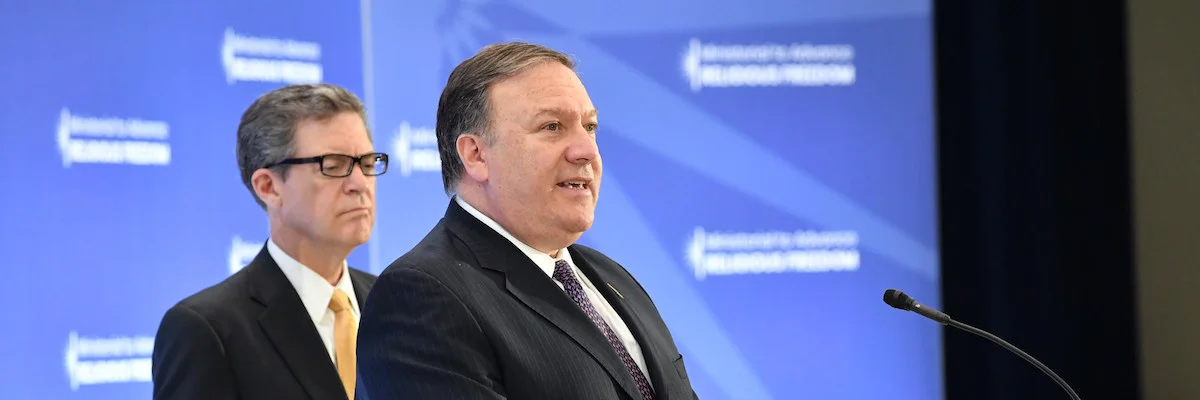
US Prepared to Talk to Iran 'With No Preconditions': Pompeo
◢ Washington is willing to speak with Iran "with no preconditions", US Secretary of State Mike Pompeo said Sunday, but stressed his country would continue working to rein in Iran's "malign activity.” “We are prepared to engage in a conversation with no preconditions. We are ready to sit down with them," Pompeo told a news conference in Switzerland.
By Francesco Fontemaggi
US Secretary of State Mike Pompeo said Sunday his country was ready to talk with Tehran "with no preconditions", but with no indication lifting sanctions over Iran's nuclear program is on the table.
The top US diplomat, who is considered a hawk on the Iran file, appeared to soften the US stance somewhat following weeks of escalating tensions with Tehran.
"We are prepared to engage in a conversation with no preconditions," Pompeo said in Switzerland, which in the absence of US-Iranian diplomatic ties represents Washington's interests in the Islamic Republic.
"We are ready to sit down with them," Pompeo told a joint news conference with his Swiss counterpart Ignazio Cassis at the impressive medieval Castelgrande castle in Bellinzona, nestled in the Alps in Switzerland's Italian-speaking Ticino region.
He was reacting to comments made by Iranian President Hassan Rouhani on Saturday insisting that his country would not be "bullied" into talks with the United States, and that any dialogue between the two countries needed to be grounded in "respect.”
But Pompeo appeared to immediately back-pedal on the offer to have condition-free talks with Iran, stating that Washington was "certainly prepared to have (a) conversation when the Iranians will prove they are behaving as a normal nation."
’Malign Activity'
Pompeo's comments mark the first time the Trump administration has offered no-strings-attached talks since the recent escalation began in the wake of the US withdrawal from a hard-won 2015 nuclear deal between Tehran and world powers.
But Pompeo stressed that "the American effort to fundamentally reverse the malign activity of this Islamic Republic, this revolutionary force, is going to continue."
In other words, Washington has no intention to let up on its campaign of "maximum pressure" on Iran.
Pompeo himself last year laid out 12 draconian demands he said Iran would need to meet before reaching a "new deal" with the United States, essentially addressing every aspect of Iran's missile program and what Washington calls its "malign influence" across the region.
Washington has since reimposed sanctions, and has been locked in an increasingly tense standoff with Tehran.
Last month it deployed an aircraft carrier task force, B-52 bombers and an amphibious assault ship to the Gulf, along with additional troops against what Washington's leaders believed was an imminent Iranian plan to attack US assets.
But at the same time, Trump has over the past week toned down the rhetoric, saying Washington does not seek "regime change" in Iran and holding out the possibility of talks.
He said the US was merely "looking for no nuclear weapons," adding that "I really believe that Iran would like to make a deal. I think that's very smart of them and I think there's a possibility for that to happen also."
Swiss Mediation?
Swiss Foreign Minister Cassis meanwhile voiced his country's readiness to play the role of "intermediary" between the two countries.
But he stressed Switzerland could not be "mediators if there is not willingness on both sides."
Cassis also voiced concern about the "great suffering" in Iran brought about by the US sanctions, and urged Washington to identify a financial "channel" to allow the Iranians to purchase humanitarian aid without being slapped with US punitive measures.
Pompeo did not respond directly to this request, but he rejected the notion that US sanctions were causing suffering, instead blaming the leadership in Tehran.
The challenges facing Iranians "are not caused by our economic sanctions," he said. "They're caused by 40 years of the Islamic regime not taking care of their people and instead using their resources to destroy lives."
He meanwhile preferred to remain discreet about efforts, largely led by Switzerland, to ensure the release of a handful of American citizens being held in Iran, stating only that the issue was a top priority for Trump, and that Washington is "working with all willing nations to assist us."
Photo: State Department
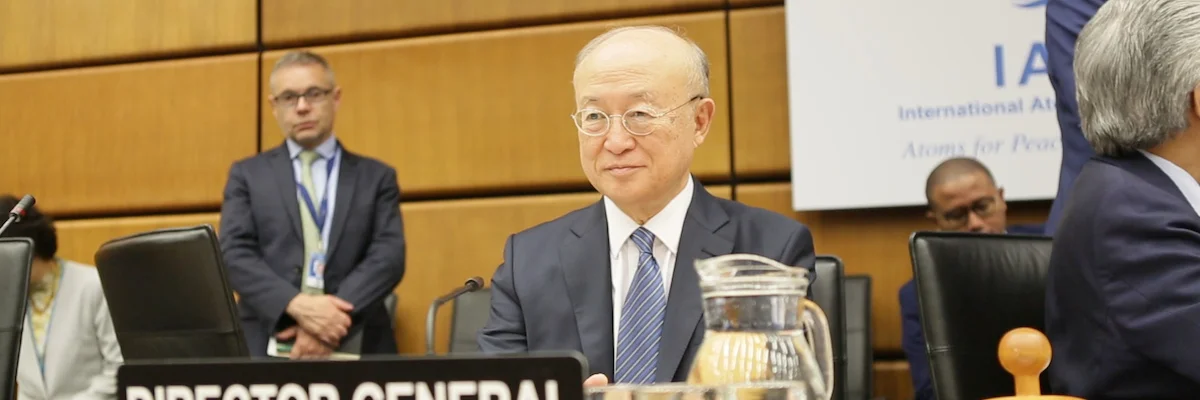
Iran's Stocks of Nuclear Materials Still Within Limits: IAEA
◢ Iran's stocks of key nuclear materials have increased but are still within the limits set by a 2015 deal with world powers, the latest International Atomic Energy Agency report on the matter said Friday. Earlier this month Iran announced it was suspending some of its commitments under the 2015 Joint Comprehensive Plan of Action (JCPOA).
Iran's stocks of key nuclear materials have increased but are still within the limits set by a 2015 deal with world powers, the latest International Atomic Energy Agency report on the matter said Friday.
Despite an announcement from Iran earlier this month that it no longer considered itself bound by the agreed restrictions on stocks of enriched uranium and heavy water, stocks of both did not exceed the ceilings set in the 2015 agreement, the report said.
As of May 26, Iran had 125.2 metric tonnes of heavy water, an increase of 0.4 tonnes on February but stil under the 130-tonne limit.
As of 20 May, Iran had 174.1 kg of enriched uranium, up from 163.8kg in February but again well within the relevant of limit 300kg.
Earlier this month Iran announced it was suspending some of its commitments under the 2015 Joint Comprehensive Plan of Action (JCPOA).
The move came a year after US President Donald Trump pulled out of the deal. His administration has also reinforced economic sanctions against the Islamic Republic.
Photo: IAEA
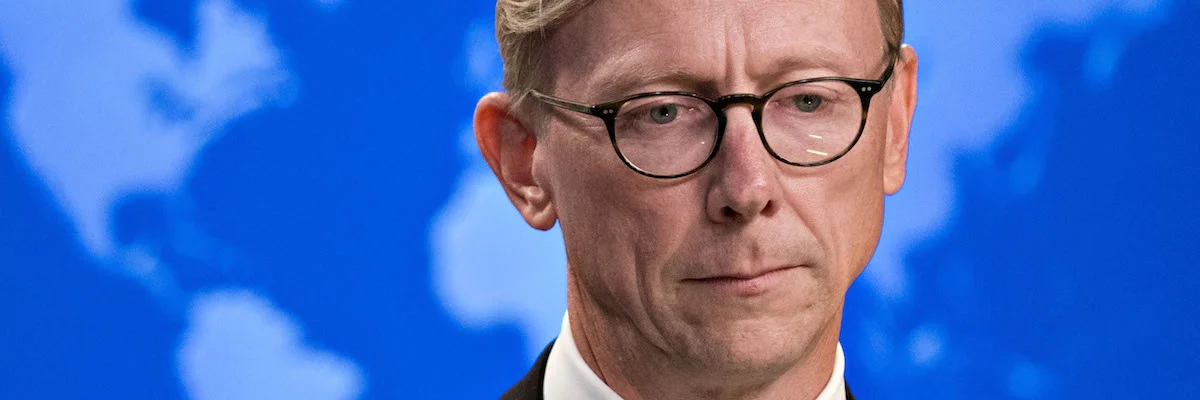
State Department Says No Change in Plan to End Iran Oil Waivers
◢ The U.S. State Department sought to quash speculation that the Trump administration is easing its clampdown on Iranian oil exports after a sanctions waiver program ended May 2, saying there has been no softening in the American stance that any country buying Iran’s oil would be subject to penalties.
By Nick Wadhams
The U.S. State Department sought to quash speculation that the Trump administration is easing its clampdown on Iranian oil exports after a sanctions waiver program ended May 2, saying there has been no softening in the American stance that any country buying Iran’s oil would be subject to penalties.
A U.S. decision not to renew the six-month waivers allowing limited exports is final and no more trade will be permitted, Brian Hook, the U.S. special representative for Iran, said in a statement to Bloomberg News on Thursday. The U.S. had previously granted waivers, known as significant reduction exceptions, to eight governments in November—China, India, South Korea, Japan, Turkey, Taiwan, Greece and Italy.
“Our firm policy is to completely zero out purchases of Iranian oil—period,” Hook said. “Any new purchases of oil initiated after the expiration of the SREs on May 2 will be subject to U.S. sanctions, even if a country had not met its previously negotiated purchase caps during the SRE period from November to May 2.”
The statement was intended to clarify comments Hook made during a news briefing earlier Thursday. Those remarks were construed as saying the U.S. would allow countries to keep buying Iranian oil after May 2 as long as they remained under the limits the U.S. set out when it originally granted the waivers.
For weeks, oil traders have asked how tough the U.S. stance really is and whether there would be any loopholes for buyers of Iranian crude following the decision to end the waivers. Thursday’s statement sought to clarify that the only possible exception to the position would be for oil that was already en route to its destination before the waivers expired.
“If oil was purchased, loaded and en route to its destination prior to the expiration of the significant reduction exceptions on May 2, these cargoes would not exceed the agreed-to caps on imports of Iranian crude oil negotiated under the now-expired SREs,” Hook said.
Photo:
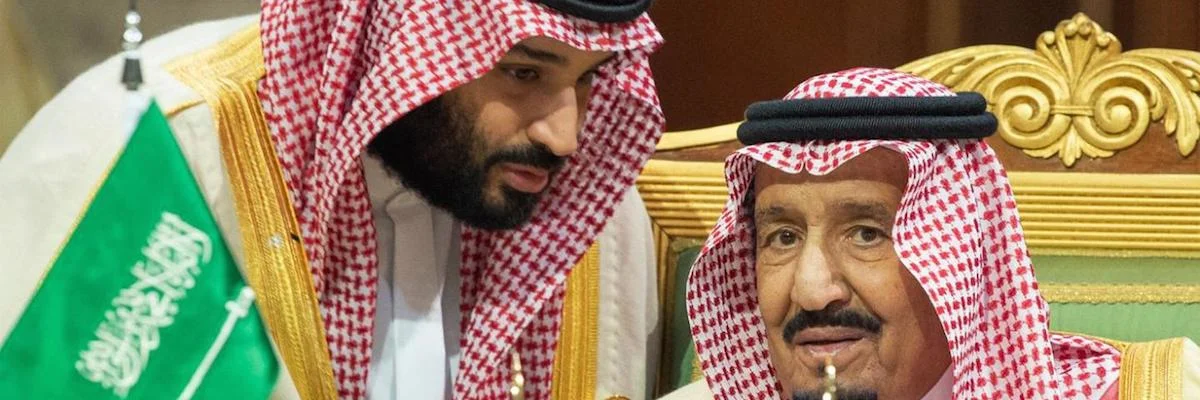
Arab, Muslim Leaders Gather in Mecca for Iran-Focused Summits
◢ Arab and Muslim leaders began gathering in the holy city of Mecca on Thursday for three summits, as Saudi Arabia seeks to rally support against arch-rival Iran over attacks on oil installations. On the eve of the talks, Riyadh blasted what it called Iranian "interference" in the region and demanded "firmness" over attacks on Gulf oil tankers and pipelines.
By Mohamad Ali Harissi
Arab and Muslim leaders began gathering in the holy city of Mecca on Thursday for three summits, as Saudi Arabia seeks to rally support against arch-rival Iran over attacks on oil installations.
On the eve of the talks, Riyadh blasted what it called Iranian "interference" in the region and demanded "firmness" over attacks on Gulf oil tankers and pipelines.
The call came just hours after US National Security Advisor John Bolton said Iran was almost certainly behind the sabotage of four ships, including two Saudi oil tankers, off the UAE coast.
Iran-aligned Yemeni rebels meanwhile have stepped up drone attacks on the kingdom—one of which resulted in the temporary shutdown of a major oil pipeline.
Saudi Arabia, a staunch US ally, geared up to host leaders from across the Arab and Muslim world for emergency Gulf and Arab summits and a meeting of the heads of state of Islamic nations.
Egypt's President Abdel Fattah al-Sisi, Kuwait's emir, Sheikh Sabah Al-Ahmed Al-Sabah, and Sudan's new military council chief General Abdel Fattah al-Burhan were among the leaders who arrived in the kingdom Thursday, Saudi state media reported.
Riyadh has called the talks to discuss the standoff with Iran and ways to isolate Tehran amid fears of a military confrontation.
"Tehran's support for Huthi rebels in Yemen is proof of Iranian interference in other nations' affairs and this is something that... Islamic countries should reject," Saudi Foreign Minister Ibrahim al-Assaf told a gathering of foreign ministers of the 57-member Organization of Islamic Cooperation in western Jeddah city overnight.
‘Firmness and Determination'
Contrary to expectations, an Iranian delegation headed by Reza Najafi, director general for international peace and security affairs at Iran's foreign ministry, represented the Islamic republic at the meeting.
Assaf said attacks on oil installations must be addressed with "firmness and determination.”
Tensions in the region spiked after the four ships were damaged in a sabotage attack off the coast of the emirate of Fujairah on May 12
The vessels were attacked using "naval mines almost certainly from Iran", Bolton told a news conference in Abu Dhabi on Wednesday.
"There's no doubt in anybody's mind in Washington who's responsible for this," he said in a clear reference to Iran. Iran strongly rejected the accusation.
"Making such laughable claims... is not strange" coming from the US, foreign ministry spokesman Abbas Mousavi said.
US experts are part of a five-nation team that is investigating the ship attacks.
The new war of words between Tehran and Washington follows a US military buildup that includes the deployment of an aircraft carrier, B-52 bombers and 1,500 more troops to the region.
Bolton however said the additional US forces were sent to the Middle East as a "deterrent" and that Washington's response would be prudent.
Regional tensions have grown since US President Donald Trump's administration reimposed sanctions against Iran after Washington unilaterally pulled out of a multilateral 2015 nuclear accord signed with the Islamic Republic. But Trump appeared to soften his hawkish tone towards Tehran, saying during a visit to Japan on Monday that his government does not seek "regime change".
Qatar invited
Saudi Arabia is hosting the three summits in an apparent bid to present a unified front against Tehran.
Qatar will be represented by its Prime Minister Sheikh Abdullah bin Nasser al-Thani, the highest ranking official to visit the kingdom since the start of a two-year-old Saudi-led boycott.
Saudi Arabia, the UAE, Bahrain and Egypt have enforced the economic and diplomatic boycott of Qatar since June 2017, including bans on shipping, trade, direct flights, overflight and land crossings.
The alliance accuses Doha of supporting Islamist movements and backing Iran—claims Qatar rejects.
Large banners and flags decorated the streets of Mecca, Islam's holiest city, to welcome the leaders.
The summits coincide with the last few days of the Muslim fasting month of Ramadan when Mecca throngs with hundreds of thousands of pilgrims.
The summits are held at midnight as Muslims break their day-long fasting at sunset and then go into several hours of special prayers known as Taraweeh.
Draped in seamless all-white uniforms, worshippers walked under lampposts decorated with flags of participating nations while heading to the Grand Mosque to perform umrah or minor pilgrimage.
The large crowds could pose a logistic headache for the organizers who sealed off six major roads for leaders and advised pilgrims to use alternative streets.
Photo: KSA Press Office
U.S. Warns Europe That Its Iran Workaround Could Face Sanctions
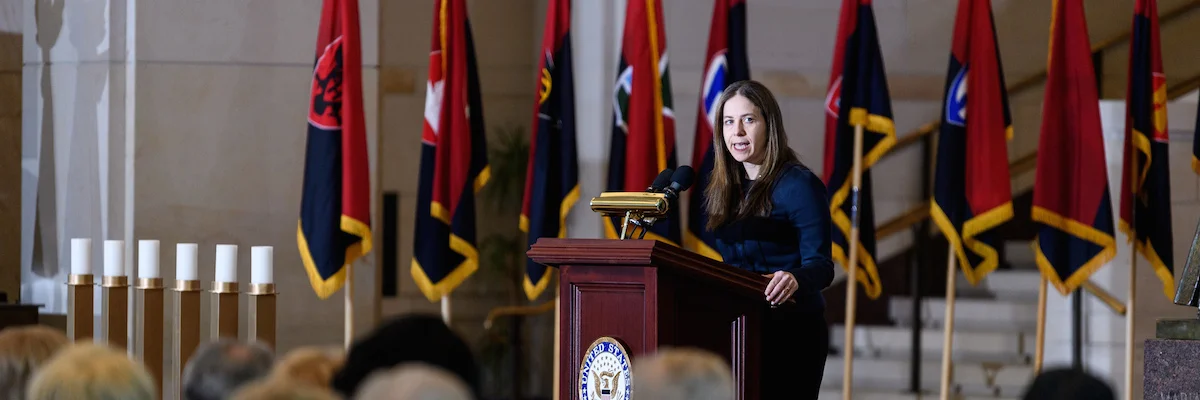
◢ The Trump administration escalated its battle with European allies over the fate of the Iran nuclear accord. Sigal Mandelker, the Treasury Department’s undersecretary for terrorism and financial intelligence, signaled in a May 7 letter obtained by Bloomberg that INSTEX the European vehicle to sustain trade with Tehran, and anyone associated with it could be barred from the U.S. financial system if it goes into effect.
By Jonathan Stearns and Helene Fouquet
The Trump administration escalated its battle with European allies over the fate of the Iran nuclear accord, threatening penalties against the financial body created by Germany, the U.K. and France to shield trade with the Islamic Republic from U.S. sanctions.
Sigal Mandelker, the Treasury Department’s undersecretary for terrorism and financial intelligence, signaled in a May 7 letter obtained by Bloomberg that INSTEX the European vehicle to sustain trade with Tehran, and anyone associated with it could be barred from the U.S. financial system if it goes into effect.
“I urge you to carefully consider the potential sanctions exposure of INSTEX” Mandelker wrote in the letter to INSTEX President Per Fischer. “Engaging in activities that run afoul of U.S. sanctions can result in severe consequences, including a loss of access to the U.S. financial system.”
Germany, France and the U.K. created INSTEX in January to allow companies to trade with Iran without the use of U.S. dollars or American banks—thus allowing them to get around wide-ranging U.S. sanctions that were imposed after the Trump administration abandoned the 2015 Iran nuclear deal last year.
A senior official involved in the internal debate that led to the letter said the U.S. decided to issue the threat after concluding that European officials, who had earlier downplayed the significance of Instex in conversations with the Trump administration, were far more serious about it than they had initially let on.
The official, who asked not to be identified discussing internal deliberations, said the letter was intended to serve as a warning that the U.S. would punish anyone associated with INSTEX—including businesses, government officials and staff —if they were working to set up a program to help Iran evade U.S. sanctions.
“This is a shot across the bow of a European political establishment committed to using Instex and its sanctions-connected Iranian counterpart to circumvent U.S. measures,” said Mark Dubowitz, the chief executive officer of the Foundation for Defense of Democracies in Washington.
Deceptive Practices
Asked to comment on the letter, the Treasury Department issued a statement saying “entities that transact in trade with the Iranian regime through any means may expose themselves to considerable sanctions risk, and Treasury intends to aggressively enforce our authorities.”
The French Finance Ministry, which handles press queries for INSTEX, had no immediate comment.
European countries broadly opposed Trump’s decision to withdraw from the nuclear accord but have struggled to deliver the economic benefits Iran expected from the deal, known as the Joint Comprehensive Plan of Action, since the U.S. quit. In the meantime, U.S. sanctions have delivered a blow to Iran’s economy, fueling inflation, reducing oil revenue and pressuring President Hassan Rouhani’s government. Instex was supposed to help address that, but so far it has largely failed to get up and running.
Iranian leaders have rejected the U.S. moves while pressuring European nations to accelerate efforts to ensure Iran benefits from staying in the JCPOA. At the same time, Iran has said it will scale back some of its commitments under the accord, signaling it could surpass some limits on enriched-uranium in weeks.
At the heart of the latest U.S. move is the argument that Iran and its central bank use deceptive financial practices and haven’t implemented minimum global safeguards against money laundering and terrorism financing.
Pompeo Warning
Opponents of INSTEX, including Dubowitz’s Foundation for Defense of Democracies, argue that the mechanism is flawed because the Iranian institution designated to work with Instex, the Special Trade and Finance Instrument, has shareholders with links to entities already facing sanctions from the U.S.
During a visit to London on May 8, Secretary of State Michael Pompeo also warned that there was no need for Instex because the U.S. allows for humanitarian and medical products to get into Iran without sanction.
“When transactions move beyond that, it doesn’t matter what vehicle’s out there, if the transaction is sanctionable, we will evaluate it, review it, and if appropriate, levy sanctions against those that were involved in that transaction,” Pompeo said. “It’s very straightforward.”
Photo: House.gov
Hong Kong Rejects U.S. Warning on Ship Breaching Iran Sanctions
◢ Hong Kong dismissed U.S. warnings that it could face penalties if it it does business with an oil tanker headed for the city that allegedly violated sanctions on Iran. The city’s government has “strictly” implemented United Nations Security Council sanctions, which don’t impose “any restrictions on the export of petroleum from Iran,” a spokesperson for Hong Kong’s Commerce and Economic Development Bureau said on Wednesday.
By Karen Leigh and Shelly Banjo
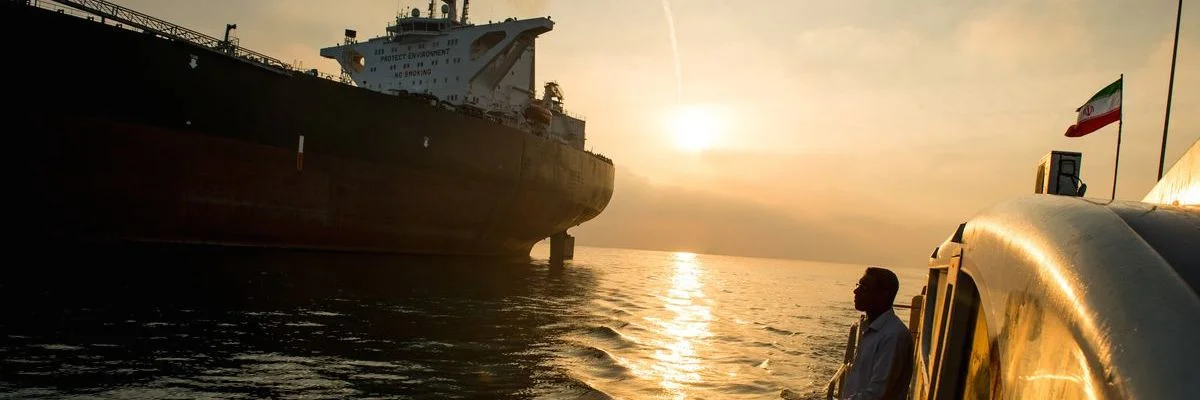
Hong Kong dismissed U.S. warnings that it could face penalties if it it does business with an oil tanker headed for the city that allegedly violated sanctions on Iran.
The city’s government has “strictly” implemented United Nations Security Council sanctions, which don’t impose “any restrictions on the export of petroleum from Iran,” a spokesperson for Hong Kong’s Commerce and Economic Development Bureau said on Wednesday in response to a question about the U.S. warning.
“Certain countries may impose unilateral sanctions against certain places on the basis of their own considerations,” they said. “Those sanctions are outside the scope of the UN Security Council sanctions” implemented by Hong Kong.
Washington wants to put China and the autonomous city on notice that it will aggressively and consistently enforce its Iran sanctions, a senior U.S. official said on Tuesday, speaking on condition of anonymity. The official said China would be informed that any entity doing business with the ship would expose it to U.S. sanctions.
The attention levied on this single vessel, the PACIFIC BRAVO, underscores Washington’s desire to stymie Iran’s oil exports. Relations between the two sides have deteriorated sharply in recent weeks, following President Donald Trump’s pledge to force Iran’s vital oil exports down to zero and a revocation of key sanctions waivers.
The PACIFIC BRAVO is owned by China’s Bank of Kunlun, according to the senior U.S. official. Reuters reported in October that the bank—once Beijing’s major channel for transactions with Iran—would stop handling such payments due to sanctions pressure.
Next Stop
While the U.S. official said the tanker is heading to Hong Kong, ship-tracking data compiled by Bloomberg shows a vessel called the PACIFIC BRAVO off the coast of Sri Lanka and signaling Indonesia as its next stop.
The senior U.S. official said it was imperative that Hong Kong authorities prevent the vessel from docking or allowing local entities from providing services to ships that might misrepresent themselves in order to avoid exposing themselves to sanctions violations.
Washington wants to make clear that anyone doing business with Iran, won’t be doing business with the U.S., the official said, adding that there would be more sanctions to come.
Earlier on Wednesday, Hong Kong’s Marine Department said that at present, it “has no information showing if the respective vessel will enter or pass by Hong Kong waters.”
Rising Tensions
Reuters reported on May 16 that a tanker in violation of U.S. sanctions had unloaded close to 130,000 tons of Iranian fuel oil into storage tanks near the eastern Chinese city of Zhoushan. It had earlier reported that a batch of Iranian fuel oil had sidestepped American sanctions on petroleum exports by using ship-to-ship transfers involving four vessels including that tanker—the Marshal Z.
Trump has increased pressure on Iran since taking office, exiting the landmark 2015 nuclear deal that gave the Islamic Republic sanctions relief in exchange for curbs on its disputed nuclear program.
Senior Iranian officials have made recent tours of neighboring countries in an effort to boost support, after the U.S. announced it would increase troop deployments in the Middle East and sell weapons to some of Iran’s rivals.
Photo: Bloomberg
U.S. Warns Hong Kong to Avoid Tanker in Breach of Iran Sanctions
◢ The U.S. warned Hong Kong that it could face penalties if it does business with PACIFIC BRAVO, an oil tanker headed for the city that allegedly violated sanctions on Iran. Washington wants to put China and the autonomous city on notice that it will aggressively and consistently enforce its Iran sanctions, a senior U.S. official said on Tuesday, speaking on condition of anonymity.
By Karen Leigh and Shelly Banjo
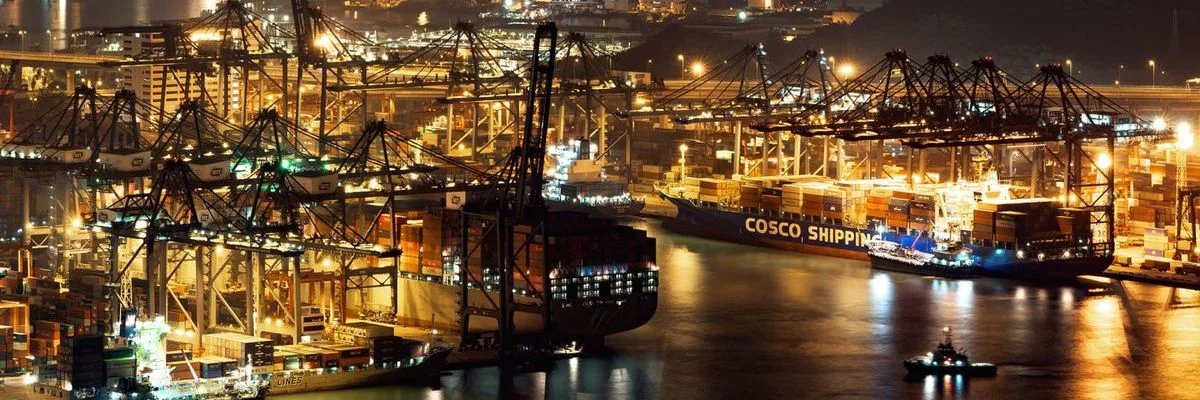
The U.S. warned Hong Kong that it could face penalties if it does business with an oil tanker headed for the city that allegedly violated sanctions on Iran.
Washington wants to put China and the autonomous city on notice that it will aggressively and consistently enforce its Iran sanctions, a senior U.S. official said on Tuesday, speaking on condition of anonymity. The official said China would be informed that any entity doing business with the ship would expose it to U.S. sanctions.
The attention levied on this single vessel, the PACIFIC BRAVO, underscores Washington’s desire to stymie Iran’s oil exports. Relations between the two sides have deteriorated sharply in recent weeks, following President Donald Trump’s pledge to force Iran’s vital oil exports down to zero and a revocation of key sanctions waivers.
The PACIFIC BRAVO is owned by China’s Bank of Kunlun, according to the senior U.S. official. Reuters reported in October that the bank—once Beijing’s major channel for transactions with Iran—would stop handling such payments due to sanctions pressure.
Next Stop
While the U.S. official said the tanker is heading to Hong Kong, ship-tracking data compiled by Bloomberg shows a vessel called the PACIFIC BRAVO off the coast of Sri Lanka and signaling Indonesia as its next stop.
The senior U.S. official said it was imperative that Hong Kong authorities prevent the vessel from docking or allowing local entities from providing services to ships that might misrepresent themselves in order to avoid exposing themselves to sanctions violations.
Washington wants to make clear that anyone doing business with Iran, won’t be doing business with the U.S., the official said, adding that there would be more sanctions to come.
An emailed request for comment to the Hong Kong Monetary Authority wasn’t immediately returned on Tuesday evening. The city’s Maritime Department referred an earlier request to the relevant bureau.
Rising Tensions
Reuters reported on May 16 that a tanker in violation of U.S. sanctions had unloaded close to 130,000 tons of Iranian fuel oil into storage tanks near the eastern Chinese city of Zhoushan. It had earlier reported that a batch of Iranian fuel oil had sidestepped American sanctions on petroleum exports by using ship-to-ship transfers involving four vessels including that tanker—the Marshal Z.
Trump has increased pressure on Iran since taking office, exiting the landmark 2015 nuclear deal that gave the Islamic Republic sanctions relief in exchange for curbs on its disputed nuclear program.
Senior Iranian officials have made recent tours of neighboring countries in an effort to boost support, after the U.S. announced it would increase troop deployments in the Middle East and sell weapons to some of Iran’s rivals.
Photo: Bloomberg
Iran State TV Fires Managers Over 'Insult' to Sunnis
◢ Iranian state TV has fired two channel managers over a live programme deemed insulting to Sunni Muslims, it said in a statement Sunday. The sackings at Channel 5 came after a broadcast on May 20 celebrating the birthday of the second imam in Shiite Islam, Hassan ibn Ali.
Iranian state TV has fired two channel managers over a live program deemed insulting to Sunni Muslims, it said in a statement Sunday.
The sackings at Channel 5 came after a broadcast on May 20 celebrating the birthday of the second imam in Shiite Islam, Hassan ibn Ali.
During the program, religious chanter and story-teller Ahmad Qadami recited a eulogy that "insulted the sanctities of Sunni Muslims", according to official news agency IRNA.
"Following the negligence of airing an irreverent chanter's speech on Channel 5, the channel's head and broadcast manager were fired," state TV's website quoted head manager Abdolali Aliaskari as saying.
The channel's senior producer, program manager and video supervisor were also fired, TV deputy head Morteza Mirbagheri told semi-official news agency ISNA.
According to IRNA, the chanter was summoned by Iran's culture and media court on Sunday and further investigations into his case are pending.
Iran is a Shiite powerhouse, but under the country's constitution, Sunnis—who account for around 10 percent of the population—are "free to perform their religious rites according to their religious jurisprudence.”
Photo: IRNA
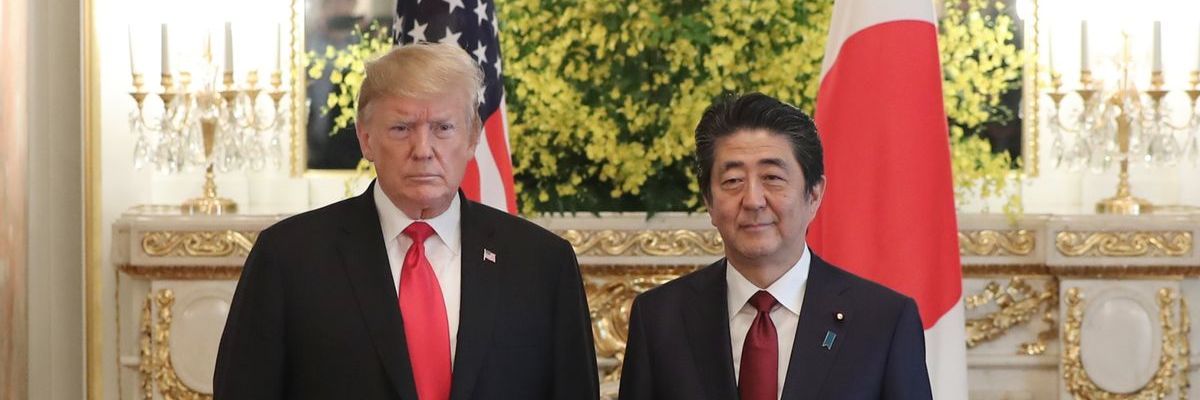
Trump Says He's Not Looking to Topple Iranian Leadership
◢ U.S. President Donald Trump said he isn’t pursuing regime change in Iran but aims to keep it from developing nuclear weapons, in an apparent effort to tamp down tensions that have led to fears of war. Iran “has a chance to be a great country with the same leadership,’’ Trump said at a joint press conference in Tokyo on Monday alongside Japanese Prime Minister Shinzo Abe.
By Ladane Nasseri and Zainab Fattah
U.S. President Donald Trump said he isn’t pursuing regime change in Iran but aims to keep it from developing nuclear weapons, in an apparent effort to tamp down tensions that have led to fears of war.
Iran “has a chance to be a great country with the same leadership,’’ Trump said at a joint press conference in Tokyo on Monday alongside Japanese Prime Minister Shinzo Abe. “We are not looking for regime change. I just want to make that clear.’’
Iranian officials have said that the raft of U.S. sanctions against their country, which was tightened last month, is aimed at fueling popular dissent in an effort to topple the leadership.
“I’m not looking to hurt Iran at all. I’m looking to have Iran say no nuclear weapons,” Trump said. “No nuclear weapons for Iran and I think we will make a deal.’’
Trump’s remarks come amid fears that rising tensions between the U.S. and Iran could lead to miscalculations that would precipitate an armed conflict engulfing the Middle East. Frictions escalated this month after the U.S. said Tehran was planning an offensive against American interests in the region, then made a show of military force in the Gulf.
Iran has responded to the American moves by threatening to abandon aspects of the 2015 multipower nuclear deal that remains in force despite Trump’s withdrawal a year ago.
“The crux of the message by President Trump is that he doesn’t really want war with Iran, what he is trying to do is de-escalate the calls for war, ” said Fawaz A. Gerges, professor of Middle Eastern politics at the London School of Economics. His message “to the Islamic Republic is that his latest moves are all about deterrence and not war.’’
The Trump administration has made confronting Iran the cornerstone of its Middle East policy, and last year it exited the 2015 international accord that reined in Iran’s nuclear ambitions in exchange for sanctions relief. Trump has said he wants Iran back to the negotiating table for a grand deal that would curb its regional influence and ballistic missile program. His rhetoric this month has ranged from offers for Iran to "call me" to threats to "end" the nation if it seeks to picks a fight.
Trump’s conciliatory comments about the Iranian regime probably won’t comfort Gulf allies that view Iran’s leadership with deep suspicion over its regional activities, said Abdulkhaleq Abdulla, a political analyst in the United Arab Emirates. These include Saudi Arabia and the U.A.E.
“But Trump changes his mind within 24 hours,’’ Abdulla said. “Today, he can say this about Iran but I wouldn’t be surprised to see him going to war with Iran tomorrow.’’
Photo: Bloomberg
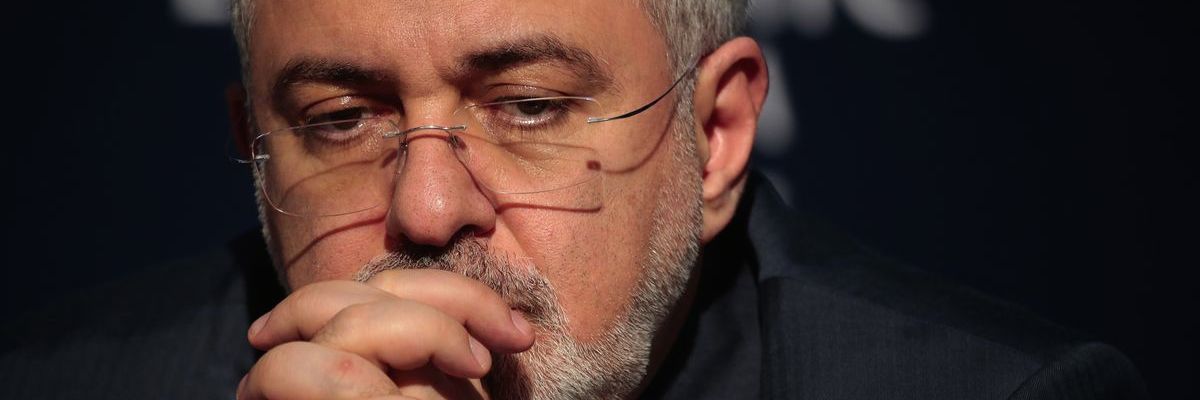
Iran Starts Regional Shuttle Diplomacy Amid U.S. Tensions
◢ Iran’s top diplomats are touring neighboring countries, including three Arab Gulf monarchies, to try to shore up support after the U.S. announced plans to increase troop deployments in the region and sell weapons to some of the Islamic Republic’s top rivals. Foreign Minister Mohammad Javad Zarif arrived in the Iraqi capital, Baghdad, late Saturday for meetings about the frictions, the semi-official Iranian Students’ News Agency reported.
By Golnar Motevalli
Iran’s top diplomats are touring neighboring countries, including three Arab Gulf monarchies, to try to shore up support after the U.S. announced plans to increase troop deployments in the region and sell weapons to some of the Islamic Republic’s top rivals.
Foreign Minister Mohammad Javad Zarif arrived in the Iraqi capital, Baghdad, late Saturday for meetings about the frictions, the semi-official Iranian Students’ News Agency reported. On Sunday, his deputy, Abbas Araghchi, started a tour of Gulf Arab neighbors including Oman, Kuwait and Qatar, according to the state-run Islamic Republic News Agency.
In Baghdad, Zarif told reports Iran had proposed non-aggression pacts with all Gulf Arab neighbors, IRNA reported, in an apparent effort to limit any U.S.-led regional front against it.
Tehran’s regional diplomacy went into high gear as President Hassan Rouhani hinted that the Islamic Republic could hold a public referendum over the fate of the beleaguered 2015 nuclear deal that’s been crumbling since the U.S. quit it last year. Asked by a journalist whether he’d invoke a constitutional rule on a vote, Rouhani replied: “When this article should be used or whether it should’ve been used before is another matter.”
Drumbeat of Threats
Tensions between the two countries, already high over President Donald Trump’s withdrawal from the nuclear accord that Iran had adhered to, deteriorated dramatically in recent weeks after the White House vowed to force Iran’s vital oil exports down to zero and revoked a series of key sanctions waivers. Frictions escalated even more this month after the U.S. claimed, without citing evidence, that Tehran was planning an escalated campaign against American interests in the region.
The U.S. has made a show of military force in the region, including the announcement Friday that it will send 1,500 additional troops and fighter jets to the region. That same day, the Trump administration also invoked emergency authority to advance the sale of billions of dollars of weapons to countries including Saudi Arabia and the U.A.E., citing the need to deter Iran’s “malign” activities in the Middle East.
For the first time, U.S. officials also said publicly over the weekend that they think Iran is behind recent attacks on tankers in the Gulf and a pipeline in Saudi Arabia.
Iran’s Response
Iran has responded by announcing limited steps to resume nuclear activity restricted under the agreement. It also set a deadline to start its own gradual withdrawal from the deal unless Europe can guarantee the agreement can function.
Zarif left for Iraq immediately after returning from a visit with officials in Pakistan. Departing Islamabad last night, he called the planned U.S. troop buildup “extremely dangerous and a threat to international peace and security.”
In Baghdad, Zarif’s Iraqi counterpart, Mohamad Alhakim, said his country was ready to act as a mediator between Iran and the U.S. to help ease strains.
“We stand by Iran in its position and, God willing, will be an intermediate factor for both parties,” Alhakim said. “We are very hopeful that the region will not slide into a war.”
Photo: Bloomberg
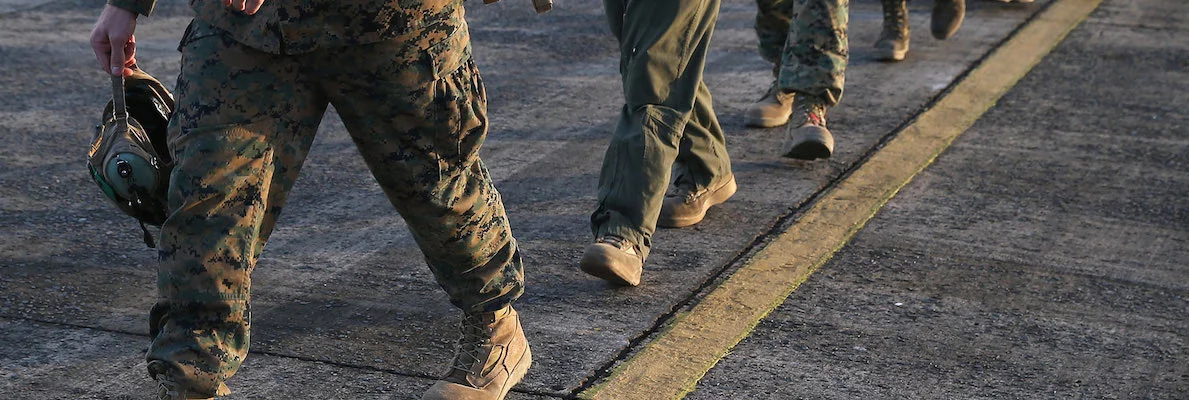
U.S. Sends 1,500 Troops to Mideast After Blaming Attacks on Iran
◢ President Donald Trump ordered more troops to the Middle East as the Pentagon blamed Tehran for recent attacks in the region, yet the small scale of the U.S. move signaled a desire to avoid a further escalation of tensions between the two nations. The U.S. will bolster forces in the region by about 1,500 troops, though Trump and the Pentagon said that the deployment is for defensive purposes.
By Tony Capaccio and Margaret Talev
President Donald Trump ordered more troops to the Middle East as the Pentagon blamed Tehran for recent attacks in the region, yet the small scale of the U.S. move signaled a desire to avoid a further escalation of tensions between the two nations.
The U.S. will bolster forces in the region by about 1,500 troops, though Trump and the Pentagon said that the deployment is for defensive purposes with a focus on missile defense, surveillance and keeping open shipping lanes in the Persian Gulf. About 600 of the troops are already in the region, meaning fewer than 1,000 new service members will deploy.
“We’re going to be sending a relatively small number of troops to the Middle East,” Trump said as he departed the White House on Friday for Japan. The troops will serve “mostly in a protective capacity,” Trump said, adding, “We’ll see what happens.”
After tensions between Iran and Washington spiked earlier this month, Trump’s comments and the size of the deployment suggest the administration wants to avoid fueling fears of another Middle East war. At the same time, Pentagon officials said they believe Iran is behind a spate of recent attacks on oil tankers, a Saudi oil pipeline and the “Green Zone” diplomatic compound in Baghdad.
“We believe with a high degree of confidence that this stems back to the leadership of Iran at the highest levels,” U.S. Navy Vice Admiral Michael Gilday, director of the Defense Department’s Joint Staff, told reporters at the Pentagon on Friday. All of the attacks “have been attributed to Iran, through their proxies” or other forces, Gilday said. It was the first time the U.S. publicly charged Iran with being behind the attacks, though Iranian-backed rebels in Yemen had claimed responsibility for the pipeline attack.
The moves come after the Trump administration said it had evidence Iran was threatening other attacks on American interests or allies in the region. The administration earlier this month expedited the deployment of a carrier battle group to the Middle East along with a Patriot missile battery and additional bombers.
It wasn’t immediately clear where in the region the new troops would be sent, though the U.S. has military bases in places including Qatar, Bahrain and Iraq. The deployment also includes a new fighter squadron and spy planes, Gilday said.
Deterrence Effect
“All those troops, all of those weapons have been going to Iran the last three weeks not to take military action against Iran, but to deter Iran from taking military action against us,” Republican Senator Tom Cotton said in an interview on Bloomberg Television.
While people familiar with the troop decision called the deployment “initial,” it falls far short of Trump’s statement that in the event of hostilities with Iran he would be willing to send many times more than 120,000 troops suggested in a New York Times report last week. The president has also repeatedly signaled in recent weeks that he is open to talks with Iran’s leadership, though he’s suggested officials in Tehran need to reach out to him first.
On Thursday, Acting Defense Secretary Patrick Shanahan said the Pentagon was focused on having “the right force protection” in the region.
“Our job is deterrence. This is not about war,” Shanahan told reporters. “We have a mission there in the Middle East: freedom of navigation, you know, counterterrorism in Syria and Iraq, you know, defeating al-Qaeda in Yemen, and then the security of Israel and Jordan.”
Separately, the Trump administration decided to bypass Congress and approve the sale of more than $2 billion in weapons to Iran’s regional rival Saudi Arabia, invoking a rarely used provision in the Arms Export Control Act despite bipartisan objections by lawmakers.
In a letter explaining the decision to allow sales to Saudi Arabia, the United Arab Emirates and Jordan, Secretary of State Michael Pompeo said Iran’s “malign activities” in the region necessitated the decision to sidestep congressional approval. He said he weapons sales “must occur as quickly as possible in order to deter further Iranian adventurism in the Gulf and throughout the Middle East.”
More broadly, the rising tensions are linked to Trump’s decision to ratchet up pressure by ordering punishing new economic sanctions on Iran after withdrawing America last year from the multinational nuclear deal reached with Tehran in 2015. The agreement, which sought to ease sanctions on the Islamic Republic in exchange for an end to Iran’s nuclear program, is still backed by European allies as well as China and Russia.
In a sign of frustration over the effectiveness of the U.S. sanctions, Iran is now threatening to resume enriching uranium beyond levels permitted in the 2015 accord in its effort to push France, Germany, the U.K. and the European Union to find ways to relieve the effects of U.S. sanctions.
‘Who’s Provoking Who?’
As both sides sought to react in recent weeks, questions have been raised about the escalating threats. Senator Angus King, a member of the Senate Intelligence and Armed Services Committee, asked on CNN this month, “Who’s provoking who?”
“Are they reacting because they are concerned about what we’re doing, or are we reacting because we’re concerned what they’re doing?” asked King, an independent who caucuses with Democrats. “And that raises my second concern, which is miscalculation.”
Senator Jack Reed, the top Democrat on the Armed Services Committee, warned on Thursday that there is “significant” potential for an overreaction by Iranian personnel or militia in Iraq, Syria and Afghanistan to the U.S.’s new military deployments.
Risk of Miscalculation
“The dangers are extreme in terms of miscalculation,” Reed said in an interview.
The Rhode Island senator declined to discuss the Pentagon threat briefing he’s received on the Iran situation but said he was “absolutely” concerned about miscalculation by Iran in reacting to the U.S. moves.
Asked about the Trump administration’s decision earlier this month to accelerate the deployment of the USS Abraham Lincoln aircraft carrier battle group and other military hardware to the region, Reed said “if it’s a deterrence I think that’s appropriate because we don’t want to see an outbreak of conflict there.”
“We did not want to signal to the Iranians, erroneously, that we were not prepared,” he said.
Photo: Bloomberg
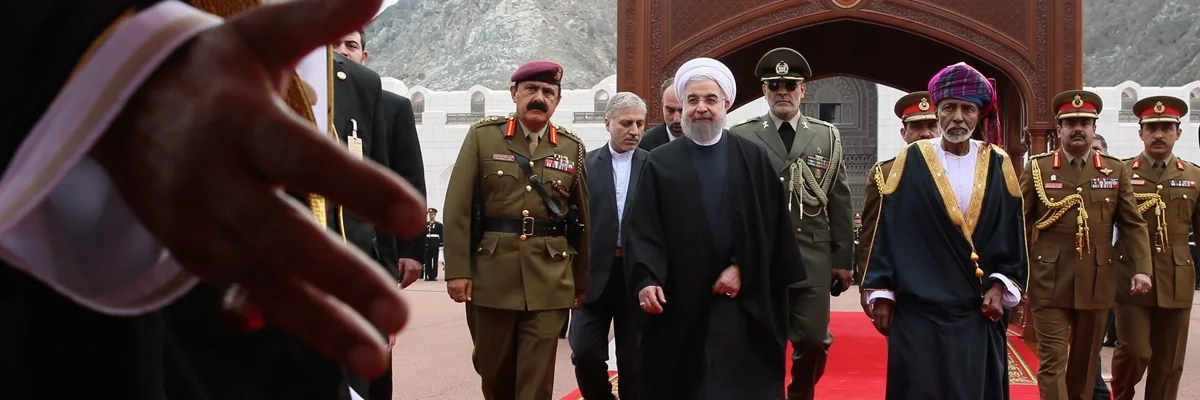
Oman Says It Is Trying to Reduce US-Iran Tensions
◢ Oman said Friday it was trying to reduce spiraling tensions between the Unites States and Iran, as the Pentagon confirmed it was considering deploying more troops to the region. The small but strategically located sultanate, which faces Iran across the highly sensitive Strait of Hormuz at the entrance to the Gulf, has maintained good relations with Tehran throughout successive regional crises.
Oman said Friday it was trying to reduce spiraling tensions between the Unites States and Iran, as the Pentagon confirmed it was considering deploying more troops to the region.
The small but strategically located sultanate, which faces Iran across the highly sensitive Strait of Hormuz at the entrance to the Gulf, has maintained good relations with Tehran throughout successive regional crises.
That has at times allowed it to play an important mediating role, including with the United States.
"We and other parties seek to calm tensions between Washington and Tehran," Muscat's state minister for foreign affairs Yusuf bin Alawi bin Abdullah said in a statement.
"A war could harm the whole world, and both the American and Iranian sides are 'aware of the dangers'."
Abdullah earlier this week visited Tehran, where he met Iranian Foreign Minister Mohammad Javad Zarif, Tehran's official state news agency IRNA said.
Oman played a crucial role in bringing US and Iranian negotiators together for the preliminary talks that ultimately led to a landmark 2015 nuclear deal between Iran and major powers, including the United States.
The current crisis began when President Donald Trump abandoned the deal in May last year and gradually reimposed crippling sanctions that have left Iran's economy reeling.
Washington has since further increased the pressure on Iran, deploying an aircraft carrier task force as well as B-52 bombers, an amphibious assault ship and a missile defence battery to the Gulf.
The movements have come in response to alleged Iranian threats to US interests or those of its Middle East allies.
But they have raised concerns, even among governments close to the US, that brinksmanship with Tehran could lead to a dangerous miscalculation.
On Tuesday, Iraqi Prime Minister Adel Abdel Mahdi announced that he intended to send delegations to the US and Iran "very soon" in an attempt to ease tensions between the two countries, both key allies to Baghdad.
Photo: IRNA
Iraq Urges Iran to Respect Nuclear Accord
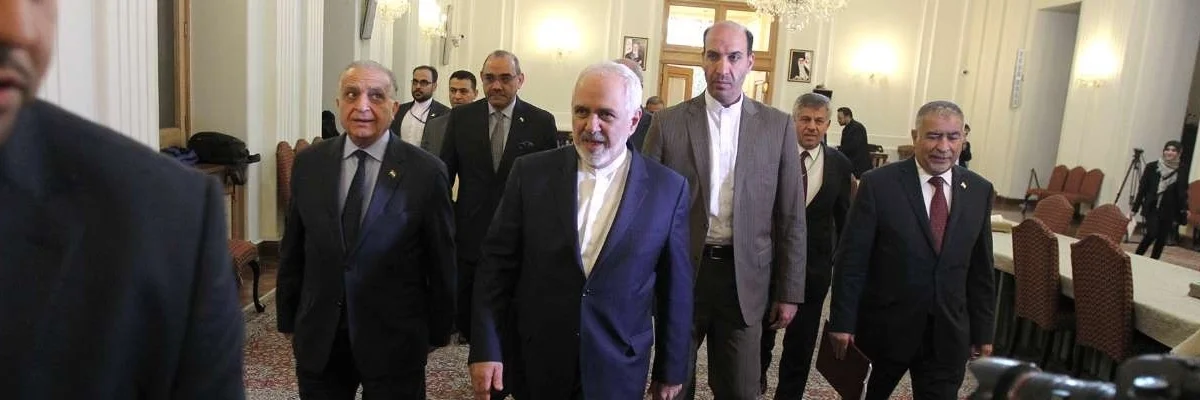
◢ Iraq's top diplomat Friday called on Iran to respect the landmark deal covering its nuclear program, which has been weakened by the US decision to withdraw from it and Tehran's backing away from certain commitments. "We think the JCPOA is a good agreement," said Iraq's Foreign Minister Mohammed Ali al-Hakim.
Iraq's top diplomat Friday called on Iran to respect the landmark deal covering its nuclear program, which has been weakened by the US decision to withdraw from it and Tehran's backing away from certain commitments.
"We think the JCPOA is a good agreement," said Iraq's Foreign Minister Mohammed Ali al-Hakim, referring to the Joint Comprehensive Plan of Action signed by Iran in 2015 with Russia, China, Germany, Britain and the United States.
Under the terms of the deal, the UN's nuclear watchdog, the International Atomic Energy Agency, is charged with regular inspections of declared facilities in Iran such as uranium mines and centrifuge workshops for up to 25 years.
The aim is to ensure that Iran is not holding undeclared stocks of nuclear material and is not enriching uranium past a certain level.
"We encourage the Iranian government to stick to the JCPOA and stick to the spirit of the agreement and continue with it," he told reporters in Oslo during a press briefing at a conference on combating sexual violence in humanitarian crises.
The already strained relations between Washington and Tehran have deteriorated in recent weeks.
Iran has suspended some of its commitments under the JCPOA, a year after US President Donald Trump pulled out of the deal, while his administration has reinforced economic sanctions against the Islamic republic.
The Pentagon, which has already sent an aircraft carrier, a warship, B-52 bombers and a Patriot missile battery to the region, is considering sending additional troops to the Middle East, US Defense Secretary Patrick Shanahan announced Thursday.
"The last thing we need is another conflict in the area. We've already had a lot of conflicts in the area," al-Hakim said Friday.
“I don't think anybody wants $200 per barrel of oil coming soon," he added.
Iraq has said it is prepared to help de-escalate the situation.
On Tuesday, Iraqi Prime Minister Adel Abdel Mahdi announced that he intended to send delegations to the US and Iran "very soon" in an attempt to ease tensions between the two countries.
Photo: IRNA
India Has Ended Iranian Oil Imports: Envoy
◢ India has ended all imports of oil from Iran, its ambassador in Washington said Wednesday, becoming the latest country to grudgingly comply with threatened US sanctions. India had already sharply decreased its imports from Iran and bought one million tons of crude in April, the last month before Washington stepped up its pressure campaign against Tehran and ended all exemptions to oil sanctions.
India has ended all imports of oil from Iran, its ambassador in Washington said Wednesday, becoming the latest country to grudgingly comply with threatened US sanctions.
India had already sharply decreased its imports from Iran and bought one million tons of crude in April, the last month before Washington stepped up its pressure campaign against Tehran and ended all exemptions to sanctions, Ambassador Harsh Vardhan Shringla said.
"That's it. After that we haven't imported any," Shringla told reporters during a briefing on Prime Minister Narendra Modi's election victory.
Shringla said that energy-hungry India has also ended all imports from Venezuela because it considered itself a partner of the United States—but said the shift had caused pain at home, with Iran formerly supplying 10 percent of India's oil needs.
Calling Iran "an extended neighbor" of India with longstanding cultural links, Shringla declined to say if New Delhi shared President Donald Trump's concerns about Tehran.
“This is an issue that has to be dealt with, really, between the United States and Iran. We are only, in many senses, looking at it as a third party," Shringla said.
But he added: "We would not like to see a move towards any escalation in any way in that area, for the simple reason that we depend very heavily on stability in that part of the world."
Trump last year pulled out of a multinational pact under which Iran drastically scaled back its nuclear work in return for promises of sanctions relief.
The Trump administration has instead ramped up economic pressure on Iran and recently deployed military assets including an aircraft carrier strike group to the area.
The United States as of May 2 has ended exemptions it had given to eight governments from its unilateral order to stop buying Iranian oil.
Turkey, which enjoyed a waiver and vocally disagreed with the US policy, has also stopped importing oil from Iran, a Turkish official said Tuesday.
State Department spokeswoman Morgan Ortagus welcomed the news from Turkey.
"We want the whole world to comply with these sanctions, and we're grateful for our partners and allies that are respecting them," she told reporters.
The Indian ambassador, however, voiced confidence that US sanctions would not affect its partnership in developing Iran's Chabahar port.
India wants to use the port to ship supplies into Afghanistan in a detour from its arch-rival Pakistan, which historically backed the Taliban.
"I think it is in the interest of both our countries and all others concerned to ensure that that lifeline continues for the people of Afghanistan," Shringla said.
Photo: IRNA
Ankara Stopped Buying Iran Oil Out of 'Respect' for US Sanctions
◢ Ankara stopped importing oil from Iran at the beginning of May out of "respect" for American sanctions despite disagreeing with them, a Turkish official said Wednesday. "As a strategic ally" of the United States, "we respect" the sanctions, said the official, who asked to remain anonymous, during Turkish Deputy Minister of Foreign Affairs Yavuz Selim Kiran's visit to Washington.
Ankara stopped importing oil from Iran at the beginning of May out of "respect" for American sanctions despite disagreeing with them, a Turkish official said Wednesday.
"As a strategic ally" of the United States, "we respect" the sanctions, said the official, who asked to remain anonymous, during Turkish Deputy Minister of Foreign Affairs Yavuz Selim Kiran's visit to Washington.
Since pulling out of the landmark Iran nuclear deal a year ago, President Donald Trump's administration has hit Iran with severe sanctions prohibiting the export of Iranian oil, as well as targeting countries that continue to purchase it.
Turkey was among eight countries, also including China, India and Japan, that were initially exempt from the sanctions and allowed to continue importing Iranian crude, but the exemption ended May 2 and has not been renewed.
Ankara initially appeared unwilling to comply, but according to the anonymous official, Turkey did stop importing Iranian oil after May 2.
While meeting with Trump, the Turkish delegation in Washington discussed the various points of tension between the two NATO allies, including Ankara's recent controversial purchase of the S-400 missile defense system from Moscow.
Washington says the deal with Moscow is a threat to Western defense and in April suspended Ankara from the F-35 fighter jet program in a bid to halt the purchase.
"It's a done deal," the Turkish deputy minister told journalists in Washington, reaffirming the country's stance on maintaining the contract with Moscow.
The Turkish government proposed a joint technical working group with the Trump administration to help dispel any fears on the part of the US, which worries that the S-400s will be used to collect technological data on NATO military aircraft, which Russia will be able to access.
"We're still waiting for their answer" on the technical group, added the Turkish official.
US-Turkish relations have grown tense over multiple issues, including US support for Syrian Kurdish forces labelled terrorists by Ankara, and Washington's refusal to extradite Pennsylvania-based Muslim preacher Fethullah Gulen, who is accused of being behind a failed coup in Turkey in 2016.
Photo: IRNA
Iraq Caught in the Middle of US-Iran Face-Off
◢ Scarred by two decades of conflict, Iraq finds itself caught in the middle of a US-Iranian tug-of-war, fearing it could pay the price of any confrontation between its two main allies. Analysts say third parties may seek to exploit the latest spike in tensions between Tehran and Washington to spark a showdown that serves their own interests.
By Ali Choukeir
Scarred by two decades of conflict, Iraq finds itself caught in the middle of a US-Iranian tug-of-war, fearing it could pay the price of any confrontation between its two main allies.
Analysts say third parties may seek to exploit the latest spike in tensions between Tehran and Washington to spark a showdown that serves their own interests.
Iraq "pays a disproportionate tax on Iranian-American tensions and (has) an unenviable front-line position in any future conflict between the two," said Fanar Haddad, an Iraq expert at the National University of Singapore.
During the three-year battle to oust the Islamic State group from Iraqi cities, powerful Iran-backed Shiite militias on the ground effectively fought on the same side as US-led coalition warplanes in the skies.
But since Iraq declared victory over the jihadists in December 2017, relations between Washington and Tehran have deteriorated sharply.
In May last year, US President Donald Trump pulled out of a landmark 2015 nuclear deal with Iran and later re-instated tough sanctions.
This April, Washington dubbed the Islamic Revolutionary Guard Corps a “foreign terrorist organization", prompting Iran to designate US troops across the region as "terrorists".
Tensions escalated this month, with Washington deploying a carrier group and B-52 bombers to the Gulf over alleged, unspecified Iranian "threats".
The Trump administration last week ordered non-essential diplomatic staff out of Iraq, alleging Iran-backed armed groups posed an "imminent" threat.
On Sunday, a rocket was fired into the "Green Zone" of Baghdad that houses government offices and embassies, including the US mission.
There has been no claim of responsibility.
For Iraqi political analyst Essam al-Fili, the rocket attack was a sign some sides want to pull Tehran and Washington into a confrontation in Shiite-majority Iraq.
"There are those who want to fight Iran with other people's weapons, and those who want to fight the US with other people's weapons," he said.
But he added that Iran has "so far favored restraint in Iraq, a country which is vulnerable on the security front".
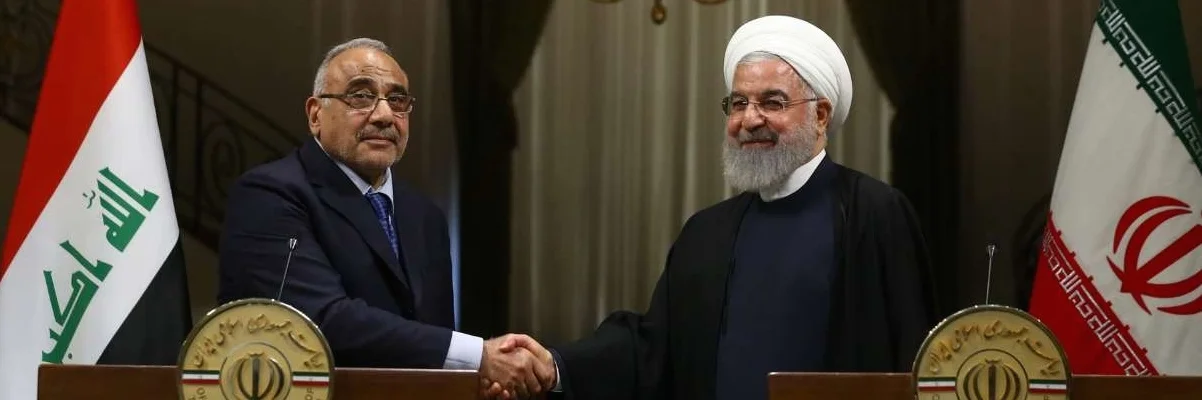
Prime Minister Adel Abdel Mahdi has echoed those fears, saying Tuesday that Iraq would "very soon send delegations to Tehran and Washington to push for calm.”
He warned that Iraq "does not have the option of distancing itself" from US-Iranian tensions, and stressed the need to "avoid giving other parties the space to inflame the situation".
'Settling Old Scores'
Several groups in the Hashed al-Shaabi paramilitary coalition that battled IS denied any link to the rocket attack, with Assaib Ahl al-Haq chief Qais al-Khazali pointing a finger at "Israeli interests".
Analyst Karim Bitar stressed that "the stakes are so high that Iranian proxies cannot act without an explicit green light" from Iran's Revolutionary Guard force.
Tehran and Washington "know perfectly well that it's an unwinnable war and that an all-out confrontation would be devastating for both the US and Iran", said Bitar, an expert at France's Institute for International and Strategic Affairs.
But, he added, "the inflammatory rhetoric of the past few weeks plays right into the hands of Iran's hardliners" as well as pleasing Saudi Arabia and Israel, "bent on settling old scores with Iran".
Tehran accuses its regional Sunni rival Riyadh and archfoe Israel of pressing the Trump administration to adopt a hard line.
But experts doubt the crisis will result in a head-on confrontation with Washington.
"There won't be a direct war. The United States is counting on a collapse of the (Iranian) economy, which could be accompanied by limited air strikes," said Iraqi political scientist Hashem al-Hashemi.
He said Washington may also urge Israel to carry out air strikes against Iran's militia allies in Syria, Lebanon and Iraq.
Meanwhile, memories of American interventions in recent years could also dampen Washington's appetite for an offensive.
"The US foreign policy and security establishment knows full well that attacking Iran would make the Afghanistan, Iraq, Libya wars look like walks in the park," Bitar said.
"So besides some messages that could be sent on the Iraqi arena, unless utter madness prevails, a large, open, direct war is still unlikely."
Photo: IRNA
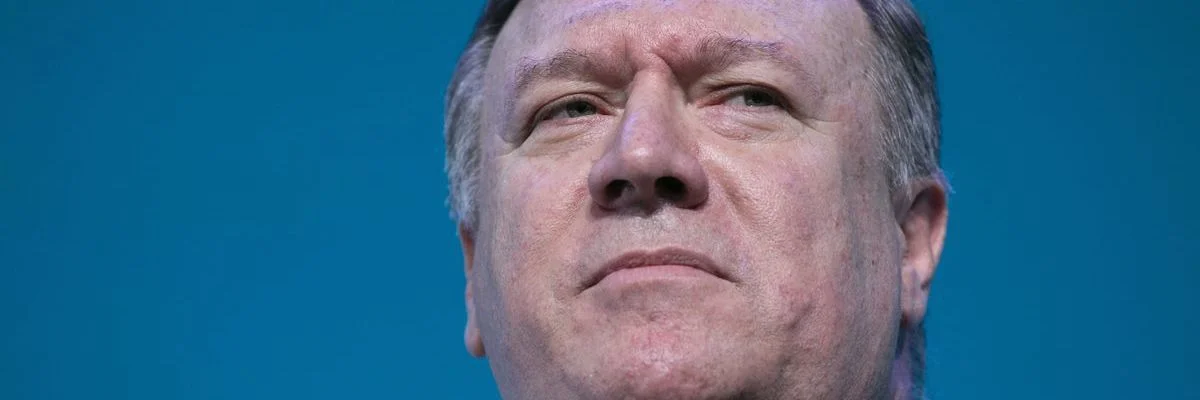
Pompeo's Iran Intelligence Briefing Fails to Reassure Democrats
◢ Democrats were still clamoring for answers about U.S. intentions in Iran, even after a closed-door briefing from Trump administration officials about heightened tensions in the region. Secretary of State Michael Pompeo, Acting Defense Secretary Patrick Shanahan and other intelligence officials spoke with House Republicans and Democrats at the Capitol Tuesday.
By Daniel Flatley and Steven T. Dennis
Democrats were still clamoring for answers about U.S. intentions in Iran, even after a closed-door briefing from Trump administration officials about heightened tensions in the region.
Secretary of State Michael Pompeo, Acting Defense Secretary Patrick Shanahan and other intelligence officials spoke with House Republicans and Democrats at the Capitol Tuesday, followed by a separate briefing for senators. Democrats leaving the briefings characterized them as too-little-too-late and contended that any military action in Iran would require explicit congressional approval.
"The Iranians are nowhere near being ready to talk. They are not showing any signs of backing down from their provocatory behavior,” said Senator Chris Murphy, a Connecticut Democrat. “So, tell me how this strategy is working if Iran won’t talk and they’re not de-escalating militarily?”
The private sessions came at the request of lawmakers seeking more information on recent U.S. movement in the region, including a carrier strike group deployment and the withdrawal of some diplomatic staff from the Baghdad embassy. Shanahan characterized the U.S. strategy as defensive and promised to be more responsive to concerns from Congress.
"Our biggest focus at this point is to prevent Iranian miscalculation,” Shanahan told reporters after the briefing. “We do not want the situation to escalate. This is about deterrence, it’s not about war."
Republican Senator Lindsey Graham, who generally supports Trump but had previously complained lawmakers weren’t being briefed adequately on Iran, said that General Joseph Dunford, chairman of the Joint Chiefs of Staff, has “done a very good job communicating directly and indirectly to the Iranians of the price they will pay” if they attack U.S. forces.
Democrats said the White House’s hesitation to share information with Congress, which has the constitutional authority to declare war, casts doubt on U.S. intentions in an unstable region that continues to be one of the world’s most complex geopolitical challenges.
‘Purely Defensive’
Representative Ruben Gallego, an Arizona Democrat and a Marine Corps veteran who fought in Iraq, said he was alarmed that White House officials including National Security Advisor John Bolton appear to be pushing for military action in Iran, even if President Donald Trump would prefer to keep his campaign pledge to avoid costly foreign conflicts. Gallego compared current tensions to the run-up to U.S. military action in Iraq in 2003.
“I truly believe that the intel is being misinterpreted and misrepresented by Secretary Pompeo, by Bolton and other people that do want us to go to war in Iran as a repeat to Iraq,” Gallego said as he left the briefing.
House Foreign Affairs Chairman Eliot Engel said there’s widespread concern among Democrats that the administration is rushing into an armed conflict. He said there was nothing new in the intelligence briefing, and said he was concerned about how long it took for Trump administration officials to explain their actions to lawmakers.
Texas Representative Michael McCaul, the top Republican on Engel’s committee, said it’s “premature” to talk about seeking congressional approval for military action because the U.S. response thus far has been to deter perceived aggression from Iran.
“It’s purely defensive,” McCaul said. “We’re obviously concerned about our military soldiers who are threatened by Iran and a potential attack on them in Iraq.”
Adam Kinzinger, a Republican from Illinois who served in the Air Force and sits on the Foreign Affairs panel, criticized Democrats who questioned the information provided by the Trump administration. He described the briefing as “solid,” and said, “if anybody’s questioning that somehow there’s made-up intelligence, that’s ludicrous.”
Frustration With Pompeo
The fundamental concern from most lawmakers centered on the secrecy that surrounded subtle escalations from both the U.S. and Iran that could be misinterpreted as provocation. House Majority Leader Steny Hoyer said members want to know what changed “so significantly” on the ground in recent months to lead the administration to take the steps it did.
“Most of us do not believe that a war with Iran will end well or be productive endeavor for us," Hoyer said earlier Tuesday. "We have great reticence. We want to hear today, what are the facts? What is leading the administration to believe that things have changed so significantly that they need to be talking and acting in a way that raises the possibility of war?"
Some of the frustration stemmed from Pompeo and the perception that he has been dismissive of lawmaker concerns.
“Secretary Pompeo basically said, ‘Eh, not a big deal,’ and I disagree with him on that,” Adam Smith, the Washington Democrat who leads the House Armed Services Committee, said after the briefing. Smith gave Shanahan higher marks for responding to Congress, saying he “personally reached out to me on a number of occasions and he said, ‘Yes, we need to do better.’”
Veracity of Intelligence
Bob Menendez of New Jersey the top Democrat on the Senate Foreign Relations Committee, also described Pompeo as “combative” and said the Trump administration has undermined its foreign policy credibility by not explaining recent U.S. responses to developments in the Middle East.
Referring to the faulty intelligence that served as the justification for the Iraq invasion in 2003, Menendez said, “We don’t need another weapons of mass destruction moment. Testing the veracity of that intelligence and the actions taken are incredibly important."
Senator Marco Rubio, a Florida Republican, said it was wrong to compare the two situations.
"This is very different," Rubio said. "No one here is proposing sort of a unilateral U.S. offensive against Iran. It’s been very clear from the outset, and that is: If Iran attacks, there’s going to be a response. If they don’t attack, then there will ll be no war."
Both Democrats and Republicans argued that the Trump administration would need approval from Congress to go to war.
"If we’re going to go to war, it ought to be debated and discussed and passed by Congress," said Republican Senator Mike Lee.
Photo: Bloomberg

US Fingers Iran on Gulf Attacks but Eases Tone
◢ President Donald Trump's administration charged Tuesday it was "quite possible" Iran was responsible for sabotage of Gulf oil interests but said its robust response had stopped potential attacks on Americans. US officials appeared to be toning down weeks of fiery warnings to Iran before delivering a classified briefing to the full Congress, where rival Democrats have accused the administration of hyping intelligence.
By Shaun Tandon
President Donald Trump's administration charged Tuesday it was "quite possible" Iran was responsible for sabotage of Gulf oil interests but said its robust response had stopped potential attacks on Americans.
Top Trump officials appeared to be toning down weeks of fiery warnings to Iran before delivering a classified briefing to the full Congress, where rival Democrats have accused the administration of hyping intelligence and pushing the United States dangerously close to war.
Secretary of State Mike Pompeo said the United States has not made "a definitive conclusion" that can be presented publicly over sabotage incidents of oil tankers off the United Arab Emirates or drone strikes on a crude pipeline in Saudi Arabia.
"But given all the regional conflicts that we have seen over the past decade and the shape of these attacks, it seems like it's quite possible that Iran was behind these," Pompeo told conservative radio host Hugh Hewitt before heading to Congress.
"Most importantly, we will continue to take acts that protect American interests and that work to deter Iran from misbehavior in the region, which has the real risk of escalating the situation such that crude oil prices rise," he said.
Yemen's Houthi rebels, who are allied with Iran and are being hit hard by US-backed Saudi airstrikes, claimed responsibility last week for a drone strike on a major east-west pipeline in the kingdom, which was forced to shut down temporarily.
John Bolton, Trump's hawkish national security adviser, earlier this month warned of "unrelenting force" if Iran strikes US interests as he announced the deployment to the region of an aircraft carrier strike group, followed by nuclear-capable B-52 bombers.
Threats 'Put on Hold'
Acting Defense Secretary Patrick Shanahan, who will also brief lawmakers alongside the US military chief, General Joseph Dunford, said the US response had made an impact but warned of continued risks.
“I think our steps were very prudent and we've put on hold the potential for attacks on Americans," Shanahan told reporters.
"I'd say we're in a period where the threat remains high and our job is to make sure that there is no miscalculation by the Iranians," he said.
Iranian Foreign Minister Mohammad Javad Zarif warned that the United States was "playing a very, very dangerous game" with military deployments, saying that some actors were "interested in accidents"—a likely allusion to its regional rivals such as Saudi Arabia.
"There will be painful consequences for everybody (if) there is an escalation against Iran, that's for sure," he said," Zarif told CNN.
Trump last year pulled out of a multinational agreement negotiated under his predecessor Barack Obama under which Iran drastically scaled back its nuclear work in return for promises of sanctions relief.
The administration, which is closely allied with the Saudis, instead vowed "maximum pressure" to weaken the clerical state's regional influence, including by trying to stop all oil sales by Iran.
Democrats, who requested the briefing to lawmakers, criticized Iran but said its actions were in line with predicted responses to Trump's moves.
"Bluntly, I believe the path to the current level of tension began when President Trump unilaterally walked out of a diplomatic deal," Senator Tim Kaine said Monday on the chamber's floor.
"I think it would be absolute lunacy for the United States to get involved in another war right now in the Middle East. I think it would be devastating if we were to be in a war with Iran," he said, calling instead fo diplomacy.
Opening on Prisoners?
Trump stoked the fire on Sunday in a tweet in which he warned: "If Iran wants to fight, that will be the official end of Iran.
But the US president—who made similar threats against North Korea before meeting leader Kim Jong Un—a day later downplayed the Iranian threat to US interests and has called for talks.
Few expect Iran's leaders, for whom anti-Americanism is a cardinal tenet of the 1979 Islamic revolution, to meet Trump. But Zarif has proposed a swap of prisoners, a step some observers say could offer a path to resume at least low-level dialogue to ease tensions.
Pompeo in the radio interview said without further explanation that there had been "just a hint" that Iran was moving to release imprisoned US citizens.
"Even a small confidence-building measure is a good thing, so it's absolutely the case that were they to release these Americans who are wrongfully held, it would be a good thing," Pompeo said.
Photo: Bloomberg
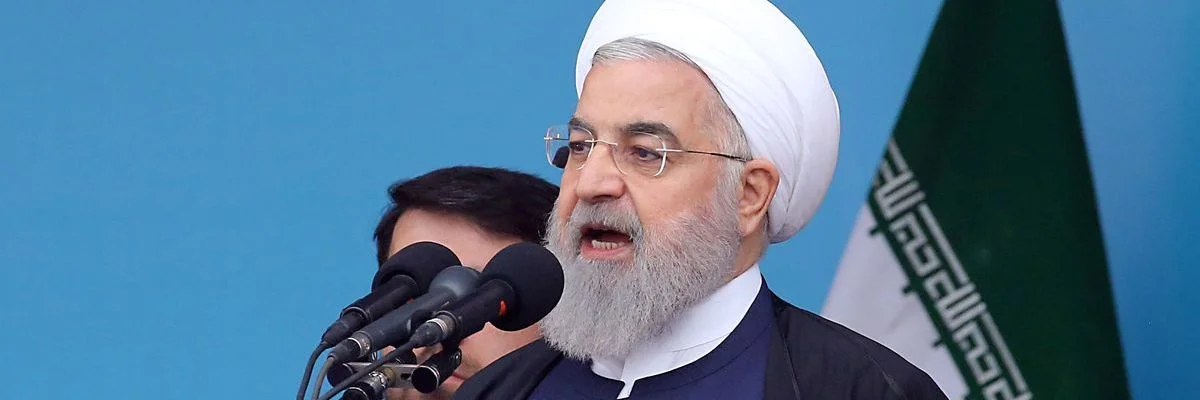
Iran's Rouhani Seeks More Powers Amid U.S. `Economic War'
◢ Iranian President Hassan Rouhani said his government needs more powers to push back against the “economic war” the U.S. is waging, while vowing his nation will stand fast against the Trump administration’s campaign rather than submit to its demands. Today Iran “is in a state of economic war,” he said, referring to U.S. sanctions directed against the country’s vital oil industry and other targets.
By Ladane Nasseri
Iranian President Hassan Rouhani said his government needs more powers to push back against an “economic war” being waged by the U.S., signaling the country is bracing for a prolonged period of turmoil.
During Iran’s eight-year war with Iraq in the 1980s, a supreme council was set up and “held all powers, and even the parliament and the judiciary did not intervene,” Rouhani told a gathering of clerics on Tuesday. The conflict, initiated by Iraq and referred to by Iran as the “imposed war,” killed a million people on both sides.
Today Iran “is in a state of economic war” and “we need the same type of power,” he said, according to the official Islamic Republic News Agency, referring to U.S. sanctions directed against the country’s vital oil industry and other targets.
Tensions in the Gulf have heightened since the U.S. stopped granting waivers to buyers of Iranian oil early this month. That tightened sanctions slapped on the Islamic Republic after President Donald Trump exited an international nuclear deal a year ago that have triggered an economic slump and sent prices of basic goods soaring.
The U.S. has requested talks with Iran on several occasions, but Rouhani said that while he advocates diplomacy, current conditions call for “resistance,” not negotiations.
Rouhani wants to continue his approach centered on strategic patience in the hope of “buying time” until the next U.S. elections, said Peyman Jafari, who teaches Iranian affairs at the University of Amsterdam. The president is seeking a stronger hand so he can juggle hardliners in the Islamic Republic who favor a more confrontational approach and “diffuse” tensions, he said.
Some of Rouhani’s economic reforms have been challenged by conservatives in parliament, and several of his ministers have faced impeachment calls. While IRNA didn’t elaborate on the additional authority sought by the president, it said concentrating greater power over the economy in his office would accelerate and improve decision making.
The U.S. hastened the deployment of an aircraft carrier to the Gulf, dispatched bomber jets and withdrew some diplomatic personnel from Iraq, citing unspecified threats to American forces or commercial shipping by Iran or its proxies in the Middle East.
Houthi rebels backed by Iran have claimed responsibility for a drone attack this month on two pumping stations along Saudi Arabia’s cross-country oil pipeline and on a southern Saudi airport, and Saudi Arabian and other oil tankers were reported sabotaged as they approached the strategic Strait of Hormuz waterway.
With an economic crisis looming, Iran threatened to gradually withdraw from the 2015 nuclear agreement unless the remaining parties find a way to ease its pain. On Monday, it said it accelerated the rate at which it’s enriching low-grade uranium fourfold, though that alone doesn’t mean it is violating limits agreed under the deal.
That decision may have been a “compromise” between moderates around Rouhani and hardline rivals, said Jafari. While deep divisions exist, they have been “overshadowed by the need to confront the common enemy,” he said. “The escalation by the U.S. has led to a more unified state in Iran.”
Photo: Bloomberg
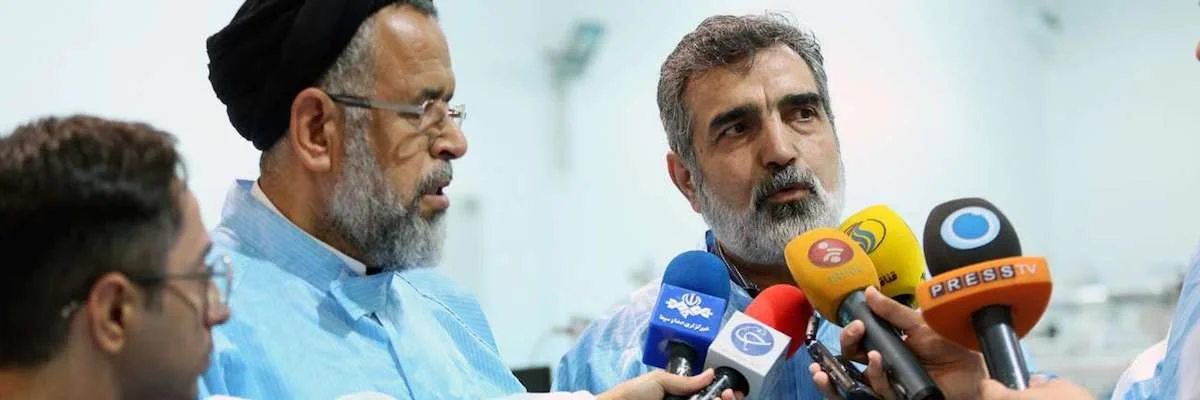
Iran Accelerates Production of Enriched Uranium as Tensions Rise
◢ Iran has accelerated the rate at which it’s enriching low-grade uranium four-fold, weeks after threatening to gradually scale back its commitments under a 2015 deal meant to prevent it from developing a nuclear bomb. The semi-official Tasnim news agency quoted Behrouz Kamalvandi, an official at Iran’s Atomic Energy Organization, as saying that Iran had increased its output of 3.67% enriched uranium as of Monday.
By Golnar Motevalli
Iran has accelerated the rate at which it’s enriching low-grade uranium four-fold, weeks after threatening to gradually scale back its commitments under a 2015 deal meant to prevent it from developing a nuclear bomb.
The semi-official Tasnim news agency quoted Behrouz Kamalvandi, an official at Iran’s Atomic Energy Organization, as saying that Iran had increased its output of 3.67% enriched uranium as of Monday, and that the United Nations nuclear watchdog had been informed. The number of active centrifuges has not been raised, it added. Crucially, Iran hasn’t increased the level to which it is enriching beyond the agreed limit.
“This issue does not mean that there is an increase in the purity of the material or that there’s an increase in the number of centrifuge machines or that there’s a change in the type of centrifuges,” Kamalvandi said, according the Tasmin.
Tehran has already announced it stopped complying with a 300-kilogram cap on the storage of enriched uranium and heavy water imposed by the multilateral accord, and said it would abandon limits on uranium enrichment unless Europe throws it an economic lifeline within 60 days, setting an ultimatum for the survival of the landmark agreement.
Tensions in the Gulf have spiked since the U.S. stopped granting waivers to buyers of Iranian oil early this month, tightening sanctions slapped on the Islamic Republic after President Donald Trump pulled the U.S. out of the nuclear deal a year ago.
With an economic crisis looming, Iran announced on May 8 it would gradually withdraw from the agreement unless the remaining parties find a way to ease its pain. That was followed last week by so far unexplained sabotage attacks against four vessels, including two Saudi oil tankers, heading toward the Gulf and a drone attack by Iran-backed Yemeni rebels against Saudi pumping stations, which forced the temporary suspension of an east-west pipeline.
On Wednesday, the U.S. cited growing yet unspecified threats as it ordered the departure of non-emergency staff from Iraq, where Iran provides material and political support to several powerful militias.
By the end of last week, Trump appeared to dial back the tensions, reiterating earlier statements that he’s open to talks with the Iranian government and saying he hopes there isn’t a war. But he’s also signaled that the U.S. will respond to any provocations while saying Tehran needs to initiate any talks.
“Iran will call us if and when they are every ready,” Trump wrote on Twitter on Monday. “In the meantime, their economy continues to collapse—very said for the Iranian people.”
Though all sides have said they do not want war, heightened concerns have rattled oil markets and become a subject of debate at a meeting of OPEC oil exporters taking place in the Saudi city of Jeddah. Iran says that its nuclear program is for civilian energy and medical uses and that it has never sought nuclear weapons.
The U.S. accelerated the dispatch of an aircraft carrier and moved B-52 bombers to the region in recent weeks, citing unspecified threats from Iran and its proxies.
The Trump administration revoked this month two waivers that enabled Iran to send surplus heavy water to Oman and ship out any enriched uranium above the 300 kg limit in exchange for natural or “yellowcake” uranium. Those measures undermined Iran’s ability to dispose of excess materials, forcing it to choose either between stopping enrichment, as the Trump administration wants, or abandoning its commitment to the storage threshold.
Photo: IRNA