
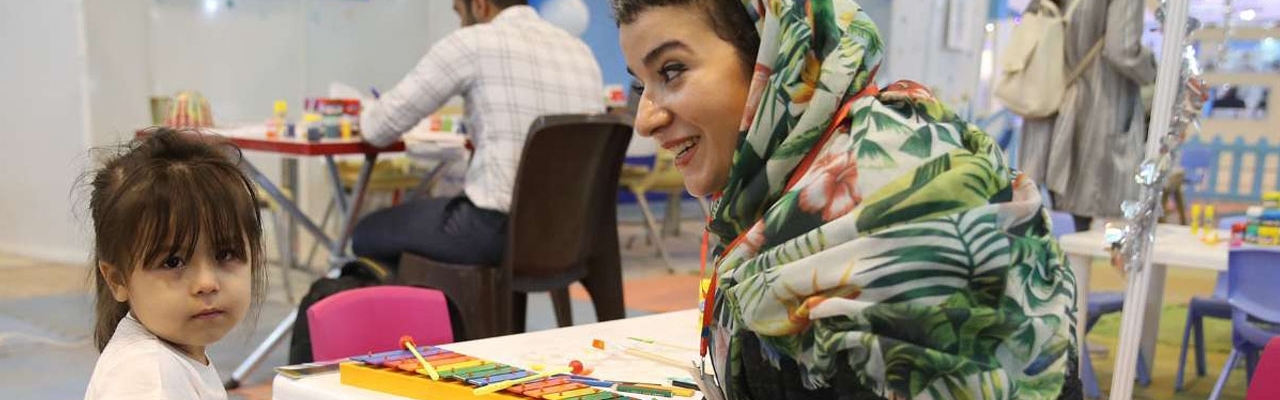
Foreign Drugs Rare Commodity in Sanctions-Hit Iran
◢ "Talk of sanctions on Iran reemerged, and my essential medicine was no longer available," said Masoud Mir who suffers from thalassaemia, a genetic blood disease common in Iran. Mir, 36, is one of many patients in the Islamic Republic who not only have to deal with their disability, but also the consequences of trade sanctions reimposed in August by the US, as well as a battered economy with a free-falling currency, a foreign drug shortage and price hikes.
"Talk of sanctions on Iran reemerged, and my essential medicine was no longer available," said Masoud Mir who suffers from thalassaemia, a genetic blood disease common in Iran.
Mir, 36, is one of many patients in the Islamic Republic who not only have to deal with their disability, but also the consequences of trade sanctions reimposed in August by the US, as well as a battered economy with a free-falling currency, a foreign drug shortage and price hikes.
His essential medicine, a Swiss-made anti-iron overload drug, is now rationed by the government and can only be freely purchased at exorbitant prices on the black market.
The same is true for other crucial drugs for treating multiple sclerosis, cancer and cardiac problems and even simple anaesthetics required for surgery.
On Wednesday, the UN's top court stepped in, and ruled in favor of Iran which had called for the US sanctions to be suspended.
Judges at the International Court of Justice in The Hague unanimously ruled Washington should remove barriers to "the free exportation to Iran of medicines and medical devices, food and agricultural commodities" as well as airplane parts.
Official Iranian statements acknowledge the shortage of medicines and say imports of certain drugs are no longer subsidized.
"We are currently short of 80 pharmaceutical items," Mohammad-Naeem Aminifard, a member of parliament's health commission, told semi-official news agency ISNA.
"The government and insurers have removed the support for foreign drugs that have a domestic equivalent which intensifies the pressure on patients."
Iran produces 96 percent of the drugs it uses, according to the Syndicate of Iranian Pharmaceutical Industries, but imports more than half the raw materials to make them.
The double-whammy of banking sanctions and a collapse in the value of its currency make total self-sufficiency difficult if not outright impossible.
Battered Economy Hits Patients
For others with family health concerns, sanctions are adding to their burden.
Ali, an electrical technician in his mid-30s, was fired from one job for spending too much time on hospital visits for his son.
His next company went bankrupt, and his current employer, a Dutch-Iranian firm, is stalled because they cannot import equipment and has stopped paying staff.
He spoke to AFP outside the busy 13 Aban pharmacy in central Tehran, where he had been hoping to buy a medicine for fungal infections caused by his son's cancer treatment.
"They're not giving me any because of insurance problems," he said.
"They said even if they could it's less than I need due to rationing. My son could die if his medicine is delayed for even a day."
Managers at the pharmacy, a state-owned outlet focusing on rarer diseases, declined to comment.
But others in central Tehran said there was "a notable shortage" in some anticoagulants, beta-blockers or drugs to treat blood pressure problems.
"The local versions are cheaper, but not as effective," one pharmacist told AFP. "Things will get worse if sanctions continue."
Many patients cannot afford black market prices and risk side effects from locally-made equivalents, the head of Iran's thalassaemia society, Meysam Ramezani, told the conservative Tasnim news agency recently.
Seven thalassaemia patients died in March alone, he said, blaming "either a lack of injections or low-quality drugs."
Who's to Blame?
Iranians on social media are blaming many people: the US for its crippling sanctions, government economic mismanagement, and pharma firms for skyrocketing prices.
Surgeon Hamidreza Vafayi said the refusal of international banks to work with Iran was the biggest challenge.
The United States pulled out of the 2015 nuclear deal and reimposed sanctions targeting key parts of Iran's economy including international banking ties and transactions in US dollars.
"As far as I know, there is no official statement on sanctioning medicine trade with Iran," Vafayi told AFP.
"Yet when we cannot have banking ties (with the world) we are in fact under an undeclared medicine sanction regime. The truth is that no company would sell us drugs now."
Thalassaemia patient Masoud Mir also angrily recalled that when sanctions were imposed between 2010 and 2016, pharmaceutical firms exploited the situation by hoarding goods and manipulating prices. The same thing is happening today, he claimed.
Medicine importers get subsidised currency rates from the government, but their names are not publicly available, making it difficult to hold them to account if drugs do not appear in state-owned pharmacies.
"In 2011, they kept saying that there was none (of his drug) in the market because of sanctions. But I could just walk out of the pharmacy and buy some from a street dealer at crazy prices," he said.
"Not everyone can pay that, so they may face a slow death."
Photo Credit: IRNA
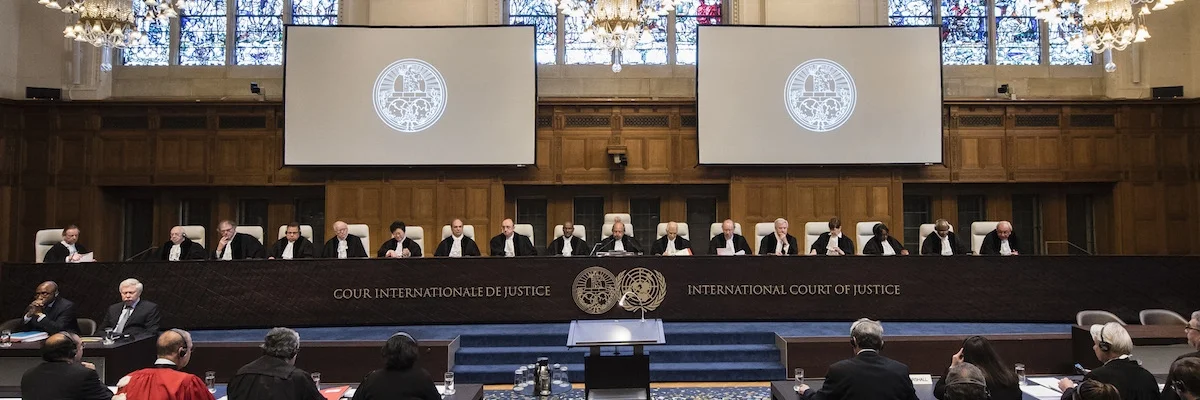
US Must Lift 'Humanitarian' Sanctions on Iran: UN court
◢ The UN's top court Wednesday ordered the United States to lift sanctions on "humanitarian" goods to Iran that President Donald Trump reimposed after pulling out of Tehran's nuclear deal. The International Court of Justice unanimously ruled that Washington "shall remove by means of its choosing any impediments arising from the measures announced on May 8 to the free exportation to Iran of medicines and medical devices, food and agricultural commodities" as well as airplane parts, said judge Abdulqawi Ahmed Yusuf.
Editor’s Note: The full text of the order of the International Court of Justice can be seen here.
The UN's top court Wednesday ordered the United States to lift sanctions on "humanitarian" goods to Iran that President Donald Trump reimposed after pulling out of Tehran's nuclear deal.
The International Court of Justice unanimously ruled that Washington "shall remove by means of its choosing any impediments arising from the measures announced on May 8 to the free exportation to Iran of medicines and medical devices, food and agricultural commodities" as well as airplane parts, said judge Abdulqawi Ahmed Yusuf.
The court said sanctions on goods "required for humanitarian needs... may have a serious detrimental impact on the health and lives of individuals on the territory of Iran."
US sanctions on aircraft spare parts also had the "potential to endanger civil aviation safety in Iran and the lives of its users.”
Trump slapped a first round of sanctions on Iran in August after pulling out in May of a historic deal aimed at curbing Tehran's nuclear ambitions, to the dismay of his European allies. A second round of punitive measures is due in November.
The ICJ rules on disputes between United Nations member states. Its decisions are binding and cannot be appealed, but it has no mechanism to enforce them.
Photo Credit: ICJ
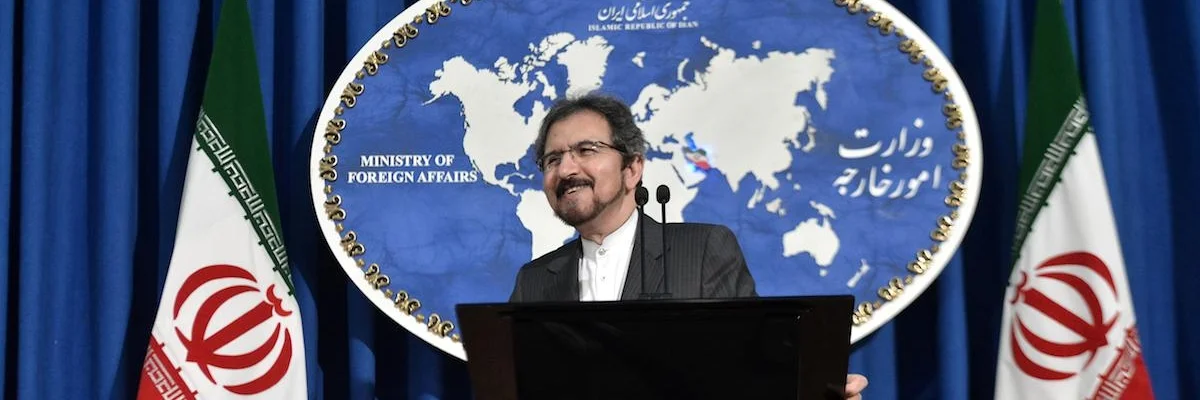
Iran Wants France Talks to Clear 'Misunderstanding' Over Alleged Bomb Plot
◢ Tehran called on Tuesday for talks with Paris to clear "misunderstanding" over an alleged bomb plot targeting an exiled opposition group near the French capital. "If there is a misunderstanding... about a thing that does not exist, be it a conspiracy by others or a mistake, we can sit down and talk about it," Iranian foreign ministry spokesman Bahram Ghasemi told AFP in an interview.
Tehran called on Tuesday for talks with Paris to clear "misunderstanding" over an alleged bomb plot targeting an exiled opposition group near the French capital.
"If there is a misunderstanding... about a thing that does not exist, be it a conspiracy by others or a mistake, we can sit down and talk about it," Iranian foreign ministry spokesman Bahram Ghasemi told AFP in an interview.
The only way to overcome the issue was through "the art of diplomacy," he said. "We know of no other way."
French authorities on Tuesday accused Iran's intelligence ministry of being behind a foiled plot to bomb a meeting of the People's Mujahedeen of Iran (MEK), according to a French diplomatic source.
Tehran considers the MEK a "terrorist group".
'Devious Moves'
"When the base issue is wrong and no more than an allegation, basing other hypotheses on such a claim is totally useless and wrong," Ghasemi said.
"You cannot accuse the intelligence ministry or anyone else working at it of being involved in an unconfirmed thing.
"Iran can definitely cooperate to fix any misunderstanding between France and Iran, or any other country in the region or Europe," said Ghasemi.
When the alleged bomb plot was foiled in late June, Iran's foreign minister Javad Zarif called it "a sinister false flag ploy" in a July 2 tweet and said that Iran is ready to work with all concerned to uncover the truth.
Ghasemi echoed the same remarks on Tuesday, saying that "certain conspiracies" are in play meant to affect Iran's "positive relations with France and other European countries", rooted in the environment created by "the US policies regarding Iran (focusing) on sowing division between Iran, Europe" and regional neighbours.
"Some centres (of power) do not approve of Iran's good relations with Europe—that it is staying in the JCPOA and that its economic ties continue with the EU," he said, refering to the 2015 Iran nuclear deal between the Islamic Republic and world powers.
This all started after the US pulled out of the 2015 nuclear deal in May, he hinted.
"The French government, whom we have a long-standing and significant relationship with ... must be vigilant and do not allow such devious moves to affect Iran's good relations with France and other European countries," Ghasemi said.
The diplomat also described Iran's missile program as its right to "have an acceptable level of defensive capability" and "not a threat to others.”
This came just a day after the Islamic Republic launched six missiles at a jihadists' headquarters in Syria over a deadly attack on an Iranian military parade that killed 24 people, and renewed French comments expressing concerns about the country's missile program.
The strike targeted the town of Hajin, about 24 kilometres (15 miles) north of Albu Kamal near Syria's eastern border with Iraq.
Despite the developing missile program, "Iran's military spending is very low compared to our neighbors, like Saudi Arabia and the Emirates," Ghasemi added.
Photo Credit: IRNA

Iran Denies French Accusations Over Alleged Bomb Plot
◢ French security services believe the Iranian intelligence ministry was behind a foiled bomb plot that aimed to target an opposition group in Paris in June, a diplomatic source told AFP. "The head of operations at the intelligence ministry ordered it," the source said on condition of anonymity, referring to an alleged plot to bomb a meeting of the People's Mujahedeen of Iran (MEK) in a Paris suburb.
Iran on Tuesday denied French accusations that one of its diplomats was involved in an alleged bomb plot targeting an exiled opposition group near Paris in June.
"We deny the accusations and forcefully condemn the Iranian diplomat's arrest and call for his immediate release," the foreign affairs ministry said in a statement.
It described the allegations as a conspiracy to "sabotage Iran's ancient and long-standing relations with France and other significant European countries."
The statement was released minutes before a French diplomatic source told AFP that security services believed the Iranian intelligence ministry was behind the foiled plot.
In retaliation, France announced it had frozen assets belonging to two suspected Iranian intelligence operatives as well as Iran's ministry of security and intelligence.
"This extremely serious act envisaged on our territory could not go without a response," France's interior, foreign and economy ministers said in a rare joint statement.
The opposition meeting allegedly targeted was also attended by leading US figures, including close allies of President Donald Trump.
Six people were arrested afterwards in coordinated raids by European police forces, including an Iranian diplomat identified as Assadollah Asadi, who is set to be extradited from Germany to Belgium for prosecution.
Asadi was targeted by France for the six-month asset freeze along with another man named as Saeid Hashemi Moghadam.
Iran has accused the opposition group, the People's Mujahedeen of Iran (MEK), which Tehran considers a "terrorist" group, of orchestrating the plot to discredit President Hassan Rouhani as he embarked on a tour of Europe.
Photo Credit: Wikicommons
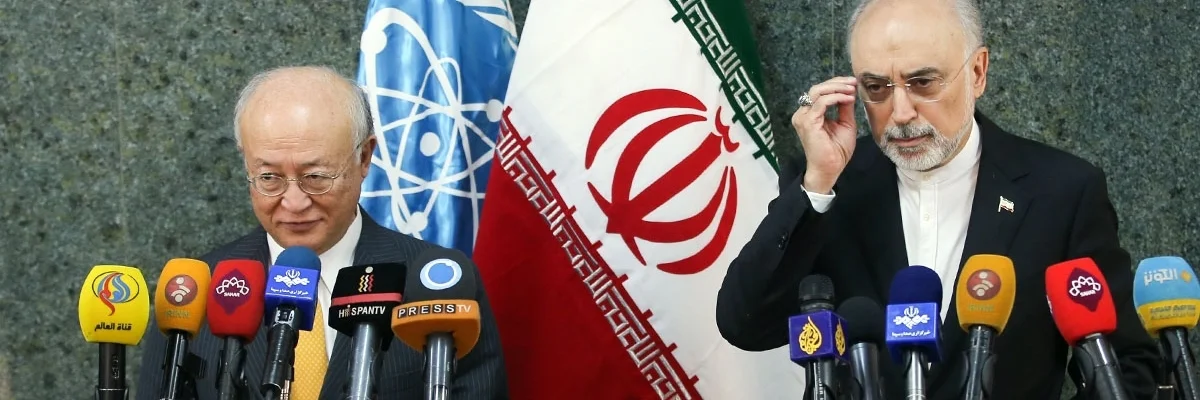
IAEA Fends Off Israel Pressure Over Iran
◢ The UN's nuclear watchdog Tuesday refused to "take at face value" Israel's claims that Iran is harboring a secret atomic warehouse, fending off pressure to inspect the allegedly suspect site. Israeli Prime Minister Benjamin Netanyahu made the claim in front of the UN General Assembly last week.
The UN's nuclear watchdog Tuesday refused to "take at face value" Israel's claims that Iran is harboring a secret atomic warehouse, fending off pressure to inspect the allegedly suspect site.
Israeli Prime Minister Benjamin Netanyahu made the claim in front of the UN General Assembly last week.
Without explicitly referring to Netanyahu's claim, IAEA chief Yukiya Amano insisted that the agency's independence was "of paramount importance" for its work.
The IAEA "uses all safeguards-relevant information available to it but it does not take any information at face value," Amano said in a statement.
Netanyahu accused Iran of operating a "secret atomic warehouse for storing massive amounts of equipment and material from Iran's secret nuclear weapons program."
He urged the IAEA to inspect the site.
Amano said the IAEA would not be told how to do its work.
"All information obtained, including from third parties, is subject to rigorous review," he said.
He said the IAEA's work "must always be impartial, factual, and professional."
Under the 2015 deal, Iran agreed to scale down its nuclear activities and submit to IAEA inspections in exchange for relief from sanctions.
Israel bitterly opposes the deal and congratulated US President Donald Trump for walking away from it earlier this year.
The IAEA has repeatedly said that Iran is continuing to meet its commitments under the deal.
Amano said on Tuesday that evaluations of Iran's compliance were "ongoing.”
Photo Credit: IRNA
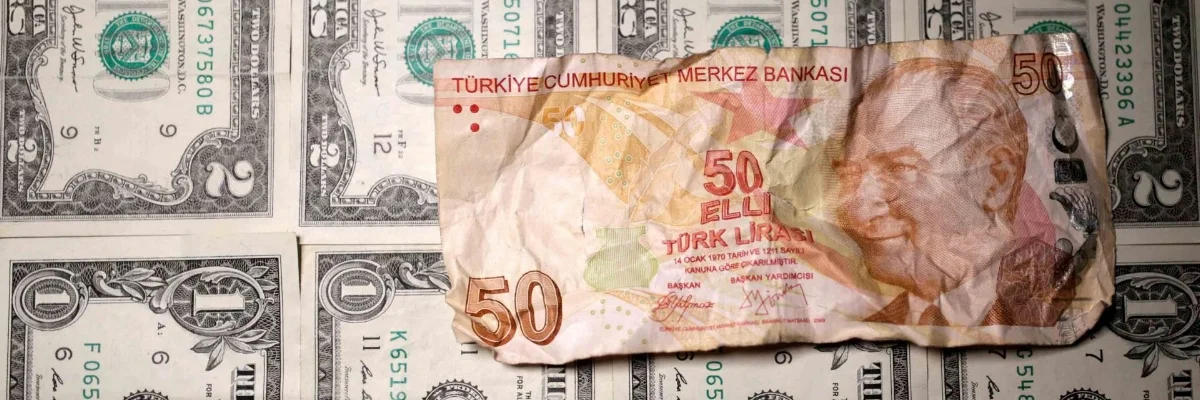
Turkey Detains Over 200 for 'Illicit Money Transfers' to US
◢ Turkish police detained Tuesday over 200 people in a major nationwide crackdown on illicit money transfers to individuals of Iranian-origin living in the United States. An Istanbul court issued arrest warrants for a total of 417 suspects and have so far rounded up 216 in a nationwide operation carried out in 40 cities, the official Anadolu news agency reported.
Turkish police detained Tuesday over 200 people in a major nationwide crackdown on illicit money transfers to individuals of Iranian-origin living in the United States.
An Istanbul court issued arrest warrants for a total of 417 suspects and have so far rounded up 216 in a nationwide operation carried out in 40 cities, the official Anadolu news agency reported.
The suspects are facing charges including criminal conspiracy and violating measures to prevent terrorism financing, Anadolu said.
There were no further details on who the suspects are.
An investigation found that from the beginning of 2017 some 2.4 billion lira (USD 400 million) had been transferred from Turkey to a total of 28,088 accounts abroad from several banks, it added.
Those conducting the money transfers earned "commissions", Anadolu said, citing the investigation, while the large majority of the recipients of the funds were people of Iranian origin living in the United States.
There were no further details on who these individuals were and if the transfers had an overall aim.
The arrests come as the United States is in the process of reimposing sanctions on Iran after Washington pulled out of a 2015 international deal limiting the nation's nuclear programme, including on Iran's ability to use the international financial system and export oil.
They also come several months after Turkey-US relations hit a rough patch over the detention of a US pastor, with US President Donald Trump making comments that sent the Turkish lira tumbling.
Sanctions busting has also been a source of tension between Washington and Ankara.
US authorities earlier this year convicted Mehmet Hakan Atilla, deputy director general of Turkish lender Halkbank on charges of helping Iran evade US sanctions on billions of dollars of oil proceeds.
In the case, Iranian-Turkish trader Reza Zarrab, who was once close to the Ankara authorities, turned whistleblower and gave evidence accusing the Turkish leadership of being complicit in the scheme.
Turkey depends on foreign suppliers including Iran for its energy needs. The country imports oil and natural gas from Russia as well as from neighboring Iran.
Photo Credit: Depositphoto
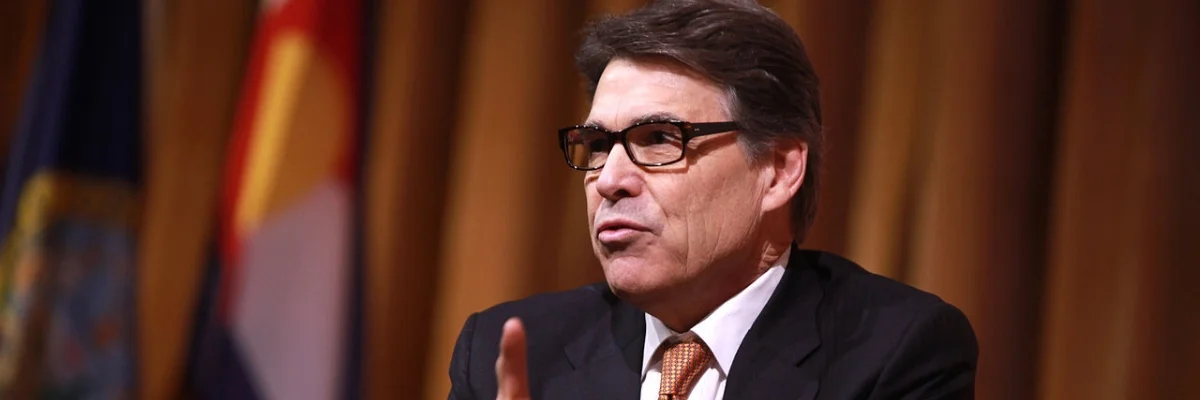
US Rules Out Iran Sanctions-Related SPR Release
◢ The US Department of Energy is not planning to tap into emergency petroleum stocks despite concerns over the impact of oil sanctions on Iran, energy secretary Rick Perry said last week. "If you look at the Strategic Petroleum Reserve (SPR) and if you were to introduce it into the market, it has a fairly minor and short-term impact," Perry said at a briefing last Wednesday. The US administration will begin enforcing sanctions on Iran's oil exports on 5 November but they appear to have forced many buyers to already wrap up business with Iran.
This article has been republished with permission from Argus Media.
The US Department of Energy is not planning to tap into emergency petroleum stocks despite concerns over the impact of oil sanctions on Iran, energy secretary Rick Perry said last week.
"If you look at the Strategic Petroleum Reserve (SPR) and if you were to introduce it into the market, it has a fairly minor and short-term impact," Perry said at a briefing last Wednesday. The US administration will begin enforcing sanctions on Iran's oil exports on 5 November but they appear to have forced many buyers to already wrap up business with Iran. Iranian crude loadings were just over 1.8mn b/d in the first two weeks of September, down by 400,000 b/d from the first half of this year, according to Argus estimates.
"I am comfortable that the world's supply can absorb the Iran sanctions that are coming," Perry said. "My thought would be that the market has already adjusted to those."
Perry earlier this month held talks with Saudi oil minister Khalid al-Falih and Russian energy minister Alexander Novak to assure the markets that combined supply from the three major global producers would be sufficient to offset the decline in Iranian exports.
The Opec and non-Opec's joint ministerial monitoring committee, meeting in Algiers on 23 September, expressed satisfaction with current market conditions, and said the group's focus shifted to 2019 production levels.
But Perry insisted that "we have got some opportunities to fill the void as the sanctions go into place in November." He listed the increase in US crude production, which is projected to rise to 11.5mn b/d in 2019 from 10.66mn b/d in 2018, and the possibility of resuming output in shared shut-down Neutral Zone between Kuwait and Saudi Arabia that he said could add 250,000-300,000 b/d. Additionally, another 250,000 b/d can be added to global supply if Iraq's central government removes restrictions on exports from the Iraqi Kurdistan, Perry said.
That view is guiding the US administration's determination to enforce sanctions on Iran and to achieve a substantial reduction in oil exports from that country. "We will ensure prior to the re-imposition of our sanctions that we have a well-supplied oil market," US State Department special Iran envoy Brian Hook said last week.
The decline in exports from Iran is among the factors driving up oil prices—a sore point for President Donald Trump who has criticized Opec and its leading producers and demanded yesterday that "they start lowering oil prices." US retail gasoline prices averaged USD 2.844/USG in the week ended 24 September, a 10pc increase on the year.
Al-Falih has downplayed Trump's remarks, saying that Opec does not target higher prices and instead focuses on the adequacy of supply.
Perry today said the relationship between the US and Saudi Arabia is "as good as it has been" in recent memory and that Saudi officials understood Trump's recent remarks.
"I think they understand that we live in interesting times. I do not think they are particularly knee jerk when something is said by me or the president—they understand this is probably one of the best relationships with the US that they have ever had," Perry justified continued outreach to Opec members. "You need to understand that we are not having these conversations in a vacuum," noting that Chevron and other US companies also operate in Opec countries. "Everything that we can do to send a message to a global market, we are going to do everything we can within reason to keep a stable supply and stable pricing of the cost of energy—that is a good message."
Perry said he did not have a view on where the oil prices ought to be. "Is there some potential for some price spikes? Sure, there are a lot of things that can happen, but I will not speculate on that because they have not happened."
Photo Credit: Wikicommons
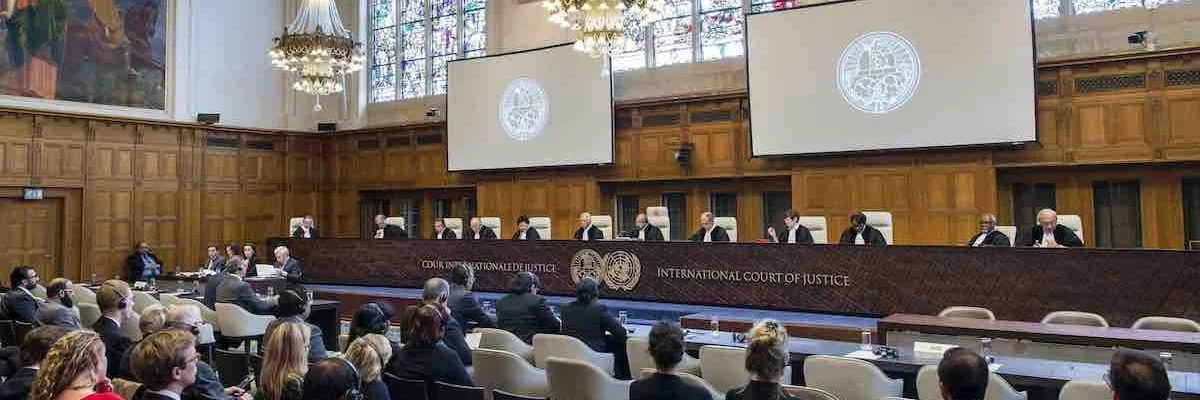
Iran, US in Tense Wait for World Court Sanctions Ruling
◢ The International Court of Justice will hand down an eagerly awaited decision this week on Iran's demand for the suspension of debilitating nuclear-related sanctions imposed by the United States. Accusing Washington of "strangling" its economy, Tehran has asked the court in The Hague to order Washington to lift the measures, reimposed after US President Donald Trump pulled out of a multilateral 2015 accord.
The International Court of Justice will hand down an eagerly awaited decision this week on Iran's demand for the suspension of debilitating nuclear-related sanctions imposed by the United States.
Accusing Washington of "strangling" its economy, Tehran has asked the court in The Hague to order Washington to lift the measures, reimposed after US President Donald Trump pulled out of a multilateral 2015 accord.
Despite its long enmity with the United States, Iran brought the case under a 1955 "friendship treaty" that predates the country's Islamic Revolution.
Washington has forcefully told the court, which rules on disputes between United Nations member states, that it has no jurisdiction to rule on the case as it concerns a matter of national security.
The ruling on Wednesday at 0800 GMT—in the grand surroundings of the 1913-built Peace Palace in the Dutch city—follows four days of hearings at the end of August.
Rulings by the ICJ are binding and cannot be appealed, but it has no way to enforce its decisions.
"If the court orders measures, they should be respected," Eric De Brabandere, a professor of international law at the University of Leiden, told AFP.
If the court decides it has jurisdiction, it will likely "declare that the parties should refrain from aggravating the dispute", but any steps beyond this remain to be seen, he said.
The 2015 nuclear deal saw Iran agree to limit its nuclear program and let in international inspectors in return for an end to years of sanctions by the West.
But Trump pulled out of the deal in May, to the dismay of European allies, arguing that funds from the lifting of sanctions under the pact had been used to support terrorism and build nuclear-capable missiles.
'Economic Warfare'
At the United Nations General Assembly last week, Trump denounced the deal as "horrible" and "one-sided.”
During the ICJ hearings, Iran said the sanctions reintroduced in September are causing economic suffering for its citizens. US lawyers retorted that economic mismanagement was at the root of Iran's woes.
A second wave of US measures is due to hit Iran in early November, targeting its vital oil exports.
Experts said the Iran-US case was an important opportunity for the ICJ to rule on the issue of "economic warfare"—not currently designated as a use of force.
The case "may offer the court sufficient legal basis to indicate a limit under international law to coercion by the US," Geoff Gordon, an international law expert at the Asser Institute in The Hague, told AFP.
"International law, for reasons to do with power politics, has never formally recognized economic warfare to be a use of force as prohibited by the UN Charter, though economic sanctions can have the same effects and worse as guns and bombs."
But he warned that "the decision is likely to be occasion for escalating tensions."
Relations have plunged to a new low since Trump's election, even as the US president reaches out to North Korean leader Kim Jong-un over his nuclear program.
Trump and Iranian President Hassan Rouhani faced off at the UN last week, with Rouhani denouncing leaders with "xenophobic tendencies resembling a Nazi disposition."
Despite their 1955 Treaty of Amity and Economic Relations, Iran and the United States have not had diplomatic ties since 1980.
The ICJ was set up in 1946, after the carnage of World War II, to rule in disputes between countries.
Photo Credit: ICJ
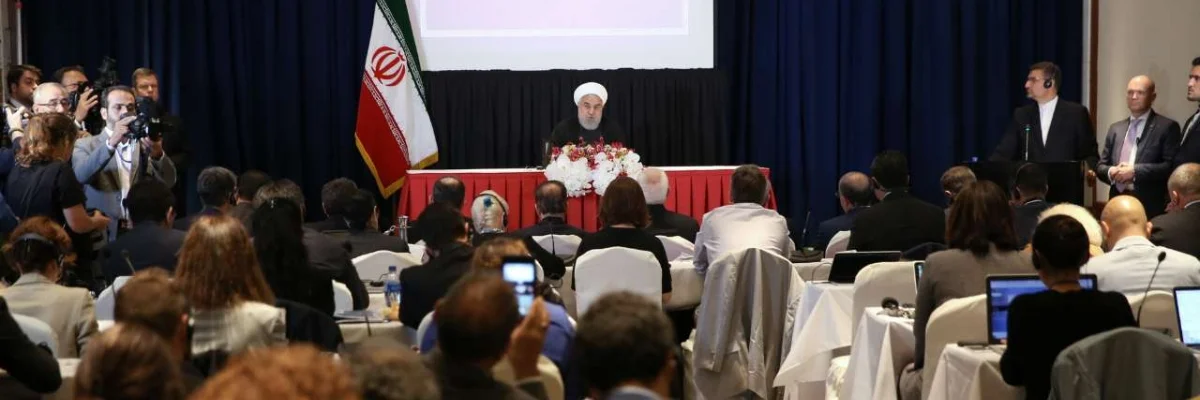
Iran's Rouhani Says US Will Eventually Rejoin Nuclear Deal
◢ Iranian President Hassan Rouhani predicted Wednesday that the United States would eventually rejoin an international nuclear deal, saying talks this week at the United Nations showed his counterpart Donald Trump's isolation. "The United States of America one day, sooner or later, will come back. This cannot be continued," Rouhani told a news conference.
Iranian President Hassan Rouhani predicted Wednesday that the United States would eventually rejoin an international nuclear deal, saying talks this week at the United Nations showed his counterpart Donald Trump's isolation.
"The United States of America one day, sooner or later, will come back. This cannot be continued," Rouhani told a news conference.
"We are not isolated; America is isolated," he said.
Rouhani pointed to a session of the Security Council chaired by Trump earlier Wednesday, where the leaders of Britain and France backed the nuclear deal, as well as a statement by European powers who say they will find ways to continue business with Iran and evade impending sanctions.
"We do hope with all the law-abiding and multilateral-oriented countries that we can ultimately put this behind us in an easier fashion than it was earlier anticipated," Rouhani said.
The elected Iranian leader said that his government would stay in the 2015 agreement, under which Tehran sharply scaled back its nuclear program in return for sanctions relief.
"Until such time that we keep reaping the benefits of that agreement for our nation and people, we shall remain in the agreement," he said.
"Should the situation change, we have other paths and other solutions that we can embark upon," he said.
Rouhani downplayed the sharp words from the US administration, including a warning Tuesday by Trump's national security advisor, John Bolton, that Iran would have "hell to pay" if it crosses the United States.
"During the past 40 years we have been subjected to that type of language many times," he said.
"In this American administration, unfortunately, the language has been said to be somewhat unique and they speak with a different style, presumably because they are new to politics," he said.
Photo Credit: IRNA
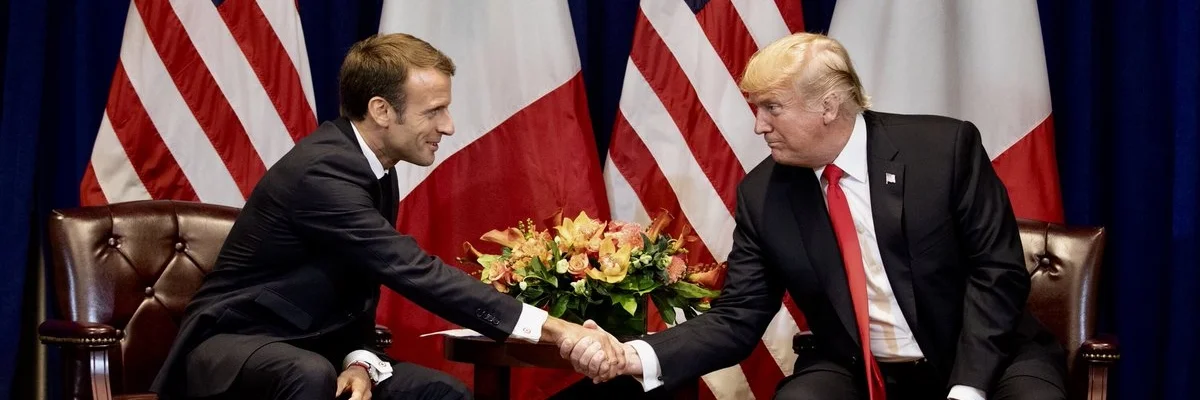
Macron Wants Iran to Sell Oil, Urges Dialogue
◢ French President Emmanuel Macron said Tuesday that Iran should be allowed to keep selling oil and urged dialogue as he rejected a US push to isolate the clerical regime. Speaking to reporters after addressing the United Nations General Assembly, Macron said that Iranian sales would bring down the price of oil—a professed concern of US President Donald Trump.
French President Emmanuel Macron said Tuesday that Iran should be allowed to keep selling oil and urged dialogue as he rejected a US push to isolate the clerical regime.
Speaking to reporters after addressing the United Nations General Assembly, Macron said that Iranian sales would bring down the price of oil—a professed concern of US President Donald Trump.
"It would be good for the price of oil for Iran to be able to sell it. It's good for peace and it's good for the shape of the international price of oil," Macron said.
France and other European powers are setting up a way to allow businesses to keep doing business in Iran in hopes of avoiding sanctions by the United States, which has withdrawn from the 2015 nuclear deal.
Addressing world leaders shortly after Trump, the French president credited the accord with curbing the nuclear program of Iran.
“What will bring a real solution to the situation in Iran and what has already stabilized it? The law of the strongest? Pressure from only one side? No!" Macron said in his address.
"We know that Iran was on a nuclear military path but what stopped it? The 2015 Vienna accord."
Trump has withdrawn from the seven-nation agreement negotiated under his successor Barack Obama, calling it a "disaster" and instead ramping up pressure on Iran including through renewed sanctions.
Supported by Israel and Saudi Arabia, Trump has sought to roll back Iranian influence around the Middle East, including in war-ravaged Syria.
But Macron said: "We should not aggravate regional tensions but rather through dialogue and multilateralism pursue a broader agenda that allows us to address all the concerns caused by Iranian policies—nuclear, ballistic, regional."
Photo Credit: White House
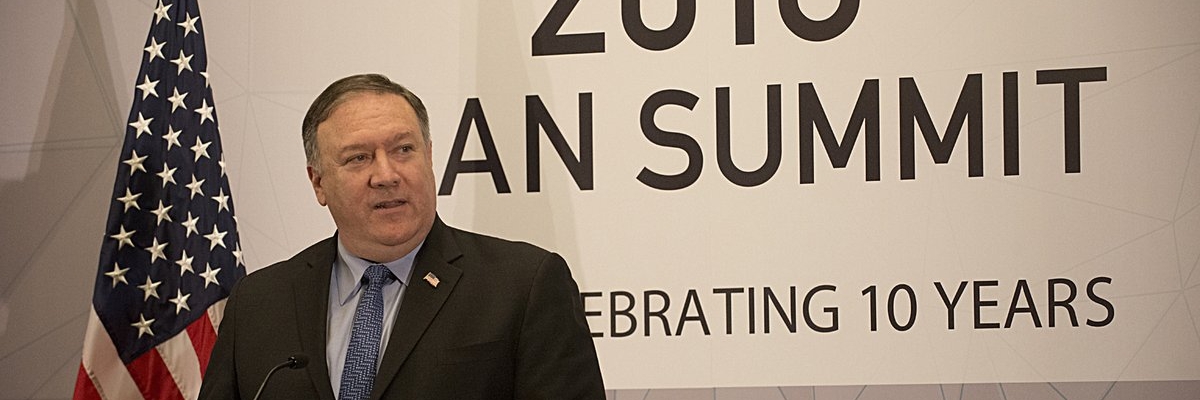
Pompeo 'Disturbed' by EU Payment Plan for Iran Business
◢ US Secretary of State Mike Pompeo denounced Tuesday a European Union plan to set up a way to preserve business with Iran and avoid renewed American sanctions. Addressing the United Against a Nuclear Iran pressure group being held near the annual UN General Assembly, Pompeo said he was "disturbed and indeed deeply disappointed" by Monday's announcement from remaining members of an international nuclear deal.
US Secretary of State Mike Pompeo denounced Tuesday a European Union plan to set up a way to preserve business with Iran and avoid renewed American sanctions.
Addressing the United Against a Nuclear Iran pressure group being held near the annual UN General Assembly, Pompeo said he was "disturbed and indeed deeply disappointed" by Monday's announcement from remaining members of an international nuclear deal.
"This is one of the most counterproductive measures imaginable for regional peace and security," Pompeo said, accusing the European Union of "solidifying Iran's ranking as the number-one state sponsor of terrorism."
"I imagine the corrupt ayatollahs and IGRC were laughing this morning," Pompeo added at the event in New York, referring to the elite Revolutionary Guards, in a speech that was interrupted several times by anti-war protesters.
President Donald Trump pulled out of an agreement negotiated under his predecessor Barack Obama for Iran to curtail its nuclear program sharply in exchange for sanctions relief.
EU foreign policy chief Federica Mogherini, speaking late Monday alongside Iranian Foreign Minister Mohammad Javad Zarif, said that the agreement was in the global interest and pointed to UN inspectors' findings that Iran is in compliance.
She said that European Union members were working on a legal entity that would allow businesses to buy oil and conduct other business with Iran in hopes of avoiding US sanctions.
Photo Credit: UANI
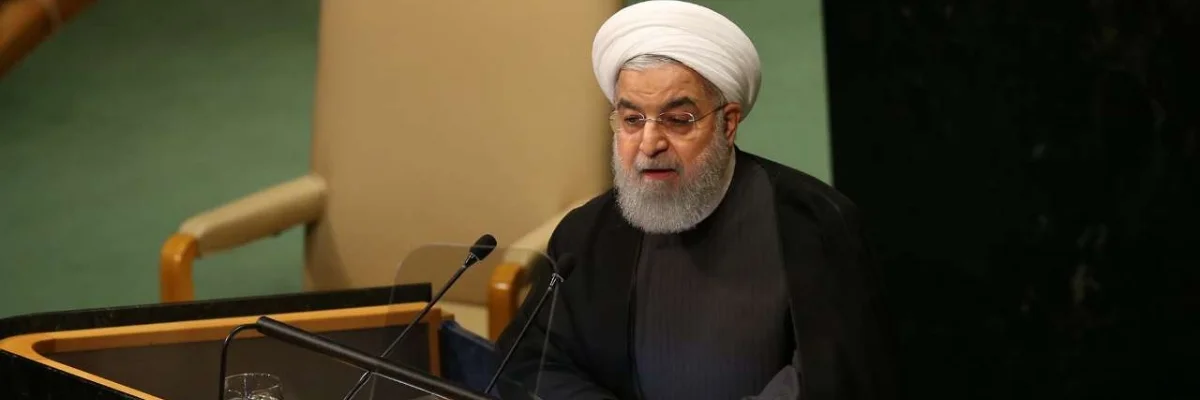
Rouhani Says Trump Seeking Iran Leadership 'Overthrow'
◢ Iranian President Hassan Rouhani accused his US counterpart Donald Trump of trying to topple his government Tuesday as he poured cold water on the idea of resuming talks with Washington after its pullout from an international nuclear accord. "It is ironic that the US government does not even conceal its plan for overthrowing the same government it invites to talks," Rouhani said in a speech at the United Nations General Assembly.
Iranian President Hassan Rouhani accused his US counterpart Donald Trump of trying to topple his government Tuesday as he poured cold water on the idea of resuming talks with Washington after its pullout from an international nuclear accord.
"It is ironic that the US government does not even conceal its plan for overthrowing the same government it invites to talks," Rouhani said in a speech at the United Nations General Assembly.
"For dialogue to take place, there is no need for a photo opportunity. The
two sides can listen to each other right here in this Assembly.
"I am starting the dialogue right here, and state, in unequivocal terms, that the question of international security is not a toy in American domestic politics."
Rouhani took the podium a few hours after Trump called for Iran's isolation in his UN address, accusing the leadership of Iran of sowing "chaos, death and destruction" as he defended his decision to ditch the Iran nuclear accord.
The five remaining parties to the 2015 accord—France, Britain, Germany, China and Russia—agreed during a meeting in New York late Monday to set up a payment system to preserve business ties with Iran despite US sanctions.
The Iranian leader said he was pleased that the international community did not follow the Trump administration's "unilateral and illegal withdrawal from the JCPOA," the JointComprehensive Plan of Action as the nuclear deal is known.
"Unlawful unilateral sanctions in themselves constitute a form of economic terrorism," said Rouhani.
Trump withdrew from the nuclear deal in May, to the dismay of European allies, Russia and China which had invested years in negotiations to achieve a milestone agreement on keeping Iran's nuclear ambitions in check.
In his UN address last year, Trump bashed the nuclear deal as "an embarrassment," signalling that the United States was ready to walk away.
Trump and Rouhani declined to meet on the sidelines of the General Assembly session.
Photo Credit: IRNA
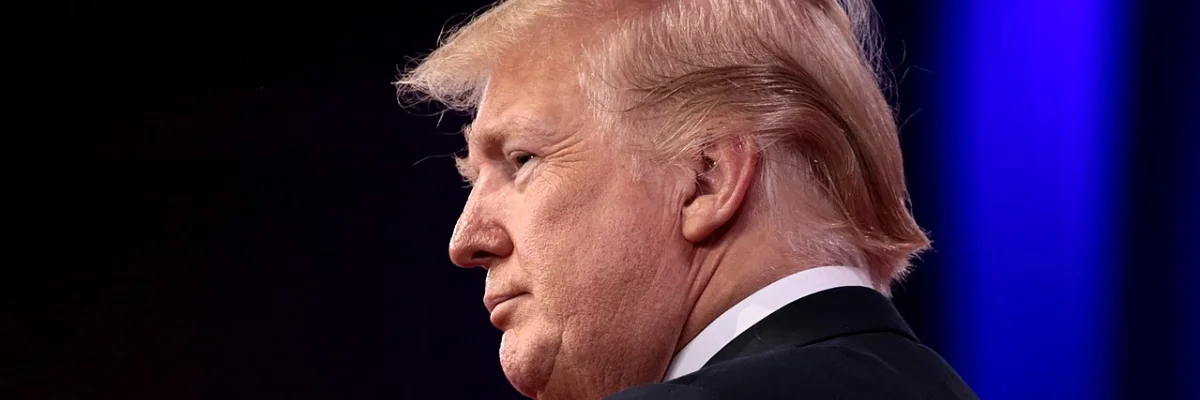
Trump: 'No Plans' to Meet Iran's Rouhani 'Despite Requests'
◢ President Donald Trump said Tuesday he had no plans to meet with Iranian leader Hassan Rouhani at the United Nations "despite requests" to do so. "Maybe someday in the future. I am sure he is an absolutely lovely man!" Trump tweeted just hours before both leaders were set to speak at the UN General Assembly, and four months after the US president ditched the Iran nuclear deal.
President Donald Trump said Tuesday he had no plans to meet with Iranian leader Hassan Rouhani at the United Nations "despite requests" to do so.
"Maybe someday in the future. I am sure he is an absolutely lovely man!" Trump tweeted just hours before both leaders were set to speak at the UN General Assembly, and four months after the US president ditched the Iran nuclear deal.
Trump withdrew from the nuclear deal in May to the dismay of European allies, Russia and China which had invested years in negotiations to achieve a milestone agreement on keeping Iran's nuclear ambitions in check.
Rouhani earlier said that as a precondition for any dialogue, Trump would need to repair the damage done by exiting the nuclear deal. "That bridge must be rebuilt," he told NBC news.
The United States maintains that it is seeking to ramp up pressure on Iran which it accuses of sowing chaos in Iraq, Syria, Yemen and Lebanon.
In his General Assembly address, Rouhani was to stress that Iran continues to stick to the 2015 deal and portray the United States as a pariah for breaking its international commitments.
Photo Credit: Wikicommons
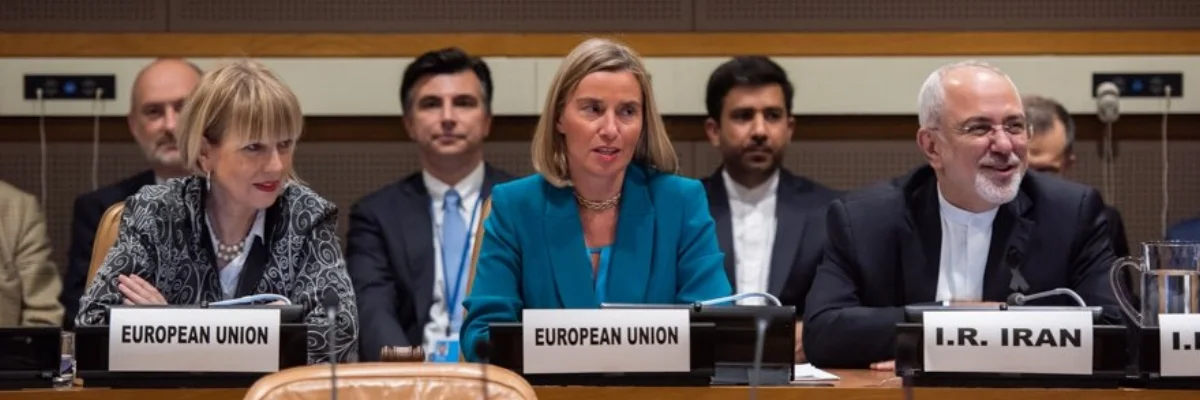
EU Announces Legal Entity to Maintain Business With Iran
◢ The European Union said Monday its members would set up a payment system to allow oil companies and businesses to continue trading with Iran in a bid to evade sanctions after the US withdrew from a nuclear agreement. Iran and the European Union announced their defiance towards US President Donald Trump's administration after high-level talks at the United Nations among the remaining members of the accord.
The European Union said Monday its members would set up a payment system to allow oil companies and businesses to continue trading with Iran in a bid to evade sanctions after the US withdrew from a nuclear agreement.
Iran and the European Union announced their defiance towards US President Donald Trump's administration after high-level talks at the United Nations among the remaining members of the accord.
The countries said in a statement that they were determined "to protect the freedom of their economic operators to pursue legitimate business with Iran."
With the United States and the dollar dominating so much of global trade, the statement said the new mechanism would "facilitate payments related to Iran's exports (including oil) and imports, which will assist and reassure economic operators pursuing legitimate business with Iran."
EU foreign policy chief Federica Mogherini, speaking at the United Nations
alongside Iranian Foreign Minister Mohammad Javad Zarif, said the countries
were still working out the technical details.
"In practical terms, this will mean that EU member states will set up a legal entity to facilitate legitimate financial transactions with Iran and this will allow European companies to continue to trade with Iran in accordance with European Union law and could be open to other partners in the world," she told reporters.
She said that the remaining members of the so-called Joint Comprehensive Plan of Action—Britain, China, France, Germany and Russia—would also maintain their commitments to support Iran on civilian nuclear energy.
"The participants recalled that these initiatives are aimed at preserving the JCPOA, which is in the international interest," she said.
Pressure on Iranian Economy
In line with findings of UN inspectors, Mogherini reiterated that Iran has been in compliance with the nuclear agreement—under which Tehran drastically scaled back its nuclear program in exchange for relief from sanctions.
The agreement was sealed in 2015 in a signature achievement for then US
president Barack Obama.
Trump pulled out of the agreement in May, describing it as a "disaster" and quickly moving to reimpose sanctions on Iran.
Despite the protests of the European Union, a number of business including French energy giant Total and carmakers Peugeot and Renault as well as Germany's Siemens and Daimler have already suspended operations in Iran for fear of triggering US sanctions.
With Iran's economy already feeling the pinch, US national security adviser John Bolton earlier Monday vowed to impose "maximum pressure" on Tehran, while insisting that Washington was not pushing for regime change.
US Arab allies Saudi Arabia and the United Arab Emirates as well as Israel have long sought for Washington to work to curtail non-Arab and predominantly Shiite Muslim Iran's influence in the Middle East, including in war-torn Syria.
The EU move comes a day before Trump and Iranian President Hassan Rouhani separately address the UN General Assembly, with the US leader expected to take a hard line on Iran.
Photo Credit: EEAS
White House Insists Not Seeking Iran Regime Change
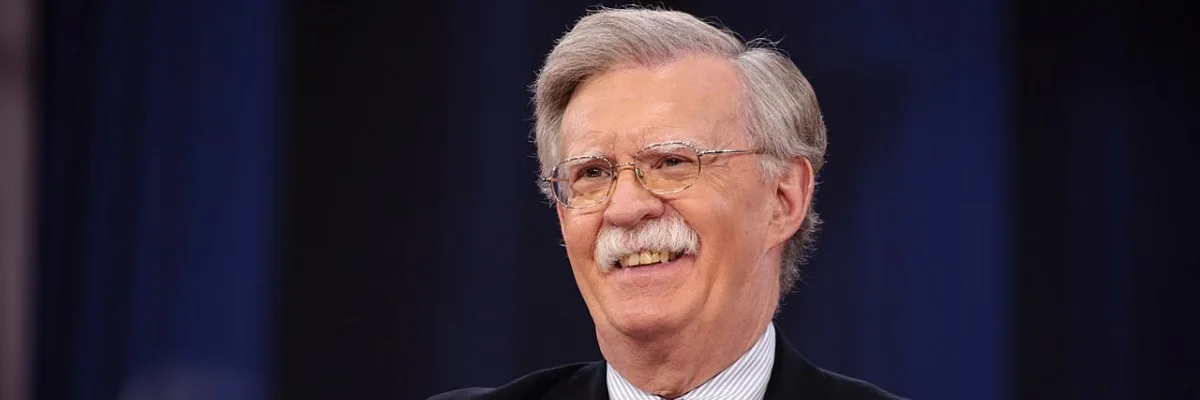
◢ The White House insisted Monday it was not seeking the overthrow of Iran's clerical regime even as it seeks at the United Nations to pile pressure on Tehran. "As I have said repeatedly, regime change in Iran is not the administration's policy," national security advisor John Bolton told reporters as he previewed President Donald Trump's week at the global body.
The White House insisted Monday it was not seeking the overthrow of Iran's clerical regime even as it seeks at the United Nations to pile pressure on Tehran.
"As I have said repeatedly, regime change in Iran is not the administration's policy," national security advisor John Bolton told reporters as he previewed President Donald Trump's week at the global body.
"We've imposed very stringent sanctions on Iran, more are coming, and what we expect from Iran is massive changes in their behavior."
"And until that happens we will continue to exert what the president has called maximum pressure," he said.
As a private citizen, Bolton had advocated supporting Iran's armed opposition, a position reiterated recently by former New York mayor Rudy Giuliani, who serves as Trump's personal lawyer.
Trump, who has warm relations with Iranian rivals Saudi Arabia and Israel, has pulled the United States out of an international agreement to constrict Iran's nuclear program and instead has restored sanctions.
Iran's supreme leader Ayatollah Ali Khamenei has accused US allies Saudi Arabia and the United Arab Emirates of supporting Arab separatists who killed 24 people at a military parade last week in southwestern Iran.
Photo Credit: Wikicommons
Iran Supreme Leader Says Saudi, UAE 'Funded' Ahvaz Attackers
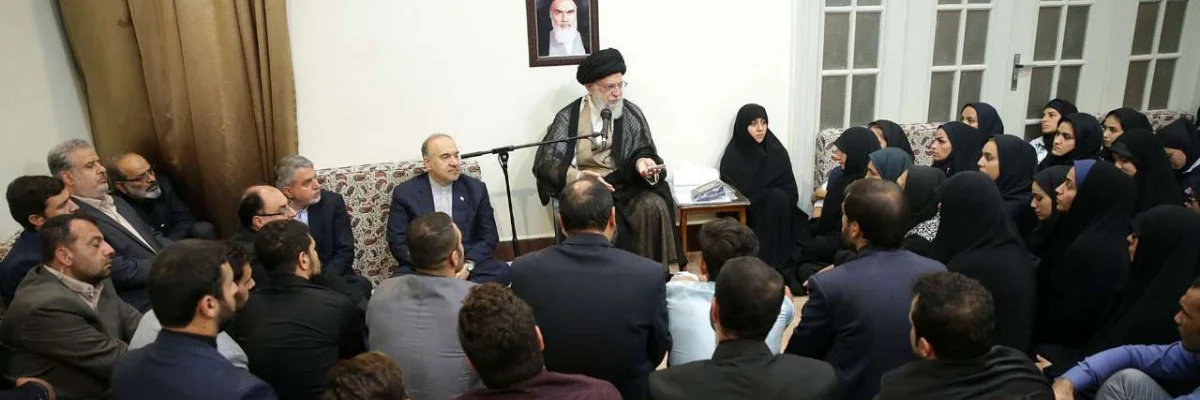
◢ Iran's supreme leader on Monday said the attackers who killed 24 people at a weekend military parade in the southwestern city of Ahvaz were funded by Saudi Arabia and the United Arab Emirates. "Based on reports, this cowardly act was the work of those very individuals who are rescued by the Americans whenever they are in trouble and who are funded by the Saudis and the (United) Arab Emirates," Ayatollah Ali Khamenei said, in remarks posted on his official website.
Iran's supreme leader on Monday said the attackers who killed 24 people at a weekend military parade in the southwestern city of Ahvaz were funded by Saudi Arabia and the United Arab Emirates.
"Based on reports, this cowardly act was the work of those very individuals who are rescued by the Americans whenever they are in trouble and who are funded by the Saudis and the (United) Arab Emirates," Ayatollah Ali Khamenei said, in remarks posted on his official website.
He did not give any further details on the identity of those behind what he called a "terrorist attack.”
In the immediate aftermath of the attack on Saturday, Iranian authorities said they suspected Arab separatist groups were behind the attack, none of whom is known to have a presence in Syria.
Khamenei, who was speaking to a group of Iranian athletes, said the attack "once again shows the Iranian nation faces many enemies on its proud path of progress and development".
"We will most certainly rigorously punish the perpetrators of this attack," he added.
Photo Credit: IRNA
Thousands Attend Funeral for Iran Attack Dead
◢ Tens of thousands of mourners attended a funeral on Monday in the southwestern Iranian city of Ahvaz for soldiers and civilians killed in an attack on a military parade. Four militants attacked the Saturday parade marking the start of the 1980-1988 Iran-Iraq war, spraying the crowd with gunfire and killing 24 people.
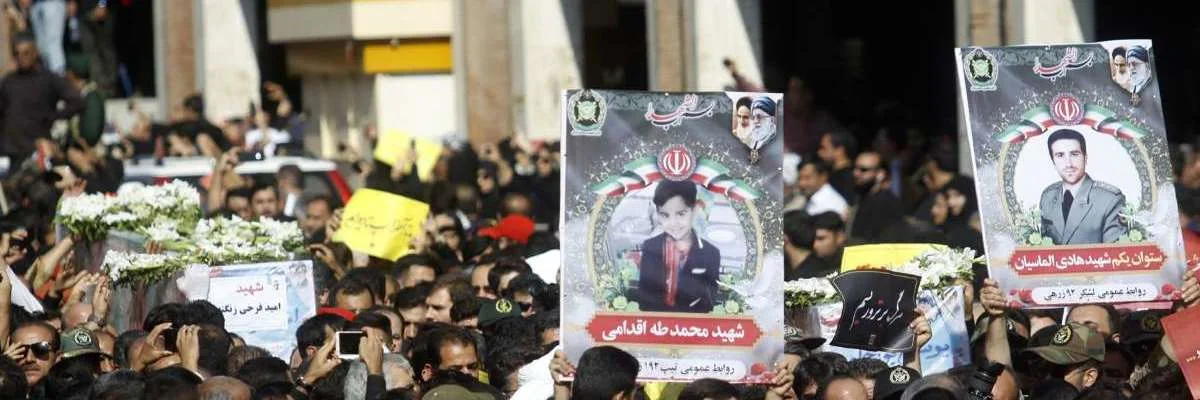
Tens of thousands of mourners attended a funeral on Monday in the southwestern Iranian city of Ahvaz for soldiers and civilians killed in an attack on a military parade.
Four militants attacked the Saturday parade marking the start of the 1980-1988 Iran-Iraq war, spraying the crowd with gunfire and killing 24 people.
Iranian officials blamed Arab separatists, backed by Gulf Arab allies of the US, for the operation.
AFP reporters on Monday saw members of the public and the military carrying coffins draped in the Iranian flag, some bearing pictures of the deceased.
The mourners, mostly wearing black, carried pictures of the dead along with banners reading "we will stand to the end" and "no to terrorism.”
Under blazing sun, crowds streamed in from all four main streets leading into the city-centre square where the funeral was held, three of them dedicated to men and the fourth to women.
In the square itself, also segregated, a woman dressed in the traditional Arab-style chador wailed loudly and held a picture of her son, Reza Shoaibi, a conscript who was among the dead.
As the funeral progressed, her wailing and expressions of sorrow steadily grew louder until she fainted.
The heat became so intolerable that trucks sprayed water onto the crowd as temperatures hit 40 degrees Celsius (105 fahrenheit).
Mourners waved red, green and black flags with revolutionary messages, as well as the flags of Arab tribes from the surrounding Khuzestan region.
Iranian authorities have blamed Arab separatists and accused the United States, Israel and Gulf Arab monarchies of backing Saturday's "terrorist" attack.
The Islamic State group also claimed responsibility.
Khuzestan, which has a large ethnic Sunni Arab community, was a major battleground of the 1980s war with Iraq and it saw unrest in 2005 and 2011.
Kurdish rebels frequently attack military patrols on the border further north, but attacks on government targets in major cities are rare.
'Devastating' Revenge
Monday's ceremony began in front of the square's Sarallah Mosque with speeches by generals and security officials.
Intelligence Minister Mahmoud Alavi said that arrests had already been made.
"The terrorists themselves have perished, our agents will identify their remnants and supporters to the last man. A major part of them have already been arrested," he told the crowd.
Brigadier General Hossein Salami, the deputy head of the Islamic Revolutionary Guards Corps, vowed to exact vengeance.
“We promise that our reaction will be devastating, we warn everyone that we will take revenge," he told mourners.
After the speeches ended, a famous wartime religious chanter sang songs of lamentation as thousands of mourners beat their chests in unison, a traditional mourning practice of Shiite Muslims.
Later, the coffins were transported to the city cemetery and laid to rest.
The dead ranged from a preschool boy to a wheelchair-bound war veteran.
Pictures of women and children scrambling to find cover evoked an emotional response from Iranians.
Abdolzahra Savari, an ethnic Arab who had attended the funeral, called the attackers infidels.
"These are ruthless people with no shred of humanity in them," he said.
Sabah Abiad, a middle-aged bank employee who attended the funeral, said the unity among the region's different groups was self-evident.
"As you can see now, all of the people, whether they're Lor, Arab, Shushtari or Dezfuli, are all here today and all say death to the terrorists," he told AFP.
Iran holds regular military parades to mark national anniversaries and show off its latest military hardware, notably missiles.
This year's parades had special significance as tensions with the United States have peaked since the US withdrew from the 2015 nuclear deal in May and began to re-impose unilateral economic sanctions on Tehran.
Iran's presence in Syria has also triggered rising tensions with Israel.
Photo Credit: IRNA
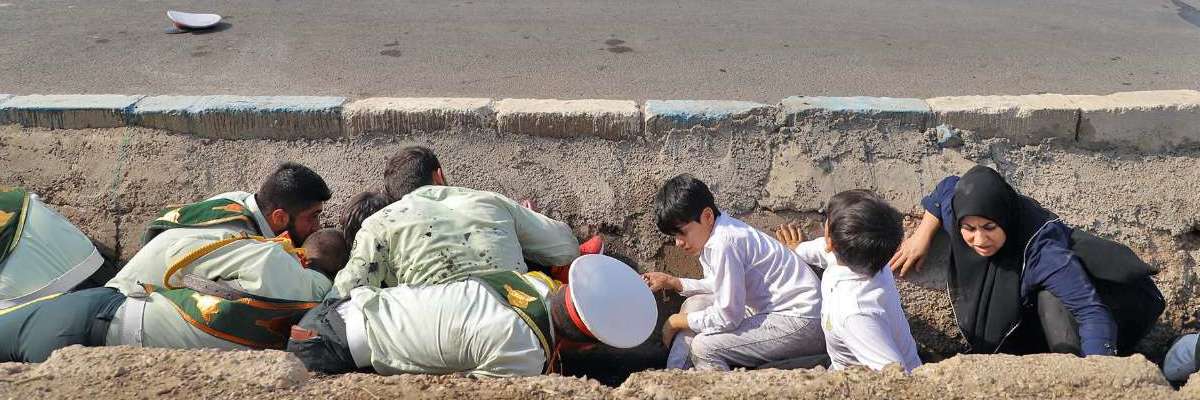
Iran Vows 'Crushing Response' After Gunmen Kill 29 at Army Parade
◢ Iranian President Hassan Rouhani vowed a "crushing" response after assailants sprayed a crowd with gunfire, shooting dead at least 29 people including women and children Saturday at a military parade near the Iraqi border. The Islamic State (IS) group claimed responsibility for the rare assault in the southwestern city of Ahvaz, while Iranian officials blamed "a foreign regime" backed by the United States.
Iranian President Hassan Rouhani vowed a "crushing" response after assailants sprayed a crowd with gunfire, shooting dead at least 29 people including women and children Saturday at a military parade near the Iraqi border.
The Islamic State (IS) group claimed responsibility for the rare assault in the southwestern city of Ahvaz, while Iranian officials blamed "a foreign regime" backed by the United States.
A local journalist who witnessed the attack said shots rang out for 10 to 15 minutes and that at least one of the assailants, armed with a Kalashnikov assault rifle, wore the uniform of Iran's Revolutionary Guards.
"We realised it was a terrorist attack as bodyguards (of officials) started shooting," Behrad Ghasemi told AFP. "Everything went haywire and soldiers started running."
"The terrorists had no particular target and didn't really seem to care as they shot anyone they could with rapid gunfire."
Ahvaz lies in Khuzestan, a province bordering Iraq that has a large ethnic Arab community and has seen separatist violence in the past that Iran has blamed on its regional rivals.
Iran summoned diplomats from Denmark, the Netherlands and Britain over their "hosting of some members of the terrorist group" which carried out the attack, state media said Sunday.
"It is not acceptable that the European Union does not blacklist members of these terrorist groups as long as they do not perpetrate a crime on... European soil," official news agency IRNA quoted foreign ministry spokesman Bahram Qasemi as saying.
After addressing a similar parade in Tehran to commemorate the start of the 1980-1988 war with Iraq, Rouhani warned that "the response of the Islamic Republic of Iran to the smallest threat will be crushing.”
Foreign Minister Mohammad Javad Zarif said the attack was carried out by "terrorists recruited, trained, armed & paid by a foreign regime".
"Iran holds regional terror sponsors and their US masters accountable for such attacks," he wrote on Twitter.
'Bloody Crime'
IS claimed the attack via its propaganda mouthpiece Amaq and, according to intelligence monitor SITE, said the attack was in response to Iranian involvement in conflicts across the region.
State television gave a toll of 29 dead and 57 wounded, while IRNA said those killed included women and children who were spectators at the parade.
Three attackers were killed at the scene and the fourth died later of his injuries, said armed forces spokesman Brigadier General Abolfazl Shekarchi.
The Revolutionary Guards accused Shiite-dominated Iran's Sunni arch-rival Saudi Arabia of funding the attackers, while Iran's supreme leader Ayatollah Ali Khamenei also blamed Iran's pro-US rivals.
Tehran-backed Lebanese Shiite movement Hezbollah condemned the "terrorist" attack, saying that "repulsive Satanic hands" were behind it.
"This operation was a continuation of the other forms of war the United States and its allies are waging, directly or indirectly," it said.
In a message to Russia's close regional ally, President Vladimir Putin said he was "appalled by this bloody crime", while Syria, another ally, neighboring Turkey and France also expressed condolences.
Khuzestan was a major battleground of the 1980s war with Iraq and the province saw unrest in 2005 and 2011, but has since been largely quiet.
Kurdish rebels frequently attack military patrols on the border further north, but attacks on regime targets in major cities are rare.
On June 7, 2017 in Tehran, 17 people were killed and dozens wounded in simultaneous attacks on the parliament and on the tomb of revolutionary leader Ayatollah Ruhollah Khomeini—the first inside Iran claimed by IS.
In April, 26 alleged members of the Sunni extremist group went on trial in connection with the attacks.
Rouhani Defiant
The attack in Ahvaz came as Rouhani and other dignitaries attended the main anniversary parade in Tehran.
In a keynote speech, he vowed to boost Iran's ballistic missile capabilities, despite Western concerns that were cited by his US counterpart Donald Trump in May when he abandoned a landmark nuclear deal with Tehran.
"We will never decrease our defensive capabilities... we will increase them day by day," Rouhani said.
"The fact that the missiles anger (the West) shows they are our most effective weapons."
The United States reimposed crippling sanctions on Iran last month, and another round of even harsher sanctions targeting Iran's vital oil sector is set to go back into effect on November 5.
Washington has said it is ready to open talks on a new agreement to replace the July 2015 accord, but Tehran has repeatedly said it cannot negotiate under pressure from sanctions.
Rouhani leaves Sunday for New York to attend next week's United Nations General Assembly along with Trump, but Iran has repeatedly ruled out any meeting.
Photo Credit: IRNA
Iran Urges OPEC to Rebuff 'Threats' From Trump
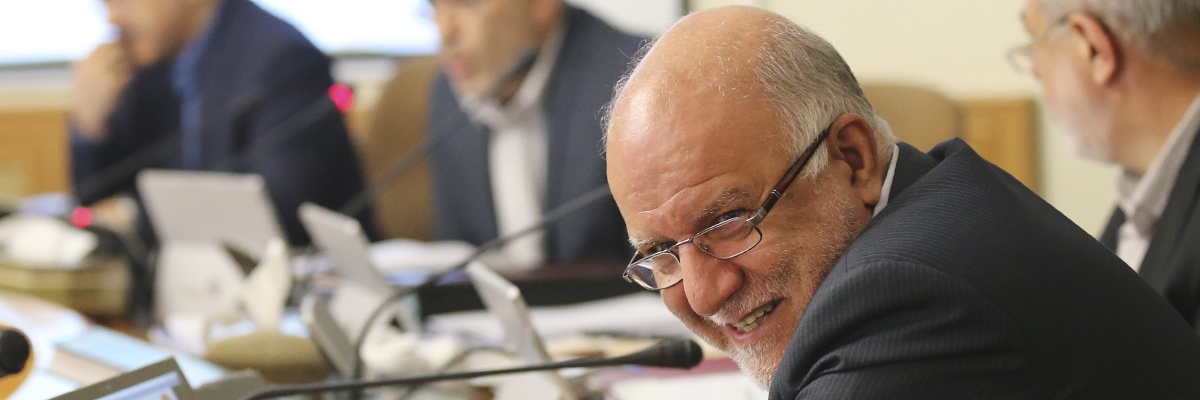
◢ Iran on Sunday called on its OPEC partners not to bow to "threats" from US President Donald Trump, as the oil cartel prepared to meet to discuss output levels. "I hope the outcome of this meeting will not be affected by President Trump's threats," Oil Minister Bijan Namdar Zanganeh told SHANA, his ministry's news agency.
Iran on Sunday called on its OPEC partners not to bow to "threats" from US President Donald Trump, as the oil cartel prepared to meet to discuss output levels.
"I hope the outcome of this meeting will not be affected by President Trump's threats," Oil Minister Bijan Namdar Zanganeh told SHANA, his ministry's news agency.
Ahead of Sunday's meeting in Algiers of the Organisation of Petroleum Exporting Countries, Trump tweeted that "the OPEC monopoly must get prices down now!" by raising output.
Middle East states "would not be safe for very long" without the United States, the president also wrote Thursday.
Zanganeh fired back, saying the claim that "America safeguards the security and survival of producing countries" was the "biggest insult to American allies in the region".
"OPEC is an organization independent of America and will hopefully stay so," he said.
However, the Algiers meeting of OPEC and non-OPEC ministers is expected to offer an increase in output to "offset Iran's production cut", said Zanganeh.
Output from Iran has hit its lowest level since July 2016, according to the International Energy Agency, as top buyers India and China distance themselves from Tehran.
Trump has called for OPEC members, primarily US ally Saudi Arabia, to raise production, and warned importers to stop buying oil from Iran or face American sanctions.
The US in May withdrew from the 2015 nuclear deal with Tehran and reimposed sanctions on the Iranian economy, with a US embargo due to hit Iran's oil industry on November 4.
Photo Credit: IRNA
Iran Adhering to Nuclear Deal: British PM
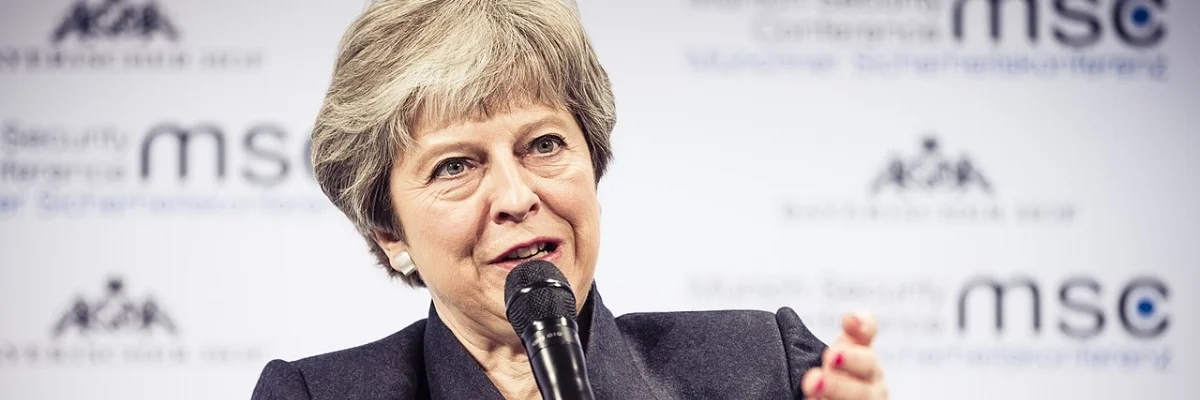
◢ Iran is adhering to its commitments under the Iran nuclear deal and the accord—repudiated by the United States—should stay in place, Britain's prime minister said in an interview broadcast on Sunday. "From what we see, we believe that it is doing that," Theresa May told CBS. But there are other issues outside the deal that also need to be dealt with, she said.
Iran is adhering to its commitments under the Iran nuclear deal and the accord—repudiated by the United States—should stay in place, Britain's prime minister said in an interview broadcast on Sunday.
"From what we see, we believe that it is doing that," Theresa May told CBS.
"We believe that that should stay in place. And others, involved in putting that deal together believe that it should stay in place," May said in excerpts of an interview shown on "Face the Nation" that was to air in full Monday on "This Morning."
But there are other issues outside the deal that also need to be dealt with, she said.
"Looking at the issue of ballistic missiles. Looking at—the way in which —Iran is acting in the region—to destabilize the region. We need to address those issues," May said.
May's interview came as world leaders geared up for a week of high-stakes diplomacy at the UN General Assembly, which is set to be dominated by North Korea and Iran.
On Wednesday, President Donald Trump will for the first time chair a Security Council meeting on non-proliferation and weapons of mass destruction that will focus heavily on Iran -- likely triggering a clash with other big powers.
Earlier this year, Trump pulled the US out of the deal it reached with Iran and five other countries in 2015. That accord lifted sanctions against Tehran in exchange for restrictions on its nuclear program.
Now, the US is reimposing those sanctions.
Other parties to the deal have argued that it is working and should stay in place, while the International Atomic Energy Agency has said Iran is complying with the accord.
Photo Credit: Wikicommons