
Jeans and Chadors as Iran Capital Marks Ashura
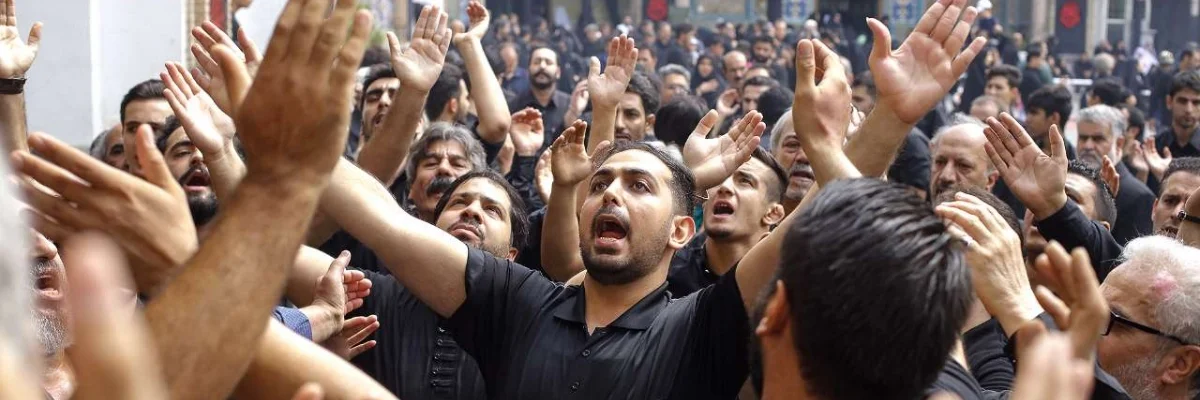
◢ A troupe acts out a scene from Islam's first century at a crowded tent in Tehran's Grand Bazaar, while in another part of town youths sporting tattoos and wearing torn jeans watch a procession. The two settings reflect the increasingly contrasting ways that people in the Iranian capital are marking Ashura—one of the holiest days in Shiite Islam which this year fell on Thursday.
A troupe acts out a scene from Islam's first century at a crowded tent in Tehran's Grand Bazaar, while in another part of town youths sporting tattoos and wearing torn jeans watch a procession.
The two settings reflect the increasingly contrasting ways that people in the Iranian capital are marking Ashura—one of the holiest days in Shiite Islam which this year fell on Thursday.
Ashura marks the murder of Hussein, a grandson of the Prophet Mohammed killed in the year 680 while refusing the Caliph Yazid's right to rule the Islamic world.
Every year for around two weeks before Ashura which falls on the 10th day of the Islamic month of Muharram, Iran undergoes a transformation to mourn his death, with black flags hoisted and commemorations across the country.
"Every nation is kept alive by its culture, beliefs and rituals," says Rahim Khastou, a lecturer on cultural studies at Karaj Azad University.
"Ashura is one such instance that has had an defining role in the Iranian society."
The passion play watched by hundreds of people at the Grand Bazaar is about Hussein and his last stand at Karbala.
For those watching, from pensioners to housewives and their children, neither the stifling heat nor the fact that more than a millennia has passed since Hussein's death matter as they beat their chests as a sign of grief.
Many see the plays as an inspiration for their faith and the principles they believe Islam stands upon.
Azam Ardestani, a 49-year-old housekeeper, says Ashura "shows that we should only follow truth and righteousness, and that we should be prepared to defend what's righteous."
’Fight Tyranny'
For Sajjad Teymoori, a 28-year-old civil engineer, it's a symbol of standing up to persecution.
"We value Imam Hussein because he gave everything he had for God, to fight oppression and tyranny."
Ceremonies held in the Grand Bazaar are known for sticking to traditions and rigorously abiding by the rules of Islam.
Most of the men watching on are dressed in plain black clothes and women are clad in full-length black chadors.
A short distance away from the tent, men and women queue separately at stalls where vendors have served up food to passers-by for decades during Ashura.
But that's not the case for all of Tehran.
In the middle class neighborhood of Aryashahr, to the west of the city, many of the young men and women joining a late night Ashura procession sport tatoos and are dressed in torn jeans and low-cut blouses—hardly conforming to the strict Islamic dress code.
With police looking on, they mingle with ease and many strike up new friendships as they wait for the procession to get underway.
Although they aren't widespread, such gatherings are growing and for the more traditional minded they are an anathema.
Generational Change
Ehsan Hesabi, a 34-year-old shoemaker who attended the play at the bazaar, sees these new gatherings as the work of the enemies of Islam.
"They want to distance us from Imam Hussein. They want us to forget the blood he shed... The enemy wants to culturally separate us from traditional mourning which sheds tears for Imam Hussein."
Mehran Hosseini, a 34-year-old who was at Aryashahr, says however such processions appeal to the younger generations.
While the commemorations that older people attend might be more educational, "when it comes to our generation, the circumstances have changed" and many younger people don't like them, says Hosseini.
"But the way someone dresses is just a matter of personal taste. It isn't an indication of someone's beliefs deep down inside. Anyone can mourn in their own way," he says.
Khastou, the university professor, sees change as inevitable.
"Just as the ceremonies today are different from those 30 years ago, so were those different from ceremonies held 60 years ago," he says.
But while Khastou believes even the newer ceremonies can help create cohesion among the different strata of society, he warned about the rituals losing some of their meaning.
"Should there be a reduction in the dimensions of Ashura, and should it lose its essential meaning and substance, then there is the potential for the ritual to become a carnival, where although the subject is sorrow and grief, in practice it becomes a fun and recreational pastime," he adds.
Photo Credit: IRNA
Sinopec Persists With Iran Refinery Upgrade
◢ China's state-controlled Sinopec is pressing ahead with a USD 1.06bn upgrade project at Iran's 400,000 b/d Abadan refinery, despite the imminent return of US sanctions on Iran's energy sector. Its commitment will come as some relief for Tehran ahead of the 4 November re-imposition of US sanctions on its energy sector.
This article has been republished with permission from Argus Media.
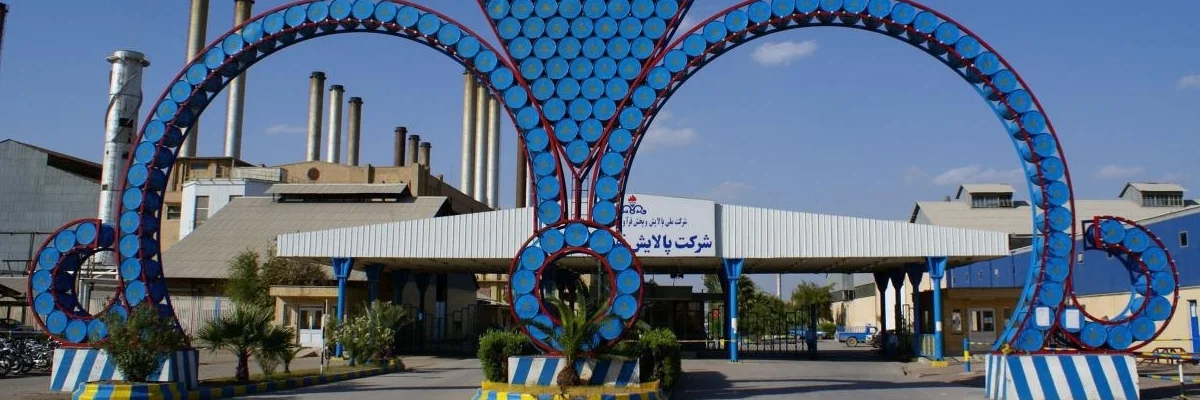
China's state-controlled Sinopec is pressing ahead with a USD 1.06bn upgrade project at Iran's 400,000 b/d Abadan refinery, despite the imminent return of US sanctions on Iran's energy sector.
Sinopec is contracted to build a new 210,000 b/d crude distillation unit (CDU) to replace three distillation units with a combined 250,000 b/d that were built more than 70 years ago. Its commitment will come as some relief for Tehran ahead of the 4 November re-imposition of US sanctions on its energy sector.
Companies have been rethinking plans to invest in Iran since the US withdrew from the nuclear deal and reimposed sanctions. Some contracts have been cancelled with state-owned NIOC and its subsidiaries.
Total, the most high-profile foreign company to finalize a deal with Iran following the lifting of US and EU sanctions in January 2016, has pulled out from a USD 4.88bn project to develop phase 11 of the giant offshore South Pars gas field.
South Korean construction company Daelim Industrial cancelled a USD 2.13bn contract to upgrade and expand the 375,000 b/d Isfahan refinery. South Korea's SK Engineering and Construction has halted all work on a USD 1.88bn contract to upgrade the 110,000 b/d Tabriz refinery.
But Sinopec looks to be pressing on at Abadan.
"The second-phase development of the Abadan refinery began roughly 14 months ago, and thankfully is progressing on schedule," Abadan Refining Company managing director Ali-Akbar Mirghaderi said. "The duration of this project is 48 months, and we expect it to be completed on time." The first-phase upgrade was also carried out by Sinopec.
Abadan is the largest and oldest of Iran's nine refineries. It sustained heavy damage in 1980 during the Iran-Iraq war.
The upgrade is being carried out with state-owned engineering company NIOEC. It will result in Abadan's capacity falling to 360,000 b/d but will inprove the quality of all products to at least a Euro-5 standard. Production of higher-value products like gasoline and gasoil will increase in the place of lower-value products like fuel oil.
Sinopec was awarded the contract by Iran's state-owned refiner NIORDC in mid-2017 as part of a wider USD 2.7bn agreement between Iran and China struck in early 2017. Financing for the project is coming from China's state-owned export credit insurance agency Sinosure.
NIORDC has a a USD 34bn program to modernize five of Iran's six largest refineries and build an additional 1.41mn b/d of refining capacity. That would raise Iran's crude refining capacity by around 25pc to 2.28mn b/d by March 2022.
Photo Credit: ILNA
Volkswagen Won't Confirm Claim it Will Quit Iran
◢ Car giant Volkswagen declined Thursday to confirm a claim by American ambassador to Germany Richard Grenell that it would stop doing business in Iran. Grenell—known for stirring up controversy in his host country with public sallies on business and politics—told Bloomberg News VW would wind up most business with Iran after weeks of talks with President Donald Trump's administration.
Story re-filed by AFP with new headline, text.
Car giant Volkswagen declined Thursday to confirm a claim by American ambassador to Germany Richard Grenell that it would stop doing business in Iran.
Grenell—known for stirring up controversy in his host country with public sallies on business and politics—told Bloomberg News VW would wind up most business with Iran after weeks of talks with President Donald Trump's administration.
The German behemoth had announced in July 2017 that it would begin selling its own-brand cars in Iran for the first time in 17 years.
A spokesman for the Wolfsburg-based carmaker told AFP it was sticking to its long-standing position that it "obeys all national and international laws as well as export regulations".
"We are also taking into account possible effects related to the reintroduction of US sanctions," he added.
A source familiar with the talks told AFP that VW and the US government had not yet reached a final accord.
Even if it fully complies with US sanctions, VW will still be able to do some business in Iran under a "humanitarian exception", Bloomberg reported.
In May, Trump pulled the US out of the deal it reached with Iran and five other countries in 2015. That accord lifted sanctions against Tehran in exchange for restrictions on its nuclear program.
Now, the US is reimposing those sanctions, and Grenell has this month tweeted to celebrate chemicals heavyweight BASF and reinsurance giant Munich Re saying they would comply with the trade squeeze.
A spokesman for BASF told AFP Thursday that it "will continue to do business in Iran and obey all legal rules and regulations."
He added that "around half" the 80 million euros ($93.5 million) in revenue BASF earned in Iran last year came from sectors—energy, automobiles and petrochemicals—affected by American sanctions.
The Ludwigshafen-based group's business with the country represents a tiny fraction of its 64.5 billion euros in annual turnover.
Meanwhile Munich Re has said it would withdraw from Iran in case of sanctions so as not to risk its much larger US activities.
European governments are battling to find ways for their firms to continue trading with Iran, hoping to keep Tehran from renewing its pursuit of nuclear weapons.
Last week, the German government confirmed to AFP that Berlin, Paris and London were considering a scheme that would allow Iran to ship goods to European Union countries and receive others in return—without transferring money through international financial channels vulnerable to US sanctions.
Unusually outspoken for a diplomat, Ambassador Grenell irked his German hosts immediately following his arrival in Berlin earlier this year.
In one of his first interviews after taking office, he pressured German firms to withdraw from business with Iran and said he aimed to "empower" anti-establishment conservatives around Europe—drawing accusations of meddling in his host country's politics.
Photo Credit: VAG
US Still Ready to Talk to Iran: Official
◢ US leaders remain ready to negotiate with their Iranian counterparts but Tehran is still refusing President Donald Trump's overture to do so, a senior US official said Wednesday. Trump and Secretary of State Mike Pompeo "have all made clear that we are ready to negotiate and to have those discussions," Brian Hook, the US special representative for Iran, told the Hudson Institute, a Washington think tank.
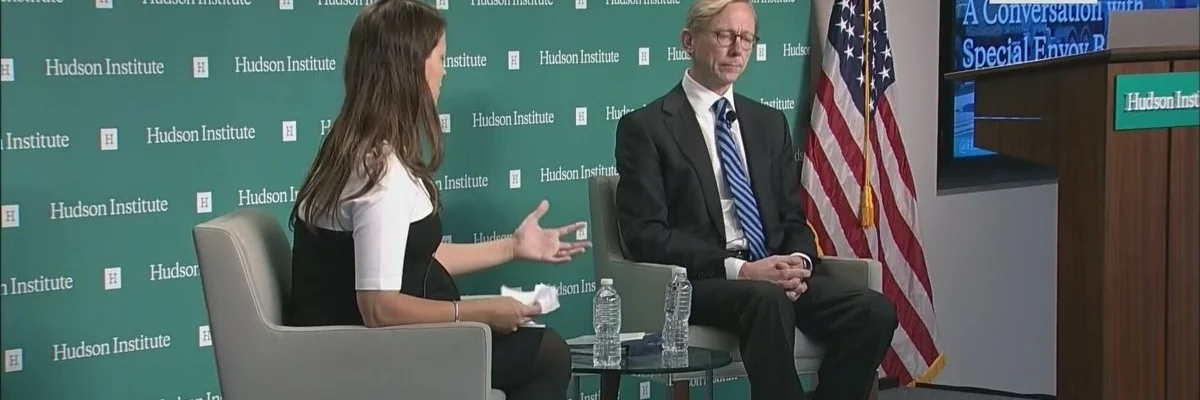
US leaders remain ready to negotiate with their Iranian counterparts but Tehran is still refusing President Donald Trump's overture to do so, a senior US official said Wednesday.
Trump and Secretary of State Mike Pompeo "have all made clear that we are ready to negotiate and to have those discussions," Brian Hook, the US special representative for Iran, told the Hudson Institute, a Washington think tank.
"There hasn't been any aversion to meeting with the Iranians," he added.
Hook stressed the goal was a "comprehensive deal" with Iran, based on a tough set of conditions Pompeo laid out in May.
The United States seeks a treaty ratified by Congress to replace the
nuclear pact Trump withdrew from in May.
Washington insists such a deal should address Iran's ballistic weapons capabilities, its nuclear capacity and its "destabilizing" and "malign" regional influence.
According to Hook, Iran's supreme leader Ayatollah Ali Khamenei, President Hassan Rouhani and Foreign Minister Mohammad Javad Zarif "have all indicated that they're not interested in talking. That's their position, we respect that."
Trump and Rouhani will both be in New York next week for the United Nations General Assembly.
The US president is to lead a Security Council meeting that will discuss Iran, among other topics.
While Rouhani will hold talks with his French counterpart Emmanuel Macron, no US-Iranian meeting has been announced.
The US re-imposed sweeping sanctions against Iran last month, and a new round of even harsher sanctions is set to go into effect November 5 targeting Iran's vital oil sector.
Photo Credit: CSPAN
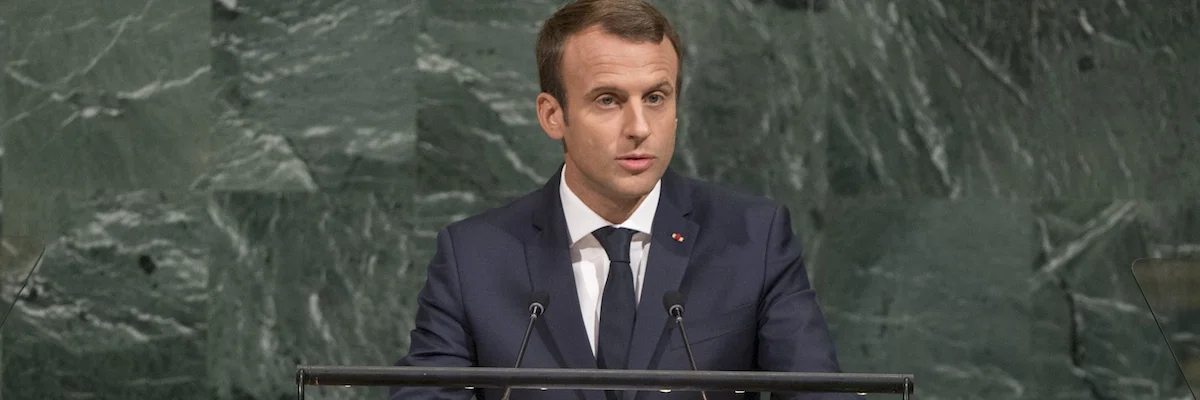
Macron to Meet Trump, Iran's Rouhani at UN in New York: French Presidency
◢ President Emmanuel Macron will separately meet his US and Iranian counterparts, Donald Trump and Hassan Rouhani, during the UN General Assembly in New York next week, the French presidency said Wednesday. Macron will meet Trump on Monday afternoon before having dinner with UN Secretary General Antonio Guterres. On Tuesday, the French President will address the assembly and hold talks with Rouhani, an Elysee Palace official said.
President Emmanuel Macron will separately meet his US and Iranian counterparts, Donald Trump and Hassan Rouhani, during the UN General Assembly in New York next week, the French presidency said Wednesday.
Macron will meet Trump on Monday afternoon before having dinner with UN Secretary General Antonio Guterres. On Tuesday, the French President will address the assembly and hold talks with Rouhani, an Elysee Palace official said.
The meetings come as Macron and other European leaders try to salvage a landmark 2015 accord to curb Tehran's nuclear program, which Trump pulled the US out of last May.
Trump has signaled that he might be willing to meet with Rouhani as well, after re-imposing sanctions against Iran last month.
A new round of even harsher sanctions is set to go into effect in November targeting Iran's vital oil sector.
The sanctions have hit Iran's economy hard since foreign companies can no longer operate in the country without running the risk of being targeted by US penalties.
The US accuses Iran of destabilizing the Middle East by pursuing missile development and its intervention in conflicts in neighboring countries including Syria and Yemen.
Iranian officials have repeatedly indicated they have no plans to hold talks with Trump when the general debate opens at the assembly on Tuesday.
Photo Credit: France ONU
Iran Film for Oscars Stirs Debate on Home Front
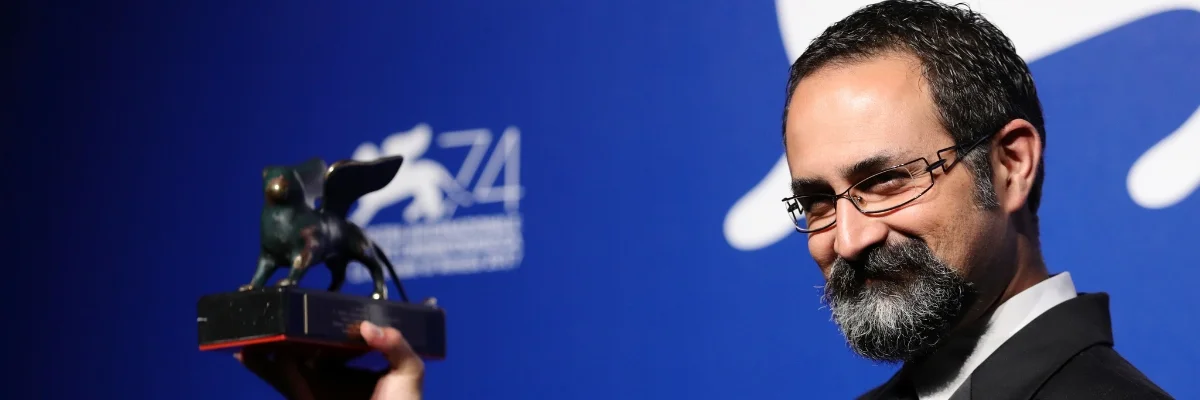
◢ The Iranian film for next year's Oscars has stirred controversy at home both over the choice of a downbeat movie and for taking part in the Hollywood spectacle at a time of tense Tehran-Washington ties. The Farabi Cinema Foundation tasked with selecting Iran's contestant for the best foreign-language film category has announced its choice of "No Date, No Signature", which won best director and best actor at the 2017 Venice Film Festival.
The Iranian film for next year's Oscars has stirred controversy at home both over the choice of a downbeat movie and for taking part in the Hollywood spectacle at a time of tense Tehran-Washington ties.
The Farabi Cinema Foundation tasked with selecting Iran's contestant for the best foreign-language film category has announced its choice of "No Date, No Signature", which won best director and best actor at the 2017 Venice Film Festival.
Vahid Jalilvand's film, which has scooped a host of other awards aboard, tells the tale of two men tormented by guilt over the death of a boy in a road accident, set against a background of social injustice.
"Every year the same debate surfaces over whether or not to submit a film" for the contest in Hollywood, Farabi said last Friday while naming its choice.
The US decision to pull out of the nuclear accord with the Islamic republic and to reimpose sanctions this year has "led certain parties to propose a boycott of the Oscars", it said, referring to Iran's conservative camp.
Defending its participation, the foundation said that members of the Academy which organizes the event were among leading critics of "the populist government of (President Donald) Trump and of its policies tainted with racism and unilateralism.”
The choice of "No Date, No Signature" was vindicated by its success abroad and "the efforts of its distributor" to bring the movie to screens in the United States, Farabi said.
’Golden Opportunity' Missed
But the ultra-conservative press was unimpressed.
"Like the strategy used by Trump in interviews and tweets to depict Iran as a nation abandoned by hope and mired in poverty and misery, 'No Date, No Signature', a most bitter and dark film, has been chosen for the Oscars," Javan newspaper said in a commentary.
It said the foundation had squandered "a golden opportunity" to enlighten the outside world on the values of Iran by nominating another movie, "Damascus Time", on its battle against jihadists in Syria.
Director Ebrahim Hatamikia's film, funded by the Revolutionary Guards, the country's ideological army, has been a hit at the Tehran box office.
After three films were shortlisted from a 110-strong field, "the decisive factor that made 'No Date, No Signature' the best choice was its professional and effective foreign distributor which the others did not have", said Houshang Golmakani, a critic with "Film Magazine", a monthly on Iranian movies he co-founded.
The subject matter makes it "a caustic film" as regards its portrayal of life in Iran, he told AFP. "But art is not a matter of touting for your country.”
In 2017, Iranian director Asghar Farhadi won his second Oscar for best foreign movie with "The Salesman", but he boycotted the awards ceremony in Los Angeles in protest at Trump's controversial policies on immigration.
Photo Credit: IMBD
Iran Says OPEC Has 'Not Much Credit' Left
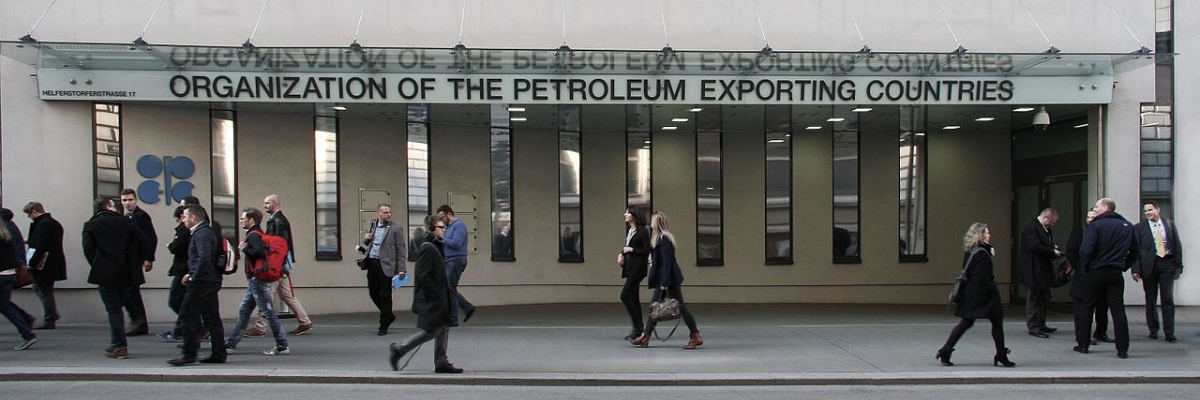
◢ Oil cartel OPEC has "not much credit" left as some members are turning it into "a tool for the US", a senior Iranian official said in comments published Saturday. "Saudi Arabia and the UAE are turning OPEC into a tool for the US and consequently the organization has not much credit left," Iran's OPEC governor Hossein Kazempour Ardebili told the Shana newswire, affiliated to Iran's Oil Ministry.
Oil cartel OPEC has "not much credit" left as some members are turning it into "a tool for the US", a senior Iranian official said in comments published Saturday.
"Saudi Arabia and the UAE are turning OPEC into a tool for the US and consequently the organization has not much credit left," Iran's OPEC governor Hossein Kazempour Ardebili told the Shana newswire, affiliated to Iran's Oil Ministry.
"It is a fact that OPEC is losing its organizational character and becoming a forum," he added.
In a move heavily opposed by Iran, OPEC and other oil producers including Russia agreed in June to boost crude output by around a million barrels a day, reversing course after supply cuts that had cleared a global glut and boosted prices.
Iran, a founding member of the cartel, had been against the move which came as the country faces renewed US sanctions after Washington's decision to leave the 2015 nuclear deal between Tehran and world powers.
The US decision had stoked supply concerns on world markets.
Ardebili also accused Saudi Arabia and Russia of taking the market "hostage" through increased production and said that OPEC's responsibility is to restore market balance, not to boycott its founding members.
US President Donald Trump has repeatedly urged the cartel to raise its production and said that other countries must stop buying oil from Iran or face US sanctions.
Meanwhile, output from Iran has hit its lowest level since July 2016 as top buyers India and China distance themselves from Tehran due to looming US sanctions on November 5, according to the International Energy Agency.
Photo Credit: Wikicommons
Eyeing Reconstruction, Russia, Iran Take Centre Stage at Syria Expo
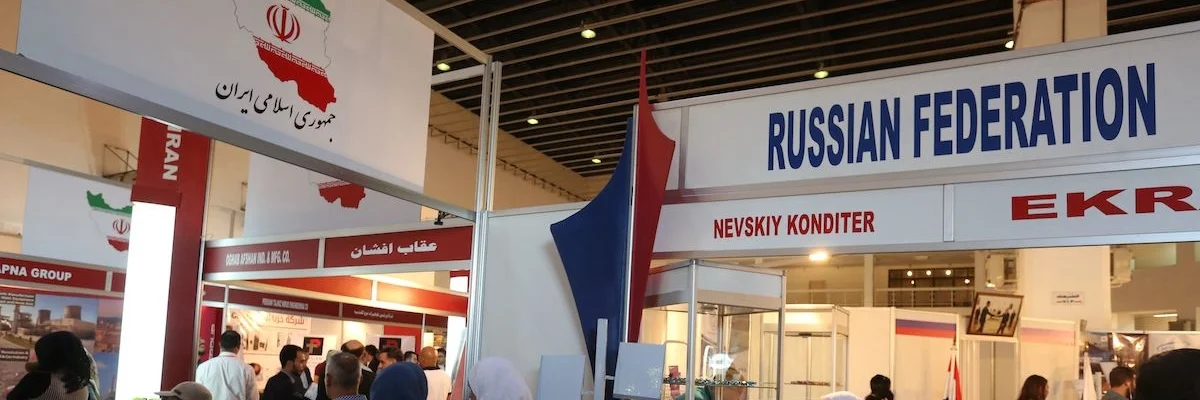
◢ Companies from dozens of countries are showing their wares at the Damascus International Fair this week, but those from two in particular are getting special treatment—Russia and Iran. Firms from the top two wartime allies of Syria's government are set up in an entirely separate building, hinting at the preferred status they hope to enjoy as the country tries to transition into reconstruction.
Companies from dozens of countries are showing their wares at the Damascus International Fair this week, but those from two in particular are getting special treatment—Russia and Iran.
Firms from the top two wartime allies of Syria's government are set up in an entirely separate building, hinting at the preferred status they hope to enjoy as the country tries to transition into reconstruction.
Packed pavilions feature Iranian cars and carpets, Russian wires and cables—and translators ready to help Syrian businessmen connect with potential foreign partners.
A flatscreen television in the Russian wing plays a sleek advertisement for Libena Agro Build, a metalworking company that produces farming equipment and grain silos.
“Foreign companies are scrambling and competing to invest in Syria, but Russia's got preference," says its regional representative, Lebanese-Russian national Leba Shehadeh.
"We were the ones defending Syria politically and militarily, so we expect the lion's share of the economy and of the reconstruction phase."
He flips through a pamphlet of irrigation products, metal recycling services, moulds, and more.
"Syria needs all this equipment," Shehadeh tells AFP, saying Libena Agro was aiming for large-scale deals with Damascus.
"We're here so that, together, we can draw the plan for rebuilding this country."
Seven years since war first broke out, President Bashar al-Assad has managed to recapture around two-thirds of Syria, with help from both Tehran and Moscow.
Iranian "military advisers" and Tehran-backed militias have supported troops on the ground, and Russian warplanes have battered rebel targets from the sky for the past three years.
’Attractive for Investment'
But fighting has left Syria in ruins, with the United Nations saying
destruction has cost the country close to USD 400 billion.
Assad has pledged to make reconstruction his top priority, saying Syria's "allies" would be the only ones allowed to take part.
Even during war, Russian companies have invested in Syria's oil, gas and mining sectors and won contracts to build flour mills and water-pumping stations.
Syrian state companies have also issued tenders open exclusively to Iranian companies, according to the economic magazine Syria Report.
Just last month, Tehran and Damascus reached a deal for Iran to rehabilitate Syria's defense industry.
And on Friday, at the fair's opening, the Russian and Syrian ministries of industry inked a memorandum of understanding on future cooperation.
The Russian ministry had organized a delegation of investors to attend the fair, including representatives of Romax, a firm that produces storage silos and is involved in transportation and shipping.
“The Syrian market is attractive for investment," says its representative at the fair, Aron Levashov.
"We're finding a window, a gate for Russia towards the Mediterranean sea, and from there to Europe and Africa," he tells AFP, speaking in Russian through an interpreter.
He says Russia's "familiarity with the situation on the ground, the markets, the depth and scope of destruction" gave it a better understanding of Syria's economic needs.
"Russia proved herself with a show of force in the air, and it's continuing its political support. We should take advantage of the space afforded to us to crystalize our economic role," Levashov tells AFP.
'Like Brothers'
Companies from 25 countries, as well as officials from another 23 are taking part in the fair, Syrian state media said.
Around 50 Russian firms are being represented, and Iran has made an equally strong showing.
Mohammad Reza Khanzad, who runs the Iranian pavilion at the expo, says the wing "includes 50 Iranian companies, among them 32 firms specialising in reconstruction"—compared with 31 firms in total last year.
"The rest are in various industries like car production, homeware, programming, reconstruction materials, handmade carpets and agriculture," he says.
At a nearby table, Iranian businessman Mehdi Qawwam, 38, is smoothly pitching his construction firm Maskan Omran to three Syrian entrepreneurs in Farsi through a translator.
"After Syria's war, the market will need companies specialized in construction and will benefit from Iranians to rebuild an even stronger market," he says.
Dressed in a grey suit, Qawwam concludes his sit-down and tucks newly acquired business cards into his suitcase.
"We reached some preliminary agreements to facilitate the entry of Iranian goods exclusive to our company into Syria, and in the coming phases we'll have meetings in Tehran or Damascus to confirm those deals," he says.
Strolling through the expo, he waves to friends and rivals alike.
"Syria is one of the few countries that accepts our products in the wake of the US sanctions" reimposed by Washington last month, he says.
"These sanctions must not affect us, because the relationship between our two countries is like one between brothers."
Photo Credit: EPA

Trump Lashes Ex-Secretary of State Kerry for Iran Meetings
◢ President Donald Trump lashed out at former secretary of state John Kerry for his meetings with Iran's foreign minister after the Obama-appointee had left office. "John Kerry had illegal meetings with the very hostile Iranian Regime which can only serve to undercut our great work to the detriment of the American people," Trump said on Twitter late Thursday.
President Donald Trump lashed out at former secretary of state John Kerry for his meetings with Iran's foreign minister after the Obama-appointee had left office.
"John Kerry had illegal meetings with the very hostile Iranian Regime which can only serve to undercut our great work to the detriment of the American people," Trump said on Twitter late Thursday.
"He told them to wait out the Trump Administration!" he said, ending his Tweet with the word "BAD!"
Kerry, who negotiated the 2015 Iran nuclear deal which Trump scrapped this year, said during a tour to promote his new book "Every Day is Extra" that he had met Iranian Foreign Minister Mohammad Javad Zarif "three or four times" since he left office and Trump had entered the White House.
Without commenting on the legality of such meetings, the current US Secretary of State, Mike Pompeo, accused his predecessor of "actively undermining US policy."
"What secretary Kerry has done is unseemly and unprecedented," said Pompeo, who is seen as an anti-Iran hawk.
"This is a former secretary of state engaged with the world's largest State sponsor of terror and according to him... he was telling them to wait out this administration."
A spokesman for Kerry said there was nothing improper about his conduct.
"Secretary Kerry stays in touch with his former counterparts around the world just like every previous Secretary of State," the spokesman said in a statement.
"And in a long phone conversation with Secretary Pompeo earlier this year he went into great detail about what he had learned about the Iranian's view."
"No secrets were kept from this administration," the statement said, accusing Kerry's successor of "political theatrics."
Straight Talk
Asked by conservative radio host Hugh Hewitt on Wednesday if he had offered Zarif advice on how to deal with Trump's decision to withdraw from the pact, he replied: "No, that's not my job.
"What I have done is tried to elicit from him what Iran might be willing to do in order to change the dynamic in the Middle East for the better.
"I've been very blunt to Foreign Minister Zarif, and told him look, you guys need to recognize that the world does not appreciate what's happening with missiles, what's happening with Hezbollah, what's happening with Yemen," he added, echoing the current administration's denunciation of Tehran's "malign" influence.
Conservative commentators immediately leapt on the act as evidence of "treason," with some calling for Kerry to go to prison.
Asked by a Republican lawmaker during a congressional hearing about the so-called shadow diplomacy, Manisha Singh, an assistant secretary of state, said Thursday: "It's unfortunate if people from a past administration would try to compromise the progress we're trying to make in this administration."
State Department spokeswoman Heather Nauert added: "I've seen him brag about the meetings that he has had with the Iranian government and Iranian government officials. I've also seen reports that he is apparently providing, according to reports, advice to the Iranian government.
"The best advice that he should be giving the Iranian government is stop supporting terror groups around the world."
Photo Credit: Wikicommons
EU Nations Mull Clearing House to Avoid Iran Sanctions: Reports
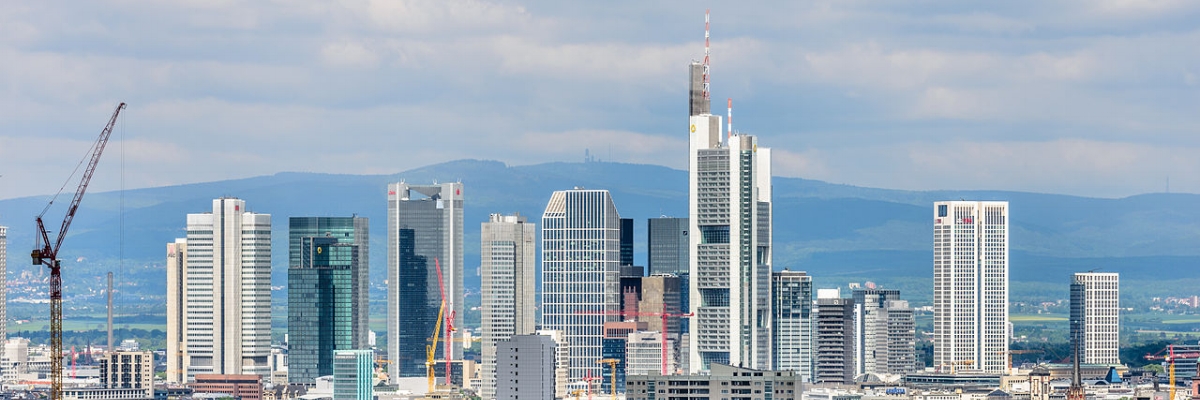
◢ Germany, France and Britain are mulling setting up a new financial institution to allow EU trade with Iran to continue despite American sanctions renewed by US President Donald Trump, German media reported Friday. The three countries could set up a "Special Purpose Vehicle" (SPV)—a firm resembling a clearing house that would cut Tehran out of the financial loop while still allowing trade, news weekly Der Spiegel and business daily Handelsblatt reported.
Germany, France and Britain are mulling setting up a new financial institution to allow EU trade with Iran to continue despite American sanctions renewed by US President Donald Trump, German media reported Friday.
The three countries could set up a "Special Purpose Vehicle" (SPV)—a firm resembling a clearing house that would cut Tehran out of the financial loop while still allowing trade, news weekly Der Spiegel and business daily Handelsblatt reported.
For example, Iran could ship oil to a Spanish firm, accumulating credit that could be used to pay a German machine-tool manufacturer for goods going the other way—without any money passing through Iranian hands.
Spokespeople for the German economy and finance ministries told AFP the scheme was one of several options capitals are discussing with the European Commission to create "independent payment channels" to Tehran.
European Commission spokeswoman Maja Kocijancic said Brussels wants "to make sure the effects of the sanctions are minimised for companies that want to do legitimate business with and in Iran and they can still have access to necessary finance," adding that "currently the work is ongoing.”
Trump's decision in May to withdraw Washington from a 2015 deal with Iran, under which the country agreed to freeze its nuclear weapons program in exchange for slackening of economic sanctions, dismayed diplomats across Europe.
Since then EU chiefs have been scrambling to find a way for their firms to continue trading with the Islamic republic.
Banks that usually execute the payments in international deals fear themselves falling foul of American reprisals if they continue to enable business with Iran.
While Berlin, London and Paris are driving the scheme, Der Spiegel reported it would be open to other EU member states if it is set up. Italy is reportedly also interested in participating.
Photo Credit: Wikicommons
'Crucial Period' for Oil as Iran Exports Shrink: IEA
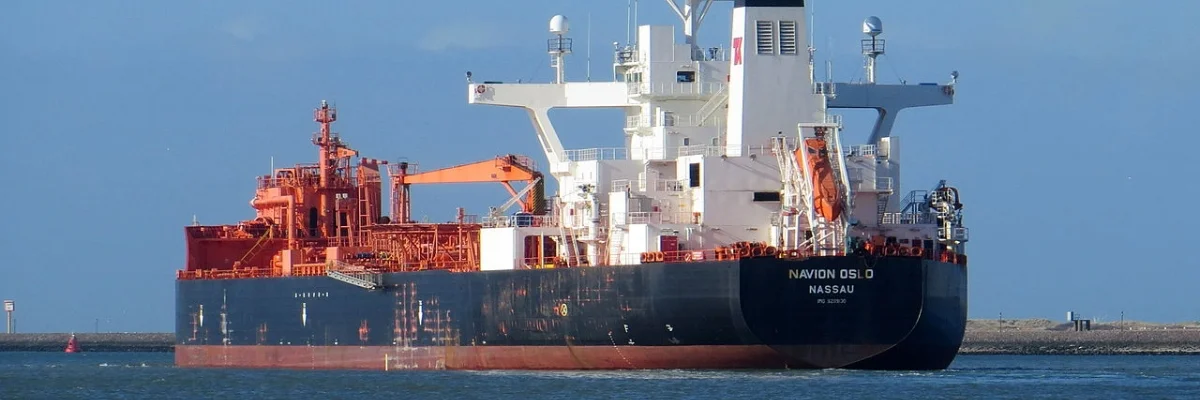
◢ Global oil output hit a record of 100 million barrels per day in August, but the market may tighten and prices rise as exports from Iran and Venezuela decline, the International Energy Agency said Thursday. "We are entering a very crucial period for the oil market," the IEA said in its latest monthly report. "Things are tightening up."
Global oil output hit a record of 100 million barrels per day in August, but the market may tighten and prices rise as exports from Iran and Venezuela decline, the International Energy Agency said Thursday.
"We are entering a very crucial period for the oil market," the IEA said in its latest monthly report. "Things are tightening up."
The global record came as output from the Organization of the Petroleum Exporting Countries rose to a nine-month high of over 32 million barrels per day (mb/d).
The cartel had agreed in Vienna in June to push up production in order to put a cap on soaring prices.
In recent months, prices have wavered comfortably between the USD 70 and USD 80 per barrel on the Brent crude futures contract.
According to the IEA, a rebound in Libyan production, near-record Iraqi output and higher supply from Nigeria and OPEC kingpin Saudi Arabia have so far managed to offset the impact of shrinking production from crisis-hit Venezuela and Iran.
But with the crisis in Venezuela showing no sign of abating, and with new US sanctions on Iran's oil industry set to come into force on November 4, other producers may have to ramp up production even further if they want to limit the impact on the market.
"It remains to be seen if other producers decide to increase their production. The price range for Brent of USD 70-80/bbl in place since April could be tested," the IEA said.
In May, US President Donald Trump pulled the US out of the 2015 nuclear deal with Iran and said other countries must stop buying oil from Tehran or face American sanctions.
And hundreds of thousands of Venezuelans have fled their country since the nation became engulfed in a political crisis that has sent the economy into free fall.
"The situation in Venezuela could deteriorate even faster, strife could return to Libya and the 53 days to 4 November will reveal more decisions taken by countries and companies with respect to Iranian oil purchases," the IEA said.
Iran Sanctions Loom
Output from OPEC member Iran in August hit its lowest level since July 2016, the IEA said, "as more buyers distanced themselves from Tehran ahead of looming US sanctions", the report said.
Top buyers China and India have already cut back purchases from Tehran, and other countries are likely to do the same between now and November.
"While Iranian exports have fallen by nearly 500,000 barrels per day since May, shipments from Iraq and Saudi Arabia have risen by 200,000 barrels per day and 60,000 barrels per day respectively," the IEA added.
In Venezuela too, production dipped in August to 1.24 million barrels a day, and should it continue to decline, may hit 1 million barrels a day at the end of 2018.
OPEC, of which Venezuela is a member, had already warned that the country's output was at a three-decade low.
"If Venezuelan and Iranian exports do continue to fall, markets could tighten and oil prices could rise without offsetting production increases from elsewhere," the IEA warned.
Photo Credit: Wikicommons
Iran's Options to Face Down US Oil Sanctions
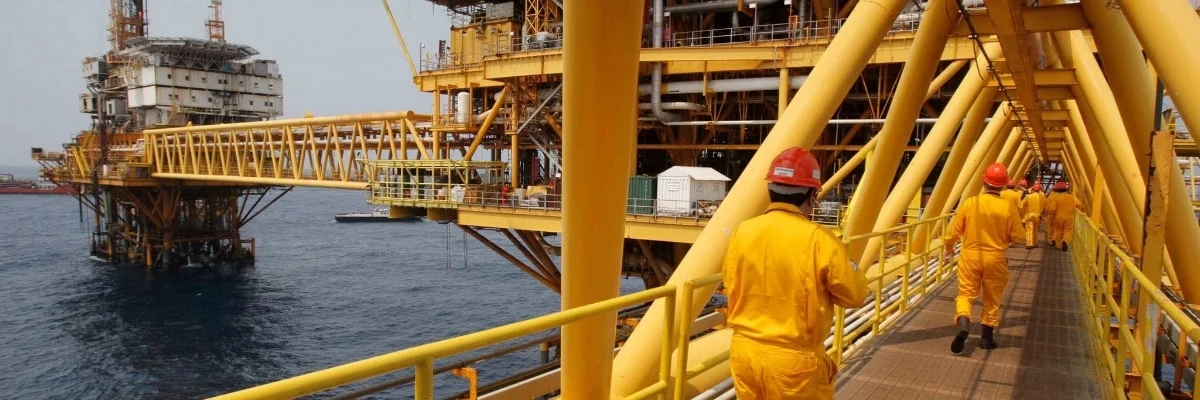
◢ Iran faces a potentially crushing loss of oil exports when US sanctions return in November, but the impact could be blunted by its experience of working around embargoes. When Iran faced its toughest international sanctions between 2012 and 2015, analysts say it found a number of creative solutions, from repainting and renaming ships to switching off their tracking devices.
Iran faces a potentially crushing loss of oil exports when US sanctions return in November, but the impact could be blunted by its experience of working around embargoes.
When Iran faced its toughest international sanctions between 2012 and 2015, analysts say it found a number of creative solutions, from repainting and renaming ships to switching off their tracking devices.
Those tactics have continued.
"We find those tankers quite often, leaving and entering Iran in a covert fashion with their transponder turned off," said Samir Madani, co-founder of TankerTrackers.com, which monitors the oil trade.
"We spot them through satellites. I'd say several vessels a month," he told AFP.
Analysts expect such behavior to ramp up when US sanctions on Iran's oil industry return on November 5, following Washington's withdrawal from the nuclear deal in May.
US pressure has already caused a 24 percent drop in Iran's sales between May and August, according to Bloomberg.
The big surprise has been cuts by Asian buyers, which analysts expected to resist US pressure, notably a 35 percent drop by China and 49 percent by India, according to the Eurasia Group consultancy.
"We underestimated the degree to which New Delhi and Beijing would concede to Washington's demands," it said in a briefing note.
Eurasia Group said wider geopolitics are at play: India is looking to deepen strategic ties with the US, while China may wish to avoid a fresh spat when it is already embroiled in a bitter trade dispute with Washington.
Iran was exporting 2.7 million barrels of oil per day in May, but that has already fallen to 2.1 million.
Overall, Eurasia Group predicts the country's sales will fall by a further 0.9 million barrels per day to 1.2 million by November.
That would mean a loss of some USD 2-2.5 billion a month, at current prices.
'Cat and Mouse'
But analysts say Washington's goal of reducing Iran's oil sales to zero is unrealistic.
Iran has the world's fourth-largest reserves, and many countries—particularly in Asia—rely on its supplies and have refineries designed for its particular flavor of heavy crude.
And Tehran has many tried and tested ways to keep oil flowing.
It has already increased price discounts since May, worth around USD 10-15 million a month to large importers like China and India compared with last year, said Wood Mackenzie, a consultancy.
"Buyers can pay in kind, trade in other currencies, or extend credit—even keep the money in an escrow account in Switzerland and wait until these sanctions are over. India had a deal like that last time," said Madani.
If Iran can get its oil to a friendly port, it could be blended with oil from elsewhere and resold, said Thijs Van de Graaf, assistant professor for international politics at the University of Ghent.
"Iran played a cat and mouse game last time... and will probably do so again," he told AFP.
It also has more aggressive options, with President Hassan Rouhani recently restating an old threat to block the vital Strait of Hormuz through which around a third of the world's seaborne oil passes every day.
Rouhani announced last week that Iran was moving its main oil terminal out of the Gulf to a port in the Oman Sea, so that its tankers would no longer need to pass through the strait, giving it more scope to disrupt supplies.
Pressure on Europe
Iran says it will not accept major drops in its oil sales, putting pressure particularly on Europe, which was buying more than a fifth of its oil, to resist US demands.
The EU strongly opposed Washington's decision to scrap the nuclear deal and has vowed to introduce a package of measures to protect trade with Iran.
But European firms are highly vulnerable to US sanctions.
Shipping, banking and insurance firms have already backed out of Iran and oil purchases are down by 35 percent.
"If we cannot continue (the previous) level of sales even after the European package has been implemented, then that is a red line for us," warned deputy foreign minister Abbas Araghchi on state television.
Supreme leader Ayatollah Ali Khamenei warned recently that Iran would "set aside" the nuclear deal if it was no longer receiving the economic benefits it promised.
One slight upside for Iran is that oil prices are already rising due to the squeeze caused by the looming US sanctions.
Some analysts predict prices could exceed USD 100 per barrel, from the current level of around USD 70.
The United States has pressured its ally Saudi Arabia to pump more oil to compensate for the loss of Iranian supplies.
"In theory, it is perfectly possible to have an increased price of oil that entirely compensates for the loss of exports. That's why the US-Saudi relationship is key here," said Van der Graaf.
Photo Credit: IRNA
Netanyahu Accuses Europe of 'Appeasing' Iran
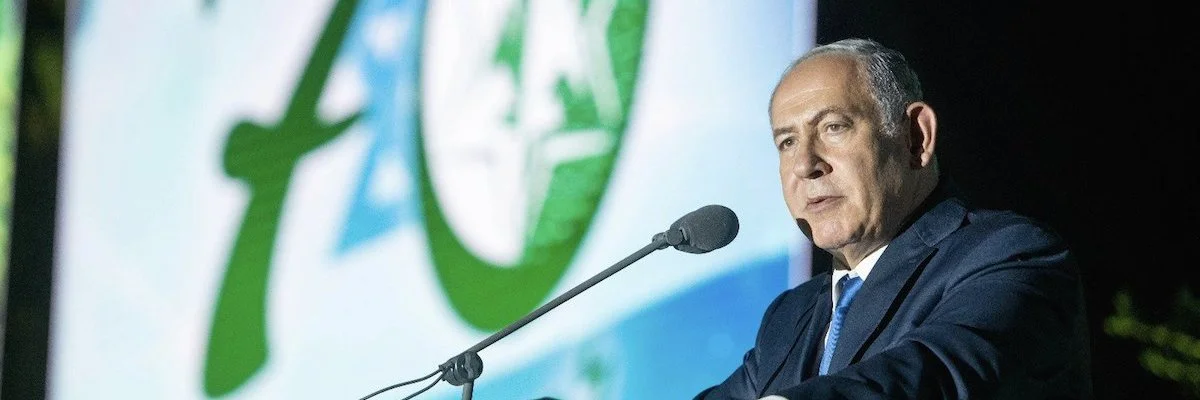
◢ Israeli Prime Minister Benjamin Netanyahu on Wednesday accused European leaders of "appeasing" Iran instead of confronting its militant activity. Netanyahu's remarks, made in a cabinet meeting, feed into his ongoing efforts to sway world leaders to join the United States in upping pressure on Israel's arch foe through sanctions.
Israeli Prime Minister Benjamin Netanyahu on Wednesday accused European leaders of "appeasing" Iran instead of confronting its militant activity.
Netanyahu's remarks, made in a cabinet meeting, feed into his ongoing efforts to sway world leaders to join the United States in upping pressure on Israel's arch foe through sanctions.
"The time has come for the world to unite in the fight against terrorist organizations. It is doing so to a certain extent against the Islamic State group, but it is not doing so against Iran," Netanyahu said.
He accused European leaders of "appeasing" and "reconciling" with Iran.
In May, US President Donald Trump withdrew from a nuclear deal between Iran and world powers, before re-imposing a first major round of unilateral sanctions on Tehran in August.
Netanyahu had consistently called for the landmark 2015 accord to be altered or scrapped, saying it was too limited in scope and time-frame, and did nothing to stop Iran financing militant activities in the region.
European powers are seeking to save the nuclear deal and have vowed to keep providing Iran with the economic benefits it received from the accord.
Germany, France and Britain—and other signatories Russia and China—argue that the agreement has worked as intended in keeping Iran from obtaining nuclear weapons for now.
"The appeasement of Iran abets the relentless assault on the values and security of the free societies, and the time has come for Western governments to join the strong and clear effort by the Trump administration against the terror regime in Tehran," Netanyahu said on Wednesday.
Washington has sought to build up multilateral pressure on Iran and has set a November 5 deadline for halting its oil exports.
Photo Credit: Wikicommons
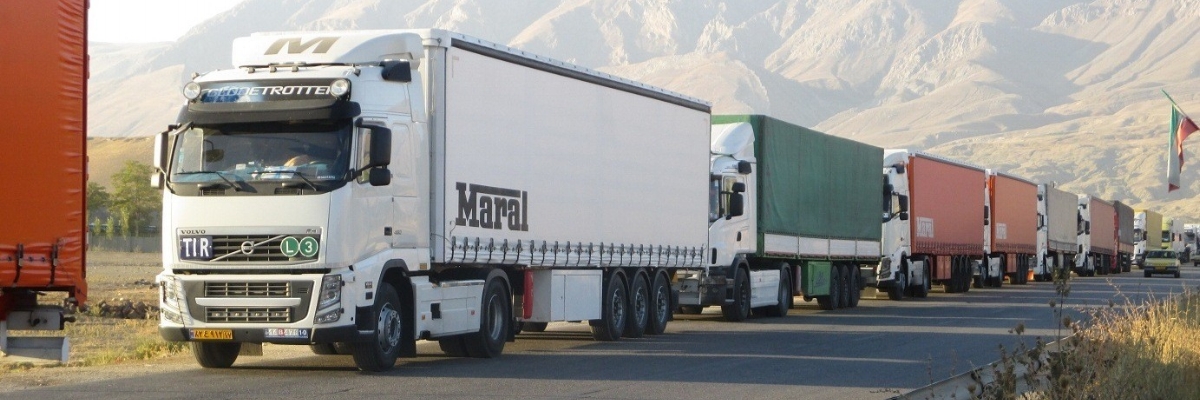
Iran Factor Seen in Tajikistan’s Stranded Trucks
◢ For the last two weeks, around 50 trucks traveling to or from Tajikistan have lain stranded on the northern and southern borders of Turkmenistan in a standoff that defies immediate explanation. Senior transportation officials in Dushanbe have told Eurasianet on condition of anonymity that one working suspicion is that the blockade may have been instigated by Iran, which shares a long border with Turkmenistan.
This article has been republished with permission from Eurasianet.
For the last two weeks, around 50 trucks traveling to or from Tajikistan have lain stranded on the northern and southern borders of Turkmenistan in a standoff that defies immediate explanation.
The trucks traveling from Tajikistan are carrying aluminum, produced at the country’s giant Talco plant, to Turkey. The cargo coming in the other direction comprises mainly textiles.
It is not clear why Turkmenistan should have barred Tajik vehicles from crossing its territory. In fact, senior transportation officials in Dushanbe have told Eurasianet on condition of anonymity that one working suspicion is that the blockade may have been instigated by Iran, which shares a long border with Turkmenistan.
One long-haul driver, who also asked that his name not be published for fear of repercussions, said that in the 10 years he has been ferrying aluminum from the Talco plant in the town of Tursunzoda, this is the first time he has run into such trouble. On September 4, when Eurasianet spoke with the driver, who is parked with his freight in a location on the Uzbek-Turkmen border, he had been waiting for nine days to be allowed through.
“They will not give us a reason. We thought the problem might be something to with transit permits, which we didn’t bring with us from Tajikistan,” the driver said, referring to a document issued to long-haul truckers by Tajikistan’s Transportation Ministry. “But even with the permits they won’t let us through.”
Turkmen border officials have purportedly told Tajik drivers that they might as well turn around and find another route, since they will not be allowed through. Meanwhile, large vehicles registered anywhere but Tajikistan are being let into Turkmenistan.
Khairullo Abidov, director of the Dushanbe-based Real Trans freight company, told Eurasianet that in addition to the 50 or so Tajik trucks stuck on either side of Turkmenistan, there are also some 15 Turkish trucks—whose manifests show Tajikistan as their final destination—not being permitted to leave Iran.
“They would not even allow our trucks into the neutral zone, they are just waiting in the parking lot on the Uzbek side and the Iranian side,” Abidov said.
Transportation Ministry officials in Dushanbe have told Eurasianet that they have received no explanation from Turkmenistan for the cause of this blockade. A formal note requesting clarification has been submitted by the Foreign Ministry to the Turkmen Embassy in Dushanbe, but no response has been forthcoming.
“For a week, we have yet to receive a clear explanation from Turkmenistan, and so we are advising our drivers to go through [Kazakhstan and] Azerbaijan. The road is longer and more expensive. It depends on the drivers whether they want to wait or drive further,” one high-level ministry source said.
Abidov said that for now, he will bide his time.
“But if the worst comes to the worse, then we will have to take our vehicles across the Caspian to Kazakhstan, and from there to Uzbekistan and Tajikistan. But that is an additional USD 1,200 for each truck,” he said.
The Transportation Ministry official told Eurasianet that one of the possibilities being considered in Dushanbe is that the situation has been instigated by Iran. Turkmen officials have told their Tajik colleagues that Iran is allowing only 40 trucks through their border daily, but that does not seem to explain why the Tajiks are being singled out for this treatment.
“We know perfectly well that they are letting through all vehicles except those from Tajikistan,” the ministry official said.
Relations between Tajikistan and Iran have fallen to an all-time low of late. With encouragement from Saudi Arabia, which has disbursed several dozen million dollars in aid to Dushanbe, the Tajik government has embarked on an often outlandish demonization campaign against Iran.
In an interview in July, Saudi Arabia’s ambassador to Tajikistan, Abdulaziz ibn Muhammad al-Badi, boasted that by doling out USD 200 million in aid over the years, Riyadh had managed to squeeze Iran out of the country. In the same exchange, al-Badi indicated that he gave credence to Tajik state media claims that Iran is trying to lay the ground for an Islamic revolution in Tajikistan.
Most recently, Tajik officials have sought to imply that Iran was somehow involved in a hit-and-run attack in late July that left four foreign cyclists, including two Americans, dead. The killings were claimed by the Islamic State group.
Whether suggestions that Iran may have somehow leaned on Turkmenistan to impose the blockade is part of a broader smear campaign, or if Tehran is engaging in reprisals, remains uncertain.
Another theory is that Turkmenistan is adopting stricter security measures in response to a possible discovery of drugs being carried across the border. Tajikistan is believed by international drug enforcement officials to be a major hub for the trafficking of heroin originating in Afghanistan.
One final, if implausible, scenario mooted in Dushanbe is that Turkmenistan has adopted this unfriendly policy in response to an incident on August 21 in which a young Turkmen woman died while waiting in a line at the Tajik consulate. Securing visas can entail months of wrangling and standing for endless hours in stuffy hot rooms, so the suggestion is that the woman may have succumbed to exhaustion. Tajik officials have said they think it unlikely this would have been enough to instigate a blockade, however.
Photo Credit: IRNA
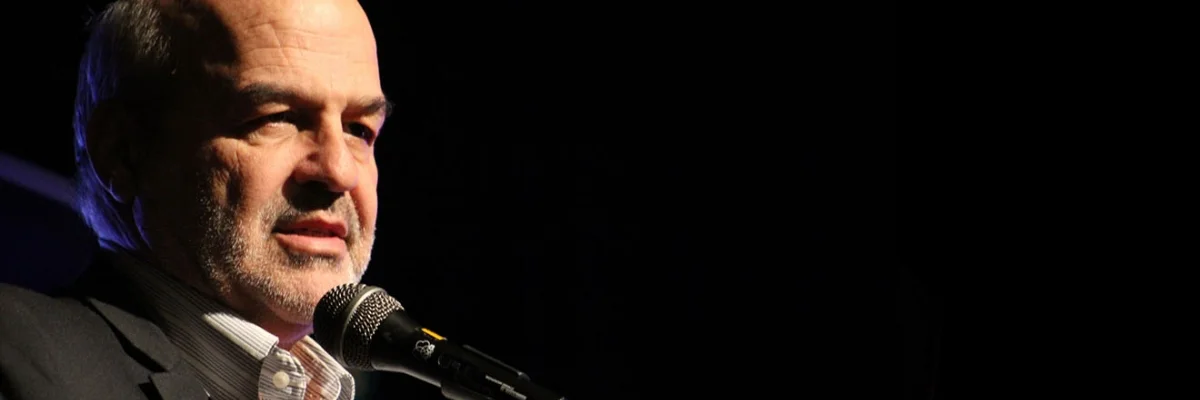
Iran Environment Head Seeks Answers on Detained Activists
◢ Iran's vice-president in charge of environmental affairs has called for an explanation on the fate of more than a dozen activists arrested this year, state news agency IRNA reported Sunday. “We are not asking for their release or for their execution, we just want their fate to be clarified. This is part of their citizenship rights," Isa Kalantari, who heads Iran's environment department, told IRNA.
Iran's vice-president in charge of environmental affairs has called for an explanation on the fate of more than a dozen activists arrested this year, state news agency IRNA reported Sunday.
"We are not asking for their release or for their execution, we just want their fate to be clarified. This is part of their citizenship rights," Isa Kalantari, who heads Iran's environment department, told IRNA.
"This was supposed to have happened by the end of this summer but their trial hasn't even started yet," he added.
Iran has arrested at least a dozen environmental activists since January on charges of spying for foreign intelligence agencies, but few details have been released.
One of them, Kavous Seyed Emami, a 63-year-old professor and renowned environmentalist, allegedly committed suicide in prison in February, a fortnight after his arrest.
The judiciary has prepared indictments against five of the detainees, according to state media, but a court date has yet to be set.
"We have cited the intelligence minister that these activists are not spies, and that the ministry is the sole official authority on whether someone is a spy," Kalantari said.
In May, Mahmoud Sadeghi, a reformist member of parliament, also tweeted that the intelligence ministry had not found any proof that the environmentalists were spies.
Iran's judiciary, however, considers itself as the only authority on settling the question of spying and has warned other bodies not to interfere.
Photo Credit: UNDP
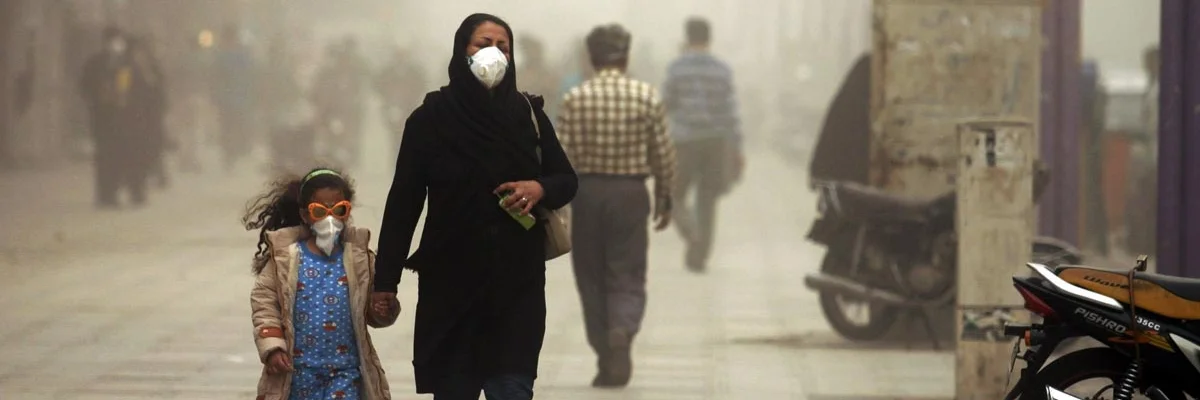
Conflict Hinders Iran Efforts to Counter Dust Storms
◢ Iran's efforts to counter worsening dust storms have been hampered by conflict in the region, the deputy head of the environment department said on Saturday. "We signed agreements with the Iraqi and Syrian governments in 2010 and 2011 to help them counter the source of dust storms," Masoud Tajrishi told a news conference in Tehran.
Iran's efforts to counter worsening dust storms have been hampered by conflict in the region, the deputy head of the environment department said on Saturday.
"We signed agreements with the Iraqi and Syrian governments in 2010 and 2011 to help them counter the source of dust storms," Masoud Tajrishi told a news conference in Tehran.
"But with the events that have happened in those two countries, the environment has lost all priority, and it is still not a priority for them," he added.
Some 30 million hectares (74 million acres) of Iran suffer devastating dust storms every year, many blowing in from Iraq, Saudi Arabia and Syria.
Hundreds are hospitalized with respiratory problems and border towns have some of the worst air pollution in the world.
The outbreak of civil war in Syria in 2011 and the subsequent spread of the Islamic State group into Iraq were a major setback for efforts to work against dust storms.
Tajrishi said a new mapping system was being implemented to track the origins and paths of the storms so they could be better understood and countered.
But he added: "Iran is situated within a belt of deserts, and with the decrease in rains due to climate change, dust storms are here to stay for quite some time," Tajrishi said.
Photo Credit: IRNA
Photo Credit: IRNA
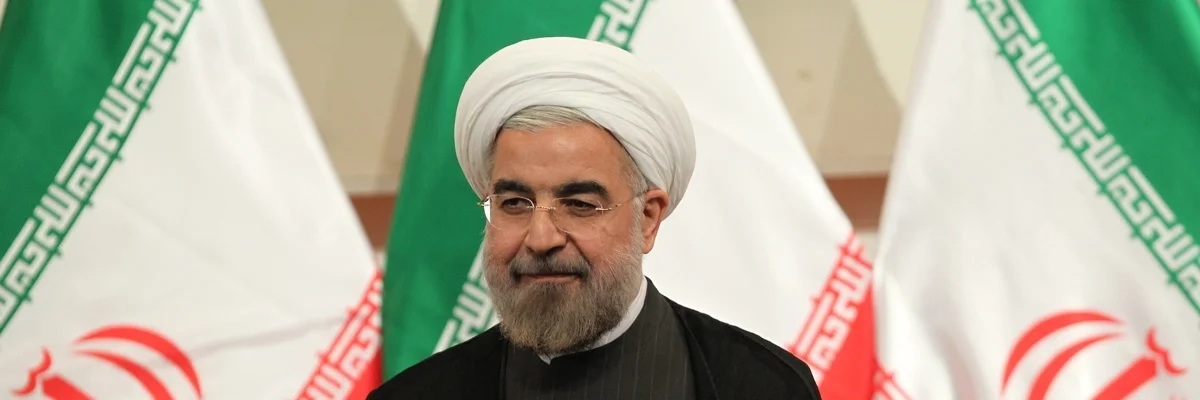
Rouhani Evokes Iran-Iraq War in Call to Defy US Pressure
◢ Iran's President Hassan Rouhani evoked memories of the devastating Iran-Iraq war on Saturday to call for unity in the face of economic hardships and US pressure. "Today, the government is on the front-lines. This is an economic, psychological and propoganda war," Rouhani said on state television. "We had sweet days and we had hard days during the sacred defense," he said, using the official name for the war with Iraq which claimed up to two million lives between 1980 and 1988.
Iran's President Hassan Rouhani evoked memories of the devastating Iran-Iraq war on Saturday to call for unity in the face of economic hardships and US pressure.
"Today, the government is on the front-lines. This is an economic, psychological and propoganda war," Rouhani said on state television.
"We had sweet days and we had hard days during the sacred defense," he said, using the official name for the war with Iraq which claimed up to two million lives between 1980 and 1988.
"But our nation never backed down. Now, too, our nation will not bow before the pressure of a new group in the White House."
Iran's economy has been battered in recent months, in part due to Washington's withdrawal from the 2015 nuclear deal, which had lifted sanctions in return for curbs to its atomic program.
Prices are rising and shortages are widespread, while Iran's currency has lost around 70 percent of its value against the dollar compared with a year ago.
Rouhani said that the United States is pressuring Iran and at the same time calling for negotiations "every day."
"Which one should we believe? Your messages, or your brutal acts? If you want the best for the Iranian people why are you pressuring them?"
Rouhani called for unity after weeks of pressure from both reformist and hardline factions over his handling of the economic crisis.
We cannot fight America, the left and the right at the same time. We cannot fight on three fronts," he said.
The president also acknowledged the mounting economic pressure.
"(Yet) we cannot back down from our goals because of temporary difficulties. Remember those (war) days, our heartaches brought us to eventual victories."
Rouhani made the remarks during an event named after Mohammad-Ali Rajai, Iran's second president whose assassination in August 1981 was blamed on the political-militant group Mojahedin-e Khalq (MEK).
Photo Credit: IRNA
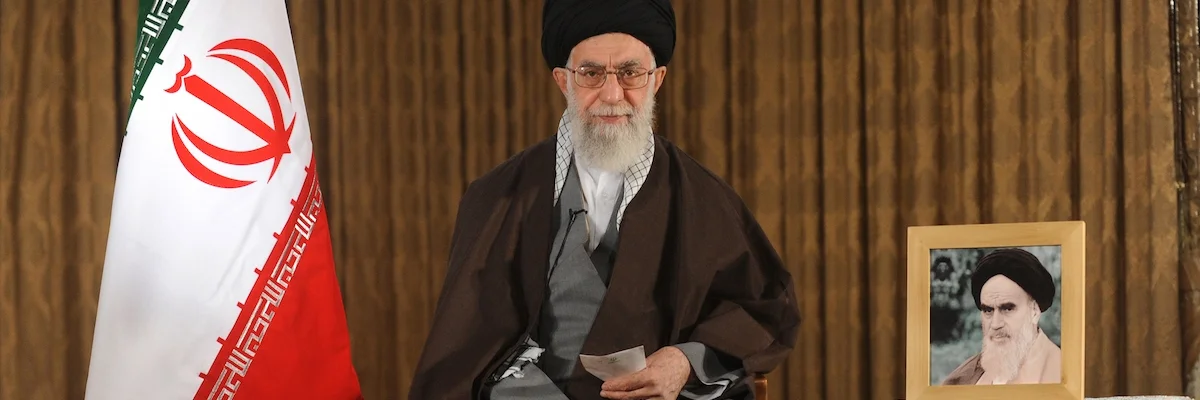
Iran Supreme Leader Warns Against Spread of Pessimism
◢ Iran's supreme leader on Thursday warned against the spread of pessimism in the country, as people face mounting economic woes after the imposition of US sanctions. Addressing the Assembly of Experts, an elected body of high-ranking clerics tasked with choosing the supreme leader, Ayatollah Ali Khamenei called for people's problems not to be overstated.
Iran's supreme leader on Thursday warned against the spread of pessimism in the country, as people face mounting economic woes after the imposition of US sanctions.
Addressing the Assembly of Experts, an elected body of high-ranking clerics tasked with choosing the supreme leader, Ayatollah Ali Khamenei called for people's problems not to be overstated.
"This exaggeration intensifies the anxiety of public opinion and causes the pessimism virus to spread," Khamenei said in comments published on his official website.
"It is not correct to speak in a way that the audience is terrified and thinks that all is lost," he added, calling for both the good and bad aspects of state institutions to be highlighted.
Khamenei was speaking as Iranians adjust to sanctions imposed by the United States last month, after Washington pulled out of the landmark nuclear deal with Tehran.
The move by US President Donald Trump has exacerbated economic woes in Iran, with the Iranian rial losing 70 percent of its value in the past year.
The currency crisis has led to huge price rises in the country and put pressure on President Hassan Rouhani, who has so far been defended by Khamenei.
"No government can go on without the support and trust of the people, we must not act in a way that will deprive the government of the people's trust," the supreme leader said Thursday.
Photo Credit: leader.ir
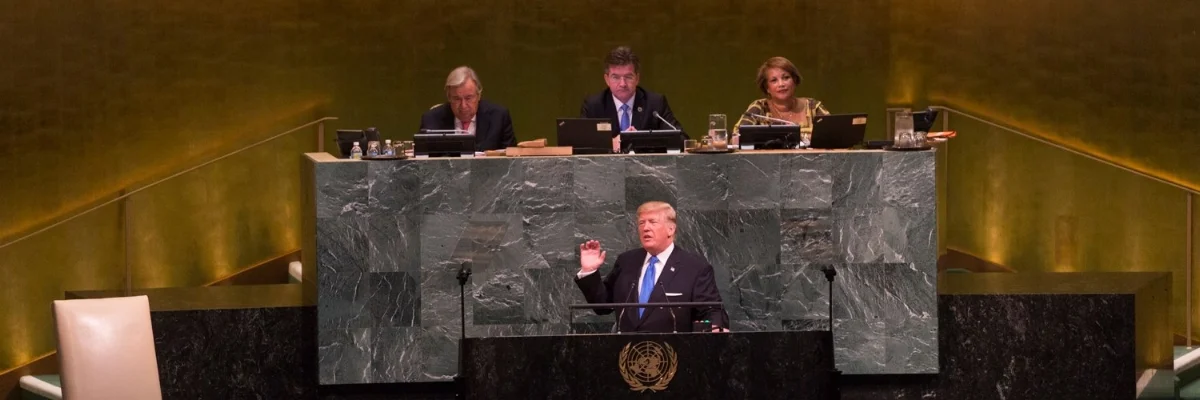
Trump Leaves Door Open to Meeting Iran's Rouhani at UN
◢ President Donald Trump left the door open Wednesday to meeting with his Iranian counterpart Hassan Rouhani on the sidelines of the UN General Assembly—even as the United States ramps up the pressure on a regime it accuses of destabilizing the Middle East. "It's possible, anything is possible," Trump told reporters in the Oval Office when asked about the possibility of a face-to-face with Rouhani during the gathering later this month.
President Donald Trump left the door open Wednesday to meeting with his Iranian counterpart Hassan Rouhani on the sidelines of the UN General Assembly—even as the United States ramps up the pressure on a regime it accuses of destabilizing the Middle East.
"It's possible, anything is possible," Trump told reporters in the Oval Office when asked about the possibility of a face-to-face with Rouhani during the gathering later this month.
"We'll see what happens with Iran. Whether they want to talk or not, that's up to them, not up to me," said the US leader, who decided in May to pull out of the 2015 nuclear deal between world powers and Iran.
"Iran is a much different place than when I took over the presidency," Trump added, describing the country as "in turmoil."
"When I took office it was just a question of how long until they took over the entire Middle East. Now they are just worrying about their own survival as a country."
Trump is due to lead September 26 meeting of heads of state of the UN Security Council, with the goal of ramping up pressure on Tehran over its alleged violations of council resolutions.
Photo Credit: Wikicommons
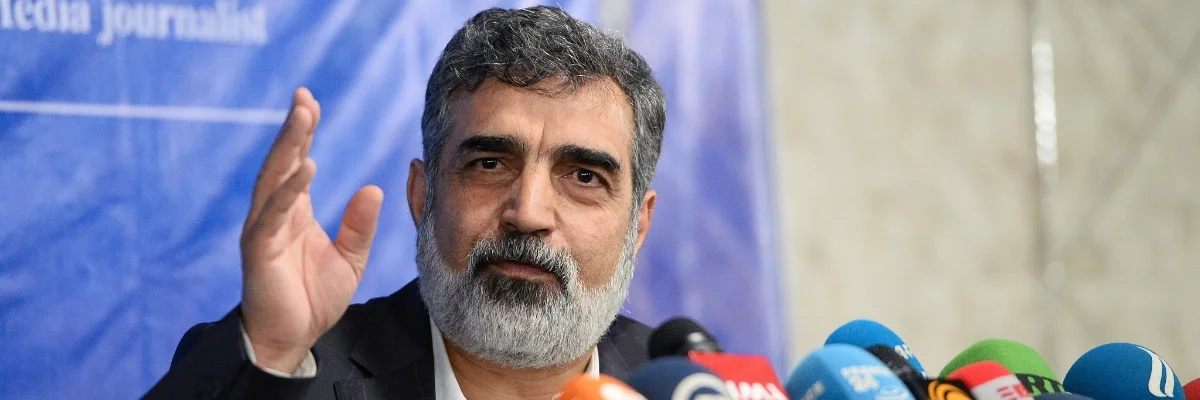
Iran Says to Go Beyond Previous Enrichment If Deal Fails
◢ Iran will begin uranium enrichment beyond previous levels if the remaining parties fail to uphold the 2015 nuclear deal, its Atomic Energy Organisation told local media on Wednesday. "We will not return to previous levels if our counterparts leave the JCPOA (nuclear deal), but will instead reach even more advanced levels," the organization's spokesman Behrouz Kamalvandi said, quoted by state broadcaster IRIB.
Iran will begin uranium enrichment beyond previous levels if the remaining parties fail to uphold the 2015 nuclear deal, its Atomic Energy Organization told local media on Wednesday.
"We will not return to previous levels if our counterparts leave the JCPOA (nuclear deal), but will instead reach even more advanced levels," the organization's spokesman Behrouz Kamalvandi said, quoted by state broadcaster IRIB.
"We are at a considerably more advanced status than when we signed the deal. The country is moving ahead in nuclear activities at a favorable pace," he added.
Iran has repeatedly said it will resume high-level uranium enrichment if the 2015 agreement—which stringently limits its nuclear program in return for sanctions relief—falls apart.
Following the withdrawal of the United States in May, the other parties—Britain, France, Germany, China, Russia and the EU—have vowed to provide Iran with enough economic benefits to keep the agreement alive.
But Tehran is increasingly skeptical that those countries can counter the effects of renewed US sanctions, which have already battered Iran's economy.
Last week, supreme leader Ayatollah Ali Khamenei said Iran should be ready to "set aside" the agreement if it is no longer in the country's national interests.
The International Atomic Energy Agency has repeatedly stated that Iran is sticking to its commitments
The administration of US President Donald Trump claims the deal did not prevent Iran from eventually working towards a nuclear weapon—which Tehran has denied it is seeking.
Photo Credit: CGTN