
Iran Says Talks With Trump Would be 'Humiliation'
◢ Skepticism was rife in Iran on Tuesday after US President Donald Trump offered talks, with one lawmaker saying negotiations would be a "humiliation." The country's top leaders did not give an immediate response to Trump's statement a day earlier that he would meet them "any time" without preconditions. But several public figures said it was impossible to imagine negotiations with Washington after it tore up the 2015 nuclear deal in May.
Skepticism was rife in Iran on Tuesday after US President Donald Trump offered talks, with one lawmaker saying negotiations would be a "humiliation."
The country's top leaders did not give an immediate response to Trump's statement a day earlier that he would meet them "any time" without preconditions.
But several public figures said it was impossible to imagine negotiations with Washington after it tore up the 2015 nuclear deal in May.
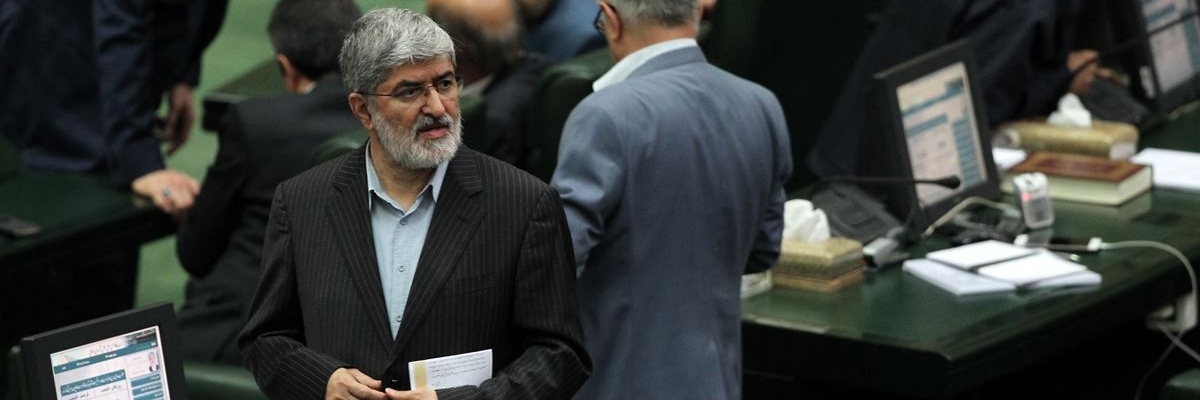
"With the contemptuous statements (Trump) addressed to Iran, the idea of negotiating is inconceivable. It would be a humiliation," said Ali Motahari, deputy speaker of parliament, according to the conservative Fars News.
"America is not trustworthy. After it arrogantly and unilaterally withdrew from the nuclear agreement, how can it be trusted?" added Interior Minister Abdolreza Rahmani Fazli, according to Fars.
The US is set to start reimposing full sanctions on Iran from August 6—a move that has already contributed to a major currency crisis with the rial losing two-thirds of its value in six months.
Only last week, Trump fired off an all-caps tirade at his counterpart Hassan Rouhani on Twitter, warning of untold "suffering" if Iran continued to threaten the US.
Many in Iran are therefore suspicious of his latest volte-face.
"We cannot negotiate with someone who violates international commitments, threatens to destroy countries, and constantly changes his position," said analyst Mohammad Marandi, of the University of Tehran, who was part of the nuclear negotiating team.
Some officials remained more receptive.
"Negotiations with the United States must not be a taboo," said Heshmatollah Falahatpisheh, head of parliament's foreign affairs commission, in an interview with the semi-official ISNA news agency.
"Trump understands that he does not have the capacity to wage war with Iran, but due to historic mistrust, diplomatic ties have been destroyed," said Falahatpisheh, adding that this left no choice but to work towards reducing tensions.
Motahari added that hardliners, who have long opposed any rapprochement with the US, share the blame for the collapse of the nuclear deal.
"If the whole Iranian system had worked to implement this agreement, today we would be witnessing the presence of European companies in Iran and their investments, and even Trump would not be able to withdraw so easily from the deal," he said.
"But from the start one part of the system did not want the agreement to work."
'Maybe an opportunity'
On the streets of Tehran, meanwhile, the focus remained resolutely on Iran's domestic economic difficulties.
"All of us believe that Trump is the enemy of Iran and Iranian people. But now maybe Trump wants to give the Iranian people an opportunity and, God willing, it could be a way to get past our disastrous situation," added Hushiar, an office manager in her 50s.
Many Iranians find it hard to believe that the man who is trying to destroy their economy, and has banned them from flying to the US, can be trusted.
"If they are honest in their words that they want to have negotiations with us without any preconditions, at least they should stay in the JCPOA (nuclear deal) or they should let us get the benefits of European trade," said Morteza Mehdian, a software engineer in his 20s.
"But the reality is this man is a liar and we cannot trust his word."
For now, this is also the official line, with Iran's supreme leader Ayatollah Ali Khamenei saying earlier this month that talking to Trump would be "useless."
Foreign ministry spokesman Bahram Ghasemi on Monday said "there is no possibility for talks", ahead of Trump's statement.
"Washington reveals its untrustworthy nature day by day," Ghasemi said, according to the conservative-aligned Mehr news agency.
The Trump administration says its "maximum pressure campaign" is designed to force Iran into a new deal that goes beyond limiting its nuclear program and includes curbs to its regional behavior and missile program.
Photo Credit: Mohtahari Twitter

Iran's Currency Crisis Triggers Corruption Crackdown
◢ With its currency plummeting ahead of the reimposition of US sanctions, Iran has responded with dozens of arrests and claims of an enemy conspiracy, but also signs of a push to confront corruption. The Iranian rial has lost almost two-thirds of its value since the start of the year, and 20 percent in just two days since the weekend, hitting a record-low of 119,000 to the dollar.
With its currency plummeting ahead of the reimposition of US sanctions, Iran has responded with dozens of arrests and claims of an enemy conspiracy, but also signs of a push to confront corruption.
The Iranian rial has lost almost two-thirds of its value since the start of the year, and 20 percent in just two days since the weekend, hitting a record-low of 119,000 to the dollar.
Many lay the blame on the imminent reimposition of US sanctions on August 6 following US President Donald Trump's decision to pull out of the historic nuclear accord, with Iranians rushing to store their savings in dollars.
The central bank issued a statement on Monday that trod a familiar line, blaming "the enemies' conspiracies" for the rial's sudden decline.
This may not be purely paranoid fantasy. The US and its Gulf Arab allies are engaged in a "maximum pressure campaign" against the Iranian government, and there have been rumours that the United Arab Emirates has been curbing the physical supply of dollars to Iran, helping drive up prices.
But others say outside pressure is only effective because Iran's economy is so corrupt and poorly managed.
Belatedly, the authorities appear to be waking up to the crisis. This weekend, the judiciary announced 60 people had been arrested for fraud and trying to undermine the banking system, with more to come.
Spokesman Gholam Hossein Mohseni-Ejeie said several had direct ties to the government, allowing them, for example, to illegally import luxury cars, and could face the death penalty on Iran's infamous charge of "corruption on Earth".
New Transparency
The arrests follow mounting anger against profiteers who use political connections to access dollars at artificially low rates, and then use them to import goods on the cheap, or simply sell them on the black market for a huge profit.
In a radical departure from usual government practice, in June the young telecoms minister Mohammad Javad Azari Jahromi exposed a group of mobile phone importers who were gaming the system.
They had been granted USD 250 million at the cheap rate to import phones, he said, "but less than one third was used for the purpose," implying the rest was stashed away or sold.
The 36-year-old minister's move proved wildly popular on social media, but saw a backlash from some of his cabinet colleagues such as Industry Minister Mohammad Shariatmadari, who said doing something similar in his ministry would amount to "a war against the private sector."
Still, the episode showed a new willingness among Iranian officials to "be transparent and introduce accountability into the system," said Esfandyar Batmanghelidj, founder of the Europe-Iran Forum, a business network.
"Hopefully, more officials will understand that this is what the public is looking for."
'Full-Fledged Crisis'
The other priority is fixing the chaotic policies that have facilitated profiteering in the first place, particularly the disastrous decision in April to set a single, fixed rate for the dollar at IRR 42,000.
To enforce the decision, the authorities shut down currency trading shops and made it illegal to sell dollars above the official rate, which only fueled a boom in the black market.
The government was forced to climb down in June, saying only importers of essential items such as medicines would use the cheap rate, while others would negotiate a higher price.
President Hassan Rouhani sacked the central bank chief last week, and his replacement, Abdolnassar Hemati, has promised new currency policies "in the coming days".
But trapped in fire-fighting mode and under fire from both conservatives and reformists over the deteriorating economic situation, Rouhani has done little to address deeper problems.
"We're in a full-fledged crisis and that's taking all the attention. No one is talking about bank reform and investment and job creation," said economic journalist Maziar Motamedi of Tehran's Financial Tribune.
Fearing a public panic, the government continues to insist that everything is under control, but has so far offered only vague promises that it will allocate more money to job creation and funnel more infrastructure projects to the private sector.
"Just saying positive stuff is not helping. People have a hard time believing them," Motamedi said.
"Everyone knows the structural problems are there but the government is tackling crises as they happen rather than preventing them."
Photo Credit: Wikicommons
Iran Advisor Says US Talks Must Include Return to Nuclear Deal
◢ An advisor to Iran's President Hassan Rouhani said Tuesday that any talks with the United States had to start with reducing hostility and a return to the nuclear deal. "Respect for the great nation of Iran, reduction in hostilities, US returning to the nuclear deal... That will open the rocky path of the moment," wrote Hamid Aboutalebi on Twitter.
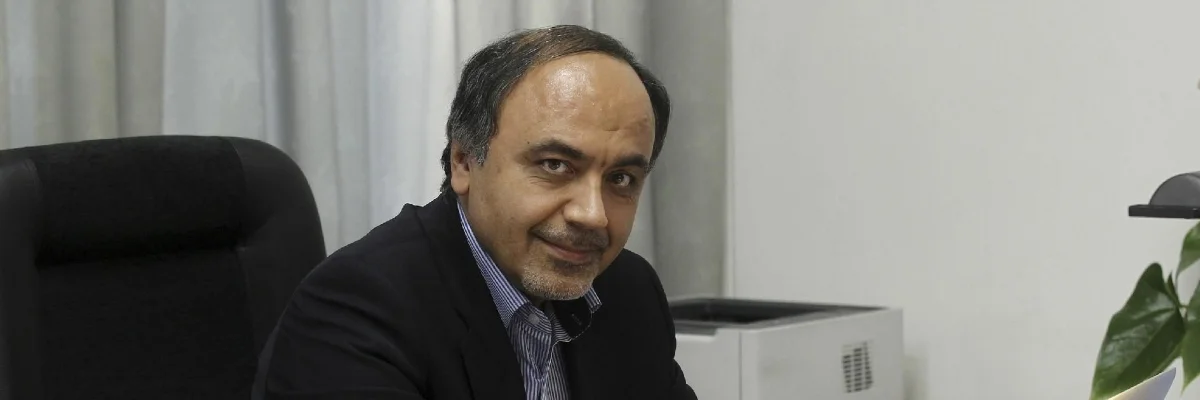
An advisor to Iran's President Hassan Rouhani said Tuesday that any talks with the United States had to start with reducing hostility and a return to the nuclear deal.
"Respect for the great nation of Iran, reduction in hostilities, US returning to the nuclear deal... That will open the rocky path of the moment," wrote Hamid Aboutalebi on Twitter.
He was responding to a statement by US President Donald Trump on Monday that he was willing to meet "any time" with Iran's leaders without preconditions.
"I would meet with Iran if they wanted to meet," Trump said at a White House press conference, barely a week after he had traded bellicose threats with Rouhani.
Aboutalebi said Iran had showed its openness to dialogue in the past, particularly with the phone call between Rouhani and Trump's predecessor Barack Obama in 2013.
That dialogue was "based on the idea of confidence-building measures and the nuclear deal was an achievement of this effort and it must be accepted," wrote Aboutalebi.
However, foreign ministry spokesman Bahram Ghasemi said on Monday, prior to Trump's statement, that talks with the current US administration were impossible.
"Given the hostile measures of the US against Iran after its withdrawal from the JCPOA (nuclear deal) and the reinstatement of economic sanctions, there is no possibility for talks and Washington reveals its untrustworthy nature day by day," Ghasemi told reporters, according to the conservative-aligned Mehr news agency.
Trump pulled the US out of the 2015 nuclear deal in May, and is set to reimpose full sanctions in two stages in August and November.
He says he wants a new deal that goes beyond limiting Iran's nuclear program and includes curbs to its regional behavior and missile program.
Photo Credit: Iranian Presidency
Trump Says Willing to Meet With Iranian Leaders 'Any Time'
◢ US President Donald Trump said Monday he was willing to meet with Iran's leaders with "no preconditions" and "any time they want"—one week after tensions soared between Washington and Tehran. "I would meet with Iran if they wanted to meet. I don't know if they are ready yet," Trump told a White House press conference with Italian Prime Minister Giuseppe Conte at his side.
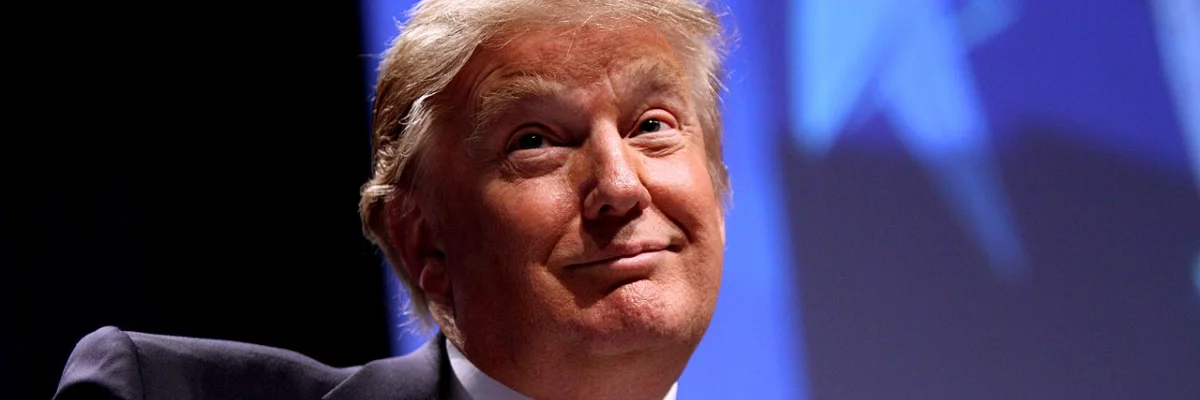
US President Donald Trump said Monday he was willing to meet with Iran's leaders with "no preconditions" and "any time they want"—one week after tensions soared between Washington and Tehran.
"I would meet with Iran if they wanted to meet. I don't know if they are ready yet," Trump told a White House press conference with Italian Prime Minister Giuseppe Conte at his side.
"No preconditions," he added. "They want to meet, I'll meet. Any time they want."
A week ago, after a provocative warning from Iranian President Hassan Rouhani not to "play with the lion's tail," Trump blasted back a reply on Twitter—in all caps.
"NEVER, EVER THREATEN THE UNITED STATES AGAIN OR YOU WILL SUFFER CONSEQUENCES THE LIKES OF WHICH FEW THROUGHOUT HISTORY HAVE EVER SUFFERED BEFORE," Trump warned Rouhani.
In May, Trump—who has made Iran his public enemy number one—announced the US withdrawal from what he called a "defective" multinational nuclear deal with Tehran, and moved to reinstate punishing sanctions.
The 2015 agreement came in response to fears that Iran was developing a nuclear bomb. Washington's European allies maintain their support for the deal and have vowed to stay in it, though their businesses fear US penalties.
"I ended the Iran deal. It was a ridiculous deal," Trump said.
"If we could work something out that's meaningful, not the waste of paper that the other deal was, I would certainly be willing to meet."
Trump has repeatedly shown a willingness to cast traditional diplomatic protocol aside and meet with leaders shunned by other administrations, including North Korean leader Kim Jong Un.
"I believe in meeting," Trump said Monday.
"Speaking to other people, especially when you are talking about potentials of war and death, and famine and lots of other things, you meet."
On July 23, US Secretary of State Mike Pompeo said Washington was not afraid to sanction top-ranking leaders of the "nightmare" Iranian regime.
Photo Credit: Wikicommons
Iran Approves Release of Protest Leaders Mousavi, Karroubi: Family
◢ Iran's top security body has approved the release of opposition figures Mir Hossein Mousavi and Mehdi Karroubi, under house arrest for seven years for leading mass protests in 2009, a family member told local media. "I have heard that the decision to lift the house arrest was approved by the Supreme National Security Council," said Hossein Karroubi, son of the jailed reformist, according to the Kalameh news website which is close to the family.
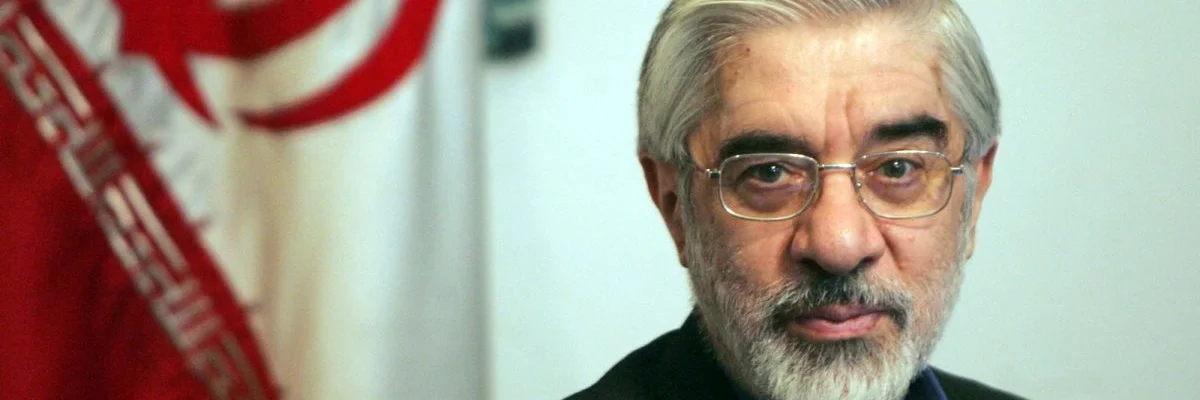
Iran's top security body has approved the release of opposition figures Mir Hossein Mousavi and Mehdi Karroubi, under house arrest for seven years for leading mass protests in 2009, a family member told local media.
"I have heard that the decision to lift the house arrest was approved by the Supreme National Security Council," said Hossein Karroubi, son of the jailed reformist, according to the Kalameh news website which is close to the family.
"This decision will be presented to the (supreme) leader so that this case can be concluded," he said, adding that Ayatollah Ali Khamenei would have 10 days to veto the decision.
There was no official confirmation of the decision, but the reports come at a time when Iran's leaders are keen to unite conservative and reformist factions to face down increasing pressure from the United States and a worsening economic crisis.
Mousavi, 76, and Karroubi, 80, were reformist candidates in the controversial election of 2009, which was won by hardliner Mahmoud Ahmadinejad.
They claimed the vote was rigged, triggering months of mass protests, particularly in Tehran. Hundreds of thousands took to the streets in the biggest challenge to the system since the Islamic revolution of 1979.
The pair were placed under house arrest without trial in February 2011, along with Mousavi's high-profile wife, 66-year-old Zahra Rahnavard.
Hossein Karroubi said the security council had also agreed to lift restrictions on reformist figurehead Mohammad Khatami, who was Iran's president from 1997 to 2005.
The media had been banned from showing Khatami's face and strict limits were placed on his movements.
President Hassan Rouhani repeatedly vowed to seek the release of Mousavi and Karroubi—a major plank of his election in 2013 and re-election last year, with their names frequently chanted at his rallies.
But despite Rouhani chairing the Supreme National Security Council, which is made up of government and military figures appointed by the president and supreme leader, there had been no sign of progress on their release.
Photo Credit: AFP
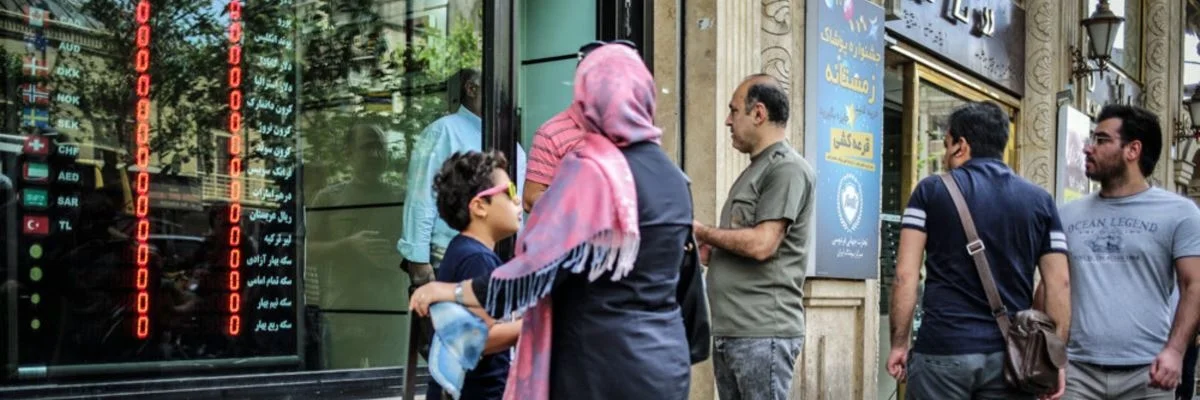
Iran's Rial Hits Record-Low 100,000 to the Dollar
◢ Iran's currency hit a record low on Sunday of 100,000 rials to the dollar amid a deepening economic crisis and the imminent return of full US sanctions. The unofficial rate stood at 102,000 rials by midday, according to Bonbast, one of the most reliable sites for tracking the Iranian currency. The rate was confirmed by a trader who spoke on condition of anonymity to AFP.
Iran's currency hit a record low on Sunday of 100,000 rials to the dollar amid a deepening economic crisis and the imminent return of full US sanctions.
The unofficial rate stood at 102,000 rials by midday, according to Bonbast, one of the most reliable sites for tracking the Iranian currency.
The rate was confirmed by a trader who spoke on condition of anonymity to AFP.
The rial has lost half its value against the dollar in just four months, having broken through the 50,000-mark for the first time in March.
The government attempted to fix the rate at 42,000 in April, and threatened to crackdown on black market traders.
But the trade continued with Iranians worried about a prolonged economic downturn turning to dollars as a safe way to store their savings, or as an investment in the hope the rial will continue to drop.
With banks often refusing to sell their dollars at the artificially low rate, the government was forced to soften its line in June, allowing more flexibility for certain groups of importers.
The handling of the crisis was one of the reasons behind last week's decision by President Hassan Rouhani to replace central bank chief, Valiollah Seif.
The currency collapse was encouraged by the US announcement in May that it was pulling out of the 2015 nuclear deal, that lifted certain sanctions in exchange for curbs to Iran's atomic program.
The US is set to reimpose its full range of sanctions in two stages on August 6 and November 4, forcing many foreign firms to cut off business with Iran.
Photo Credit: Mehr
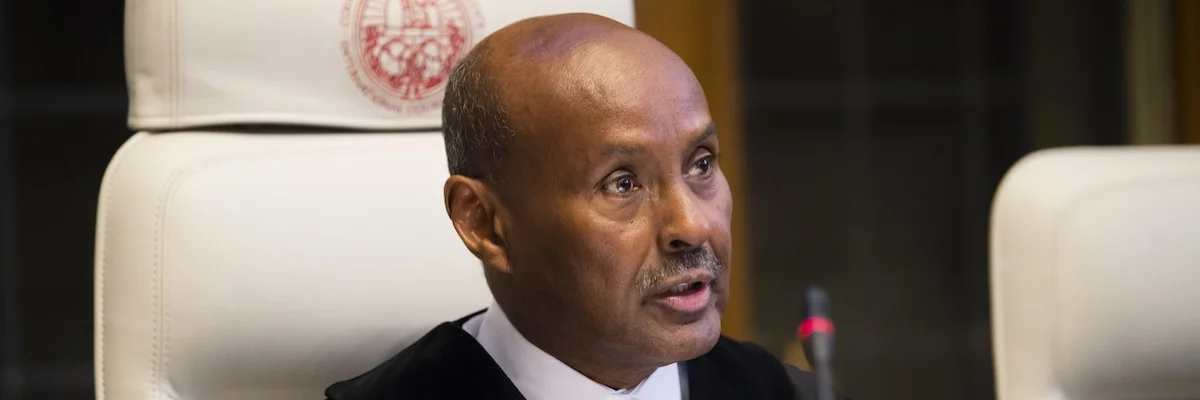
Iran Versus US Battle to Hit UN's Top Court in August
◢ The UN's top court said Thursday it will hold hearings next month in a bitter battle between Iran and the United States, after President Donald Trump reimposed sanctions on the Islamic republic. "The International Court of Justice (ICJ), the principal judicial organ of the United Nations, will hold public hearings from Monday 27 to Thursday 30 August in the case" concerning Iran versus the United States, the tribunal said.
The UN's top court said Thursday it will hold hearings next month in a bitter battle between Iran and the United States, after President Donald Trump reimposed sanctions on the Islamic republic.
"The International Court of Justice (ICJ), the principal judicial organ of the United Nations, will hold public hearings from Monday 27 to Thursday 30 August in the case" concerning Iran versus the United States, the tribunal said.
"The hearings will be devoted to the request for the indication of provisional measures submitted by Iran," it added in a statement.
Tehran filed its case with the ICJ last week calling for the judges to order the immediate lifting of the sanctions which they said would cause "irreparable prejudice."
Iran maintained restoring the penalities, lifted under the landmark 2015 deal aimed at reining in Tehran's nuclear ambitions, violated a decades-old treaty.
Nuclear-related sanctions are set to be reimposed by Washington in two phases in August and November, and seek to bar European and other foreign companies from doing business with Iran and blocking its oil sales abroad.
Iran argued in its filing to the court that the move would break a 1955 Treaty of Amity and Economic Relations concluded between the two countries before the Islamic revolution under the regime of the shah. But the two foes have not had official diplomatic relations since 1980.
The court, set up in 1946 in The Hague to rule in disputes between nations, revealed Wednesday that its president, judge Abdulqawi Ahmed Yusuf, had taken the unusual step to write a letter about the case directly to US Secretary of State Mike Pompeo.
It did not reveal the contents, but said under its rules the court could appeal to any party "to act in such a way as will enable any order the court may make ... to have its appropriate effects."
Over the objections of allies, Trump in May withdrew the United States from the nuclear deal signed between Tehran and world powers in 2015.
He ordered the reimposition of the US sanctions that had been suspended in return for controls on Tehran's nuclear program, effectively barring many multinational firms from doing business in Iran.
Four days of hearings into an earlier complaint lodged by Iran in October 2016 against the US for freezing around USD 2 billion of its assets abroad are due to start on October 8 when the United States will argue the court has no authority to hear the case.
Photo Credit: ICJ
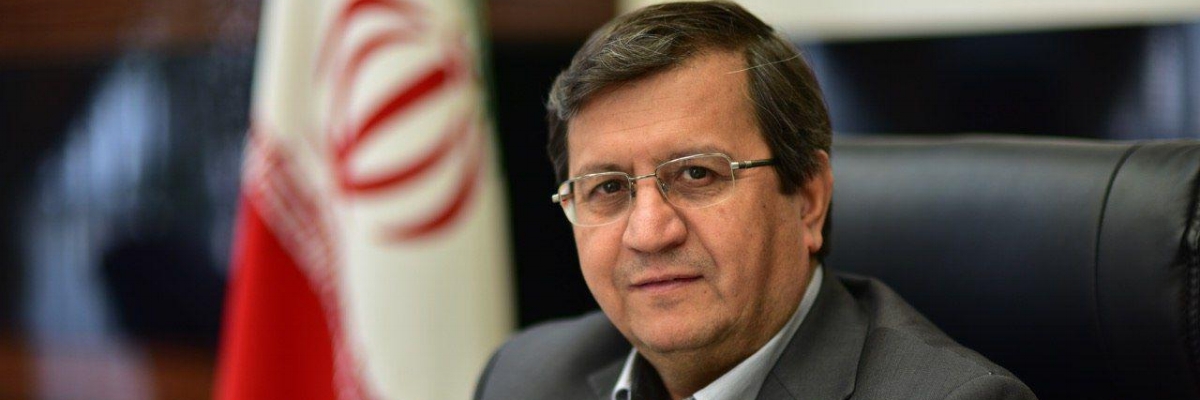
Iran Replaces Central Bank Chief as Economy Faces Crisis
◢ Iran replaced its central bank chief on Wednesday, local media reported, amid fallout over banking scandals and the crisis facing the country's economy. Valiollah Seif, who had served as the bank's governor since President Hassan Rouhani took power in August 2013, was replaced by Abdolnasser Hemati following a cabinet meeting, according to the official IRNA news agency.
Iran replaced its central bank chief on Wednesday, local media reported, amid fallout over banking scandals and the crisis facing the country's economy.
Valiollah Seif, who had served as the bank's governor since President Hassan Rouhani took power in August 2013, was replaced by Abdolnasser Hemmati following a cabinet meeting, according to the official IRNA news agency.
Hemmati, 61, previously served as head of Central Insurance of Iran, as well as both Sina Bank and Bank Melli. He had been slated to become ambassador to China until he was recalled at the last minute.
Seif has been criticized particularly over his handling of a currency crisis that has seen the rial lose more than half its value against the dollar in the past year.
An attempt in April to enforce a fixed rate for the rial sparked a boom in black market exchanges, forcing the central bank to backtrack as the currency's street value crashed to record lows in June.
The crisis coincided with Washington's announcement in May that it was pulling out of the 2015 nuclear deal and reimposing full sanctions on Tehran, exacerbating the run on the rial.
The US also slapped individual sanctions on Seif in May, accusing him of helping Iran's Revolutionary Guard Corps transfer millions of dollars to Lebanon's Hezbollah.
Rouhani thanked Seif for his "strong and serious service", and said the cabinet had "full confidence" in Hemmati.
He said a key priority was tackling "illegal credit institutions."
Bankruptcies at several unlicensed lenders—which had offered high interest rates and cheap loans with little capital to back them up—wiped out the savings of millions of depositors and has been a key driver of recent protests.
Rouhani vowed to crackdown on unlicensed banks when he came to power.
His government has been pressured to repay lost deposits, further straining government resources.
Photo Credit: IRNA
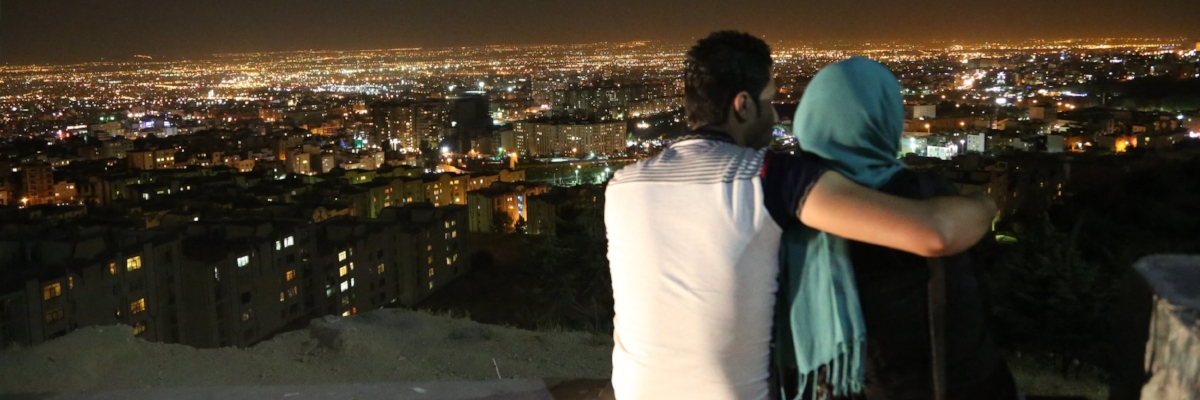
Under Pressure, Some Young Iranians Persevere, But Many Want to Flee
◢ Some young Iranians are determined to modernize their country and rescue it from economic collapse. But facing relentless US pressure and increasing hardship, many of the educated elite simply want to leave. In some ways things have improved for young people, but not fast enough to meet their heightened expectations. Today, they openly criticize the government and the system in a way that would have been unthinkable even a few years ago, but they feel ignored. "Officials don't listen to young people. They ignore their hopes, their views on life, society, religion, politics," said Ehsan, a 24-year-old student.
Some young Iranians are determined to modernize their country and rescue it from economic collapse. But facing relentless US pressure and increasing hardship, many of the educated elite simply want to leave.
On an up-market balcony in Tehran, shaded from a roasting summer sun, a string of entrepreneurs are filming success stories and advice for the next generation of start-up wannabes.
For a country supposedly on the brink of economic meltdown, the mood is surprisingly upbeat.
"We are experts in adapting to times of trouble," said Reza Ghiabi, CEO of a tech-focused consultancy firm, who calls himself an "unshakable responsible optimist".
"Many Iranians had success in the past in Berlin, Silicon Valley and London, but our generation is tired of emigrating and being just an employee. Now we're trying to create something for ourselves," he told AFP.
Everyone knows the challenges are daunting: rampant unemployment, rising prices, a crashing currency.
None of it is helped by the return of full-scale US sanctions next month following Washington's decision to abandon the 2015 nuclear deal, nor the bellicose threats between President Donald Trump and Iranian officials in recent days.
"We understand this is not a good situation, but we can't just wait for things to get better. We have to do it ourselves," said Alireza Khodaie, 30, who makes high-end shoes and is one of the organizers behind Tehran's inaugural Start-Up Week that begins on August 3.
There are a few examples that offer hope for Iran's highly educated, globalized youth: the huge success of taxi app Snapp, a slew of hip new cafes and restaurants, and tech hubs fostering everything from music streaming services to online education portals.
The more business-friendly government of President Hassan Rouhani is less suspicious than its predecessors of these Western-influenced innovations.
"We've tried to be independent in the past, but we can't ignore the government, and there are now people who understand and listen. We want to be part of policy-making," said Khodaie.
'I Won't Find Work'
But that sort of optimism is fading among Iran's educated middle- and upper-classes, who see little prospect of political and economic change.
If officials in Washington hope that will lead to mass protests against the government, they are likely to be disappointed. The brutal response to past demonstrations, and fears that protests could degenerate into violent chaos like in Syria, have bred a weary resignation.
Instead, most just want to leave.
"Young people have lost all hope in their future," said 21-year-old law student Parisa.
"I've been looking for work for three months to pay for my studies and help my father. I'm a law student but I know that once my studies are finished I won't find work," she said.
"There are many who want to leave and they are right because over there, they can progress and will have a decent salary."
The US stepped up its pressure campaign this weekend, with Trump threatening unprecedented "suffering" for Iran, and Secretary of State Mike Pompeo announcing a renewed propaganda effort to undermine its leaders.
But that is largely background noise to Iran's youth. Around two-thirds of Iranians were born after the 1979 revolution and have grown up with the incessant back-and-forth between their government and Washington.
They are more focused on what is happening internally, and for many it was the decision in April to block the most popular social media app Telegram that was the final straw.
"I spent two days in my room, I was so depressed," said a film editor in her 20s who campaigned for Rouhani's re-election last year when he vowed no more censorship.
"He made all these promises, and still this happened. I used to be so angry with all my friends who were leaving, but for the first time I thought maybe it's time to go."
'Officials Don't Listen'
In some ways things have improved for young people, but not fast enough to meet their heightened expectations.
Today, they openly criticize the government and the system in a way that would have been unthinkable even a few years ago, but they feel ignored.
"Officials don't listen to young people. They ignore their hopes, their views on life, society, religion, politics," said Ehsan, a 24-year-old student.
"I was one of those who told my friends they must vote because that allowed us to demand things... but now I see we can't do anything."
But abandoning friends, family and homeland is tough, so for the optimistic entrepreneurs there is a determination to struggle through.
Sanctions have not been entirely negative, said Amirreza Mohammadi, another of Start-Up Week's organizers.
By blocking foreign competition, sanctions "created jobs for young Iranians and created a desire to push forward our own projects," he said.
"Maybe one day I'll be forced to leave too," said Khodaie. "But this is somewhere I can have an impact and that moves me to stay."
Photo Credit: Ted Regencia
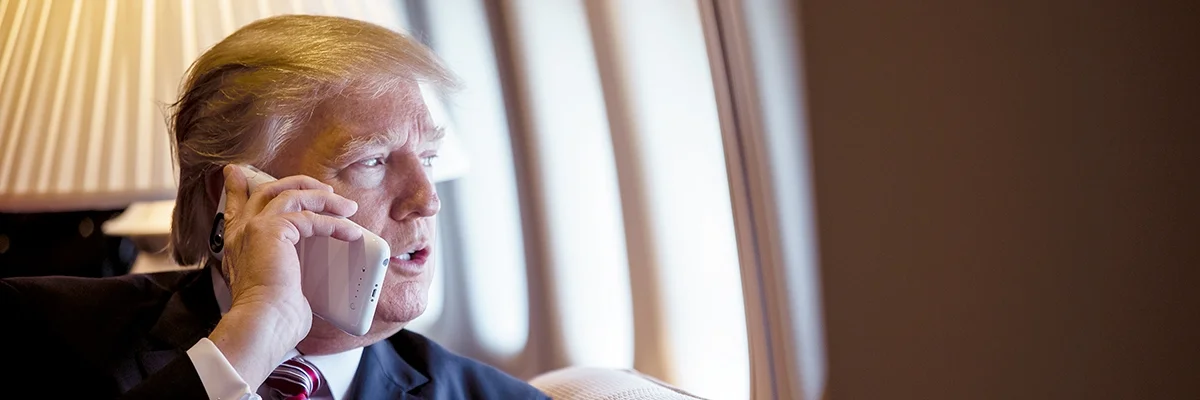
Trump, Iran Drama Escalates—via Twitter
◢ Tensions are mounting between Donald Trump and Iran—the US president's raw tweet threatening Tehran was met Monday with a similarly bilious reply, upping the ante in the high-stakes game of diplomatic chicken. Trump's tweeted warning late Sunday to Iranian President Hassan Rouhani—all in capital letters, the digital equivalent of shouting—sparked questions about Washington's strategy towards the Islamic republic.
Tensions are mounting between Donald Trump and Iran—the US president's raw tweet threatening Tehran was met Monday with a similarly bilious reply, upping the ante in the high-stakes game of diplomatic chicken.
Trump's tweeted warning late Sunday to Iranian President Hassan Rouhani—all in capital letters, the digital equivalent of shouting—sparked questions about Washington's strategy towards the Islamic republic.
The US is regularly suspected of backing the idea of regime change, but analysts say its current stance may simply be an attempt to pivot after a week of dire headlines over Trump's much-maligned summit with Russia's Vladimir Putin and a relative lack of progress on North Korea.
The saber-rattling began when Iranian President Hassan Rouhani cautioned Trump not to "play with the lion's tail," saying that conflict with Iran would trigger the "mother of all wars"—prompting the furious salvo from the US leader.
The Republican leader's response was reminiscent of the belligerent tone he took with North Korea last year.
"NEVER, EVER THREATEN THE UNITED STATES AGAIN OR YOU WILL SUFFER CONSEQUENCES THE LIKES OF WHICH FEW THROUGHOUT HISTORY HAVE EVER SUFFERED BEFORE," Trump warned Rouhani on Twitter.
"WE ARE NO LONGER A COUNTRY THAT WILL STAND FOR YOUR DEMENTED WORDS OF VIOLENCE & DEATH. BE CAUTIOUS!"
A few hours later, Iranian Foreign Minister Mohammad Javad Zarif fired back. "COLOR US UNIMPRESSED," Zarif wrote in English, mimicking Trump's caps-lock message.
"We've been around for millennia & seen fall of empires, incl our own, which lasted more than the life of some countries. BE CAUTIOUS!"
While Trump's "tough stand" was hailed by Israeli Prime Minister Benjamin Netanyahu, it also provoked an avalanche of questions about its exact meaning and impact.
When asked about the president's motivations, White House spokeswoman Sarah Sanders said he was focused on "the safety and security of the American people" and ensuring Tehran did not acquire nuclear weapons.
But she seemed to downplay concerns about his aggressive posturing, saying Trump has been "pretty strong since day one in his language toward Iran."
Concerns? 'None at all'
In May, Trump—who has made Iran his public enemy number one—announced the US withdrawal from what he called a "defective" multinational nuclear deal with Tehran, and moved to reinstate punishing sanctions.
For some analysts in Washington, Trump's harsh words were a political smoke screen.
"Frustrated by no progress w/NK; angered by negative push back post Helsinki, Trump is looking to vent, act tough, and change channel," said Aaron David Miller, a former US diplomat and Middle East negotiator for several administrations.
"If nothing else, Trump's ALL CAPS tirade reflect(s) reality that US has no Iran policy. Empty/ridiculous US rhetoric in response to same from Iran."
After speaking with European officials about Trump's warnings, International Crisis Group president Rob Malley said diplomats on the continent were not "really taking it seriously."
In Europe, Trump's tirade is seen as a way to distract from controversy over his summit with Putin and special counsel Robert Mueller's investigation into possible collusion between the Trump campaign and a Russian effort to sway the 2016 election.
But the president stood by his remarks. Asked by reporters at the White House whether he had concerns about provoking tensions with Iran, Trump said "None at all."
Saber-Rattling
While US ties with Iran and North Korea are different on several fronts, the words used by Trump to denigrate Tehran are similar in tone to those he directed last August at North Korean leader Kim Jong Un.
Several observers noted the similarities between the threats on Iran, and Trump's "maximum pressure" campaign towards Pyongyang.
In September 2017, in his first speech to the United National General Assembly, Trump threatened to "totally destroy" North Korea.
Nearly a year on, Trump has met Kim—who he once called "Rocket Man" on a "suicide mission"—for a landmark summit, and follow-up talks are underway between the two sides.
However, concrete progress has been scant so far on denuclearization of the Korean peninsula.
Democrats have expressed alarm about Trump's Iran bluster.
"Reckless Iran rhetoric creates risks—especially if words are unbacked by actionable strategy," Senator Richard Blumenthal said.
Photo Credit: Wikicommons
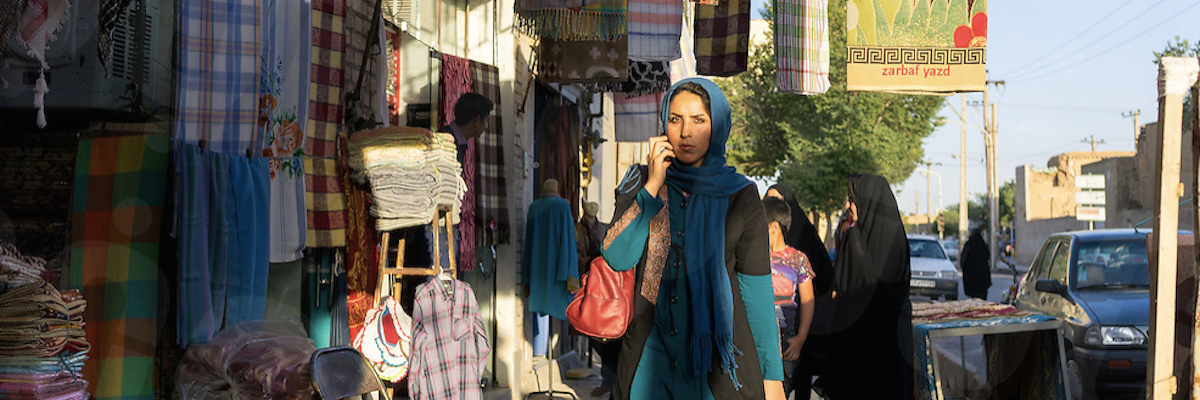
Iranians Skeptical Over US Claims of Support
◢ Tehranis said Monday they were deeply skeptical at Washington's claims that it stood with them against their government, as tensions rose again following the latest threats from US President Donald Trump. "It's true that at the moment our society is in a crisis and under pressure that is creating discontent," said Haleh, a child psychologist in the north Tehran suburb of Jordan. "But we don't want the West to impose a revolution that can lead to disorder," she added.
Tehranis said Monday they were deeply skeptical at Washington's claims that it stood with them against their government, as tensions rose again following the latest threats from US President Donald Trump.
"It's true that at the moment our society is in a crisis and under pressure that is creating discontent," said Haleh, a child psychologist in the north Tehran suburb of Jordan. "But we don't want the West to impose a revolution that can lead to disorder," she added.
US Secretary of State Mike Pompeo gave a much-hyped speech in California on Sunday in which he described Iran's government as "a nightmare for the Iranian people."
He announced an intensified American propaganda campaign so that "ordinary Iranians inside Iran and around the globe can know that America stands with them."
Trump added to the tensions on Sunday with an angry response to President Hassan Rouhani, who had warned a conflict with Iran would be the "mother of all wars".
"NEVER, EVER THREATEN THE UNITED STATES AGAIN OR YOU WILL SUFFER CONSEQUENCES THE LIKES OF WHICH FEW THROUGHOUT HISTORY HAVE EVER SUFFERED BEFORE," Trump blasted on Twitter.
Many Iranians—even those opposed to the current system—fear what they see as a push for regime change, especially after the US pulled out of the 2015 nuclear deal and announced it was reimposing crippling financial sanctions.
"People want change, but not necessarily a change of regime," said office worker Firouzeh.
"It's been 40 years since the last revolution and we are still paying the price. An entire generation has paid the price. Do they really want another revolution?"
Regardless of how they view their government, Iranians are at least glad to have been spared the violence engulfing much of the region.
"For us, the most important thing is security, and for now we have security. We must have reforms, but people hope it happens without violence so that everyone wins," said Haleh, the psychologist.
Others felt a deal was still possible with the US president.
"Trump is a businessman," said Amir, who said he did multiple jobs to get by in Iran's struggling economy.
"He'll make an offer and we'll reach a mutual agreement, with God's help."
He said all Iranians were worried about the economy, with large-scale unemployment, rising prices and a currency that has dropped to record lows against the dollar.
"The government must listen to the problems of the people. It can be done, it's not impossible," said Amir.
"But Iranians will not accept being forced (by outside powers). They will react to defend their national honor and dignity," he added.
The head of Iran's powerful Basij militia said Trump's threats were "psychological warfare".
"He is not in a position to act against Iran. The people and the armed forces will stand up against our enemies and will not come up short," said General Gholam Hossein Gheypour, according to the semi-official ISNA news agency.
Photo Credit: Thomas Christofoletti

Trump Hits Back at Iran 'War' Talk
◢ President Donald Trump on Sunday hit back at bellicose comments by Iran's president, warning him of consequences "the likes of which few throughout history have ever suffered," as the US intensifies its campaign against the Islamic republic. The high-stakes verbal sparring is reminiscent of the exchanges Trump had last year with North Korean leader Kim Jong Un, before the two leaders met in a historic summit last month.
President Donald Trump on Sunday hit back at bellicose comments by Iran's president, warning him of consequences "the likes of which few throughout history have ever suffered," as the US intensifies its campaign against the Islamic republic.
"NEVER, EVER THREATEN THE UNITED STATES AGAIN OR YOU WILL SUFFER CONSEQUENCES THE LIKES OF WHICH FEW THROUGHOUT HISTORY HAVE EVER SUFFERED BEFORE," Trump said on Twitter in a direct message to President Hassan Rouhani, who earlier Sunday warned Trump not to "play with the lion's tail," saying that conflict with Iran would be the "mother of all wars".
The US president, writing his entire message in capital letters, continued his riposte: "WE ARE NO LONGER A COUNTRY THAT WILL STAND FOR YOUR DEMENTED WORDS OF VIOLENCE & DEATH. BE CAUTIOUS!"
The high-stakes verbal sparring is reminiscent of the exchanges Trump had last year with North Korean leader Kim Jong Un, before the two leaders met in a historic summit last month.
Trump has made Iran a favorite target since his rapprochement with nuclear-armed North Korea. His comments Sunday night came after his Secretary of State Mike Pompeo, in a major address to the Iranian diaspora in California, said Washington is not afraid to sanction top-ranking leaders of the "nightmare" Iranian regime.
Trump in May pulled the US out of a hard-won agreement with Tehran, also signed by Britain, China, France, Germany and Russia, which lifted sanctions in exchange for curbs on Iran's nuclear program.
The 2015 agreement was in response to fears that Iran was developing a nuclear bomb.
European allies maintain their support for the deal and have vowed to stay in it, though their businesses fear US penalties.
Following Washington's pullout Pompeo unveiled Washington's tougher line under which, he said, the US would lift its new sanctions if Iran ended its ballistic missile program and interventions in regional conflicts from Yemen to Syria.
"You cannot provoke the Iranian people against their own security and interests," Rouhani said in a televised speech Sunday, ahead of Pompeo's address.
'More to Come'
Rouhani repeated his warning that Iran could shut down the strategic Strait of Hormuz, a vital shipping lane for international oil supplies.
"Peace with Iran would be the mother of all peace and war with Iran would be the mother of all wars," Rouhani said.
On Saturday, Iran's supreme leader Ayatollah Ali Khamenei said the US does not abide by agreements.
"As I have previously said, we cannot trust in the words of the United States and even in their signature, so negotiations with the United States are useless," Khamenei told a gathering of Iranian diplomats in Tehran.
Pompeo on Sunday noted that the US in January had already sanctioned Sadeq Larijani, the head of Iran's judiciary, for human rights violations.
"We weren't afraid to tackle the regime at its highest level," he said, also confirming that Washington wants all countries to reduce their imports of Iranian oil "as close to zero as possible" by November 4, or face American sanctions.
"There's more to come," Pompeo said of the US financial penalties.
"Regime leaders—especially those at the top of the IRGC and the Quds Force like Qasem Soleimani—must be made to feel painful consequences of their bad decision making," said Pompeo, a longtime Iran hawk. He was referring to Iran's special forces and Revolutionary Guards.
Roundly applauded by his audience, Pompeo affirmed support by Washington for protesters in the Islamic republic.
"The regime in Iran has been a nightmare for the Iranian people," he said.
Washington's top diplomat announced an intensified American propaganda campaign, with the launch of a multimedia channel with 24-hour coverage on television, radio, and social media.
This will ensure that "ordinary Iranians inside Iran and around the globe can know that America stands with them," he said.
Regularly suspected of favoring regime change in Iran, Pompeo refused to distinguish between moderates and radicals at the heart of the Islamic republic.
"Our hope is that ultimately the regime will make meaningful changes in its behavior both inside Iran and globally," he said.
Photo Credit: Wikicommons
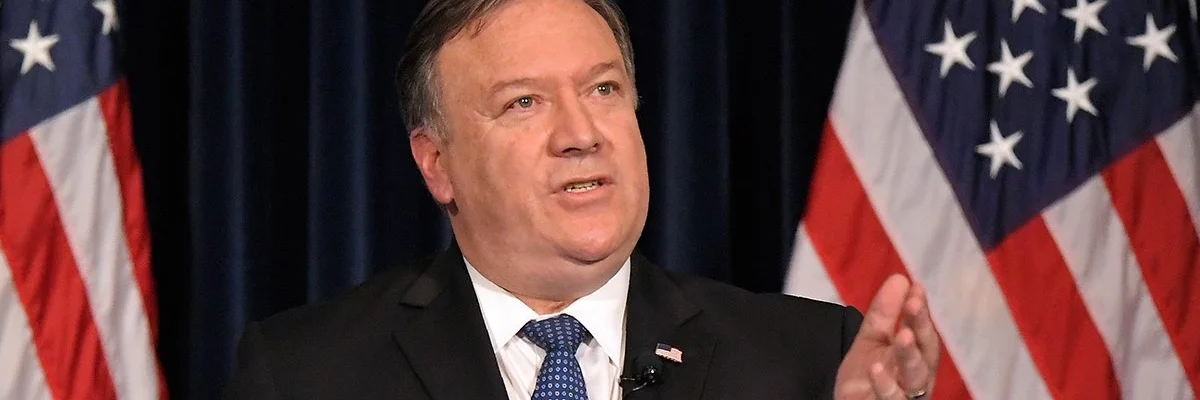
US Not Afraid to Sanction Top Iran Leaders: Pompeo
◢ The United States is not afraid to sanction top-ranking leaders of the "nightmare" Iranian regime, Secretary of State Mike Pompeo said on Sunday, pursuing a strategy aimed at Iranian compliance with stringent US demands. Following Washington's pullout from the Iran nuclear accord that stunned Washington's closest European allies, Pompeo on May 21 unveiled the "new strategy" to force Iran's submission to a dozen demands.
The United States is not afraid to sanction top-ranking leaders of the "nightmare" Iranian regime, Secretary of State Mike Pompeo said on Sunday, pursuing a strategy aimed at Iranian compliance with stringent US demands.
Following Washington's pullout from the Iran nuclear accord that stunned Washington's closest European allies, Pompeo on May 21 unveiled the "new strategy" to force Iran's submission to a dozen demands.
"We weren't afraid to tackle the regime at its highest level," Pompeo said in a speech to the Iranian diaspora in California, referring to sanctions leveled in January against Sadeq Larijani, the head of Iran's judiciary, for human rights violations.
Pompeo also confirmed that Washington wants all countries to reduce their imports of Iranian oil "as close to zero as possible" by November 4, or face American sanctions.
"There's more to come," Pompeo said of the US financial penalties.
US President Donald Trump on May 8 decided to restore all the sanctions that had been lifted as part of a multi-national agreement, signed on to by former president Barack Obama's administration in exchange for curbs on Iran's nuclear program.
The 2015 agreement was in response to fears that Iran was developing a nuclear bomb.
European allies maintain their support for that hard-won deal and are trying all means to save it.
"Regime leaders—especially those at the top of the IRGC and the Quds Force like Qasem Soleimani—must be made to feel painful consequences of their bad decision making," said Pompeo, a longtime Iran hawk.
He was referring to Iran's special forces and Revolutionary Guards.
Roundly applauded by his audience, Pompeo affirmed support by Washington for protesters in the Islamic republic.
"The regime in Iran has been a nightmare for the Iranian people," he said.
Pompeo announced an intensified American propaganda campaign, with the launch of a multimedia channel with 24-hour coverage on television, radio, and social media.
This will ensure that "ordinary Iranians inside Iran and around the globe can know that America stands with them," he said.
Regularly suspected of favoring regime change in Iran, Pompeo refused to distinguish between moderates and radicals at the heart of the Iranian republic.
"Our hope is that ultimately the regime will make meaningful changes in its behavior both inside Iran and globally," he said.
Under Washington's tougher line after withdrawal from the international nuclear accord, Pompeo has said the US would lift its new sanctions if Iran ended its ballistic missile program and interventions in regional conflicts from Yemen to Syria.
Iranian President Hassan Rouhani has dismissed such threats, saying the rest of the world no longer accepts Washington making decisions on their behalf.
Photo Credit: State Department
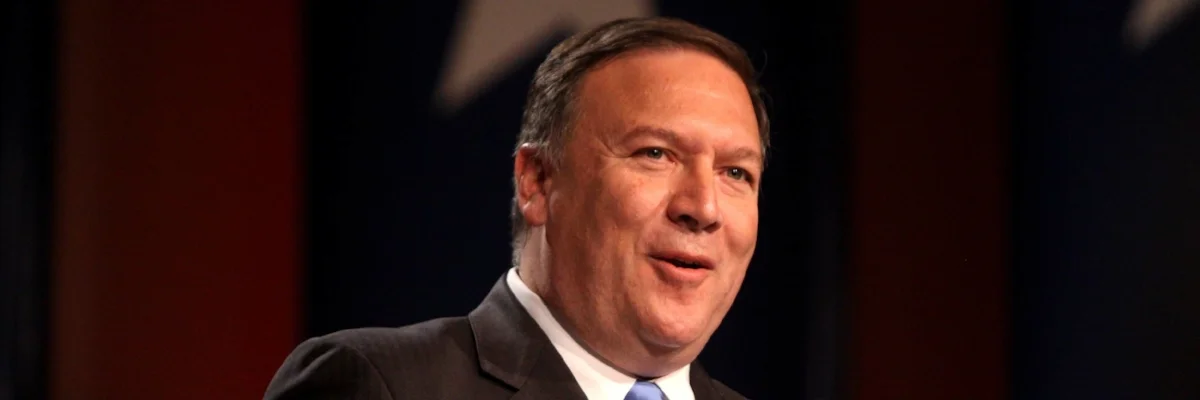
Pompeo to Urge Iranians Abroad to 'Support' Anti-Regime Protests
◢ US Secretary of State Mike Pompeo plans on Sunday to urge members of the Iranian diaspora to "support" protesters in Iran, as the Trump administration hints at a desire for regime change in Tehran after turning its back on the Iranian nuclear accord. President Donald Trump—who has made the Islamic republic a favorite target since his unexpected rapprochement with North Korea—decided on May 8 to restore all the sanctions that had been lifted as part of the multi-nation agreement aimed at preventing Iran from developing nuclear weapons.
US Secretary of State Mike Pompeo plans on Sunday to urge members of the Iranian diaspora to "support" protesters in Iran, as the Trump administration hints at a desire for regime change in Tehran after turning its back on the Iranian nuclear accord.
President Donald Trump—who has made the Islamic republic a favorite target since his unexpected rapprochement with North Korea—decided on May 8 to restore all the sanctions that had been lifted as part of the multi-nation agreement aimed at preventing Iran from developing nuclear weapons.
Following the US withdrawal that stunned even Washington's closest European allies, Pompeo on May 21 unveiled a "new strategy" intended to force Iran to yield to a dozen stringent demands or else face the "strongest sanctions in history."
The next US step is due at 6:00 pm Sunday (0100 GMT Monday) in the Ronald Reagan presidential library in Simi Valley, California, when the secretary of state delivers a speech entitled "Supporting Iranian Voices."
With the 40th anniversary of the Islamic Revolution of 1979 a year away, Pompeo plans to retrace "40 years of stealing from the Iranian people, the terrorism they have committed around the region, the brutal repression at home" as well as the "religious persecution" there, a senior State Department official told reporters ahead of the speech.
The venue for Pompeo's address is significant, the official noted: some 250,000 Iranian-Americans live in Southern California.
"He will be exposing some of the corruption" of a "kleptocratic regime," the diplomat told reporters. "The regime has prioritized its ideological agenda over the welfare of the Iranian people."
'Demands For a Better Life'
Pompeo launched his campaign against Iran on Twitter last month, saying the government in Tehran and the Revolutionary Guards—the regime's elite armed
corps—had "plundered the country's wealth" in proxy wars "while Iranian families struggle."
The Trump administration's strategy appears simple: to exploit the already growing tensions within Iranian society that are being exacerbated by renewed US sanctions that have forced some foreign firms to leave.
There have been a series of anti-government protests in Iran in recent months, prompted by an array of different issues and concerns.
The State Department briefer said Pompeo plans to support "the legitimate demands of the Iranian people, especially their economic demands for a better life."
But how far will he and the administration go?
"That's the key question," Behnam Ben Taleblu of the conservative pressure group Foundation for Defense of Democracies (FDD), told AFP. "Pompeo and the administration can do more than just rhetorical support to the Iranian protester."
How far will the US go?
Several Iranian dissidents have written to Pompeo to urge him to re-establish punitive measures against the state-owned Islamic Republic of Iran Broadcasting network, which they accuse of abetting human rights violations.
Word of Pompeo's planned speech has fanned speculation on Washington's precise intentions.
The State Department insists that the US seeks merely a "change in behavior" by the regime.
But some senior members of the Trump administration.—notably national security advisor John Bolton.—have made it clear in the past that they would like to see the Tehran regime topple, and Pompeo himself said in May that "the Iranian people get to choose for themselves the kind of leadership they want."
To Behnam Ben Taleblu, "genuine regime change can only come from inside."
With an upsurge of "Iranians of all different social classes protesting," he said, the Trump administration will have to decide whether it wants to "support elements that actually want to change the regime."
Diplomats and experts in Washington are divided as to whether the protests and social tensions within Iran pose a true threat to the Islamic republic.
Nor is there agreement on what it would actually mean should the Iranian regime fall—but some find that uncertainty deeply worrying.
"The more likely result of regime collapse would be a military coup in the name of restoring order, led by the man Washington's Iran hawks fear the most: Gen. Qasem Suleimani," the commander of the Revolutionary Guards, according to Mark Fitzpatrick of the International Institute for Strategic Studies.
"Exerting maximum pressure on Iran could bring about America's worst nightmare," he added on Twitter.
Photo Credit: Wikicommons

Rouhani Says Conflict With Iran Would Be 'Mother of All Wars'
◢ Iran's President Hassan Rouhani warned the United States not to "play with the lion's tail" on Sunday, saying that conflict with Iran would be the "mother of all wars.” Addressing his US counterpart Donald Trump, Rouhani said: "You declare war and then you speak of wanting to support the Iranian people.
Iran's President Hassan Rouhani warned the United States not to "play with the lion's tail" on Sunday, saying that conflict with Iran would be the "mother of all wars."
Addressing his US counterpart Donald Trump, Rouhani said: "You declare war and then you speak of wanting to support the Iranian people.
"You cannot provoke the Iranian people against their own security and interests," he said in a televised speech at a gathering of Iranian diplomats in Tehran.
Rouhani repeated his warning that Iran could shut down the strategic Strait of Hormuz, a vital shipping lane for international oil supplies.
"We have always guaranteed the security of this strait. Do not play with the lion's tail, you will regret it forever," he said.
"Peace with Iran would be the mother of all peace and war with Iran would be the mother of all wars."
Rouhani spoke ahead of a much-trailed speech by US Secretary of State Mike Pompeo later Sunday, seen as part of Washington's efforts to foment unrest against the Islamic government in Iran.
The US is seeking to tighten the economic screws on Iran, abandoning a landmark 2015 nuclear deal and reimposing stringent sanctions.
Washington has also launched concerted propaganda efforts in Iran, including social media campaigns, designed to exacerbate popular discontent.
"Whenever Europe has sought an agreement with us, the White House has sown discord," Rouhani said.
But he added: "We must not think that the White House will remain forever at this level of opposition to international law, against the Muslim world."
Photo Credit: IRNA
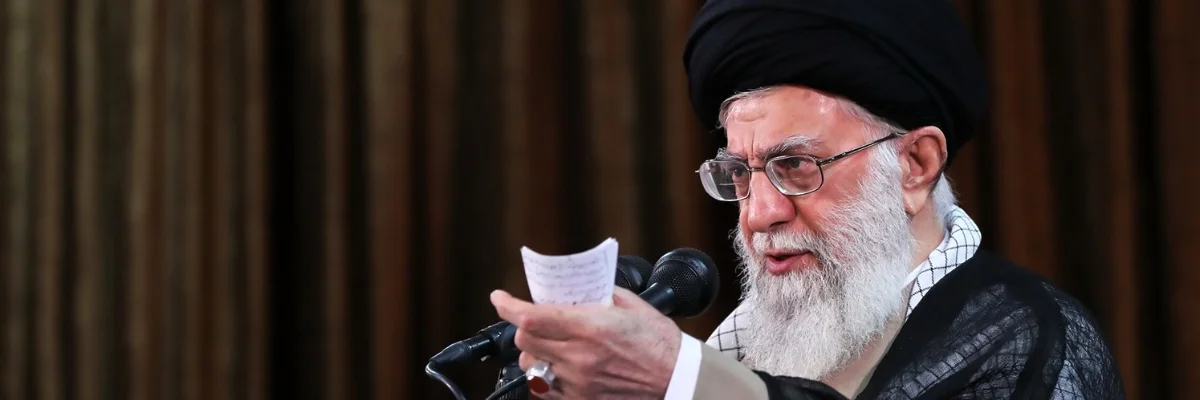
Iran's Khamenei: 'Negotiations With US Useless'
◢ Iran's supreme leader Ayatollah Ali Khamenei said Saturday that negotiations with the United States are "useless" because it does not abide by agreements. "As I have previously said, we cannot trust in the words of the United States and even in their signature, so negotiations with the United States are useless," Khamenei told a gathering of Iranian diplomats in Tehran.
Iran's supreme leader Ayatollah Ali Khamenei said Saturday that negotiations with the United States are "useless" because it does not abide by agreements.
"As I have previously said, we cannot trust in the words of the United States and even in their signature, so negotiations with the United States are useless," Khamenei told a gathering of Iranian diplomats in Tehran.
"The idea that problems can be resolved through negotiations or relations with the United States is a major error," he added.
Having withdrawn from the landmark 2015 nuclear deal between Tehran and world powers, Washington is determined to isolate Iran and pile on economic pressure with a full reimposition of sanctions, starting in August.
Europe opposes the move and has vowed to find ways of maintaining its trade ties with Iran, which under the deal curbed its nuclear program in exchange for a lifting of sanctions.
"Negotiations with the Europeans must continue, but we must not wait for their offer indefinitely," said Khamenei.
President Donald Trump has said he is open to a new deal that would cover not only Iran's nuclear facilities, but also its missile program and regional interventions which are seen as a threat to Washington's Israeli ally.
"The US seeks the return of the situation and their status before the (1979 Islamic) revolution in Iran," said Khamenei.
"They are against the nuclear potential and the power of its (Iran's) enrichment, and its presence in the region."
Iran was a close ally of the United States up until the revolution.
Photo Credit: Khamenei.ir
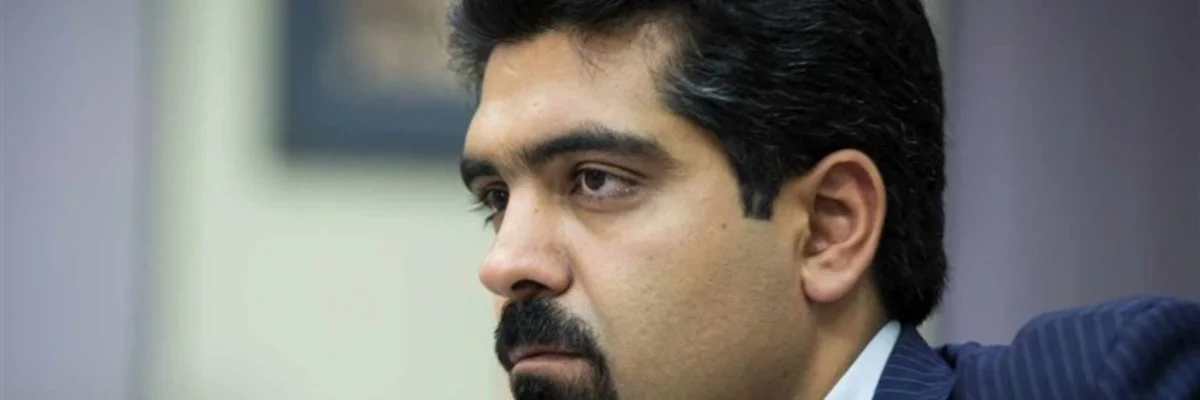
Iran Overturns Ban on Religious Minority Councillor
◢ Iranian authorities ruled Saturday that a member of the minority Zoroastrian religion had been wrongly suspended from his post on a city council. Sepanta Niknam, a member of Iran's ancient Zoroastrian religion, was the only non-Muslim elected to the council in the central city of Yazd in May 2017, but he was suspended later in the year following a complaint by one of his fellow councillors.
Iranian authorities ruled Saturday that a member of the minority Zoroastrian religion had been wrongly suspended from his post on a city council.
Sepanta Niknam, a member of Iran's ancient Zoroastrian religion, was the only non-Muslim elected to the council in the central city of Yazd in May 2017, but he was suspended later in the year following a complaint by one of his fellow councillors.
It had followed a ruling by the ultra-conservative head of Iran's Guardian Council, which oversees elections, barring religious minorities from standing in municipal polls.
Because the Guardian Council has power only over national elections, the ruling was rejected by parliament, but that did not prevent Niknam's suspension.
On Saturday, Majid Ansari, a member of the Expediency Council which is charged with resolving disputes between Iran's multiple centers of authority, said they had finally ruled in favor of Niknam.
"Today, the Expediency Council ruled that the 1996 law on religious minorities is applicable and they can participate in council elections in their town," Ansari told the reformist ILNA news agency.
He added that Niknam was now free to retake his post on Yazd city council. Iran officially recognizes "Iranian Zoroastrians, Jews and Christians" as religious minorities.
The national parliament has several religious minority members, including three Christians, a Zoroastrian and a Jew among its 290 deputies.
Zoroastrianism was the dominant religion in Persia, prior to the arrival of Islam, but only counts around 25,000 adherents today, according to government figures.
Photo Credit: Tasnim
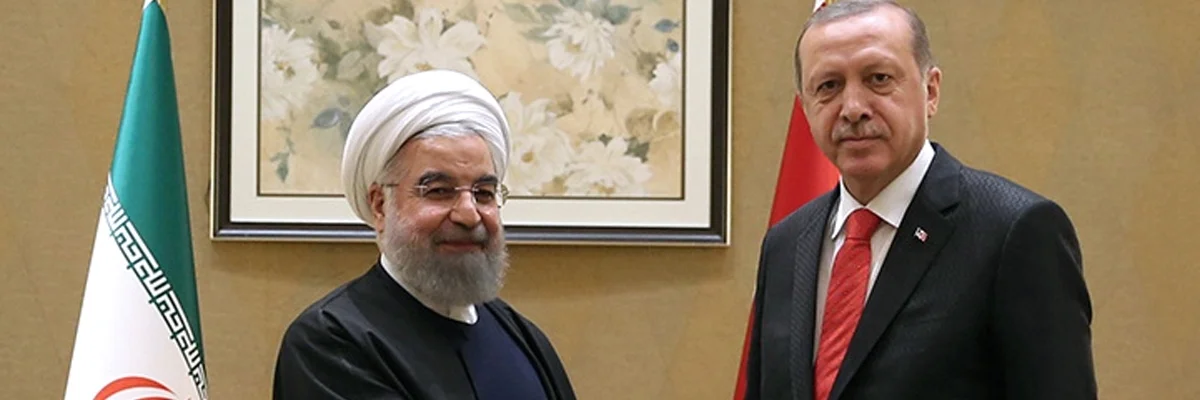
Turkey in US Talks to Avoid 'Negative Impact' From Iran Sanctions
◢ Turkey on Friday hosted an American delegation for talks to address concerns about the potential negative impact on its economy of the looming reimposition of US sanctions against Iran. US President Donald Trump decided in May to abandon the 2015 deal agreed with other world powers on Iran's nuclear program and reimpose nuclear-related sanctions against the Islamic Republic.
Turkey on Friday hosted an American delegation for talks to address concerns about the potential negative impact on its economy of the looming reimposition of US sanctions against Iran.
US President Donald Trump decided in May to abandon the 2015 deal agreed with other world powers on Iran's nuclear program and reimpose nuclear-related sanctions against the Islamic Republic.
The sanctions, which will seek to bar foreign companies from doing business with Iran and block its oil sales abroad, have alarmed Turkey which has a strong trade relationship with its neighbor and imports Iranian crude.
"Our relevant authorities are carrying out necessary work for Turkey not to be negatively impacted by the upcoming sanctions," the Turkish foreign ministry said in a statement.
"Within this framework, we had discussions with the US delegation visiting Turkey," it said, without giving further details.
It added that "Iran is an important neighbor for Turkey, in view of both our bilateral economic and commercial relations as well as our energy imports."
Turkish officials have vowed to continue trading with Iran despite the sanctions, which the former economy minister Nihat Zeybekci in May described as an "opportunity".
Asking not to be named, a US official acknowledged that the sanctions were "a very important and potentially contentious issue between the two governments."
He said the delegation had come "to make clear what the implications of our sanction legislation are, so there are no misunderstandings and confusion."
"The earlier we have these high level talks..., the less likely we are to wander into new areas of disagreement out of ignorance," said the official.
Relations between Turkey and the US have already been strained after a Turkish banker who helped Iran evade US sanctions was convicted in the US in January.
Mehmet Haka Atilla was convicted after well-connected Turkish-Iranian businessman Reza Zarrab, arrested in the US in 2016, became a government witness and admitted involvement in a multi-billion-dollar gold-for-oil scheme to subvert US economic sanctions against Iran.
During his testimony, Zarrab implicated President Recep Tayyip Erdogan and other officials in the scheme. In May, a Manhattan court sentenced Atilla to 32 months in jail.
Annual trade between Turkey and Iran is around USD 10 billion but Erdogan has expressed hope of raising it to USD 30 billion. Iran supplies Turkey with around one half of its crude oil imports and Iranian tourists are increasingly important for the Turkish market.
Photo Credit: IRNA
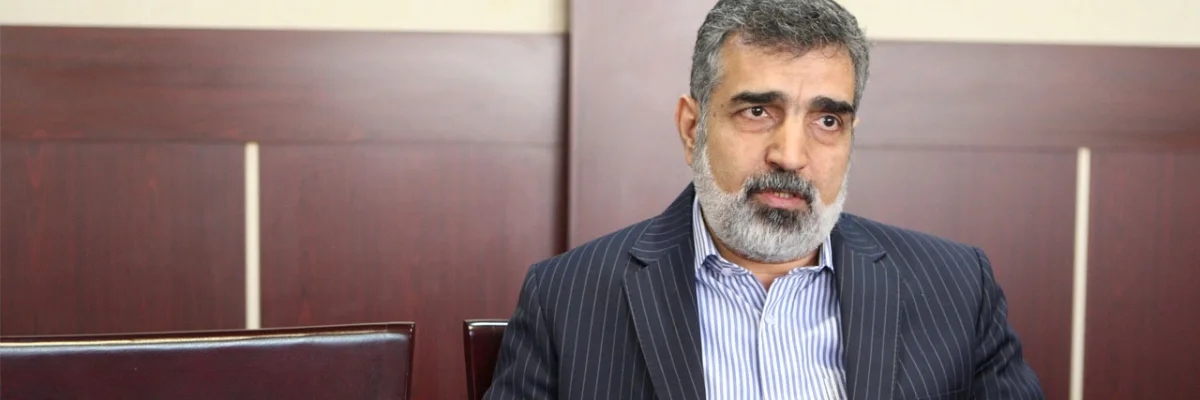
Iran 'Preparing' to Enrich if Nuclear Deal Fails: Official
◢ Iran is ready to boost its uranium enrichment to higher levels if talks fail with Europe on salvaging the nuclear deal, a top official said Tuesday. "We have of course adopted some measures in order to prepare the ground for eventually increasing the level of enrichment if it is needed and if the negotiations with the Europeans fail," Behrouz Kamalvandi, spokesman and vice-president of Iran's Atomic Energy Organization, told a news conference in Tehran.
Iran is ready to boost its uranium enrichment to higher levels if talks fail with Europe on salvaging the nuclear deal, a top official said Tuesday.
"We have of course adopted some measures in order to prepare the ground for eventually increasing the level of enrichment if it is needed and if the negotiations with the Europeans fail," Behrouz Kamalvandi, spokesman and vice-president of Iran's Atomic Energy Organization, told a news conference in Tehran.
"We are of course continuing to carry out and implement our obligations based on the JCPOA," he said, referring to the 2015 nuclear deal with world powers that put strict limits on its atomic program in return for sanctions relief.
"But at the same time, taking every scenario into consideration, we are preparing ourselves," he added.
The United States announced in May that it was abandoning the 2015 agreement and reimposing nuclear-related sanctions, threatening global companies with heavy penalties if they continue to operate in Iran.
In a bid to save the accord, the EU and European parties to the deal—Britain, France and Germany—presented a series of economic "guarantees" to Iran this month, but these were judged "insufficient" by Tehran.
Negotiations are continuing, and foreign ministry spokesman Bahram Ghasemi said Monday they could last several "weeks", according to state television.
In June, in a bid to mount pressure on the Europeans, Iran announced a plan to increase its uranium enrichment capacity with new centrifuges in the event that the agreement collapses, while still denying any desire to build a nuclear weapon.
Under the 2015 agreement, Iran can only enrich uranium to 3.67 percent—far below the roughly 90-percent level needed for nuclear weapons.
Photo Credit: IRNA
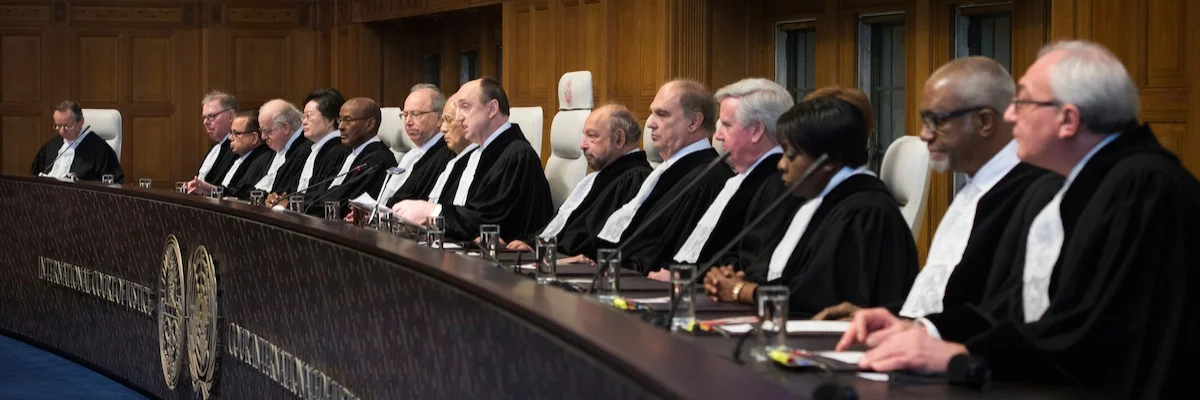
Iran Lodges Complaint Against US Over Renewed Sanctions
◢ Iran has lodged a complaint with the International Court of Justice against the United States' reimposition of sanctions, the foreign ministry said on Tuesday. The complaint was registered the previous day, spokesman Bahram Ghasemi said on the ministry's website. The goal is "to hold US accountable for its unlawful re-imposition of unilateral sanctions," Foreign Minister Mohammad Javad Zarif wrote on Twitter.
Iran has lodged a complaint with the International Court of Justice against the United States' reimposition of sanctions, the foreign ministry said on Tuesday.
The complaint was registered the previous day, spokesman Bahram Ghasemi said on the ministry's website.
The goal is "to hold US accountable for its unlawful re-imposition of unilateral sanctions," Foreign Minister Mohammad Javad Zarif wrote on Twitter.
"Iran is committed to the rule of law in the face of US contempt for diplomacy and legal obligations. It's imperative to counter its habit of violating (international) law," he added.
The complaint came in response to Washington's decision in May to abandon the 2015 nuclear deal and reimpose sanctions on Iran.
Tehran says the action violates international obligations, including the 1955 US-Iran Treaty of Amity—an agreement signed well before Iran's 1979 revolution, but which is still invoked in ongoing legal battles.
Iran and the US have not had diplomatic relations since 1980 when American embassy officials were held hostage in Iran.
Zarif addressed world diplomats and Iranian businessmen at a lavish Tehran hotel on Monday night, in a meeting designed as a show of continued mutual support in the face of US aggression.
"This administration in the United States doesn't know how to behave towards the world... it breaks international treaties as a tool. It is necessary to put a stop to this behavior," Zarif said.
Austrian ambassador Stefan Scholz, whose country currently holds the presidency of the European Union, said "unorthodox and innovative measures" were being considered to allow banking transactions to continue after US sanctions return.
"We are all in this together, since the EU is facing a net loss of EUR 10 billion (USD 11.7 billion) in lost trade with Iran next year," Scholz said.
The ICJ is already due to hear a complaint on October 8 that Iran lodged two years ago against the United States for freezing around USD 2 billion of its assets held abroad.
Photo Credit: ICJ