

EU Protects Firms as it Fights US Bid to Isolate Iran
◢ EU countries on Monday gave European firms legal cover to operate in Iran despite the US pullout from the nuclear deal, after a report that the Trump administration has rejected calls by Brussels for an exemption from sanctions. The bloc's foreign policy chief Federica Mogherini said the 28 countries were doing all they could to save the deal but conceded President Donald Trump's administration could still wreck it.
EU countries on Monday gave European firms legal cover to operate in Iran despite the US pullout from the nuclear deal, after a report that the Trump administration has rejected calls by Brussels for an exemption from sanctions.
The bloc's foreign policy chief Federica Mogherini said the 28 countries were doing all they could to save the deal but conceded President Donald Trump's administration could still wreck it.
US President Donald Trump withdrew from the Iran nuclear deal in May, and Washington now plans to reimpose sanctions on Tehran next month.
"Today, the (European) Council has endorsed the update of the blocking statute annex on the nuclear deal with Iran," Mogherini told reporters in Brussels at a meeting with EU foreign ministers.
She said the European Parliament gave its consent to the statute two weeks ago.
The "blocking statute" forbids EU firms from complying with US sanctions, allowing them to recover damages from such penalties and nullifying any foreign court rulings against them.
The EU vowed to fight to preserve the Iran nuclear deal after the US withdrawal, one of many points of US-European contention.
The blocking statute is due to enter force on August 6, when the first set of US sanctions are due. The second set is due November 4, just before US legislative elections.
The move came as the Financial Times reported that the Trump administration has rejected an EU call for an exemption from US sanctions on companies operating in Iran.
Mogherini conceded it will be tough battle to preserve the Iran nuclear agreement, which Trump's predecessor Barack Obama sealed with Iran along with Britain, France and Germany as well as Russia and China.
"It is a difficult exercise, because the weight of the US in the global economy and the financial system is obviously relevant," the former Italian foreign minister said.
French carmaker Renault, which does not sell cars in the US, has said it will remain in Iran despite the sanctions.
But French oil group Total and carmaker PSA have already indicated they are likely to pull out of Iran.
Mogherini said the EU and other parties were "determined to preserve this deal" she called vital to European, Middle Eastern and global security.
"We will continue to do all we can to try and prevent this deal from being dismantled because we believe the consequences of this would be catastrophic for all."
But she added she was not sure the "efforts are going to be enough."
Photo Credit: Wikicommons
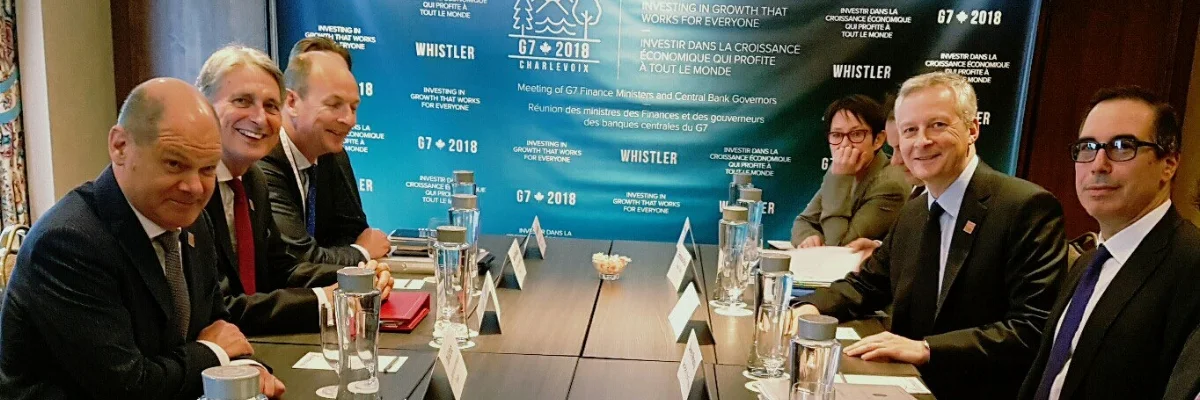
US Rejects European Call for Iran Sanctions Waiver
◢ Washington will not budge on its decision to impose fresh sanctions on corporations operating in Iran, despite a European request for exemption, the Financial Times reported Monday. "International companies active in Iran face the threat of US sanctions within weeks after Washington rebuffed a high-level European plea to exempt crucial industries to help keep a landmark nuclear deal with Tehran alive," the paper reported.
Washington will not budge on its decision to impose fresh sanctions on corporations operating in Iran, despite a European request for exemption, the Financial Times reported Monday.
"International companies active in Iran face the threat of US sanctions within weeks after Washington rebuffed a high-level European plea to exempt crucial industries to help keep a landmark nuclear deal with Tehran alive," the paper reported.
France, Britain, Germany and the European Union had on June 6 sent US President Donald Trump's administration a joint official request for their companies to be exempt from the fresh US sanctions on Iran.
The plea had come as European leaders scrambled to save the hard-fought deal signed between Iran and world powers in 2015 under which Tehran agreed to limit its nuclear capacities in exchange for relief from crippling economic sanctions.
Trump announced he was abandoning the deal in May—paving the way for new sanctions on the Islamic republic and punitive measures for those who trade with it.
In a formal letter, US Secretary of State Mike Pompeo and Treasury Secretary Steve Mnuchin refused to grant the European powers the waiver they had asked for, the Financial Times reported Monday, citing diplomats.
French Economy Minister Bruno Le Maire had already said the United States would not grant Europe its request.
"I wrote in the springtime to Steve Mnuchin... to ask him for an exemption for European companies legally working in Iran," Le Maire said according to an interview with French newspaper Le Figaro that was published Friday.
Failing an outright exemption, Le Maire had also asked for more time before the sanctions regime was due to kick in.
"We have just received the answer, and it's negative," he said.
Washington's refusal came as Trump called Europe a foe in trade and renewed accusations that the EU was taking advantage of the United States.
Analysts say European firms which have rushed to invest in Iran after the lifting of sanctions over the past three years have the most to lose from the renewed sanctions.
Photo Credit: Bruno Le Maire Twitter
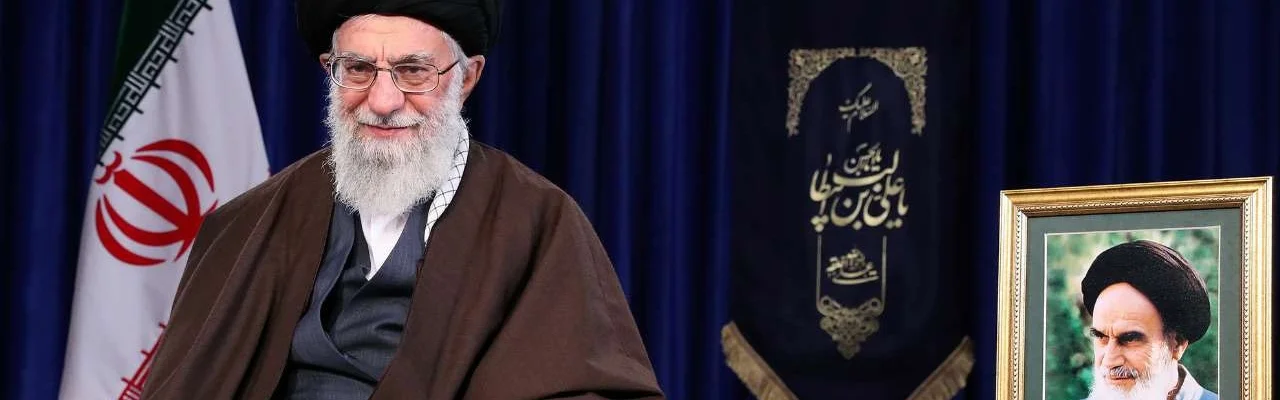
Iran's Khamenei Seeks Better Ties With The World, Apart From US
◢ Iran's supreme leader Ali Khamenei has called for better ties with the world—though not with the United States, according his official website on Monday. Khamenei met President Hassan Rouhani and his cabinet on Sunday and spoke of the "necessity of developing diplomacy and relations with foreign countries," according to a transcript published in English.
Iran's supreme leader Ali Khamenei has called for better ties with the world—though not with the United States, according his official website on Monday.
Khamenei met President Hassan Rouhani and his cabinet on Sunday and spoke of the "necessity of developing diplomacy and relations with foreign countries," according to a transcript published in English.
"Except for a few cases—such as the United States—Iran's relations with other countries, including with the West and the East, must expand and further develop."
Tehran's diplomats have been scrambling to shore up trade ties with both European and Asian powers since the US announced in May that it was abandoning the 2015 nuclear deal and reimposing sanctions on Iran.
Khamenei's statement recalls a famous slogan from the early days of the 1979 revolution: "Neither East nor West, Islamic republic", echoing a desire to strike a path independently from the major Cold War powers.
In February, Khamenei surprised observers by saying that Iran now prioritised ties with the East over the West—reflecting the much stronger ties it has developed with Russia and China in recent years.
Even before the US withdrawal, Iran had already been disappointed with the economic benefits of the nuclear deal as it emerged that a raft of remaining US sanctions were preventing the country from establishing international banking ties and other trade links.
He has called on Europe to give "real guarantees" that they can sustain trade with Iran despite US nuclear-related sanctions that will be fully reimposed by November 8.
On Sunday, he called for "courage and determination" from the government as it faced down the threats from the US, and said economic officials were now key to maintaining "hope and morale in people."
Photo Credit: IRNA
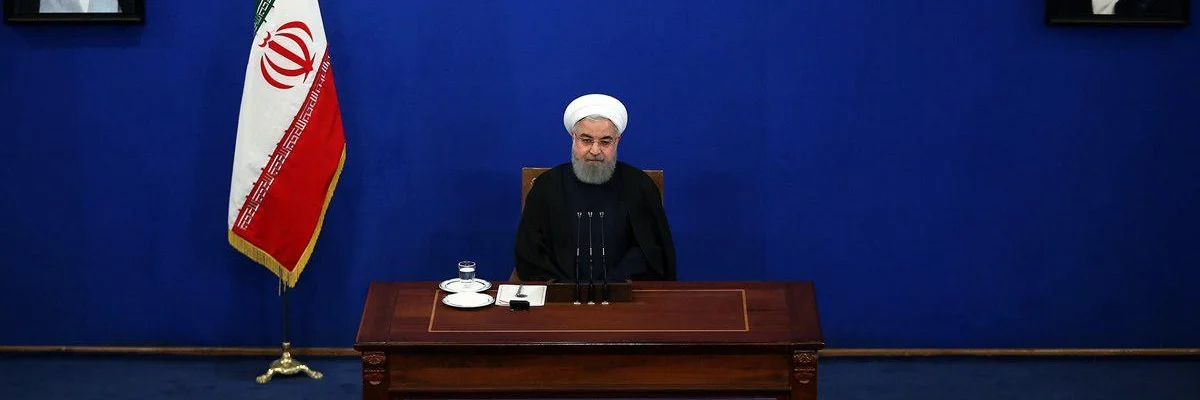
Iran's Rouhani Says US 'Isolated' on Sanctions
◢ The United States is increasingly isolated in its move to reimpose sanctions on Tehran after quitting the international nuclear deal, President Hassan Rouhani said Saturday, vowing to resist American "plots." Many importers and exporters have complained they do not have enough currency to enable trade with foreign countries. But Rouhani said Iran would ensure exporters and importers have "the necessary currency."
The United States is increasingly isolated in its move to reimpose sanctions on Tehran after quitting the international nuclear deal, President Hassan Rouhani said Saturday, vowing to resist American "plots."
"The path chosen by the Islamic Republic of Iran is perseverance, resistance", Rouhani said in televised remarks. "Each time that we were able to thwart the plots, the people and the government were side by side."
Over the objections of allies, Trump in May pulled the United States from the nuclear deal signed between Tehran and world powers in 2015.
He re-imposed US sanctions that had been suspended in return for controls on Tehran's nuclear program, effectively barring many multinational firms from doing business in Iran.
"The United States is more and more isolated on the subject of sanctions," said Rouhani. "The illegal logic of the United States is not supported by any of the international organizations."
Iran has faced mounting economic woes since Trump's announcement, which added to pressure on its currency. The rial has lost around half its value against the dollar in nine months.
Many importers and exporters have complained they do not have enough currency to enable trade with foreign countries.
But Rouhani said Iran would ensure exporters and importers have "the necessary currency."
Photo Credit: IRNA
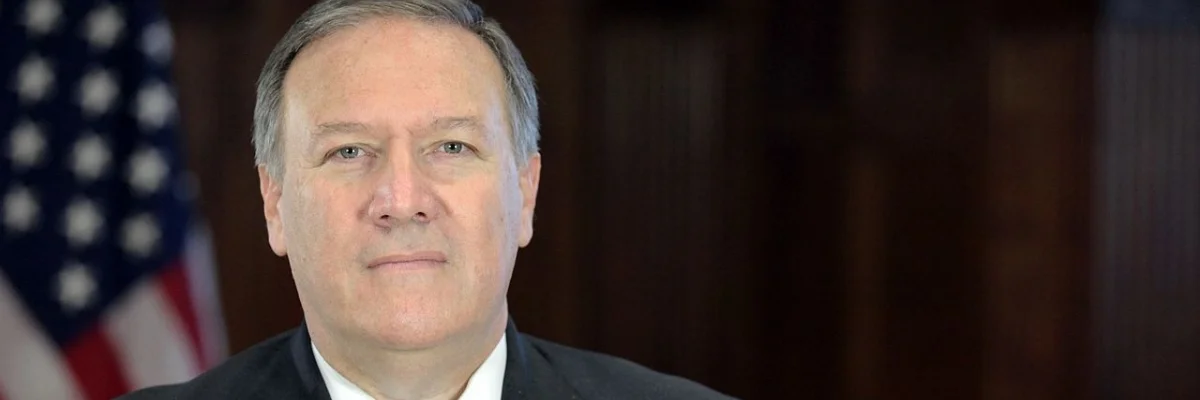
Pompeo Urges EU to Get Tough on Iran
◢ US Secretary of State Mike Pompeo urged European powers to get behind American measures to cut Iran off from world energy markets Thursday, during talks in Brussels. While debate at the nearby NATO summit was marked by President Donald Trump's attacks on Germany's close energy ties with Russia, his top diplomat had another target.
US Secretary of State Mike Pompeo urged European powers to get behind American measures to cut Iran off from world energy markets Thursday, during talks in Brussels.
While debate at the nearby NATO summit was marked by President Donald Trump's attacks on Germany's close energy ties with Russia, his top diplomat had another target.
Pompeo peeled off from Trump's summit entourage and joined US Energy Secretary Rick Perry and EU foreign policy chief Federica Mogherini at the EU-US energy council.
Pompeo made no statement going into the talks, but his Twitter account showed what was on his mind.
"Iran continues to send weapons across the Middle East, in blatant violation of UN Security Council resolutions," he wrote.
"Iran's regime wants to start trouble wherever it can. It's our responsibility to stop it."
Then, just before the talks started, he added: "We ask our allies and partners to join our economic pressure campaign against Iran's regime.
"We must cut off all funding the regime uses to fund terrorism and proxy wars," he warned.
"There's no telling when Iran may try to foment terrorism, violence and instability in one of our countries next."
Alongside the tweet he posted a map of Europe purporting to show the locations of 11 "terror attacks" US officials believe Iran or its proxy Hezbollah have carried out since 1979.
Washington dismayed Europe in May when Trump pulled out of the 2015 accord under which Iran agreed to controls on its nuclear program in exchange for sanctions relief.
US sanctions have now "snapped back" into place and US officials have begun to hope that the economic pressure is fuelling domestic discontent against the Tehran regime.
European companies are reluctant to resume trade with Iran at the risk of being hit by US secondary sanctions, but the main EU capitals want to protect the accord.
They are thus resisting a US threat to impose sanctions on any entity trading in Iranian oil or dealing with the Iranian central bank after a November 4 deadline.
Photo Credit: Wikicommons
Iran TV Film On Evils of Dancing Online Sparks Controversy
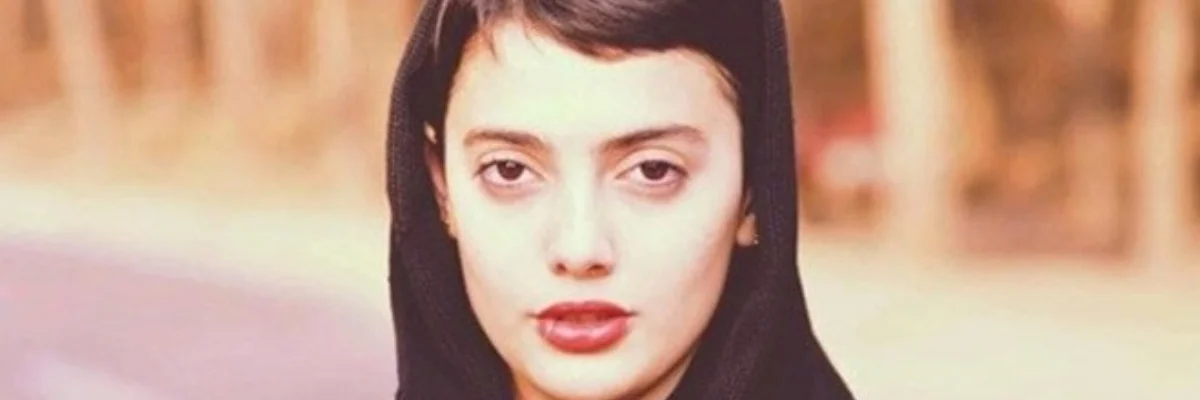
◢ A film on Iranian state television showing social media users being upbraided for allegedly promoting dance online has sparked criticism from reformists in the Islamic republic. The broadcast, aired Friday on flagship channel IRIB 1, featured men and women whose faces were not shown being questioned and made to repent for activities portrayed as contrary to Islamic law and "family values.”
A film on Iranian state television showing social media users being upbraided for allegedly promoting dance online has sparked criticism from reformists in the Islamic republic.
The broadcast, aired Friday on flagship channel IRIB 1, featured men and women whose faces were not shown being questioned and made to repent for activities portrayed as contrary to Islamic law and "family values".
Daily newspaper Haft-e Sobh, close to Islamic conservatives in Iran, reported that four of those interviewed were arrested at an unknown date and then released.
Among them was a young woman who became popular for posting Instagram videos of herself dancing without a veil and in t-shirts revealing her tattooed midriff, reformist newspaper Etemad reported.
In the broadcast footage, the woman identified as Maedeh Hojabri breaks down in tears before admitting that "dancing is a crime", the newspaper wrote.
"But I never posted anything bad on Instagram, never," the woman said in the program.
Dancing in public is prohibited in Iran under legislation introduced after the Islamic revolution of 1979 and women are required to wear headscarves and long clothing.
But the treatment of the social media "stars" in the broadcast drew a backlash from reformist media and internet users -- especially after Haft-e Sobh said the film was made by the police.
Etemad blasted IRIB and asked whether the authorities should not be going after people blamed for crimes it deemed more serious.
"Why do we not bring in the crooks?" journalist Abdi wrote.
The newspaper also cited Hesamodin Ashna, an advisor to President Hassan Rouhani, suggesting that those shown in the film might not have given their "consent."
Online, critics expressed their anger over the broadcast.
On Instagram, Shiite cleric Mohammad Reza Zaeri, a former editor of the popular daily Hamshahri, wrote that it was not "the wiggling of a teenager's hip" that undermines Iran's Islamic system but "the slip of a pen by an old judge."
One hashtag reading "Dance and we'll dance" in Persian and another one saying "Dancing is not a crime" in English spread on Twitter, with users posting videos of themselves dancing.
Another campaign demanding to "Ban IRIB" has also spread on Twitter, calling on the US government to impose fresh sanctions on Iranian state television.
However, despite the controversy, those behind the programming defended the airing of the film.
IRIB public relations director Mohammad Hossein Ranjbaran wrote in Haft-e Sobn that "many families" had called to demand" that the broadcaster covers the issue and the "damage caused by cyberspace."
Photo Credit: Twitter
French Shipping Firm Drops Iran Over US Sanctions Threat
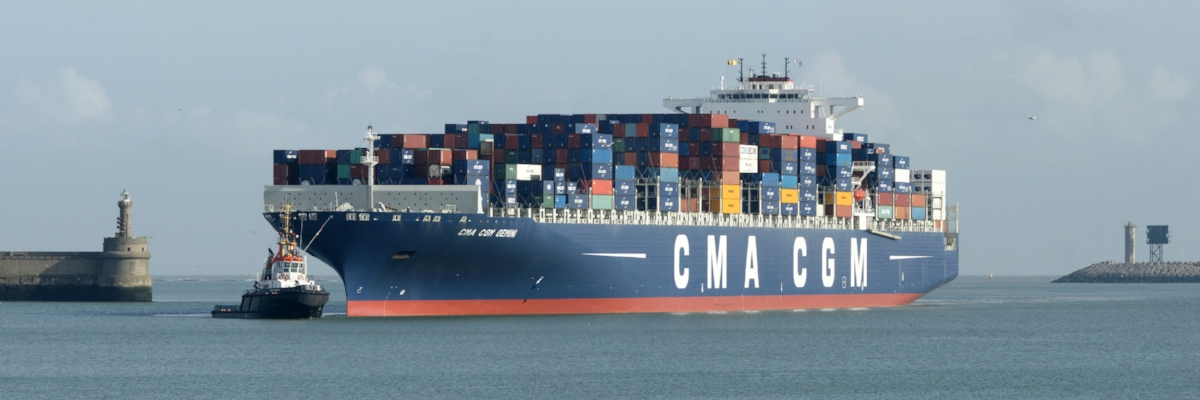
◢ The world's third largest shipping container group, the French-owned CMA CGM, has decided to withdraw from Iran over the threat of US sanctions, its chief executive said Saturday. "Because of the Trump administration, we have decided to end our service to Iran," Rodolphe Saade told an economic conference in Aix-en-Provence in southern France.
The world's third largest shipping container group, the French-owned CMA CGM, has decided to withdraw from Iran over the threat of US sanctions, its chief executive said Saturday.
"Because of the Trump administration, we have decided to end our service to Iran," Rodolphe Saade told an economic conference in Aix-en-Provence in southern France.
"Our Chinese competitors are hesitating a bit, so they may have different relationships with the Trump administration."
In 2016 the company signed a memorandum of understanding with the Islamic Republic of Iran Shipping Lines allowing it to lease spaces for vessels, operate joint shipping lines and cooperate on the use of port terminals.
US President Donald Trump announced in early May the unilateral withdrawal of the US from the landmark Iran nuclear deal and the reinstatement of sanctions against the country, as well as against foreign companies who do business with it.
Washington said the sanctions would be immediate for new contracts and gave companies already working there up to 180 days to cease trading.
Photo Credit: Wikicommons
Sudden Shift in Iran as Hardliners Back Rouhani
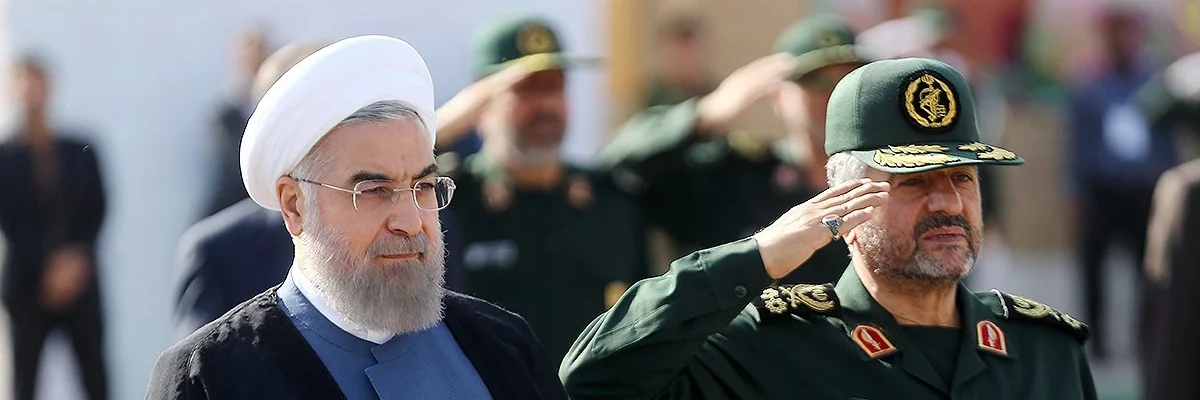
◢ Frequently a target of attack by hardliners, Iran's President Hassan Rouhani is benefiting from a sudden surge in support from his former critics, a week after he called for national unity. The apparent sea-change in conservative rhetoric follows hawkish comments by the president himself following Washington's unilateral May withdrawal from a landmark 2015 nuclear deal.
Frequently a target of attack by hardliners, Iran's President Hassan Rouhani is benefiting from a sudden surge in support from his former critics, a week after he called for national unity.
The apparent sea-change in conservative rhetoric follows hawkish comments by the president himself following Washington's unilateral May withdrawal from a landmark 2015 nuclear deal.
Visiting Europe to seek economic guarantees, Rouhani lashed out at Israel in the Swiss capital Bern on Tuesday, saying Iran "sees the Zionist regime as an illegitimate regime."
And he has questioned the American government's ability to make good on threats to prevent other countries buying Tehran's oil.
The latest evidence of the domestic shift came on Wednesday, in a letter by prominent General Qassem Soleimani to the moderately conservative president.
Soleimani—head of the elite Revolutionary Guards' foreign operations—thanks the president for his "wise and appropriate" words on Israel and the US, in the letter published by Fars news agency. Rouhani's remarks were "a source of pride", wrote the general.
'Meeting in the Strait'
Rouhani is the main Iranian architect of the July 2015 nuclear accord with world powers, under which his country agreed to rein in its nuclear program in exchange for easing multilateral sanctions which had strangled the economy.
Some Iranians have interpreted Rouhani's recent hawkish comments as meaning
he could be open to blocking the Strait of Hormuz—a threat Tehran has
brandished during past bouts of regional tension.
Some 30 percent of all the world's sea-borne oil exports pass through the strait, which runs from the Gulf into the Indian Ocean.
Conservative Iranian media outlets have thrown their weight behind Rouhani.
"Meeting in the Strait" read a headline in Javan—a daily close to the Revolutionary Guards—along with a picture of the president and General Soleimani shaking hands in front of a map of the Strait of Hormuz.
A photo of Soleimani was splashed across the front page of Sazandegi newspaper with the headline "Unity Sepah-Government" (Sepah is the Farsi acronym for the Revolutionary Guards).
Rouhani, who has sought to open up various economic sectors to private enterprise, has repeatedly criticized the Revolutionary Guards for exerting too tight a grip on Iran's economy.
Since he first took office in 2013, Rouhani has regularly been attacked by ultra-conservatives.
He was elected for a second four-year term in May 2017, with the support of reformers.
After protests around the New Year in many Iranian cities against economic hardship, they accused Rouhani of abandoning the country's weakest citizens.
Some have held up America's withdrawal from the nuclear agreement as proof of the president's naivety in trusting the West.
'Survival of the Nation'
As Iran's rial plunged in value and protests re-ignited, some legislators called in late June for Rouhani to be impeached.
But things changed abruptly after June 27 when he appealed to his opponents for help.
Kayhan is another ultra-conservative newspaper now backing the president.
"We must put to one side our differences because, at present, the national interest and the survival of the nation are at stake," said an editorial.
But Javan signaled the truce may only be temporary.
"Resisting the enemy and preserving the nation's independence require us to be together and put our differences to one side until a later date", wrote editor-in-chief Abdollah Ganji.
Photo Credit: IRNA
Iran's Rouhani in Vienna to Shore Up Nuclear Deal, Dogged By Diplomat's Arrest
◢ Iranian President Hassan Rouhani on Wednesday was on the second leg of his European tour seeking assurances over the 2015 nuclear deal, a trip clouded by the arrest of a Tehran diplomat over an alleged bomb plot against opposition exiles in Paris. Hoping to boost economic cooperation to help offset the return of US sanctions following Washington's pullout from the historic deal, Rouhani arrived late Tuesday in Vienna—the city where it was signed.
Iranian President Hassan Rouhani on Wednesday was on the second leg of his European tour seeking assurances over the 2015 nuclear deal, a trip clouded by the arrest of a Tehran diplomat over an alleged bomb plot against opposition exiles in Paris.
Hoping to boost economic cooperation to help offset the return of US sanctions following Washington's pullout from the historic deal, Rouhani arrived late Tuesday in Vienna—the city where it was signed.
"Insofar as it is possible for Iran, we shall remain party to the accord, we shall not quit the JCPOA (the Joint Comprehensive Plan of Action) on condition that we can also benefit from it," Rouhani said.
"If the other signatories, apart from the United States, can guarantee Iran's interests then Iran will stay in the JCPOA", he insisted.
US President Donald Trump unilaterally pulled out of the agreement nearly two months ago, to the ire of the other signatories—China, France, Germany, Britain and Russia—which along with the European Union have continued to back the accord.
"We need a balance between our duties and the hypothesis of restrictions.... We hope for decisive actions regarding trade and the economy," added Rouhani in comments sending a message to the other deal signatories, whose foreign ministers are due to meet in Vienna on Friday for the first time since Trump's decision to dump the deal.
Austria just took up the European Union's six-month rotating presidency, while Vienna is the home of the UN nuclear watchdog, the IAEA, which monitors Iran's compliance with the accord.
Rouhani's European trip will be of "prime importance" as it could "provide a more precise picture of cooperation between Iran and Europe," the Iranian foreign ministry spokesman said at the weekend.
The Iranian government has itself warned that it will not continue to abide by the nuclear agreement if doing so goes against its economic interests.
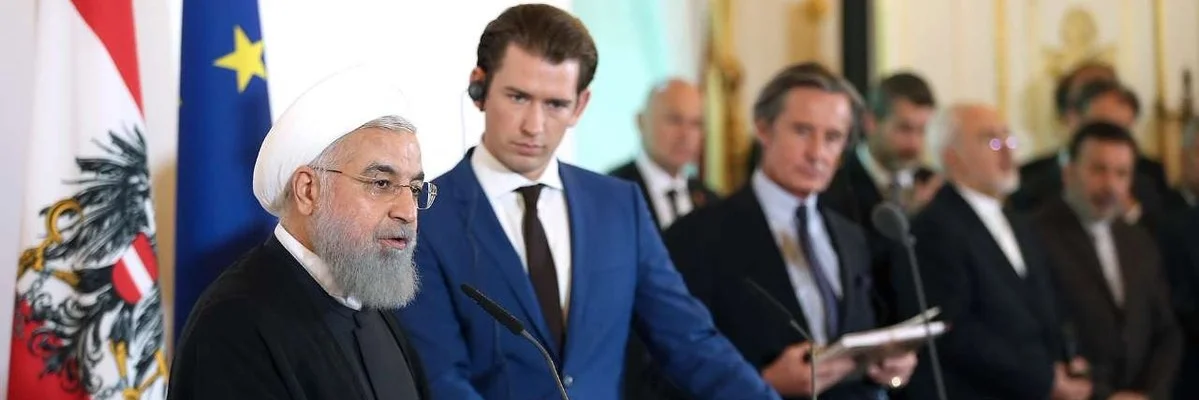
Rouhani, a moderate conservative re-elected in 2017, began meeting President Alexander Van der Bellen on Wednesday, and met Chancellor Sebastian Kurz later in the day.
'False Flag Ploy'
The nuclear deal has been the cornerstone of Rouhani's policy of greater openness with the West, and the US departure has seen him severely criticized by ultra-conservatives at home.
Iran's supreme leader, Ali Khamenei, has demanded Europe provide a number of economic guarantees in order for Tehran to continue its commitment.
Increasing the pressure on Iran's European partners, he ordered preparations be made to quickly restart nuclear activities in case talks collapse.
Rouhani's visit follows reports of the Iranian diplomat's arrest along with five others over a purported foiled attack on a rally of thousands of Iranian opposition supporters in Paris.
Rouhani has not changed his programme over what his foreign minister dismissed as a "false flag ploy" designed as a distraction.
"How convenient: Just as we embark on a presidential visit to Europe, an alleged Iranian operation and its 'plotters' arrested," Mohammad Javad Zarif tweeted.
Just hours before welcoming Rouhani to Austria, Vienna summoned Iran's ambassador and announced that the unnamed diplomat's status would be withdrawn.
The diplomat attached to the Iranian embassy in Austria, who was detained in Germany, was believed to be a contact of a couple at the centre of the alleged plot.
He may soon be extradited to Belgium, which is spearheading a probe into the alleged bomb plot, prosecutors told the German news agency DPA.
"We are waiting for full clarification" on the case, Kurz said at a press conference alongside Rouhani.
Zarif, who is accompanying Rouhani, will on Friday meet top envoys from the five powers for the first time since Washington's withdrawal.
Kurz had said he would speak plainly with Rouhani about Iran's role in the Middle East, as Tehran continues to deny accusations it is destabilizing the region.
The Austrian Chancellor said he considered it "absolutely unacceptable" to question the right of Israel to exist or call for the state's destruction.'
Photo Credit: IRNA
US Plan to End Iranian Oil Exports 'A Fantasy': Rouhani
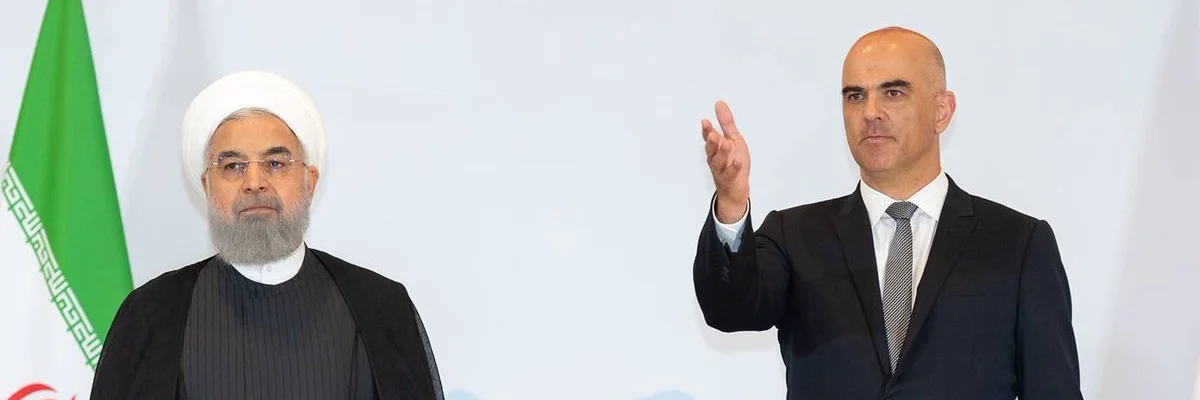
◢ A plan by the United States to cut Iran's oil production to zero is a "fantasy," Iranian President Hassan Rouhani said Tuesday during his European tour to rally support for the 2015 nuclear deal. "These are exaggerated statements that can never be implemented," Rouhani told reporters in Bern, after holding talks with Swiss authorities on a range of issues, including the nuclear deal.
A plan by the United States to cut Iran's oil production to zero is a "fantasy," Iranian President Hassan Rouhani said Tuesday during his European tour to rally support for the 2015 nuclear deal.
Washington has said it wants to pressure Iran to change its behavior by taking away all revenue Tehran generates from crude sales, part of the confrontational approach adopted by President Donald Trump, who pulled out of the historic nuclear pact in May.
"These are exaggerated statements that can never be implemented," Rouhani told reporters in Bern, after holding talks with Swiss authorities on a range of issues, including the nuclear deal.
"Such a scenario would mean the US was imposing its imperialist policy in flagrant violation of international law," he said.
"This is really a baseless fantasy," he added, condemning an "unjust" scenario where all oil producers are allowed to export crude except Iran.
Washington has said it is confident the world has enough spare oil capacity to replace Iranian crude, and Trump has said that he has persuaded Saudi Arabia to balance the market by boosting its own production.
The international community still overwhelmingly backs the nuclear deal which opened new opportunities to deepen economic relations with Iran.
But many believe nations will have to sever ties once Washington reimposes sanctions, to avoid losing access to US markets and financing.
Rouhani and Swiss President Alain Berset both underscored the importance of the nuclear deal, known as the Joint Comprehensive Plan of Action, substantial parts of which were negotiated in Switzerland.
The deal was signed in Vienna, where Rouhani will hold further talks on Wednesday.
Photo Credit: Swiss Presidency
Iran, World Powers to Meet on Nuclear Deal in Vienna on Friday
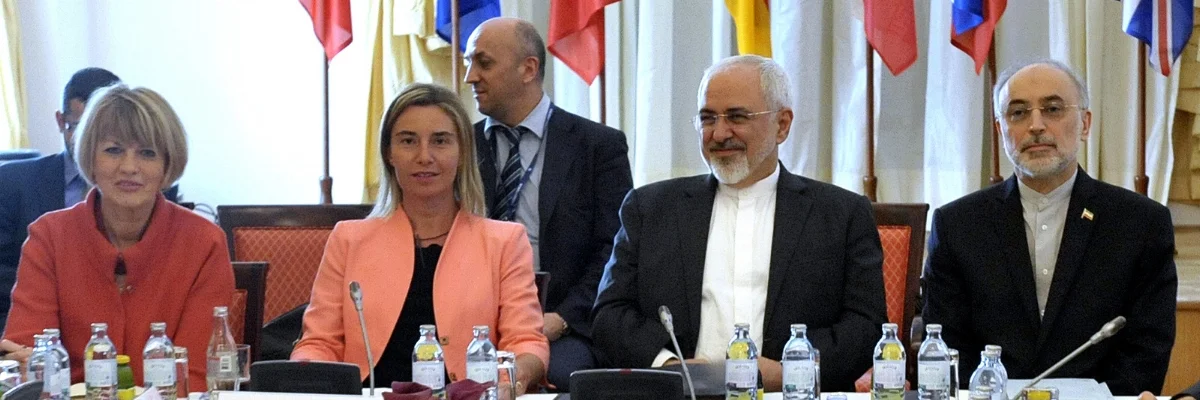
◢ The foreign ministers of Iran and five world powers still party to the 2015 nuclear deal will meet in Vienna on Friday for talks on the troubled accord, state media in Tehran said. The top diplomats of Britain, China, France, Germany and Russia will join Iranian Foreign Minister Mohammad Javad Zarif in the Austrian capital, Iran's official IRNA news agency reported, for their first talks together on the deal since Washington pulled out earlier this year.
The foreign ministers of Iran and five world powers still party to the 2015 nuclear deal will meet in Vienna on Friday for talks on the troubled accord, state media in Tehran said.
The top diplomats of Britain, China, France, Germany and Russia will join Iranian Foreign Minister Mohammad Javad Zarif in the Austrian capital, Iran's official IRNA news agency reported, for their first talks together on the deal since Washington pulled out earlier this year.
During the meeting the ministers will discuss an "incentive package" the European Union is offering to try to persuade Iran to stay in the agreement, IRNA reported.
The meeting will seek "solutions to preserve the Iran nuclear deal after the illegal US action to withdraw," it said.
The announcement came with President Hassan Rouhani in Europe to rally support for the deal.
Rouhani, accompanied by Zarif, was in Switzerland on Tuesday and due to head on Wednesday to Vienna, where the accord was signed in 2015.
US President Donald Trump unilaterally pulled out of the agreement two months ago, to the ire of the other signatories which along with the European Union have continued to back the accord.
Iran has warned it is ready to resume uranium enrichment to 20 percent—above the level permitted in the deal—"within days" if the agreement falls apart.
Photo Credit: IRNA
Austria Calls on Iran to Lift Immunity of Detained Diplomat
◢ Austria asked Tehran Tuesday to lift the immunity of an Iranian diplomat suspected of involvement in an alleged plot to bomb a rally by an exiled Iranian opposition group in France. The diplomat, who is based at the embassy in Vienna, was detained in Germany on Saturday.
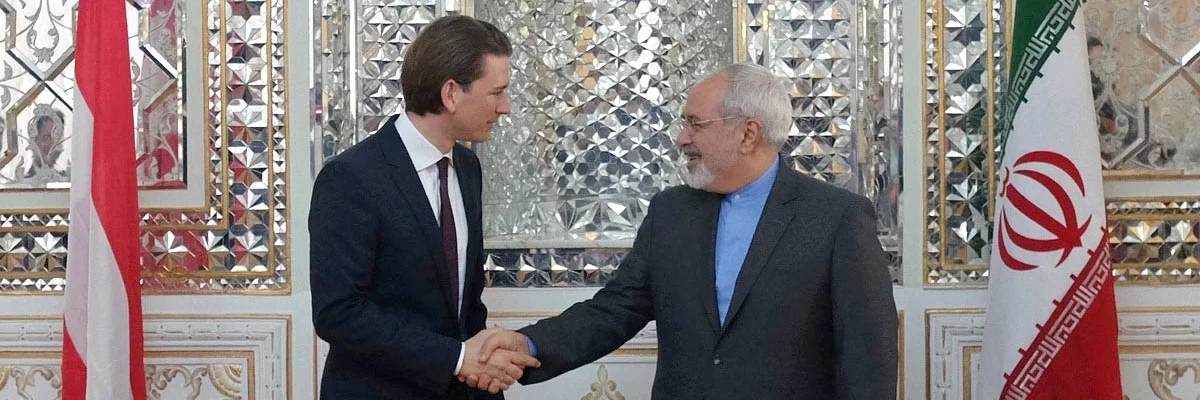
Austria asked Tehran Tuesday to lift the immunity of an Iranian diplomat suspected of involvement in an alleged plot to bomb a rally by an exiled Iranian opposition group in France.
The diplomat, who is based at the embassy in Vienna, was detained in Germany on Saturday.
Vienna delivered the request to "lift the immunity of the Iranian diplomat" to Iran's ambassador to Austria, who was summoned to the foreign ministry after news of the alleged plot emerged on Monday, a ministry spokesman said.
Austria also informed Iran on Tuesday that the diplomat would be "deprived of his diplomatic status within 48 hours because of the existence of a European arrest warrant" against him, said the spokesman, Matthias Forenbacher.
The diplomat was one of six people arrested in Belgium, France and Germany over the alleged plot.
The apparent foiled attack was to have targeted a meeting of thousands of Iranian opposition supporters in a northern suburb of the French capital that was also attended by leading US figures, including close allies of President Donald Trump.
Federal prosecutors in Brussels first revealed the arrests, charging a husband and wife they described as Belgian nationals "of Iranian origin".
They said the Iranian diplomat in Vienna was believed to be a contact of the couple.
The arrests were revealed on the day Iranian President Hassan Rouhani arrived in Switzerland on a visit that Tehran said was of "crucial importance" for cooperation between the Islamic Republic and Europe after the US withdrawal from the Iranian nuclear agreement.
Rouhani is also due to visit Austria, which currently holds the six-month presidency of the European Union.
Iran's foreign minister dismissed the attack plot as a "false flag ploy" designed to overshadow Rouhani's tour.
"How convenient: Just as we embark on a presidential visit to Europe, an alleged Iranian operation and its 'plotters' arrested," Mohammad Javad Zarif tweeted.
Photo Credit: IRNA

US Sticks to Goal of Cutting Iran Oil Exports to Zero
◢ The United States remains determined to force Iran to change its behavior by cutting its oil exports to zero, the State Department said Monday, despite resistance from importing countries. Brian Hook, the senior official leading negotiations with US allies on a new Iran strategy, said Washington is confident the world has enough spare oil capacity to replace Iranian crude.
The United States remains determined to force Iran to change its behavior by cutting its oil exports to zero, the State Department said Monday, despite resistance from importing countries.
Brian Hook, the senior official leading negotiations with US allies on a new Iran strategy, said Washington is confident the world has enough spare oil capacity to replace Iranian crude.
And he confirmed that US secondary sanctions on firms dealing with Iran would "snap back" on August 6 for trade in cars and metals and on November 4 for oil and banking transactions.
This has been US policy since President Donald Trump pulled out of the Iran nuclear accord on May 8, but many foreign capitals have been demanding waivers to allow some trade to continue.
The US ultimatum has also contributed to upward pressure on world oil prices, although Trump believes he has persuaded Saudi Arabia to offset this by ramping up its own production.
"Our goal is to increase pressure on the Iranian regime by reducing to zero its revenue from crude oil sales," Hook, the State Department's director of policy and planning, told reporters.
"Now, we are working to minimize disruptions to the global market, but we are confident that there is sufficient global spare oil production capacity.
"Banking sanctions will also snap back on November 4, and we will be aggressively enforcing these provisions to lock up Iran's assets overseas and deny the Iranian regime access to its hard currency."
Although the European signatories to the Iran deal—Britain, France and Germany—lobbied hard for Trump to stay in the accord, their companies are likely to acquiesce to the renewed sanctions.
Western diplomats say few major firms would see enough profit in dealing with Iran to justify the risk of losing access to US trade and finance.
But other powers—including major Iran clients like India, China and Turkey—may not be so quick to bow to US demands.
Hook said teams of US diplomats are deploying to explain and defend the policy, but warned: "We are not looking to grant licenses or waivers, because doing so would substantially reduce pressure on Iran.
"We are prepared to work with countries that are reducing their imports on a case-by-case basis," he added. "But as with our other sanctions, we are not looking to grant waivers or licenses."
Photo Credit: Wikicommons
Belgium Charges Two for Attack Plot on Iran Opposition in France
◢ Belgian prosecutors on Monday charged a husband and wife over a plot to bomb a weekend rally by an exiled Iranian opposition group in France. Amir S. and Nasimeh N., both Belgian nationals, "are suspected of having attempted to carry out a bomb attack" on Saturday in the Paris suburb of Villepinte, during a conference organized by the People's Mujahedin of Iran, a statement from the Belgian federal prosecutor said.
Belgium, France and Germany have detained six people, including an Iranian diplomat, over an alleged plot to bomb a weekend rally by an exiled Iranian opposition group in Paris, authorities and sources said Monday.
The apparent foiled attack was to have targeted a meeting of thousands of Iranian opposition supporters in a northern suburb of the French capital that was also attended by leading US figures, including close allies of President Donald Trump.
The developments came on the day Iranian President Hassan Rouhani arrived in Switzerland on a visit that Tehran said was of "crucial importance" for cooperation between the Islamic Republic and Europe after the US withdrawal from the Iranian nuclear agreement.
Rouhani is also due to visit Austria, which currently holds the six-month presidency of the European Union, and hosts the detained Iranian diplomat.
Iran's foreign minister dismissed the attack plot as a "false flag ploy" designed to overshadow Rouhani's tour.
"How convenient: Just as we embark on a presidential visit to Europe, an alleged Iranian operation and its 'plotters' arrested," Mohammad Javad Zarif tweeted .
"Iran unequivocally condemns all violence and terror anywhere, and is ready to work with all concerned to uncover what is a sinister false flag ploy," he said.
Federal authorities in Brussels first revealed the arrests, charging a husband and wife described by prosecutors as Belgian nationals "of Iranian origin".
Amir S., 38, and Nasimeh N., 33, "are suspected of having attempted to carry out a bomb attack" on Saturday in the Paris suburb of Villepinte, during the conference organized by the People's Mujahedin of Iran, a statement from the Belgian federal prosecutor said.
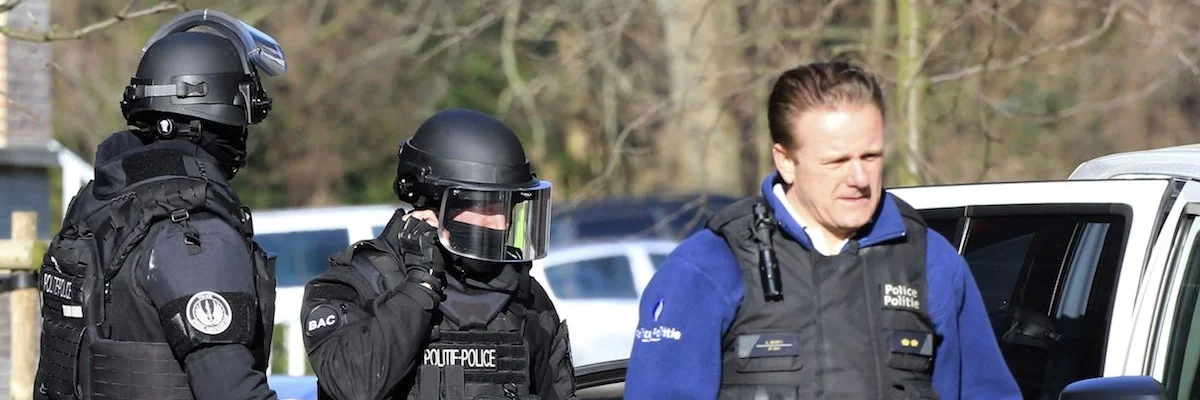
The couple were carrying 500 grams (about one pound) of the volatile explosive TATP along with a detonator when an elite police squad stopped them in a residential district of Brussels.
The statement said that an Iranian diplomat at the embassy in Vienna, a contact of the couple, was also detained in Germany.
In France, three people were taken into custody Saturday, a security source said on Monday—two of them later released.
In Belgium, police carried out five nationwide raids on Saturday, authorities said, though they refused to detail the results.
'Around the Corner'
The Belgian statement said about 25,000 people attended the rally in France where people waved the red, green and white flag of the National Council of Resistance of Iran (NCRI), and cheered its leader Maryam Rajavi.
The NCRI groups some exiled opposition organizations including the former rebel People's Mujahedin, which is banned in Iran.
At the rally, former New York mayor and Trump lawyer Rudy Giuliani urged regime change in Iran, saying the prospect was closer than ever after the Islamic Republic was hit by a wave of strikes and protests.
Giuliani called for a boycott of companies "that continually do business with this regime".
"Freedom is right around the corner," he said of the recent protests in Iran.
Giuliani and other US politicians have been hugely paid to speak at the annual Paris rally in recent years. Republican firebrand and former House speaker Newt Gingrich also addressed the rally.
The People's Mujahedin, formed in the 1960s to overthrow the shah of Iran, fought the rise of the mullahs in Tehran following the 1979 Islamic revolution.
It was listed as a "terrorist organization" by the US State Department in 1997 and was only removed from terror watchlists by the European Union in 2008 and Washington in 2012.
Belgium has been on high alert since the smashing of a terror cell in the town of Verviers in January 2015 that was planning an attack on police.
Photp Credit: EPA
Iranian President Flies to Europe to Rally Support
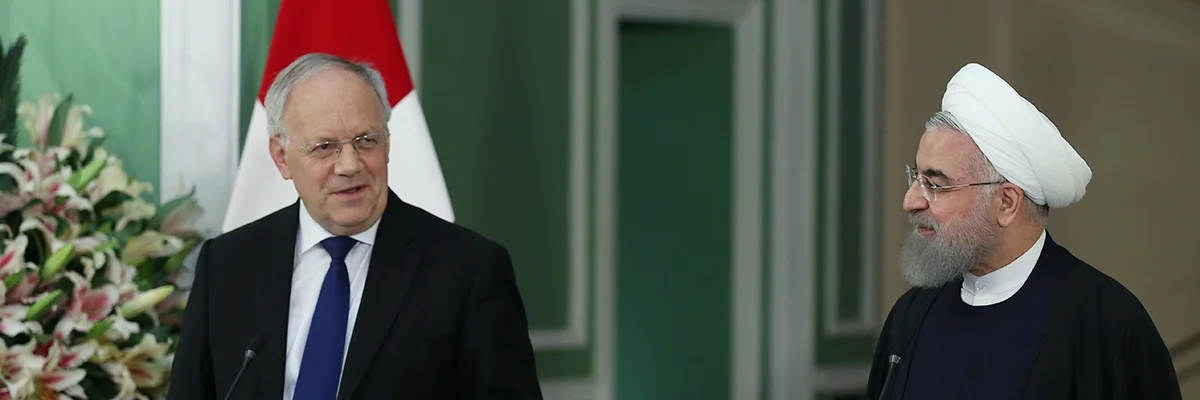
◢ President Hassan Rouhani departed Iran on Monday for a trip to Europe billed as of "prime importance" after the US pulled out of the 2015 nuclear deal between Tehran and world powers. Rouhani was set to visit Switzerland and Austria as part of Tehran's ongoing efforts to secure Europe's continued support for the landmark agreement.
President Hassan Rouhani departed Iran on Monday for a trip to Europe billed as of "prime importance" after the US pulled out of the 2015 nuclear deal between Tehran and world powers.
Rouhani was set to visit Switzerland and Austria as part of Tehran's ongoing efforts to secure Europe's continued support for the landmark agreement.
The Iranian president left Tehran on an early afternoon flight and was due to land in Zurich in the mid-afternoon, Iranian state media reported.
His delegation will travel on to Vienna Wednesday, according to authorities in Austria, where the historic nuclear deal was signed in July 2015.
The trip will be an "opportunity to talk about the future of the (nuclear) agreement," Rouhani told reporters at Tehran's Mehrabad Airport before boarding his flight, state television showed.
Foreign Minister Mohammad Javad Zarif is also scheduled to hold talks with Swiss officials in Bern.
The visit comes nearly two months after US President Donald Trump unilaterally pulled out of the agreement, to the ire of the other signatories—China, France, Germany, Britain and Russia—which along with the European Union have continued to back the accord.
Rouhani's European trip will be of "prime importance" as it could "provide a more precise picture of cooperation between Iran and Europe," Iranian foreign ministry spokesman Bahram Ghassemi said in comments carried by the semi-official ISNA news agency on Saturday.
Austria on Sunday took over the European Union's six-month rotating presidency, while Switzerland represents US interests in Iran owing to the absence of diplomatic relations between Washington and Tehran.
Vienna, where the deal was signed, is also the home of the United Nations' nuclear watchdog, the IAEA, which monitors Iran's compliance with the accord.
The nuclear deal has been the cornerstone of Rouhani's policy of greater openness with the West, and the US departure has seen him severely criticized by ultra-conservatives at home.
Even before Trump's decision, Iranians had long complained that the hoped-for uptick in foreign investment after the deal had not materialized.
Washington's decision paves the way for new US sanctions against Tehran, which will encompass businesses from third countries that continue to operate in Iran.
A number of foreign firms have already announced they would cease their Iranian activities in light of the looming imposition of sanctions.
Failure 'Very Dangerous'
While in Switzerland officials are due to sign agreements on economic cooperation, according to Iran's official IRNA news agency.
Rouhani will meet with the Swiss president, Alain Berset, and his two-day visit will coincide with a bilateral economic forum on health and nutrition, although it was not clear whether he will attend in person.
There will be a similar focus on finances in Vienna, where the Iranian president is expected to sign memorandums on economic cooperation according to Austrian media.
Chancellor Sebastian Kurz said he will speak plainly with Rouhani about Iran's role in the Middle East, as Tehran continues to deny accusations it is destabilizing the region.
Kurz will also find "clear words" to discuss the human rights situation in Iran, the chancellor told Austrian news agency APA.
The European tour is part of a broader diplomatic effort by Tehran to rally support in the wake of Trump's May 8 withdrawal from the deal, formally known as the Joint Comprehensive Plan of Action (JCPOA).
Last month Rouhani visited China, where he discussed the future of the nuclear deal with his Chinese and Russian counterparts on the margins of a security summit.
Zarif meanwhile embarked on a tour of Britain, France, Germany, China and Russia.
The foreign minister on June 24 warned that failing to save the nuclear deal would be "very dangerous" for Tehran.
But the Iranian government has also said it will not continue to abide by the agreement if doing so goes against its economic interests.
Iran's supreme leader, Ali Khamenei, has demanded Europe provide a number of economic guarantees in order for Tehran to continue its commitment.
Increasing the pressure on Iran's European partners, he ordered preparations be made to quickly restart nuclear activities in case talks collapse.
Photo Credit: IRNA
Iran Vows to Foil US Bid to Block its Oil Exports
◢ Iran vowed Sunday to thwart US efforts to block its oil exports and warned rival OPEC producer Saudi Arabia it would never take Tehran's "place" on the international oil market. "We will surely do something to thwart the US rallying cry that Iranian oil (exports) must be stemmed," First Vice President Eshagh Jahangiri said in statements broadcast on state television.
Iran vowed Sunday to thwart US efforts to block its oil exports and warned rival OPEC producer Saudi Arabia it would never take Tehran's "place" on the international oil market.
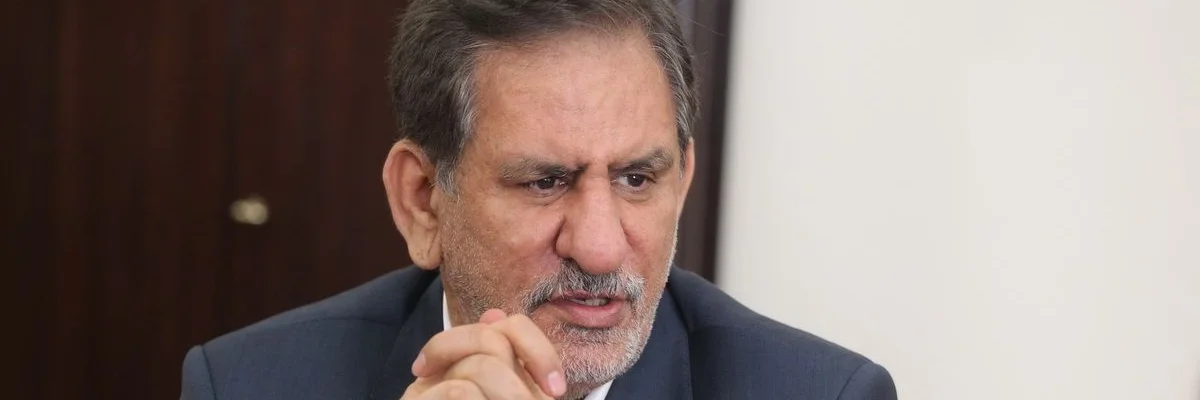
"We will surely do something to thwart the US rallying cry that Iranian oil (exports) must be stemmed," First Vice President Eshagh Jahangiri said in statements broadcast on state television.
"The (Iranian) government has a plan... and God willing we are certain that we will be able to sell as much oil as we want," he said.
The United States exited from the nuclear deal between Iran and world powers in May and said it would reimpose economic sanctions on the Islamic republic and its business partners by November 4.
On Tuesday a senior State Department official described tightening the noose on Tehran as "one of our top national security priorities".
The official warned countries including China and India, who are key buyers of Iranian oil, that they should stop purchasing crude from the country before the November deadline or face US sanctions.
European countries have been attempting to negotiate exemptions for their firms, but the official confirmed that US President Donald Trump intends to stick to his deadline. "We're not granting waivers," the official said.
Jahangiri's remarks come a day after Trump said that Saudi Arabia's King Salman had agreed to his request to ramp up oil production.
"Just spoke to King Salman of Saudi Arabia and explained to him that, because of the turmoil & dysfunction in Iran and Venezuela, I am asking that Saudi Arabia increase oil production, maybe up to 2,000,000 barrels, to make up the difference," Trump said in a tweet.
"Prices too high! He has agreed!," Trump added.
Jahangiri said it was not that "simple".
"They're begging the Saudis to raise their output so that if Iran's quota decreases nothing will happen to the markets," said Jahangiri.
"In this battle, any country that tries to take Iran's place on the oil market will be guilty of treason against Iran... and surely one day it will pay the price of this treason," he said.
Iran and Saudi Arabia broke off diplomatic relations in 2016 and are locked in several proxy wars in the Middle East, including in Yemen.
Iran possesses the second-largest gas reserves on the planet, after Russia, and the fourth-largest oil supplies, while Saudi Arabia is the world's biggest oil exporter.
Photo Credit: IRNA
UNESCO Adds 8 Pre-Islamic Iranian Sites to Heritage List
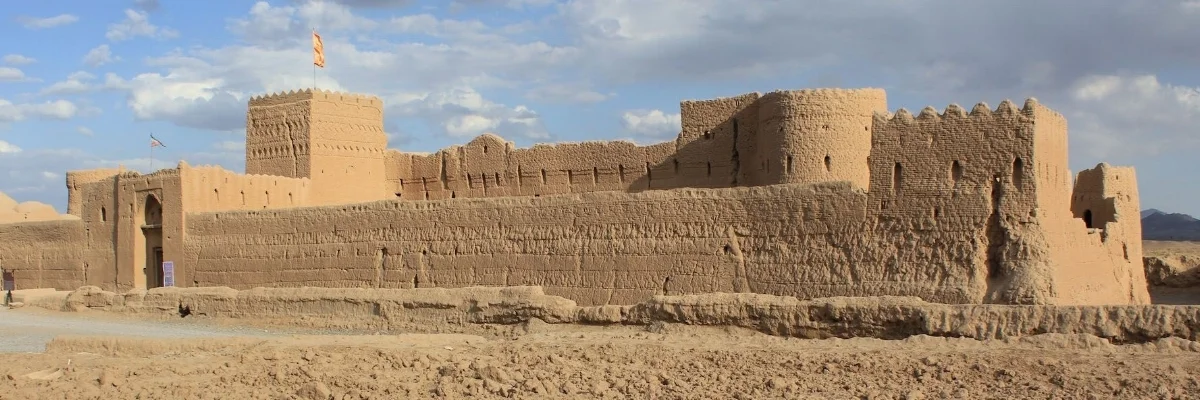
◢ UNESCO on Saturday added eight pre-Islamic Iranian archeological sites to its World Heritage List, the UN agency announced at a meeting in the Bahraini capital. The sites collectively appear on the worldwide list as the "Sassanid Archaeological Landscape of Fars region (Islamic Republic of Iran)."
UNESCO on Saturday added eight pre-Islamic Iranian archeological sites to its World Heritage List, the UN agency announced at a meeting in the Bahraini capital.
The sites collectively appear on the worldwide list as the "Sassanid Archaeological Landscape of Fars region (Islamic Republic of Iran)."
A province in modern-day Iran's south, Fars was the cradle of the Sassanid dynasty, which appeared at the start of the third century.
After the fall of the Parthian empire, the Sassanids ruled territory that, at its peak, stretched from the west of Afghanistan to Egypt, before falling to the Arab conquest under the Umayyad caliphate in the middle of the seventh century.
"These fortified structures, palaces and city plans date back to the earliest and latest times of the Sassanian Empire," UNESCO said.
With the latest addition, Iran now has 24 sites on the heritage list of the United Nations Educational, Scientific and Cultural Organization.
Photo Credit: Wikicommons
Several Injured During Iran Water Protests
◢ Several people were injured in the southwestern Iranian city of Khorramshahr late Saturday when demonstrators protesting against water pollution clashed with police, Iranian state media reported. The protesters set fire to rubbish bins and damaged public property, prompting police to fire tear gas to disperse them, state-run IRNA news agency said Sunday.
Several people were injured in the southwestern Iranian city of Khorramshahr late Saturday when demonstrators protesting against water pollution clashed with police, Iranian state media reported.
The protesters set fire to rubbish bins and damaged public property, prompting police to fire tear gas to disperse them, state-run IRNA news agency said Sunday.
Officials gave different accounts of those injured during the protest, with Deputy Interior Minister Hossein Zolfaghari saying 11 people were hurt when someone opened fire.
"Ten were members of the security forces" and one was a civilian who was hospitalised, he was quoted by IRNA as saying.
The attacker has not been identified, the news agency said.
Interior Minister Abdolreza Rahmani Fazli, meanwhile, said just one person was injured in a "confrontation involving shots."
He denied reports carried by Saudi media that Iranian security forces had shot and killed at least four protesters.
"The statements saying numerous people were killed are false," he said during a press conference.
The unrest erupted after some 500 people, mostly youth, gathered at a main square in the city to protest against pollution that is seeping into the city's drinking water network, IRNA reported. Protesters also gathered outside a mosque, the agency added.
At least one protester was seriously injured in the clashes and "a few policemen" were hurt, the agency said, quoting Khorramshahr deputy governor Valiollah Hayati. "No one has been killed," IRNA said, quoting Hayati.
According to IRNA, there have been several protests against water pollution in Khorramshahr and the neighboring city of Abadan over the past three days.
Iran has been facing mounting economic woes since the United States in May pulled out of a 2015 accord between Tehran and world powers that had lifted international sanctions in exchange for a scaling back of the Islamic republic's nuclear program.
Iran's currency has plunged almost 50 percent in value in the past six months against the US dollar and inflation is on the rise.
Traders in Tehran's Grand Bazaar held a rare strike on Monday against the collapse of the rial on the foreign exchange.
Brief scuffles had also broken out on Monday between protesters and police in the capital.
On Sunday, Vice President Eshagh Jahangiri said in statements broadcast on state television that Iran is suffering from several problems, not just US sanctions.
Among Iran's "woes", he cited its dependence on oil revenues along with a weak private sector and a fragile banking sector.
Industry Minister Mohammad Shariatmadari told a news conference in Tehran on Saturday that the situation was not "critical" but "special".
He urged foreign firms working in Iran to resist US "threats" of sanctions and to continue doing business in the country.
Photo Credit: UN
Trump Allies Push for Iran Regime Change
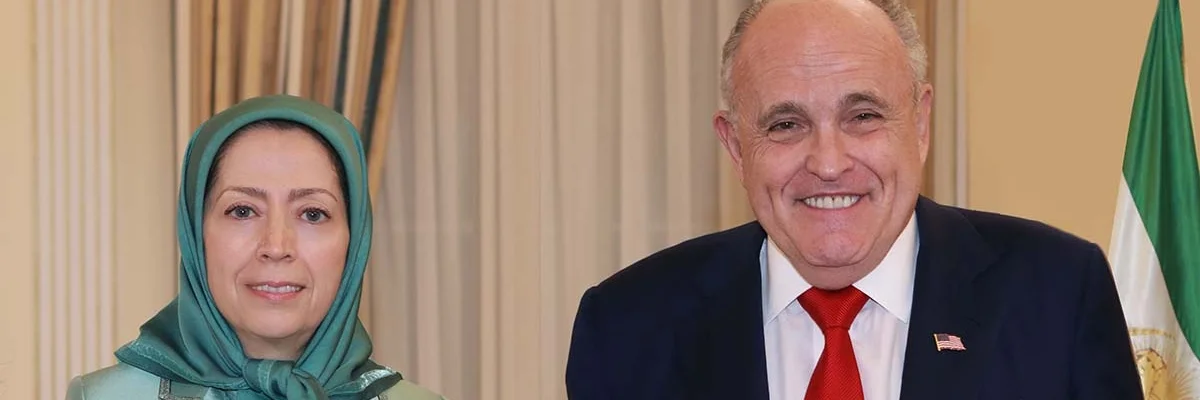
◢ US President Donald Trump allies Newt Gingrich and Rudy Giuliani on Saturday urged regime change in Iran, saying the prospect was closer than ever after the Islamic Republic was hit by a wave of strikes and protests. Former House speaker Gingrich and ex-New York mayor Giuliani also told a rally of thousands of Iranian opposition supporters in Paris that Trump needed to turn up the heat on European countries still seeking to do business with Tehran despite reimposed US sanctions.
US President Donald Trump allies Newt Gingrich and Rudy Giuliani on Saturday urged regime change in Iran, saying the prospect was closer than ever after the Islamic Republic was hit by a wave of strikes and protests.
Former House speaker Gingrich and ex-New York mayor Giuliani also told a rally of thousands of Iranian opposition supporters in Paris that Trump needed to turn up the heat on European countries still seeking to do business with Tehran despite reimposed US sanctions.
"The only way to safety in the region is to replace the dictatorship with a democracy and that has to be our goal," Gingrich told the Free Iran rally, organized by exiled opponents including the former rebel People's Mojahedin which is banned in Iran.
He stressed he did not speak for the Trump administration, but added: "It seems to me there would be a rather happy celebration should regime change occur."
Gingrich said he did not support arming the Iranian opposition, saying Trump should instead heap on more sanctions after pulling out of the 2015 nuclear deal between Tehran and world powers.
And he blasted countries attempting to find ways to allow their companies to keep operating in Iran under the threat of penalties for US sanction-busting.
"We need to have a campaign to shame the European governments who are unwilling to support freedom and democracy," Gingrich said. "We need to insist that they join the sanctions once again."
Giuliani called for a boycott of companies "that continually do business with this regime".
"Freedom is right around the corner," he added of the recent protests in Iran.
Gingrich, Giuliani and other US politicians have been heavily paid to speak at the annual Paris rally in recent years.
Their comments came after US Secretary Mike Pompeo this week gave his backing to the strikes and protests over economic woes, not least the collapse of the currency following the US withdrawal from the nuclear deal.
On Monday traders at Tehran's Grand Bazaar staged a rare strike following earlier reports of street protests in provincial cities.
Iranians have been hit by rising prices, and record levels of unemployment have left a third of under 30s out of work.
The latest protests follow dozens over the new year which left at least 25 people dead.
The People's Mojahedin were founded in the 1960s against Iran's royalist government and went on to fight the Islamic regime after the 1979 revolution.
In 2009 the European Union struck the Mojahedin from its list of terrorist organizations, where it had been since 2002. The United States did the same in 2012.
Photo Credit:
Iran Urges Foreign Firms to Resist US Sanction 'Threats'
◢ Tehran on Saturday urged foreign firms working in Iran to resist US "threats" of sanctions, adding it was in talks with French car makers about staying on in the country. "All (foreign) companies working in Iran should not be intimidated by US threats and should continue their activities in Iran," Industry Minister Mohammad Shariatmadari told a news conference in Tehran.
Tehran on Saturday urged foreign firms working in Iran to resist US "threats" of sanctions, adding it was in talks with French car makers about staying on in the country.
"All (foreign) companies working in Iran should not be intimidated by US threats and should continue their activities in Iran," Industry Minister Mohammad Shariatmadari told a news conference in Tehran.
"All those who do not do this, we will replace them. There are others who
will invest in Iran," he said.
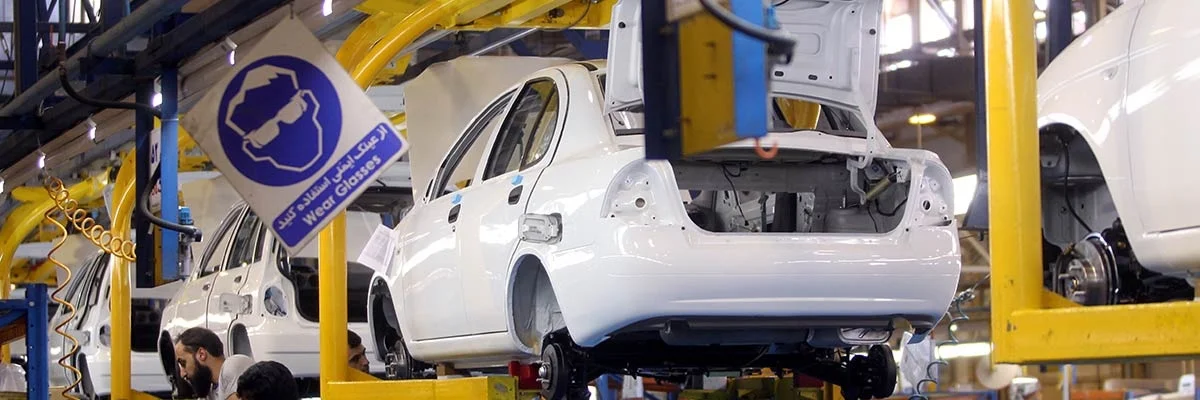
When asked specifically about the case of French vehicle manufacturers PSA—maker of Peugeot, Citroen and DS—and Renault, Shariatmadari said: "Until now, they have not told us that they are not continuing" their business in Iran.
"They are continuing their cooperation. So far, we are talking (with these groups) and there is nothing new," he said.
US President Donald Trump announced on May 8 that Washington was withdrawing from the 2015 Iran nuclear deal, effectively starting a countdown for the reimposition of sanctions lifted under the accord.
Sanctions on the automobile sector are set to be reinstated on August 6.
PSA, through its automotive equipment subsidiary Faurecia, and Renault, through its alliance with Japanese manufacturer Nissan, could take a heavy hit from the reimposed penalties.
Between the two, Renault and PSA sell nearly half of all new cars registered in Iran.
With the deadline looming, the two French groups have adopted different communication strategies.
In early June, PSA announced it had "begun the process of suspending the activities of its joint ventures (in Iran) in order to comply with US law by August 6, 2018."
The majority of the company's French employees in Iran have already left the country.
Renault, on the other hand, has ambiguously said it would not abandon its activities in Iran, but would "sharply reduce operations" in the country without endangering the company's "interests."
Photo Credit: IRNA