
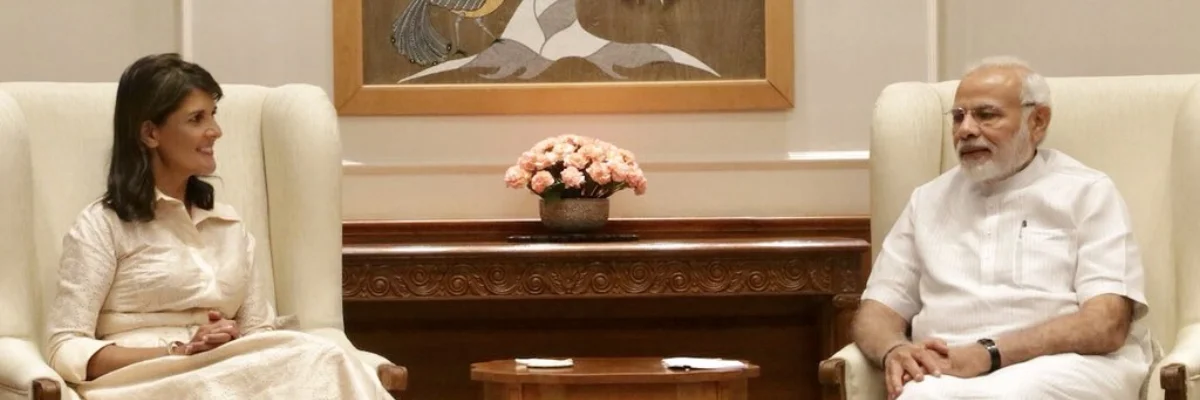
US's Haley Tells India to 'Rethink' Iran Ties
◢ The US Ambassador to the UN Nikki Haley on Thursday urged India to reconsider its ties to Iran, one of its key energy suppliers, as fresh US sanctions on buyers of Iranian oil loom. Washington has stepped up pressure on major Iranian customers to stop importing its oil, warning no trading partner will be exempt from new economic sanctions when they bite from November 4.
The US Ambassador to the UN Nikki Haley on Thursday urged India to reconsider its ties to Iran, one of its key energy suppliers, as fresh US sanctions on buyers of Iranian oil loom.
Washington has stepped up pressure on major Iranian customers to stop importing its oil, warning no trading partner will be exempt from new economic sanctions when they bite from November 4.
India imports the overwhelming majority of its oil and Iran is the third-largest supplier to the nation of 1.25 billion.
Haley said she understood India "can't change its relationship with Iran in a day" but said she used a meeting with Prime Minister Narendra Modi in New Delhi to encourage a reassessment.
"I also think for the future of India, and the future of being able to get resources and who they're dependent on, I would encourage them to rethink their relationship with Iran," she told broadcaster NDTV after an address in New Delhi.
"I think as a friend, India should also decide is this a country that they want to continue doing business with."
US President Donald Trump withdrew the United States from the Iran nuclear deal last month, re-imposing sanctions that had been suspended in return for curbs on Tehran's nuclear program.
US officials said Washington would be asking major Iranian customers to reduce their oil imports to zero, and warned no exemptions would be made when the sanctions were enforced.
Before the 2015 nuclear deal between Iran and six major powers, various buyers of Iranian oil including India had waivers or exemptions to US sanctions.
India's foreign ministry said Thursday however that the Islamic republic was a "very traditional partner" that enjoyed "historical, civilizational linkages" to India.
"She has her views, and ours views on Iran are very clear," said ministry spokesman Raveesh Kumar of Haley, whose two-day visit to India also included visits to holy sites in the Indian capital.
"We will take all necessary steps, including engagement with relevant stakeholders to ensure our energy security."
No Rift
Haley's visit coincided with revelations that a long-anticipated meeting between US and Indian defense and foreign ministers, known as a 2+2, had been delayed for a second time.
The UN ambassador played down rumors of a rift, saying the meeting would be rescheduled "very soon" and was "an important sign of how much our security and defense cooperation has grown in recent years".
Washington has put new emphasis on its military ties to New Delhi and its regional role as a counter to China's rise.
But it could still fall foul of US sanctions imposed last August threatening sanctions on any country doing business with Russia's defense and intelligence sectors.
India, the world's top defence importer, had been in talks with Russia to buy missile systems when the sanctions were announced and New Delhi has said the embargo would not affect ties to Moscow.
Haley said Thursday that "anybody, any country, that does business with Russia... there are sanctions."
Photo Credit: Niki Haley Twitter

US Presses UN Security Council to Sanction Iran
◢ The United States urged fellow UN Security Council members Wednesday to punish Iran for "malign behavior" in the Middle East, at a meeting on implementation of the 2015 nuclear deal with Tehran. It was the first meeting of the Security Council since US President Donald Trump announced on May 8 that the United States was withdrawing from the nuclear agreement with Tehran.
The United States urged fellow UN Security Council members Wednesday to punish Iran for "malign behavior" in the Middle East, at a meeting on implementation of the 2015 nuclear deal with Tehran.
"When confronted with a country that continually violates this council's resolutions, it is imperative that we pursue meaningful consequences," said Jonathan Cohen, the US deputy ambassador to the United Nations.
"That is why we urge members of this Council to join us in the imposition of sanctions that target Iran's malign behavior in the region," he stressed.
It was the first meeting of the Security Council since US President Donald Trump announced on May 8 that the United States was withdrawing from the nuclear agreement with Tehran.
On May 24, the International Atomic Energy Agency (IAEA) concluded for the eleventh time Tehran had met its commitments.
In his remarks, Cohen once again accused Iran of supplying missiles to the Huthi rebels in Yemen in violation of an international arms embargo.
In a recent report, the United Nations said that missile components fired at Saudi Arabia had been manufactured in Iran, but that UN officials were unable to determine if they had been delivered before or after the July 2016 imposition of an arms embargo on Yemen.
"Dismantling a nuclear deal that is working would certainly not put us in a better position to discuss other issues," said EU ambassador to the UN Joao Vale de Almeida, referring to Tehran's ballistic activities and its influence in the Middle East.
"The collapse of this major achievement would mark a serious step backwards for the region, for the non-proliferation regime but also for our security for all, which would potentially have serious consequences," said French ambassador Francois Delattre.
Photo Credit: Wikicommons
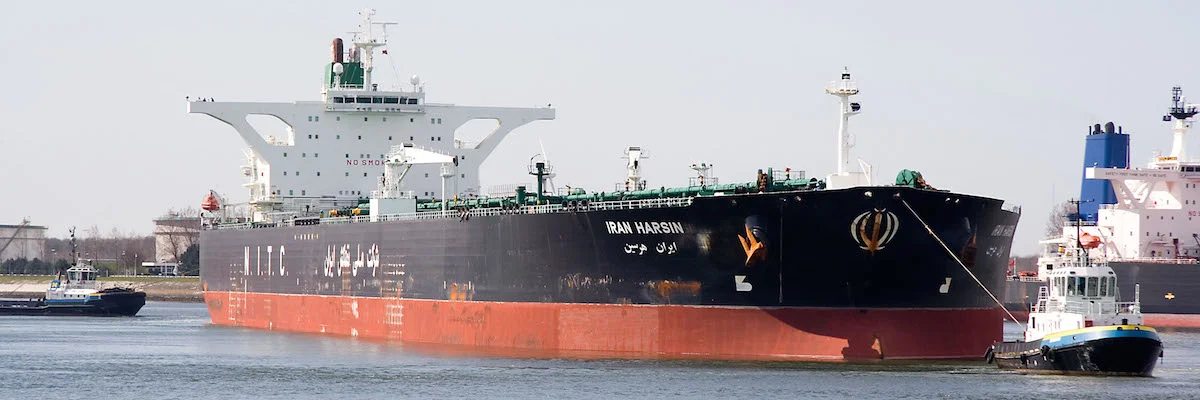
US Demands World Halt Iranian Oil Imports By Nov 4
◢ The United States warned Tuesday that countries around the world must stop buying Iranian oil before November 4 or face a renewed round of American economic sanctions. A senior State Department official warned foreign capitals "we're not granting waivers" and described tightening the noose on Tehran as "one of our top national security priorities."
The United States warned Tuesday that countries around the world must stop buying Iranian oil before November 4 or face a renewed round of American economic sanctions
A senior State Department official warned foreign capitals "we're not granting waivers" and described tightening the noose on Tehran as "one of our top national security priorities."
Last month US President Donald Trump withdrew the United States from the Iran nuclear deal, re-imposing US sanctions that had been suspended in return for controls on Tehran's nuclear program.
Now, Washington is stepping up pressure on other countries to follow suit, including European allies who begged him to stay in the accord and major Iranian customers like India, Japan and China.
European powers in particular have been attempting to negotiate exemptions for their firms, but the official confirmed that Trump intends to stick to his 180-day deadline, expiring November 4.
"I would be hesitant to say zero waivers ever," he said, but added that the official position is: "No, we're not granting waivers."
The senior US official, briefing reporters on condition of anonymity, admitted that this would be unpopular.
"I don't think the Japanese answer was particularly different than other oil importing countries," the official said, adding that he plans to visit China and India soon to discuss the matter.
"This is a challenge for them, this is not something that any country that imports oil from Iran ... wants to do voluntarily because, you know, we're asking them to make a policy change.
"China, India? Yes, certainly their companies will be subject to the same sanctions that everybody else is," he said. "We will certainly be requesting that their oil imports go to zero."
Photo Credit: Wikicommons
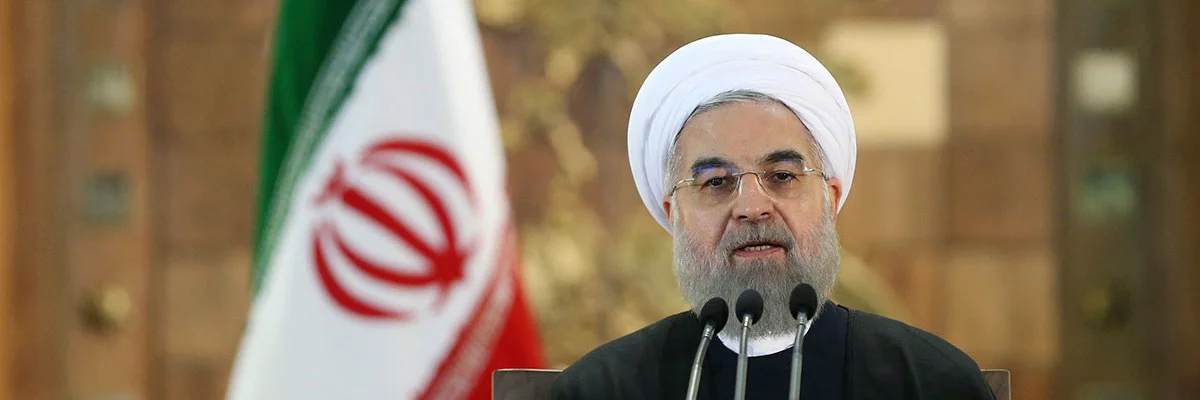
Iran's Rouhani Calls for Unity in Face of Economic Woes
◢ Iranian President Hassan Rouhani called on Tuesday for national unity to preserve "confidence" and "hope" in the face of unrest over the Islamic republic's mounting economic woes. Rouhani's remarks came as vendors in Tehran's Grand Bazaar, a traditional area of support for Iran's leadership, continued a rare strike that began Monday over the collapse of the rial on foreign exchange markets.
Iranian President Hassan Rouhani called on Tuesday for national unity to preserve "confidence" and "hope" in the face of unrest over the Islamic republic's mounting economic woes.
Rouhani's remarks came as vendors in Tehran's Grand Bazaar, a traditional area of support for Iran's leadership, continued a rare strike that began Monday over the collapse of the rial on foreign exchange markets.
"The media, the scholars, the preachers, the (Shiite) seminaries, all those with a public voice, the parliament, the judicial system... we must all join hands," Rouhani said in a long televised address during an annual conference organised by the judiciary.
"I assure you that if we can safeguard these two assets—hope and trust (of the people)—we can overcome all problems," Rouhani said.
"Why should people worry? Today, this anxiety is created by the media of the enemies. They are doing their job... but we expect more (support) from our friends," the president said.
A moderate conservative elected in 2013 and re-elected in 2017 with backing from reformers, Rouhani has been under attack in recent weeks from Iran's ultra-conservative camp—be it editorials in the press or sermons from imams in cities across the country.
Critics accuse the government of neglecting the most vulnerable segments of the population from inflation and price hikes, and instead focusing on reforms they deem non-essential like the admission of women into football stadiums.
Iran's currency has plunged almost 50 percent in value in the past six months, with the US dollar now buying around 85,000 rials on the black market.
Tehran has faced mounting economic woes since the United States in May pulled out of a 2015 nuclear accord between Tehran and world powers that lifted international sanctions in exchange for a scaling back of the Islamic republic's atomic program.
Apart from the rial's collapse, the Iranian private sector has long been starved of investment, its banking system is crippled by bad loans and record levels of unemployment mean a third of under 30-year-olds are out of work.
Photo Credit: Wikicommons
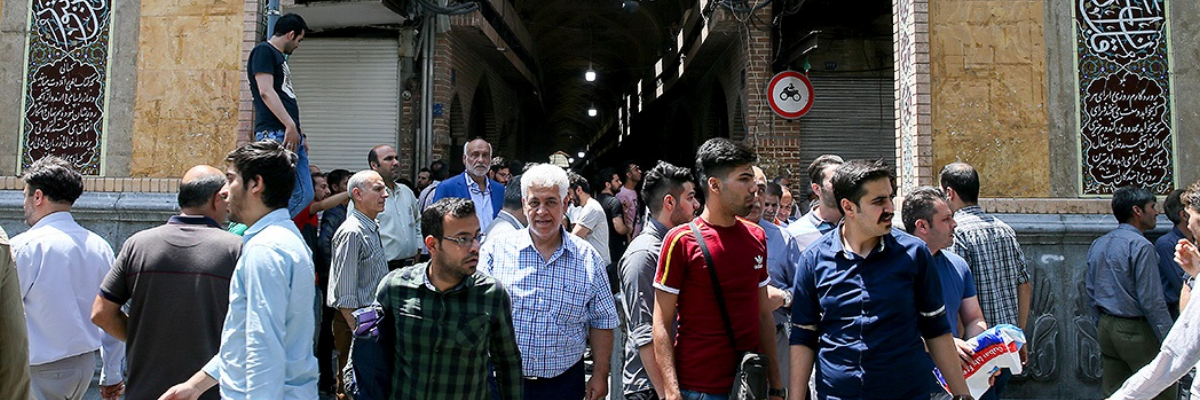
Tehran's Grand Bazaar Strikes in Protest at Rial Collapse
◢ Traders in the Iranian capital's Grand Bazaar held a rare protest strike Monday against the collapse of the rial on the foreign exchange market as demonstrators also took to the streets. At a crossroads in central Tehran, police fired tear gas at dozens of youths shouting slogans and throwing stones, an AFP photographer said.
Traders in the Iranian capital's Grand Bazaar held a rare protest strike Monday against the collapse of the rial on the foreign exchange market as demonstrators also took to the streets.
At a crossroads in central Tehran, police fired tear gas at dozens of youths shouting slogans and throwing stones, an AFP photographer said.
"The demands of bazaar traders are legitimate. They want the situation on the foreign exchange market to be clarified once and for all," Abdollah Esfiandari, head of the historical covered market's administrative board, told ISNA news agency.
He said the protest was against "the high exchange rate, foreign currency fluctuations... goods being blocked at customs, and the lack of clear criteria for duties".
Shops had their metal shutters down throughout the market, said 45-year-old carpet trader who grew up in the area. "It's the first time in my life that I have seen this."
Iran's currency has plunged almost 50 percent in value in the past six months, with the US dollar now buying around 85,000 rials on the open market.
"Anti-riot police intervened" to disperse a protest in the Grand Bazaar, making two arrests, according to another carpet merchant.
Iran has faced mounting economic woes since the United States in May pulled out of a 2015 nuclear accord between Tehran and world powers that lifted international sanctions in exchange for a scaling back of the Islamic republic's atomic program.
Photo Credit: Omid Vahabzadeh, Fars News
Nuclear Deal Collapse Would Be 'Very Dangerous': Iran Minister
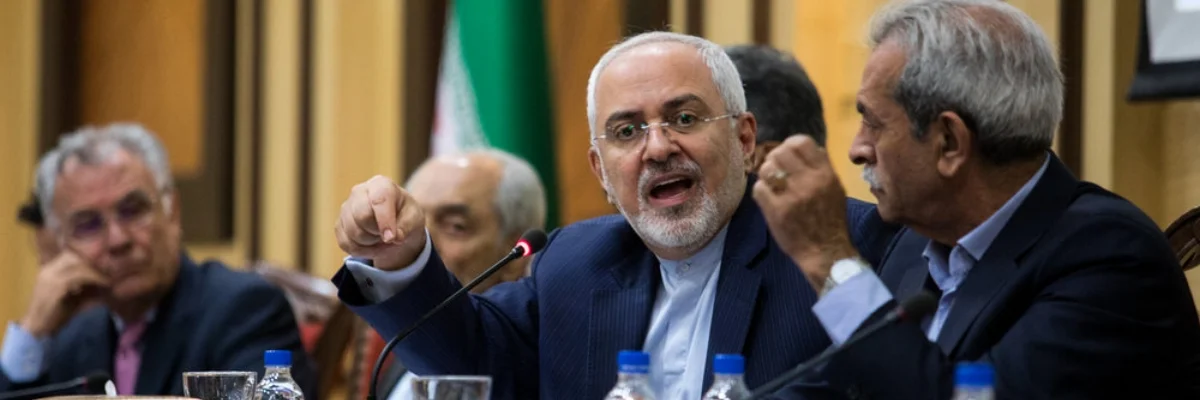
◢ Iran's Foreign Minister Mohammad Javad Zarif warned Sunday that failure to save the nuclear deal after the exit of the United States would be "very dangerous" for Tehran. "Failure of the JCPOA (nuclear deal) would be very dangerous for us," Zarif told members of the Iran Chamber of Commerce, quoted by the official IRNA news agency.
Iran's Foreign Minister Mohammad Javad Zarif warned Sunday that failure to save the nuclear deal after the exit of the United States would be "very dangerous" for Tehran.
The United States announced in May that it was withdrawing from the 2015 nuclear deal and reimposing sanctions that would hit international businesses working in the Islamic republic.
The other parties to the deal—Britain, France, Germany, China and Russia—have vowed to stay in the accord but appear powerless to stop their companies pulling out of Iran for fear of US penalties.
"Failure of the JCPOA (nuclear deal) would be very dangerous for us," Zarif told members of the Iran Chamber of Commerce, quoted by the official IRNA news agency.
IRNA did not say if he amplified on the dangers posed to Iran. "This is certainly not the (Iranian political) system's choice," added Zarif, one of the architect's of the nuclear pact.
Iran has been holding talks with European Union leaders and other officials seeking ways to keep the deal alive, as well as economic guarantees.
Some European firms doing business in Iran have begun to pack up and leave since the US exit, while the rial has lost more than 47 percent of its value against the dollar since September.
Following the US decision to pull out of the deal in May, Zarif embarked on a tour of Britain, France, Germany, China and Russia.
And President Hassan Rouhani is expected to visit Switzerland and Austria in July as part of Iran's efforts to secure continued European support for the deal, Bern and Vienna have said.
Iran has warned it is ready to resume uranium enrichment to 20 percent "within days" if the deal falls apart.
That is still within civilian-use limits, and Iran has always insisted its nuclear programme is not for military purposes, but the level is far above the 3.67 percent enrichment permitted under the 2015 agreement.
Supreme leader Ayatollah Ali Khamenei has warned Iran "will never tolerate both suffering from sanctions and nuclear restrictions" and called for preparations to speed up uranium enrichment.
Photo Credit: Hadi Zand, ISNA
UN's Top Court to Hear Iran Row with US Over Frozen Assets
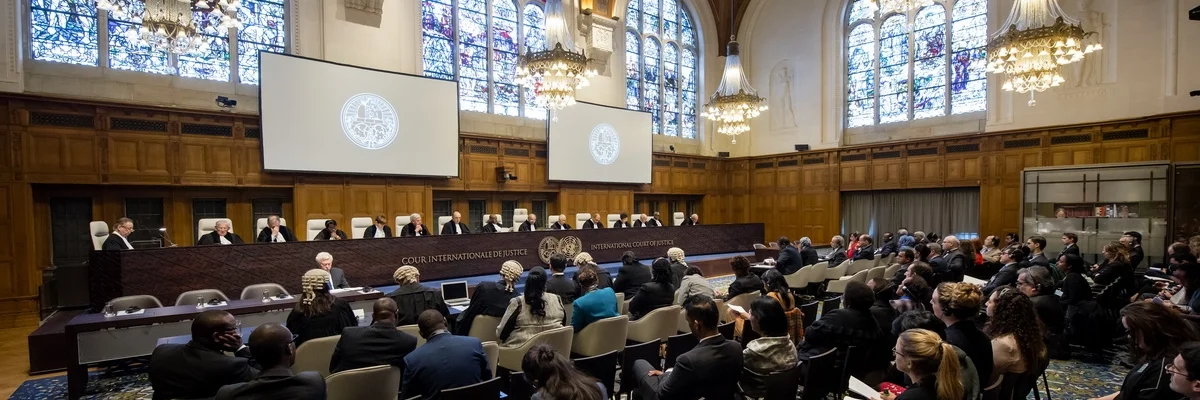
◢ The UN's top court will in October hear a complex case brought by Iran against the United States seeking to recover billions in frozen assets, which US courts say should go to American victims of terror attacks. The International Court of Justice (ICJ) said in a statement Friday it will "hold public hearings in the case concerning Certain Iranian Assets (Islamic Republic of Iran v. United States of America)" at its seat in The Hague.
The UN's top court will in October hear a complex case brought by Iran against the United States seeking to recover billions in frozen assets, which US courts say should go to American victims of terror attacks.
The International Court of Justice (ICJ) said in a statement Friday it will "hold public hearings in the case concerning Certain Iranian Assets (Islamic Republic of Iran v. United States of America), from Monday 8 to Friday 12 October 2018" at its seat in The Hague.
The hearings "will be devoted to preliminary objections raised by the United States," the statement added, after which judges will decide whether or not they can rule in the dispute.
The case was lodged by Tehran in June 2016 accusing the US of breaking a decades-old bilateral treaty, dating from the time of the Shah, by seizing Iranian financial assets and those of Iranian companies.
US courts have "awarded total damages of over USD 56 billion ... against Iran in respect of its alleged involvement in various terrorist acts mainly outside the US," Iran said.
The case was filed just weeks after the US Supreme Court ruled in April 2016 that USD 2 billion in frozen Iranian assets should be paid to about 1,000 survivors and relatives of those killed in attacks blamed on the Islamic
republic.
These included the 1983 bombing of a US Marine barracks in Beirut and the 1996 Khobar Towers bombing in Saudi Arabia.
But Tehran reacted angrily to the ruling which came almost a year after the landmark nuclear deal with world powers which led to the unblocking of other frozen funds.
To the dismay of the other world powers, US President Donald Trump has since walked away from the nuclear deal, and the United States in 2017 raised objections to the court's hearing of the case.
The four days of public audiences are expected to focus on whether the ICJ judges can take up the case under the strict rules governing their procedures.
Set up in 1946, the ICJ rules in disputes between states on the basis of existing treaties and international law.
Iran argues that the US is breaking the terms of the 1955 Treaty of Amity signed with the then regime of the Shah long before he was ousted in the 1979 Islamic Revolution. The treaty governs economic ties and consular rights.
But the US severed bilateral diplomatic ties with Iran in 1979 after 52 Americans were taken hostage in the US embassy in Tehran. They have not yet been fully restored.
Iran meanwhile is also demanding that the United States "make full reparations to Iran for the violation of its international legal obligations in an amount to be determined by the court at a subsequent stage of the proceedings."
Photo Credit: UN
OPEC Rift Deepens as Iran Walks Out of Key Meeting
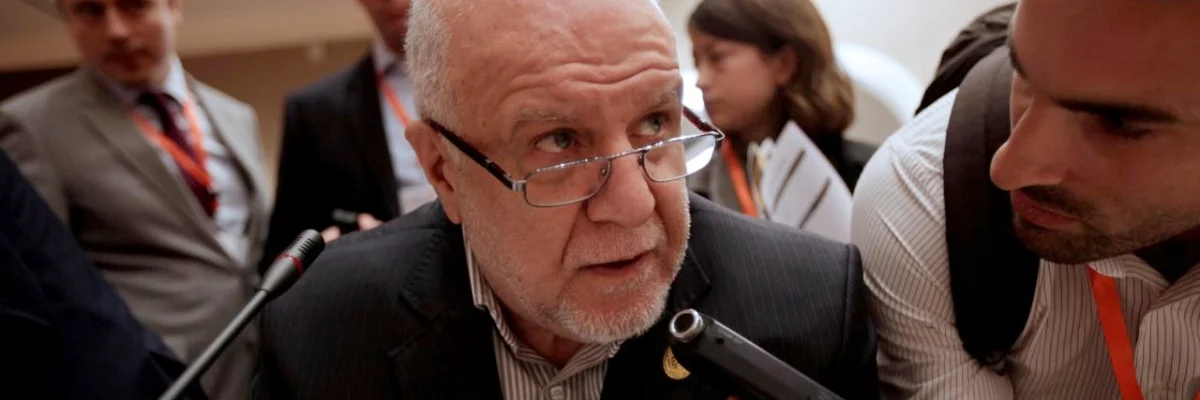
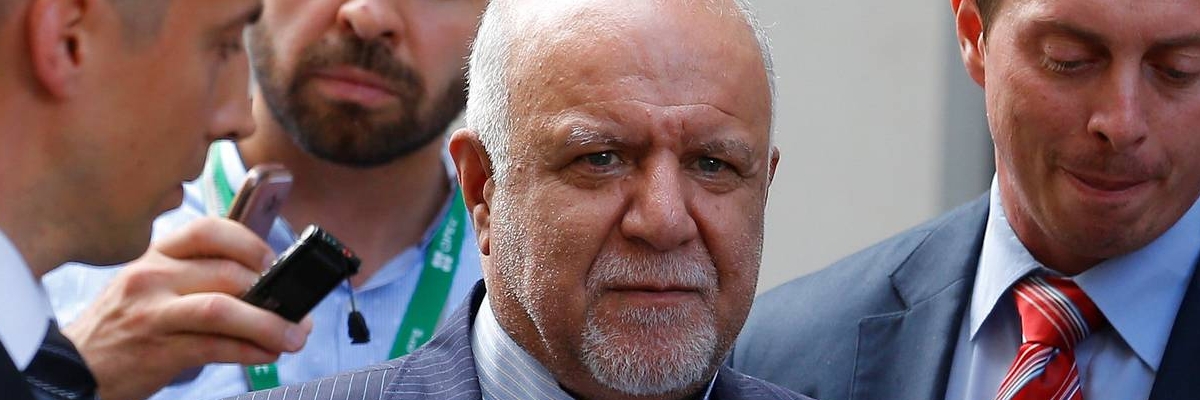
◢ Iran's oil minister walked out of a key meeting with OPEC peers on Thursday, as a rift deepened with regional rival Saudi over its push to ramp up the cartel's oil output. "I do not think we can reach an agreement," Bijan Namdar Zanganeh told reporters at his Vienna hotel after storming out of talks with a group of ministers on the eve of a crucial OPEC meet.
Iran's oil minister walked out of a key meeting with OPEC peers on Thursday, as a rift deepened with regional rival Saudi over its push to ramp up the cartel's oil output.
"I do not think we can reach an agreement," Bijan Namdar Zanganeh told reporters at his Vienna hotel after storming out of talks with a group of ministers on the eve of a crucial OPEC meet.
The talks were meant to lay the groundwork for Friday's gathering of the 14-nation Organization of Petroleum Exporting Countries (OPEC), when the cartel will discuss easing a supply-cut deal with 10 partner countries that has cleared a global oil supply glut and pushed crude prices to multi-year highs.
The output curbs have been in place since January 2017 but Saudi Arabia, backed by non-member Russia, is now pushing to raise production again in order to meet growing demand in the second half of 2018.
But the proposal has run into resistance from Iran, Iraq and Venezuela, who would struggle to immediately raise output and fear losing market share and revenues if other countries open the spigots.
Iran is particularly vocal about its objections as it braces for the impact of fresh US sanctions on its oil exports after President Donald Trump quit the international nuclear agreement.
But Riyadh, which cheered Washington's exit from the nuclear pact, is under pressure from Trump to boost output in order to lower oil prices ahead of November's midterm elections.
Saudi Energy Minister Khalid al-Falih had earlier signaled a compromise could be in the works.
He acknowledged that a big production hike might be "politically unacceptable" to some OPEC countries and said it was important to be "sensitive" to those concerns.
The 24 nations in the pact, known as OPEC+, initially agreed to trim production by 1.8 million barrels a day but they have actually been keeping more than two million bpd off the market.
Observers believe a face-saving deal could be brokered if members simply stopped over-complying with the current pact, and agreed to stick to the original reduction quotas -- which would bring several hundred thousand more barrels to the market each day.
But that is easier said than done since much of the shortfall has come from Venezuela, where an economic crisis has savaged the nation's petroleum production.
Output has also plummeted in Libya, where fighting between rival factions has damaged key oil infrastructure.
Photo Credit:
Iran's Khamenei Says 'No Need' to Join Global Financial Crime Agreements, Supports Domestic Laws
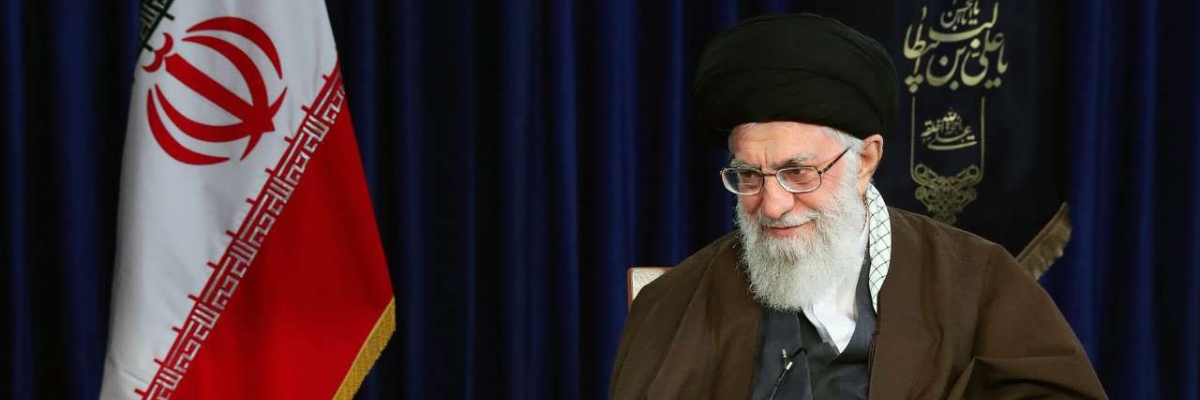
◢ Iran has "no need to join" global agreements on areas such as terrorism and money laundering, the country's supreme leader Ayatollah Ali Khamenei said Wednesday as the issue divides parliament. Describing parliament as "mature and wise", Khamenei said lawmakers "must independently make legislation on issues such as terrorism or combating money laundering."
Iran has "no need to join" global agreements on areas such as terrorism and money laundering, the country's supreme leader Ayatollah Ali Khamenei said Wednesday as the issue divides parliament.
Describing parliament as "mature and wise", Khamenei said lawmakers "must independently make legislation on issues such as terrorism or combating money laundering."
"Of course some of the provisions of international conventions may be good but there's no need to join these conventions, citing these provisions," the supreme leader told a gathering of MPs, according to his official website.
Khamenei cautioned against signing up to global conventions when "we are not aware of the depth of their aims or (when) we know that they have problems."
Earlier this month Iran's parliament voted to suspend discussion of joining the UN Terrorism Financing Convention for two months, as Tehran waits to see whether its nuclear deal with world powers survives after the US pulled out of the landmark accord.
Debate among Iranian lawmakers on joining such global agreements is often furious, with conservatives warning signing up to the terrorism financing accord would cut off Iranian support to key regional allies Hezbollah and Hamas.
The military wings of both groups are designated as terrorist organizations by the United States and European Union, among others.
But the government has argued international cooperation is essential to confront terrorist groups which have targeted the country.
Iran's commitment to the UN convention is a condition for being removed from the blacklist of the Financial Action Task Force (FATF), a spot shared with North Korea.
Being on the blacklist of the inter-governmental body has added to Iran's woes in accessing global banking.
Iran's struggle to access international markets has been further compounded by the US decision to withdraw from the nuclear deal.
The remaining parties to the accord—Britain, China, France, Germany and
Russia—have committed to staying in the deal.
But their companies risk falling foul of US sanctions if they continue to do business with Iran.
Photo Credit: IRNA
OPEC Braces for Tough Vienna Talks on Hiking Oil Output
◢ Iran's oil minister on Tuesday said his country would resist unwinding a landmark OPEC agreement to cap oil production, and blamed US President Donald Trump for pushing up crude prices. "I don't believe in this meeting we can reach agreement," Bijan Namdar Zanganeh told reporters in Vienna ahead of the crucial talks.
OPEC ministers arrived in Vienna Tuesday for crunch talks on whether to reverse a landmark pact curbing oil output, with Iran pushing back against Saudi and Russian calls to ramp up production again.
The upcoming June 22-23 meetings of OPEC and non-OPEC energy ministers are set to be the most contentious in a while, with several countries bristling at the thought of reversing a deal that has been in place for 18 months and helped lift oil prices to multi-year highs.
Resistance is being led by Iran, deeply wary of any move by regional rival Saudi Arabia that could push down oil prices at a time when Tehran faces renewed sanctions following US President Donald Trump's decision to quit its international nuclear deal, which is likely to impact the country's oil exports.
However Riyadh, which cheered Washington's exit from the nuclear deal, is under pressure from its US ally to boost output as Trump hopes to keep pump prices low ahead of November's mid-term elections.
"You're dealing with a very political situation," analyst Amrita Sen of Energy Aspects told AFP.
Upon arriving at his Vienna hotel, Iran's oil minister said his country wouldn't back down, and lashed out at Trump for trying to politicize OPEC.
"I don't believe in this meeting we can reach agreement," Bijan Namdar Zanganeh told reporters.
He said Trump was partly to blame for the higher oil prices, saying the US leader had "created difficulty for the oil market" by imposing sanctions on Venezuela and Iran.
"And now he expects OPEC to change something for better prices," Zanganeh said. "This is not fair... OPEC is not part of the Department of Energy of the United States."
Geopolitical Tensions
The 14-nation OPEC cartel and its 10 non-member partner nations, including Russia, together account for more than 50 percent of the world's oil supply, giving them huge sway over the global market.
The so-called OPEC+ group agreed a milestone deal to trim production from January 2017 by 1.8 million barrels a day to clear a global oil glut and shore up low prices.
The strategy paid off, with prices jumping from below $30 a barrel in early 2016 to more than $70 in the second quarter of 2018. The pact was meant to run until the end of this year.
But a collapse in oil production in crisis-hit Venezuela and the prospect of fresh Iranian sanctions have raised fears of a supply crunch that could send prices spiking.
As recently as April however, Saudi Energy Minister Khaled al-Faleh had voiced support for the oil cut deal, saying the market had the capacity to absorb higher prices. But Trump made it clear he disagrees.
"Oil prices are too high, OPEC is at it again. Not good!" he tweeted last week. Observers believe Trump is dialling up the pressure on Riyadh because he wants to offset the expected drop in Iranian production.
In Russia meanwhile, private oil companies are finding it increasingly difficult to justify the cutbacks to shareholders eager to cash in on the higher prices.
For technical reasons, any decision to ramp up output also has to be timed not to coincide with Russia's harsh winter, meaning the next OPEC meeting in November would come too late.
Russia's Energy Minister Alexander Novak pleaded in favor of unwinding the supply-cut pact on Tuesday, citing growing global demand in the months ahead.
"In the third quarter the demand for oil is the highest, so one can expect a shortage in the market if measures are not taken," Novak told Russian news agencies before leaving for Vienna.
To Raise or Not to Raise
Iran is not alone in its battle against output hikes, with Iraq and Venezuela also objecting.
"They stand to lose if production is increased," said SEB bank analyst Bjarne Schieldrop.
According to the International Energy Agency, only a handful of countries in the OPEC+ alliance are realistically able to boost production in the short term.
That includes top supplier Saudi Arabia, its Gulf allies Kuwait and the United Arab Emirates, and Russia.
For most of the others it would make more sense to stick to the restrictions and sell their limited supply at a higher price.
Since OPEC operates on the principle of unanimity, analysts expect some sort of compromise agreement to be thrashed out by Saturday.
"War is war, business is business," said Sen, noting that OPEC ministers have proved before that they are able to set aside geopolitical differences.
Photo Credit: IRNA
Iran's Elite Guards Warn Against Compromise With US
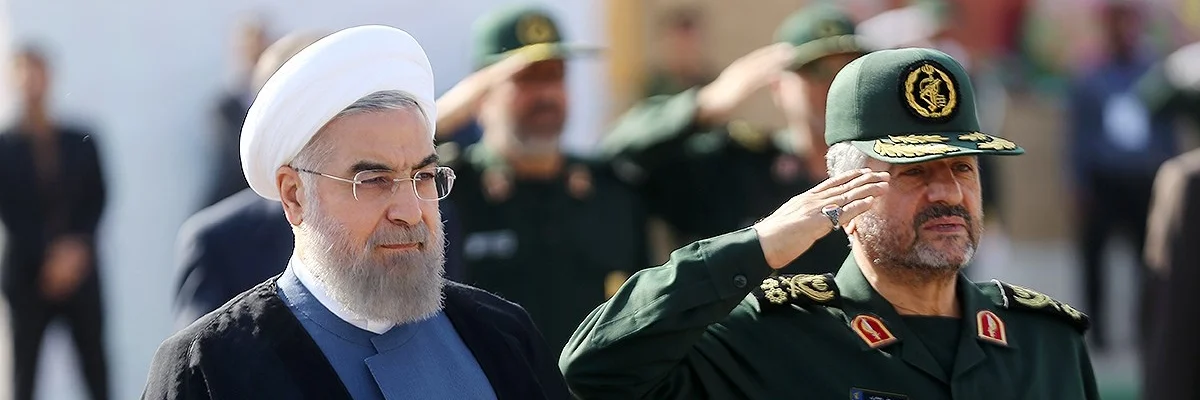
◢ An Iranian military chief cautioned Tuesday that reaching any understanding with Washington, as suggested in a letter signed by a group of political activists, would spell the end of the Islamic republic. "Today everybody knows that striking an understanding with the United States means the death of the Islamic republic," said General Mohammad Ali Jafari, commander of the elite Republican Guards.
An Iranian military chief cautioned Tuesday that reaching any understanding with Washington, as suggested in a letter signed by a group of political activists, would spell the end of the Islamic republic.
"Today everybody knows that striking an understanding with the United States means the death of the Islamic republic," said General Mohammad Ali Jafari, commander of the elite Republican Guards, quoted by ISNA news agency.
"While we are not saying that it (the letter) amounts to treason, we must say that it opens the way to making concessions to the enemy," he said.
A pro-reformist newspaper, Etemad, on Sunday ran an article on a joint letter addressed to "senior authorities" from around 100 Iranian activists calling for Tehran to make "a gesture" towards direct negotiations with its longtime enemy.
The letter itself has not been published.
Ties between Tehran and Washington, already severed in the wake of Iran's 1979 Islamic revolution, have deteriorated under US President Donald Trump. In May, he pulled the United States out of a 2015 nuclear accord between world powers and Iran.
A signatory of the letter, Gholamhossein Karbaschi who heads a reformist party, told Etemad that it calls for Iran to say it is "ready to negotiate" if "the United States and Trump give assurances that they will never again renege on their commitments".
Also among the signatories was Abdolali Bazargan, a son of the Islamic republic's first prime minister Mehdi Bazargan, the paper said.
Photo Credit: IRNA
Most French Firms 'Won't Be Able to Stay' in Iran: Minister
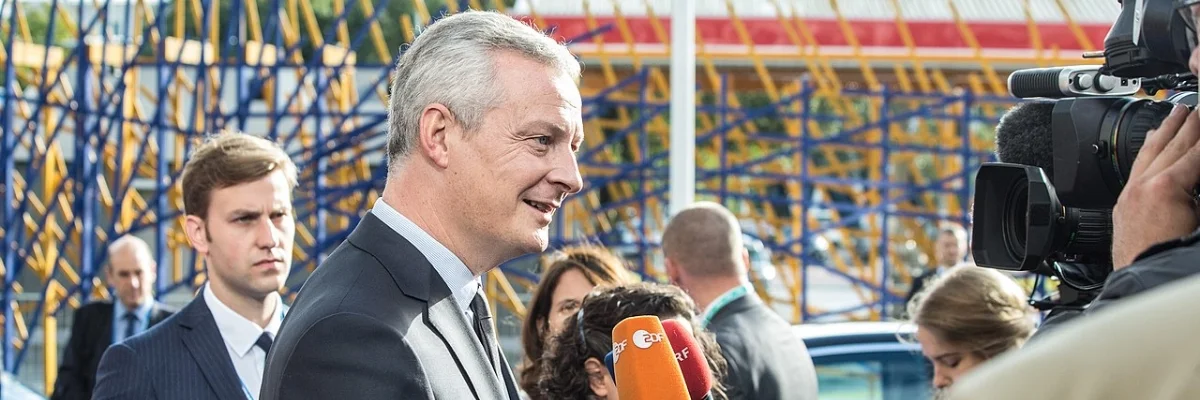
◢ Most French companies hoping to keep doing business in Iran after the US imposes new sanctions on the country will find it impossible to do so, Finance Minister Bruno Le Maire said Tuesday. These companies "won't be able to stay because they need to be paid for the products they deliver to or build in Iran, and they cannot be paid because there is no sovereign and autonomous European financial institution" capable of shielding them," Le Maire told BFM television.
Most French companies hoping to keep doing business in Iran after the US imposes new sanctions on the country will find it impossible to do so, Finance Minister Bruno Le Maire said Tuesday.
These companies "won't be able to stay because they need to be paid for the products they deliver to or build in Iran, and they cannot be paid because there is no sovereign and autonomous European financial institution" capable of shielding them, Le Maire told BFM television.
The new sanctions announced by US President Donald Trump in May after he pulled out of a 2015 nuclear deal with Tehran would punish any foreign firm operating in Iran which also does business with the US or in dollars.
"Our priority is to build independent, sovereign European financial institutions which would allow financing channels between French, Italian, German, Spanish and any other countries on the planet," Le Maire said.
"It's up to us Europeans to choose freely and with sovereign power who we want to do business with," he added. "The United States should not be the planet's economic policeman."
Le Maire and his EU counterparts have been trying to secure exemptions for their firms, many of which rushed back into Iran after the landmark accord curtailing Tehran's nuclear program.
But French oil group Total and carmaker PSA have already indicated they are unlikely to stay in the country, while Renault has said it will remain despite the sanctions—though it does not sell its cars in the US.
Analysts have warned it would be nearly impossible to protect multinationals from the reach of the "extraterritorial" US measures, given the exposure of large banks to the US financial system and dollar transactions.
The first round of the new sanctions, targeting Iran's auto and civil aviation sectors, are scheduled to go into effect on August 6.
Photo Credit: Wikicommons
Iran's Rouhani in Europe in July to Seek Backing for Nuclear Deal
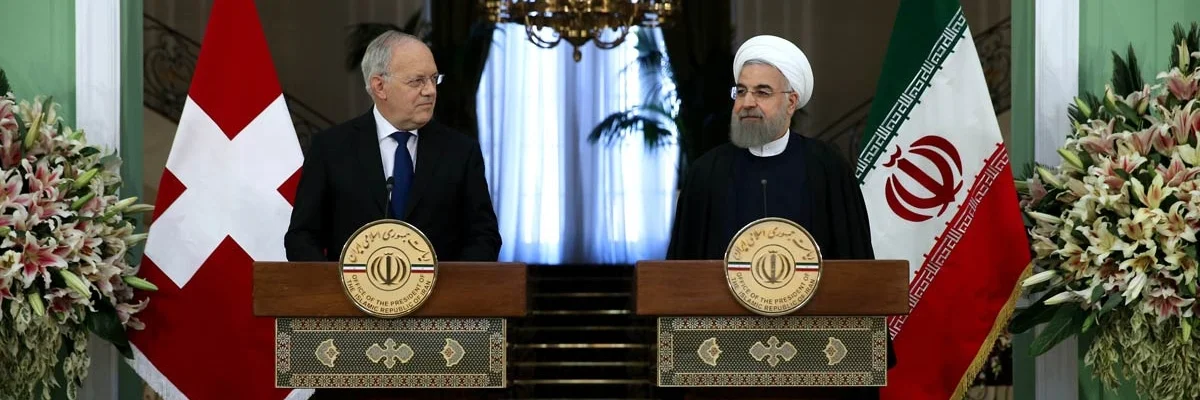
◢ Iranian President Hassan Rouhani will visit Austria and Switzerland next month as part of a campaign by Tehran to secure continued European backing for the 2015 nuclear accord. Relations between Tehran and Bern, which represents Iran's interests in the United States, have been deepening in recent years, and Rouhani will be welcomed with full military honors, a statement from the Swiss presidency said.
Iranian President Hassan Rouhani will visit Austria and Switzerland next month as part of a campaign by Tehran to secure continued European backing for the 2015 nuclear accord.
The future of the landmark deal was thrown into doubt when President Donald Trump announced last month that the United States would withdraw and reimpose sanctions that would hit international businesses operating in Iran.
The other parties to the agreement—Britain, China, France, Germany and Russia—have vowed to stay in the accord but their companies risk huge penalties if they keep doing business in the Islamic republic.
Iran has already warned it is ready to resume uranium enrichment to 20 percent "within days" if the deal falls apart and warned Europe that time was running out.
The visits were announced Monday by the presidencies of both European countries.
Rouhani will visit Switzerland on July 2-3 and then head on July 4 to Vienna—home of the UN nuclear watchdog the IAEA which monitors Iran's compliance with the accord.
Relations between Tehran and Bern, which represents Iran's interests in the United States, have been deepening in recent years, and Rouhani will be welcomed with full military honors, a statement from the Swiss presidency said.
Vienna played host to marathon talks that began in June 2013 and led to the signing in July 2015 of the deal aimed at preventing Iran from building an atomic bomb.
Photo Credit: IRNA
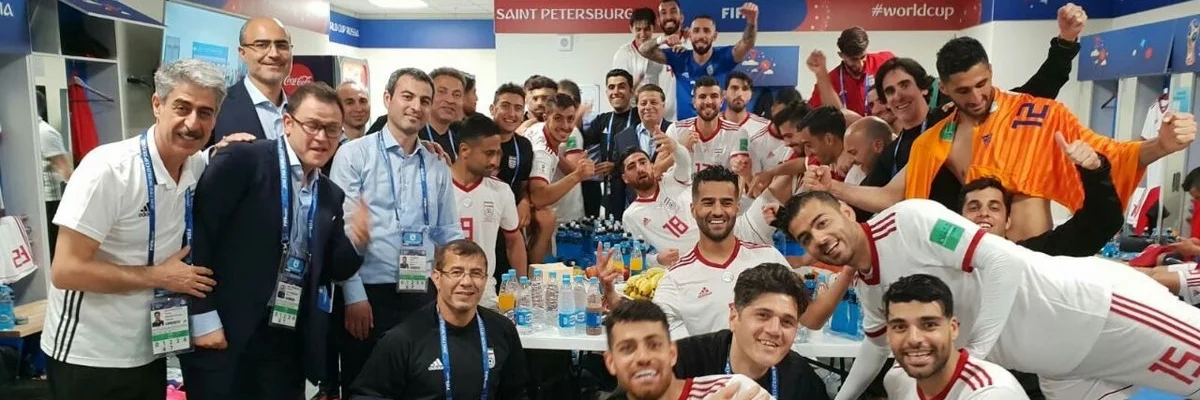
Iran's World Cup Fever Bursts Out Into the Streets
◢ Iranians had few options to watch their World Cup opener against Morocco, bar a few cinemas and cafes, but after their shock victory Friday, they burst out into the streets of Tehran in rare and wild celebration. An own goal by Morocco's Aziz Bouhaddouz in the 94th minute handed Iran their first World Cup victory in 20 years.
Iranians had few options to watch their World Cup opener against Morocco, bar a few cinemas and cafes, but after their shock victory Friday, they burst out into the streets of Tehran in rare and wild celebration.
The mood had been dampened earlier in the day when the authorities announced that planned open-air screenings in parks and Tehran's largest stadium had been banned without explanation.
Many had been excited about watching the match at Azadi (meaning "freedom") stadium because it would have been the first time since the Islamic revolution that men and women could attend a sports event there together.
Instead, with no bars and mixed signals from police about whether cafes could screen the games, many of the city's football-mad population turned to cinemas to vent their passion.
Supporters thronged the steps of one multiplex in central Tehran ahead of the match, chanting and deafening passers-by with blasts of vuvuzela.
There was a notably even split between men and women. Football is particularly popular among Iranian women, in part because they are banned from attending live matches, lending it an illicit air.
"We hoped to go to the stadium but we are very happy to come here with my family. I'm not that optimistic (that we can win) but I'm just happy to be in the World Cup—that's enough," said Rahelleh, 32, with her young daughter in her arms and an Iran hat on her head.
But she was wrong.
An own goal by Morocco's Aziz Bouhaddouz in the 94th minute handed Iran their first World Cup victory in 20 years.
Within minutes, Tehranis had poured out on to the streets as if they had won the entire tournament.
Traffic on the city's main north-south artery, Vali Asr Street, reduced to a crawl as hundreds of cars blasted their horns and jubilant fans hung out of windows waving the Iranian flag and screaming.
'Feels Great'
"We have not had many things to celebrate recently, so this feels really great," said Amin, 30, as he watched an impromptu crowd of hundreds dancing and cheering in the middle of the street.
By midnight, pounding music and fireworks could be heard across the city and the whooping showed no sign of letting up.
Police appeared happy to let it continue despite such public displays of jollity—particularly men and women together—normally prohibited in the Islamic republic.
The victory was all the sweeter given the rough journey the players have faced, with Portuguese coach Carlos Quieroz complaining about limited resources and poor facilities for the squad.
The players were also the latest victim of US sanctions, with Nike refusing to provide the team with football boots, saying it would breach the US trade embargo on Iran.
That quickly gave rise to a popular meme on social media after the victory with the Nike logo and an altered slogan reading: "We just did it. Without you."
The team faces a tall order in recreating Friday's jubilation as they go on to face two of the world's best teams in Spain and Portugal.
But Iranians always revel in being the underdog.
In a profile for GQ magazine this week, Quieroz said: "Iran loves football, and people know we have problems and now look at Iran differently, more respectfully because they know the challenges we have."
Iranians arrive to watch the World Cup Group B soccer match between Morocco and Iran at Azadi cinema in Tehran on June 15, 2018
Iranians celebrate in the streets of Tehran after their national football team won the the World Cup Group B soccer match between Morocco and Iran on June 15, 2018.
Photo Credit: Team Melli
Renault to Stay in Iran Despite US Sanctions: CEO
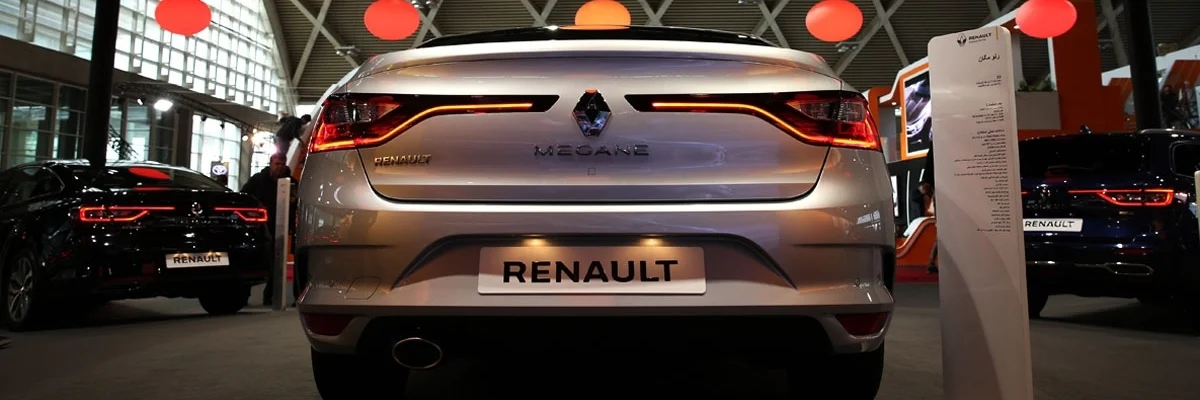
◢ French carmaker Renault will maintain its presence in Iran while taking measures to avoid the risk of penalties for breaching renewed US sanctions, CEO Carlos Ghosn said Friday. "We will not abandon it, even if we have to downsize very strongly," he said at the annual shareholders' meeting in Paris.
French carmaker Renault will maintain its presence in Iran while taking measures to avoid the risk of penalties for breaching renewed US sanctions, CEO Carlos Ghosn said Friday.
"We will not abandon it, even if we have to downsize very strongly," he said at the annual shareholders' meeting in Paris.
"When the market reopens, the fact of having stayed will certainly give us an advantage," he predicted.
US President Donald Trump announced in May that he was pulling out of the hard-fought 2015 deal in which world powers offered Tehran sanctions relief in exchange for restraints on its nuclear program.
The US exit means renewed sanctions on the Islamic Republic, while international companies doing business there will face penalties if they do not quit the country in between 90 and 180 days.
Companies including aircraft maker Boeing, French energy giant Total and Danish shipping group Maersk have announced plans to pull out, while Nike has stopped supplying Iran's football team with boots.
Renault's rival PSA, which produces the Peugeot and Citroen brands, has also announced it will quit Iran to abide by the US sanctions.
But Ghosn signaled that Renault, which counted 160,000 cars sold in Iran last year out of its total 3.76 million, would try to stay in the country.
"We have a future in Iran," he insisted. "However, we are not going to do so to the detriment of Renault's interests—we will be watching closely to make sure our presence in Iran does not provoke direct or indirect reprisal measures on the part of American authorities."
Ghosn said a Renault team working on the issue was "in direct contact with the American administration to work out what can be done and what cannot be done".
The company has not sold its cars in the United States since abandoning the market in the 1980s.
Photo Credit: IRNA
China Hosts Summit with Russia, Iran as Nuclear Deal Wobbles
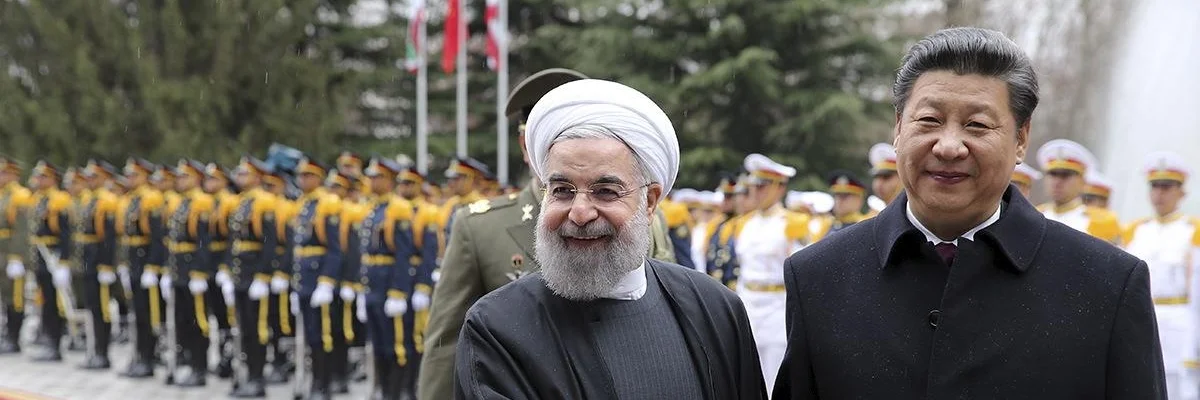
◢ Iran, China and Russia may seek ways to salvage the nuclear deal ditched by Donald Trump when their leaders meet this weekend at a summit on the Chinese coast. The Shanghai Cooperation Organisation (SCO), a regional security bloc led by China and Russia, is set to hold its 18th annual gathering in the city of Qingdao on Saturday and Sunday.
Iran, China and Russia may seek ways to salvage the nuclear deal ditched by Donald Trump when their leaders meet this weekend at a summit on the Chinese coast.
The Shanghai Cooperation Organization (SCO), a regional security bloc led by China and Russia, is set to hold its 18th annual gathering in the city of Qingdao on Saturday and Sunday.
Iran's President Hassan Rouhani is attending this year—just the second time an Iranian leader has participated.
It comes after US President Trump controversially pulled Washington out of a 2015 international pact with Iran that placed limits on its nuclear program in return for easing economic sanctions.
China is Iran's top trade partner and one of the biggest buyers of its oil, but those who oppose the US abandonment of the deal risk huge fines for busting the tough American measures.
Rouhani is taking part because "Iran is currently evaluating the signatories of the nuclear deal to see to what extent they'll be able to effectively maintain it even after the US's withdrawal", said Gao Shangtao, an expert on Middle East relations at Beijing Foreign Affairs College.
"To put it bluntly, if Tehran feels assured that China and Russia can withstand the pressure of US sanctions and continue to do business with Iran, then Tehran will seek to retain the deal—otherwise, it's meaningless," he said.
Chinese businesses are expected to step up activities in Iran to fill the void left by the exit of US companies and the possible withdrawal of European rivals who fear punitive US measures.
Hua Liming, a former Chinese ambassador to Iran, told the Global Times newspaper on Tuesday: "Unlike the US, China will not break its promise and will ensure that China-Iran relations won't be affected."
Iran announced on Tuesday that it plans to boost uranium enrichment capacity with new centrifuges within the 2015 deal's limits, prompting Beijing to urge all parties to "continue to sustain and implement" the agreement.
'Bigger, Grander' SCO Ambitions
The SCO bloc includes four ex-Soviet Central Asian republics and two new members, Pakistan and India—whose President Mamnoon Hussain and Prime Minister Narendra Modi, respectively, will be present this weekend.
Iran is currently an observer member of the SCO, though it has long sought full membership.
"Iran needs more diplomatic support from the East—not only China, but also Central Asia -- in order to strengthen its position and better contend with the US," said Xu Tiebing, international relations professor at the Communication University of China.
But most Chinese analysts "are not too eager to see Iran accepted as a formal member state" due to its perceived political instability, he added.
Chinese President Xi Jinping will meet Rouhani on the sidelines of the summit, but the nuclear deal is not on the formal SCO agenda.
Major SCO topics will include improving trade ties—in part by pushing forward China's Belt and Road global infrastructure project—and strengthening cooperation on drug trafficking, cybersecurity and counter-terrorism.
Despite mistrust between China and Russia, "outside circumstances—specifically US foreign policy—have pushed them closer to each other", said Tugrul Keskin, director of the Center for Global Governance at Shanghai University.
Xu agreed, noting US policy under Trump has been the driver of the SCO's growing profile, becoming "a kind of glue" keeping together SCO member countries who have disparate and often conflicting agendas.
Russian President Vladimir Putin told Chinese state broadcaster CGTN that though the SCO began as a "low-profile organization" that sought merely to "solve border issues" between China, Russia and former Soviet countries, it is now evolving into a larger global force.
"Our objective was quite small, but as we worked together on these small issues, we found similarities between us," he said.
"We realized that together we could achieve something bigger, grander."
Photo Credit: IRNA

France, Germany, Britain Formally Demand Exemptions from US Iran Sanctions
◢ France, Britain, Germany and the EU on Wednesday sent the United States a joint official request for their companies to be exempt from punitive measures resulting from fresh US sanctions on Iran. French Economy Minister Bruno Le Maire said the three countries and the EU were asking the US "to exempt European businesses doing legitimate trade in Iran from all extraterritorial American sanctions.”
France, Britain, Germany and the EU on Wednesday sent the United States a joint official request for their companies to be exempt from punitive measures resulting from fresh US sanctions on Iran.
"As allies, we expect that the United States will refrain from taking action to harm Europe's security interests," said the letter to US Treasury Secretary Steven Mnuchin and Secretary of State Mike Pompeo.
French Economy Minister Bruno Le Maire said the three countries and the EU were asking the US "to exempt European businesses doing legitimate trade in Iran from all extraterritorial American sanctions."
"Those businesses must be able to pursue their activities," he wrote on Twitter.
The plea comes as European leaders scramble to save the hard-fought deal signed between Iran and world powers in 2015 under which Tehran agreed to limits on its nuclear capacities in exchange for relief from crippling economic sanctions.
US President Donald Trump announced he was abandoning the deal last month—which will mean new sanctions on the Islamic republic and punitive measures
for those who trade with it.
Analysts say European firms which have rushed to invest in Iran after the lifting of sanctions over the past three years have the most to lose from the renewed sanctions.
Several major companies including France's Total and the Netherlands' Maersk have already said it will be impossible to stay in Iran once the sanctions are fully reimposed over the next six months, unless they receive explicit exemptions from Washington.
French automaker PSA said Monday that it would pull out of two joint ventures to sell its cars in Iran to avoid the risk of punishing fines.
Photo Credit: Wikimedia
Iran Enrichment Plan Not in Breach of Nuclear Deal: EU
◢ The EU said Tuesday that a "first assessment" indicated that Iran's announcement that it has launched a plan to boost uranium enrichment capacity did not breach its commitments under the beleaguered 2015 nuclear deal. Iran has notified the International Atomic Energy Agency that it plans to open a centre for producing new centrifuges, the Islamic Republic's nuclear chief Ali Akbar Salehi said Tuesday, drawing an angry response from arch-foe Israel.
The EU said Tuesday that a "first assessment" indicated that Iran's announcement that it has launched a plan to boost uranium enrichment capacity did not breach its commitments under the beleaguered 2015 nuclear deal.
Iran has notified the International Atomic Energy Agency that it plans to open a centre for producing new centrifuges, the Islamic Republic's nuclear chief Ali Akbar Salehi said Tuesday, drawing an angry response from arch-foe Israel.
The European Union, which is working to save the 2015 agreement with Iran after the US pulled out, warned the Iranian announcement would not help build confidence in the Iranian program, but said it did not constitute a breach of the deal.
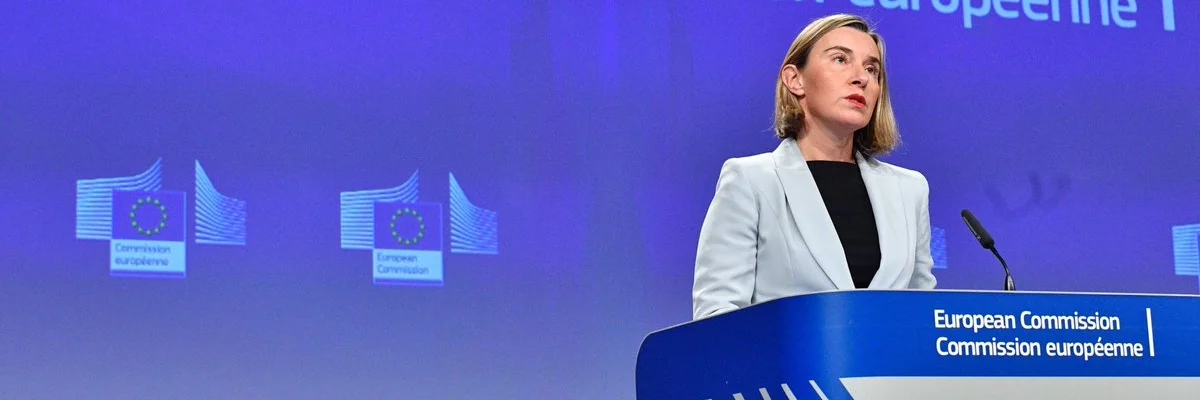
"Following a first assessment, the announced steps per se are not a violation of the JCPOA," Maja Kocijancic, spokeswoman for EU diplomatic chief Federica Mogherini, told AFP. The agreement is officially called the Joint Comprehensive Plan of Action (JCPOA).
"However, at this particularly critical juncture, they will not contribute to build confidence in the nature of the Iranian nuclear program."
Salehi stressed that his announcement was just the start of the production process and did not mean Iran was about to start assembling centrifuges.
Under the 2015 nuclear agreement that Iran signed with the US, China, Russia, Britain, France and Germany after years of difficult talks, Tehran can build and test parts for advanced centrifuges, but specific restrictions exist on what technology can be researched and in what quantity within the first decade of the deal.
European governments have been trying to salvage the nuclear deal since the United States last month withdrew and said it would reimpose sanctions on foreign companies working in the Islamic republic by November.
The remaining parties have vowed to stay in the accord but many of their companies have already started to wind down Iranian operations.
A European source told AFP that the Iranian enrichment announcement is being interpreted as a bid to step up the pressure on Brussels to deliver on these promises.
The EU is trying to come up with ways to persuade Iran to stick with the deal by protecting the economic benefits it gained when tough sanctions were lifted in return for it halting its nuclear program.
"As stated repeatedly, we expect Iran to stick to all its JCPOA commitments, to be monitored by the IAEA, as it has been doing so far and has been confirmed by the IAEA in 11 consecutive reports," Kocijancic told AFP.
"The IAEA is the only body in charge of the monitoring and verification of the implementation by Iran of its nuclear-related commitments under the JCPOA."
Photo Credit: EEAS
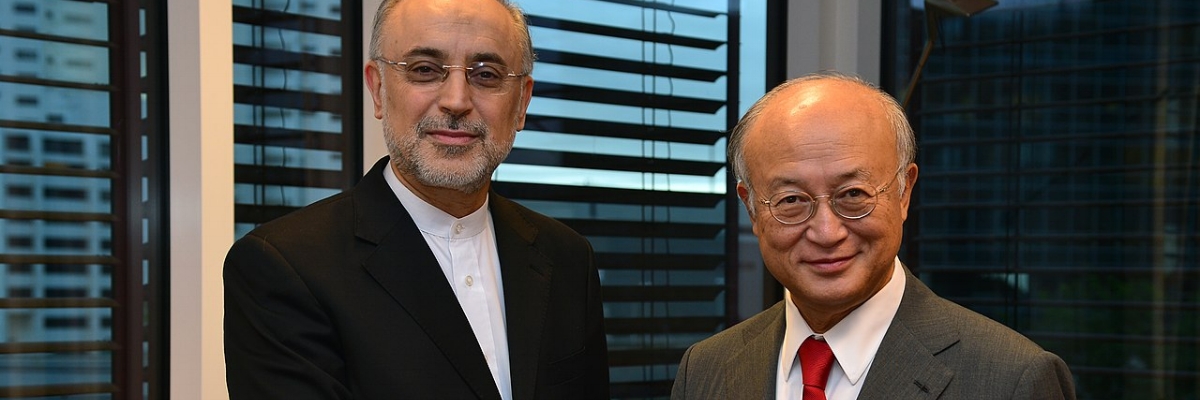
Iran Tells UN it Will Hike Uranium Enrichment Capacity
◢ Iran has notified the International Atomic Energy Agency that it has launched a plan to increase its uranium enrichment capacity, nuclear chief Ali Akbar Salehi said Tuesday. "A letter was submitted to the agency yesterday regarding the start of certain activities," said Salehi, a vice president and head of the Iranian Atomic Energy Organization.
Iran has notified the International Atomic Energy Agency that it has launched a plan to increase its uranium enrichment capacity, nuclear chief Ali Akbar Salehi said Tuesday.
"A letter was submitted to the agency yesterday regarding the start of certain activities," said Salehi, a vice president and head of the Atomic Energy Organization of Iran.
"If conditions allow, maybe tomorrow night at Natanz, we can announce the opening of the center for production of new centrifuges" for uranium enrichment, he said, quoted by conservative news agency Fars.
"What we are doing does not violate the (2015 nuclear) agreement," he said, adding that a letter was submitted to the IAEA "yesterday regarding the start of certain activities."
He specified that this was just the start of the production process and "does not mean that we will start assembling the centrifuges."
Under the 2015 agreement, Iran can build parts for the centrifuges as long as it does not put them into operation within the first decade.
Salehi also emphasized that these moves "do not mean the negotiations (with Europe) have failed."
European governments have been trying to salvage the agreement ever since the United States announced its withdrawal last month and said it would reimpose sanctions on foreign companies working in the Islamic republic by November.
he other parties—Britain, France, Germany, China and Russia—have vowed to stay in the accord but many of their companies have already started to wind down Iranian operations.
On Monday, Iran's supreme leader Ayatollah Ali Khamenei warned the Europeans that "Iran will never tolerate both suffering from sanctions and nuclear restrictions" and called for preparations to speed up uranium enrichment.
Iran insists its nuclear program is for civilian uses only, but opponents in the US, Israel and Saudi Arabia accuse it of seeking to build an atomic bomb.
Photo Credit: Wikicommons
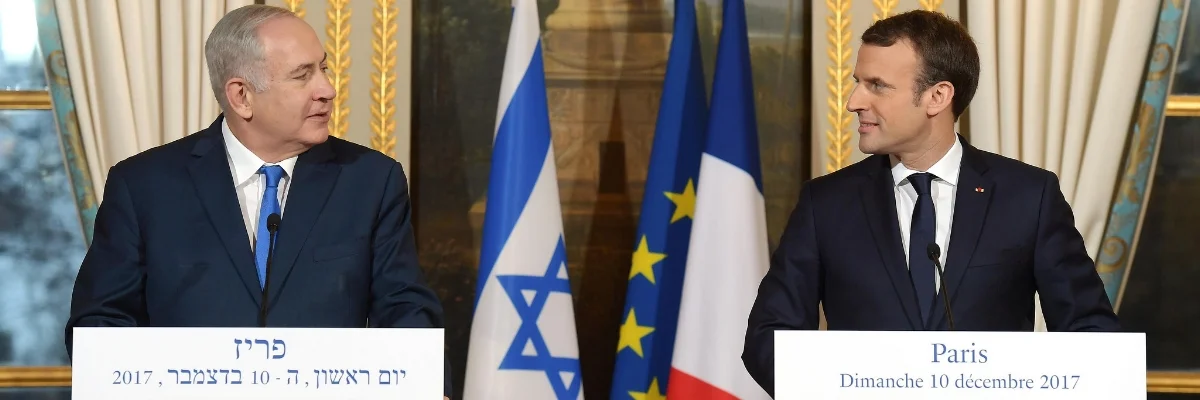
Macron Walks Fine Line as Netanyahu Seeks Anti-Iran Front
◢ French President Emmanuel Macron meets Israeli Prime Minister Benjamin Netanyahu on Tuesday on the second leg of his European trip amid deep differences over how to contain Iran's ambitions in the Middle East. It will be the third meeting of the two leaders in Paris since last July, and while they agree on the threats posed by Tehran's missile projects and foreign interventions, they differ strongly on the response.
French President Emmanuel Macron meets Israeli Prime Minister Benjamin Netanyahu on Tuesday on the second leg of his European trip amid deep differences over how to contain Iran's ambitions in the Middle East.
It will be the third meeting of the two leaders in Paris since last July, and while they agree on the threats posed by Tehran's missile projects and foreign interventions, they differ strongly on the response.
Netanyahu has pursued his strident attacks against Tehran during his visit to Europe, warning during a stop in Berlin on Monday that its activities risked fueling a new influx of migrants towards Germany.
Iran was intent on fueling "a religious war inside Syria and the consequences will be many, many more refugees and you know where exactly they will come," he told German Chancellor Angela Merkel.
Netanyahu has been emboldened by US President Donald Trump's decision to pull out of the 2015 accord curbing Iran's nuclear program—and the threat of harsh sanctions against European firms doing business in the country.
Yet Macron has led a staunch defense of the accord, whose other signatories—France, Britain, Germany, China, Russia and the EU—have maintained a common front so far.
"Benjamin Netanyahu's goal is to not find himself isolated along with Washington," said David Khalfa of the Institute for European Prospective and Security in Paris.
"At a minimum he's looking to force Europeans to reinforce the existing accord" via the US sanctions, but also the prospect of joint Saudi-US-Israel bloc setting the agenda in the Middle East, Khalfa said.
Macron has warned that letting the deal fall apart will only inflame tensions, especially if harsh sanctions smother the economic relief Iranians began to enjoy after it was signed in 2015.
He and Netanyahu are scheduled to hold a press conference after their talks and launch a season of cultural exchanges between their countries this year.
Balancing Act
But relations have been further strained by the killing of 123 Palestinian protesters in Gaza by Israeli forces since March, including at least 61 people on May 14 alone.
Macron denounced the "violence by Israel's armed forces" even as he noted the country's security concerns, a position deemed too simplistic by Israeli officials while also being derided by his leftwing critics in France.
French Prime Minister Edouard Philippe cancelled a planned trip to Israel last month.
Several pro-Palestinian groups are planning protests against Netanyahu in cities across the country, while three journalist unions have called his visit "intolerable".
The journalist unions denounced the killing of Palestinian journalists by Israeli forces, as well as women, children and people working for emergency services in Gaza.
Against this backdrop, talks on seeking an end to the Palestinian conflict have fallen to the wayside, not least after Trump broke with decades of protocol by recognizing Israel's claim of Jerusalem as its capital.
Last week, the European Union urged Israel to reconsider its decision to demolish a Palestinian Bedouin village in the occupied West Bank, saying it undermines "prospects for a lasting peace."
Macron has announced plans to visit both Israel and the Palestinian territories this year.
"Macron is taking a very pragmatic approach, separating the Israeli-Palestinian conflict from their bilateral cooperation," said Khalfa, noting in particular Macron's appreciation of Israel's push to become a "start-up nation."
Macron and Netanyahu are also planning to inaugurate a show highlighting Israel's technological innovations, "Israel@lights", at the Grand Palais museum in Paris.
Photo Credit: GPO/Avi Ohayon