
Iran's Supreme Leader Warns Europe of Nuclear 'Dream'
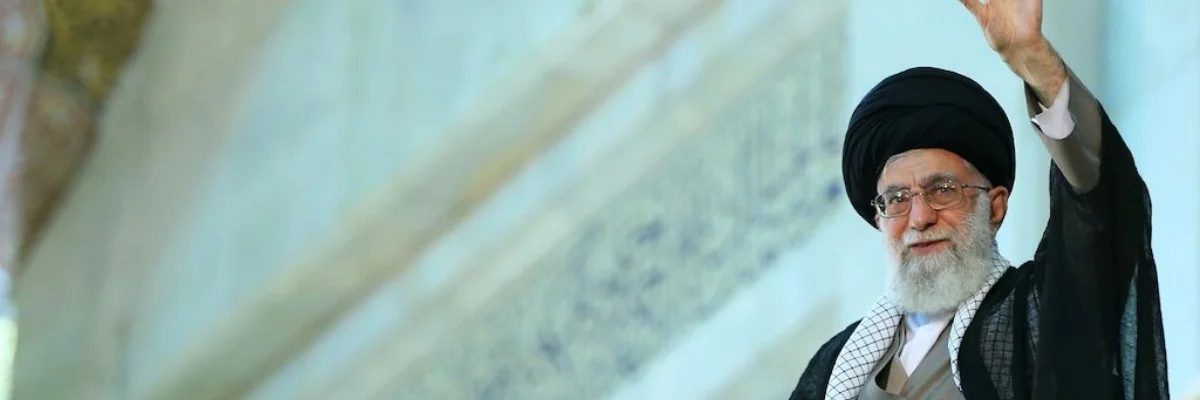
◢ Iran's supreme leader Ayatollah Ali Khamenei on Monday warned European leaders against their "dream" of Tehran continuing to curb its nuclear programme while finding itself under new economic sanctions. Khamenei was speaking nearly a month after President Donald Trump announced the United States was pulling out of the landmark Iran nuclear deal.
Iran's supreme leader Ayatollah Ali Khamenei on Monday warned European leaders against their "dream" of Tehran continuing to curb its nuclear programme while finding itself under new economic sanctions.
"From some European countries we get the message that they expect the Iranian people to both tolerate the sanctions, deal with the sanctions, and go along with them and give up our nuclear energy activities and continue with the restrictions," he told an audience in a Tehran suburb.
"I would tell these countries that they should be aware that this is a dream that will never come true."
Khamenei was speaking nearly a month after President Donald Trump announced the United States was pulling out of the landmark Iran nuclear deal.
The remaining partners—Britain, China, France, Germany and Russia—have scrambled to save the 2015 accord as the US readies to reimpose sanctions on Tehran.
"The people of Iran and the government of Iran will never tolerate both suffering from sanctions and nuclear restrictions," said Khamenei.
"This will never happen," he said during a ceremony to mark the 29th anniversary of the death of revolutionary leader Ayatollah Ruhollah Khomeini.
The Iran deal paved the way for the partial lifting of international sanctions against the country, in exchange for Tehran curbing its nuclear program for a number of years.
Khamenei and various Iranian political figures have already warned that Iran could leave the agreement if it no longer receives the economic benefits it signed up for.
Late last month the supreme leader outlined Iran's demands for it to stay in the nuclear deal.
But the remaining backers of the accord have limited power to protect Iran's economic interests in the face of US sanctions, with Trump showing little inclination to spare EU companies.
Shortly after Khamenei's speech, French automaker PSA announced it was pulling out of two joint ventures to sell its cars in Iran owing to the US sanctions.
Last week the chief executive of French oil giant Total—a symbol of foreign companies' return to Iran after 2015—said the chances of winning sanctions exemptions were "very slim."
Photo Credit: Khamenei.ir
French Carmaker PSA Says to Exit Iran Over US Sanction Risk
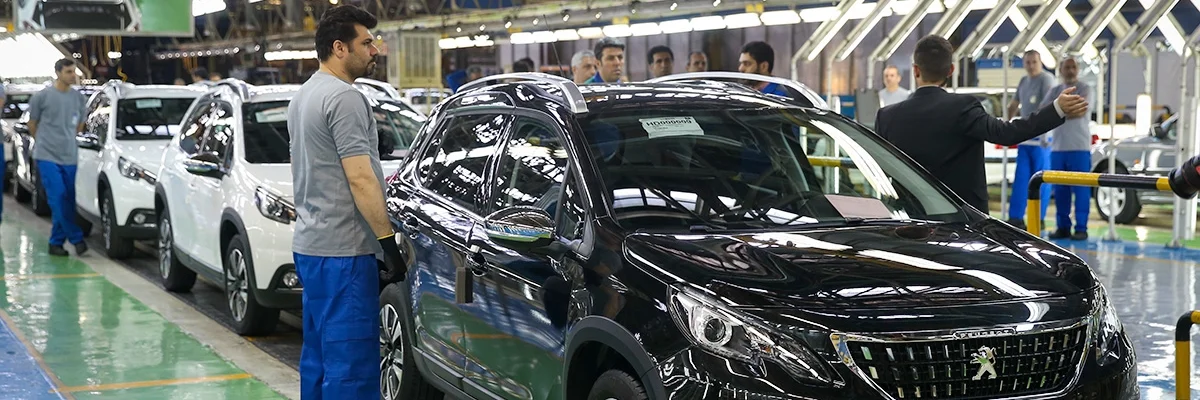
◢ France's PSA said Monday that it would pull out of two joint ventures to sell its cars in Iran to avoid the risk of US sanctions after Washington decided to withdraw from a key nuclear deal with Tehran. "The group has begun to suspend its joint venture activities, in order to comply with US law by August 6, 2018," the automaker said in a statement.
French automaker PSA said Monday that it would pull out of two joint ventures to sell its cars in Iran to avoid the risk of US sanctions after Washington withdrew from a key nuclear deal with Tehran.
"The group has begun to suspend its joint venture activities, in order to comply with US law by August 6, 2018," the maker of Peugeot and Citroen cars said in a statement.
European officials have vowed to try to shield their companies working in Iran from the reach of punishing US sanctions that are set to come into effect by November.
But with US President Donald Trump showing little inclination to spare EU companies, they must decide whether to continue to work in Iran if doing so puts their US operations at risk of huge fines.
PSA, Europe's second-biggest carmaker, signed deals with two Iranian automakers, Iran Khodro and Saipa, in 2016 after sanctions were lifted following the landmark 2015 accord aimed at prevent Tehran from developing nuclear weapons.
It was among several companies which rushed into Iran, hoping to meet pent-up demand in a country that had been squeezed by sanctions for years.
Last year PSA sold nearly 445,000 vehicles in Iran, making the country one of its biggest markets outside France.
Although it has been absent from the US market since 1991, the company said in January that it was hoping to launch a car-sharing service in one or two American cities.
But PSA, which also owns the Opel and Vauxhall brands, also noted that Iran sales still make up less than one percent of its total sales, and so exiting the country would not alter its financial guidance.
"With the support of the French government, Groupe PSA is engaging with the US authorities to consider a waiver," it said.
Yet the CEO of French oil giant Total, who was hoping to launch a major natural gas project in Iran, said last week that the chances of winning exemptions to the US sanctions were "very slim."
Photo Credit: IRNA
Netanyahu Heads to Europe Seeking About-Face on Iran
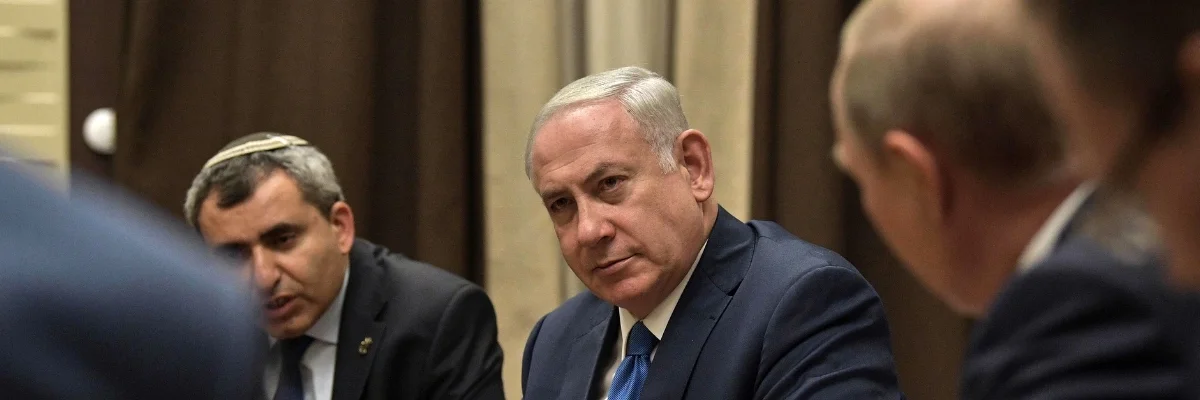
◢ Israeli Prime Minister Benjamin Netanyahu embarks Monday on a three-day European tour in Germany set to be dominated by strategic differences on Iran, as leaders attempt to rescue the nuclear deal after US withdrawal.
Israeli Prime Minister Benjamin Netanyahu embarks Monday on a three-day European tour in Germany set to be dominated by strategic differences on Iran, as leaders attempt to rescue the nuclear deal after US withdrawal.
With partners in Berlin, Paris and London still reeling from President Donald Trump's decision last month to exit the hard-fought 2015 accord, Netanyahu is expected to seek European cooperation on a still-to-be-determined Plan B.
"The aim to prevent Iran from developing any kind of nuclear capacity was always the foundation of international policy on Iran," Israel's ambassador to Germany, Jeremy Issacharoff, told AFP ahead of the visit.
Issacharoff said that despite "differences of opinion" on how to achieve the aim of hemming in Iran on nuclear matters, "we share the same goal".
Germany, France and Britain are three of the signatories of the 2015 Joint Comprehensive Plan of Action (JCPOA) between world powers and Iran, aimed at keeping Tehran from acquiring nuclear weapons.
Netanyahu, who has railed against the deal which offers sanctions relief in exchange for strict limits on Iran's nuclear activities, will hold talks with Chancellor Angela Merkel in Berlin in the late afternoon, followed by a joint news conference.
He will continue on to Paris for meetings with French President Emmanuel Macron on Tuesday and British Prime Minister Theresa May on Wednesday.
'Not Perfect'
In the face of the US retreat, all three leaders strongly defend the agreement as the best way to head off a regional arms race and have vowed with Russia and China, the two other signatory countries, to keep it alive.
German Foreign Minister Heiko Maas huddled with his Chinese counterpart Wang Yi on Thursday and insisted that Berlin "wants to maintain the nuclear agreement and make sure Iran maintains it too."
At the same news conference, Wang launched an unvarnished attack on US reliability in global affairs under Trump.
"It is a truism of international law that international accords must be respected... (and) major countries must set an example, not do the opposite," he said.
Supporters also fear the reimposition of US sanctions could hit European firms that have done business with Iran since the accord was signed.
Merkel has acknowledged that while European powers see the JCPOA as the best guarantee against an Iran with nuclear weapons, it is "not perfect".
The Europeans have proposed hammering out a supplementary deal with Tehran covering its ballistic missile program as well as its interventions in countries such as Lebanon, Syria, Iraq and Yemen.
Western powers view Iran's meddling as destabilizing for the region while Israel sees it as a direct threat to its existence.
"I will discuss with them ways to block Iran's nuclear aspirations and Iran's expansion in the Middle East," Netanyahu said last week of his European meetings, noting the issues were "crucial to Israel's security".
Israel is considered the leading military power in the Middle East and believed to be the only country in the region to possess nuclear weapons.
Photo Credit: Kremlin.ru
Total Says Chances of Iran Sanctions Waiver 'Very Slim'
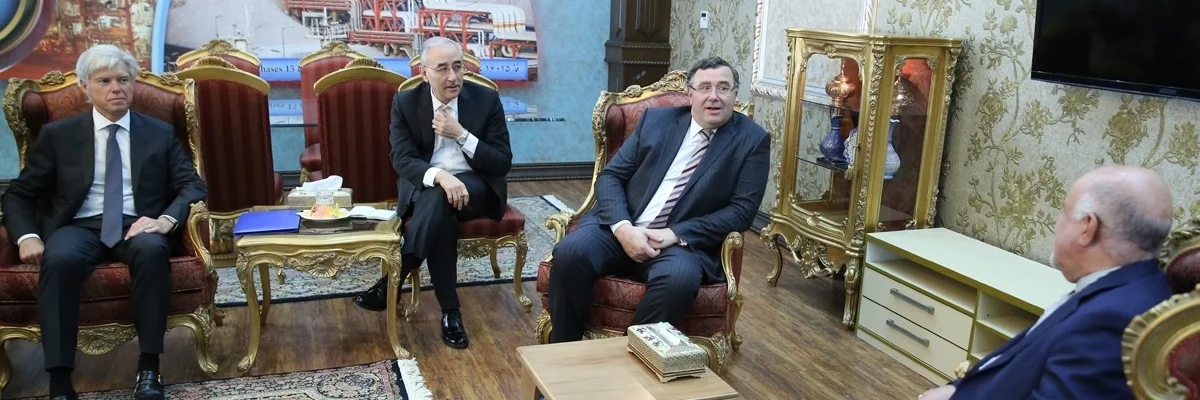
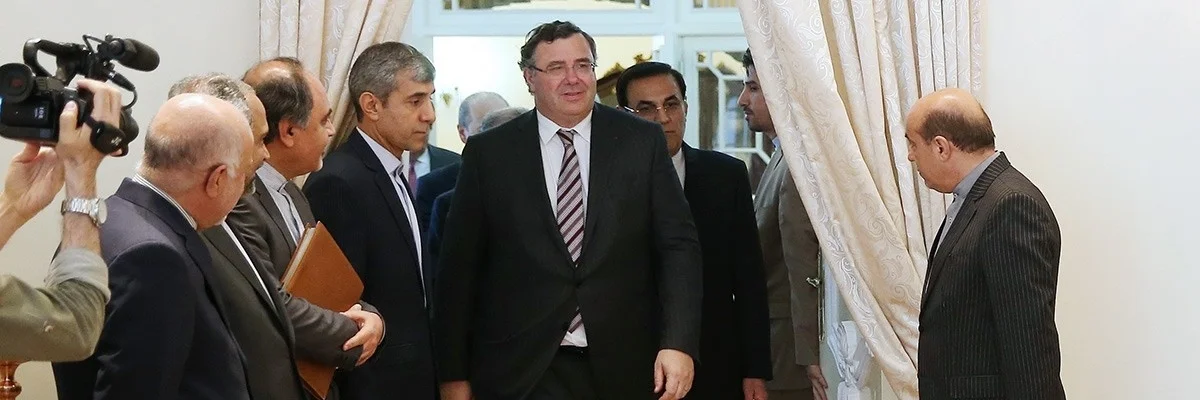
◢ French oil major Total said Friday the probability of winning an exemption from US sanctions against Iran to continue a major gas field project was very faint. On Friday, Total's chairman Patrick Pouyanné told shareholders that the prospect of a sanctions exemption was dim.
French oil major Total said Friday the probability of winning an exemption from US sanctions against Iran to continue a major gas field project was very faint.
The energy giant had already warned that, unless Washington granted it a waiver, it would pull out of the South Pars 11 project which it started in July 2017, two years after Western powers signed a nuclear deal with Tehran prompting the return of many businesses to Iran.
But earlier this month, President Donald Trump announced his withdrawal from the deal, and told companies that they face sanctions if they do business with Iran.
Iran's oil minister on Wednesday gave Total 60 days to win a sanctions waiver from Washington before it would lose its stake in the multi-billion-dollar project.
But on Friday, Total's chairman Patrick Pouyanné told shareholders that the prospect of a sanctions exemption was dim.
"The probability of us getting an exemption is very slim", he said.
Total said earlier this month that it has USD 10 billion of capital employed in its US assets, and US banks are involved in 90 percent of its financing operations, making Total highly vulnerable if targeted by any US actions.
By contrast, Total said it had spent less than EUR 40 million (USD 47 million) on the Iranian project, which it runs with its local partners CNPC and Petropars and which is dedicated to the supply of domestic gas inside Iran.
A withdrawal from the Iran project would not affect Total's current overall production targets as the group had since opened up other growth opportunities, it said.
Meanwhile, Tehran said that Chinese state-owned oil company CNPC will replace Total on the gas project if the French company pulls out.
Photo Credit: IRNA
Iran Sets Sanctions Waiver Deadline for Oil Giant Total
◢ Iran's oil minister on Wednesday gave French energy giant Total 60 days to win a sanctions waiver from Washington or it would lose its stake in a multi-billion-dollar gas project. "Total has 60 days to negotiate with the US government," said Bijan Zanganeh, according to the oil ministry's Shana news agency.
Iran's oil minister on Wednesday gave French energy giant Total 60 days to win a sanctions waiver from Washington or it would lose its stake in a multi-billion-dollar gas project.
"Total has 60 days to negotiate with the US government," said Bijan Zanganeh, according to the oil ministry's Shana news agency.
"The French government too can have negotiations with the US government during these 60 days for Total to stay in Iran."
Total was the only western firm to finalize an investment deal in Iran's energy sector following the 2015 nuclear deal, from which Washington withdrew earlier this month.
It signed the agreement last July to become the lead partner in a USD 4.8 billion project to develop the South Pars 11 gas field, alongside the China National Petroleum Corporation (CNPC) and Iran's Petropars.
But after Washington quit the deal and pledged to fully reimpose sanctions by November, Total has said it will be impossible to continue unless it gets a specific waiver from Washington.
If the French firm fails to win an exemption, CNPC "will replace Total in this project," Zanganeh said.
The oil minister did not explain why the French firm only had 60 days, with US sanctions on foreign energy companies in Iran not due to kick in until November 4.
Even before Washington pulled out of the nuclear deal, Iran had struggled to attract investment into its oil and gas sector.
The only other deal was a $742 million (600 million euro) deal with Russian state-owned firm Zarubezhneft to boost production at two oil fields in the western province of Ilam.
Hardliners in Iran had opposed foreign investment in the energy sector despite the government saying billions were needed to realise its potential.
"Iran failed to attract much energy investment, even when conditions were at their most favorable," wrote the US Center on Global Energy Policy in a recent briefing note.
"The country was far too slow in unveiling its new Iran Petroleum Contract, and when it did, potential investors complained that the terms were unattractive."
Photo Credit: IRNA
India to Ignore US Sanctions on Iran, Venezuela: Minister
◢ India will keep trading with Iran and Venezuela despite the threat of fallout from US sanctions against the two countries, Foreign Minister Sushma Swaraj said Monday. Swaraj, asked at a news conference whether US action against Iran and Venezuela would damage India, said the country would not make foreign policy "under pressure"
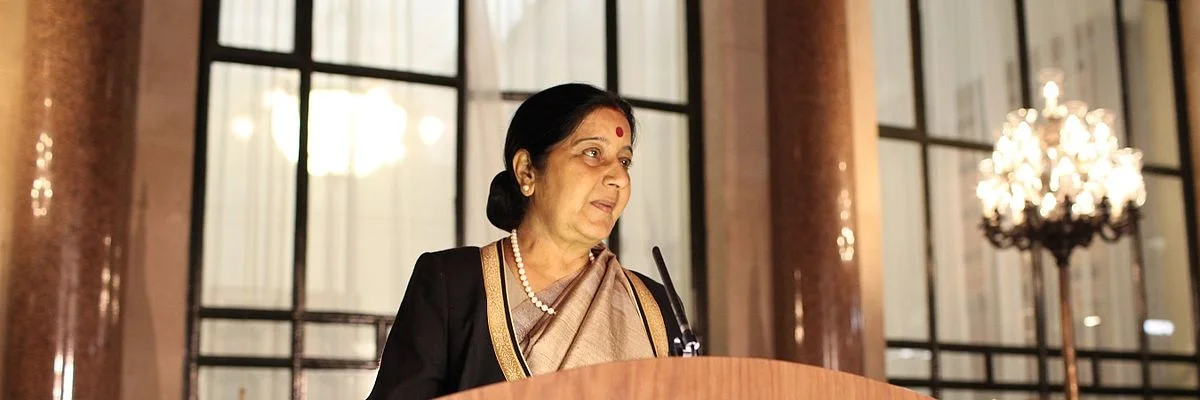
India will keep trading with Iran and Venezuela despite the threat of fallout from US sanctions against the two countries, Foreign Minister Sushma Swaraj said Monday.
Swaraj, asked at a news conference whether US action against Iran and Venezuela would damage India, said the country would not make foreign policy "under pressure".
US President Donald Trump this month withdrew from the Iran nuclear deal and ordered the reimposition of sanctions suspended under the 2015 accord.
Washington has also tightened sanctions against Venezuela over the controversial re-election of President Nicolas Maduro.
Both countries are key oil suppliers to India and the United States has warned that foreign companies which deal with Iran could themselves be punished.
But Swaraj said New Delhi did not believe in "reactionary" policies and would not be dictated to by other countries.
"We don't make our foreign policy under pressure from other countries," she told a news conference.
"We believe in UN sanctions but not in country-specific sanctions."
Swaraj's comments came just before a meeting with her Iranian counterpart Mohammad Javad Zarif in New Delhi.
Bilateral trade between India and Iran amounted to USD 12.9 billion in 2016-17. India imported USD 10.5 billion worth of goods, mainly crude oil, and exported commodities worth USD 2.4 billion.
India has other interests in Iran, in particular a commitment to build the port of Chabahar on the Gulf of Oman.
The port is being touted as a way for India to establish trade routes that bypass rival Pakistan. Media reports have speculated India could revive a rupee-rial payment arrangement with Iran to shield exporters from the heat of US sanctions.
Swaraj also said India would continue trading with Venezuela, but there was no plan to use its local cryptocurrency in oil trade.
"We cannot have any trade in cryptocurrency as it is banned by the Reserve Bank of India. We will see which medium we can use for trade," she said.
Photo Credit: Wikicommons
China to To Host Iran Leader Amid Nuclear Deal Upheaval
◢ Iran's president will attend a summit with his Chinese and Russian counterparts next month, officials in Beijing said Monday, as they try to salvage the nuclear deal thrown into upheaval by Donald Trump. China, Russia and European powers, all of which signed the 2015 Iran nuclear accord, are scrambling to save the pact following the US president's decision to quit the agreement and reinstate sanctions.
Iran's president will attend a summit with his Chinese and Russian counterparts next month, officials in Beijing said Monday, as they try to salvage the nuclear deal thrown into upheaval by Donald Trump.
China, Russia and European powers, all of which signed the 2015 Iran nuclear accord, are scrambling to save the pact following the US president's decision to quit the agreement and reinstate sanctions.
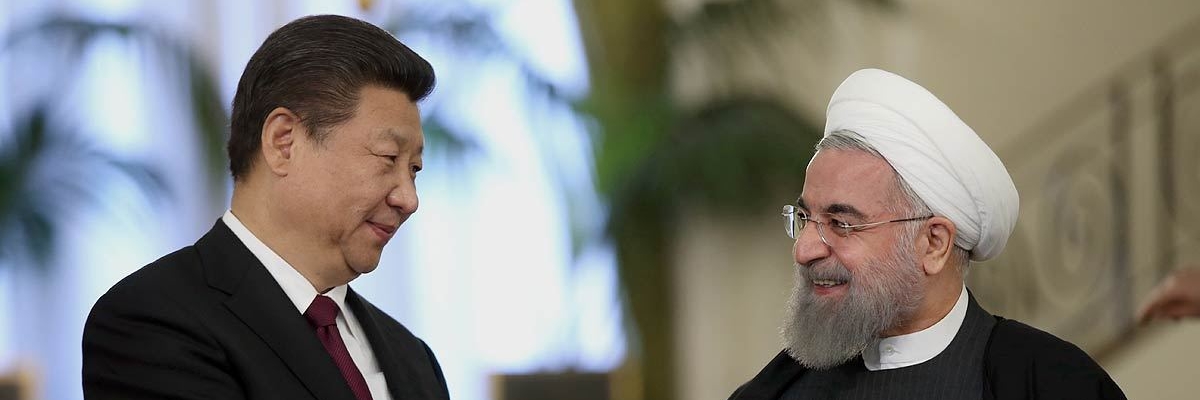
China's President Xi Jinping will meet Iran's Hassan Rouhani on the sidelines of the Shanghai Cooperation Organisation (SCO) meeting on June 9-10 in Qingdao, said Foreign Minister Wang Yi.
Russian President Vladimir Putin will also attend the summit, he added. Wang did not include the nuclear deal in a readout of the summit's formal agenda.
But Beijing, which is Iran's top trade partner and one of the biggest buyers of its oil, has signaled that it intends to keep working with the Islamic regime despite the US move.
Chinese businesses are expected to step up activities in Iran to fill the void left by the exit of US companies and the possible withdrawal of European rivals for fear of punitive measures enforced by the US.
Iran is currently an observer member of the SCO, though it has long sought full membership.
The regional bloc focusing on security and trade also includes four ex-Soviet Central Asian republics and two new members, Pakistan and India.
The summit will discuss a three-year action plan to "fight the three evil forces"—terrorism, separatism and extremism—and strengthen cooperation on tackling cybersecurity breaches and drug trafficking, Wang said.
China will also push for "reforms to the multilateral trading regime" connecting the markets of SCO members, which account for nearly 40 percent of the global population, he said.
China floated the idea of an SCO free trade area in 2016, according to state-run Xinhua agency, but Wang did not say whether it would be part of the agenda.
Photo Credit: IRNA
Iran Sanctions Shadow Falls on Smaller German Banks
◢ Germany's biggest lenders have shied away from business with Iran after past penalties for breaching US sanctions, but smaller banks have leapt on opportunities afforded by the nuclear deal rejected by Donald Trump. Officials at Germany’s central bank believe that much has so far changed for business with Iran.
Germany's biggest lenders have shied away from business with Iran after past penalties for breaching US sanctions, but smaller banks have leapt on opportunities afforded by the nuclear deal rejected by Donald Trump.
There are just months to go until a November deadline issued by Washington after the US president abandoned a hard-fought agreement that loosened business restrictions on the Islamic Republic in exchange for Tehran giving up its pursuit of nuclear weapons.
But some firms plan to press on in their dealings with Iran despite the looming threat of penalties.
"We will continue to serve our clients," for now, said Patrizia Melfi, a director at the "international competence centre" (KCI) founded by six cooperative savings banks in the small town of Tuttlingen in southwest Germany.
The centre, which supports companies operating in sensitive markets like Iran or Sudan, has seen demand "rising sharply in the last few years, from firms listed on the Dax (Germany's index of blue-chip firms), from all over Germany and from Switzerland," she added.
German exports to Iran have grown since the nuclear deal was signed in 2015, adding 15.5 percent last year to reach almost EUR 2.6 billion (USD 3.0 billion) after 22-percent growth in 2016.
Such figures remain vanishingly small compared with Germany's 111.5 billion euros in exports to the US—its top customer.
Nevertheless, the KCI will "wait and see what the sanctions look like" before turning away from Iran, Melfi said.
Walking on Eggshells
Already, firms dealing with Tehran must take great care not to fall foul of US restrictions.
Transactions are carried out in euros, and the KCI does not deal with businesses that have American citizens or green card resident holders on their boards.
What's more, products sold to Iran cannot contain more than 10 percent of parts manufactured in the US.
One of the most important inputs for the business is "courage among our managers" given the high risks involved, Melfi said.
Germany's two biggest banks, Deutsche Bank and Commerzbank, avoid Iran completely after being slapped with harsh fines in 2015 over their dealings there, with Deutsche alone paying USD 258 million in penalties.
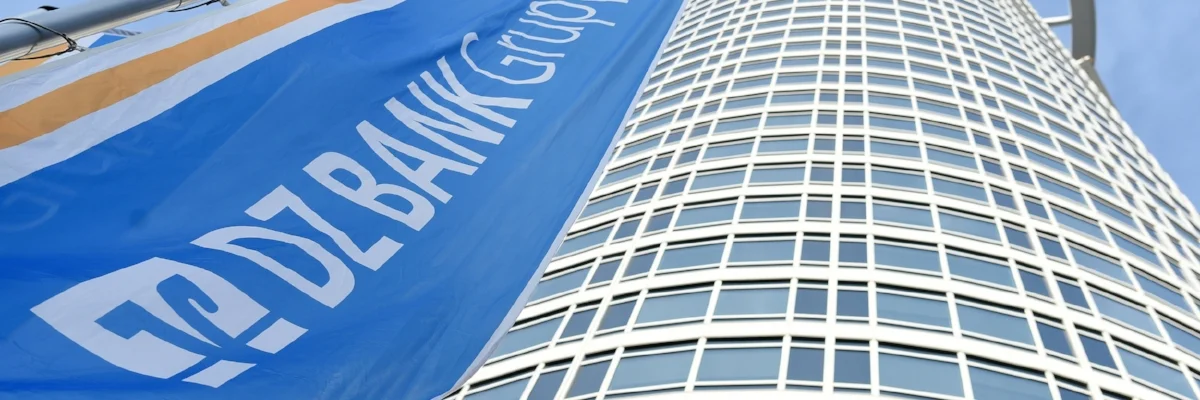
DZ Bank, which operates as a central bank for more than 1,000 local co-op lenders, is withdrawing completely from payment services there, a spokesman told AFP.
That left KCI to seek out the German branch of Iranian state-owned bank Melli in Hamburg.
Even that linkage could break if Iran's biggest business bank appears on a US list of barred businesses as it has before.
Meanwhile, among Germany's roughly 390 Sparkasse savings banks, business with the regime is mostly limited to producing documents linked to export contracts.
"We will be looking even more closely at those" in the future, a person familiar with the trade told AFP.
Elsewhere in the German economy, the European-Iranian Trade Bank (EIH) founded in 1971 is another conduit to Tehran.
Also based in Hamburg, it for now remains "fully available to you with our products and services", the bank assures clients on its website, although "business policy decisions by European banks may result in short term or medium term restrictions on payments".
'Effectively Protected'
Neither does the Bundesbank (German central bank) believe that much has so far changed for business with Iran.
"Only the European Union's sanctions regime will be decisive", if and when it is changed, the institution told AFP.
Any payment involving an Iranian party would have to be approved by the Bundesbank if things return to their pre-January 2016 state.
German banking lobby group Kreditwirtschaft has called on Berlin and other EU nations to clarify their stance—and to make sure banks and their clients are "effectively protected against possible American sanctions."
KCI's Melfi said time is running out for EU governments to act.
"Many firms just want to stop anything with Iran, since they can't calculate the risk of staying," she noted.
On Friday for the first time since the Iran nuclear deal came into force in 2015, China, Russia, France, Britain and Germany gathered in Vienna—at Iran's request—without the United States, to discuss how to save the agreement.
Photo Credit: DZ Bank
Iran Expects Measures to Save Nuclear Deal by End of May
◢ European countries have until the end of May to propose ways to mitigate the effects of the US withdrawal from a landmark nuclear deal between world powers and Tehran, a senior Iranian official said Friday. Tehran has threatened to restart its uranium enrichment program at an "industrial level" if the 2015 pact falls apart.
European countries have until the end of May to propose ways to mitigate the effects of the US withdrawal from a landmark nuclear deal between world powers and Tehran, a senior Iranian official said Friday.
Tehran has threatened to restart its uranium enrichment program at an "industrial level" if the 2015 pact falls apart.
The comments came ahead of the first "joint commission" meeting in Vienna between the other signatories of the deal—China, Russia, France, Britain, Germany and Iran—since Washington's dramatic announcement on May 8 that it was pulling out from the Joint Comprehensive Plan of Action (JCPOA) and would re-impose sanctions on Iran.
The move has put the deal in "intensive care", the senior Iranian official said, speaking on condition of anonymity.
US President Donald Trump has long trashed the deal—concluded under his predecessor Barack Obama -- saying it did not do enough to curtail Tehran's nuclear ambitions.
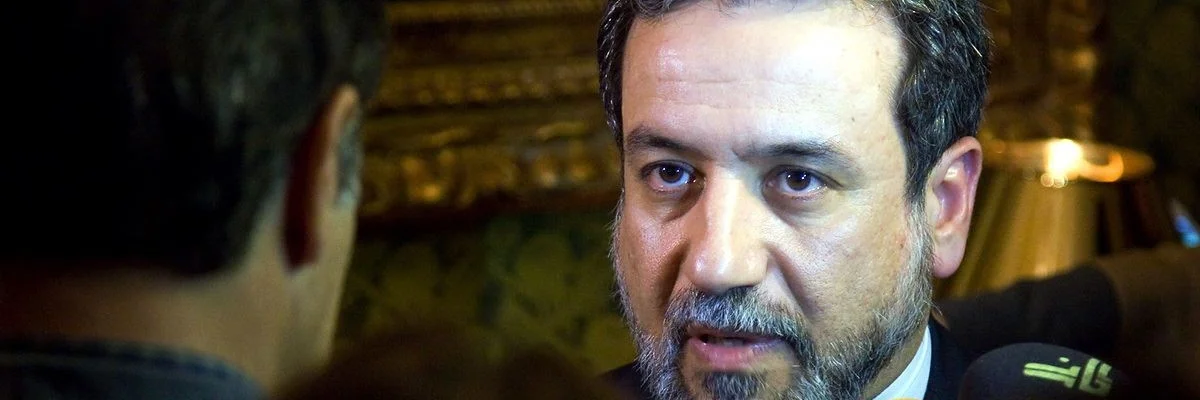
After Friday's meeting, Iranian Deputy Foreign Minister Abbas Araghchi said negotiations were ongoing with the remaining signatories "to see if they can provide us with a package which can give Iran the benefits of sanctions lifting."
He added that "practical solutions" were required to address Iran's concerns over its oil exports, banking flows and foreign investments in the country.
"The next step is to find guarantees for that package," he said.
Araghchi said that talks would continue over the next few weeks "particularly at an expert level", after which Iran would decide whether or not to stay in the accord.
"We got the sense that Europeans, Russia and China... are serious and they recognize that JCPOA's survival depends on the interests of Iran being respected," Araghchi added.
A senior EU official said after the meeting that the bloc could not "give guarantees but we can create the necessary conditions for the Iranians to keep benefiting from the sanctions lifting under the JCPOA and to protect our interests and continue to develop legitimate business with Iran."
"We are working on a variety of measures to mitigate consequences of the US withdrawal," the official, who did not want to be named, said while cautioning that "there are things that will take more time."
Russian delegate Mikhail Ulyanov struck an upbeat note, saying: "We have
all chances to succeed, provided that we have the political will.
"I must tell you that the JCPOA is a major international asset. It does not belong to the United States, it belongs to the whole international community."
He added that the possibility of referring the matter back to the UN "was not discussed during this meeting".
'Dying' Deal
Unusually for a meeting of the joint commission, the head of the UN's nuclear watchdog Yukiya Amano was invited to brief the participants on his organization's work in Iran.
According to a report seen by AFP on Thursday, the International Atomic Energy Agency (IAEA) believes Iran is still abiding by the deal's key restrictions on its nuclear facilities in return for relief from damaging economic sanctions.
The IAEA, however, is "encouraging (Iran) to go above and beyond the requirements" of the deal in order to boost confidence, said a senior diplomat in Vienna, where the nuclear watchdog is based.
As well as criticizing the deal for not adequately restricting Iran's nuclear activities, Trump also said it did not go far enough in limiting Iran's ballistic missile program, or its intervention in regional conflicts from Yemen to Iraq and Syria.
The unnamed senior Iranian official rejected any attempt to link the JCPOA to other such issues.
The official said such an attempt would mean "we lose JCPOA and we (would) make the other issues even more complicated to resolve," adding it was pointless for the Europeans to try to "appease" Trump.
"We have now a deal which is in the intensive care unit, it's dying," the official said.
The five signatories still committed to the agreement have said they want Iran to stay in the deal, with the European countries saying they would not rule out further talks with the Islamic Republic on an expanded text.
However, Iranian officials have warned that there was no question of broadening the discussions.
Photo Credit: YJC
Iran Nuclear Deal 'In Intensive Care' as Signatories Meet in Vienna
◢ Signatories of the Iran nuclear deal are meeting in Vienna on Friday in a bid to save the agreement, as Iran warned the deal had been put "in intensive care" by Washington's dramatic withdrawal earlier this month. For the first time since the accord came into force in 2015, China, Russia, France, Britain and Germany will gather—at Iran's request—without the United States, which pulled out on May 8.
Signatories of the Iran nuclear deal are meeting in Vienna on Friday in a bid to save the agreement, as Iran warned the deal had been put "in intensive care" by Washington's dramatic withdrawal earlier this month.
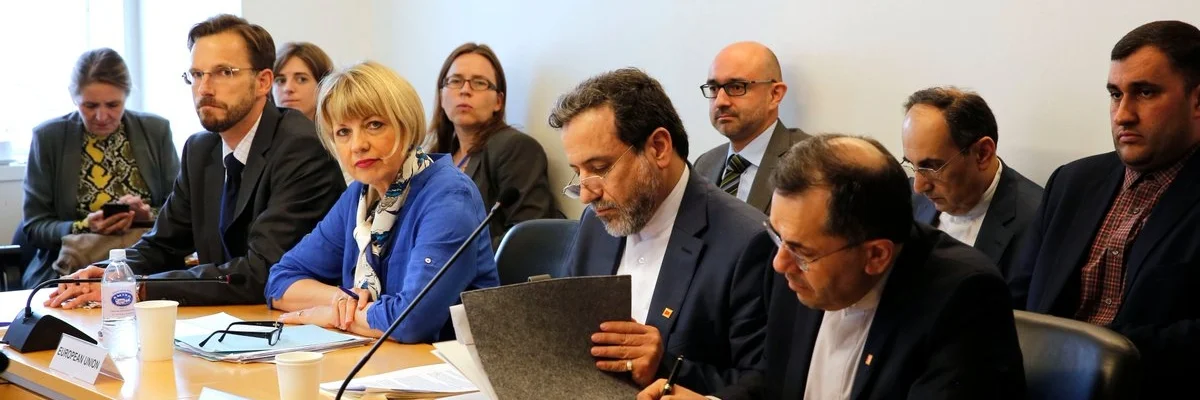
For the first time since the accord came into force in 2015, China, Russia, France, Britain and Germany will gather—at Iran's request—without the United States, which pulled out on May 8.
US President Donald Trump has long trashed the deal with Iran—concluded under his predecessor Barack Obama -- saying it did not do enough to curtail Tehran's nuclear ambitions.
He also said it did not go far enough in restricting Iran's ballistic missile program, or its intervention in regional conflicts from Yemen to Iraq and Syria.
A senior Iranian official rejected any attempt to link the deal, known as Joint Comprehensive Plan of Action (JCPOA) to other such issues, saying it would mean "we lose JCPOA and we (would) make the other issues even more complicated to resolve", adding that it was pointless for the Europeans to try to "appease" Trump.
"We have now a deal which is in the intensive care unit, it's dying," he said.
He added that the Europeans had promised Iran an "economic package" to maintain the benefits of the JCPOA for Iran despite the reintroduction of US sanctions.
Iran expected this package by the end of May, he said, adding that Iran had only "a few weeks" before having to decide whether to keep participating in the deal or not.
Since the US pull out, the other signatories have embarked on a diplomatic marathon to try to keep the agreement afloat.
According to a report seen by AFP Thursday, an International Atomic Energy Agency believes Iran is still abiding by the deal's key restrictions on its nuclear facilities in return for relief from damaging economic sanctions.
The IAEA, however, is "encouraging (Iran) to go above and beyond the requirements" of the deal in order to boost confidence, said a senior diplomat in Vienna, where the IAEA is based.
Iran has threatened to restart its uranium enrichment program at an "industrial level" if the deal falls apart.
The five signatories still committed to the agreement have said they want Iran to stay in the deal, with the European countries saying they would not rule out further talks with the Islamic Republic on an expanded text.
However, several Iranian officials warned that the Vienna meeting would be devoted to the existing agreement only, implying that there was no question of broadening the discussions.
Photo Credit: EEAS Twitter
Iran's First Female Manufacturer, a Victim of Trump
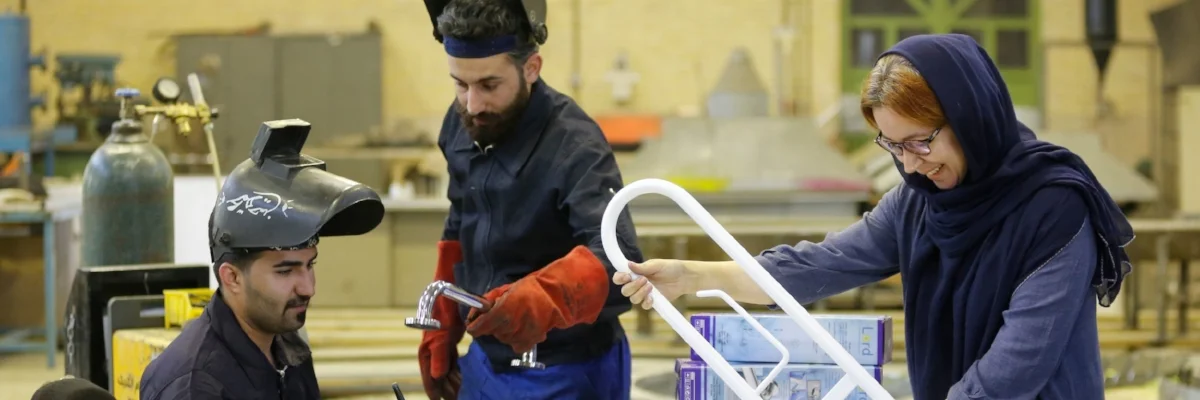
◢ Leila Daneshvar fought through a male-dominated world to become perhaps Iran's first female manufacturing boss, and was on the cusp of major success with the help of a European investor. The breakthrough for the company, called KTMA and selling under the brand "Lord", came in early 2016, just after Iran's nuclear deal with world powers came into force, lifting international sanctions. Until Donald Trump brought her crashing back to earth.
She fought through a male-dominated world to become perhaps Iran's first female manufacturing boss, and was on the cusp of major success with the help of a European investor.
Until Donald Trump brought her crashing back to earth.
When Leila Daneshvar was a little girl, she used to sit on the floor of her father's workshop, asking for small jobs.
"He was a mechanic, and I always had the most fun when I was in the garage with him," she told AFP.
"But in those days, there were no mechanical careers in Iran, so I went to college in India. Even there, I was the only girl in my year of 139 students. I had a hard time."
But she persevered. Now 37, she runs her own company in Iran, making mobility equipment for hospitals and the elderly.
"I went to Europe and saw how disabled people live happy, independent lives. I wished my own people had this equipment, and I thought: 'This doesn't look complicated. I'm a mechanical engineer—I can do it.'"
The breakthrough for the company, called KTMA and selling under the brand "Lord", came in early 2016, just after Iran's nuclear deal with world powers came into force, lifting international sanctions.
Within a couple of months, a Swedish investor, Anna Russberg, had agreed to buy 25 percent of the company, bringing much-needed business acumen and capital.
"Leila had a reputation for quality production, which was practically unknown here. But I needed to turn the business upside-down," said Anna.
"It worked. People could tell we were a good mix. We respect each other's knowledge. She's the engineer, I'm the businesswoman."
Being women in Iran's patriarchal business world could be tricky, but also an advantage.
"Hijab is difficult when you're a manufacturer. You have to climb things, go below things," said Leila, laughing. "But being a woman has its advantages. Everyone remembers you."
Anna added: "People don't know how to treat us exactly, which is useful in negotiations."
'Breaks my Heart'
Things were looking up: low production costs meant they could charge five times less than foreign firms and they were doubling sales each year, finally landing a major contract with Qatari hospitals.
But then Trump happened.
Even before he pulled the US out of the nuclear deal, the American president's constant threats to reimpose sanctions had a chilling effect on trade.
It soon became hard to import crucial raw materials, particularly stainless steel.
"We already had problems in getting raw materials... and now it's impossible. Either I have to close the factory, or have to continue with much higher prices," said Leila.
"We had to let four or five workers go last month because we couldn't pay their salaries, and it breaks my heart."
She watched Trump deliver his speech on May 8, reimposing sanctions on Iran, with a mix of horror and fury, particularly when he claimed to be on the side of the Iranian people against their government.
"That made me so angry. These sanctions are not on the government, it's on the people. I can give less to disabled people, to the elderly. Our saying was that we are providing European quality with affordable prices. Can I do that anymore? I don't know."
Anna remains defiantly positive.
"Iran has 10 million older or injured people who can use our product. With or without Trump, we still have a business," she said.
But whether or not the business can survive the Trump administration's vow to "crush" the Iranian economy with sanctions, it is already clear that investors like Anna are no longer coming to Iran.
The dream of the nuclear deal—that hundreds of small businesses would blossom with European support, creating an important constituency supporting good relations with the West—was dead long before Trump finally yanked the US out of the agreement.
"It's a real pity. Being an investor in Iran is a rollercoaster—you take one step forward, three steps back. But it's an amazing country with great opportunities," Anna said.
Leila stays positive by remembering her father, who passed away last month. "When I become weak and tired... I remember his strength," she said.
"There is no going back. Iran faces so many problems, but I learned from him that the strength is inside me, and my partner. When we believe we can do it, we will do it."
Photo Credit: Atta Kenare
Iran Still Implementing Terms of 2015 Nuclear Deal: IAEA
◢ Iran is still implementing the 2015 accord over its nuclear program, according to a report by the UN's nuclear watchdog. The International Atomic Energy Agency report, seen by AFP, shows that Iran is abiding by the deal's key restrictions on its nuclear facilities.
Iran is still implementing the 2015 accord over its nuclear program, according to a report by the UN's nuclear watchdog.
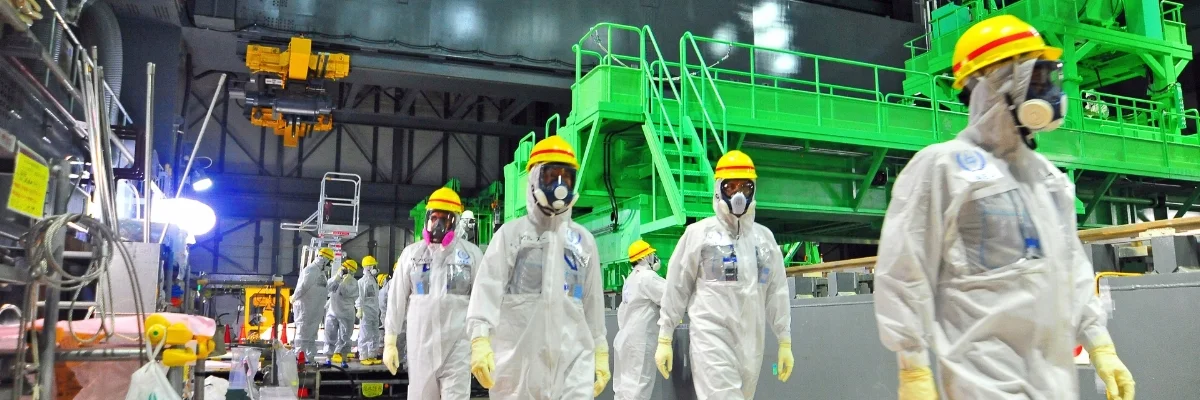
The International Atomic Energy Agency report, seen by AFP, shows that Iran is abiding by the deal's key restrictions on its nuclear facilities.
The latest assessment from the IAEA comes weeks after US President Donald Trump withdrew the United States from the accord, throwing its future into jeopardy.
The IAEA urged Iran to stick with the accord and even go beyond its legal obligations so as to boost international confidence in Tehran's commitments
A senior diplomat at IAEA headquarters said this was not prompted by any lack of co-operation or change of behavior on Iran's part.
The IAEA is "encouraging (Iran) to go above and beyond the requirements" of the deal in order to boost confidence, the diplomat said, adding that Tehran could for example invite inspectors to sites they had not demanded access to.
Signatories Britain, France, Germany plus the European Union, Russia and China have been trying to salvage the deal after Trump's decision but Iran has warned that if it suffers as a result the reintroduction of US economic sanctions, it could walk away from the accord.
Photo Credit: IAEA
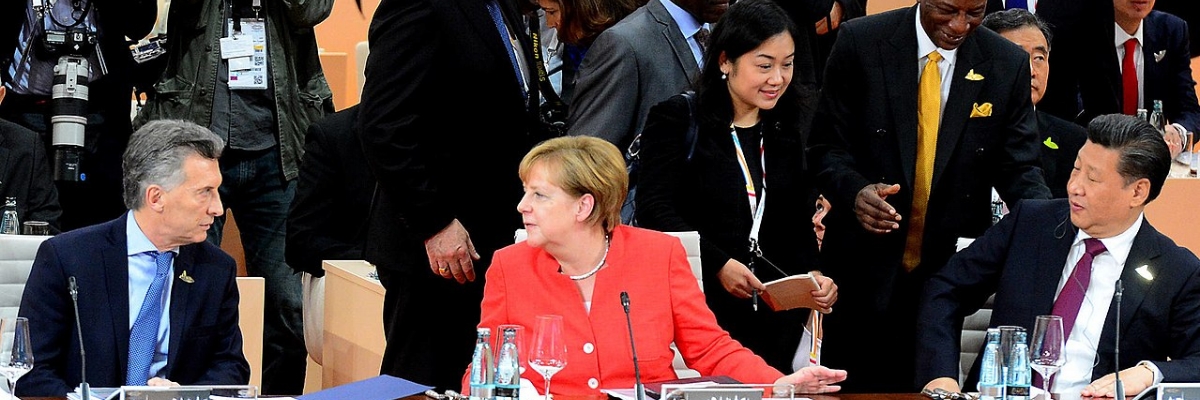
Merkel, Chinese Premier Defend Iran Deal, Free Trade
◢ German Chancellor Angela Merkel and Chinese Premier Li Keqiang defended the Iran nuclear deal on Thursday, with Li hinting that terminating the pact would complicate negotiations with North Korea. Merkel and Li showed a united front on Iran and free trade—two issues that have seen high-profile interventions by US President Donald Trump—during their meeting at the opulent Great Hall of the People in Beijing.
German Chancellor Angela Merkel and Chinese Premier Li Keqiang defended the Iran nuclear deal on Thursday, with Li hinting that terminating the pact would complicate negotiations with North Korea.
Merkel and Li showed a united front on Iran and free trade—two issues that have seen high-profile interventions by US President Donald Trump—during their meeting at the opulent Great Hall of the People in Beijing.
Li warned that ending the agreement with Tehran "will not just impact Iran, but also have a negative impact on (the ability) to solve other hot international issues through peaceful negotiations."
He did not mention North Korea by name, but analysts have warned that Trump's withdrawal from the Iran deal dented Washington's negotiating credibility ahead of his scheduled meeting with North Korean leader Kim Jong Un next month.
The German leader also sounded the alarm about the economic impact on Europe of Trump's move to quit the Iran agreement.
Trump's decision to reimpose sanctions on Tehran, despite pleas from allies to maintain the deal, could hit European firms that have done business with Iran since the 2015 accord was signed.
If European companies pull out or shrink operations in Iran fearing US sanctions, it would "create an opportunity for businesses in other countries to step in and play a greater role", Merkel said.
Meanwhile, Li dismissed the idea that the Iran crisis paved the way for the internationalization of the Chinese currency, amid speculation that demand for yuan-denominated oil futures would increase.
"The internationalization of the yuan is a long-term process that is closely linked to the development of the Chinese economy," Li said.
On trade, Merkel welcomed China's moves to reduce automobile import tariffs and allow foreign carmakers to own a majority stake in joint ventures with
Chinese partners.
The Chancellor drove home Berlin's demand for Beijing to ease barriers on foreign investment, saying the two countries would sign a memorandum of understanding to offer mutual access to each others' markets for autonomous vehicles.
"China and Germany are on the path of promoting multilateralism and bolstering free trade," said Merkel, who was accompanied by an industry delegation of 18 German executives.
Li hinted that a China-EU investment agreement, which has been in the works for years, might be signed during a bilateral meeting in July in Beijing.
"China's doors (for investment) will be opened even more," Li said.
Merkel was expected to take up the case of Liu Xia, widow of Nobel peace laureate Liu Xiaobo, who remains under house arrest without charges nearly a year after her husband died of cancer in custody.
"We have found a dialogue mechanism where difficult questions can be raised," she said. Merkel will meet with President Xi Jinping later Thursday.
Photo Credit: Wikicommons
Iran Accuses US of Breaking Promises
◢ Iran cannot "interact" with the United States as it is a country whose word cannot be trusted, supreme leader Ayatollah Ali Khamenei was quoted as saying on Wednesday. His comments came after US Secretary of State Mike Pompeo on Monday warned that Iran would be hit with the "strongest sanctions in history" and cautioned European firms against continuing to do business in Tehran.
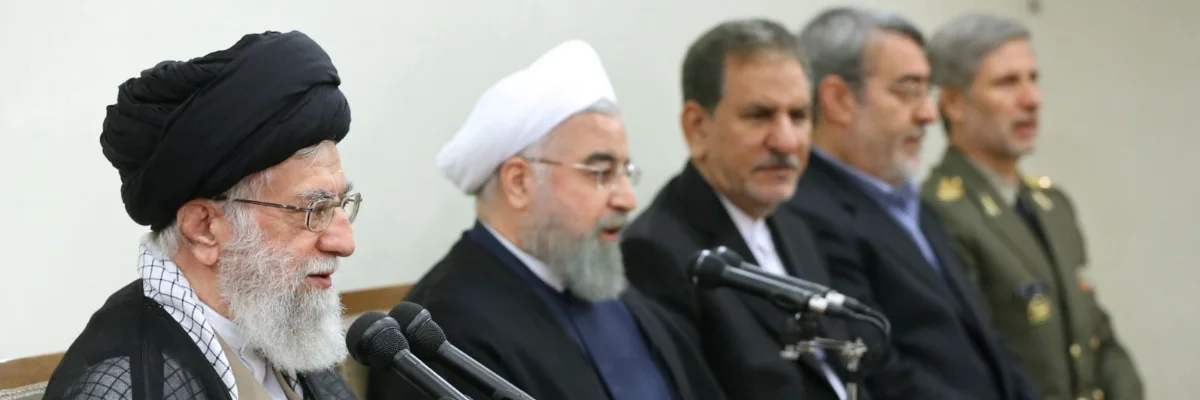
Iran cannot "interact" with the United States as it is a country whose word cannot be trusted, supreme leader Ayatollah Ali Khamenei was quoted as saying on Wednesday.
"The first experience is that the government of the Islamic Republic cannot interact with America... Why? Because America is not committed to its promises," Press TV quoted him in English as saying.
His comments came after US Secretary of State Mike Pompeo on Monday warned that Iran would be hit with the "strongest sanctions in history" and cautioned European firms against continuing to do business in Tehran.
The move was a toughening-up of Washington's policy line after its withdrawal on May 8 from a landmark nuclear pact aimed at preventing Tehran from developing a nuclear weapon.
Pompeo outlined 12 tough conditions from Washington for any "new deal" with Tehran to make sure it "will never again have carte blanche to dominate the Middle East".
US President Donald Trump pulled out of the nuclear deal earlier this month despite intense diplomatic efforts by European allies who had beseeched him to stick with it by adding tougher new elements.
Trump opposed the 2015 deal with Iran—also signed by Britain, China, France, Germany and Russia—believing it did not go far enough.
The international community, including top US officials, said earlier Tehran had been in compliance with the terms of the deal but Trump despised it, pointing to other aspects of Iranian behavior not covered in the pact.
Photo Credit: khameini.ir
US Policy on Iran Puts Region in 'Further Danger': France
◢ French Foreign Minister Jean-Yves Le Drian said Wednesday that the United States risks further destabilizing the Middle East after Washington warned Iran faced the "strongest sanctions in history.” Le Drian warned Wednesday of a "regional explosion" because of the Syrian civil war and the Iranian nuclear crisis.
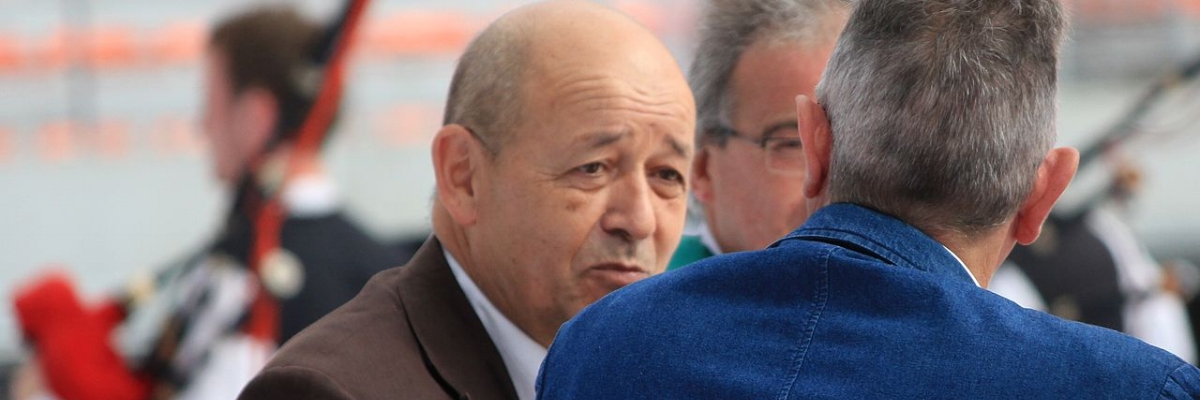
French Foreign Minister Jean-Yves Le Drian said Wednesday that the United States risks further destabilizing the Middle East after Washington warned Iran faced the "strongest sanctions in history."
"The sanctions to be launched against Iran will not foster dialogue. On the contrary, they will boost the importance and power of Iran's conservatives and weaken president (Hassan) Rouhani, who wanted to negotiate," Le Drian told France Inter radio. "Ultimately, this stance is likely to put the region in further danger than it is today."
On May 8, US President Donald Trump pulled out of the landmark 2015 Iran nuclear deal, which curbs the country's nuclear program in return for sanctions relief.
The decision to withdraw from the accord marked a stark diplomatic defeat for Europe, whose leaders, repeatedly and in person, had called on Trump to think again.
Speaking Monday, US Secretary of State Mike Pompeo warned Tehran would be hit with the "strongest sanctions in history" and cautioned European firms against continuing to do business with the Islamic republic.
Le Drian warned Wednesday of a "regional explosion" because of the Syrian civil war and the Iranian nuclear crisis.
Asked if there was a risk of a new conflict, he replied "yes".
He referred to rockets fired from "Iranian arms based in Syria" on May 10 on the Israeli-occupied Golan Heights, which prompted return fire by Israel against Iranian targets inside Syria.
"The conditions are all there so that if by chance something happened, perhaps on purpose, perhaps not, there could be an escalation," he added.
Photo Credit: Wikicommons
For Many Ordinary Iranians, US Threats Barely Register
◢ While some US officials hope their increasingly aggressive measures could trigger some kind of new Iranian revolution, they are unlikely to get much take-up at Tehran's Tajrish bazaar. The overriding response to Monday's threat-laden speech by US Secretary of State Mike Pompeo was one of weary apathy.
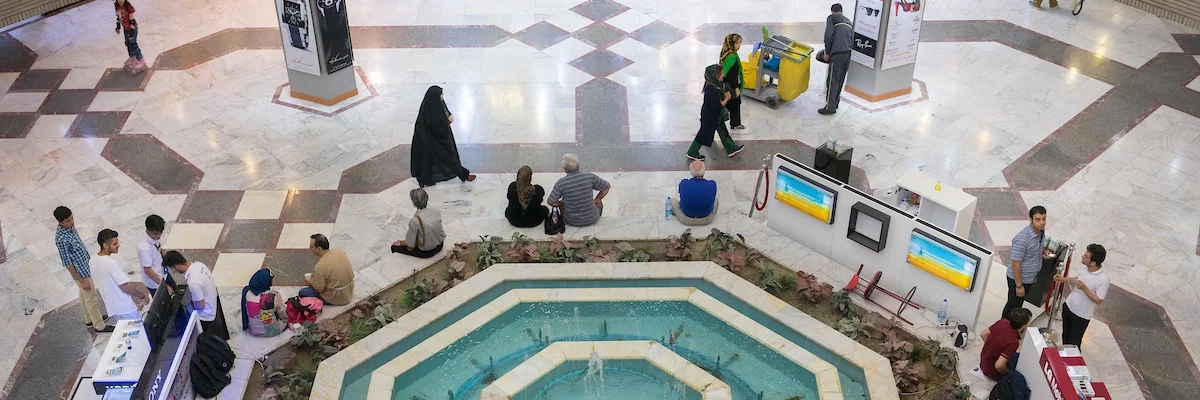
While some US officials hope their increasingly aggressive measures could trigger some kind of new Iranian revolution, they are unlikely to get much take-up at Tehran's Tajrish bazaar.
The overriding response to Monday's threat-laden speech by US Secretary of State Mike Pompeo was one of weary apathy.
Not one person approached by AFP over several hours at the upmarket bazaar in northern Tehran had seen the speech.
When its key points were relayed to them, it was generally seen as the same angry rhetoric they have been hearing from the United States for decades.
"Americans think they own the world. They want to decide for other countries as they wish," said Omidi, a retired man, shopping at the bazaar.
"They want to have everything. They want to have even more nuclear energy and atomic bombs than they have now. And they want the countries that oppose them to have nothing," he added, indignantly.
Pompeo's threat to "crush" Iran with sanctions has sparked widespread fears, particularly among anyone with a business linked to the outside world. But sanctions are also familiar in Iran, and many remained defiant.
"There have been sanctions over the last 30 years," said Musavi, a government employee.
"If it was going to have any effect, it would have affected us over the last 30 years. Iran has never paid attention to sanctions and has stood on its own feet," he added.
"America has proven for the last 40 years that it is hostile towards us," said Chegini, a street seller.
Pompeo said he wanted a new deal with Iran, but his 12 demands on ending Iran's regional interventions and missile program are considered a non-starter by the government, particularly in the way they were presented.
"Trump's secretary of state is 40 years behind the times. The Iranian nation had the revolution so that no one can tell them what to do," said Eshagh Jahangiri, Iran's first vice president.
"Trump's administration will eventually have to come to terms with the reality that Iran... must be spoken to with the language of courtesy and logic and not with the language of threats," he wrote on Twitter.
Photo Credit: Thomas Cristofoletti
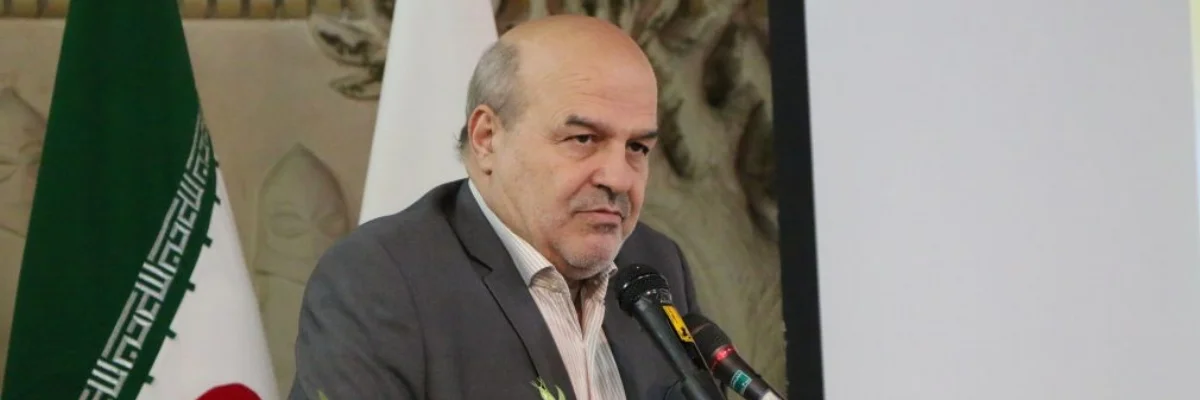
Iran Government Says No Evidence Against Detained Environmentalists
◢ Iran's environment chief said Tuesday that a government committee had concluded there was no evidence against wildlife activists rounded up on spying charges in recent months. Isa Kalantari, head of the government's department of environment, told state news agency IRNA that the conclusion had been reached by a special four-man committee.
Iran's environment chief said Tuesday that a government committee had concluded there was no evidence against wildlife activists rounded up on spying charges in recent months.
Isa Kalantari, head of the government's department of environment, told state news agency IRNA that the conclusion had been reached by a special four-man committee, including the ministers of justice, interior and intelligence, and the president's legal deputy.
"This four-member group has come to the conclusion that these detained individuals are in custody without having done anything and naturally they must be freed soon," Kalantari said.
Iran has multiple, overlapping intelligence agencies—the most prominent are linked to the government, judiciary and Revolutionary Guards—that often act independently of each other, so the committee's assessment may have no effect.
The government's intelligence ministry has previously stated there was no evidence against the arrested environmentalists.
"There is no document indicating the truth of the accusations leveled against these detained individuals," Kalantari said.
Little detail has been given about the detentions, which began with the arrest of eight members of the Persian Wildlife Heritage Organisation in January.
But the cases drew international attention after the renowned head of the organization, 63-year-old Kavous Seyed Emami, allegedly committed suicide in prison a fortnight after his arrest.
Kalantari's deputy at the department of environment, Kaveh Madani, was also forced to flee the country last month after pressure from hardliners about his private life.
There have been reports of several more environmentalists arrested in the south of the country, although only three have been officially confirmed—members of the Association for the Protection of Nature in Lavardin.
Iran faces severe environmental challenges, particularly linked to a prolonged drought and extreme air pollution.
Photo Credit:
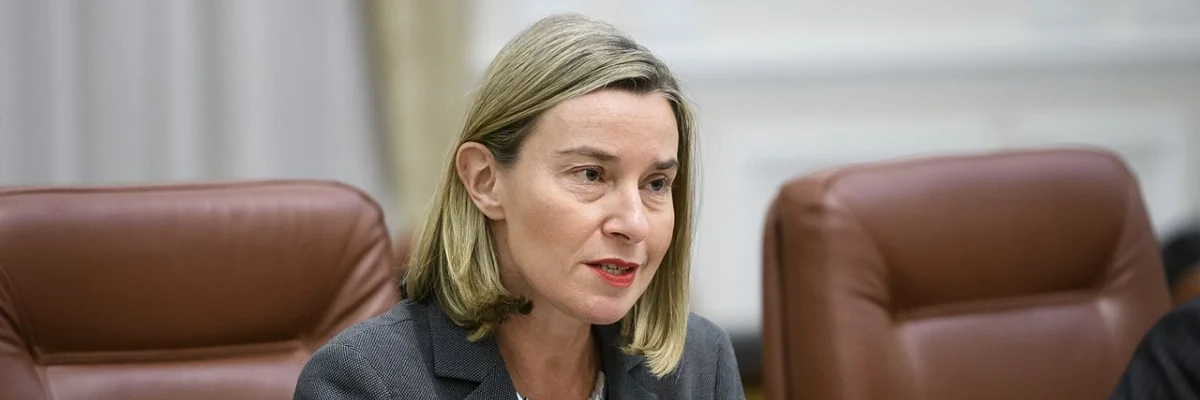
'No Alternative' to Iran Deal, EU's Mogherini Tells U.S.
◢ The EU's foreign policy chief said Monday there was "no alternative" to the Iran nuclear deal, after US Secretary of State Mike Pompeo vowed unprecedented sanctions against Tehran following Washington's withdrawal from the pact.
The EU's foreign policy chief warned Monday there was "no alternative" to the Iran nuclear deal, after US Secretary of State Mike Pompeo vowed unprecedented sanctions against Tehran following Washington's withdrawal from the pact.
Pompeo—a longtime Iran hawk and fierce opponent of the 2015 agreement earlier Monday outlined an aggressive series of "painful" measures designed to hurt Tehran, in his first key address since moving to the State Department from the CIA in April.
"Secretary Pompeo's speech has not demonstrated how walking away from the JCPOA (nuclear deal) has made or will make the region safer from the threat of nuclear proliferation or how it puts us in a better position to influence Iran's conduct in areas outside the scope of JCPOA," the European Union's foreign policy chief Federica Mogherini said in a statement.
She stressed "there is no alternative" to the Joint Comprehensive Plan of Action, as the deal is officially known.
US President Donald Trump sparked an international outcry earlier this month when he announced his country would pull out of the landmark accord struck in July 2015 between Tehran and major world powers.
His move came despite the fact that the UN's nuclear watchdog, in charge of monitoring Iran's compliance with the deal, has confirmed that Tehran has so far abided by the terms.
Trump wants Brussels and others to support his hardline strategy and push for a fresh agreement.
"Iran will never again have carte blanche to dominate the Middle East," Pompeo said Monday, outlining 12 tough conditions from Washington for any "new deal" with Tehran.
But Mogherini called on the US to keep its commitments as part of the agreement signed under Trump's predecessor Barack Obama.
"The JCPOA is the result of more than a decade of complex and delicate negotiations, based on dual track approach and therefore the best possible outcome, striking the right balance," Mogherini said.
"This deal belongs to the international community, having been endorsed by the United Nations Security Council. The international community expects all sides to keep the commitments they made more than two years ago," she added.
She reiterated that the International Atomic Energy Agency (IAEA) had confirmed already 10 times that Iran has implemented "all its nuclear related commitments" under the agreement.
The re-establishment of the US punitive measures will likely force European companies to choose between investing in Iran or trading with the United States.
The EU has been trying to persuade Iran to stay in the 2015 agreement, even without Washington's participation.
Photo Credit: Wikicommons
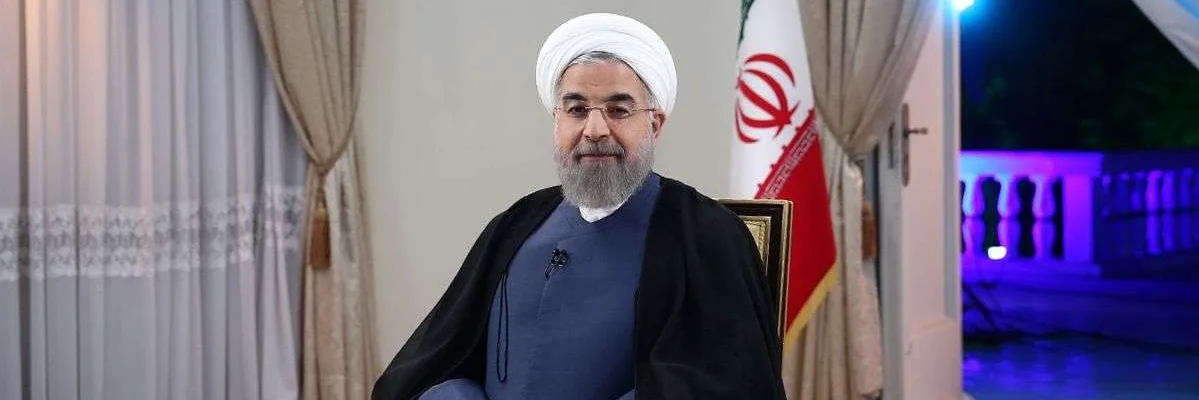
Iran's Rouhani: 'World No Longer Accepts US Deciding For Them'
◢ Iran's President Hassan Rouhani dismissed threats made by US Secretary of State Mike Pompeo on Monday, saying the rest of the world no longer accepts Washington making decisions on their behalf. "Who are you to decide for Iran and the world?" Rouhani said in a statement carried by multiple Iranian news agencies.
Iran's President Hassan Rouhani dismissed threats made by US Secretary of State Mike Pompeo on Monday, saying the rest of the world no longer accepts Washington making decisions on their behalf.
"Who are you to decide for Iran and the world?" Rouhani said in a statement carried by multiple Iranian news agencies.
"The world today does not accept that the United States decides for the world. Countries have their independence," he added.
It was a pointed response to Pompeo's speech earlier in the day, in which he threatened the "strongest sanctions in history" against Iran unless it capitulated to a series of 12 demands regarding its regional behavior and missile program.
But Rouhani dismissed the administration of President Donald Trump as a
"move 15 years backwards to the era of Bush junior and a repeat of the same
statements as 2003."
"The era of such statements has evolved and the Iranian people have heard these statements hundreds of times, and no longer pays attention," he added.
European leaders have strongly condemned the US move to abandon the 2015 nuclear deal and reimpose sanctions, seeing it as undermining regional security and a direct attack on their economic interests.
Russia and China–two other parties to the agreement–have also criticized the US move and vowed to maintain trade with Iran.
"The world does not accept the logic by which a gentleman who was head of the spy service... decides for others," said Rouhani, referring to Pompeo's recent job as head of the CIA.
Photo Credit: IRNA

U.S. Will Put 'Unprecedented Financial Pressure' on Iran: Pompeo
◢ The United States will increase the financial pressure on Iran with the "strongest sanctions in history," after Washington pulled out of the 2015 nuclear deal with Tehran, Secretary of State Mike Pompeo said Monday. The secretary of state also warned European businesses who work with Iran in violation of US sanctions that they will be held "to account."
The United States will increase the financial pressure on Iran with the "strongest sanctions in history," after Washington pulled out of the 2015 nuclear deal with Tehran, Secretary of State Mike Pompeo said Monday.
"We will apply unprecedented financial pressure on the Iranian regime. The leaders in Tehran will have no doubt about our seriousness," Pompeo said in his first major foreign policy address since moving to the State Department from the CIA.
"The sting of sanctions will only grow more painful if the regime does not change course from the unacceptable and unproductive path it has chosen for itself and the people of Iran," he added in the speech at the conservative Heritage Foundation think tank.
"Iran will never again have carte blanche to dominate the Middle East," he said in outlining the new US strategy on handling the Islamic regime, including 12 tough conditions from Washington for any "new deal" with Tehran.
Pompeo said if Iran were to abide by the stricter terms, including ending its ballistic missile program and its interventions in regional conflicts from Yemen to Syria, the United States would lift its sanctions.
"We will track down Iranian operatives and their Hezbollah proxies operating around the world and crush them," Pompeo said.
"Iran will be forced to make a choice: either fight to keep its economy off life support at home or keep squandering precious wealth on fights abroad. It will not have the resources to do both."
President Donald Trump has long said the original 2015 deal with Iran—also signed by Britain, China, France, Germany and Russia—did not go far enough, and now wants the Europeans and others to support his hardline strategy.
"In the strategy we are announcing today, we want the support of our most important allies and partners in the region and around the globe. I don't just mean our friends in Europe," Pompeo said.
The secretary of state also warned European businesses who work with Iran in violation of US sanctions that they will be held "to account."
The re-establishment of the US sanctions will force European companies to choose between investing in Iran or trading with the United States.
In reality, there is no choice—European companies cannot afford to forsake the US market.
For now, the European Union is trying to persuade Iran to stay in the 2015 agreement, even without Washington's participation.
Photo Credit: Wikicommons