
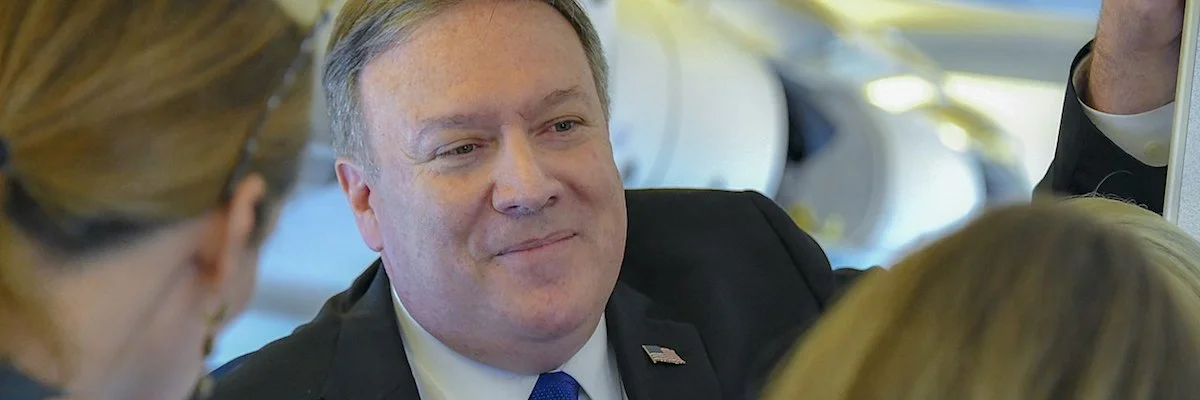
Pompeo Tells U.K. Not to Go `Wobbly' in Stinging Rebuke
◢ U.S. Secretary of State Michael Pompeo fired a broadside of criticism at the U.K.’s approach to national security, demanding America’s long-standing ally takes a far tougher approach to China and Iran, and to hurry up and deliver Brexit. His criticism comes at a particularly sensitive time for Prime Minister Theresa May, who is struggling to complete Britain’s divorce from the European Union and under daily pressure to resign.
U.S. Secretary of State Michael Pompeo fired a broadside of criticism at the U.K.’s approach to national security, demanding America’s long-standing ally takes a far tougher approach to China and Iran, and to hurry up and deliver Brexit.
Pompeo’s remarks, during a trip to the U.K., risked a diplomatic argument with one of the U.S.’s closest allies, just a month before President Donald Trump is scheduled to pay a formal state visit to Queen Elizabeth II. His criticism comes at a particularly sensitive time for Prime Minister Theresa May, who is struggling to complete Britain’s divorce from the European Union and under daily pressure to resign.
In his speech, Pompeo risked an unflattering and undiplomatic comparison with Britain’s first female prime minister—urging the U.K. to think of what the so-called Iron Lady, the late Margaret Thatcher would do, faced with the same global challenges.
Now is “the exact opposite time to go wobbly,” Pompeo told an audience in London’s Lancaster House, one of the most prestigious diplomatic venues in the British capital.
“Ask yourself this: would the Iron Lady be silent when China violates the sovereignty of nations through corruption or coercion?” he said. “Would she allow China to control the internet of the future? I know it’s a sensitive topic, but we have to talk about sensitive things, as friends.”
He said it was a matter of Chinese law that the Chinese government can demand access to data flowing through Huawei systems, which the U.K. hasn’t ruled out as a supplier for next-generation 5G communications networks.
The U.K. is a a linchpin of the international “Five Eyes” intelligence-sharing alliance that includes the U.S. and Pompeo has warned that doing business with Huawei might come at the expense of continue to exchange secrets.
“Why would anyone grant such power to a regime that has already grossly violated cyberspace?” he said. “What can Her Majesty’s Government do to make sure sensitive technologies don’t become open doors for Beijing’s spymasters?”
Pompeo’s comments represent a blunt critique of Britain’s approach to security. The U.K. government is in the process of weighing up the role the networking giant will play in Britain’s new telecoms network. The reason allies are on edge is because so-called 5G technology is critical to everything from artificial intelligence to driverless cars.
The U.S. has already urged allies to ban the Chinese provider from running sensitive 5G telecoms infrastructure but May’s administration is said to be considering allowing Huawei a limited role.
Pompeo spoke after a meeting with May and talks with Foreign Secretary Jeremy Hunt. In his speech, the top U.S. diplomat turned to the differences of approach between the two allies over the handling of the nuclear threat from Iran.
While there is “no daylight” between Britain and America on the severity of the threat emanating from the Iranian regime, May’s government should take a harder line, he said.
“I urge the U.K. to stand with us to rein in the regime’s bloodletting and lawlessness, not soothe the Ayatollahs angry at our decision to pull out of the nuclear deal. If this is about something like commerce, let’s open markets together. I know that we can.”
In perhaps the comments most likely to cause embarrassment to his hosts, Pompeo then complained that May’s handling of Brexit was delaying the talks on a U.K.-U.S. trade deal that Trump is impatient to strike.
“President Trump is eager for a new free trade agreement that will take our Number 1 trade relationship to unlimited new heights,” Pompeo said. “We’ve filed all the papers we can at this point. We’re ready to go. But we can’t make progress on a new agreement until Brexit gets resolved—God speed and good luck.”
Photo: Wikicommons
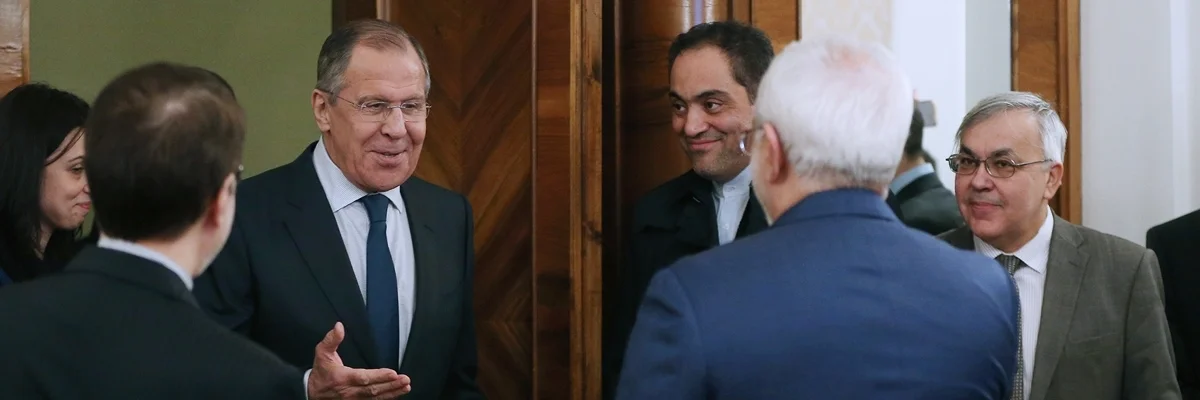
Moscow, Iran Urge Europe to 'Fulfil Obligations' Under Nuclear Deal
◢ Russian Foreign Minister Sergei Lavrov and Iranian counterpart Mohammad Javad Zarif on Wednesday called on European signatories to abide by the Iran nuclear deal, following a meeting in Moscow. Zarif's visit came as Tehran said it had stopped respecting limits on its nuclear activities agreed under the deal until other signatories find a way to bypass renewed US sanctions.
Russian Foreign Minister Sergei Lavrov and Iranian counterpart Mohammad Javad Zarif on Wednesday called on European signatories to abide by the Iran nuclear deal, following a meeting in Moscow.
Zarif's visit came as Tehran said it had stopped respecting limits on its nuclear activities agreed under the deal until other signatories find a way to bypass renewed US sanctions.
Lavrov said during a joint press conference that the 2015 agreement had been "fragile" since US President Donald Trump announced Washington would pull out a year ago.
European signatories of the deal, known as the Joint Comprehensive Plan of Action (JCPOA), were trying to "divert attention" from their inability to implement points of the agreement, Lavrov said.
"We will call on them, as we have done before, to concentrate on implementing everything that is enshrined in the JCPOA and approved by the UN Security Council."
Lavrov said European mechanisms to allow banking transactions with Iran despite US sanctions were inefficient.
"For Iran, it is important that this mechanism allows for the export of Iranian oil. We support the Iranians. This is a legal requirement and part of the JCPOA."
Zarif meanwhile said "our friends in Russia and China maintained very good relations with us in this year," since the US withdrawal.
"But the rest of the JCPOA participants did not meet any of their obligations," he said, referring to Britain, France and Germany.
“Yes, they issued good statements, but in practice nothing happened."
Lavrov also criticized Washington for sending aircraft carriers to the Persian Gulf, "suggesting a willingness to use force.”
Washington reimposed sanctions after it quit the agreement one year ago, dealing a severe blow to the Iranian economy.
Photo: IRNA
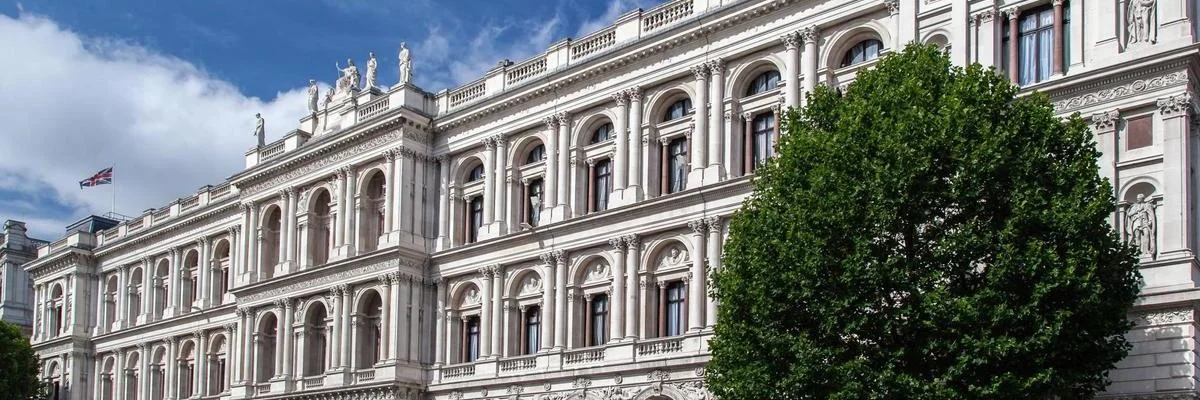
Britain Calls Iran Suspension of Nuclear Deal Curbs 'Unwelcome Step'
◢ Britain on Wednesday called Iran's decision to no longer respect the terms of the 2015 nuclear deal with world powers an "unwelcome step" that could lead to new Western sanctions. Prime Minister Theresa May's spokesman later told reporters: "We are extremely concerned about this announcement."
Britain on Wednesday called Iran's decision to no longer respect the terms of the 2015 nuclear deal with world powers an "unwelcome step" that could lead to new Western sanctions.
"Today's announcement from Tehran is, I have to say to the House, an unwelcome step. We urge Iran not to take further escalatory steps and to stand by its commitments," Foreign Office minister Mark Field told parliament.
Prime Minister Theresa May's spokesman later told reporters: "We are extremely concerned about this announcement."
"This deal is a crucial agreement which makes the world safer and we will ensure it remains in place for as long as Iran upholds these commitments," he said.
The spokesman said Britain would hold talks with its partners, particularly France and Germany, over next steps
Field said: "We are not at this stage talking about re-imposing sanctions, but one has to remember that they were, of course, lifted in exchange for the nuclear restrictions as part of that JCPOA (Joint Comprehensive Plan of Action)."
Photo: Wikicommons
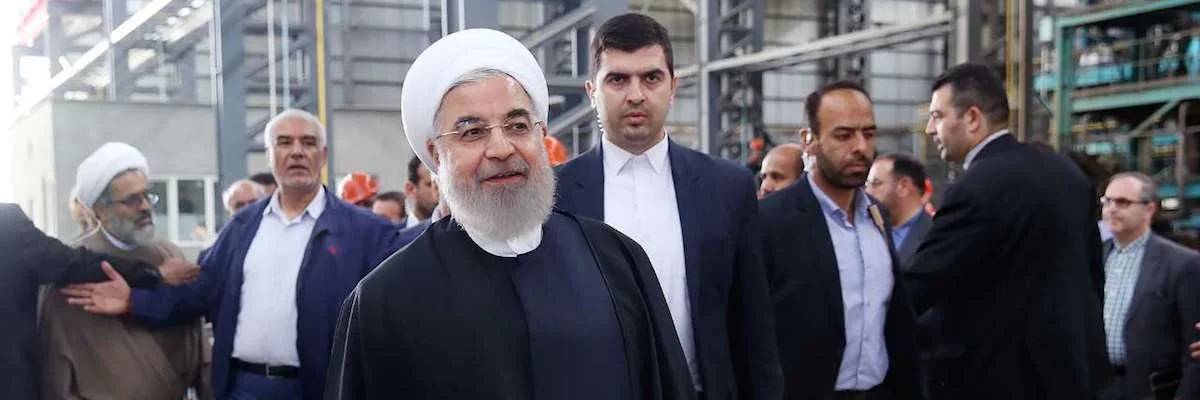
Iran to End Curbs on Uranium Enrichment Stockpile
◢ Iran said Wednesday it will stop respecting limits on its nuclear activities agreed under a landmark 2015 deal unless other powers help Tehran bypass renewed US sanctions, amid rising tensions with Washington. The move was part of a package of measures announced by Iran in response to the sweeping unilateral sanctions reimposed by Washington in the 12 months since it quit the agreement, which have had a severe effect on the Iranian economy.
Iran said Wednesday it will stop respecting limits on its nuclear activities agreed under a landmark 2015 deal unless other powers help Tehran bypass renewed US sanctions, amid rising tensions with Washington.
The move was part of a package of measures announced by Iran in response to the sweeping unilateral sanctions reimposed by Washington in the 12 months since it quit the agreement, which have had a severe effect on the Iranian economy.
They came as Washington stepped up its war of words against Tehran, with US Secretary of State Mike Pompeo making a hastily organised visit to neighboring Iraq where he accused Iran of planning "imminent" attacks.
Adding to the tensions, Washington announced it was deploying an aircraft carrier strike group with several nuclear-capable B-52 bombers to the Middle East and national security adviser John Bolton warned Washington would respond with "unrelenting force" to any attack by Tehran.
Under the landmark deal agreed by US President Donald Trump's predecessor Barack Obama, the six parties to the agreement were supposed to lift nuclear-related sanctions on Iran in return for it reining in its nuclear activities to ease fears it was seeking the capability to produce an atomic bomb.
But the promised sanctions relief has failed to materialize as European and Asian banks and oil companies have moved swiftly to abide by the renewed US sanctions for fear of financial or commercial repercussions.
60-Day Ultimatum
Iran warned that if the five other parties to the agreement—Britain, China, France, Germany and Russia—failed to deliver on their commitments within 60 days to help Tehran benefit from the deal despite the US sanctions, it would suspend other key limits set by the deal.
Iran's Supreme National Security Council said the measures were necessary to "secure its rights and bring back balance" after the unilateral moves by the Trump administration.
"The Islamic Republic of Iran does not at the current stage consider itself committed to observing restrictions regarding storing enriched uranium stocks and heavy water stocks," the Supreme National Security Council said.
“The remaining parties to the (deal) are given 60 days to implement their commitments, in particular in the fields of banking and oil," the council added.
"In the next stage Iran will also stop observing restrictions on the level of uranium enrichment and measures regarding modernizing Arak heavy water reactor."
Uranium enriched to much higher levels than Iran's current stocks can be used as the fissile core of a nuclear weapon, while heavy water is a source of plutonium which can be used an alternative way to produce a warhead.
The deal restricted Iran from enriching uranium to more than 3.67 percent, the level commonly used in power generation, and barred it from building additional heavy water reactors or accumulating stocks of more than 130 tones of heavy water.
Small 'Window for Diplomacy'
Iran will resume implementing its commitments "in the same level" as the other parties to the deal respect theirs, the council said.
It called for swift action by the five governments, warning that time was running out to rescue the deal.
"The window which is now open for diplomacy will not remain so for long, and the responsibility of the (deal) failing and any possible consequences are completely on the US and the remaining parties," it said.
Foreign Minister Mohammad Javad Zarif, who is on an official visit to Moscow, stressed Iran's actions were not in breach of the nuclear deal, which UN inspectors have repeatedly certified its compliance with.
"The Islamic republic has seen it suitable to stop acting on some of its commitments and measures it voluntarily undertook" under the nuclear deal, Zarif told state television.
Emphasising that "Iran will not withdraw" from the deal, Zarif said "this right has been set for Iran in the JCPOA (nuclear deal); we are not operating outside of the JCPOA but are in fact working in its framework."
Photo: IRNA
Pompeo in Baghdad on Unannounced Visit
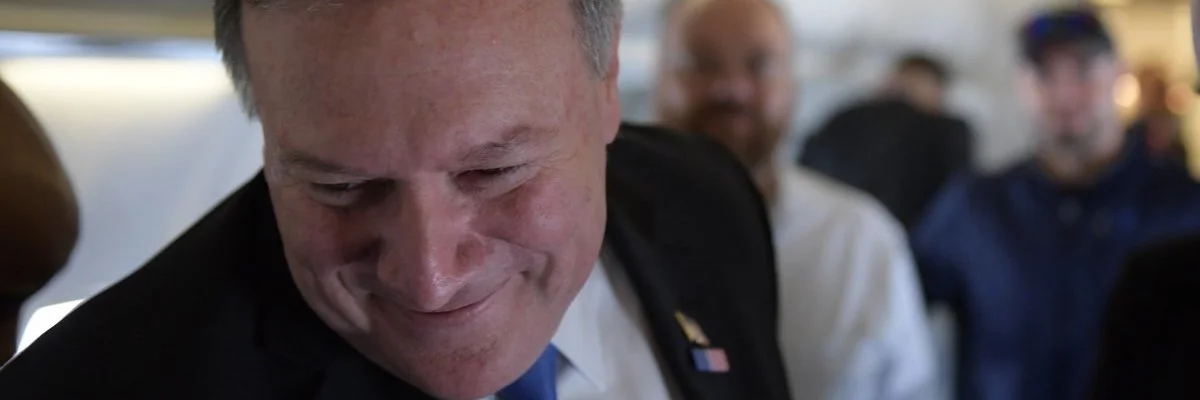
◢ US Secretary of State Mike Pompeo landed in Baghdad late Tuesday on an unannounced visit, an Iraqi government source told AFP, cancelling a trip to Germany amid escalating US-Iran tensions. The source, speaking on condition of anonymity because of the high security nature of the visit, said Pompeo was set to meet Iraqi Prime Minister Adel Abdel Mahdi.
US Secretary of State Mike Pompeo landed in Baghdad late Tuesday on an unannounced visit, an Iraqi government source told AFP, canceling a trip to Germany amid escalating US-Iran tensions.
The source, speaking on condition of anonymity because of the high security nature of the visit, said Pompeo was set to meet Iraqi Prime Minister Adel Abdel Mahdi.
The visit comes two days after the US announced it was dispatching an aircraft carrier strike group and bomber task force to the Middle East to send a "clear and unmistakeable" message to Iran.
National Security Advisor John Bolton said the deployment was in response to a "number of troubling and escalatory indications and warnings," but did not elaborate.
"The United States is not seeking war with the Iranian regime, but we are fully prepared to respond to any attack, whether by proxy, the Islamic Revolutionary Guard Corps, or regular Iranian forces," he said.
Pompeo had been en route to Germany but suddenly cancelled the trip due to "pressing issues," the State Department said, without elaborating where he was heading.
But in response to a question about threats from Iran or its proxies on US forces in Iraq, the top US diplomat mentioned both Iraq and Jordan.
"As Secretary of State I have a responsibility to keep the officers that work for me safe each and every day all around the world. That includes in Erbil and Baghdad, in our facilities in Amman, all around the Middle East," he said.
"And so any time we receive threat reporting, things that raise concerns, we do everything... that we can to make sure that those planned or contemplated attacks don't take place, and to make sure that we've got the right security posture," he said.
Pompeo had been traveling from Finland, where he had attended a meeting of the Arctic Council.
He was due to meet both Chancellor Angela Merkel and Foreign Minister Heiko Maas later Tuesday in Germany.
Photo: State Department

US Sending B-52s to Middle East Against Iran 'Threat'
◢ The US Air Force is deploying massive B-52 Stratofortress bombers to the Gulf in response to an alleged possible plan by Iran to attack American forces in the region, the Pentagon said Tuesday. The US move comes in response to intelligence about a threat orchestrated by Iran, officials said, but details of the threat have not been disclosed.
The US Air Force is deploying massive B-52 Stratofortress bombers to the Gulf in response to an alleged possible plan by Iran to attack American forces in the region, the Pentagon said Tuesday.
Several nuclear-capable B-52s are heading to the region along with an aircraft carrier task force following what the Defense Department called "recent and clear indications that Iranian and Iranian proxy forces were making preparations to possibly attack US forces."
"The deployment of the USS Abraham Lincoln Carrier Strike Group and a bomber task force are considered a prudent step in response to indications of heightened Iranian readiness to conduct offensive operations against US forces and our interests," said acting Pentagon spokesman Charles Summers in a statement.
"We emphasize the White House statement that we do not seek war with the Iranian regime, but we will defend US personnel, our allies and our interests in the region."
The deployment was first announced late Sunday by John Bolton, President Donald Trump's national security advisor, who said the move was "a clear and unmistakable message to the Iranian regime that any attack on United States interests or on those of our allies will be met with unrelenting force."
The US move comes in response to intelligence about a threat orchestrated by Iran, officials said, but details of the threat have not been disclosed.
Navy Captain Bill Urban, the spokesman for the US military's Central Command, which spans the Middle east, said the threat could be land-based or maritime.
He said the Lincoln strike group was already scheduled to head to the region on long-planned deployment but that its arrival in the Gulf has been accelerated due to the threat.
That led to the cancellation of a planned port visit by the Lincoln to Split, Croatia.
The multinational carrier group, including several ships, multiple types of aircraft, and 6,000 personnel, will be deployed "where it will best be able to protect US forces and interests in the region and to deter any aggression."
The deployment comes a year after Trump pulled the United States out of a multinational accord under which Tehran drastically scaled back its sensitive nuclear work.
Since then, the Trump administration has ramped up menacing rhetoric against Iran while tightening economic sanctions on the country.
Photo: Wikicommons
Russia's Lavrov to Hold Talks with Iran's Zarif
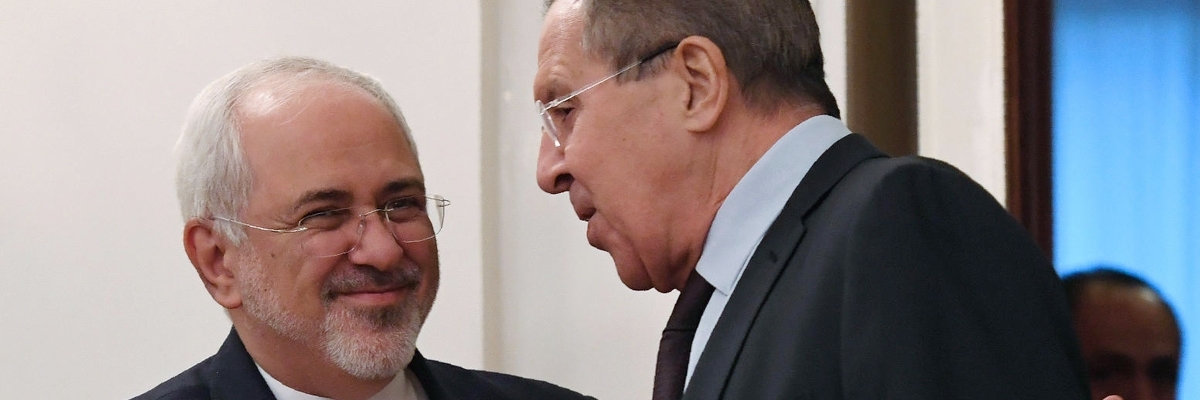
◢ Russian Foreign Minister Sergei Lavrov will meet his Iranian counterpart Javad Zarif in Moscow on Wednesday, the Russian foreign ministry said Tuesday. The two diplomats, longtime allies on a number of issues including the Syrian conflict, will discuss "key issues of the international and regional agenda" as well as bilateral cooperation, the ministry said in a statement.
Russian Foreign Minister Sergei Lavrov will meet his Iranian counterpart Javad Zarif in Moscow on Wednesday, the Russian foreign ministry said Tuesday.
The two diplomats, longtime allies on a number of issues including the Syrian conflict, will discuss "key issues of the international and regional agenda" as well as bilateral cooperation, the ministry said in a statement.
"Cooperation with Iran is an important condition of ensuring our country's national interests" and stability in the South Caucasus and the Middle East, it said.
Moscow has backed Iran since helping orchestrate the multi-country nuclear deal in 2015 under which Tehran agreed to halt its nuclear program in exchange for the lifting of sanctions.
While Washington has pulled out from the nuclear deal, Russia argues that Tehran "remains a responsible participant", the ministry said.
The United States on Monday warned it would deploy an aircraft carrier strike group to the vicinity of Iran in response to "indications of a credible threat by Iranian regime forces."
Kremlin spokesman Dmitry Peskov said Zarif would not be meeting President Vladimir Putin on Wednesday.
Photo: IRNA
Risks Rise as US Warns Iran with Aircraft Carrier
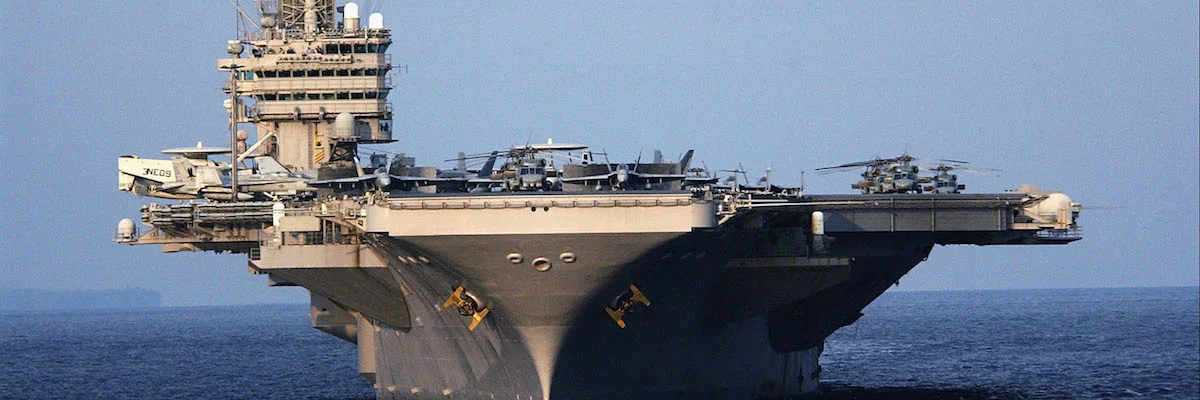
◢ Fears of conflict rose Monday as the United States vowed to send a message to Iran by deploying an aircraft carrier strike group, amid a report that Tehran would scale back its commitments under a nuclear deal after mounting pressure by President Donald Trump. Patrick Shanahan, the acting US defense secretary, said he approved the deployment of the USS Abraham Lincoln carrier strike group to unspecified waters in the vicinity of Iran.
Fears of conflict rose Monday as the United States vowed to send a message to Iran by deploying an aircraft carrier strike group, amid a report that Tehran would scale back commitments under a nuclear deal after mounting pressure by President Donald Trump.
Patrick Shanahan, the acting US defense secretary, said he approved the deployment of the USS Abraham Lincoln carrier strike group to unspecified waters in the vicinity of Iran in response to "indications of a credible threat by Iranian regime forces."
"We call on the Iranian regime to cease all provocation. We will hold the Iranian regime accountable for any attack on US forces or our interests," Shanahan tweeted.
The announcement came first on Sunday evening from John Bolton, Trump's national security advisor, who said the move was "a clear and unmistakable message to the Iranian regime that any attack on United States interests or on those of our allies will be met with unrelenting force."
"The United States is not seeking war with the Iranian regime, but we are fully prepared to respond to any attack, whether by proxy, the Islamic Revolutionary Guard Corps, or regular Iranian forces," Bolton said.
US officials did not give more details on the alleged threat, and the Pentagon had already announced in April that the USS Abraham Lincoln had headed on a "regularly scheduled deployment" out of its base in Norfolk, Virginia.
Iran's supreme national security council spokesman Keyvan Khosravi dismissed Bolton's statement, calling it a "clumsy use of an out-of-date event for psychological warfare."
Based on intelligence, or politics?
The news site Axios said Bolton's warning came after Israel, which has pushed to isolate Iran, passed along intelligence on a possible plot by Tehran "against a US target in the Gulf or US allies like Saudi Arabia or the UAE."
Quoting an unnamed Israeli official, Axios said the intelligence was "not very specific at this stage" but that the "Iranian temperature is on the rise" due to pressure.
Mark Dubowitz, chief executive of the Foundation for Defense of Democracies, which advocates a hard line on Iran, said he had heard of a "spike" in intelligence in recent days about planned attacks.
He believed Iran had given the green-light to Islamist movements Hamas and Islamic Jihad to fire missiles into Israel in a weekend flare-up to "create a crisis to distract the US and Israel" from plots elsewhere.
Other observers were much more skeptical of the intentions of Bolton, who has advocated attacking Iran and enjoyed close ties to the country's formerly armed opposition before Trump hired him.
“The Trump administration's team of saber-rattling foreign policy advisors are all but openly shouting their desire for an unauthorized and unconstitutional war with Iran," said Senator Tom Udall, a Democrat.
"Congress must act immediately to stop this reckless march to war before it's too late," he tweeted.
The deployment announcement came almost a year to the day after Trump pulled the United States out of a multinational accord under which Tehran drastically scaled back its sensitive nuclear work.
"I think this is manufactured by Bolton to try to justify the administration's very harsh policy toward Iran despite the fact that Iran has been complying with the nuclear deal," said Barbara Slavin, the director of the Future of Iran Initiative at the Atlantic Council think tank.
Iran Frustration Mounting
With frustration mounting in Iran over the lack of dividends from the nuclear accord, the semi-official ISNA news agency said that President Hassan Rouhani would announce "retaliatory measures" on Wednesday to mark the anniversary of the US pullout.
The news agency said that Rouhani would invoke sections of the accord under which Iran can cease some or all of its commitments if other parties fail to adhere to their part, notably on ending sanctions.
The Trump administration instead has imposed sweeping sanctions on Tehran and in recent weeks has hit even harder, moving to ban all countries from buying Iran's oil, its top export, and declaring the Revolutionary Guards to be a terrorist group—the first such designation of a unit of a foreign government.
UN inspectors say that Iran has remained in compliance with the nuclear deal, which is still backed by European powers as well as Democrats seeking to unseat Trump next year.
Britain, France and Germany have set up a special payments system to let European businesses operate in Iran and avoid US sanctions, although few firms have been willing to incur Washington's wrath.
Photo: Bloomberg
Iran Air Appoints New US-Sanctioned CEO
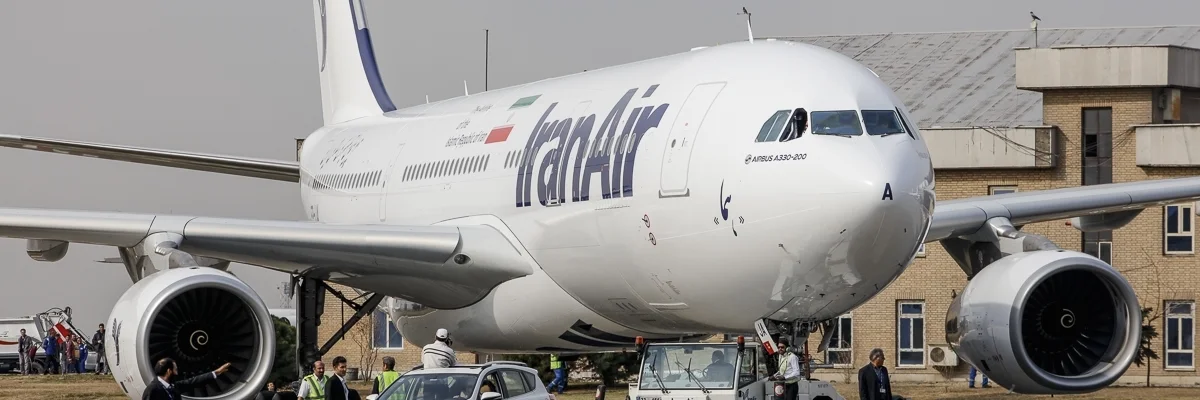
◢ Tehran has appointed a new CEO to head national airline Iran Air, state news reported, replacing its first female CEO with a US-blacklisted pilot. Touraj Dehghani Zanganeh, a former air force commander who features on a US treasury sanctions list, was named for the post at a Sunday cabinet meeting.
Tehran has appointed a new CEO to head national airline Iran Air, state news reported, replacing its first female CEO with a US-blacklisted pilot.
Touraj Dehghani Zanganeh, a former air force commander who features on a US treasury sanctions list, was named for the post at a Sunday cabinet meeting.
He will replace Farzaneh Sharafbafi, the first Iranian woman to boast a PhD in aerospace, who led the airline for two years.
Zanganeh was previously CEO of Meraj Air, which was also sanctioned by the US early last year.
Individuals on the Specially Designated Nationals List are generally prohibited from having US bank accounts.
Americans can also face civil or criminal penalties for engaging in business dealings with them, according to the US treasury.
Iran Air had been planning to upgrade its aging fleet after long-standing US sanctions were lifted following the 2015 nuclear deal between Tehran and world powers.
But when US President Donald Trump pulled out of the accord early last year and reimposed crippling economic sanctions, the treasury department revoked licenses for Boeing and Airbus to sell passenger jets to Iran.
Photo:
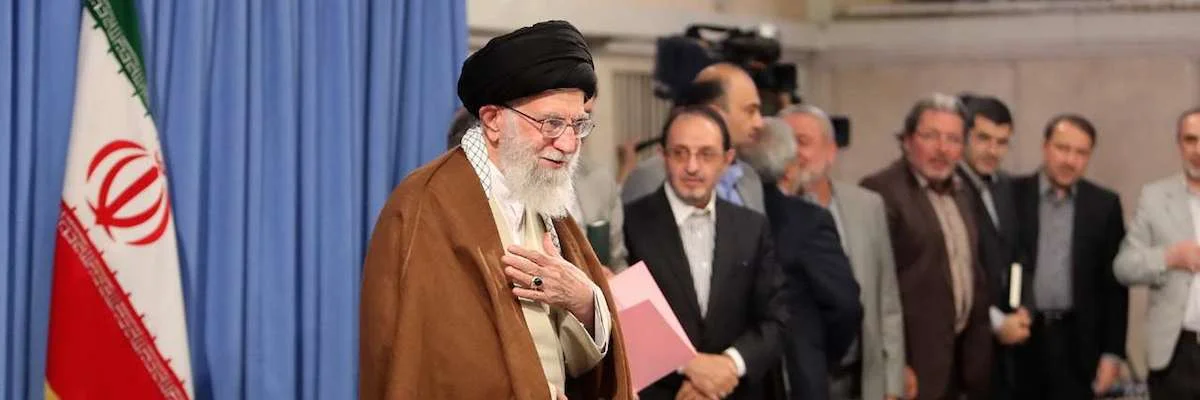
Iran Set to Scale Back Nuclear Commitments as U.S. Tensions Rise
◢ Iran signaled Monday that it may scale back some commitments made as part of the 2015 nuclear deal in response to tightening U.S. sanctions. Iran does not plan to follow Trump in abandoning the accord, which curbed its nuclear program in return for an end to some sanctions, but is set to make minor and general reductions to some of its commitments.
Iran signaled Monday that it may scale back some commitments made as part of the 2015 nuclear deal in response to tightening U.S. sanctions, a move that could escalate tensions after the Trump administration deployed an aircraft carrier to the Gulf.
Iran does not plan to follow Trump in abandoning the accord, which curbed its nuclear program in return for an end to some sanctions, but is set to make minor and general reductions to some of its commitments, an Iranian official involved with its implementation was cited as saying by the state-run Iranian Students News Agency.
President Hassan Rouhani is expected to make the announcement via state media on Wednesday and roll out the steps, the official said. The plans have been communicated informally to European Union officials, the official added without giving details.
The Wall Street Journal cited European diplomats as saying that Iran may step up research into centrifuges that could produce highly enriched uranium faster. It wasn’t clear if such a measure would represent a clear breach of the deal or be largely symbolic in its significance.
The nuclear accord, reached in 2015 after years of painstaking multi-lateral negotiations, put strict limits on Iran’s nuclear activities in return for an easing of years of sanctions.
President Donald Trump withdrew from the accord a year ago, reimposed measures against Iran and has made confronting the Islamic Republic a cornerstone of his foreign policy, designating its elite Revolutionary Guard Corps a terrorist entity and sending the USS Abraham Lincoln and a bomber force to the Gulf as a warning.
The Trump administration ratcheted up economic pressure early this month by letting waivers allowing eight governments to import Iranian oil expire. It has said its goal is to cut Iran’s oil exports to zero, part of a bid to force Tehran to change its policy in the Middle East, including its support for Houthi rebels in Yemen and Hezbollah, which the U.S. and some other nations consider a terrorist group.
European signatories of the nuclear deal have stuck with it and pledged to find ways to ease the impact of U.S. measures and ensure Iran gets some benefit from continuing to meet its commitments. Those efforts have proved inconclusive so far, however.
Representatives of the European Union, the French, German and British governments and Iran are scheduled to meet on Tuesday in Brussels to discuss their joint efforts and how to make operational a special purpose vehicle set up by the Europeans to facilitate trade with the country, according to an official from the bloc.
The official cited the need for mechanisms to be put in place for the EU-based Instrument for Supporting Trade Exchanges—or INSTEX—and its Iranian counterpart. It was not clear whether Iran’s plans to scale back on some of its commitments under the nuclear accord would be discussed or how they might affect European policy.
Photo: IRNA
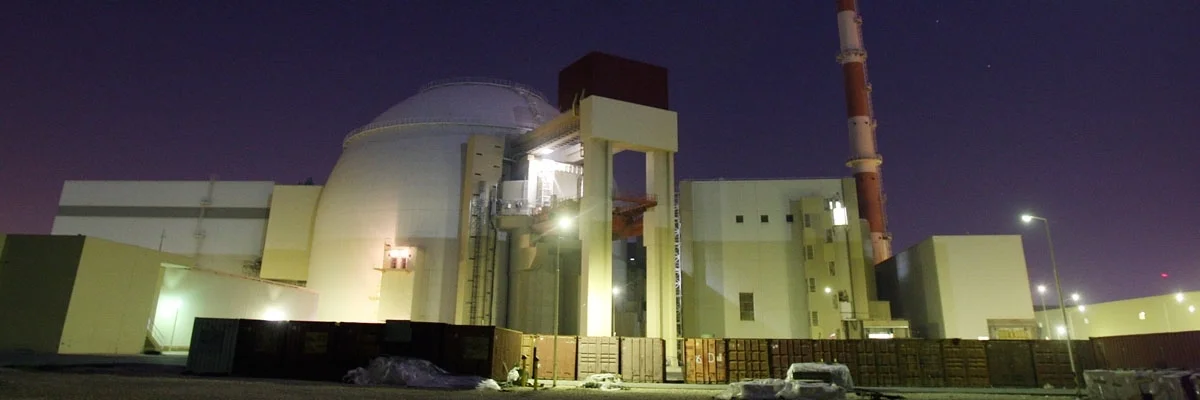
U.S. to Extend Most Key Waivers Linked to Iran's Nuclear Program
◢ The Trump administration will renew several key waivers that allow Iran to keep operating a limited civilian nuclear program. The U.S. is extending waivers that the administration had previously granted allowing nations that remain in the deal to engage in nonproliferation activities and nuclear research at three sites—Fordow, Bushehr and Arak.
The Trump administration will renew several key waivers that allow Iran to keep operating a limited civilian nuclear program, a move that heads off a clash with European allies and Tehran over the fate of a 2015 deal that Trump abandoned last year.
The U.S. is extending waivers that the administration had previously granted allowing nations that remain in the deal to engage in nonproliferation activities and nuclear research at three sites—Fordow, Bushehr and Arak—without facing sanctions, Assistant Secretary of State Christopher Ford said Friday. Instead of granting the waivers for 180 days, the administration will shorten their term to 90 days.
Two other waivers, allowing Iran to ship surplus heavy water to Oman and to ship out any enriched uranium that exceeds the 300 kilogram limit in exchange for natural, or “yellowcake” uranium, will be revoked. Those were allowed under the Joint Comprehensive Plan of Action, the 2015 accord that President Donald Trump withdrew from a year ago.
“We are tightening restrictions on Iran’s nuclear program as part of our pressure campaign,” Brian Hook, the State Department’s special representative for Iran, said in an interview. “Iran cannot have any path to a nuclear weapon."
Photo: IRNA
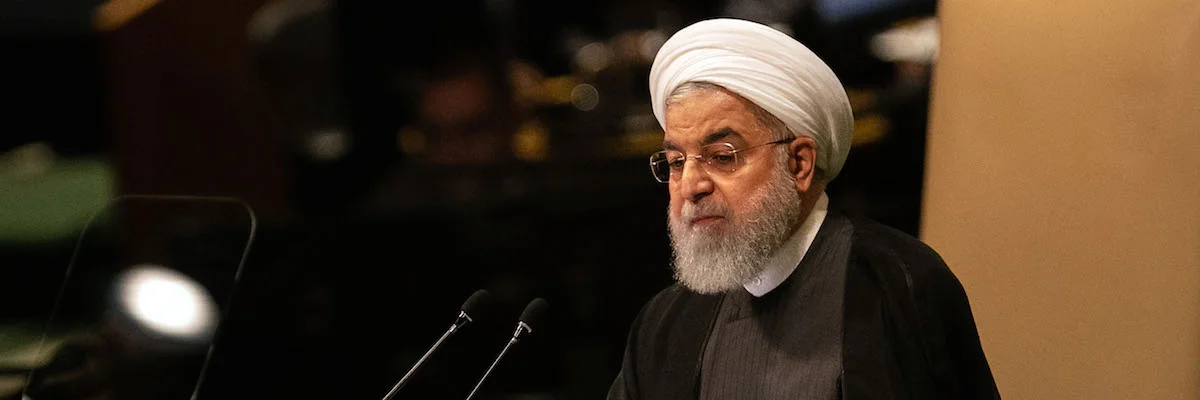
In Iran, It's Trump's America That Looks Like a Rogue State
◢ “Who’s not acting like a normal state?” The rhetorical question from Iran’s foreign minister to a New York audience took aim at President Donald Trump’s administration for exiting global treaties on issues from arms control to climate change. Yet foremost in Mohammed Javad Zarif’s mind was the U.S. decision to rip itself free from the 2015 nuclear accord.
“Who’s not acting like a normal state?” The rhetorical question from Iran’s foreign minister to a New York audience took aim at President Donald Trump’s administration for exiting global treaties on issues from arms control to climate change. Yet foremost in Mohammed Javad Zarif’s mind was the U.S. decision to rip itself free from the 2015 nuclear accord.
Trump blames the breakdown on Iranian military meddling in the Middle East, and he’s struck at the nation’s economic jugular to try and force it to change behavior. But his riding roughshod over diplomatic agreements swung the pendulum of Iranian politics toward hardliners digging in for greater confrontation, rather than engagement, with the West. More moderate politicians face a dilemma: become more strident or be pushed to the margins.
“The political camp that opposed the nuclear deal is getting stronger,” said Hamidreza Azizi, an assistant professor of international relations at Shahid Beheshti University in Tehran. Sentiment has nosedived since “it became clear that the U.S. is acting as a hegemon.”
Why Bother?
About 40 percent of Iranians now disapprove of the multiparty agreement, formally known as the Joint Comprehensive Plan of Action, according to the latest survey by research firm IranPoll. That’s double what it was in early 2016, when most sanctions on Iran were lifted, and higher than a year ago before Trump pulled out of the deal.
While most observers consider it likely that Iran will attempt to wait out the rest of Trump’s first term and hope he loses in 2020 rather than walk away from the agreement, it’s signaling its patience is wearing thin, including with European nations who want to protect their trade from U.S. penalties.
“A year has passed since the U.S. left the deal and these countries still haven’t found ways to ensure gains for Iran,” Deputy Foreign Minister Abbas Araghchi said Wednesday. “The International Atomic Energy Agency in 14 reports has confirmed that Iran is standing by its commitments.”
As the mood sours, even reformist lawmakers are calling on Zarif to appear before parliament to explain why Iran’s still bothering to abide by the deal that Trump unilaterally trashed.
U.S. ‘Bullying’
“The U.S. officially left the deal and is widening the scope of its cruel sanctions by the day,” Mahmoud Sadeghi, a member of the moderate camp, said April 24, according to a local news service. “Why isn’t the Iranian government pulling out?”
Reza Babaei, a taxi driver who works 15-hour days for what he describes as a paltry income, echoed that view. “If the U.S. is bullying, we must stand up to them,” he said. “Whether the nuclear deal is good or bad, we must decide once and for all.”
Surging prices and shortages of food and medicine that the standoff has created could yet feed into pre-existing grievances over unemployment, a lack of freedoms and official corruption to the point where the regime feels compelled to offer Trump concessions.
Mood Shifts
But for now the mood appears more in tune with the argument that caving will only invite more blows from a U.S. administration that’s made suppressing Iran a centerpiece of its Mideast strategy, to the benefit of Iran’s chief regional foes: Saudi Arabia and Israel.
Iranian leaders “have logic behind their actions and they have patience,” said Foad Izadi, a conservative foreign policy analyst at the University of Tehran who’s been critical of President Hassan Rouhani’s policies. “You could see a change of policy but it will be gradual, it’s not going to be overnight.”
The economic crisis unleashed by U.S. sanctions means Rouhani’s government has little to show for its engagement with the West 10 months before elections for a new parliament. The growing despair could help set the country’s political direction for the foreseeable future.
U.S. officials contend that political moderation in Iran is “a facade,” said Vali Nasr, dean of the Johns Hopkins School of Advanced International Studies in Washington. But politicians like Zarif and Rouhani had enthused “a large segment of the Iranian public,” forcing their views to be accommodated by conservatives.
Oil Shipments
“If that portion of the population is deflated, then it’s much easier to rule over them,” he said.
Threats by Iranian military officials to close the Strait of Hormuz, a waterway vital for global oil shipments, have been dismissed by analysts as chest thumping to win concessions from Europe, China and Russia. Similarly, watchers of Iran doubt it’ll nix the nuclear deal and expand its uranium-enrichment program—doing so would carry the risk of military action and a return to pariah status—or exit the nuclear Non-Proliferation Treaty.
One response might be walking back some of its commitments under the agreement, such as limiting the scope of nuclear inspections.
And there will almost certainly be more interventions from the likes of influential Revolutionary Guards commander Qassem Soleimani, who directed many of Iran’s military operations to help defeat Islamic State and rescue allied governments in Iraq and Syria. His popularity has seen him tipped as a potential future president.
Last month, Trump formally designated Soleimani’s Revolutionary Guards, a unit of the Iranian military, as a terrorist organization.
“The enemy wants to drag us to the negotiating table,” Soleimani said this week. “These negotiations would be tantamount to surrender. We won’t agree to such indignity.”
Photo: Bloomberg
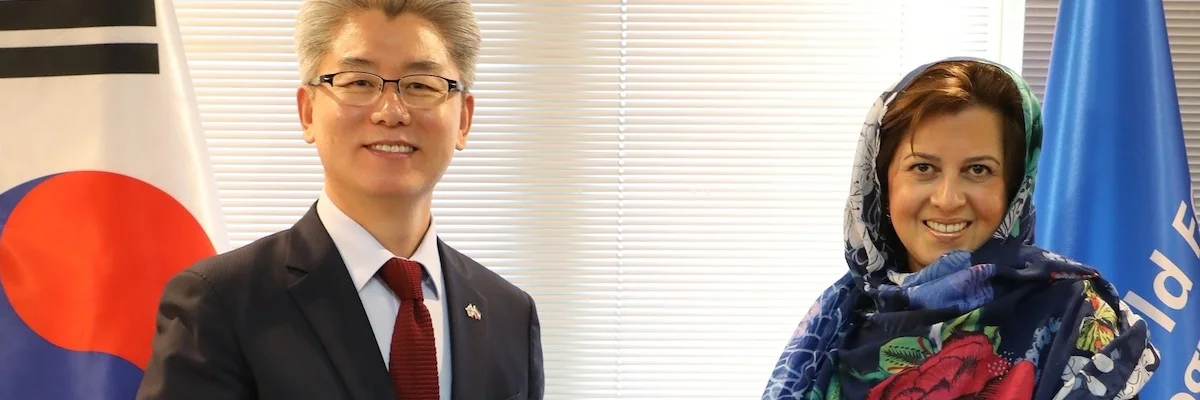
South Korea Contributes $2 Million To Iran Development Aid Program
◢ The United Nations World Food Programme (WFP) has received a USD 2 million contribution from the Republic of Korea to support over the coming two years 30,000 of the most vulnerable Afghan refugees living in settlements in the Islamic Republic of Iran.
The United Nations World Food Programme (WFP) has received a USD 2 million contribution from the Republic of Korea to support over the coming two years 30,000 of the most vulnerable Afghan refugees living in settlements in the Islamic Republic of Iran.
“We’re grateful to the Government and people of Korea for their continued generosity towards refugees in Iran,” said WFP Representative in Iran, Negar Gerami. “The Republic of Korea remains WFP’s top donor in Iran having contributed USD 9.6 million to our operations since 2014.”
WFP plans to use the funds to create income-generating opportunities for vulnerable Afghans living inside and outside of settlements. WFP will provide refugee men and women with the technical and vocational training they need to start small businesses. They will receive start-up capital after completing their training.
Those who already have the necessary skills will receive either WFP cash transfers or equipment to help them start up a small business such as carpet and kilim weaving, embroidery, tailoring and other handicrafts.
“It is my great pleasure to be able to make this contribution to the meaningful project of ‘Income generation for Afghan refugees in the Islamic Republic of Iran’ through WFP, continuing our close partnership throughout the last six years. I hope that this project will also facilitate the betterment of living standards of the Afghan refugees by creating income opportunities for the large number of Refugees in Iran. I’d like to reaffirm that the Korean Government’s firm commitment to provide humanitarian assistance in the future as well.” said Ambassador of the Republic of Korea to Iran, Ryu Jeong-Hyun.
Iran hosts the world’s fifth largest refugee population, with nearly one million registered Afghan and Iraqi refugees.
WFP has been providing assistance to refugees in Iran since the arrival of the first asylum seekers from Afghanistan and Iraq in the late 1980s.
Photo: WFP
Iran Oil Tanker Forced to Seek Repairs in Saudi Port
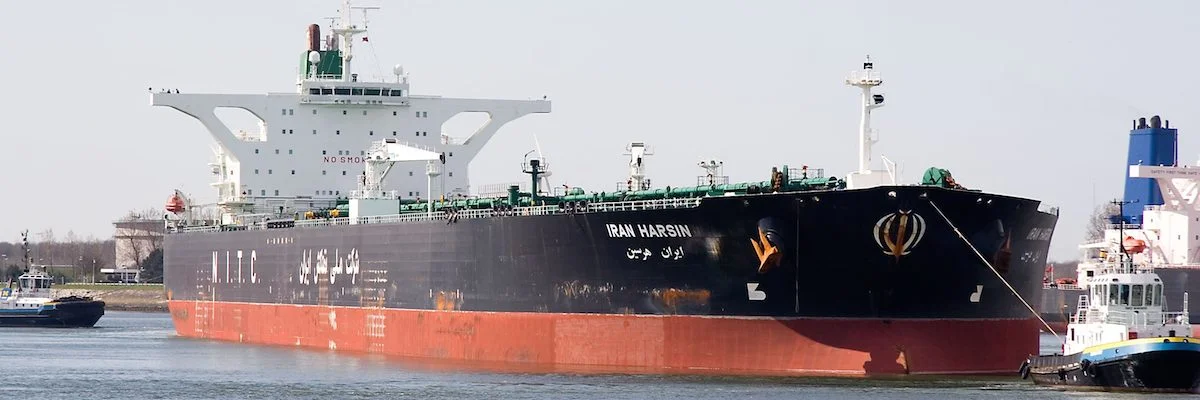
◢ An Iranian tanker was forced to seek repairs at a Saudi port after suffering "engine failure and loss of control,” the Iranian oil ministry's SHANA news agency reported Thursday. The rare docking in Iran's regional arch-foe, came as Washington was poised to end all remaining exemptions to crippling sanctions on Iranian oil exports, a move strongly supported by the kingdom.
An Iranian tanker was forced to seek repairs at a Saudi port after suffering "engine failure and loss of control,” the Iranian oil ministry's SHANA news agency reported Thursday.
The rare docking in Iran's regional arch-foe, came as Washington was poised to end all remaining exemptions to crippling sanctions on Iranian oil exports, a move strongly supported by the kingdom.
SHANA said that the incident began on Tuesday morning when the tanker issued a distress call.
"One of the National Iranian Tanker Company's tankers, moving through the Red Sea towards the Suez Canal, failed to continue its path due to water leaking into its engine room," it reported.
"With the coordination of the relevant officials, the ship was guided to Jeddah as the nearest safe port to fix the problem and take the necessary measures."
SHANA identified the tanker as the Happiness 1, with a crew of 26—24 Iranians and two Bangladeshis. The crew are safe and sound, it said.
SHANA quoted the tanker company as denying that the incident had caused any environmental damage.
It did not specify whether the ship had continued on its way by Thursday or remained in port in Jeddah.
Thursday was the date set by Washington for the end of all waivers it granted from its renewed sanctions on Iranian oil exports.
All Iranian exports, including to key remaining customers China, India and Turkey, are now subject to the sanctions imposed in November.
Tensions between Iran and Saudi Arabia have intensified in recent years.
The region rivals have had no diplomatic relations since Riyadh broke off ties in 2016 after protesters angry at its execution of a top Shiite cleric torched its diplomatic missions in Iran.
In January 2018, another Iranian tanker, the Sanchi, struck the Chinese freighter CF Crystal off the coast of Shanghai and went down in a ball of flames, seemingly killing its entire crew of 30 Iranians and two Bangladeshis and causing a huge oil spill.
Photo: IRNA
End of Iran Sanctions Waivers to Hit Indian Economy
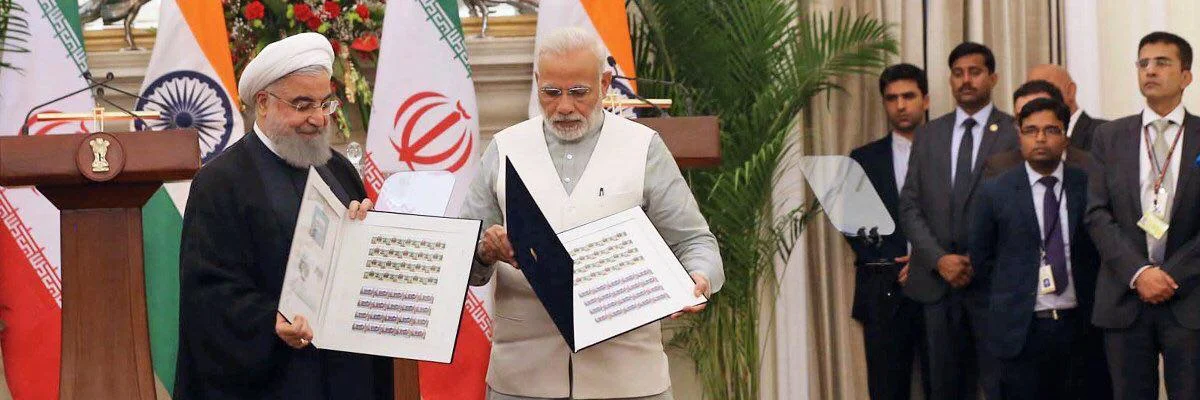
◢ The end on Thursday of US sanctions waivers for purchases of Iranian oil is likely to hit India's economy hard, increasing fuel costs and quickening inflation, analysts say. "US sanctions on Iran is a double whammy for India after the Venezuelan sanctions," said Vandana Hari, founder of Vanda Insights, a global energy markets portal.
The end on Thursday of US sanctions waivers for purchases of Iranian oil is likely to hit India's economy hard, increasing fuel costs and quickening inflation, analysts say.
Last May, President Donald Trump withdrew Washington from the 2015 Iran nuclear deal with world powers that had given Tehran sanctions relief in exchange for curbs on its nuclear program.
The United States reimposed oil sanctions on Iran in November but initially
gave eight countries—including India and several other US allies—six-month reprieves.
Washington announced last week that the waivers, which have also benefited
China and Turkey, would expire on May 2.
"US sanctions on Iran is a double whammy for India after the Venezuelan sanctions," said Vandana Hari, founder of Vanda Insights, a global energy markets portal.
"It will have to pay more for imports and face higher foreign exchange outflows," she told AFP.
India—Asia's third-largest economy —imports over 80 percent of its crude oil requirements, leaving it vulnerable to oil price surges
A barrel of crude recently hit a six-month high of USD 75 due to America's sanctions on Iran and Venezuela.
India buys mostly from Saudi Arabia but has a long history of purchasing Iranian crude.
New Delhi announced last month that it would acquire additional supplies from elsewhere but analysts say it won't be able to fill the gap left by Iran.
"No one is going to give charity to India in the oil market. Even Saudi Arabia has no plans to replace Iranian crude in the global market," Madhu Nainan, editor of PetroWatch, told AFP.
Oil is paid for in dollars and soaring crude prices puts pressure on India's rupee.
Higher prices also increases the cost of fuel at India's pumps and curtails government attempts to keep inflation low.
India's government cut fuel duties last year in an attempt to quell public anger after protesters took to the streets against record petrol prices.
With inflation low presently, India's central bank has cut interest rates twice this year to help boost the economy.
Any surge in inflation sparked by the end of the sanctions waivers would make it hard for the Reserve Bank of India to cut again at its next meeting in June.
India is busy with a mammoth general election and analysts say whoever forms the next government—Narendra Modi's Bharatiya Janata Party or Rahul Gandhi's Congress—will have to come up with a long-term solution for its oil needs.
"The Indian government needs to send a message to Washington that it understands the need for sanctions but also to press it to find a resolution to the problem," said Hari.
Photo: IRNA
OPEC Says Determined to Avoid an 'Energy Crisis'
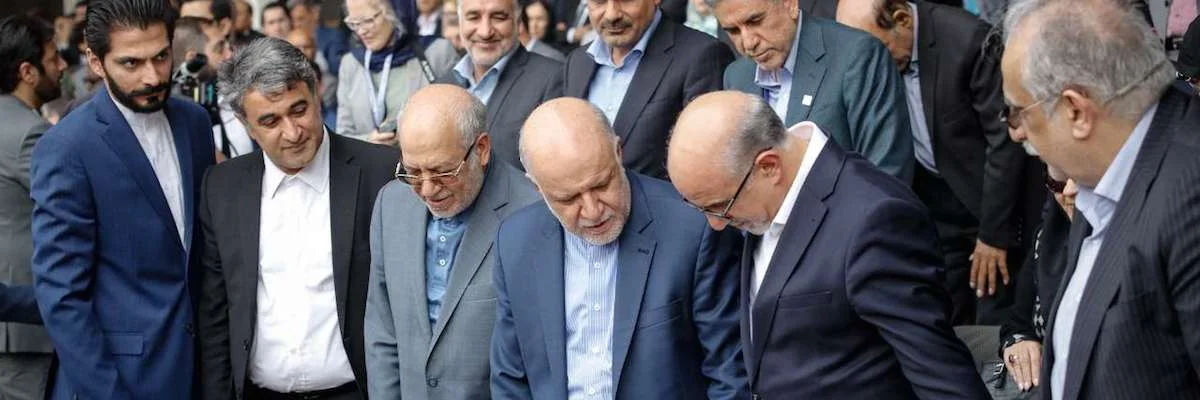
◢ OPEC is determined to avoid a global "energy crisis" as some of its members are facing international sanctions and others struggling with unrest, the cartel's secretary-general said in Tehran on Thursday. "As an organization, we will remain focused on our goal of avoiding an energy crisis that may affect the global economy," Mohammed Barkindo said on the sidelines of an oil and gas exhibition.
OPEC is determined to avoid a global "energy crisis" as some of its members are facing international sanctions and others struggling with unrest, the cartel's secretary-general said in Tehran on Thursday.
"As an organization, we will remain focused on our goal of avoiding an energy crisis that may affect the global economy," Mohammed Barkindo said on the sidelines of an oil and gas exhibition.
The Organisation of the Petroleum Exporting Countries will pursue this policy "despite current troubles in several of its member countries," he said.
His comments came as the end of US sanction waivers for purchases of oil from key OPEC member Iran was due to kick in on Thursday.
Venezuela, another cartel member, is also facing sweeping US sanctions and in the throes of political troubles while fighting rages between rival forces for control Tripoli, capital of oil-rich Libya.
Barkindo did not name any country but said some OPEC producers were "currently under unilateral sanctions"—a reference to Iran and Venezuela.
Another country "is also going through transitional challenges with all its potential consequences," Barkindo said, also apparently about Venezuela where opposition leader Juan Guaido is trying to rally demonstrators against President Nicolas Maduro.
Another cartel member he said, alluding to Libya, "is fighting day in and day out to avoid an all-out war".
OPEC is "committed to stay united" and "not slip back into the chaos" it has faced in recent years, Barkindo said.
Iran, as a founding member of the organization, has regularly slammed some of the cartel's members for going along with Washington's policies against Iran and lacking solidarity.
On Wednesday, Iran's oil minister Bijan Namdar Zanganeh accused OPEC members he did not name of sowing "division" and threatening the cartel's "disintegration.”
These countries—he said referring to Iraq and oil kingpin Saudi Arabia—were "exaggerating" their production capacity to reassure markets after the US lifted sanction waivers for buyers of Iranian crude.
The end of the exemptions announced on April 22 have sparked fears of supply shortages and pushed prices up.
Photo: IRNA
Iran Says Neighbors Exaggerating Oil Capacity
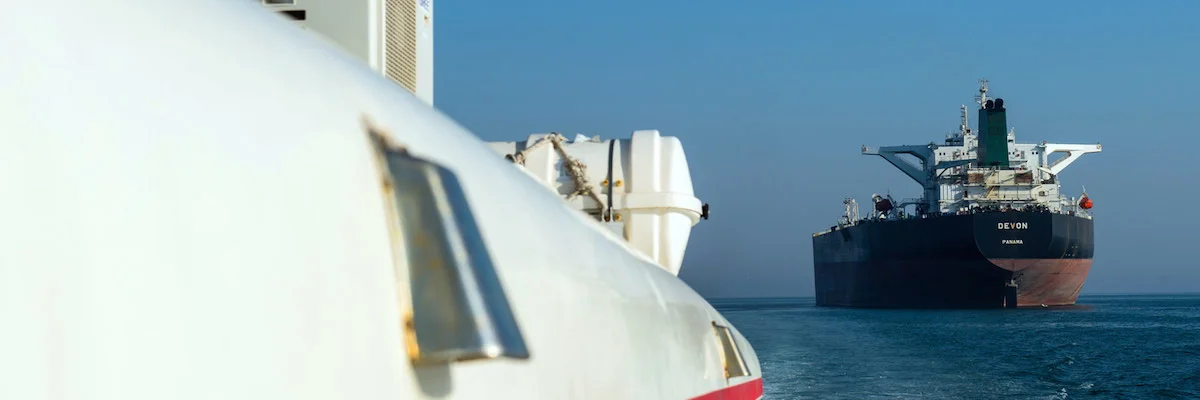
◢ Iranian Oil Minister Bijan Namdar Zanganeh on Wednesday claimed two neighboring countries were "exaggerating" their production capacity to reassure markets after the US ended sanction waivers for buyers of Iranian crude. Zanganeh also said Washington's stated aim to bring Iran's oil exports "to zero" was "an illusion.”
Iranian Oil Minister Bijan Namdar Zanganeh on Wednesday claimed two neighboring countries were "exaggerating" their production capacity to reassure markets after the US ended sanction waivers for buyers of Iranian crude.
Zanganeh also said Washington's stated aim to bring Iran's oil exports "to zero" was "an illusion.”
The White House announced last week it would end from Thursday oil purchase waivers granted to Iran's main customers—including China, India and Turkey.
Since then, Zanganeh claimed, "two of our neighboring countries constantly try to reassure the market, by issuing statements and by exaggerating their surplus capacities.”
These countries which he did not name were trying to signal to the world that "there would be no problem facing global supplies as Iranian oil goes off the market.”
It's "an exaggeration", Zanganeh said, speaking at an oil and gas conference in Tehran.
"World affairs are not as simple as America and some of its supporters and instigators think. The oil market cannot be managed with statements, what is determining is real oil production that is placed on the market."
The end of the exemptions sparked fears of supply shortages, pushing prices to near six-month highs.
After the US announced an end to the oil waivers, Iran's regional rival and neighbor Saudi Arabia said the kingdom had no immediate plans to boost output but was committed to balancing the oil market.
"We will not leave our customers scrambling for oil," Saudi Energy Minister Khalid al-Falih said on April 24.
Countries looking to replace Iranian crude "know which number to dial," Falih said.
"(Global) inventories are continuing to rise despite what's happening in Venezuela and tightening sanctions on Iran," he added.
Saudi Arabia, a member of the OPEC cartel, is the world's top crude exporters.
Iraq, the cartel's second-largest producer and also a neighbor of Iran, has the capacity to increase its exports by 250,000 barrels a day to compensate for any market shortfalls, an Iraqi government official said last week.
Photo: Bloomberg
France Seeks to Extradite Iranian Engineer to US
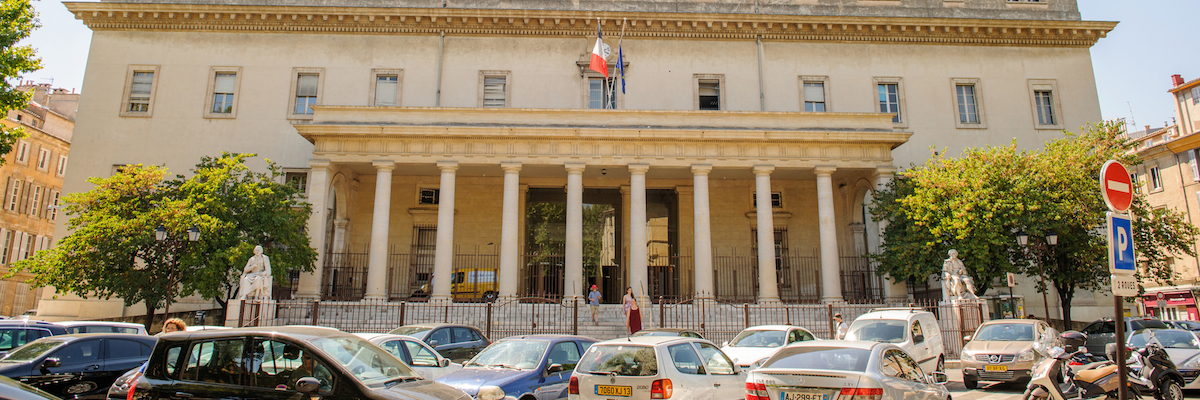
◢ French prosecutors on Tuesday urged an appeals court to approve the extradition of an Iranian engineer to the United States after his arrest for violating American sanctions against Tehran. Jalal Rohollahnejad, 41, was detained at the Nice airport on February 2 after arriving from Tehran via Moscow, having obtained a French visa for professional reasons.
French prosecutors on Tuesday urged an appeals court to approve the extradition of an Iranian
engineer to the United States after his arrest for violating American sanctions against Tehran.
Jalal Rohollahnejad, 41, was detained at the Nice airport on February 2 after arriving from Tehran via Moscow, having obtained a French visa for professional reasons.
According to court officials, two US judges for the District of Columbia suspect Rohollahnejad was involved in a bid to export sensitive industrial equipment to Iran.
After pulling out of a landmark 2015 deal in which Tehran agreed to curb its nuclear ambitions, Washington re-imposed a wide-ranging trade embargo on the Islamic Republic.
The equipment, parts for industrial microwaves and anti-drone systems, was allegedly being transported clandestinely as part of an order destined for the United Arab Emirates.
Officials claim that with modifications, it could be used for making ultra-precise weapons.
Rohollahnejad is suspected to working on behalf of Iranian firm Rayan Roshd Afzar, which is thought to have links to Iran's Revolutionary Guards.
If convicted for his alleged actions, which took place between June 2016 and April 2018, Rohollahnejad could face up to 60 years behind bars.
At Tuesday's hearing in the southern French town of Aix-en-Provence, his lawyers denied the charges, saying they were simply part of Washington's campaign to cut off Iran's economic lifelines.
"Is it possible that the court has forgotten the situation between the US and Iran, two countries in a cold war?" said one lawyer, Jean-Yves Le Borgne.
But prosecutor Serge Bocoviz said the alleged charges dovetailed with French law, meaning there was no legal obstacle to Rohollahnejad's extradition.
The appeals court will issue its ruling on May 22.
Photo: Wikicommons
Iran's Rouhani Says Workers 'On Front Line' Against US
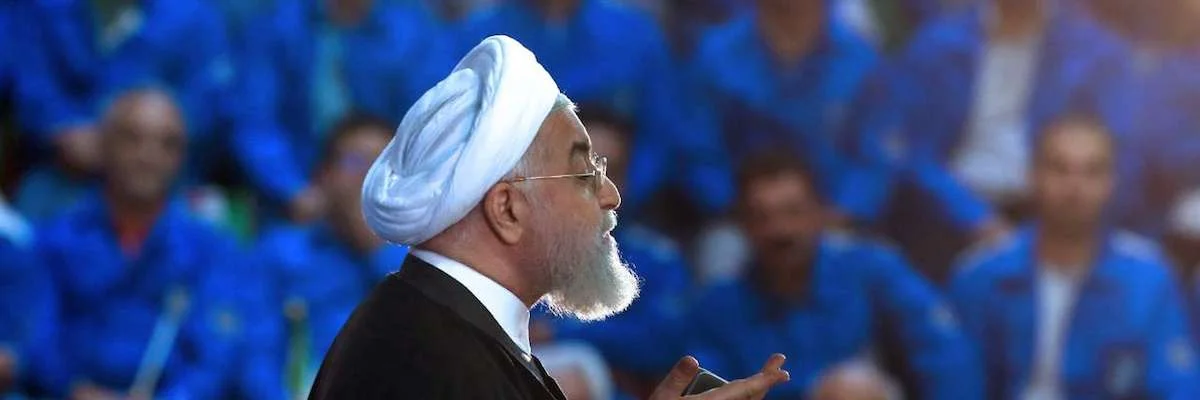
◢ President Hassan Rouhani called on Iranian workers Tuesday to boost non-oil exports and import substitution, telling them they were "on the front line" against America and its tightening sanctions. Addressing workers in a south Tehran sports complex on the eve of May Day, Rouhani said that boosting Iran's manufacturing output was vital to shore up the value of the rial.
President Hassan Rouhani called on Iranian workers Tuesday to boost non-oil exports and import substitution, telling them they were "on the front line" against America and its tightening sanctions.
Last year, President Donald Trump reimposed crippling US sanctions after abandoning a landmark nuclear agreement between major powers and Iran.
Last week, his administration announced that from Thursday it would end oil purchase waivers granted to Iran's main customers including China, India and Turkey.
The move has piled new pressure on Iran's reeling economy that the International Monetary Fund was already projecting would shrink by 6.0 percent this year.
Addressing workers in a south Tehran sports complex on the eve of May Day, Rouhani said that boosting Iran's manufacturing output was vital to shore up the value of the rial.
"Whenever you go for self-sufficiency, you have increased the national currency's value and the more you can increase production for exports, you have increased our foreign currency revenue," Rouhani said in the speech broadcast live on state television.
"America's purpose in cutting oil exports is to reduce our foreign currency revenue and the way to counter it is through the production and export of non-oil goods," he added.
According to Iran's economy minister Farhad Dezhpasand, non-oil exports reached USD 40 billion for 2018-19.
That tops Iran's oil revenues projection for 2019-2020 of USD 30 billion.
But despite regulations in place requiring exporters to repatriate profits, only a quarter of non-oil earnings were returned to Iran.
Rouhani vowed that despite the unilateral measures adopted by the United States, Iran would continue to supply oil to its major customers, all three of whom have expressed anger at Washington's attempt to impose its will.
Photo: IRNA
Cornered by Iran Sanctions, Turkey Is Said to Eye Iraqi Oil
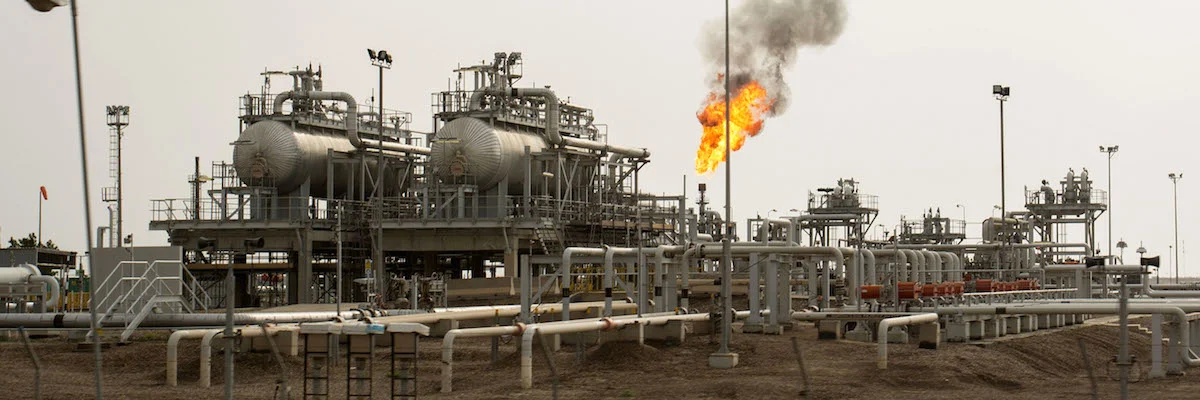
◢ Turkey is seeking ways to buy more oil from Iraq, already a major supplier of crude to the Middle East’s biggest economy, as the U.S. looks to squeeze exports from Iran, according to two people familiar with the matter. Turkey could consider oil imports from Iraq’s southern port of Basra and may also try to secure more shipments via an existing twin pipeline that runs to the Turkish Mediterranean terminal of Ceyhan.
Turkey is seeking ways to buy more oil from Iraq, already a major supplier of crude to the Middle East’s biggest economy, as the U.S. looks to squeeze exports from Iran, according to two people familiar with the matter.
Turkey could consider oil imports from Iraq’s southern port of Basra and may also try to secure more shipments via an existing twin pipeline that runs to the Turkish Mediterranean terminal of Ceyhan, despite its state of disrepair, the people said, speaking on condition of anonymity because they aren’t authorized to speak to the media.
The Trump administration is ending waivers that allowed a handful of countries including Turkey to continue importing oil from sanctioned Iran a year after the U.S. withdrew from the 2015 nuclear deal. Turkey has long opposed the U.S. curbs on Iran, with President Recep Tayyip Erdogan saying last year that “such sanctions are aimed at tipping the balance in the world” and violate international law and diplomacy.
Turkish Foreign Minister Mevlut Cavusoglu met Iraqi officials in Baghdad and Basra on Sunday as well as officials representing the Kurdistan Regional Government in Erbil on Monday, according to the state-run Anadolu Agency. Cavusoglu said last week that although the Iranian oil isn’t cheap, the difference is substantial with the price of crude from Saudi Arabia and the United Arab Emirates.
A spokesman for Turkish refiner Tupras Turkiye Petrol Rafinerileri AS wasn’t immediately available to comment. Last week, the company declined to say how it would offset any potential cut in Iranian supplies.
‘Trade Corridor’
After a meeting Sunday with Basra’s governor, Asaad Abdulameer Al Eidani, Cavusoglu said on Twitter that Turkey “will establish a trade corridor” to Iraq’s biggest oil hub.
Secretary of State Mike Pompeo has said he’s confident the market will remain stable as Saudi Arabia and the U.A.E. will ensure an “appropriate supply” of oil along with the U.S. But Turkey is resisting the idea of buying oil from America’s two anti-Iran allies, whose relations with Ankara are fraught after the murder of Saudi critic Jamal Khashoggi in the kingdom’s consulate in Istanbul last October.
Turkey said last week that it’s also working on a mechanism with Tehran to avert U.S. sanctions designed to halt trade with Iran. Although Turkey has long defended the trade with its eastern neighbor as a strategic necessity, taking on the U.S. can be risky as the government in Ankara struggles to secure the release of a senior banking executive convicted in New York of helping Iran evade American financial curbs.
The blowback from American sanctions against Iran could also hit Turkey’s economy, which entered its first recession in a decade last year as oil prices surged. The prospect of higher prices or the risk of a confrontation with the U.S. don’t bode well for Turkey’s currency, already battered by weeks of upheaval.
Photo: Bloomberg