
Tehran Gets Third Mayor in 18 Months
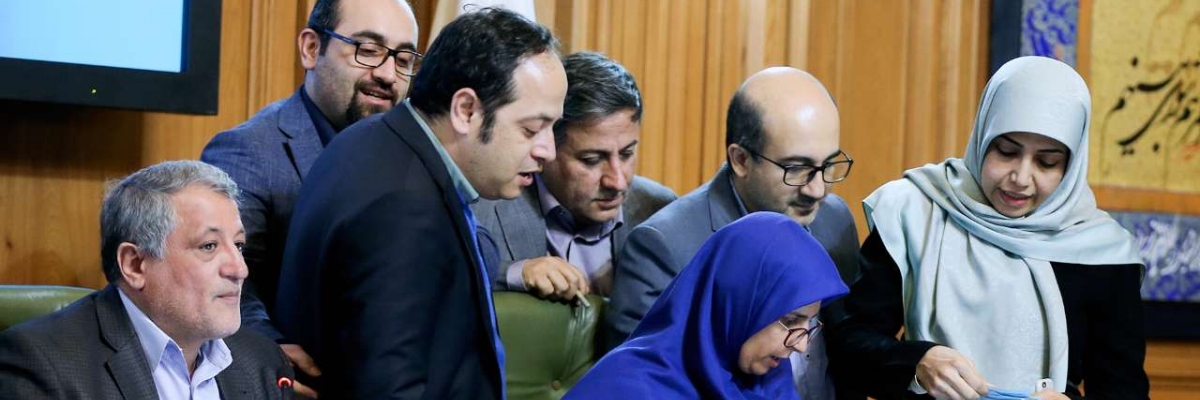
◢ Tehran city council on Tuesday elected Pirouz Hanachi, a little-known technocrat, to the politically sensitive post of mayor that has in the past led to Iran's presidency, state television reported. Hanachi is the third mayor of Tehran to be elected by the city council since reformists swept to power in local polls in May 2017.
Tehran city council on Tuesday elected Pirouz Hanachi, a little-known technocrat, to the politically sensitive post of mayor that has in the past led to Iran's presidency, state television reported.
Hanachi is the third mayor of Tehran to be elected by the city council since reformists swept to power in local polls in May 2017.
The 54-year-old Hanachi was a deputy mayor after the reformists took office in August 2017, having previously served as deputy minister at the roads and urban development ministry.
The interior ministry has to confirm his election, a mostly procedural process.
The reformists have promised transparency in running the city following corruption charges against their conservative rivals who controlled the Tehran council for 14 years.
The post of mayor has changed hands three times in 18 months, starting with Mohammad Ali Najafi who resigned officially on medical grounds amid reports he had been threatened with arrest by the prosecutor's office.
His successor, Mohammad Ali Afshani, a retiree, now has to step down by December 6 after parliament passed a law banning retirees from holding official posts.
The post served as a political springboard for conservative hardliner Mahmoud Ahmadinejad, Iran's president between 2005 and 2013, although fellow incumbent Mohammad Bagher Ghalibaf was unsuccessful in his bids for the presidency.
Despite winning the highest number of votes in last year's polls, Mohsen Hashemi Rafsanjani, son of late ex-president Akbar Hashemi Rafsanjani, has repeatedly tried but failed to be elected mayor.
Photo Credit: IRNA
Iran Sanctions Herald Energy Trouble for Caucasus Nations
◢ The resumption of wide-ranging American sanctions on Iran promises economic uncertainty for the Islamic Republic’s neighbors in the Caucasus: Azerbaijan, Georgia and Armenia. All three have to various extents relied on Iran for natural gas, and stand to be affected—if only by uncertainty until the exact scope of the sanctions becomes clearer.
This article has been republished with permission from Eurasianet.
The resumption of wide-ranging American sanctions on Iran promises economic uncertainty for the Islamic Republic’s neighbors in the Caucasus: Azerbaijan, Georgia and Armenia.
Washington's goal of reducing Iran's oil exports to zero will not directly impact any of three Caucasus states, as none of them imports Iranian crude. All three, however, have to various extents relied on Iran for natural gas, and stand to be affected—if only by uncertainty until the exact scope of the sanctions becomes clearer.
U.S. National Security Adviser John Bolton recently visited all three countries to try to shore up support for Washington’s efforts to isolate Tehran, though his results were inconclusive. When Washington imposed the new round of sanctions on November 5 it exempted eight countries, including neighboring Turkey, but none of the Caucasus states were spared.
As a major exporter of both crude oil and natural gas, and a sometime importer of Iranian gas, Azerbaijan's position is most complex.
Azerbaijan shares long land and maritime borders with Iran, as well as ownership of a number of undeveloped Caspian oil and gas fields subject to a joint development agreement signed in March this year.
Development of those fields is now unlikely to proceed, but other joint ventures have advanced beyond the point where even Washington can impose a halt.
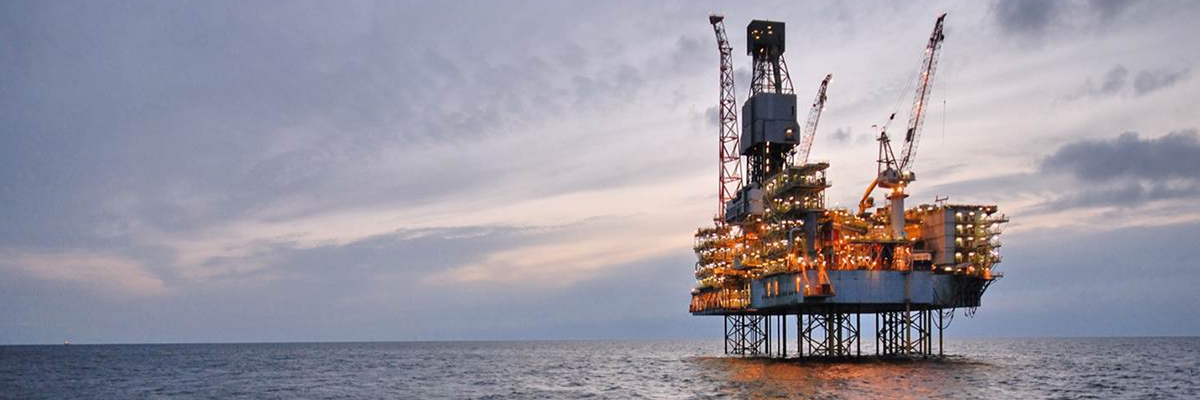
Azerbaijan's main gas field, Shah Deniz, is being developed by a consortium led by UK oil giant BP, but in which Iran's national oil company, NIOC, holds a 10 percent stake.
Shah Deniz is currently the only source of gas for the long-planned, EU-backed Southern Gas Corridor (SGC), aimed at lessening Europe’s dependence on Russian energy.
Already in August, Washington made the position of Shah Deniz and the SGC project clear when the Treasury Department granted a permanent waiver from Iran-related sanctions for "the development of natural gas and the construction and operation of a pipeline to transport natural gas from Azerbaijan to Turkey and Europe."
That concession means that neither BP, the Azerbaijani state oil company SOCAR, nor the other three shareholders will face sanctions related to that project.
Azerbaijan also stands potentially to benefit from any increase in global oil prices caused by the halting of Iranian exports. That uncertainty also would lead to an increase in natural gas prices, which are for the most part indexed to oil prices.
"Azerbaijan may well reap some secondary benefits from U.S. sanctions on Iran, since it stands to gain if oil prices increase as a result of heightened tensions in the Persian Gulf," Caspian energy analyst and Atlantic Council fellow John Roberts told Eurasianet, though he cautioned that any potential benefits are unpredictable as they rely on factors beyond Baku's control.
Roberts added that Azerbaijan's position is further complicated by its position as an importer of natural gas from Iran.
Azerbaijan imports small volumes of Iranian gas into its exclave of Nakhchivan for local consumption. Also, in recent years, gas from Turkmenistan has transited via Iran into mainland Azerbaijan to supplement its own production and to meet export commitments to Georgia, which is expected to import around 2.7 billion cubic meters of gas from Azerbaijan this year.
SOCAR spokesman Ibrahim Ahmadov told Eurasianet that the company’s gas imports via Iran have now stopped thanks to increased domestic production.
"A big part of the imported gas was used to fill our gas storage during summer which is then re-exported in winter when there is higher demand," Ahmadov said. With more than 3 billion cubic meters currently in storage, and further imports due from Russia before the end of the year, SOCAR doesn't anticipate shortages. "There should be no problems with the gas supply in Georgia," Ahmadov said.
Sandwiched between Iran and Armenia, and with a tiny outlet to Turkey, Nakhchivan's geography limits its alternatives.
An agreement with Ankara for a pipeline link to bring gas into Nakhchivan from Turkey was signed in 2010, but to date no pipeline has been laid, leaving the exclave still dependent directly on swap arrangements with Iran.
Such barter deals would not necessarily put Baku in breach of the U.S. sanctions. Ahmadov confirmed that SOCAR is “not planning any payment-based transactions with Iran in the near future.”
If Azerbaijan's gas exports to Georgia will indeed be unaffected, then Georgia – which with its Black Sea coast has no need to import Iranian petroleum products – should be little troubled by the U.S. sanctions.
Few Options for Armenia
The same, though, cannot be said for Armenia, whose landlocked geography and regional political isolation leave it few options.
With few natural resources of its own, and still getting over 40 percent of its power supply from the aging Metsamor nuclear power plant, Armenia has become increasingly dependent on imported gas to meet its energy needs.
The bulk of Armenia’s gas is imported from Russia (via Georgia), but Yerevan also imported about 400 million cubic meters of gas from Iran in 2017, and sends Iran power in exchange. In late 2017 an agreement was announced for Armenia to boost Iran gas imports by up to 25 percent, and to increase power exports by a similar amount.
The status of that agreement and of existing Iranian gas exports to Armenia is currently unclear.
On November 6, Armenian foreign ministry spokesperson Anna A. Naghdalyan tweeted that her ministry was closely monitoring developments. "A comprehensive examination of the effects the new sanctions will have on Armenia is ongoing," she said. She did not respond by press time to queries from Eurasianet.
Armenia's position is further complicated by the fact that much of its gas pipeline network is owned by Russia's Gazprom. The two have long bickered over the price Gazprom charges for the gas it supplies.
Forcing Yerevan to abandon Iranian imports will thus leave it more dependent on Russia, and in a far weaker bargaining position.
Photo Credit: BP
Austria Says Won't Host Iran Sanctions-Busting Payments System
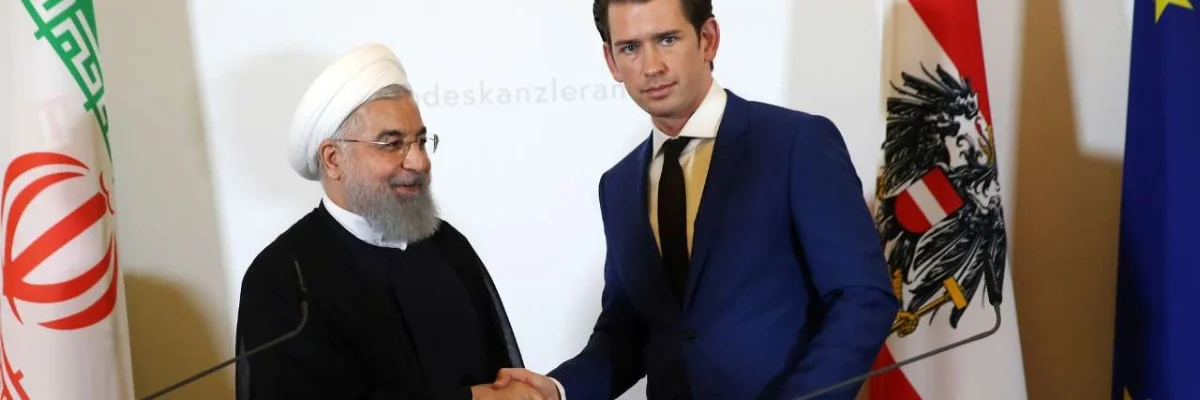
◢ Austria has rejected hosting a special payment system designed to help EU countries trade with Iran despite US sanctions, the Austrian foreign ministry said Tuesday. "We were asked if Austria would be prepared in principle to host this special purpose vehicle," foreign ministry spokesman Peter Guschelbauer said.
Austria has rejected hosting a special payment system designed to help EU countries trade with Iran despite US sanctions, the Austrian foreign ministry said Tuesday.
"We were asked if Austria would be prepared in principle to host this special purpose vehicle," foreign ministry spokesman Peter Guschelbauer said.
But after studying the idea "very closely", the Austrian government "came to the conclusion that at the moment we are not in a position to host this vehicle," Guschelbauer told the Austrian APA agency.
The Bloomberg agency reported that Austria had been approached to be the venue for the vehicle after Belgium and Luxembourg had already turned down the idea of hosting it.
"There are lots of unanswered technical questions" about the "effectiveness of this setup," Guschelbauer added.
Austria supported the principle of the vehicle, he said, "but of course it has to be set up in a way that fulfils its purpose".
Last week the US announced a fresh raft of sanctions, the latest tranche of such measures since May when US President Donald Trump dramatically withdrew from the 2015 nuclear deal between Iran and world powers, known as the Joint Comprehensive Plan of Action (JCPOA).
The US sanctions aim to cut off Iran's banks from international finance and significantly cut its oil exports.
Since May, the remaining five signatories to the JCPOA—Britain, China, France, Germany and Russia—have been exploring ways to keep the deal alive.
As part of those efforts the EU has floated the idea of the special purpose vehicle, which would in theory allow Iran to keep selling oil and European companies to continue doing business in the country despite the US sanctions.
However, details of the scheme have remained vague.
The Austrian capital Vienna is the headquarters of several international organizations, including several arms of the UN and OPEC, and hosted the negotiations which resulted in the JCPOA.
On Monday the UN atomic watchdog the International Atomic Energy Agency (IAEA) said in its latest report that Iran was still abiding by the terms of the deal.
Photo Credit: IRNA
Iran Sticking to Nuclear Deal Conditions: IAEA
◢ Iran has been abiding by the terms of its nuclear deal with global powers, the latest report from the UN atomic watchdog indicated Monday, days after fresh US sanctions hit the country. The International Atomic Energy Agency's latest report showed that as of early November, Iran had been complying with the restrictions to its nuclear program laid down in the 2015 Joint Comprehensive Plan of Action (JCPOA).
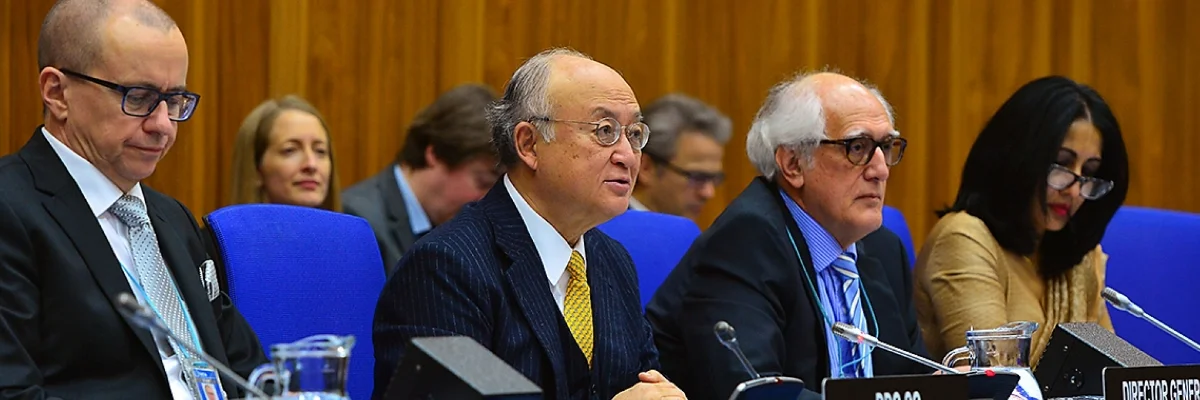
Iran has been abiding by the terms of its nuclear deal with global powers, the latest report from the UN atomic watchdog indicated Monday, days after fresh US sanctions hit the country.
The International Atomic Energy Agency's latest report showed that as of early November, Iran had been complying with the restrictions to its nuclear program laid down in the 2015 Joint Comprehensive Plan of Action (JCPOA).
Sweeping new American sanctions against Iran, which came into effect on 5 November, have raised fears about whether the deal can survive.
Some parts of the fieldwork in the report took place before the sanctions came into effect, but a senior diplomat with knowledge of the situation said there was "nothing that indicates that... cooperation from Iran or its attitude has changed since 5 November".
The report said that as of November 4, Iran's stockpiles of low-enriched uranium stood at 149.4kg, 10kg up from the time of its last report in August.
However, this is still well within the limits set by the JCPOA.
The agency repeated language which has appeared in two previous reports emphasizing the importance of "timely and proactive cooperation in providing such access" on Iran's part.
However, the senior diplomat suggested that this was meant less as an admonition to Iran than as encouragement to maintain the current level of cooperation.
'Face Value'
The report makes no mention of recent claims made by Israeli Prime Minster Benjamin Netanyahu that Iran was harboring a secret atomic warehouse.
The latest American sanctions aim to cut off Iran's banks from international finance and significantly cut its oil exports.
Those have already fallen by up to one million barrels a day since May, when US President Donald Trump withdrew from the JCPOA, branding it a "disaster.”
Iran's economy was already reeling from the effect of US sanctions imposed earlier in the year. On Friday US National Security Advisor John Bolton warned that more sanctions were possible.
Iran has said the future of the JCPOA would be called into question if it no longer received the economic benefits of the deal.
The deal envisaged sanctions on Iran being lifted in return for it accepting IAEA inspections and limits on its nuclear activities.
The remaining five signatories to the JCPOA—Britain, China, France, Germany and Russia—have backed an EU effort to set up a special payment system in an attempt to continue trade and business ties with Iran.
However, some European companies have already pulled out of Iran. Earlier this month senior EU officials admitted that the mechanism was proving difficult to set up.
Photo Credit: IAEA
US's Bolton Says More Sanctions Likely on Iran
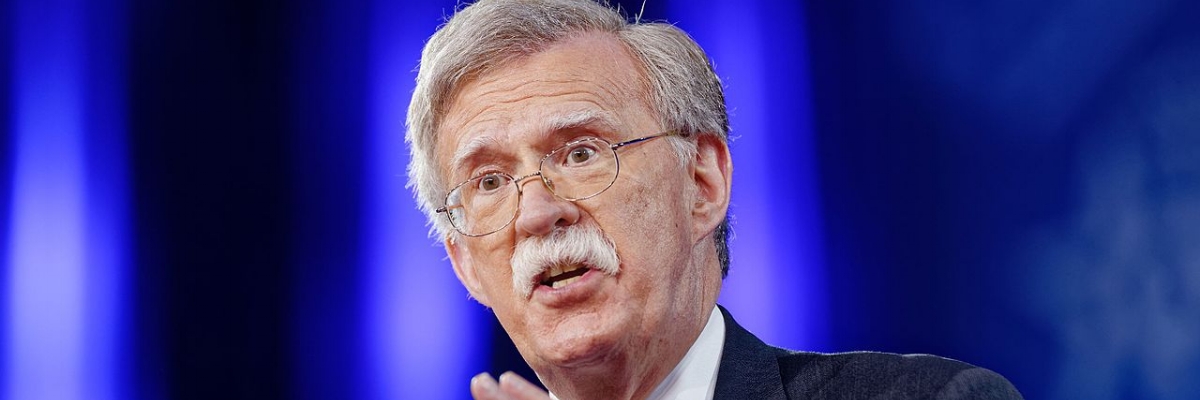
◢ US National Security Advisor John Bolton said Friday that more sanctions were possible on Iran just days after a new round of measures touted as the most punishing ever on Tehran entered into force. "I think that you're going to see even more sanctions coming into play over time and much tighter enforcement of the sanctions," Bolton told reporters in Paris.
US National Security Advisor John Bolton said Friday that more sanctions were possible on Iran just days after a new round of measures touted as the most punishing ever on Tehran entered into force.
Bolton said two rounds of unilateral US sanctions introduced by President Donald Trump in August and most recently on Monday had had a "quite significant" effect on the Iranian economy and the country's actions abroad.
"I think that you're going to see even more sanctions coming into play over time and much tighter enforcement of the sanctions," Bolton told reporters in Paris.
Asked what would be the target of the sanctions, he replied, "There are other things we can do in the terrorism and counterterrorism area."
The International Monetary Fund forecasts that the sanctions will cause Iran's economy to contract 1.5 percent this year and 3.6 percent next year—pain that Trump has boasted about.
“We've seen indications that it has affected their belligerent activity in Iraq, Syria and Yemen. Not enough yet, but it's beginning to have that effect," Bolton said.
"We've seen a continuation and exacerbation of political discontent inside Iran. That opposition continues to manifest itself. Economically the Iranian currency is going through the floor, inflation has quadrupled and the country is clearly in recession."
He said "the objective is still to drive Iranians exports of oil to zero" despite waivers given to the biggest buyers of Iranian oil, including China, India and South Korea.
"It's with some satisfaction that I noticed today the price of oil is down. We have worked with the Saudis, the Emiratis, and other producers to make sure production is up so that historic buyers of Iranian oil are not disadvantaged," he added.
Photo Credit: Wikicommons
Iran Celebs Launch Petition Against US Sanctions
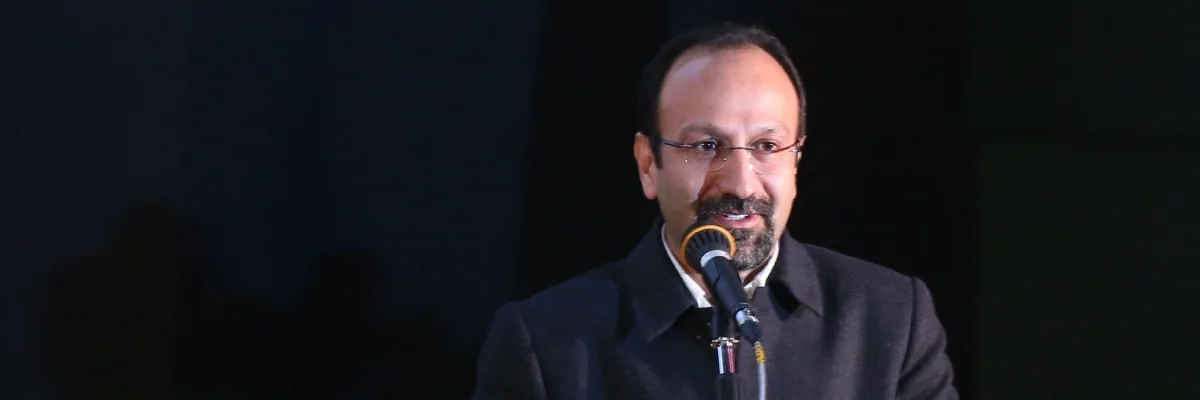
◢ Iranian celebrities including Oscar-winning film director Asghar Farhadi and Grammy winner Kayhan Kalhor have launched a petition condemning US sanctions on Tehran and warning of the impact on ordinary people. A last tranche of US sanctions were reimposed on Monday following the decision by US President Donald Trump to pull out of the 2015 nuclear deal earlier this year.
Iranian celebrities including Oscar-winning film director Asghar Farhadi and Grammy winner Kayhan Kalhor have launched a petition condemning US sanctions on Tehran and warning of the impact on ordinary people.
"Once again, the United States has imposed sanctions against Iran... Every Iranian will personally pay the price," reads the petition, named "Voices Against Sanctions" and posted on change.org on Thursday.
A last tranche of US sanctions were reimposed on Monday following the decision by US President Donald Trump to pull out of the 2015 nuclear deal earlier this year.
"Politicians will come and go, but the fallout from their disastrous decisions will be a nightmare for generations to come," said the petition, which had picked up nearly 5,000 signatures by Friday.
It was signed by Iranian filmmakers, musicians, activists and lawyers.
Farhadi has received two Academy Awards for Best Foreign Language Film, while musician Kalhor, a virtuoso on the kamancheh (spiked fiddle), won a Grammy in 2017.
Photo Credit: IRNA
Iraq Gets US Sanctions Break to Keep the Lights On
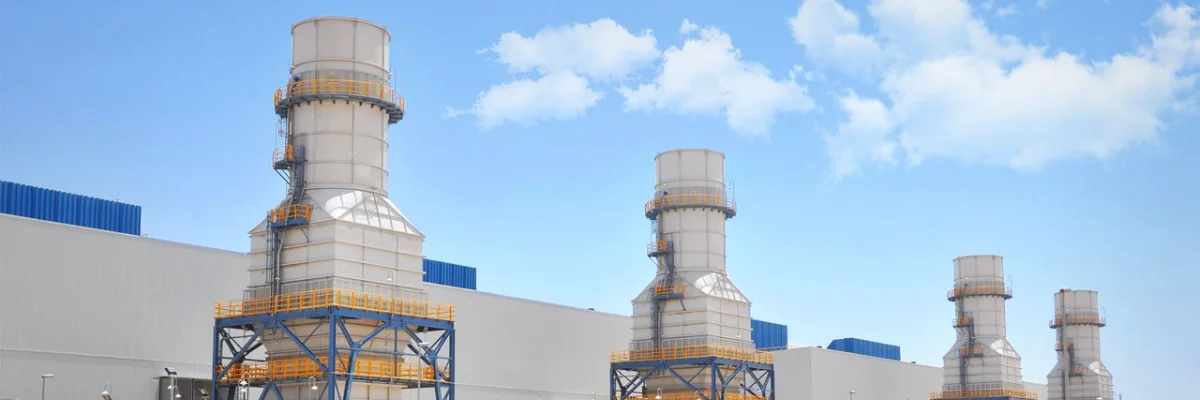
◢ Iraq has won an exemption allowing it to buy Iranian electricity despite US sanctions, as the country plagued by chronic power shortages walks a tightrope between rivals Washington and Tehran. With US measures imposed Monday taking aim at Iran's banking and energy industries, there were concerns Iraq—which heavily relies on its eastern neighbor for electricity and consumer goods—would be caught in the crossfire.
Iraq has won an exemption allowing it to buy Iranian electricity despite US sanctions, as the country plagued by chronic power shortages walks a tightrope between rivals Washington and Tehran.
With US measures imposed Monday taking aim at Iran's banking and energy industries, there were concerns Iraq—which heavily relies on its eastern neighbor for electricity and consumer goods—would be caught in the crossfire.
But Baghdad has managed to secure an exception.
"We granted Iraq a waiver to allow it to continue to pay for its electricity imports from Iran," Brian Hook, the State Department's representative on Iran, announced Wednesday.
Iraq would be expected to show the US how it would wean itself off Iranian gas, a well-informed source told AFP.
"The US gave us 45 days to give them a plan on how we will gradually stop using Iranian gas and oil," the source said.
"We told them it may take us up to four years to either become self-sufficient or find another alternative."
The exemption came after talks between Iraqi and US officials, including from the White House and Treasury, the source said.
Iraqi government representatives have shuffled between American and Iranian officials for months in a bid to insulate their fragile economy from escalating tensions.
This week, Prime Minister Adel Abdel-Mahdi said Baghdad was in talks with both sides to protect its interests.
“Iraq is not a part of the sanctions regime. It talks to everyone, and does not want to get involved in a conflict that it's not a part of," he told reporters Tuesday.
Baghdad has a strong relationship with the United States, coordinating on security, politics, and governance.
But its economy is profoundly intertwined with that of Iran.
Keeping the Lights On
Gutted by the international embargo of the 1990s and the US-led invasion of 2003, Iraq's industries produce little.
Instead, its markets are flooded with Iranian goods—from canned food and yoghurt to carpets and cars.
These non-hydrocarbon imports amounted to some USD 6 billion (five billion euros) in 2017, making Iran the second-largest source of imported goods in Iraq.
Perhaps most consequential for Iraq's 39 million people is their dependency on Iran for electricity.
Chronic cuts, which often leave homes powerless for up to 20 hours a day, were a key driving factor behind weeks of massive protests in Iraq this summer.
To cope with shortages, Baghdad pipes in natural gas from Tehran for its plants and also directly buys 1,300 MW of Iranian-generated electricity.
That reliance is uncomfortable for the US, whose quest to diminish Tehran's influence prompted it to reimpose sanctions on Iranian financial institutions, shipping lines, energy, and petroleum products on Monday.
Eight countries would be temporarily allowed to import Iranian crude oil.
Iraq's special exemption appears to have come with a condition that it lay out how it would stop using Iranian electricity, said Nussaibah Younes, a senior adviser for the European Institute of Peace.
"In order to get this exemption, the Iraqis had given some sort of roadmap idea," Younes told AFP.
One way would be capturing the gas set alight when Iraq extracts oil, which according to the World Bank represents an annual loss of about USD 2.5 billion—enough to fill the gap in Iraq's gas-based power generation.
Appeasing Iran
American firms may help fill the vacuum left by Iran.
In January, Iraq signed a memorandum of understanding with US energy company Orion on gas exploits at a southern oil field.
And in October, Iraq signed a memo with the US's General Electric to revamp the electricity sector, after signing a similar agreement with Germany's Siemens.
The source told AFP that GE was among several US companies proposed to Baghdad during negotiations with the US.
But Iraq has had to simultaneously reassure Iran, in part by granting it an outlet to circumvent US sanctions.
"The focus for the Iranians is informal sanctions-busting activity in Iraq, including accessing hard currency through Iraqi exchanges and through smuggling operations," said Younes.
Baghdad, she expected, would likely "turn a blind eye".
Iraq has simultaneously been granting Iranian officials more time for face-to-face meetings, including its ambassador in Baghdad, Araj Masjadi.
He met with new Finance Minister Fuad Hussein and Electricity Minister Luay al-Khateeb on Wednesday, pledging close cooperation on the power sector in the future.
For Masjadi, the meetings appeared to be a reminder of Tehran's entrenched role in Iraq.
"We need Iraq the way Iraq needs us," said Masjadi.
Photo Credit: MAPNA
US Warns to Stay Away from Iranian Shipping
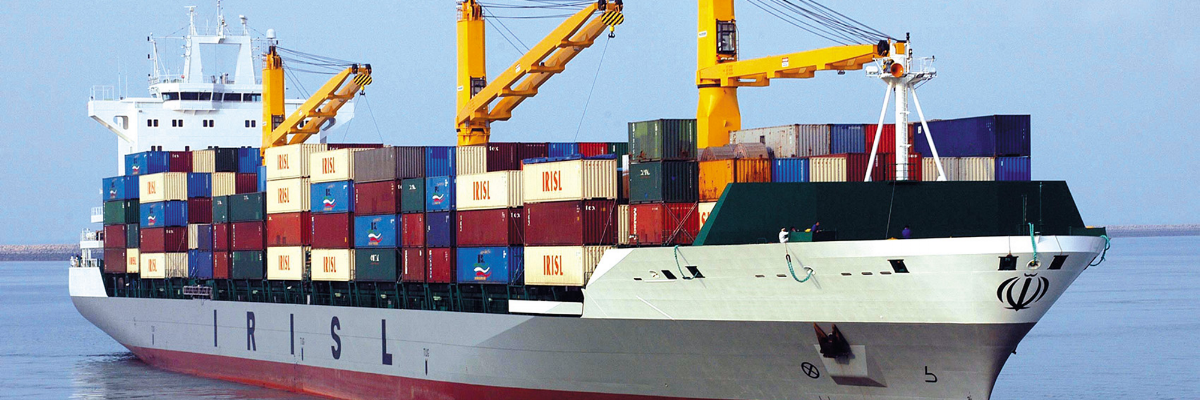
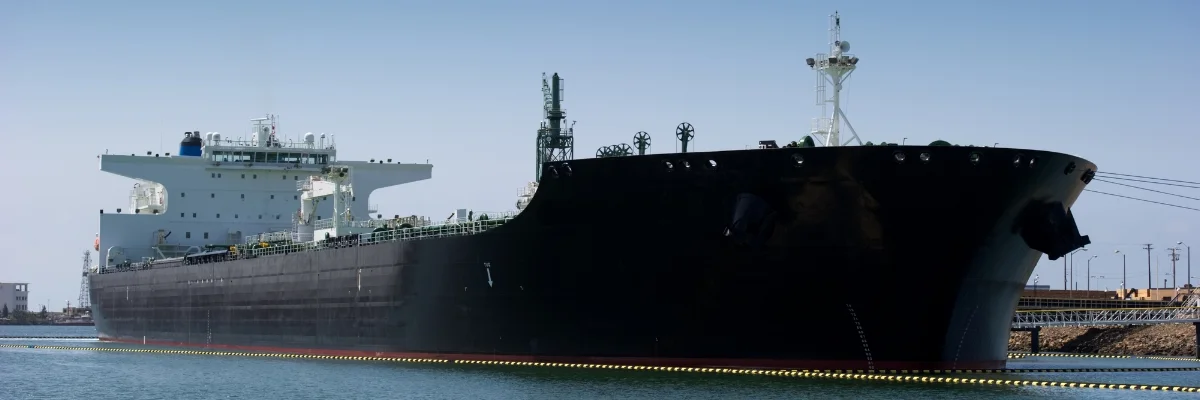
◢ The United States on Wednesday warned all ports and insurance companies to steer clear of Iranian ships, which it called a "floating liability" after the imposition of sweeping US sanctions. Since Monday, the United States has aimed to end all of Iran's sales of oil, its crucial export, in a bid to curtail the influence of the Shiite cleric-led state.
The United States on Wednesday warned all ports and insurance companies to steer clear of Iranian ships, which it called a "floating liability" after the imposition of sweeping US sanctions.
Since Monday, the United States has aimed to end all of Iran's sales of oil, its crucial export, in a bid to curtail the influence of the Shiite cleric-led state.
Brian Hook, the State Department's special representative on Iran policy, said that the US sanctions extended to insurers and underwriters.
“Knowingly providing these services to sanctioned Iranian shipping companies will result in the imposition of US sanctions," Hook told reporters.
"From the Suez Canal to the Strait of Malacca and all choke points in between, Iranian tankers are now a floating liability," he said.
He said that Iranian vessels would likely turn to domestic insurers but doubted that they could cover losses stretching into the millions or billions of dollars in a major calamity.
"Should there be an accident involving an Iranian tanker, there is simply no way these Iranian insurance companies can cover the loss," Hook said.
He said that the United States, whose military patrols the Gulf and is allied with Iran's rival Saudi Arabia, did not want incidents.
"We sincerely hope there will be no accidents, but accidents are a very real possibility, given Iran's record," Hook said.
President Donald Trump in May pulled out of an international agreement negotiated under his predecessor Barack Obama, in which Iran curtailed its nuclear program in return for sanctions relief.
The Trump administration said that the deal did not address other concerns, including Tehran's support for regional proxies such as Hezbollah, and has boasted of the economic contraction forecast in Iran due to the renewed sanctions.
The United States has nonetheless granted eight waivers to places including China, India and Japan, which will not immediately be punished for continuing to buy Iranian oil.
Photo Credit: IRISL

Trio Arrested in Denmark for Praising Iran Parade Attack
◢ Three members of an Iranian separatist group that Tehran blames for a deadly attack in Iran and who were targeted by a foiled assassination plot in Denmark have been arrested, Danish police said Wednesday. "Three people have been arrested suspected of violating the Danish law... on condoning terrorism," a police statement said.
Three members of an Iranian separatist group that Tehran blames for a deadly attack in Iran and who were targeted by a foiled assassination plot in Denmark have been arrested, Danish police said Wednesday.
"Three people have been arrested suspected of violating the Danish law... on condoning terrorism," a police statement said.
The three members of the Arab Struggle Movement for the Liberation of Ahvaz (ASMLA) are accused of praising the five commandos who attacked a military parade in the Iranian city of Ahvaz on September 22, spraying the crowd with gunfire and killing 24 people.
Iran has blamed the attack on the ASMLA, which advocates for an Arab state in a southwestern Iranian province. Tehran calls it a terrorist organisation.
The Danish intelligence service PET on October 30 said it had prevented an assassination attempt by Tehran against three exiled Iranians living in Denmark, including the exiled leader of ASMLA.
PET has provided protection for the ASMLA leader since early 2018 "as a result of tangible threats which, in the assessment of PET, emanate from Iran".
"Despite the fact that they are suspected of having committed crimes, they continue to be protected by extensive security measures because of the threat posed to them," Danish police said in a statement Wednesday.
A Norwegian of Iranian origin was arrested on October 21 and placed in custody, suspected of planning the assassination and spying for Iran.
Denmark recalled its ambassador to Iran over the foiled attack, and said it was consulting with its allies about possible sanctions against Tehran.
Iran has denied the Danish allegations, calling them "a continuation of conspiracies by the enemies of good and developing relations between Iran and Europe."
Photo Credit: Wikicommons
US Exempts Indian-Backed Port in Iran from Sanctions
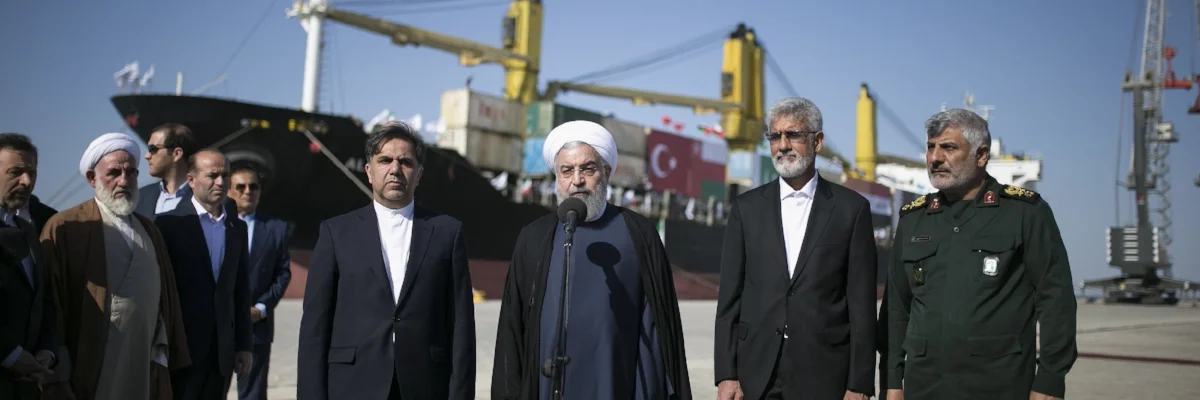
◢ The United States said Tuesday it would exempt Iran's Indian-backed port of Chabahar from new sanctions on Tehran, recognizing the value of the project to Afghanistan. Iran late last year inaugurated the port on the Indian Ocean which provides a key supply route to landlocked Afghanistan and allows India to bypass its historic enemy Pakistan.
The United States said Tuesday it would exempt Iran's Indian-backed port of Chabahar from new sanctions on Tehran, recognizing the value of the project to Afghanistan.
Iran late last year inaugurated the port on the Indian Ocean which provides a key supply route to landlocked Afghanistan and allows India to bypass its historic enemy Pakistan.
The United States will exempt from sanctions the development of Chabahar along with an attached railway project and Iranian petroleum shipments into Afghanistan, the State Department said.
President Donald Trump's "South Asia strategy underscores our ongoing support of Afghanistan's economic growth and development as well as our close partnership with India," a State Department spokesperson said.
"This exception relates to reconstruction assistance and economic development for Afghanistan. These activities are vital for the ongoing support of Afghanistan's growth and humanitarian relief," the spokesperson said.
The United States, which has been building closer relations with New Delhi since the late 1990s, earlier exempted India from sanctions that took effect on Monday.
The Trump administration has vowed to exert maximum pressure on Iran to end its support for regional proxies, exiting a denuclearization agreement that brought sanctions relief.
Trump's decision has been opposed by European powers as well as other nations including India, which has largely warm relations with Iran and accuses Pakistan of fomenting attacks on its soil.
India has poured USD 2 billion into Afghanistan since the 2001 US-led overthrow of the extremist Taliban regime, which was also opposed by Iran.
India has seen Chabahar as a key way both to send supplies to Afghanistan and to step up trade with Central Asia as well as Africa.
Iran has plans to link the port by railway to Zahedan on the Pakistani border up to Mashhad in the northeast.
Photo Credit: IRNA

Russia, Spain Slam US 'Ultimatums' on Iran
◢ The foreign ministers of Spain and Russia on Tuesday hit out at US sanctions policy against Iran and ultimatums they say are being imposed by Donald Trump's administration. President Trump in May abandoned a 2015 multi-nation deal with Iran aimed at reining in its nuclear program. The deal had been unanimously endorsed by a United Nations Security Council resolution, making it legally binding.
The foreign ministers of Spain and Russia on Tuesday hit out at US sanctions policy against Iran and ultimatums they say are being imposed by Donald Trump's administration.
President Trump in May abandoned a 2015 multi-nation deal with Iran aimed at reining in its nuclear program.
The deal had been unanimously endorsed by a United Nations Security Council resolution, making it legally binding.
On Monday, Washington reimposed its last tranche of sanctions—punitive measures targeting the Iranian oil and financial sectors.
The Trump administration nevertheless gave eight countries temporary waivers, allowing them to continue to buy oil from Iran—China, India, Turkey, Japan, South Korea, Taiwan, Italy and Greece.
But in general the US sanctions stipulate that to maintain access to the US market, countries and foreign companies must stop trading with Iran.
“Sanctions are absolutely illegitimate, they are are being imposed in flagrant violation of the UN Security Council's decision," Russian Foreign Minister Sergei Lavrov told reporters in Madrid.
"And the forms in which these measures are being declared and implemented cannot cause anything but deep disappointment.
"It is not acceptable in our age to pursue a policy based on ultimatums and unilateral demands."
Spanish Foreign Minister Josep Borrell concurred, saying he rejected "any kind of position that resembles an ultimatum from anyone and also from the United States.
"This notion of 'you're either with me or against me' is of another era."
Photo Credit: Wikicommons
Turkey Warns US its Iran Sanctions Are 'Dangerous'
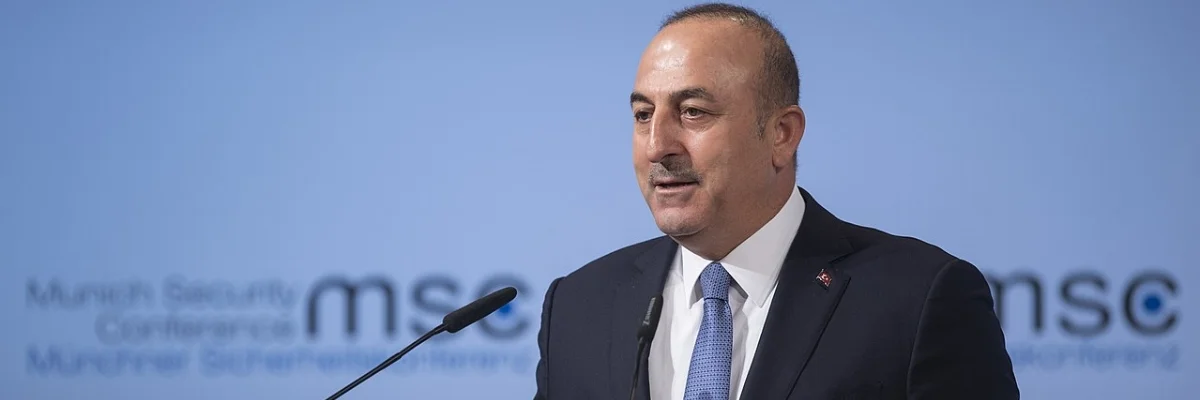
◢ Turkey has warned Washington against its new sanctions on Iran, saying isolating the Islamic Republic is "dangerous.” Turkish Foreign Minister Mevlut Cavusoglu said Tuesday. Washington this week imposed a second set of sanctions on Iran that aim to isolate the country's banking sector and slash its oil exports. Eight countries including Turkey have received a US waiver to continue importing Iranian oil.
Turkey has warned Washington against its new sanctions on Iran, saying isolating the Islamic Republic is "dangerous.” Turkish Foreign Minister Mevlut Cavusoglu said Tuesday.
Washington this week imposed a second set of sanctions on Iran that aim to isolate the country's banking sector and slash its oil exports.
Eight countries including Turkey have received a US waiver to continue importing Iranian oil.
"While we were asking (for) an exemption from the United States, we have also been very frank with them that cornering Iran is not wise. Isolating Iran is dangerous and punishing the Iranian people is not fair," he said at a press conference during a trip to Japan.
“Turkey is against sanctions, we don't believe any results can be achieved through the sanctions," he added.
"I think instead of sanctions, meaningful dialogue and engagement is much more useful."
Washington has imposed two sets of sanctions this year after pulling out of a nuclear pact agreed between world powers and Iran that President Donald Trump slammed as "defective".
The latest round went into effect on Monday.
Washington has granted eight countries, including Turkey and Japan, waivers to allow them to continue importing Iranian oil without facing diplomatic consequences.
The new sanctions have sparked furious reactions from Iran, whose President Hassan Rouhani said the country would "proudly bypass your illegal, unjust sanctions.”
On Monday, Washington vowed to be "relentless" in countering Iran, with Secretary of State Mike Pompeo saying the US wanted Iran to make a "180-degree turn" and abandon its "current revolutionary course.”
UN inspectors say Iran is abiding by an agreement reached with Trump's predecessor Barack Obama to draw down its nuclear program. That deal was backed by European powers, Russia and China and sealed by a UN Security Council resolution.
Those other parties to the nuclear deal have vehemently opposed the US move and vowed to keep alive the accord, technically known as the Joint Comprehensive Plan of Action.
Photo Credit: Wikicommons
US Issues Waivers to Allow Iran Deal to Continue
◢ The United States said Monday it was issuing waivers to allow the continuation of a nuclear deal with Iran, after declaring the agreement a disaster and slapping sweeping sanctions. Hours after sanctions went into effect that ban most trade with Iran, the State Department said it was exempting projects set up through the 2015 nuclear deal negotiated under former president Barack Obama.
The United States said Monday it was issuing waivers to allow the continuation of a nuclear deal with Iran, after declaring the agreement a disaster and slapping sweeping sanctions.
Hours after sanctions went into effect that ban most trade with Iran, the State Department said it was exempting projects set up through the 2015 nuclear deal negotiated under former president Barack Obama.
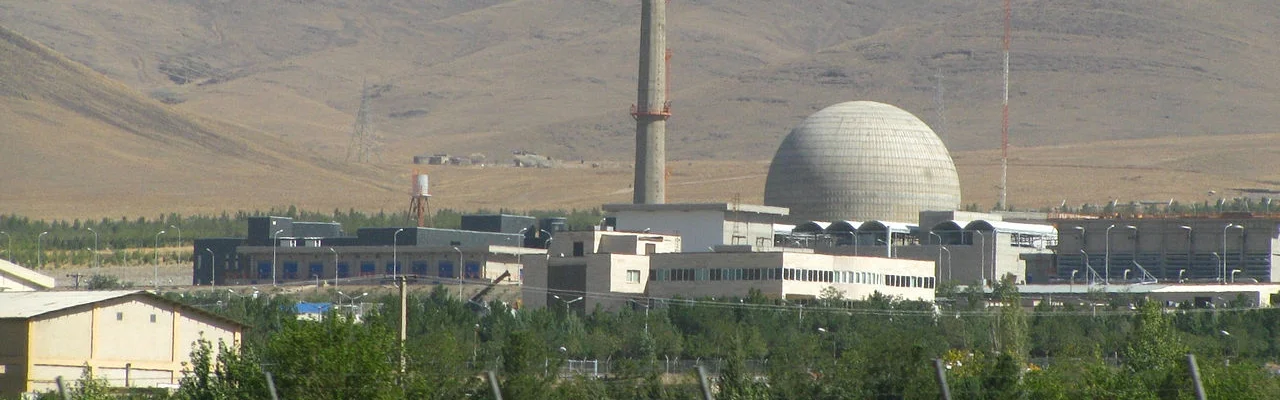
The international activities at Bushehr, Iran's only nuclear power station, as well as the Fordow enrichment plant and the Arak heavy water reactor will be allowed "to continue under the strictest scrutiny to ensure transparency and maintain constraints on Iran," the State Department said in a statement.
"This oversight enhances our ability to constrain Iran's program and keep pressure on the regime while we pursue a new, stronger deal," it said.
The State Department said the waivers were "temporary," without specifying a timeframe, and "conditional on the cooperation of the various stakeholders."
The 2015 agreement promised that world powers would assist Iran in developing civilian nuclear energy—the clerical regime's stated goal for its atomic program.
Russia has supplied fuel for the Bushehr reactor. The Arak site, which could eventually be used to produce plutonium, is being redesigned under the deal to ensure it does not, with spent fuel to be shipped out.
Russia is also working with Iran on isotope production at Fordow to ensure that the site works toward medical purposes rather than uranium enrichment.
The other parties to the deal—Britain, China, France, Germany and Russia along with the European Union—say that the accord remains in force and is working, noting that UN inspectors report that Iran has complied.
President Donald Trump has called the agreement a "disaster" and, as of Monday, the United States will sanction countries and companies that do business with Iran or buy its oil.
Secretary of State Mike Pompeo said Monday the United States wants Iran to undertake a "180-degree" change that includes cutting off support for regional proxies such as Hezbollah and ending missile tests.
Photo Credit: Wikicommons
US to Exempt China, India, Japan from Iran Oil Sanctions: Pompeo
◢ The United States will exempt China, India and Japan from oil sanctions on Iran, Secretary of State Mike Pompeo said Monday, while vowing to be "relentless" in pressuring Tehran. Hours after sweeping sanctions were reimposed following the US withdrawal from a denuclearization deal, Pompeo said eight countries would be at least temporarily exempt from the ban on buying Iranian oil due to special circumstances or so as not to disrupt energy markets.
The United States will exempt China, India and Japan from oil sanctions on Iran, Secretary of State Mike Pompeo said Monday, while vowing to be "relentless" in pressuring Tehran.
Hours after sweeping sanctions were reimposed following the US withdrawal from a denuclearization deal, Pompeo said eight countries would be at least temporarily exempt from the ban on buying Iranian oil due to special circumstances or so as not to disrupt energy markets.
The countries with the waivers will be China, India, Italy, Greece, Japan, South Korea, Taiwan and Turkey, Pompeo said.
“Our objective is to starve the Iranian regime of the funds it uses to fund violent activity throughout the Middle East and around the world. Our ultimate goal is to encourage them to abandon their revolutionary course," Pompeo told reporters.
A notable omission was Iraq. Had Iraq been granted a waiver, Iran might have been able to skirt sanctions by mixing its crude with its neighbor's output, analysts say.
President Donald Trump withdrew in May from the deal that his predecessor Barack Obama had reached with Iran, calling it a failure because it addressed only the clerical regime's nuclear program.
Pompeo reiterated demands for Iran to make a "180-degree turn" from its regional policies rooted in the 1979 Islamic revolution, such as support for the Lebanese militia Hezbollah.
“We hope a new agreement with Iran is possible, but until Iran makes changes in the 12 ways I listed in May, we will be relentless in exerting pressure on the regime," Pompeo said.
Pompeo said the eight countries exempted have "already demonstrated reduction of Iranian crude over the past six months and, indeed, two of those eight have already completely ended imports of Iranian crude and will not resume as long as the sanctions remain in place."
"We continue negotiations to get all of the nations to zero," he said.
Pompeo also said without specifying that the United States would exempt three non-proliferation projects underway in Iran from the sanctions.
European powers have strongly disagreed with Trump's decision, pointing out that Iran is abiding by the nuclear agreement, and have looked to create ways to allow its businesses to keep up commerce with the country.
Photo Credit: Deposit Photos
US Sanctions: SWIFT Network Suspends Several Iran Banks
◢ The SWIFT banking network, the backbone for international monetary transfers, said Monday it has suspended several Iranian banks from its service, after the United States reimposed nuclear sanctions on Tehran. SWIFT, the Belgian-based Society for Worldwide Interbank Financial Telecommunication, provides banks with a secure messenger network to allow international transfers.
The SWIFT banking network, the backbone for international monetary transfers, said Monday it has suspended several Iranian banks from its service, after the United States reimposed nuclear sanctions on Tehran.
"In keeping with our mission of supporting the resilience and integrity of the global financial system as a global and neutral service provider, SWIFT is suspending certain Iranian banks' access to the messaging system," it said.
“This step, while regrettable, has been taken in the interest of the stability and integrity of the wider global financial system."
SWIFT, the Belgian-based Society for Worldwide Interbank Financial Telecommunication, provides banks with a secure messenger network to allow international transfers.
Without its services, Iranian banks will find it more difficult to do business with any client prepared to brave US sanctions to maintain ties with Tehran.
Some US sanctions on Iranian banks and oil exports had been suspended after Iran signed a landmark 2105 deal with six world powers to curtail its nuclear ambitions.
But these came back into effect Monday after President Donald Trump pulled out of the accord and demanded that the world again turn up the economic heat on Tehran.
US Secretary of State Mike Pompeo said waivers would be issued to allow eight countries to buy Iranian oil, but that otherwise the measures would be "relentless."
This could mean European and other banks and businesses face secondary sanctions if Washington deems them in breach of sanctions, and US officials have been pressing SWIFT to act.
The network connects 11,000 banks and financial institutions in 200 countries and territories, while priding itself on taking a neutral political stance.
It does not hold or manage client funds, but allows the banks to transfer funds by sending messages across the network.
Photo Credit: SWIFT
Iran Vows to 'Proudly Bypass' US Sanctions
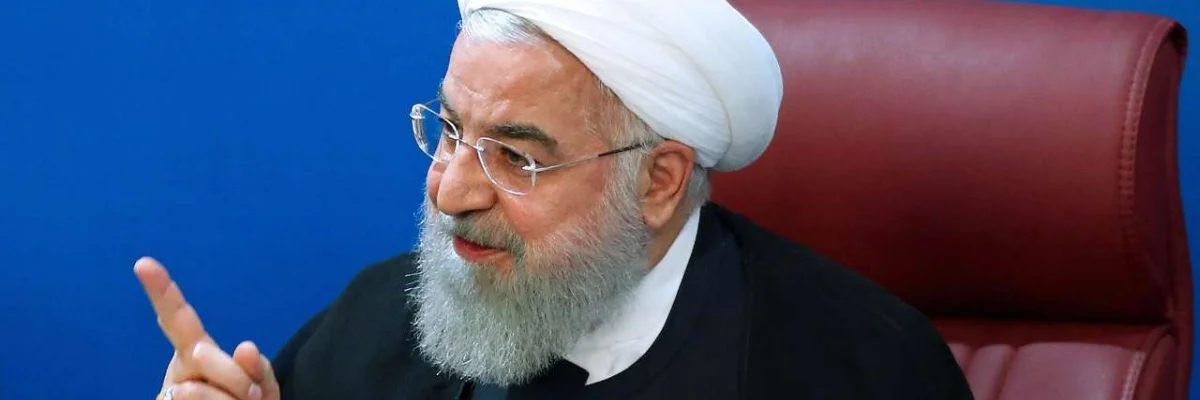
◢ Iran's President Hassan Rouhani said the Islamic republic "will proudly bypass sanctions" by the United States that took effect on Monday targeting the country's oil and financial sectors. "I announce that we will proudly bypass your illegal, unjust sanctions because it's against international regulations," Rouhani said in a televised speech.
Iran's President Hassan Rouhani said the Islamic republic "will proudly bypass sanctions" by the United States that took effect on Monday targeting the country's oil and financial sectors.
"I announce that we will proudly bypass your illegal, unjust sanctions because it's against international regulations," Rouhani said in a televised speech.
"We are in a situation of economic war, confronting a bullying power. I don't think that in the history of America, someone has entered the White House who is so against law and international conventions," he added.
The measures described by Washington as "the toughest sanctions ever" follow US President Donald Trump's controversial decision in May to abandon the multi-nation nuclear deal with Tehran.
The latest tranche aim to significantly cut Iran's oil exports—which have already fallen by around one million barrels a day since May—and cut it off from international finance.
The United States has given temporary exemptions to eight countries—including India, Japan and Turkey—to continue buying oil in a bid to avoid disturbing their economies and global markets.
But US Secretary of State Mike Pompeo vowed to push Iran's oil sales to zero.
"Watch what we do. Watch as we've already taken more crude oil off the market than any time in previous history," he told CBS's "Face the Nation" on Sunday.
Trump's administration says it wants a new deal with Iran that curbs its interventions around the Middle East and missile program—demands that have been flatly rejected by Tehran.
"Constantly they are sending us messages saying 'Let's sit and negotiate.' Negotiations for what?" said Rouhani.
"First, you respect the negotiations we already concluded, so that there are grounds for the next negotiations."
'Act on Your Commitments'
Rouhani said four countries had approached him during his visit to New York for the UN General Assembly in September, offering to mediate with the US but he turned them down.
"There is no need for mediation. There is no need for all these messages. Act on your commitments, and we will sit and talk," he said.
Iran's economy was already suffering from major structural problems—including major banking issues—before Trump walked out of the nuclear deal.
But Trump's announcement in May helped fuel a run on Iran's currency that has seen the rial lose more than two thirds of its value, driving up prices and forcing the government to resort to food handouts for the country's poor.
Rouhani came to power in 2013, vowing to rebuild ties with the world and attract billions of dollars in foreign investment.
The other parties to the nuclear deal—Britain, France, Germany, China and Russia—have all vehemently opposed the US move and vowed to keep trade going, though they are struggling to convince private companies to stand up to US pressure.
Most of the international firms who lined up to work in Iran after the 2015 deal have been forced to leave, including France's Total, Peugeot and Renault, Germany's Siemens.
"Today, it's not just us who are angry with America's policies. Even European companies and governments are angry with America's policies," said Rouhani.
Photo Credit: IRNA
Iran Guardian Council Rejects Terror Financing Bill
◢ Iran's powerful Guardian Council on Sunday rejected a bill on joining the UN convention against terrorist financing seen as crucial to maintaining trade and banking ties with the world. The conservative-dominated council, which oversees legislation passed by the parliament, said aspects of the bill were against Islamic law and the constitution and sent it back to lawmakers for revision.
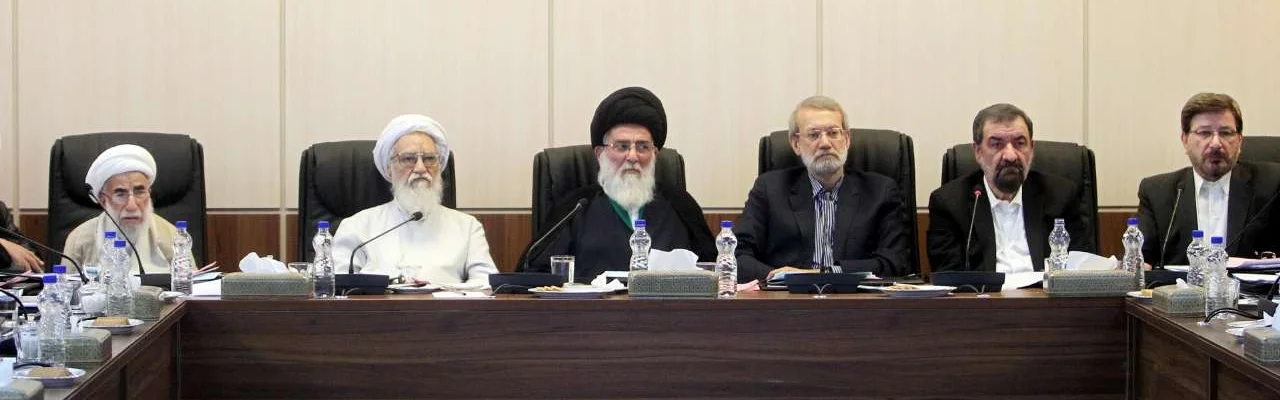
Iran's powerful Guardian Council on Sunday rejected a bill on joining the UN convention against terrorist financing seen as crucial to maintaining trade and banking ties with the world.
The conservative-dominated council, which oversees legislation passed by the parliament, said aspects of the bill were against Islamic law and the constitution and sent it back to lawmakers for revision.
"The Guardian Council has in several sessions reviewed the bill... and it has considered it to have flaws and ambiguities," wrote spokesman Abbas Ali Kadkhodaie on Twitter.
The bill, narrowly passed by parliament on October 7, is one of four put forward by the government of President Hassan Rouhani in order to meet demands set by the international Financial Action Task Force (FATF), which monitors countries' efforts to tackle money-laundering and terrorist financing.
Many hawks in Iran say the laws would limit the country's ability to support "resistance groups" such as Lebanon's Hezbollah and Palestinian Hamas by bringing greater transparency to its accounts.
But Rouhani's government argues it is particularly vital after the United States walked out of the 2015 nuclear deal and reimposed sanctions.
The other parties to the deal—Britain, France, Germany, China and Russia—have sought to salvage the agreement and maintain trade with Iran, but have demanded that it accede to the FATF.
Iran is alone with North Korea on the FATF, although the Paris-based organisation has suspended counter-measures since June 2017 while Iran works on reforms.
Last month, the FATF gave Iran another extension to February to update its laws.
"Neither I nor the president can guarantee that all problems will go away if we join (the UN convention), but I guarantee that not joining will provide the US with more excuses to increase our problems," said Iran's Foreign Minister Mohammad Javad Zarif during the parliament debate last month.
A previous bill on the mechanics of monitoring and preventing terrorist financing was signed into law in August.
But two others—on money-laundering and organized crime—have also been delayed by higher authorities, including the Guardian Council, after being approved by parliament.
The council is made up of six clerics appointed by supreme leader Ayatollah Ali Khamenei and six lawyers appointed by the judiciary.
Photo Credit: IRNA
'I Won't Survive': Iranians Reel From Sanctions
◢ Iran's economy had plenty of problems even before US President Donald Trump decided in May to abandon the 2015 nuclear deal and reimpose "crippling" sanctions. But that move exacerbated a record drop in Iran's currency, down 70 percent in the past year, and prompted an exodus of foreign firms.
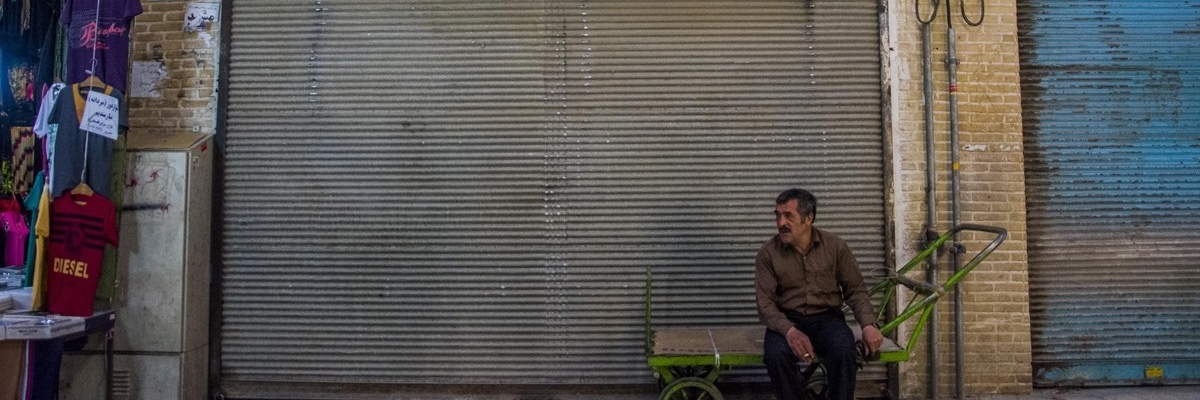
Seventy-year-old Heidar Fekri has been selling industrial equipment from his small store in a Tehran bazaar since before the revolution, but for the first time he is not sure he can survive.
He means it literally: "My shelves are empty, my warehouses are empty and soon I will have to close the doors. This has been my entire life—I won't survive long after the doors close."
Iran's economy had plenty of problems even before US President Donald Trump decided in May to abandon the 2015 nuclear deal and reimpose "crippling" sanctions.
But that move exacerbated a record drop in Iran's currency, down 70 percent in the past year, and prompted an exodus of foreign firms.
Anticipation of the return of the oil embargo—due to kick in on Monday—has already plunged the country into recession and will see the economy shrink by 3.6 percent next year, says the International Monetary Fund.
For Fekri, who has been bringing in industrial pumps and drills from Europe for 47 years, the uncertainty means he has not imported anything for more than a year.
“Sales have dropped 90 percent compared with six months ago. The whole bazaar is suffering," he told AFP.
Almost all products in Iran—from medicines to aircraft spares to plastic bottles—is tied into the global supply chain, so the currency collapse and renewed isolation threatens every corner of society.
The government has been forced to provide food baskets to around half Iran's households as inflation soars.
'Bullying'
For the middle class, perhaps the biggest blow is psychological, as the burst of hope that accompanied the nuclear deal in 2015—the promise of the country finally shedding its pariah status—has evaporated.
"No one knows what the Americans actually want. We did everything they wanted and it wasn't enough. It feels like bullying," said Sam Cordier, head of PGt Advertising, which represents foreign clients such as British Airways and Nestle in Tehran.
Washington says the sanctions are designed to curtail Iran's "destabilizing" activity in the Middle East, but many see them as an attempt to trigger a revolution.
"It's not fair for the Americans to incite violence. If this continues, all the professional businessmen with something to share through knowledge and investment will leave," said Cordier.
He was forced to sack six of his 30 staff and reduce salaries for the rest as, one by one, his foreign clients packed their bags.
"I was crying every 10 minutes when I told them. These are the people who are being hurt. Many young, educated people are leaving the country. There's a massive brain-drain," he said.
'Burned Generation'
There is plenty of hatred towards the Trump administration, but a surprising number of Iranians pin the blame on their own government for not better protecting them.
"Yes, America is doing bad things but they are looking out for their interests. If our state had looked out for Iran's interests, we wouldn't have the situation we have now," said Erfan Yusufi, 30, whose hip new coffee shop is struggling to cope with rising prices and falling demand.
Iran's leaders face a tricky balancing act, remaining defiant in the face of US pressure, while acknowledging the economic pain felt in the country.
"All of us understand people are suffering and under pressure," President Hassan Rouhani told parliament last weekend.
"We cannot tell our people that because of America's pressure, we cannot do anything. This answer is not acceptable."
He blamed foreign media for "filling people's minds with false propaganda" about soaring prices, though Iran's own central bank says food prices rose 46.5 percent in the year to September.
For all the problems, there is little sign that Iranians want another revolution, not least because a sizeable number are still fiercely supportive of the last one.
Most others are fearful of violent unrest, cowed by the security forces or uninterested in doing the bidding of a foreign power.
There is instead a sad resignation among many young people, who often refer to themselves as the "burned generation" for having been denied the chance to realize their potential.
"I'm worried about the future," said Yusufi in his coffee shop. "Our generation starts each day not knowing what will become of us."
Photo Credit: IRNA
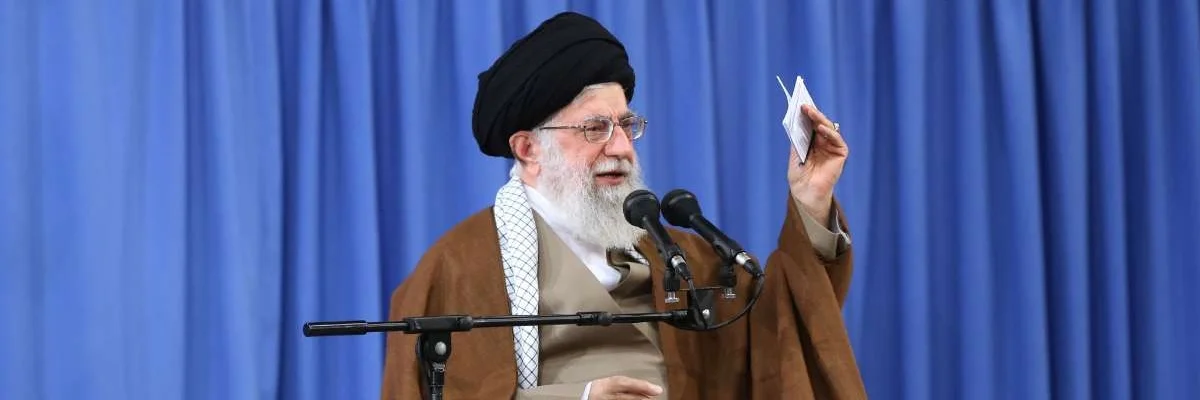
Trump Has 'Disgraced' US Prestige: Iran's Khamenei
◢ Iran's supreme leader Ayatollah Ali Khamenei said Saturday that President Donald Trump has "disgraced" US prestige and would be the ultimate loser from renewing sanctions on the Islamic republic. A defiant Khamenei dismissed the renewed US sanctions—including an oil embargo—that take effect on Monday.
Iran's supreme leader Ayatollah Ali Khamenei said Saturday that President Donald Trump has "disgraced" US prestige and would be the ultimate loser from renewing sanctions on the Islamic republic.
"This new US president... has disgraced the remnant of America's prestige and that of liberal democracy. America's hard power, that is to say their economic and military power, is declining too," he said on his Persian Twitter account, quoting a speech in Tehran.
A defiant Khamenei dismissed the renewed US sanctions—including an oil embargo—that take effect on Monday.
"The challenge between the US and Iran has lasted for 40 years so far and the US has made various efforts against us: military, economic and media warfare," he said.
"There's a key fact here: in this 40-year challenge, the defeated is the US and the victorious is the Islamic republic."
Trump announced in May he was withdrawing from the 2015 nuclear deal and reimposing sanctions, sparking outrage among world powers who say Iran has been complying with commitments to restrict its atomic program.
Washington says it wants a new deal with Iran, curtailing its regional interventions and missile program—demands which have been flatly rejected by Tehran.
’Self-Sufficiency'
The renewed sanctions are designed "to paralyze (Iran's) economy and keep
it backward. However, it has resulted in encouraging a movement towards self-sufficiency in the country," Khamenei added.
“Our youth, across the country, support independence. Some may not be so religious but they are sensitive towards domination by foreigners."
On Friday, the US said it would add 700 individuals and entities to its Iran blacklist and push the SWIFT global banking network to cut off Tehran as Washington applies "maximum pressure" to cripple the country's economy.
Secretary of State Mike Pompeo said eight countries—believed to include India, Japan and possibly China—would be given waivers to continue importing Iranian oil in order to avoid upsetting the global crude market, but only on condition they slow their purchases.
The reimposition of sanctions "is aimed at depriving the regime of the revenues it uses to spread death and destruction around the world", Pompeo said.
"Our ultimate aim is to compel Iran to permanently abandon its well-documented outlaw activities and behave as a normal country."
Britain, France, Germany and the European Union strongly condemned the latest actions from Washington in a joint statement, and have vowed to preserve the nuclear deal, known formally as the Joint Comprehensive Plan of Action (JCPOA).
"The JCPOA is a key element of the global nuclear non-proliferation architecture and of multilateral diplomacy," they said.
"It is crucial for the security of Europe, the region, and the entire world. The JCPOA is working and delivering on its goal."
The US wants Iran to withdraw from war-ravaged Syria, where the Shiite clerical regime is a key ally of President Bashar al-Assad, and end longstanding support to regional militant movements Hezbollah and Hamas, as well as Yemen's Huthi rebels.
Iran's foreign ministry welcomed the show of support from Europe, saying "the continued life of the JCPOA depends on the success" of their efforts to safeguard trade.
The ministry, in a statement, said the US sanctions were a violation of the JCPOA, UN resolutions and "a neglect of humane, moral and ethical values.”
Photo Credit: IRNA
Iran Tankers Go Dark to Keep Selling Oil
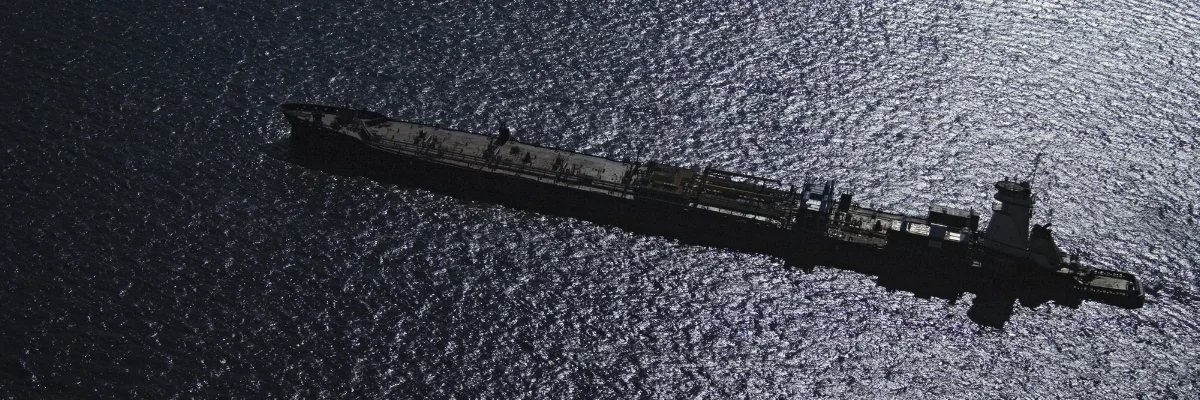
◢ Working from their small offices in Stockholm, analysts at a new watchdog that monitors global oil shipments have been run ragged by Iran's efforts to skirt US sanctions this month. In late October, every single one of Iran's vessels "went dark", switching off their transponders to avoid international tracking systems—a first since TankerTrackers.com began operating in 2016.
Working from their small offices in Stockholm, analysts at a new watchdog that monitors global oil shipments have been run ragged by Iran's efforts to skirt US sanctions this month.
In late October, every single one of Iran's vessels "went dark", switching off their transponders to avoid international tracking systems—a first since TankerTrackers.com began operating in 2016.
The ships can now only be tracked manually using satellite imagery.
"It's the first time I've seen a blanket black-out. It's very unique," co-founder Samir Madani told AFP.
It is part of efforts by Iran and its customers to keep oil flowing ahead of a new US embargo set to hit on Monday.
"Iran has around 30 vessels in the Gulf area, so the past 10 days have been very tricky, but it hasn't slowed us down. We are keeping watch visually," added co-founder Lisa Ward.
Huge improvements in commercially available satellite imagery in recent years have allowed firms like TankerTrackers to watch the progress of vessels on a daily basis, where once images would have come only once a week or more.
Iran hopes less transparency will allow it to keep selling oil after November 5 when the United States reimposes the last set of sanctions lifted under the 2015 nuclear deal, which Washington abandoned in May.
But Joel Hancock, from analysis firm Natixis, said this did not mean their sales would necessarily remain high.
"The main issue with tanker trackers is they are tracking exports, maybe not sales," he told AFP, adding that the ships could just be moving oil to storage facilities in China or elsewhere.
Another method—used during the last sanctions period between 2010 and 2015—is to keep oil on huge tankers off the Gulf Coast.
TankerTrackers says there are currently six vessels, with a total of 11 million barrels of capacity, parked offshore as floating storage containers—freeing up port capacity and allowing for quick deliveries.
'Dead in the Water'
Although precise figures are rarely available in the notoriously opaque oil market, most analysts say Iran's exports dropped from around 2.5 million barrels per day in April to roughly 1.6 million in October.
Countries with close security and trade ties with the US were quick to cut their purchases—South Korea went almost straight to zero, with Japan and much of Europe close behind.
Although the European Union has vowed to create a "special purpose vehicle" (SPV) to protect companies buying oil, analysts see little chance that firms will risk US penalties by using it.
"The SPV is currently dead in the water. It can't handle oil in any serious volume," said Henry Rome, a specialist on Iran sanctions for the Washington-based Eurasia Group consultancy.
The US granted waivers to eight countries but only on condition they make substantial cuts to their purchases.
But the trickiest customers for the US in its "maximum pressure" campaign are the biggest buyers, India and China.
China, the largest buyer of Iranian oil, has been surprisingly willing to play ball with sanctions so far, in part because it has bigger fish to fry in the form of its ongoing trade war with Washington.
During the last sanctions period, China funneled almost all its Iranian transactions through the Bank of Kunlun, controlled by Chinese state energy group CNPC, which was sanctioned by the US in 2012 but shielded the rest of the sector from penalties.
"Kunlun was a sacrificial lamb in the past... but Chinese banks appear to have realised the immense risk and are a lot more cautious," said Rome.
Unconfirmed reports suggested this month that the Bank of Kunlun was quietly halting transactions with Iran.
But China is likely to seek new paths to keep the oil flowing, according to Rome.
"It looks like they'll open another channel, maybe another bank, and keep importing sizable amounts, but there's still a lot to work out," he said.
India, another major buyer, will also be looking for mechanisms as they did during the last sanctions period.
"The difference last time was that sanctions were phased in gradually over a long period," said Rome.
"There's a certain panic this time that they are being required to make very substantial reductions immediately, and also that banking systems are much more intertwined than in the past."
Even if Iran can continue to sneak oil out of its ports, it will find it difficult to get the cash into its accounts.
“Iran is a formidable adversary, well practiced in different techniques to keep selling oil and muddle the data, but that won't be a panacea for everything," said Rome.
Photo Credit: Depositphotos