
Caspian Sea Nations to Sign Landmark Deal
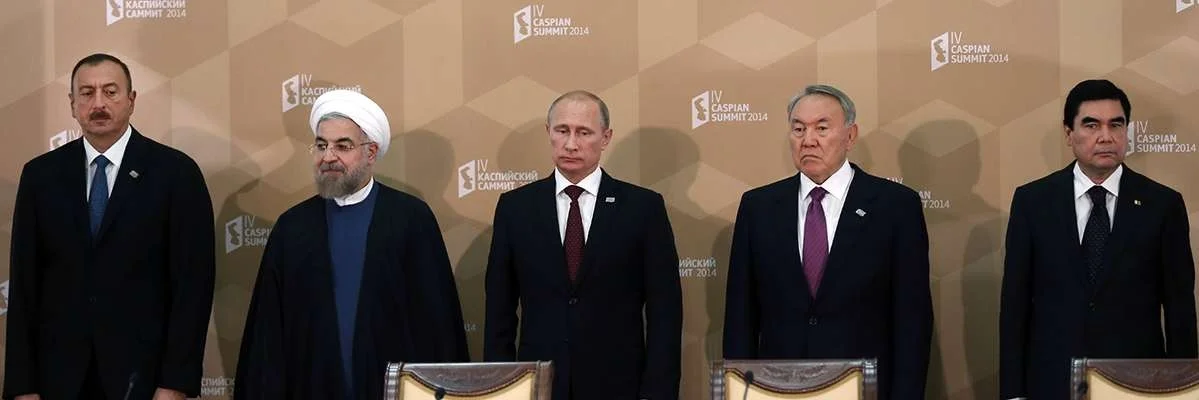
◢ The leaders of the five states bordering the Caspian Sea meet in Kazakhstan on Sunday to sign a landmark deal on the inland sea which boasts a wealth of oil and gas reserves and sturgeon. Azerbaijan, Iran, Kazakhstan, Russia and Turkmenistan are expected to agree a long-awaited convention on the legal status of the sea, which has been disputed since the collapse of the Soviet Union rendered obsolete agreements between Tehran and Moscow.
The leaders of the five states bordering the Caspian Sea meet in Kazakhstan on Sunday to sign a landmark deal on the inland sea which boasts a wealth of oil and gas reserves and sturgeon.
Azerbaijan, Iran, Kazakhstan, Russia and Turkmenistan are expected to agree a long-awaited convention on the legal status of the sea, which has been disputed since the collapse of the Soviet Union rendered obsolete agreements between Tehran and Moscow.
Talks in the port city of Aktau should help ease tensions in a militarized region where the legal limbo has scuppered lucrative projects and strained relations among nations along the Caspian's 7,000-kilometre (4,350-mile) shoreline.
The Kremlin said the convention keeps most of the sea in shared use but divides up the seabed and underground resources.
It does not allow military bases from any other countries to be sited on the Caspian.
'Once a Frontier Oil Province'
Sunday's summit is the fifth of its kind since 2002 but there have been more than 50 lower-level meetings since the Soviet breakup spawned four new countries on the shores of the Caspian.
The deal will settle a long-lasting dispute on whether the Caspian is a sea or a lake—which means it falls under different international laws.
The draft agreement, briefly made public on a Russian government portal in June, refers to the Caspian as a sea but the provisions give it "a special legal status", Russian deputy foreign minister Grigory Karasin told Kommersant daily.
It is the Caspian's vast hydrocarbon reserves -- estimated at around 50 billion barrels of oil and just under 300 trillion cubic feet (8.4 trillion cubic meters) of natural gas in proved and probable reserves -- that have made a deal both vital and complex to achieve.
"Disputes arose when the Caspian was a frontier oil province," said John Roberts, a non-resident senior fellow at Atlantic Council's Eurasia Center, while it is "now well established, with major fields approaching peak... production."
'Expand Cooperation'
Any deal will "expand the field for multilateral cooperation" between the five states, said Ilham Shaban, who heads the Caspian Barrel think tank.
But some are likely to view it as more of a breakthrough than others.
Energy-rich but isolated Turkmenistan is particularly excited and President Gurganguly Berdymukahmedov has called for annual Caspian Sea Day celebrations from Sunday onwards.
Turkmenistan could benefit from a concession allowing the construction of underwater pipelines, which were previously blocked by the other states.
Nevertheless, analysts caution that Turkmenistan's long-held plan to send gas through a trans-Caspian pipeline to markets in Europe via Azerbaijan is not necessarily closer to becoming reality.
The plan was previously opposed by Russia and Iran, which could still attempt to block the pipeline—valued at up to USD 5 billion—on environmental grounds.
"A deal in Aktau is not a legal prerequisite for the construction of the Trans-Caspian Pipeline," said Kate Mallinson, Associate Fellow for the Russia and Eurasia Program at Chatham House. "Neither will a major transport corridor to export Turkmen gas to Europe emerge overnight."
Kudos and Caviar
As previous exclusive arbiters of Caspian agreements, Russia and Iran could be seen as the new deal's biggest losers.
But while Moscow has ceded ground on underwater pipelines "it gains political kudos for breaking a log-jam," enhancing its image as diplomatic dealmaker, said Roberts of the Eurasia Center.
Russia will welcome the clause barring third countries from having military bases on the Caspian, underscoring its military dominance there, said Shaban of Caspian Barrel.
Iran gets the smallest share of the Caspian spoils under the new deal, but could take advantage of new legal clarity to engage in joint hydrocarbons ventures with Azerbaijan.
In the past Tehran has resorted to hostile naval manouvers to defend its claims to contested territory.
Beyond military and economic questions, the agreement also offers hope for the Caspian's ecological diversity.
Reportedly depleted stocks of the beluga sturgeon, whose eggs are prized globally as caviar, may now grow thanks to "a clear common regime for the waters of the Central Caspian," Roberts said.
The deal could result "not only in stricter quotas for sturgeon fishing, but in stricter enforcement of these quotas," he added.
Photo Credit: IRNA
Iran Gives Most Explicit Rejection Yet of US Talks
◢ Iran gave its most explicit rejection yet of talks with the United States on Saturday, and accused Washington of an "addiction to sanctions" over its latest spat with Turkey. The US reimposed harsh sanctions on Iran on Tuesday following its May withdrawal from a landmark 2015 nuclear agreement, dealing a heavy blow to the already troubled economy. US President Donald Trump has offered talks on a "more comprehensive deal" but Iran has baulked at negotiating under the pressure of sanctions and has instead leant on its increasingly close ties with fellow US sanctions targets Turkey and Russia.
Iran gave its most explicit rejection yet of talks with the United States on Saturday, and accused Washington of an "addiction to sanctions" over its latest spat with Turkey.
The US reimposed harsh sanctions on Iran on Tuesday following its May withdrawal from a landmark 2015 nuclear agreement, dealing a heavy blow to the already troubled economy.
US President Donald Trump has offered talks on a "more comprehensive deal" but Iran has baulked at negotiating under the pressure of sanctions and has instead leant on its increasingly close ties with fellow US sanctions targets Turkey and Russia.
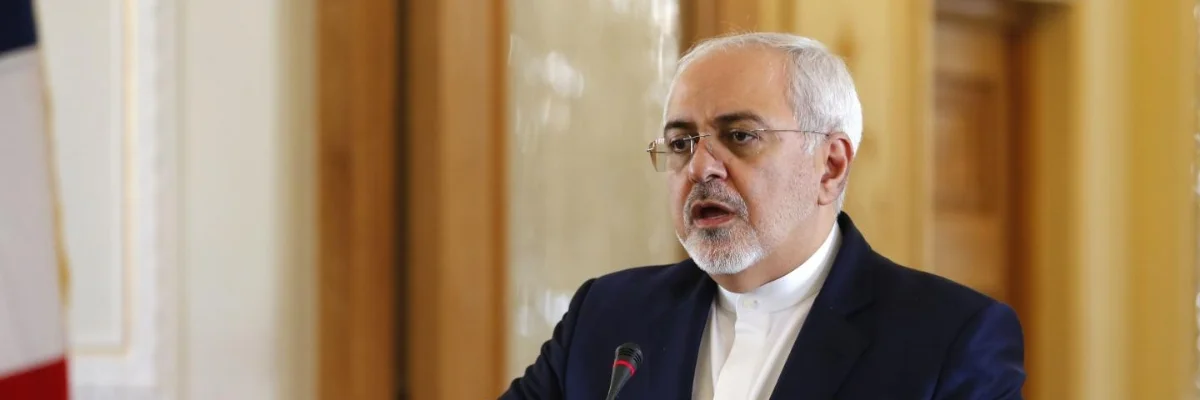
Foreign Minister Mohammad Javad Zarif was asked by the conservative Tasnim
news agency whether there was any plan to meet with US Secretary of State Mike
Pompeo.
"No, there will be no meeting," was the blunt response from Zarif.
He said there were also no plans for a meeting with US officials on the sidelines of the UN General Assembly in New York next month, which both Iranian President Hassan Rouhani and Trump are due to attend.
"On Trump's recent proposal (of talks), our official stance was announced by the president and by us. Americans are not honest and their addiction to sanctions does not allow any negotiation to take place," Zarif told Tasnim.
It was Iran's most explicit rejection of talks to date, after much speculation that economic pressure would force its leaders back to the table with Washington or at least to engage in backroom discussions in New York.
Stop 'Bullying' Turkey
Earlier on Saturday, Zarif waded into the mounting row between Turkey and the United States.
"Trump's jubilation in inflicting economic hardship on its NATO ally Turkey is shameful," he wrote on Twitter.
"The US has to rehabilitate its addiction to sanctions (and) bullying or entire world will unite—beyond verbal condemnations—to force it to," he warned.
"We've stood with neighbors before, and will again now."
Trump said Friday he was doubling steel and aluminum tariffs on Turkey as part of an ongoing row over the detention of American pastor Andrew Brunson and other issues.
The tensions have fueled a run on the Turkish lira, which dropped 16 percent to a record low on Friday, with Trump tweeting that the currency was sliding "rapidly downward against our very strong Dollar!"
Rial Pain
Iran too has suffered a major decline in its currency this year—in part due to US abandonment of the nuclear deal—with the rial losing more than half its value against the dollar since April.
Ironically, the rial strengthened in the two days leading up to the reimposition of US sanctions on Tuesday, after the government announced new foreign exchange measures giving greater freedom to trade dollars at market rates.
But there has since been a fresh decline of almost 13 percent, with the rial at 106,200 per dollar on Saturday, according to currency tracking website Bonbast—approaching the record low of 119,000 that it reached on July 31.
Analysts say this is due to uncertainty in the market, with currency traders still unsure of the new rules and struggling to access dollars from the central bank.
Zarif met repeatedly with then US secretary of state John Kerry during the negotiation and implementation of the 2015 agreement—but those relatively warm ties were abruptly ended when the Trump administration came to power.
Rouhani said last week that Iran "always welcomed negotiations" but that Washington would first have to demonstrate it can be trusted.
"If you're an enemy and you stab the other person with a knife and then you say you want negotiations, then the first thing you have to do is remove the knife," he said in an interview on state television.
Photo Credit: IRNA
French Cattle Farmers' Iran Dreams on Hold as US Sanctions Bite
◢ Multinational companies aren't the only victims of new US sanctions against Tehran: farmers and ranchers in the Normandy region of France hoping to supply Iran with thousands of cattle each year have also seen their path to a huge new market blocked. The deal with one of Iran's biggest meat processing groups was signed in 2016 after Iran agreed with world powers to curtail its nuclear program in exchange for sanctions relief. The goal was to supply mainly prized Charolais stock to help "rebuild a high-quality cattle industry" in the Middle East, Nathalie Goulet, a senator from Normandy, told AFP this week.
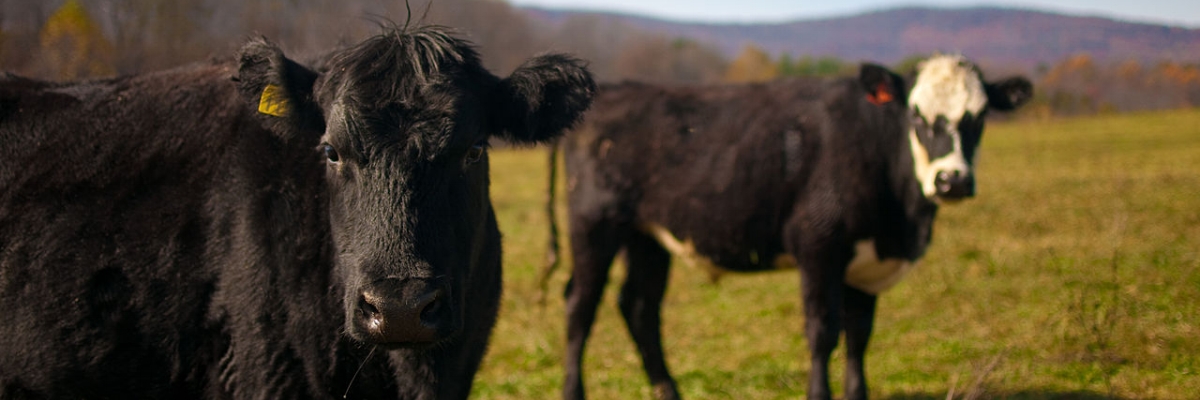
Multinational companies aren't the only victims of new US sanctions against Tehran: farmers and ranchers in the Normandy region of France hoping to supply Iran with thousands of cattle each year have also seen their path to a huge new market blocked.
The deal with one of Iran's biggest meat processing groups was signed in 2016 after Iran agreed with world powers to curtail its nuclear program in exchange for sanctions relief.
The goal was to supply mainly prized Charolais stock to help "rebuild a high-quality cattle industry" in the Middle East, Nathalie Goulet, a senator from Normandy, told AFP this week.
She said it would have been the first time live animals destined for Iran's meat markets would have been imported since the Islamic revolution of 1979.
"We were also hoping to eventually export other products" such as cattle feed and processed meat, she said.
A first "test" was carried out last October, with 310 calves arriving in Iran by plane "in very good condition", she said.
But with US President Donald Trump's decision to pull out of the Iran nuclear deal, the project, potentially worth EUR 10 to 15 million, (USD 11-17 million) risks being abandoned.
Under the new sanctions which went into effect on Tuesday, any company doing business with Iran risks being hit with huge fines by Washington.
"Anyone doing business with Iran will NOT be doing business with the United States," Trump tweeted this week.
Analysts have warned it would be nearly impossible to protect exporters from the reach of the "extraterritorial" US measures—even if they do not do business in the US—given the exposure of large banks to the US financial system and dollar transactions.
Goulet said the French banks involved in the cattle project "are now refusing to take Iranian money," while the company insuring the exports had also pulled out.
Herve Morin, president of the Normandy region, said that although the project has been halted, it has not been "abandoned".
"We're waiting for details on the embargo and the European reaction," he said, referring to pledges by European officials to find ways to protect their companies from the US sanctions.
Yet several French companies, including oil giant Total and carmaker PSA, have already halted their operations in Iran.
The Iranians "want to do this deal," Goulet said, adding that she was also searching for financial alternatives.
"Why not bitcoin?" she said.
Photo Credit: Wikicommons
Afghans Return Home in Record Numbers as Iran Currency Plunges
◢ Migrant workers squeezed into battered taxis pull into the Four Seasons of Freedom hotel in western Afghanistan, part of a wave of Afghans forced to leave Iran after a currency implosion wiped out their earnings. A record 442,344 Afghans have voluntarily returned or been deported from Iran this year as looming US sanctions—which began to be reimposed this week—fueled a run on the rial and spurred inflation.
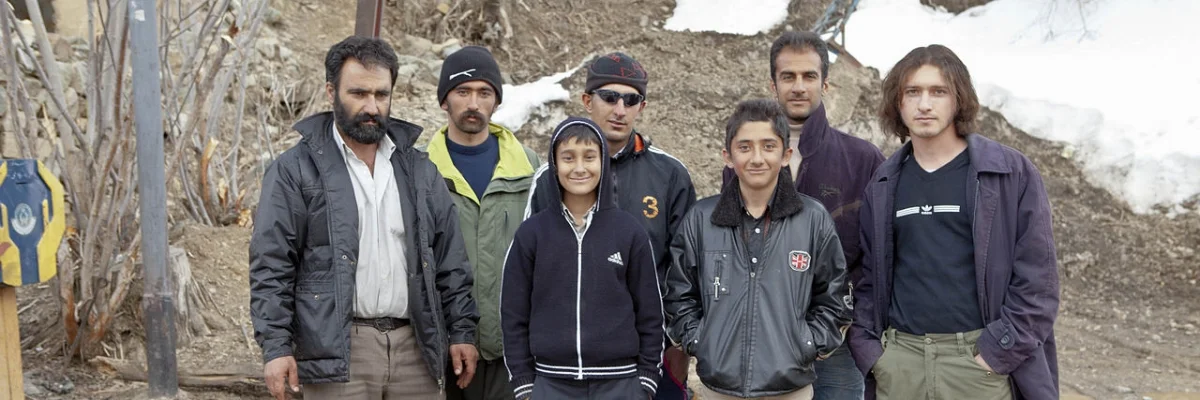
Migrant workers squeezed into battered taxis pull into the Four Seasons of Freedom hotel in western Afghanistan, part of a wave of Afghans forced to leave Iran after a currency implosion wiped out their earnings.
A record 442,344 Afghans have voluntarily returned or been deported from Iran this year as looming US sanctions—which began to be reimposed this week—fueled a run on the rial and spurred inflation.
Iran's currency has lost around half of its value against the dollar since US President Donald Trump abandoned a landmark 2015 nuclear deal in May, triggering a reimposition of tough penalties on the Islamic republic.
That has devastated not only the savings of Iranian households, but also the remittances of undocumented Afghans.
Desperate and jobless Afghans have crossed the porous border with Iran for years in search of work to support their struggling families back home.
Many of those families are farmers now suffering through Afghanistan's worst drought in living memory, compounding the misery caused by 17 years of conflict and underscoring their reliance on the remittances.
Abdul Mussawir, who went to Iran three years ago, used to earn the equivalent of 18,000 afghanis per month (about USD 260) working in an auto factory in the central city of Isfahan.
Mussawir, 22, sent money to his parents and nine younger siblings in Parwan province, supplementing the meagre income of his taxi driver father.
But as the run on the rial gathered pace, his monthly earnings shriveled to the equivalent of 6,000 afghanis.
"I was sending almost all the money I was earning to support my family... (but) it wasn't enough," said Mussawir, wearing a shirt emblazoned with "Keep Karma + Carry On".
After taking a taxi from the border to the Four Seasons of Freedom hotel in Herat city, a distance of roughly 140 kilometres (90 miles), Mussawir hoped to find better paid work in his conflict-torn country.
"It doesn't make sense to come back here but I have to," he said, a look of resignation etched on his face.
No Job, No Future
The 442,344 Afghans who returned from Iran in the first seven months of 2018 was more than double the number for the same period of 2017, according to the International Organization for Migration (IOM).
"The number of Afghan returnees from Iran in 2018 has been unprecedented," IOM spokeswoman Eva Schwoerer told AFP in Herat.
The figure included 191,056 "spontaneous", or voluntary, returns. The remaining 251,288 were deported as Iran toughens its border controls.
Among those kicked out was 17-year-old Aleem Mohmini, who spent three months working on a tomato farm near the southern city of Shiraz before Iranian police caught him.
As he sat with other minors in the IOM's transit centre for returnees in Herat, Mohmini pondered his future in a country where unemployment is rampant.
"I don't know what I should do. There's no one in my family to earn money," said Mohmini, who was the breadwinner for his household in the northern province of Baghlan.
The IOM expects the flood of returnees to Afghanistan to continue as US sanctions targeting Iran's access to US banknotes, key industries and oil sales exacerbate the country's economic woes.
The influx is having "direct and immediate effects" on the Afghan economy, the IOM said in its latest report.
It is pushing down wages for casual laborers in cities and fueling the displacement of drought-stricken Afghan farmers, many of whom have long relied on income from relatives working in Iran.
More than 70,000 people have been forced to move to cities due to the lack of water and food, according to the United Nations, with many of them living in makeshift tents and competing with returnees for limited jobs.
Iran's currency freefall is also hurting Afghan businesses in Herat that rely heavily on returning Afghans for sales of mobile phones, backpacks and shoes.
"Business was much better in the past... (people) were rich, they could buy everything," said Zia Fahmi, whose sales have plunged more than 80 percent in recent months.
As newly arrived returnees loitered outside his store, Fahmi said he may be forced to close the shop and join the migrant trail to look for work in "other countries".
Abdullah Wasi Zahariyan, who spent a year working on a cucumber farm in Isfahan, also told AFP he plans to go to "another country"—most likely Turkey, and then Germany—if he cannot find a job in Afghanistan.
Zahariyan, 22, decided to return home after his earnings plunged 60 percent due to the devaluation of the rial.
"If there is no job in Afghanistan, there is no future," he told AFP.
Photo Credit: Wikicommons
Germany Warns US Iran Sanctions Could Cause 'Chaos'
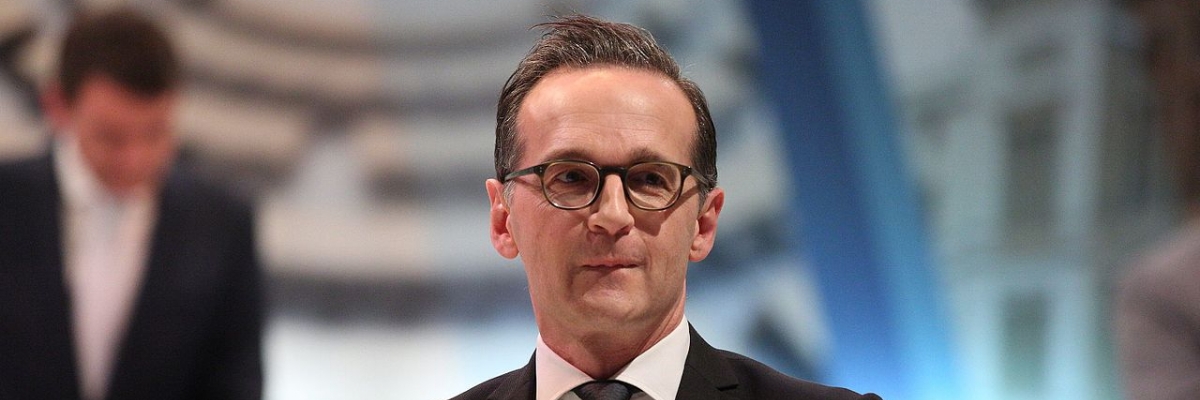
◢ German Foreign Minister Heiko Maas warned Wednesday that US President Donald Trump's decision to reimpose sanctions on Iran could further destabilize the Middle East and boost radical forces in the region. "We still think that it is a mistake to give up on the nuclear accord with
Iran," Maas said in an interview with the daily Passauer Neue Presse.
German Foreign Minister Heiko Maas warned Wednesday that US President Donald Trump's decision to reimpose sanctions on Iran could further destabilise the Middle East and boost radical forces in the region.
Trump brought back the punishing sanctions after unilaterally pulling out of a landmark 2015 deal between Tehran and Western powers to halt Iran's nuclear ambitions.
"We still think that it is a mistake to give up on the nuclear accord with
Iran," Maas said in an interview with the daily Passauer Neue Presse.
"We are fighting for the deal because it also serves our purpose by bringing about security and transparency in the region."
Noting Iran's geographic proximity to Europe, Maas warned that "anyone who's hoping for regime change must not forget that whatever follows could bring us much bigger problems."
"Isolating Iran could boost radical and fundamentalist forces," he said, adding that "chaos in Iran, as we have experienced in Iraq or Libya, would further destabilize an already troubled region."
In a desperate bid to save the nuclear accord, European governments have pledged to do what they can to keep business links with Tehran.
Despite the political will to hold firm, many large European firms such as German automaker Daimler are leaving Iran for fear of US penalties.
The US ambassador to Germany, Richard Grenell, welcomed the news.
"We are pleased to see German businesses stopping their trade with Iran, complying with U.S. sanctions, and helping pressure the Iranian regime back to the table," he tweeted.
"We stand together to stop Iran's malign activities."
Photo Credit: Wikicommons
Iran Impeaches Labor Minister
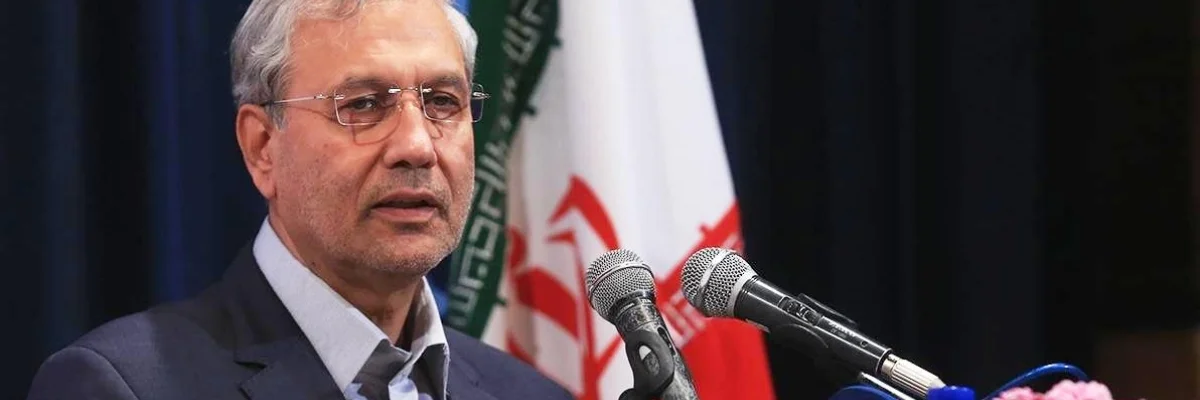
◢ Iran's Labor Minister Ali Rabiei was impeached on Wednesday after months of mounting anger over the government's handling of an economic crisis which has deepened with the return of US sanctions. Rabiei lost a confidence motion in parliament by 129 votes to 111, giving President Hassan Rouhani three months to replace him.
Iran's Labor Minister Ali Rabiei was impeached on Wednesday after months of mounting anger over the government's handling of an economic crisis which has deepened with the return of US sanctions.
Rabiei lost a confidence motion in parliament by 129 votes to 111, giving President Hassan Rouhani three months to replace him.
Rouhani has been under mounting pressure in recent weeks to reshuffle his economic team.
The withdrawal of the United States from a landmark 2015 nuclear deal led to the first tranche of related sanctions being reimposed on Tuesday.
But Iran was already struggling with longstanding problems of unemployment and low investment, which his team has appeared powerless to tackle.
Rabiei, 62, is a longstanding ally of Rouhani, who also served as an adviser to reformist former president Mohammad Khatami between 1997 and 2005.
Photo Credit: IRNA
Trump Warns World Against Business With Iran As Sanctions Return
◢ US President Donald Trump warned the world Tuesday against doing business with Iran as Washington reimposed "the most biting sanctions ever" on the Islamic republic, triggering a mix of anger, fear and defiance in Tehran. Trump's May withdrawal from a landmark 2015 nuclear deal with Tehran had spooked investors and triggered a run on the Iranian rial long before the punishing sanctions went back into force.
US President Donald Trump warned the world Tuesday against doing business with Iran as Washington reimposed "the most biting sanctions ever" on the Islamic republic, triggering a mix of anger, fear and defiance in Tehran.
Trump's May withdrawal from a landmark 2015 nuclear deal with Tehran had spooked investors and triggered a run on the Iranian rial long before the punishing sanctions went back into force.
The newly reimposed sanctions, which target access to US banknotes and key industries such as cars and carpets, were unlikely to cause immediate economic turmoil.
Iran's markets were actually relatively buoyant, with the rial strengthening by 20 percent since Sunday after the government relaxed foreign exchange rules and allowed unlimited, tax-free gold and currency imports.
But the second tranche of sanctions, which kicks in on November 5 and targets Iran's vital oil sector, could be far more damaging—even if several key customers such as China, India and Turkey have refused to significantly cut their purchases.
"The Iran sanctions have officially been cast. These are the most biting sanctions ever imposed, and in November they ratchet up to yet another level," Trump wrote on Twitter.
"Anyone doing business with Iran will NOT be doing business with the United States. I am asking for WORLD PEACE, nothing less."
European governments—who signed the Iran nuclear deal along with Washington -- are infuriated by Trump's strategy that has prompted many of their large firms to leave Iran for fear of US penalties.
Within hours of the sanctions taking effect, German carmaker Daimler said it had "suspended our already limited activities in Iran in accordance with the applicable sanctions."
Trump said Monday that he was open to new talks to reach a "more comprehensive deal" with Iran.
"We want to see a much broader retreat by Iran from their support for international terrorism, their belligerent military activity in the Middle East and their ballistic missile, nuclear-related programs," National Security Advisor John Bolton told Fox News.
"There's a lot going on here that Iran needs to be held accountable for."
But Iranian President Hassan Rouhani has dismissed the idea of talks while sanctions are in effect, and accused America of waging "psychological warfare. In Tehran, residents were on edge.
"I feel like my life is being destroyed," said one construction worker on the streets of the capital. "I can't afford to buy food, pay the rent."
'Not got this right'
The return of US sanctions left some of Washington's partners unimpressed. British Foreign Office Minister Alastair Burt said that the "Americans have really not got this right."
The nuclear deal was important "not only to the region's security but the world's security," he told the BBC.
Russia's foreign ministry said it was "deeply disappointed" by the return of sanctions, adding that it would do "everything necessary" to save the 2015 nuclear deal.
Iranian Foreign Minister Mohammad Javad Zarif told reporters that the global reaction to Trump's move showed that the US was diplomatically isolated.
'Poison cup'
Most Iranians see US hostility as a basic fact of life, so their frustration is largely directed at their own leaders for not handling the situation better.
"Prices are rising again, but the reason is government corruption, not US sanctions," said Ali, a 35-year-old decorator in Tehran.
Long-running discontent over high prices, unemployment, water shortages and the lack of political reform has sparked numerous protests over the past week, though verifiable information is scarce due to heavy reporting restrictions.
Many hope and believe that Iran's leaders will "drink the poison cup" and negotiate with the US eventually.
There have been rumors that Trump and Rouhani could meet in New York in September on the sidelines of the UN General Assembly—though Rouhani reportedly rejected US overtures for a meeting at last year's event.
Iran's regional rivals Israel and Saudi Arabia have welcomed the tough new US policy.
Israeli Prime Minister Benjamin Netanyahu hailed the renewed sanctions as "an important moment for Israel, for the US, for the region, for the whole world."
Iran's currency has lost around half its value since Trump announced the US would withdraw from the nuclear pact, but has surged since Sunday, following the arrest of the central bank's currency chief and new plans being announced.
The new rules mean foreign exchange bureaus will reopen after an attempt to fix the value of the rial in April backfired spectacularly, with corrupt traders making a fortune out of a mushrooming black market.
Ali Vaez, Iran project director for the International Crisis Group, told AFP that the sanctions would inflict "significant harm" on the Iranian economy.
"But this is not the first time that the Iranian leadership is dealing with sanctions," Vaez said.
"I doubt that in the next two years we would see the collapse of the government or the regime in Tehran."
Photo Credit: Wikicommons
Daimler Says Halting Iran Activities Over US Sanctions
◢ German automaker Daimler on Tuesday said it was halting its business activities in Iran after the United States re-imposed sanctions on Tehran. "We have suspended our already limited activities in Iran in accordance with the applicable sanctions," a spokeswoman said in a statement sent to AFP, adding that Daimler was closely monitoring political developments.
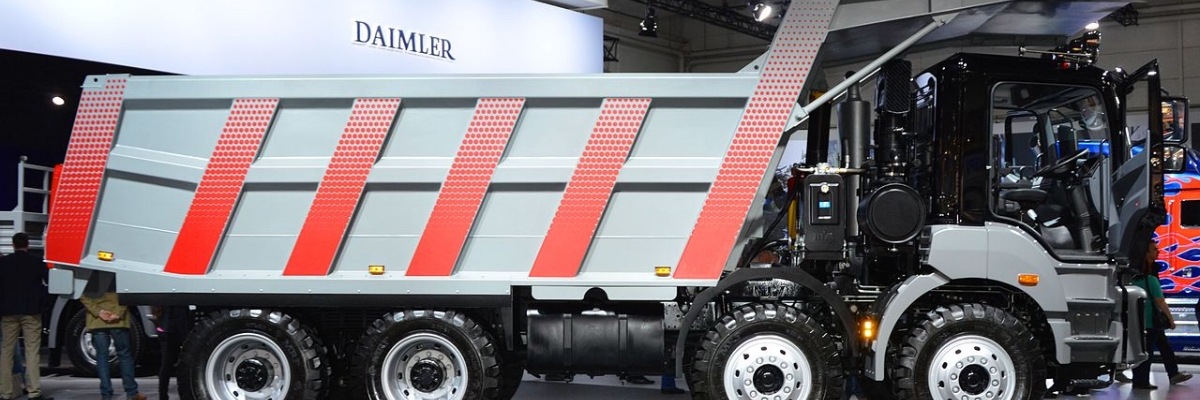
German automaker Daimler on Tuesday said it was halting its business activities in Iran after the United States re-imposed sanctions on Tehran.
"We have suspended our already limited activities in Iran in accordance with the applicable sanctions," a spokeswoman said in a statement sent to AFP, adding that Daimler was closely monitoring political developments.
The move brings a sudden end to Daimler's expansion plans in Iran, where it was teaming up with two local firms to assemble Mercedes-Benz trucks.
It comes as a first round of renewed US sanctions on Iran came into effect after President Donald Trump unilaterally pulled out of the Iran nuclear deal.
The first sanctions targets access to US banknotes and key industries such as cars and carpets.
A second tranche coming into effect on November 5 is expected to be even more damaging, covering Iran's vital oil sector.
The European Union, which still adheres to the landmark 2015 nuclear pact, has promised to take steps to protect EU firms' dealings with Iran, but the uncertainty has already prompted many businesses to pull out of the country.
French carmaker Renault, which does not sell cars in the US, has said it will remain in Iran despite the sanctions.
But French oil group Total and carmaker PSA have already indicated they are likely to withdraw from Iran.
Trump ramped up the pressure again Tuesday, hailing the "most biting sanctions ever imposed".
"Anyone doing business with Iran will NOT be doing business with the United States. I am asking for WORLD PEACE, nothing less," he wrote.
Daimler had signed a letter of intent in 2016 to manufacture and sell Mercedes trucks in Iran in a joint venture with Iran Khodro Diesel (IKD) and the Mammut Group, in its first big step to return to the country after years of sanctions over its nuclear programme.
In its statement, Daimler stressed that it had not yet started making or selling any trucks in Iran, nor was it selling any passenger cars there.
"We continue to monitor closely the political developments, particularly with regard to the future of the nuclear agreement," Daimler added.
Photo Credit:
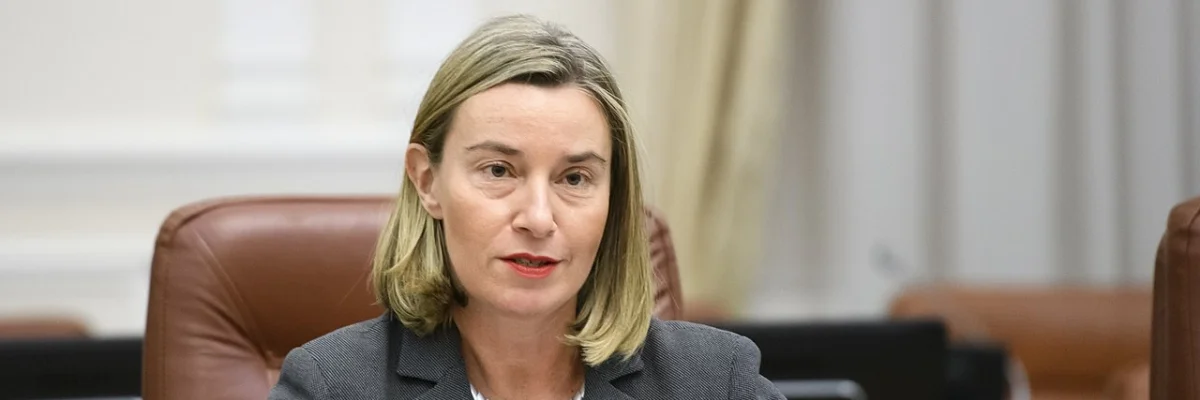
EU 'Deeply' Regrets Return of US Sanctions on Iran
◢ The EU said Monday it deeply regretted the US reimposition of sanctions on Iran after President Donald Trump pulled out of the 2015 nuclear pact, and vowed immediate steps to protect European companies. The statement by EU diplomatic chief Federica Mogherini and the foreign ministers of Britain, France and Germany said it would also work to keep "effective financial channels" open with Iran.
The EU said Monday it deeply regretted the US reimposition of sanctions on Iran after President Donald Trump pulled out of the 2015 nuclear pact, and vowed immediate steps to protect European companies.
The statement by EU diplomatic chief Federica Mogherini and the foreign ministers of Britain, France and Germany said it would also work to keep "effective financial channels" open with Iran.
"We deeply regret the re-imposition of sanctions by the US, due to the latter's withdrawal from the Joint Comprehensive Plan of Action (JCPOA)," the statement issued in Brussels said.
The EU said it would now swiftly bring in legal cover for firms in the 28-nation bloc to work with Iran, after the Trump administration rejected European calls for an exemption.
"We are determined to protect European economic operators engaged in legitimate business with Iran," the statement added.
"This is why the European Union's updated Blocking Statute enters into force on 7 August to protect EU companies doing legitimate business with Iran from the impact of US extra-territorial sanctions."
The "blocking statute" forbids EU firms from complying with US sanctions, allowing them to recover damages from such penalties and nullifying any foreign court rulings against them.
French carmaker Renault, which does not sell cars in the US, has said it will remain in Iran despite the sanctions. But French oil group Total and carmaker PSA have already indicated they are likely to pull out of Iran.
Despite the US move to restore the sanctions, which Secretary of State Mike Pompeo reaffirmed in Alaska late Sunday, the Europeans said they would continue to work with Iran to preserve the deal.
"The remaining parties to the JCPOA have committed to work on, inter alia, the preservation and maintenance of effective financial channels with Iran, and the continuation of Iran's export of oil and gas," it said.
Photo Credit: Wikicommons
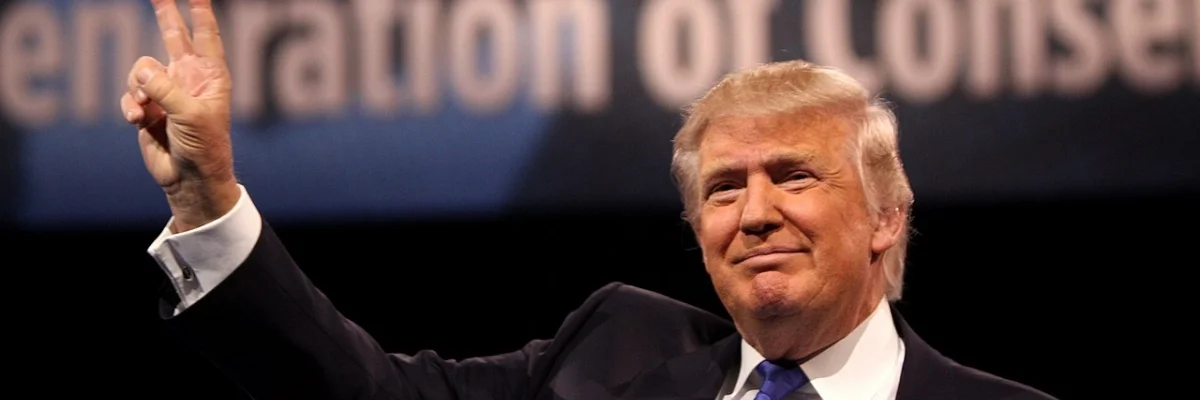
Trump Says Open to New Iran Deal, Confirms Sanctions Return
◢ US President Donald Trump said Monday he remains open to forging a new nuclear deal with Iran, as he confirmed Washington will go ahead with reimposing sanctions against Tehran. Despite pleas from other parties to the agreement, Trump pulled the US out of the deal in May, claiming the Iranian regime was cheating on its commitments and funding "malign" activities around the region.
US President Donald Trump said Monday he remains open to forging a new nuclear deal with Iran, as he confirmed Washington will go ahead with reimposing sanctions against Tehran.
Despite pleas from other parties to the agreement, Trump pulled the US out of the deal in May, claiming the Iranian regime was cheating on its commitments and funding "malign" activities around the region.
"I remain open to reaching a more comprehensive deal that addresses the full range of the regime's malign activities, including its ballistic missile program and its support for terrorism," Trump said in a statement.
A first phase of US sanctions against Iran goes into effect overnight, targeting Iran's access to US banknotes and key industries including cars and carpets.
The second phase, which takes effect November 5 and will block Iran's oil sales, is due to cause more damage, though several countries including China, India and Turkey have indicated they are not willing to entirely cut their Iranian energy purchases.
Trump called the multilateral Iran accord a "horrible, one-sided deal."
It "failed to achieve the fundamental objective of blocking all paths to an Iranian nuclear bomb, and it threw a lifeline of cash to a murderous dictatorship that has continued to spread bloodshed, violence and chaos," he said.
After months of fierce rhetoric, Trump surprised observers last week when he offered to meet with Iranian President Hassan Rouhani without preconditions.
But Iranian Foreign Minister Mohammad Javad Zarif suggested it was hard to imagine negotiating with the man who tore up an agreement on which Iran and world powers had spent the "longest hours in negotiating history."
Trump warned that businesses and individuals that continue to work with Tehran risk "severe" consequences.
"We urge all nations to take such steps to make clear that the Iranian regime faces a choice: either change its threatening, destabilizing behavior and reintegrate with the global economy, or continue down a path of economic isolation," he said.
Photo Credit: Wikicommons

As Sanctions Bite, Where Next for Trump's Iran Strategy
◢ A wave of US sanctions kicks in against Iran on Tuesday, cementing Washington's hard line against Tehran after President Donald Trump pulled out of the 2015 nuclear pact. Already facing broad economic fallout as their currency implodes, Iranians are wondering how the next phase of the crisis in US relations will play out—and what, exactly, America's longterm strategy is toward their country.
A wave of US sanctions kicks in against Iran on Tuesday, cementing Washington's hard line against Tehran after President Donald Trump pulled out of the 2015 nuclear pact.
Already facing broad economic fallout as their currency implodes, Iranians are wondering how the next phase of the crisis in US relations will play out—and what, exactly, America's longterm strategy is toward their country.
At least for now, the US is fixated on bringing as much diplomatic and economic pressure to Iran as possible—though it is not clear where things are headed, or if there is an increased risk of conflict.
The US walked out of the 2015 nuclear deal in May and is bringing back "maximum pressure" sanctions for most sectors on August 6, and the energy sector on November 4.
As of 0401 GMT Tuesday, the Iran government can no longer buy US banknotes and broad sanctions will be slapped on Iranian industries, including its rug exports.
Asked Sunday if Tehran would be able to evade the measures, US Secretary of State Mike Pompeo vowed the United States would "enforce the sanctions," saying heaping pressure on Tehran was meant to "push back against Iranian malign activity."
"This is just about Iranians' dissatisfaction with their own government, and the President is pretty clear, we want the Iranian people to have a strong voice in who their leadership will be," he told reporters.
Room for dialogue?
After months of fierce rhetoric, Trump surprised observers last week when he offered to meet with Iranian President Hassan Rouhani "any time"—and without preconditions.
The dramatic about-face, which Secretary of State Mike Pompeo quickly tamped down, came just days after the enigmatic US president and Rouhani traded barbs.
Trump at one point unleashed a Twitter tirade in which he blasted, using all caps, Rouhani's "DEMENTED WORDS OF VIOLENCE."
He was responding to a July 22 warning from Rouhani that the US should not "play with the lion's tail" and warned that any conflict with Iran would be the "mother of all wars."
Trump's offer for dialogue came after Pompeo seemed to suggest support for a change in Iran leadership, telling an audience of Iranian expats in California that the regime had been a "nightmare."
And John Bolton, the president's national security advisor, is a well-known Iran hawk who has advocated for regime change.
"For Bolton and others, pressure is an end in and of itself," Suzanne Maloney, deputy director of the foreign policy program at the Brookings Institution, told AFP.
For the administration, "if it leads to a wholesale capitulation fine, if it leads to regime change, even better," she added.
Under Pressure
Trump's pressure campaign appears to have had some results. For instance, US officials in recent years have accused both the regular Iranian navy and the Iranian Revolutionary Guards Corps of routinely harassing American warships in the Gulf.
But this year, to the surprise of some military officials, there have been no such incidents.
If Iran senses "American steel they back down, if they perceive American mush they push forward—and right now they perceive steel," said Mark Dubowitz, chief executive of Foundation for Defense of Democracies, a Washington think tank that lobbied for a renegotiation of the Iran nuclear deal.
Dubowitz, who noted that Iran has tested fewer missiles of late, said Trump's rhetoric and position on Iran actually lowers the risk of escalation toward conflict.
"He's assuming that if he talks tough, that will bolster the credibility of American military power," Dubowitz told AFP.
Both Trump and Rouhani are due to address the United Nations General Assembly in New York next month.
It's not inconceivable a meeting on the sidelines could occur then—Tehran will be looking anxiously to a November deadline for oil buyers to stop purchasing Iranian crude.
ver the weekend Trump once again floated the idea of meeting, tweeting "I will meet, or not meet, it doesn't matter—it is up to them!"
"Iran, and its economy, is going very bad, and fast!" he said in the same missive.
'Malign Influence'
US Defense Secretary Jim Mattis said on July 27 there was no policy that had been put in place with the goal of collapsing or changing the Iranian regime.
"We need them to change their behavior on a number of threats they can pose with their military, with their secret services, with their surrogates and with their proxies," Mattis told Pentagon reporters.
Experts see a number of possible outcomes for the current US policy toward
Iran.
Sanctions and diplomatic pressure could pile enough pressure on the regime that it comes to the negotiating table—something Trump has advocated for.
The financial crisis in Iran could worsen to the point that mass protests make it impossible for the regime to hold on to power—though economic pressures risk galvanizing growing anti-American sentiment and support for hardliners.
Or the regime could start to address what America calls its "malign influence" in the region, including its support to Syrian President Bashar al-Assad and threats to shut down the strategic Strait of Hormuz, a vital shipping lane for international oil supplies.
"I think (the Trump administration) would be pleased with any one of those end states," Dubowitz said.
Photo Credit: Wikicommons
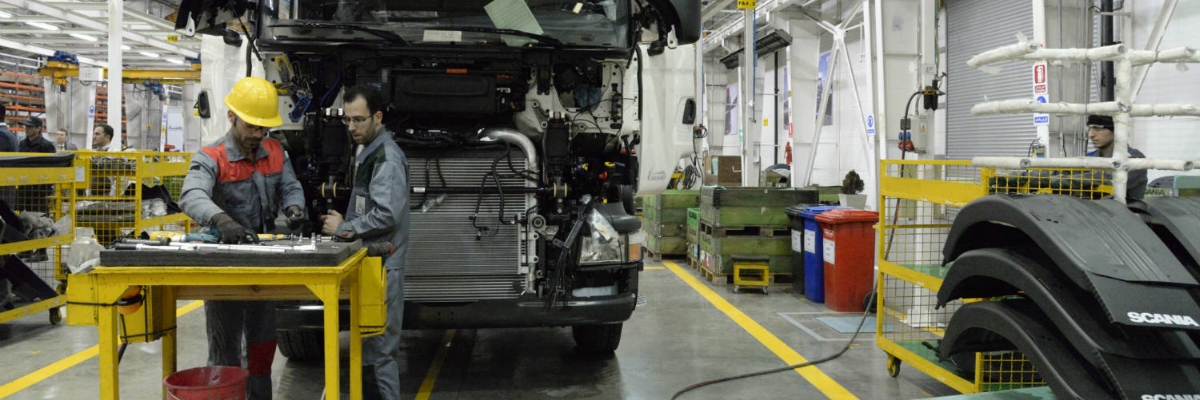
European Losers in New Iranian Sanctions Game
◢ US President Donald Trump's decision to pull the United States out of the 2015 nuclear accord with Iran and reimpose a raft of sanctions will hit European businesses working in Iran. Here is an overview of how firms stand to be affected when the sanctions kick in Monday.
US President Donald Trump's decision to pull the United States out of the 2015 nuclear accord with Iran and reimpose a raft of sanctions will hit European businesses working in Iran. Here is an overview of how firms stand to be affected when the sanctions kick in Monday:
Auto
French automakers Renault and PSA have taken different approaches publicly. PSA, behind the Peugeot, Citroen and Opel brands, said in June it was preparing to suspend activities in the Islamic republic, its chief foreign market by volume, noting those units account for "less than one percent of sales."
The group, which is Europe's second biggest carmaker, last year sold more than 445,000 vehicles in Iran, making the country one of its biggest markets outside France.
Renault says it intends to keep up activities in Iran albeit scaling them back. On July 16, the automaker announced a 10.3 percent drop in sales in Iran to 61,354 units.
Germany's Daimler was teaming up with two Iranian firms to assemble Mercedes-Benz trucks.
Volkswagen also said last year it would seek to resume sales in Iran for the first time in 17 years, yet the scale of its US activities could force the jettisoning of those plans.
German firms' business with Iran was a modest USD 2.6 billion of 2016 exports rising to 3.0 billion last year. Italy is Iran's main European trading partner -- but Germany is still the bloc's biggest exporter to Tehran.
Aviation
Aviation saw beefy contracts drawn up following the nuclear accord as Iran targets modernization of an aging fleet.
Airbus booked deals for 100 jets although to date only three have been delivered after having US licenses bestowed upon them -- a necessity given some parts are US-made.
The potential loss of business in Iran would not weigh overly heavily on Airbus as overall orders on its books at the end of June stood at 7,168 planes. Franco-Italian planemaker ATR was fretting on the fate of 20 planes earmarked for Iranian delivery -- though Iran Air said Saturday five ATR-72600 aircraft would arrive Sunday, creeping under the deadline to add to eight already delivered.
Oil
French energy giant Total has moved away from a contract to develop an offshore gas field at South Pars in what would have been the first project of its kind since the 2015 nuclear deal.
Because Total's investment in the field had barely just begun, the company is avoiding incurring significant losses on a $5 billion project which Iran says Chinese group CNPC will now take up.
After a 30 percent jump in 2016 in exports of Italian-made goods to Iran, Italian exports grew 12.5 percent last year to 1.7 billion euros, according to official data.
But energy giant Eni has held back on returning to Iran, preferring to wait on the impact of the latest sanctions.
Britain's BP, which started life as the Anglo-Persian Oil Company, has no presence in Iran. Although Anglo-Dutch giant Royal Dutch Shell signed a deal in 2016 to explore possible investments it does not currently have any operations on the ground.
Railways and Shipbuilding
Italy stands to lose out in these sectors with national railway operator Ferrovie dello Stato Italiano having signed a deal to build a high-speed line linking Qom to Arak in northern Iran.
Shipmaker Fincantieri, engineering firm Maire Tecnimont and gas boiler maker Immergas has also signed a string of deals with Iran which now are also threatened.
Tourism
British Airways and German carrier Lufthansa face having to stop only recently resumed direct flights to Tehran or face losing Transatlantic business.
The dilemma applies to French hotel chain AccorHotels, which opened an establishment in Iran in 2015, as well as to Emirati group Rotana Hotels, which has designs on its own Iranian operation.
Spain's Melia Hotels International chain, which signed a 2016 deal to run a five star hotel in Iran, the Gran Melia Ghoo, says the establishment is under construction and that discussion of its future is "premature."
Industry
Siemens returned to Iran in 2016 seeking to sell gas turbines and generators for electricity stations and has won a contract to sell compressors for a natural gas processor.
"The mega contracts hoped for when sanctions were lifted were never realized," KPMG advisor Kaveh Taghizadeh was recently quoted as saying in Stern magazine.
"Siemens will continue to ensure it remains in strict compliance with relevant international export control restrictions and all other applicable laws and regulations, including US secondary sanctions," Siemens spokesman Yashar Azad told AFP.
He added Siemens "will take appropriate actions to align its business with the changing multilateral framework regarding Iran." French industrial gas group Air Liquide says it will "cease all commercial activity" in the country although a spokesperson says the firm has "no investments" there.
Pharmaceuticals
Pharmaceutical giant Sanofi, in Iran for over a decade, remains operating "in full compliance with international regulations", a spokesman said, while adding "it is still too early to comment on the potential impact" of sanctions.
Banks
Germany's big banks, Deutsche Bank and Commerzbank, stayed clear of Iran after the US fined them hugely in 2015 for violating previous sanctions. Regional banks Helaba and DZ Bank pulled out of Iran after the US announced it was reimposing sanctions.
Photo Credit: Scania
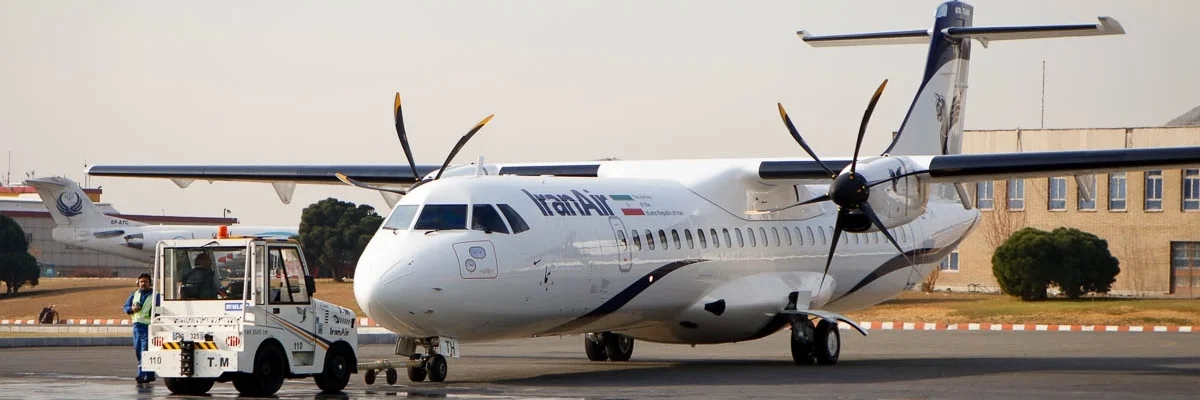
Iran Air Says Will Receive 5 New ATR Planes on Sunday
◢ Iran Air said Saturday it was set to take delivery of five new planes from Franco-Italian firm ATR just before renewed US sanctions go into effect. "Based on existing agreements, five new ATR aircraft will land at Mehrabad Airport at 9 am (0430 GMT) tomorrow (Sunday)," the national carrier said on its Telegram channel.
Iran Air said Saturday it was set to take delivery of five new planes from Franco-Italian firm ATR just before renewed US sanctions go into effect.
"Based on existing agreements, five new ATR aircraft will land at Mehrabad Airport at 9 am (0430 GMT) tomorrow (Sunday)," the national carrier said on its Telegram channel.
The new ATR-72600 planes are part of a deal for 20 new aircraft that Iran Air agreed to buy in April 2017, of which eight have so far been delivered.
The deal was thrown into doubt by the US decision to withdraw from a 2015 nuclear deal between Tehran and major powers and reimpose sanctions, part of which are due to resume from Tuesday.
Iran says US sanctions are endangering lives by blocking the sale of new planes and spare parts for its aging fleets.
Iran's Aseman Airlines was ordered to ground its fleet of ATR planes in February after one of them crashed in the Zagros mountains, killing all 66 people onboard.
Photo Credit: IRNA
Iran Volatile on Eve of US Sanctions
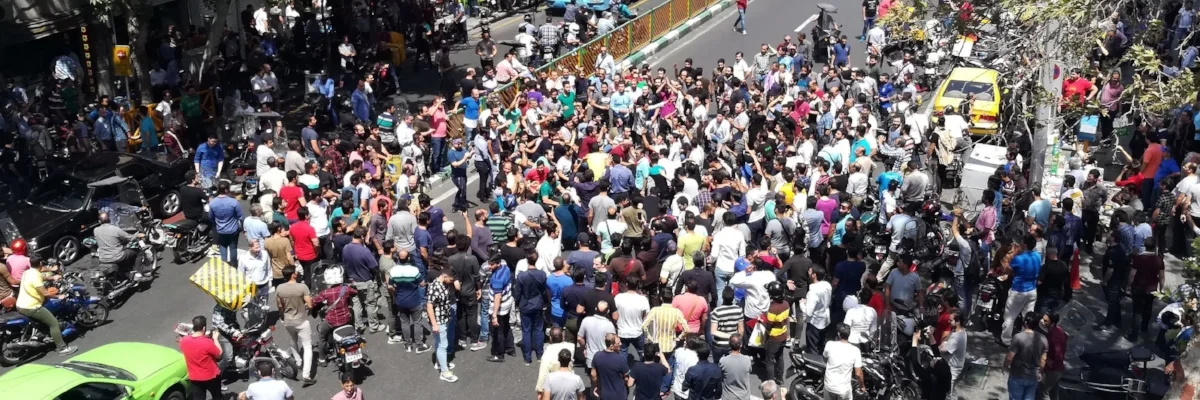
◢ Iranians are hunkering down for the return of US sanctions on Monday with a run on gold and hard currency as they scramble to protect their savings, and sporadic protests over the already troubled economy. State news agencies reported "scattered protests" of a few hundred people on Thursday in the cities of Shiraz, Ahvaz, Mashhad and Karaj, which police had brought under control. Videos posted on social media—whose authenticity could not be verified—have shown days of demonstrations in Iran's third city Isfahan and minor protests in the capital on Thursday night.
Iranians are hunkering down for the return of US sanctions on Monday with a run on gold and hard currency as they scramble to protect their savings, and sporadic protests over the already troubled economy.
State news agencies reported "scattered protests" of a few hundred people on Thursday in the cities of Shiraz, Ahvaz, Mashhad and Karaj, which police had brought under control.
Videos posted on social media—whose authenticity could not be verified—have shown days of demonstrations in Iran's third city Isfahan and minor protests in the capital on Thursday night.
So far, they have not been on the scale of the violent unrest that gripped dozens of towns and cities in December and January.
But anxiety is everywhere, especially over the collapse of the rial, which has lost nearly two-thirds of its value in six months.
"We are seeing protests and they will continue," said Adnan Tabatabai, head of the CARPO think tank in Germany.
"The establishment knows they are legitimate but my biggest concern is they will be hijacked by groups inside and outside the country and turn violent."
A decision to fix the exchange rate in April and arrest unlicensed currency dealers backfired spectacularly and triggered a boom in the black market. The consequences have sometimes felt absurd. One expat described having to meet a trader under a bridge in central Tehran to change USD 2,000.
"He told me to wear a red scarf and came up to me whispering: 'Show me the money' like we were in a spy film," she said.
Many wealthy Iranians are leaving the country, while others have been gripped by a bunker mentality, stocking up on provisions, dollars and gold in order to ride out the storm.
Customers were cheek-to-jowl in the narrow alleys of Tehran's Grand Bazaar this week.
"People are worried that if they don't buy things today, they won't be available tomorrow," said Ali, who runs a kitchen store in the bazaar, adding that wholesalers were hoarding new stock while they waited to see how the crisis unfolded.
The US walked out of the 2015 nuclear deal in May and is bringing back "maximum pressure" sanctions for most sectors on August 6, and the energy sector on November 4.
Multinational firms that rushed to cash in three years ago—such as France's energy giant Total and carmakers Peugeot and Renault—are already packing up.
Loopholes
But many smaller firms are hunting loopholes and counting on protection from European governments who are determined to keep the nuclear deal alive.
"No one really knows how the sanctions will be. The Trump administration is doing that on purpose to keep everyone feeling threatened," said a Western businessman in Tehran working in the oil and gas sector.
He said US threats are making some Europeans more furious than afraid.
"I've heard of four German pharmaceutical firms who are looking to come to Iran specifically to piss off the US."
The return of sanctions will make things only slightly harder for them, as major international banks were already too scared of US penalties to work with Iran even before Trump tore up the agreement.
"The nuclear deal was good for the oil sector but didn't help the financial and banking sectors," said Farid Dehdilani, international affairs adviser for the Iranian Privatization Organisation.
"We did everything we could to attract foreign investment but without the banks it was limited. The US election in 2016 was always a cloud over the agreement, and in the end it produced the worst possible result."
Hitting Oil Sales
A major blow for Iran will be the loss of oil sales, which Facts Global Energy analysis firm says could drop from 2.4 million barrels per day to as low as 700,000 by the end of the year.
Some countries like India, China and Turkey say they are too dependent on Iranian crude to obey US orders, but many refiners, particularly in Europe, are already cutting back.
Ironically, Iran's government may regret cracking down on black market operators that facilitated oil sales during the last sanctions regime, such as billionaire Babak Zanjani who was sentenced to death for corruption in 2016.
"Because (President Hassan) Rouhani went after his opponents and targeted people using the black market... now the US Treasury knows exactly how they bypassed the system," said Mohammad Reza Behzadian, former head of the Tehran chamber of commerce.
There have been positive signs, with a new central bank governor pledging fresh currency policies in the coming days, and an unprecedented transparency push that has seen dozens of arrests of profiteers with political connections.
But many say it is all too late, with the government never putting a convincing economic plan together when it had the chance.
"It failed to take advantage when conditions were good," said Behzadian. "It's much more difficult to act in a crisis."
Photo Credit: EPA/Shutterstock
Iran Says Talks With Trump Would be 'Humiliation'
◢ Skepticism was rife in Iran on Tuesday after US President Donald Trump offered talks, with one lawmaker saying negotiations would be a "humiliation." The country's top leaders did not give an immediate response to Trump's statement a day earlier that he would meet them "any time" without preconditions. But several public figures said it was impossible to imagine negotiations with Washington after it tore up the 2015 nuclear deal in May.
Skepticism was rife in Iran on Tuesday after US President Donald Trump offered talks, with one lawmaker saying negotiations would be a "humiliation."
The country's top leaders did not give an immediate response to Trump's statement a day earlier that he would meet them "any time" without preconditions.
But several public figures said it was impossible to imagine negotiations with Washington after it tore up the 2015 nuclear deal in May.
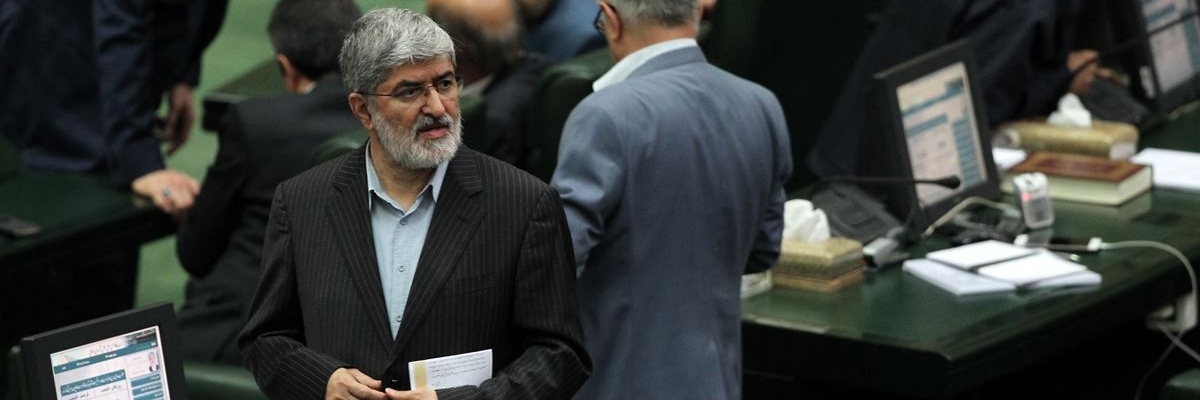
"With the contemptuous statements (Trump) addressed to Iran, the idea of negotiating is inconceivable. It would be a humiliation," said Ali Motahari, deputy speaker of parliament, according to the conservative Fars News.
"America is not trustworthy. After it arrogantly and unilaterally withdrew from the nuclear agreement, how can it be trusted?" added Interior Minister Abdolreza Rahmani Fazli, according to Fars.
The US is set to start reimposing full sanctions on Iran from August 6—a move that has already contributed to a major currency crisis with the rial losing two-thirds of its value in six months.
Only last week, Trump fired off an all-caps tirade at his counterpart Hassan Rouhani on Twitter, warning of untold "suffering" if Iran continued to threaten the US.
Many in Iran are therefore suspicious of his latest volte-face.
"We cannot negotiate with someone who violates international commitments, threatens to destroy countries, and constantly changes his position," said analyst Mohammad Marandi, of the University of Tehran, who was part of the nuclear negotiating team.
Some officials remained more receptive.
"Negotiations with the United States must not be a taboo," said Heshmatollah Falahatpisheh, head of parliament's foreign affairs commission, in an interview with the semi-official ISNA news agency.
"Trump understands that he does not have the capacity to wage war with Iran, but due to historic mistrust, diplomatic ties have been destroyed," said Falahatpisheh, adding that this left no choice but to work towards reducing tensions.
Motahari added that hardliners, who have long opposed any rapprochement with the US, share the blame for the collapse of the nuclear deal.
"If the whole Iranian system had worked to implement this agreement, today we would be witnessing the presence of European companies in Iran and their investments, and even Trump would not be able to withdraw so easily from the deal," he said.
"But from the start one part of the system did not want the agreement to work."
'Maybe an opportunity'
On the streets of Tehran, meanwhile, the focus remained resolutely on Iran's domestic economic difficulties.
"All of us believe that Trump is the enemy of Iran and Iranian people. But now maybe Trump wants to give the Iranian people an opportunity and, God willing, it could be a way to get past our disastrous situation," added Hushiar, an office manager in her 50s.
Many Iranians find it hard to believe that the man who is trying to destroy their economy, and has banned them from flying to the US, can be trusted.
"If they are honest in their words that they want to have negotiations with us without any preconditions, at least they should stay in the JCPOA (nuclear deal) or they should let us get the benefits of European trade," said Morteza Mehdian, a software engineer in his 20s.
"But the reality is this man is a liar and we cannot trust his word."
For now, this is also the official line, with Iran's supreme leader Ayatollah Ali Khamenei saying earlier this month that talking to Trump would be "useless."
Foreign ministry spokesman Bahram Ghasemi on Monday said "there is no possibility for talks", ahead of Trump's statement.
"Washington reveals its untrustworthy nature day by day," Ghasemi said, according to the conservative-aligned Mehr news agency.
The Trump administration says its "maximum pressure campaign" is designed to force Iran into a new deal that goes beyond limiting its nuclear program and includes curbs to its regional behavior and missile program.
Photo Credit: Mohtahari Twitter

Iran's Currency Crisis Triggers Corruption Crackdown
◢ With its currency plummeting ahead of the reimposition of US sanctions, Iran has responded with dozens of arrests and claims of an enemy conspiracy, but also signs of a push to confront corruption. The Iranian rial has lost almost two-thirds of its value since the start of the year, and 20 percent in just two days since the weekend, hitting a record-low of 119,000 to the dollar.
With its currency plummeting ahead of the reimposition of US sanctions, Iran has responded with dozens of arrests and claims of an enemy conspiracy, but also signs of a push to confront corruption.
The Iranian rial has lost almost two-thirds of its value since the start of the year, and 20 percent in just two days since the weekend, hitting a record-low of 119,000 to the dollar.
Many lay the blame on the imminent reimposition of US sanctions on August 6 following US President Donald Trump's decision to pull out of the historic nuclear accord, with Iranians rushing to store their savings in dollars.
The central bank issued a statement on Monday that trod a familiar line, blaming "the enemies' conspiracies" for the rial's sudden decline.
This may not be purely paranoid fantasy. The US and its Gulf Arab allies are engaged in a "maximum pressure campaign" against the Iranian government, and there have been rumours that the United Arab Emirates has been curbing the physical supply of dollars to Iran, helping drive up prices.
But others say outside pressure is only effective because Iran's economy is so corrupt and poorly managed.
Belatedly, the authorities appear to be waking up to the crisis. This weekend, the judiciary announced 60 people had been arrested for fraud and trying to undermine the banking system, with more to come.
Spokesman Gholam Hossein Mohseni-Ejeie said several had direct ties to the government, allowing them, for example, to illegally import luxury cars, and could face the death penalty on Iran's infamous charge of "corruption on Earth".
New Transparency
The arrests follow mounting anger against profiteers who use political connections to access dollars at artificially low rates, and then use them to import goods on the cheap, or simply sell them on the black market for a huge profit.
In a radical departure from usual government practice, in June the young telecoms minister Mohammad Javad Azari Jahromi exposed a group of mobile phone importers who were gaming the system.
They had been granted USD 250 million at the cheap rate to import phones, he said, "but less than one third was used for the purpose," implying the rest was stashed away or sold.
The 36-year-old minister's move proved wildly popular on social media, but saw a backlash from some of his cabinet colleagues such as Industry Minister Mohammad Shariatmadari, who said doing something similar in his ministry would amount to "a war against the private sector."
Still, the episode showed a new willingness among Iranian officials to "be transparent and introduce accountability into the system," said Esfandyar Batmanghelidj, founder of the Europe-Iran Forum, a business network.
"Hopefully, more officials will understand that this is what the public is looking for."
'Full-Fledged Crisis'
The other priority is fixing the chaotic policies that have facilitated profiteering in the first place, particularly the disastrous decision in April to set a single, fixed rate for the dollar at IRR 42,000.
To enforce the decision, the authorities shut down currency trading shops and made it illegal to sell dollars above the official rate, which only fueled a boom in the black market.
The government was forced to climb down in June, saying only importers of essential items such as medicines would use the cheap rate, while others would negotiate a higher price.
President Hassan Rouhani sacked the central bank chief last week, and his replacement, Abdolnassar Hemati, has promised new currency policies "in the coming days".
But trapped in fire-fighting mode and under fire from both conservatives and reformists over the deteriorating economic situation, Rouhani has done little to address deeper problems.
"We're in a full-fledged crisis and that's taking all the attention. No one is talking about bank reform and investment and job creation," said economic journalist Maziar Motamedi of Tehran's Financial Tribune.
Fearing a public panic, the government continues to insist that everything is under control, but has so far offered only vague promises that it will allocate more money to job creation and funnel more infrastructure projects to the private sector.
"Just saying positive stuff is not helping. People have a hard time believing them," Motamedi said.
"Everyone knows the structural problems are there but the government is tackling crises as they happen rather than preventing them."
Photo Credit: Wikicommons
Iran Advisor Says US Talks Must Include Return to Nuclear Deal
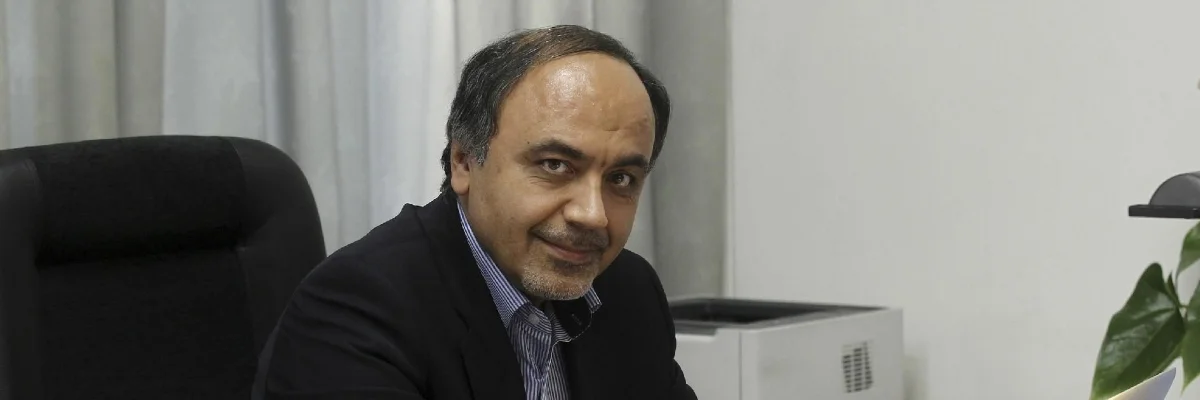
◢ An advisor to Iran's President Hassan Rouhani said Tuesday that any talks with the United States had to start with reducing hostility and a return to the nuclear deal. "Respect for the great nation of Iran, reduction in hostilities, US returning to the nuclear deal... That will open the rocky path of the moment," wrote Hamid Aboutalebi on Twitter.
An advisor to Iran's President Hassan Rouhani said Tuesday that any talks with the United States had to start with reducing hostility and a return to the nuclear deal.
"Respect for the great nation of Iran, reduction in hostilities, US returning to the nuclear deal... That will open the rocky path of the moment," wrote Hamid Aboutalebi on Twitter.
He was responding to a statement by US President Donald Trump on Monday that he was willing to meet "any time" with Iran's leaders without preconditions.
"I would meet with Iran if they wanted to meet," Trump said at a White House press conference, barely a week after he had traded bellicose threats with Rouhani.
Aboutalebi said Iran had showed its openness to dialogue in the past, particularly with the phone call between Rouhani and Trump's predecessor Barack Obama in 2013.
That dialogue was "based on the idea of confidence-building measures and the nuclear deal was an achievement of this effort and it must be accepted," wrote Aboutalebi.
However, foreign ministry spokesman Bahram Ghasemi said on Monday, prior to Trump's statement, that talks with the current US administration were impossible.
"Given the hostile measures of the US against Iran after its withdrawal from the JCPOA (nuclear deal) and the reinstatement of economic sanctions, there is no possibility for talks and Washington reveals its untrustworthy nature day by day," Ghasemi told reporters, according to the conservative-aligned Mehr news agency.
Trump pulled the US out of the 2015 nuclear deal in May, and is set to reimpose full sanctions in two stages in August and November.
He says he wants a new deal that goes beyond limiting Iran's nuclear program and includes curbs to its regional behavior and missile program.
Photo Credit: Iranian Presidency
Trump Says Willing to Meet With Iranian Leaders 'Any Time'
◢ US President Donald Trump said Monday he was willing to meet with Iran's leaders with "no preconditions" and "any time they want"—one week after tensions soared between Washington and Tehran. "I would meet with Iran if they wanted to meet. I don't know if they are ready yet," Trump told a White House press conference with Italian Prime Minister Giuseppe Conte at his side.
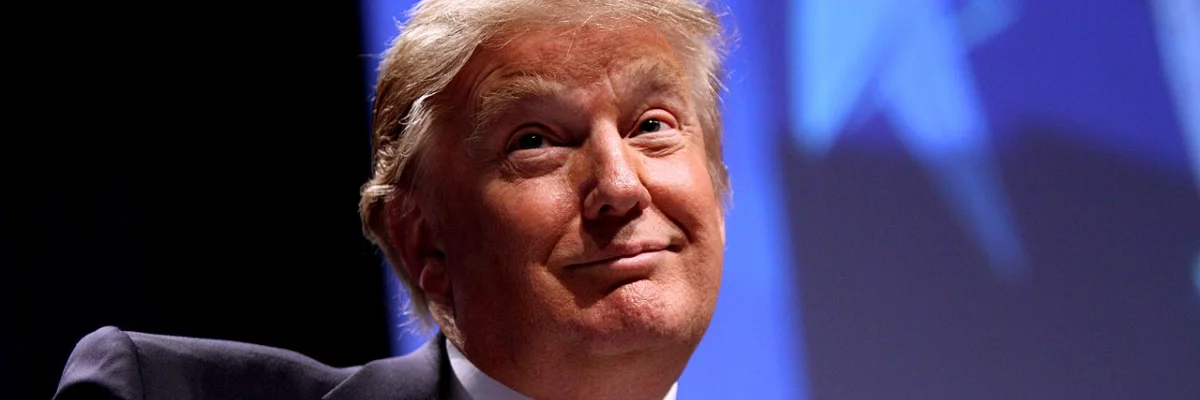
US President Donald Trump said Monday he was willing to meet with Iran's leaders with "no preconditions" and "any time they want"—one week after tensions soared between Washington and Tehran.
"I would meet with Iran if they wanted to meet. I don't know if they are ready yet," Trump told a White House press conference with Italian Prime Minister Giuseppe Conte at his side.
"No preconditions," he added. "They want to meet, I'll meet. Any time they want."
A week ago, after a provocative warning from Iranian President Hassan Rouhani not to "play with the lion's tail," Trump blasted back a reply on Twitter—in all caps.
"NEVER, EVER THREATEN THE UNITED STATES AGAIN OR YOU WILL SUFFER CONSEQUENCES THE LIKES OF WHICH FEW THROUGHOUT HISTORY HAVE EVER SUFFERED BEFORE," Trump warned Rouhani.
In May, Trump—who has made Iran his public enemy number one—announced the US withdrawal from what he called a "defective" multinational nuclear deal with Tehran, and moved to reinstate punishing sanctions.
The 2015 agreement came in response to fears that Iran was developing a nuclear bomb. Washington's European allies maintain their support for the deal and have vowed to stay in it, though their businesses fear US penalties.
"I ended the Iran deal. It was a ridiculous deal," Trump said.
"If we could work something out that's meaningful, not the waste of paper that the other deal was, I would certainly be willing to meet."
Trump has repeatedly shown a willingness to cast traditional diplomatic protocol aside and meet with leaders shunned by other administrations, including North Korean leader Kim Jong Un.
"I believe in meeting," Trump said Monday.
"Speaking to other people, especially when you are talking about potentials of war and death, and famine and lots of other things, you meet."
On July 23, US Secretary of State Mike Pompeo said Washington was not afraid to sanction top-ranking leaders of the "nightmare" Iranian regime.
Photo Credit: Wikicommons
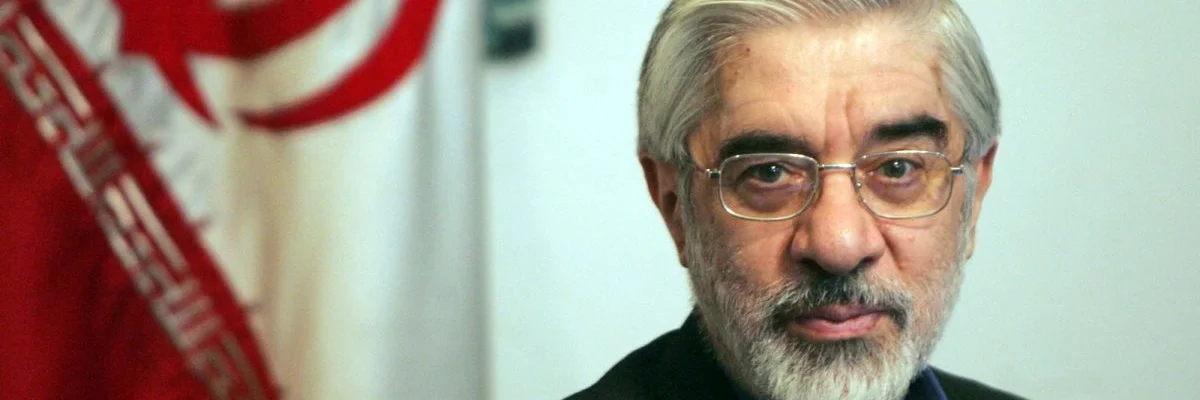
Iran Approves Release of Protest Leaders Mousavi, Karroubi: Family
◢ Iran's top security body has approved the release of opposition figures Mir Hossein Mousavi and Mehdi Karroubi, under house arrest for seven years for leading mass protests in 2009, a family member told local media. "I have heard that the decision to lift the house arrest was approved by the Supreme National Security Council," said Hossein Karroubi, son of the jailed reformist, according to the Kalameh news website which is close to the family.
Iran's top security body has approved the release of opposition figures Mir Hossein Mousavi and Mehdi Karroubi, under house arrest for seven years for leading mass protests in 2009, a family member told local media.
"I have heard that the decision to lift the house arrest was approved by the Supreme National Security Council," said Hossein Karroubi, son of the jailed reformist, according to the Kalameh news website which is close to the family.
"This decision will be presented to the (supreme) leader so that this case can be concluded," he said, adding that Ayatollah Ali Khamenei would have 10 days to veto the decision.
There was no official confirmation of the decision, but the reports come at a time when Iran's leaders are keen to unite conservative and reformist factions to face down increasing pressure from the United States and a worsening economic crisis.
Mousavi, 76, and Karroubi, 80, were reformist candidates in the controversial election of 2009, which was won by hardliner Mahmoud Ahmadinejad.
They claimed the vote was rigged, triggering months of mass protests, particularly in Tehran. Hundreds of thousands took to the streets in the biggest challenge to the system since the Islamic revolution of 1979.
The pair were placed under house arrest without trial in February 2011, along with Mousavi's high-profile wife, 66-year-old Zahra Rahnavard.
Hossein Karroubi said the security council had also agreed to lift restrictions on reformist figurehead Mohammad Khatami, who was Iran's president from 1997 to 2005.
The media had been banned from showing Khatami's face and strict limits were placed on his movements.
President Hassan Rouhani repeatedly vowed to seek the release of Mousavi and Karroubi—a major plank of his election in 2013 and re-election last year, with their names frequently chanted at his rallies.
But despite Rouhani chairing the Supreme National Security Council, which is made up of government and military figures appointed by the president and supreme leader, there had been no sign of progress on their release.
Photo Credit: AFP
Iran's Rial Hits Record-Low 100,000 to the Dollar
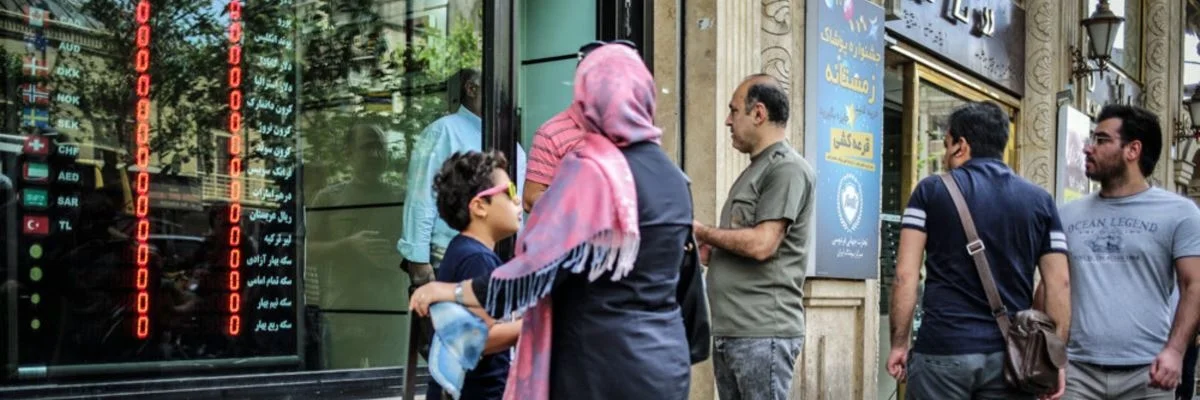
◢ Iran's currency hit a record low on Sunday of 100,000 rials to the dollar amid a deepening economic crisis and the imminent return of full US sanctions. The unofficial rate stood at 102,000 rials by midday, according to Bonbast, one of the most reliable sites for tracking the Iranian currency. The rate was confirmed by a trader who spoke on condition of anonymity to AFP.
Iran's currency hit a record low on Sunday of 100,000 rials to the dollar amid a deepening economic crisis and the imminent return of full US sanctions.
The unofficial rate stood at 102,000 rials by midday, according to Bonbast, one of the most reliable sites for tracking the Iranian currency.
The rate was confirmed by a trader who spoke on condition of anonymity to AFP.
The rial has lost half its value against the dollar in just four months, having broken through the 50,000-mark for the first time in March.
The government attempted to fix the rate at 42,000 in April, and threatened to crackdown on black market traders.
But the trade continued with Iranians worried about a prolonged economic downturn turning to dollars as a safe way to store their savings, or as an investment in the hope the rial will continue to drop.
With banks often refusing to sell their dollars at the artificially low rate, the government was forced to soften its line in June, allowing more flexibility for certain groups of importers.
The handling of the crisis was one of the reasons behind last week's decision by President Hassan Rouhani to replace central bank chief, Valiollah Seif.
The currency collapse was encouraged by the US announcement in May that it was pulling out of the 2015 nuclear deal, that lifted certain sanctions in exchange for curbs to Iran's atomic program.
The US is set to reimpose its full range of sanctions in two stages on August 6 and November 4, forcing many foreign firms to cut off business with Iran.
Photo Credit: Mehr