

Iran Environmentalist, Symbol of Expat Return, Quits
◢ A top Iranian environment official, who symbolized government efforts to encourage expat Iranians to return home, has quit just seven months into his job, sources said Monday. The resignation of Kaveh Madani, who was a young professor at London's Imperial College before returning to Iran in September 2017, followed reports of mounting conservative pressure against him.
A top Iranian environment official, who symbolized government efforts to encourage expat Iranians to return home, has quit just seven months into his job, sources said Monday.
The resignation of Kaveh Madani, who was a young professor at London's Imperial College before returning to Iran in September 2017, followed reports of mounting conservative pressure against him.
The government of President Hassan Rouhani, which has called on Iranians abroad to come home and help develop the country, appointed the water conservation expert as deputy head of the country's environment department.
But in recent weeks, conservative outlets published photos purporting to show him drinking and dancing on holiday. Hardliners called him "debauched" and demanded he be sacked.
Shortly after arriving in Iran last year, Madani had told the English-language Tehran Times that many Iranians abroad were "waiting and watching closely to see what's going to happen".
"If I succeed, we might see more people coming back to help the government," he said. But on Monday a colleague of Madani confirmed reports that he had resigned while out of the country.
In February, Madani was briefly detained by one of Iran's security agencies amid a crackdown on environmentalists that saw several activists arrested on espionage charges.
One, Kavous Seyed Emami, died in Tehran's Evin prison after being accused of spying for the United States and Israel. Iranian authorities said he had committed suicide in his cell, but this has been disputed by the family.
Madani studied in Tabriz in northern Iran before getting his PhD in civil and environmental engineering from the University of California, according to Imperial College's website.
"I'm the representative of a generation who left the country and the whole country is complaining about losing this generation and brain drain," he told the Tehran Times in December.
He also tweeted at the time: "I have returned with the hope of creating
#hope". After hearing of Madani's resignation, reformist lawmaker Mahmoud Sadeghi criticised authorities for the message he said they were sending to "elite Iranians living abroad".
The water expert's departure comes as Iran suffers from years of drought, which has devastated its agriculture.
There have been reports of persistant protests by farmers in Isfahan in recent weeks, which have been denounced by conservatives including the city's Friday prayers leader.
Photo Credit: Kaveh Madani Twitter
No New EU Sanctions on Iran—For Now
◢ EU foreign ministers on Monday discussed how they could persuade the US not to pull out of the Iran nuclear deal, but stopped short of imposing new sanctions on Tehran. Britain, France and Germany used a meeting of the EU's 28 foreign ministers to try to build support for expanding sanctions against Iran to punish it for its ballistic missile program and its role in regional conflicts including Syria and Yemen.
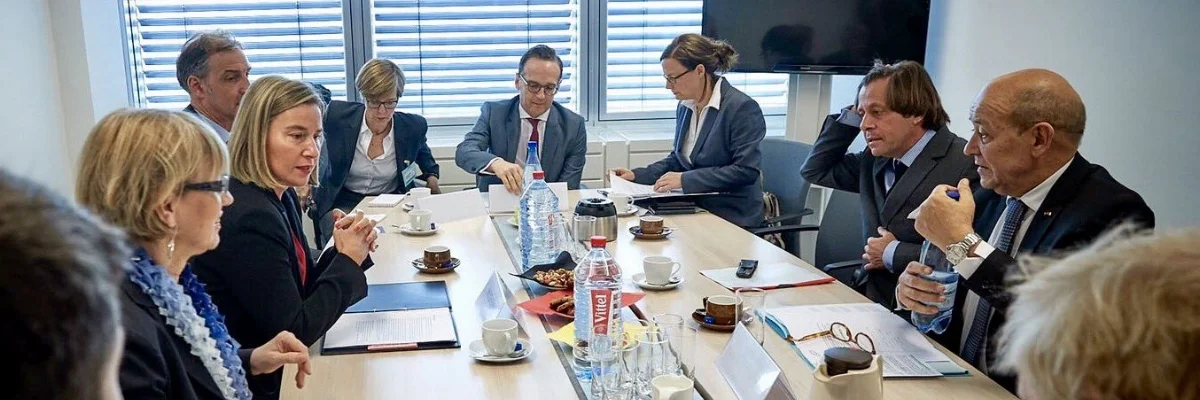
EU foreign ministers on Monday discussed how they could persuade the US not to pull out of the Iran nuclear deal, but stopped short of imposing new sanctions on Tehran.
Britain, France and Germany used a meeting of the EU's 28 foreign ministers to try to build support for expanding sanctions against Iran to punish it for its ballistic missile program and its role in regional conflicts including Syria and Yemen.
They hope that by doing so they will persuade US President Donald Trump not to follow through on his threat to abandon the landmark 2015 deal to curb Iran's nuclear ambitions.
Danish Foreign Minister Anders Samuelson said there was "a very broad majority" in favor of expanding sanctions, as the clock ticks down to a May 12 deadline imposed by Trump to "fix" the agreement.
Simon Coveney, the Irish foreign minister, said there was a need to "send a strong signal to Iran that we're concerned in relation to some of their activity particularly in Syria".
"But also to send a message to Washington that we share their concerns in some of those areas," Coveney said after the talks in Luxembourg.
Targets for new sanctions could include both Iranians and also non-Iranian militias in Syria, an EU diplomat said.
But any decision on sanctions would have to have unanimous support from all 28 EU states and so far several, including Italy and Sweden, are not convinced.
"There is no consensus at the moment on the fact that these measures would be useful in this moment or appropriate in this moment," EU diplomatic chief Federica Mogherini told reporters. "I don't exclude that this will happen in the future but it's not the case today."
German Foreign Minister Heiko Maas said the question of expanding sanctions would "remain on the agenda" in the coming weeks.
Another EU diplomat said the aim of Monday's talks was to build political support for new sanctions and the effort would continue in the coming weeks.
The EU is desperate to preserve the Iran nuclear deal, seeing it as the best way to stop Tehran getting the bomb.
French President Emmanuel Macron and Germany's Chancellor Angela Merkel will both visit Washington on separate official visits before May 12, in part to lobby Trump on the issue.
Trump has long derided the deal as a capitulation to Tehran and has declared it no longer is in US interests to maintain the sanctions relief his predecessor Barack Obama granted Iran in return for controls on its nuclear program,
Photo Credit: EEAS
Iran Bans Foreign Social Media Networks in Schools
◢ Iran's ministry of education on Sunday banned the use of foreign social media networks in schools, the ILNA news agency reported, amid a push by Tehran to limit the influence of outside online platforms. Schools must "only use domestic social networks" for their communication, the ministry said in a statement, according to the reformist-linked news agency.
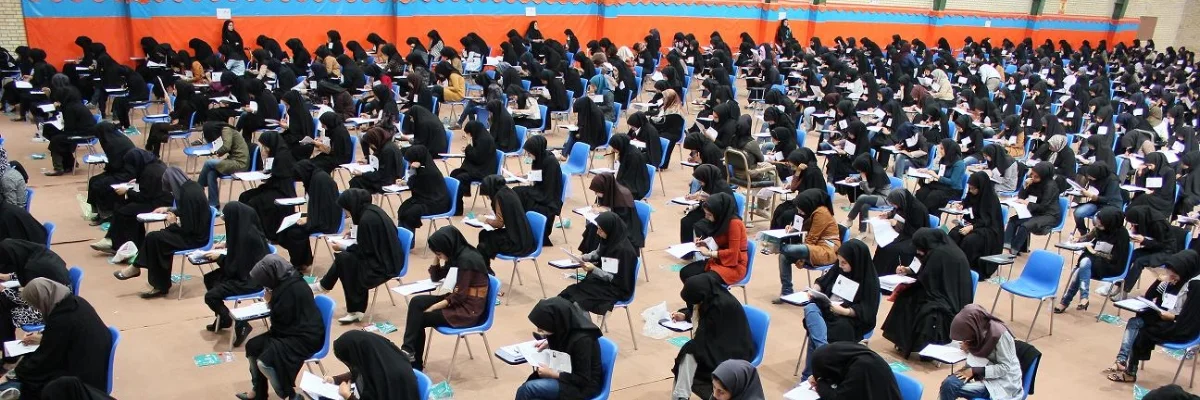
Iran's ministry of education on Sunday banned the use of foreign social media networks in schools, the ILNA news agency reported, amid a push by Tehran to limit the influence of outside online platforms.
Schools must "only use domestic social networks" for their communication, the ministry said in a statement, according to the reformist-linked news agency.
Telegram is the most popular social network in Iran. In 2017, the app claimed it had 40-million monthly users in the Islamic Republic.
Instagram is also very popular, and companies in Iran—like elsewhere—often use both platforms to communicate directly with customers.
Less used, Facebook and Twitter are blocked in Iran, but easily accessible using a virtual private network (VPN).
During a wave of protests that hit dozens of Iranian cities over at the start of the year, Iranian authorities temporarily banned Telegram, accusing the app of allowing foreign-based "counter-revolutionary" groups to fuel unrest.
Since then, authorities have sought to develop Iranian social media networks and limit the reliance on foreign-based platforms, which Tehran accuses of hosting sites deemed hostile to the Islamic Republic.
Several Iranian platforms offering services similar to Telegram have emerged in recent months, like the Soroush network, which already claims to have five million subscribers.
According to the official IRNA news agency, Telecommunication Minister Mohammad-Javad Azari Jahromi recently pledged Iranian networks would offer the same guarantees of confidentiality as foreign platforms.
"No message is read, and no (personal) information is communicated to anyone," he told parliament.
In a statement recently posted to his website, Iran's Supreme Leader Ayatollah Ali Khamenei said the government should guarantee the "security and privacy" of people on the internet.
Khamenei called intrusions into online privacy "haram", or prohibited from a religious standpoint.
Iranian media has appeared to encourage people to join the new networks by assuring viewers they will continue to operate even if Telegram is again banned.
Photo Credit: Mehr
Pompeo, Trump's Pick for Secretary of State, Vows Diplomatic Approach to Iran
◢ President Donald Trump's pick to become Washington's top diplomat pledged Thursday to work with US allies to strengthen the Iran deal and played down fears he is bent on regime change in North Korea. Mike Pompeo, the outgoing director of the Central Intelligence Agency, disavowed his reputation as a "war hawk" and an anti-Muslim hardliner as he sought to woo support from senators to become the next US secretary of state
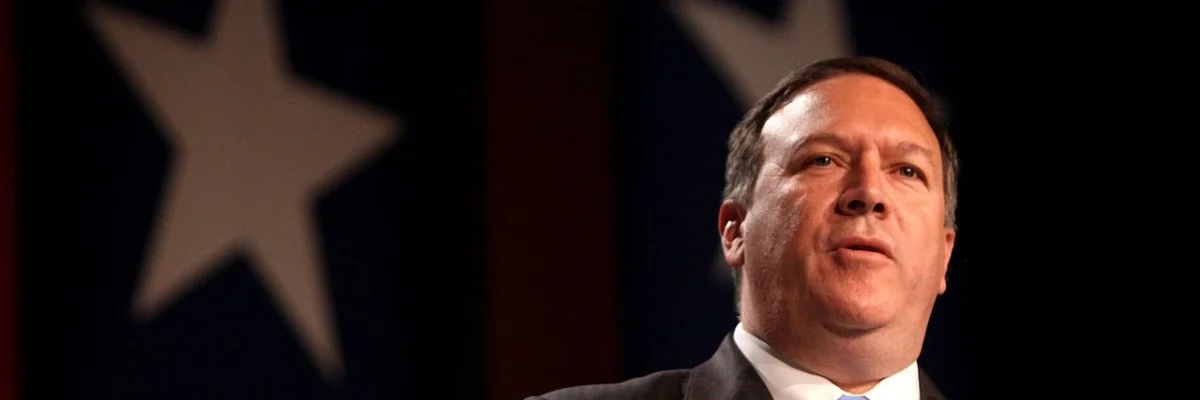
President Donald Trump's pick to become Washington's top diplomat pledged Thursday to work with US allies to strengthen the Iran deal and played down fears he is bent on regime change in North Korea.
Mike Pompeo, the outgoing director of the Central Intelligence Agency, disavowed his reputation as a "war hawk" and an anti-Muslim hardliner as he sought to woo support from senators to become the next US secretary of state.
He told members of the Senate Foreign Relations Committee that he would restore "swagger" to a State Department left in tatters by Rex Tillerson, and strengthen relations with US partners left ragged after the tumultuous first year of President Donald Trump's administration.
Pompeo, a former congressman, emphasized his close relationship with Trump—something Tillerson never had—and his time at the CIA, which he said had given him a strong appreciation for the necessity to work closely with foreign partners.
He promised to fill scores of unoccupied diplomatic posts, to spend time with the staff and delegate authority, saying current state department staff are "demoralized" and "do not feel relevant."
"All of this—listening, leveraging differences, unleashing talent, teamwork—will become the fabric of a State Department culture that finds its swagger once again," he said.
Reputation as Hardliner
With a series of tough foreign policy challenges looming, Trump has made the 54-year-old West Point and Harvard Law graduate a key aide for his second year in office, along with fellow arch-conservative John Bolton, who joined the White House this week as the president's national security advisor.
Bolton later lavished praise on Pompeo, describing him as a "talented and experienced public servant" as well as a "good friend."
"We need him as secretary of state as we support the president and take on some of the toughest foreign policy issues of our time," he said in a statement.
He was also quizzed on former statements, when he was a congressman from Kansas, that have led him to be cast as anti-Muslim and anti-gay. But he cited his record in the CIA as supporting a diverse workforce, "focusing on mission and demanding that every team member be treated equally and with dignity and respect."
Confirmation Not Certain
After five hours of testimony, though, Pompeo's confirmation by the committee, and then the entire Senate, was not assured, even though his nomination in early 2017 as CIA director passed easily.
One Republican senator on the committee, Rand Paul, has declared himself opposed, meaning at least one Democrat will have to cross party lines and support him to see the nomination through to a full vote.
But Senator Lindsey Graham, a Republican hawk on foreign policy, has said Pompeo would be taking over during a "dangerous" period globally, and that "I think he's the right guy at the right time." A committee vote is expected sometime later this month.
Photo Credit: Wikicommons
EU Extends Iran Rights Sanctions As US Nuke Deal Deadline Nears
◢ The EU on Thursday extended sanctions against Iran over its human rights record for another year, as Europe battles to stop the US ditching a landmark nuclear accord with Tehran. The sanctions, first imposed in 2011, include an asset freeze against 82 individuals and one entity, plus a ban on exports to Iran of certain telecommunications equipment.
The EU on Thursday extended sanctions against Iran over its human rights record for another year, as Europe battles to stop the US ditching a landmark nuclear accord with Tehran.
The sanctions, first imposed in 2011, include an asset freeze against 82 individuals and one entity, plus a ban on exports to Iran of equipment "which might be used for internal repression and of equipment for monitoring telecommunications."
The European Council of member states said it decided to extend the sanctions—which are not related to the 2015 deal to curb the Islamic republic's nuclear ambitions—in response "to serious human rights violations in Iran."
The measures were first put in place following a crackdown during the 2009 election and subsequent protests sparked by the Arab Spring which inspired hopes of reform in Iran.
Britain, France and Germany—the three European countries that signed the Iran nuclear deal—are working to head off US President Donald Trump's threat to walk away from the accord and reimpose stinging economic sanctions by May 12.
Trump has repeatedly condemned the deal and demanded tough new restrictions on Iran over its ballistic missile program and its role in conflicts around the Middle East.
Photo Credit: Wikicommons
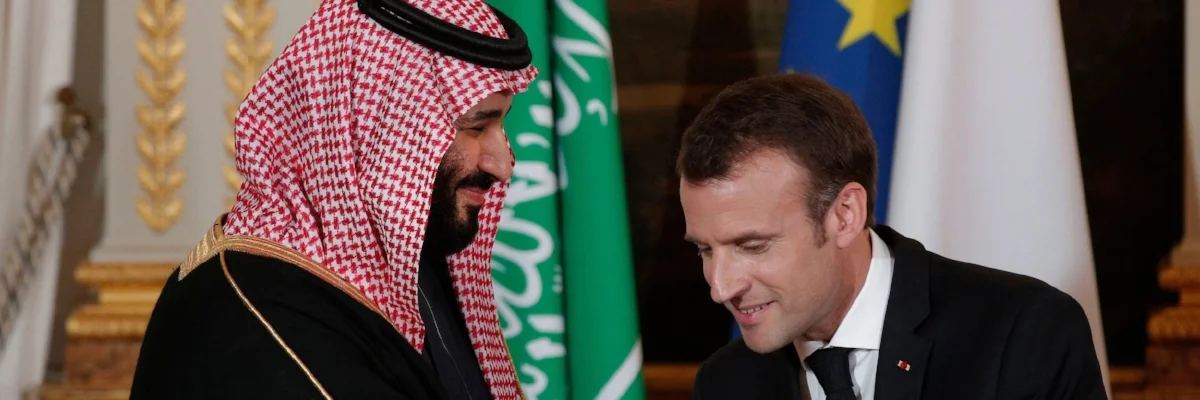
France, Saudi Agree on Need to Curb Iranian 'Expansionism': Macron
◢ President Emmanuel Macron said Tuesday that France agreed with Saudi Arabia on the need to curb Iranian "expansionism" in the Middle East, while also announcing a conference to boost humanitarian support for Yemen, where Riyadh is waging a bombing campaign.
President Emmanuel Macron said Tuesday that France agreed with Saudi Arabia on the need to curb Iranian "expansionism" in the Middle East, while also announcing a conference to boost humanitarian support for Yemen, where Riyadh is waging a bombing campaign.
Speaking alongside Crown Prince Mohammed bin Salman at a press conference as the de facto Saudi leader wrapped up a three-day official visit, Macron called for "greater efforts to limit Iran's ballistic activity and regional expansionism."
"This strategic vision means reducing all the projects of expansionist political Islam which could feed other forms of terrorism and destabilize the region," Macron said of Riyadh's regional rival.
On Yemen, where Saudi Arabia has led an international military coalition since 2015 and waged a blockade that has sparked widespread condemnation, Macron stressed the need for "respect for international humanitarian law".
"We will continue to be extremely vigilant on this point," he said, while adding: "It is obvious that we will not tolerate any ballistic activity that threatens Saudi Arabia."
After a trip which has seen France and Saudi sign up for major cultural exchanges as well as discussions of war in the Middle East, companies from both countries signed draft deals worth a total USD 18 billion (EUR 14.5 billion).
The memoranda of understanding cover sectors including petrochemicals, water treatment, tourism, health, agricultural and cultural activities, the French-Saudi business forum said in a statement.
Photo Credit: Yoan Valat
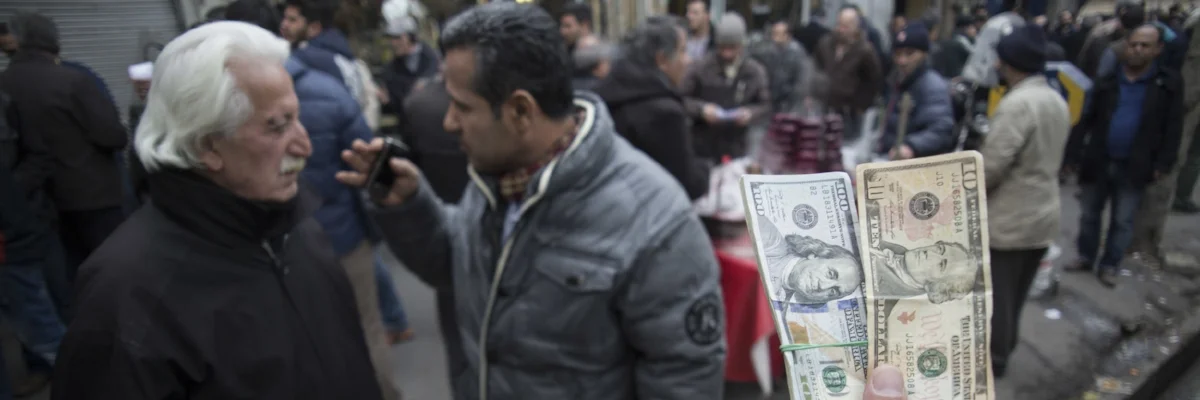
Iranians Flock to Empty Exchangers After Currency Fix
◢ Confused and frustrated Iranians flocked to exchange offices on Tuesday after the government fixed a new rate for the dollar, only to find there were none to buy. Some predict the exchangers will find ways to fiddle the system to get round the new fixed rate, even though Vice-President Eshagh Jahangiri warned this would be considered smuggling.
Confused and frustrated Iranians flocked to exchange offices on Tuesday after the government fixed a new rate for the dollar, only to find there were none to buy.
On Ferdowsi Street in central Tehran, home to dozens of banks and currency exchanges, many had hoped to find much cheaper dollars than the day before.
Overnight, the government had announced it was fixing the rate at 42,000 rials per dollar in a bid to arrest a slide in the currency, which has lost more than a third of its value against the greenback in six months.
But all along Ferdowsi Street, exchangers were turning hundreds of people away or had signs up saying: "We have no dollars to sell", while rate boards showed blank spaces for US and European currencies.
"Last night on TV I heard it's 42,000 so I came here to buy some for my son who is overseas. I've checked every exchanger but I couldn't find any dollars," said Tahmoores Faravahar, a 71-year-old retired oil sector worker.
A day earlier, some reported dollars selling at a record-high rate of 60,000 rials—pushed up by fears over tensions with the United States and a difficult political and economic situation at home.
"The truth is that the people can't trust the word of the government that their money will be safe," said a trader who sold currency on the street and asked to remain anonymous.
"People don't have hope in the political and economic situation in this country. People are confused and just want to keep their money safe by turning it into dollars."
One exchange office said it was never clear when the central bank would deliver dollars for them to sell.
"I don't know why they haven't come yet today," he said in the early afternoon. "But the new rate is good. The price was not normal these last few days."
'Everything is down'
Another street trader said the recent currency speculation was driven by the fact that people had few other options to make cash.
"If you look at the market, everything is down except the dollar. Real estate is down, the retail sector is down. People need income so it's a good idea to buy and sell dollars and make some money," he said.
"Last night, the government lowered the price and some people had a heart attack, but it won't stay like this."
He said exchangers would find ways to fiddle the system to get round the new fixed rate, even though Vice President Eshagh Jahangiri warned this would be considered smuggling.
"Just like the smuggling of drugs, no one has the right to buy or sell it... If any other exchange rate is formed in the market, the judiciary and security forces will deal with it," Jahangiri warned on state television.
Some said this had only created fear and confusion. "I want to sell some dollars but no one wants to buy them because the market is not safe," said a man in his forties, who did not give his name.
"The exchanges are worried about the situation because the government says it is smuggling if they sell above the new rate, so no one wants to sell," he said.
Meanwhile, for the many journalists covering the scene at Ferdowsi Street on Tuesday, there was another, unexplained phenomenon. "There are so many police here, but no one has asked us anything," said one local reporter.
Other media, including AFP reporters, said it was the first time they had been left to work without even being asked for their papers or being told to move on.
Journalists have felt less pressure since President Hassan Rouhani came to power in 2013, but police routinely hassle reporters and stop them filming in public. "It's like a dream," said one journalist as police walked past his video camera without batting an eye.
Photo Credit: Shutterstock
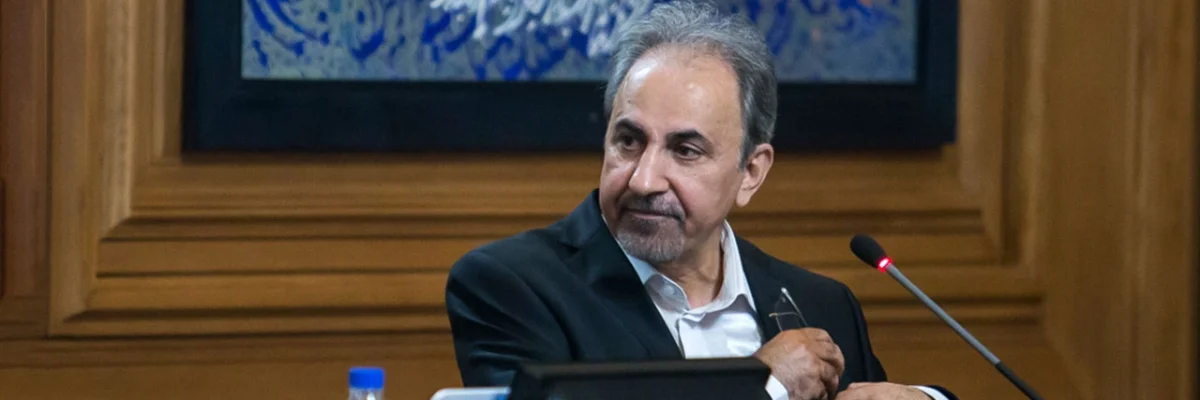
Tehran Mayor Quits After Claims He Was Threatened With Arrest
◢ Tehran's reformist mayor was replaced on Tuesday following claims he was threatened with arrest if he did not step down. Mohammad Ali Najafi, who took power after reformists swept the council elections last May, said he was suffering from unspecified health problems that required extensive treatment.
Tehran's reformist mayor was replaced on Tuesday following claims he was threatened with arrest if he did not step down. Mohammad Ali Najafi, who took power after reformists swept the council elections last May, said he was suffering from unspecified health problems that required extensive treatment.
But his allies say he was under pressure after accusing his conservative predecessors of corruption. Morteza Alviri, a member of the council and a former mayor, said on Sunday that Najafi was summoned one night to the prosecutor's office.
"I'm informed he was summoned, not in a polite manner", Alviri said in a video posted on the reformist Khabaronline website. He said Najafi was woken while in bed.
"I heard he was threatened with arrest," Alviri added. Najafi had attracted criticism from hardliners last month after attending a show at City Hall for Iranian Women's Day in which schoolgirls performed a traditional dance.
Islamic law in Iran prohibits public dancing, and prosecutor general Mohammad Jafar Montazeri said the show included "acts against public morality" and Islamic tradition.
Najafi resigned a few days later, citing health reasons he had not previously mentioned.
The council rejected his decision, prompting the prosecutor general to accuse them of playing "a political game" and calling on Najafi to submit a fresh resignation, which he did on Monday.
The second resignation was approved by the council on Tuesday, and he has been temporarily replaced by a deputy, Samiollah Hosseini Makarm.
Najafi's supporters strongly criticized the prosecutor's involvement, and asked why he was not instead focused on the corruption allegations revealed by the mayor.
Reformists displaced the conservatives for the first time in 14 years in last year's municipal elections.
In January, Najafi presented a report on the previous administration, run by former police chief and presidential candidate Mohammad Bagher Ghalibaf, saying large sums had been diverted from council contracts into officials' pockets.
The report said thousands were being kept on the payroll in non-existent jobs, according to the semi-official ISNA news agency, and an extra 13,000 added ahead of the election.
"Inside the municipality, there have been many serious financial violations, but no one has been invited to explain these violations," Alviri told Khabaronline.
Photo Credit: Tasnim
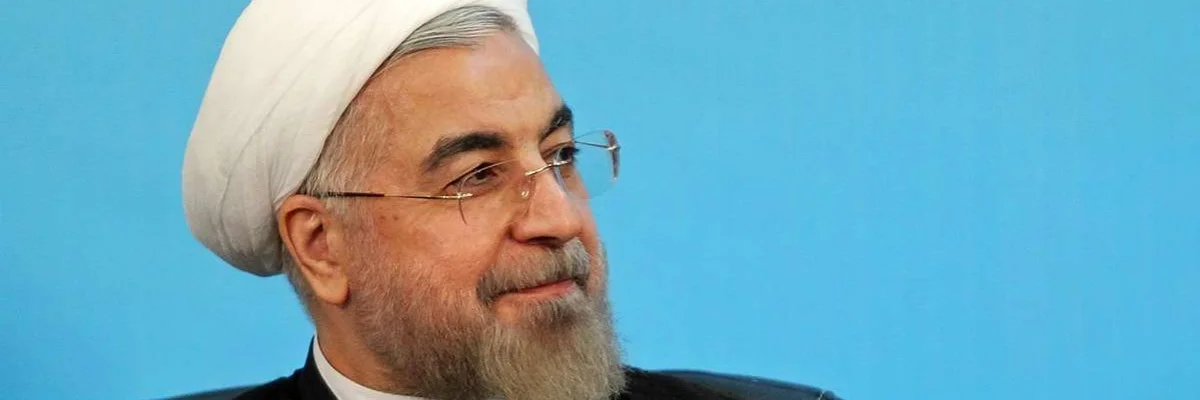
Iran's Rouhani Says US 'Will Regret It' If It Violates Nuke Deal
◢ Iranian President Hassan Rouhani said Monday that the United States would regret withdrawing from the nuclear deal, and that Iran would respond in "less than a week" if that happened. Rouhani said the country's military and diplomatic powers were not aimed at intimidating its neighbors—an apparent riposte to claims by Saudi Arabia that it is seeking to dominate the Middle East.
Iranian President Hassan Rouhani said Monday that the United States would regret withdrawing from the nuclear deal, and that Iran would respond in "less than a week" if that happened.
"We will not be the first to violate the accord but they should definitely know that they will regret it if they violate it," Rouhani told a conference to mark National Nuclear Technology Day in Tehran.
"We are much more prepared than they think, and they will see that if they violate this accord, within a week, less than a week, they will see the result."
US President Donald Trump has threatened to walk away from the nuclear deal and reimpose sanctions by May 12 unless tough new restrictions are imposed on Iran's nuclear and missile programs.
Rouhani dismissed the threat, saying: "It's been 15 months since this gentleman who came to power in America has been making claims and there have been many ups and downs in his remarks and his behavior.
"(But) the foundations of the JCPOA (nuclear deal) have been so strong that during these 15 months of pressure... the structure has remained solid."
The other partners to the agreement—Britain, France, Germany, China, Russia and the EU—all agree that Iran has stuck by its commitments, as does the International Atomic Energy Association which is tasked with inspecting Iran's compliance.
"Even if one day (the US) can harm the JCPOA, we will be the winner in the public opinion of the world as the nation that stuck by its commitments," Rouhani said.
"If they withdraw, it would mean that they are not committed to their words."
Rouhani said the country's military and diplomatic powers were not aimed at intimidating its neighbours—an apparent riposte to claims by Saudi Arabia that it is seeking to dominate the Middle East.
"Our path is clear. We are not thinking of threatening anyone. Our powers, even our military power is not for aggression against any country. Our relations with our neighbors will be friendly relations," Rouhani said.
He also took aim at his hardline opponents on the domestic front, who have criticized his efforts to reach out to the West.
"We need hard power. We need soft power... Some only look at one side of the coin," he said.
Photo Credit: IRNA
Iran's Rial Hits New Record-Low on Trump Fears
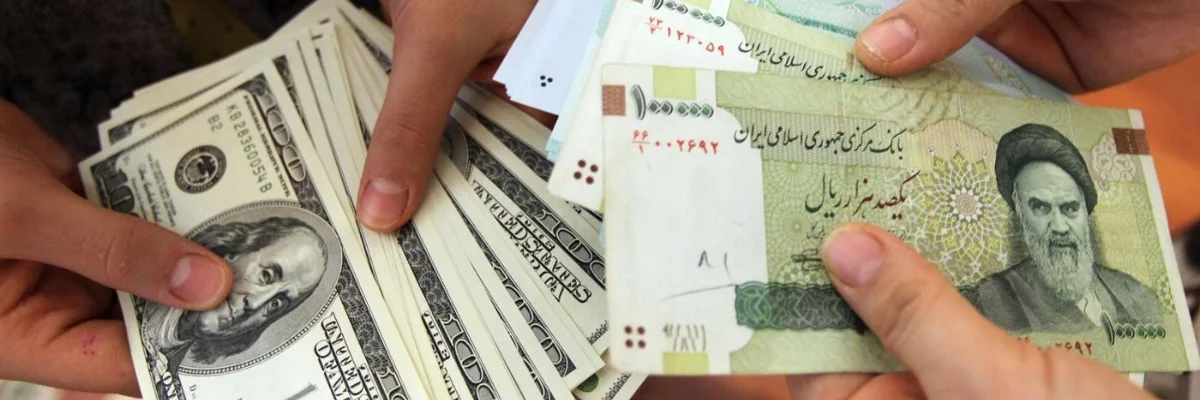
◢ Iran's currency fell more than six percent against the dollar on Sunday, hitting another record-low, as fears of a US withdrawal from the nuclear deal continued to drive speculation. The rial reached 55,200 to the dollar at the close on the open market—a drop of nearly a third in the past six months.
Iran's currency fell more than six percent against the dollar on Sunday, hitting another record-low, as fears of a US withdrawal from the nuclear deal continued to drive speculation.
The rial reached 55,200 to the dollar at the close on the open market—a drop of nearly a third in the past six months—according to the Financial Informing Network, considered the most reliable for fluctuations in the free rate.
"There is a clearly an increase of people buying dollars because they think the United States will pull out of the nuclear deal," said the head of an exchange office in Tehran, on condition of anonymity.
The gap with the government's official rate, which stood at 37,814 on Sunday, has continued to widen, threatening a return of high inflation which the government has battled to bring under control.
"The government can't do anything when there is this much panic. If the US exits the agreement, the Iranian currency could collapse even further and reach 70,000 to the dollar," said the exchange dealer.
The head of the central bank, Valiollah Seif, and Economy Minister Masoud Karbasian were summoned to parliament to discuss the issue last Monday.
Long queues have been seen outside exchange offices for weeks as uncertainty mounts over the nuclear deal which Iran reached with world powers in 2015.
President Donald Trump has threatened to walk away from the deal and reimpose sanctions by May 12—the next deadline for confirming US involvement—unless new restrictions are placed on Iran's nuclear and missile programs.
The rial stood at around 40,000 to the dollar in October, when Trump said he would no longer certify Iran's compliance with the nuclear deal, and has been falling steadily since.
Iran's government took drastic measures in February to stem the decline, arresting unlicenced exchange dealers and freezing speculators' accounts, but they have had little impact.
President Hassan Rouhani, who has staked his legacy on trying to revive the economy by rebuilding ties with the West, sought to play down the decline earlier this year, saying Iran was bringing in plenty of dollars through oil sales.
Photo Credit: AFP
Iran's Ahmadinejad Says Ally on Hunger Strike Since 'Unjust' Arrest
◢ Former Iranian president Mahmoud Ahmadinejad said Wednesday that his ally Hamid Baghaie was on hunger strike and in deteriorating health after being imprisoned on what he said were politically motivated charges. Ahmadinejad, who served as president from 2005 to 2013, made the claims in a letter to supreme leader Ayatollah Ali Khamenei, published on the Dolatebahar website run by his supporters.
Former Iranian president Mahmoud Ahmadinejad said Wednesday that his ally Hamid Baghaie was on hunger strike and in deteriorating health after being imprisoned on what he said were politically motivated charges.
Ahmadinejad, who served as president from 2005 to 2013, made the claims in a letter to supreme leader Ayatollah Ali Khamenei, published on the Dolatebahar website run by his supporters.
It is the latest volley in a bitter feud with his former colleagues in the Iranian establishment—particularly the conservative-dominated judiciary—which has led him to demand wide-ranging reforms, including fully free elections.
"The judicial apparatus, without any documents or proof or legal citation... under the cover of financial accusations and in a closed trial—has condemned (Baghaie) to the severest possible punishment," Ahmadinejad wrote in his latest letter.
Baghaie, who served as his vice president, was jailed this month for 15 years for embezzling 3,766,000 euros and $590,000.
Prosecutors said the cash was given to him by General Ghasem Soleimani, feted head of the external operations arm of the Revolutionary Guards, the Qods Force, and earmarked for "affairs to do with African countries".
"Mr Baghaie has never accepted these accusations and he's been on hunger strike for 14 days in protest at this injustice by the judicial apparatus," Ahmadinejad said in the letter.
"It is heard that his physical situation is deteriorating. He's been kept in solitary confinement since the first day of his arrest," Ahmadinejad added, calling on Khamenei to step in to avoid a "big catastrophe and irreparable damage."
In an earlier report on the Dolatebahar website, Baghaie was quoted as saying: "Suppose this impossible, fabricated story is true—should I be blamed, or should it be General Ghasem Soleimani as the authorised official in the Qods Force who has delivered the said foreign currency?"
'No Proof'
Ahmadinejad and Baghaei claim no proof of the alleged transactions was presented at the trial in December. Another of their associates—Ahmadinejad's former chief of staff Rahim Mashaie —was arrested this month after burning a copy of Baghaei's verdict outside the British embassy.
A populist with close ties to the hardline religious elite and Revolutionary Guards during his time in office, Ahmadinejad's unruly style saw him fall out with the establishment and clash with Khamenei.
He has become a growing thorn in their side in recent years. Both he and Baghaie were barred from standing in last year's presidential election by the Guardian Council, which vets candidates.
In another letter to Khamenei last month, Ahmadinejad called for "the immediate holding of free presidential and parliamentary elections—of course without their being engineered by the Guardian Council and without interference by military or security bodies so that people have a free choice."
Ahmadinejad remains a hate figure for many reformists, who associate him with the bloody crackdown on mass protests in 2009 and 2010 that followed his contested re-election.
However, he remains popular particularly among poorer segments of society who recall the large-scale welfare schemes he implemented during his presidency.
Photo Credit: Wikicommons
Iran Currency Hits Record Low, Crashing Through 50,000 Mark
◢ The Iranian rial fell to a record-low on Monday, breaking through the 50,000-to-the-dollar mark for the first time, with analysts blaming uncertainty stemming from Washington. The rial has lost around a quarter of its value in the past six months to reach 50,860 against the US dollar according to the Financial Information Market, a trusted website for fluctuations on the open market.
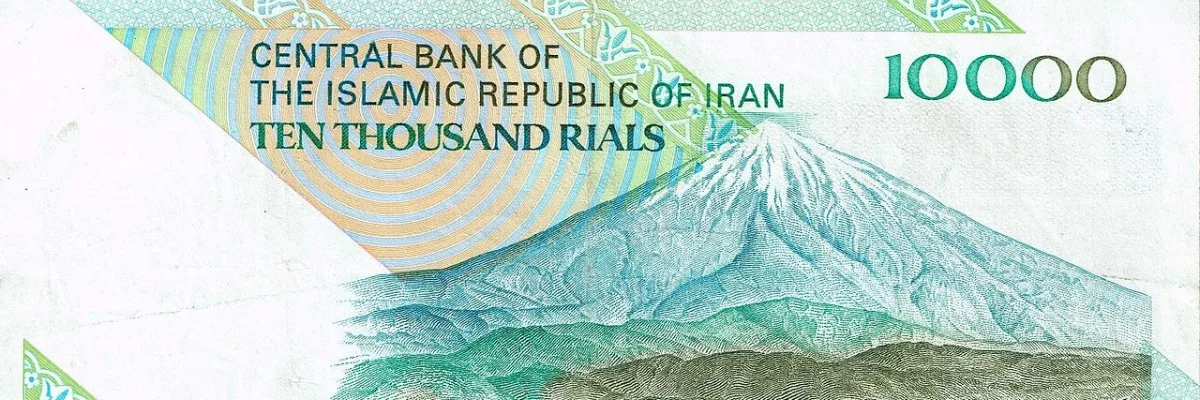
The Iranian rial fell to a record-low on Monday, breaking through the 50,000-to-the-dollar mark for the first time, with analysts blaming uncertainty stemming from Washington.
The rial has lost around a quarter of its value in the past six months to reach 50,860 against the US dollar according to the Financial Information Market, a trusted website for fluctuations on the open market.
The gap with the official rate, which stood at 37,686 on Monday, has continued to widen. Iran's government took drastic measures last month to stem the decline in the free market rate, arresting foreign exchange dealers, freezing speculators' accounts and raising interest rates, as well as buying up millions of dollars in a bid to lower the price.
But on the streets of Tehran, long queues continued to gather outside foreign exchanges in the build-up to the Nowruz New Year holiday, which is running for another week.
"The issue is psychological rather than economic. There's no reason to buy dollars except in the hope that you can sell them later at a higher rate," said Esfandyar Batmanghelidj, founder of the Europe-Iran Forum, a business network.
He said Iranians were reacting to worrying headlines from the United States, where President Donald Trump recently appointed two hardline anti-Iran figures to his administration: Mike Pompeo as secretary of state and John Bolton as national security advisor.
Many analysts believe Trump will pull out of the 2015 nuclear deal with Iran when it next comes up for renewal in May, bringing back crippling sanctions.
"I see many people looking to invest in neighbouring countries because this fear is spreading about the future of the JCPOA (nuclear deal)," said Navid Kalhor, a Tehran-based financial analyst.
Local officials have complained that Iranians are hoarding billions of dollars, while local banks run short of cash "I have friends who go to banks and ask for 15 or 20 million tomans (150 million or 200 million rials, $3,000 or $4,000) and they're told to come back in a week because they're out of cash," said Kalhor.
"Very Concerning"
The devaluation poses a major problem for President Hassan Rouhani's government, which had hoped to attract massive foreign investment in the wake of the nuclear deal.
Already facing huge obstacles from remaining, non-nuclear US sanctions, the collapsing currency will serve as another deterrent to potential investors, Batmanghelidj said.
"Even in an instance where an investor is willing to operate in Iran, the devaluation is very concerning. If you invest now and the currency falls even 15 percent, you have to discount that from your returns, and that's very difficult to hedge against," he said.
"This will be difficult for the government. There is very little they can do about the mentality of individuals."
The government has resisted unifying the official and free-market rates of the rial because it would mean more expensive imports and therefore higher inflation.
But analysts say the gap has distorted trade and fueled corruption. Perhaps the biggest challenge is that hoarding dollars has become a preferred way to store money amid economic uncertainty, especially after a housing boom stagnated after years of over-construction.
Iranian banks have tried to counter this by offering interest rates as high as 20 percent.
But speculation on the dollar has become an endemic problem. The Iran newspaper reported last month that 775 people's accounts had been frozen on suspicion of distorting the foreign exchange market with capital movements totaling 200 trillion rials (over $4 billion).
This has only fueled wider problems in the economy by discouraging investors from putting their money into businesses. "The situation in the economy right now is far from beautiful," said Kalhor.
Photo Credit: Wikicommons

US Hostility Means Iran Must Boost China, Russia Ties: Official
◢ Growing hostility from US President Donald Trump means Iran must strengthen its ties with Russia and China, a top official said on Saturday. Alaeddin Boroujerdi, chairman of the Iranian parliament's foreign affairs committee, aid boosting ties with China and Russia, permanent members of the UN Security Council, would "help reduce the impact of US pressure".
Growing hostility from US President Donald Trump means Iran must strengthen its ties with Russia and China, a top official said on Saturday.
"The use of radical elements hostile to the Islamic Republic shows that the Americans are trying to increase the pressure against Iran," said Alaeddin Boroujerdi, chairman of the Iranian parliament's foreign affairs committee.
His comments, carried by the semi-official ISNA news agency, were the first reaction by a senior Iranian official to Trump's appointment of conservative firebrand John Bolton as his national security chief.
That came days after Trump picked hardliner Mike Pompeo as his top diplomat. The appointments raised fears of US military action against Iran.
Bolton, a former UN ambassador and outspoken supporter of the US-led invasion of Iraq in 2003, opposes a historic 2015 Iran nuclear deal which Trump has threatened to scrap.
Bolton has also championed regime change in Tehran, writing in a 2015 op-ed that "only military action ... can accomplish what is required."
Boroujerdi said that Trump was working "to reassure the Zionists (Israel) and Saudi Arabia."
"We need to strengthen our relations with important countries like China and Russia, which are also subject to US sanctions and face significant challenges from that country," he said.
Boroujerdi said boosting ties with China and Russia, permanent members of the UN Security Council, would "help reduce the impact of US pressure".
Iran has in recent years developed its relations with China and Russia. Tehran and Moscow are key backers of Syrian President Bashar Al-Assad, while China is Iran's top trading partner.
Photo Credit: IRNA
US Imposes Sanctions on Iranians for Hacking
◢ The United States imposed sanctions on Friday on 10 Iranians and an Iranian company for alleged hacking hundreds of universities in the US and abroad and the theft of "valuable intellectual property and data."
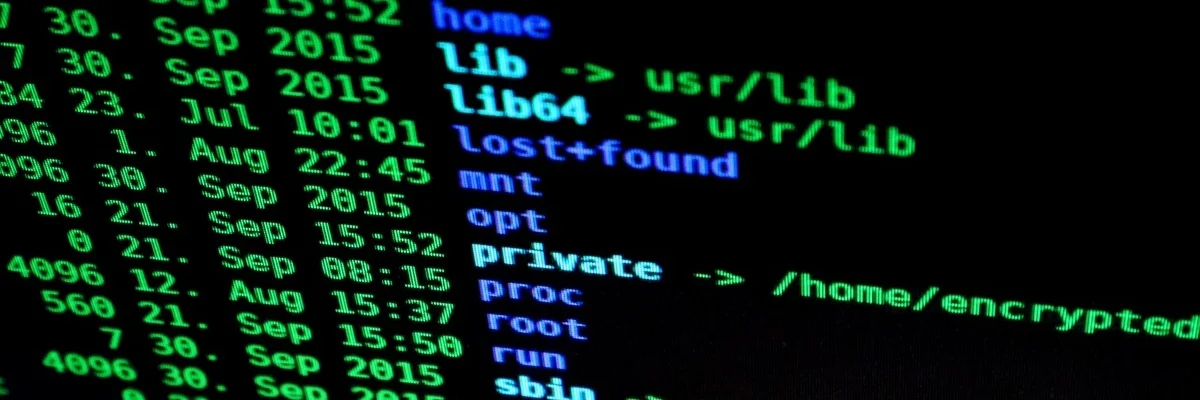
The United States imposed sanctions on Friday on 10 Iranians and an Iranian company for alleged hacking hundreds of universities in the US and abroad and the theft of "valuable intellectual property and data."
The Mabna Institute engaged in "the theft of personal identifiers and economic resources for private financial gain" and for the benefit of Iran's Islamic Revolutionary Guard Corps, the US Treasury Department said.
The two founders of the Mabna Institute are among the 10 people whose assets are subject to US seizure, it said. Nine of the 10 were indicted separately for conspiracy to commit computer intrusions and other charges.
Since 2013, the Mabna Institute carried out cyber intrusions into the computer systems of 144 US universities, the Treasury Department said, and 176 universities in 21 foreign countries.
"For many of these intrusions, the defendants acted at the behest of the Iranian government and, specifically, the Iranian Revolutionary Guard Corps, Deputy Attorney General Rod Rosenstein said in a statement.
"The Department of Justice will aggressively investigate and prosecute hostile actors who attempt to profit from America's ideas by infiltrating our computer systems and stealing intellectual property," Rosenstein added.
Geoffrey Berman, US Attorney for the Southern District of New York, said the Iranians conducted spearphishing attacks designed to steal passwords from email accounts in one of the "largest state-sponsored" hacking schemes ever uncovered.
The email accounts of more than 100,000 university professors worldwide were targeted, Berman said, and about 8,000 accounts were compromised. He said 31 terabytes—about 15 billion pages—of academic data and intellectual property were stolen.
This included "research, and other academic data and documents, including, among other things, academic journals, theses, dissertations, and electronic books," the Justice Department said.
"The defendants targeted data across all fields of research and academic disciplines, including science and technology, engineering, social sciences, medical, and other professional fields," it said.
David Bowdich, deputy director of the FBI, said the defendants are in Iran and "apprehending these individuals presents a challenge."
"(But) the long arm of the law reaches worldwide," he said. "You cannot hide behind a keyboard half way around the world and expect not to be held to account," Berman said.
One of the 10 Iranians subject to sanctions, Behzad Mesri, was already indicted in November 2017 in connection with the theft of scripts and plot summaries for HBO's "Game of Thrones," and for trying to extort $6 million in Bitcoin out of the network.
The Justice Department said that besides targeting university professors in the United States, the hackers also compromised accounts in Australia, Canada, China, Denmark, Finland, Germany, Ireland, Israel, Italy, Japan, Malaysia, Netherlands, Norway, Poland, Singapore, South Korea, Spain, Sweden, Switzerland, Turkey and the United Kingdom.
Rafatnejad, Mohammadi and the seven other Mabna Institute employees or contractors were charged with identity theft, conspiracy to commit computer intrusions and other crimes.
Photo Credit: Pxhere

Iran Responds to Trump Over 'Absurd Insults'
◢ Iran's foreign minister on Tuesday lashed out at Donald Trump over the US president's message to the country on the occasion of its Nowruz Persian New Year celebrations. In his message released by the White House, Trump said: "The Iranian people face another challenge: rulers who serve themselves instead of serving their people."
Iran's foreign minister on Tuesday lashed out at Donald Trump over the US president's message to the country on the occasion of its Nowruz Persian New Year celebrations.
"With millennia of civilization, Iranians have the historical depth to ignore the absurd insults of an arriviste leader; one whose entire command of history, politics and diplomacy can be condensed into 280 characters - but even so, still superior to his juvenile royal stooge," Mohammad Javad Zarif wrote on Twitter, referring to Trump's own tweets.
In his message released by the White House, Trump said: "The Iranian people face another challenge: rulers who serve themselves instead of serving their people."
The US president also denounced Iran's elite Revolutionary Guard. "Twenty-five centuries ago, Darius the Great asked God to protect Iran from three dangers: hostile armies, drought, and falsehood. Today, the Iranian regime's Islamic Revolutionary Guard Corps (IRGC) represents all three."
Since taking office in January 2017, Trump has adopted a tough stance against Iran and repeatedly denounced a landmark deal that Tehran reached with world powers to curb its nuclear program.
Trump said in January that the 2015 deal between Iran and major powers must be "fixed" by May 12 or the United States will walk away.
Photo Credit: Wikicommons
France's Total To Seek Waiver If US Revives Iran Sanctions: CEO
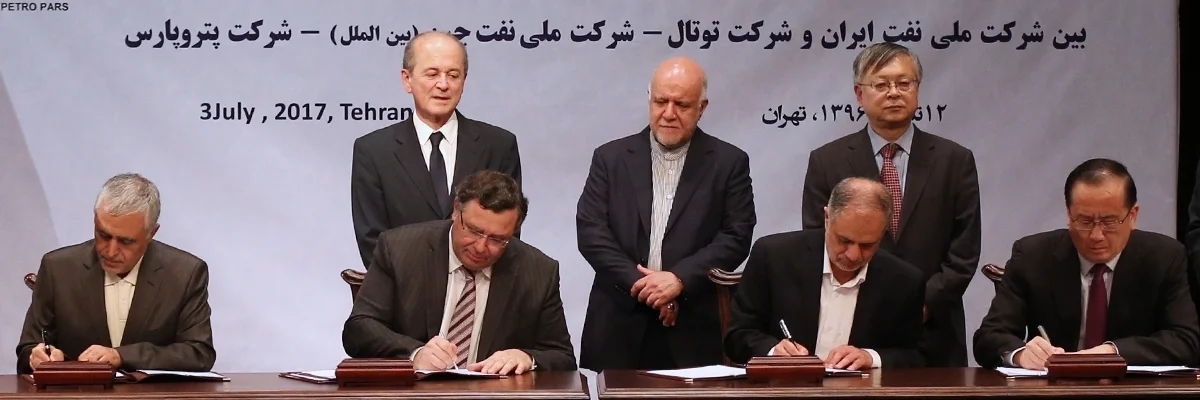
◢ French energy giant Total will push ahead with a $4.8 billion deal to develop an Iranian gas field and will seek a waiver if Washington re-imposes sanctions, the firm's CEO has said. If Washington does walk away from the deal, Pouyanne said, Total will argue that as the project was "awarded prior to that decision during the period of time that we could sign."
French energy giant Total will push ahead with a $4.8 billion deal to develop an Iranian gas field and will seek a waiver if Washington re-imposes sanctions, the firm's CEO has said.
US President Donald Trump has threatened to withdraw from a 2015 deal curtailing Iran's nuclear program in exchange for sanctions relief, unless it is "improved" by May 12.
"If the US decides to put back the sanctions, we have to look at what the consequences are," Total chief Patrick Pouyanne said in an interview with Abu Dhabi daily The National published Monday.
"Then we will see, either Donald Trump decides to maintain the waivers and we will move on with the project, (or) we will ask for a waiver from the US authorities."
Defying pressure from Washington, Total signed a deal with Iran in July to head up an international consortium to develop Iran's vast South Pars offshore gas field, alongside China National Petroleum Corporation (CNPC) and Iran's Petropars.
In January, Trump demanded changes to what he has called a "terrible" nuclear deal or the United States would withdraw. European parties to the agreement are desperate to save it and have been scrambling to find ways to persuade Trump not to rip it up.
If Washington does walk away from the deal, Pouyanne said, Total will argue that as the project was "awarded prior to that decision during the period of time that we could sign."
That could allow the firm to benefit from a clause allowing the gas agreement to stand.
Photo Credit: IRNA
Iran Rejects Any Change to Nuclear Deal
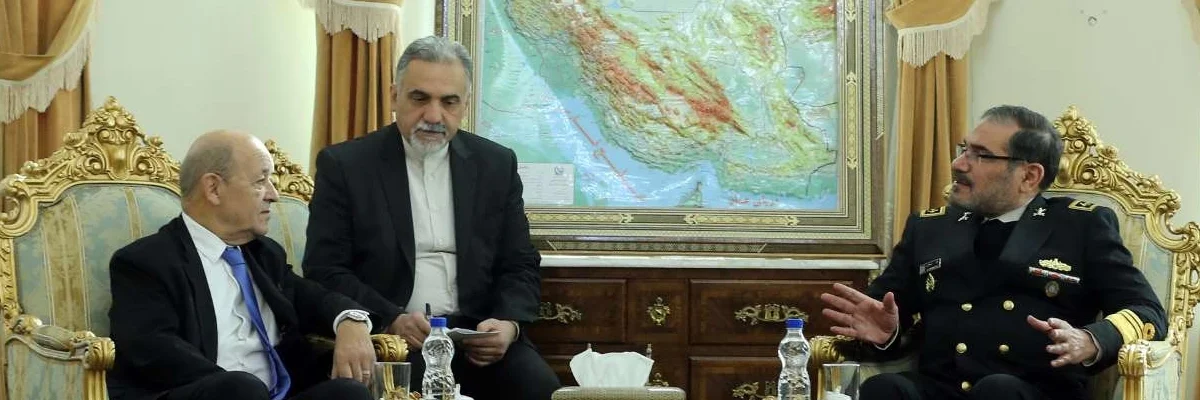
◢ Iran will not accept any changes to the nuclear deal, a senior official insisted Saturday, after the United States said it was seeking a "supplemental" accord with European powers. Shamkhani, secretary of the Supreme National Security Council, also warned European countries "against the temptation of playing at the same game as the Americans."
Iran will not accept any changes to the nuclear deal, a senior official insisted Saturday, after the United States said it was seeking a "supplemental" accord with European powers.
"We will not accept any changes, any interpretation or new measure aimed at limiting" the 2015 deal between Iran and major powers, said Ali Shamkhani in remarks carried by ISNA news agency.
Shamkhani, secretary of the Supreme National Security Council, also warned European countries "against the temptation of playing at the same game as the Americans."
"The ballistic program of the Islamic Republic of Iran, which has a defensive nature, will steadfastly continue," said Shamkhani, who is a close ally of supreme leader Ali Khamenei.
On Friday senior US State Department official Brian Hook said that President Donald Trump wanted to reach a "supplemental" deal with the European signatories to the Iran nuclear deal.
This would cover Iran's ballistic missile programme, its regional activities, the expiration of parts of the nuclear deal in the mid-2020s and tighter UN inspections, Hook said.
"We are taking things one week at a time, we are having very good discussions in London, Paris and Berlin," Hook, recently ousted Secretary of State Rex Tillerson's chief of strategy, said.
"There is a lot we agree on and where we disagree we are working to bridge our differences," he said in Vienna.
The 2015 accord between Iran and the United States, Russia, China, France, Britain and Germany curtailed Iran's nuclear activities in exchange for sanctions relief.
Iran, which according to the UN atomic watchdog has been abiding by the deal since it came into force in January 2016, has repeatedly ruled out any changes to the agreement.
Trump said in January that the nuclear deal must be "fixed" by May 12 or the United States will walk away.
The European parties to the agreement are desperate to save it and have been scrambling to find ways to persuade Trump not to rip it up.
Shamkhani made the remarks as he met Saturday in Tehran with Yusuf bin Alawi, the minister responsible for foreign affairs in Oman, a key Gulf ally of the US with close ties to Iran.
Photo Credit: IRNA
US Seeking 'Supplemental' Iran Deal With European Powers
◢ The US and European powers have had "very good" discussions towards agreeing a "supplemental" accord beyond the Iran nuclear deal by May 12, a senior US official said Friday. This would cover Iran's ballistic missile program, its regional activities, the expiration of parts of the nuclear deal in the mid-2020s and tighter UN inspections.
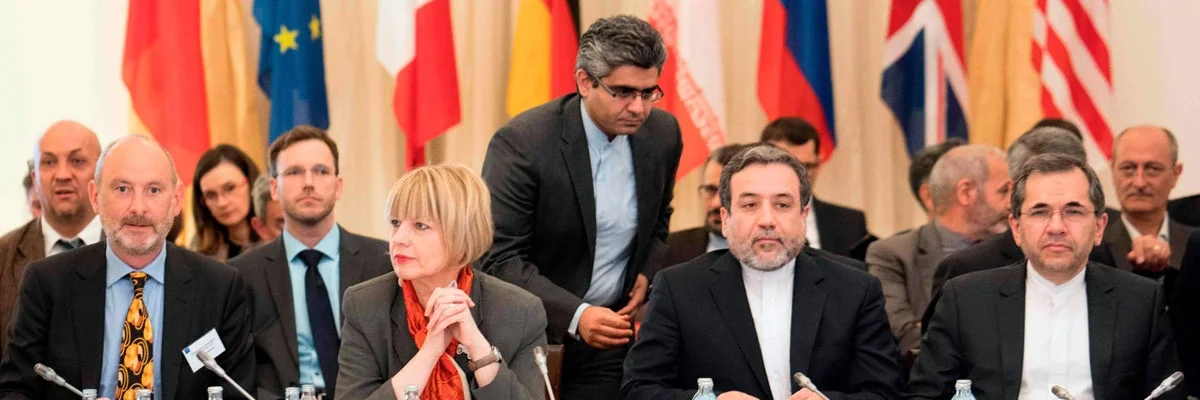
The US and European powers have had "very good" discussions towards agreeing a "supplemental" accord beyond the Iran nuclear deal by May 12, a senior US official said Friday.
President Donald Trump said in January that the 2015 deal between Iran and major powers must be "fixed" by May 12 or the United States will walk away. Senior State Department official Brian Hook said on Friday after talks in Berlin and Vienna that Trump wants to reach a "supplemental" deal with the European signatories to the agreement by then. This would cover Iran's ballistic missile program, its regional activities, the expiration of parts of the nuclear deal in the mid-2020s and tighter UN inspections, Hook said.
"We are taking things one week at a time, we are having very good discussions in London, Paris and Berlin," Hook, recently ousted Secretary of State Rex Tillerson's chief of strategy, told reporters.
"There is a lot we agree on and where we disagree we are working to bridge our differences," Hook said.
He declined to indicate what would happen if and when such an agreement is reached, saying: "We are not under instructions from the president to go beyond seeking an agreement with our European allies."
The 2015 accord between Iran and the US, Russia, China, France, Britain and Germany curtailed Iran's nuclear activities in exchange for sanctions relief.
Iran, which according to the UN atomic watchdog has been abiding by the deal since it came into force in January 2016, has ruled out any changes to the agreement.
The talks in Vienna on Friday, a regular review of the accord, involved Iran and the six other signatories. Trump's decision this week to replace Tillerson with Mike Pompeo as secretary of state has been widely seen as another bad omen for the agreement.
Tillerson and his erstwhile cabinet ally Defence Secretary Jim Mattis had urged Trump to listen to the Europeans to preserve the agreement. Pompeo, head of the Central Intelligence Agency, is seen as taking a harder line on Iran.
Photo Credit: Wikicommons

If Iran Gets Nuclear Bomb, Saudi Arabia Will Follow: Crown Prince
◢ Saudi Crown Prince Mohammed bin Salman has said if Iran develops a nuclear weapon, Riyadh will follow suit—just days before he arrives in Washington for talks with US President Donald Trump.In an interview with CBS television, parts of which were released Thursday, the upstart Saudi royal likened Iran's supreme leader to Adolf Hitler, warning he could sweep through the Middle East like Germany's Nazis did at the start of World War II.
Saudi Crown Prince Mohammed bin Salman has said if Iran develops a nuclear weapon, Riyadh will follow suit—just days before he arrives in Washington for talks with US President Donald Trump.
In an interview with CBS television, parts of which were released Thursday, the upstart Saudi royal likened Iran's supreme leader to Adolf Hitler, warning he could sweep through the Middle East like Germany's Nazis did at the start of World War II.
"Saudi Arabia does not want to acquire any nuclear bomb, but without a doubt, if Iran developed a nuclear bomb, we will follow suit as soon as possible," Prince Mohammed said in the interview, which will air in full on CBS on Sunday.
Iran's supreme leader Ayatollah Ali Khamenei, he said, "wants to create his own project in the Middle East, very much like Hitler who wanted to expand at the time," said the 32-year-old heir to the throne.
"Many countries around the world and in Europe did not realize how dangerous Hitler was until what happened, happened. I don't want to see the same events happening in the Middle East."
His comments come as the Trump administration threatens to end the Iran nuclear deal, which could leave Tehran free to advance its development of atomic weapons.
Stoking Saudi-Iran Rivalry
Prince Mohammed, the son and heir of King Salman bin Abdulaziz Al Saud, is scheduled to arrive in Washington on Monday ahead of talks with Trump on Tuesday.
The brazen prince, dubbed "MBS", has rocked Saudi Arabia since his father became king in 2015 and named him defense minister.
Last year, he was elevated to crown prince, and is seen as the effective ruler under his 82-year-old father.
His moves have shaken up the kingdom—declaring a liberalization of social mores from the stifling ideology of Wahhabi Islam, and moving to modernize a heavily top-down economy.
But in a move to consolidate his power over rival royals, he also locked up many princes and top businessmen for months to force them to hand over fortunes and accept him as the country's future sovereign.
And he has also added fuel to largely Sunni Saudi Arabia's fight with Shiite Iran, miring the US-backed Saudi military in a disastrous confrontation with Tehran's proxies in a war that has destroyed much of Yemen, and launching a mostly failed effort by Gulf Arab states to isolate Qatar.
Trump however has repeatedly signaled his support for Saudi Arabia, visiting Riyadh in May 2017 on his first foreign trip as the US leader.
His son-in-law and senior aide Jared Kushner took the lead in building a relationship with Prince Mohammed, reportedly supporting his political offensive against Qatar—which the US Defense Department opposed.
Fast-Track Nuclear Energy Program
The new push by the kingdom to develop a nuclear energy capability has raised worries that, as in Iran, it could potentially underpin a weapons program.
Earlier this week, the Saudi cabinet officially put the atomic energy program on a fast track, saying it aims to lessen domestic use of oil to preserve the kingdom's huge hydrocarbon resources for export markets.
Saudi Arabia has for decades ranked as the world's leading crude oil exporter.
Prince Mohammed's visit comes less than two months before Trump must decide whether to continue sticking with the 2015 Joint Comprehensive Plan of Action (JCPOA), which removed sanctions on Iran in exchange for its pledge to halt its push toward developing nuclear weapons capability.
Trump has repeatedly condemned the deal, agreed by his predecessor Barack Obama together with Britain, China, France, Germany and Russia—all of which want to keep the agreement in place.
But Trump's sacking of Secretary of State Rex Tillerson, removing a defender of the deal, and naming CIA Director Mike Pompeo, an Iran hawk, to replace him could sound the death knell for the Iran accord when the May 12 deadline for Trump's decision arrives.
"The United States is determined to leave the nuclear deal, and changes at the State Department were made with that goal in mind—or at least it was one of the reasons," Iran's deputy foreign minister Abbas Araghchi said Wednesday.
Photo Credit: Wikicommons
US Navy Sees Better Iranian Behavior in Persian Gulf
◢ The Iranian military's behavior in the Gulf has changed "across the board" in recent months, the US Navy said on Thursday, after years of tensions in the busy waterway. Last year and in 2016, the US Navy complained repeatedly about the behaviour of Iranian Revolutionary Guard vessels, which would often shadow and steer towards US ships.
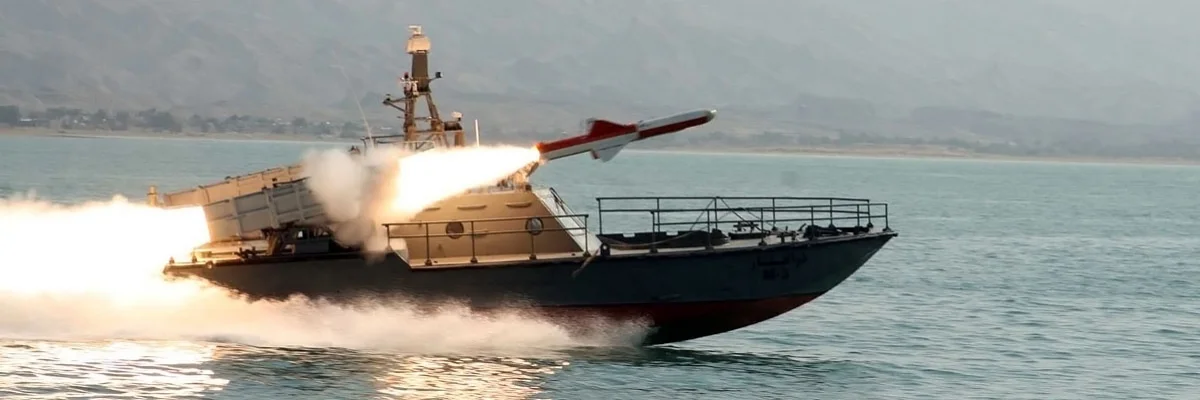
The Iranian military's behavior in the Persian Gulf has changed "across the board" in recent months, the US Navy said on Thursday, after years of tensions in the busy waterway.
Commander Bill Urban, spokesman for the Navy's Bahrain-based Fifth Fleet, said there had been no "unsafe or unprofessional" interactions with the Iranians at sea since August 14, 2017 when an Iranian drone with no lights on flew close to US aircraft operating in the Gulf.
It "is a substantial period time since then, and something that we think is great," Urban told reporters.
Last year and in 2016, the US Navy complained repeatedly about the behaviour of Iranian Revolutionary Guard vessels, which would often shadow and steer towards US ships.
In at least one incident, US sailors had to fire flares and warning shots before the Iranians turned away.
Urban said that since then, the Iranians have stopped approaching so closely.
"We have seen an across-the-board change in behaviour," Urban said. "I don't necessarily have a reason for that but it's pretty clear that it's something they are consciously doing."
The change comes amid increased rhetoric from Washington about Iran's "malign influence" in the region and US President Donald Trump's persistent railing against the 2015 Iran nuclear deal.
The Fifth Fleet and its associated task forces patrol the Gulf continuously and inspect some of the ships passing through.
In 2016, navy personnel seized weapons, including machine guns and rocket launchers, they suspected were headed from Iran to Yemen.
Urban said task forces this year have seized record amounts of heroin, some of which may have been from the Taliban, Afghanistan's biggest militant group. The Iranian Revolutionary Guards is a paramilitary force that answers directly to the Islamic republic's supreme leader Ayatollah Ali Khamenei.
In January 2016, the Iranians briefly captured the crew of two small US patrol boats that strayed into Iranian waters. The 10 US sailors were released 24 hours later.
Photo Credit: Global Military Review