
Iran Accuses US of Using Oil Sanctions to Gain Market Clout
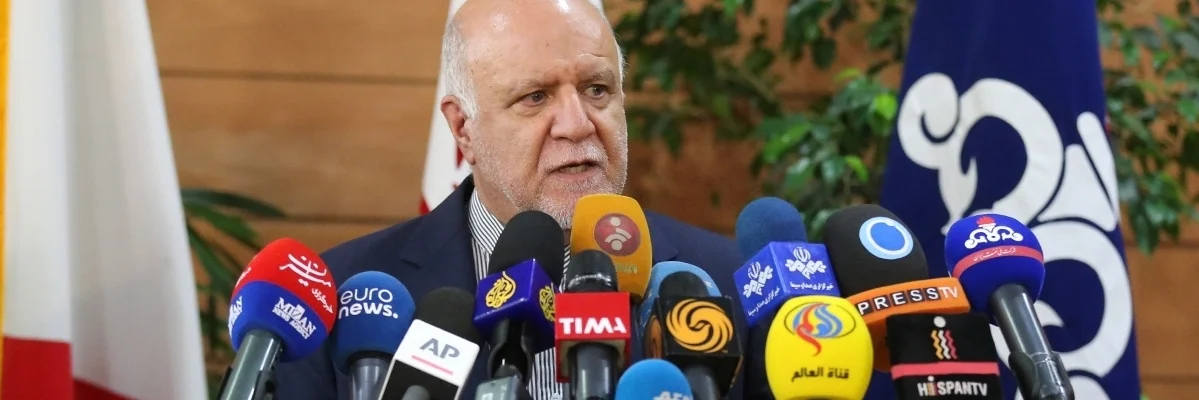
◢ Iran's oil minister has accused the United States of using sanctions to "shock" the global oil supply and gain market clout for its booming shale oil production. "I think one of the reasons for sanctions against Iran and Venezuela is opening up the market for American oil sales," Oil Minister Bijan Namdar Zanganeh said in an interview with state TV.
Iran's oil minister has accused the United States of using sanctions to "shock" the global oil supply and gain market clout for its booming shale oil production.
Washington abandoned a landmark 2015 nuclear deal between Tehran and world powers last year and reimposed sanctions on the Islamic republic's crucial oil sales as well as other parts of the economy.
"I think one of the reasons for sanctions against Iran and Venezuela is opening up the market for American oil sales," Oil Minister Bijan Namdar Zanganeh said in an interview with state TV late Sunday, a transcript of which was provided by his ministry's SHANA news agency.
“This much oil production needs a market and could not be compensated for with regular OPEC cuts, therefore America needed to shock the market to find a place for itself. Some sanctions are (imposed) so that Americans can keep producing and developing shale oil," he added.
New technology that allows for extracting oil and gas from shale rock formations has led to a boom in oil production in the US in recent years.
Zanganeh said that according to US figures, shale oil's breakeven cost can be as low as $40 per barrel.
Benchmark Brent crude was trading at around $64 dollars a barrel in London on Monday.
The US is currently the world's biggest oil producer followed by Russia and Saudi Arabia, and is set to become a net exporter from 2021, according to the International Energy Agency.
The White House said in April that tightening sanctions on Iran will have "no material impact" on oil prices given the large supply of US oil on the global market.
OPEC, pressured by US output, abundant global crude supplies and weak oil demand growth, agreed last week to extend by nine months daily oil output cuts first announced in December aimed at supporting prices and soaking up excess supplies.
Iran, whose production has been severely hit by US sanctions, is exempt from the cuts agreement along with crisis-stricken Venezuela and Libya.
Battling what he called "the most severe organized sanctions in history," Zanganeh last week vowed to keep selling oil via "unconventional means.“
Iran's state TV recently aired a program showing an Iranian-flagged tanker under US sanctions that delivered one million barrels of crude oil to China, one of the remaining partners to the nuclear deal and which has rejected Washington's efforts to cut Tehran's oil exports to zero.
Photo: IRNA
Iran Says OPEC Has 'Not Much Credit' Left
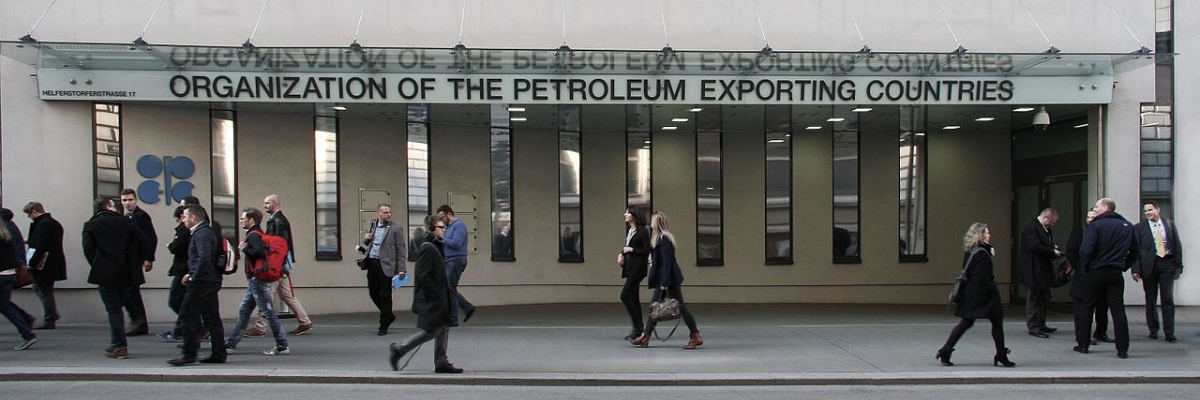
◢ Oil cartel OPEC has "not much credit" left as some members are turning it into "a tool for the US", a senior Iranian official said in comments published Saturday. "Saudi Arabia and the UAE are turning OPEC into a tool for the US and consequently the organization has not much credit left," Iran's OPEC governor Hossein Kazempour Ardebili told the Shana newswire, affiliated to Iran's Oil Ministry.
Oil cartel OPEC has "not much credit" left as some members are turning it into "a tool for the US", a senior Iranian official said in comments published Saturday.
"Saudi Arabia and the UAE are turning OPEC into a tool for the US and consequently the organization has not much credit left," Iran's OPEC governor Hossein Kazempour Ardebili told the Shana newswire, affiliated to Iran's Oil Ministry.
"It is a fact that OPEC is losing its organizational character and becoming a forum," he added.
In a move heavily opposed by Iran, OPEC and other oil producers including Russia agreed in June to boost crude output by around a million barrels a day, reversing course after supply cuts that had cleared a global glut and boosted prices.
Iran, a founding member of the cartel, had been against the move which came as the country faces renewed US sanctions after Washington's decision to leave the 2015 nuclear deal between Tehran and world powers.
The US decision had stoked supply concerns on world markets.
Ardebili also accused Saudi Arabia and Russia of taking the market "hostage" through increased production and said that OPEC's responsibility is to restore market balance, not to boycott its founding members.
US President Donald Trump has repeatedly urged the cartel to raise its production and said that other countries must stop buying oil from Iran or face US sanctions.
Meanwhile, output from Iran has hit its lowest level since July 2016 as top buyers India and China distance themselves from Tehran due to looming US sanctions on November 5, according to the International Energy Agency.
Photo Credit: Wikicommons