
Cornered by Iran Sanctions, Turkey Is Said to Eye Iraqi Oil
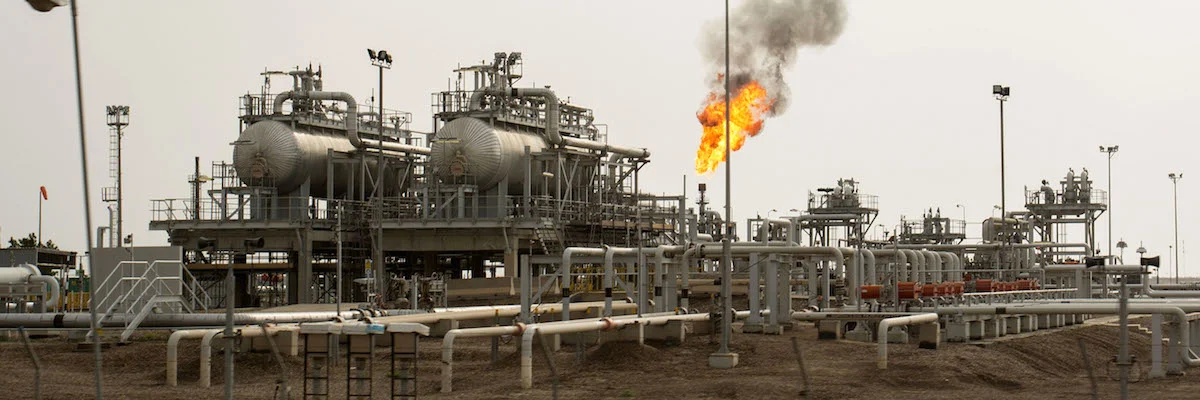
◢ Turkey is seeking ways to buy more oil from Iraq, already a major supplier of crude to the Middle East’s biggest economy, as the U.S. looks to squeeze exports from Iran, according to two people familiar with the matter. Turkey could consider oil imports from Iraq’s southern port of Basra and may also try to secure more shipments via an existing twin pipeline that runs to the Turkish Mediterranean terminal of Ceyhan.
Turkey is seeking ways to buy more oil from Iraq, already a major supplier of crude to the Middle East’s biggest economy, as the U.S. looks to squeeze exports from Iran, according to two people familiar with the matter.
Turkey could consider oil imports from Iraq’s southern port of Basra and may also try to secure more shipments via an existing twin pipeline that runs to the Turkish Mediterranean terminal of Ceyhan, despite its state of disrepair, the people said, speaking on condition of anonymity because they aren’t authorized to speak to the media.
The Trump administration is ending waivers that allowed a handful of countries including Turkey to continue importing oil from sanctioned Iran a year after the U.S. withdrew from the 2015 nuclear deal. Turkey has long opposed the U.S. curbs on Iran, with President Recep Tayyip Erdogan saying last year that “such sanctions are aimed at tipping the balance in the world” and violate international law and diplomacy.
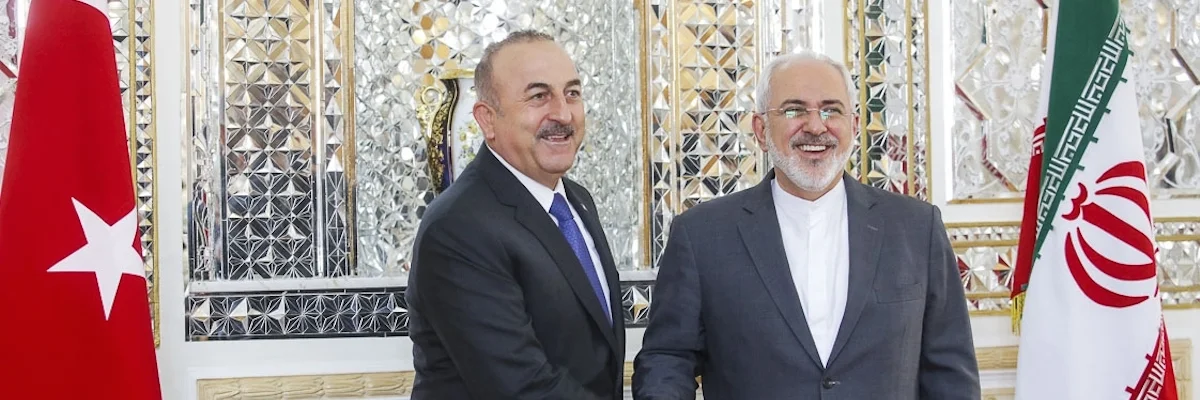
Turkish Foreign Minister Mevlut Cavusoglu met Iraqi officials in Baghdad and Basra on Sunday as well as officials representing the Kurdistan Regional Government in Erbil on Monday, according to the state-run Anadolu Agency. Cavusoglu said last week that although the Iranian oil isn’t cheap, the difference is substantial with the price of crude from Saudi Arabia and the United Arab Emirates.
A spokesman for Turkish refiner Tupras Turkiye Petrol Rafinerileri AS wasn’t immediately available to comment. Last week, the company declined to say how it would offset any potential cut in Iranian supplies.
‘Trade Corridor’
After a meeting Sunday with Basra’s governor, Asaad Abdulameer Al Eidani, Cavusoglu said on Twitter that Turkey “will establish a trade corridor” to Iraq’s biggest oil hub.
Secretary of State Mike Pompeo has said he’s confident the market will remain stable as Saudi Arabia and the U.A.E. will ensure an “appropriate supply” of oil along with the U.S. But Turkey is resisting the idea of buying oil from America’s two anti-Iran allies, whose relations with Ankara are fraught after the murder of Saudi critic Jamal Khashoggi in the kingdom’s consulate in Istanbul last October.
Turkey said last week that it’s also working on a mechanism with Tehran to avert U.S. sanctions designed to halt trade with Iran. Although Turkey has long defended the trade with its eastern neighbor as a strategic necessity, taking on the U.S. can be risky as the government in Ankara struggles to secure the release of a senior banking executive convicted in New York of helping Iran evade American financial curbs.
The blowback from American sanctions against Iran could also hit Turkey’s economy, which entered its first recession in a decade last year as oil prices surged. The prospect of higher prices or the risk of a confrontation with the U.S. don’t bode well for Turkey’s currency, already battered by weeks of upheaval.
Photo: Bloomberg
Turkey Reluctant to Replace Iran Oil With Saudi, U.A.E Supplies
◢ Turkey is loath to buy more oil from Saudi Arabia and the United Arab Emirates as the U.S. looks to squeeze exports from Iran, currently the third-largest supplier of crude to the Middle East’s biggest economy. “Iranian oil isn’t cheap but there is a big difference” with the price of Saudi and U.A.E crude, Turkish Foreign Minister Mevlut Cavusoglu said at a reception in Ankara.
Turkey is loath to buy more oil from Saudi Arabia and the United Arab Emirates as the U.S. looks to squeeze exports from Iran, currently the third-largest supplier of crude to the Middle East’s biggest economy.
“Iranian oil isn’t cheap but there is a big difference” with the price of Saudi and U.A.E crude, Turkish Foreign Minister Mevlut Cavusoglu said at a reception in Ankara, according to state-run TRT television. “The U.S. is taking a decision and wants all countries to comply with it. Why should we pay the price?”
The Trump administration is ending waivers that allowed a handful of countries including Turkey to continue importing oil from sanctioned Iran a year after the U.S. withdrew from the 2015 nuclear deal. Secretary of State Mike Pompeo has said he’s confident the market will remain stable as Saudi Arabia and the U.A.E. will ensure an “appropriate supply” of oil along with the U.S.
Turkey is resisting the idea of buying oil from America’s two anti-Iranian allies, whose relations with Ankara are fraught with tension after the murder of Saudi critic Jamal Khashoggi in the kingdom’s consulate in Istanbul last October. Turkey has also long opposed the U.S. curbs on Iran, with President Recep Tayyip Erdogan saying last year that “such sanctions are aimed at tipping the balance in the world” and violate international law and diplomacy.
The blowback from American sanctions against Iran could also hit Turkey’s economy, which entered its first recession in a decade last year as oil prices surged. The prospect of higher prices or the risk of a confrontation with the U.S. don’t bode well for Turkey’s currency, already battered by weeks of upheaval.
“Turkey could very soon find itself in a difficult position at the time when inflation remains stubbornly high close to 20 percent,” said Piotr Matys, a London-based analyst at Rabobank. “Iranian oil could be the source of another diplomatic spat between Ankara and Washington, when the relationship is already tense due to Turkey’s insistence on buying a Russian missile-defense system.”
China, India and Turkey aren’t necessarily committed to bringing imports of Iranian crude down to zero and the U.S. will have to negotiate "over the terms of their withdrawal from Iran or be prepared to deal with their noncompliance,” according to a report by Richard Nephew published by Columbia University’s Center on Global Energy Policy.
In January, Iran accounted for just over 12 percent of Turkey’s oil imports, according to the latest available official data. Iraq was the top supplier with almost 24 percent, followed by Russia with 15 percent. Saudi Arabia ranked 8th with 4.3 percent. Turkey only imported diesel fuel from the U.A.E. in January.
Meanwhile, Iraqi oil pipelines running to Turkey have been badly damaged, limiting the volume of exports, Cavusoglu said. While that’s limiting Turkey’s options, it remains wary of turning to supplies from the Gulf.
“Our refineries aren’t compatible with oil purchased from there,” Cavusoglu said referring to Saudi Arabia and the U.A.E. “Their technology must be upgraded. And for that, they should be shut down for awhile. On the other hand, it is costly.”
Photo: IRNA
Turkey Warns US its Iran Sanctions Are 'Dangerous'
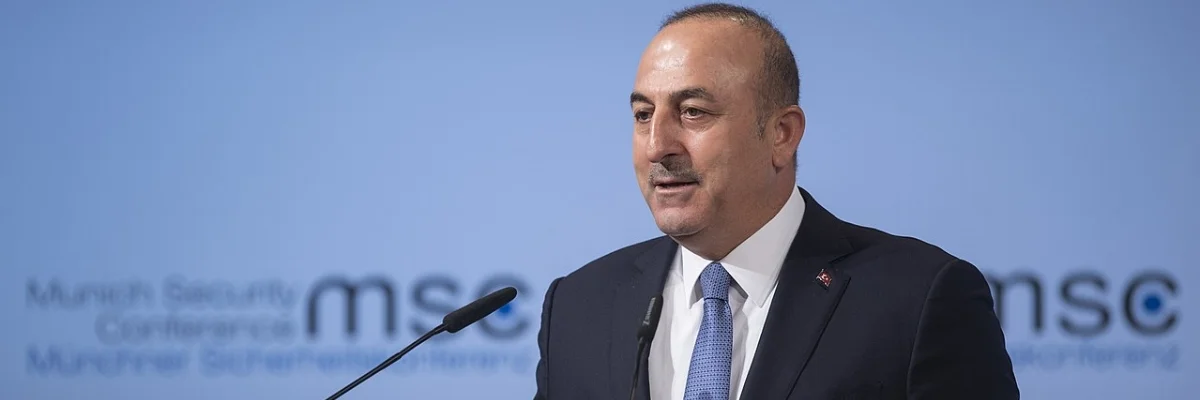
◢ Turkey has warned Washington against its new sanctions on Iran, saying isolating the Islamic Republic is "dangerous.” Turkish Foreign Minister Mevlut Cavusoglu said Tuesday. Washington this week imposed a second set of sanctions on Iran that aim to isolate the country's banking sector and slash its oil exports. Eight countries including Turkey have received a US waiver to continue importing Iranian oil.
Turkey has warned Washington against its new sanctions on Iran, saying isolating the Islamic Republic is "dangerous.” Turkish Foreign Minister Mevlut Cavusoglu said Tuesday.
Washington this week imposed a second set of sanctions on Iran that aim to isolate the country's banking sector and slash its oil exports.
Eight countries including Turkey have received a US waiver to continue importing Iranian oil.
"While we were asking (for) an exemption from the United States, we have also been very frank with them that cornering Iran is not wise. Isolating Iran is dangerous and punishing the Iranian people is not fair," he said at a press conference during a trip to Japan.
“Turkey is against sanctions, we don't believe any results can be achieved through the sanctions," he added.
"I think instead of sanctions, meaningful dialogue and engagement is much more useful."
Washington has imposed two sets of sanctions this year after pulling out of a nuclear pact agreed between world powers and Iran that President Donald Trump slammed as "defective".
The latest round went into effect on Monday.
Washington has granted eight countries, including Turkey and Japan, waivers to allow them to continue importing Iranian oil without facing diplomatic consequences.
The new sanctions have sparked furious reactions from Iran, whose President Hassan Rouhani said the country would "proudly bypass your illegal, unjust sanctions.”
On Monday, Washington vowed to be "relentless" in countering Iran, with Secretary of State Mike Pompeo saying the US wanted Iran to make a "180-degree turn" and abandon its "current revolutionary course.”
UN inspectors say Iran is abiding by an agreement reached with Trump's predecessor Barack Obama to draw down its nuclear program. That deal was backed by European powers, Russia and China and sealed by a UN Security Council resolution.
Those other parties to the nuclear deal have vehemently opposed the US move and vowed to keep alive the accord, technically known as the Joint Comprehensive Plan of Action.
Photo Credit: Wikicommons