
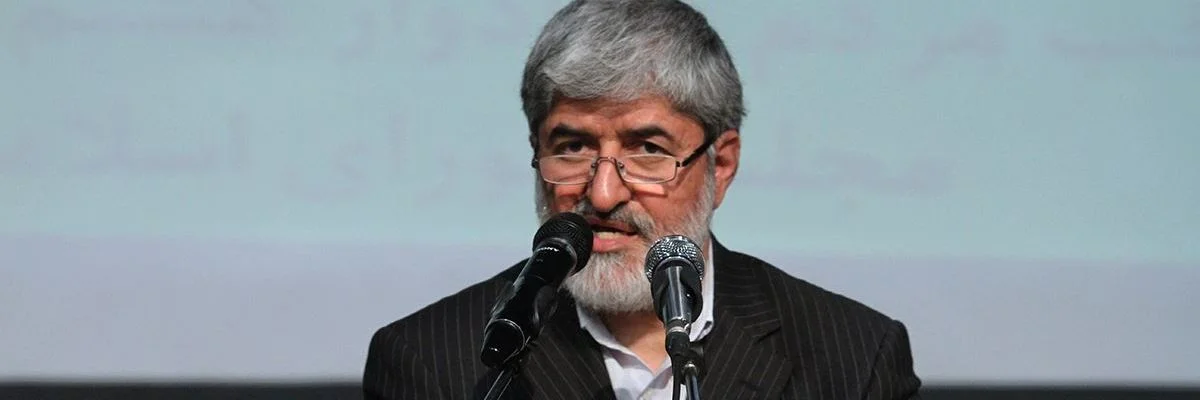
Tehran Lawmaker Says Move on Nuclear Curbs Shows Iran 'Not Weak'
◢ Iran's move to stop respecting some of the agreed limits on its nuclear activities showed it is "not in a position of weakness", a deputy speaker of the Islamic republic's parliament said Sunday. “The timely decision of the Islamic republic regarding its commitments in the (nuclear deal) showed that Iran is not in a position of weakness," said Ali Mottahari, according to the official IRNA news agency.
Iran's move to stop respecting some of the agreed limits on its nuclear activities showed it is "not in a position of weakness", a deputy speaker of the Islamic republic's parliament said Sunday.
“The timely decision of the Islamic republic regarding its commitments in the (nuclear deal) showed that Iran is not in a position of weakness," said Ali Mottahari, according to the official IRNA news agency.
Tehran announced Wednesday that it would stop respecting some of the curbs on its nuclear activities imposed under the landmark 2015 deal with world powers.
The announcement came exactly a year after the US withdrew from the deal, known as the Joint Comprehensive Plan of Action (JCPOA), with further measures threatened if the agreement's other signatories fail to mitigate the impact of renewed American sanctions within 60 days.
The sweeping sanctions have dealt a severe blow to the Iranian economy.
Mottahari's comments came a day after President Hassan Rouhani called for unity among Iranian political factions during a time of heightened tensions with the United States.
Rouhani said Iran was facing "an all-out war unprecedented in the history
of the Islamic republic.”
Iran's situation could be worse than during the 1980-1988 Iran-Iraq war, he said according to the government's official website.
"In the war we didn't have any banking, sales of oil and import-export problems and the only sanctions against us were arms embargoes," he said, during what was billed as an informal meeting with members of different political groups and parties.
The administration of US President Donald Trump has ratcheted up pressure on Iran in recent days over alleged threats from Tehran.
Washington said on Saturday it was deploying an amphibious assault ship and a Patriot missile battery to bolster an aircraft carrier and B-52 bombers already sent to the Gulf.
Photo: IRNA
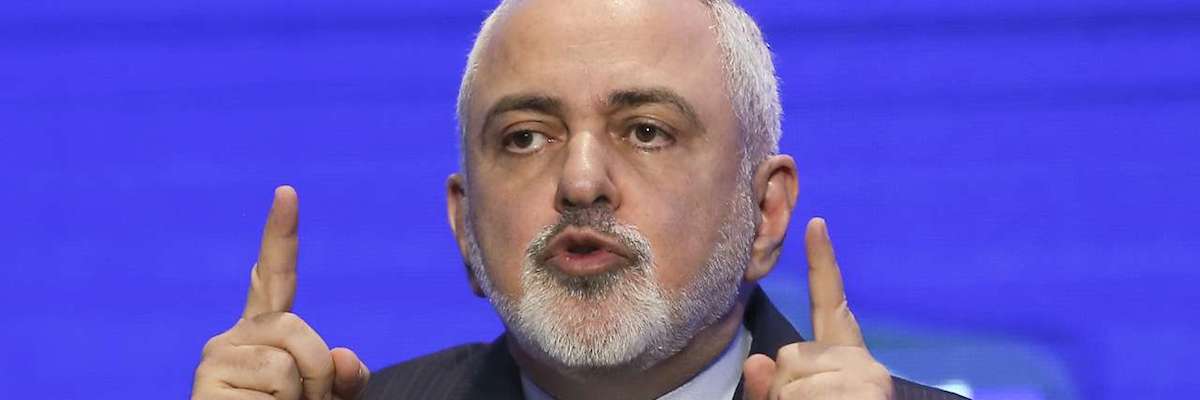
US Sanctions Won't Change Iran Policies Says FM
◢ Iranian Foreign Minister Mohammad Javad Zarif on Saturday said US sanctions will have no impact on the policies of the Islamic republic at home or abroad. "It is obvious that we are facing pressure by the US sanctions. But will that lead to a change in policy? I can assure you it won't," Zarif told the Doha Forum policy conference in Qatar.
Iranian Foreign Minister Mohammad Javad Zarif on Saturday said US sanctions will have no impact on the policies of the Islamic republic at home or abroad.
"It is obvious that we are facing pressure by the US sanctions. But will that lead to a change in policy? I can assure you it won't," Zarif told the Doha Forum policy conference in Qatar.
"If there is an art we have perfected in Iran and can teach to others for a price, it is the art of evading sanctions," he added.
The US imposed two sets of sanctions on Iran this year, after earlier unilaterally pulling out of the Iran nuclear deal with global powers.
Discussing the Yemen conflict, Zarif denied Tehran had ever armed the Huthi rebels battling pro-government forces in the country.
"We have never provided weapons to Huthis," he said when challenged on what arms it had supplied.
"They have enough weapons, they don't need weapons from Iran," Zarif said.
He said there were only "allegations" that Iran had sent weapons to Yemen, whereas there were "facts" that other countries had shipped arms.
"I don't need to show any evidence about the jets that were flying in Yemen bombing the Yemenis.
"Those are American-made jets and those are Saudi fighters, I assume, which are piloting those jets," Zarif said.
"If there are allegations about Iranian weapons, there are facts about US weapons, facts about Saudis bombing the hell out of the Yemenis," he added.
Iran's regional rival Saudi Arabia intervened in the Yemen conflict in 2015 as part of a coalition backing the government.
Zarif said the United States and its ally Saudi Arabia were responsible for the "humanitarian nightmare" in war-torn Yemen.
He also accused Riyadh of seeking "tension" with Iran.
Zarif also alluded to the murder of Saudi journalist Jamal Kashoggi, saying Saudi Arabia believes "it can get away with murder".
Khashoggi, a palace insider turned critic of the regime, was killed shortly after entering the Saudi consulate in Istanbul on October 2.
Photo Credit: IRNA