
Iran Says Cooperation Plan Sent to Persian Gulf Neighbors
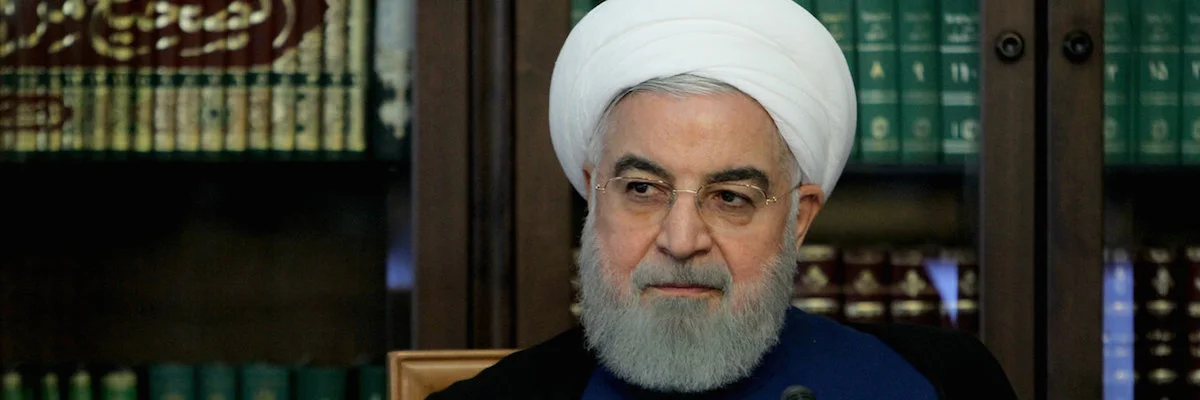
◢ Iran said Saturday it has sent Iraq and Arab states of the Persian Gulf the text of its security and cooperation project first unveiled by President Hassan Rouhani at the UN in September. Rouhani "sent the full text (of the initiative) to the heads" of the Gulf Cooperation Council and Iraq and "asked for their cooperation in processing and implementing it,” the foreign ministry said.
Iran said Saturday it has sent Iraq and Arab states of the Persian Gulf the text of its security and cooperation project first unveiled by President Hassan Rouhani at the UN in September.
Rouhani "sent the full text (of the initiative) to the heads" of the Gulf Cooperation Council and Iraq and "asked for their cooperation in processing and implementing it,” the foreign ministry said.
The GCC is a six-nation bloc that groups Saudi Arabia, the United Arab Emirates, Bahrain, Kuwait, Qatar and Oman.
Ties have been tense between Iran and GCC members Saudi Arabia and the UAEnited Arab Emirates, both allies of the United States and leading members of a military coalition battling Iran-backed Huthi rebels in Yemen.
In September, Rouhani proposed in a speech at the UN General Assembly a "Coalition for Hope" that would unite all regional countries in a pledge of non-aggression and non-interference in each others' affairs.
It came after a string of mysterious attacks on oil tankers in the Persian Gulf and Saudi oil installations, which the United States blamed on Tehran. Iran denied any involvement in the attacks.
"The security of the region shall be provided when American troops pull out," Rouhani said at the General Assembly.
"In the event of an incident, you and we shall not remain alone. We are neighbors with each other and not with the United States," he added.
Tensions between Tehran and Washington have escalated sharply since US President Donald Trump unilaterally withdrew last year from the 2015 Iran nuclear deal.
He has since reimposed unilateral sanctions as part of its "maximum pressure" campaign.
The arch-foes came to the brink of a military confrontation in June when Iran downed a US drone and Trump ordered retaliatory strikes before canceling them at the last minute.
Photo: IRNA
Iran FM Pitches Persian Gulf Security Plan to Neighbors
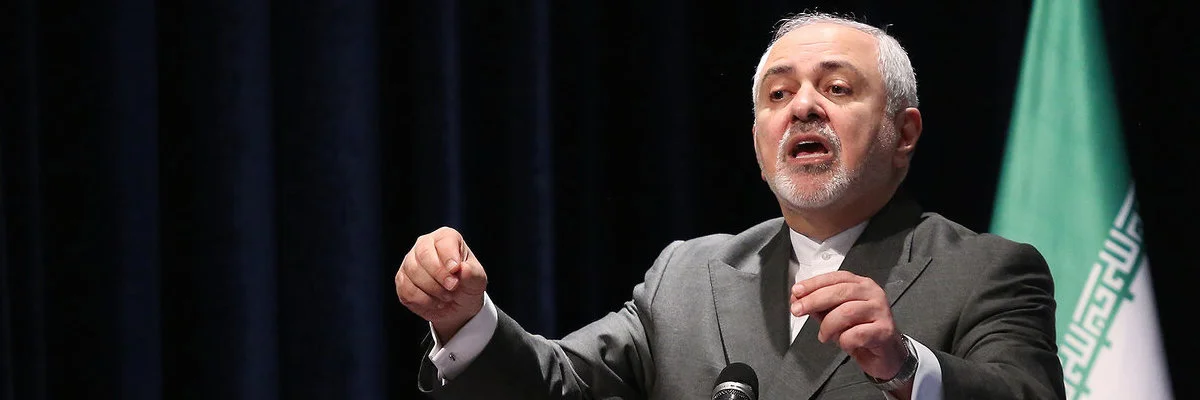
◢ Iran's Foreign Minister Mohammad Javad Zarif pitched the Islamic Republic's Persian Gulf security plan to neighboring nations on Thursday. Zarif said that the plan, named Hormuz Peace Endeavor, offered the chance of "expansive security" and cooperation between Iran, Saudi Arabia, Iraq, Oman, the United Arab Emirates, Kuwait, Qatar and Bahrain.
Iran's Foreign Minister Mohammad Javad Zarif pitched the Islamic Republic's Persian Gulf security plan to neighboring nations on Thursday, saying regional security cannot be provided by foreign powers.
Iranian President Hassan Rouhani announced the plan at the UN General Assembly last month, calling on Gulf nations including arch-rival Saudi Arabia to join it but without giving details.
In an article published on Thursday in Arabic by Kuwait's Al Rai daily, Zarif said that the plan, named Hormuz Peace Endeavor, offered the chance of "expansive security" and cooperation between Iran, Saudi Arabia, Iraq, Oman, the United Arab Emirates, Kuwait, Qatar and Bahrain.
Cooperation could include areas such as a regional non-aggression pact, combatting terrorism, cybersecurity, energy and freedom of navigation, Zarif said.
"In order to save the region from the edge of ruin, we feel the necessity of realising a new discourse more than ever," he wrote in the article, a translation of which was provided by his ministry.
"The fate of the people and nations of the Persian Gulf is entwined ... either everyone benefits from security in the region or everyone will be deprived of it," Zarif said.
Tensions have risen in the Gulf since last year when US President Donald Trump unilaterally abandoned a 2015 nuclear deal between major powers and Iran and began reimposing crippling sanctions.
They flared again this May when Iran began reducing its own commitments under the deal and the US deployed military assets to the region. Since then, ships have been attacked, drones downed and oil tankers seized.
In June, Trump called off air strikes against Iran at the last minute after the Islamic republic's forces shot down a US drone.
Last month, twin attacks on Saudi oil infrastructure, which knocked out half the kingdom's production, drew accusations of blame against Iran not only from the US but also from its European allies.
Tehran has denied any involvement in the attacks, which were claimed by Iran-backed rebels fighting a Saudi-led coalition in Yemen.
The US has since formed a coalition with its allies Australia, Bahrain, Britain, Saudi Arabia and the UAE to escort commercial shipping in the Gulf.
Tehran has warned that the planned US-led International Maritime Security Construct will only increase instability.
Photo: IRNA